Guides
Caffeine and Heart Health: The AHA View
Moderate plain coffee fits a healthy heart, per the AHA's 2026 statement. The warning is aimed at high dose energy drinks, unfiltered coffee and what you add.
Guides7 min readUpdated October 15, 2026

Guides
Moderate plain coffee fits a healthy heart, per the AHA's 2026 statement. The warning is aimed at high dose energy drinks, unfiltered coffee and what you add.
In July 2026 the American Heart Association published a scientific statement in Circulation devoted entirely to caffeine and heart health. Nine specialists, chaired by the cardiologist Gregory M. Marcus of the University of California, San Francisco, reviewed the evidence on coffee, blood pressure, cholesterol, heart rhythm problems, heart attack, stroke and heart failure. The headline conclusion is calmer than most coffee coverage: for most adults, plain unsweetened coffee in moderate amounts fits a healthy heart, while high dose caffeine from energy drinks is a different problem altogether.
It is worth knowing what kind of document this is before treating it as news.
This is not a new study with its own participants. A scientific statement is a review of existing research, randomized trials and observational studies, written by specialists on behalf of the association's councils and published in a peer reviewed journal. The author list includes several of the most cited names in coffee and health research, among them Frank B. Hu, Rob M. van Dam, Marilyn C. Cornelis and Susanna C. Larsson.
Its value is in tidying up a field that is large and often contradictory. It also draws a difference that public discussion usually blurs: coffee as a drink, with hundreds of compounds in it, and caffeine as an isolated molecule that also arrives in soft drinks, energy drinks, gels and supplements. Findings about one do not automatically transfer to the other.
The main points are specific enough to be useful, and they are not the same across heart conditions.
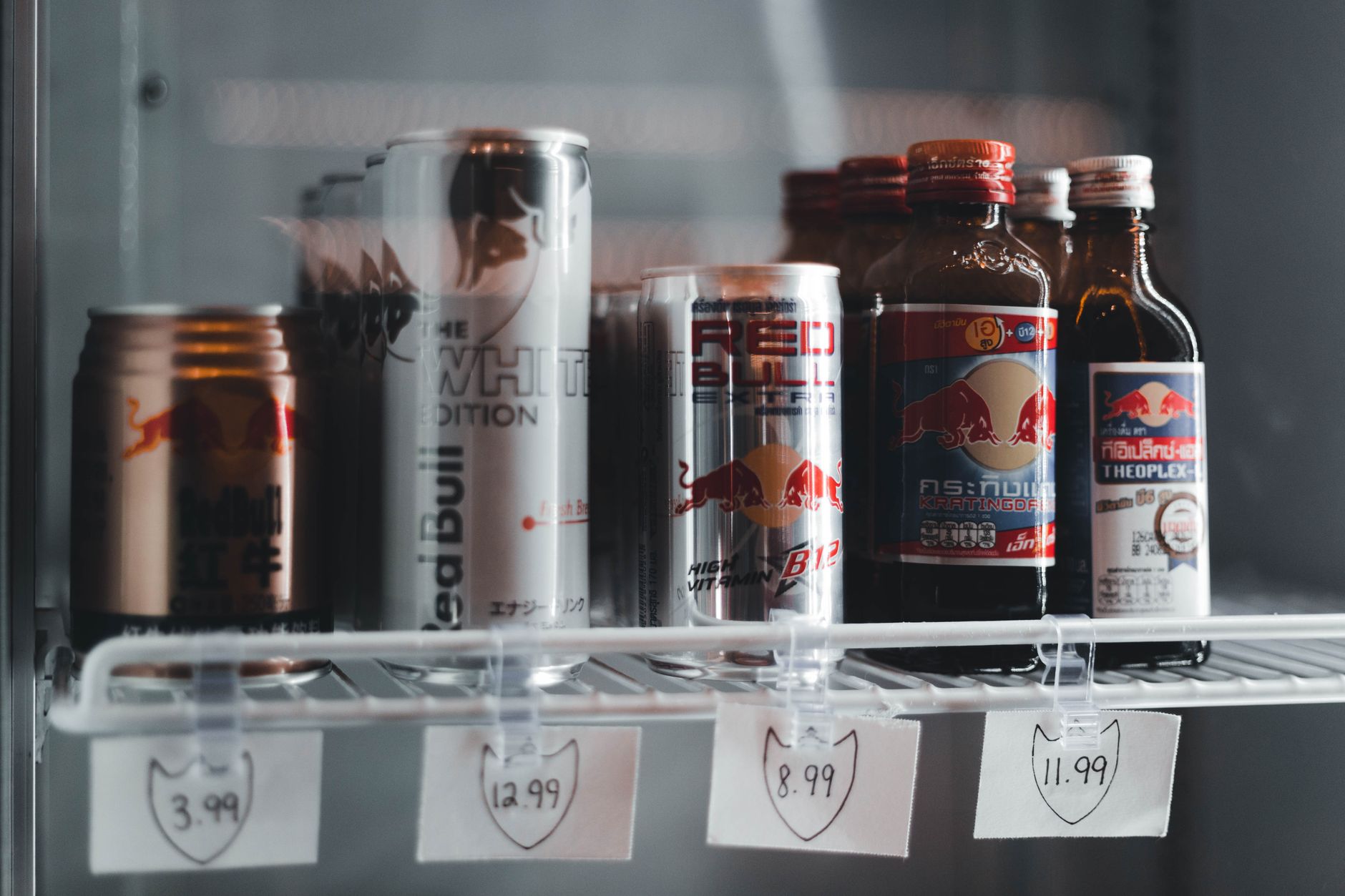
The warning in the statement is aimed at concentration, and energy shots concentrate hardest.
| Area | What the evidence shows |
|---|---|
| Safe intake | Up to 400 mg of caffeine a day for most adults, which the AHA translates as roughly 3 to 5 cups of plain coffee |
| Coronary disease, stroke, heart failure | 2 to 4 cups a day linked to lower risk; above 4 cups, heart failure risk may rise |
| Atrial fibrillation | 1 to 3 cups a day not linked to more AF, and randomized trials link coffee caffeine with less of it |
| Ventricular extrasystoles | Linked to more of these extra beats, which some people notice as a skipped or added heartbeat |
| Type 2 diabetes | Regular plain coffee linked to lower risk, though caffeine can briefly reduce insulin sensitivity |
| What you add | Sugar, syrups, milk and cream probably reduce any potential benefit |
Two details in that table are worth dwelling on. The first is that the irregular heartbeat finding runs against intuition: coffee is often blamed for palpitations, yet 1 to 3 cups a day was not linked to more atrial fibrillation, and the trial evidence points the other way. The second is that the type 2 diabetes link holds even though caffeine itself can briefly reduce insulin sensitivity, which suggests the benefit, if there is one, comes from compounds other than caffeine.
The strangest result in the statement concerns blood pressure, and it is genuinely counterintuitive. Among people whose blood pressure was already optimal, drinking 1 to 3 cups a day was linked to a higher risk of developing high blood pressure. Drinking more than 3 cups a day was linked to a lower risk.
That shape does not resolve into a simple rule, and the statement does not pretend otherwise: this is observational data, and the relationship is unlikely to be a straight line. What it does mean is that a single sentence about coffee and blood pressure is almost always misleading, which is why we cover that subject separately in our guide to coffee and blood pressure.
The sharpest part of the document is aimed at energy drinks and energy shots rather than coffee. The statement compares caffeine concentration by volume: ordinary filter coffee contains between 9.4 and 20.6 mg of caffeine per 30 ml, while energy shots reach 40 to 69 mg in the same volume, roughly three to four times as concentrated.
Very high doses of these products were linked to significant rises in blood pressure, particularly in people with high blood pressure, and to heart rhythm problems even in people considered low risk, including healthy adults under 30. They also tend to contain other ingredients that can speed up caffeine absorption, which makes the dose harder to predict than a cup of coffee.
Marcus's summary in the press release is blunt: high doses of caffeine can harm the heart and should be avoided.
For anyone brewing at home, the most useful part of the statement concerns the method rather than the amount. Randomized trials show that cafestol raises LDL cholesterol. The compound is present in both caffeinated and decaffeinated coffee, and it appears in unfiltered preparations, such as espresso, French press, Turkish or boiled coffee, but not in paper filtered coffee or instant.
Coffee sits comfortably with a healthy heart. The dose is what decides.
The practical point is narrow but real: if your cholesterol is high and you drink several cups of French press or Turkish coffee a day, that combination is worth raising with your doctor, and switching part of your brewing to a paper filter is a lever you control. The diterpene chemistry behind it is covered in our guide to cafestol, and the short version is that paper does the work metal and cloth do not.
The statement also stresses that caffeine metabolism varies from person to person, by genes, age and previous consumption. Two people can drink the same cup and have measurably different experiences of it, which is why population averages describe a crowd rather than a person.
That is not a reason to distrust the evidence. It is a reason to treat blanket advice with care, including the reassuring kind. "Three to five cups is fine" is a statement about most healthy adults, not a guarantee about you.
The authors mark the boundaries themselves, and they matter as much as the findings.
Marcus put the position simply: there is no one size fits all strategy for healthy caffeine consumption. That is a less satisfying conclusion than a number, and a more defensible one.
The statement supports up to 400 mg a day for most adults, which it describes as roughly three to five cups of plain coffee. That figure is for coffee, and it assumes nothing unusual is added to the cup.
Not in the way it is usually assumed. Drinking one to three cups a day was not linked to more atrial fibrillation, and randomized trial evidence links coffee caffeine with less of it. Ventricular extrasystoles are the exception, and those were linked to more coffee.
Coffee itself does not, but cafestol does, and cafestol survives in unfiltered brewing. Espresso, French press and Turkish coffee carry it; paper filtered coffee and instant do not, because the filter holds back most of it.
Per unit of volume, substantially. Energy shots contain three to four times the caffeine concentration of filter coffee, and high doses were linked to significant blood pressure rises and rhythm changes, including in healthy adults under 30.
If you are a healthy adult drinking two to four cups of plain coffee a day, the statement gives you little reason to worry. If you have high blood pressure, a heart rhythm problem, high cholesterol or are pregnant, or if you take medication, your individual situation matters more than any population average, so raise it with a clinician.
This article is general education and does not replace medical advice. If you have high blood pressure, a heart rhythm problem, high cholesterol, are pregnant, or take regular medication, discuss your caffeine intake with a clinician rather than adjusting it based on a single statement.