Guides
Does Coffee Raise Blood Pressure?
Coffee can nudge blood pressure upward for a few hours, mostly in people who rarely drink it. What the evidence says about tolerance and decaf.
Guides8 min readUpdated April 24, 2026
Guides
Coffee can nudge blood pressure upward for a few hours, mostly in people who rarely drink it. What the evidence says about tolerance and decaf.
Whether coffee raises blood pressure is not a simple yes or no. Some people see a short rise after caffeine, especially if they rarely drink coffee or are sensitive to it. That reaction is real, but it is not the same as coffee causing long term high blood pressure.
Dose, timing, tolerance, genes and the rest of your routine all matter. Regular coffee drinkers respond differently from occasional ones, decaf behaves differently from regular coffee, and the long term evidence for moderate intake is calmer than the headlines suggest. What matters is who reacts, how much, and when.
For a while after a cup, blood pressure can rise. In most people the change is small, in some it is clearer, and in others it is barely noticeable. That range is why broad statements about coffee and blood pressure are unreliable. How you respond depends more on you and your usual caffeine intake than on coffee itself.
It also helps to keep two questions apart: the short term effect and the long term risk. A temporary rise is not the same as lasting damage, and studies of habitual coffee drinking generally do not find that moderate intake raises rates of high blood pressure across a population. That does not make coffee harmless for everyone. It means the two questions are different.
| Question | What is usually true | Why answers differ |
|---|---|---|
| Does coffee raise blood pressure? | Often for a short time, especially after caffeine | Sensitivity, dose and usual intake vary widely |
| Is the effect permanent? | Usually not; the rise is short lived | Long term risk depends on overall health and habits |
| Does everyone react the same way? | No; some notice a clear change, others almost none | Genes, tolerance, medicines and health conditions matter |
| Is decaf different? | Usually yes, because the caffeine is much lower | Even decaf contains small amounts of caffeine |
Caffeine reaches the brain quickly. It works mainly by blocking adenosine, a chemical that helps you relax and affects the tone of your blood vessels. Block that signal and you feel more alert, and pressure can rise for a while as the vessels tighten.
Caffeine also triggers the release of stress hormones such as adrenaline. That can mean a faster heart rate and a short rise in blood pressure. The mechanism is well understood. What varies is how large the response is.
When coffee does change blood pressure, the change is usually small and short. In some studies and some sensitive people, systolic or diastolic pressure rises by about 5 to 10 mmHg after drinking coffee. It does not happen to everyone, and it is not the only number that matters, but it gives a sense of the scale.
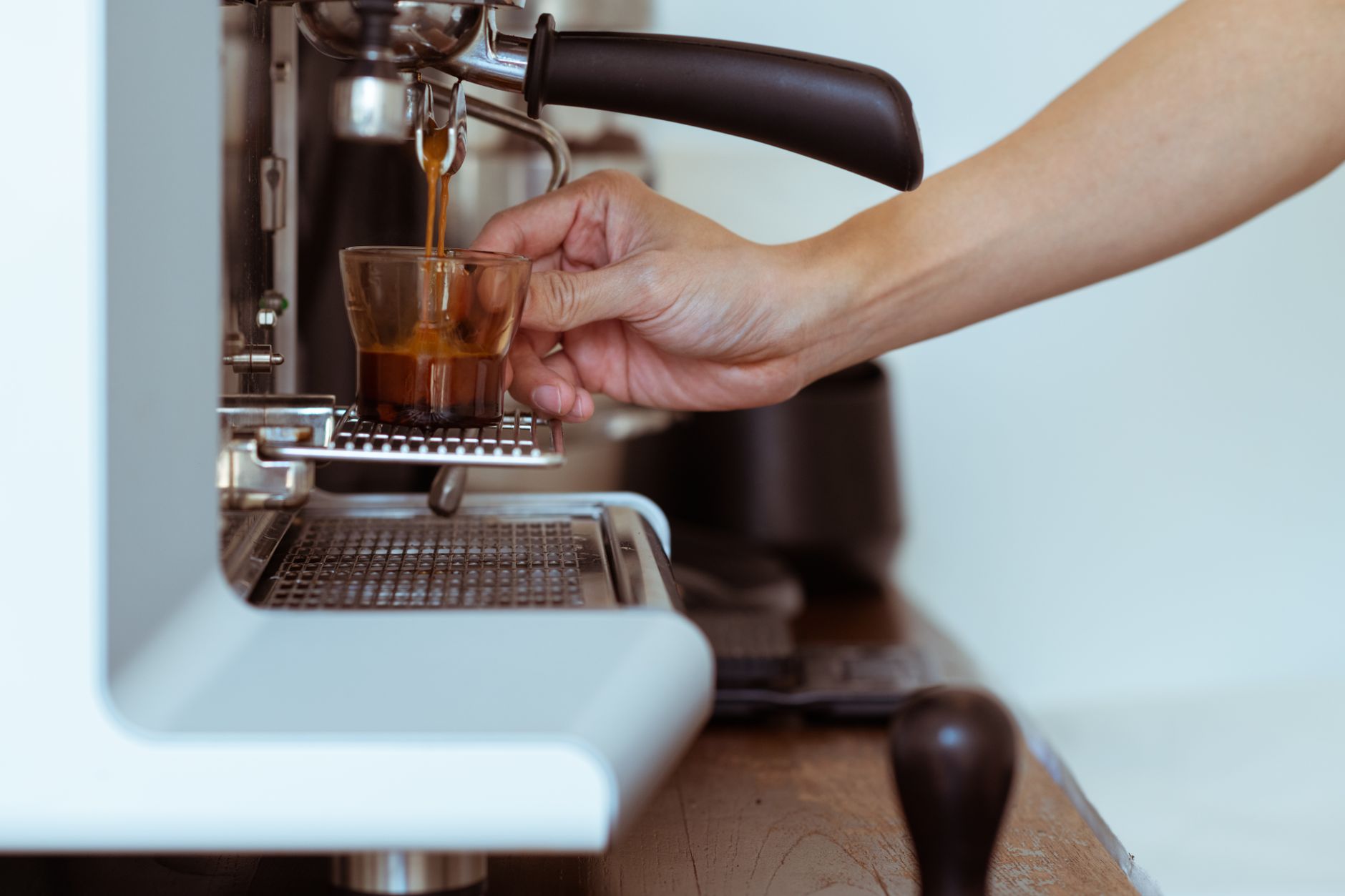
Concentration and dose are not the same thing: a shot is small, a mug is not.
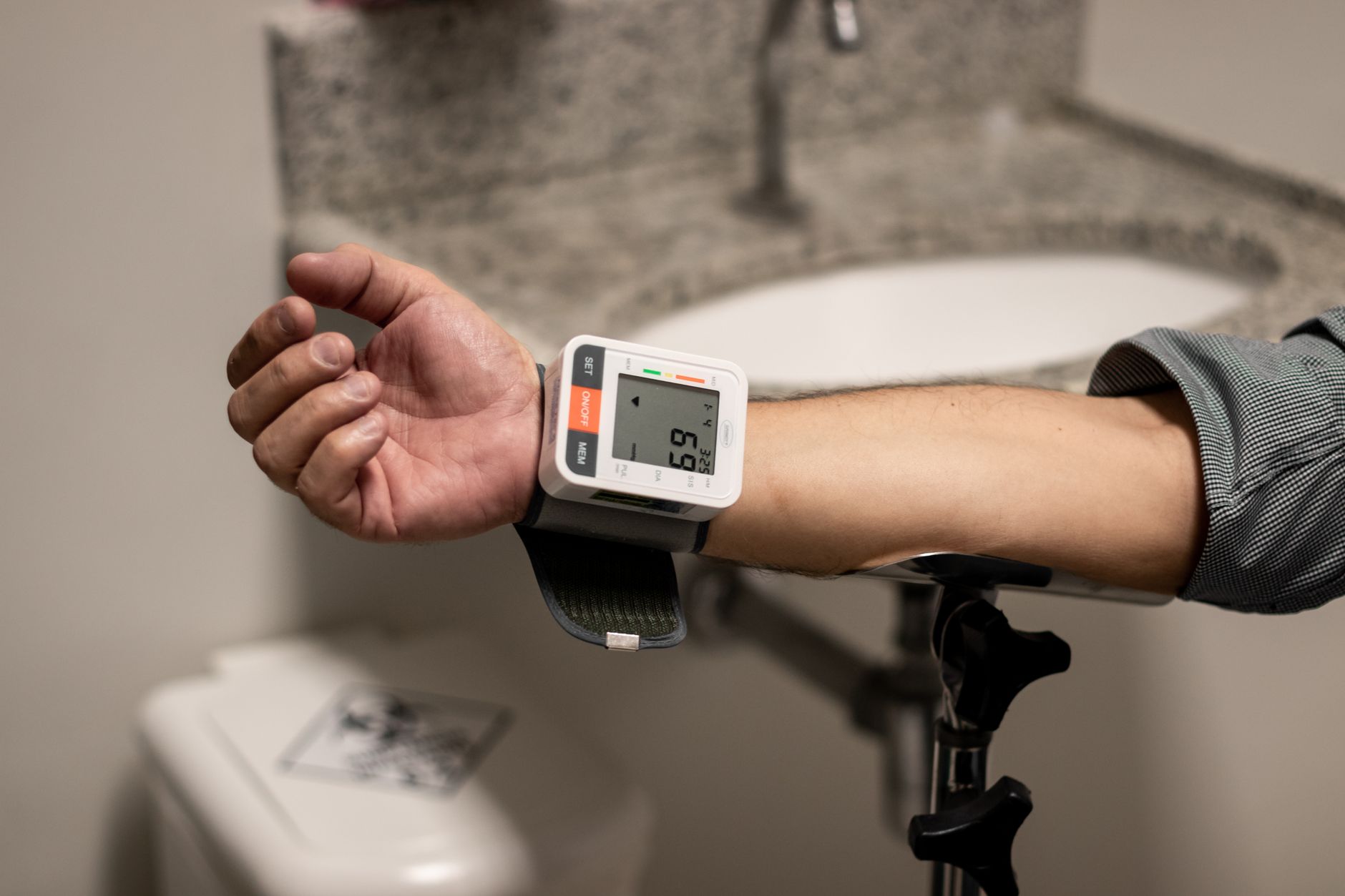
Timing is fairly consistent. The effect usually appears within 30 to 120 minutes and can last a few hours. That matters in practice: a reading taken just after a strong coffee shows recent caffeine, not your usual level.
| Timing | What may happen | What changes the result |
|---|---|---|
| 30 to 60 minutes after coffee | Caffeine becomes active and alertness rises | Meal timing, dose and serving size |
| 30 to 120 minutes after coffee | Some people show a measurable rise | Base sensitivity and usual intake |
| Up to about 3 hours | The effect may still be noticeable | How fast you clear caffeine and how much you had |
| Later in the day | Sleep can suffer if caffeine came too late | Poor sleep can affect heart health over time |
A lot of the disagreement about coffee and blood pressure comes from people comparing different habits. Someone who rarely drinks caffeine may feel wired and visibly stimulated after one strong coffee. A daily drinker may feel almost nothing from the same dose. Tolerance changes the response.
Regular drinkers are not immune. Their reaction is simply smaller and easier to miss than the one in people who use caffeine only now and then. That is how one person can say coffee raises their blood pressure every time while another says it does nothing. Both can be right about their own body.
| Type of drinker | Typical response | What to do |
|---|---|---|
| Occasional user | More likely to notice jitters and a rise | Start smaller and watch how you feel |
| Regular daily drinker | Often a smaller short term response | Tolerance reduces the effect but does not remove it |
| Highly sensitive person | May react strongly even at moderate doses | Decaf, smaller servings or drinking earlier may help |
| Late day drinker | May not notice pressure but sleeps worse | Poor sleep can matter as much as the short rise |
Decaf is the sensible middle path if you like coffee but want less caffeine. It still contains some, just far less than regular coffee, and for many people who are sensitive to pressure changes that lower dose is easier to tolerate.
Decaf changes the dose without removing the ritual.
It is not identical for everyone. Someone highly sensitive may still want to watch how they feel across several cups or alongside other caffeine sources. Compared with regular coffee, though, decaf is usually the safer choice when caffeine itself is the concern.
| Type | Likely effect | Best fit |
|---|---|---|
| Regular coffee | More likely to cause a short rise | People who tolerate caffeine well |
| Espresso drinks | Can feel stronger because caffeine is concentrated | People who know their tolerance and portion size |
| Decaf coffee | Usually milder, since caffeine is much lower | People limiting caffeine or watching pressure |
| Coffee drinks with added stimulants | Can cause a larger response when stimulants add up | Generally the least safe option |
Short term changes in blood pressure do not automatically mean long term harm. Reviews and observational studies generally do not link moderate coffee intake to a large increase in high blood pressure risk for healthy adults, and in some cases moderate drinking sits within a generally healthy lifestyle.
That is not a reason to drink more coffee for your heart. It is a correction to the claim that coffee raises blood pressure and therefore damages heart health. Drinking late in the day, poor sleep, a lot of sugar, smoking, inactivity, stress and existing high blood pressure can each matter more than the cup itself.
Moderate intake also fits the guidance most public health bodies use: total caffeine around 400 mg per day or less for healthy adults. That figure is a rough ceiling, not a target, and it is too high for some people. Pregnancy, heart rhythm problems, anxiety and treated high blood pressure all call for a lower, more personal approach.
If you already live with high blood pressure, palpitations, anxiety, reflux or poor sleep, coffee deserves more care in your day. That rarely means quitting. It often means a smaller dose, no coffee just before a pressure reading, part of the intake switched to decaf, or nothing caffeinated late in the afternoon.
Anyone taking blood pressure medicine should also be practical about caffeine rather than casual. Coffee does not cancel those medicines, but it can push readings up or make symptoms feel less stable. Keeping the timing consistent makes it easier to judge whether treatment is working. The same logic applies to poor sleep, evening training and high sensitivity to stimulants: drink earlier, reduce the dose, or try decaf before deciding nothing can be done.
Not every coffee delivers the same caffeine. Brew method, roast, serving size and recipe all change the total. A large filter coffee can carry a lot simply because of its volume, while espresso feels stronger because the same caffeine arrives in a much smaller cup.
Look past caffeine as well. A large sweet specialty drink with syrup and cream adds sugar and calories that affect health by a different route. Plain coffee is not automatically good, and a flavored drink is not automatically bad, but the rest of the cup counts.
No. It often causes a short rise in some people, but the effect varies widely. Regular drinkers may notice very little; occasional or sensitive drinkers may notice a clear change.
It usually appears within 30 to 120 minutes and may last a few hours. The exact time depends on dose, metabolism and sensitivity.
Often yes in moderate amounts, but it should be judged person by person. Watch your own readings, keep intake steady, and discuss strong reactions with a clinician.
Usually, because it contains far less caffeine. It suits people who want the taste and ritual without the same stimulant load.
Keep servings moderate, avoid stacking caffeine sources, skip late day coffee, and consider decaf if you are sensitive. Do not judge your usual level from a reading taken right after a strong cup.
This article is general education and does not replace personal medical advice. If coffee regularly causes palpitations, significant anxiety, headaches or clearly higher blood pressure readings, discuss the pattern with a qualified clinician instead of ignoring it.