Guides
Espresso, Ristretto, Lungo: What Changes
Espresso, ristretto and lungo share one machine and one bean, yet differ in water, time and intensity. A short, practical guide to choosing between them.
Guides4 min readUpdated January 23, 2025
Guides
Espresso, ristretto and lungo share one machine and one bean, yet differ in water, time and intensity. A short, practical guide to choosing between them.
Three drinks, one machine, and a difference you feel long before you can explain it. Espresso, ristretto and lungo all start with the same fine grind and the same hot water under pressure. What changes is how much water passes through the coffee and how long it takes. That single variable rewrites everything in the cup: how strong it is, how bitter, how sweet, and how long the taste stays with you.
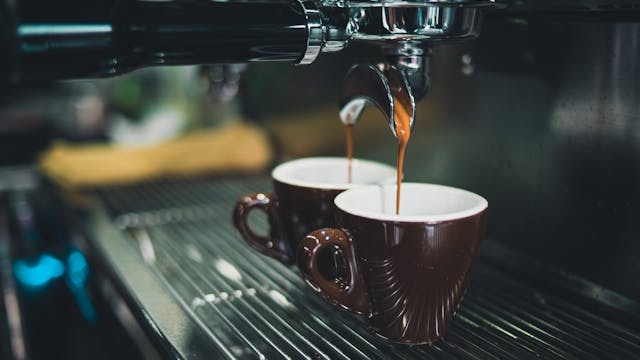
Espresso is a concentrated shot made by forcing hot water under pressure through finely ground coffee. The traditional recipe uses around 20 g of coffee and finishes with roughly 30 ml in the cup, delivered in 20 to 30 seconds, topped with the reddish brown crema that tells you the beans still have gas to release. Caffeine lands near 80 mg per shot, which is why a well made espresso feels forceful without being heavy.
The flavor is bold. Bitterness and acidity arrive together, and the body is thick enough to coat the mouth. Because it is strong and quick, espresso became the base for much of the café menu: cappuccino, flat white, macchiato, americano and long black all start here. Our espresso guide goes deeper into dose, pressure and grind if you want the technical side of the shot.
Ristretto means restricted, and that is exactly what happens. The dose stays the same while far less water passes through the coffee, usually 15 to 20 ml pulled in 15 to 20 seconds. Less contact time means fewer bitter compounds reach the cup, so a ristretto usually tastes sweeter, rounder and more aromatic than the espresso it came from. Caffeine falls to roughly 40 mg.
There is a second, less common route. Keep the pull time of a normal espresso but grind much finer, closer to the texture used for Turkish coffee. The tighter bed restricts the flow and produces a similar result through a different mechanism. Both approaches are legitimate. They simply ask different things of your grinder.
Southern Italy drinks ristretto as everyday business. Our ristretto guide covers the technique in more detail.

The word ristretto means restricted, a reference to how little water is allowed through the coffee.
Lungo means long, and it is the direct opposite of ristretto. The same dose is extracted with more water over a longer time, typically 40 to 50 seconds and 50 to 70 ml in the cup. The result is thinner and lighter, with less sweetness and a bitterness that lingers in a different way. Total caffeine climbs to around 100 mg, because longer contact with water extracts more of it even though the drink tastes weaker.
This is where people get caught out. "Longer" sounds gentler, but an untuned lungo overextracts easily, which is why many cafés treat it as a drink for a specific mood rather than a default order.
| Feature | Espresso | Ristretto | Lungo |
|---|---|---|---|
| Brew time | 20 to 30 seconds | 15 to 20 seconds | 40 to 50 seconds |
| Grind size | Fine | Extra fine | Fine |
| Water volume | ~30 ml | ~15 to 20 ml | ~50 to 70 ml |
| Flavor | Bold, slightly bitter, balanced | Sweet, aromatic, less bitter | Milder, diluted, faintly bitter |
| Caffeine | ~80 mg | ~40 mg | ~100 mg |
Once you understand what each drink does with the same coffee, ordering stops being guesswork.
Whatever you order, the honest test is the same one baristas use: taste the espresso first. The other two are variations on it, and if the base shot is poor, neither restriction nor extra water will rescue it.
It is more concentrated per milliliter, but it contains less caffeine overall, roughly 40 mg against 80 mg. Whether it feels stronger depends on whether you mean flavor or stimulation.
Yes. The longer extraction, at around 50 to 70 ml, pulls out more caffeine, closer to 100 mg, even though the drink tastes diluted.
Yes, two ways. Stop the shot early for a shorter yield in the same time window, or grind finer and keep the normal time. The second route works better but depends on a grinder that can adjust in small, repeatable steps.
There is no rule, only tradeoffs. A ristretto is easier on the palate late in the evening, while a lungo keeps you at the table longer. If the goal is your clear impression of the coffee itself, order the espresso.