Guides
Coffee and Sleep Apnea: Help or Harm?
Caffeine buys alertness during the day but does nothing for the airway. Where coffee fits around sleep apnea, its treatment, timing and dose.
Guides5 min readUpdated April 24, 2026
Guides
Caffeine buys alertness during the day but does nothing for the airway. Where coffee fits around sleep apnea, its treatment, timing and dose.
Coffee tends to matter more when sleep is poor. That is why people with sleep apnea often rely on it: broken nights, hard mornings, and days that feel like something to get through rather than start awake. In that situation, coffee stops being a treat and starts to feel like equipment.
Caffeine solves a different problem from the one sleep apnea creates. It can raise alertness for a few hours. It cannot hold an airway open, and it cannot replace treatment. Used carefully, coffee helps a tired person stay functional and safe. Used carelessly, it delays sleep, breaks recovery further and deepens the cycle it was meant to break.
Caffeine blocks adenosine, one of the body's signals for sleep pressure. With that signal muted, tiredness feels quieter and alertness rises, which helps at 7 am and works against you at 7 pm. For many people caffeine lengthens the time it takes to fall asleep, makes sleep lighter and reduces how restorative the night feels.
It also stays in the system longer than most drinkers assume. Depending on the person, a meaningful amount of caffeine is still there many hours after the last cup. For someone whose nights are already broken, that is the difference between a bad night and a worse one.
| Sleep factor | Possible effect | Why it matters with apnea |
|---|---|---|
| Falling asleep | Harder to fall asleep | Less total sleep leaves less room to recover from an already broken night |
| Sleep depth | Less deep, restorative sleep | People with apnea need every hour of good sleep they can protect |
| Night waking | Lighter sleep, easier to disturb | Apnea already causes repeated awakenings |
| Next day fatigue | Temporarily hidden | Covering up exhaustion is not the same as treating the cause |
Obstructive sleep apnea is not simply loud snoring. The upper airway repeatedly narrows or closes during sleep, interrupting breathing, lowering oxygen levels and pulling the brain into frequent brief awakenings. Most people do not remember those moments in the morning, but the body does. The result is daytime sleepiness, poor concentration, irritability and the frustrating feeling of spending eight hours in bed without feeling rested.
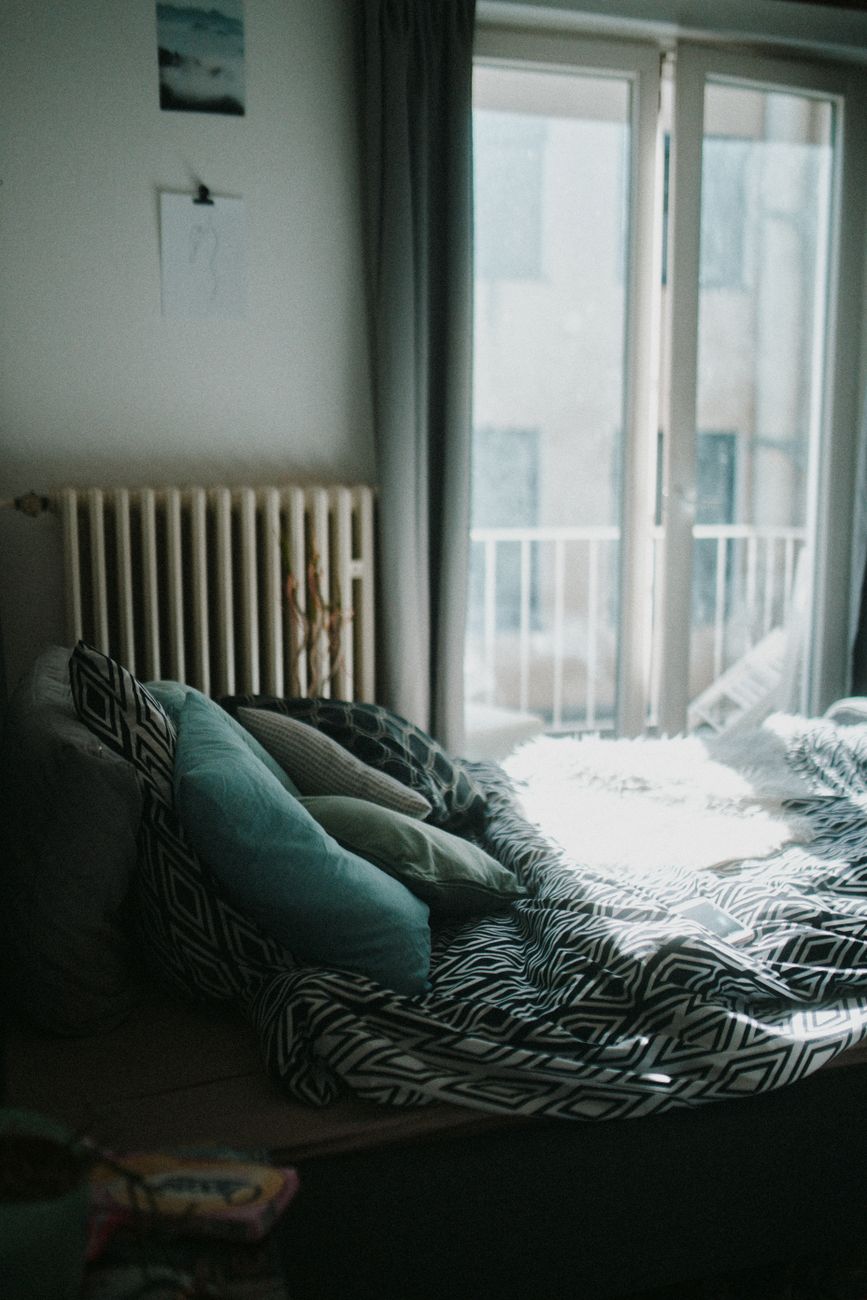
Caffeine cannot repair a night that was broken by the airway, not the alarm clock.
Several things make it worse: extra body weight, alcohol close to bedtime, sedating medicines, sleeping flat on the back, and untreated nasal or airway problems. That is why the coffee conversation needs proportion. A cup can make the morning easier, but caffeine does nothing about the mechanical problem that repeats every night.
There is also a useful signal buried here. If someone snores heavily, wakes unrefreshed, or needs coffee just to function, the coffee habit is often pointing at how big the problem is rather than solving it. The body is asking for treatment, not more stimulation.
Moderate caffeine genuinely helps with daytime alertness. It clears some mental fog, makes work more manageable, and lowers the risk that a person short on sleep drifts off at the wheel or in a meeting. That support matters, and denying it helps nobody.
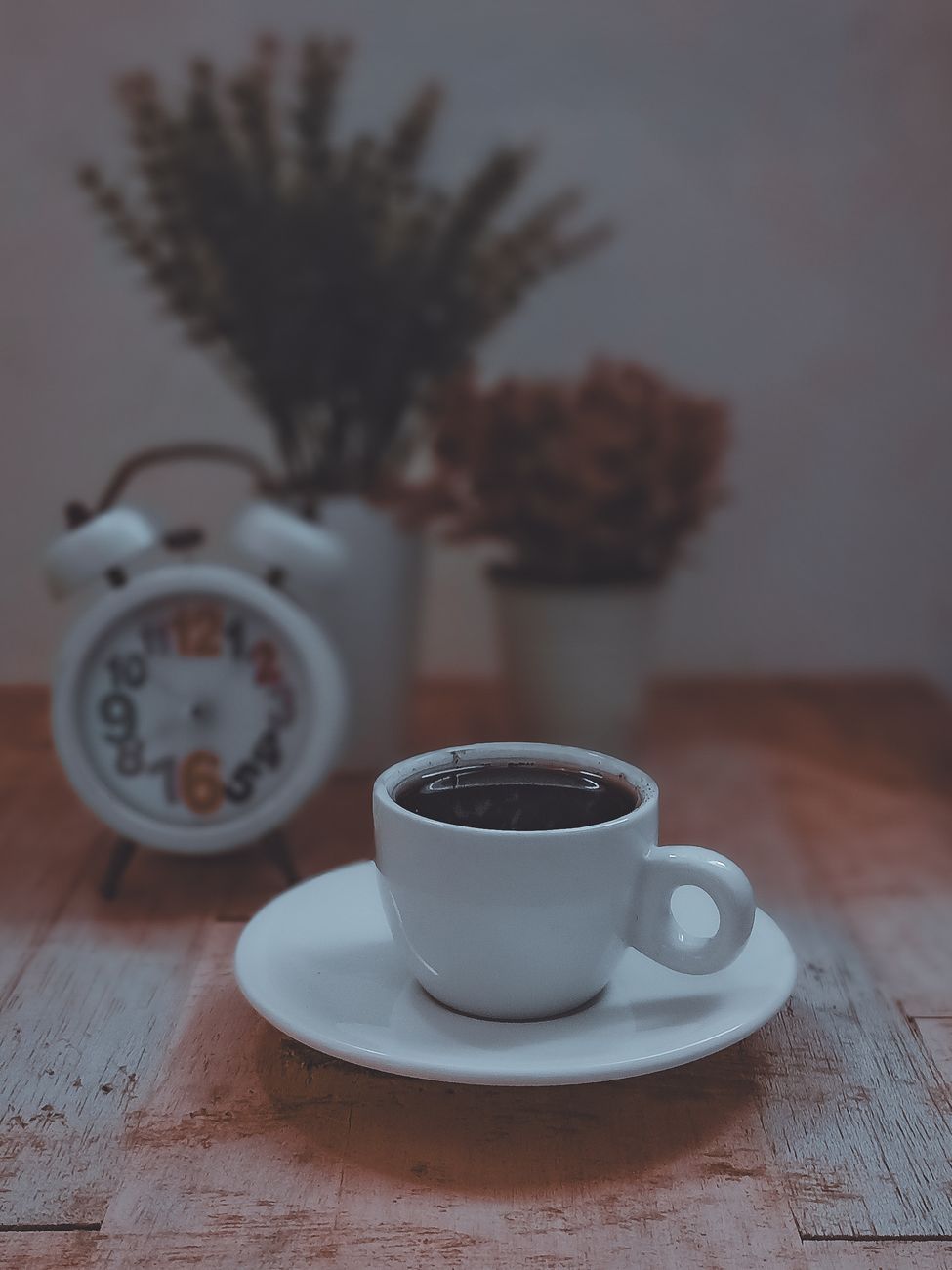
Morning coffee is the easy part. Late coffee is where the cost appears.
The limits are just as real. Caffeine does not treat apnea, does not keep the airway open, and does not reduce the number of breathing interruptions. Used late or in large amounts, it makes the next night worse, which adds to the very fatigue it was meant to relieve. Coffee buys a few hours of function. It does not pay for them.
If you have apnea, or think you might, coffee works best early, moderate and with respect for sleep timing. Morning is the obvious home for it. Afternoon calls for caution. Evening caffeine is not a substitute for rest, however productive it feels at the time.
The habit worth breaking is reacting to every dip in energy with another cup. That turns the day into a chain of top ups rather than a routine. One measured dose at the right time usually does more than several small ones.
Moderate caffeine can fit comfortably into life with sleep apnea. It can improve mood, alertness and daily function, and it brings the ordinary pleasures of aroma, ritual and taste that make coffee worth drinking beyond its stimulant effect. None of that has to be given up.
Moderation simply matters more when your nights are already poor. As the dose climbs, so does the risk of bad sleep, dependence and late day disruption. What matters is not whether coffee helps or hurts in general, but what this dose, at this hour, in this body, does to tonight.
No. It can make the day feel more manageable, but it does nothing about airway blockage or the repeated breathing interruptions that define the condition.
No. Many people with apnea drink coffee without trouble, especially earlier in the day. Dose, timing and whether caffeine is harming your sleep are the things that matter.
It depends on the person. If caffeine makes it harder to fall asleep, raises anxiety, or creates a cycle of crashes and repeated cups, it is already too much for you.
Not automatically, but decaf is useful later in the day and for anyone who is especially sensitive to caffeine's effect on sleep.
Diagnosis, treatment and sleep quality. Untreated apnea limits what caffeine can do. The real improvement comes from treating the condition itself.
This article is general education and does not replace medical advice. If you suspect sleep apnea, feel unusually sleepy during the day, or deal with loud snoring and unrefreshing sleep, speak to a clinician or sleep specialist instead of relying on caffeine to carry the problem.