Park · New York
Castle Clinton has served, in succession, as a fort, theatre, immigrant landing, customs centre and aquarium, giving the waterfront an unusually layered public life.
The Dutch built Fort Amsterdam in 1625–1626; after the English takeover in 1664, Governor Thomas Dongan installed an artillery battery in 1683, giving the area its enduring name. After the fort was demolished in 1788, its debris helped enlarge the shore. The West Battery, built on an artificial island in 1808–1811, was later absorbed into the park, and about three acres were added in 1824. Much of the present land was created through landfill from 1855. Rail infrastructure and subway construction reshaped the waterfront in the late 19th and early 20th centuries. Closed from 1940 to 1952 for the Brooklyn–Battery Tunnel and Battery Park Underpass, the grounds reopened with an esplanade, raised waterfront terrace, oval lawn and playground. Warrie Price founded the Battery Conservancy in 1994; restoration followed, and the historical name “the Battery” returned in 2015.
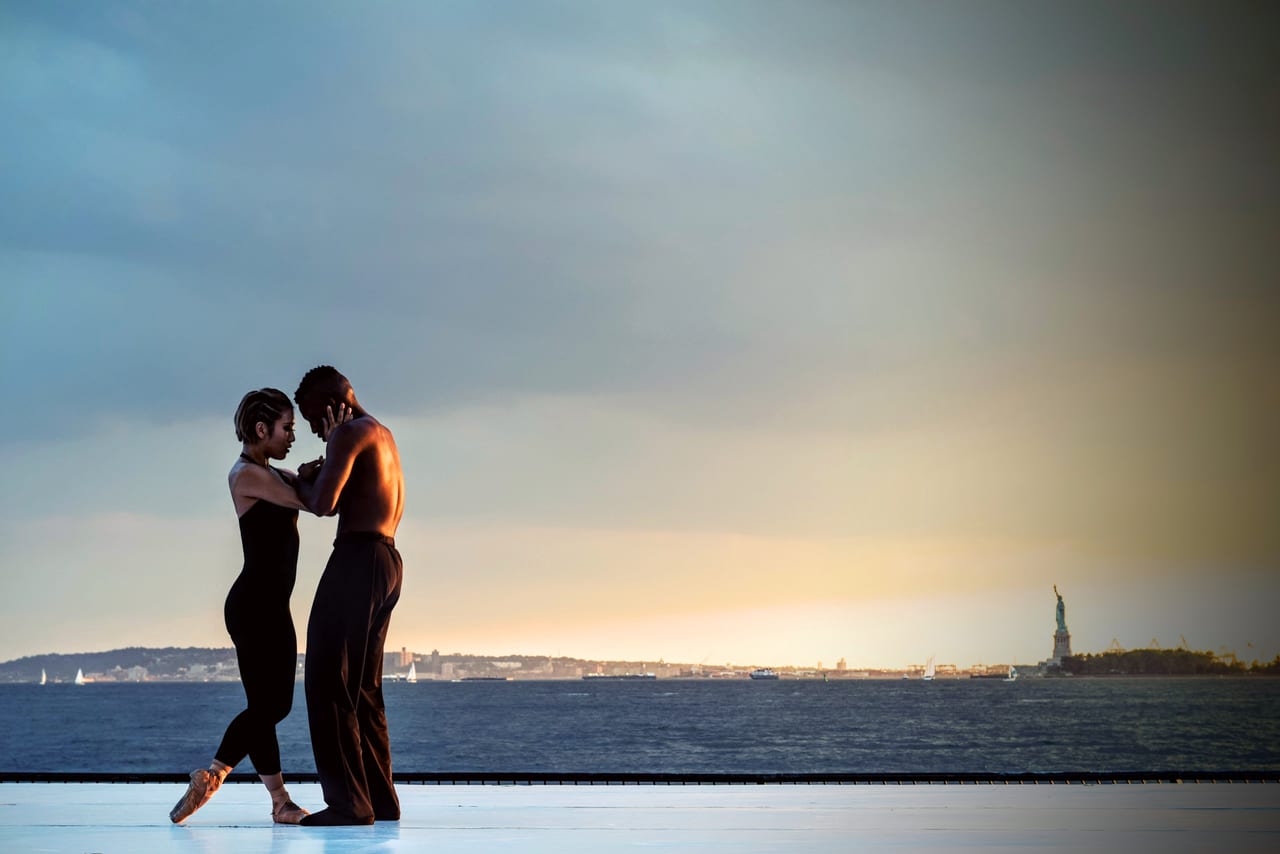
Walk the waterfront promenade for changing views across New York Harbor, then move inland through the Battery Bosque and its gardens. Allow time for the monuments, including the East Coast Memorial and the Netherland Monument, and look for the relocated maritime sculpture sites. The SeaGlass Carousel provides a distinctly theatrical stop within the grounds. Ferry facilities nearby make the park a useful starting point for boat journeys to Staten Island, Liberty Island, Ellis Island and Governors Island.
Live availability and prices from Stay22's partners, refreshed periodically and subject to change. Booking through these links may earn us a commission at no extra cost to you. See our privacy policy.
More in New York
Find great cafés, places to stay and other interesting places to visit in New York.
