Photograph 1 of 11 of Solomon R. Guggenheim Museum
Museum · New York
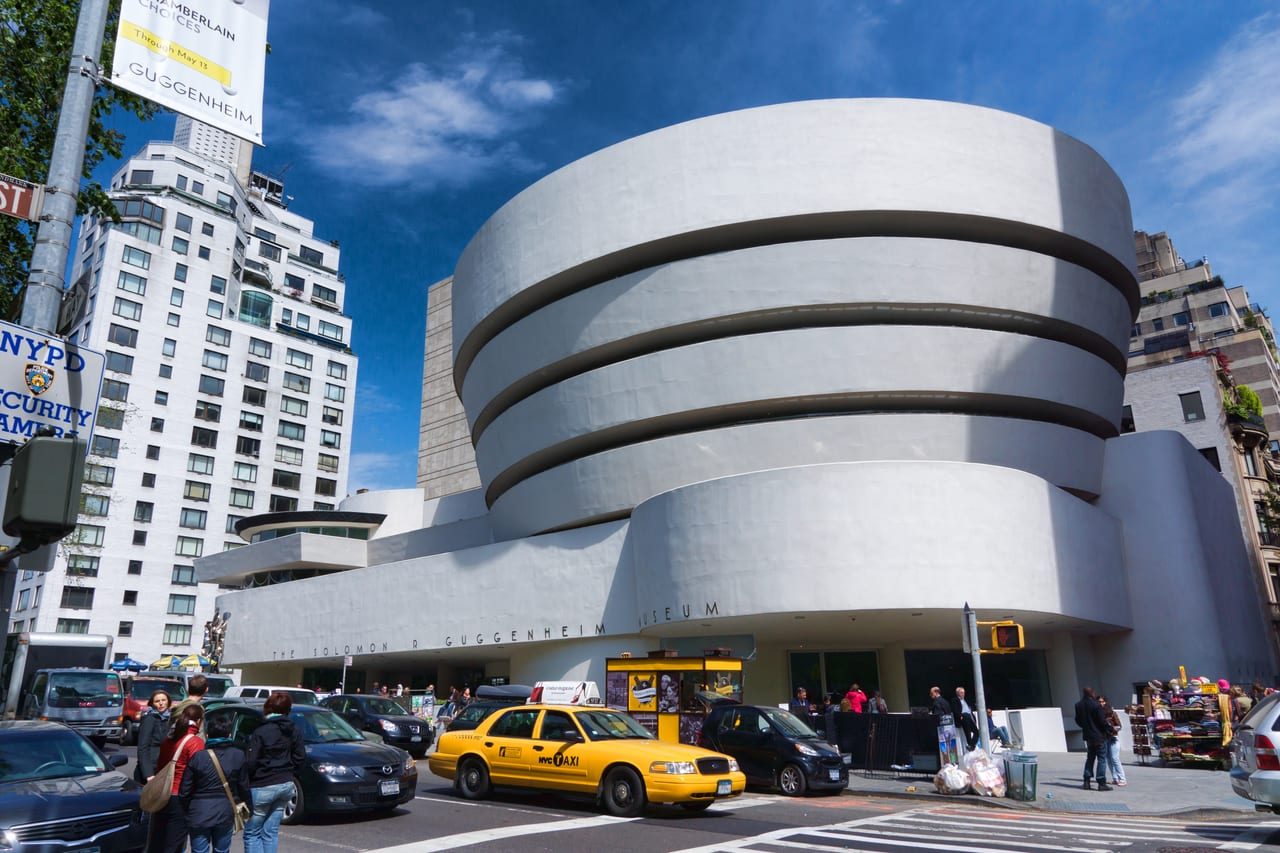
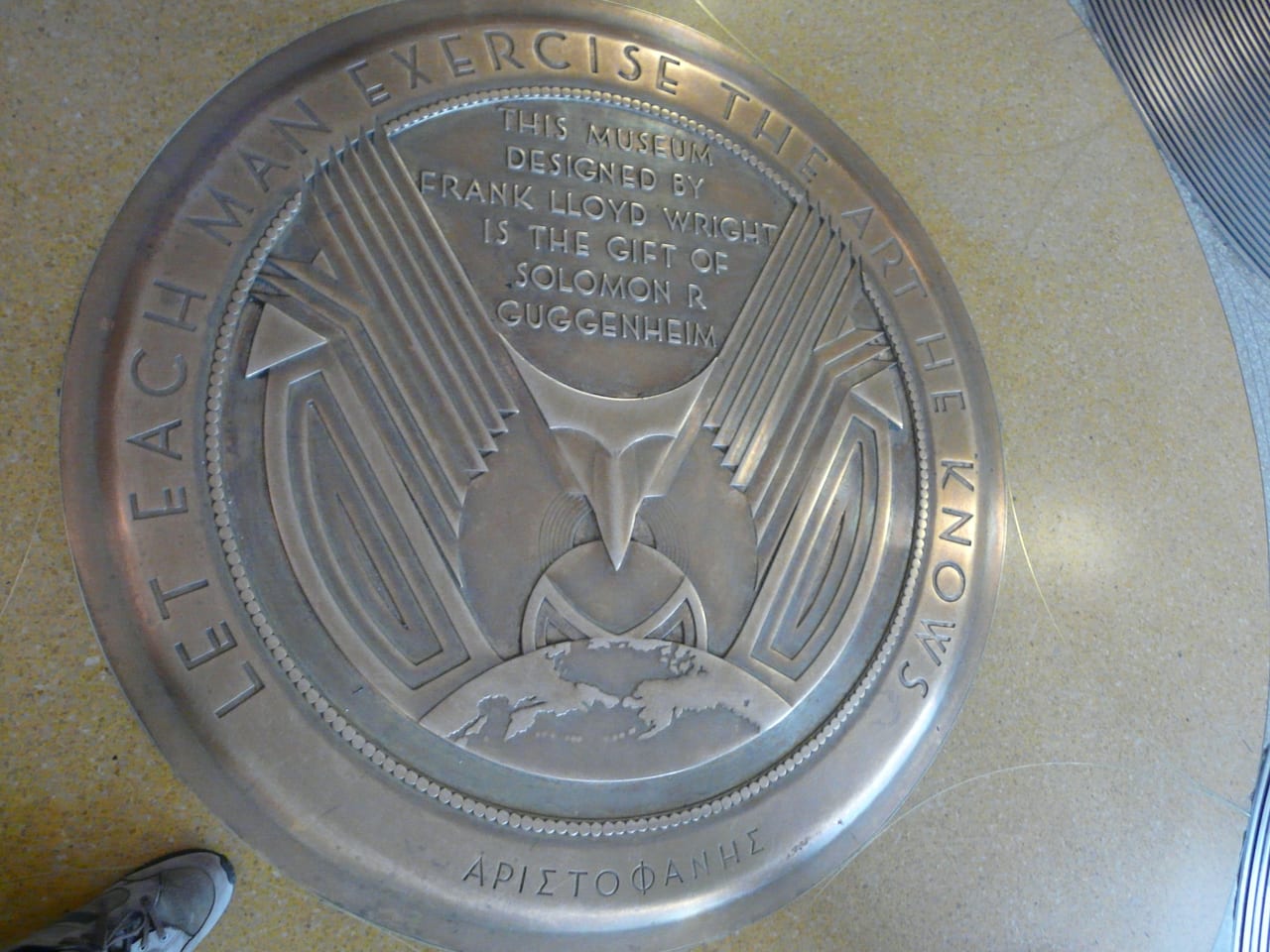
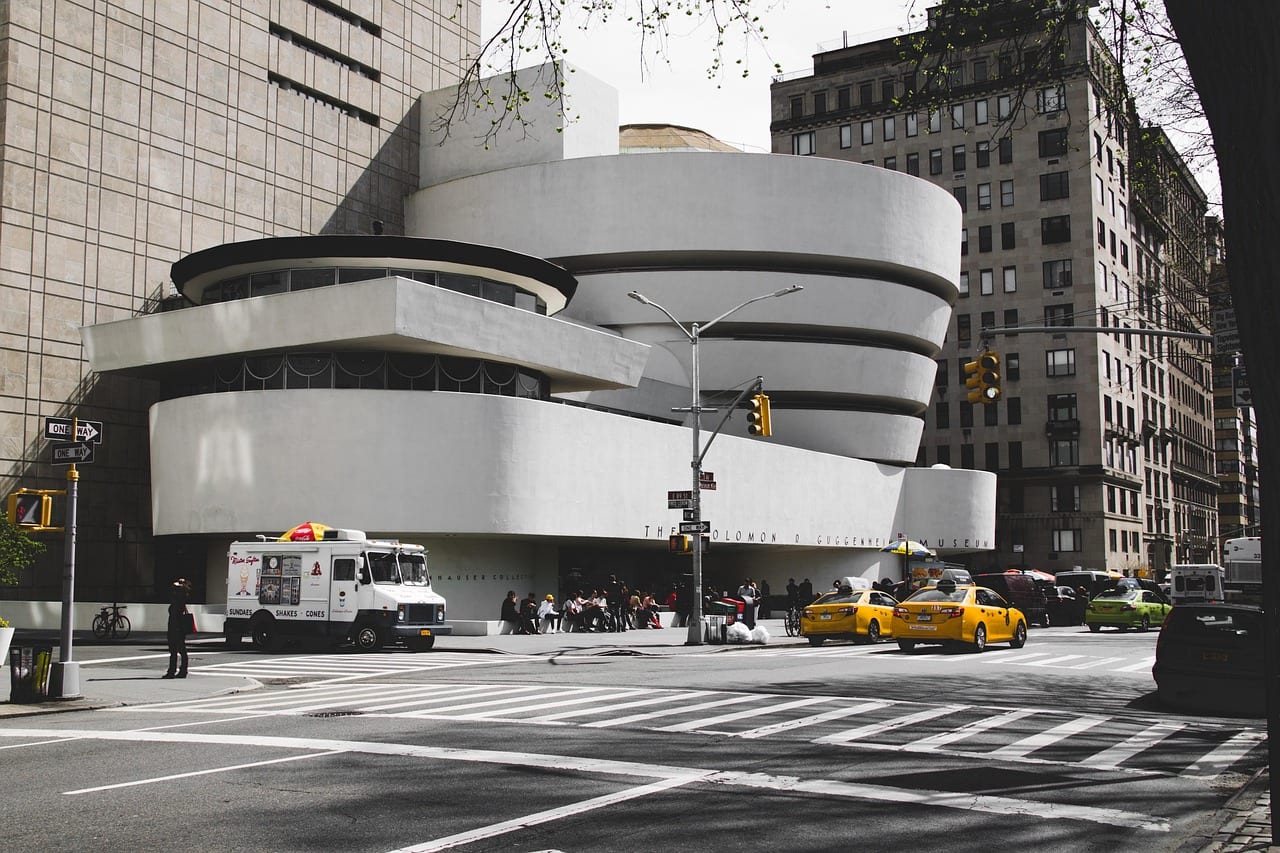
A museum in New York, designed by Frank Lloyd Wright.
Photograph 1 of 11 of Solomon R. Guggenheim Museum
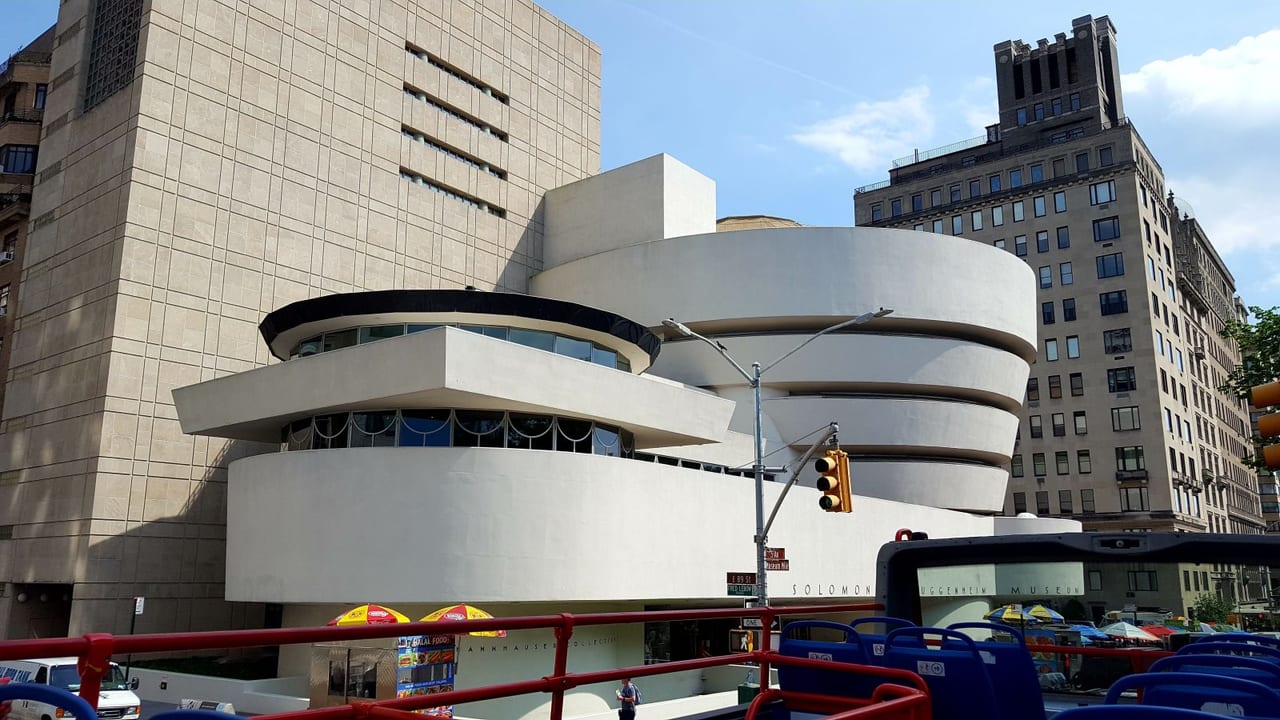
Solomon R. Guggenheim began collecting old masters in the 1890s, but Hilla von Rebay redirected his attention toward European avant-garde and abstract art after they met in 1926. The Solomon R. The museum adopted its present name in 1952, three years after Guggenheim’s death. Wright’s building was conceived as an urban experiment in his organic style: a six-story, bowl-shaped main gallery, a four-story monitor and a ten-story annex form a striking vertical composition. Its unusual geometry prompted disputes over lighting, wall colour, storage and the presentation of sculpture. The monitor now houses the Thannhauser Collection, while the annex contains further galleries and the basement includes a learning centre. By 2022, about 8,000 works encompassed Impressionist, Post-Impressionist, early Modern and contemporary art.
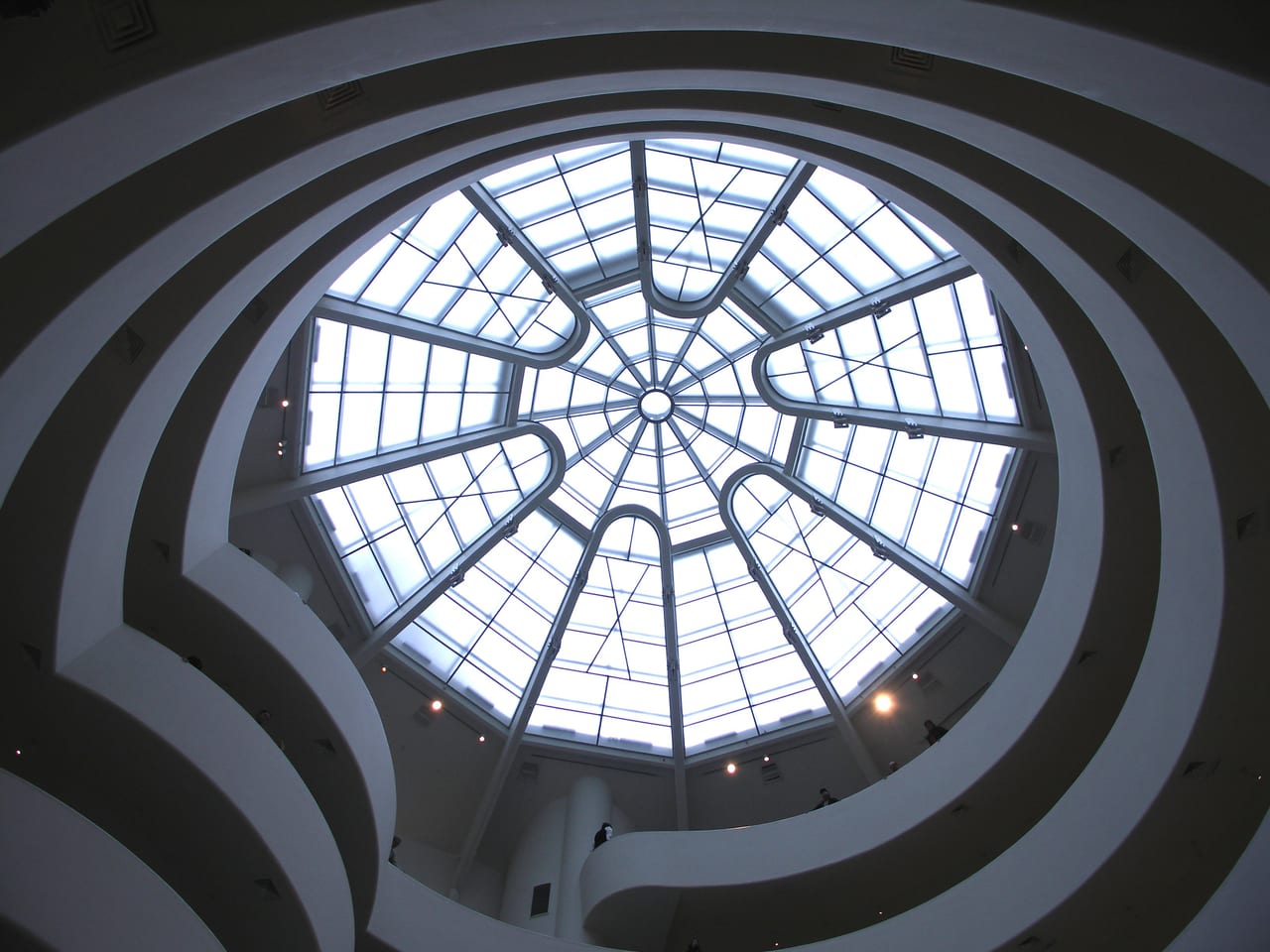
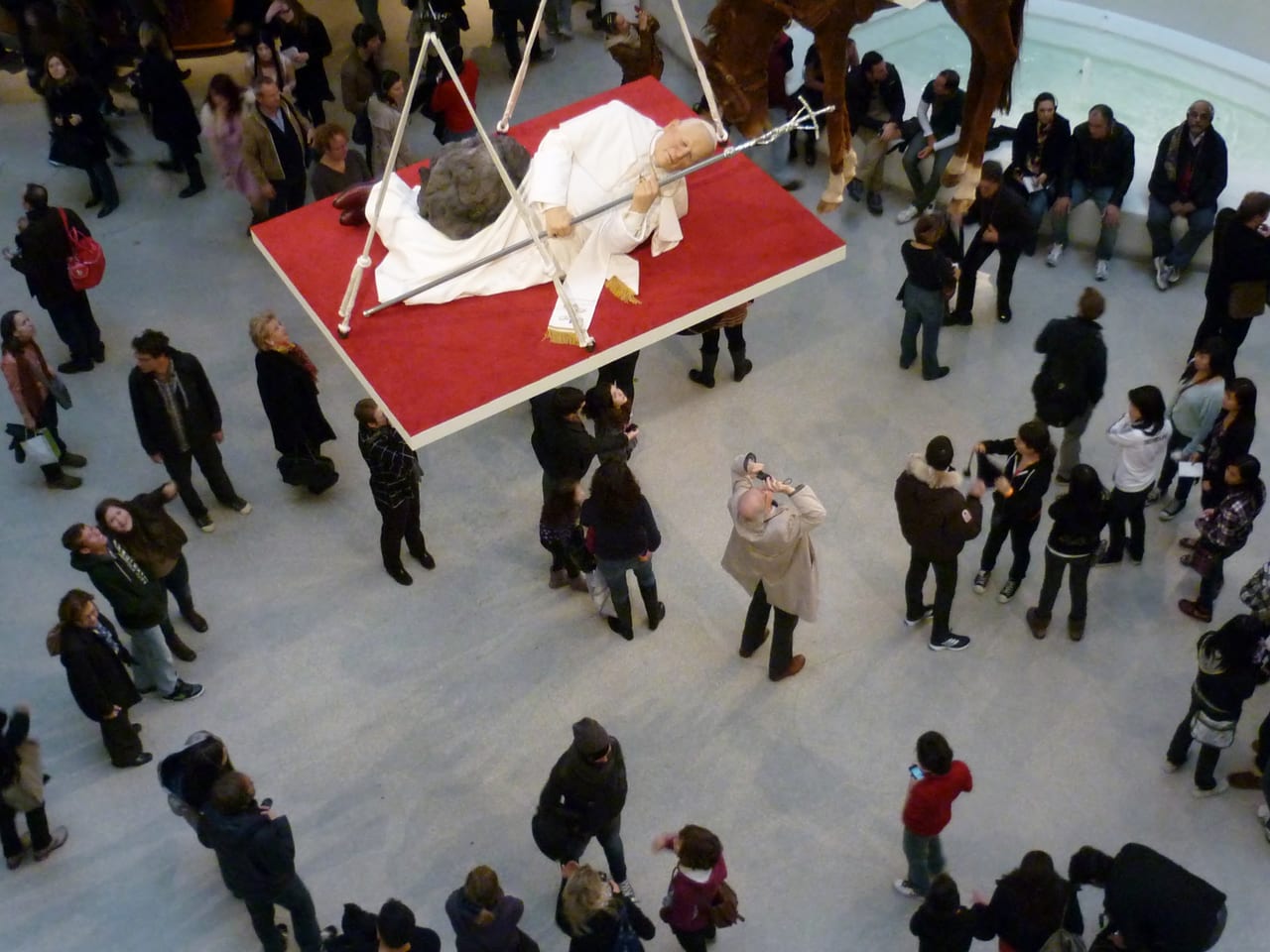
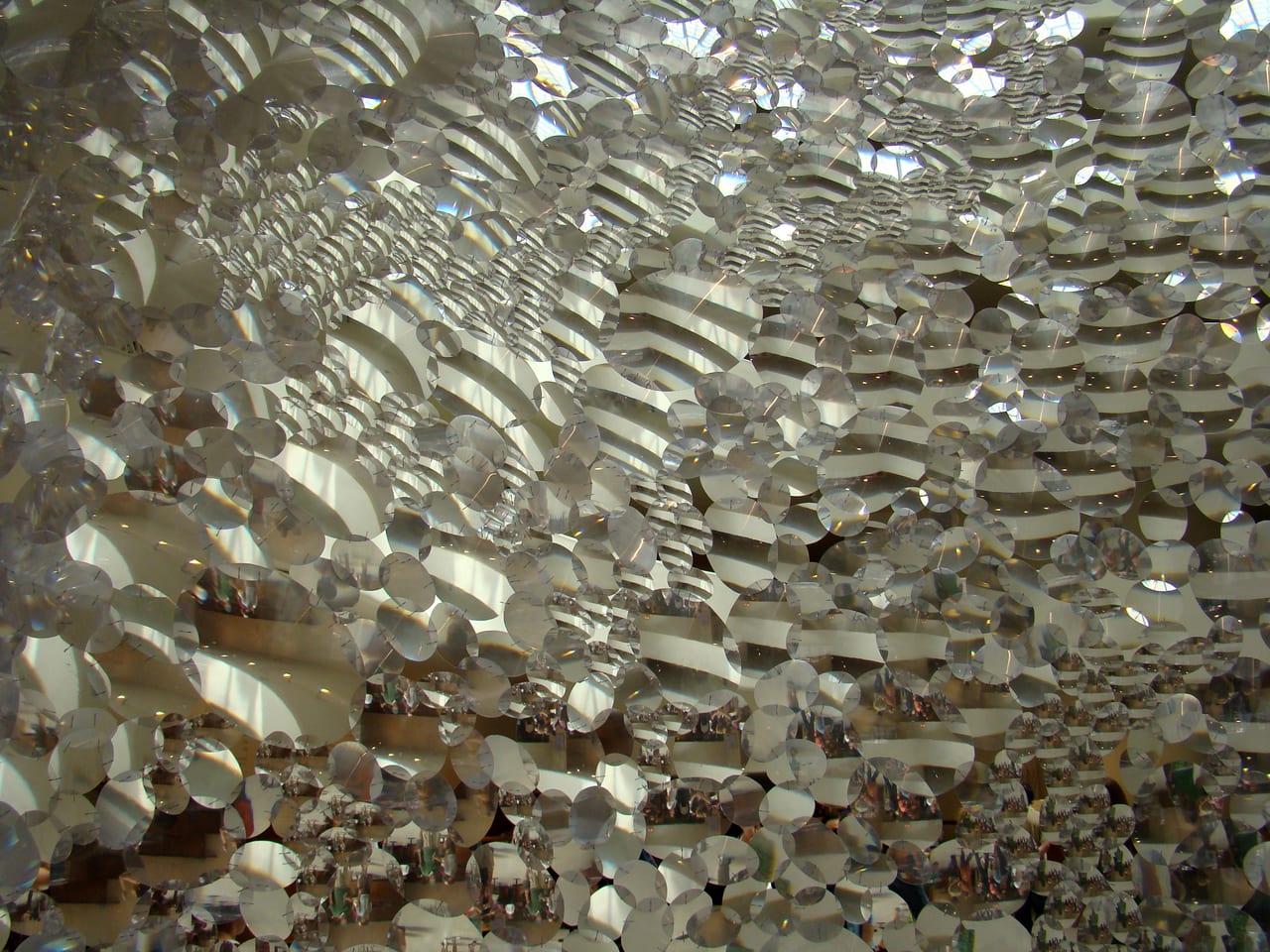
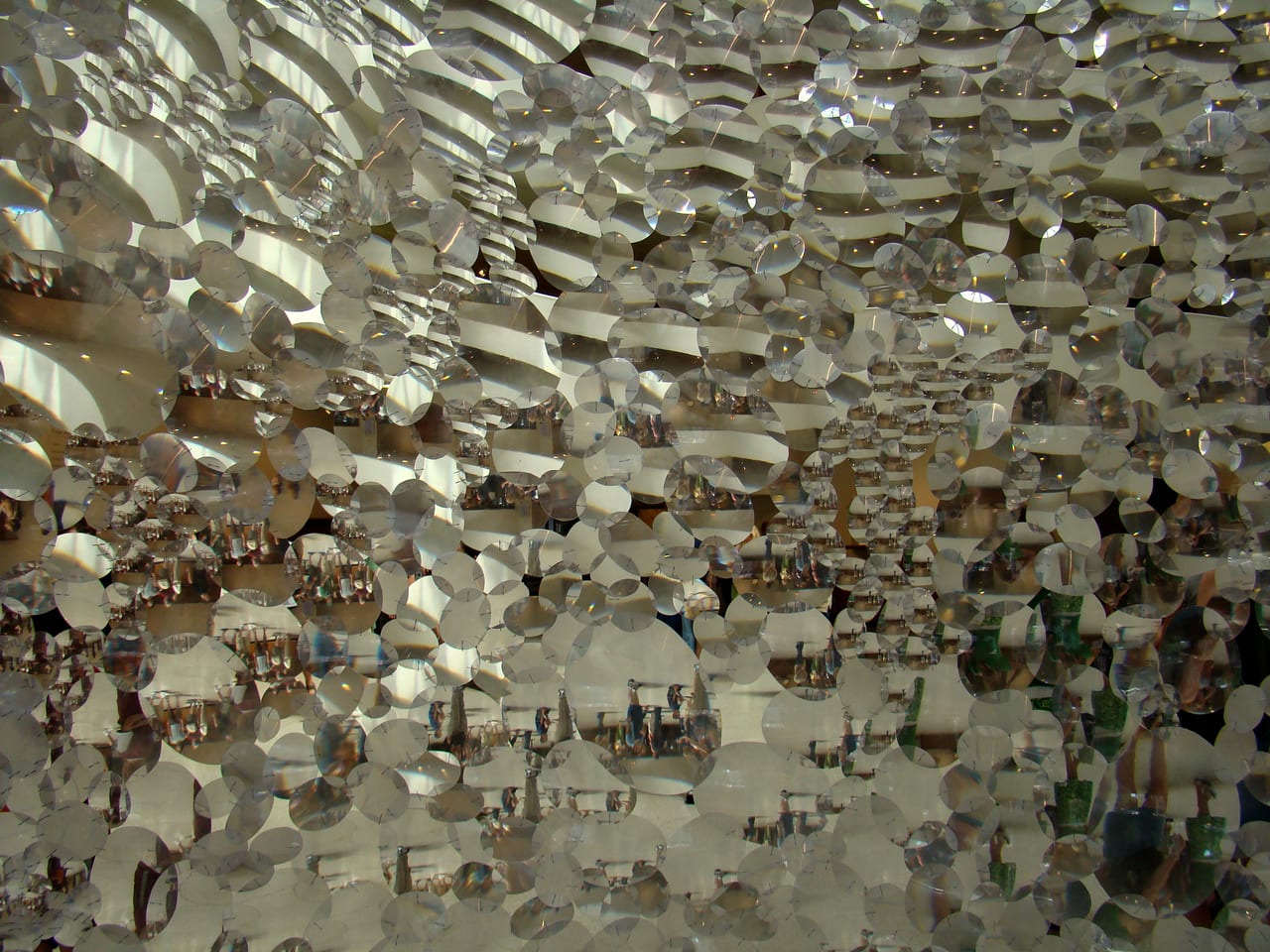
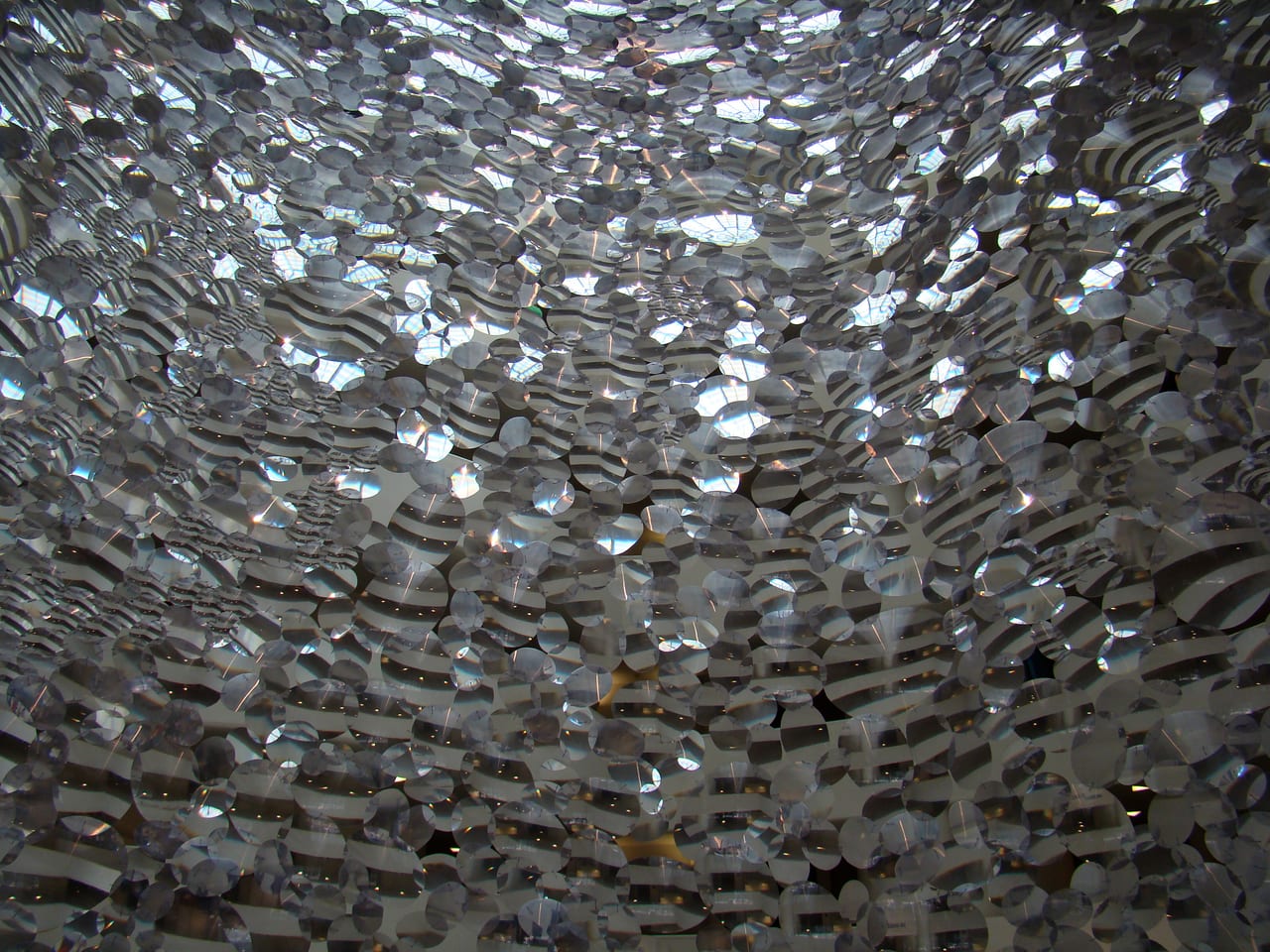
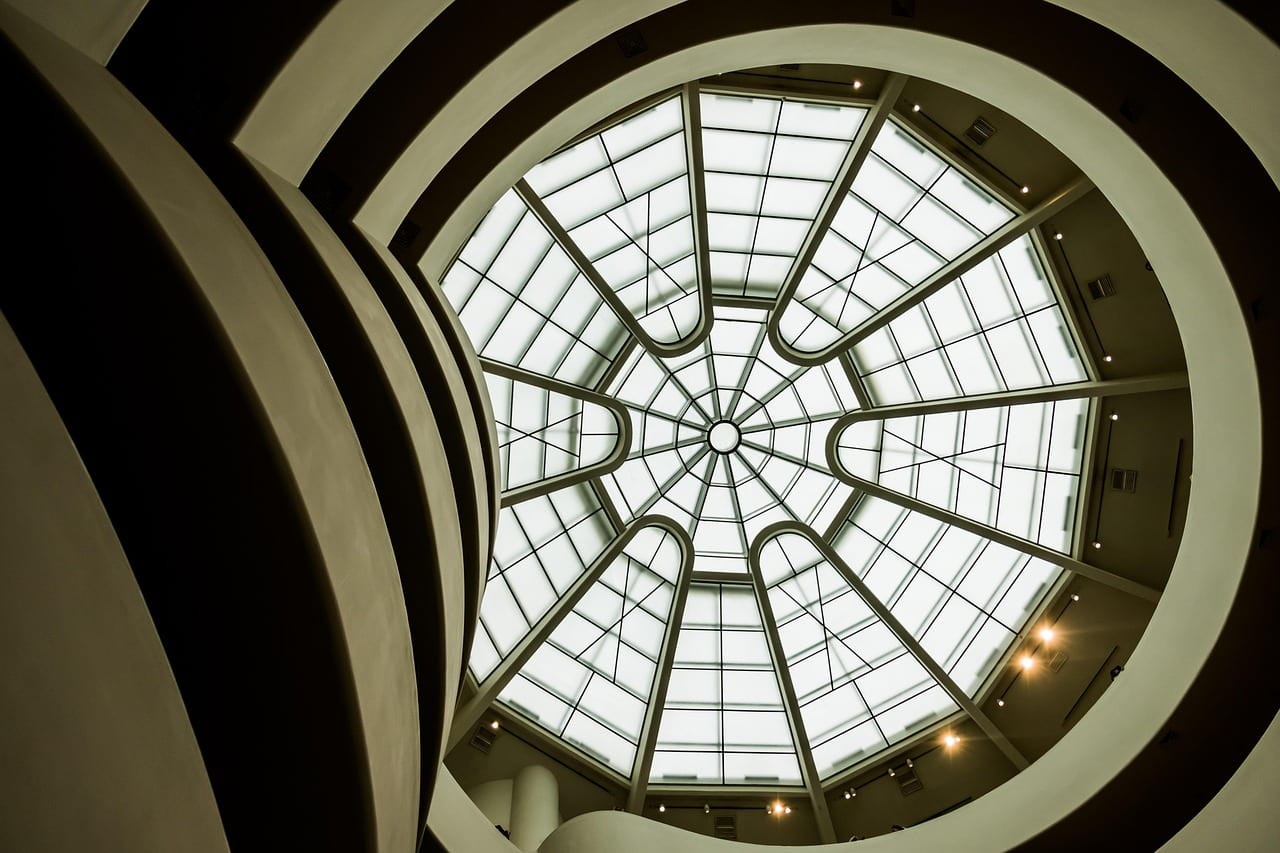
Begin in the main gallery and follow its continuous six-story ramp, paying attention to how the curved walls and sloping floors alter the scale and placement of artworks. Look upward to the central ceiling skylight, then compare the principal gallery with the monitor’s more contained spaces and the annex galleries. The Thannhauser Collection occupies the monitor’s top three floors; leave time for special exhibitions, the basement learning centre and the museum’s Works & Process performances.
Live availability and prices from Stay22's partners, refreshed periodically and subject to change. Booking through these links may earn us a commission at no extra cost to you. See our privacy policy.
More in New York
Find great cafés, places to stay and other interesting places to visit in New York.
