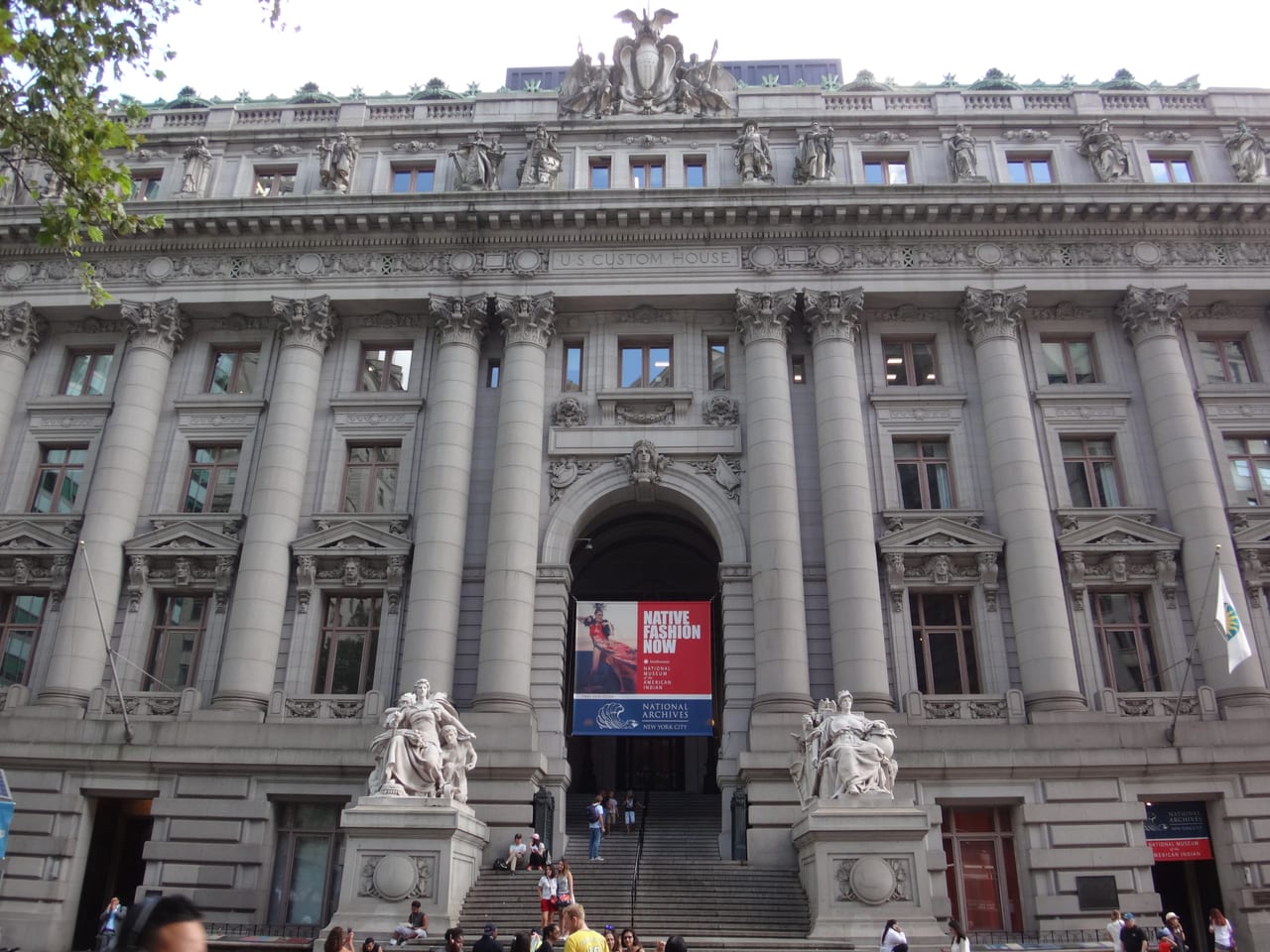
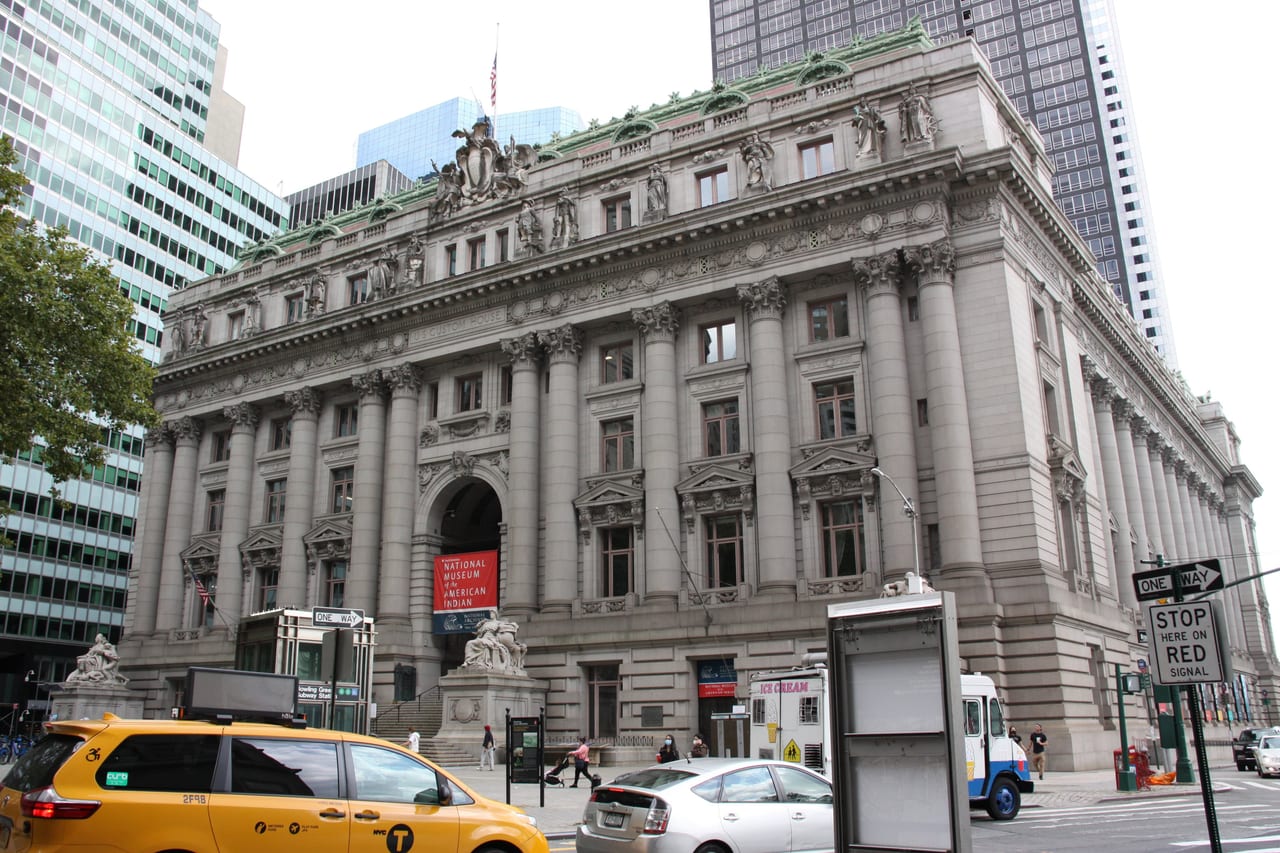
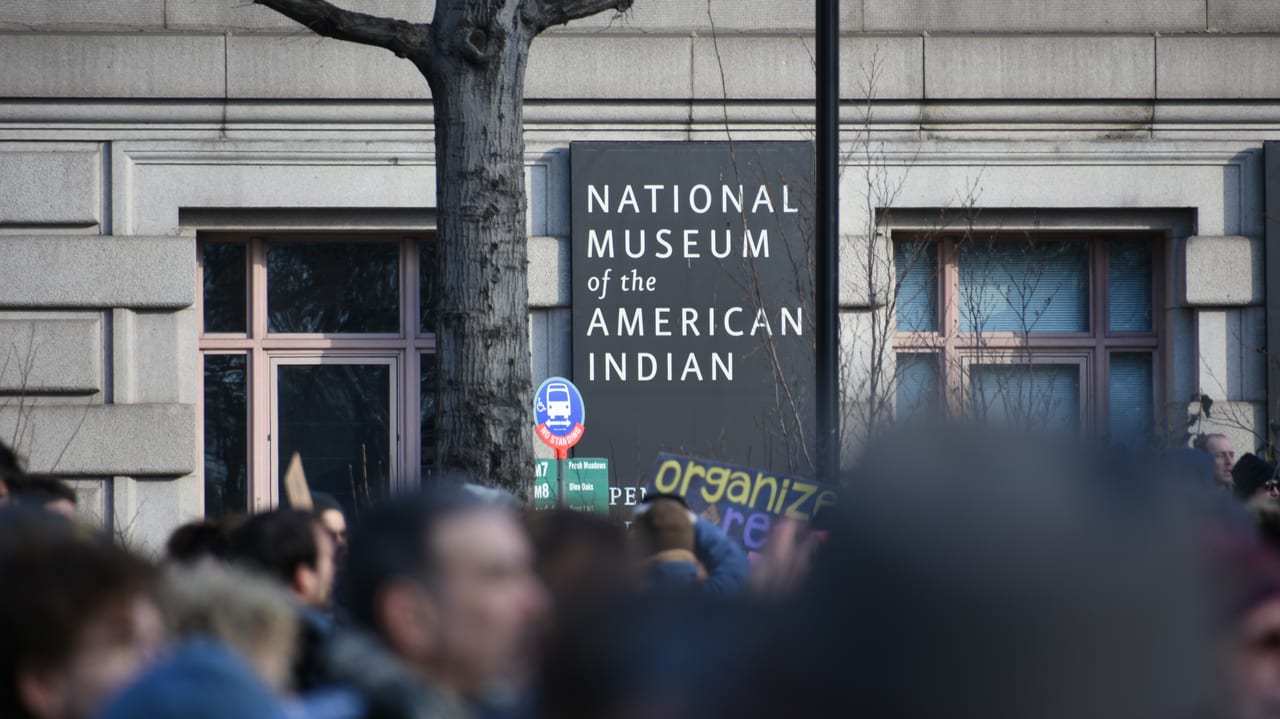
Photograph 1 of 5 of National Museum of the American Indian George Gustav Heye Center
Museum · New York
A 2006 renovation added the Diker Pavilion, giving the center approximately 6,000 square feet for Native arts, public events, and changing presentations.
Photograph 1 of 5 of National Museum of the American Indian George Gustav Heye Center
George Gustav Heye began collecting Native American artifacts in 1903 and founded the Museum of the American Indian in 1916. It opened in 1922 at Audubon Terrace, in a building whose limited space eventually prompted plans for relocation. Frederick J. Dockstader directed the museum from 1960 to 1976. A major institutional transformation followed in the late 1980s. Senator Daniel Patrick Moynihan proposed transferring the Alexander Hamilton U.S. Custom House to the museum, while Senator Daniel Inouye introduced legislation that would merge its collection with the Smithsonian. The 1988 compromise preserved the collection’s New York presence while establishing a Smithsonian museum in Washington, D.C.; the act passed in 1989. The center’s exhibition and public-access areas total about 20,000 square feet. Its programme combines historical and contemporary Native art with film, education, performances, and living-culture presentations.
Begin with Infinity of Nations, arranged by geographic regions and supported by audio, video, and historians’ commentary. See the Photography, Contemporary, and Special Exhibit galleries, then visit the Haudenosaunee Discovery Room and Resource Center Reference Library. The second-floor rotunda is used for performances and contains Reginald Marsh murals. On the ground floor, the imagiNATIONS Activity Center suits families, while the small theater screens films daily; the museum store completes the visit.
Live availability and prices from Stay22's partners, refreshed periodically and subject to change. Booking through these links may earn us a commission at no extra cost to you. See our privacy policy.
More in New York
Find great cafés, places to stay and other interesting places to visit in New York.
