
Photograph 1 of 20 of Brooklyn Bridge
Attraction · New York
An attraction in New York, designed by John Augustus Roebling.
Photograph 1 of 20 of Brooklyn Bridge
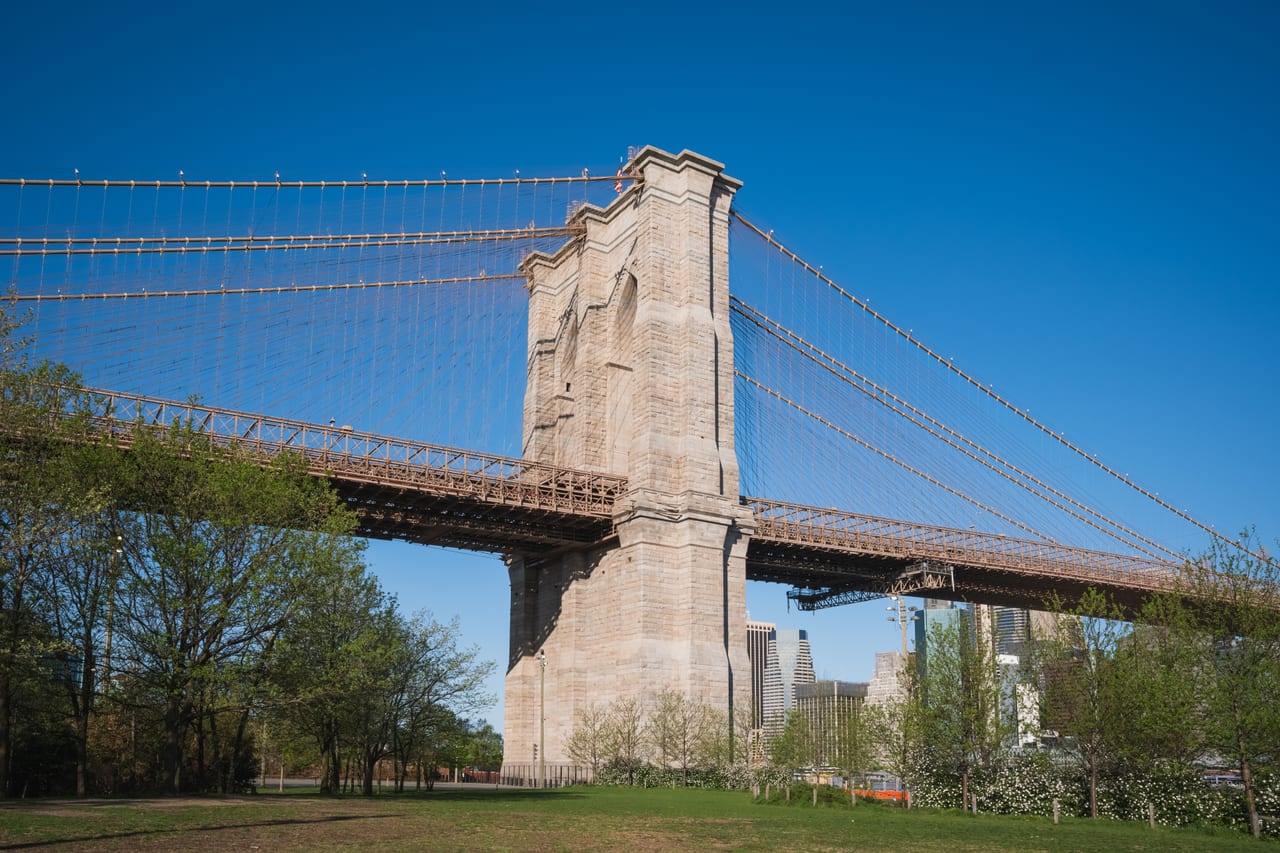
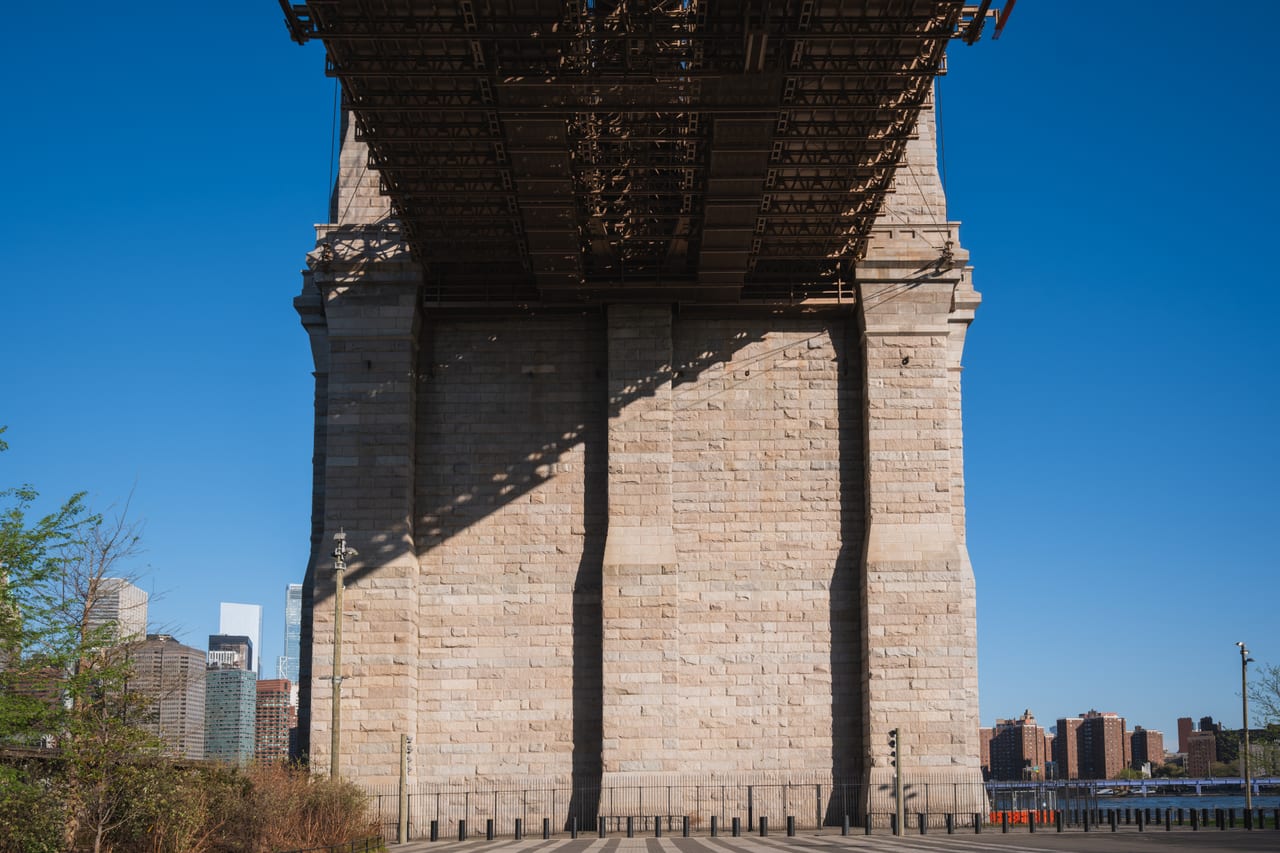
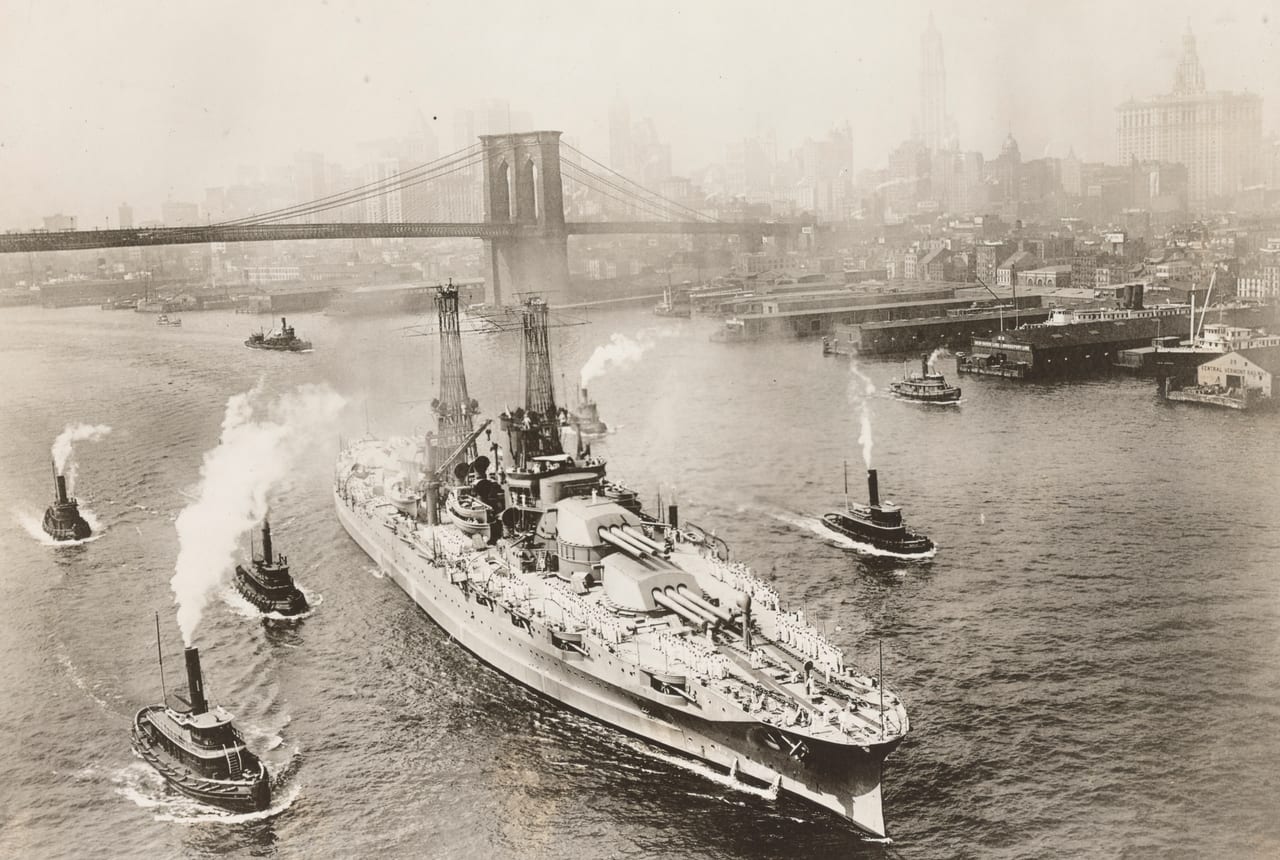
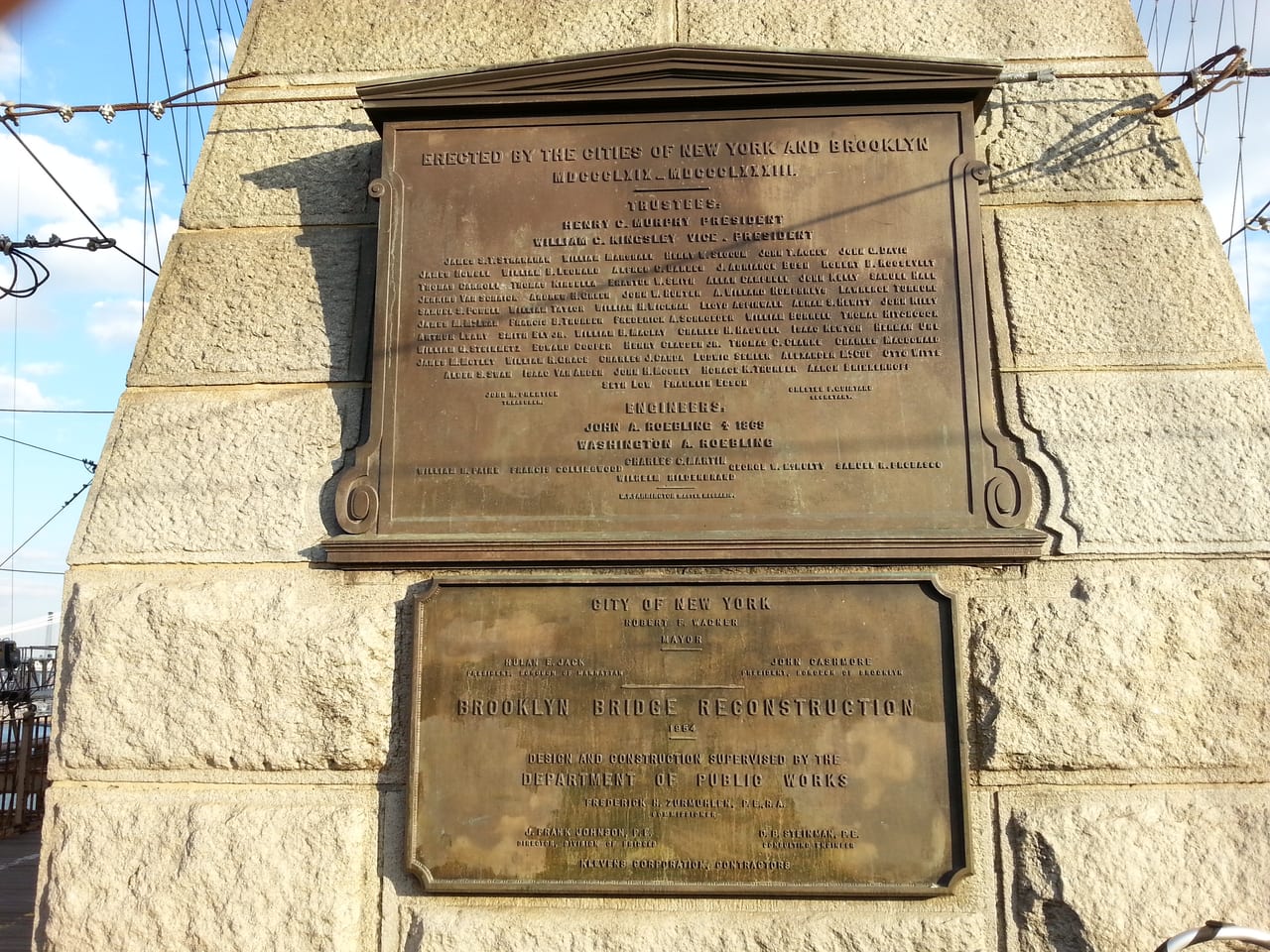
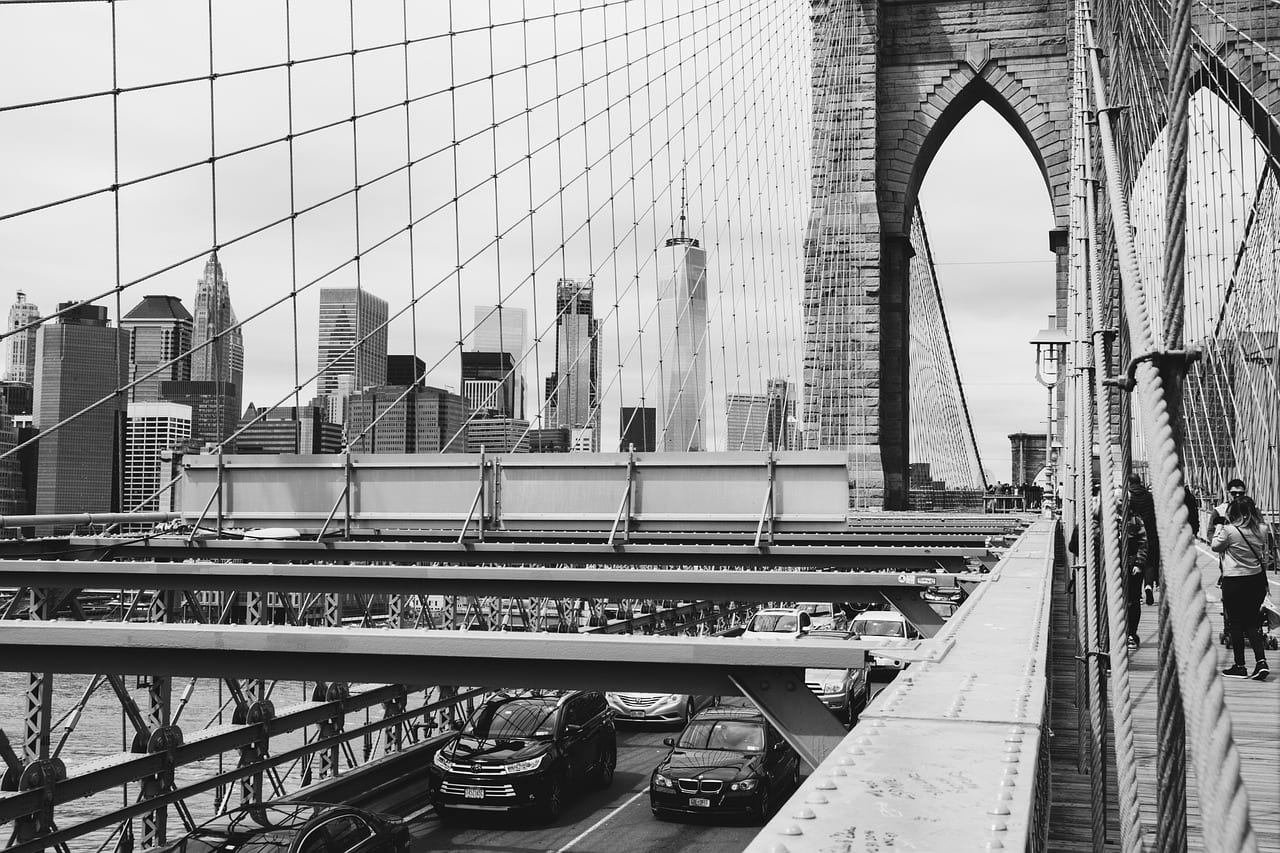
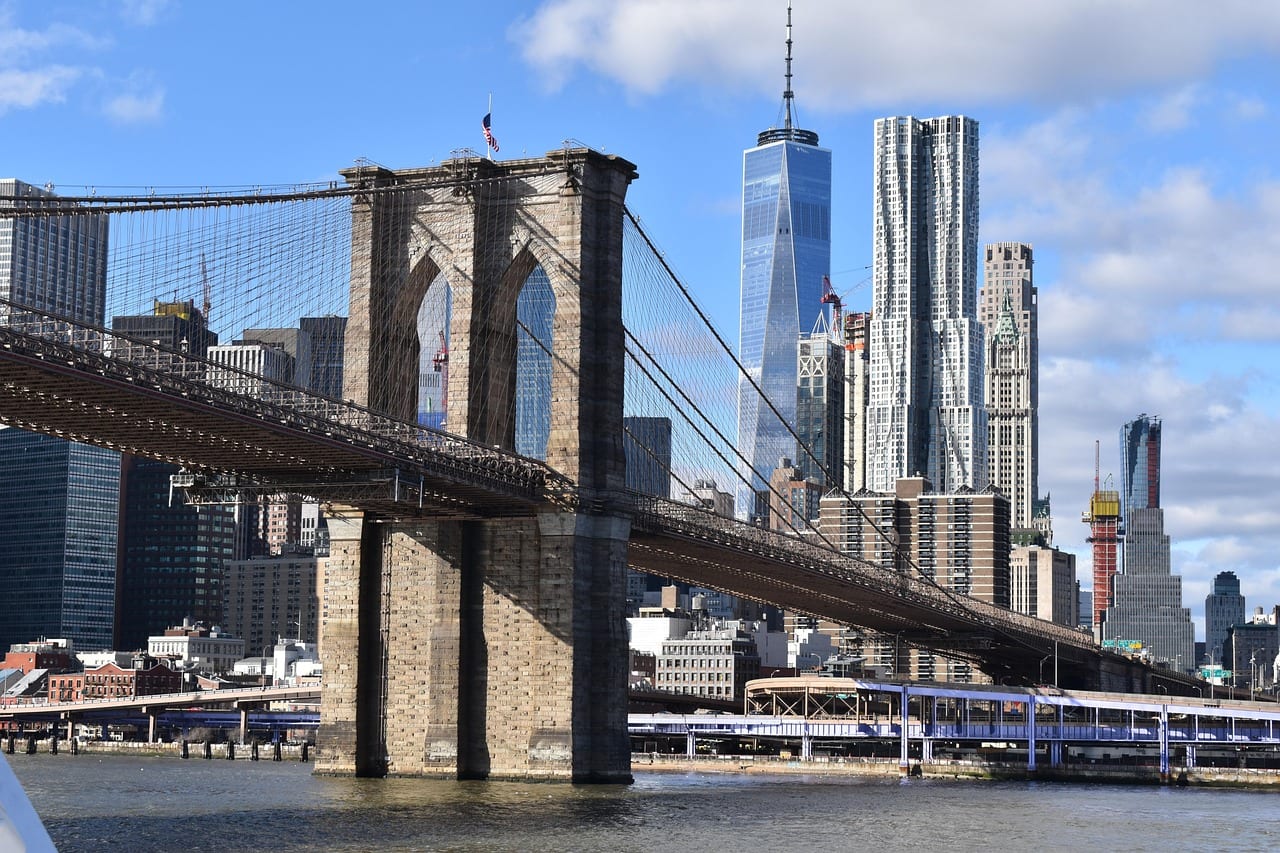
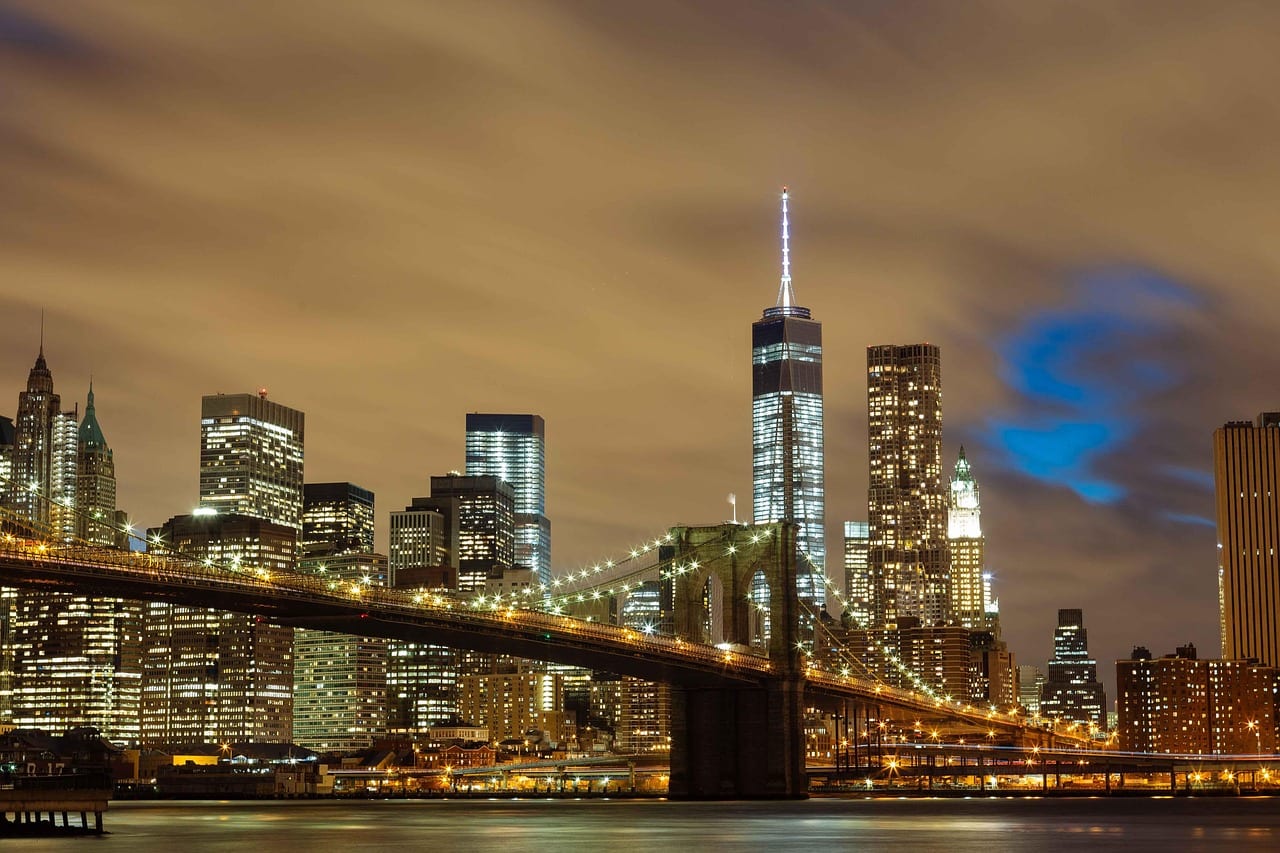
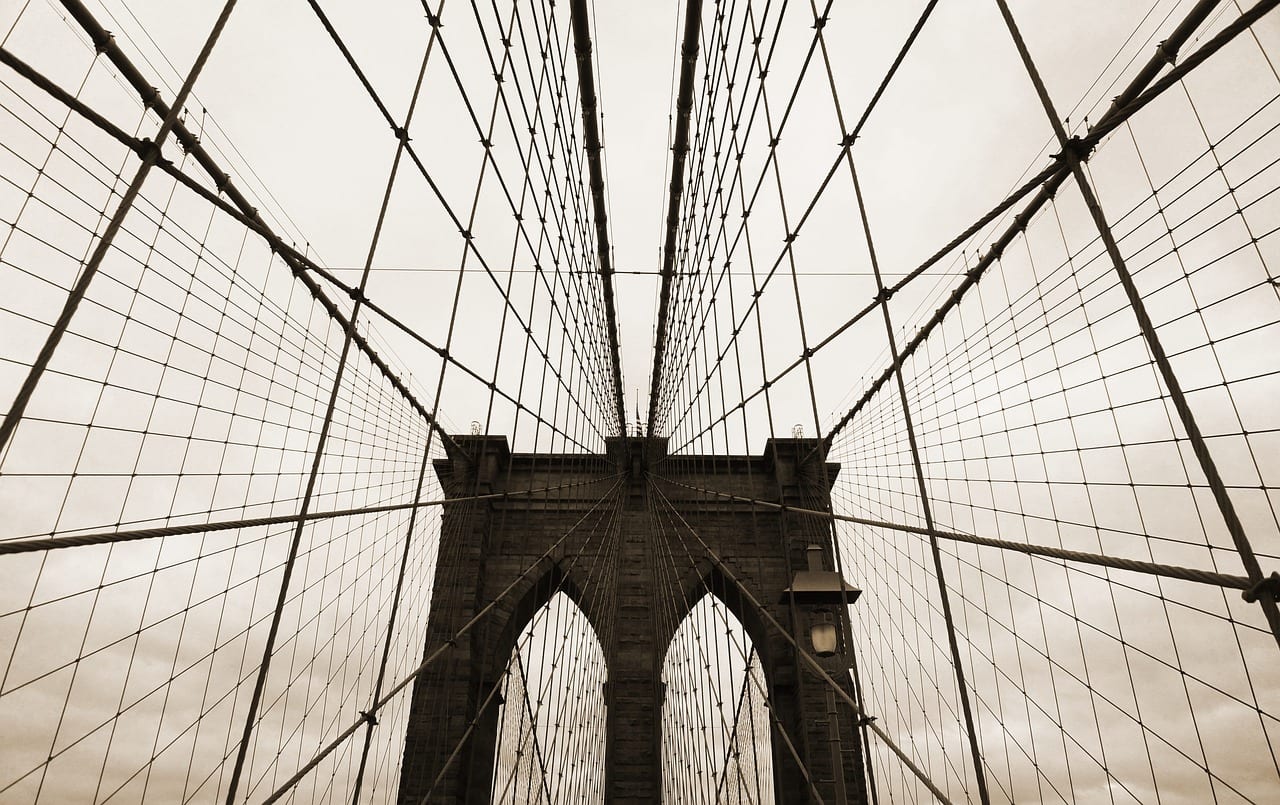
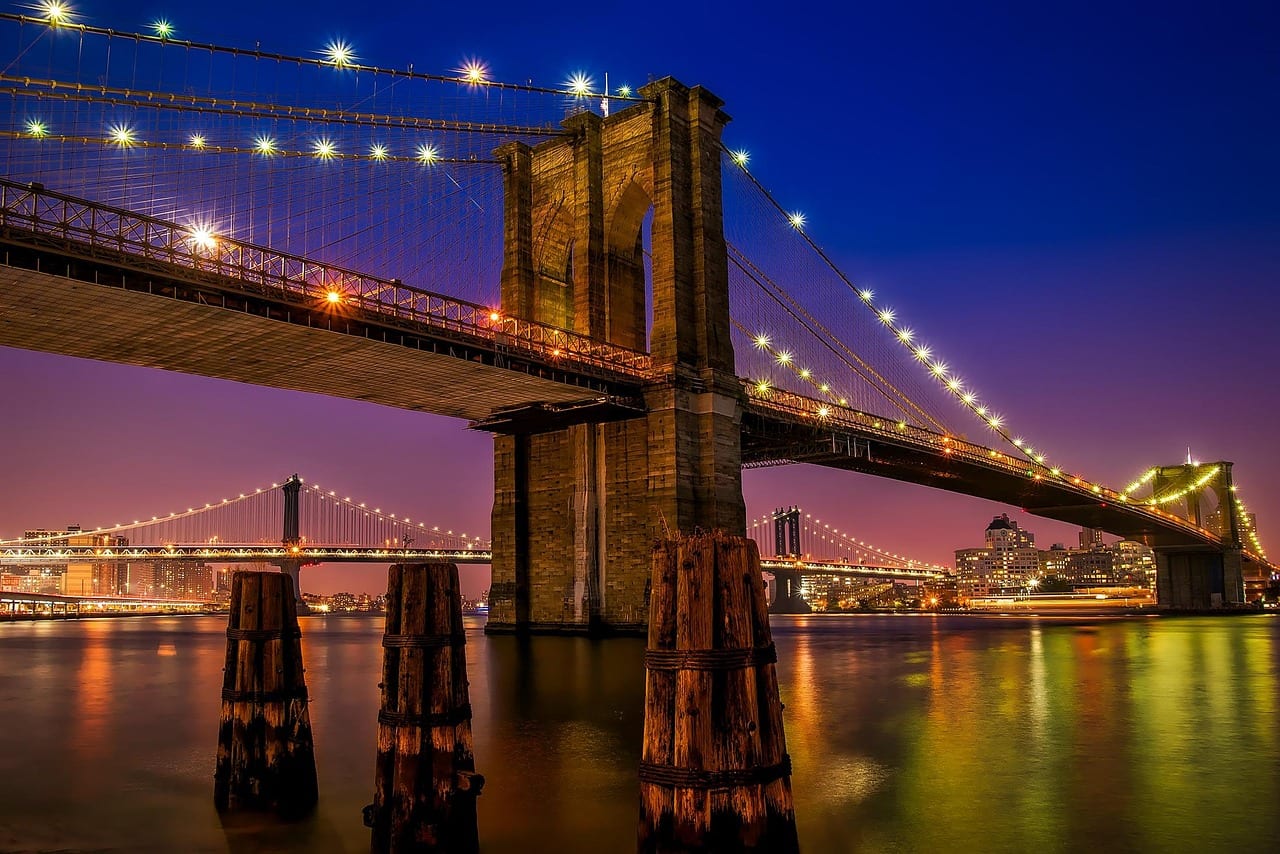
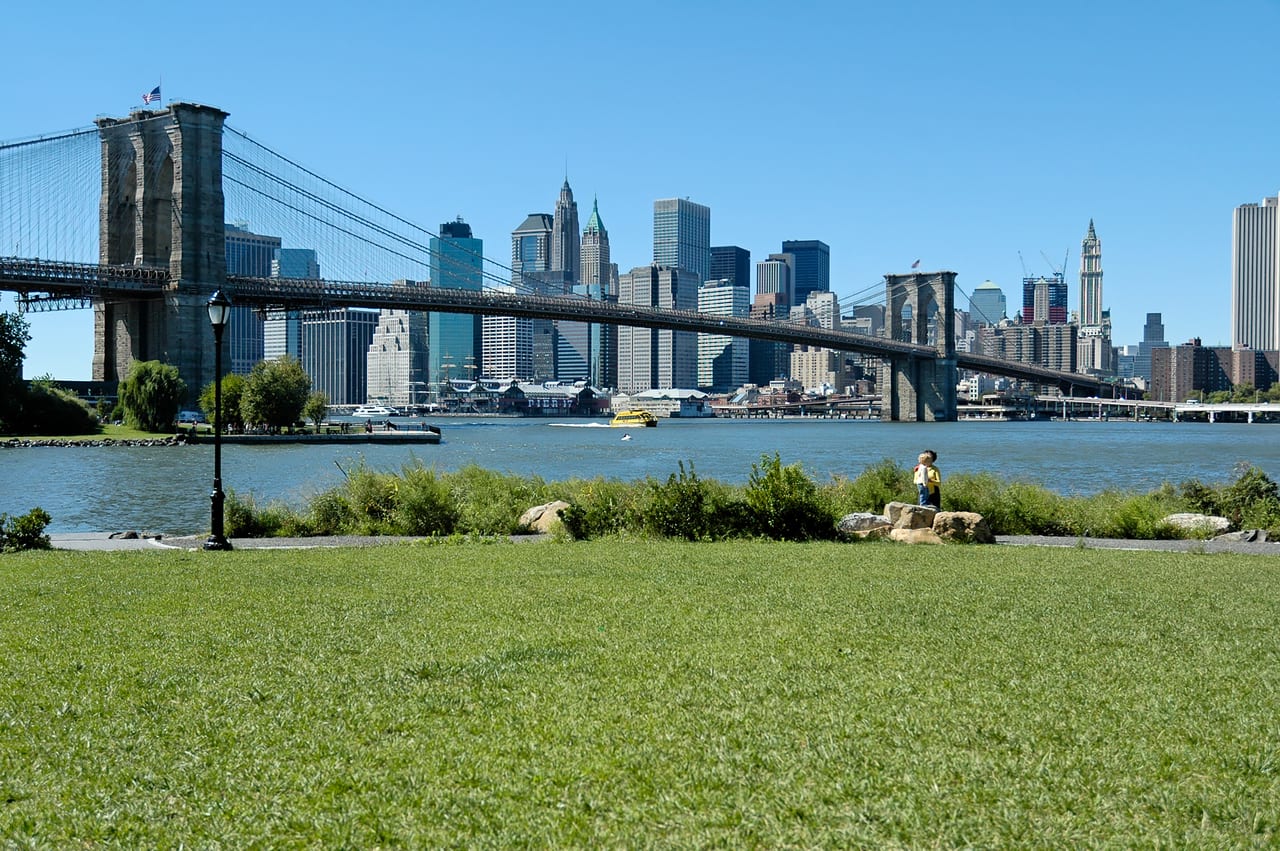
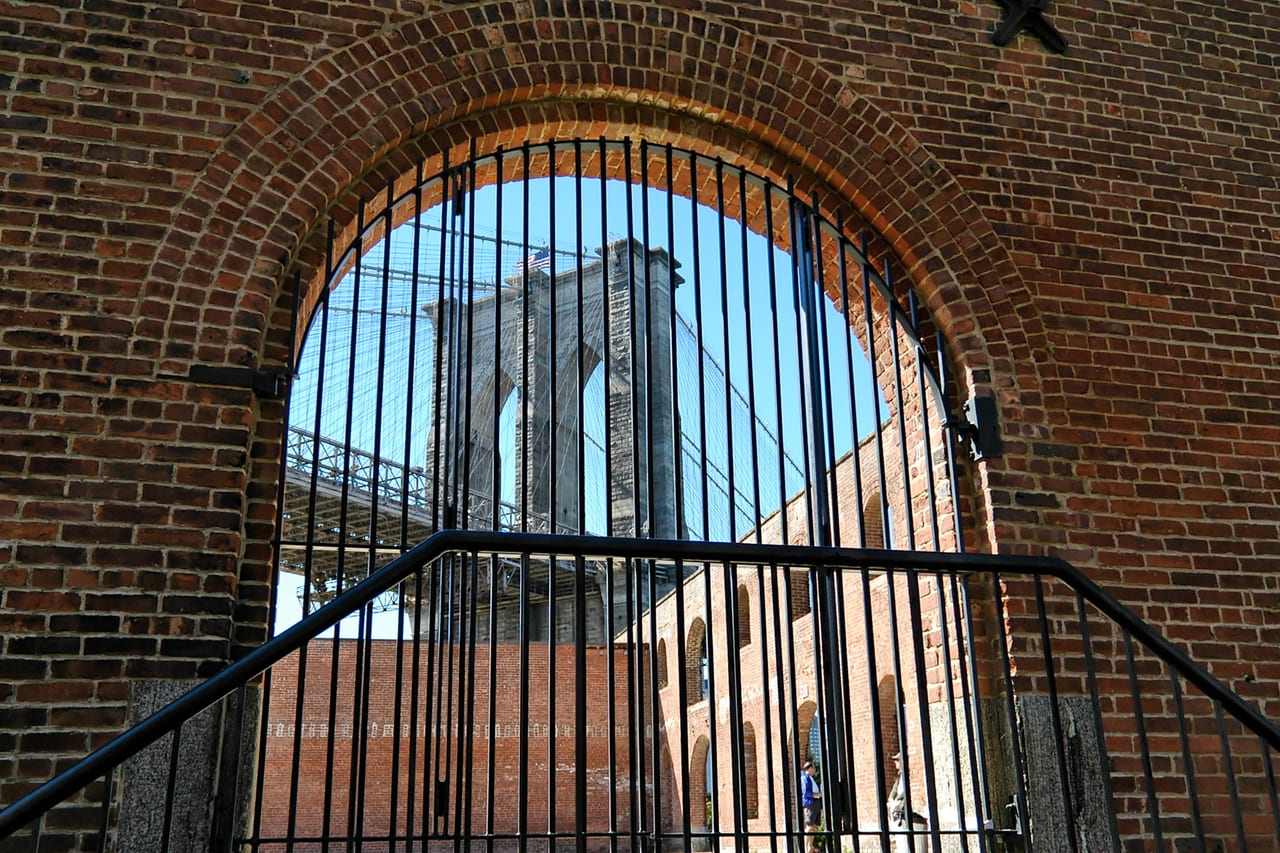
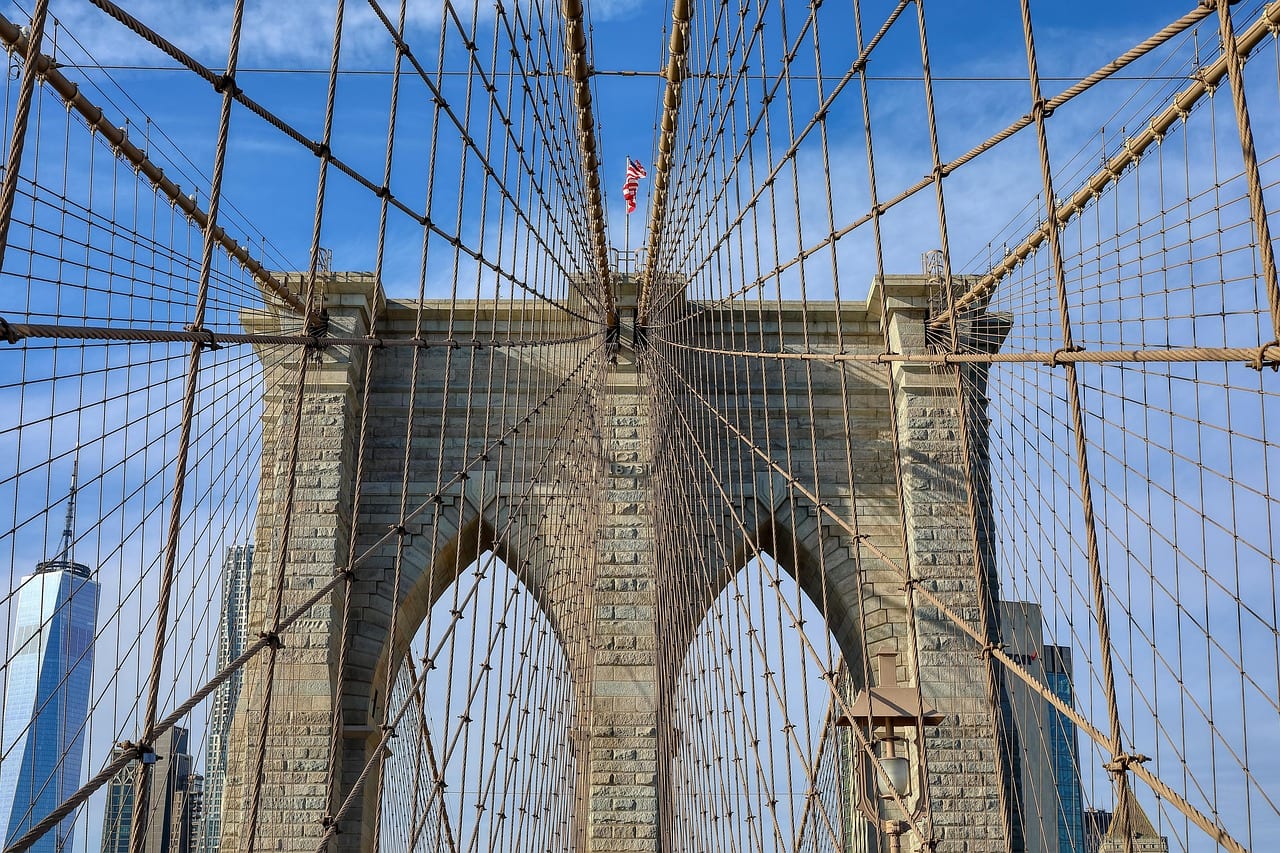
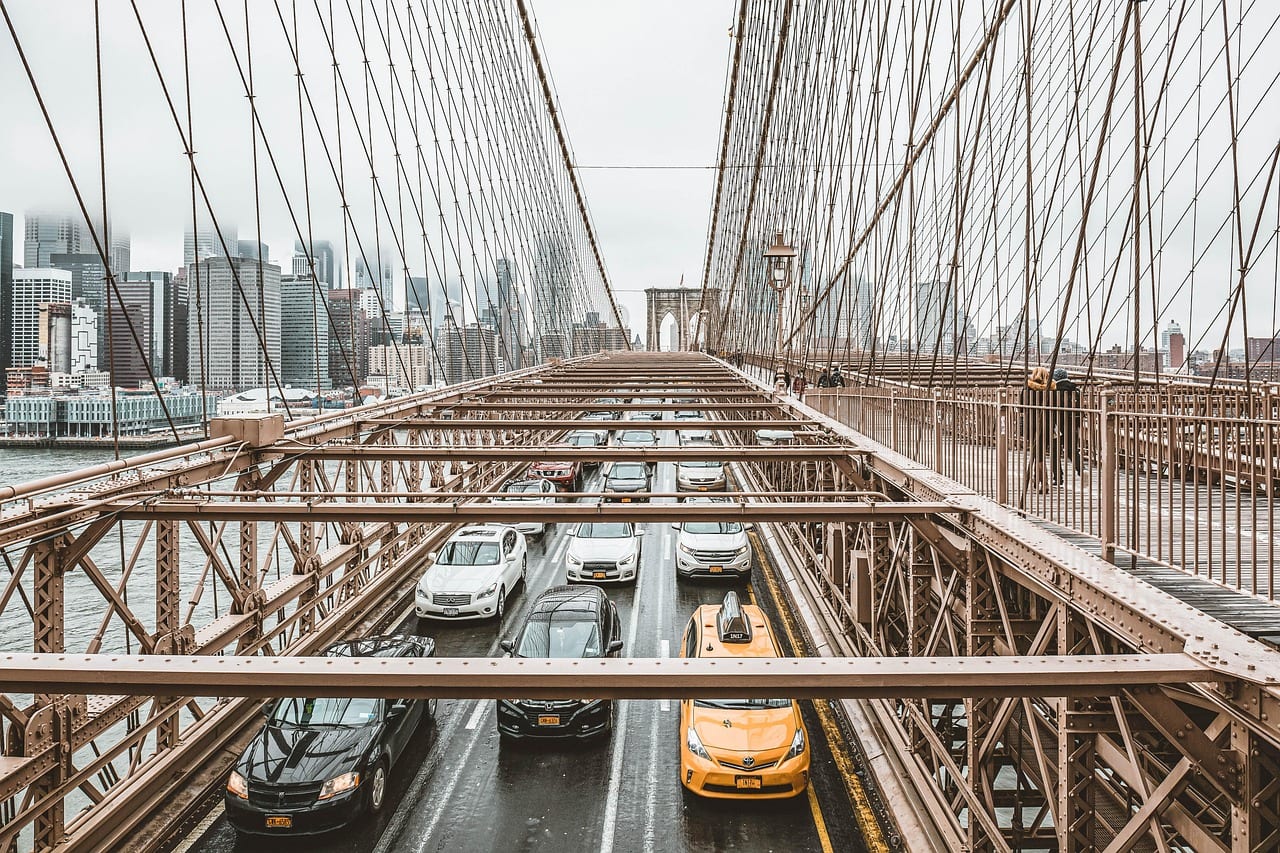
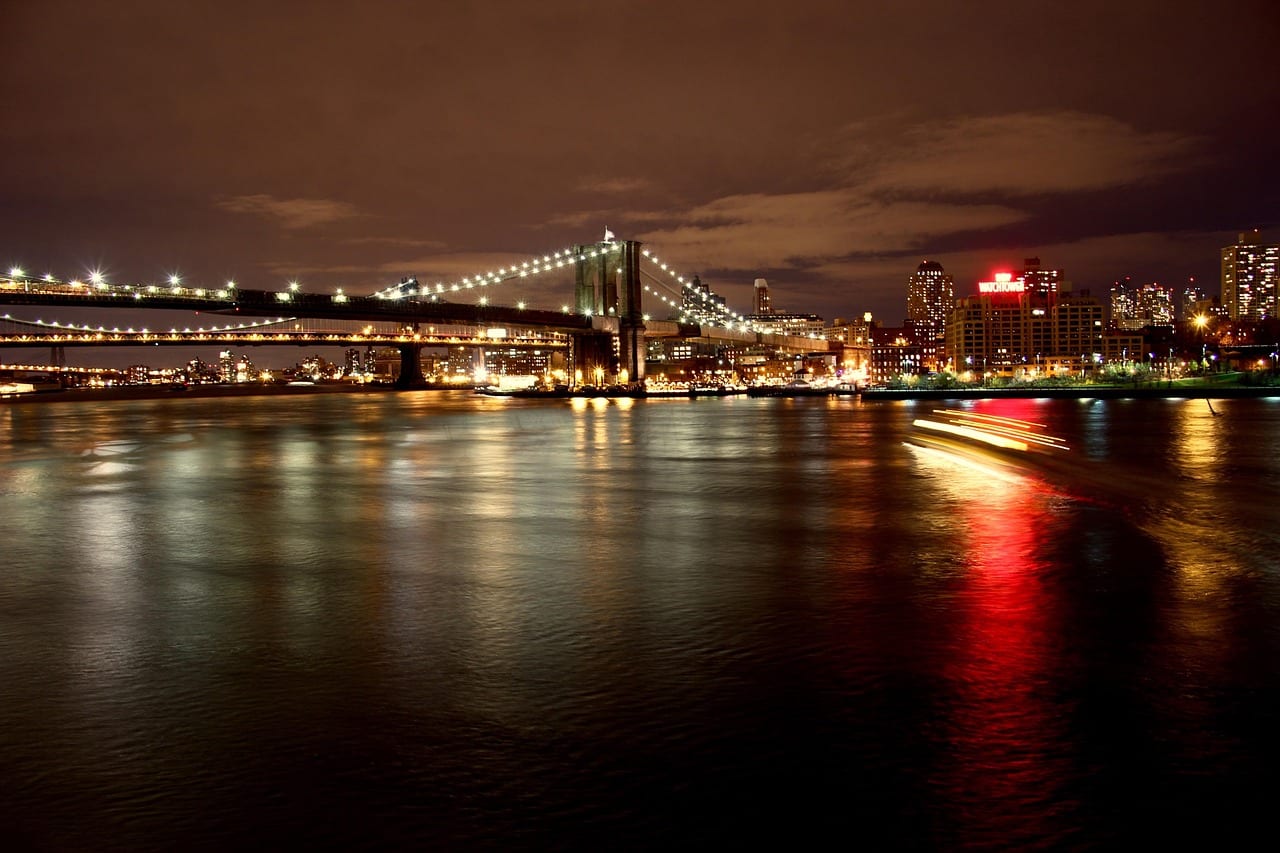
Plans for a fixed crossing between Brooklyn and Manhattan appeared as early as 1800, when ferries were the only connection. John Augustus Roebling proposed a suspension bridge in 1857; after his death from a tetanus infection in 1869, his son Washington became chief engineer. Washington’s wife, engineer Emily Warren Roebling, assisted with the design and construction. Work began in 1870 under the New York Bridge Company, amid political influence from Tammany Hall, controversy and the challenges of an untested design. Roebling’s hybrid structure combines suspension and cable-stayed systems, with four main steel-wire cables, vertical suspenders and diagonal stays. Its limestone, granite and Rosendale-cement towers rise in Gothic Revival pointed arches, while Renaissance-style masonry approaches lift the deck above shipping. The elevated promenade runs between the roadways. Originally carrying horse-drawn vehicles and elevated trains, the bridge was reconfigured several times; trains ceased in 1950, and renovations followed in the 1950s, 1980s and 2010s.
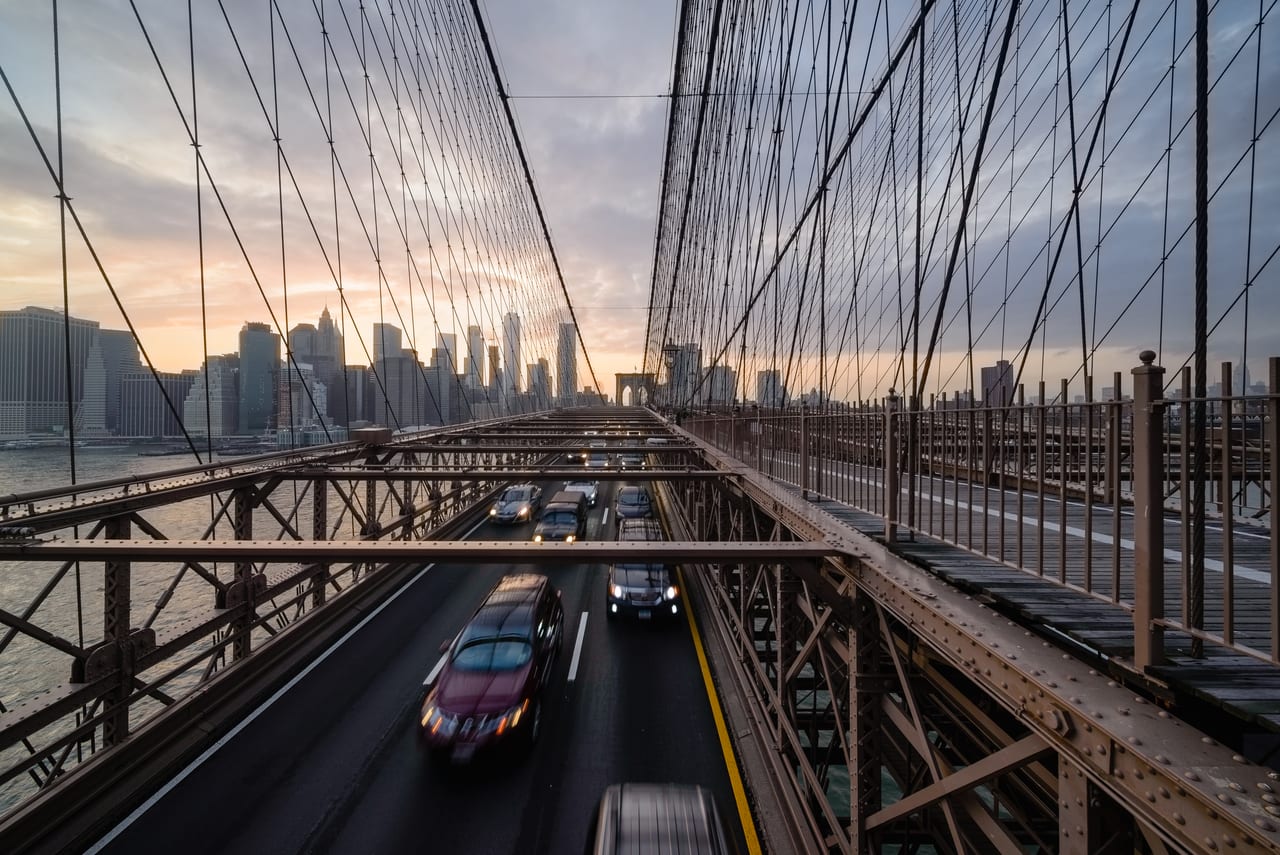
Walk the elevated promenade to examine the bridge’s structural arrangement: notice the four main cables, the dense suspender lines and the way the path rises beside each tower. Examine the Gothic Revival arches, then study the approach viaducts and their masonry openings. Pedestrian and bicycle traffic use the bridge’s elevated route, while passenger vehicles use the roadways. At the Manhattan approach, look for the Arches park sections beneath the structure and the surviving spaces associated with Brooklyn Banks.
Live availability and prices from Stay22's partners, refreshed periodically and subject to change. Booking through these links may earn us a commission at no extra cost to you. See our privacy policy.
More in New York
Find great cafés, places to stay and other interesting places to visit in New York.
