Museum · Stockholm
Swedish History Museum
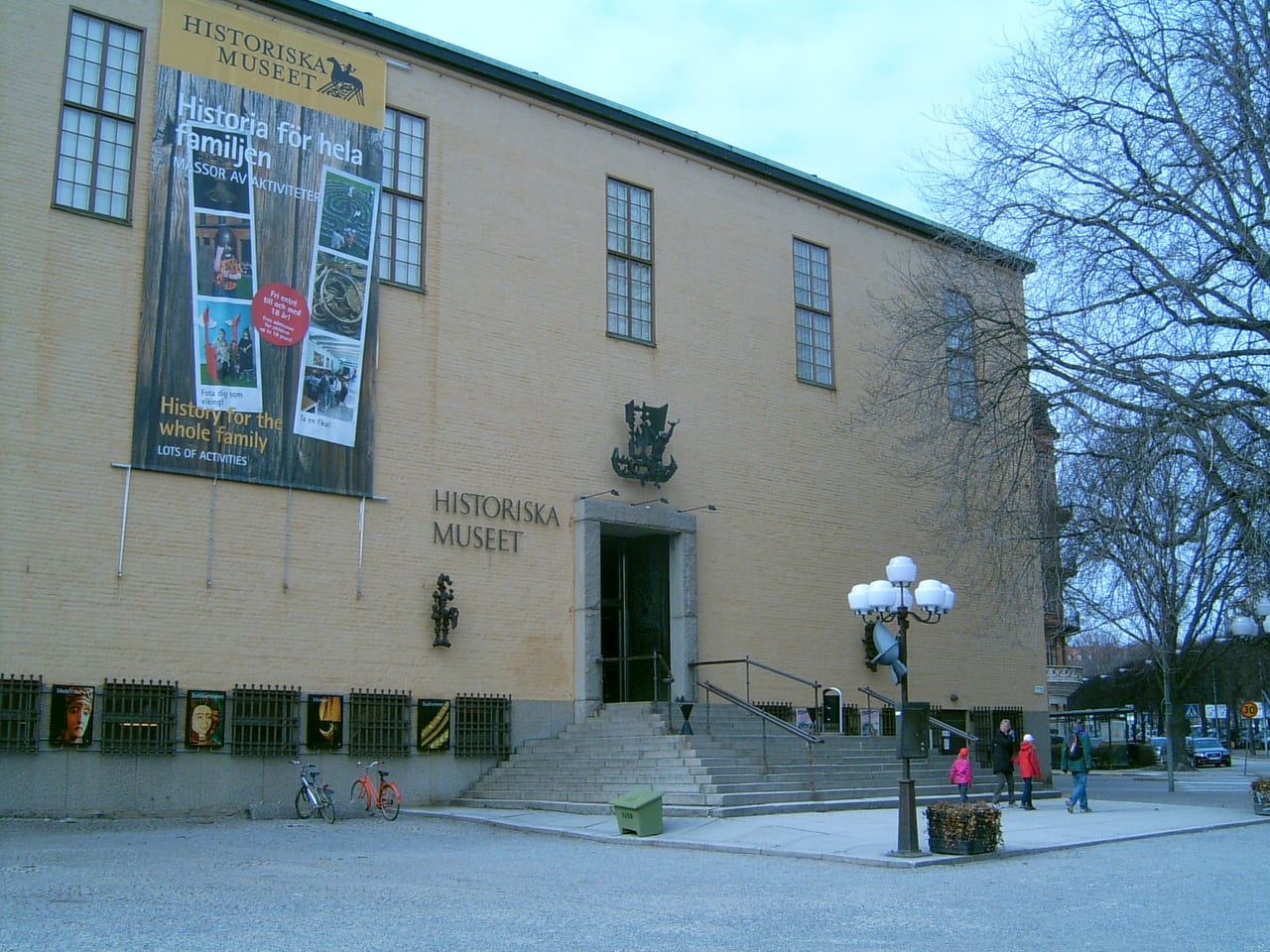
DirectionsIts bronze entrance doors compress Swedish history from the Stone Age to the Middle Ages into ten scenes—and include a polished 1950s pilsner bottle.
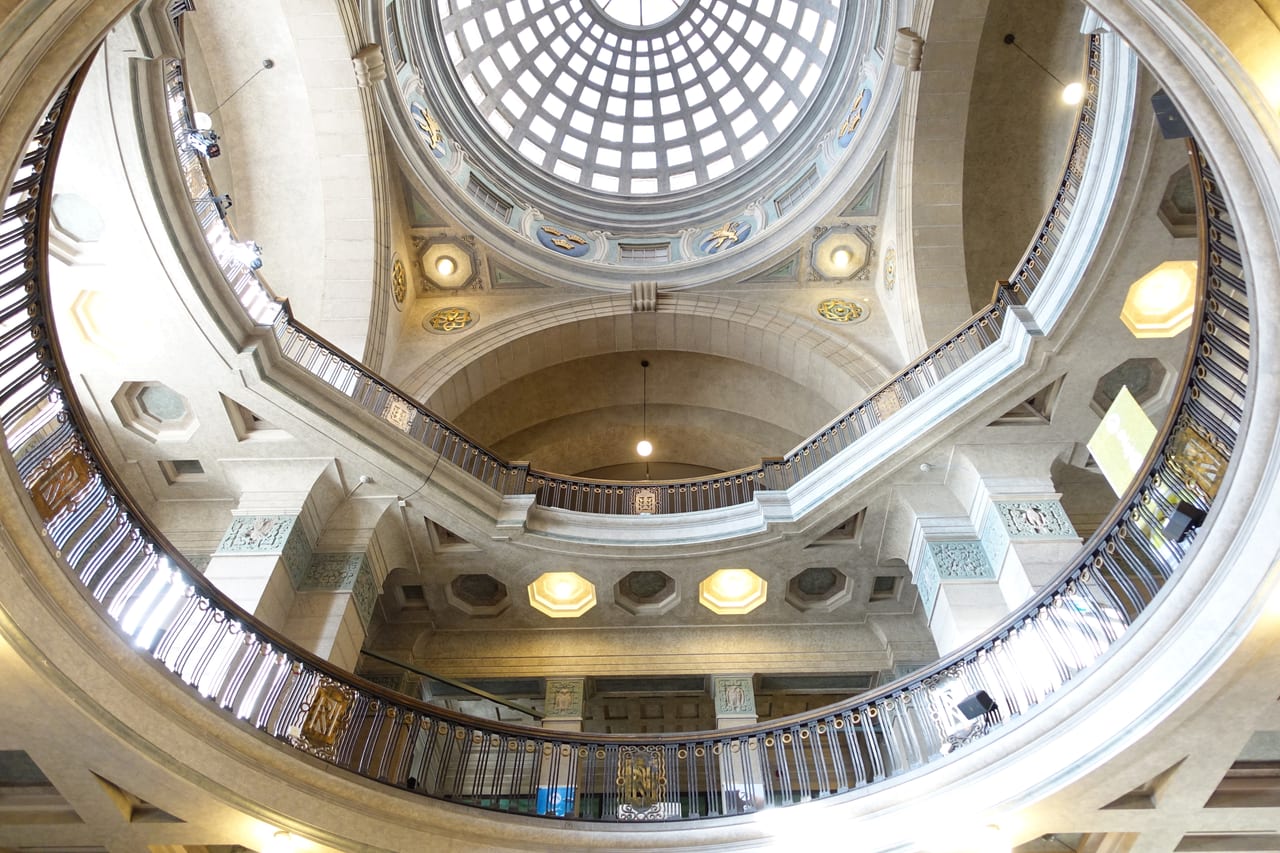
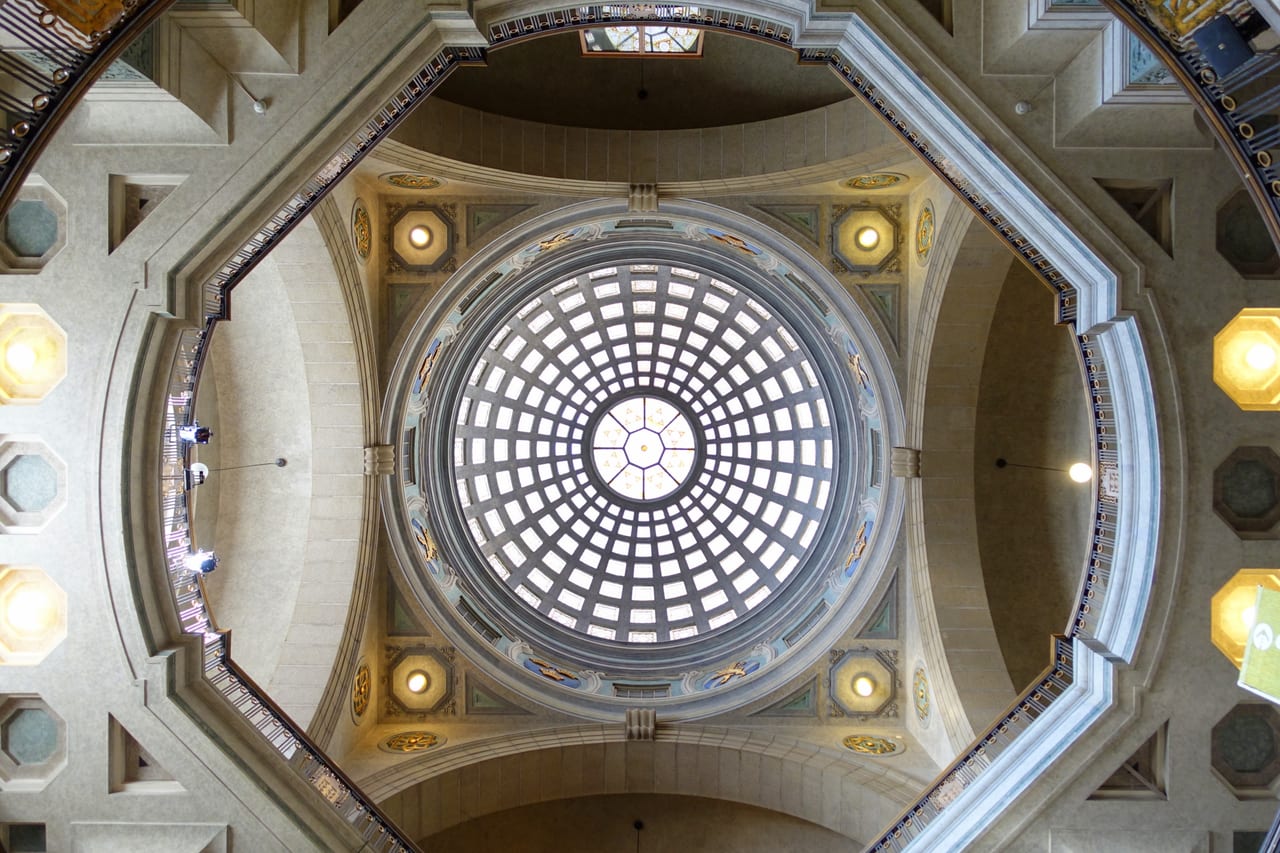
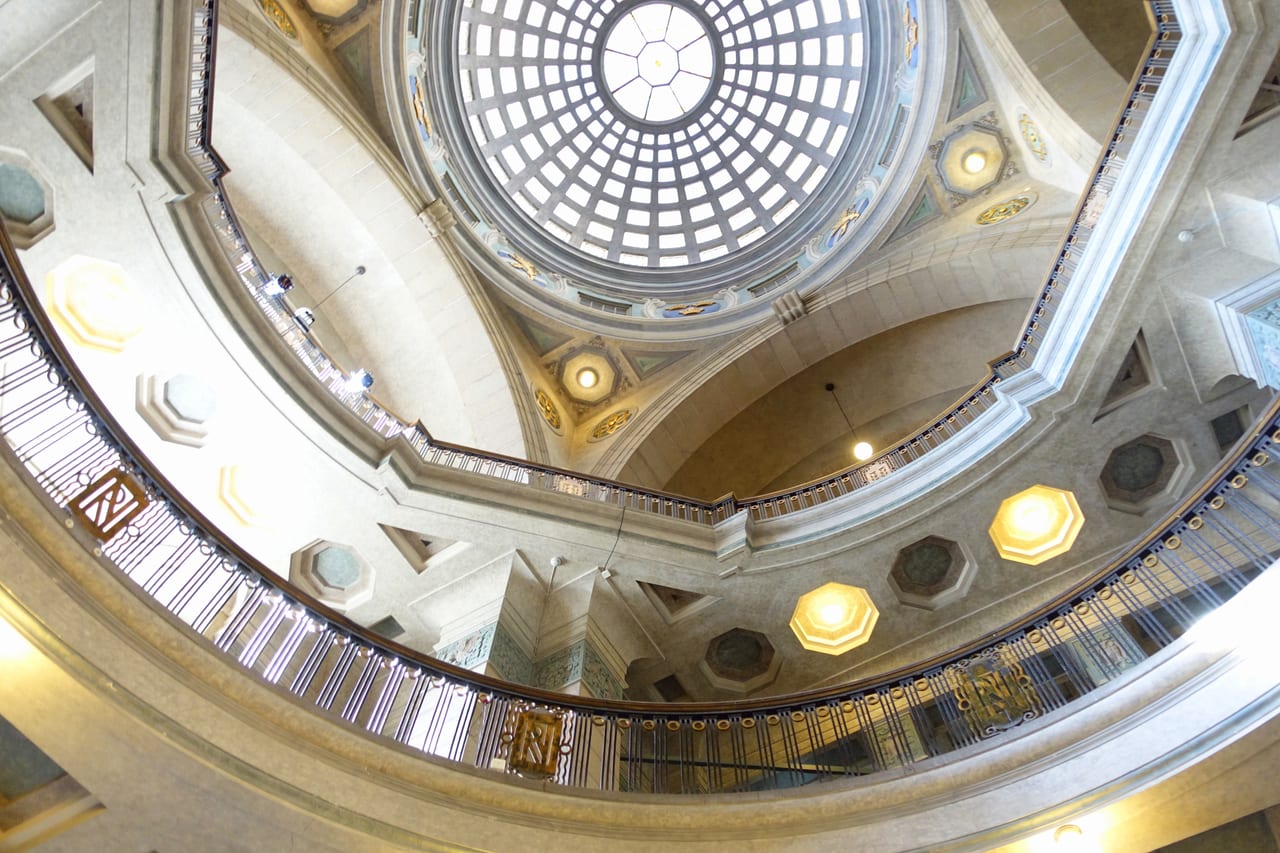
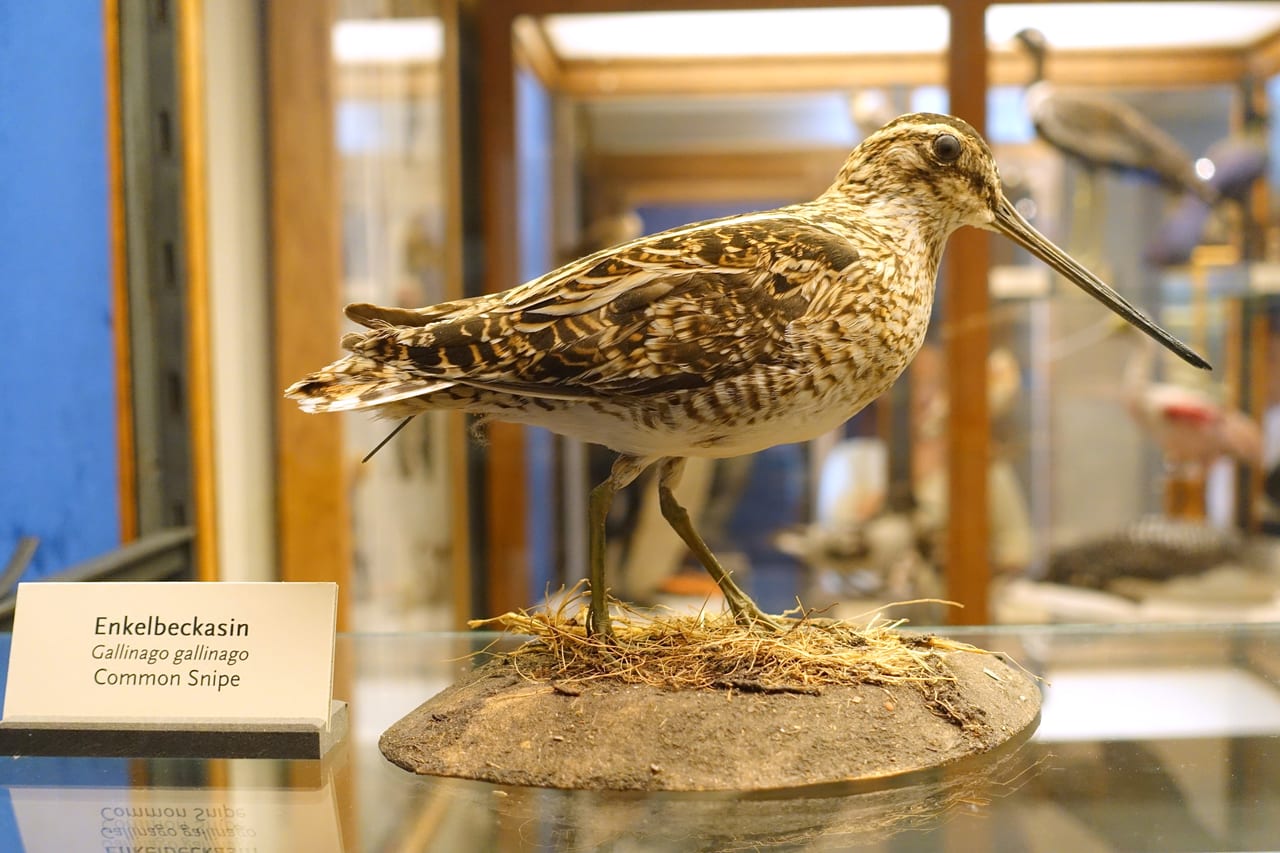
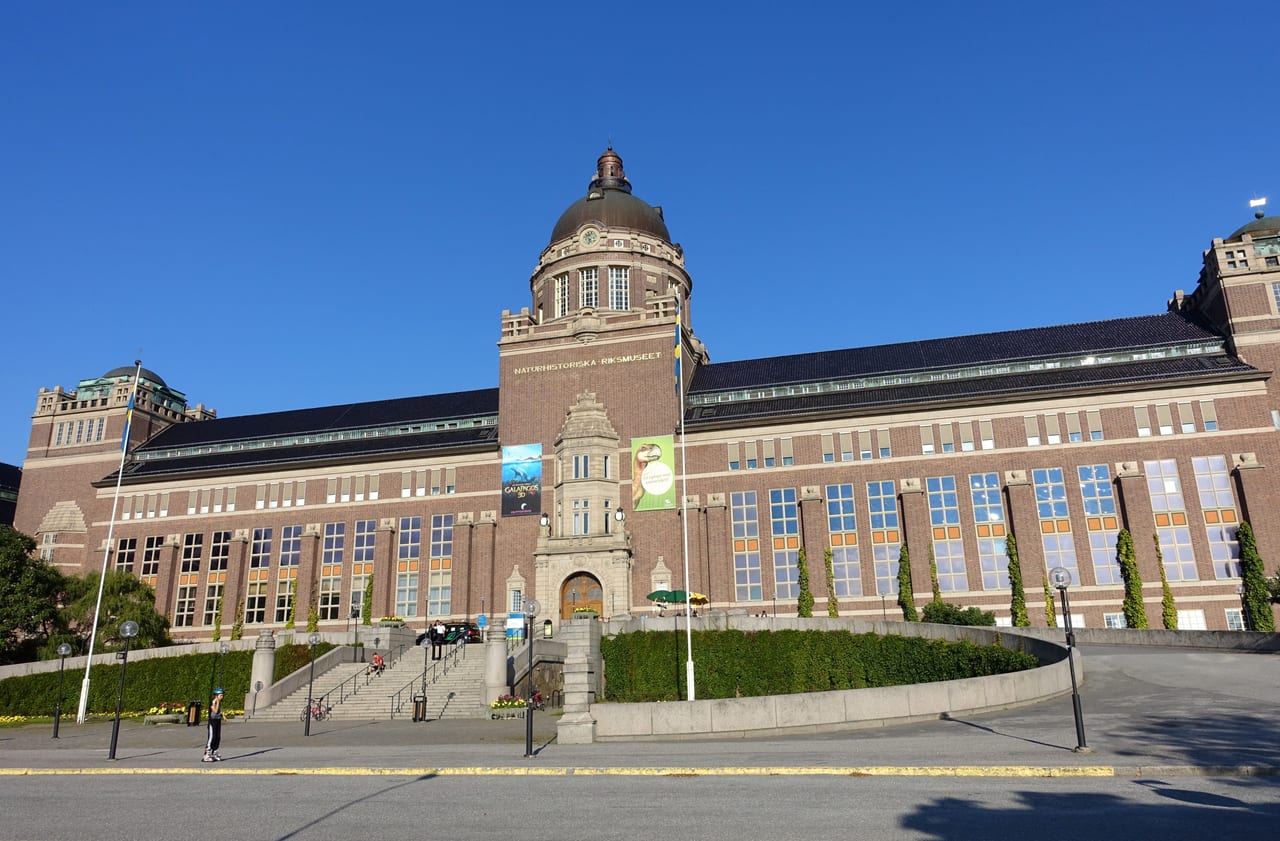
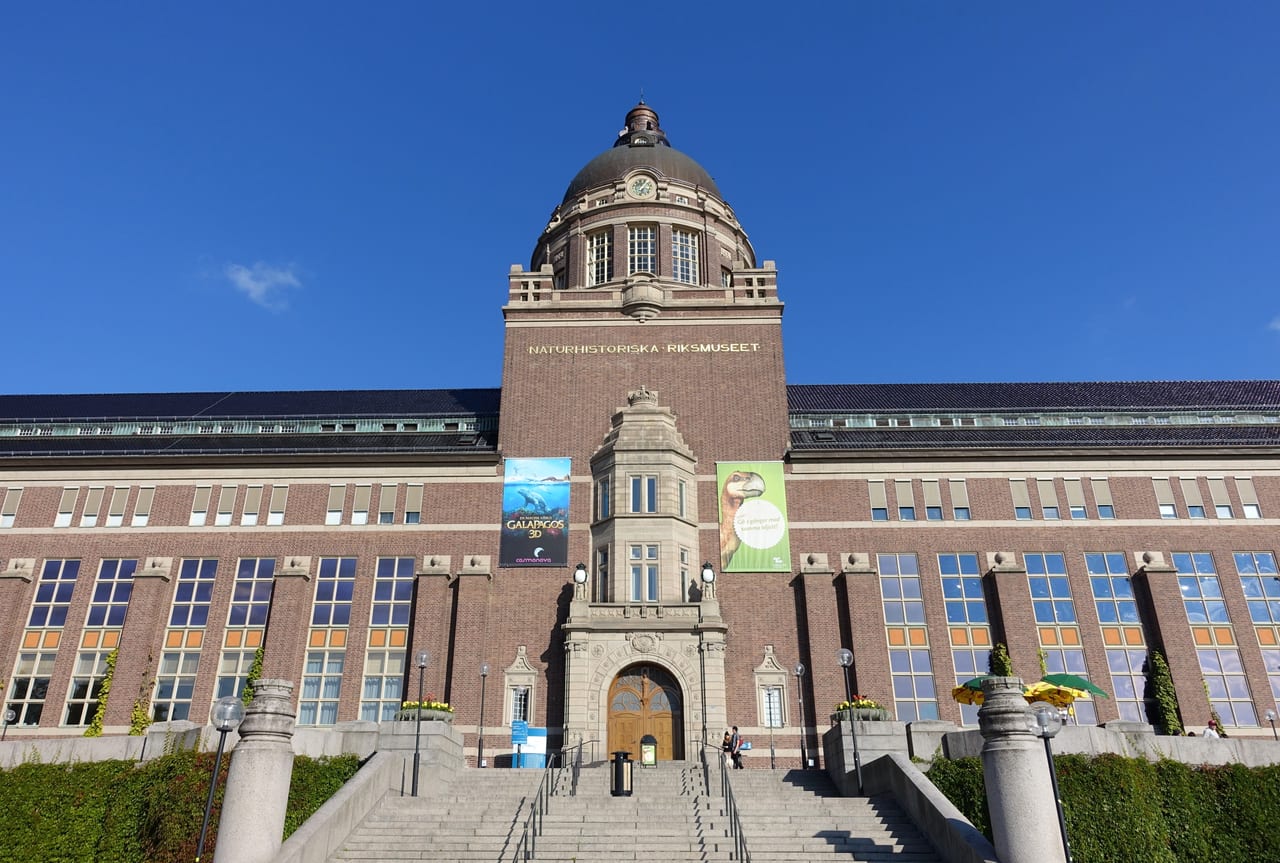


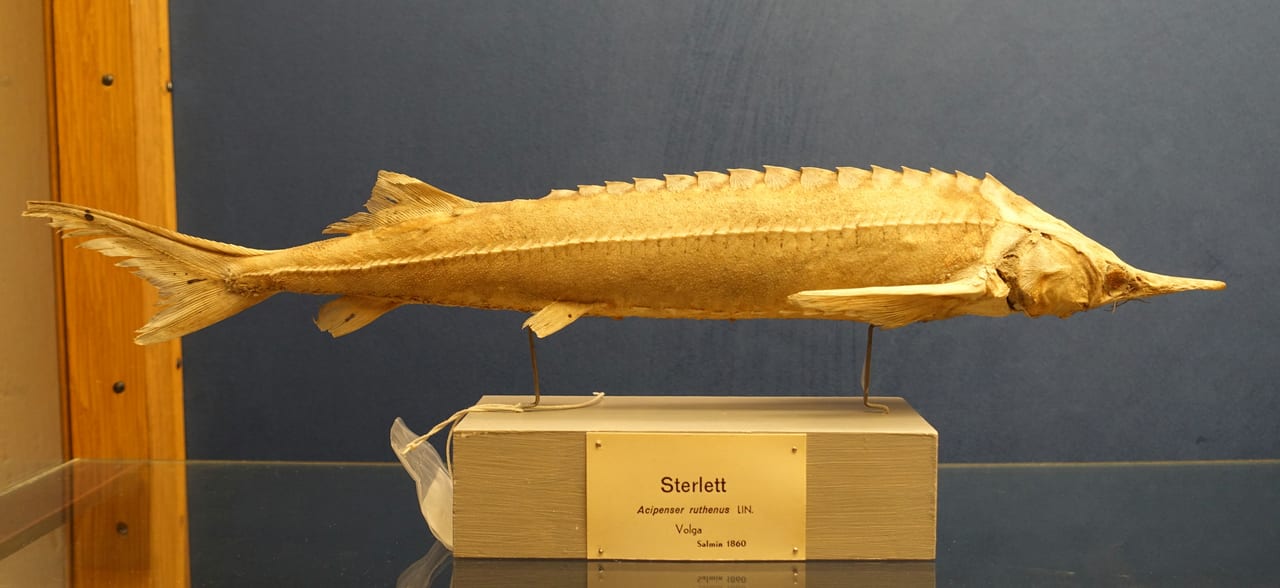
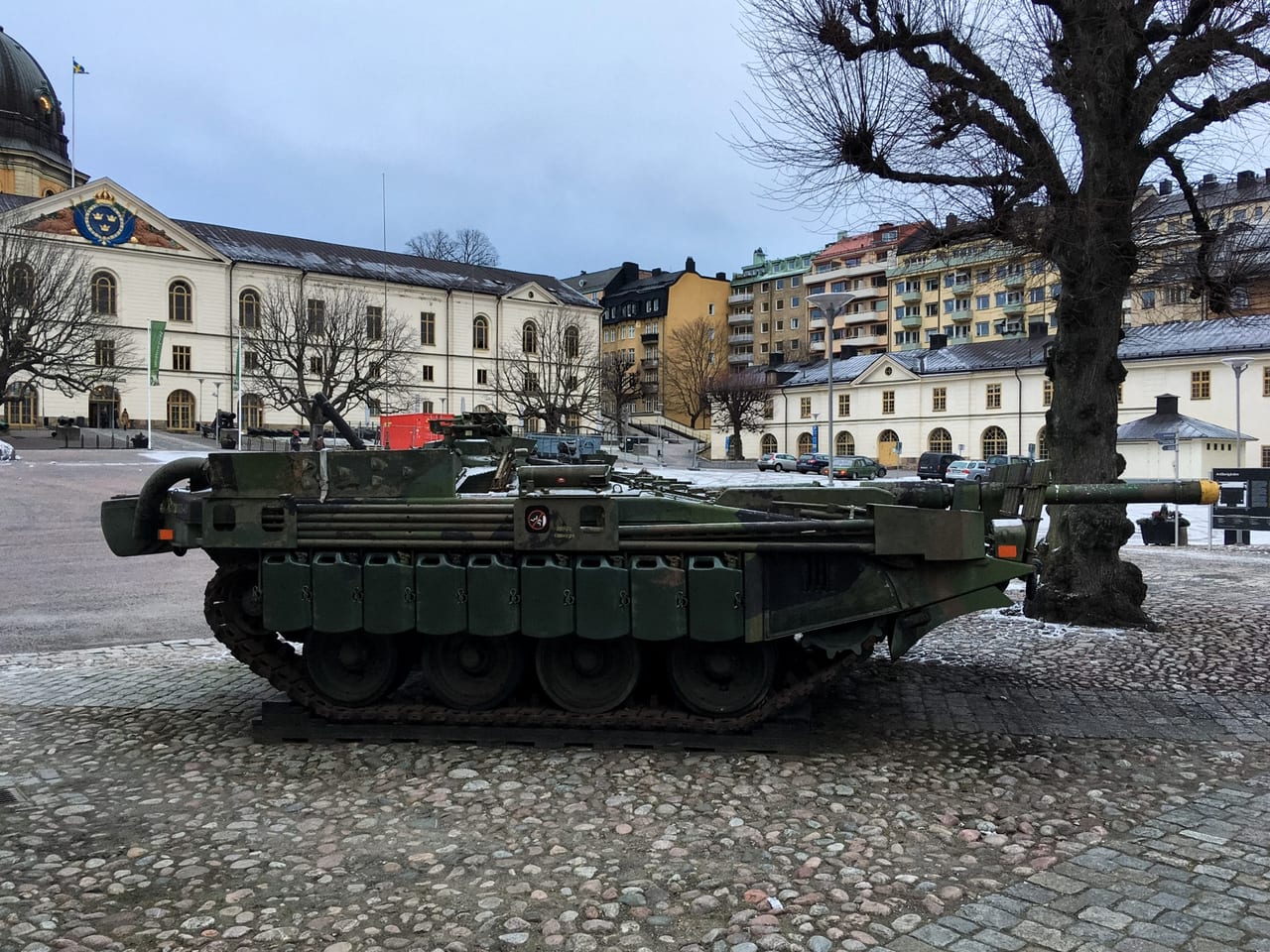


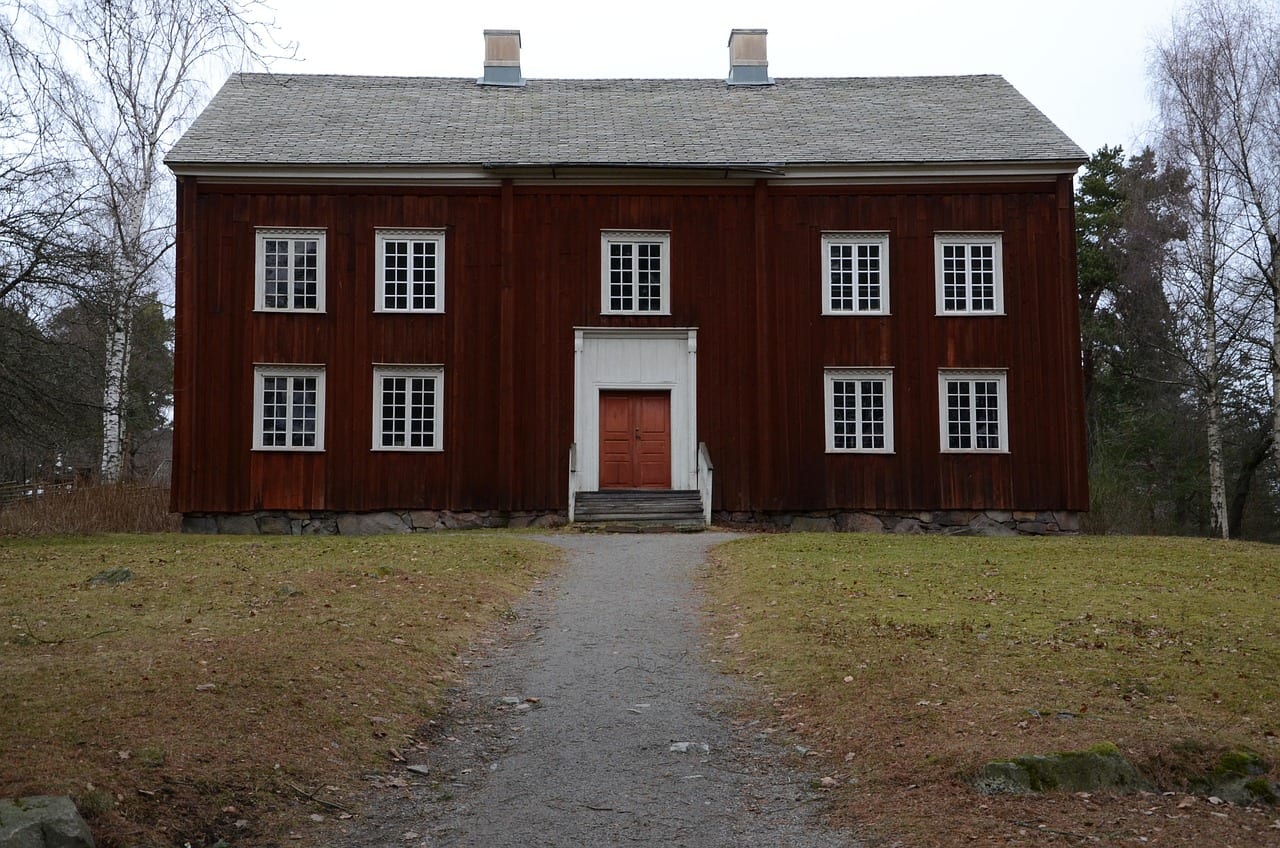
Photograph 1 of 35 of Swedish History Museum
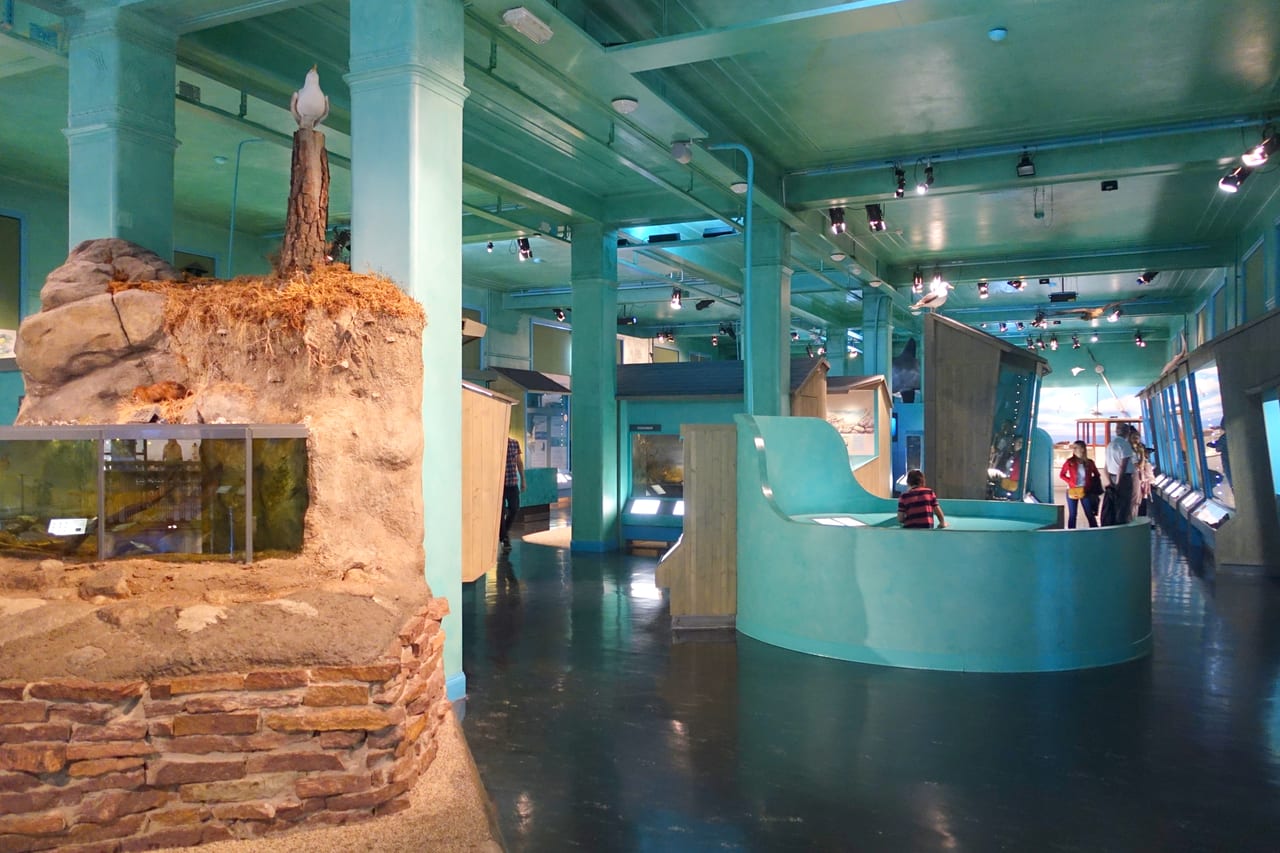
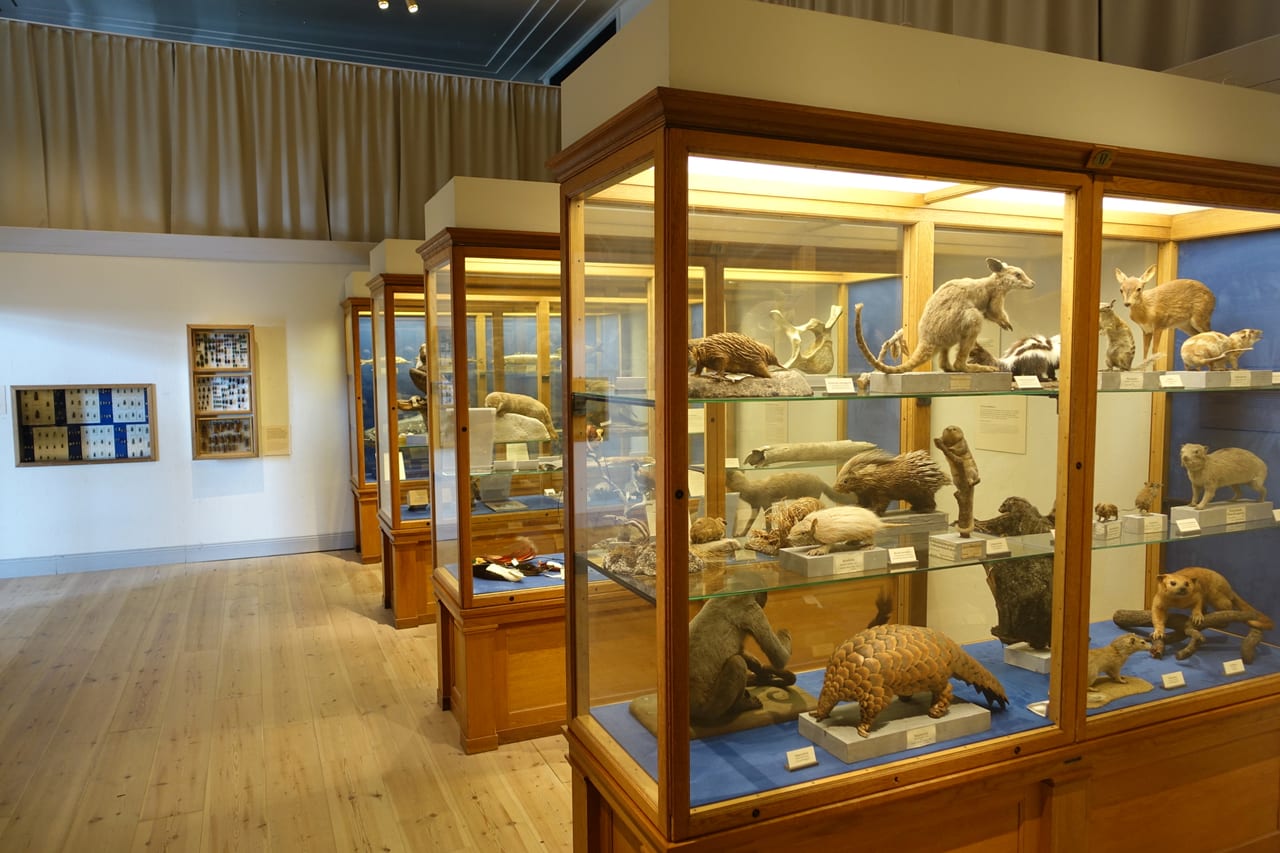
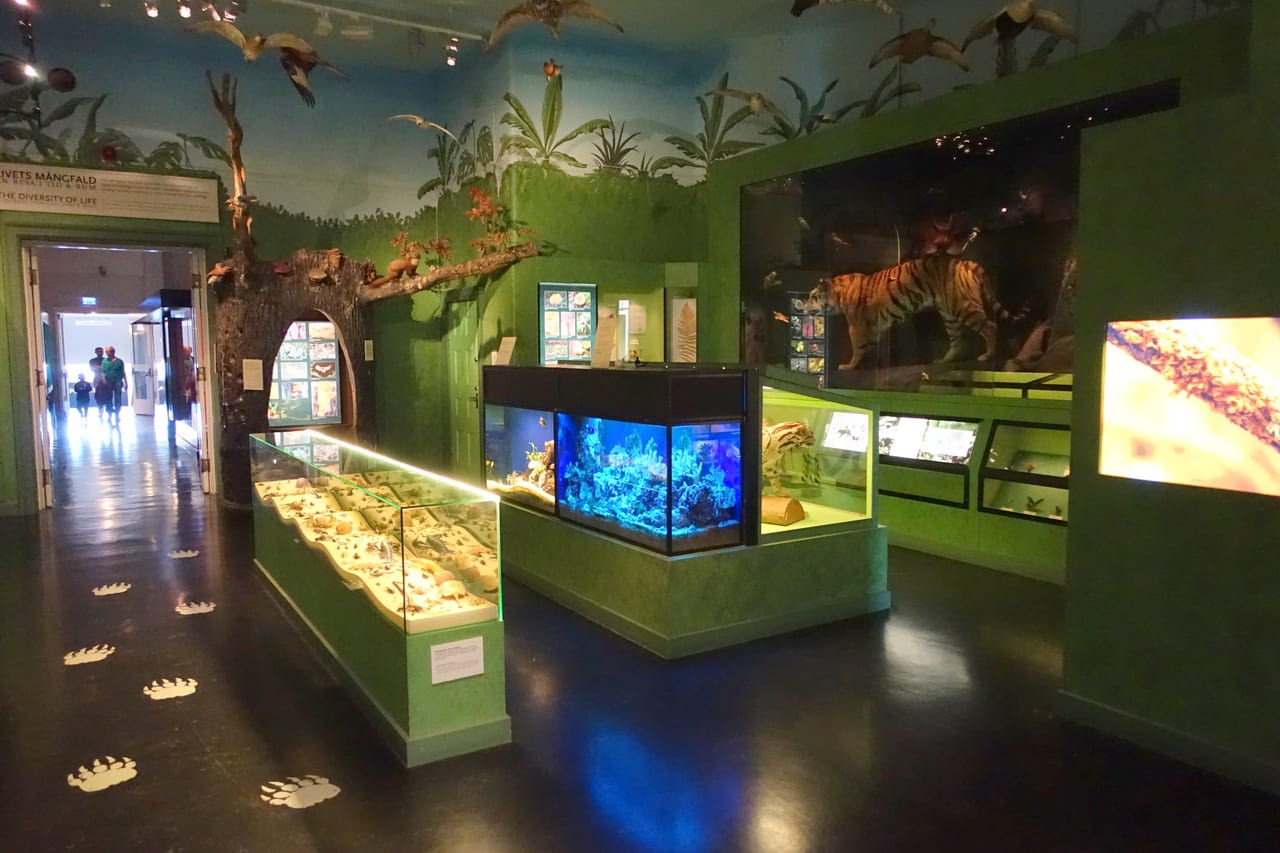
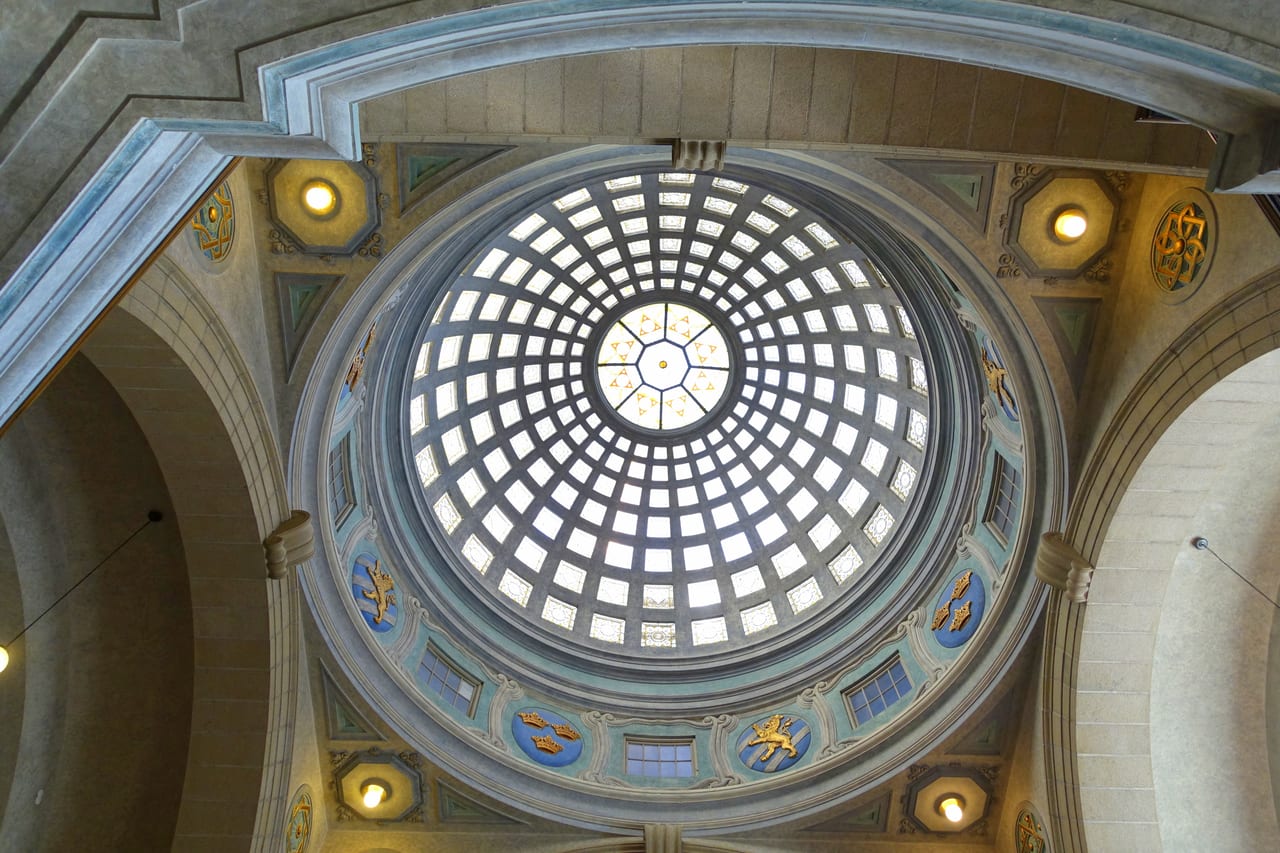
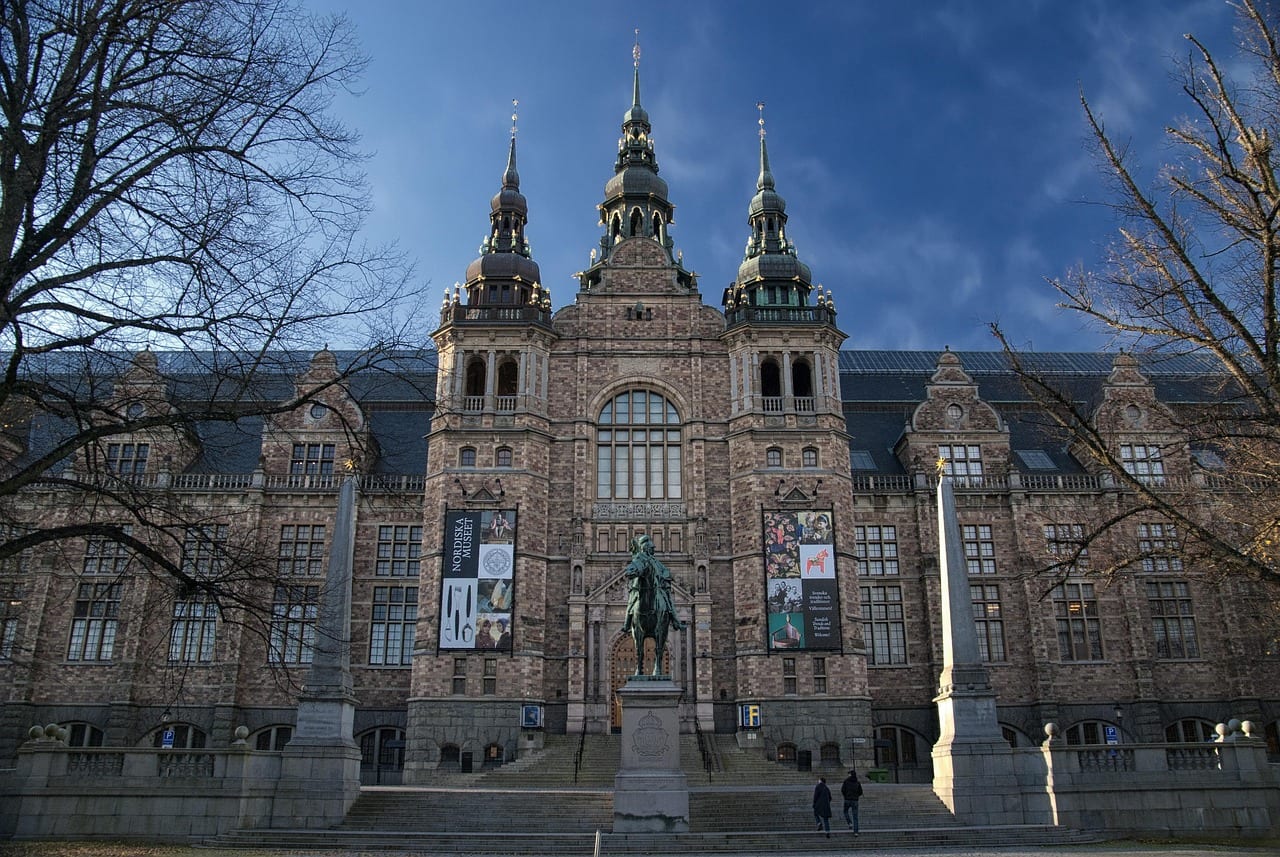
Founded in 1866 by Bror Emil Hildebrand, the museum grew from royal collections begun by Gustav Vasa in the 16th century. Acquisitions, gifts and war spoils enlarged them; after the 1792 death of Gustaf III, the holdings passed to the government and the Royal Museum opened at Stockholm Palace. The collections moved to Ridderstolpe House in 1846–47, then to Nationalmuseum in 1865. Bengt Romare and George Scherman developed the design with Gösta Nilsson and Curman: four austere, two- and three-storey blocks form a fortress-like courtyard beside Fredrik Blom’s neoclassical 1805–1818 buildings. The first comprehensive exhibition opened in 1943; later displays have repeatedly been remade, including Sweden’s History in 2010 and We call them Vikings in 2011. Collections span Mesolithic archaeology to the present, with Viking material, medieval ecclesiastical art, textiles and precious-metal objects. The museum belongs to the Statens historiska museer agency.
At a glance
- Built
- 1866
Ways to explore Swedish History Museum
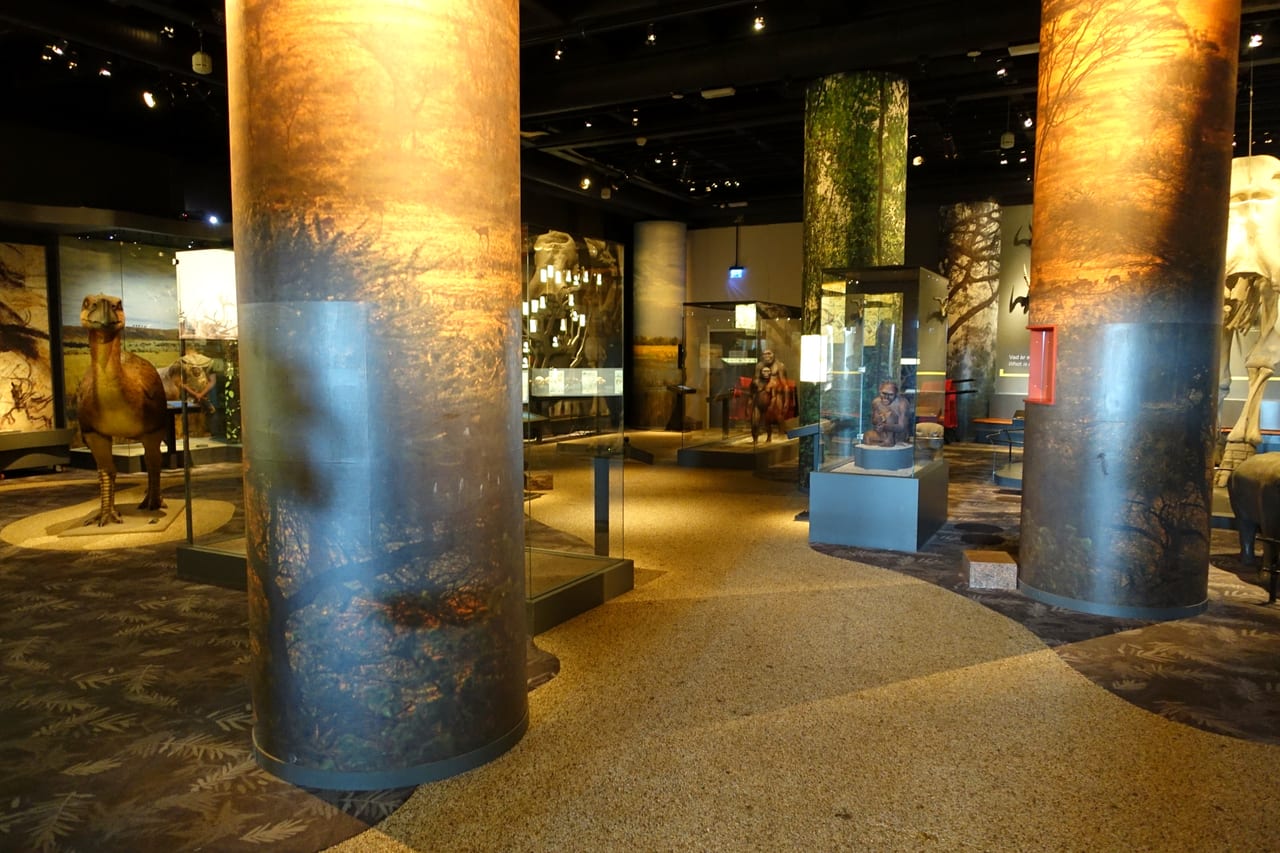
The permanent displays run chronologically: pre-Christian material occupies the ground floor, while collections from around 800 onwards continue upstairs. The Gold Room beneath the courtyard contains collars, Viking silver, reliquaries, coins and ceremonial swords, arranged among limestone, diabase and wrought iron. The ecclesiastical and textile holdings include the Viklau Madonna, the Reliquary of St. Elizabeth and the Skog tapestry. The Viking displays include weapons, religious items, foreign objects and finds connected with everyday life.
Places to stay near Swedish History Museum

Live availability and prices from Stay22's partners, refreshed periodically and subject to change. Booking through these links may earn us a commission at no extra cost to you. See our privacy policy.
Cafés near Swedish History Museum
Cafés near Swedish History Museum loads as you scroll.
Attractions nearby
Attractions near Swedish History Museum loads as you scroll.
Cities nearby
Cities nearby loads as you scroll.
More in Stockholm
See more of Stockholm.
Find great cafés, places to stay and other interesting places to visit in Stockholm.