Museum · Stockholm
Royal Armoury
DirectionsIts collection includes a drinking horn made from the last aurochs bull, seized as war booty during Sweden’s invasion of Poland between 1655 and 1660.
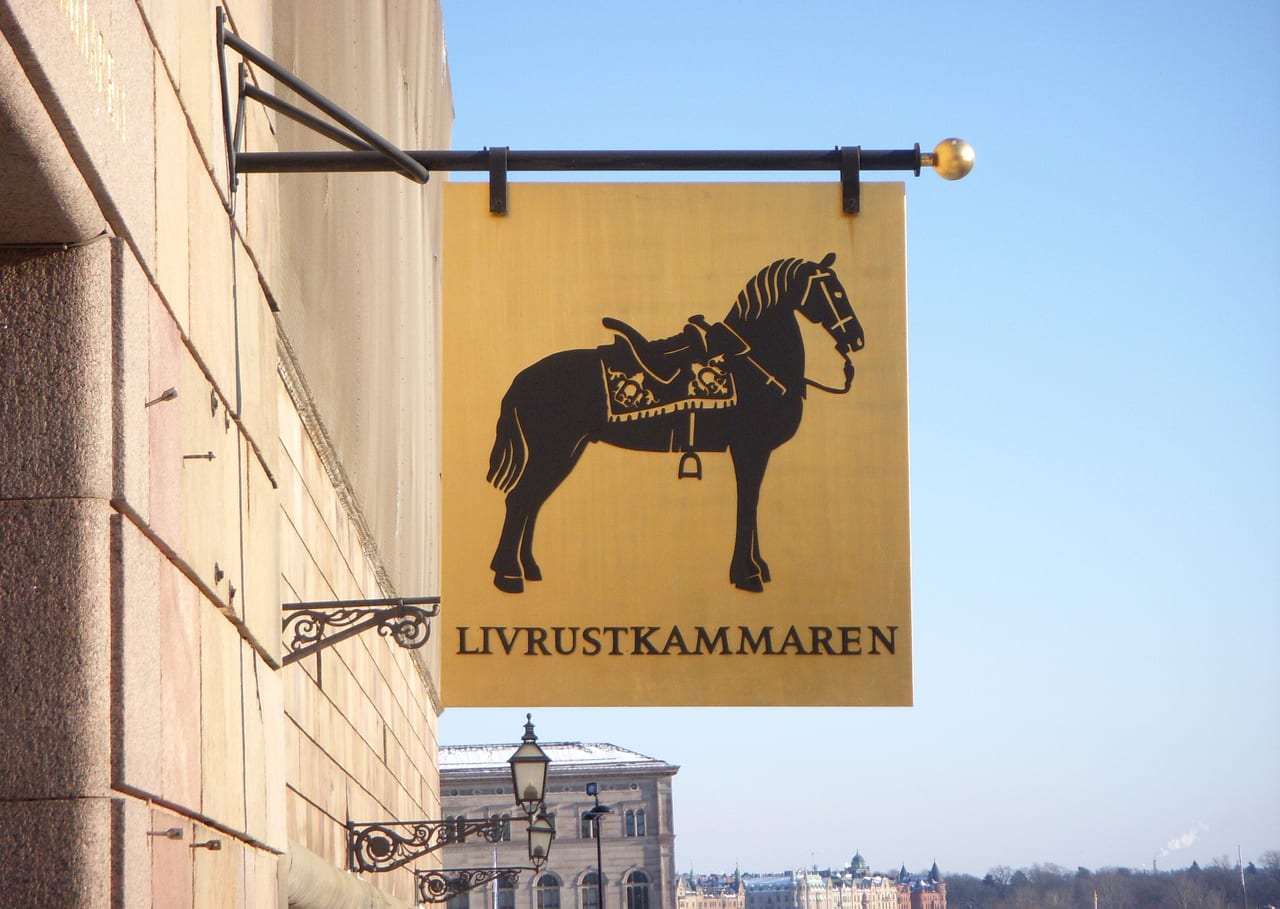
Livrustkammaren began as a functional armory in the 16th century, when Vasa dynasty monarchs stored personal weapons, armour and garments there. King Gustavus Adolphus formally established the institution in 1628 after his campaign in Poland, ordering that his blood-stained battle clothes be preserved “for eternal memory” — in perpetuam rei memoriam. That decree transformed a royal arsenal into a repository of national and dynastic memory. During the 17th and 18th centuries, the holdings expanded beyond battlefield equipment to include coronation robes, royal carriages, ceremonial dress and funeral regalia, including items associated with King Charles IX and Queen Christina. The museum’s changing fortunes are also institutional: in 1865 the exhibits left the Stockholm Palace for the newly built Nationalmuseum, then moved to the Nordic Museum on Djurgården in 1906. In 1978, Livrustkammaren returned to the palace’s cellar vaults, its present home.
At a glance
- Built
- 1628
- Architect
- Sven Ivar Lind
Ways to explore Royal Armoury
Look closely at the physical evidence of use: stitching, leather, metalwork and the differing finish of objects made for battle or ceremony. The royal carriages and formal regalia reward slower inspection for their scale and surface detail. A virtual tour of Livrustkammaren provided through Google Arts & Culture can extend the visit beyond the cases.
Places to stay near Royal Armoury

Live availability and prices from Stay22's partners, refreshed periodically and subject to change. Booking through these links may earn us a commission at no extra cost to you. See our privacy policy.
Cafés near Royal Armoury
Cafés near Royal Armoury loads as you scroll.
Attractions nearby
Attractions near Royal Armoury loads as you scroll.
Cities nearby
Cities nearby loads as you scroll.
More in Stockholm
See more of Stockholm.
Find great cafés, places to stay and other interesting places to visit in Stockholm.