Park · Stockholm
Kungsträdgården
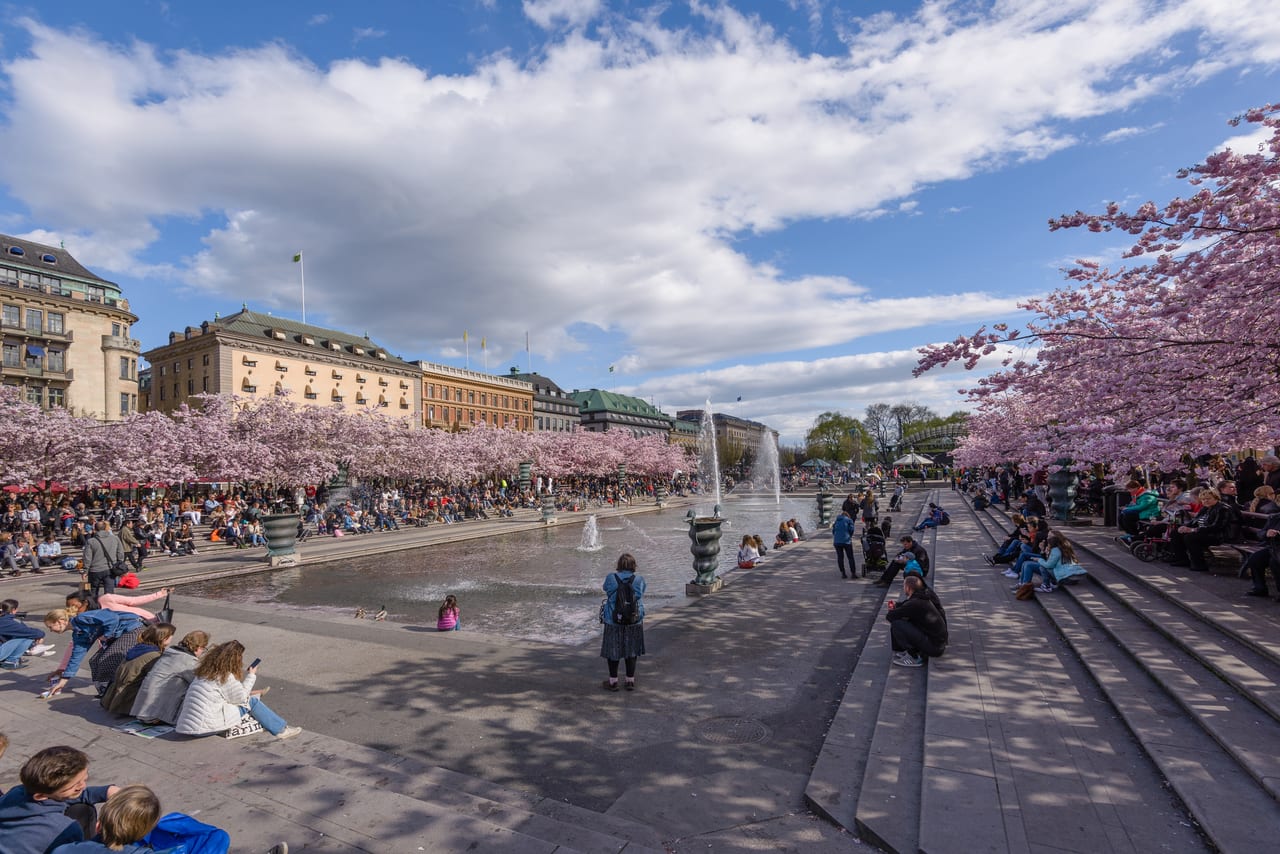
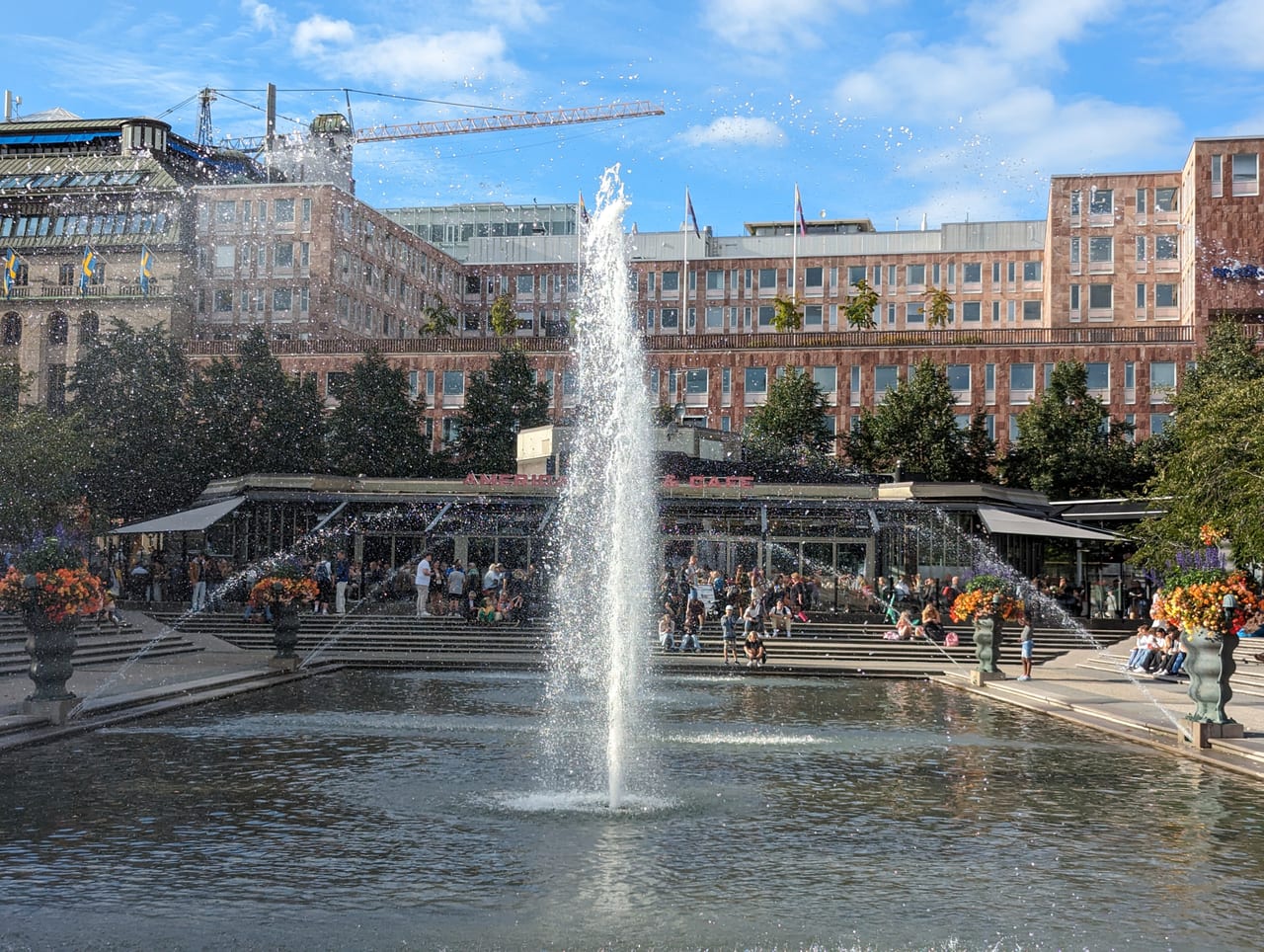
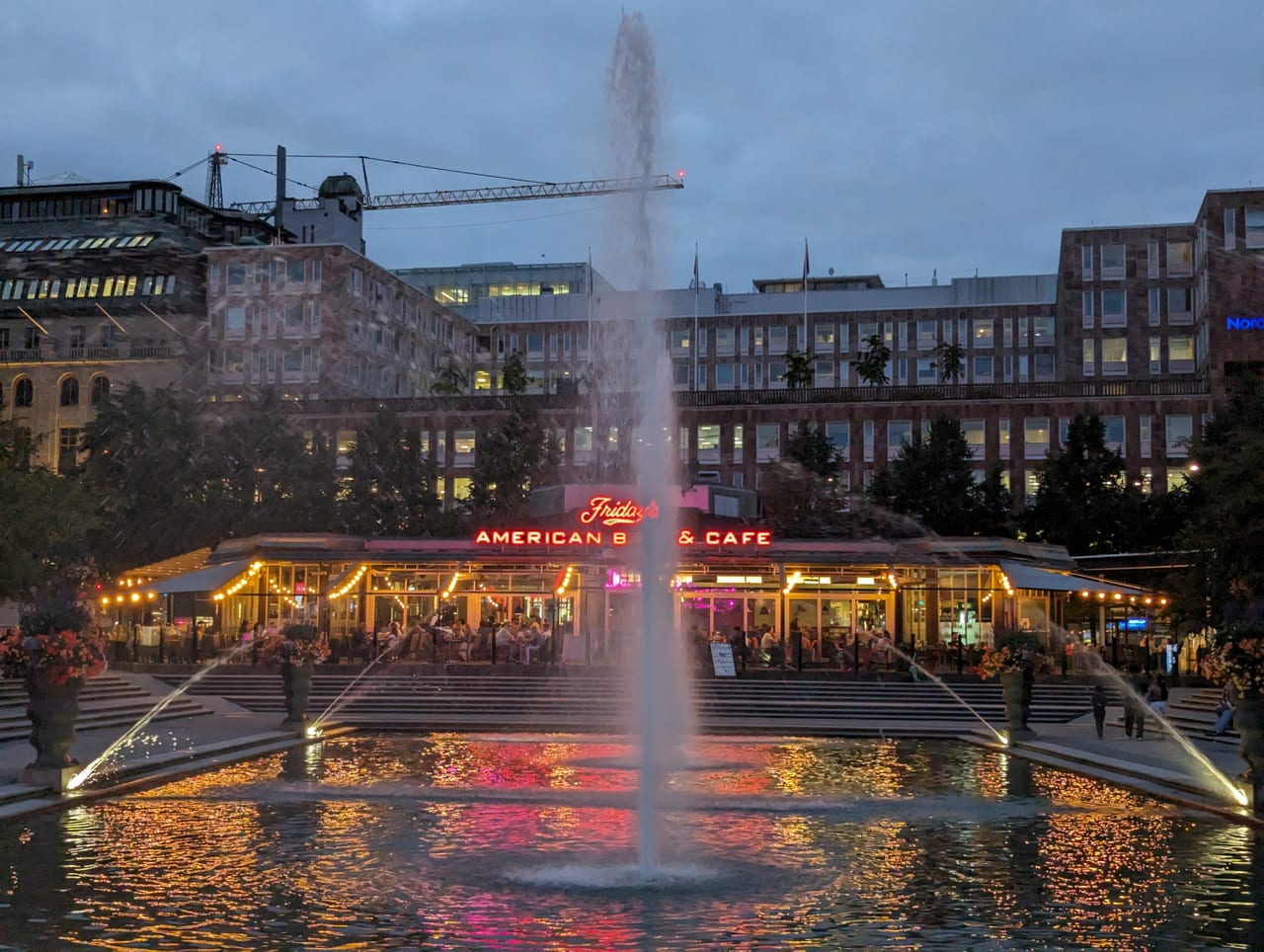
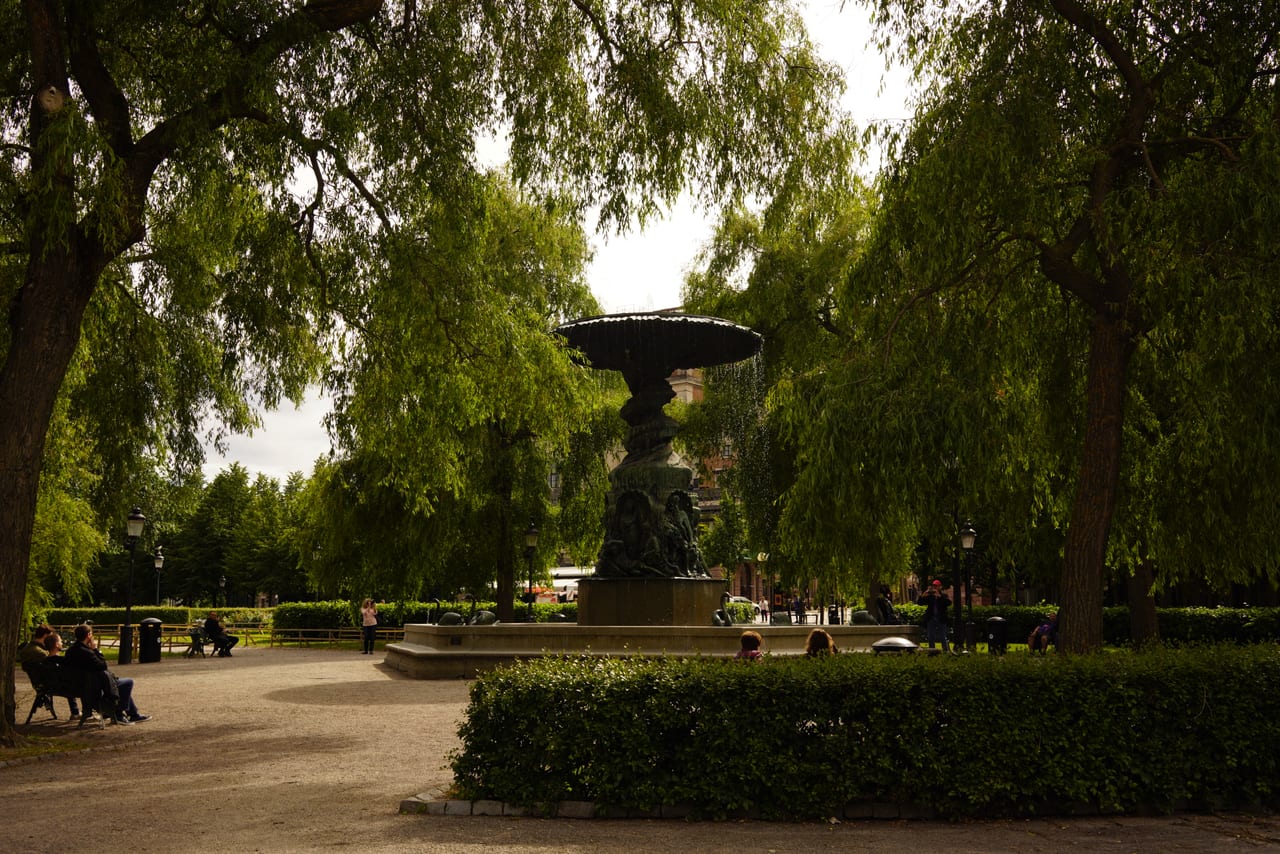
DirectionsMolin’s Fountain, cast in bronze after its success at the 1866 exhibition, portrays Ægir, Rán and their nine daughters listening to the river spirit Nix.




Photograph 1 of 51 of Kungsträdgården
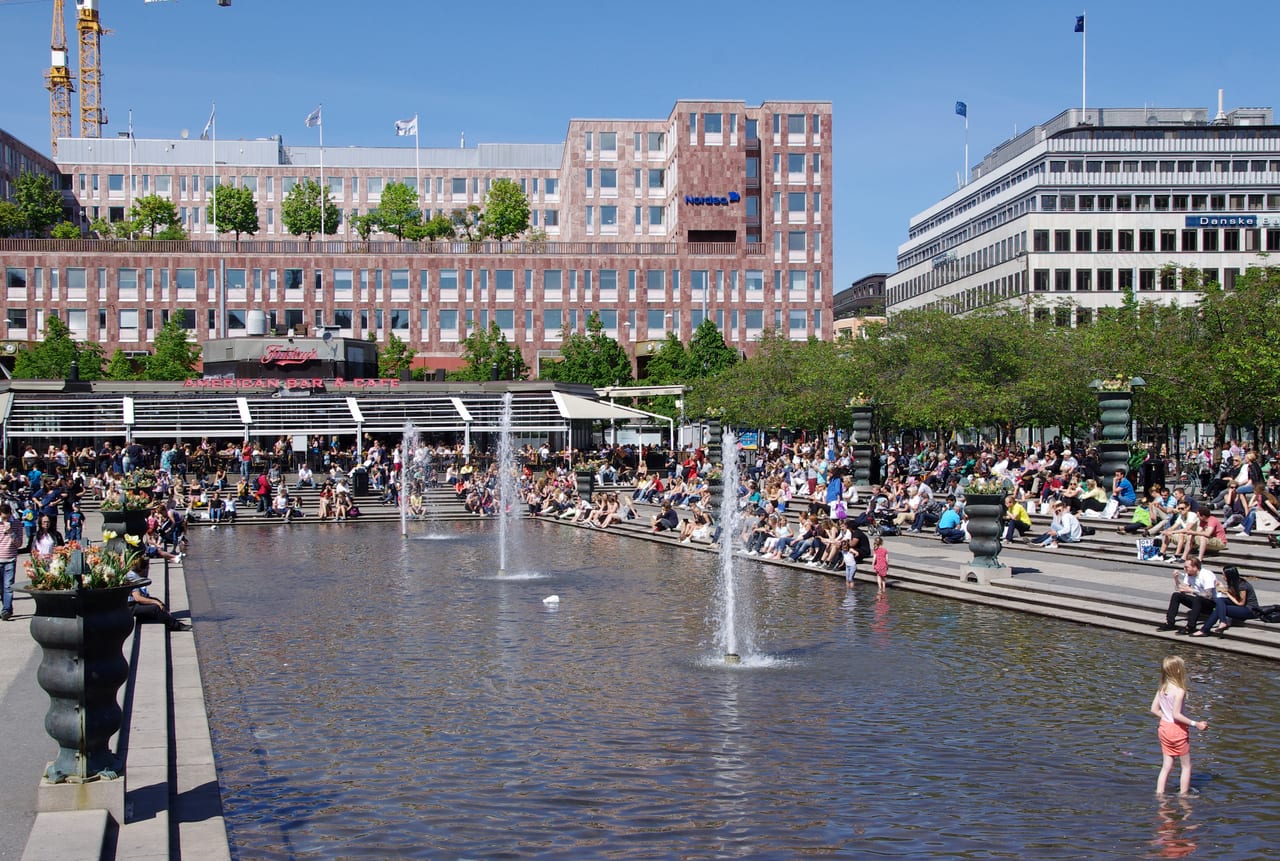
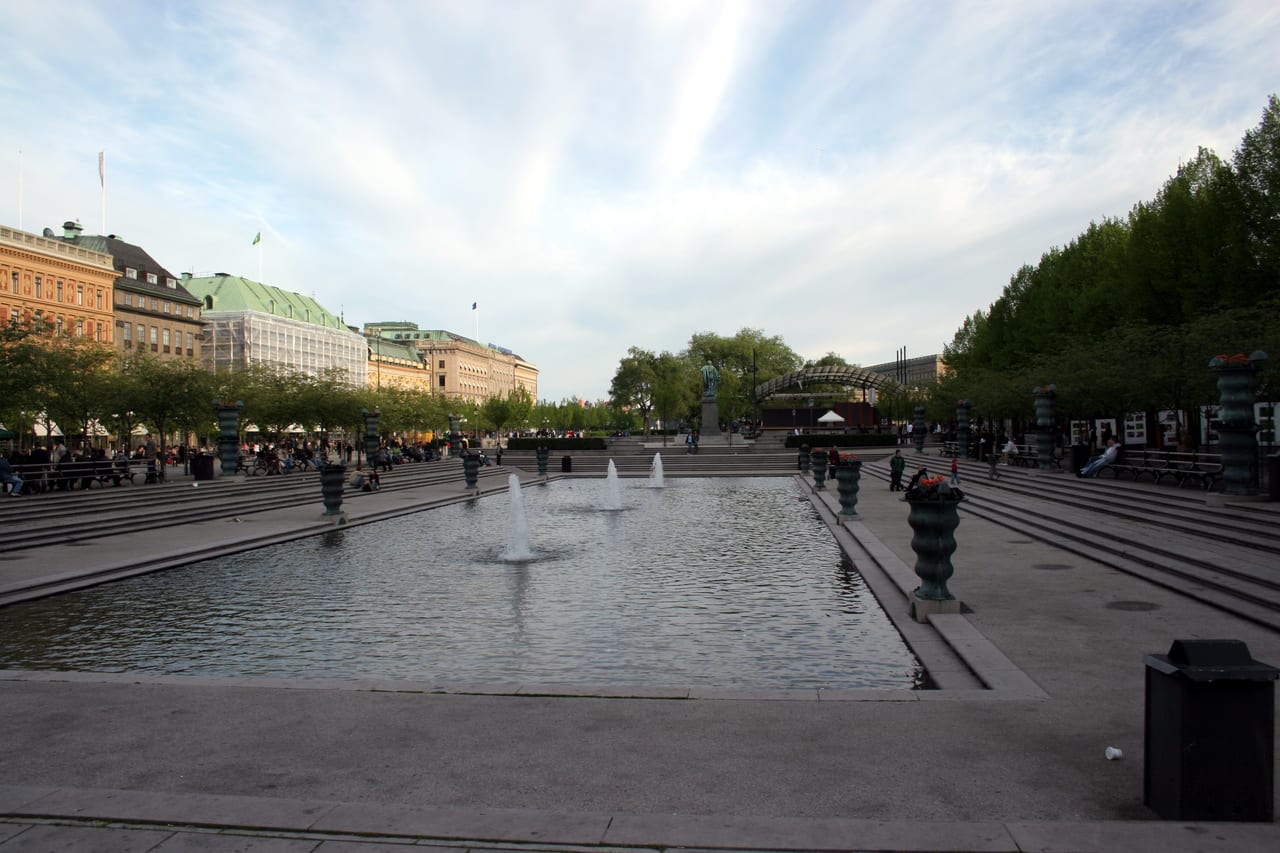
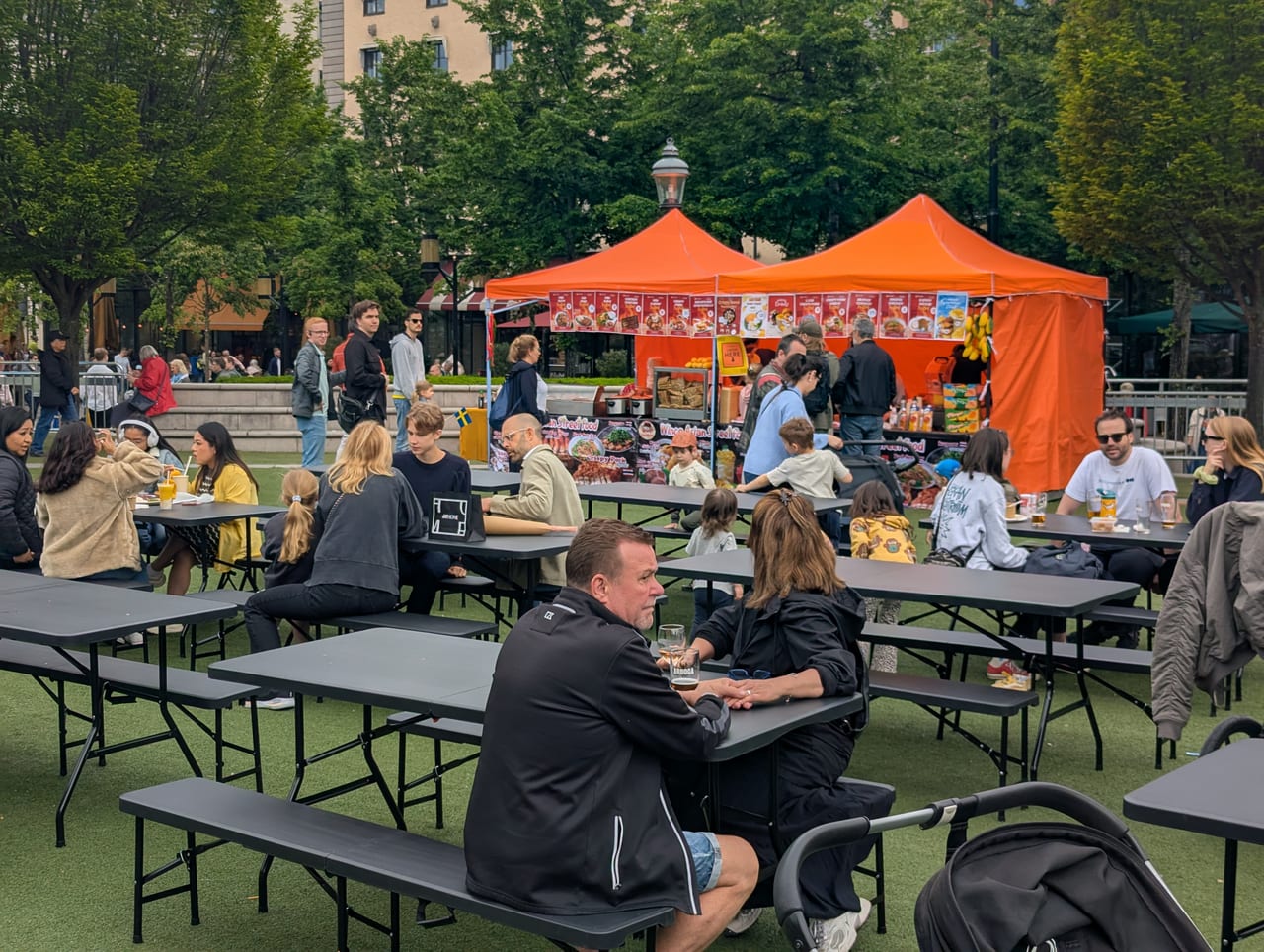
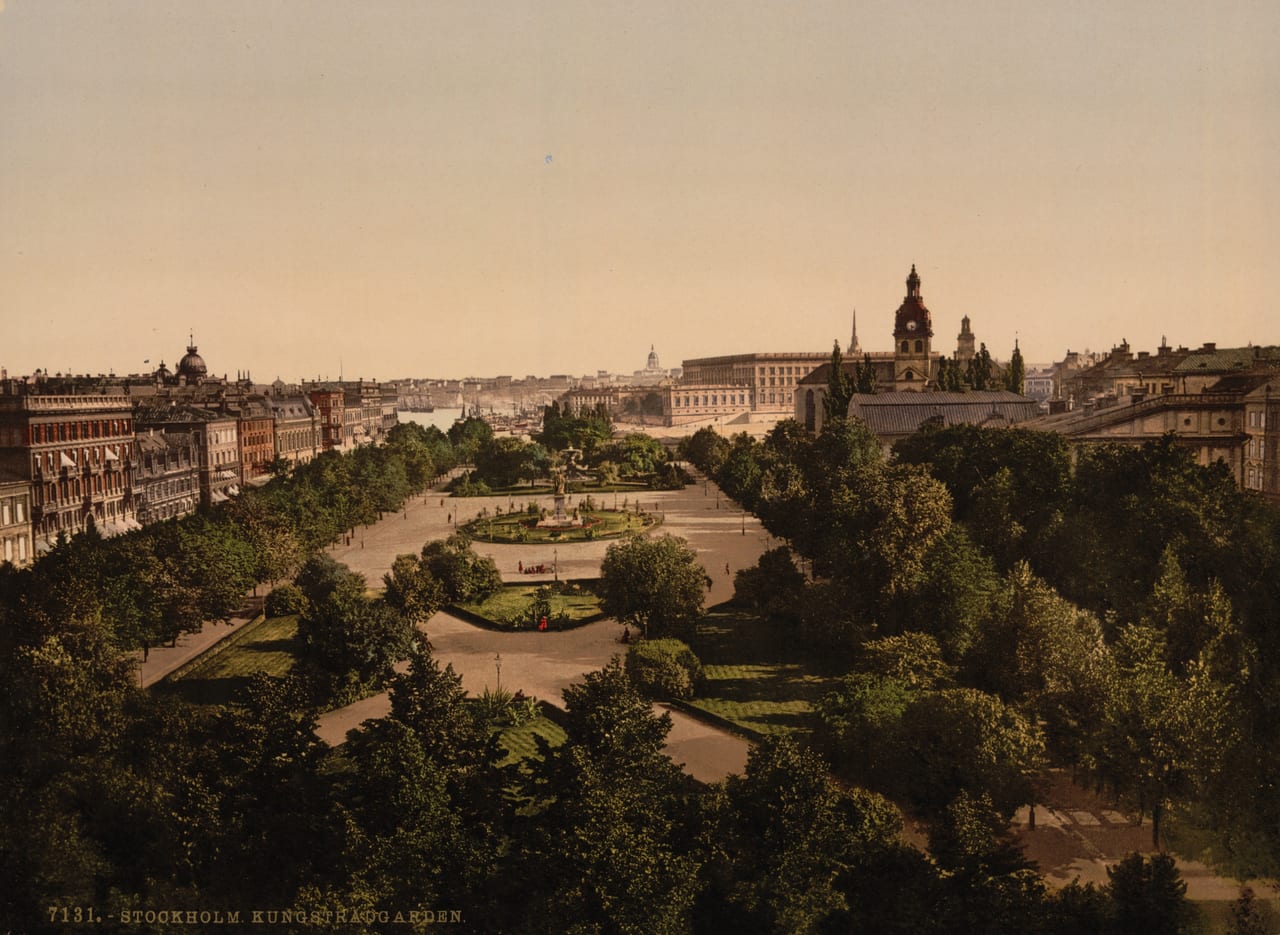
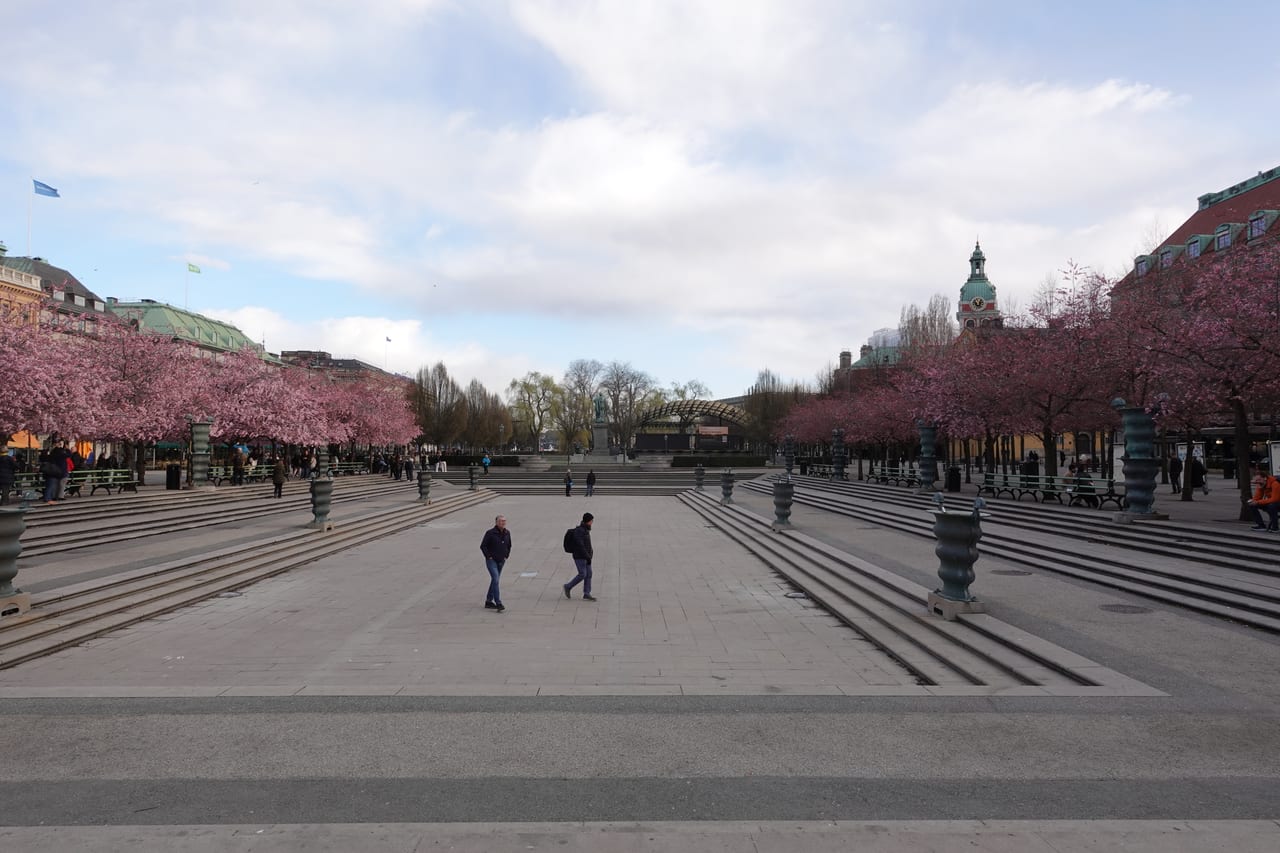
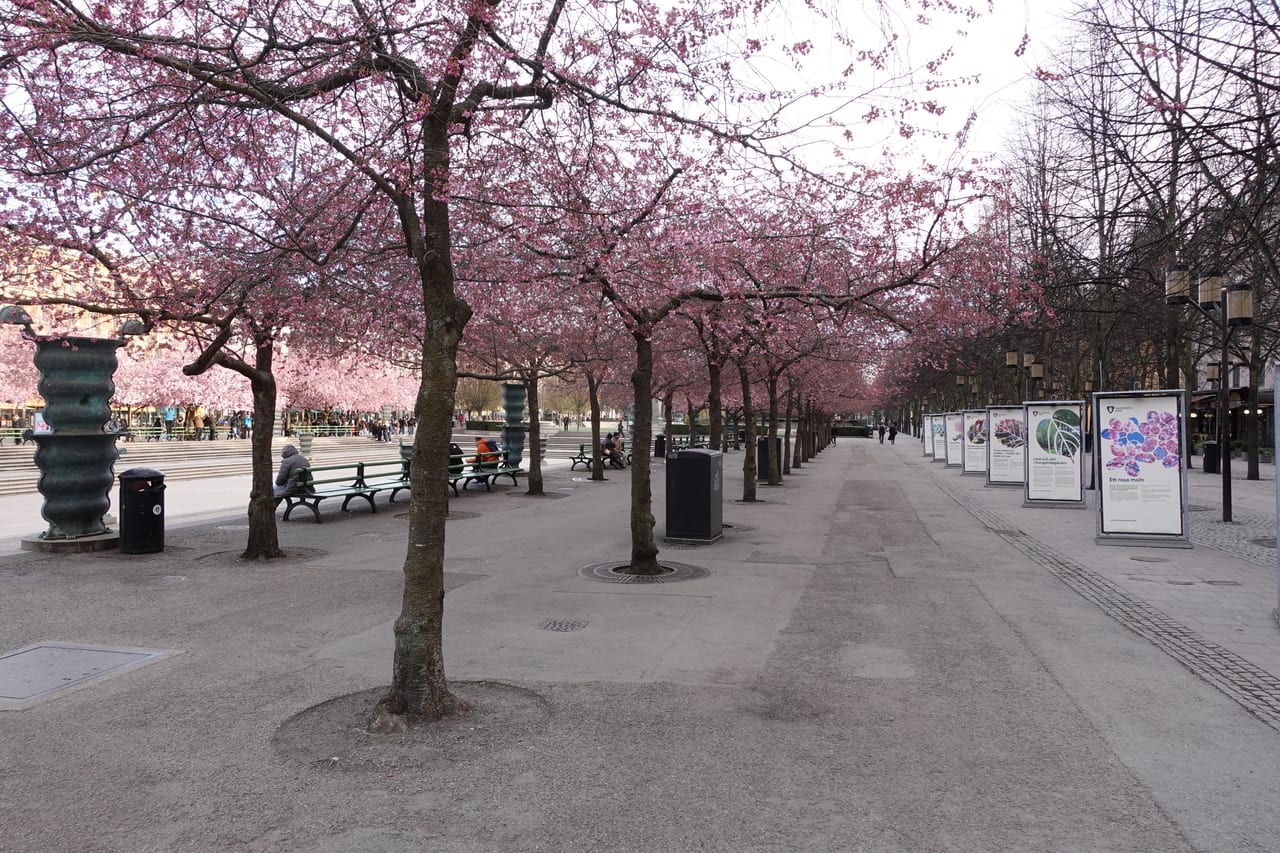
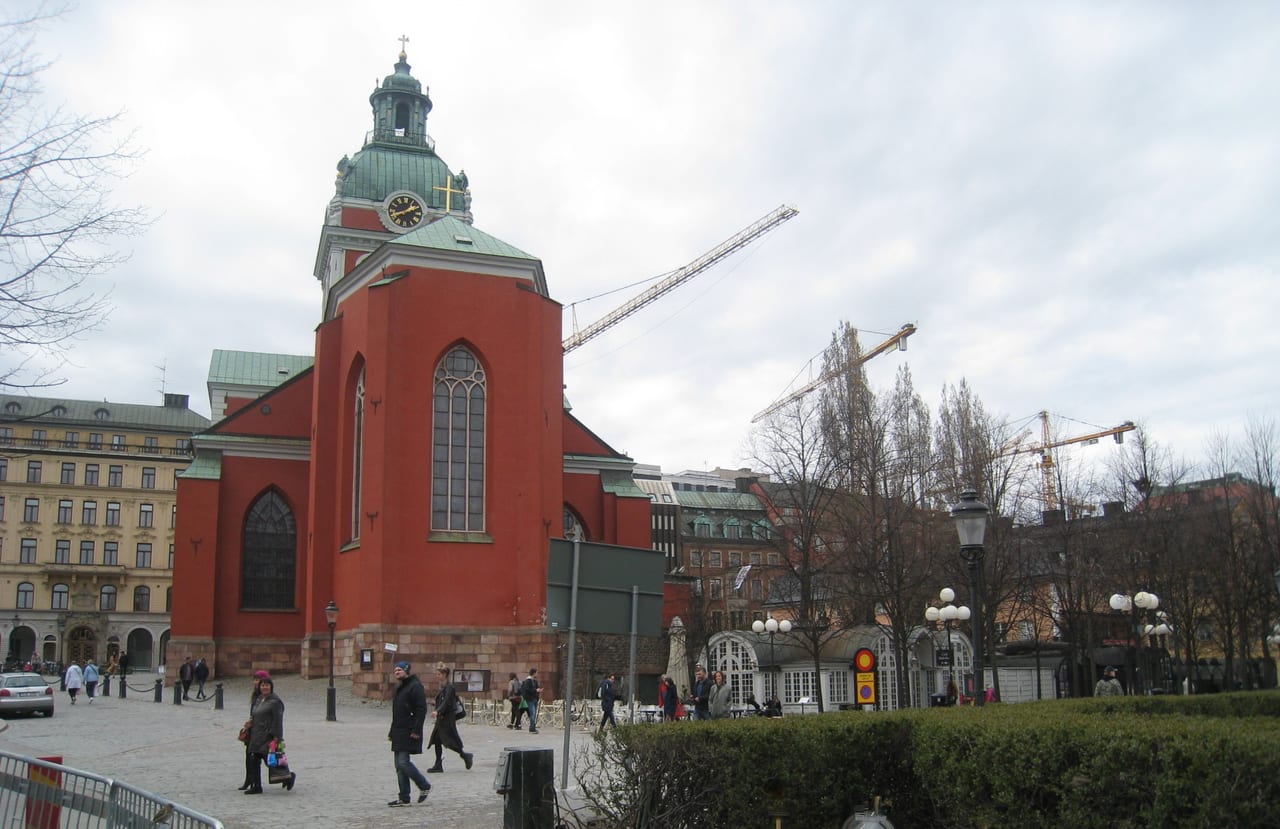
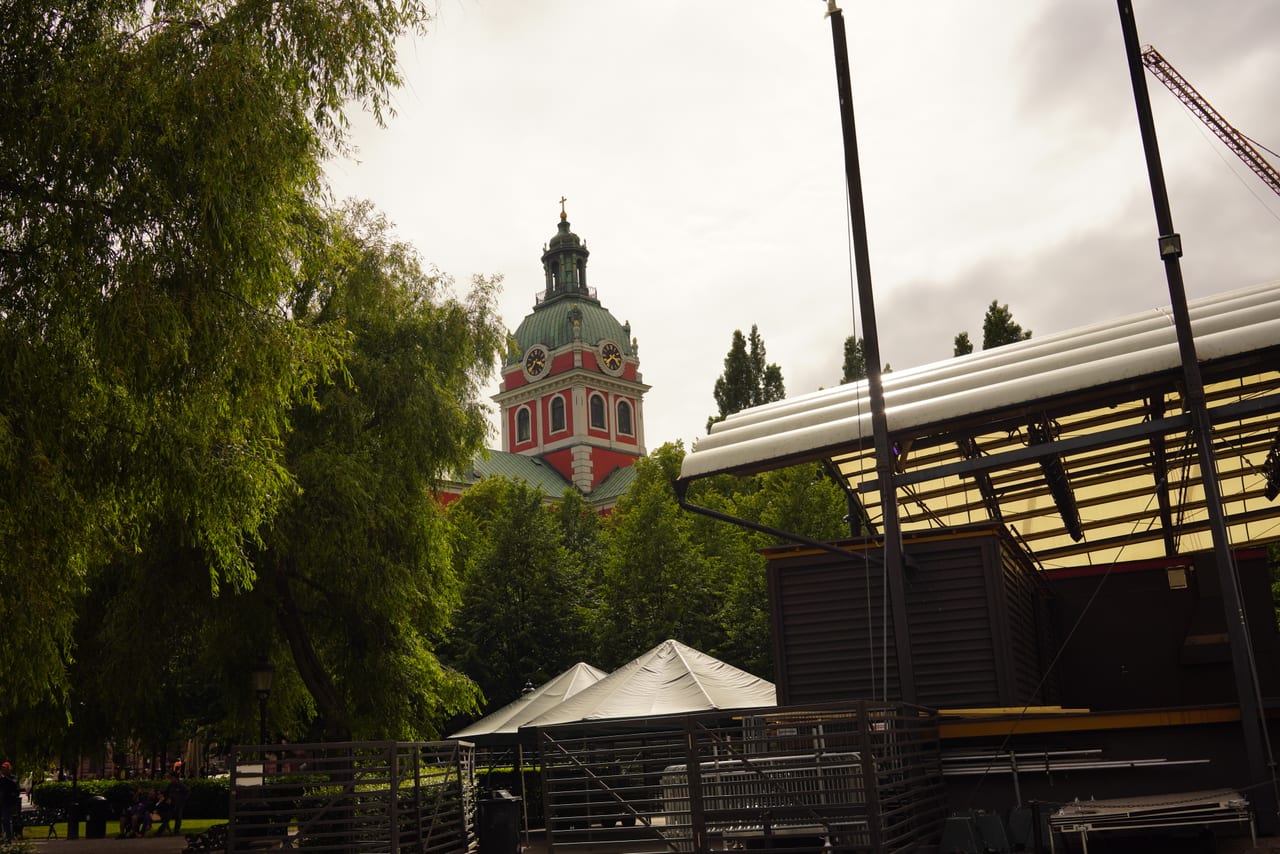
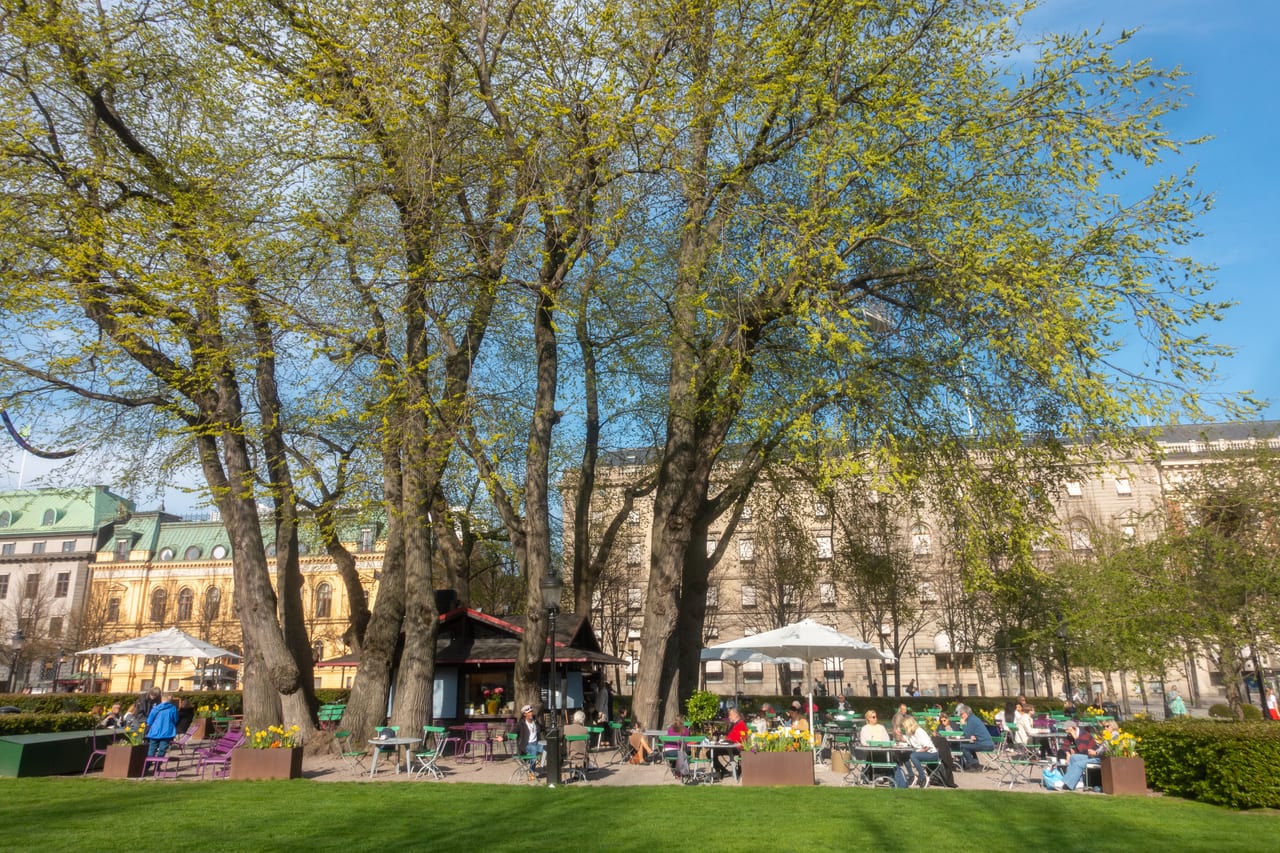
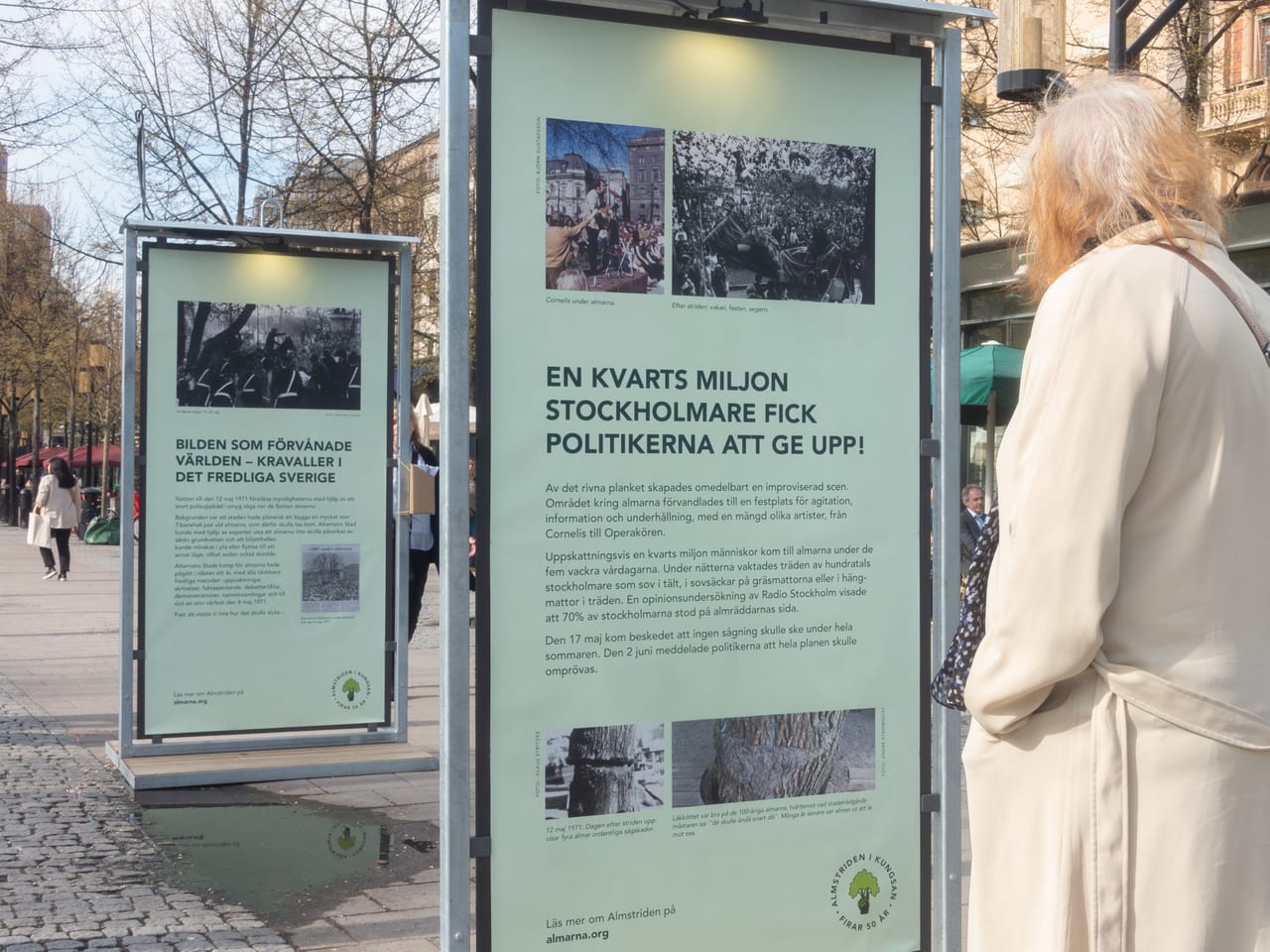
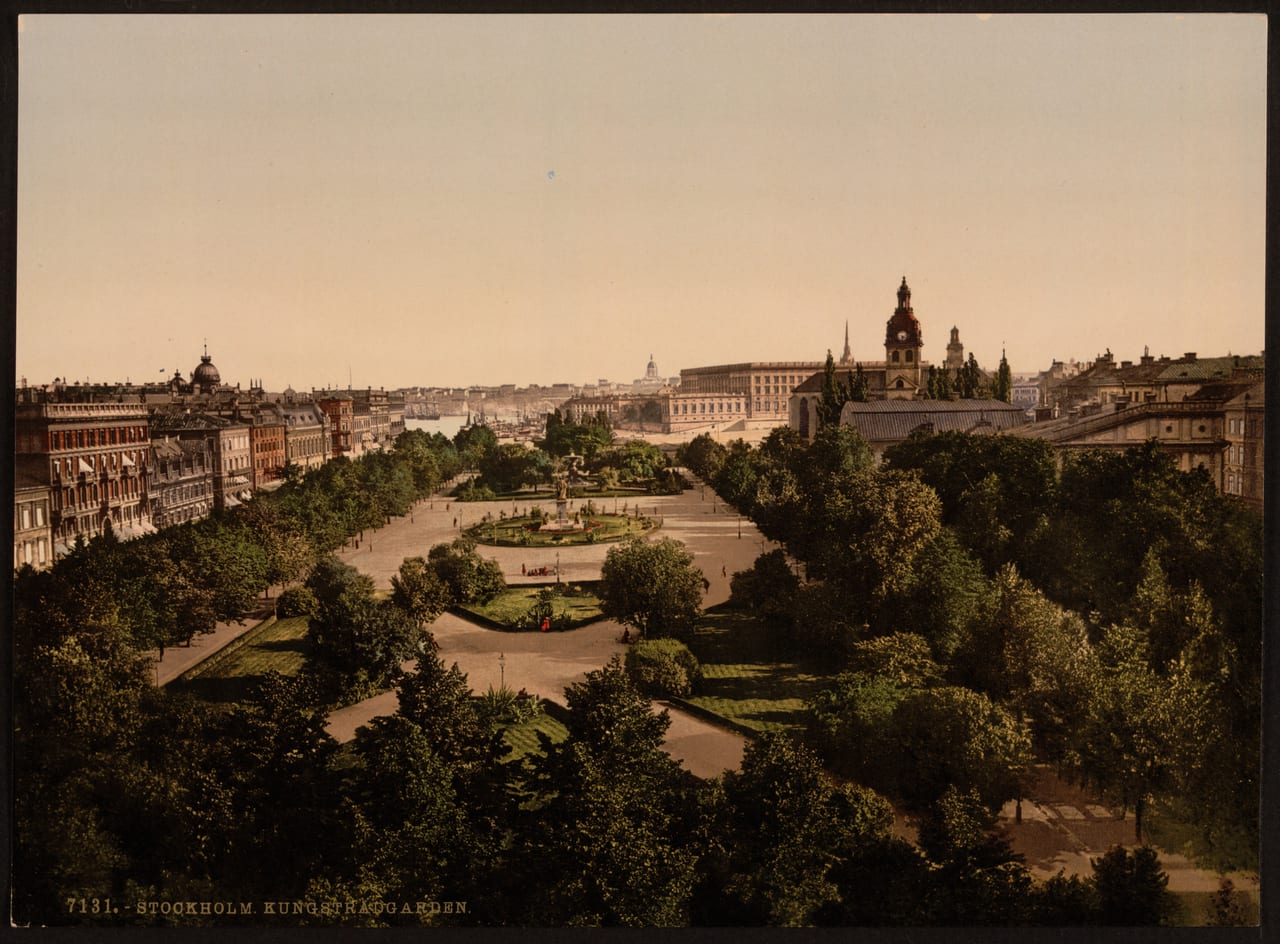
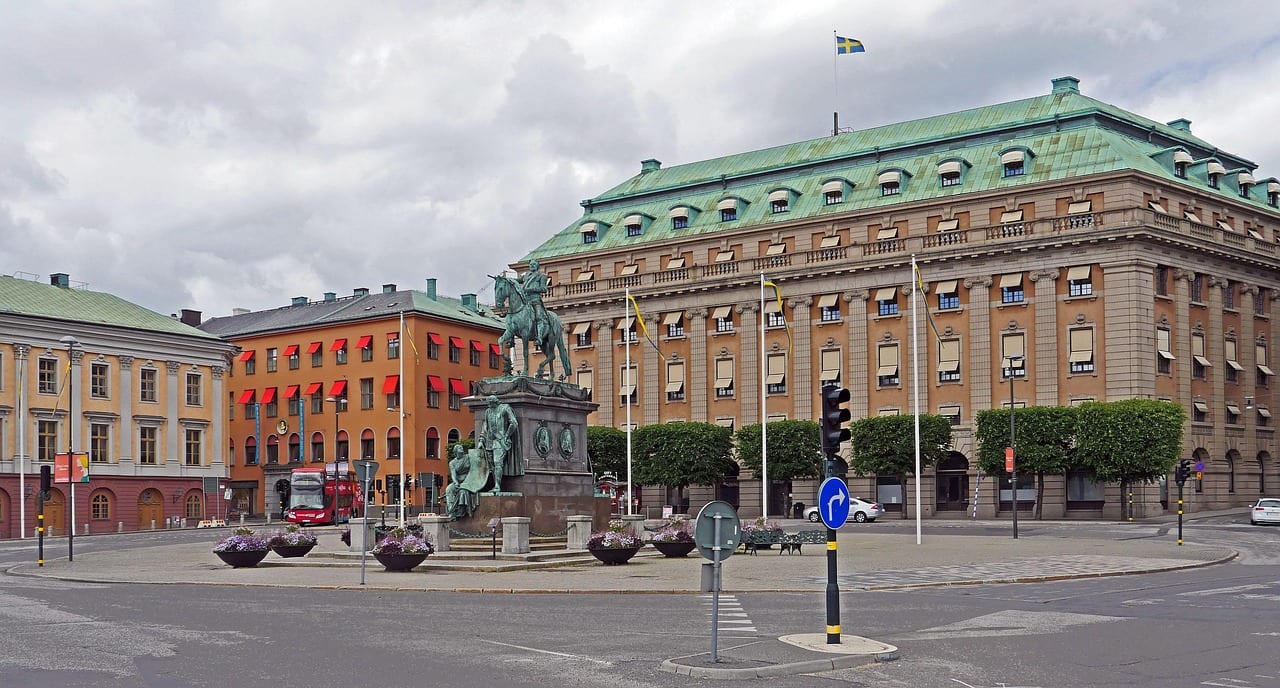
Kungsträdgården began as the royal kitchen garden, recorded in 1430 as konungens kålgård. Walls were removed in the early 19th century; after Charles XIII’s statue was inaugurated in 1821, much of the garden became a gravelled square. Makalös burned in 1825, extending the park to the waterfront, while tree-lined avenues restored its character during the 1860s. The park’s four sections now run from Charles XII’s Square through the Molin Fountain and Charles XIII’s Square to the newer rectangular fountain associated with Alexander Wolodarski. The former Makalös site also recalls a palace, armoury and opera house destroyed by fire. The park became city property in 1970, survived redevelopment proposals, and was reshaped in the late 1990s. In 2004, 285 linden trees replaced diseased elms, while the surrounding cafés, galleries, restaurants and event spaces reinforced its civic role.
Ways to explore Kungsträdgården
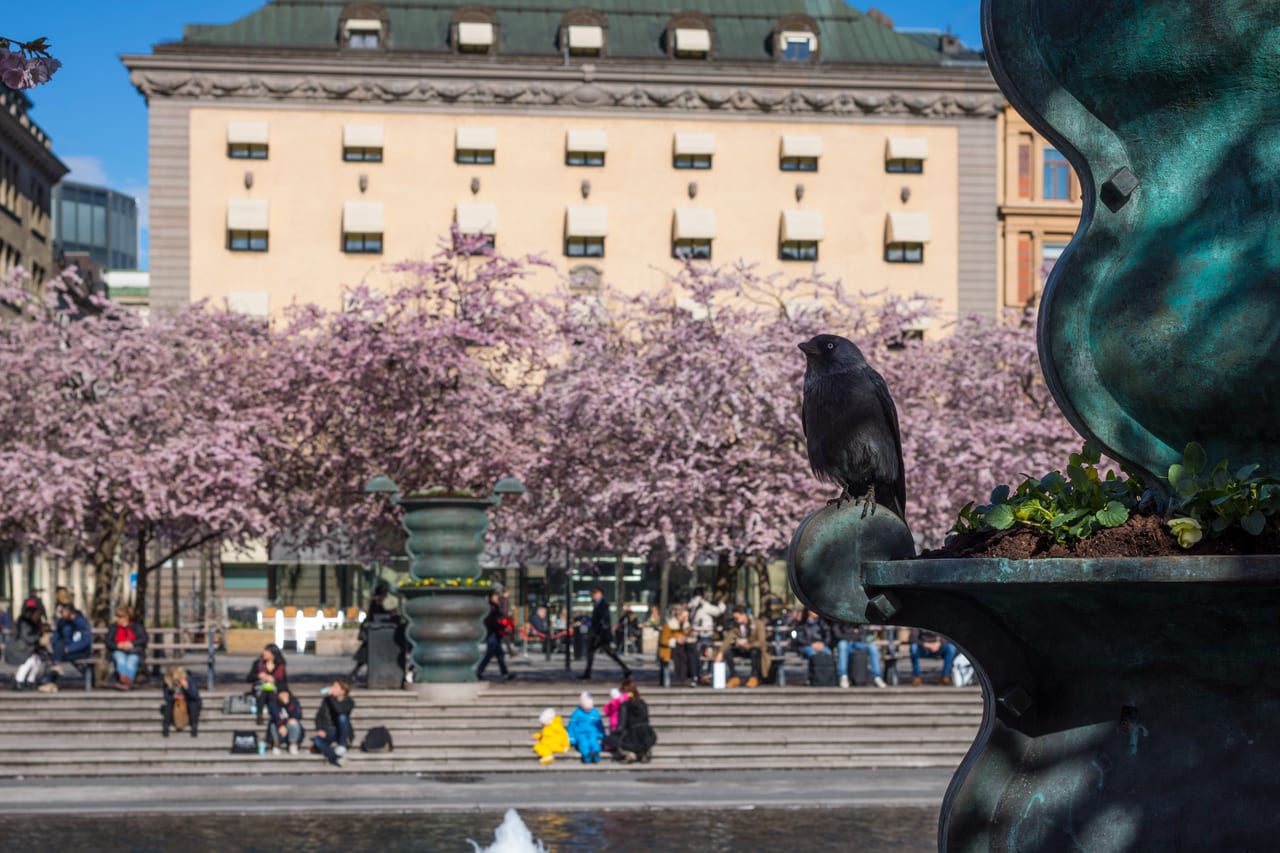
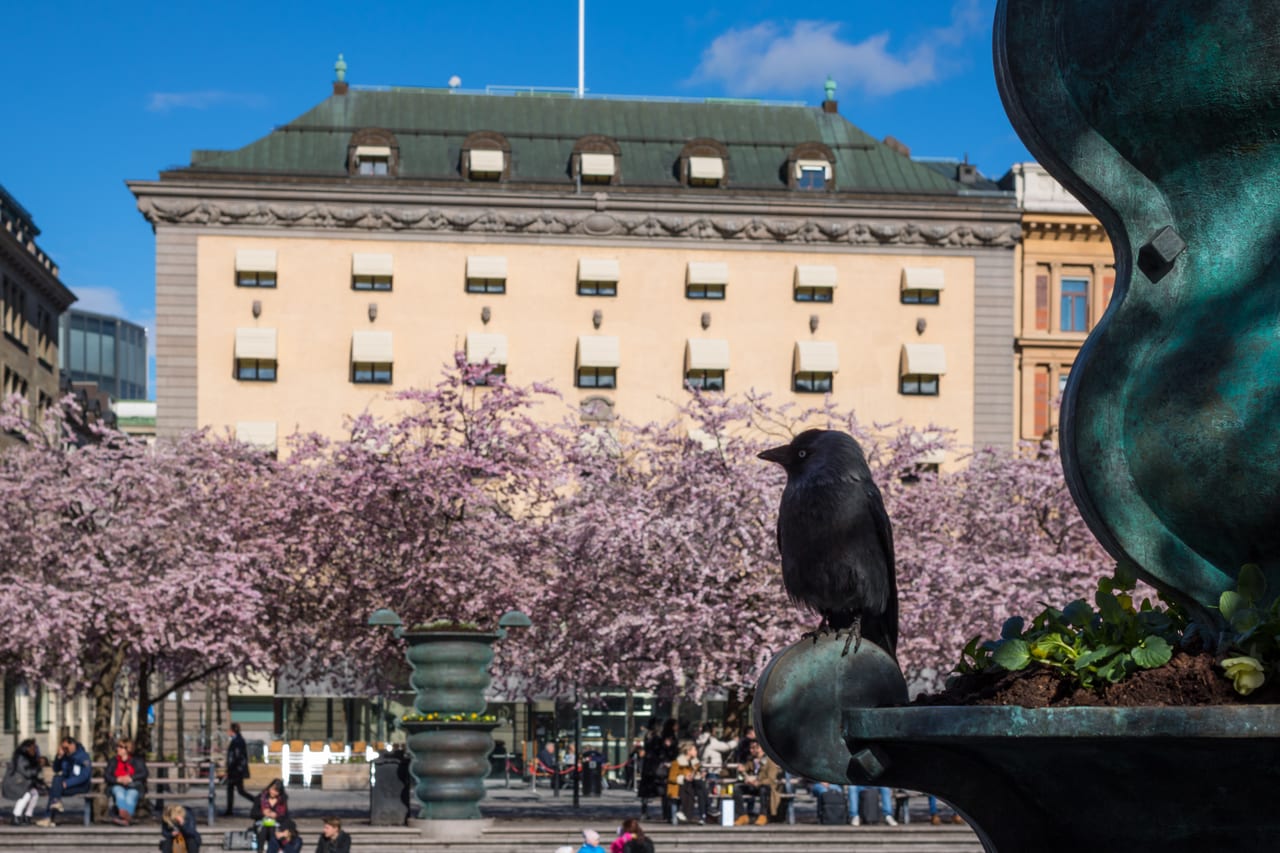
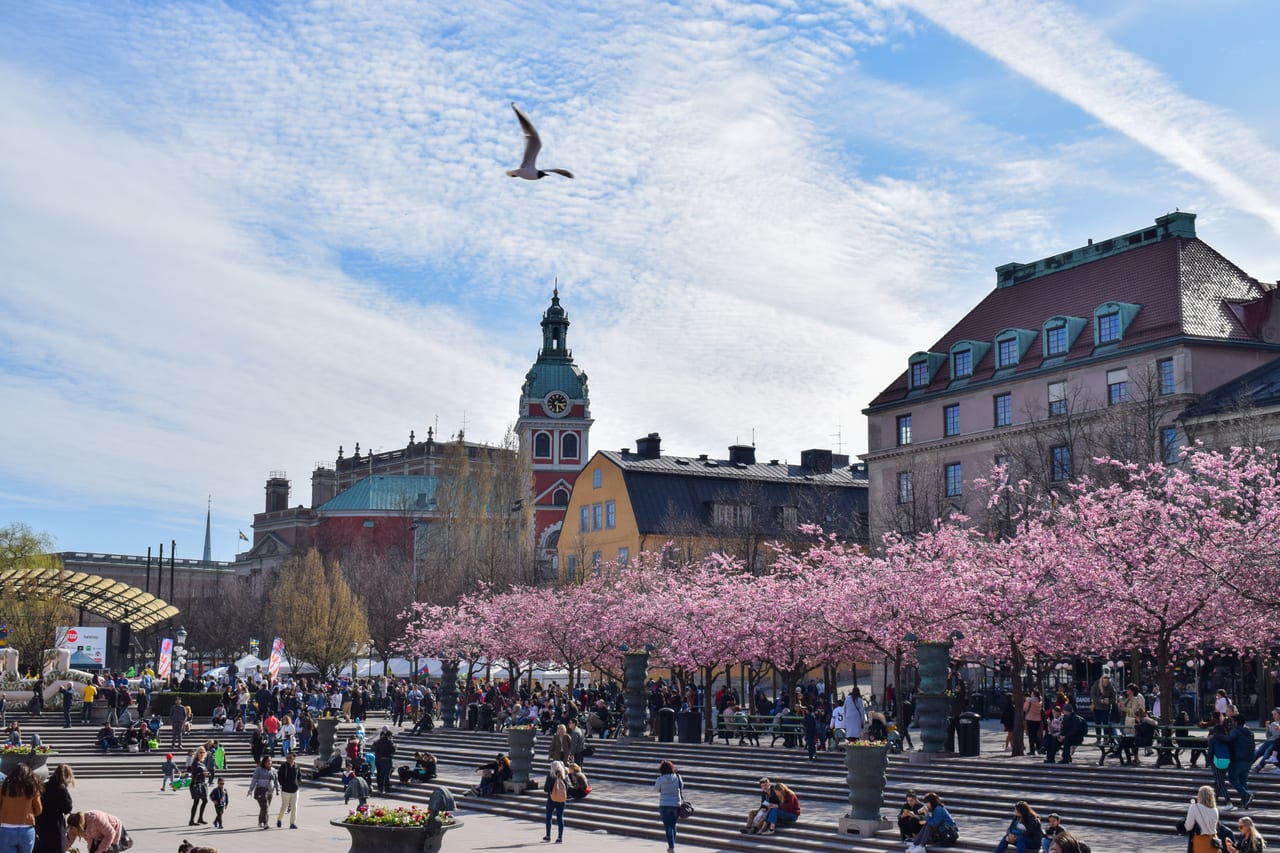
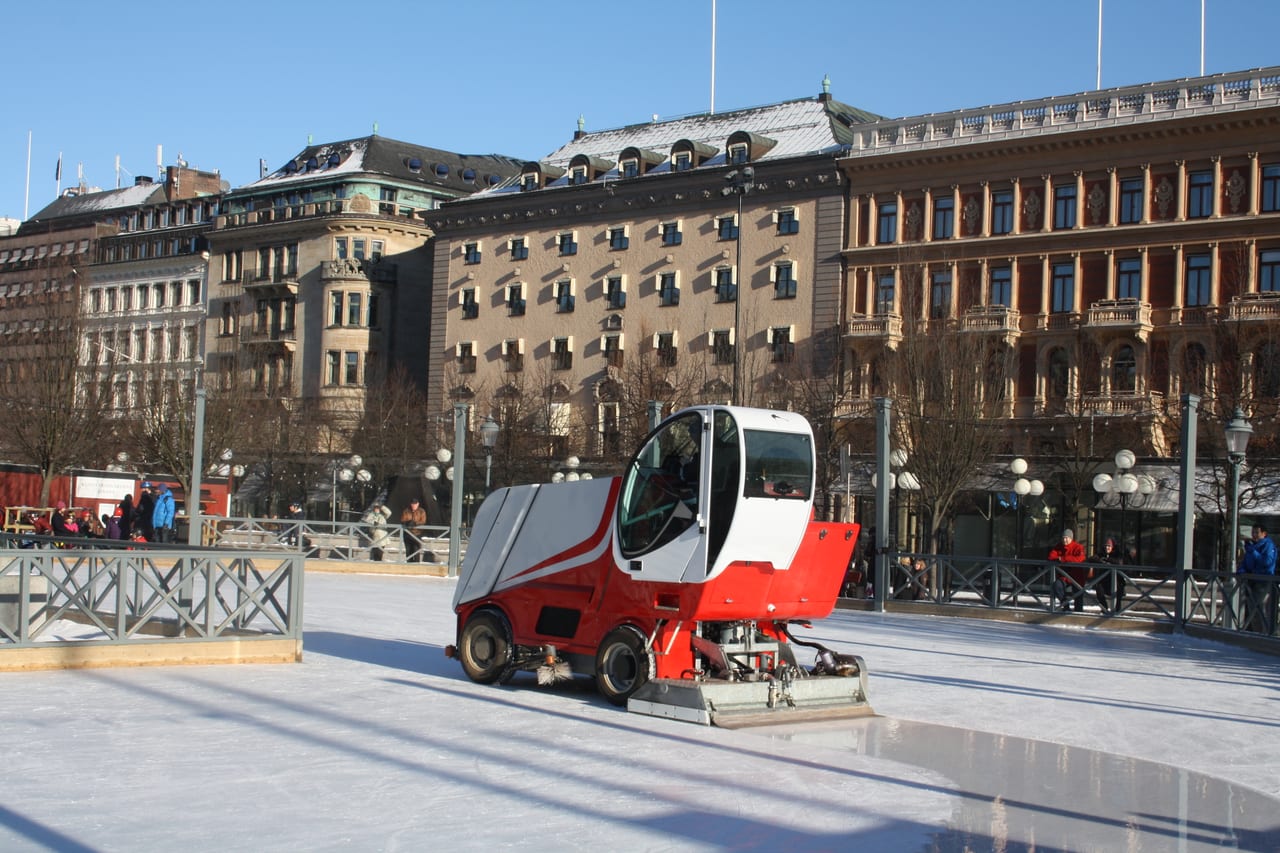
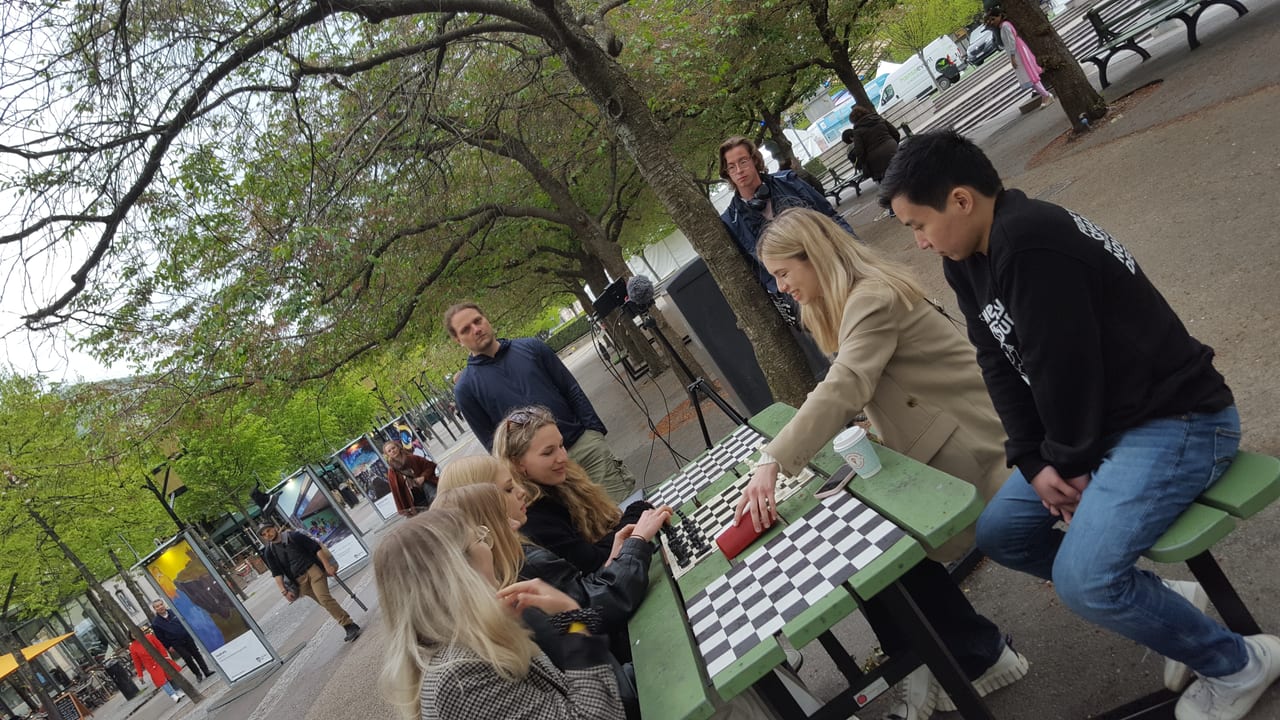
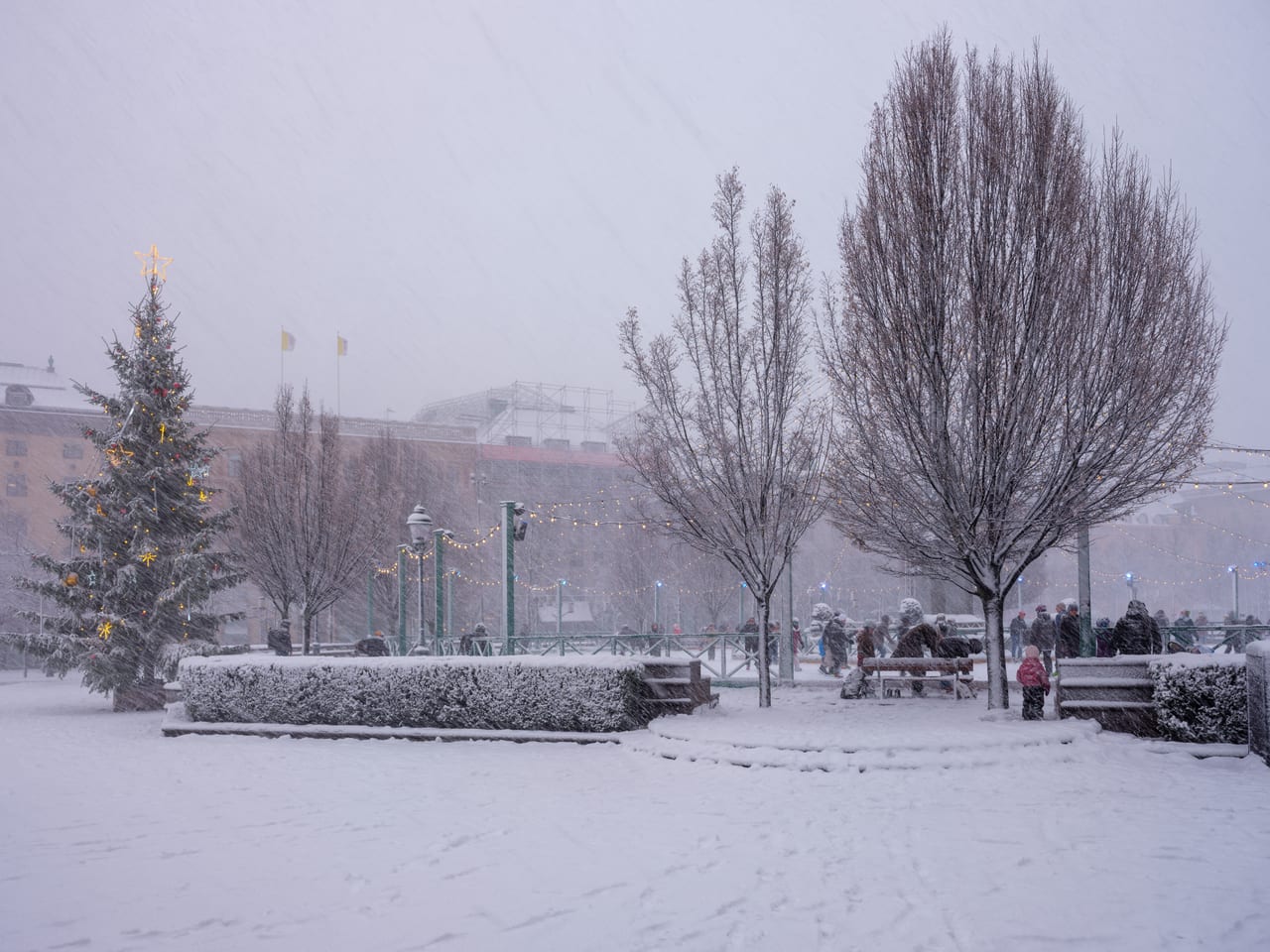
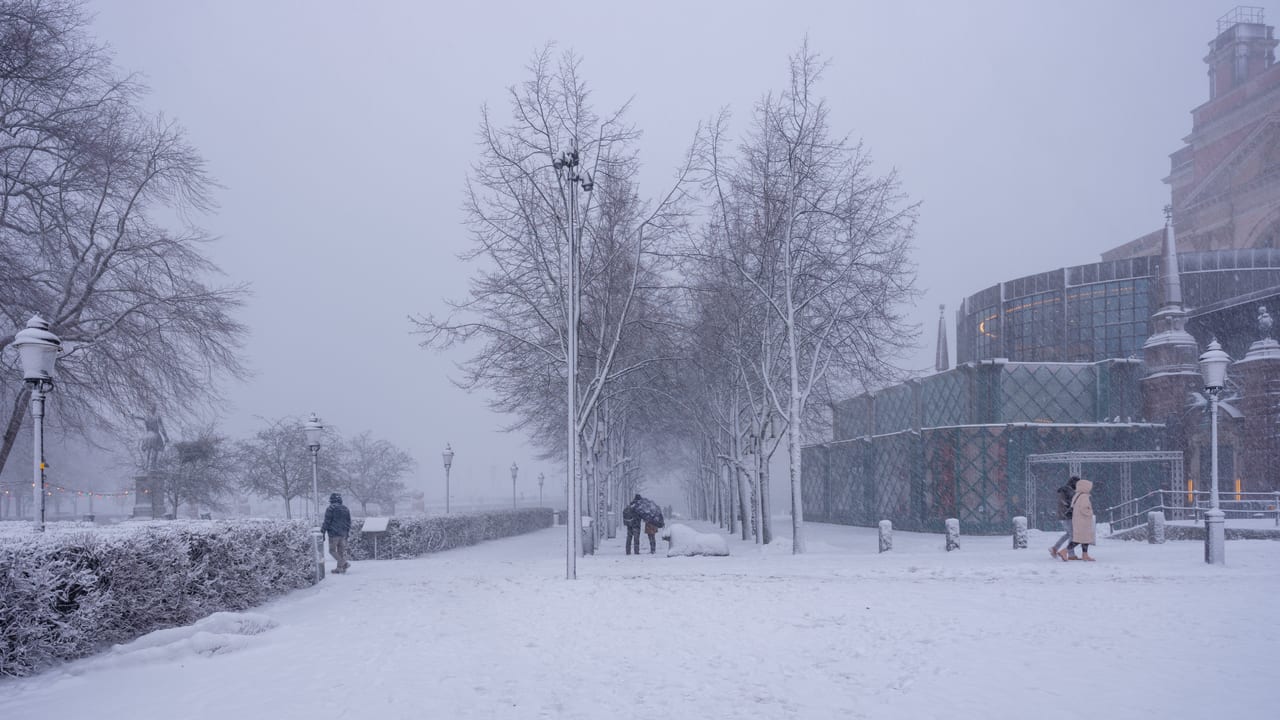
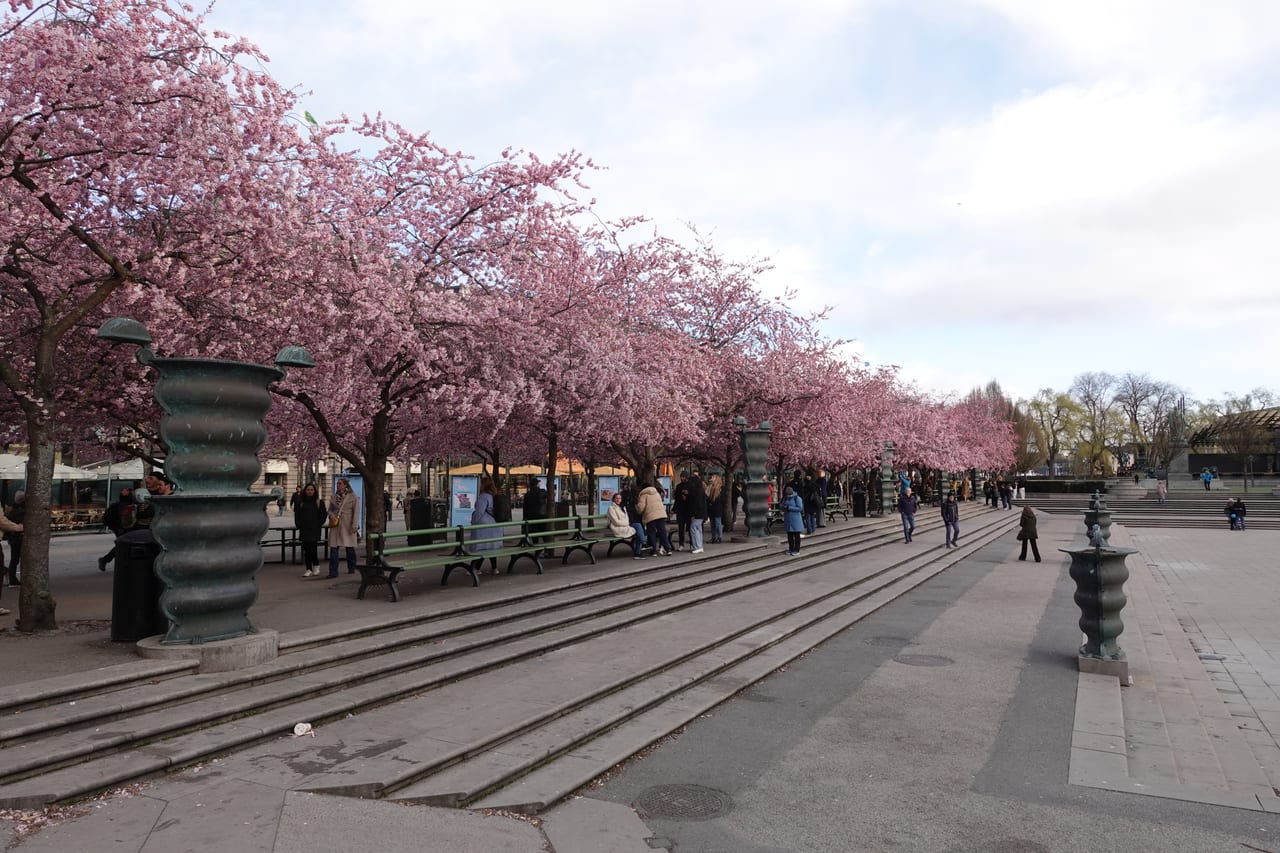
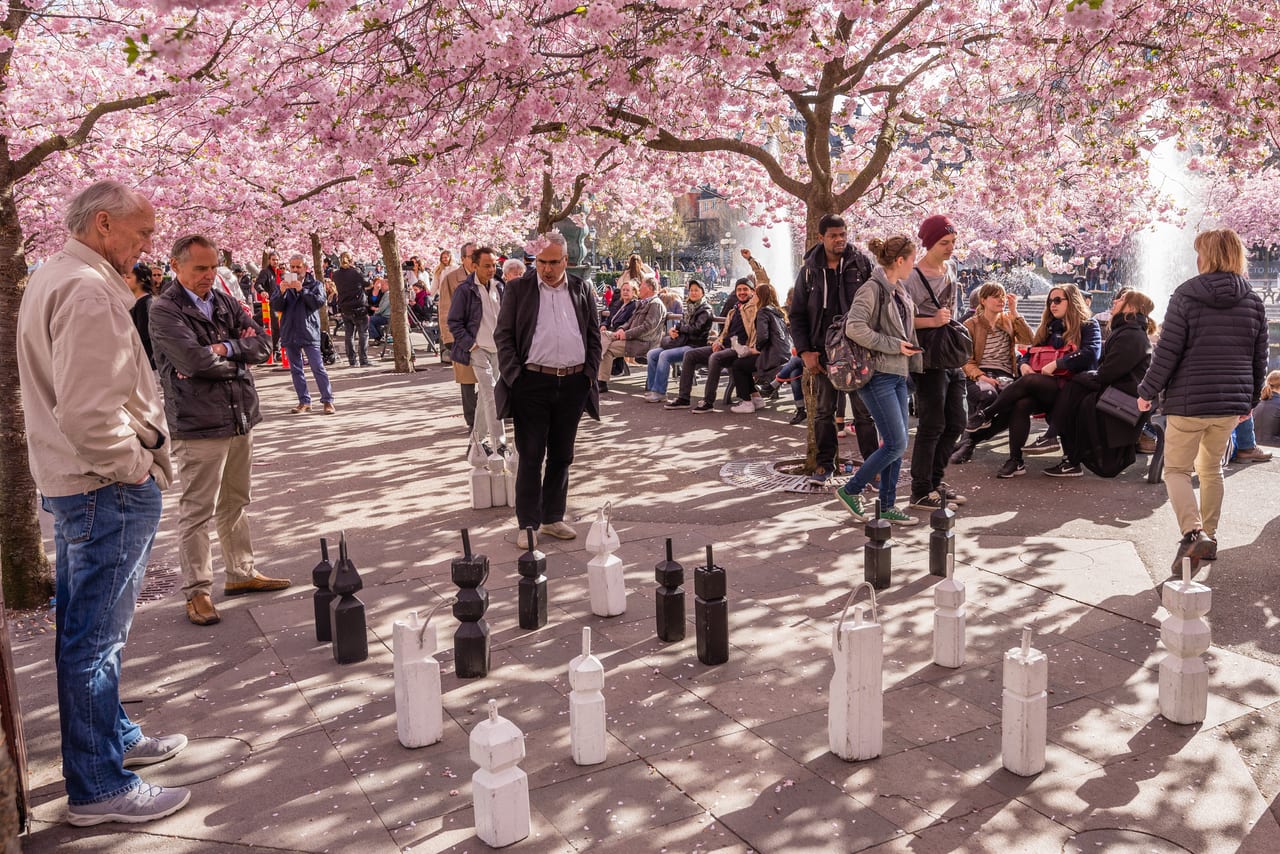
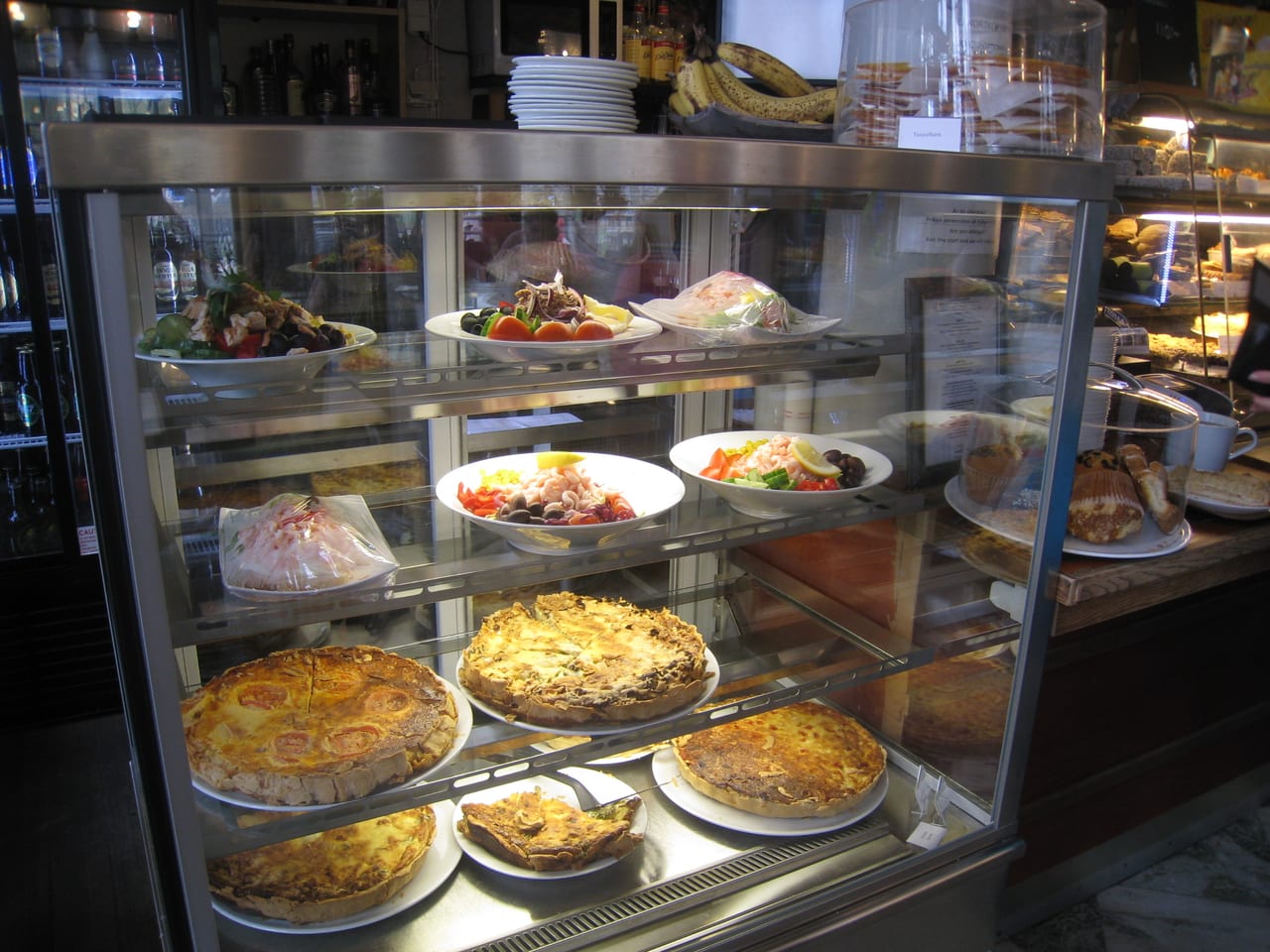
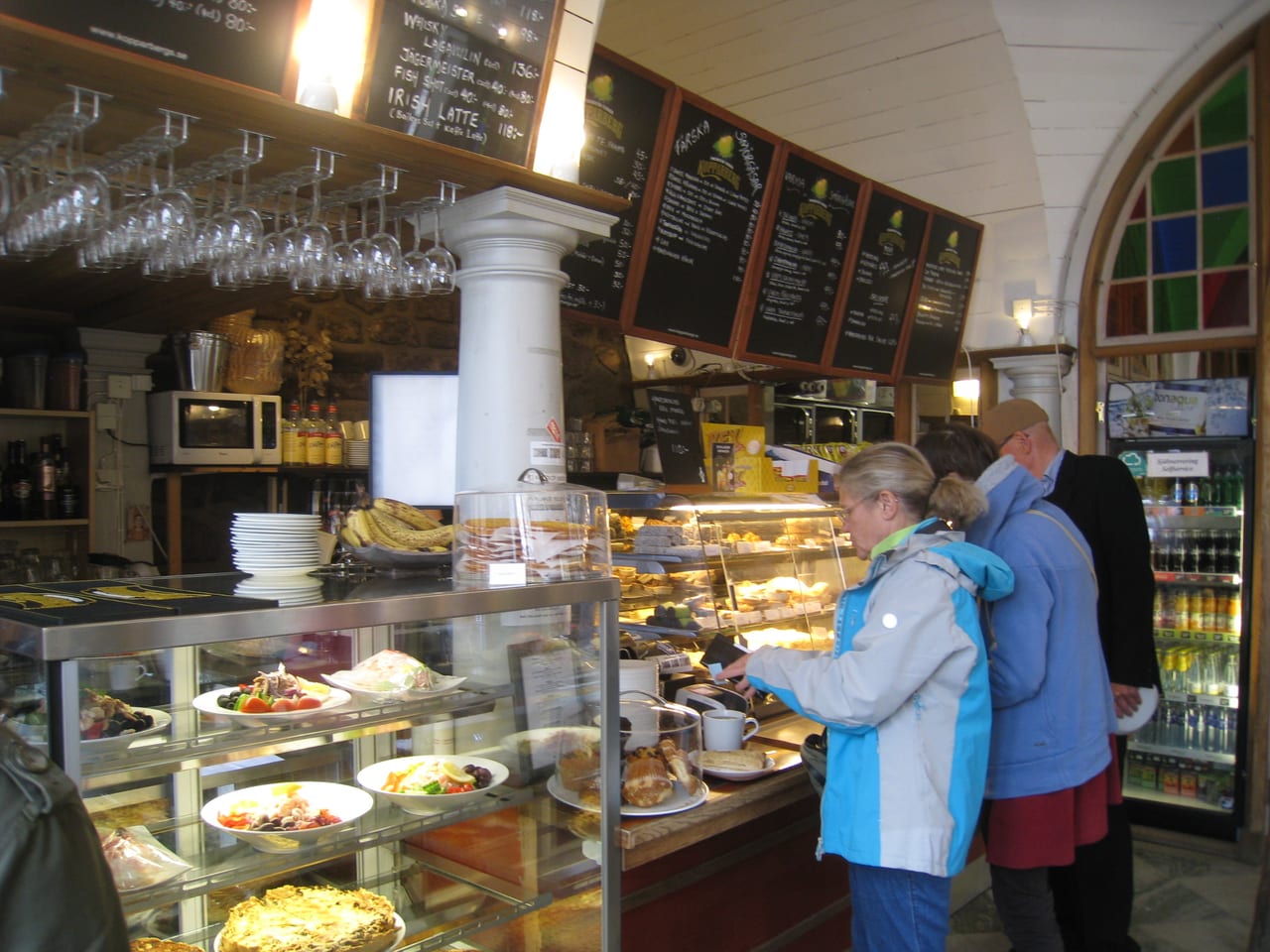
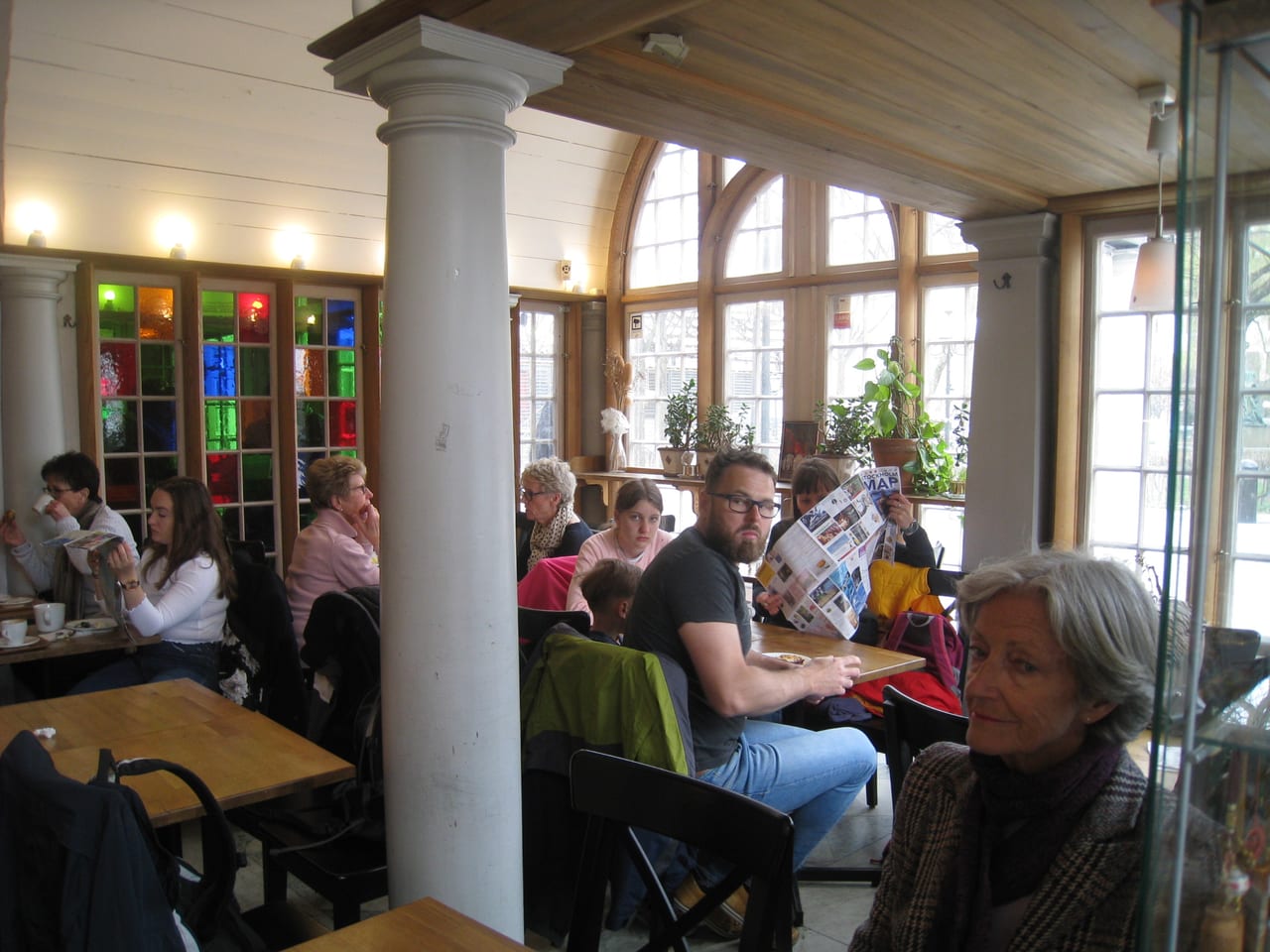
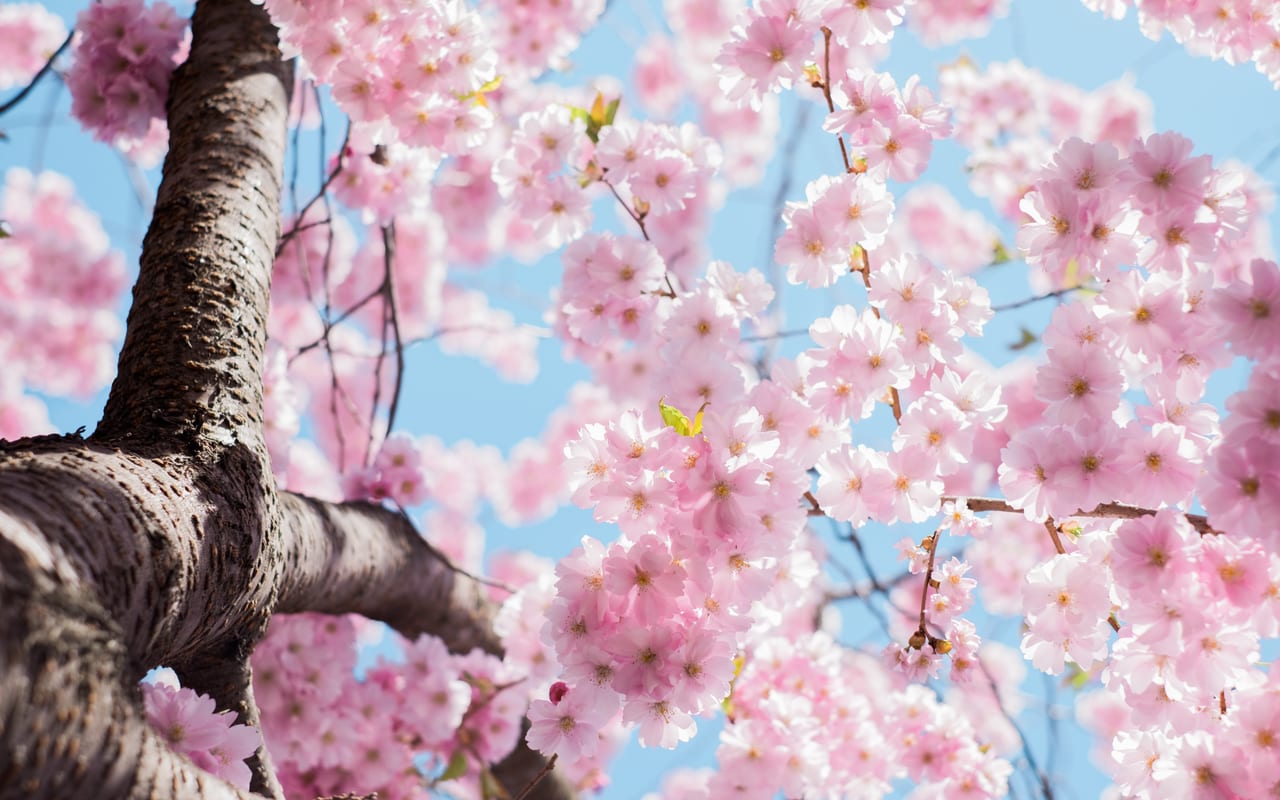
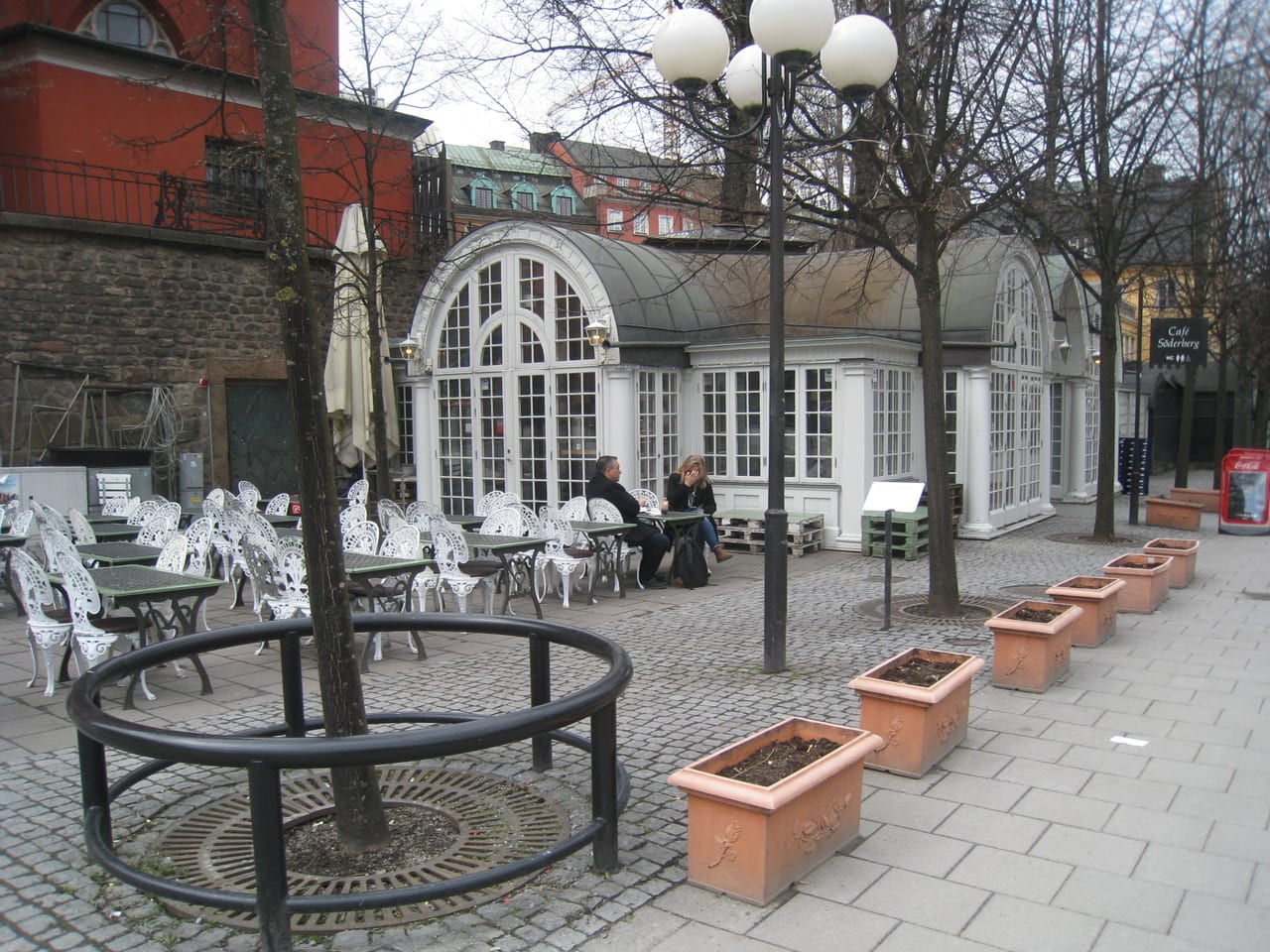
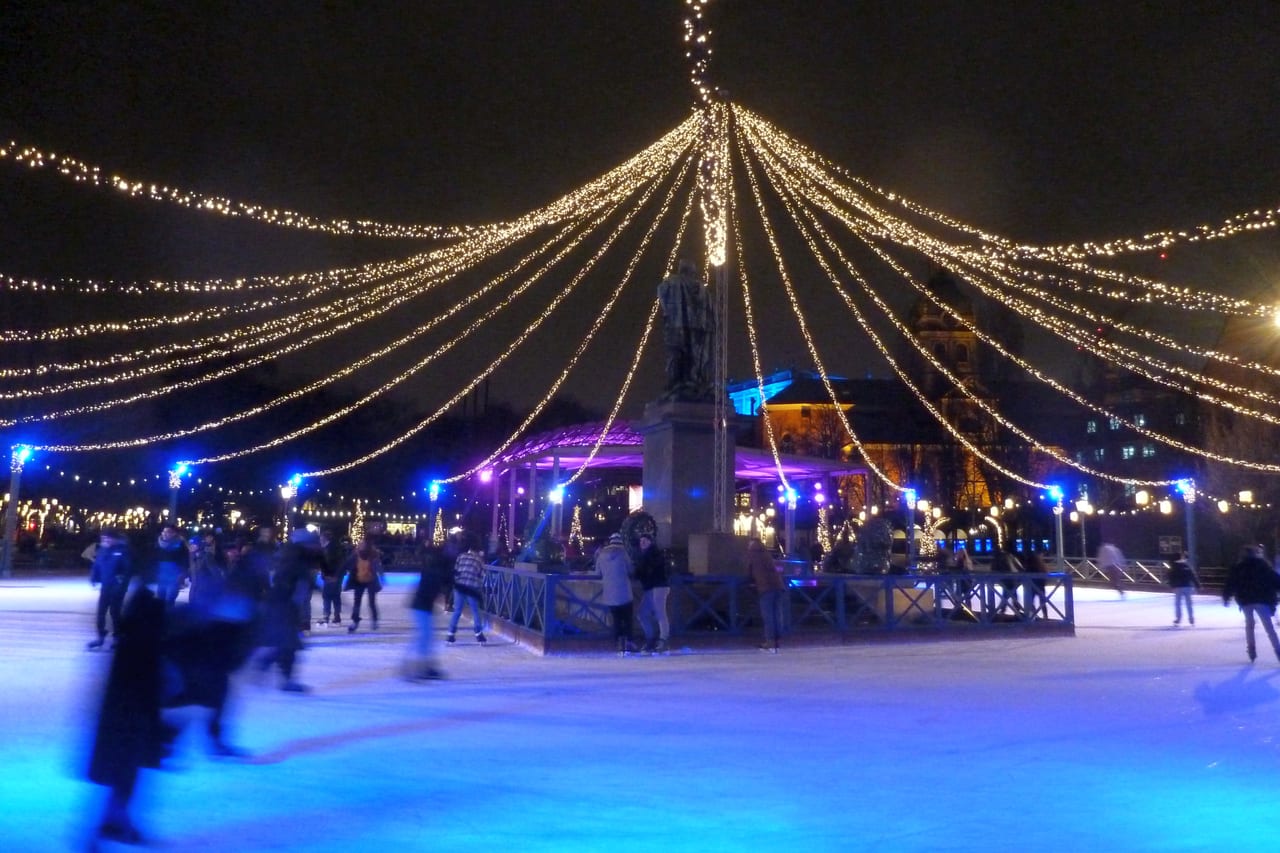
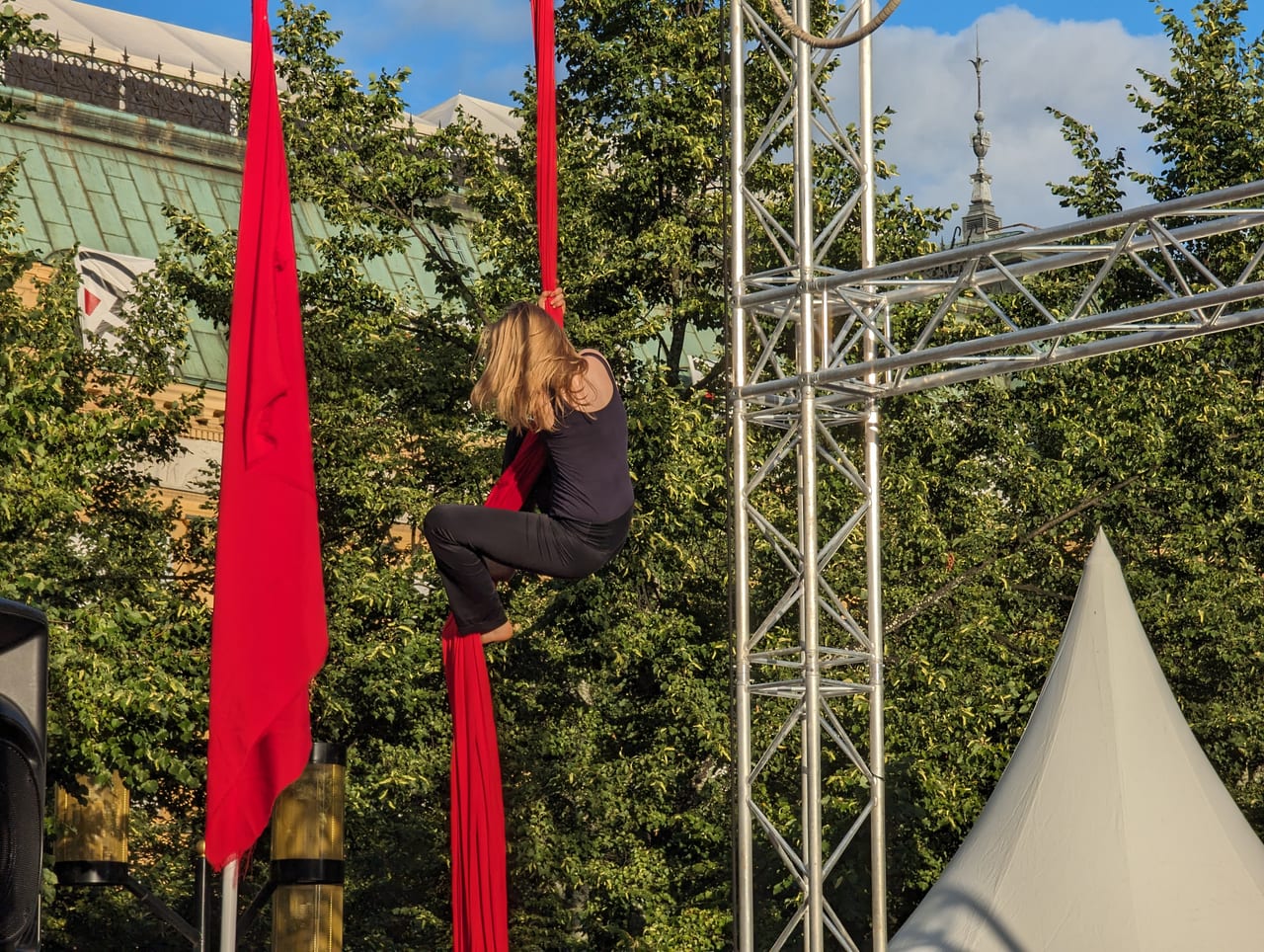
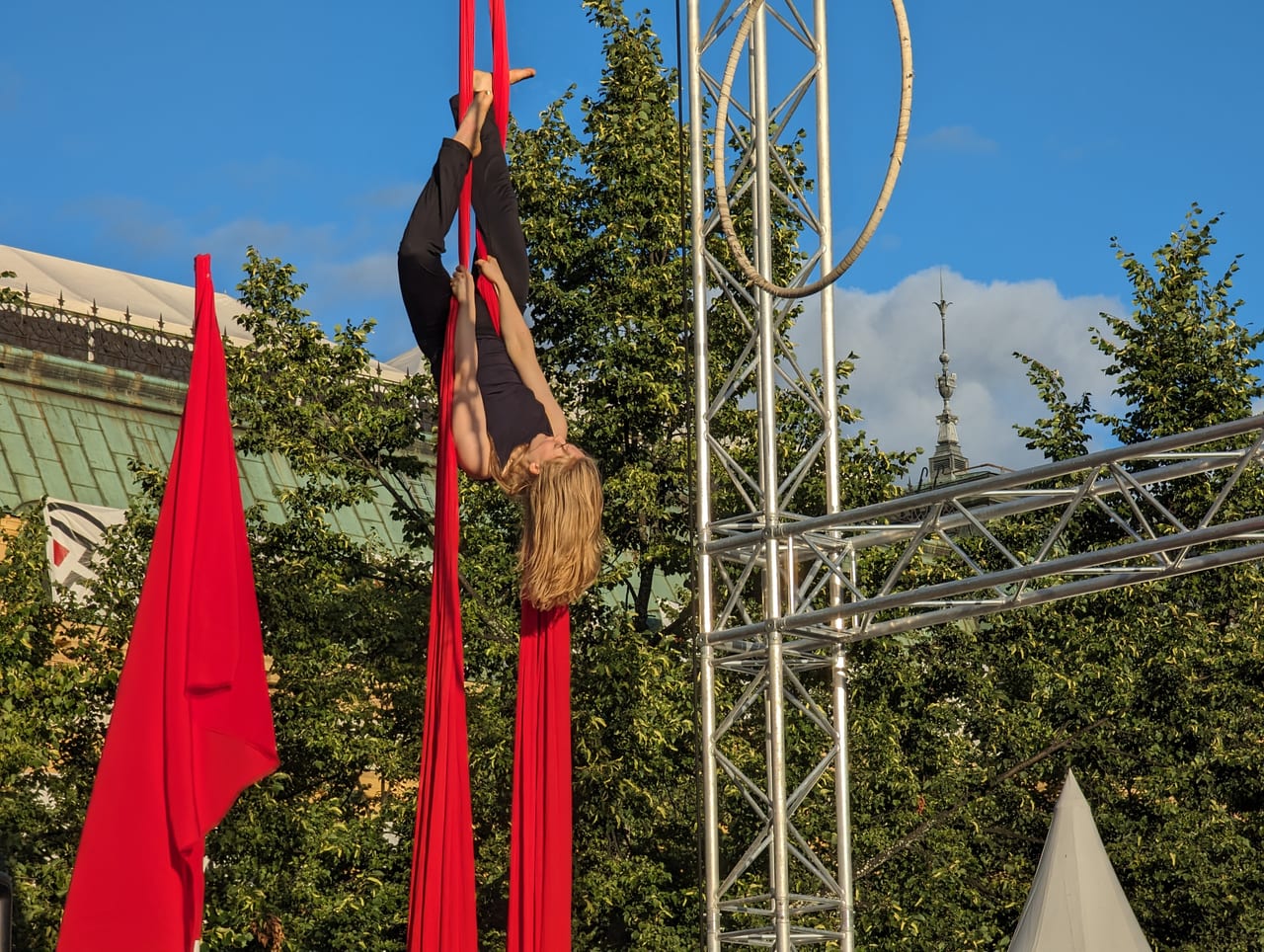
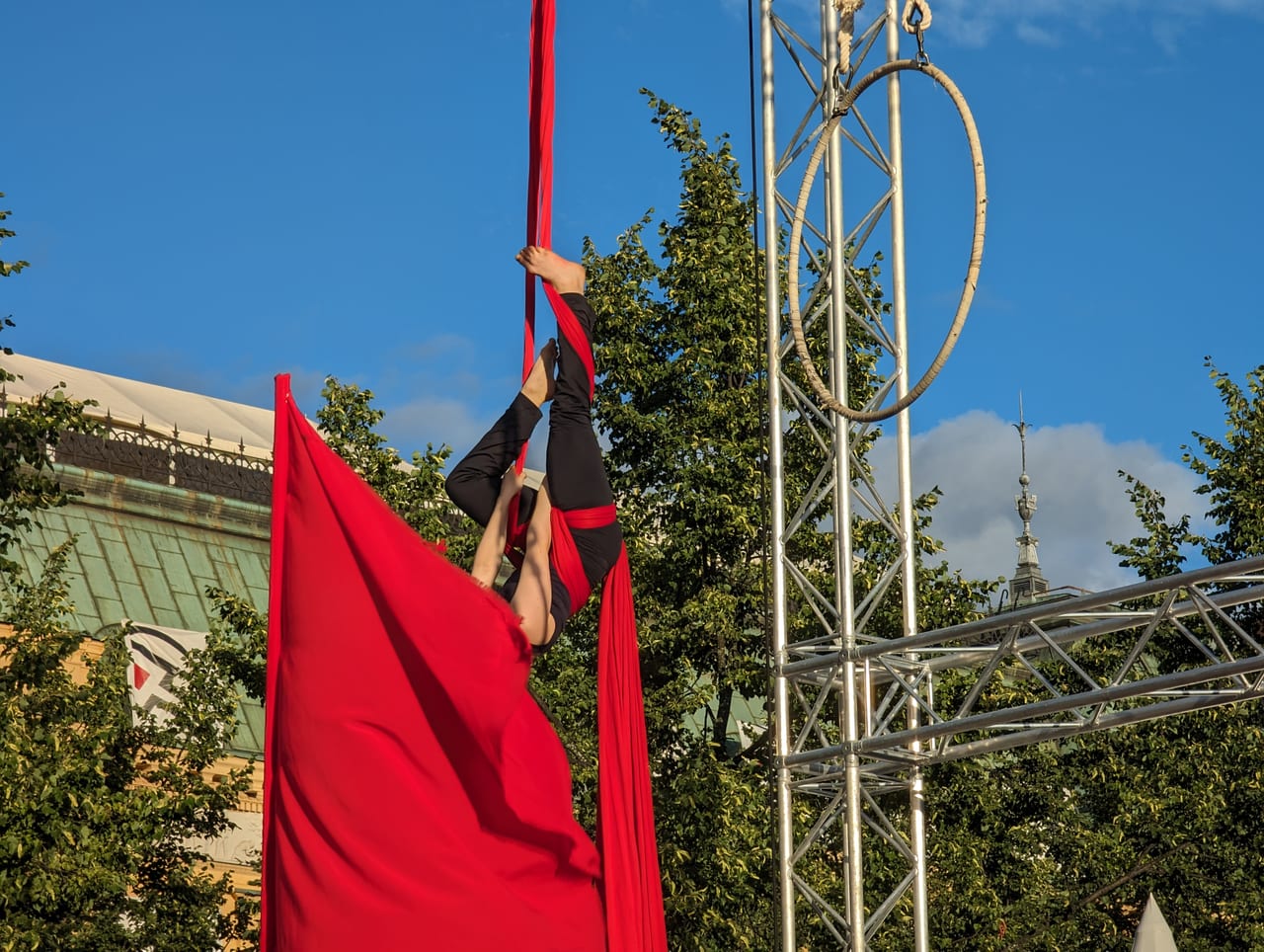
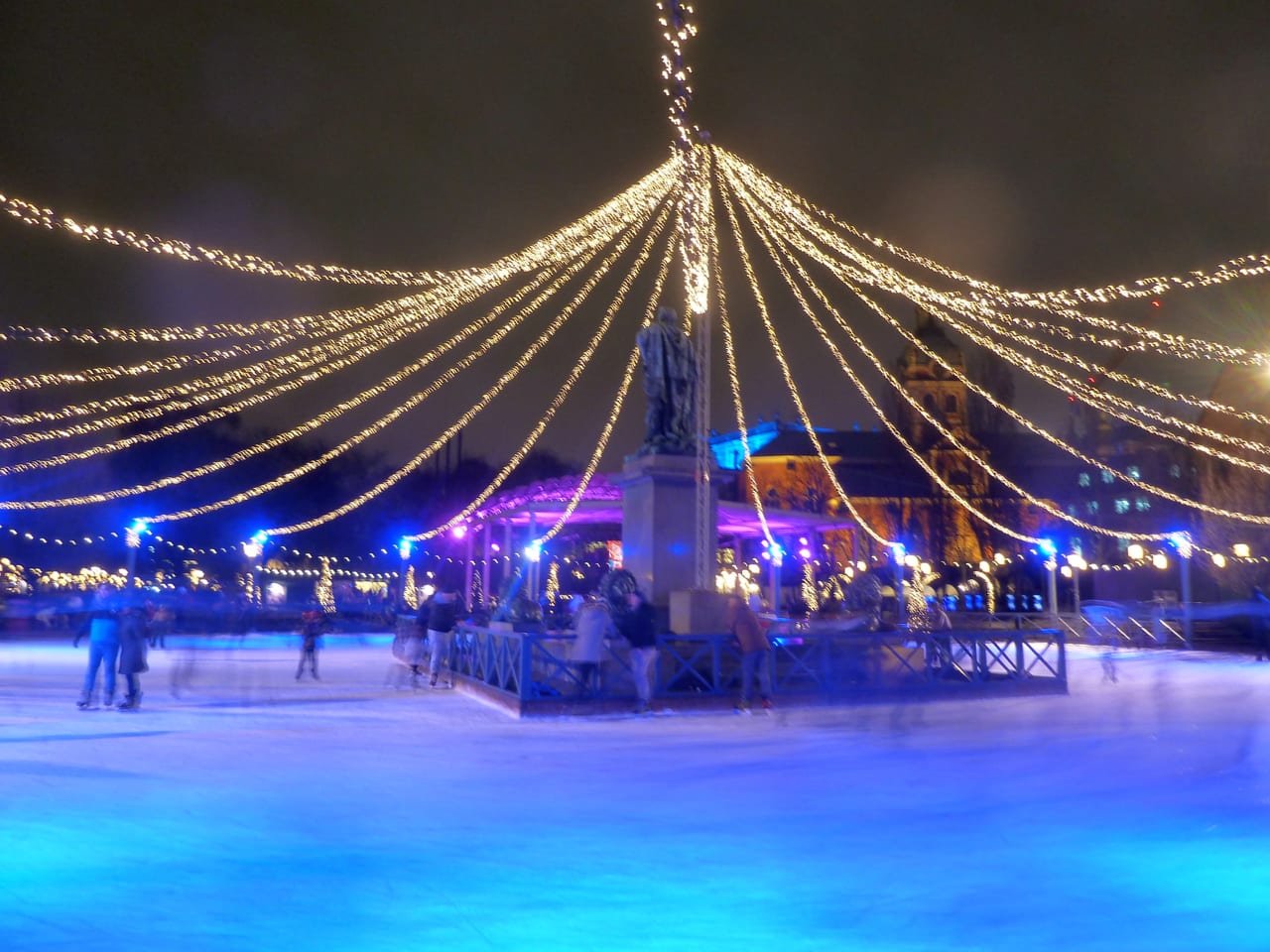
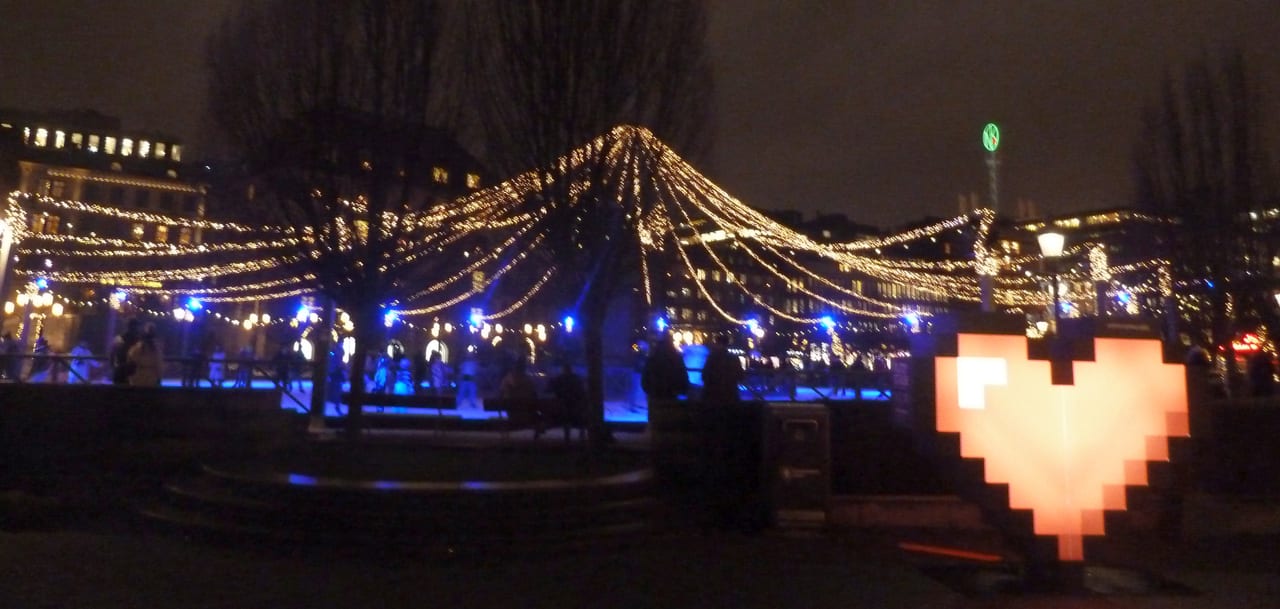
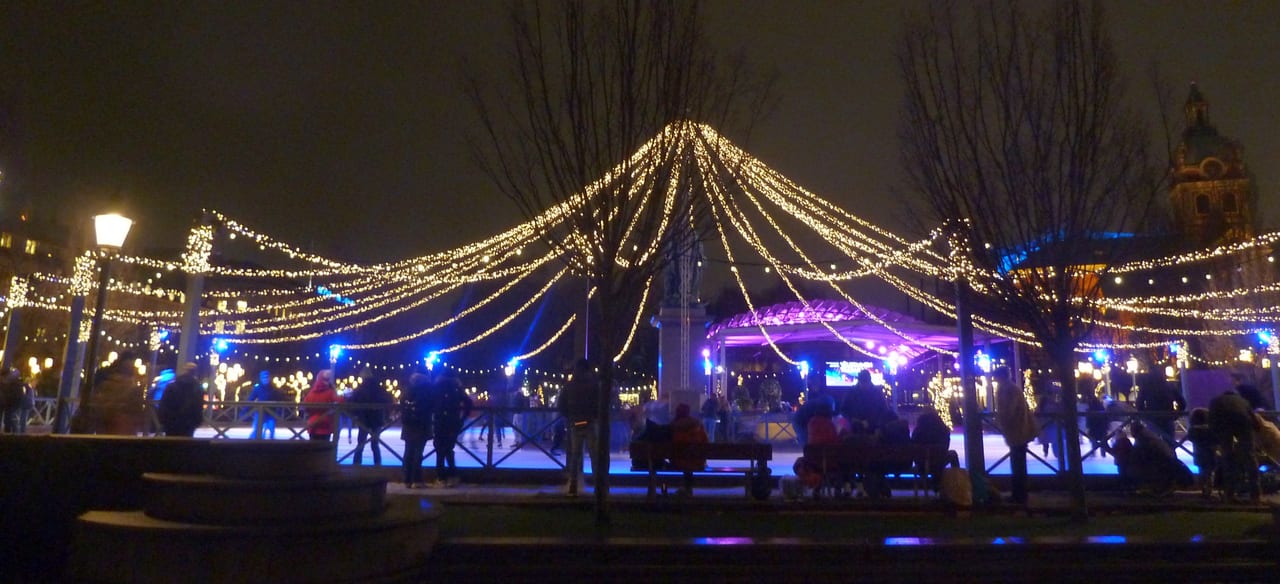
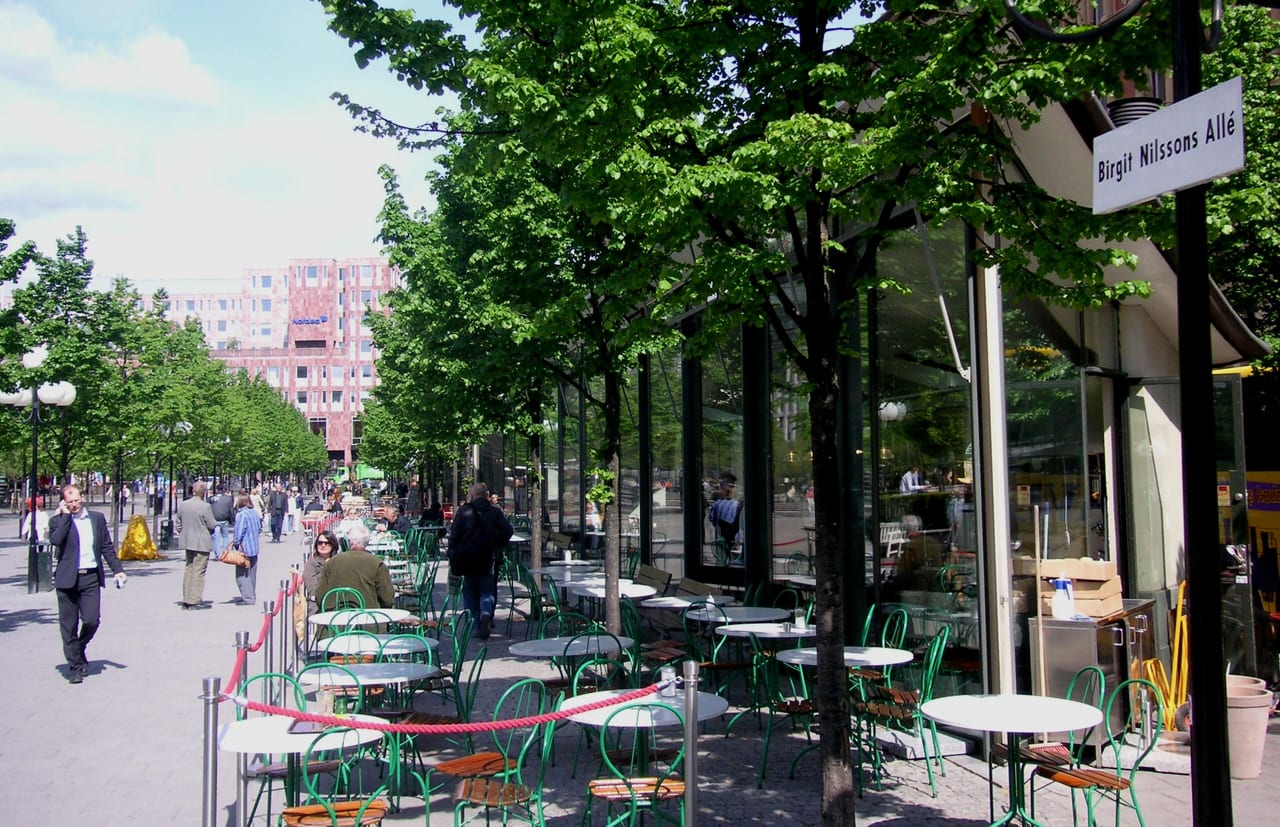
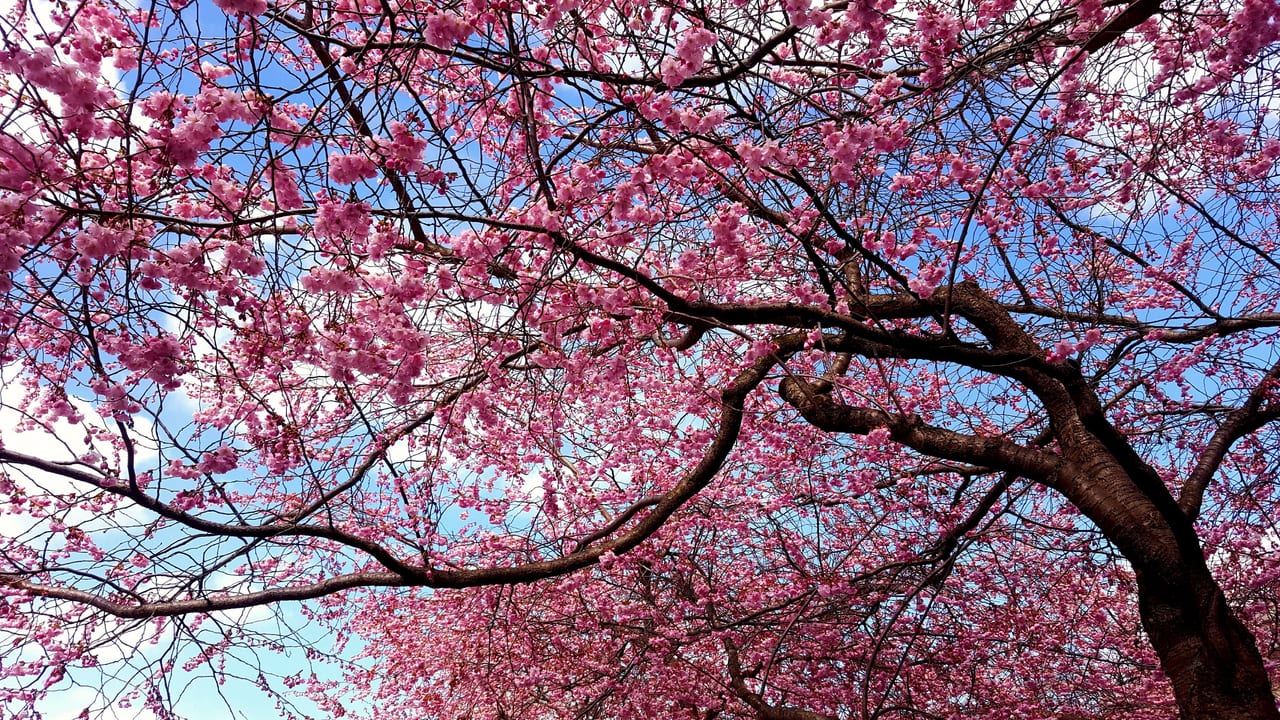
Walk the park from south to north, comparing the two royal statues, the tree-lined avenues and Wolodarski’s bronze urns. In spring, seek out the 63 Japanese cherry trees planted in 1998. See the fountain’s fiber-optic lighting after dark, and inspect opera-house fragments displayed in the nearby metro station. Tehuset provides coffee and sandwiches; cafés, restaurants and galleries occupy the edges. In summer, check for open-air performances, while winter brings the ice rink.
Places to stay near Kungsträdgården

Live availability and prices from Stay22's partners, refreshed periodically and subject to change. Booking through these links may earn us a commission at no extra cost to you. See our privacy policy.
Cafés near Kungsträdgården
Cafés near Kungsträdgården loads as you scroll.
Attractions nearby
Attractions near Kungsträdgården loads as you scroll.
Cities nearby
Cities nearby loads as you scroll.
More in Stockholm
See more of Stockholm.
Find great cafés, places to stay and other interesting places to visit in Stockholm.