Arena & stadium · Stockholm
Cirkus
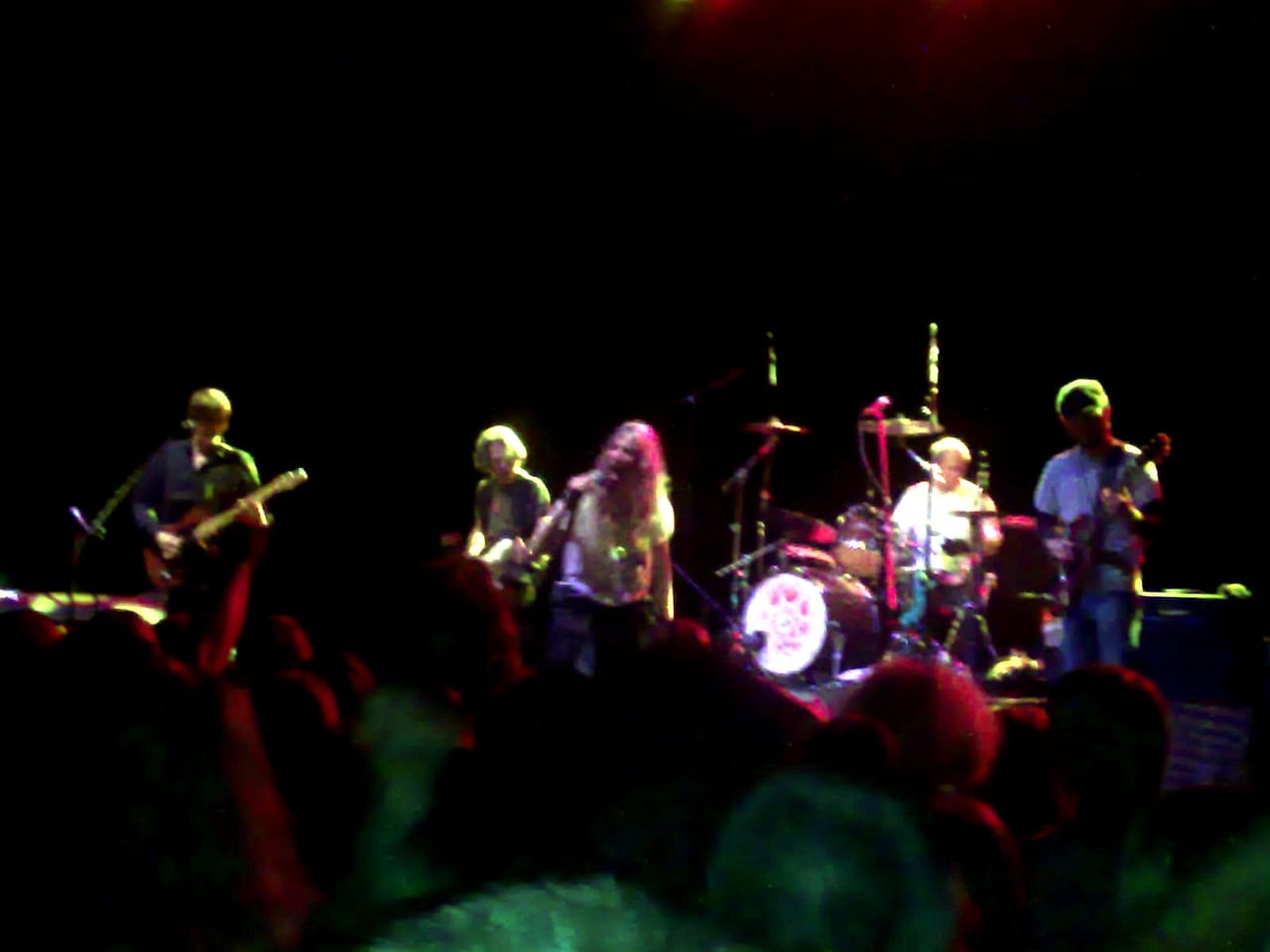
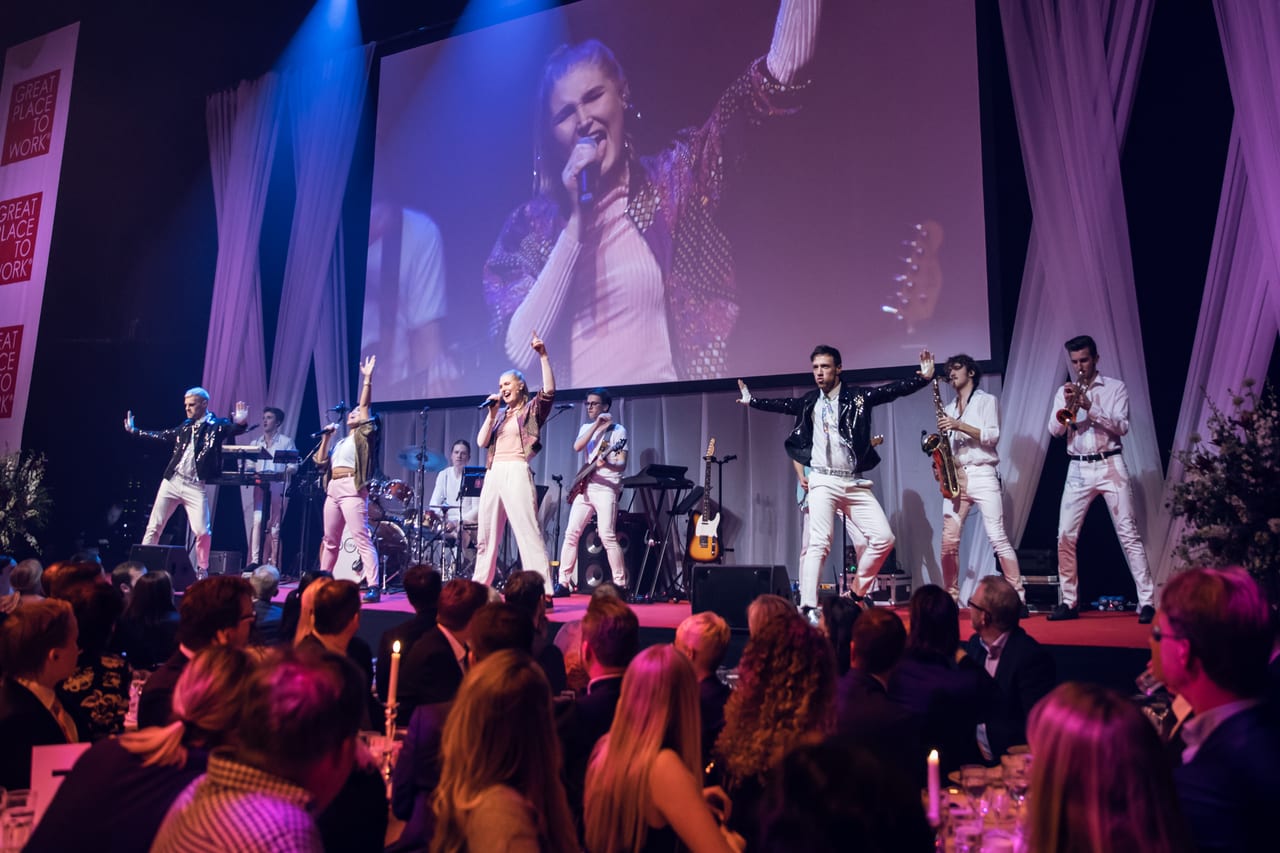
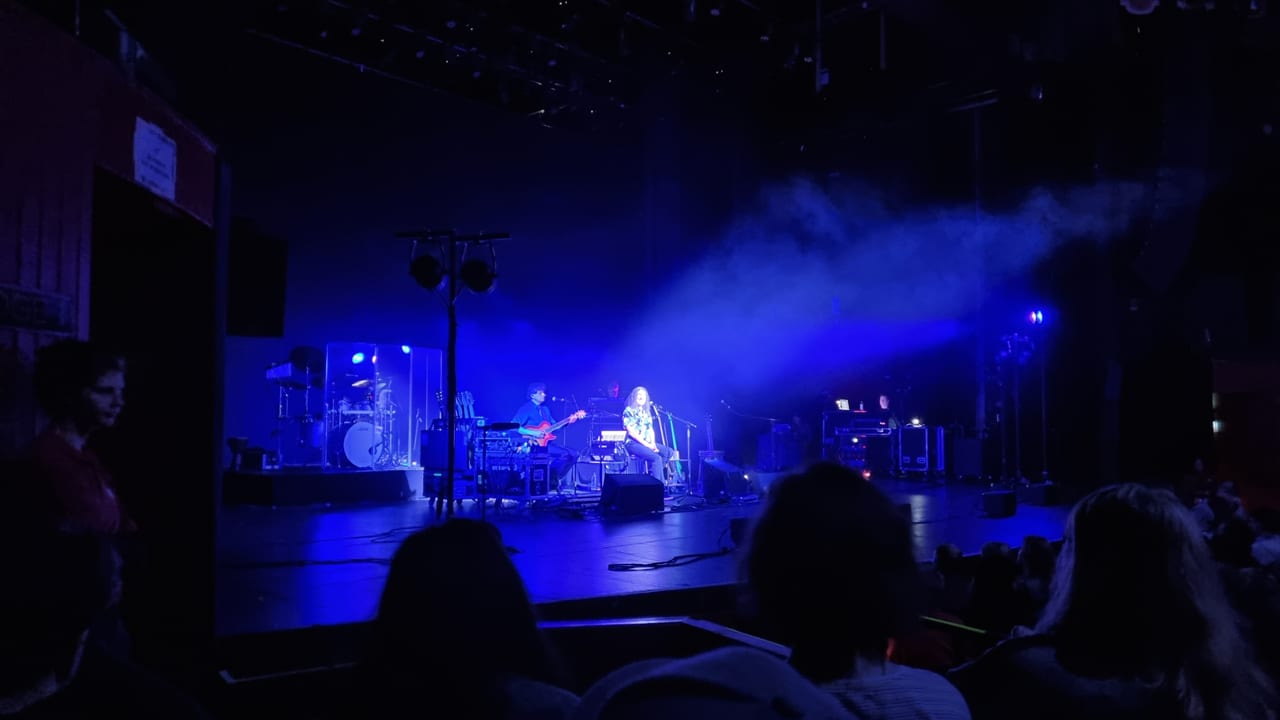
DirectionsIts identity shifted from a permanent circus, known as Cirkusteatern, to a 1,650-seat venue for concerts and musical shows.
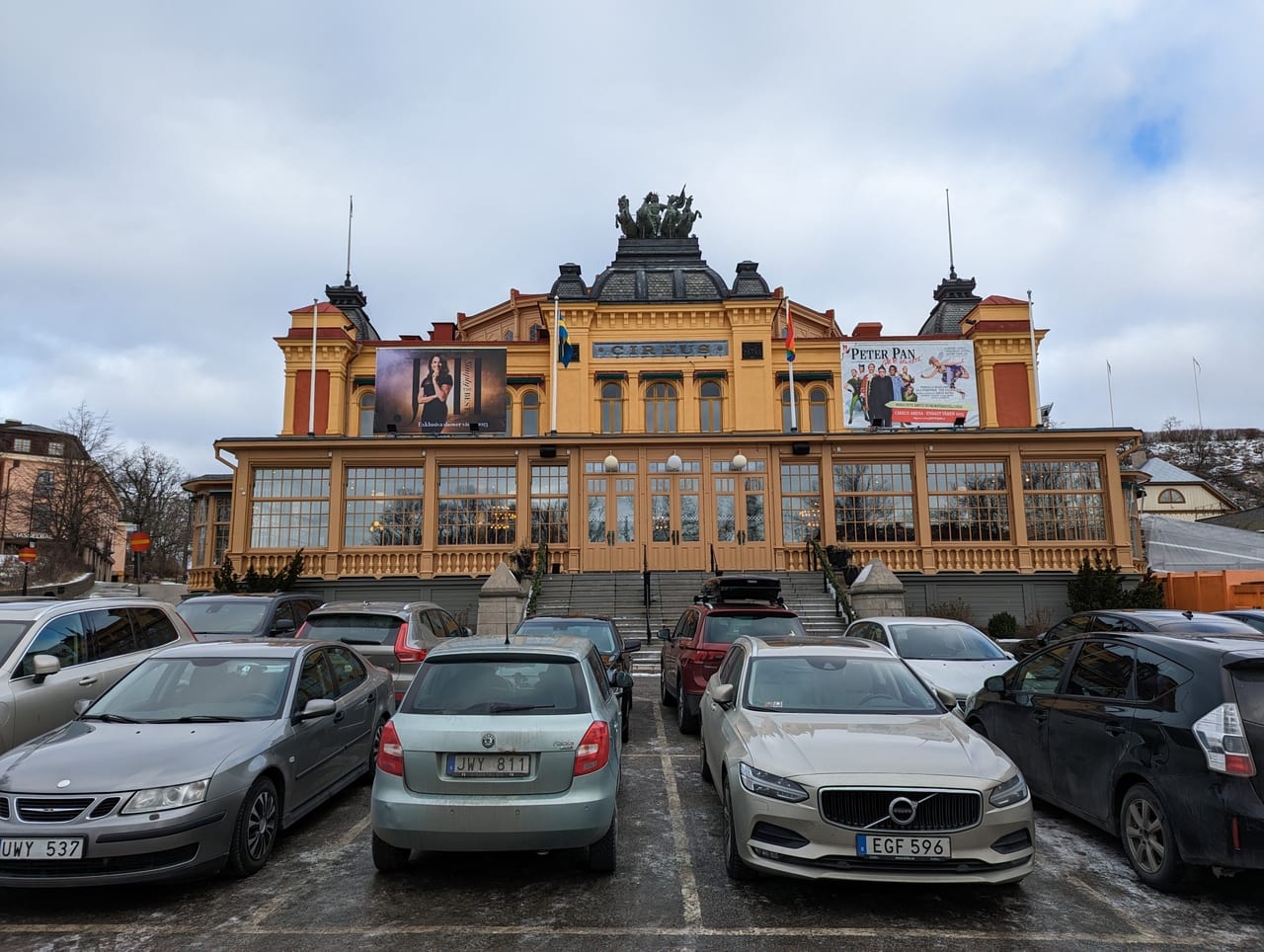
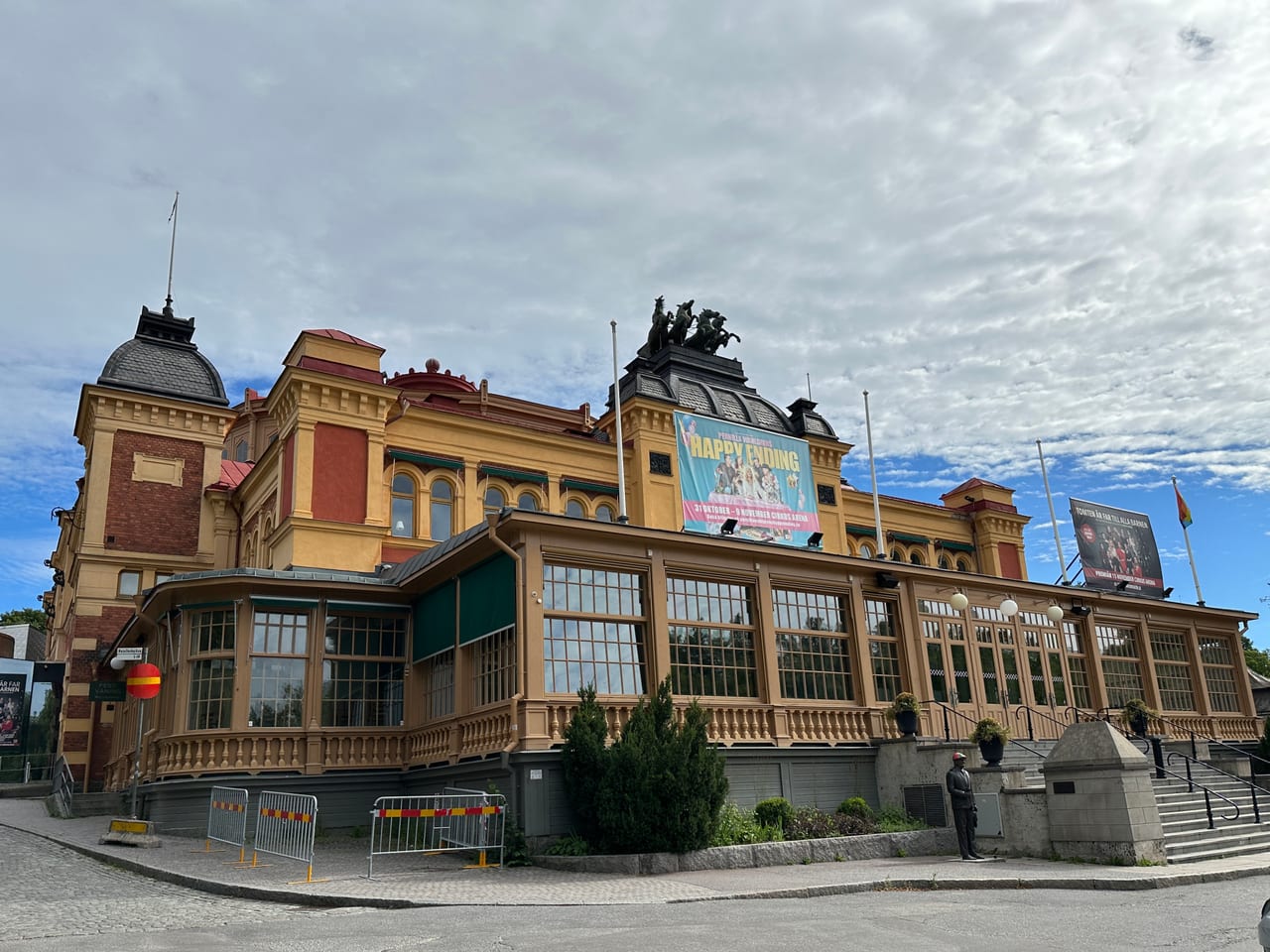
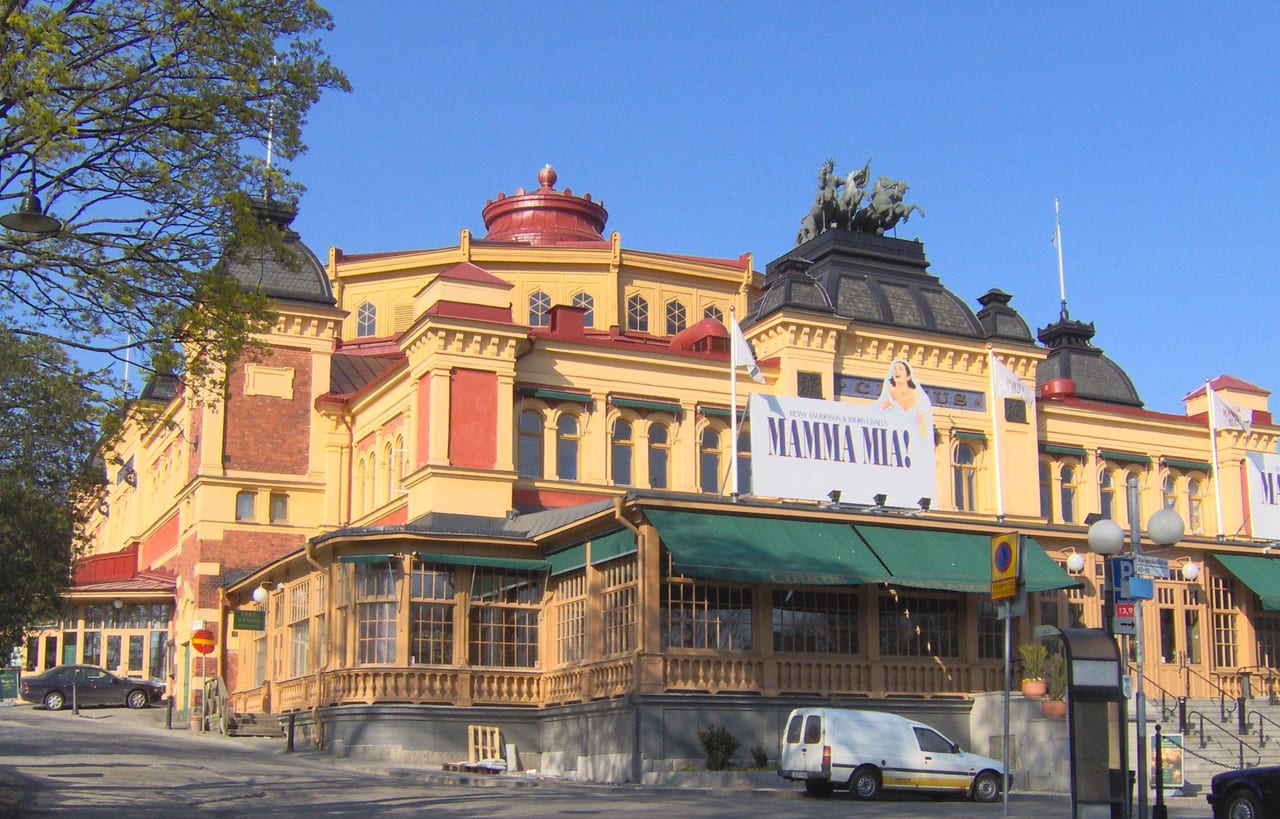
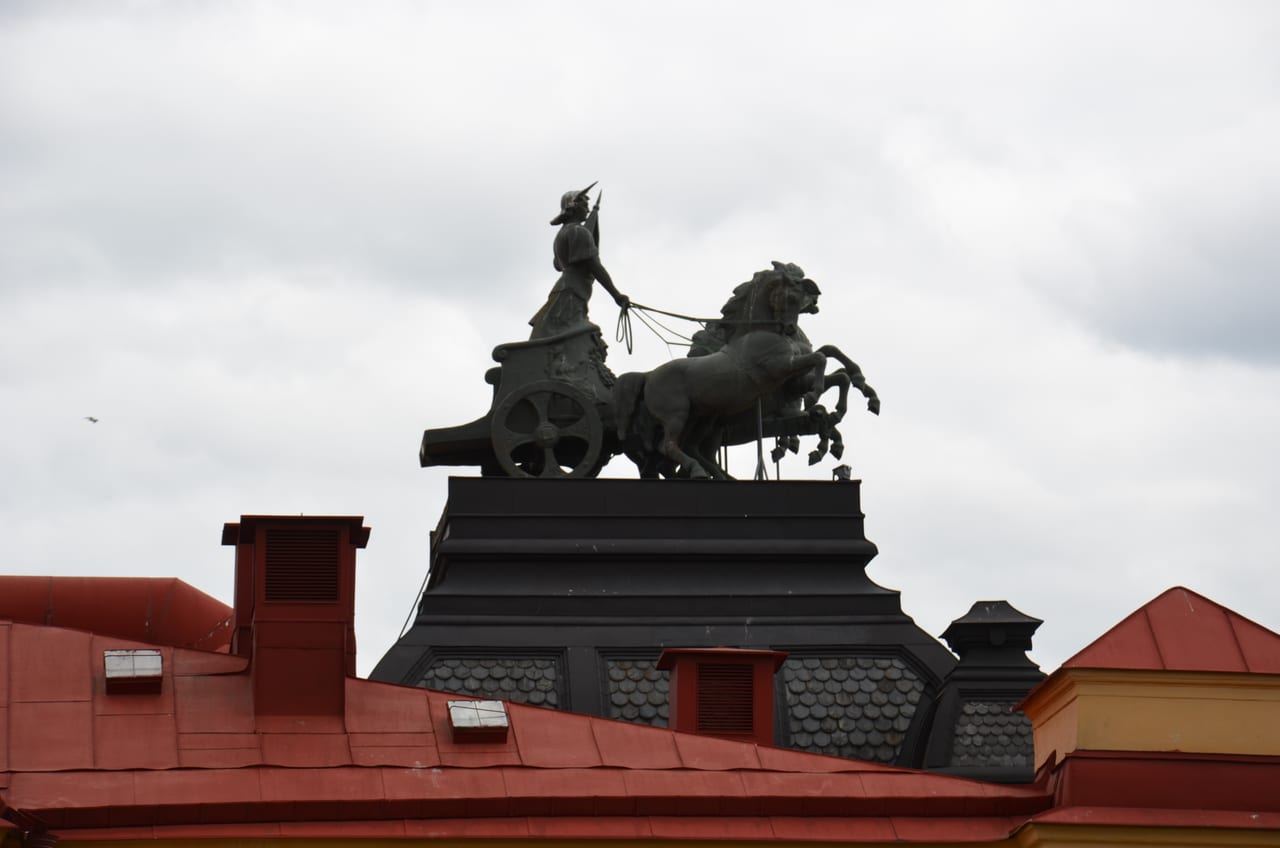
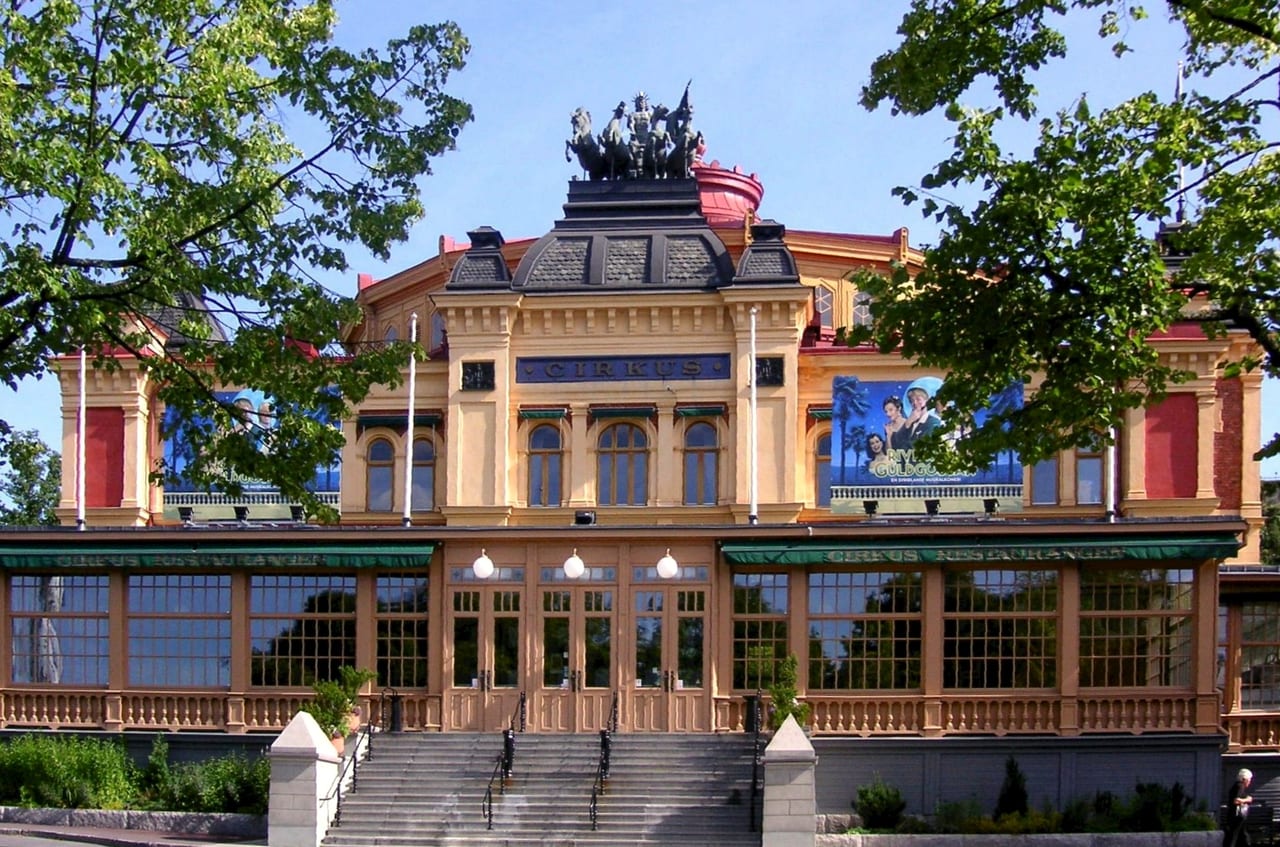
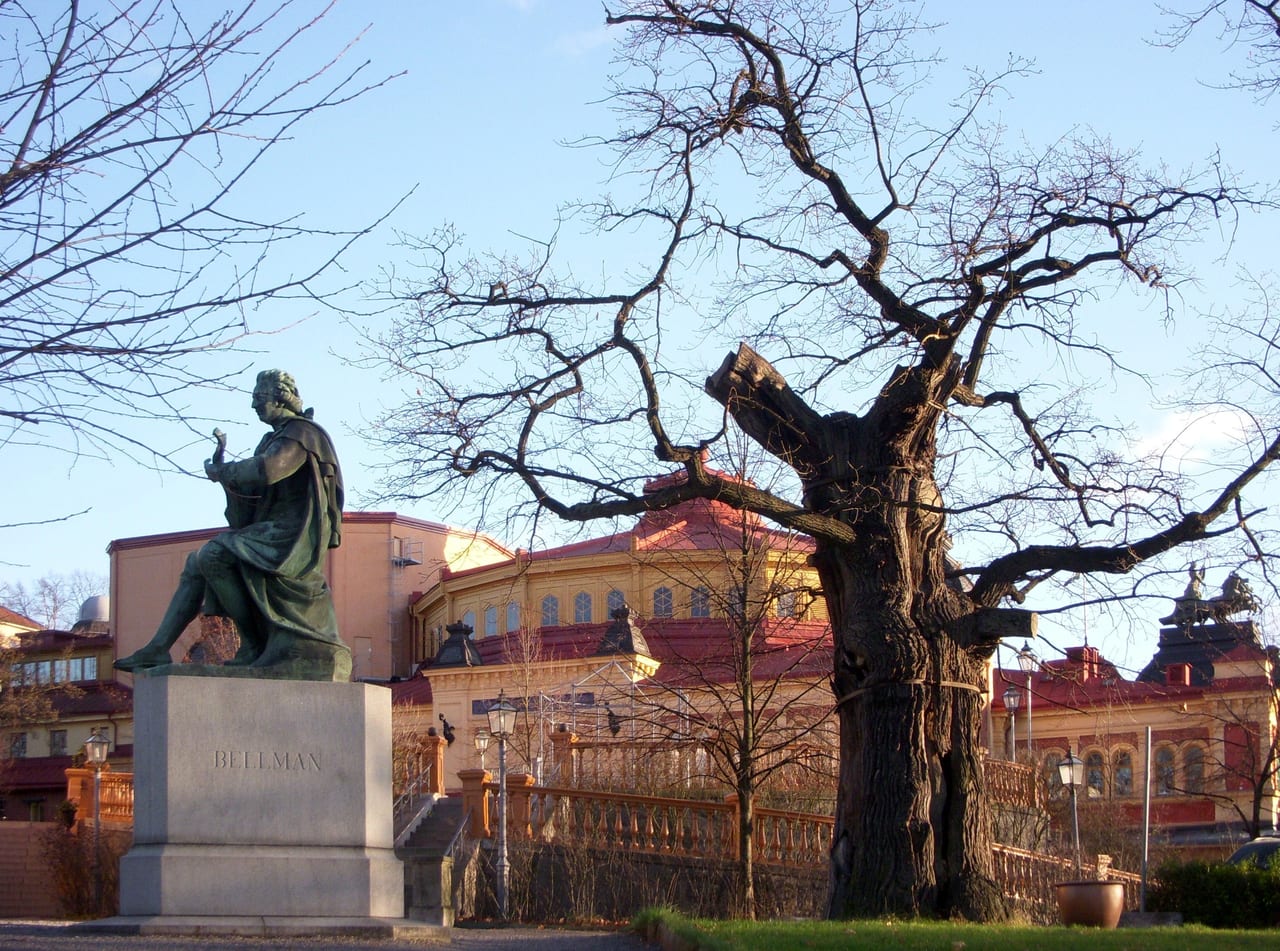
Photograph 1 of 21 of Cirkus
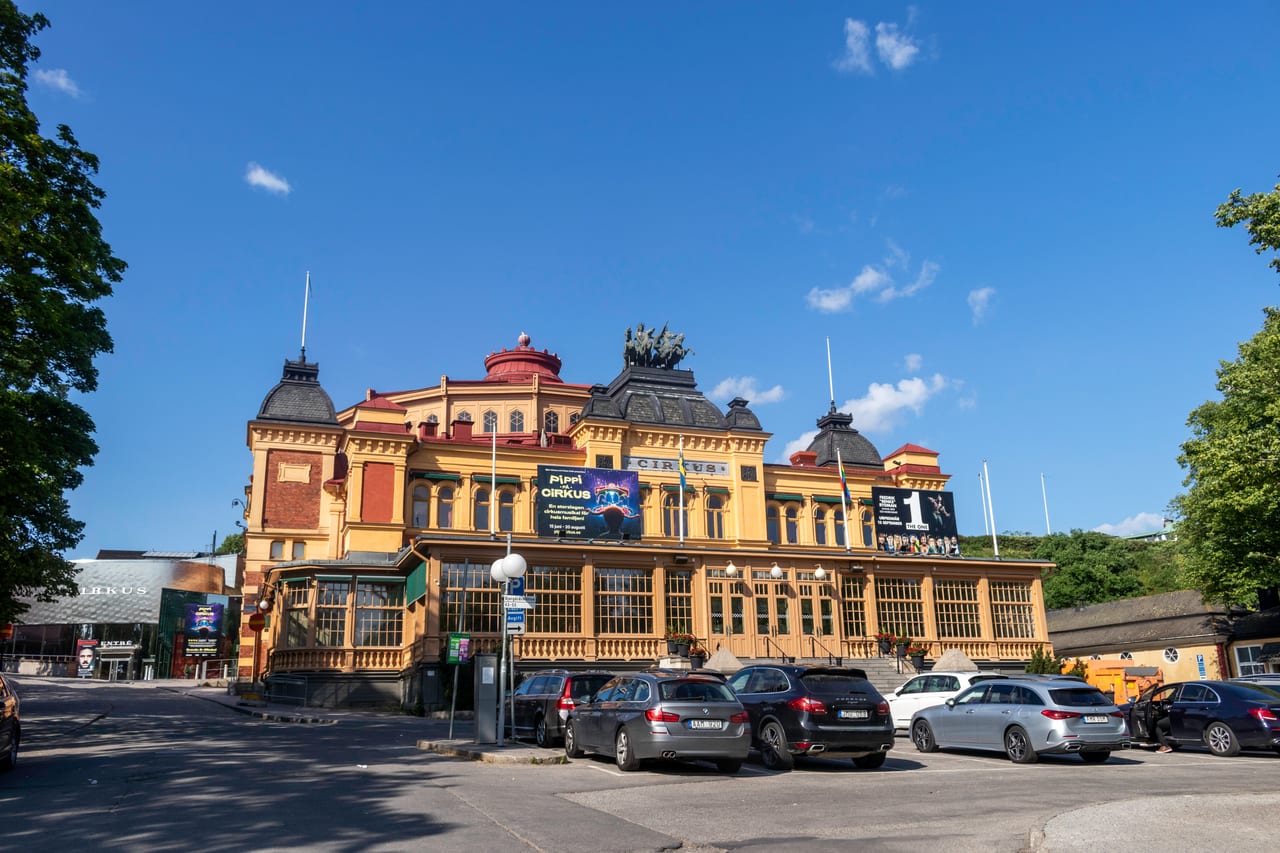
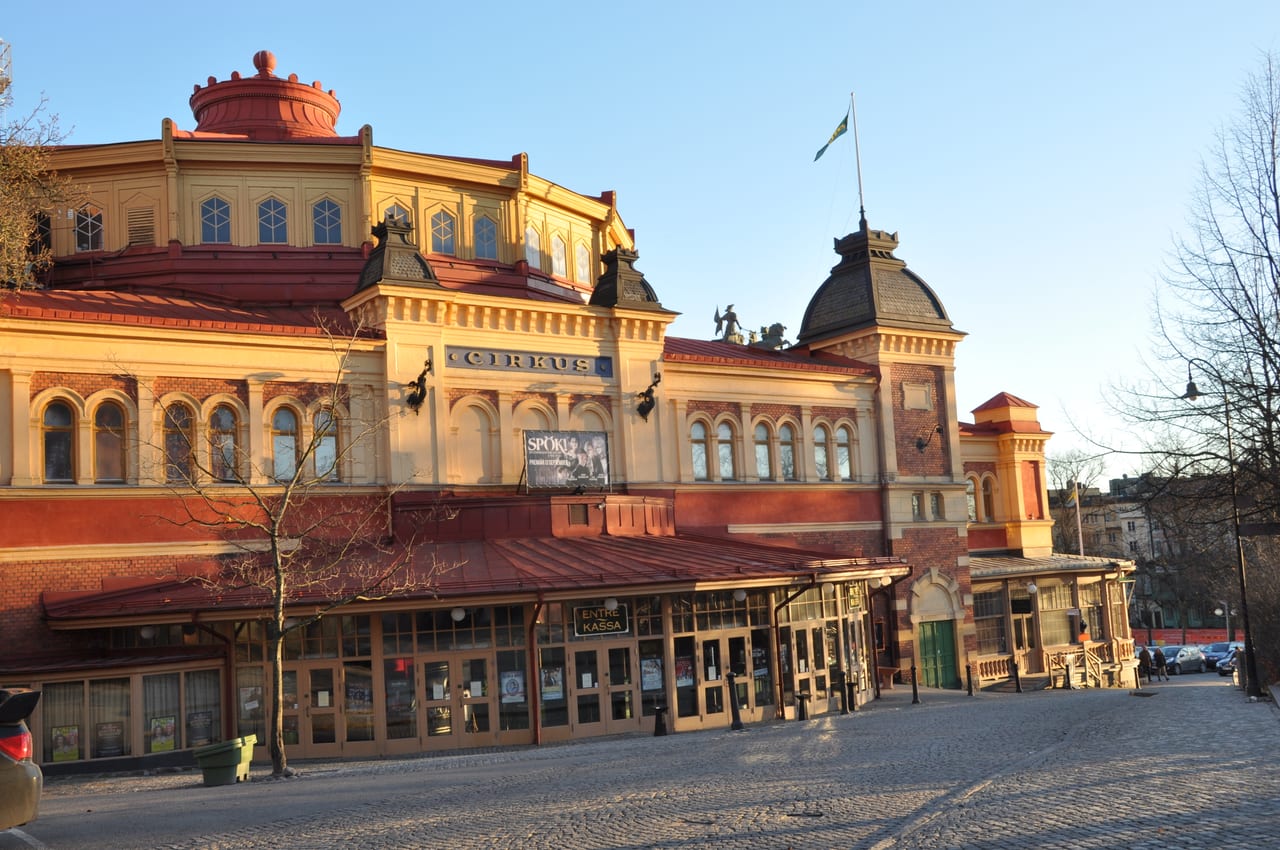
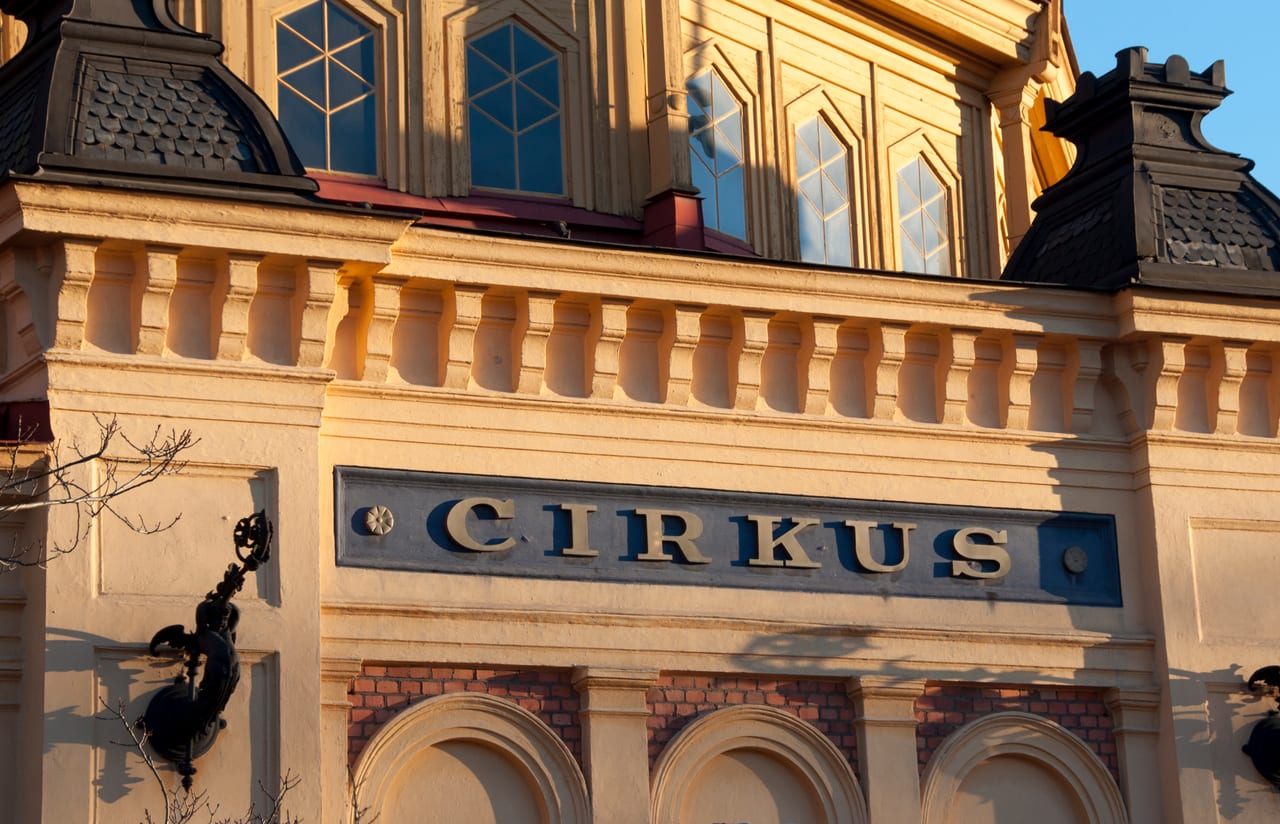
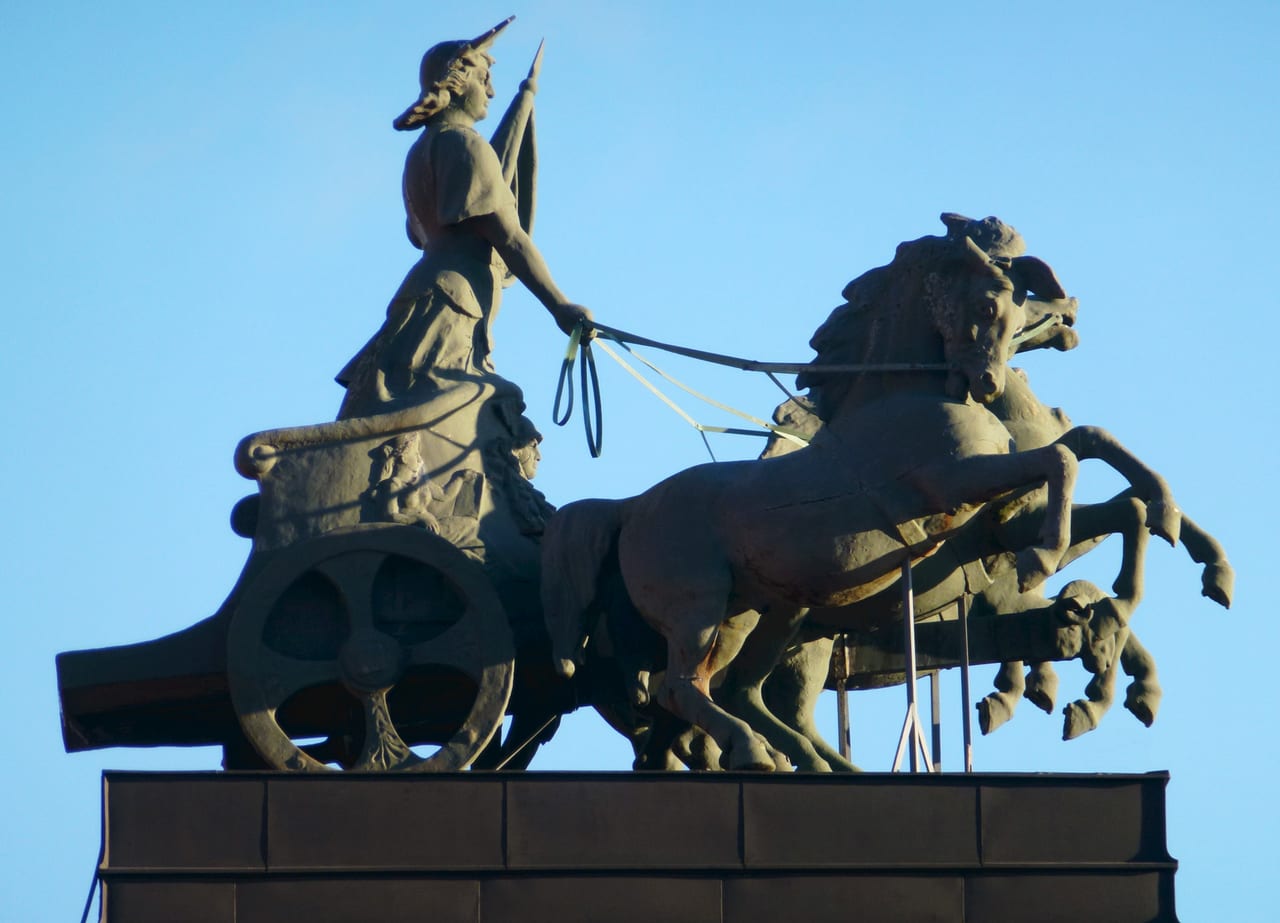
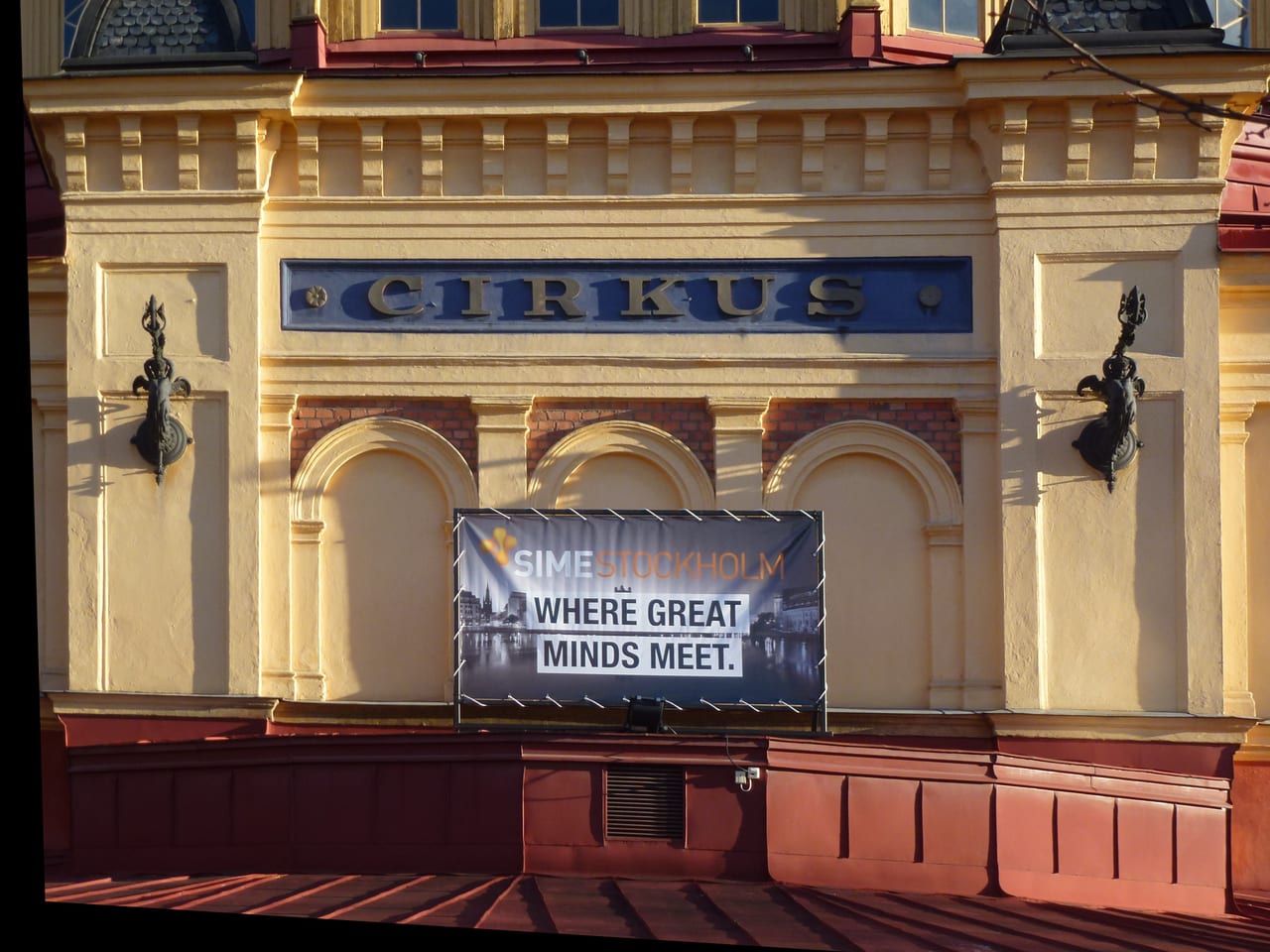
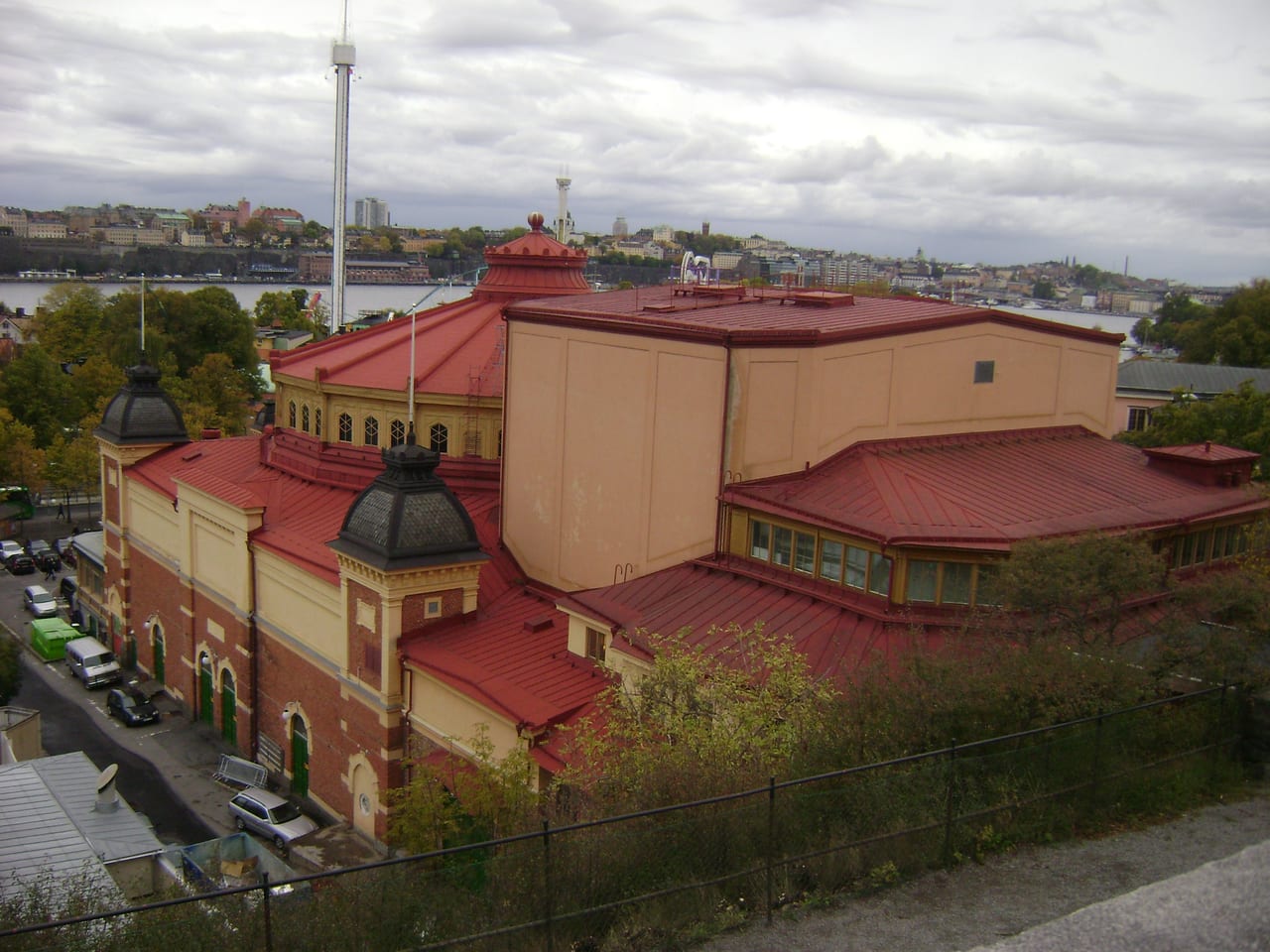
In 1869, Didi Gautier sold his circus, Didier Gautiers menagerie, to Adèle Houcke. The original building later burned, prompting its reconstruction as the present Djurgårdscircus in 1892. Ernst Haegglund is identified as the architect, while the venue’s inception is dated to 1891. The earlier official name, Cirkusteatern, preserves the purpose for which the building was established; the contemporary role lies chiefly in concerts and musical shows. The complex is individually listed as a heritage building, marking its architectural and historical standing. Cirkus therefore combines circus origins, reconstruction after fire and later adaptation: a permanent entertainment venue whose use changed while its name continued to recall its first performance tradition.
At a glance
- Built
- 1891
- Architect
- Ernst Haegglund
- Heritage
- individual listed building complex
Ways to explore Cirkus
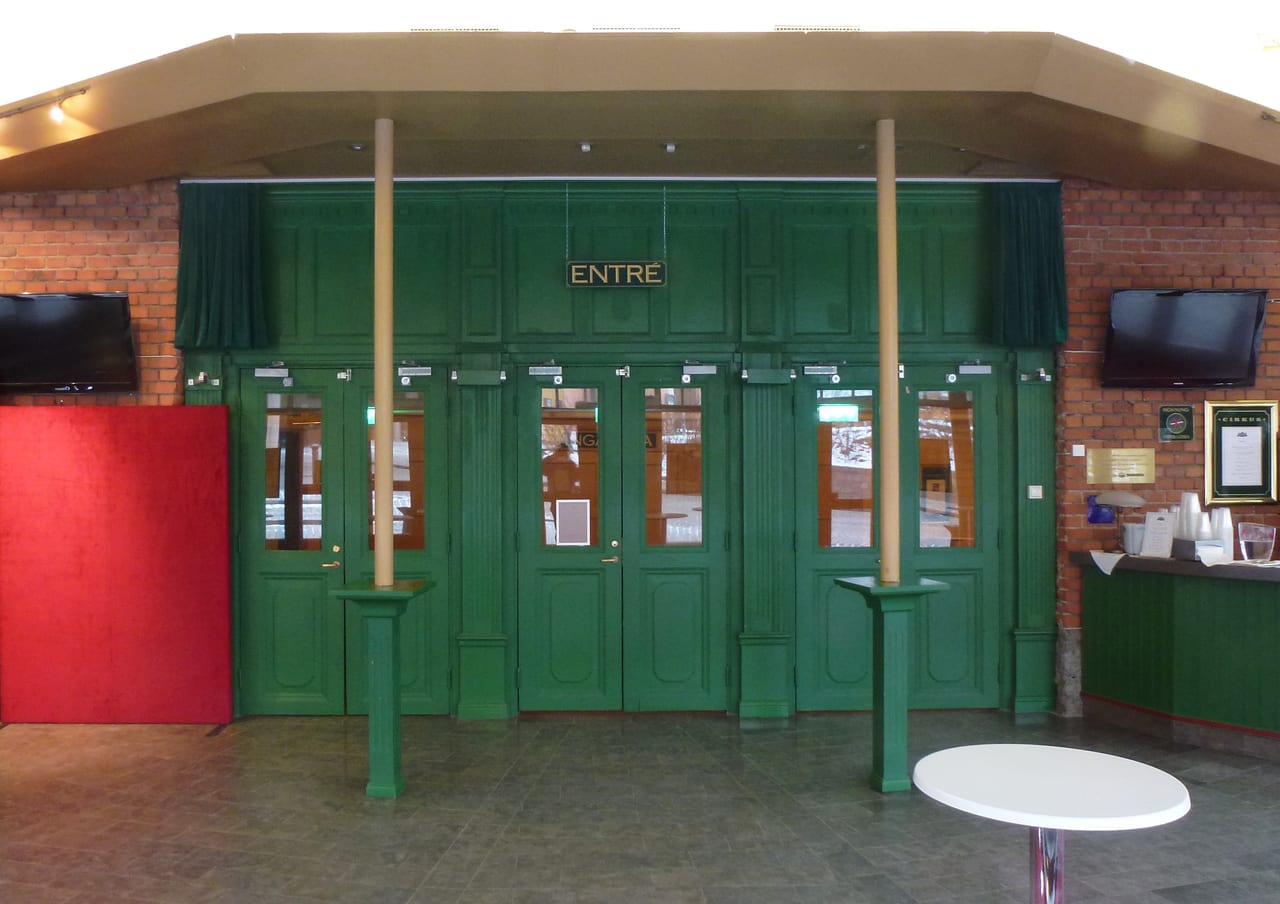
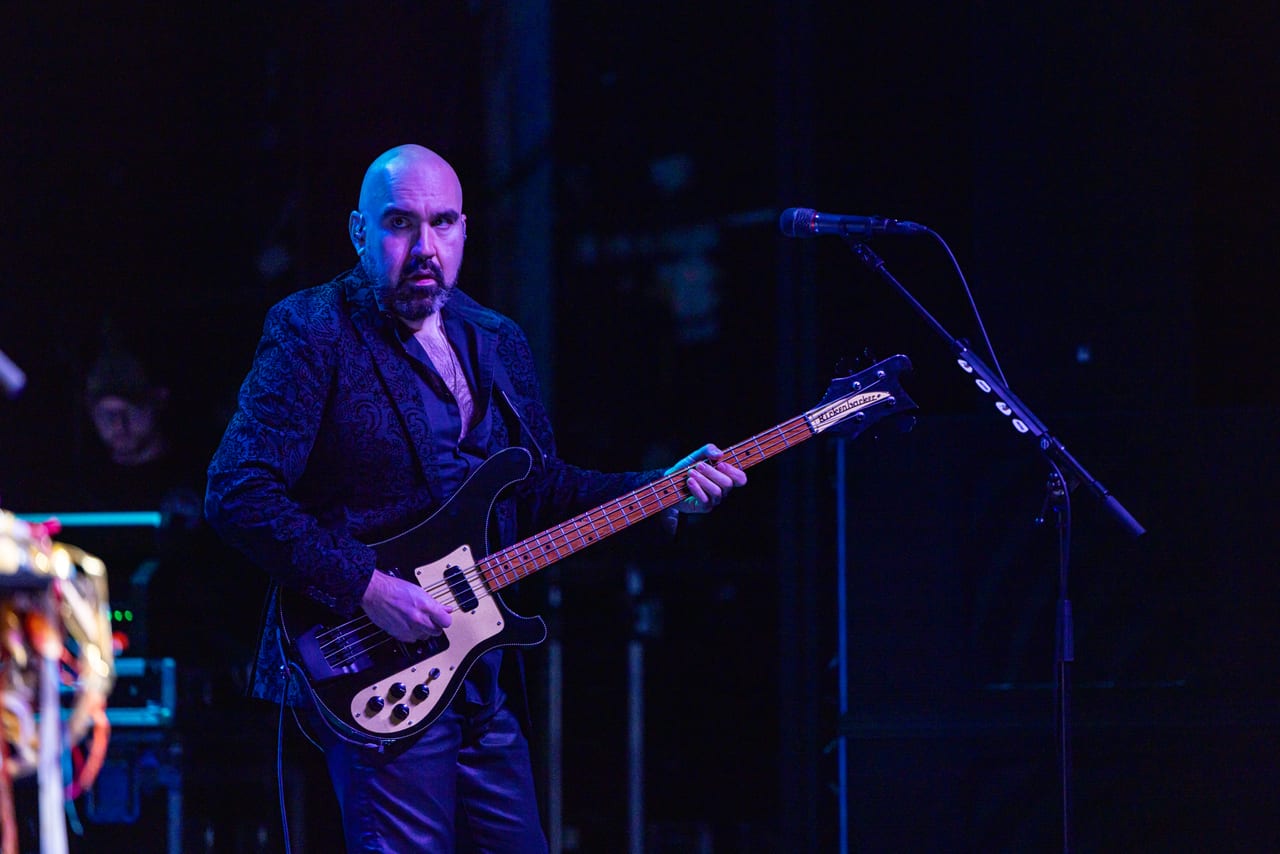
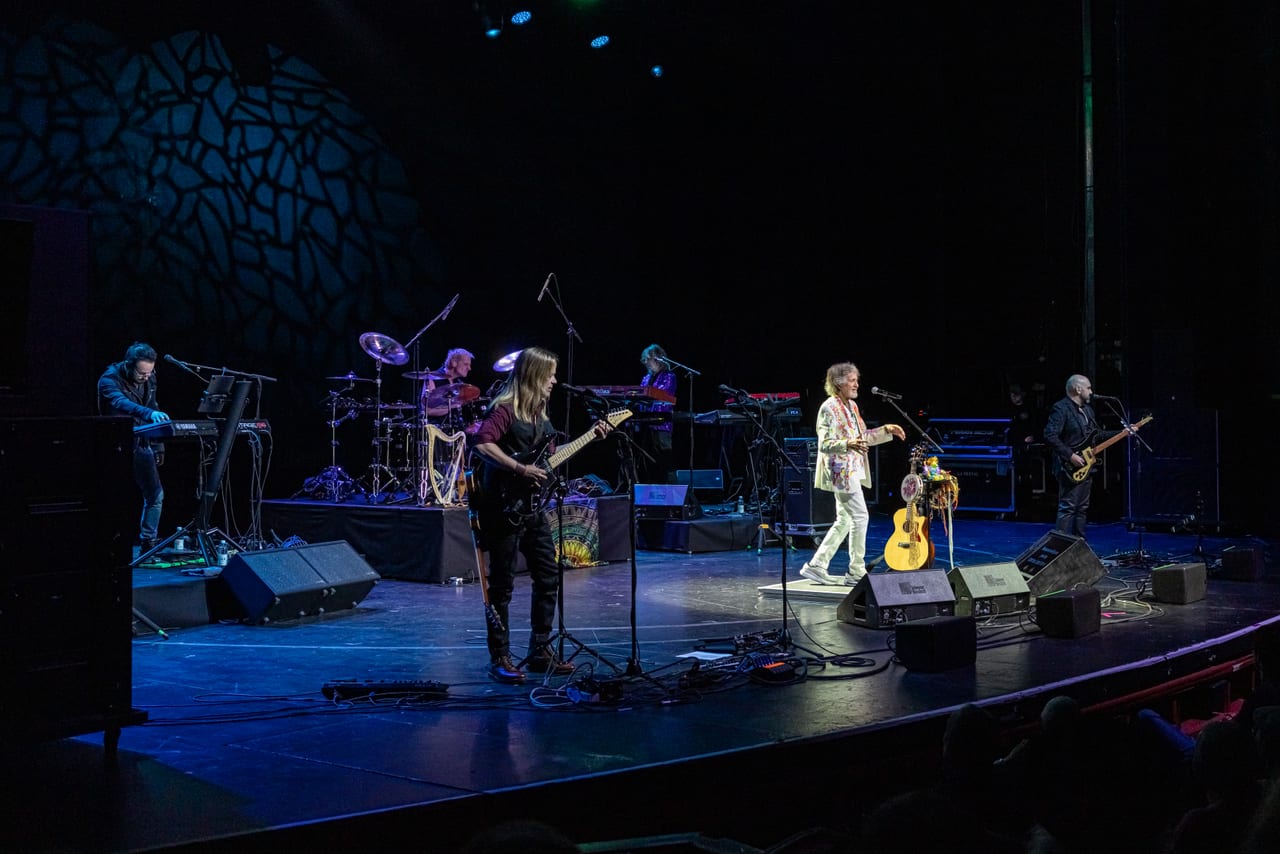
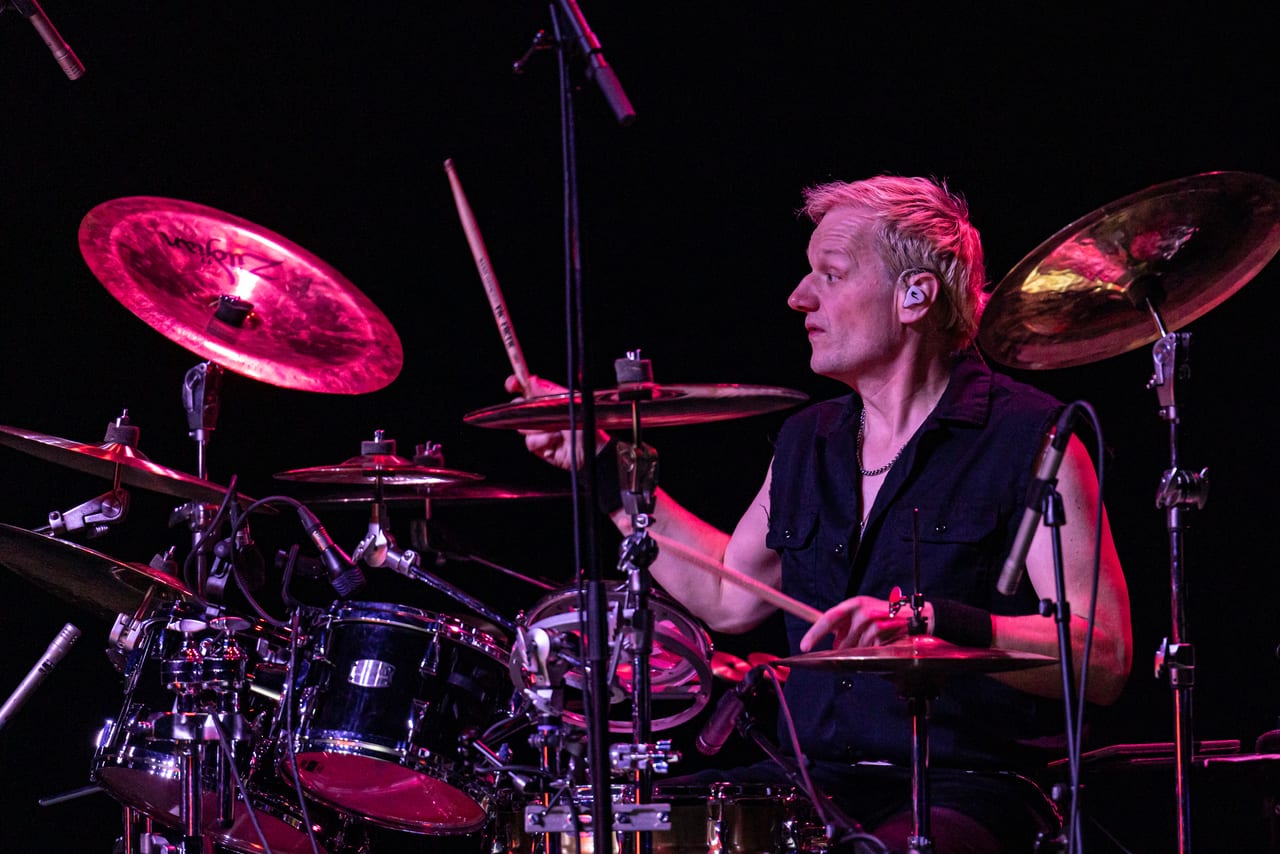
Attend a concert or musical show to experience the venue in its present performance role. Look closely at the building as an individually listed heritage complex and consider the relationship between the name Cirkus and the former title Cirkusteatern. The venue’s 1,650-person capacity gives a sense of its scale, while the circus name points to the performance tradition associated with the building’s origins.
Places to stay near Cirkus

Live availability and prices from Stay22's partners, refreshed periodically and subject to change. Booking through these links may earn us a commission at no extra cost to you. See our privacy policy.
Cafés near Cirkus
Cafés near Cirkus loads as you scroll.
Attractions nearby
Attractions near Cirkus loads as you scroll.
Cities nearby
Cities nearby loads as you scroll.
More in Stockholm
See more of Stockholm.
Find great cafés, places to stay and other interesting places to visit in Stockholm.