Street & promenade · Barcelona
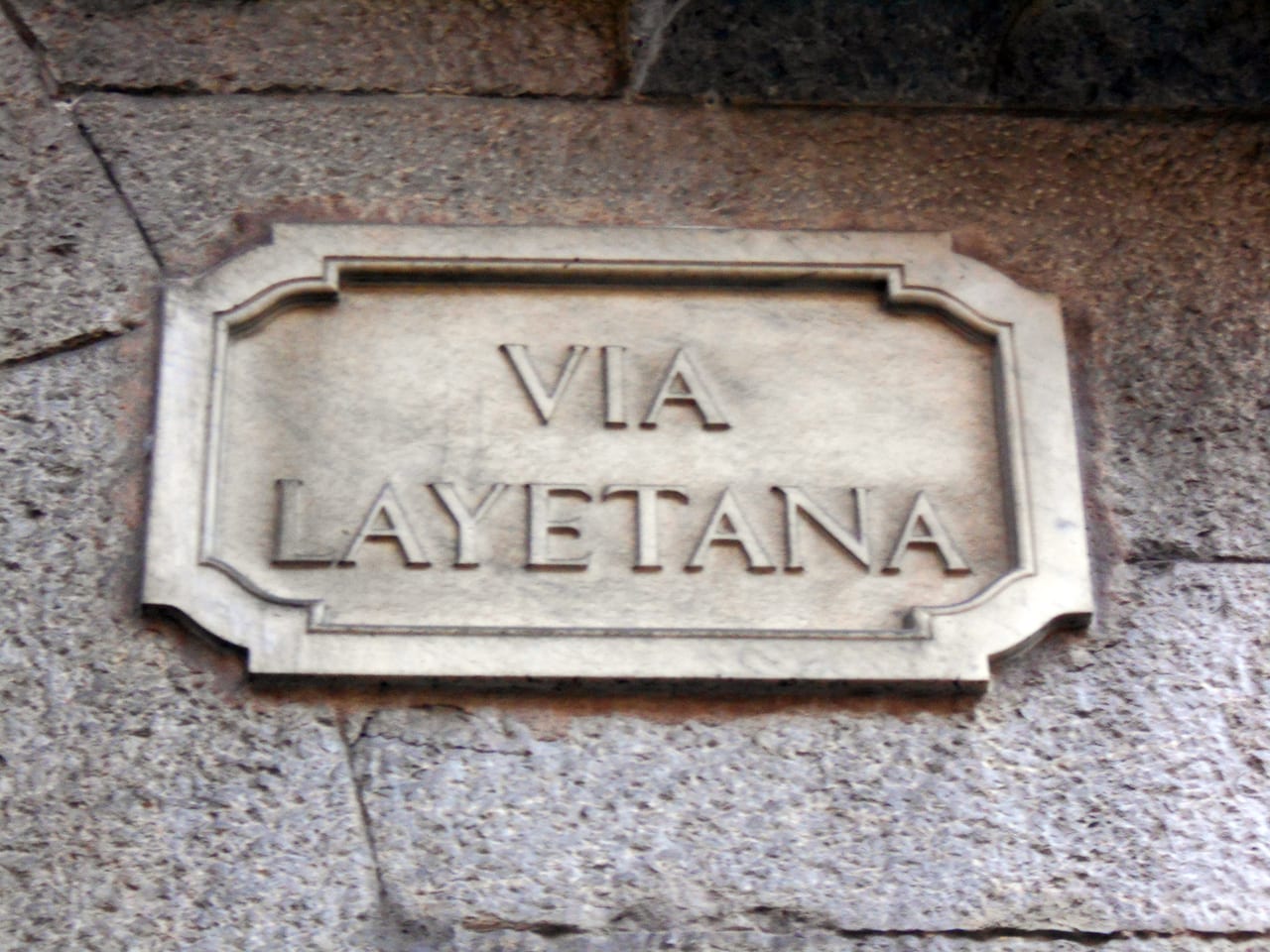
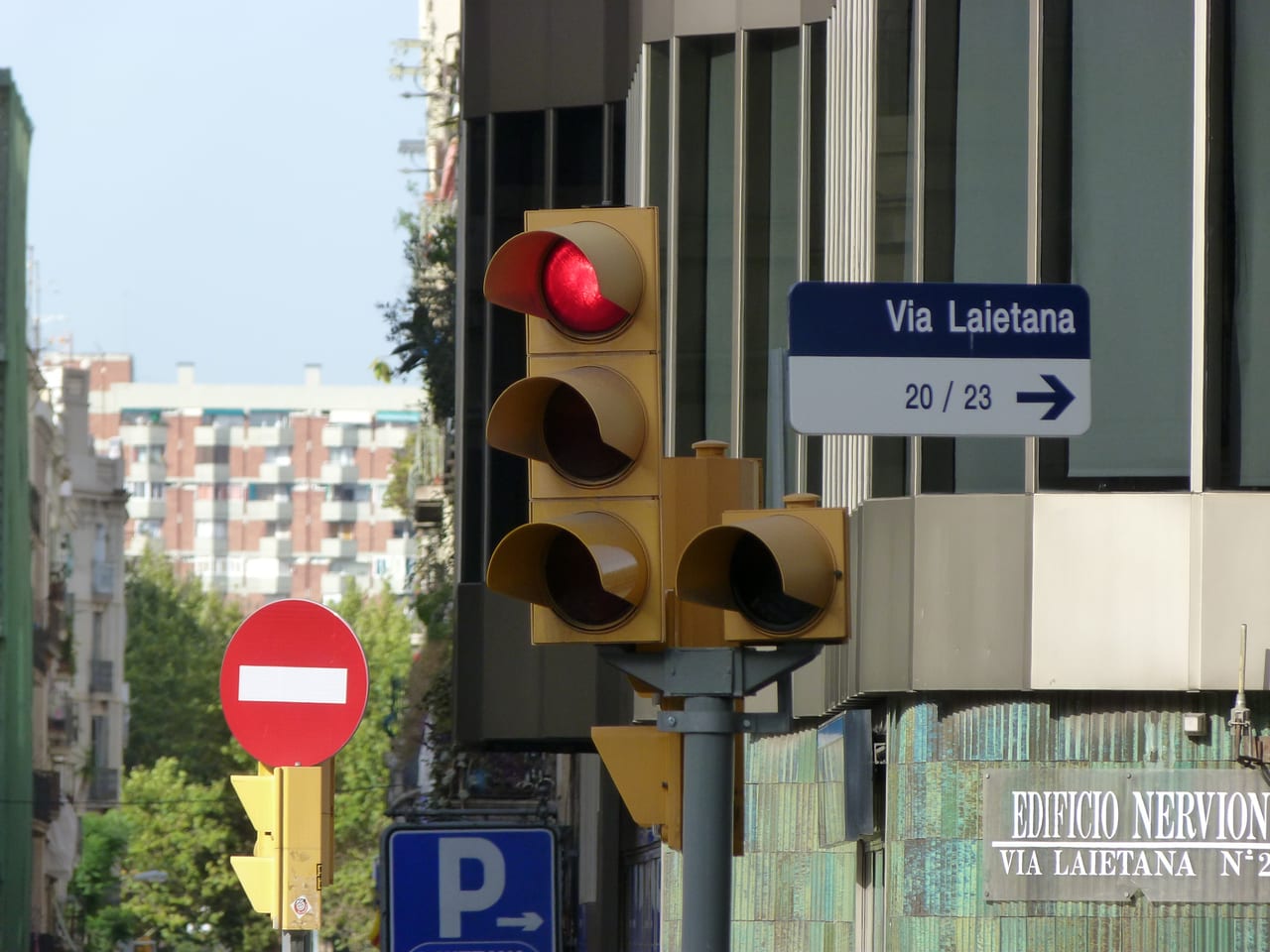
via Laietana
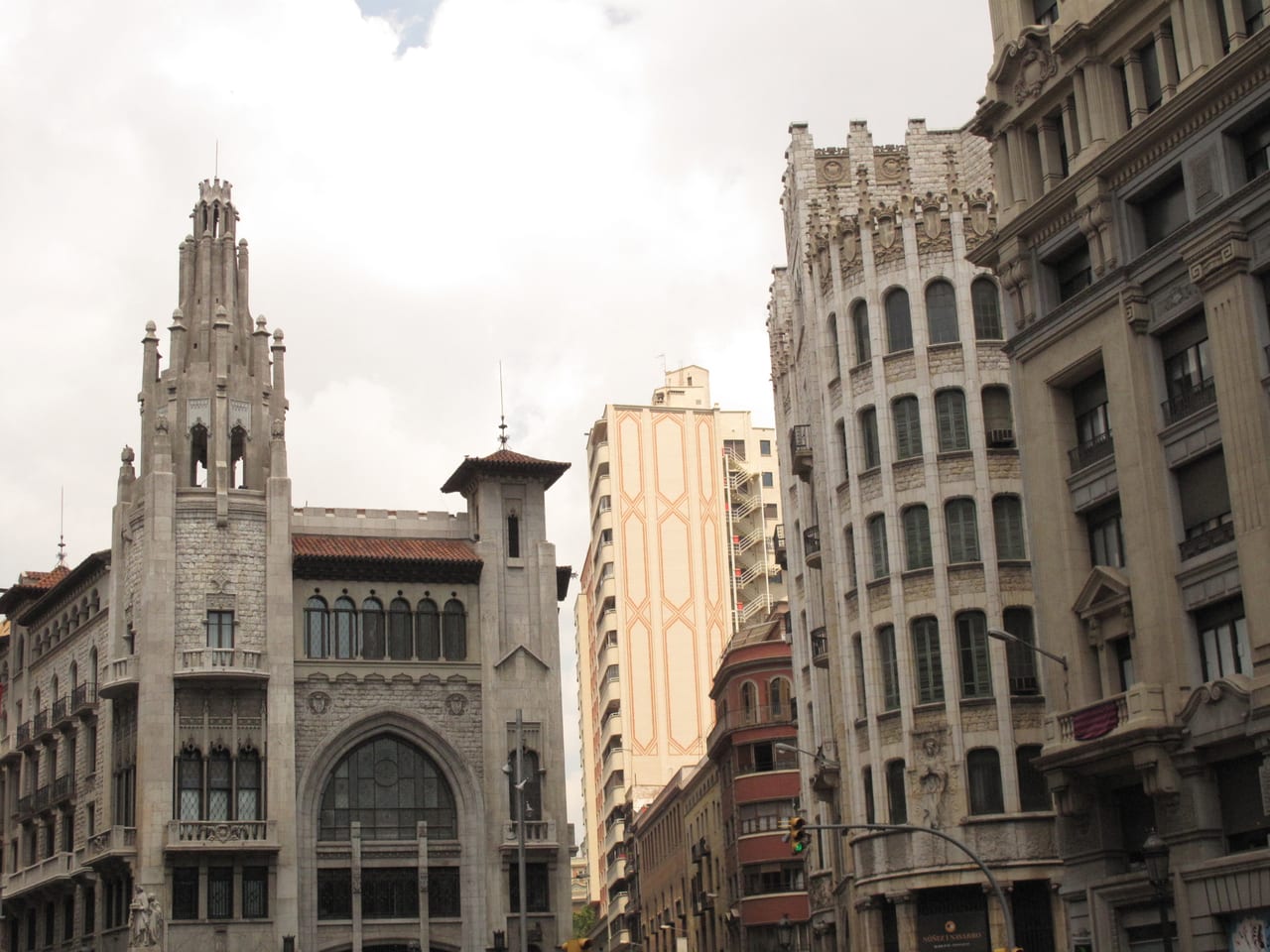
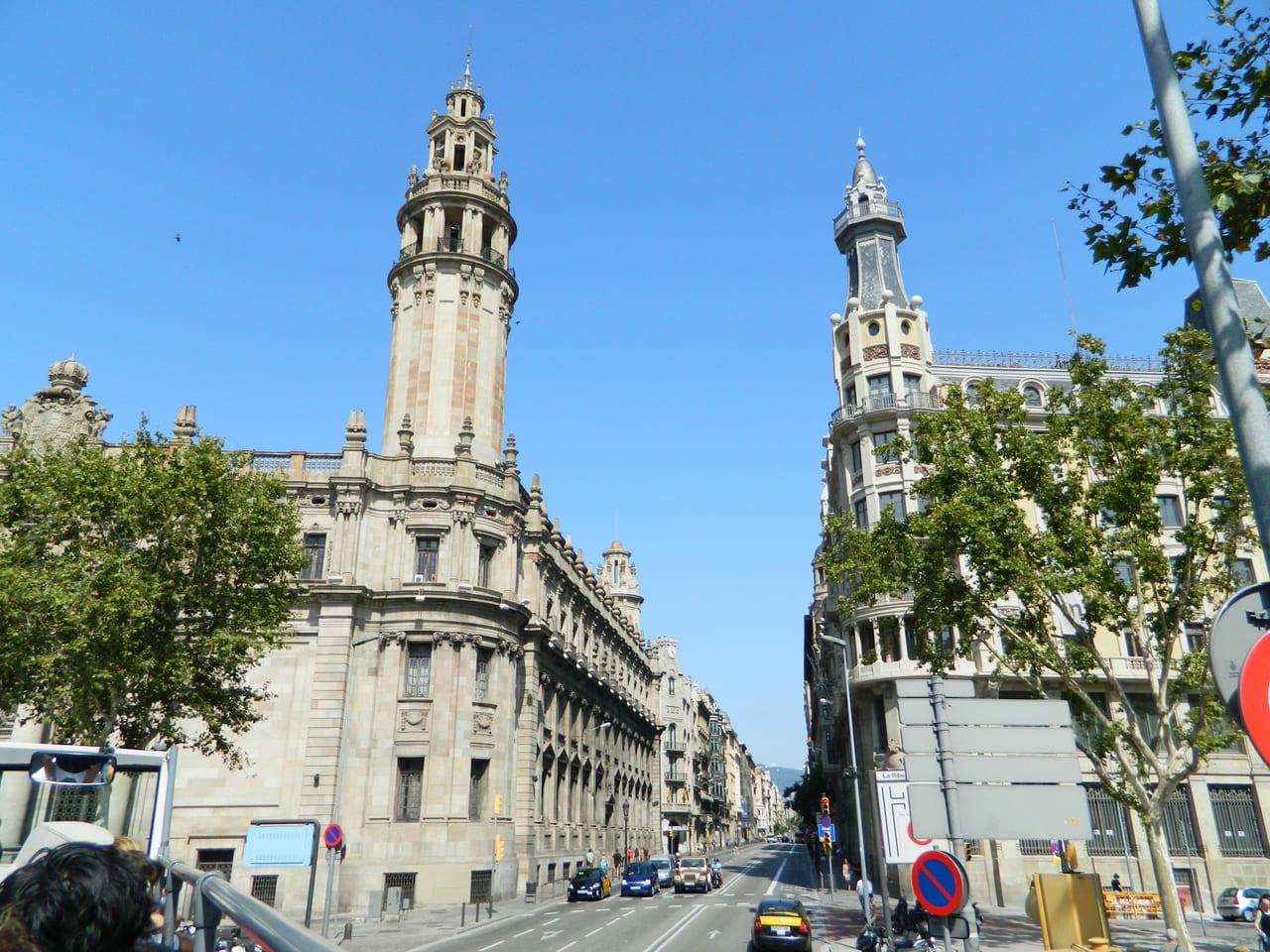
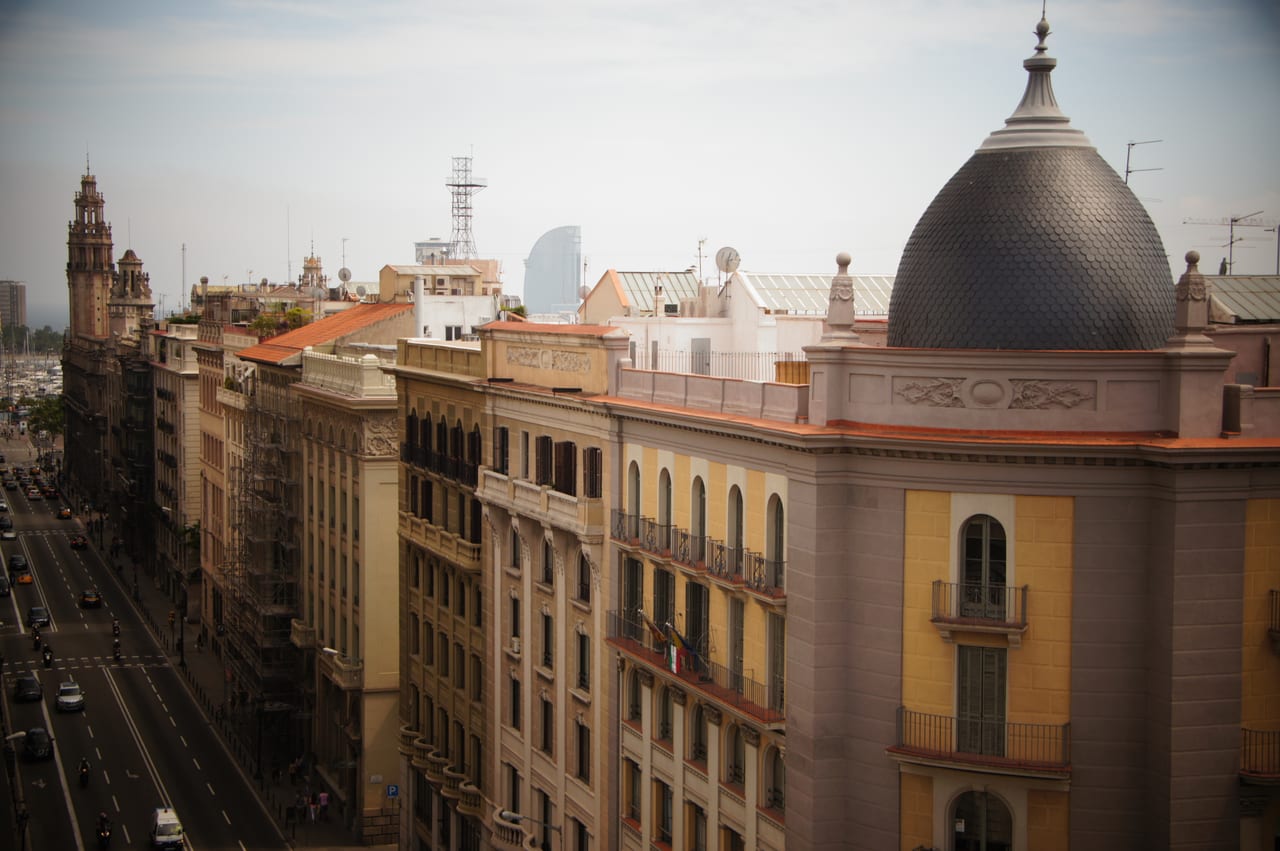
DirectionsIts creation displaced historic guild quarters, including medieval traditions, and permanently reshaped the old city between La Ribera, Sant Pere and the Barri Gòtic.
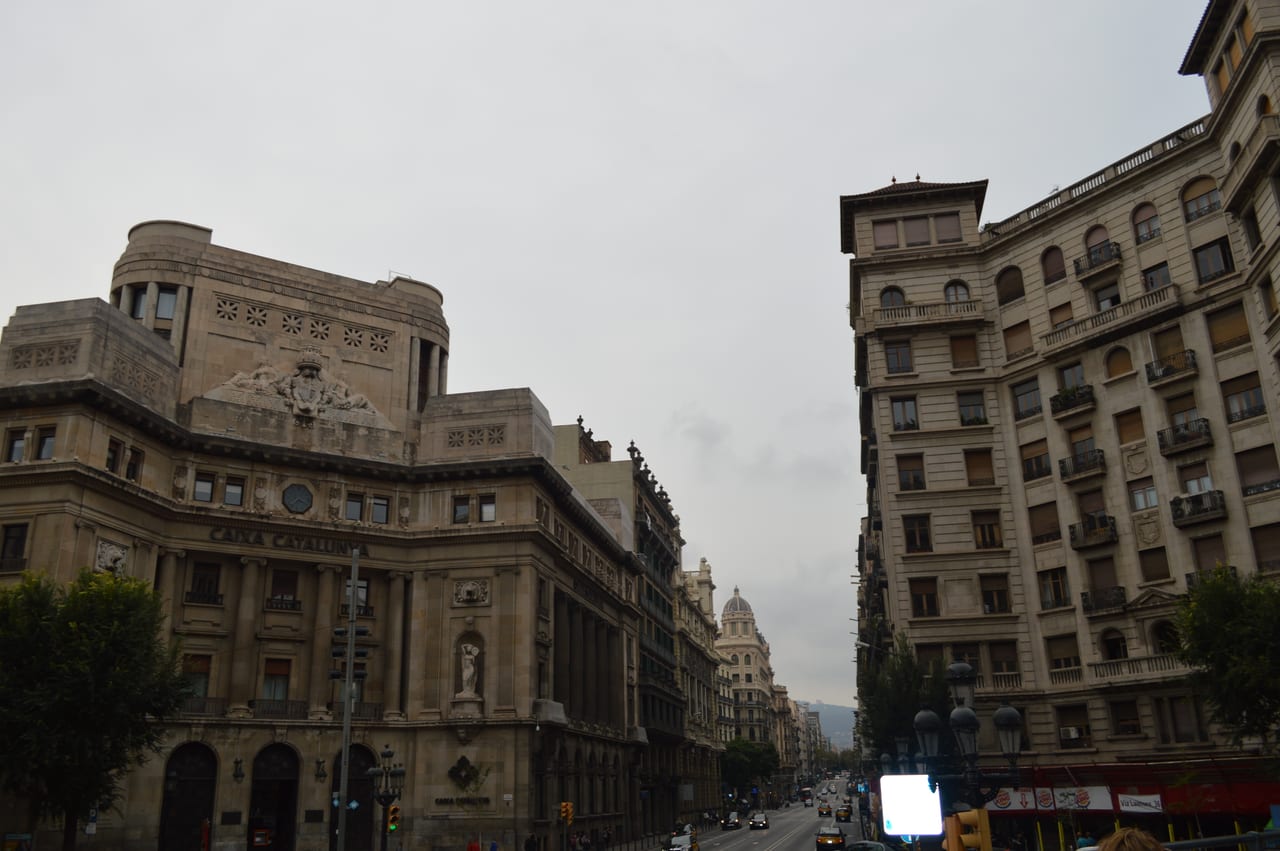
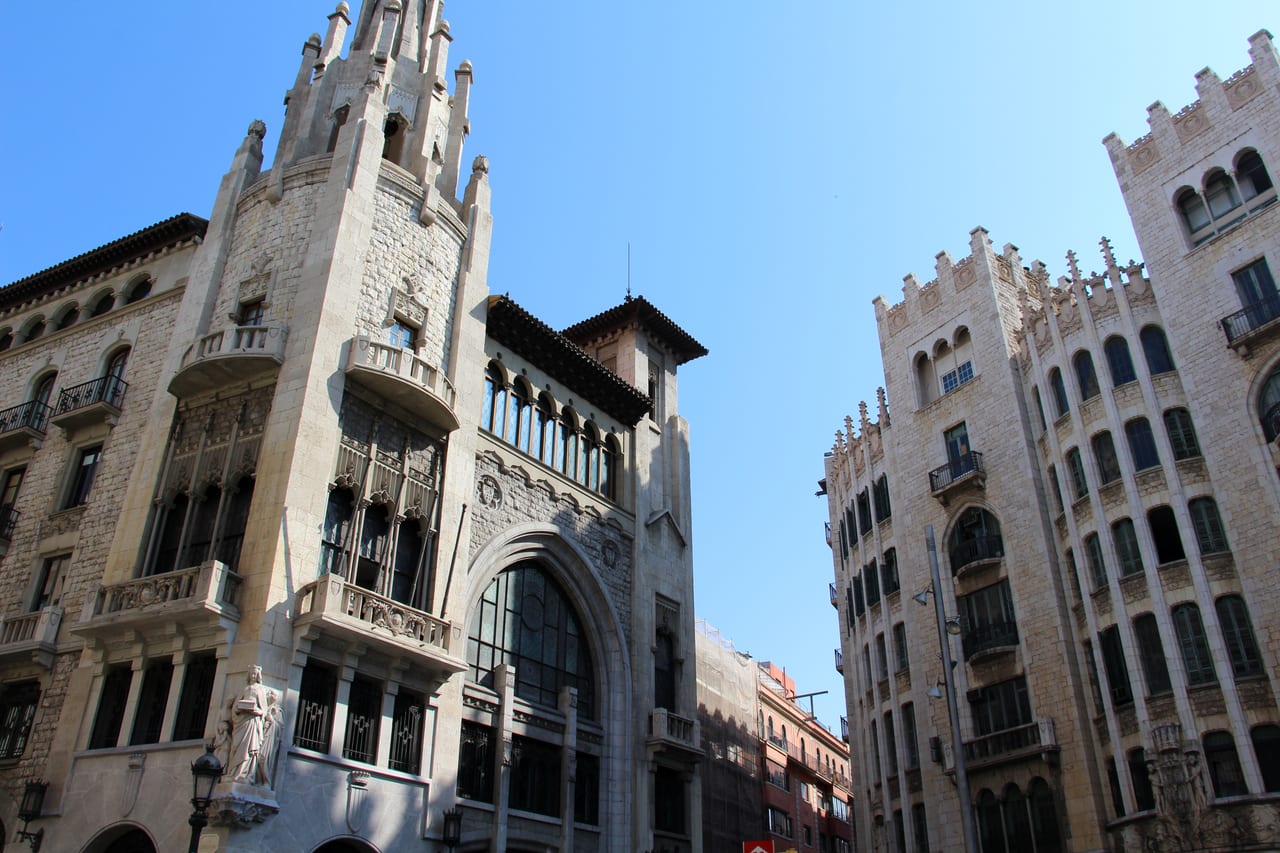
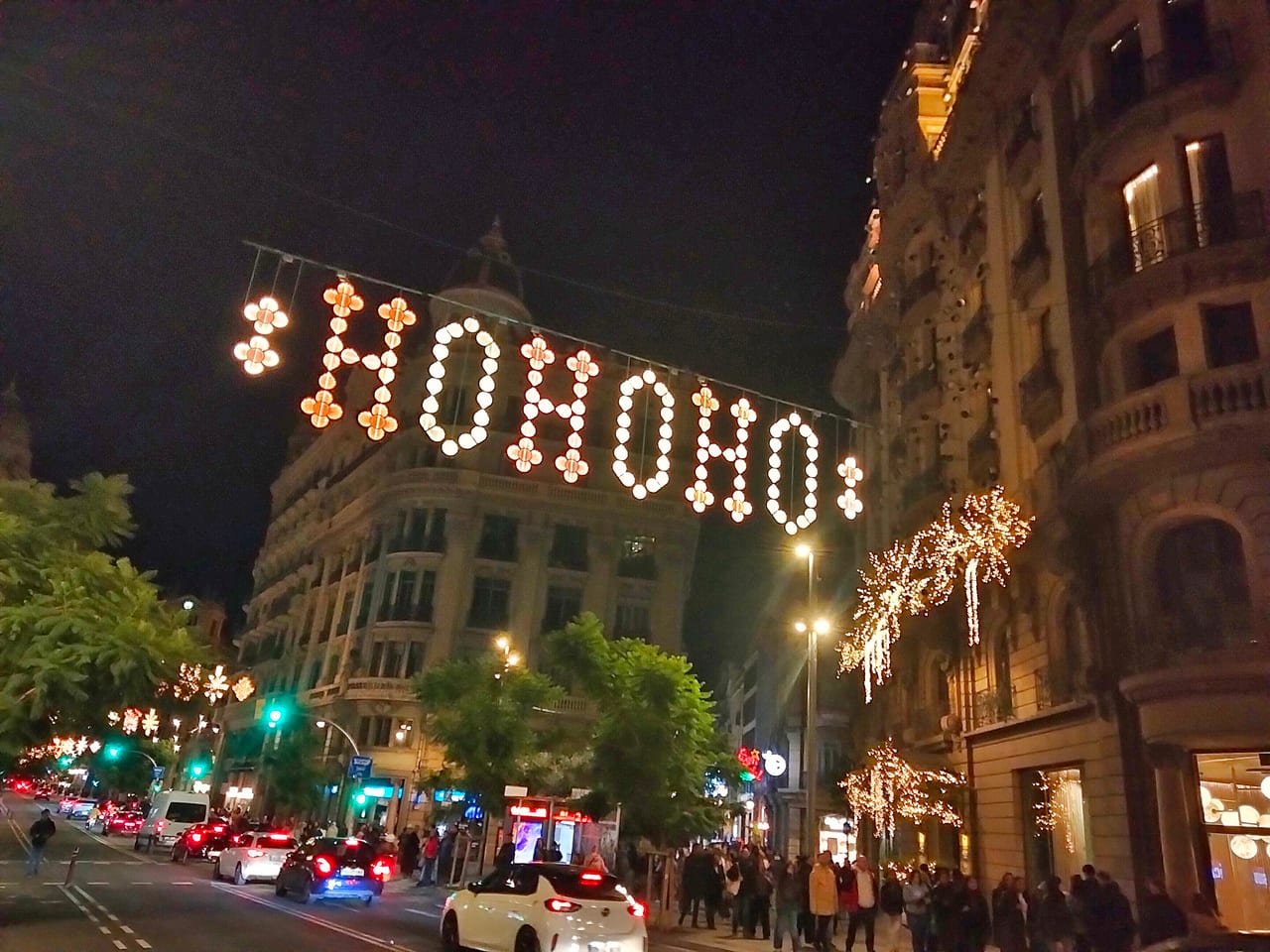
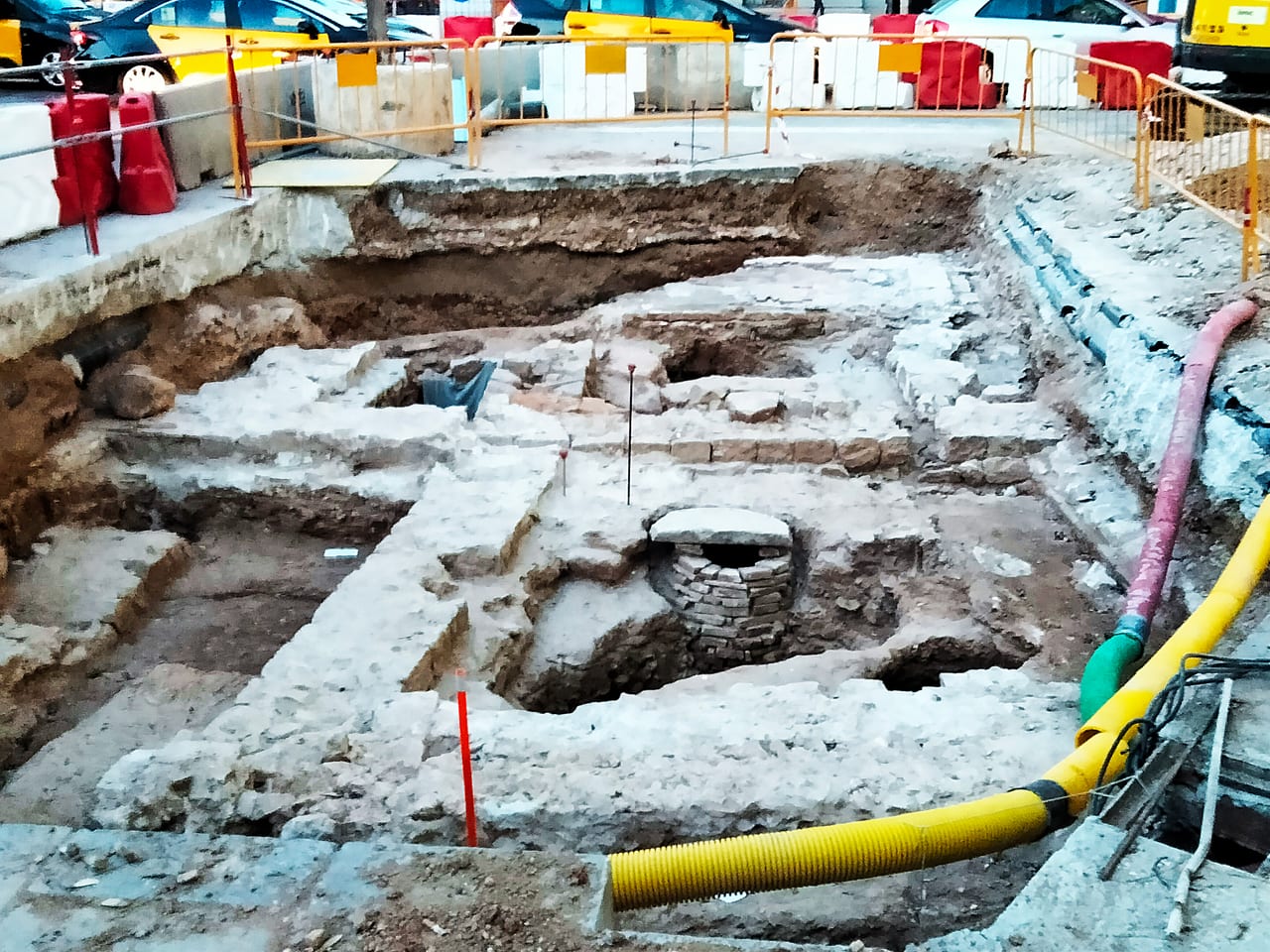
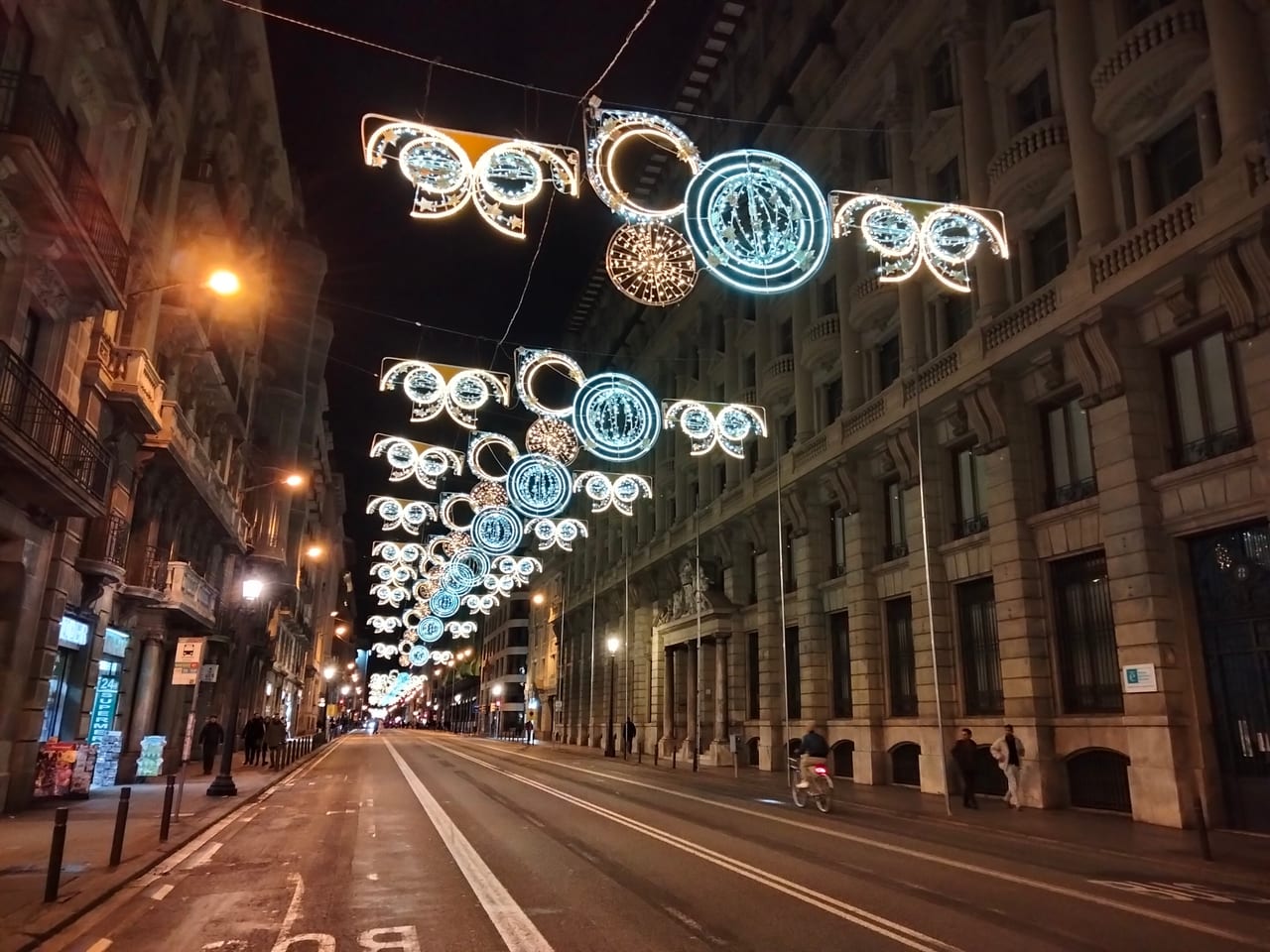
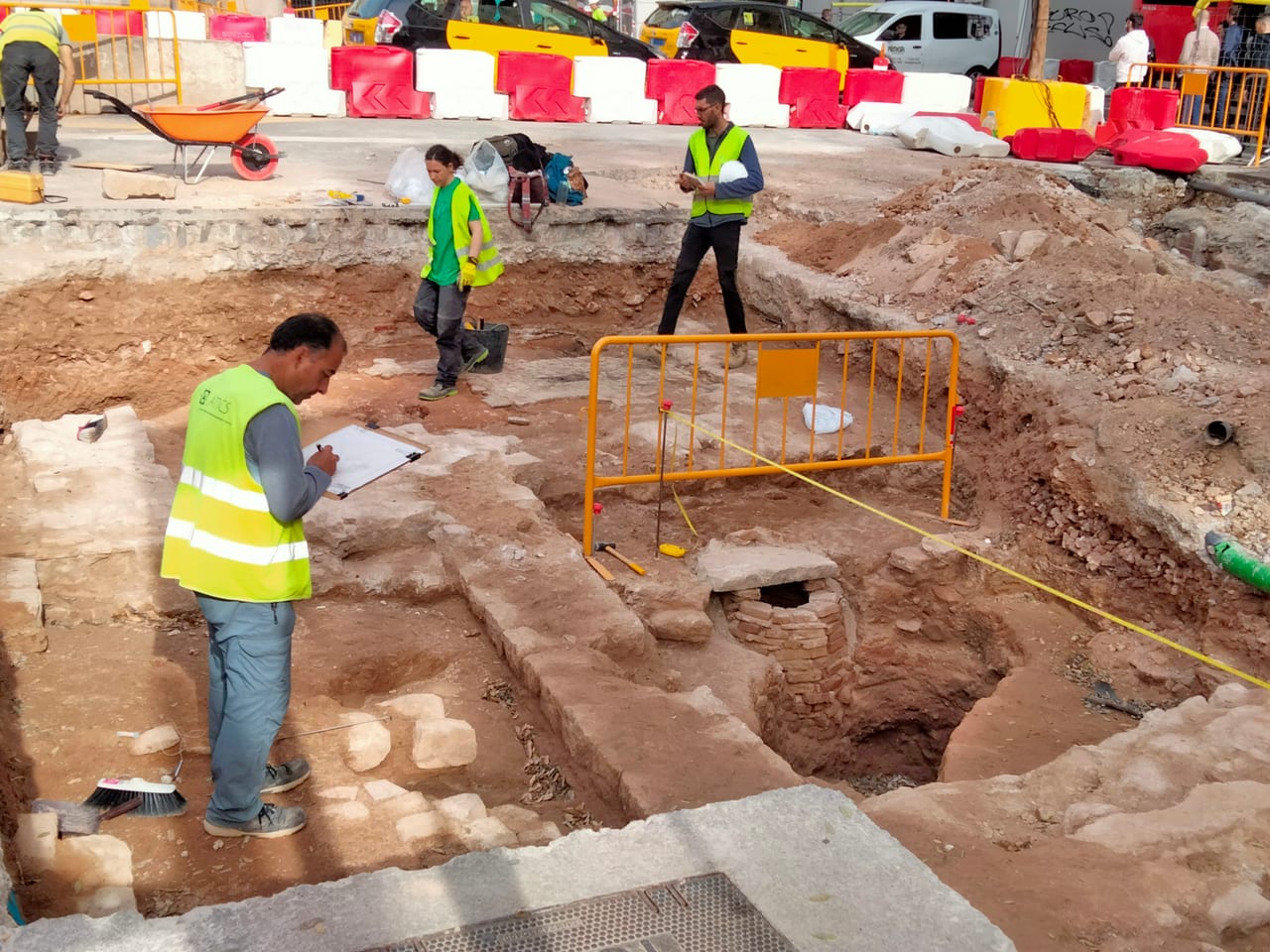
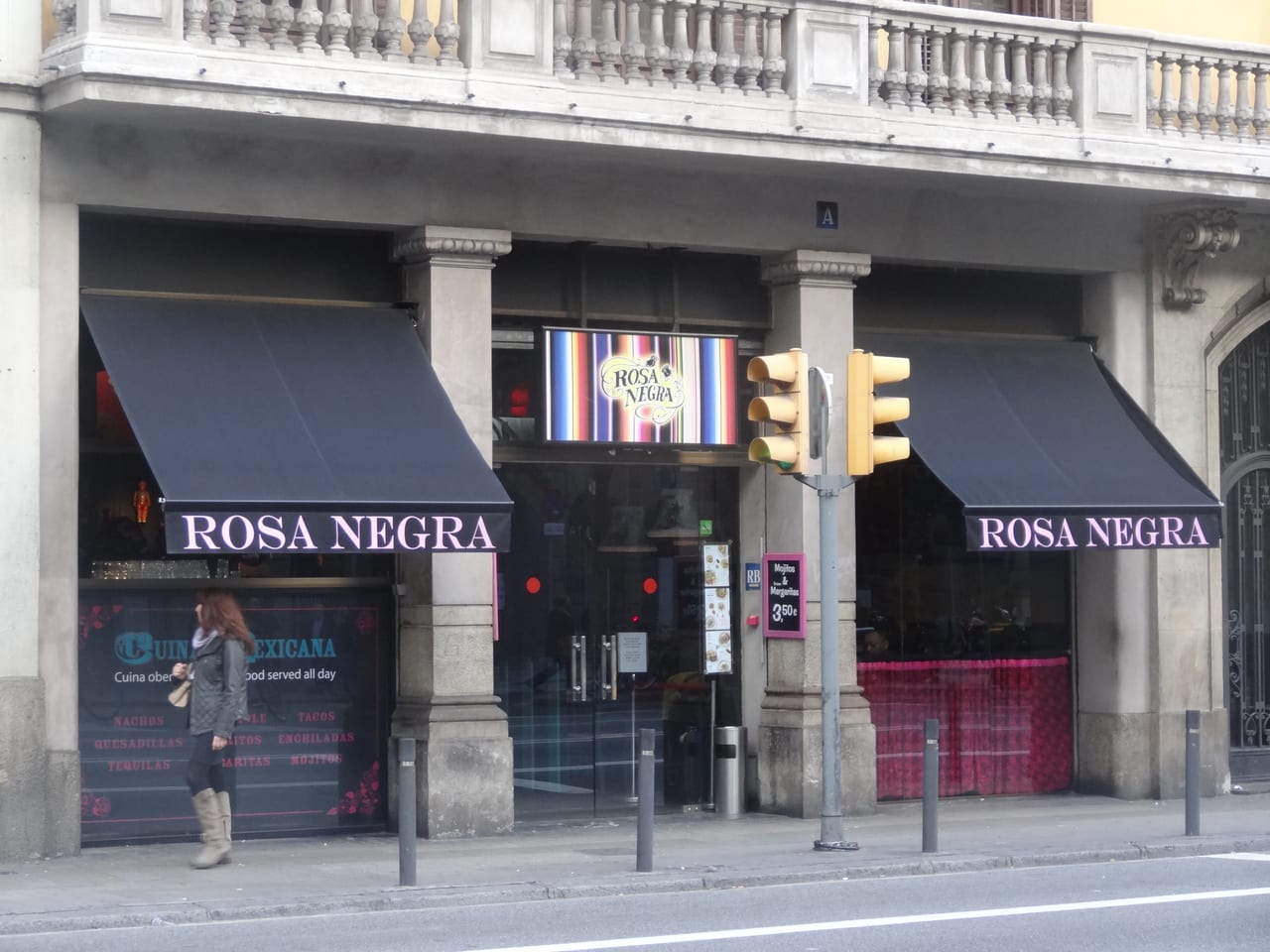
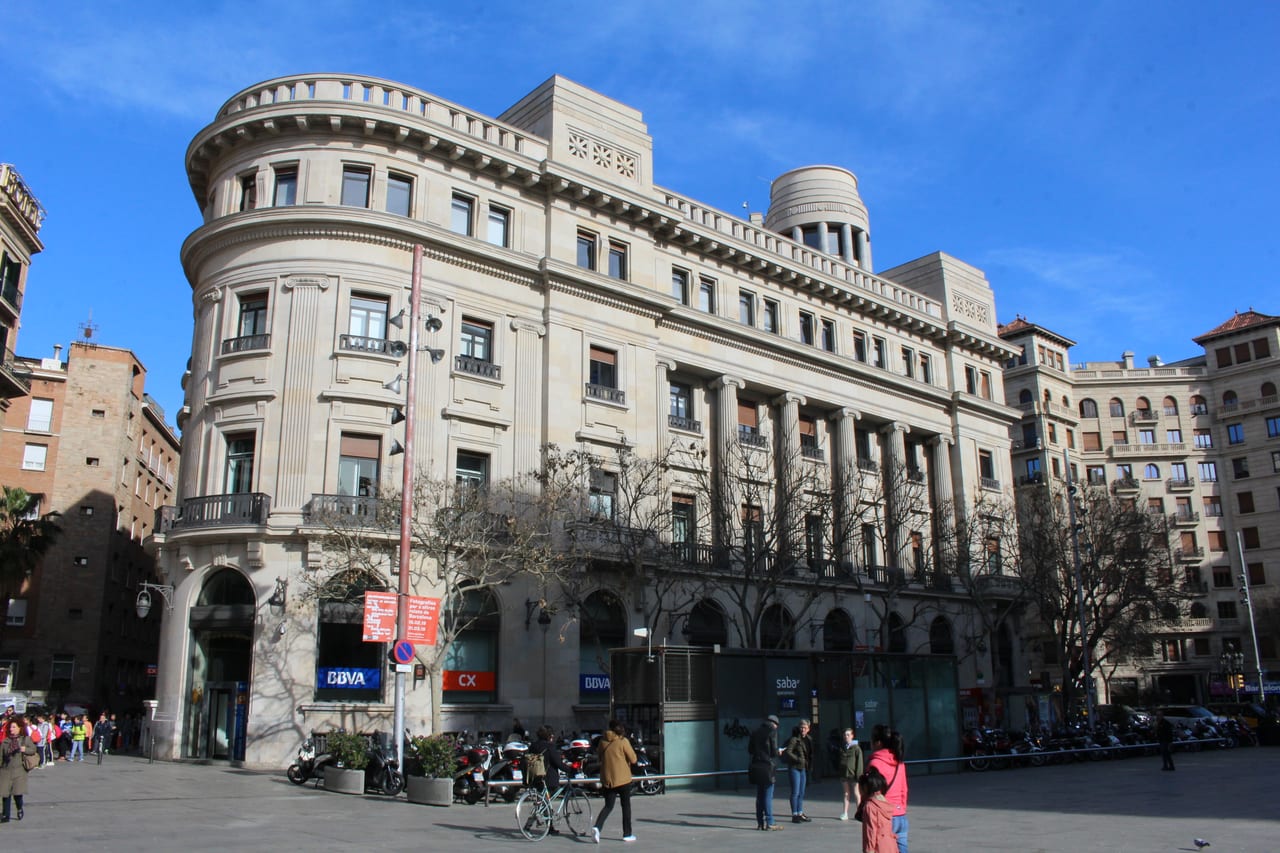

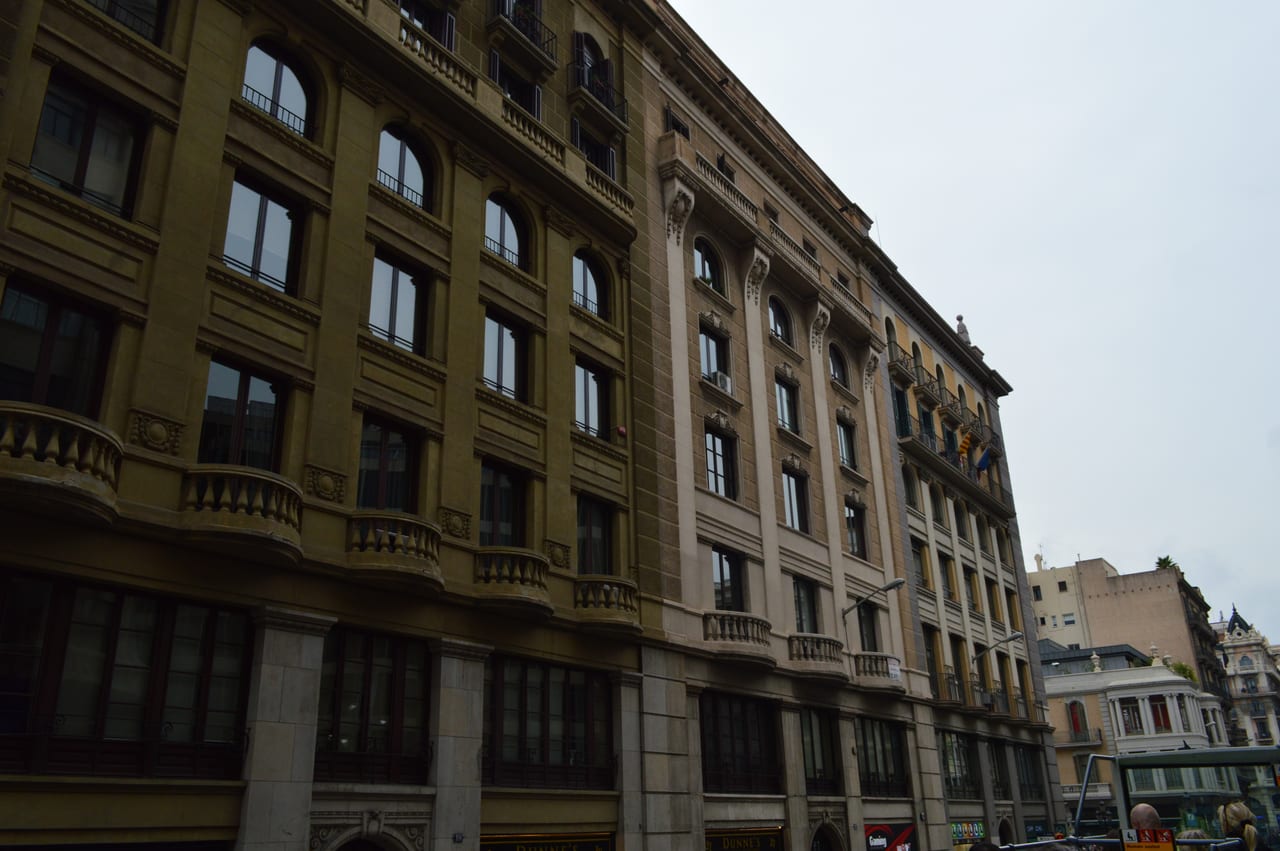
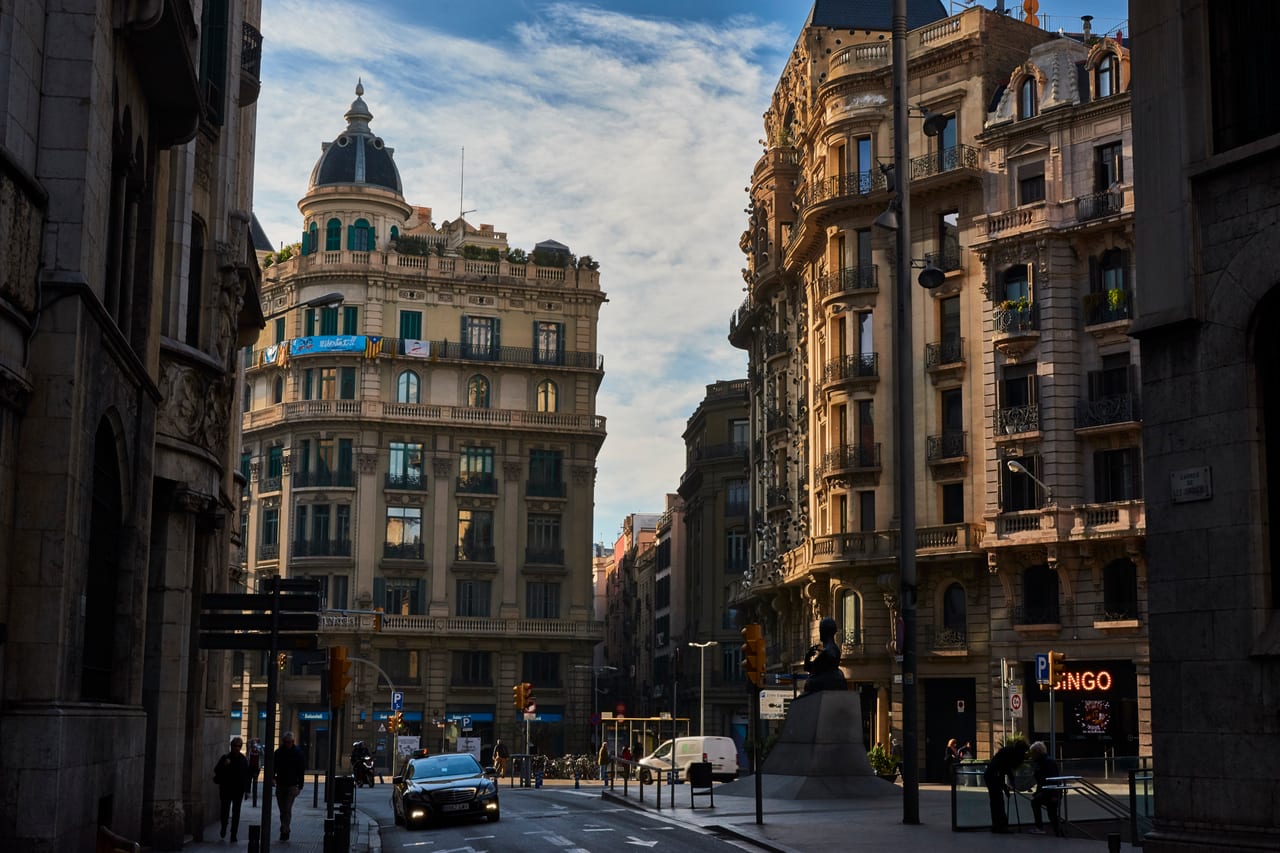
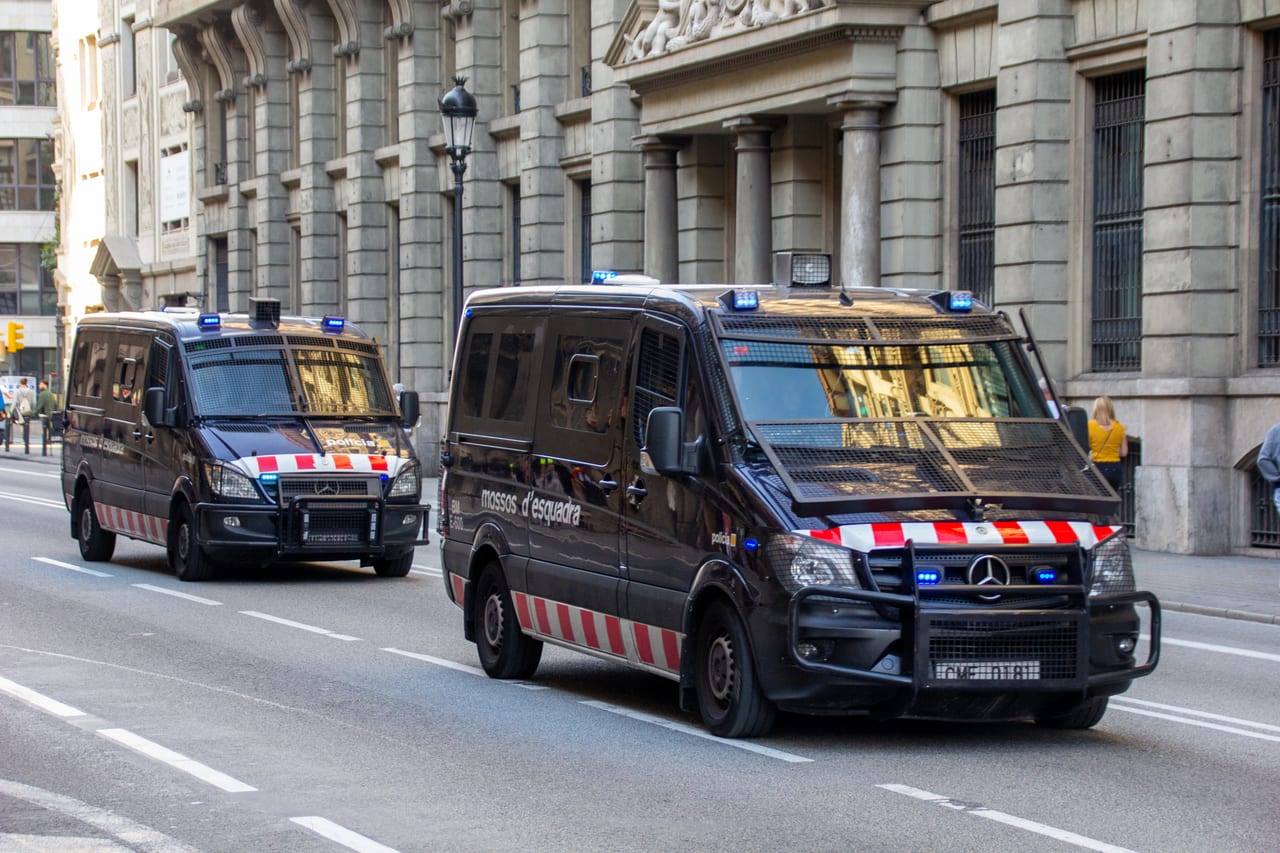
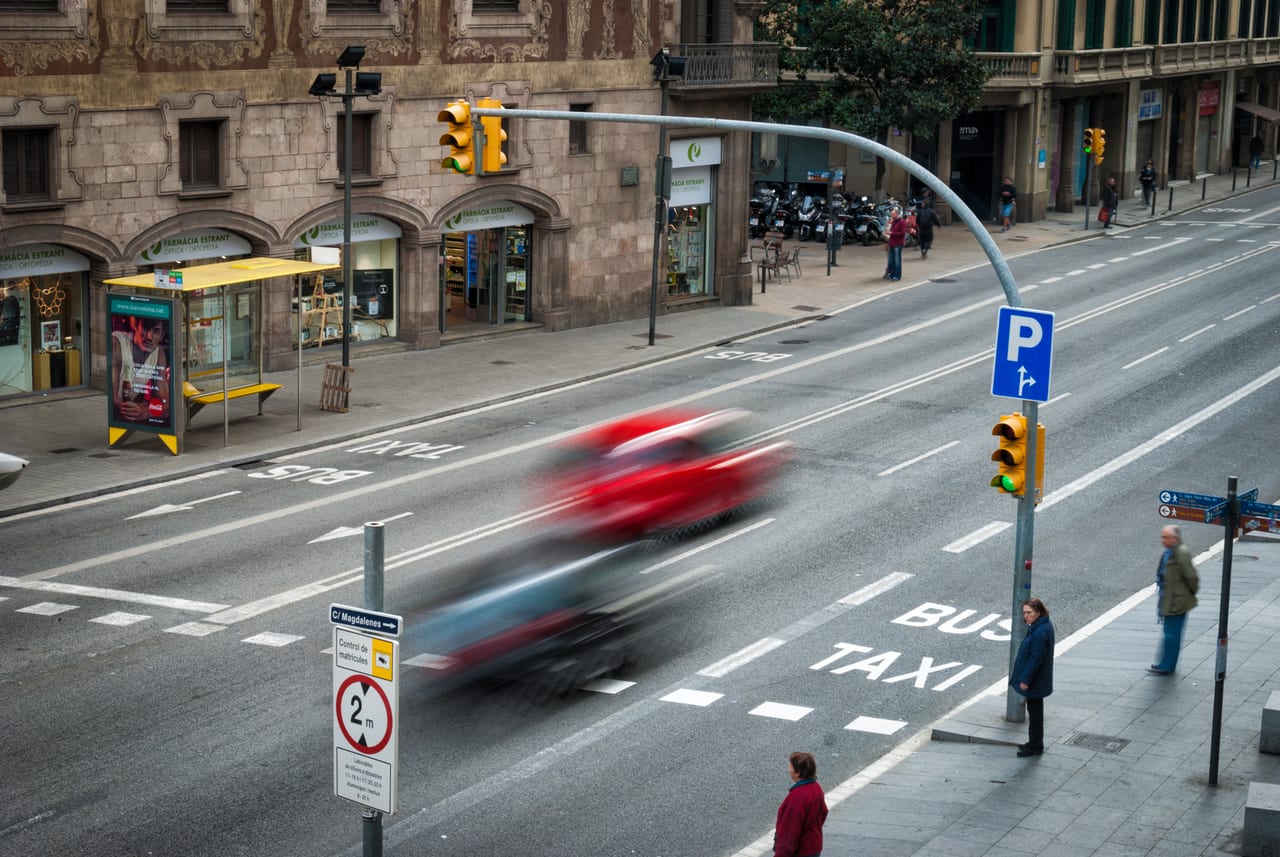
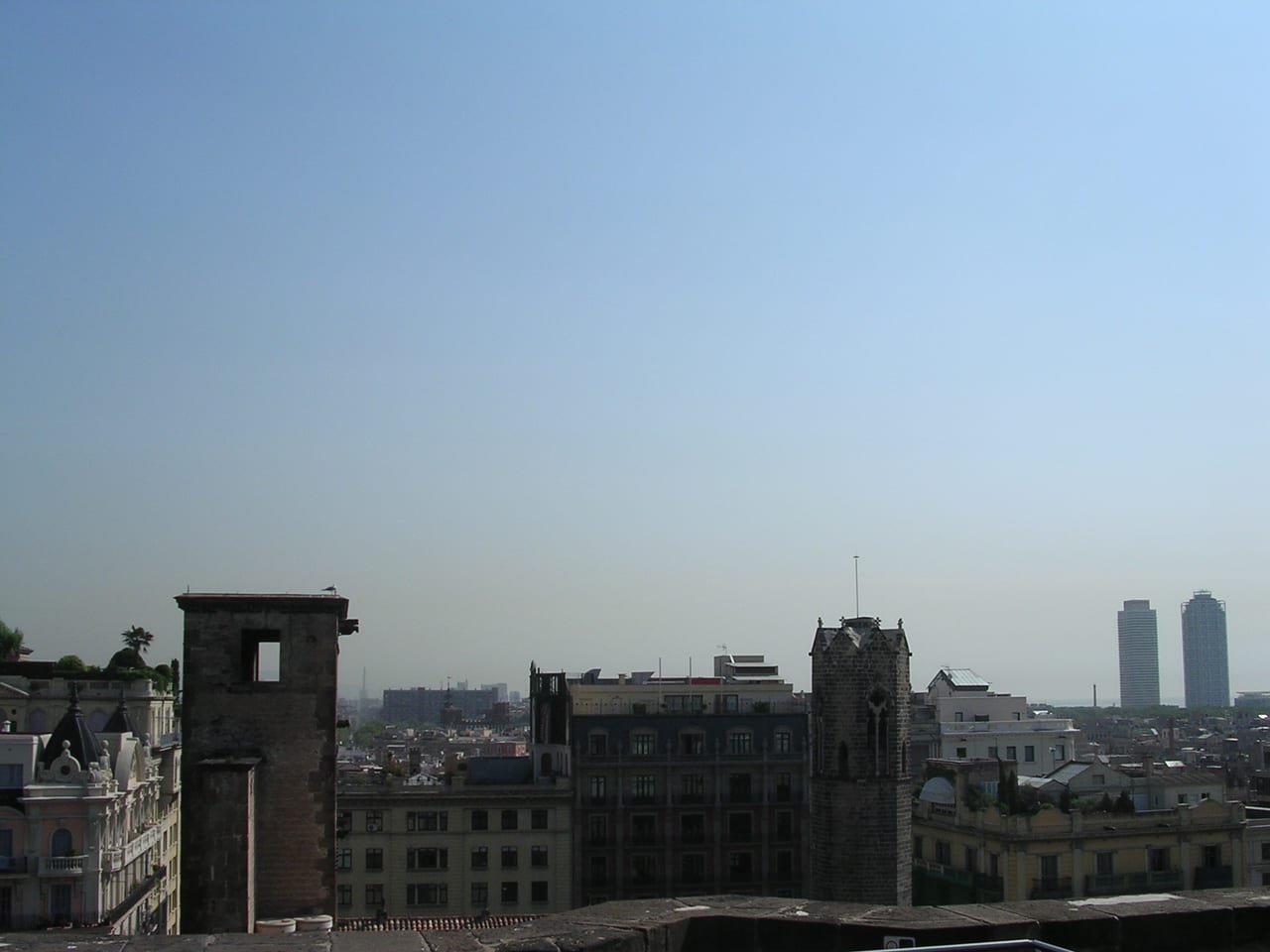

Photograph 1 of 28 of via Laietana
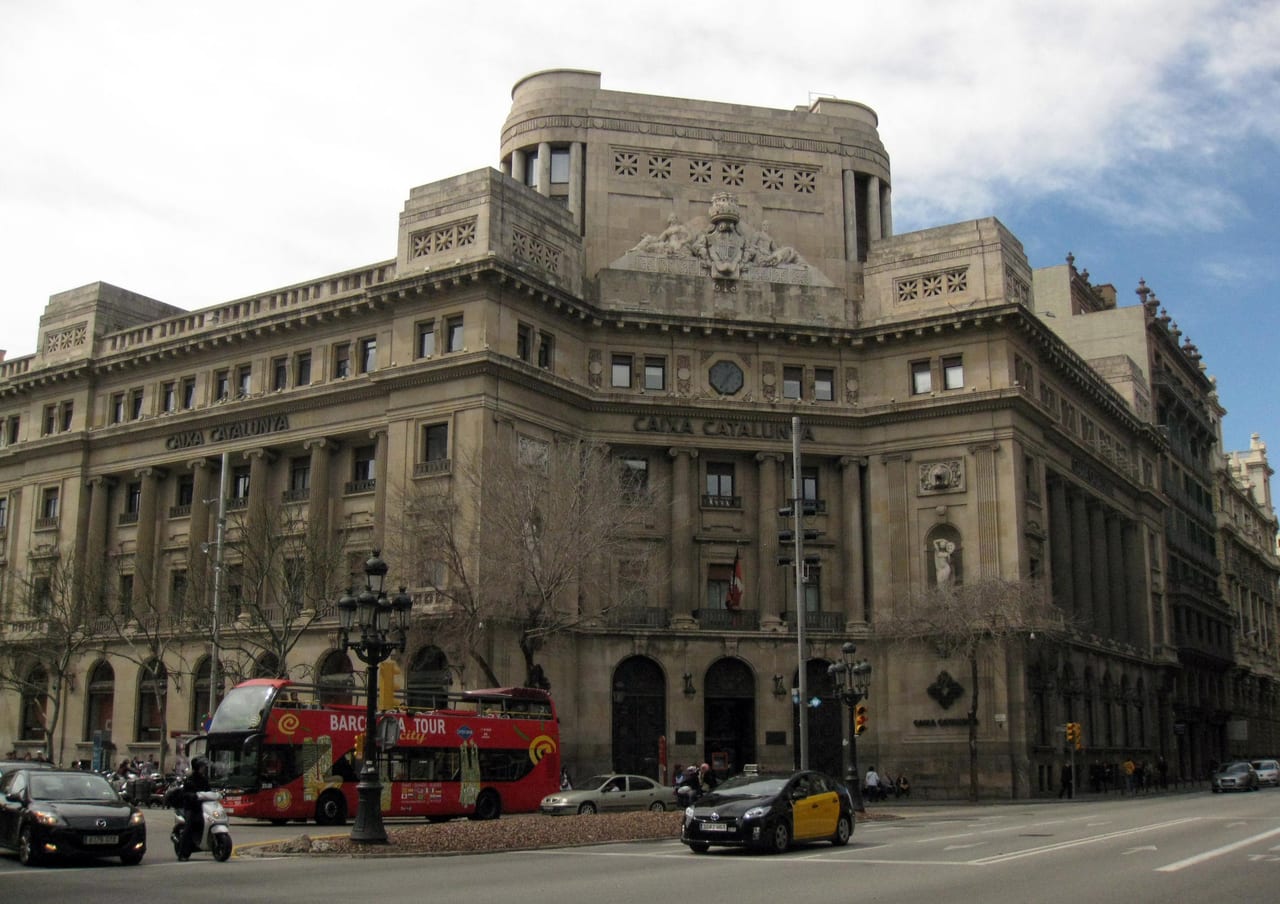
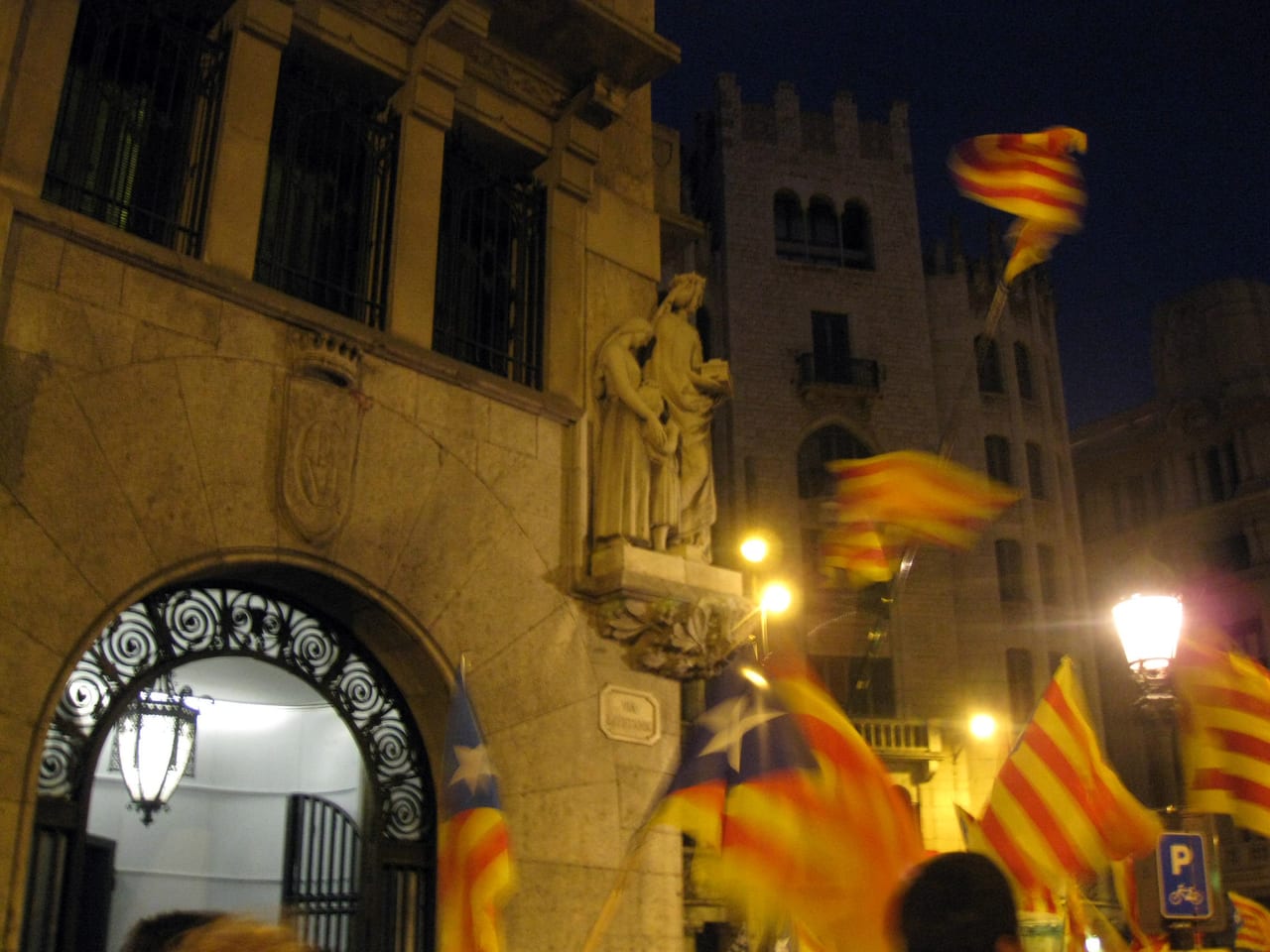
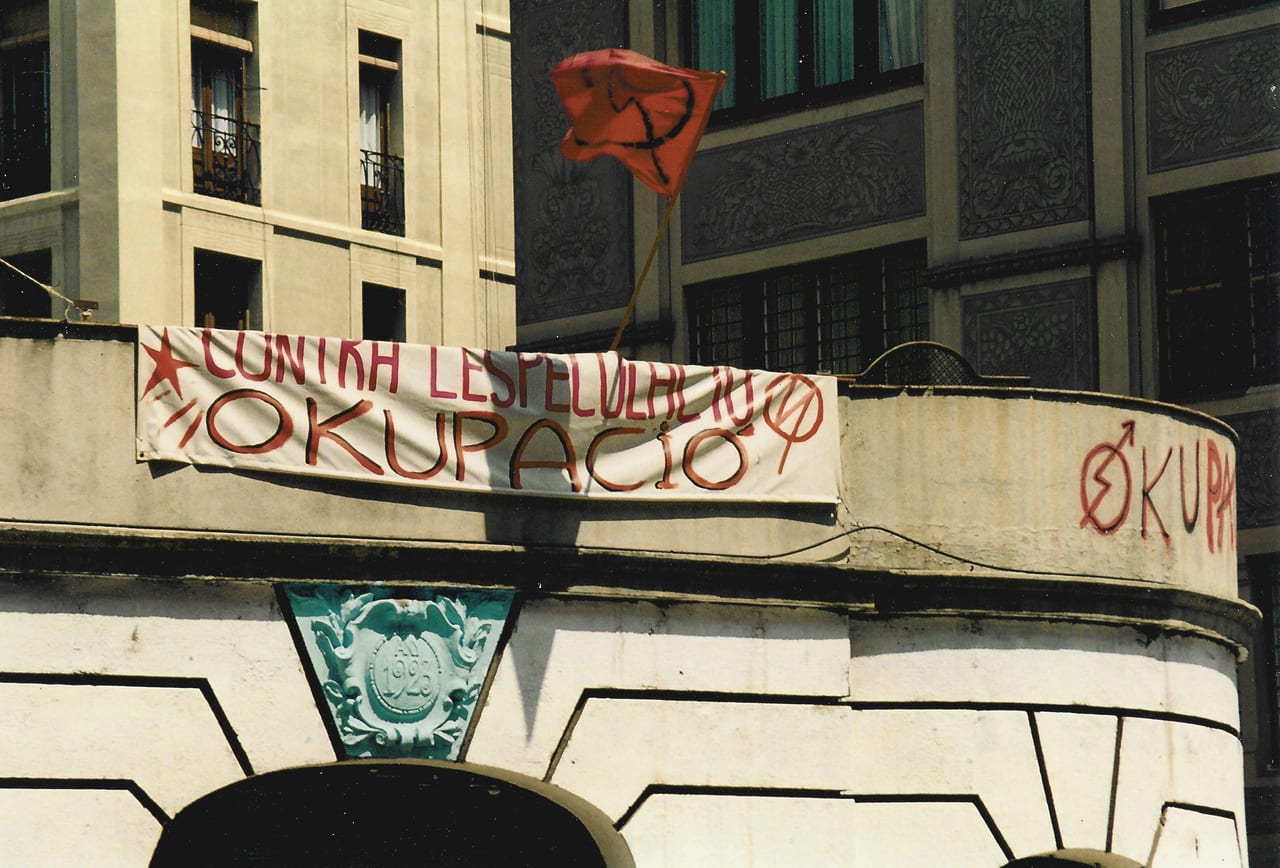
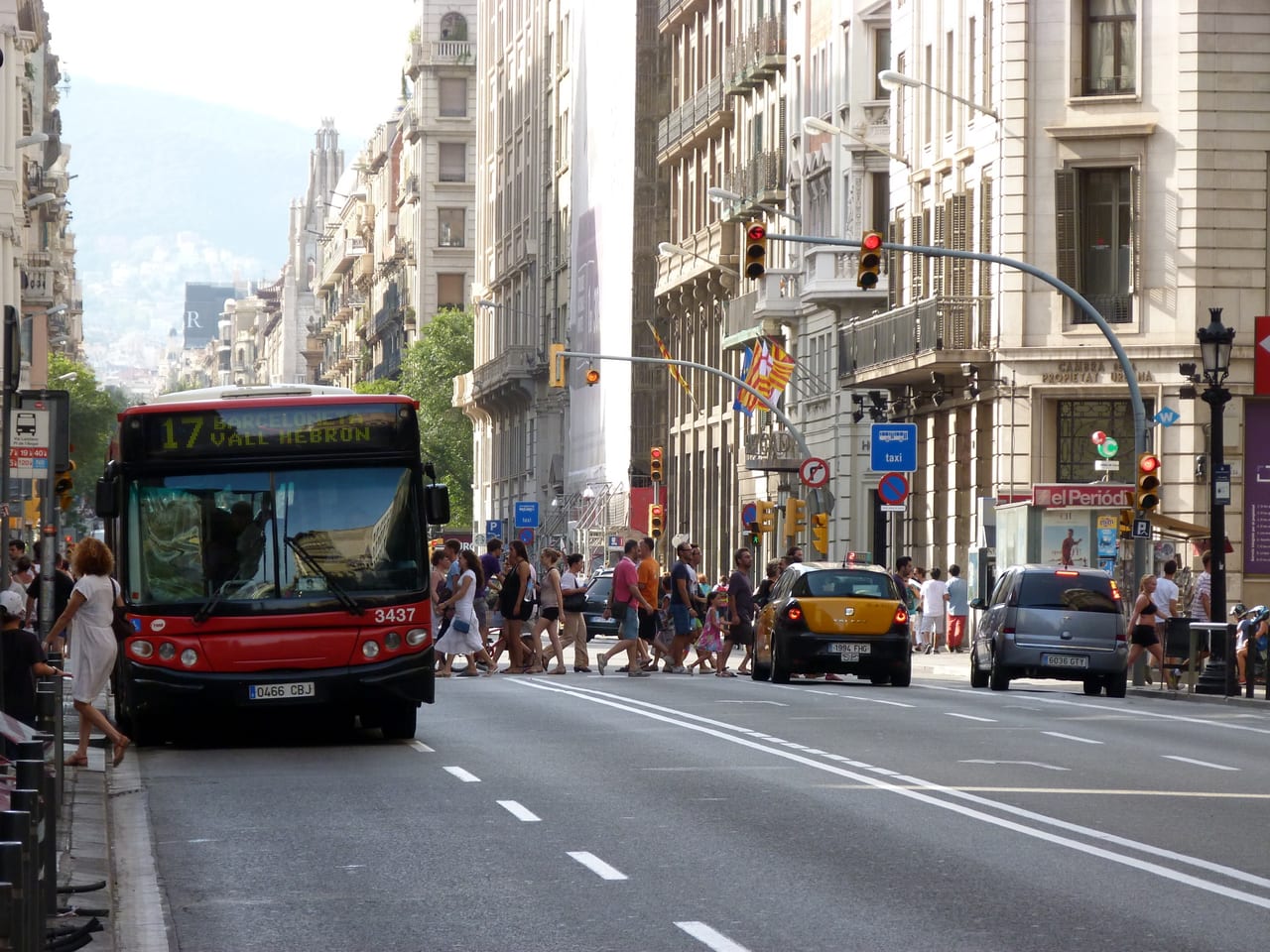
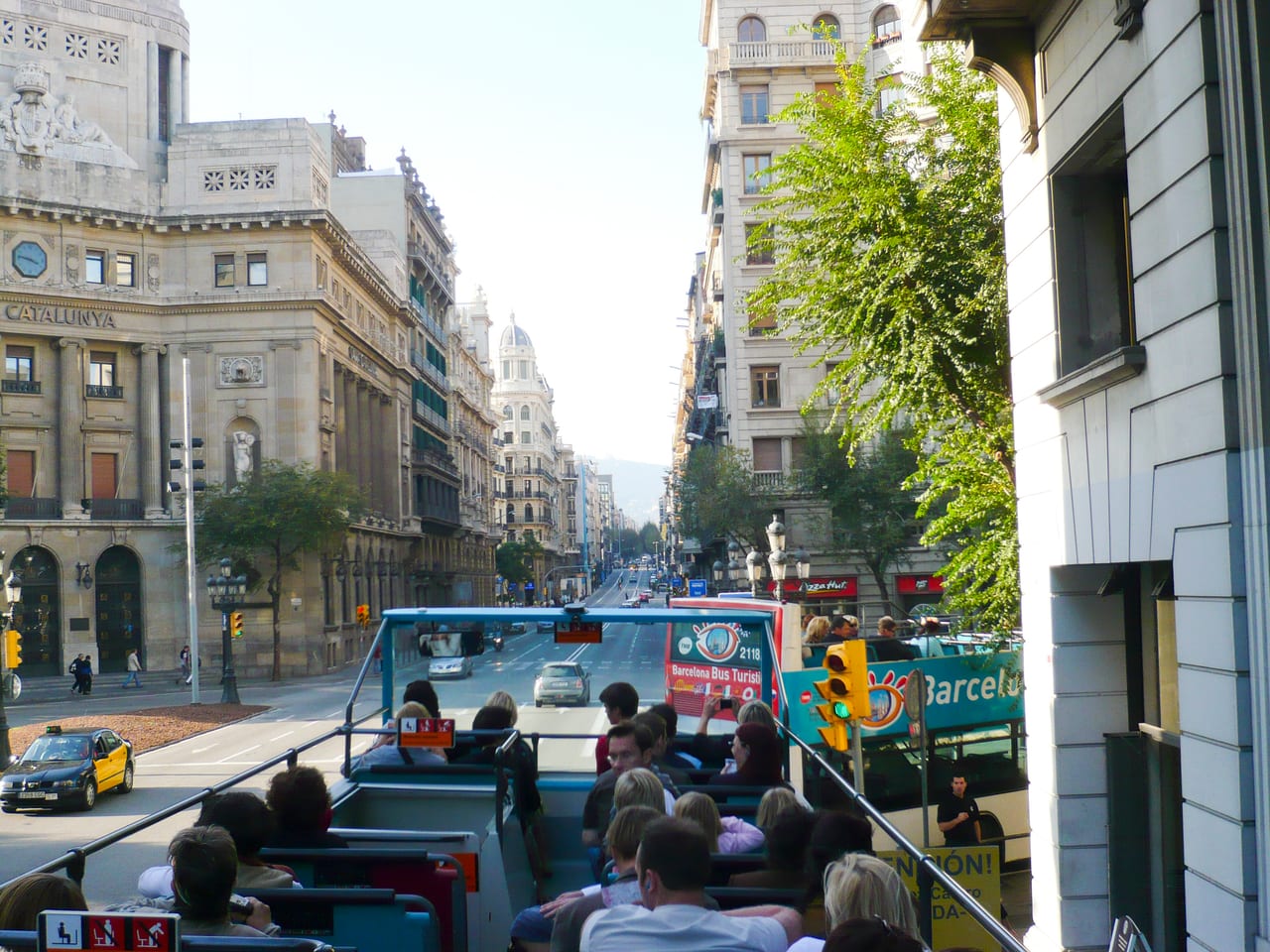
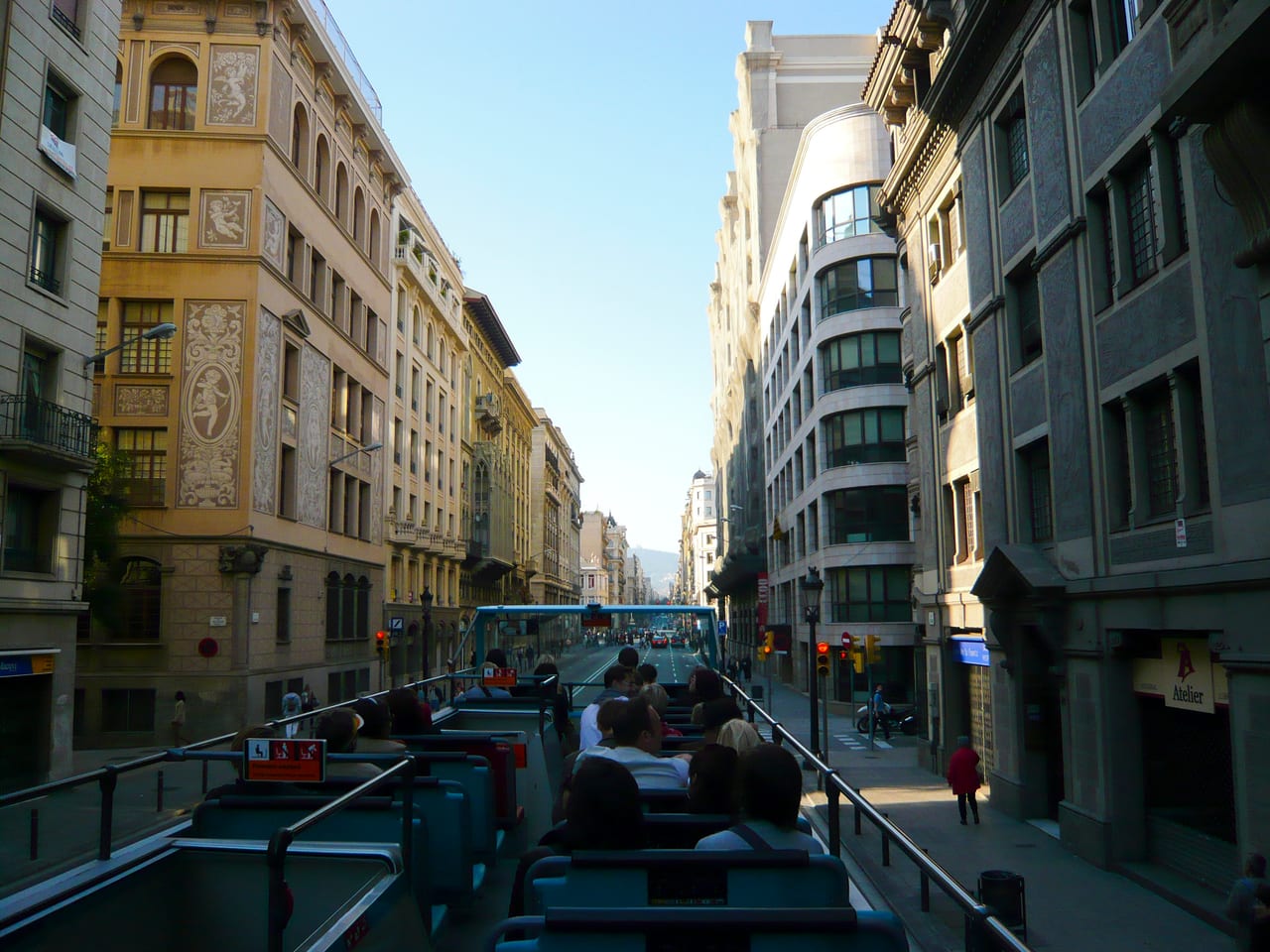
Via Laietana was projected in 1879, construction began in 1907, and the avenue was completed in 1926, linking the Eixample with the waterfront. Its name refers to the Laietani, the Iberian people associated with the region around Barcelona, Maresme, Vallès and Baix Llobregat. It runs from Plaça d’Urquinaona to Plaça d’Idrissa Diallo and Plaça de Correus, continuing the line of Carrer de Pau Claris. The avenue took on a different political identity during the Spanish Civil War, when it was renamed Via Durruti after anarchist militia leader Buenaventura Durruti. The CNT-FAI headquarters and the General Commissariat of Public Order stood close to one another along it. Francesc Cambó also built his residence here. Former banking premises have increasingly been converted into hotels, while the avenue’s two former metro stations, Correus and the never-opened Banc, were dismantled or abandoned.
At a glance
- Style
- Noucentisme
- Heritage
- Cultural Asset part of the cultural heritage of Catalonia
Ways to explore via Laietana
Walk the full avenue between Urquinaona and the seafront, comparing the contrasting façades and looking for the Caixa de Pensions Building, Casa Bulbena-Salas, Casa Artur Suqué and Caixa Catalunya building. Continue to Edifici de Correus and Foment del Treball, then detour towards the Palau de la Música Catalana, Santa Caterina market or the Cathedral of Santa Eulàlia. Jaume I serves L4; Urquinaona serves L1 and L4.
Places to stay near via Laietana

Live availability and prices from Stay22's partners, refreshed periodically and subject to change. Booking through these links may earn us a commission at no extra cost to you. See our privacy policy.
Cafés near via Laietana
Cafés near via Laietana loads as you scroll.
Attractions nearby
Attractions near via Laietana loads as you scroll.
Cities nearby
Cities nearby loads as you scroll.
More in Barcelona
See more of Barcelona.
Find great cafés, places to stay and other interesting places to visit in Barcelona.