Monument · Barcelona
The Four Columns
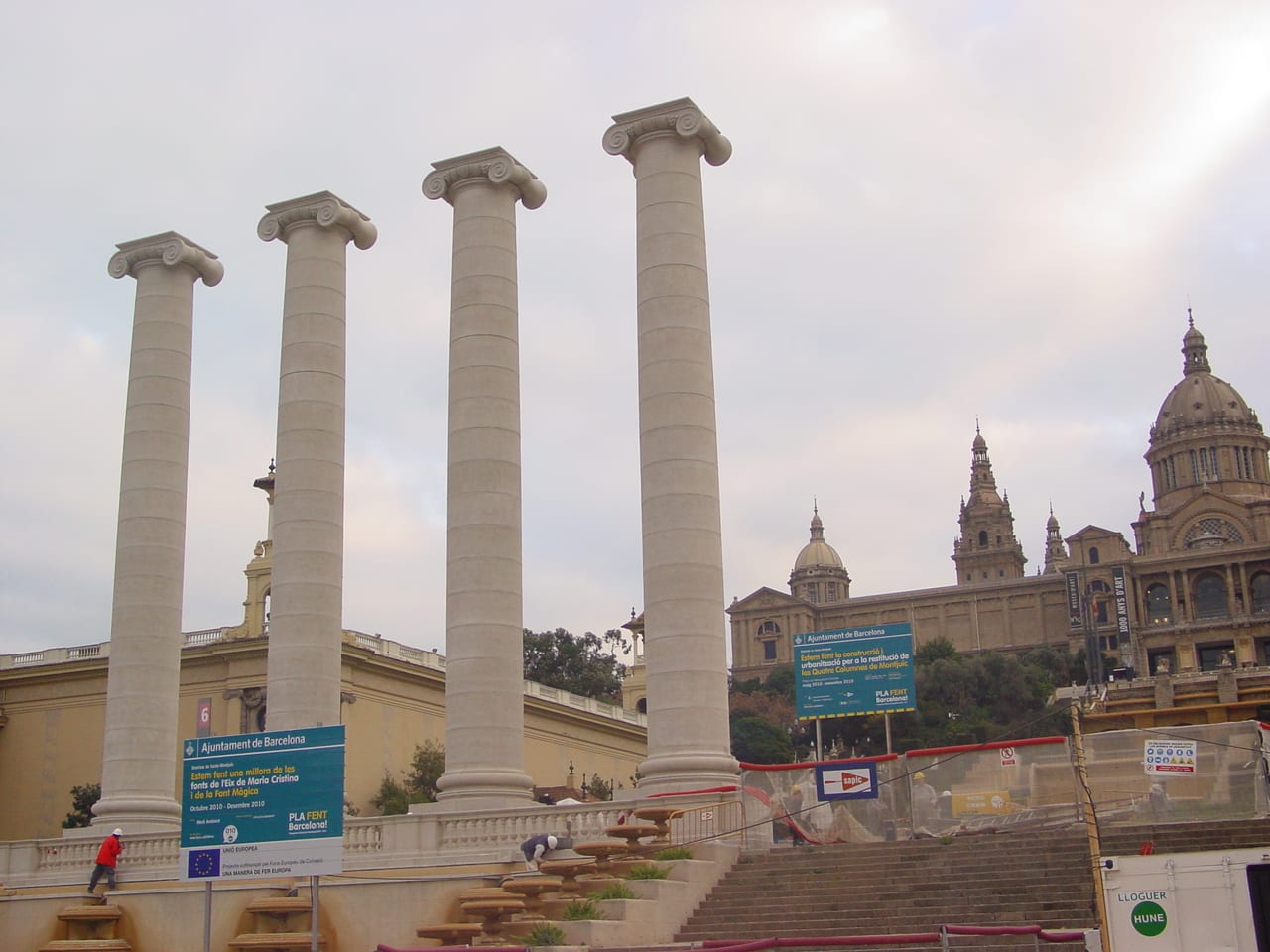
DirectionsThe Four Columns were rebuilt in 2010, eighty-two years after dictatorship-era demolition, following a campaign that restored Josep Puig i Cadafalch’s original design.
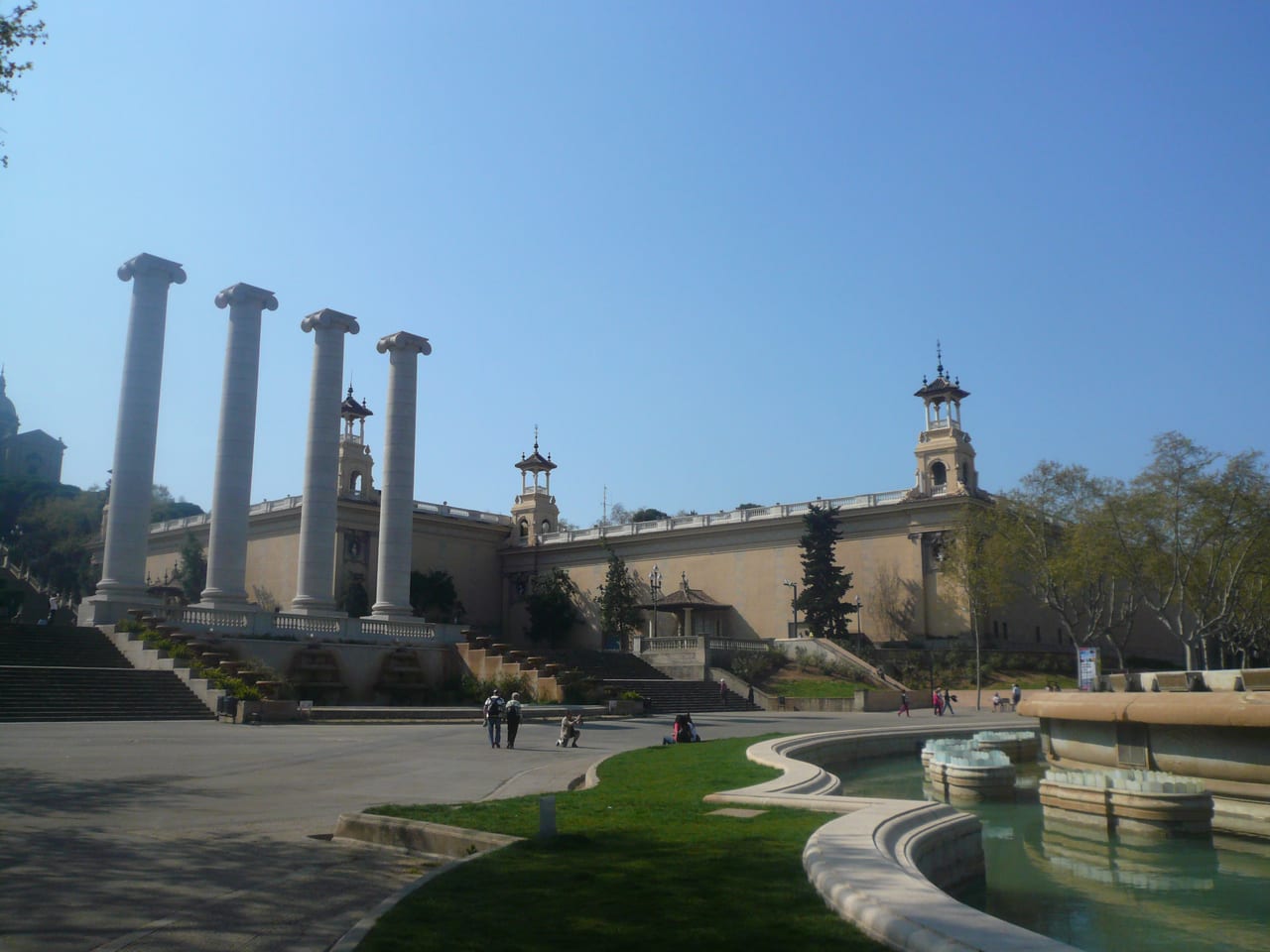
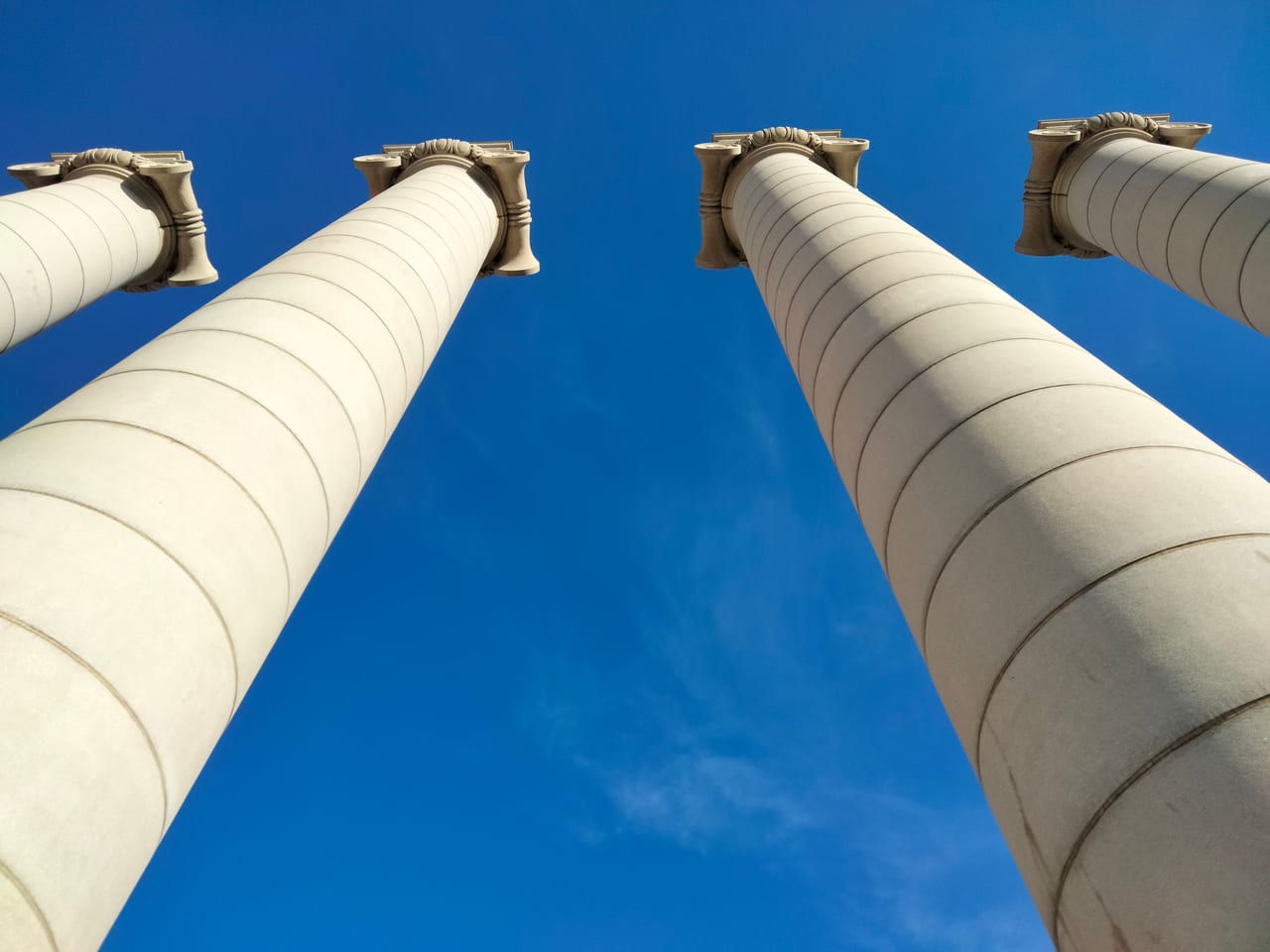
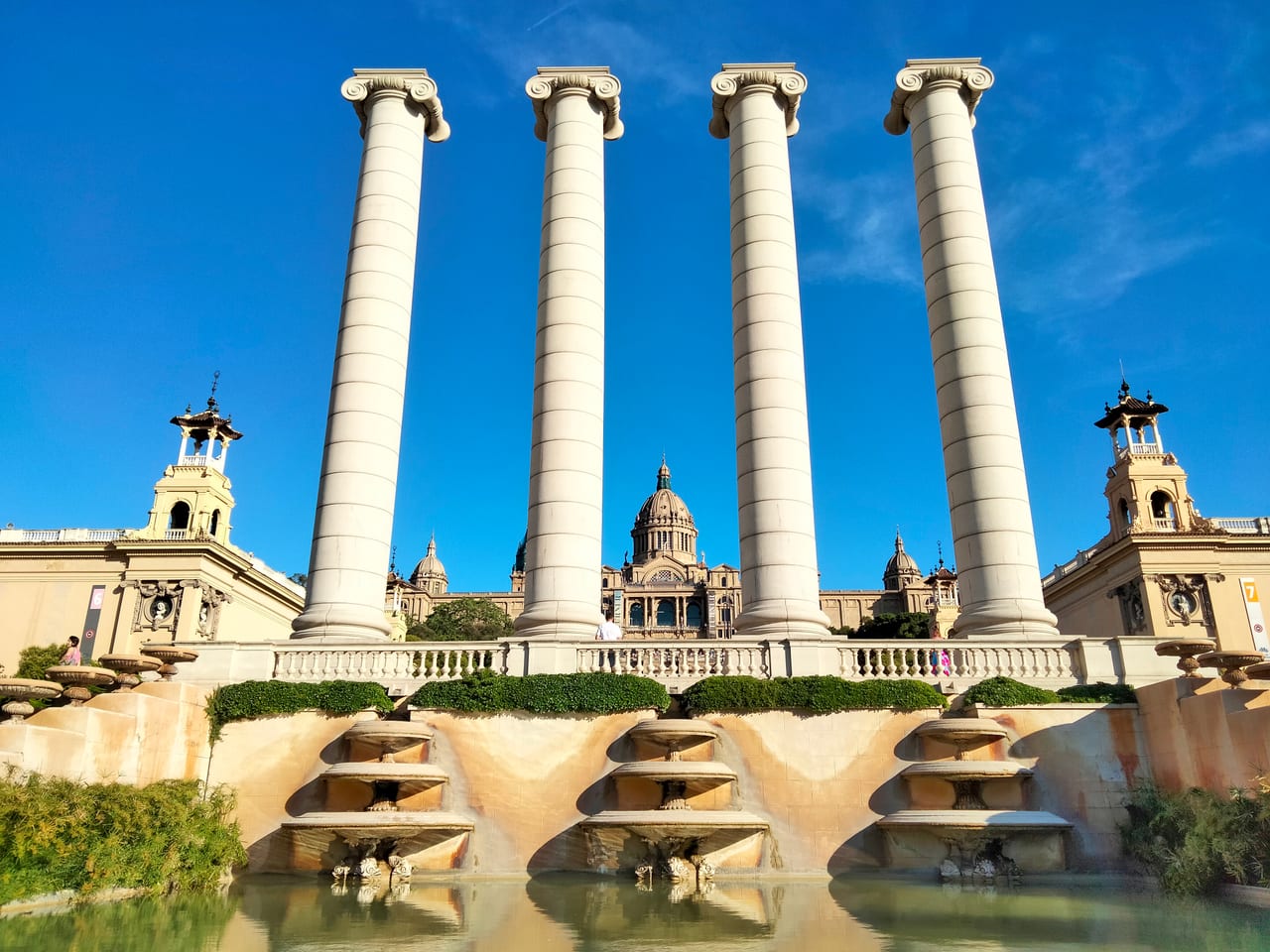
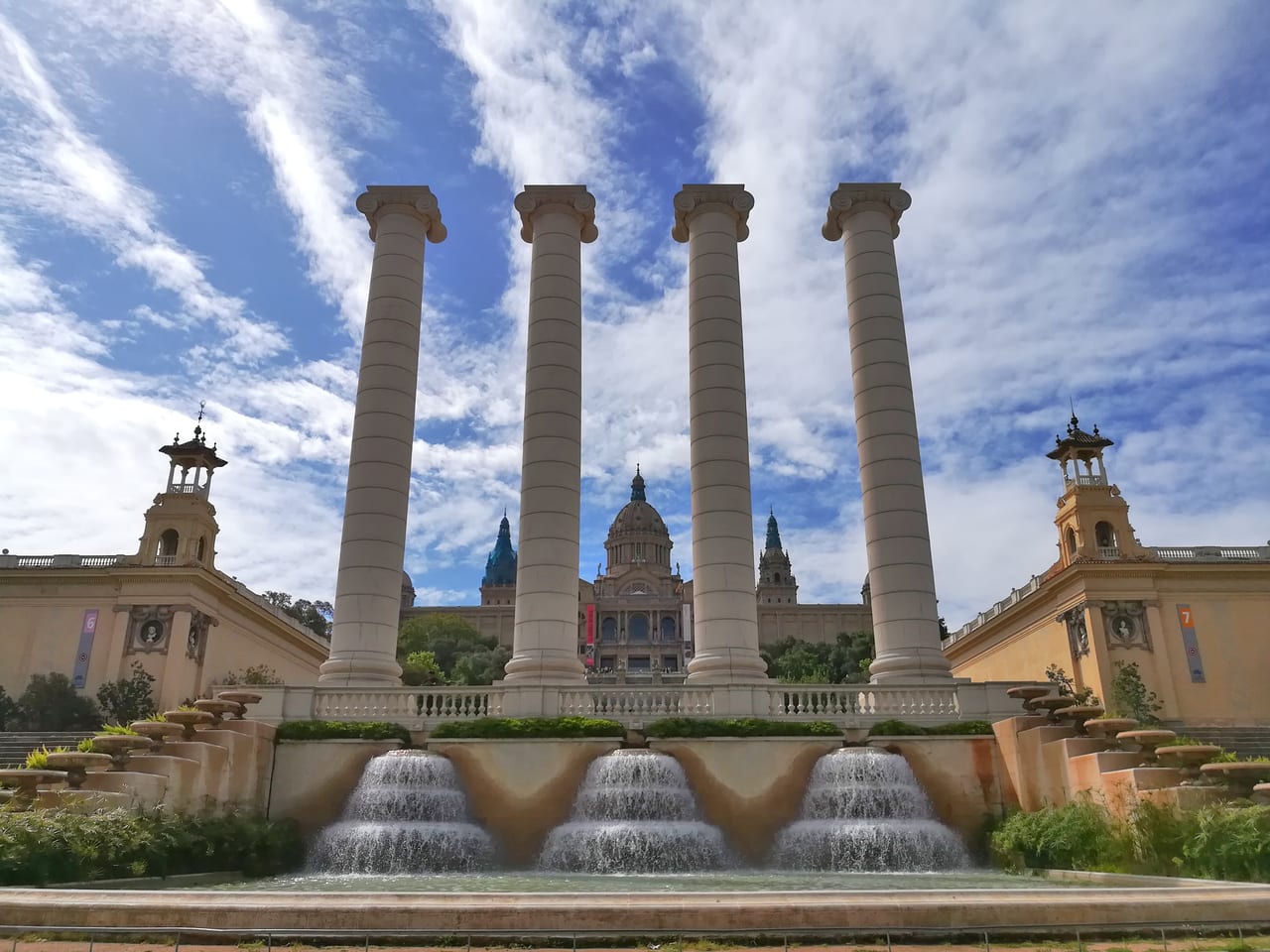
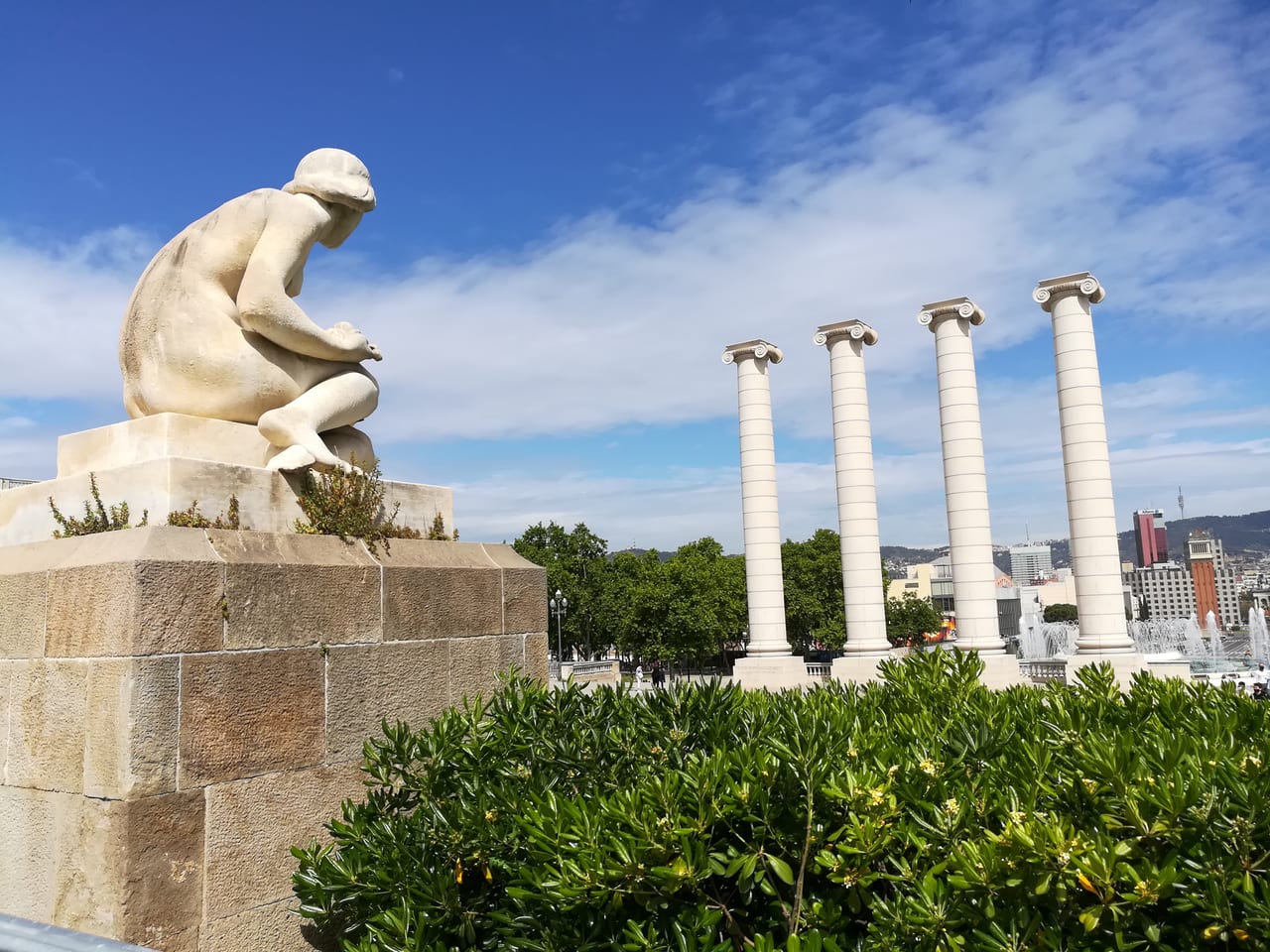
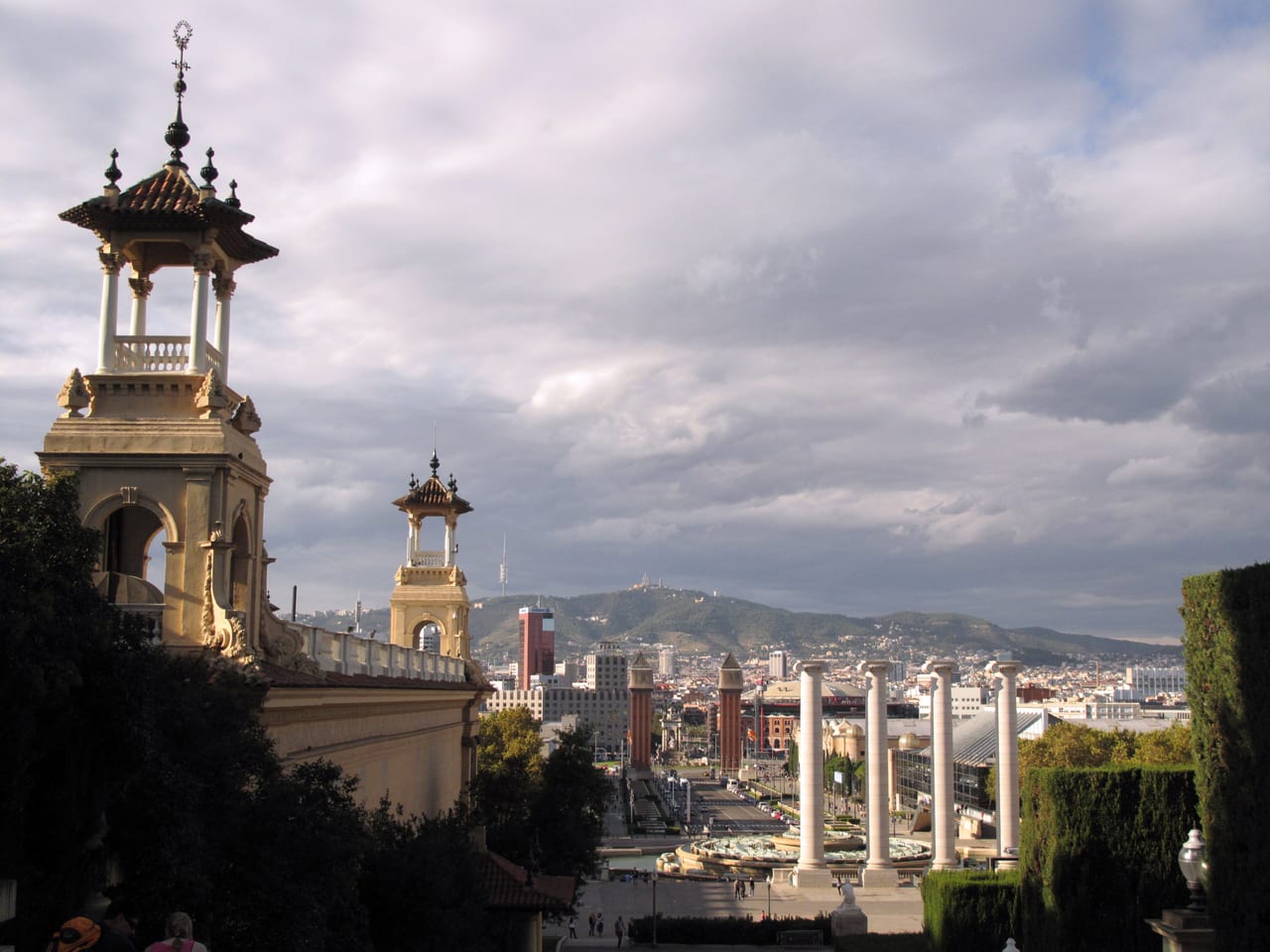
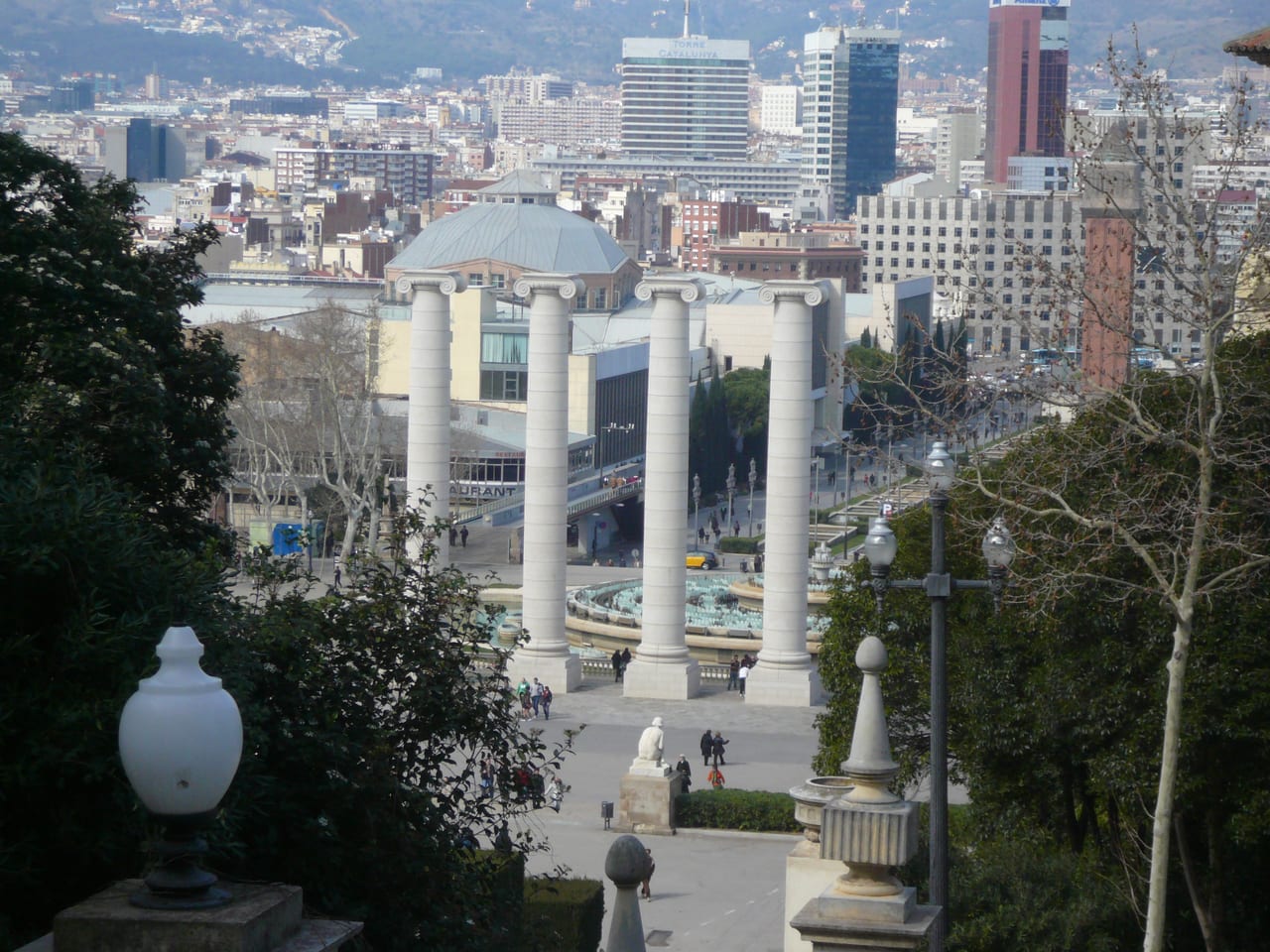
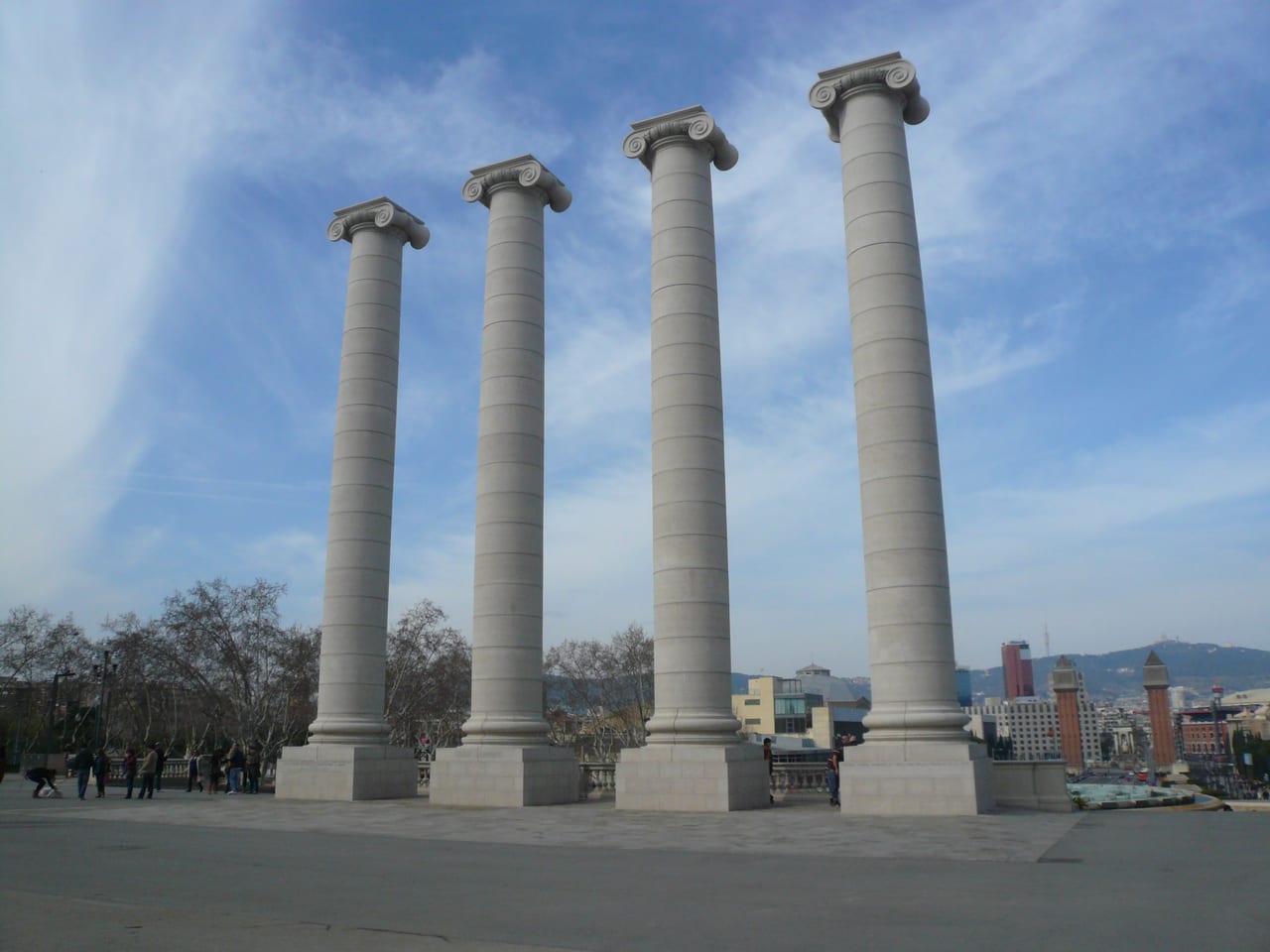
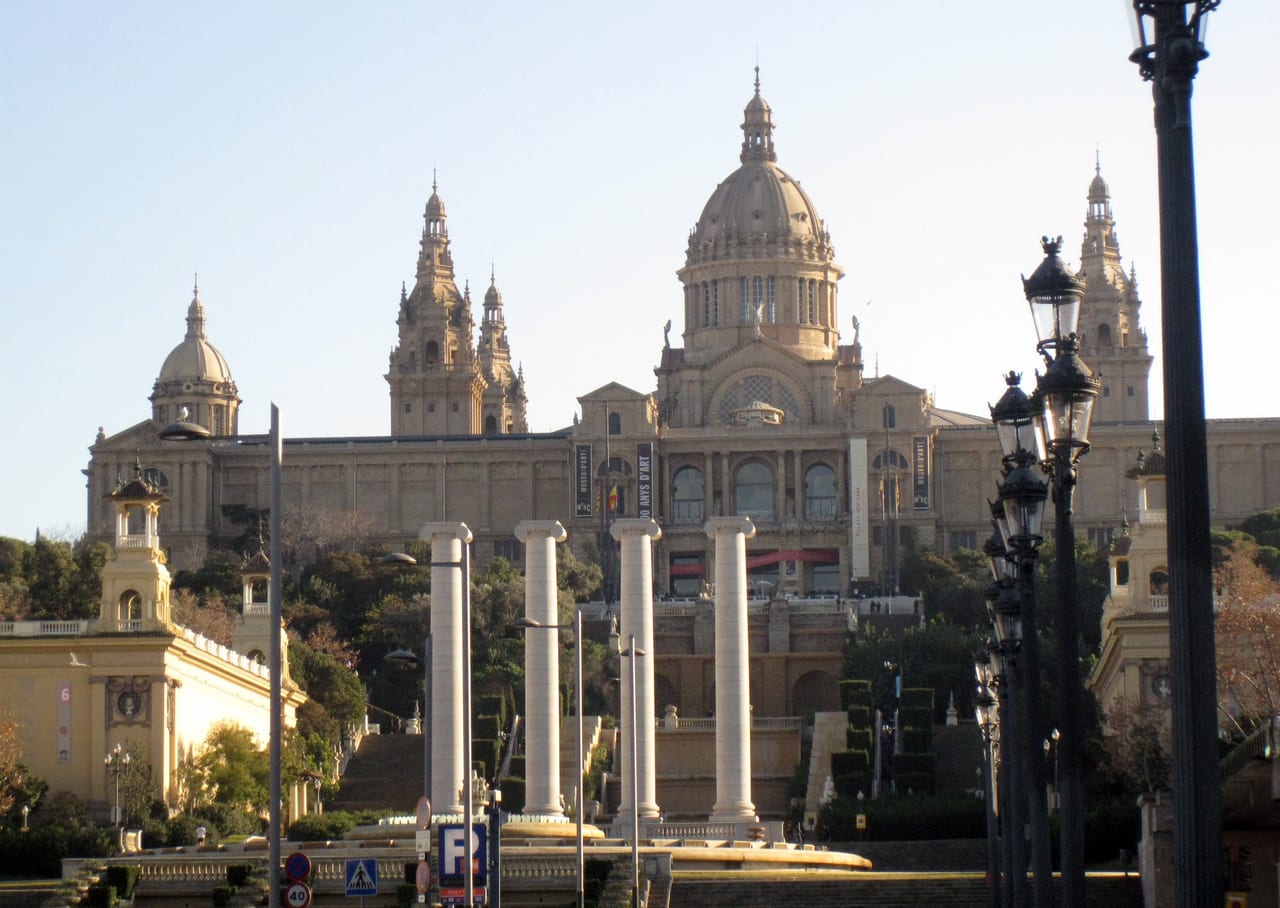
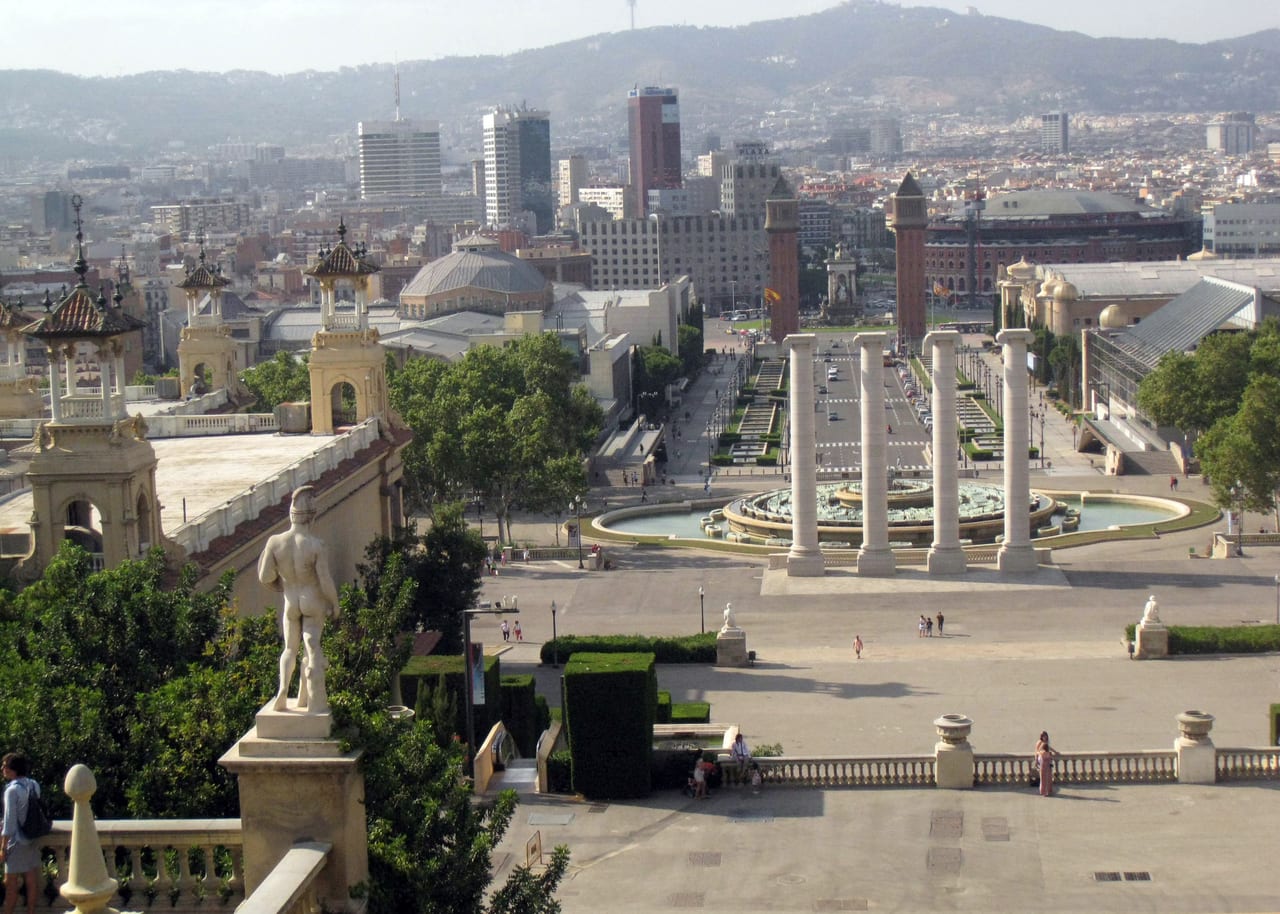
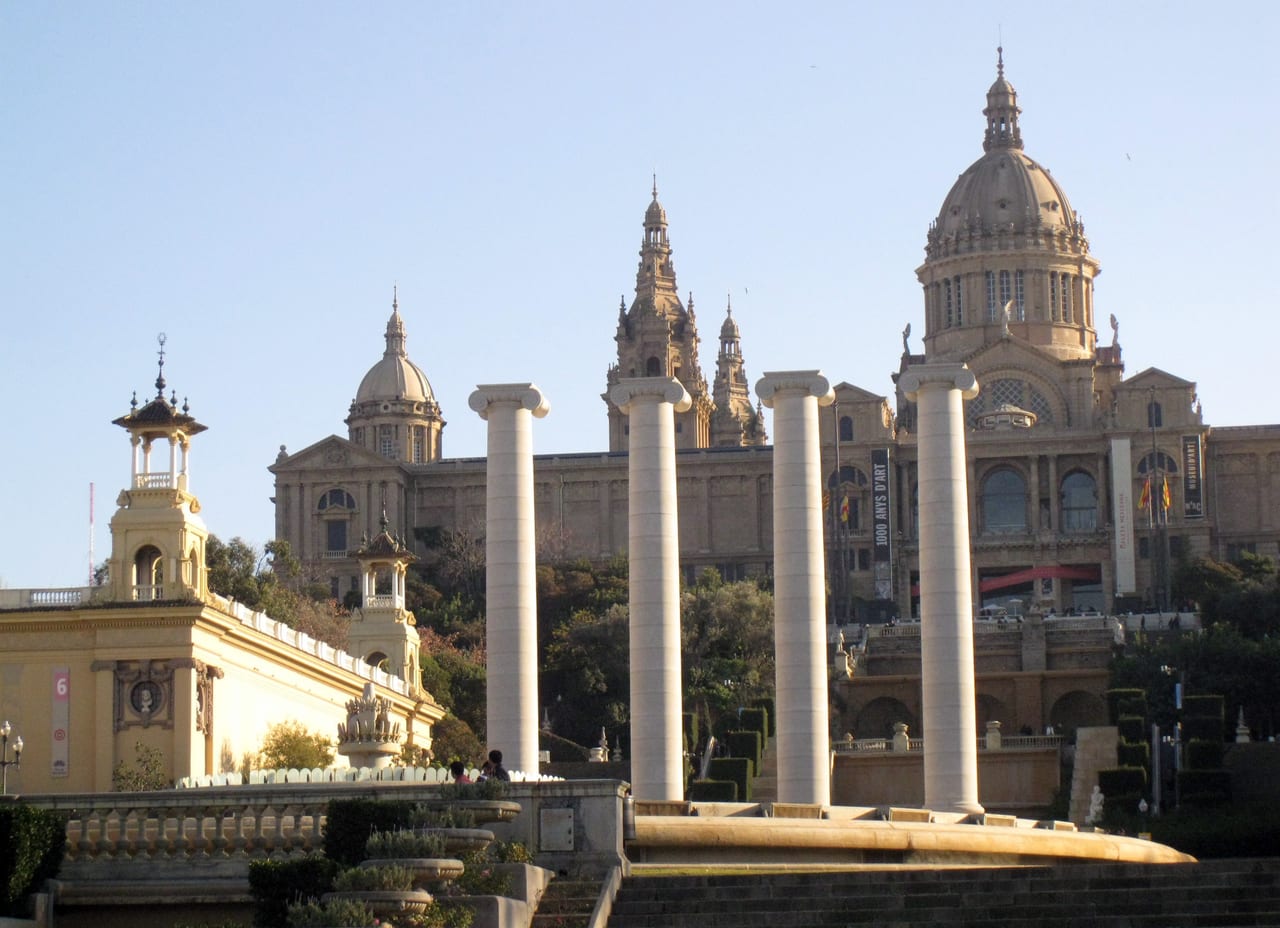
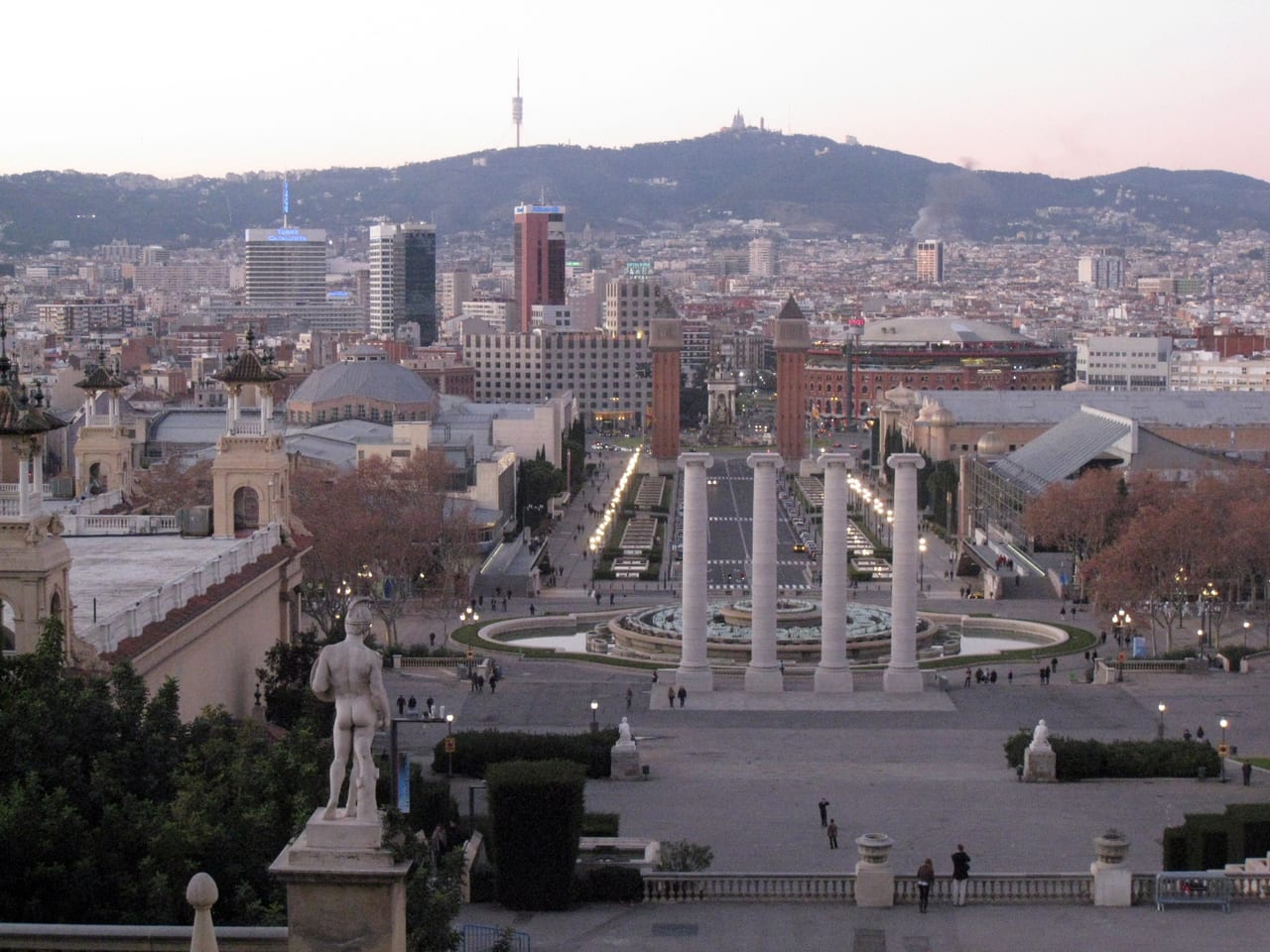
Photograph 1 of 15 of The Four Columns
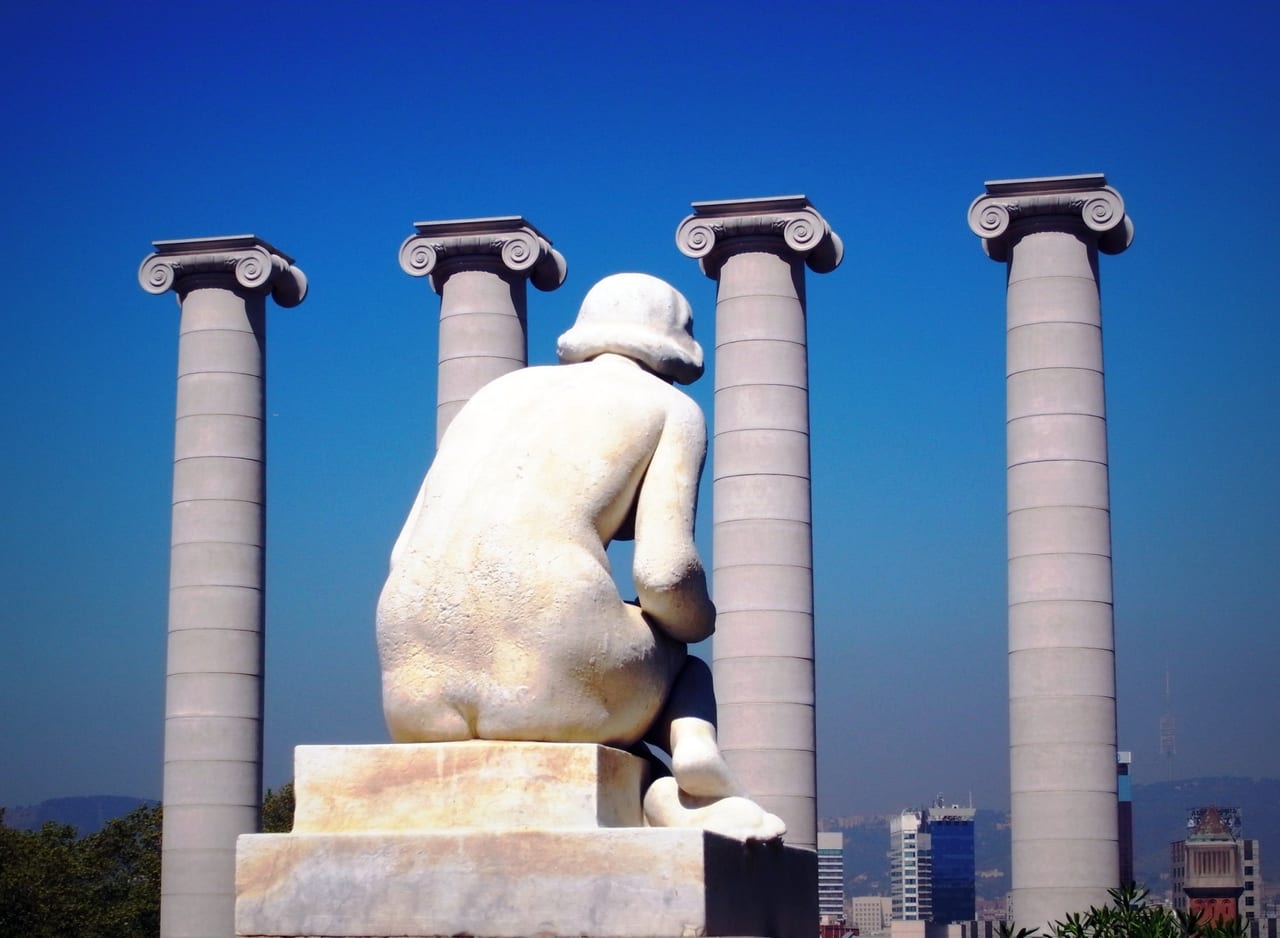
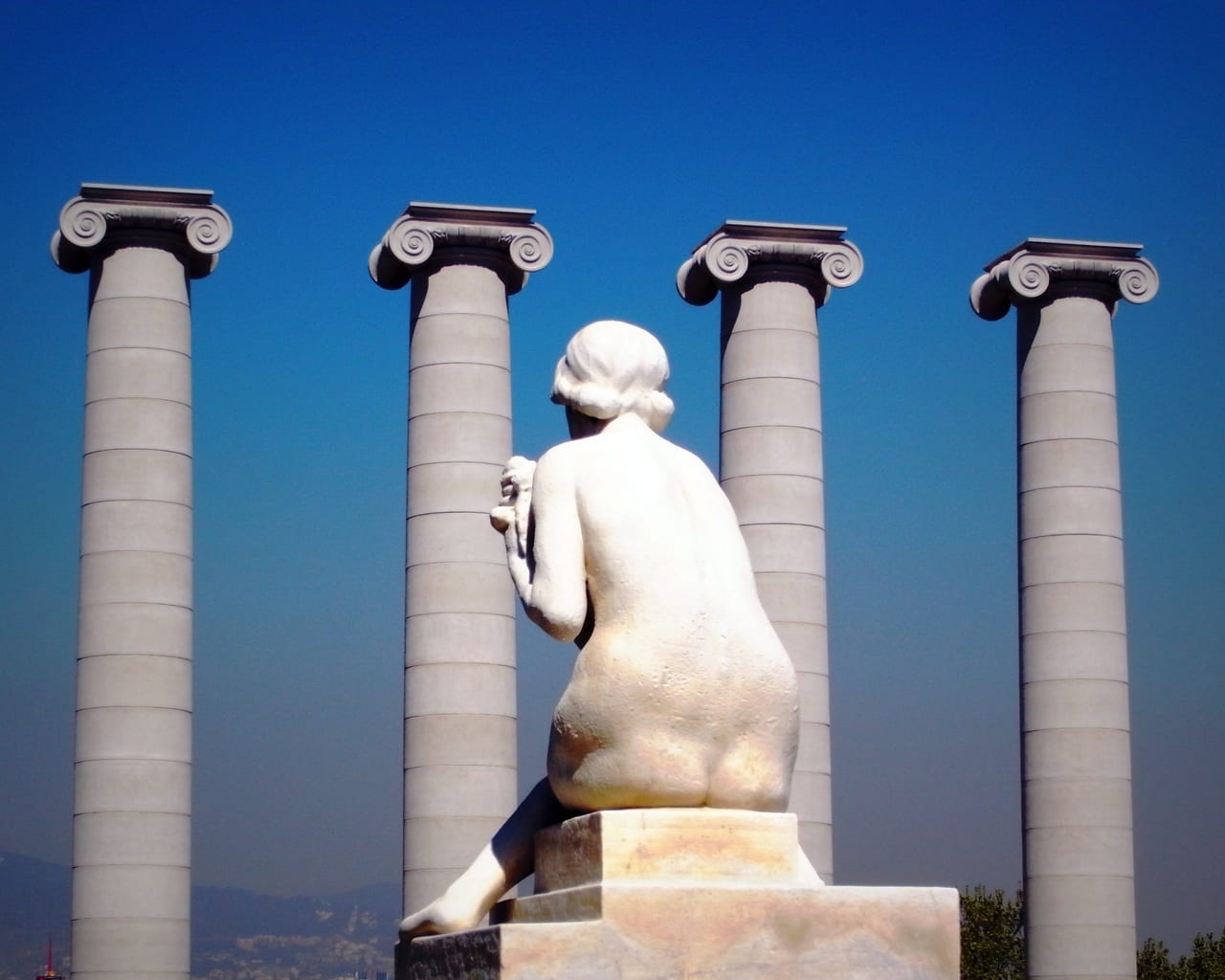
Josep Puig i Cadafalch created the original Four Columns for Montjuïc, where they were erected in 1919 at the site now occupied by the Magic Fountain. Their Ionic form referred to the four stripes of the Catalan senyera, giving the ensemble a clear place within the visual language of Catalanism and an intended role as one of its principal icons. Their presence became politically contentious during Primo de Rivera’s dictatorship. In preparation for the 1929 Universal Exposition, public Catalanist symbols were systematically removed, and the columns were demolished in 1928. The episode belongs to the wider political history of the hill: Poble Espanyol was given its Spanish name instead of the proposed Iberona, while nearby Plaça d’Espanya followed a similar naming pattern. The columns also inspired a 1999 commission by the Universitat Autònoma de Barcelona to Andreu Alfaro. His Bellaterra version uses red granite and spirals upward between 25 and 40 metres, contrasting with the original columns’ 20-metre height.
At a glance
- Built
- 2010
- Architect
- Josep Puig i Cadafalch
- Height
- 18.7 m
- Heritage
- public art in Barcelona
Ways to explore The Four Columns
Study the four columns as a single composition, paying attention to their Ionic capitals and repeated vertical rhythm. Their placement near the Magic Fountain makes the relationship between monument and surrounding public space especially clear. Notice how the four-part arrangement recalls the stripes of the Catalan senyera, then consider the columns’ 20-metre height against Montjuïc’s broad spaces. For a contrasting interpretation, seek out Andreu Alfaro’s later red-granite version at the Universitat Autònoma de Barcelona’s Bellaterra Campus.
Places to stay near The Four Columns

Live availability and prices from Stay22's partners, refreshed periodically and subject to change. Booking through these links may earn us a commission at no extra cost to you. See our privacy policy.
Cafés near The Four Columns
Cafés near The Four Columns loads as you scroll.
Attractions nearby
Attractions near The Four Columns loads as you scroll.
Cities nearby
Cities nearby loads as you scroll.
More in Barcelona
See more of Barcelona.
Find great cafés, places to stay and other interesting places to visit in Barcelona.