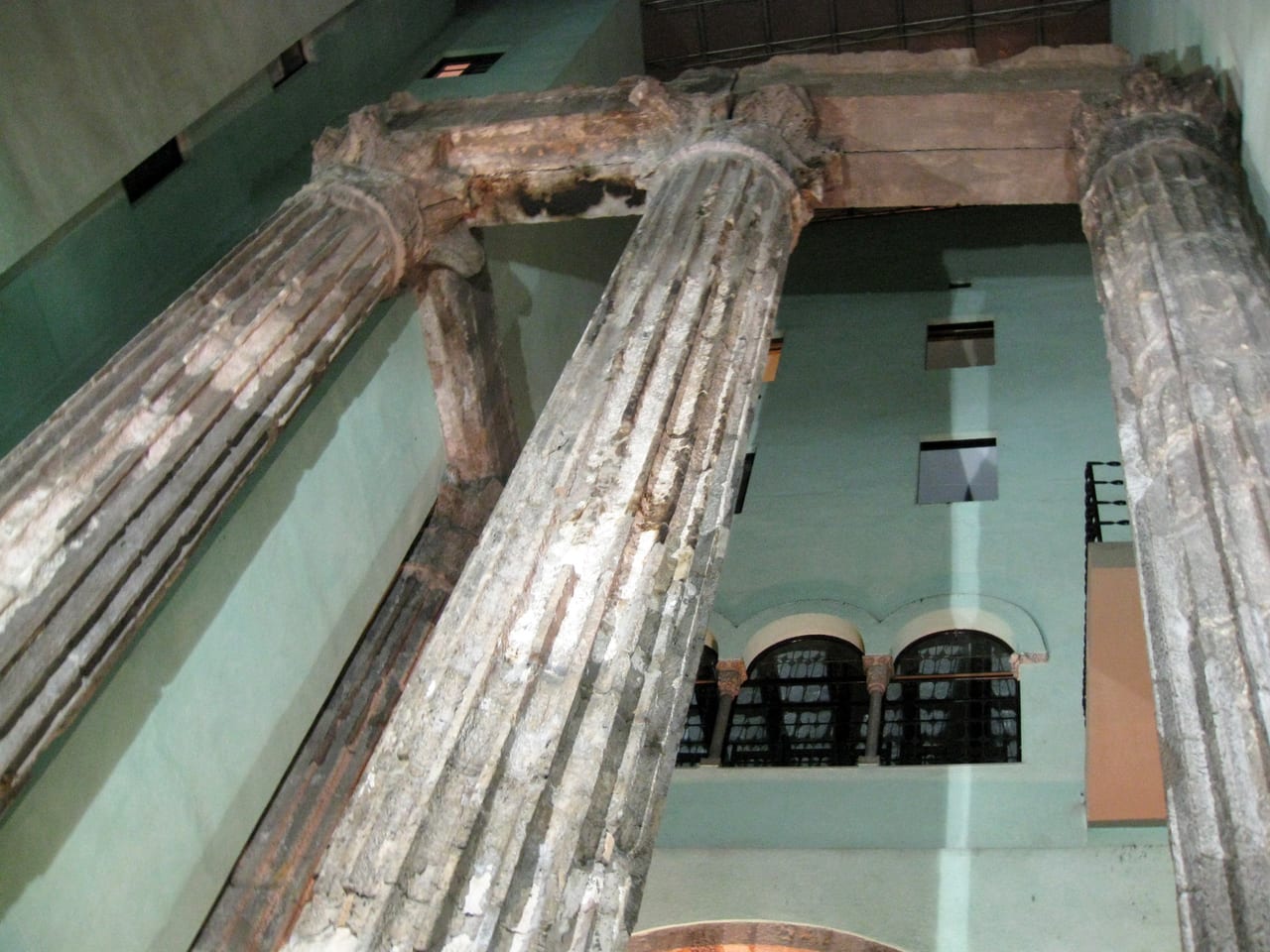
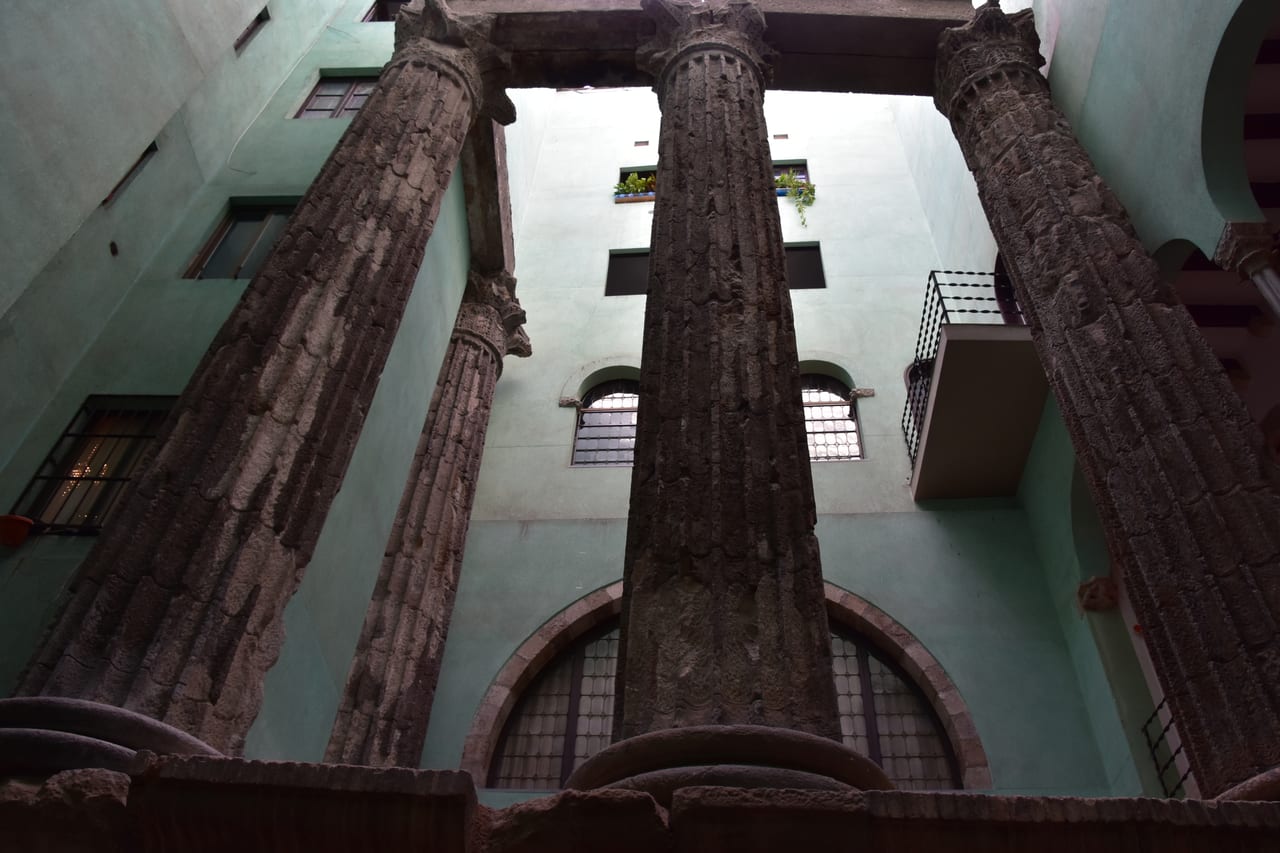
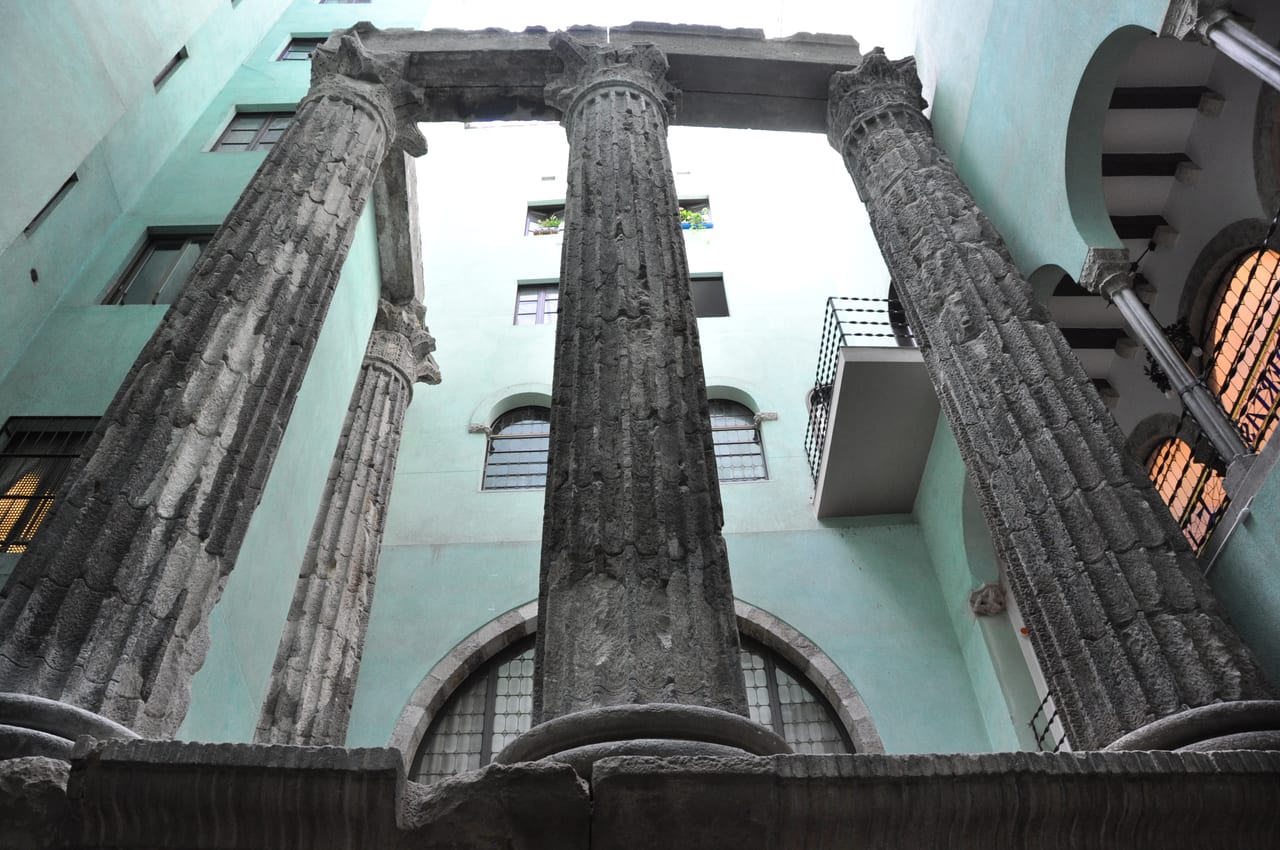
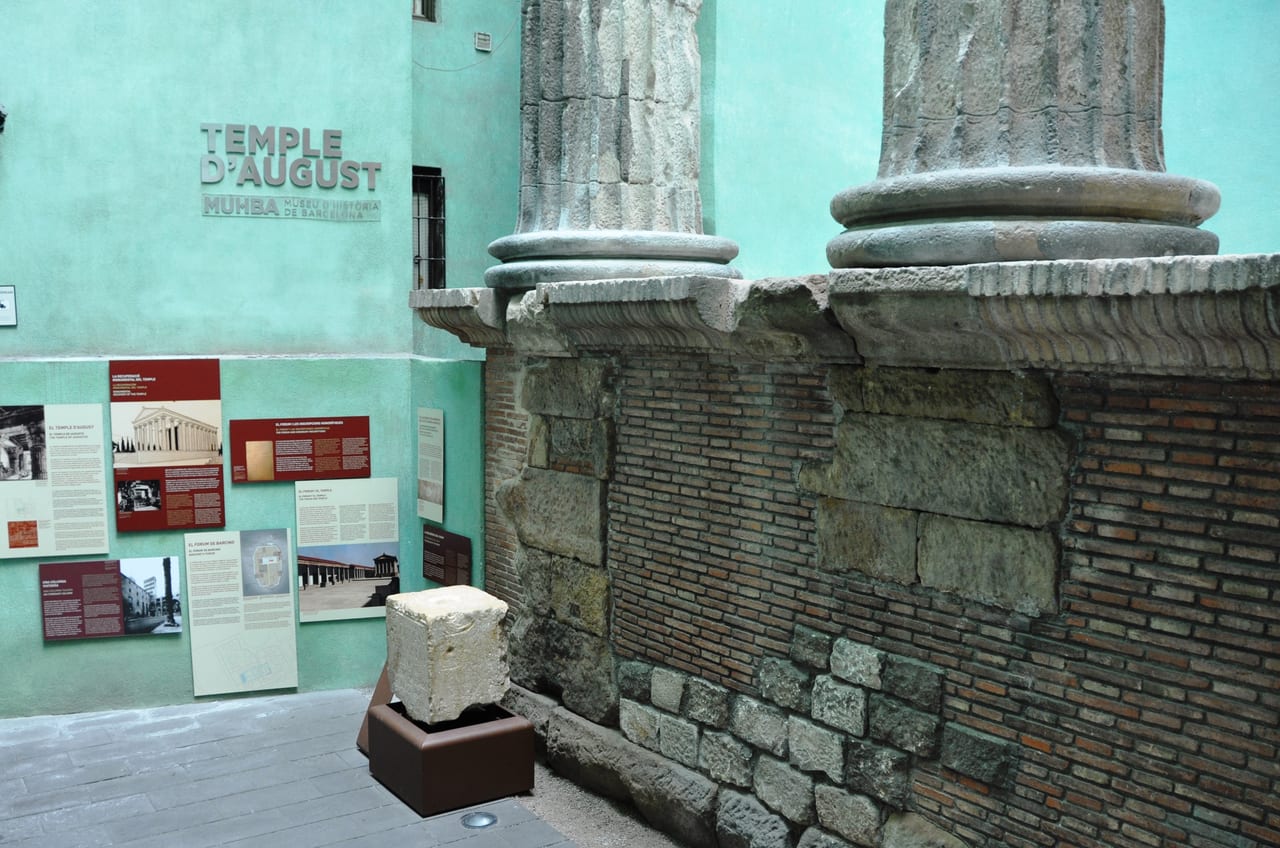
Photograph 1 of 18 of Temple of Augustus in Barcelona
Museum · Barcelona
Its traditional dedication to Augustus remains unproven, leaving the surviving Roman monument with an intriguing question at the heart of its identity.
Photograph 1 of 18 of Temple of Augustus in Barcelona
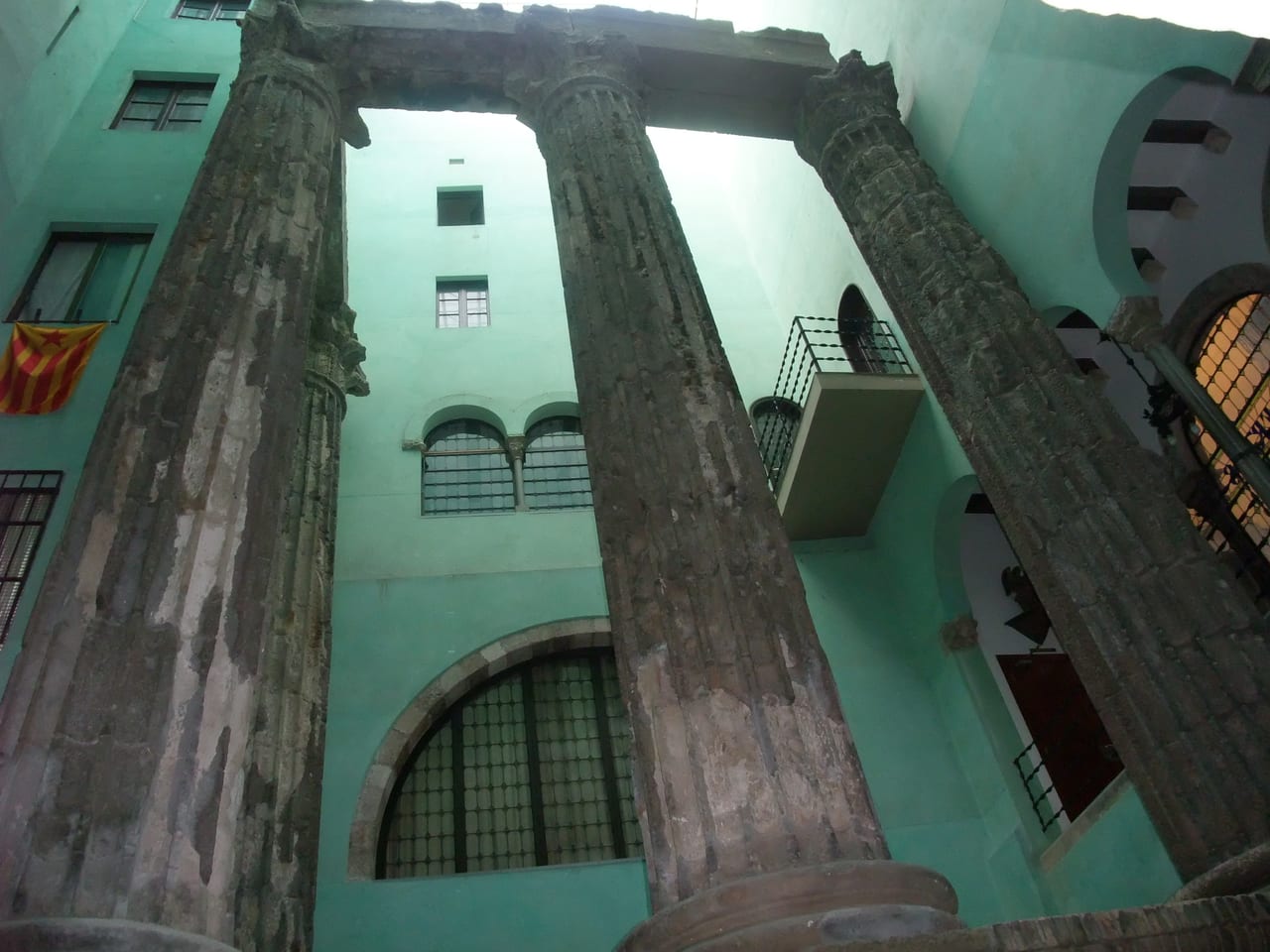
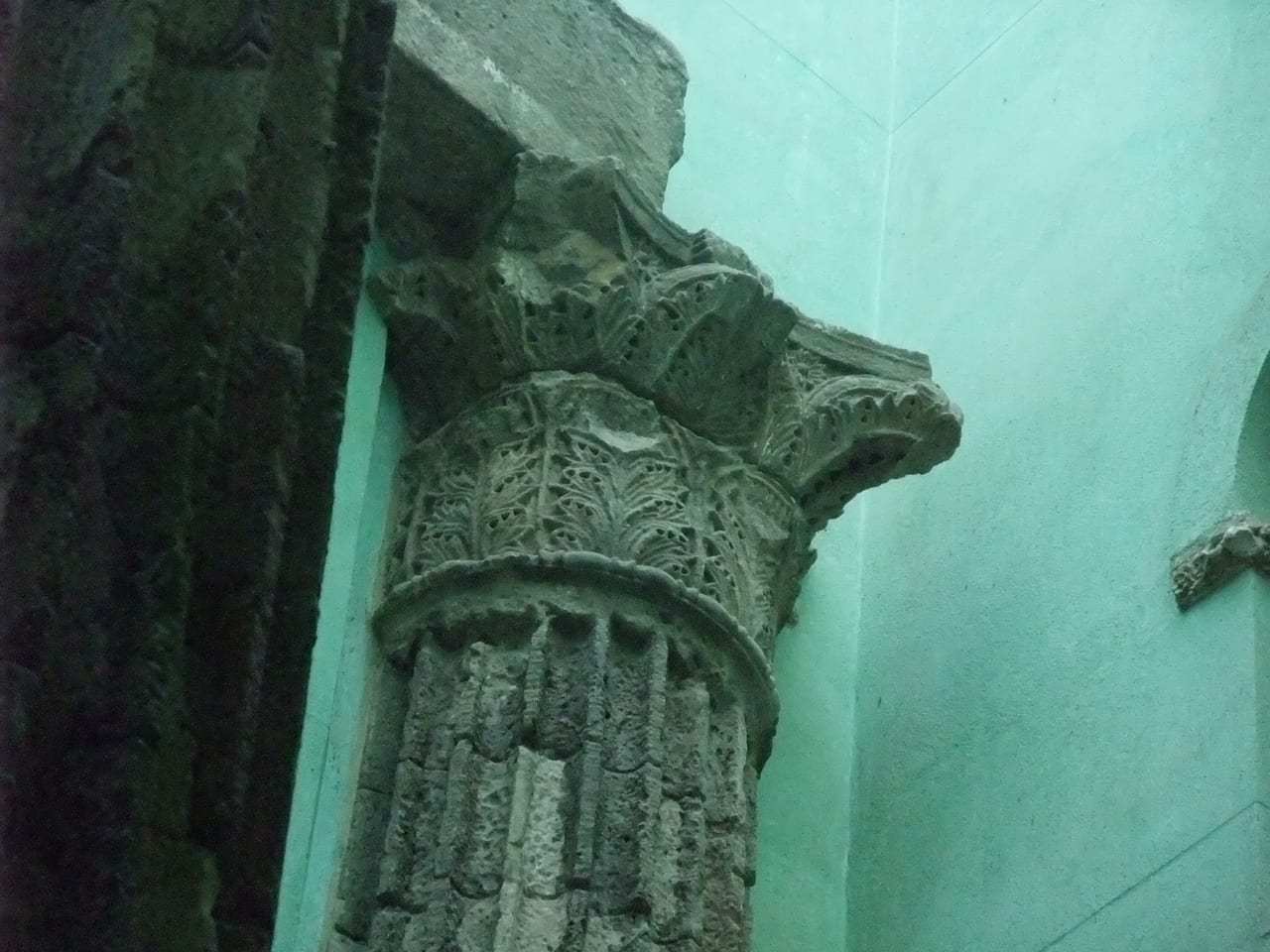
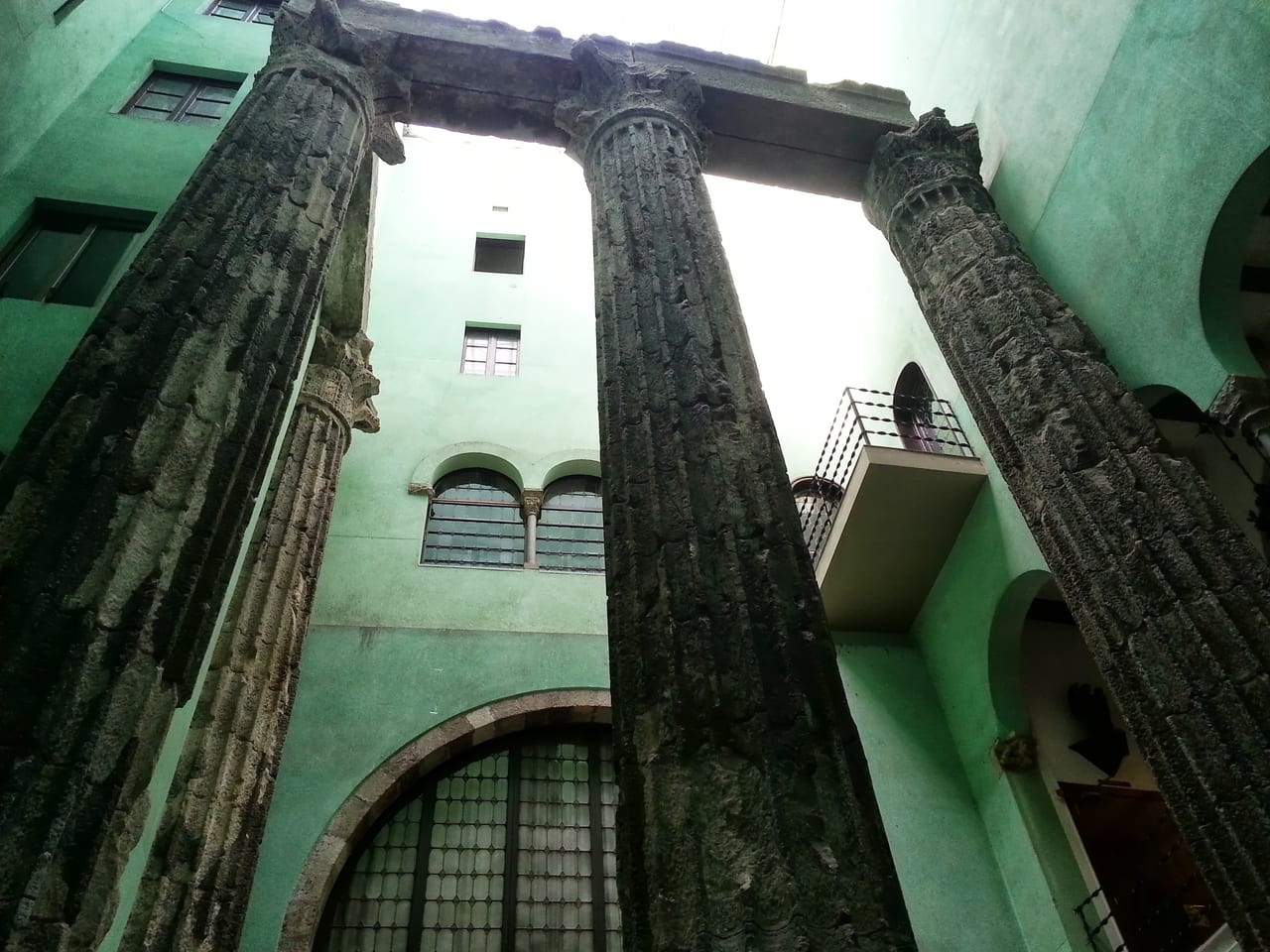
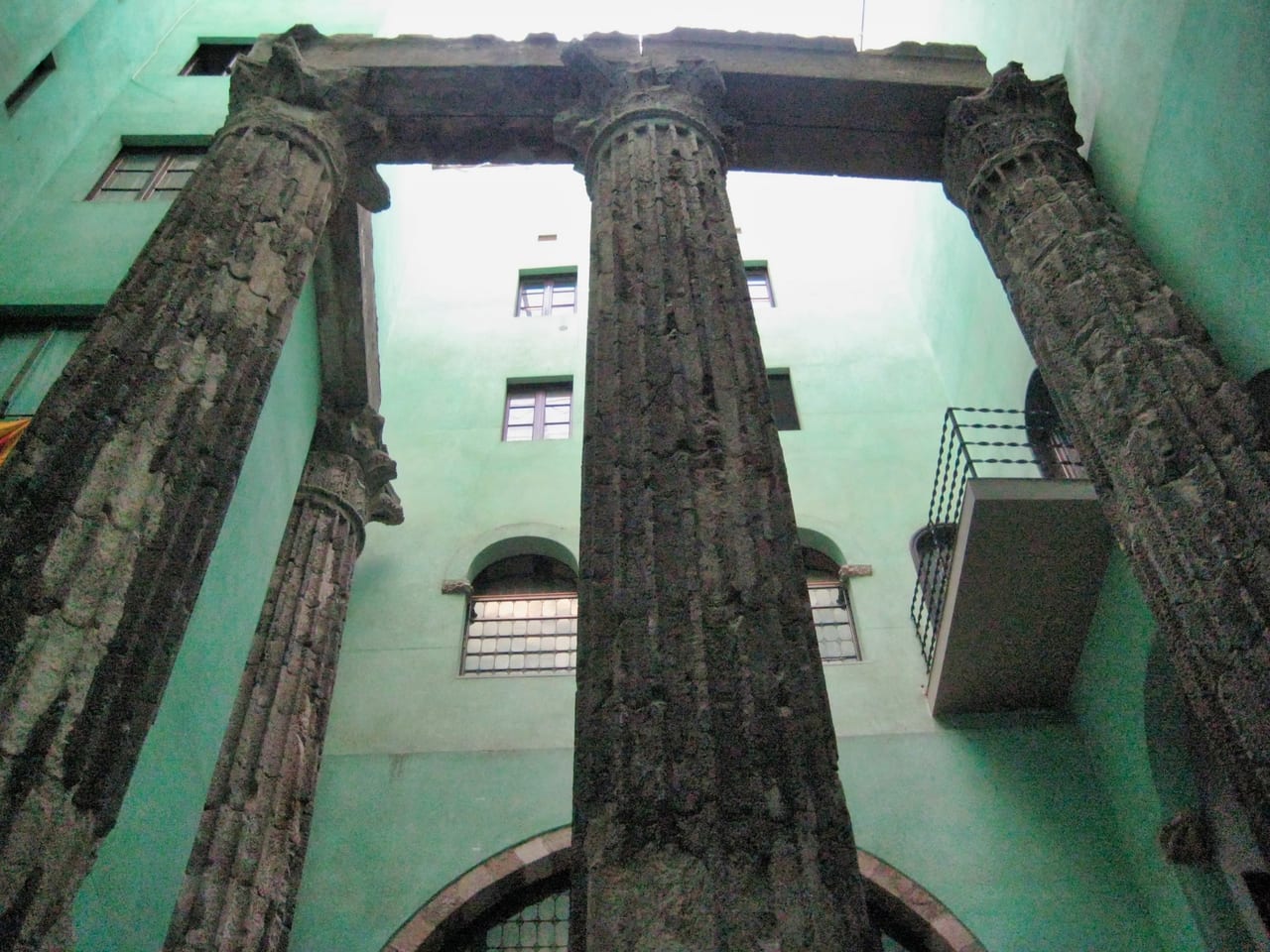
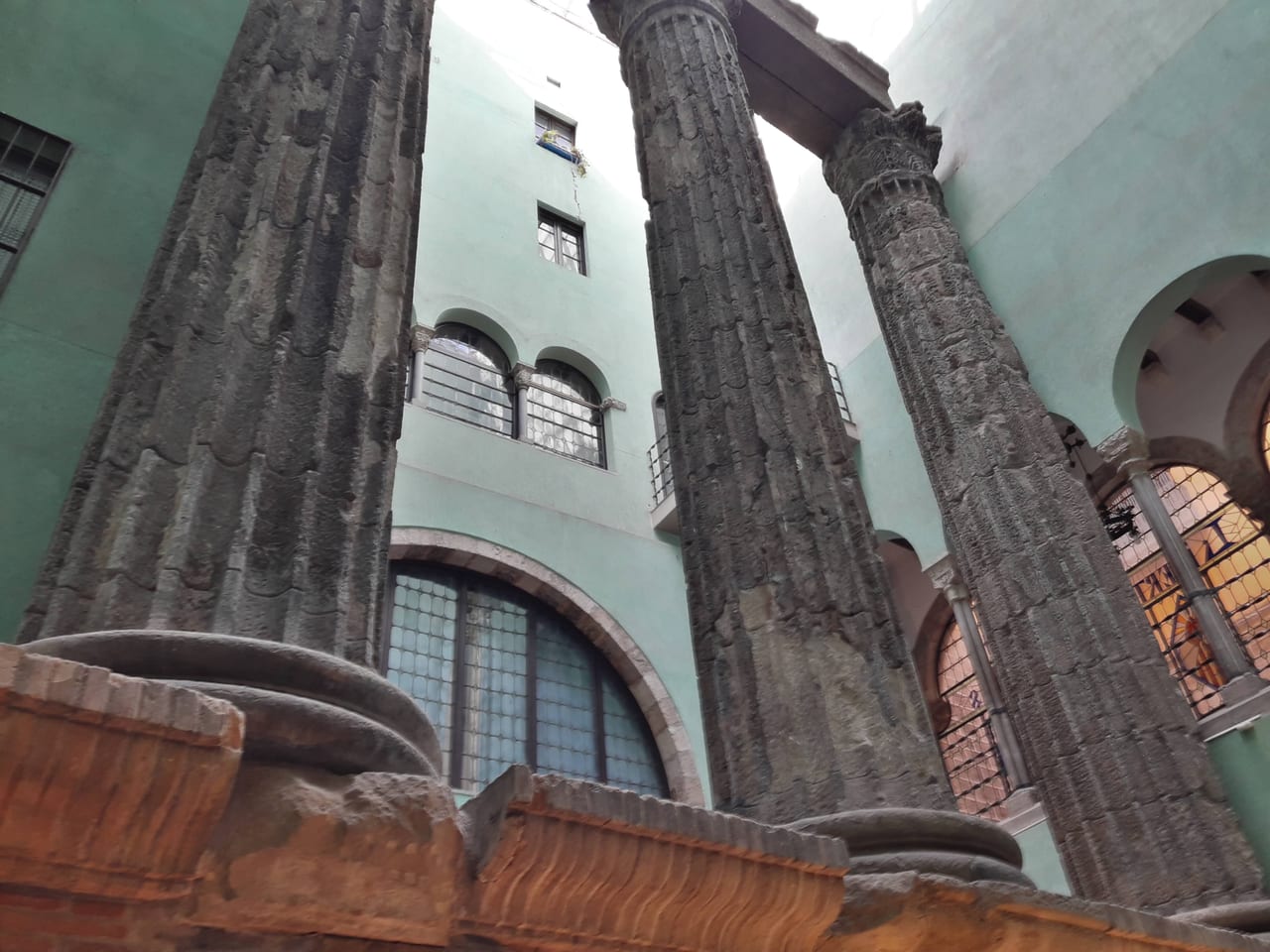
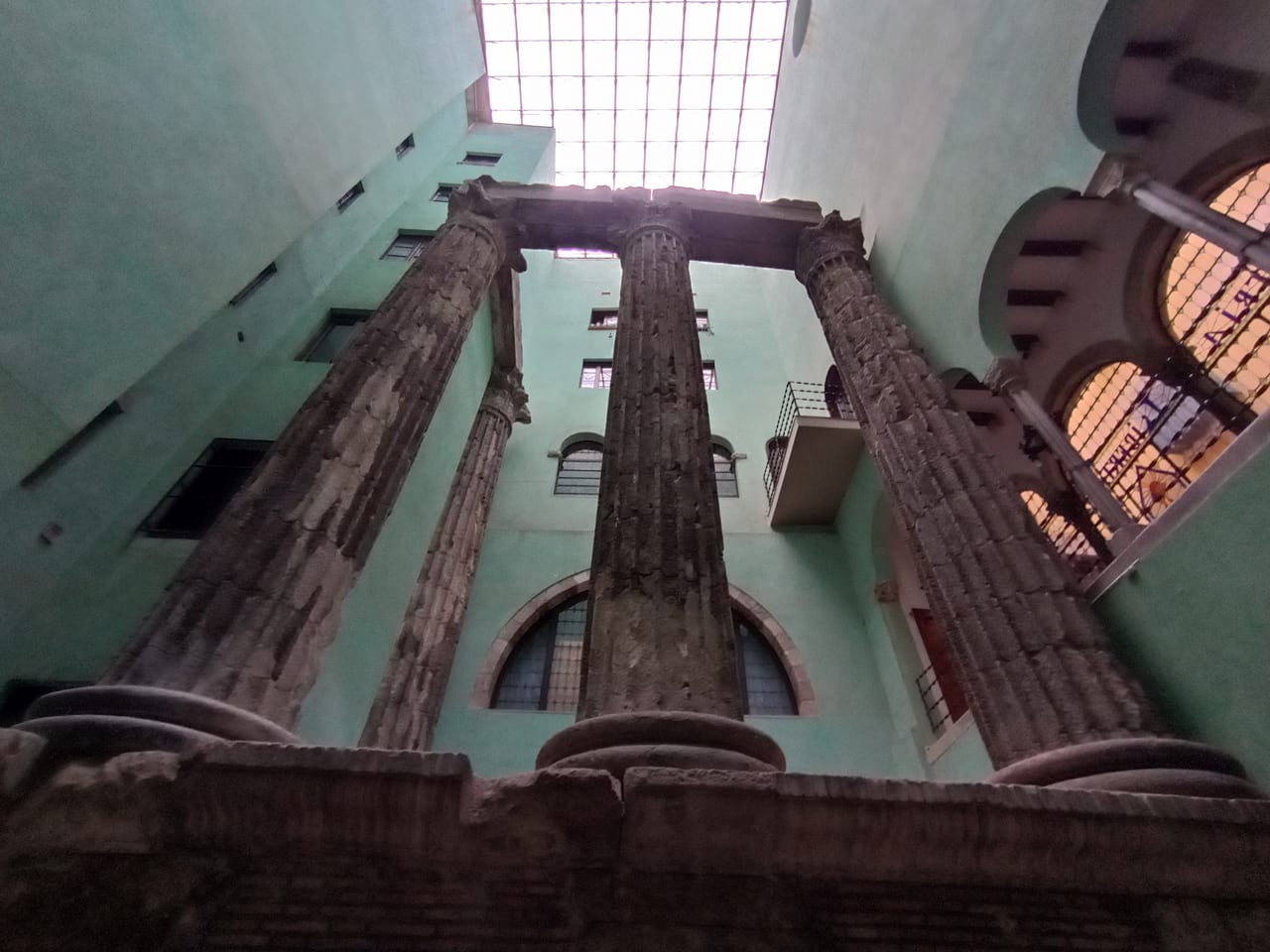
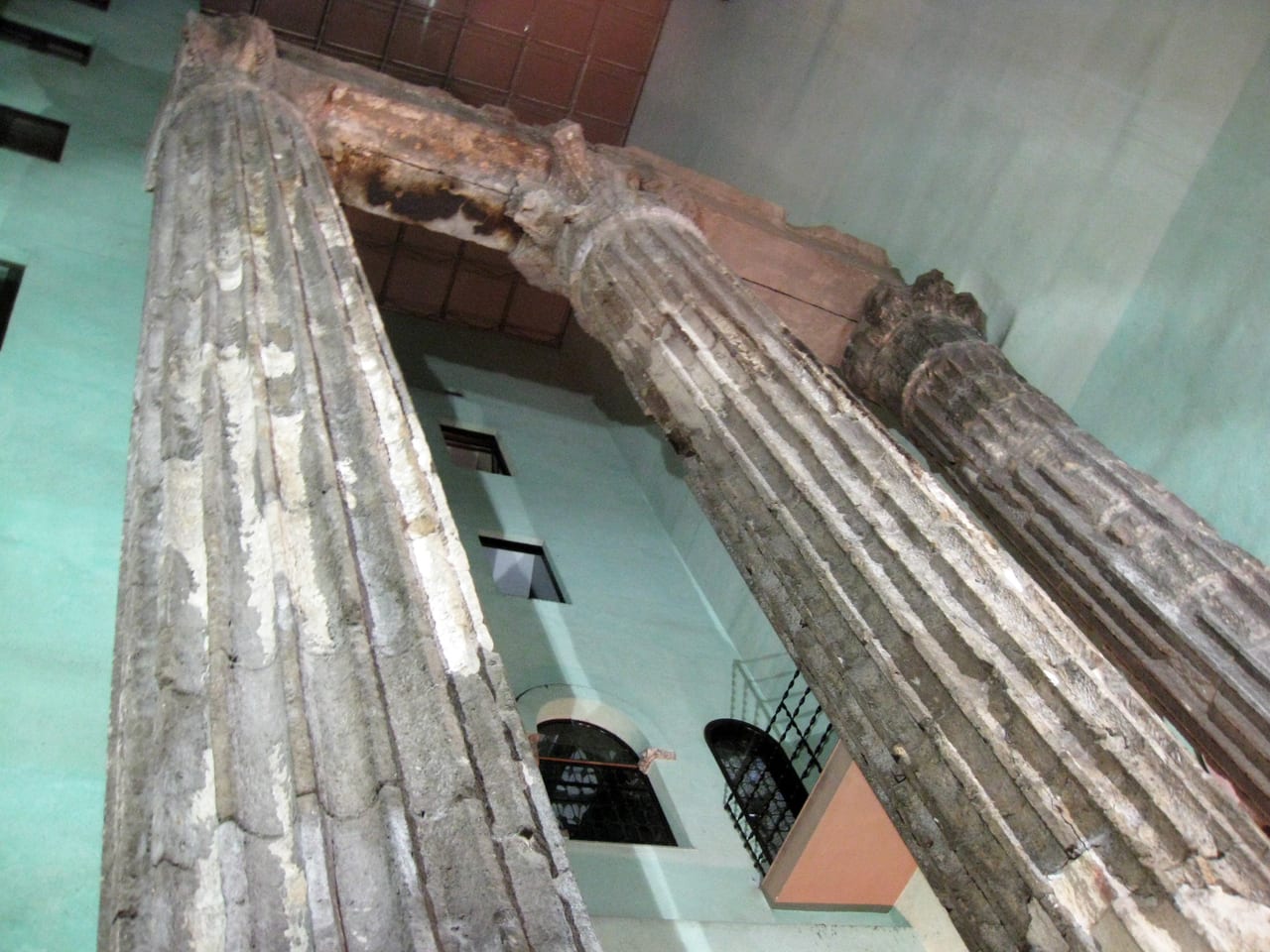
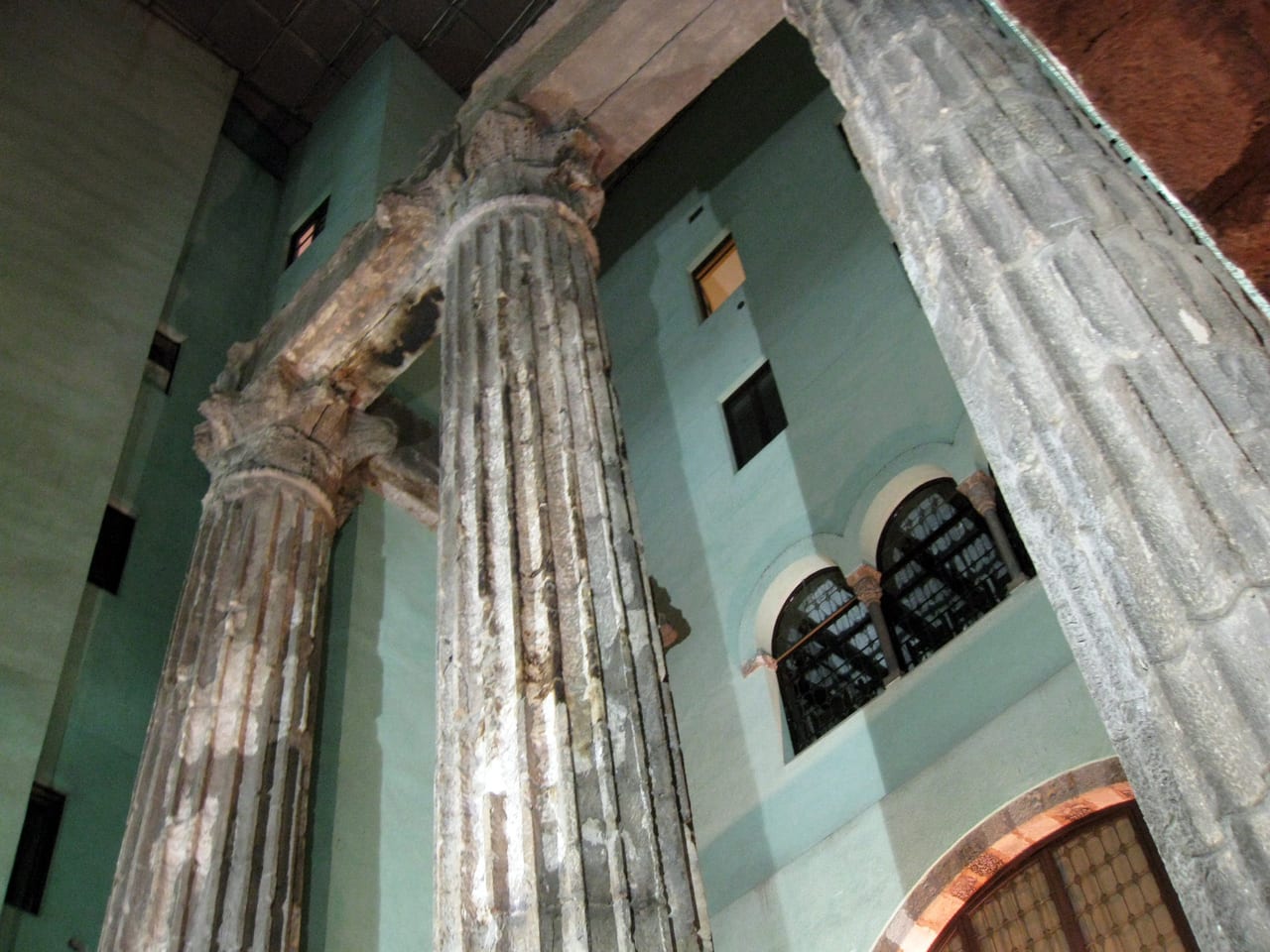
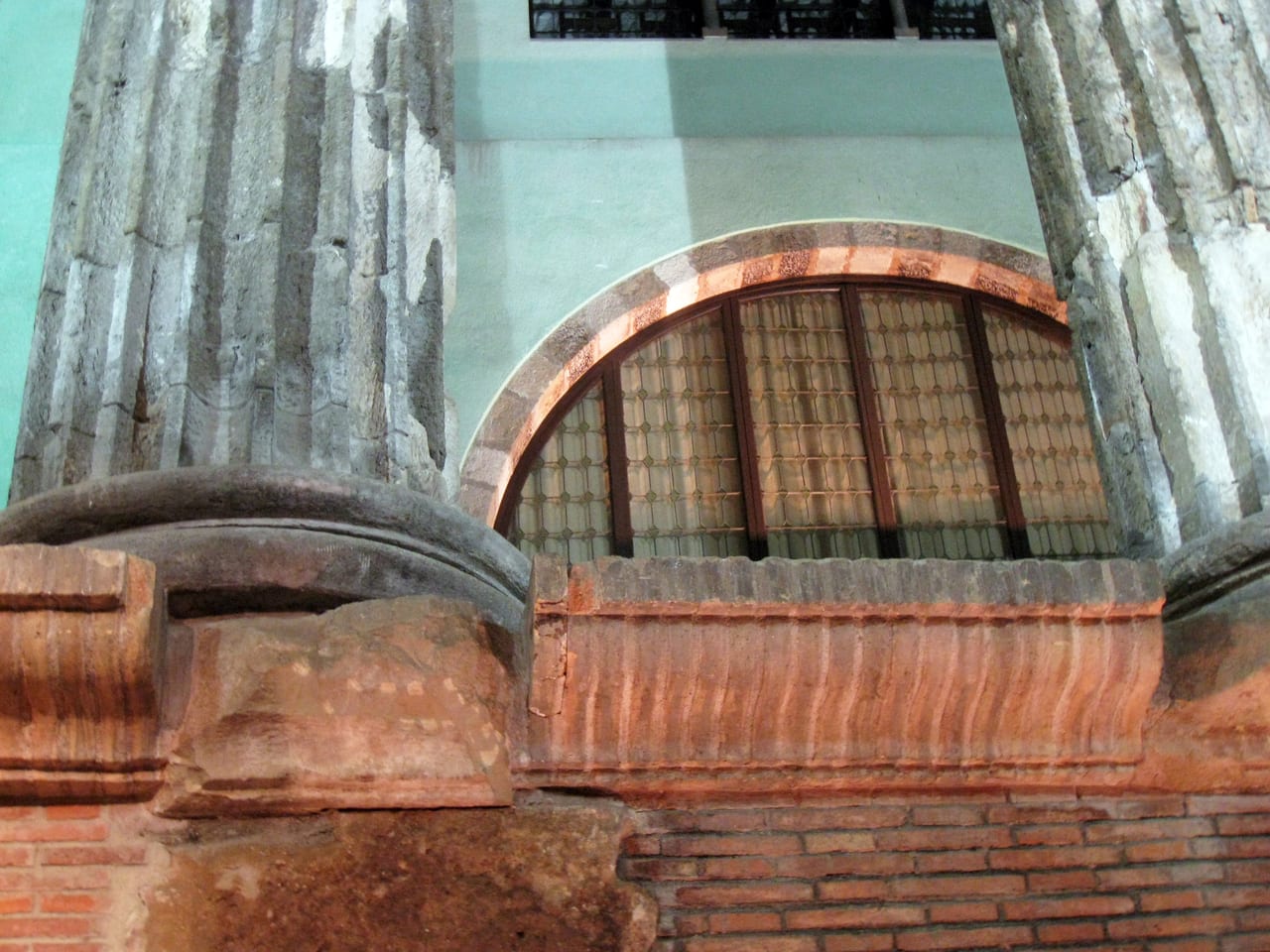
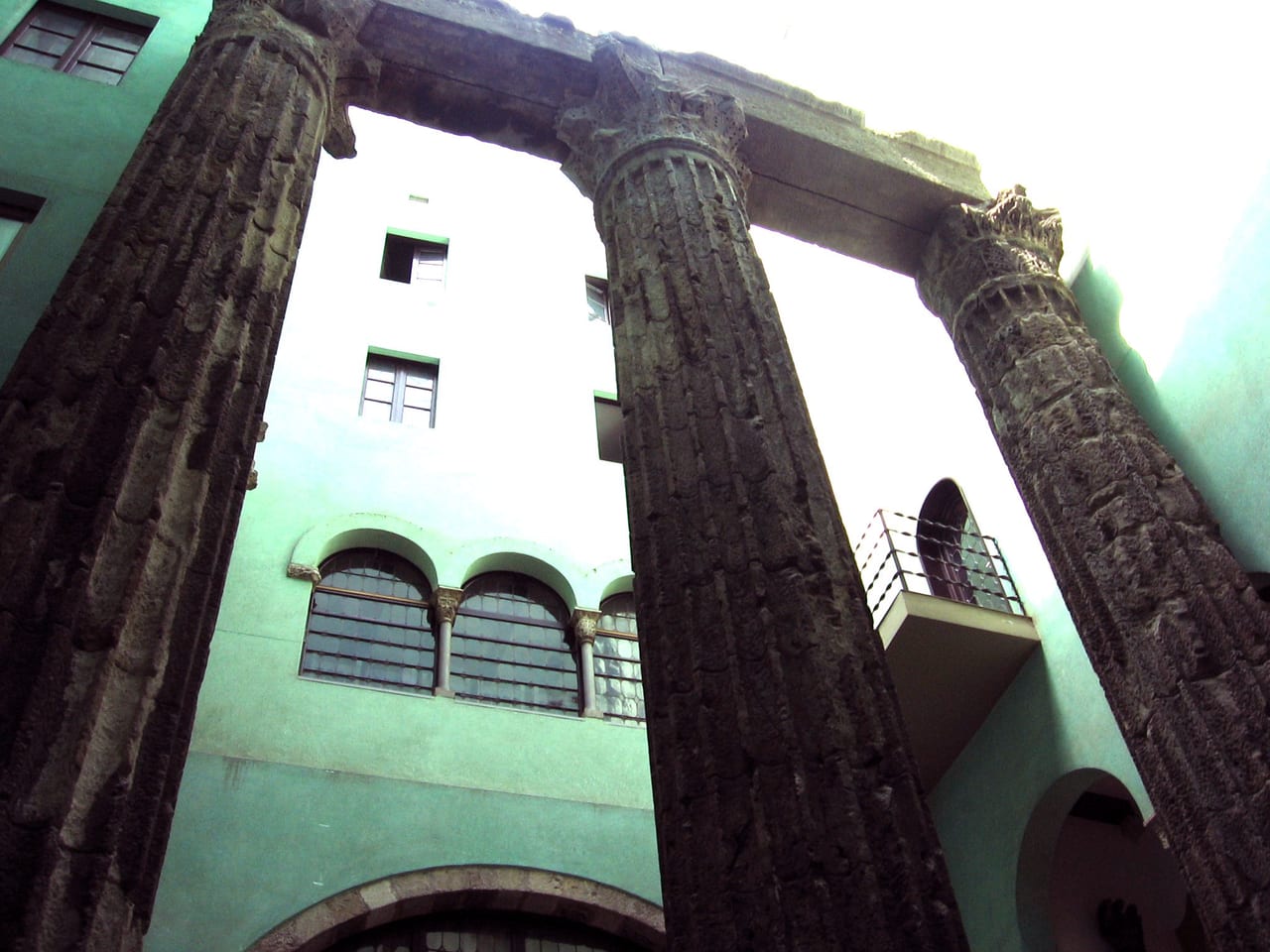
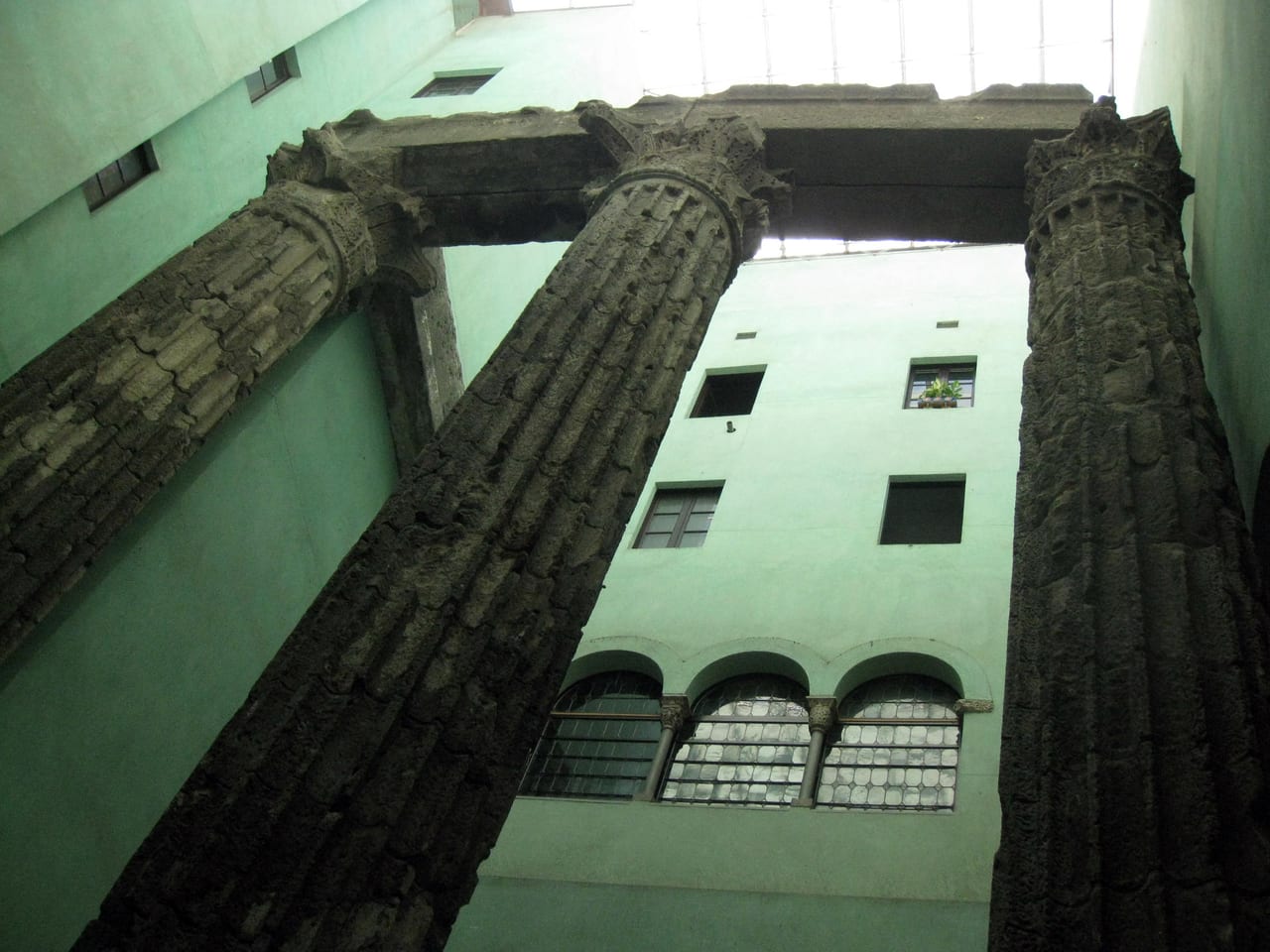
Its association with Augustus was advanced by Josep Puig i Cadafalch, who supported a hypothesis recorded in an early description by architect Antoni Celles, though the dedication has never been established. If the temple remained in use into the fourth century, it may have been closed during the persecution of pagan worship under Christian emperors. The building was later demolished, and its remains emerged only in the late nineteenth century during construction of the Centre Excursionista de Catalunya. Puig described it as a peripteral temple, with eleven columns along each side, six at the front and six at the rear, standing on a podium one-third as high as the columns. The structure measured approximately 35 by 17.5 metres. It is now one of MUHBA’s heritage sites.
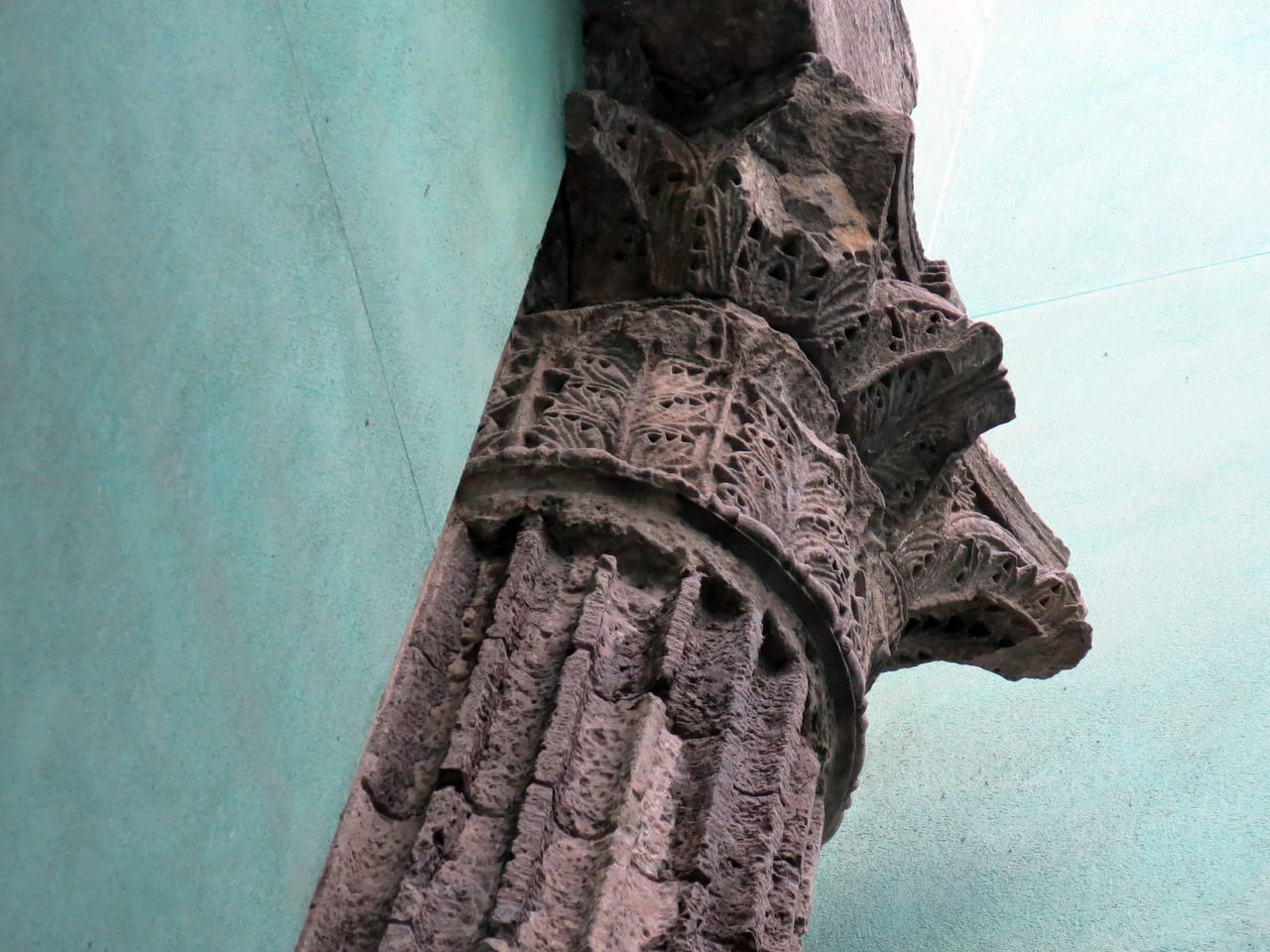
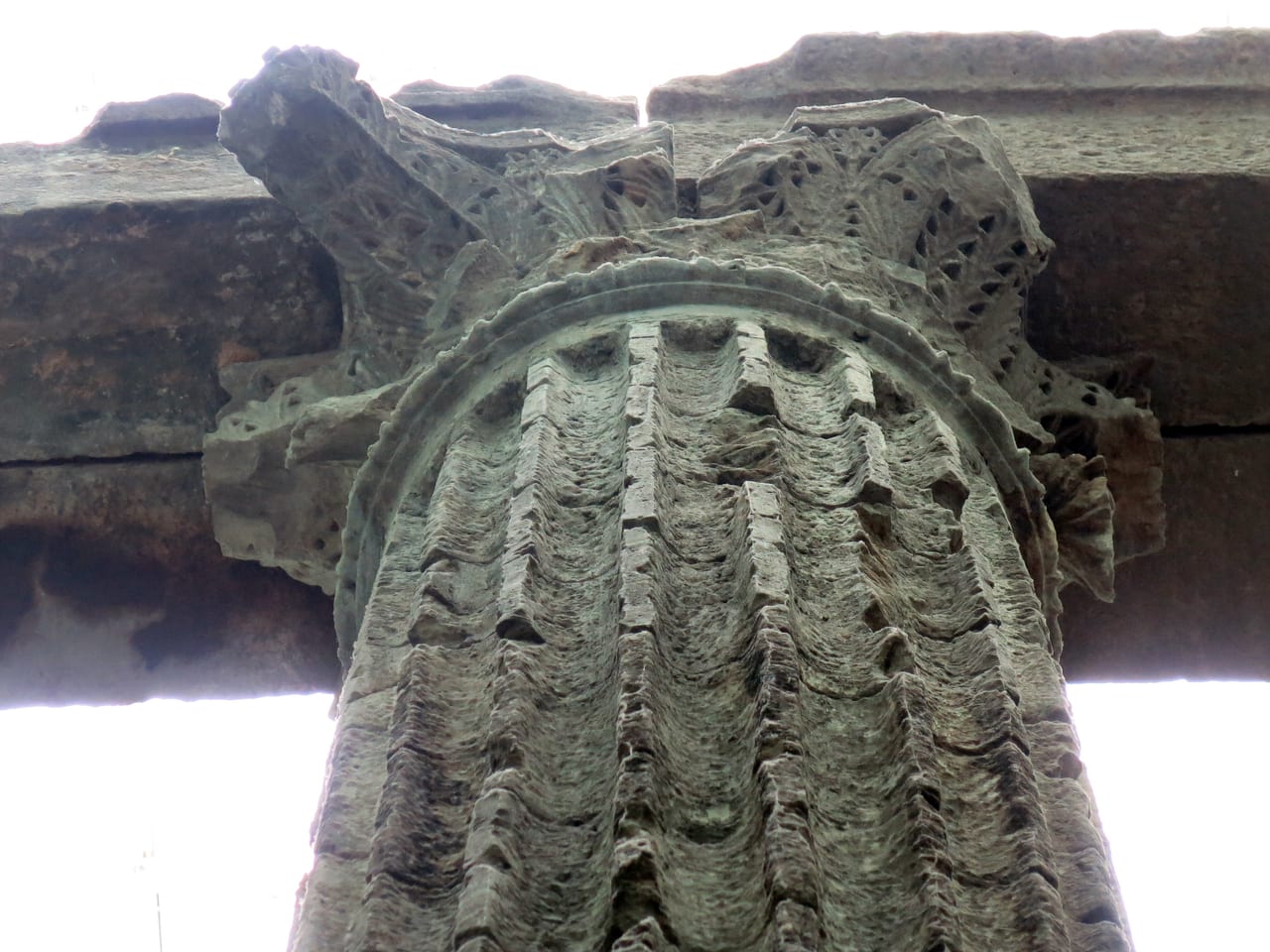
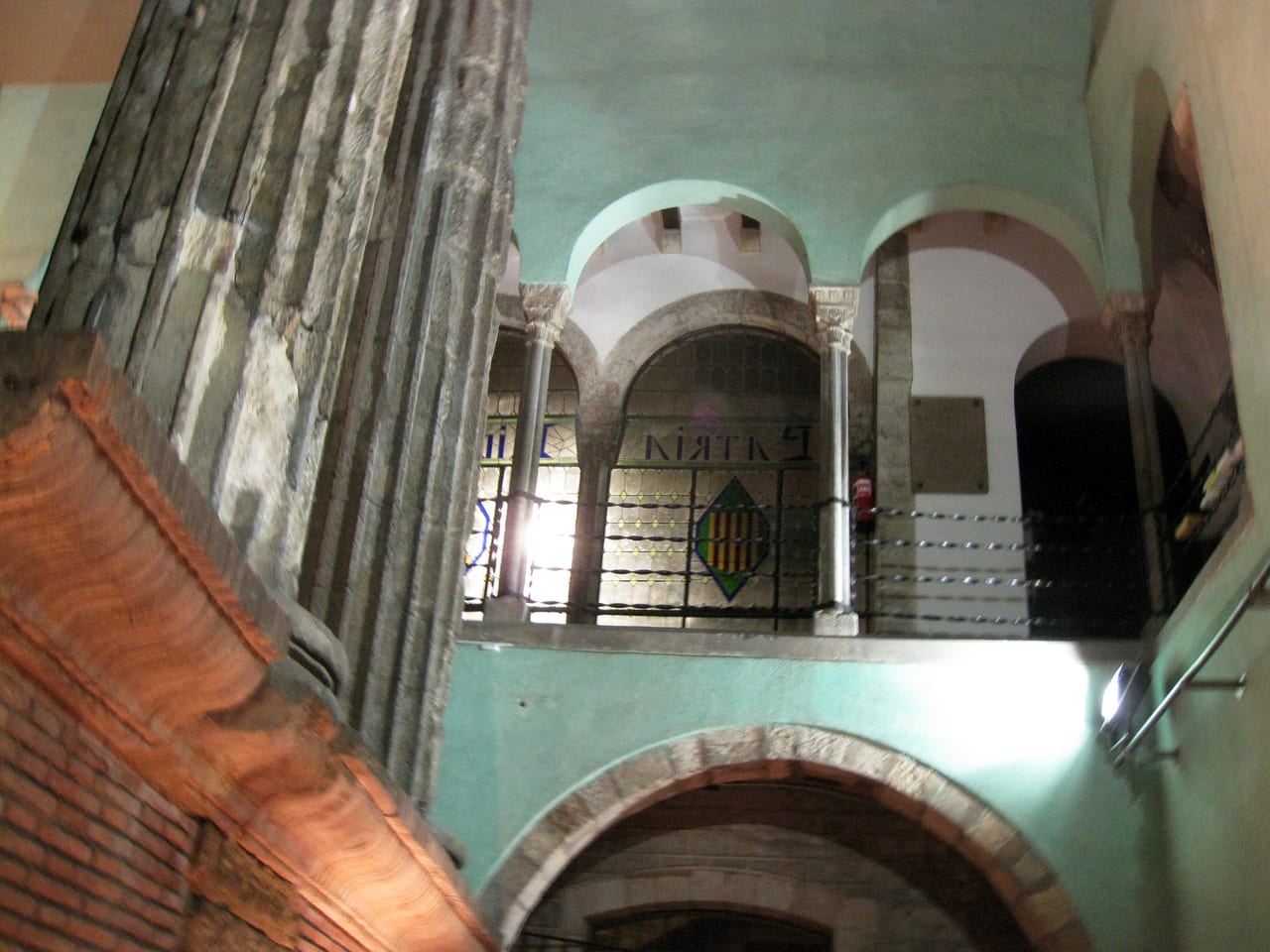
Find the remains at Carrer del Paradís 10. The surviving columns and their relationship to the podium convey the scale suggested by the temple’s reconstructed arrangement. The compact setting rewards attention to the stonework and to the contrast between the Roman remains and the surrounding Gothic Quarter streets. Museum interpretation can help place the structure within the former colony of Barcino.
Live availability and prices from Stay22's partners, refreshed periodically and subject to change. Booking through these links may earn us a commission at no extra cost to you. See our privacy policy.
More in Barcelona
Find great cafés, places to stay and other interesting places to visit in Barcelona.
