Theatre · Barcelona
Teatre Romea (Barcelona)
DirectionsIn 1897, the Romea became one of Barcelona’s first theatres to offer cinema screenings, showing Bousset’s “Heliocinografo” before film appearances remained occasional.
Photograph 1 of 7 of Teatre Romea (Barcelona)
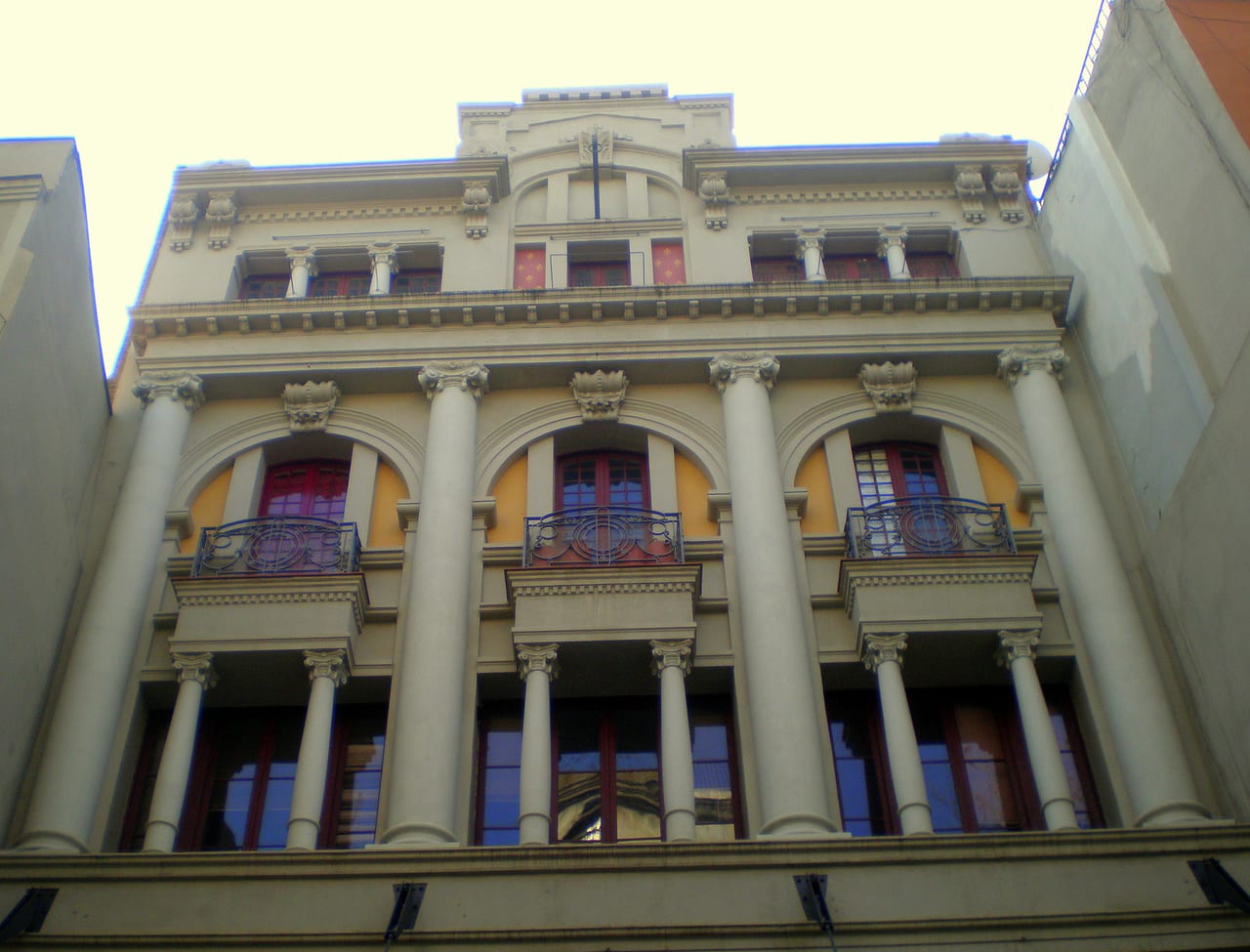
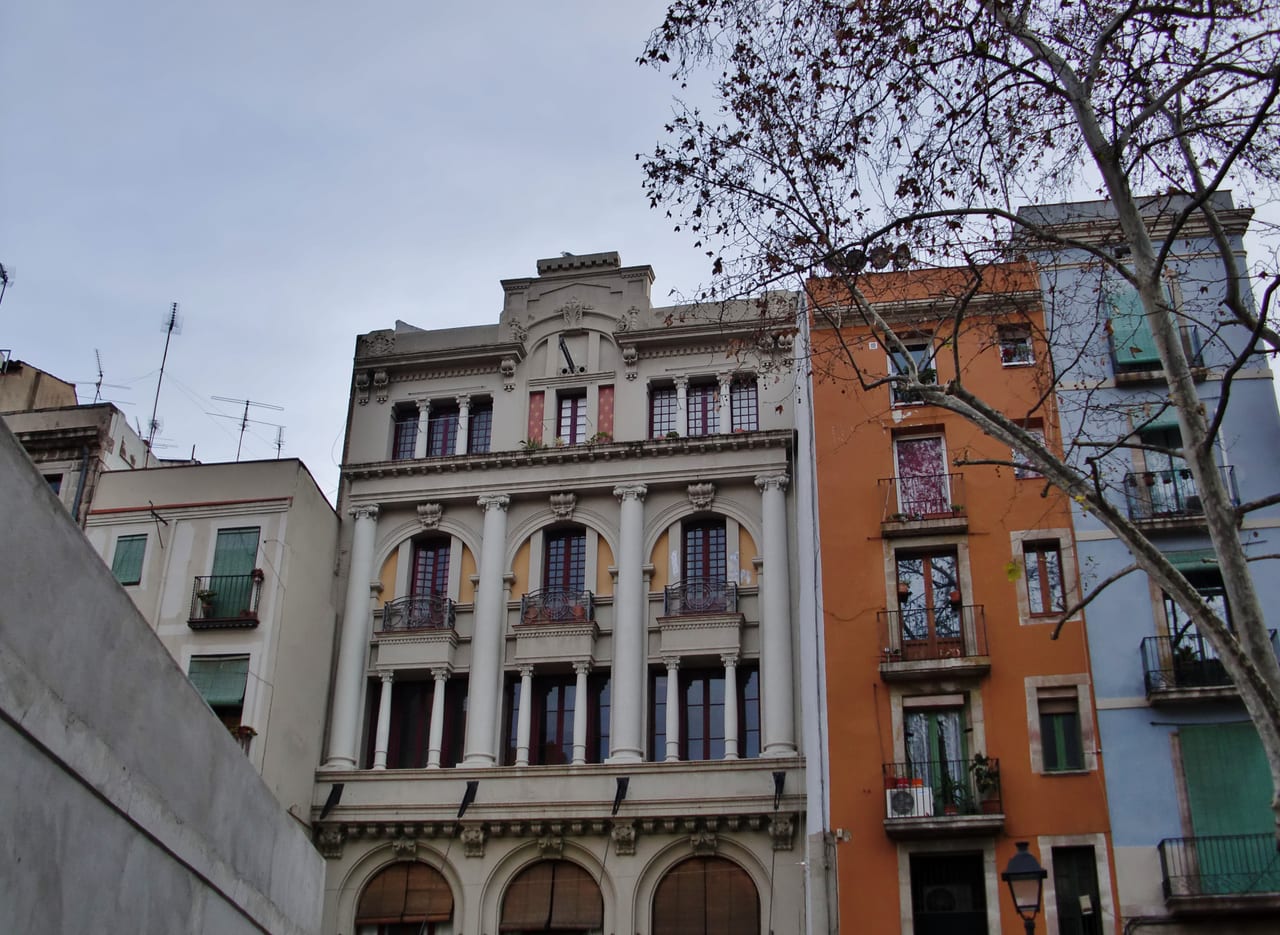
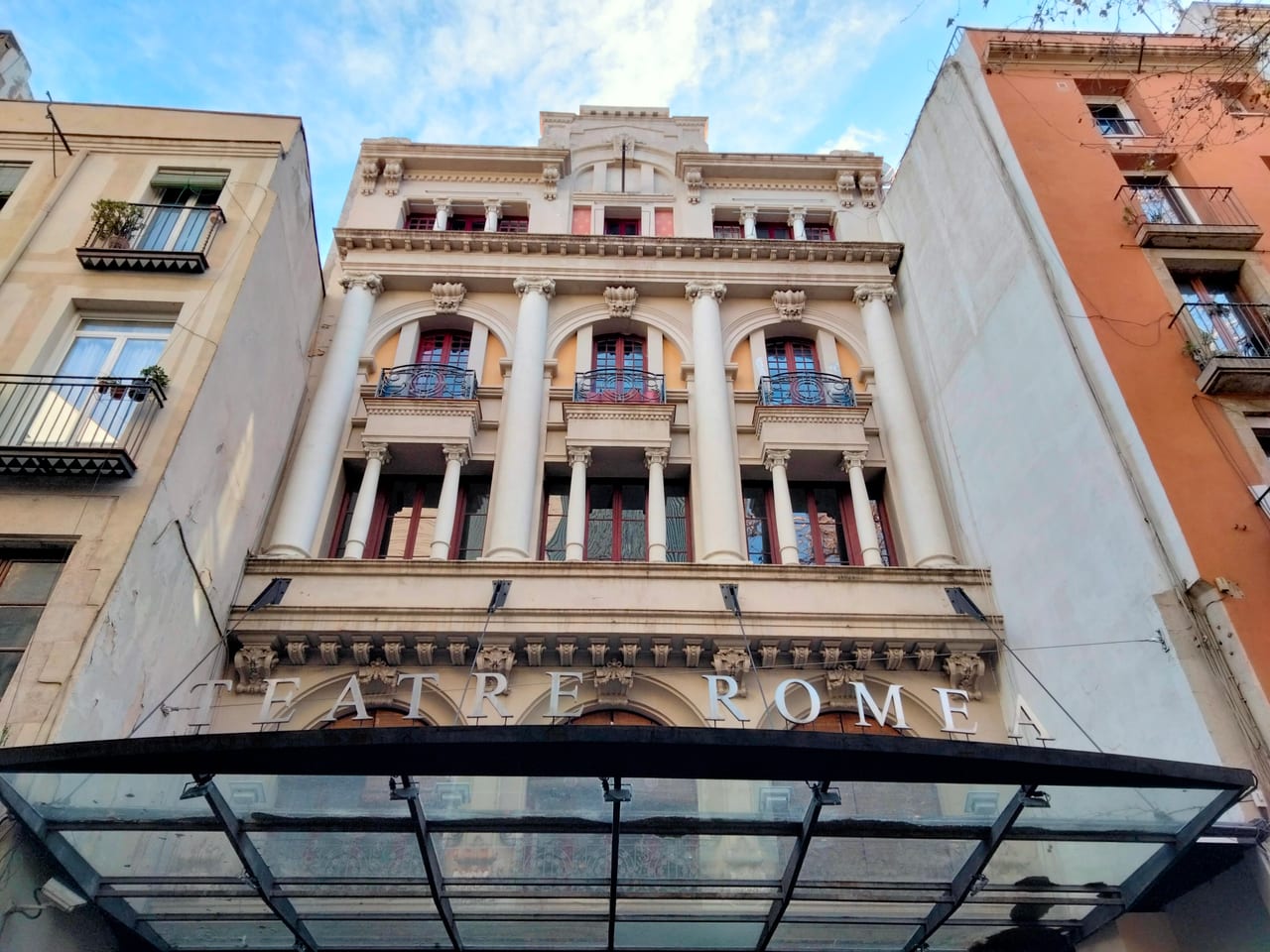
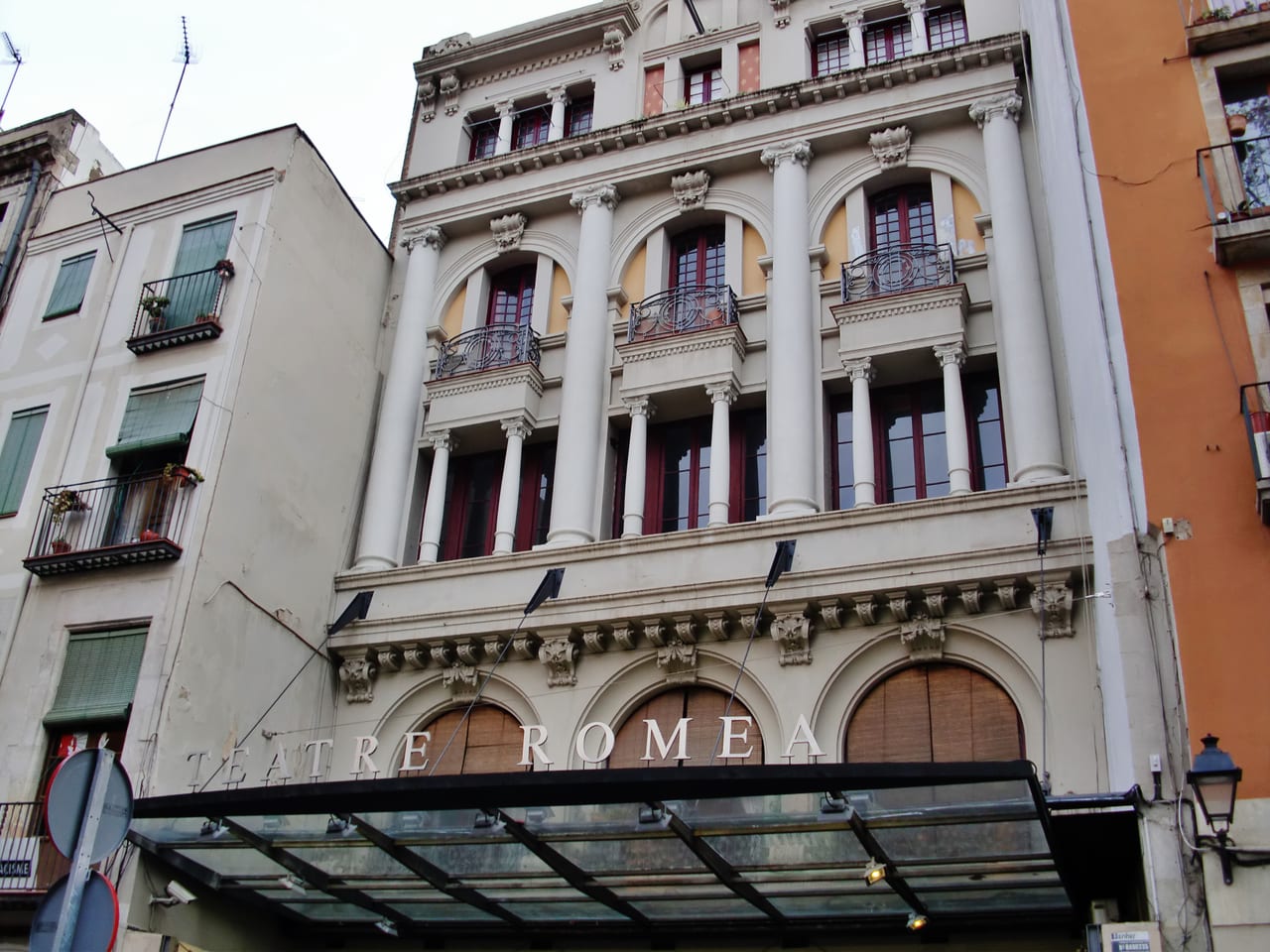
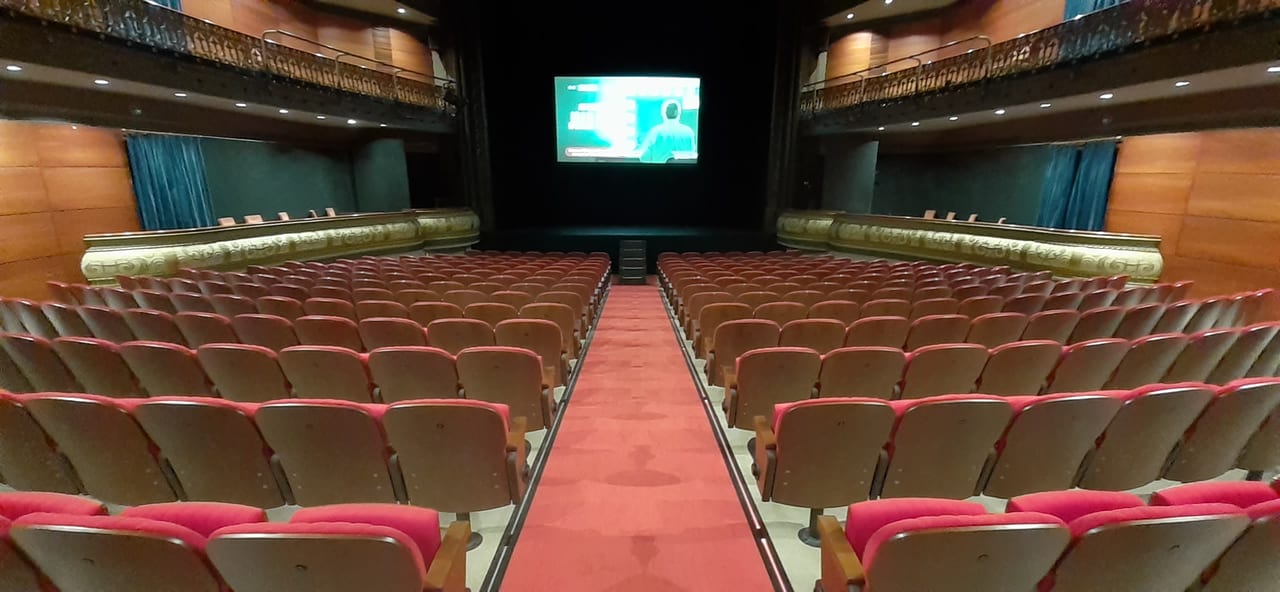
Opened on 18 November 1863, the theatre was named for the celebrated nineteenth-century actor Julián Romea Yanguas. Isaac Albéniz made his debut here in 1864, aged four, with a piano concert; from 1867, the name Teatre Català Romea signalled a programme largely devoted to theatre in Catalan. Frederic Soler—Serafí Pitarra—was co-owner and artistic director from 1870 to 1895, premiering most of his plays on this stage. The 1920s, under manager Josep Canals, brought premieres by Àngel Guimerà, Ignasi Iglésias, Santiago Rusiñol and Josep Maria de Sagarra, with performers including Margarida Xirgu and Enric Borràs. After wartime disruption, Catalan-language performances resumed in 1946; during the following years, Romea was Barcelona’s only theatre with a regularly Catalan programme. It narrowly escaped closure during the early-1960s crisis, then returned to the Catalan scene in 1963. Its eclectic, classicising façade is arranged in three horizontal sections and three vertical axes, with arcades, pilasters, balconies and a central pediment. The auditorium holds about 650 people across the stalls, side boxes and two surrounding tiers. Renovations followed in 1913, 1943, 1964 and 1992, the last directed by Joan Rodon. The theatre received the Creu de Sant Jordi in 2015.
At a glance
- Style
- eclectic architecture
- Heritage
- Cultural Asset of Local Interest
Ways to explore Teatre Romea (Barcelona)
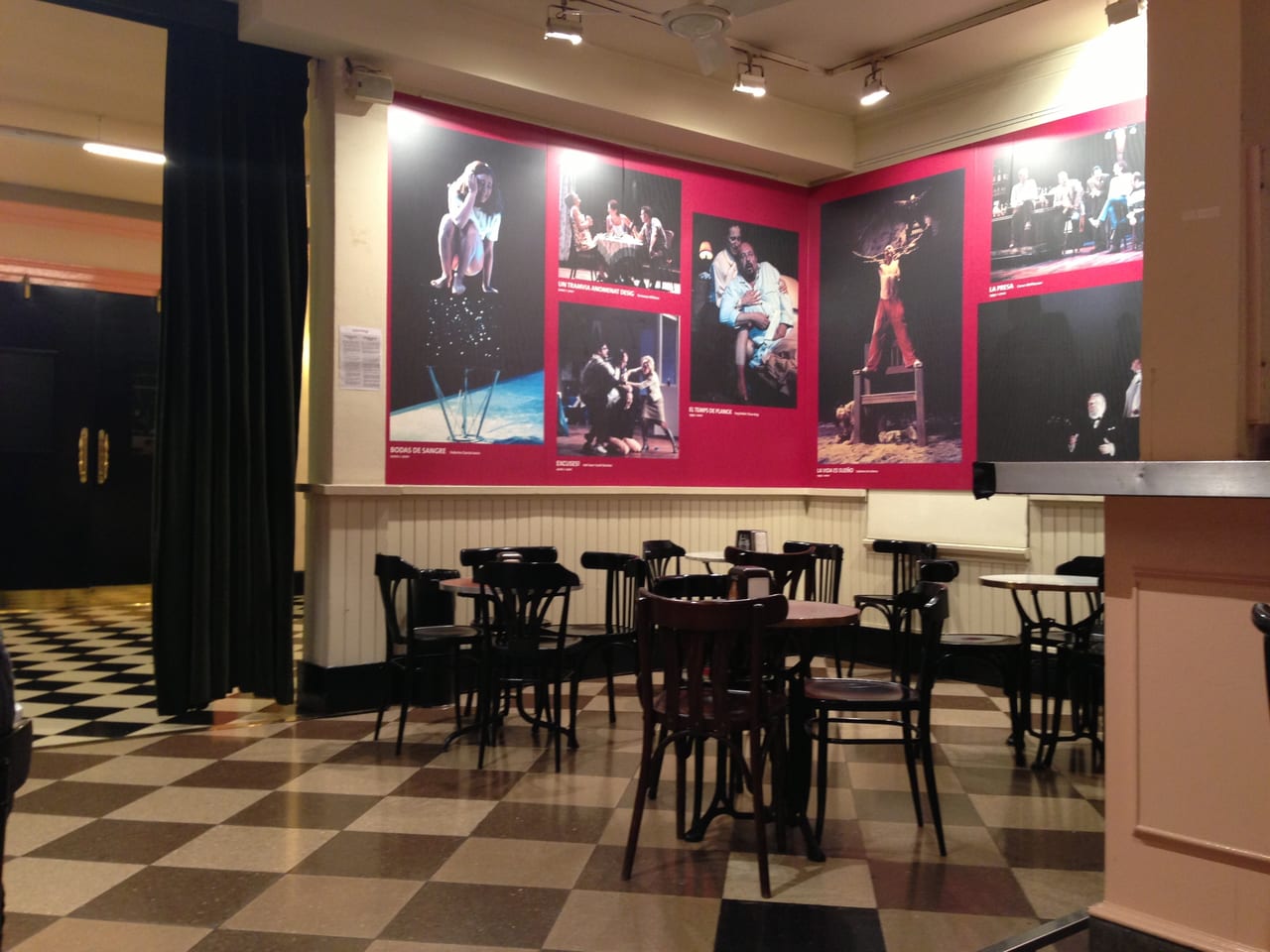
Pause before the entrance to read the façade from base to pediment: note the three arcades, nearly freestanding columns, iron balconies, S-shaped arch-key decorations and central gable. Inside, compare the stalls and side boxes with the two upper tiers encircling the auditorium. The lobby is the circulation point for the upper levels and includes a bar-café with direct access from the foyer. A performance gives the clearest sense of the room’s compact, layered arrangement.
Places to stay near Teatre Romea (Barcelona)

Live availability and prices from Stay22's partners, refreshed periodically and subject to change. Booking through these links may earn us a commission at no extra cost to you. See our privacy policy.
Cafés near Teatre Romea (Barcelona)
Cafés near Teatre Romea (Barcelona) loads as you scroll.
Attractions nearby
Attractions near Teatre Romea (Barcelona) loads as you scroll.
Cities nearby
Cities nearby loads as you scroll.
More in Barcelona
See more of Barcelona.
Find great cafés, places to stay and other interesting places to visit in Barcelona.