Church · Barcelona
Sant Pau del Camp
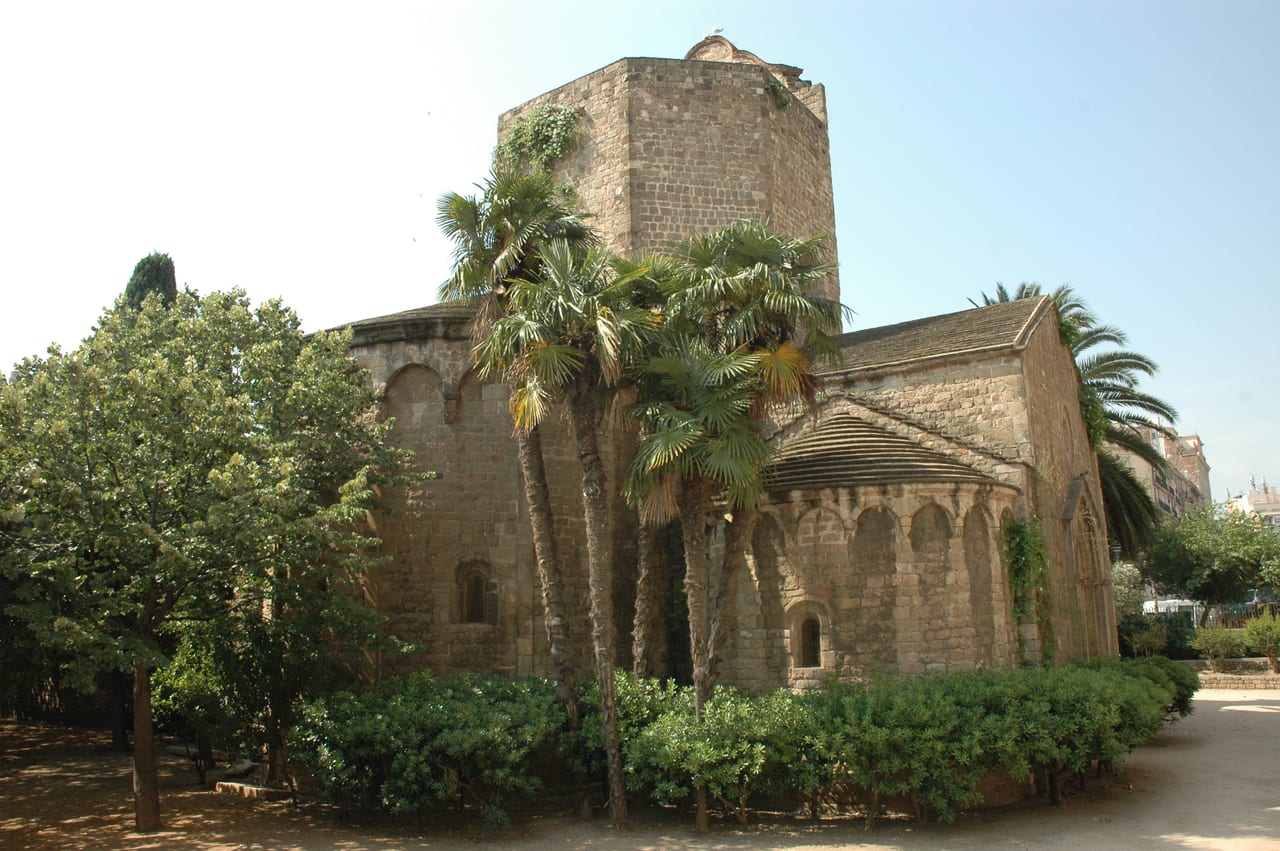
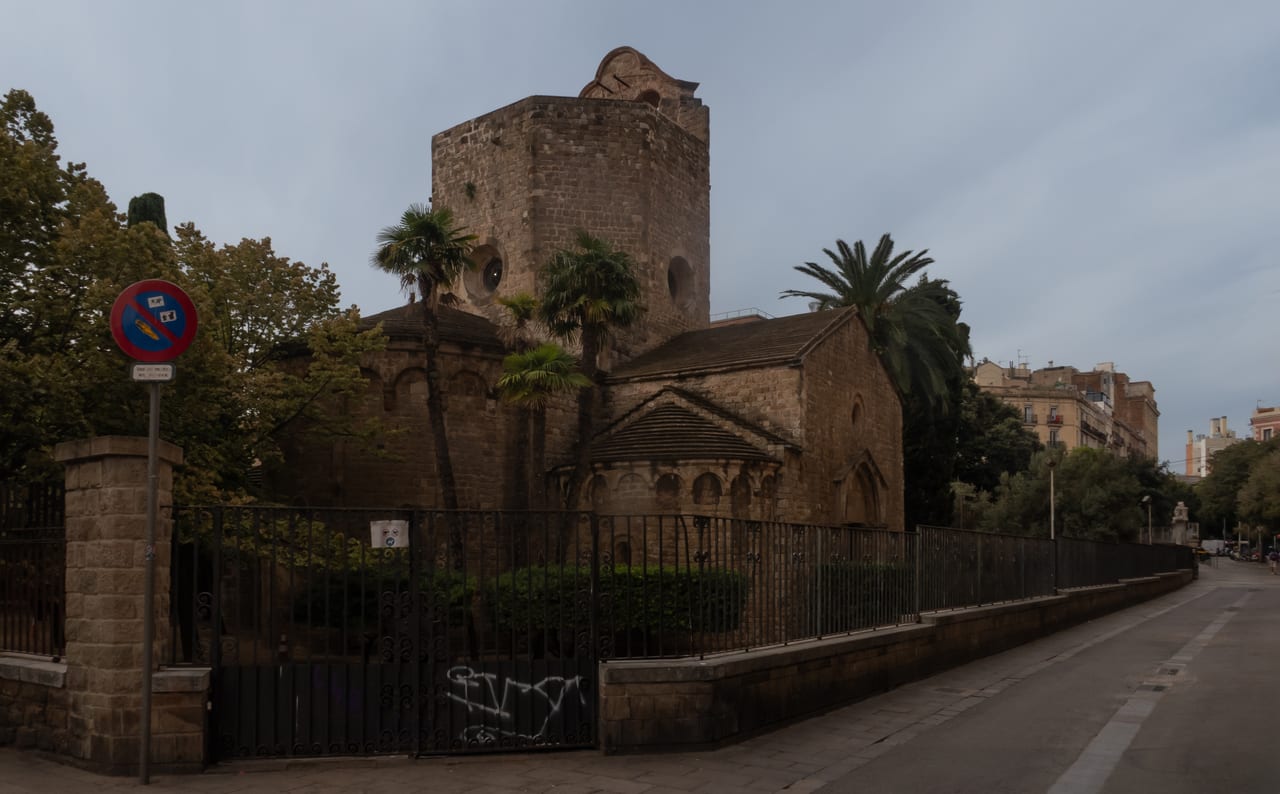
DirectionsIts name preserves a vanished rural setting: the monastery once stood outside the city, before later urban growth placed it within El Raval.
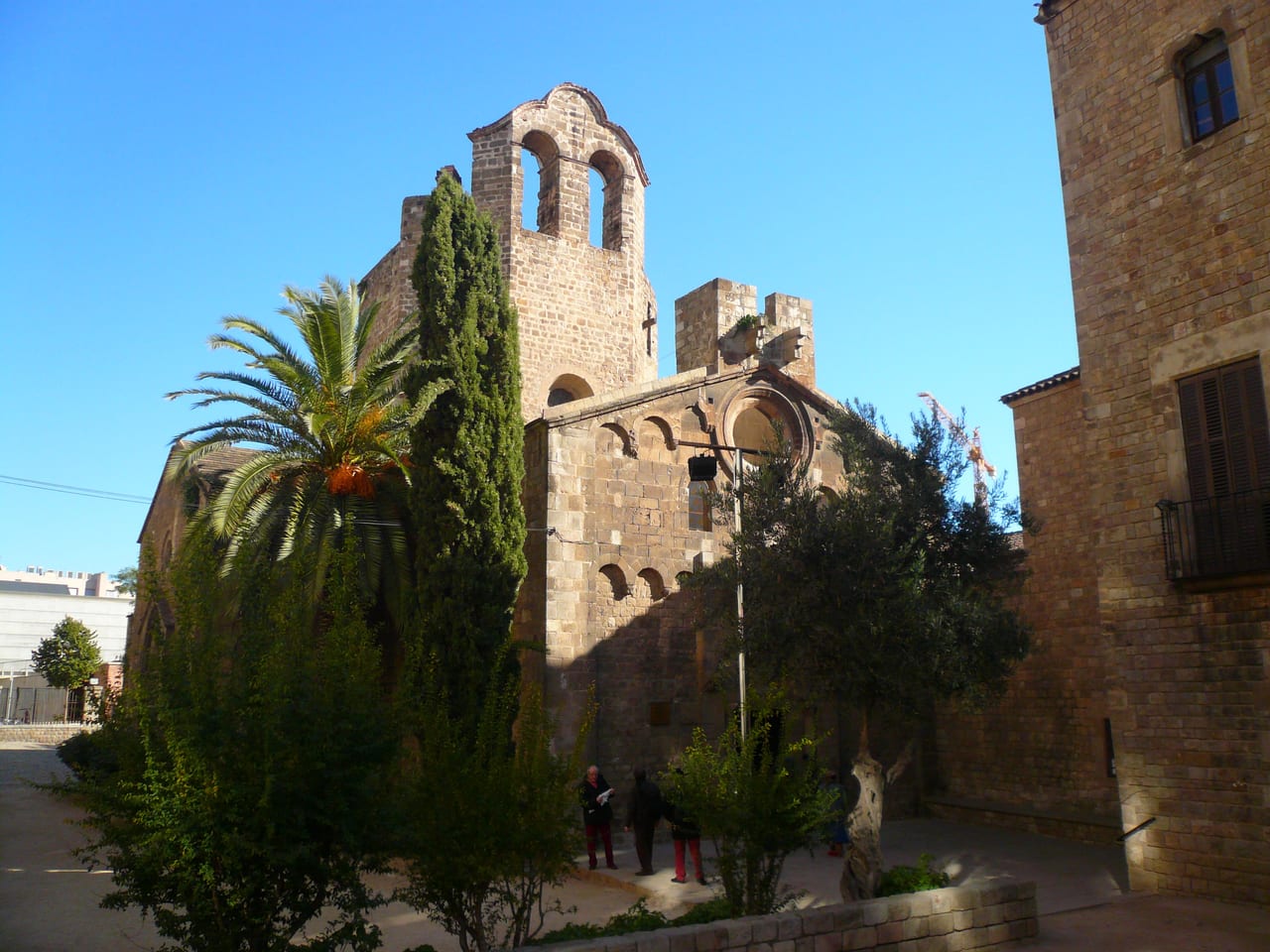
Photograph 1 of 16 of Sant Pau del Camp
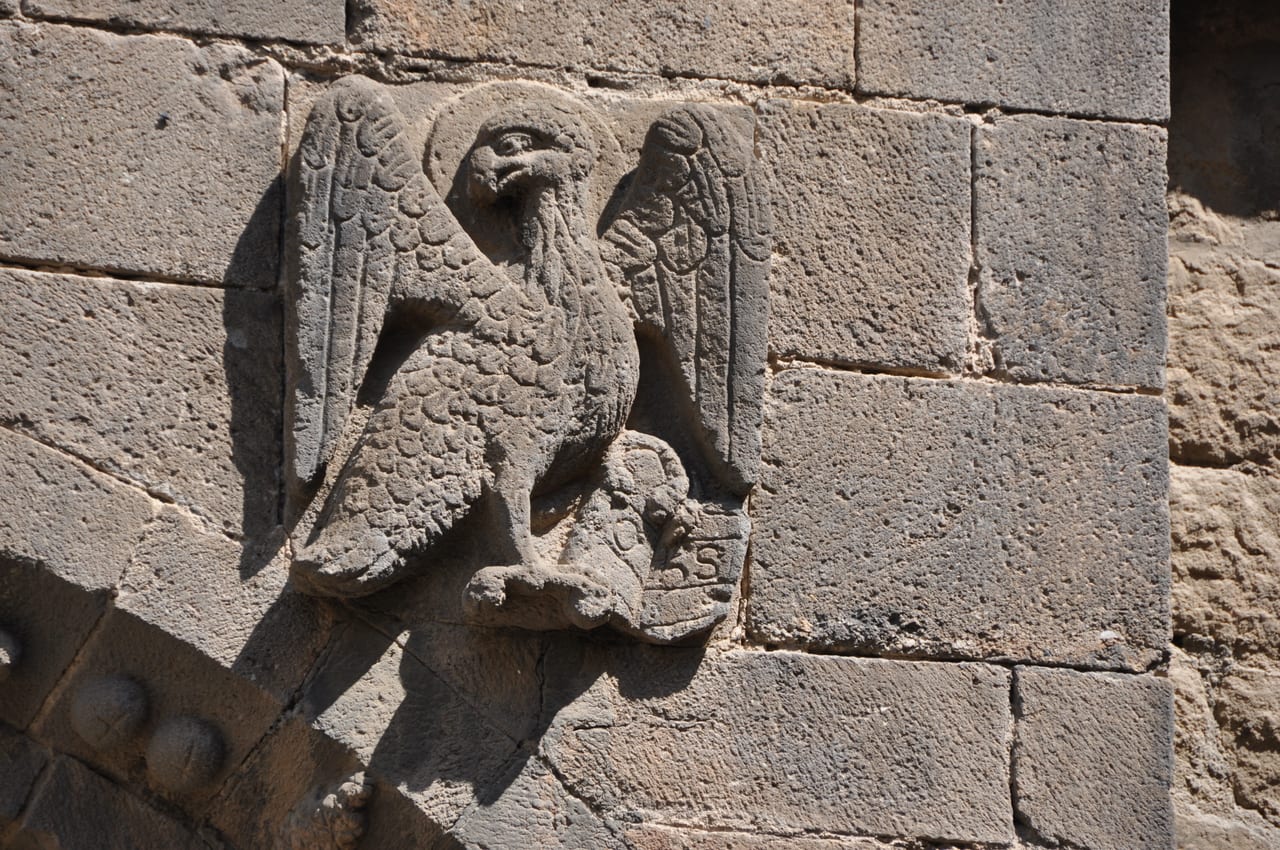
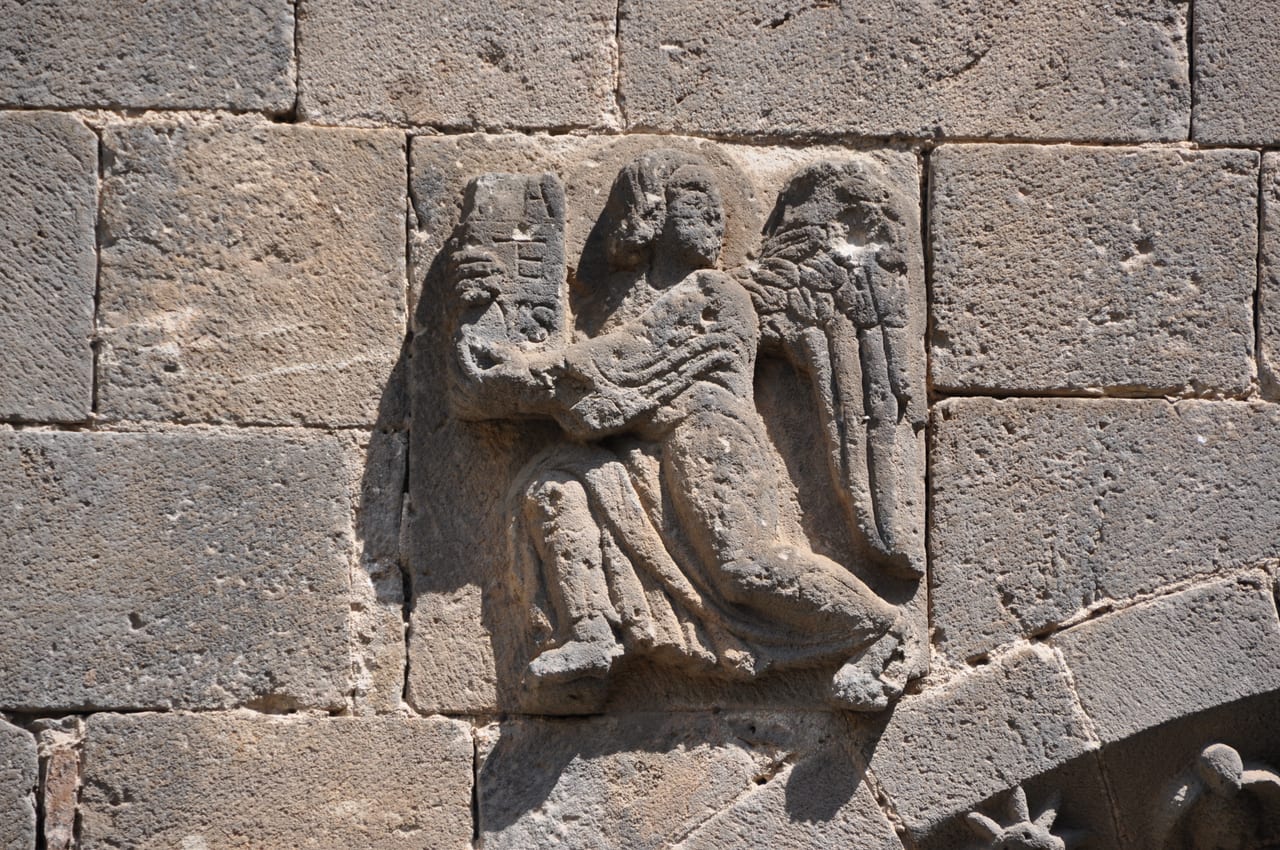
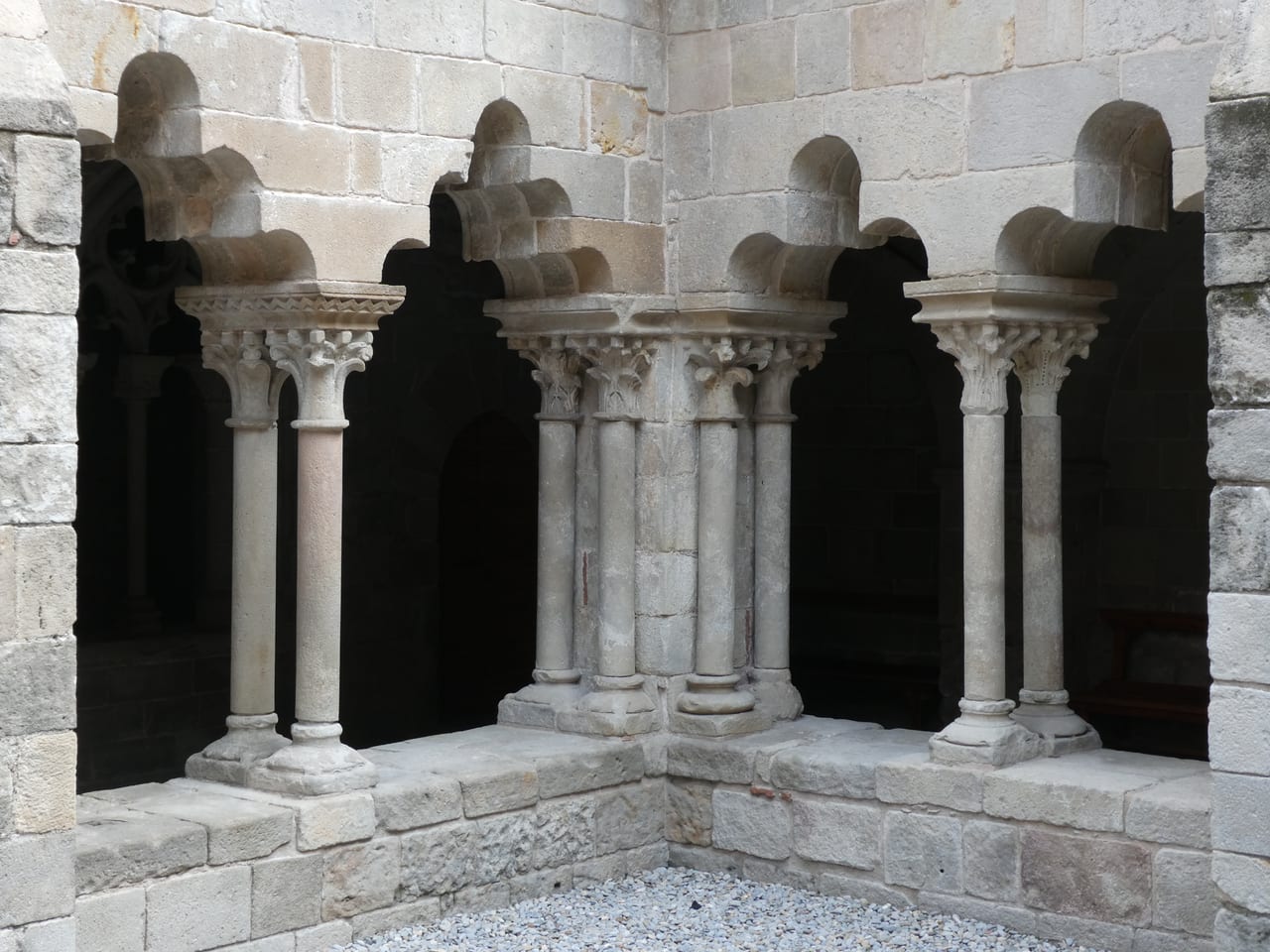
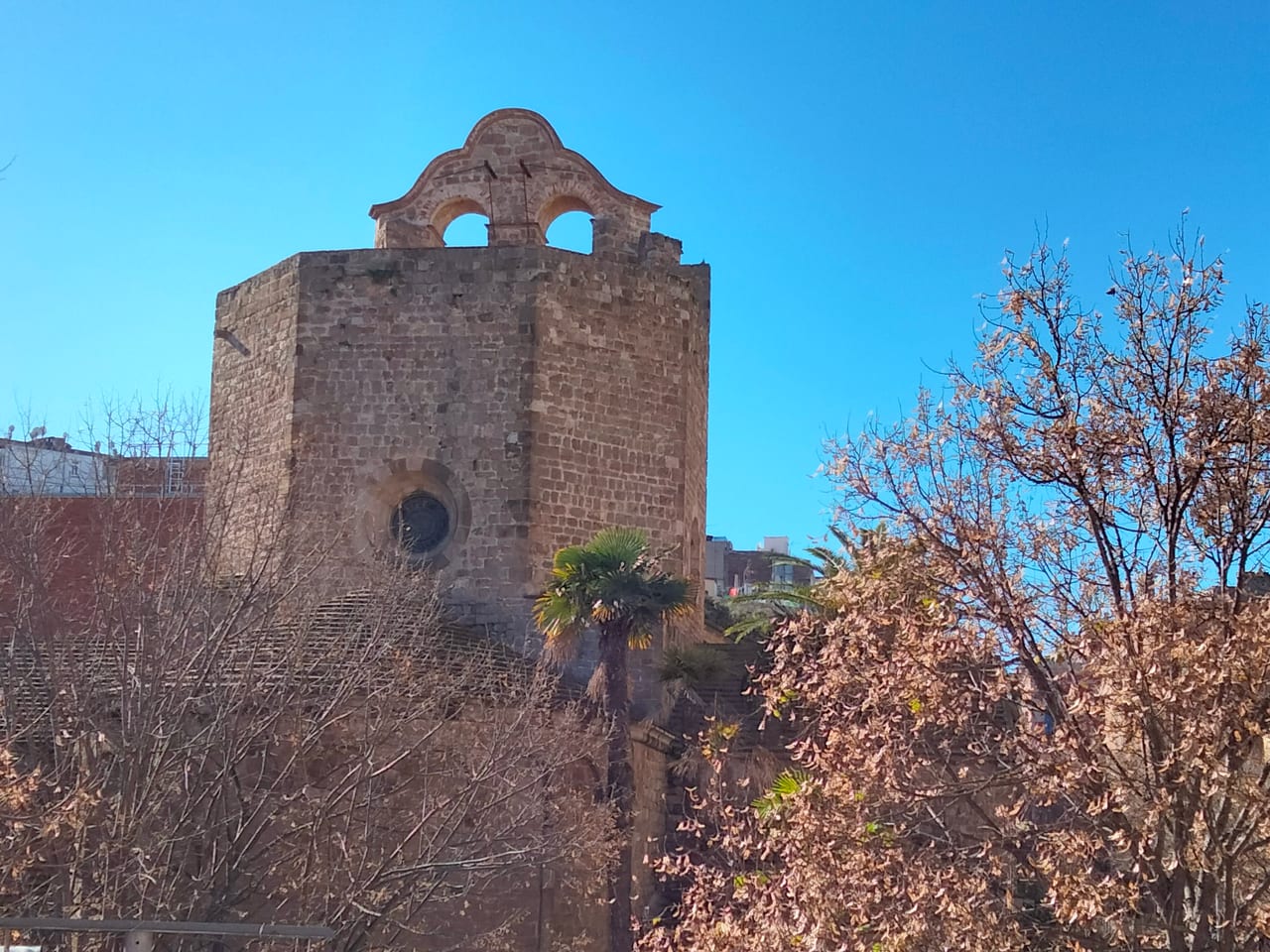
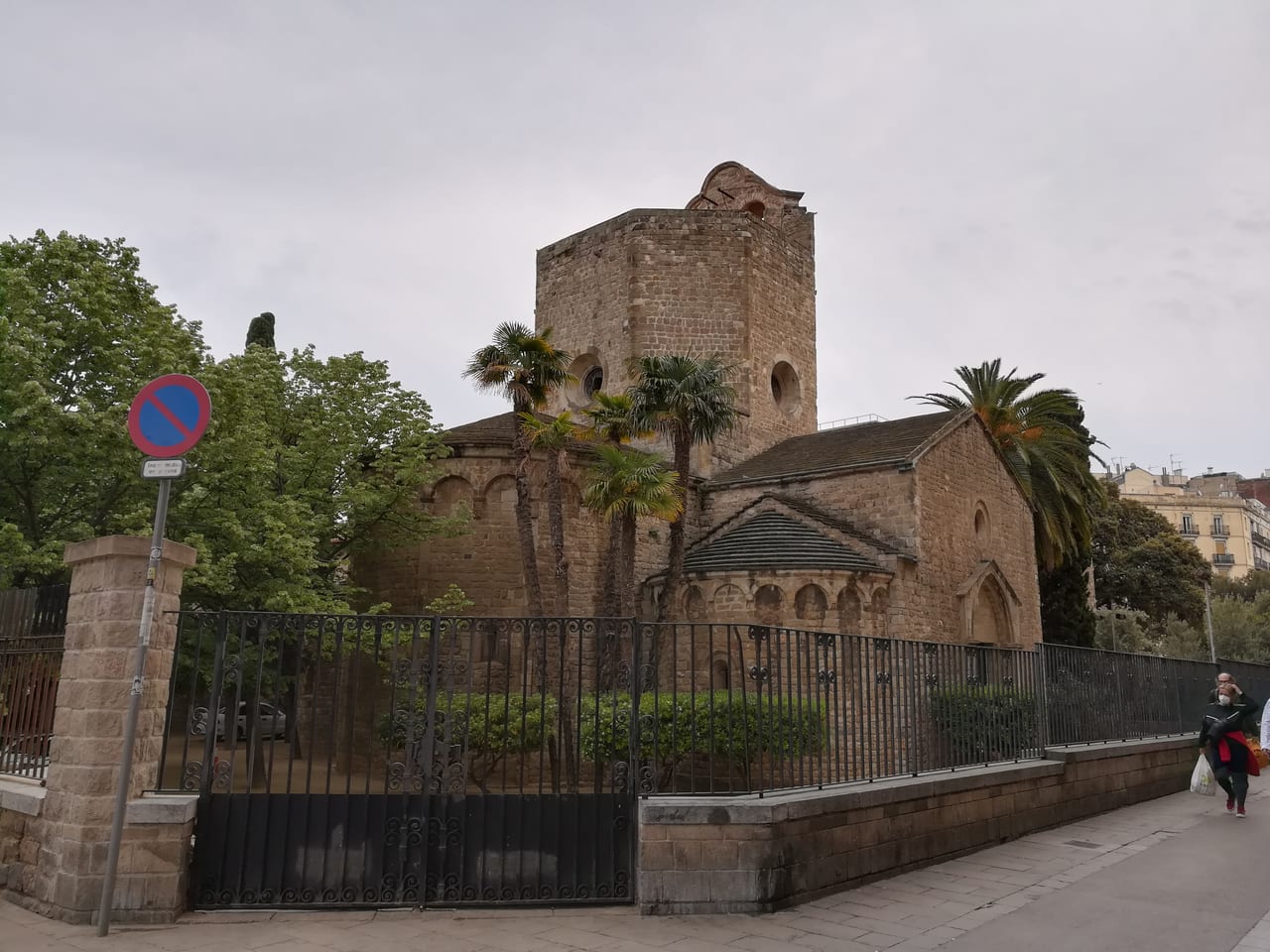
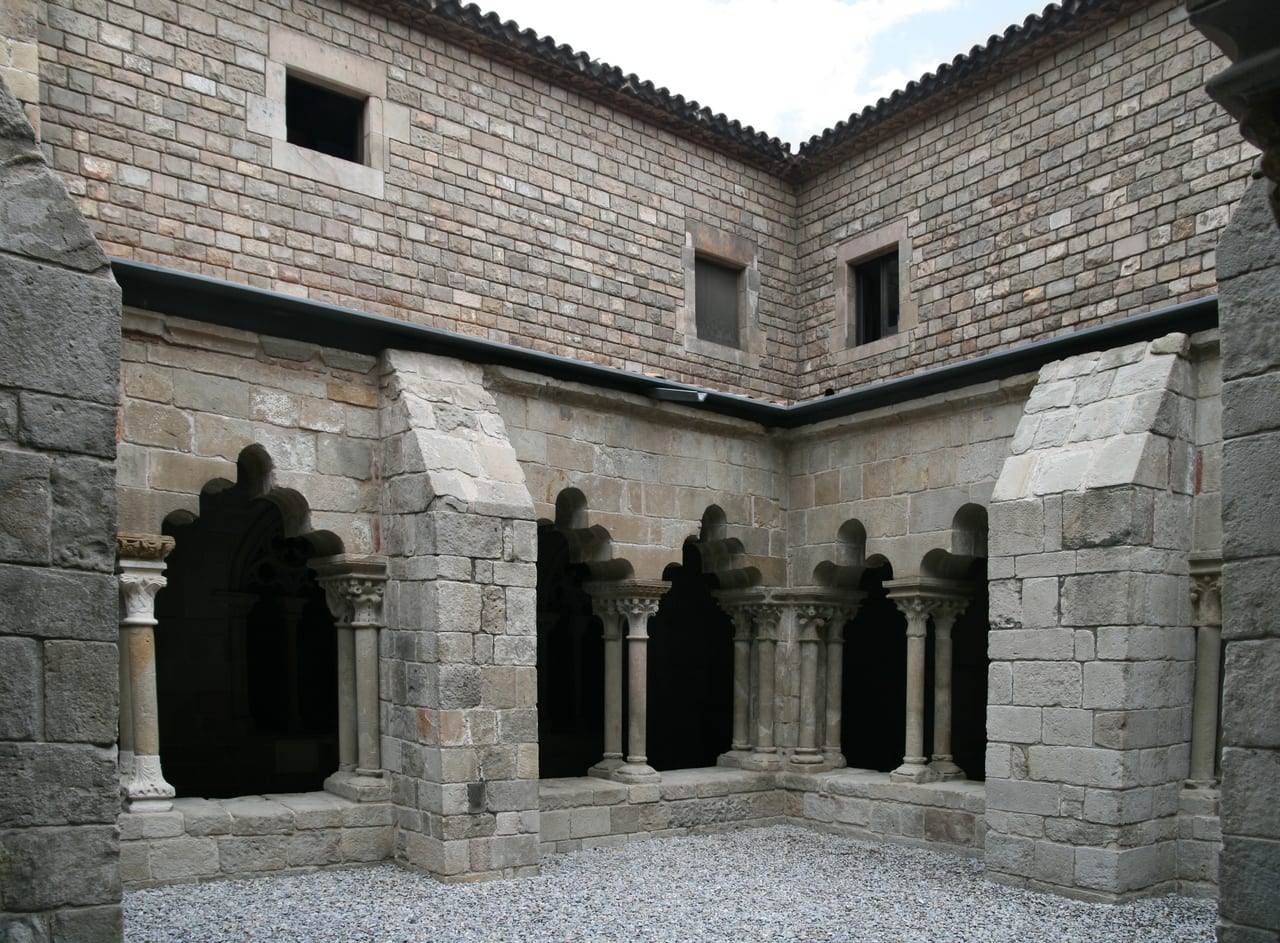
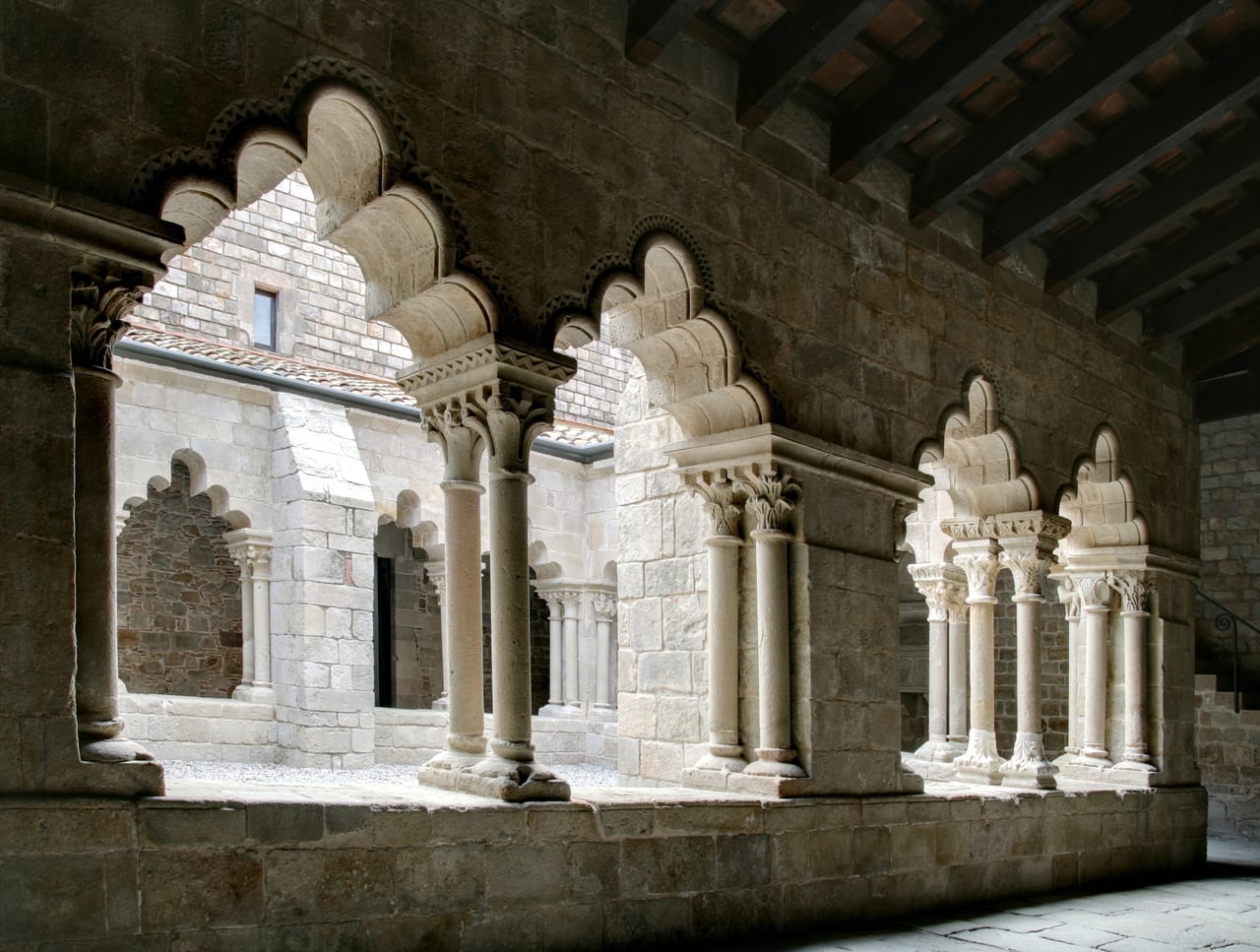
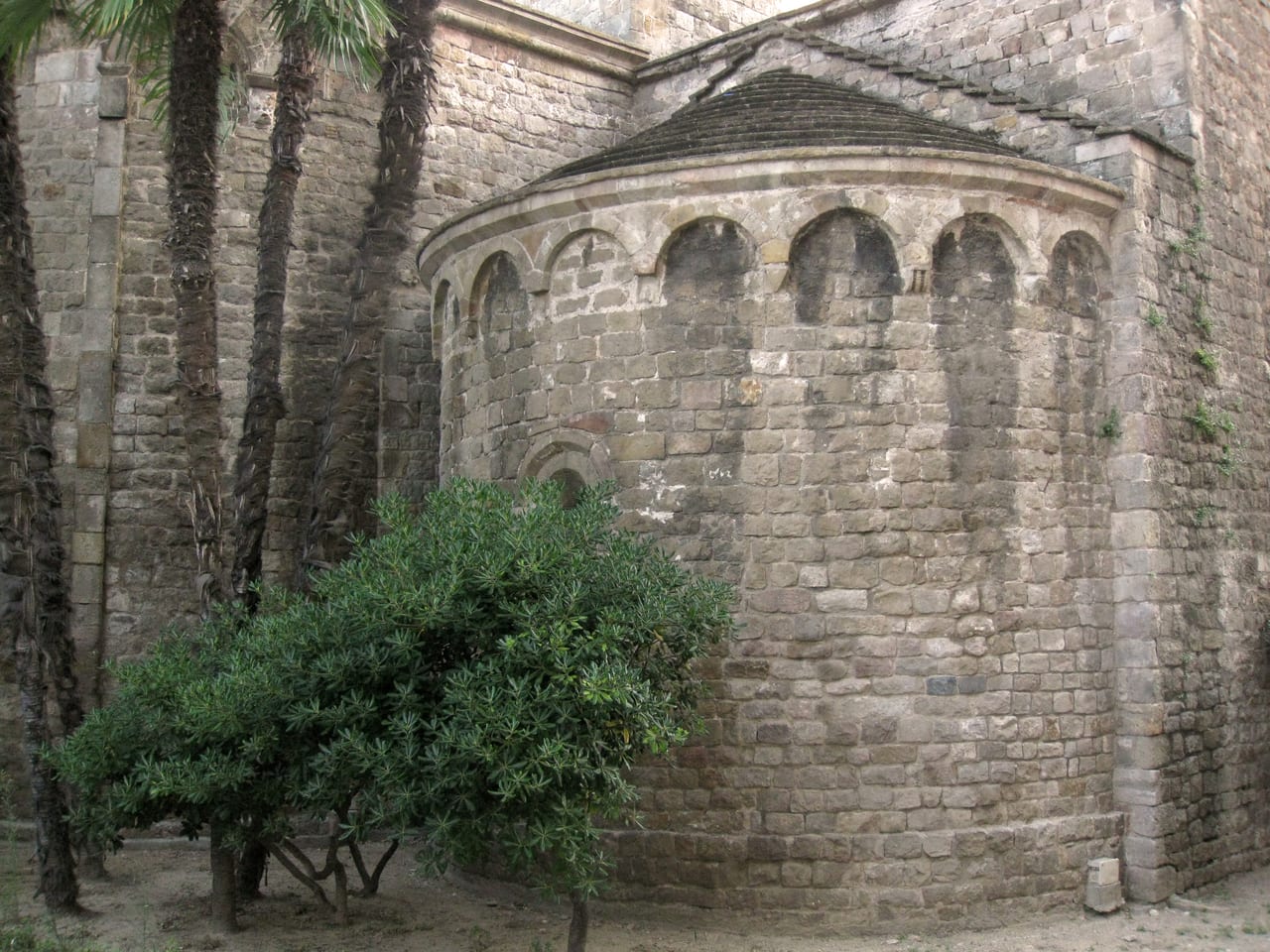
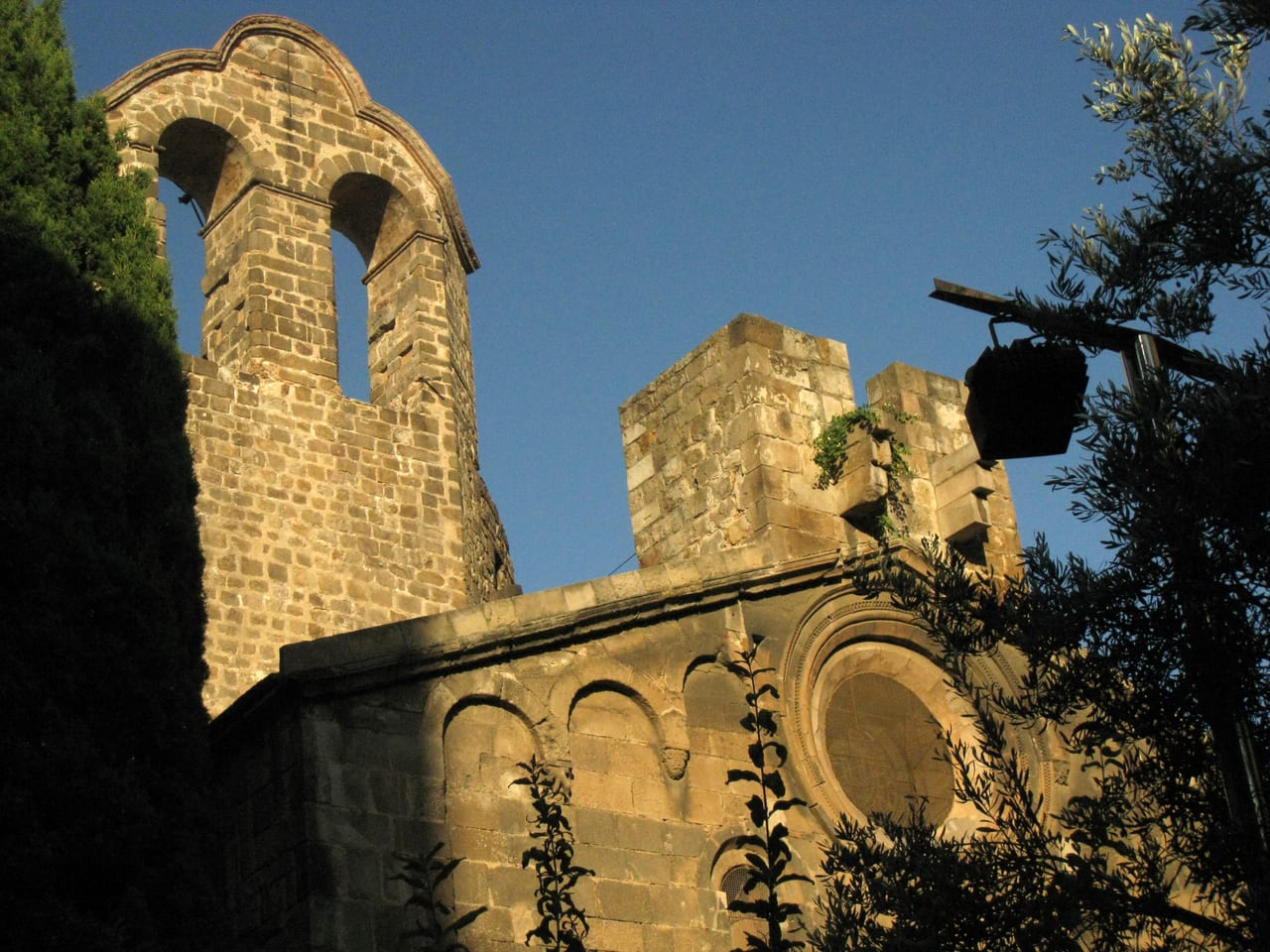
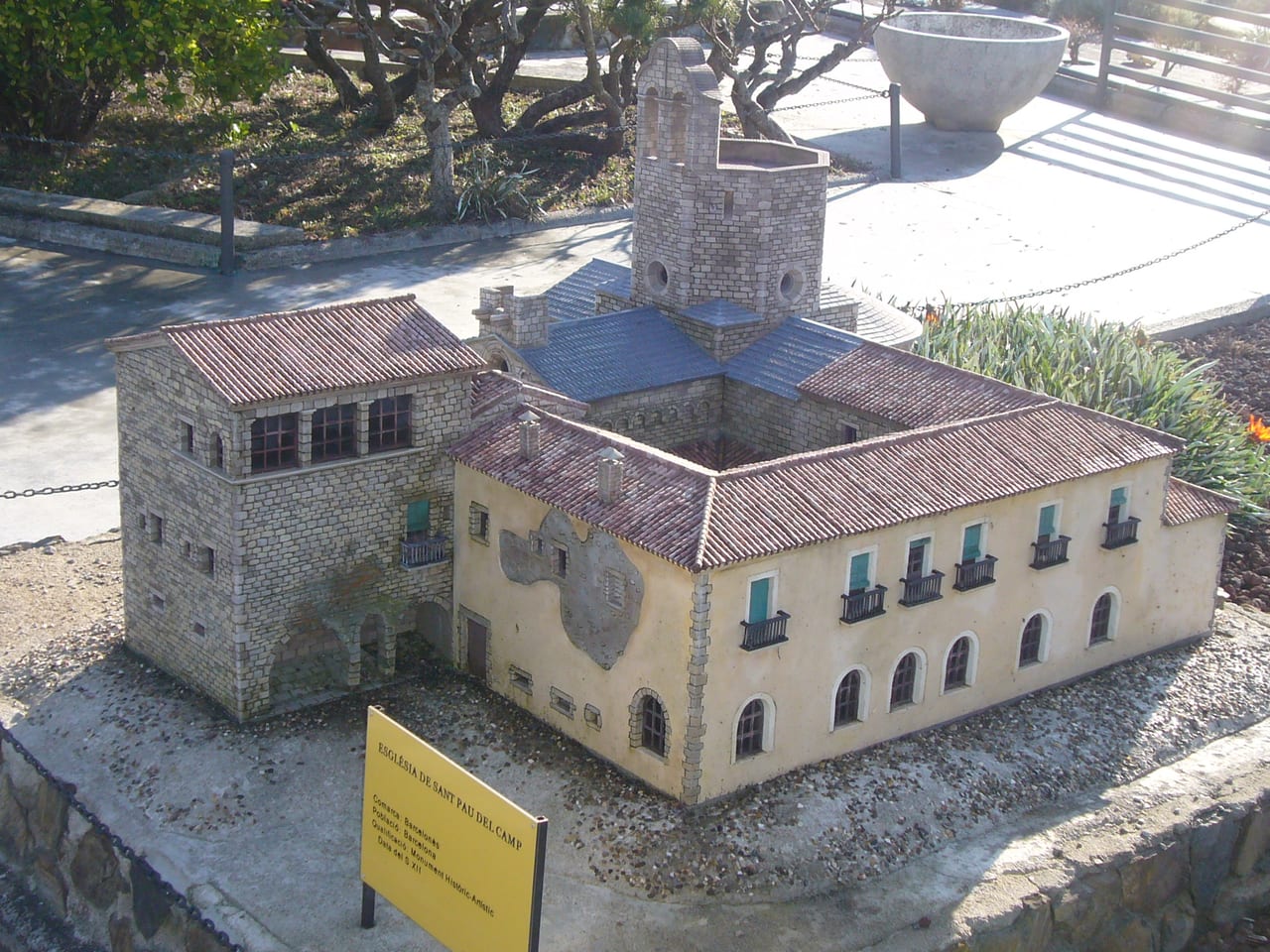
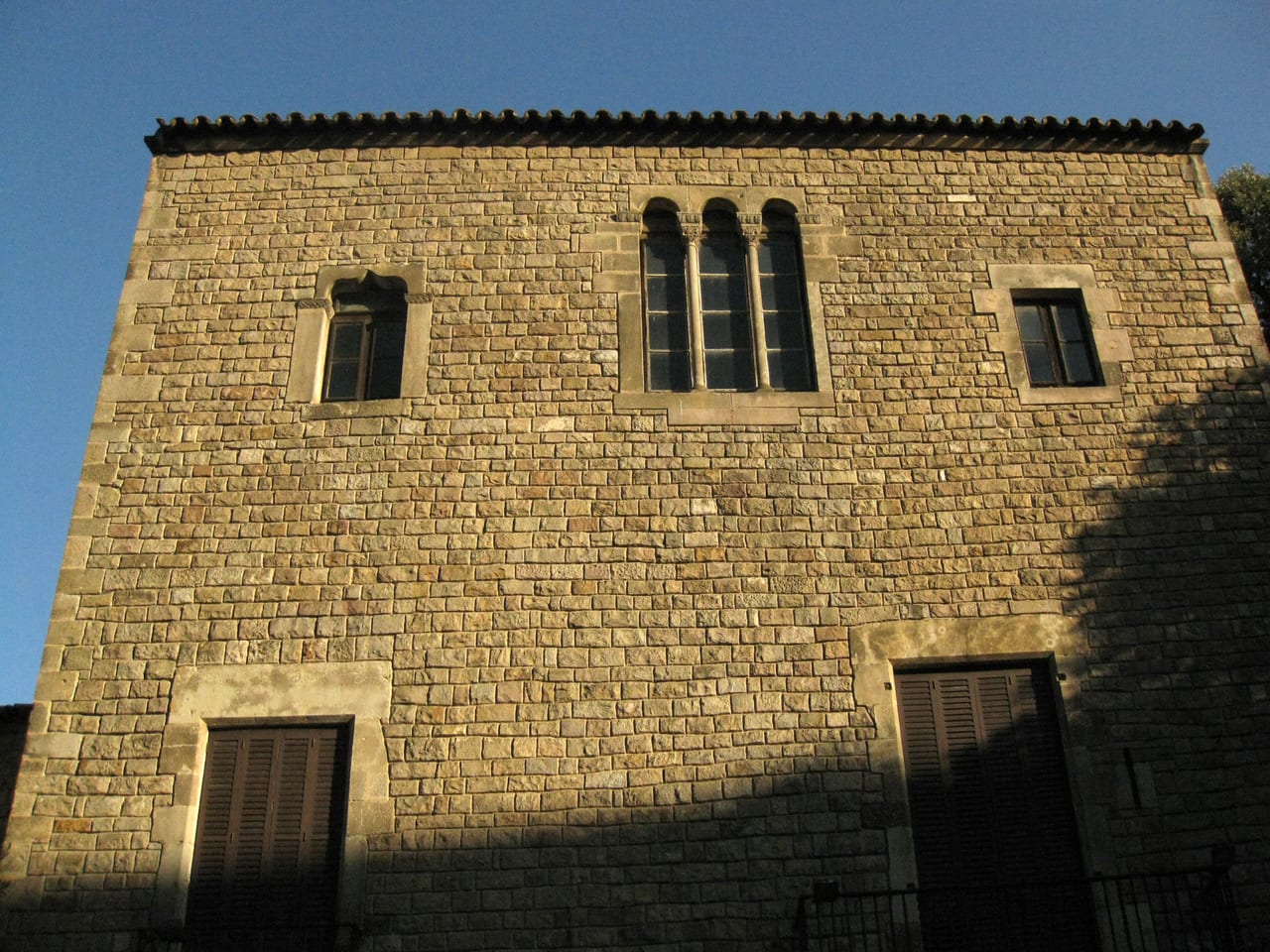
The monastery’s origins are undocumented, though tradition attributes its foundation to Count Wilfred II of Barcelona; his funerary inscription was discovered there in 1596. In 1117, the house became a priory of Sant Cugat. A new church, cloister and monastic quarters were built during the 13th century. The community numbered a prior and eight monks in 1377, falling to three in the 15th century. Monastic meetings began here in 1577 and continued from 1594 until 1835, when secularization removed the monks. The site was declared a National Monument in 1879. The Romanesque church follows a Greek-cross plan with a single aisle, a transept and three apses, all covered inside by barrel vaults. The 13th-century cloister has lobular arcades on paired columns, while the abbots’ house developed between the 13th and 14th centuries and again in the early 18th. The 14th-century chapter house contains Wilfred II’s tomb.
At a glance
- Built
- 1000
- Style
- Romanesque architecture
- Heritage
- bien de interés cultural
Ways to explore Sant Pau del Camp
In the cloister, linger over the paired columns and the capitals’ varied carvings—biblical episodes, animals, monsters, scenes of everyday life and vegetal forms. The chapter house provides a quieter stop, with the tomb traditionally associated with Wilfred II. Inside the church, note the single aisle, transept, three apses and barrel vaults.
Places to stay near Sant Pau del Camp

Live availability and prices from Stay22's partners, refreshed periodically and subject to change. Booking through these links may earn us a commission at no extra cost to you. See our privacy policy.
Cafés near Sant Pau del Camp
Cafés near Sant Pau del Camp loads as you scroll.
Attractions nearby
Attractions near Sant Pau del Camp loads as you scroll.
Cities nearby
Cities nearby loads as you scroll.
More in Barcelona
See more of Barcelona.
Find great cafés, places to stay and other interesting places to visit in Barcelona.