Castle & palace · Barcelona
Roman walls of Barcelona
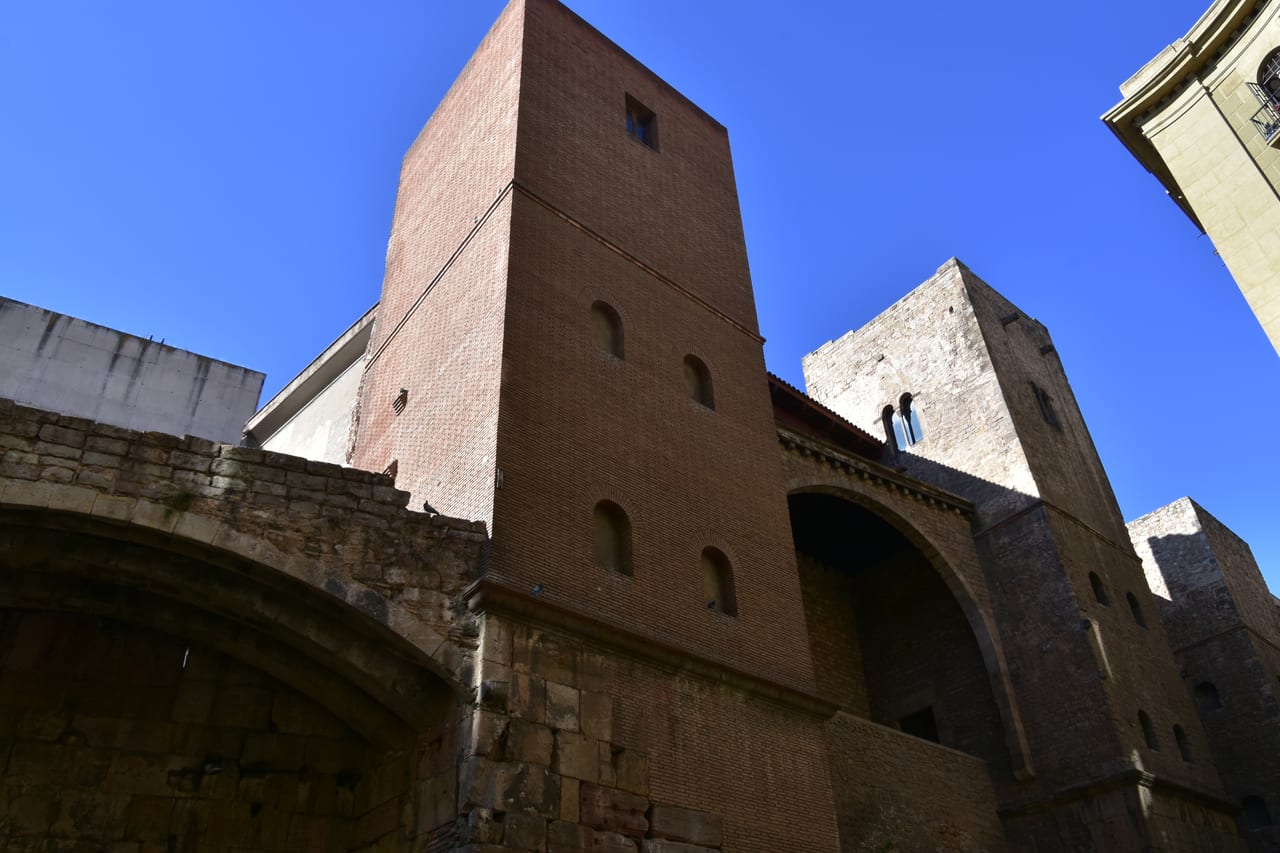
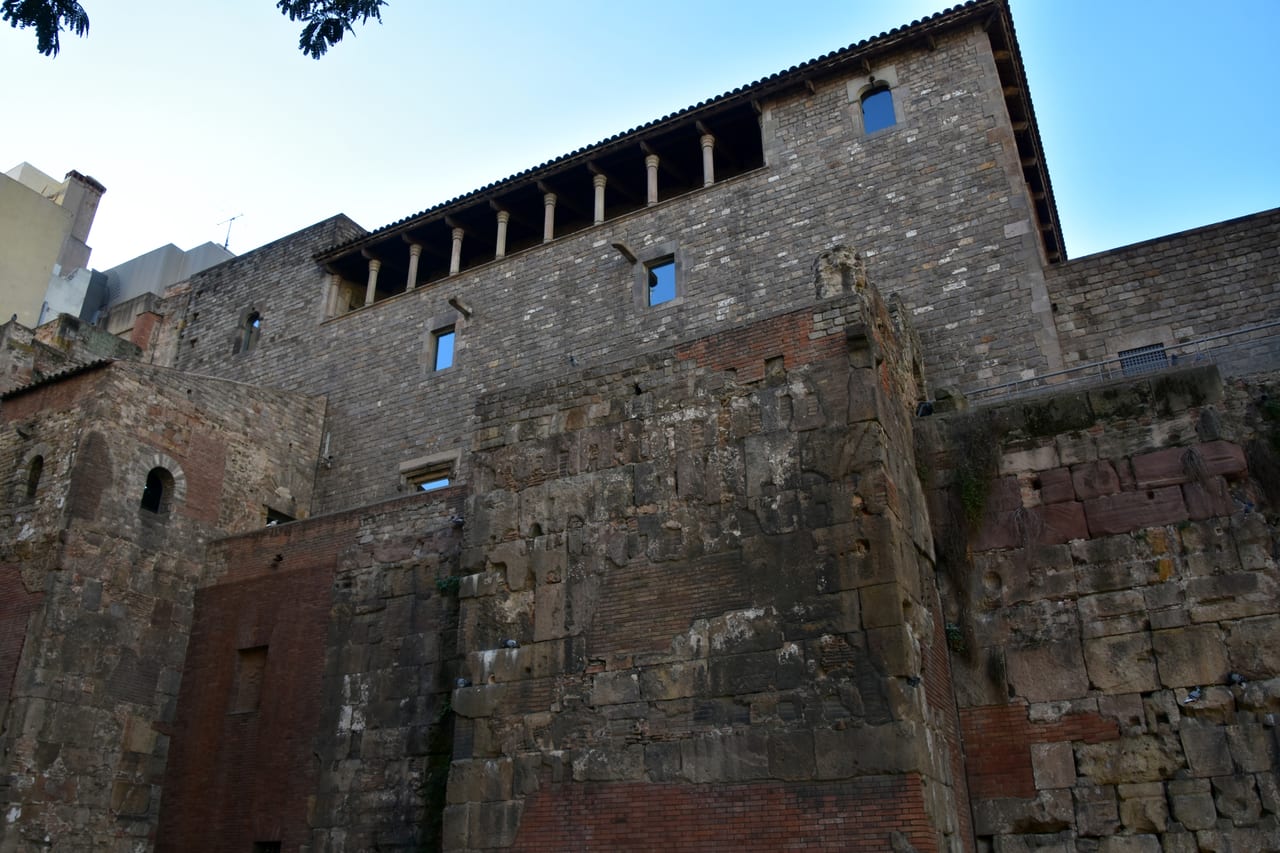
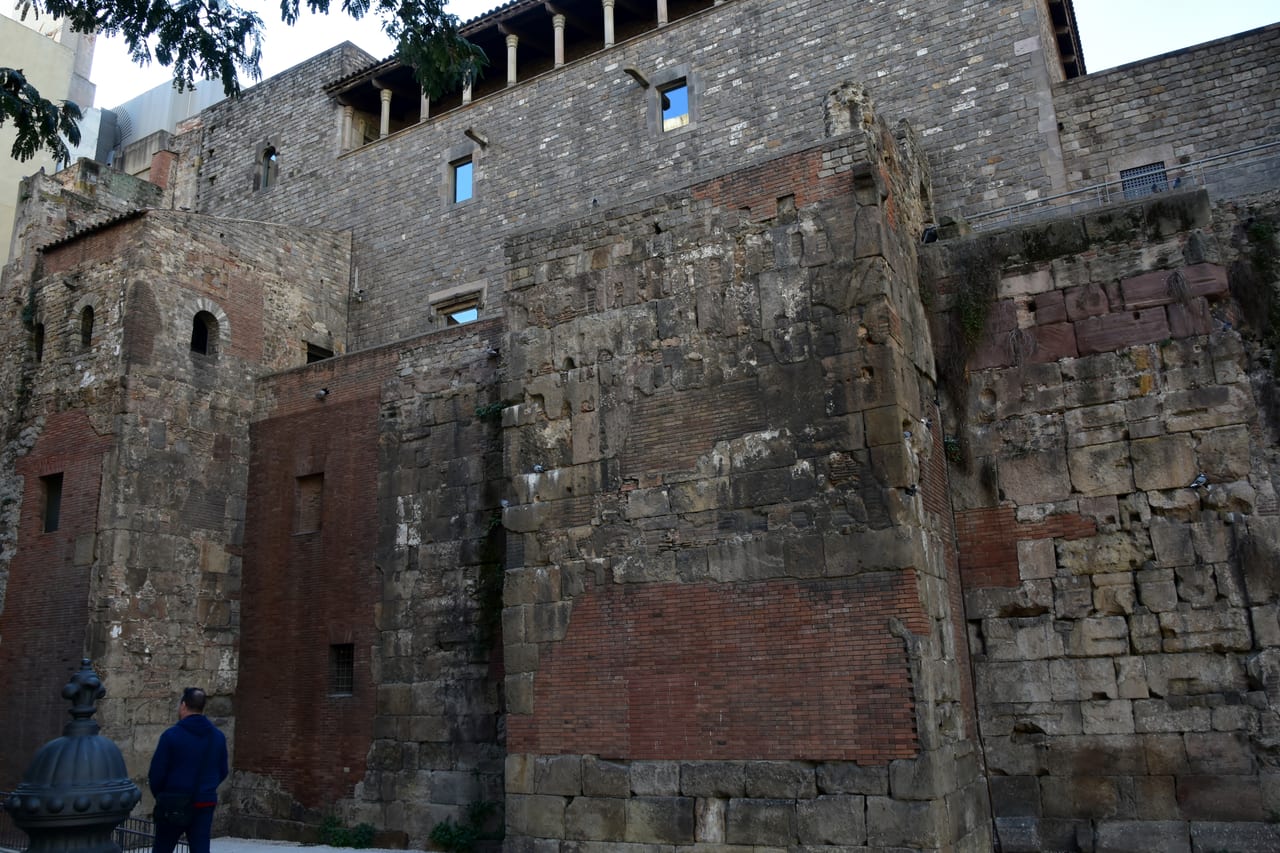
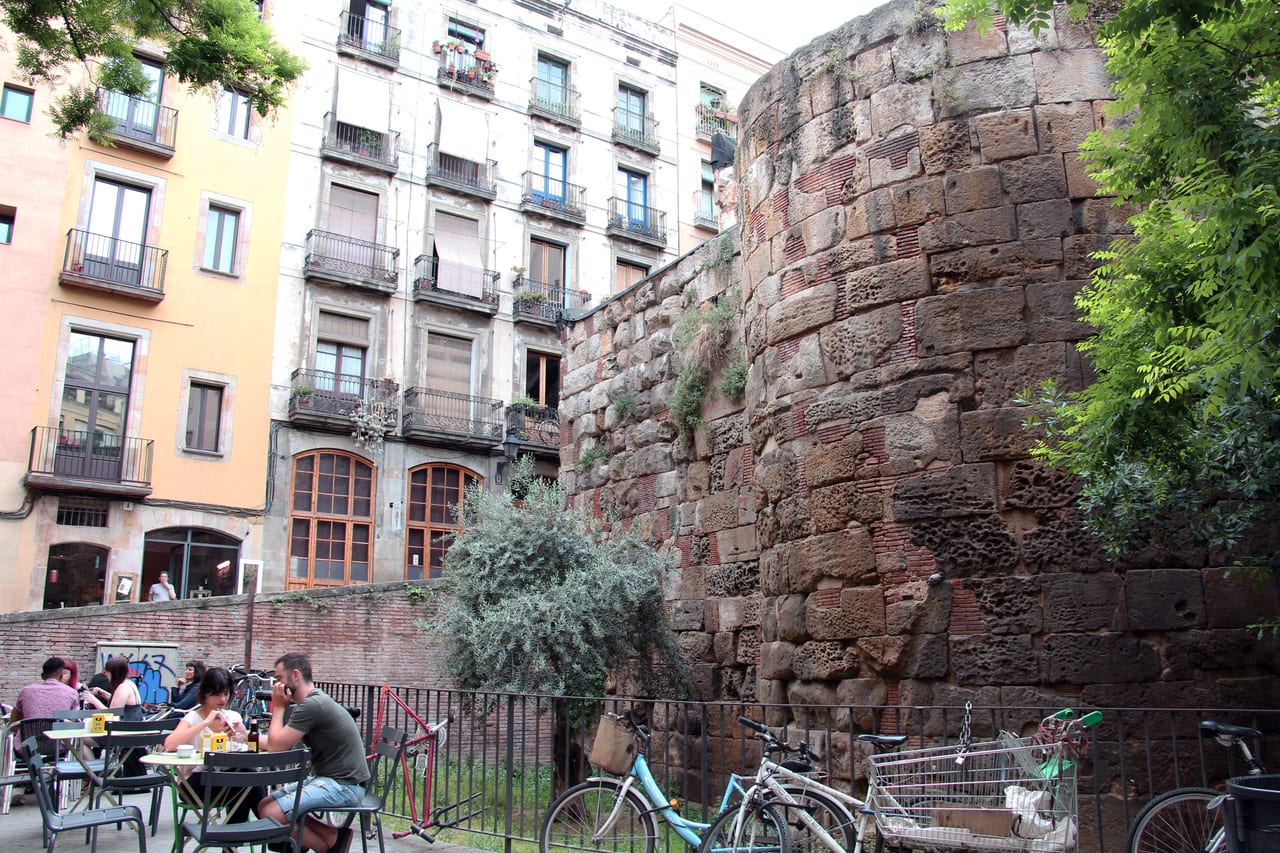
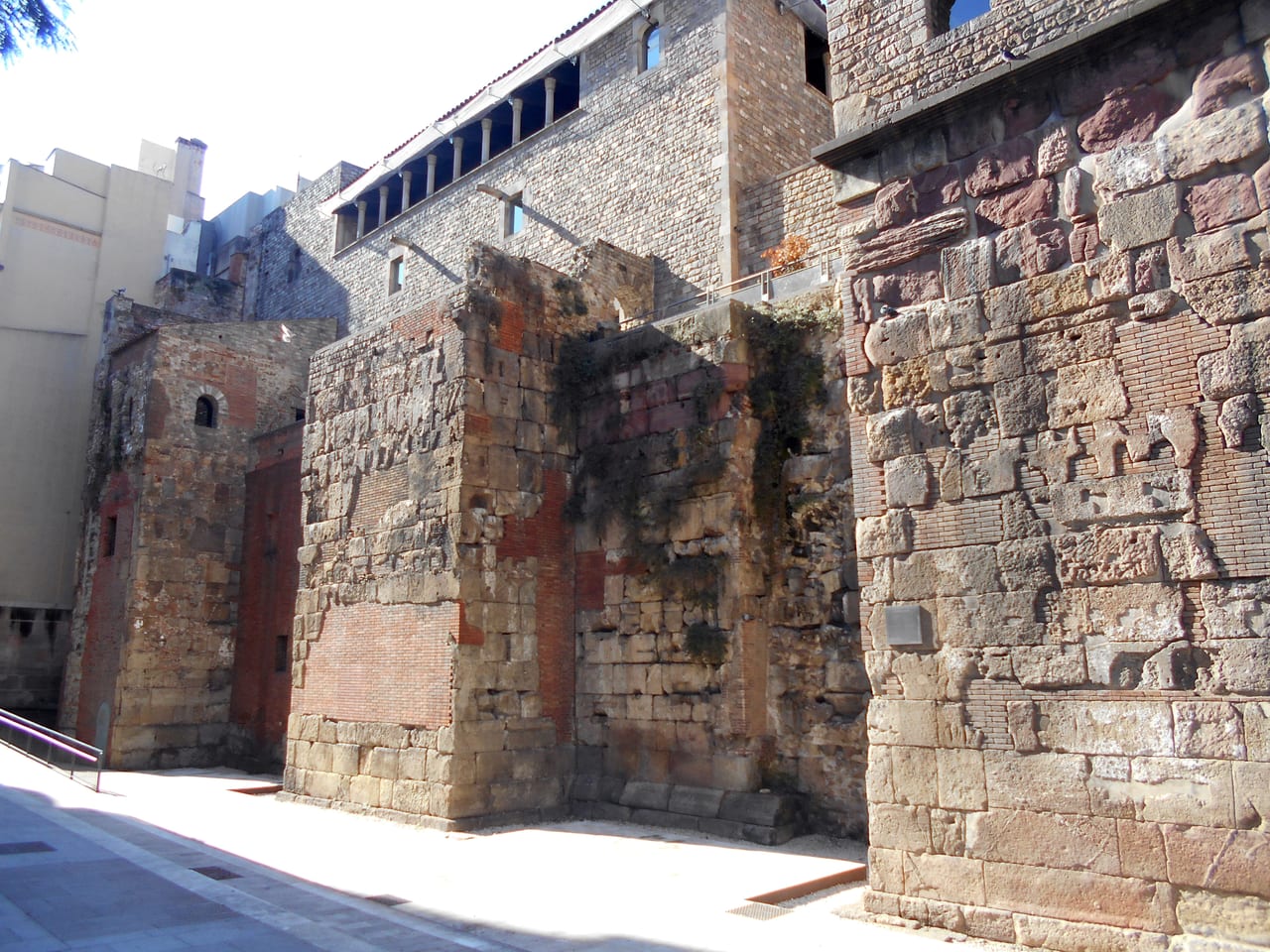
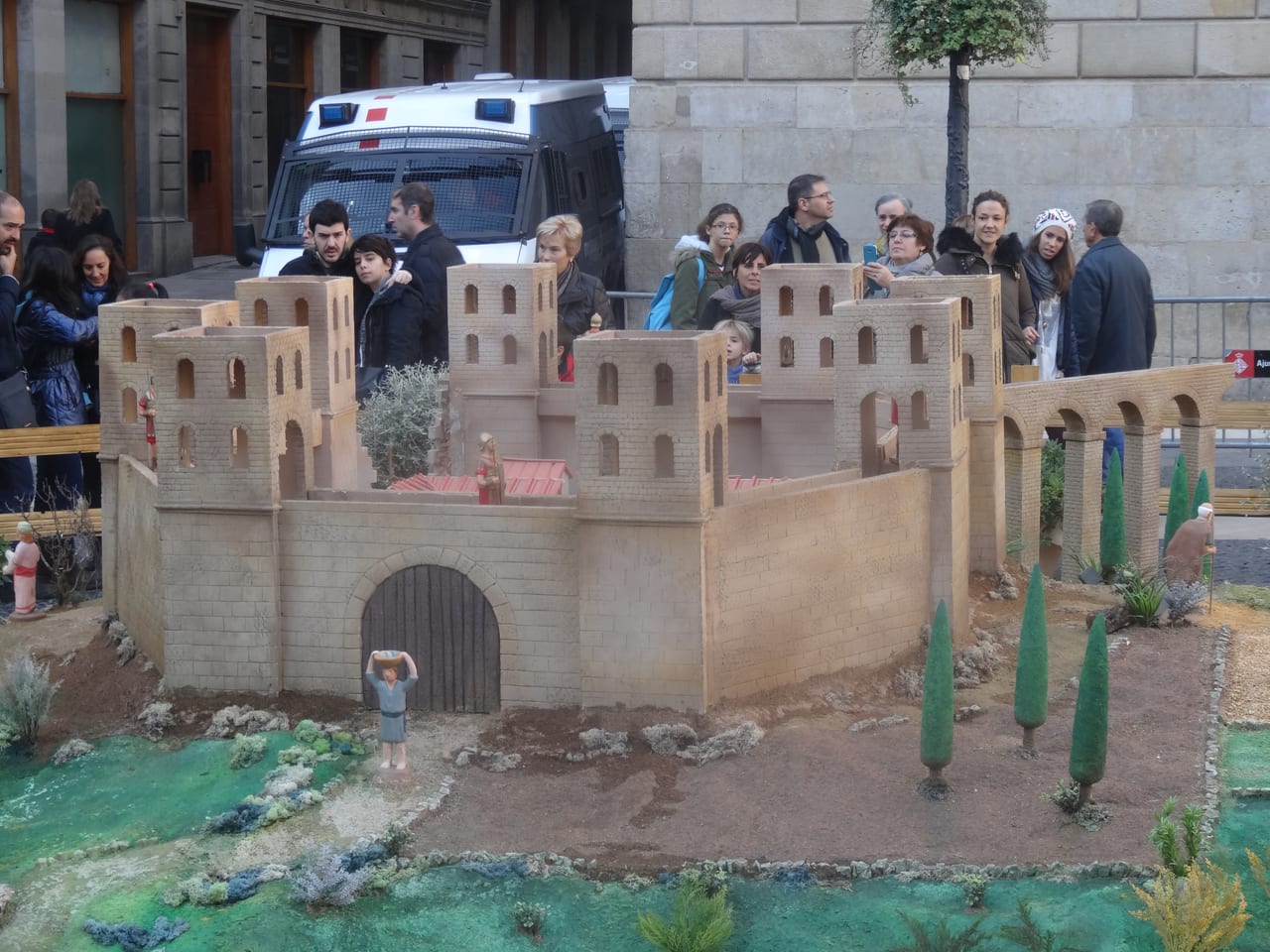
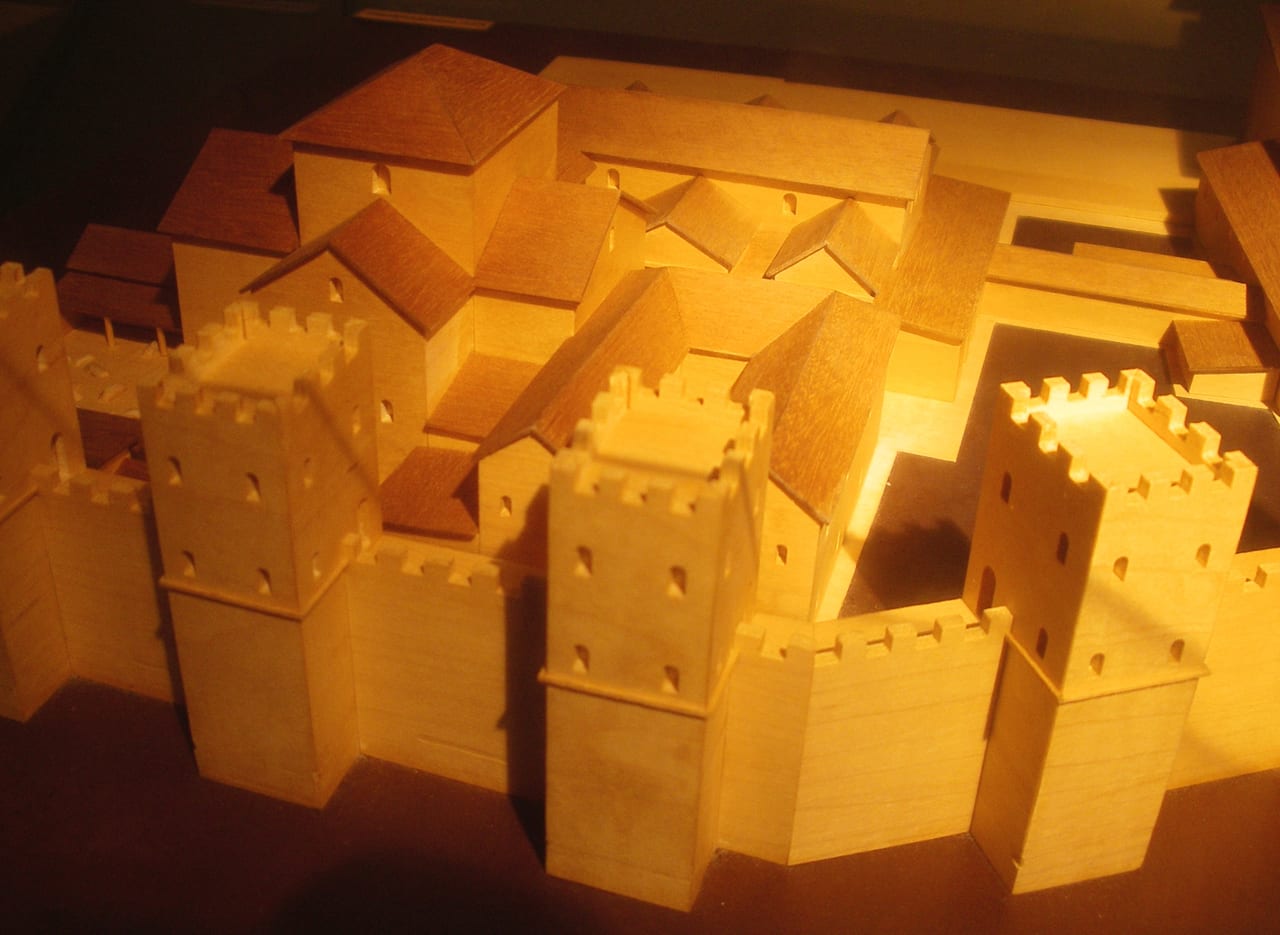
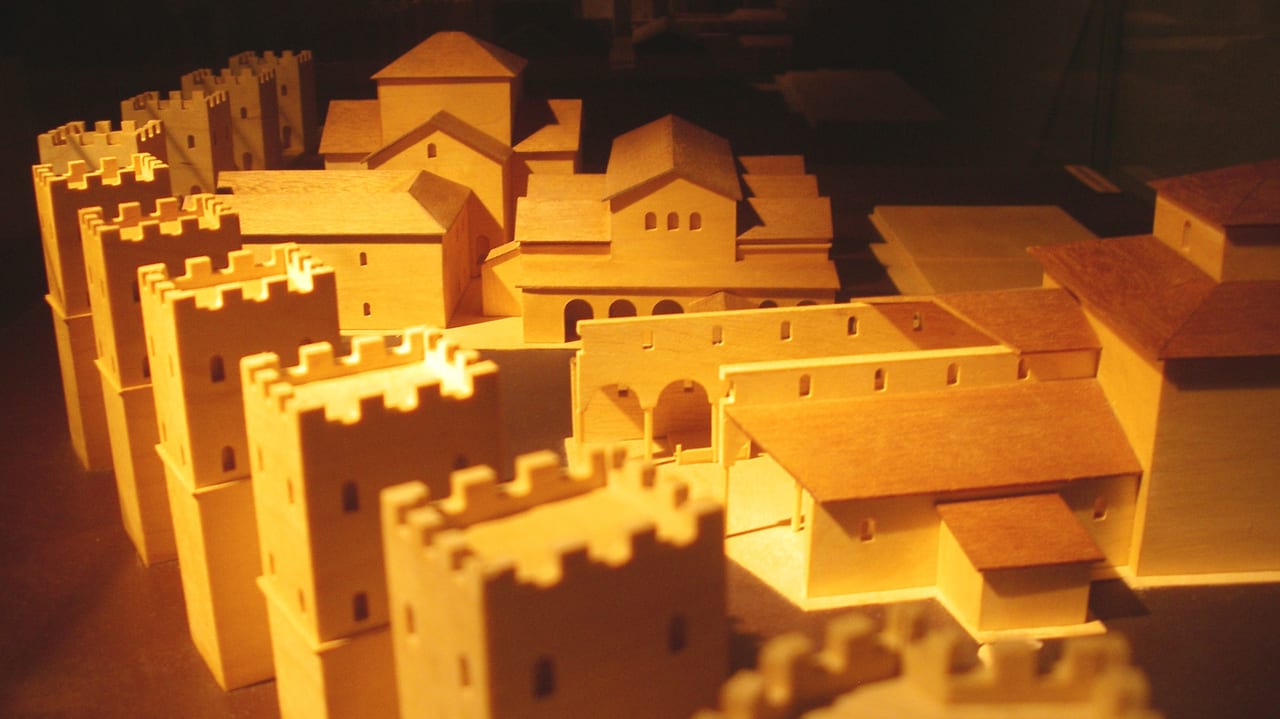
DirectionsIts late Roman fortification combined a double defensive wall with 81 towers, creating one of the most substantial surviving traces of Barcino.
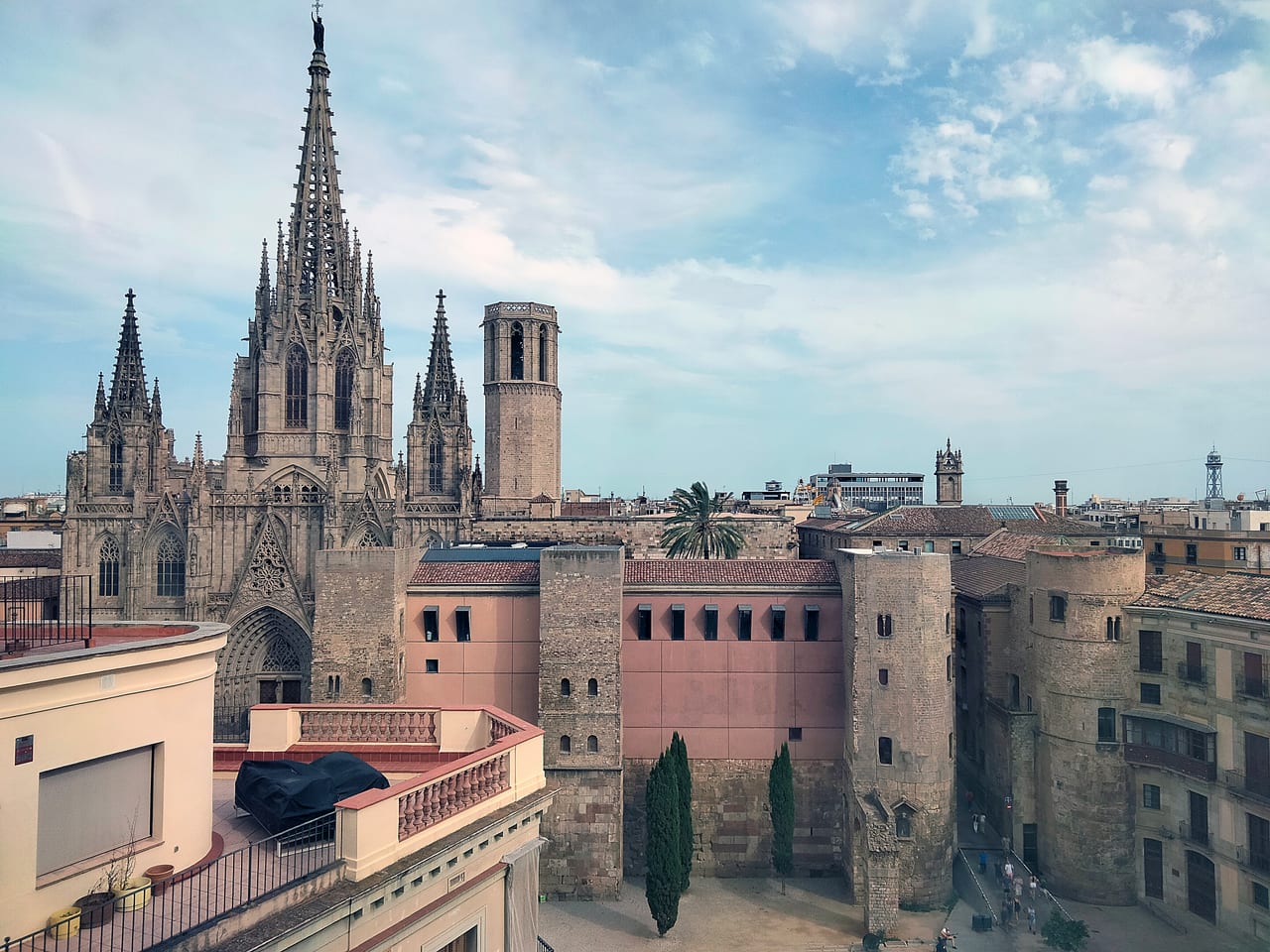
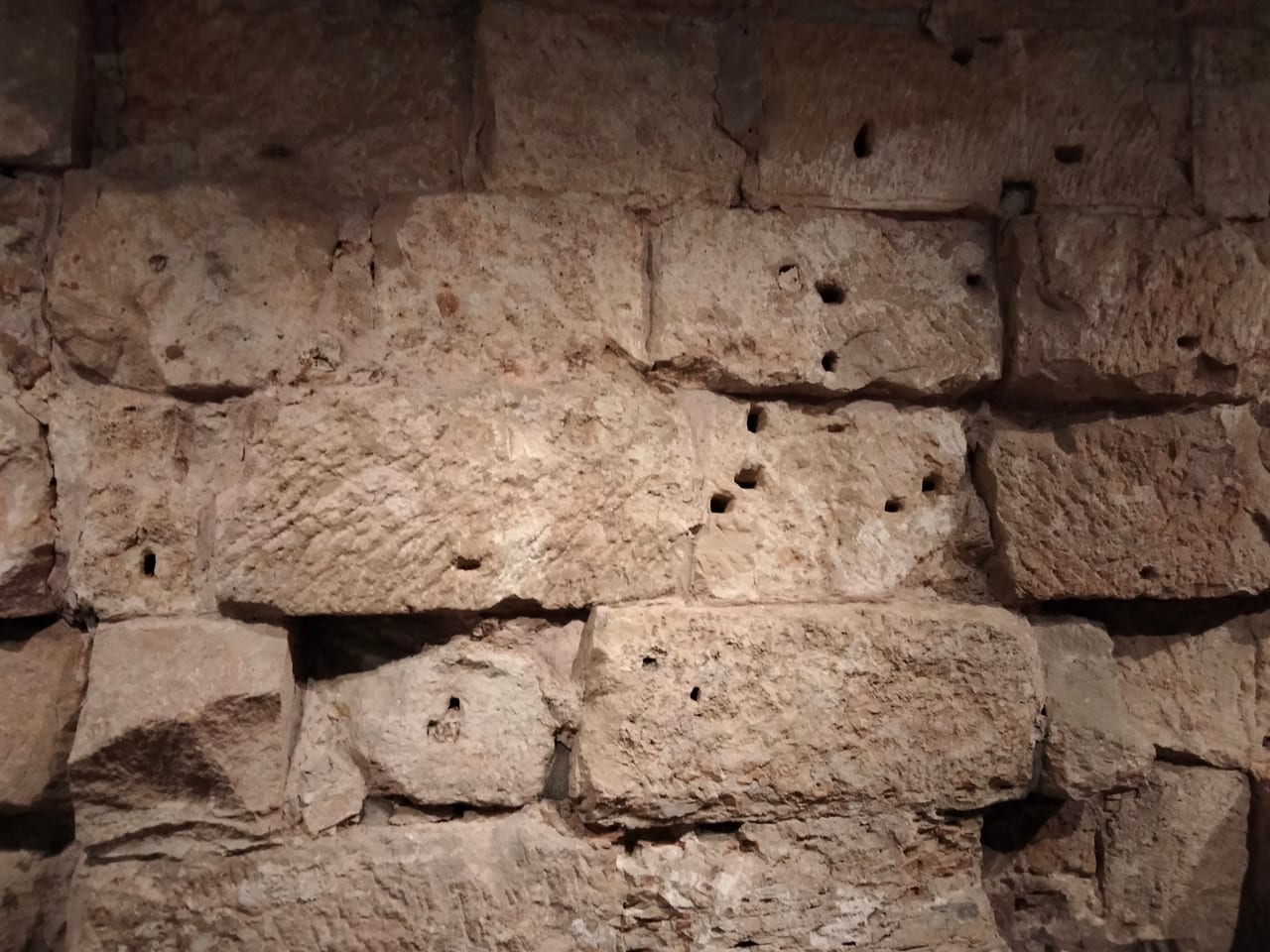
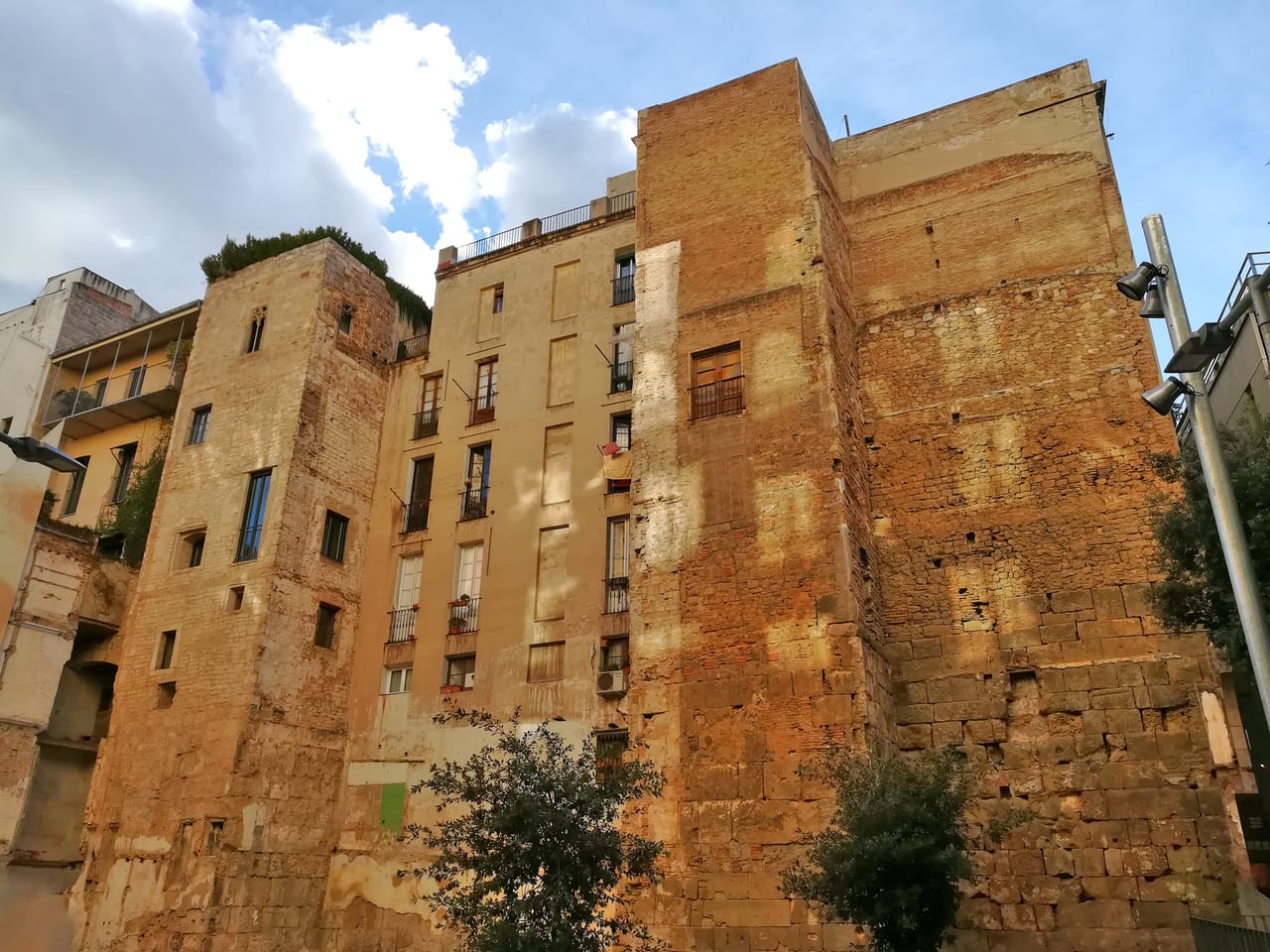
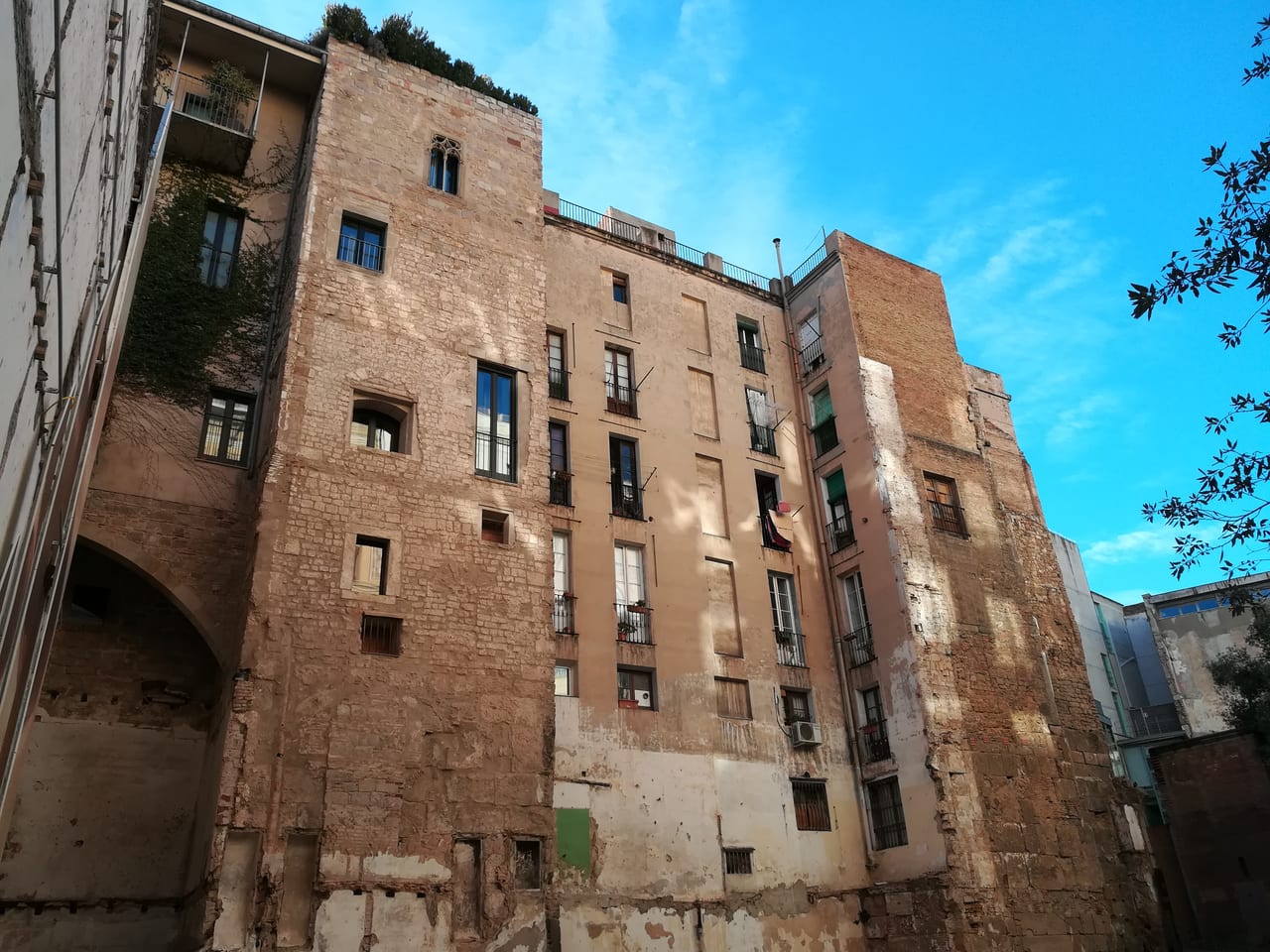
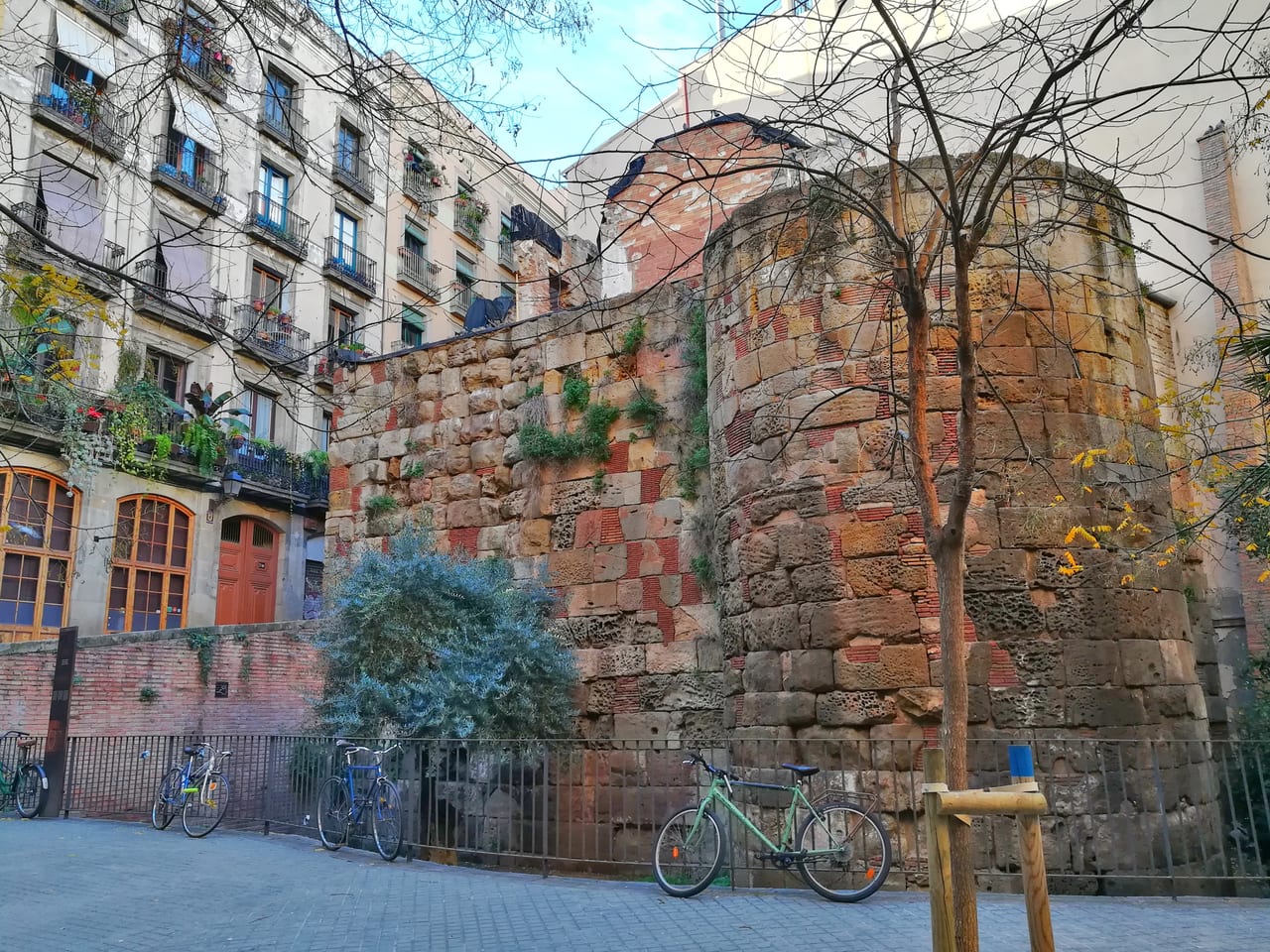
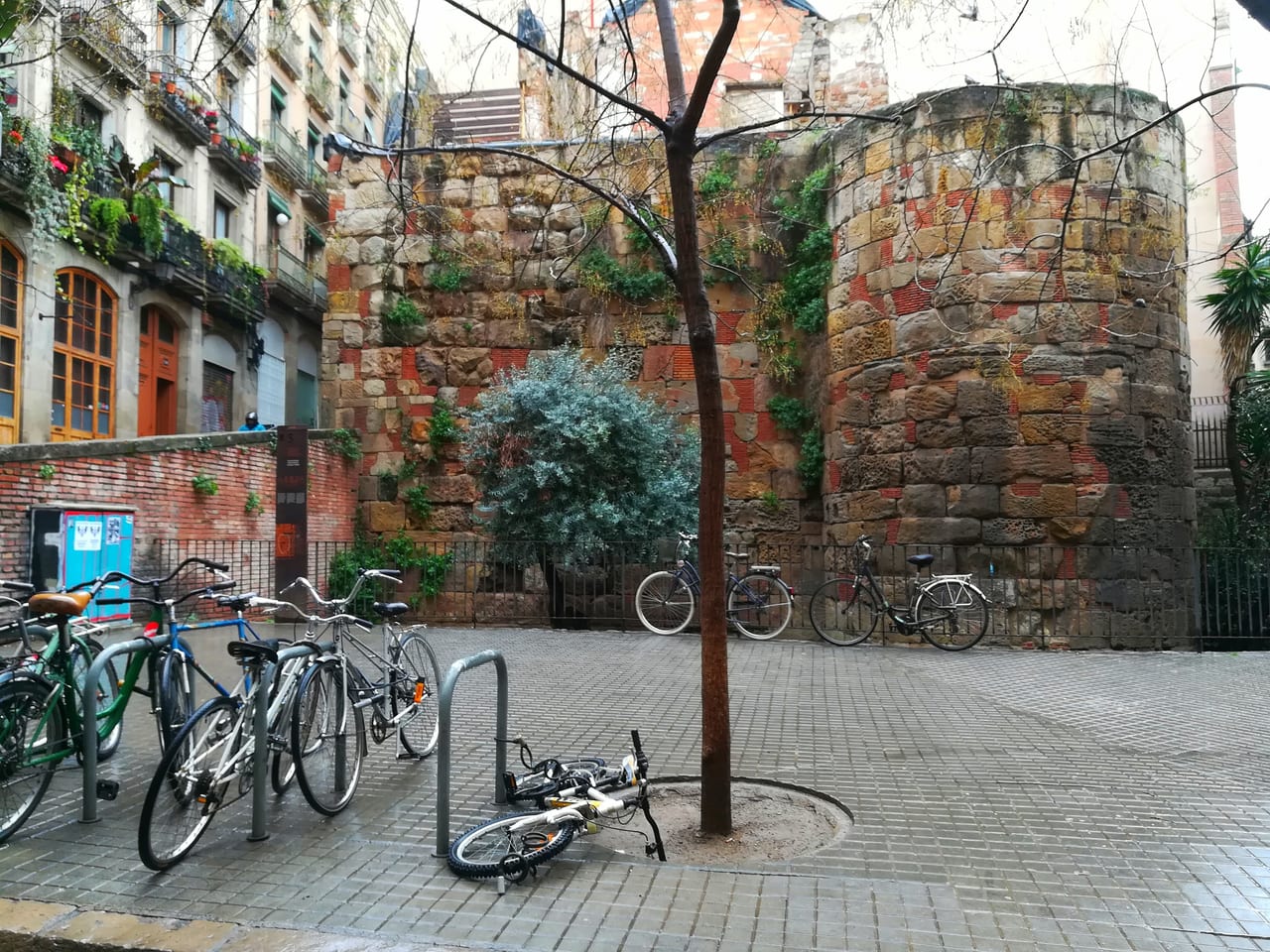
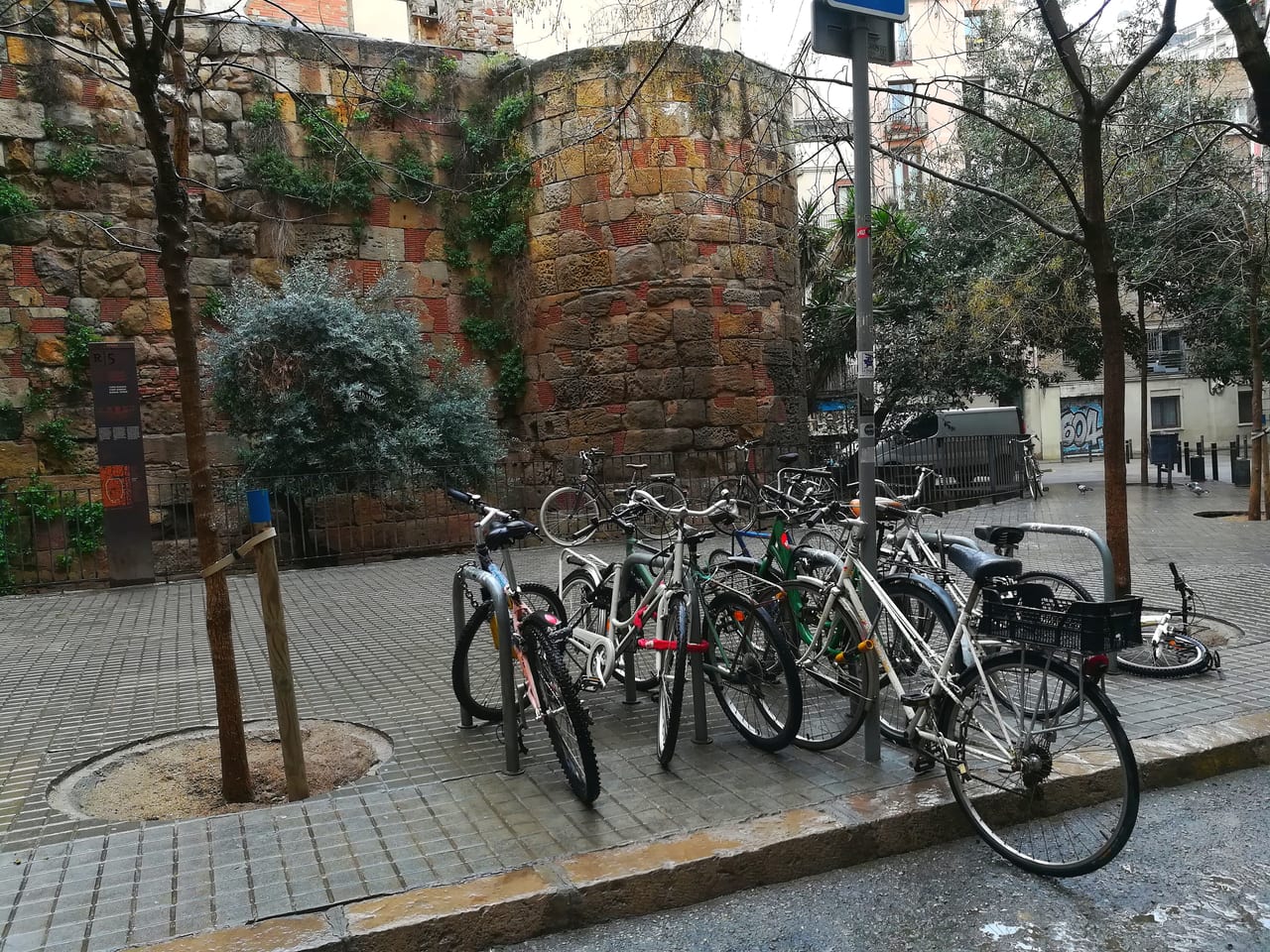
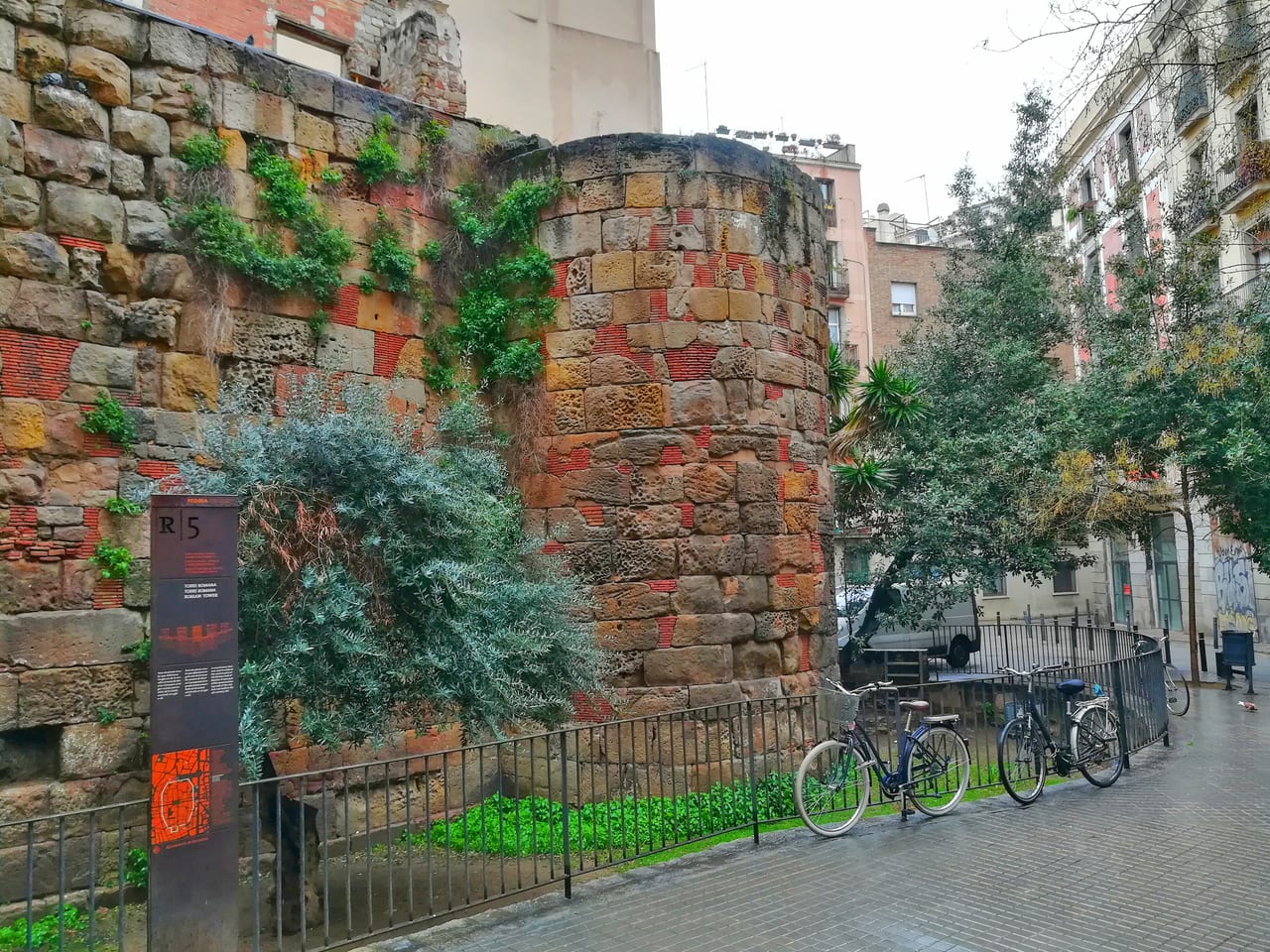
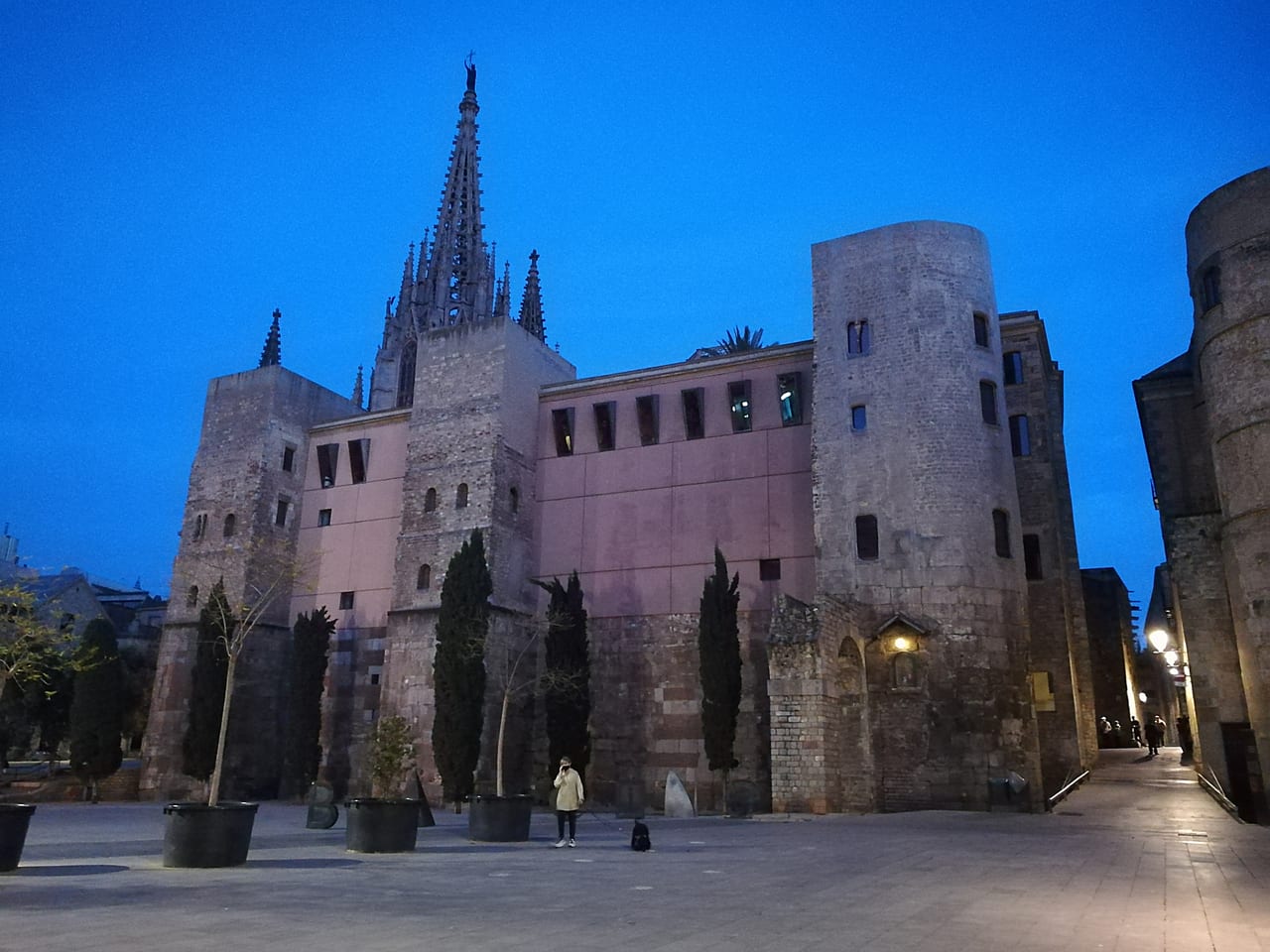
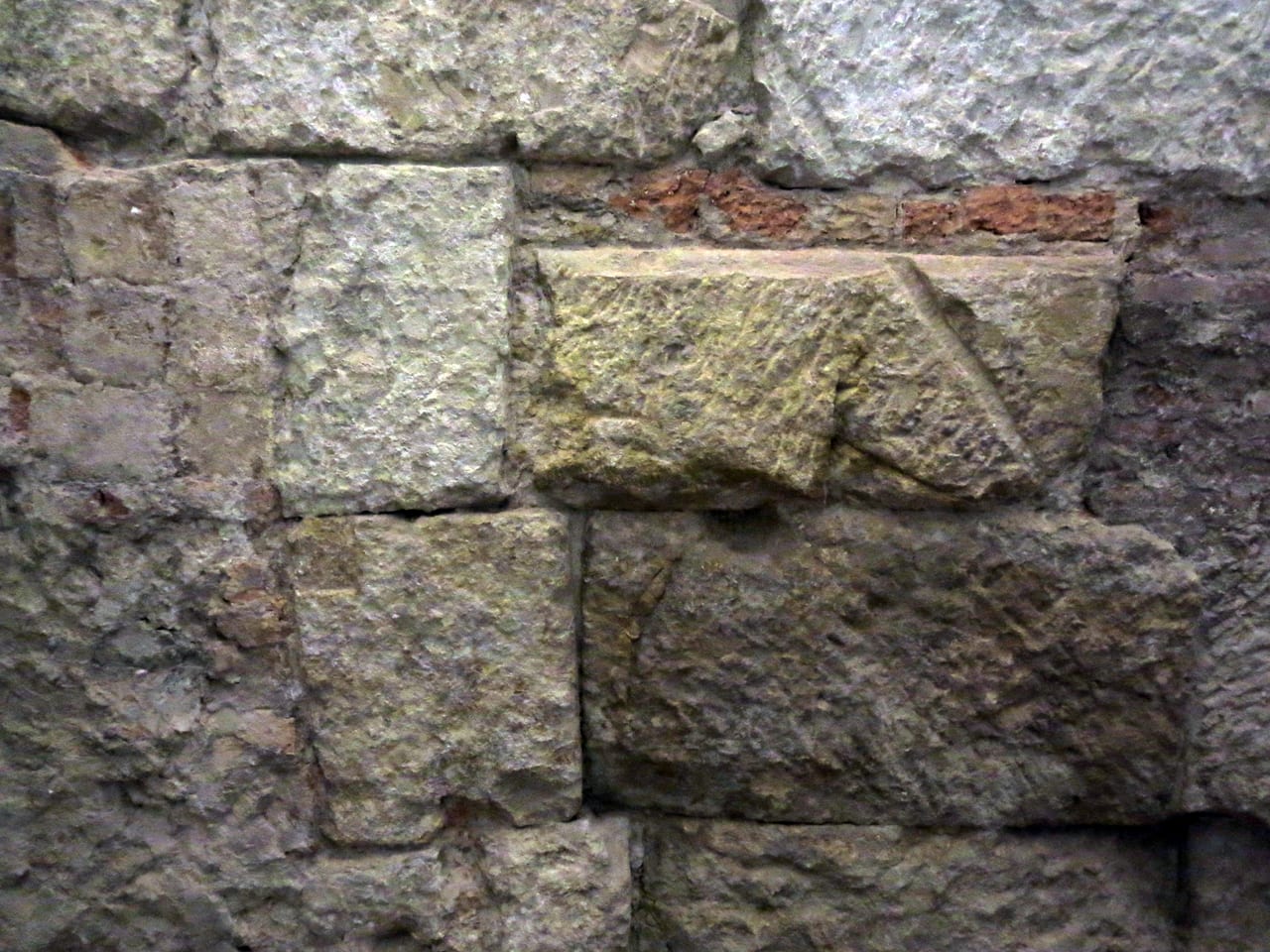
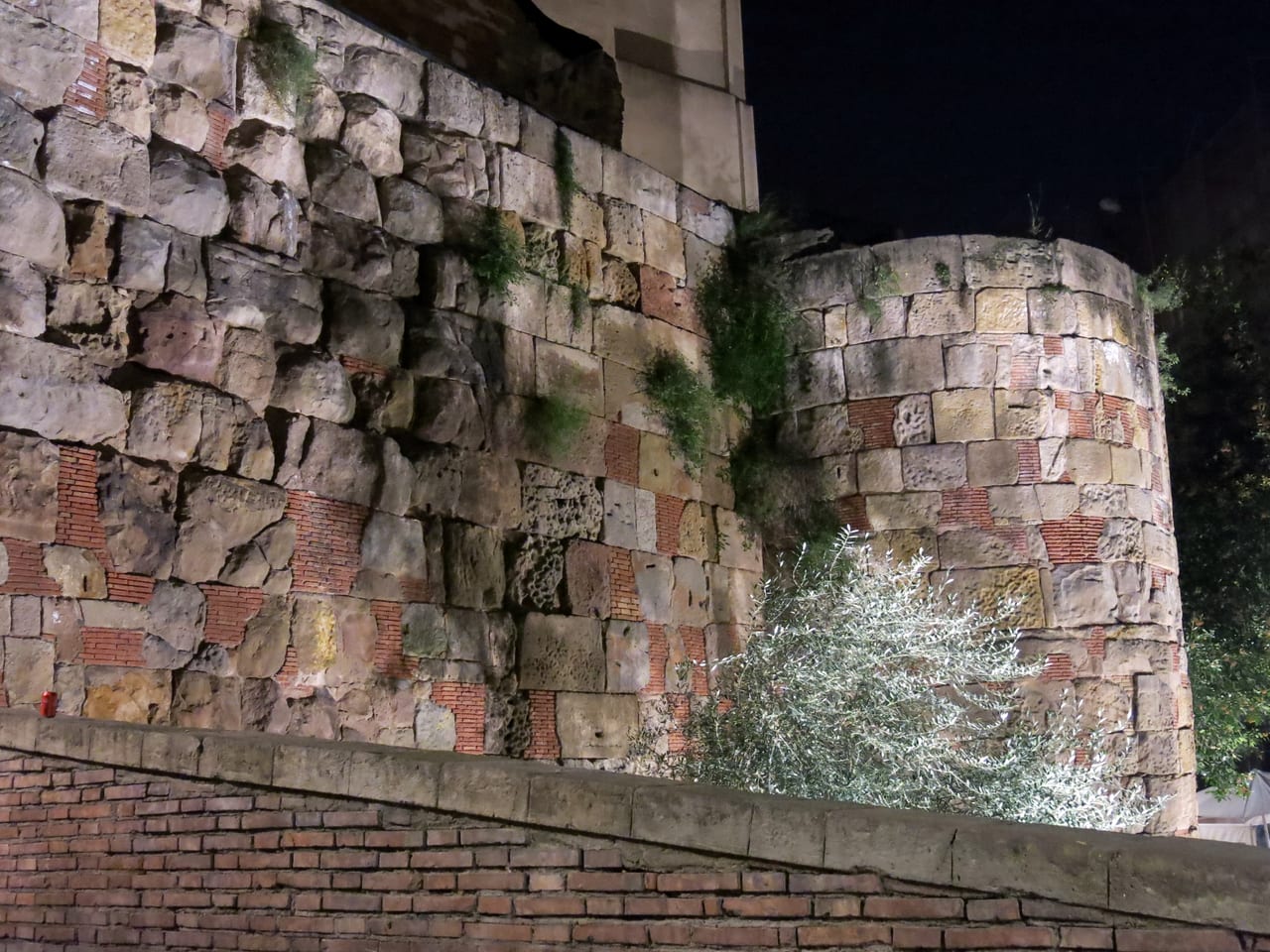
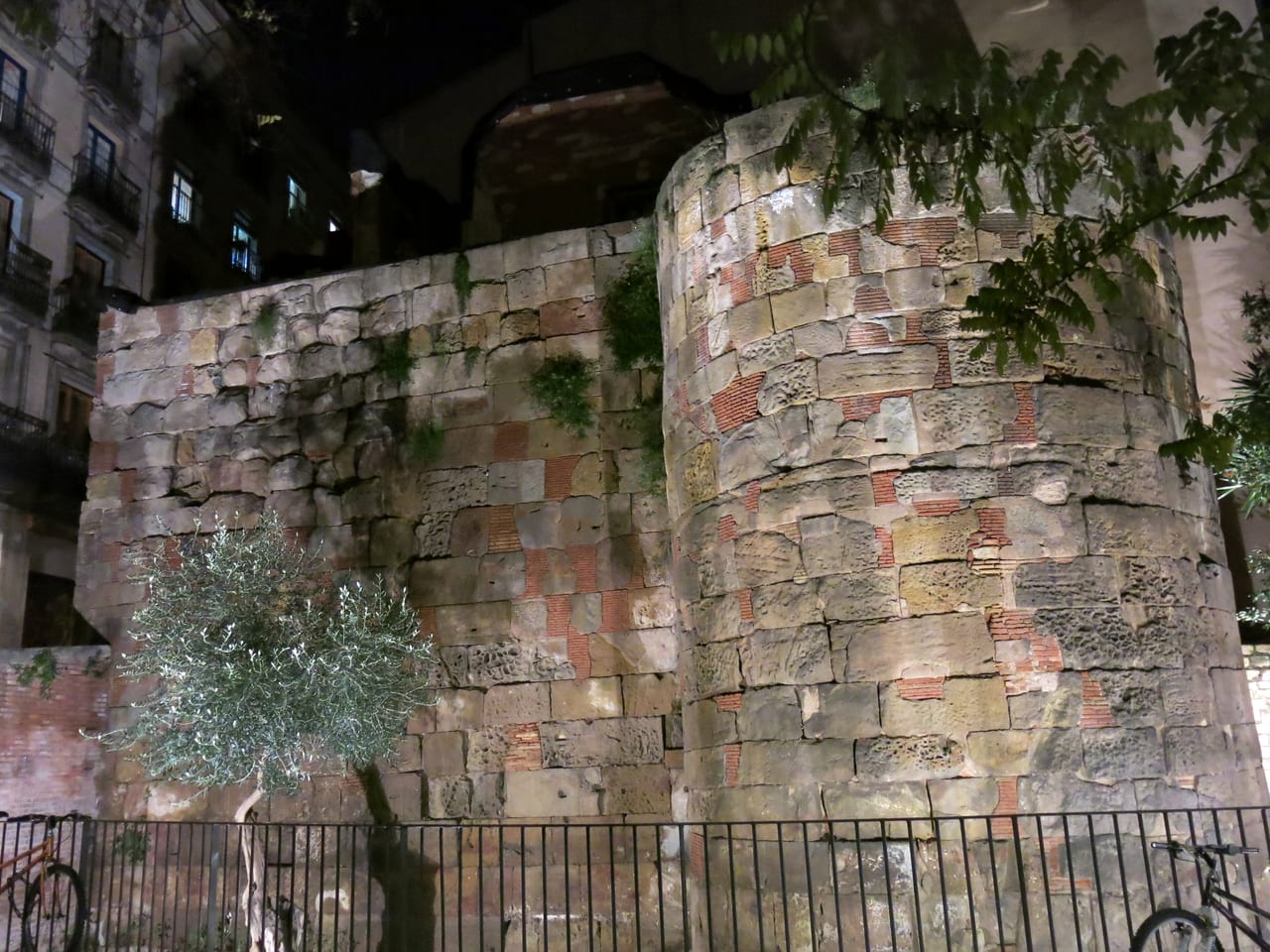
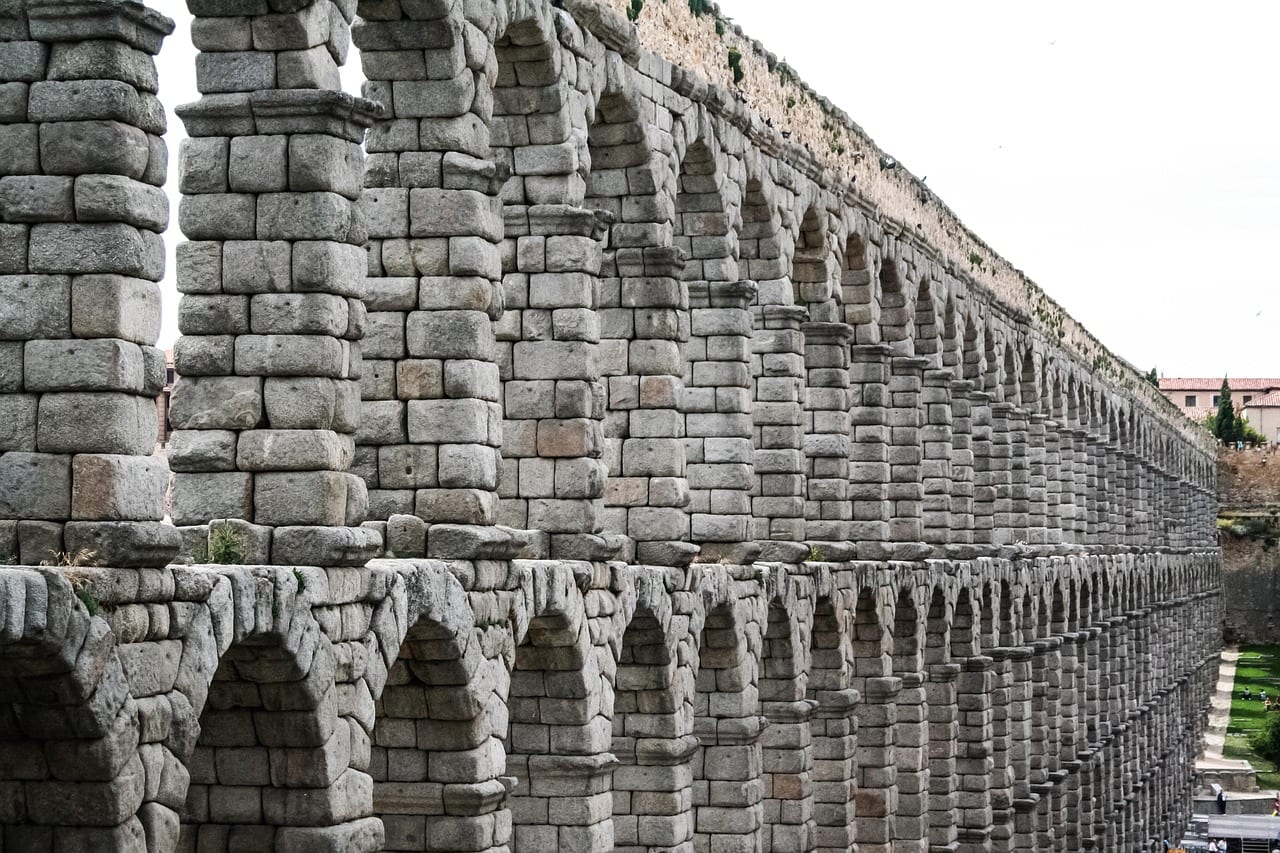
Photograph 1 of 29 of Roman walls of Barcelona
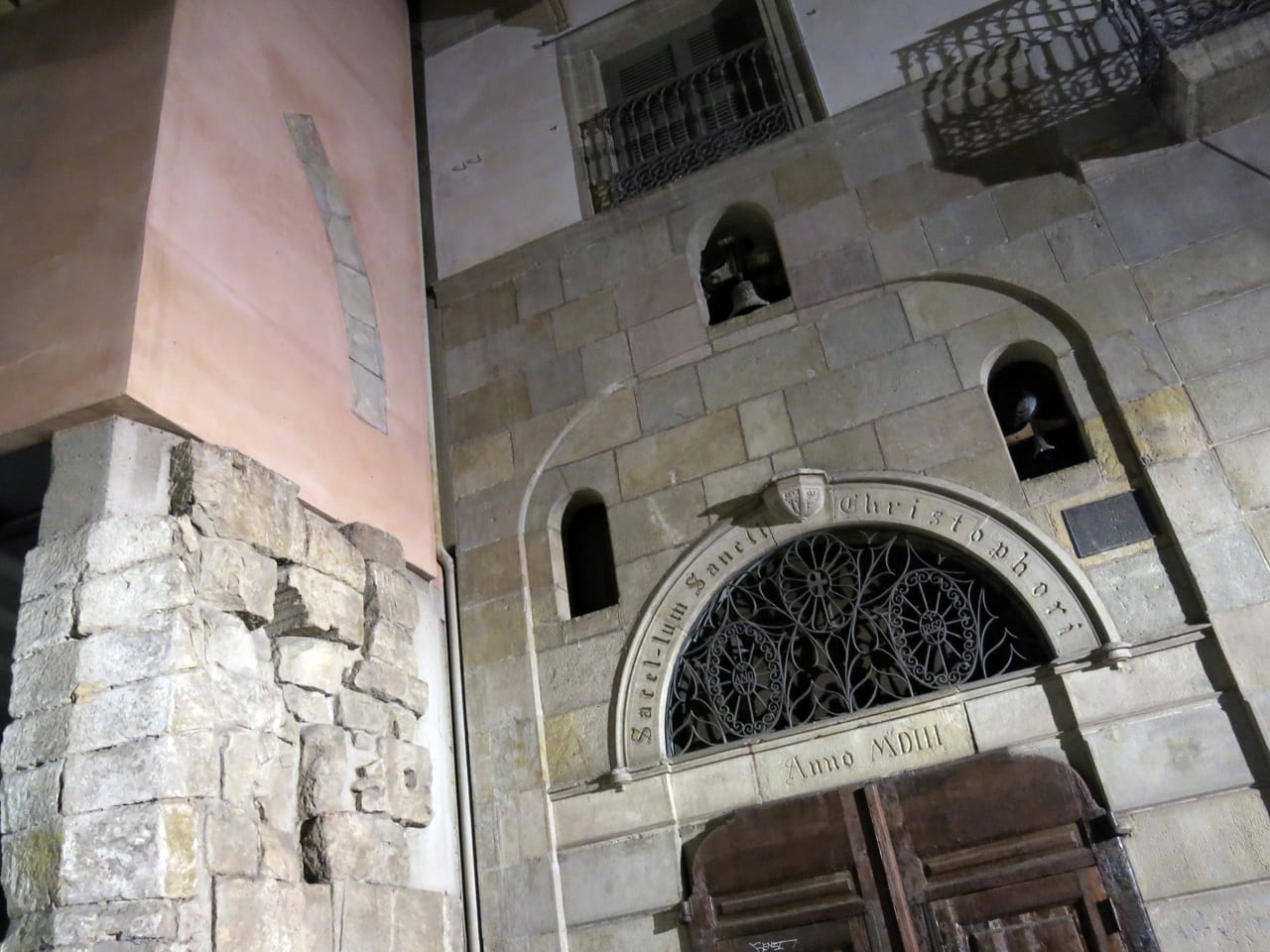
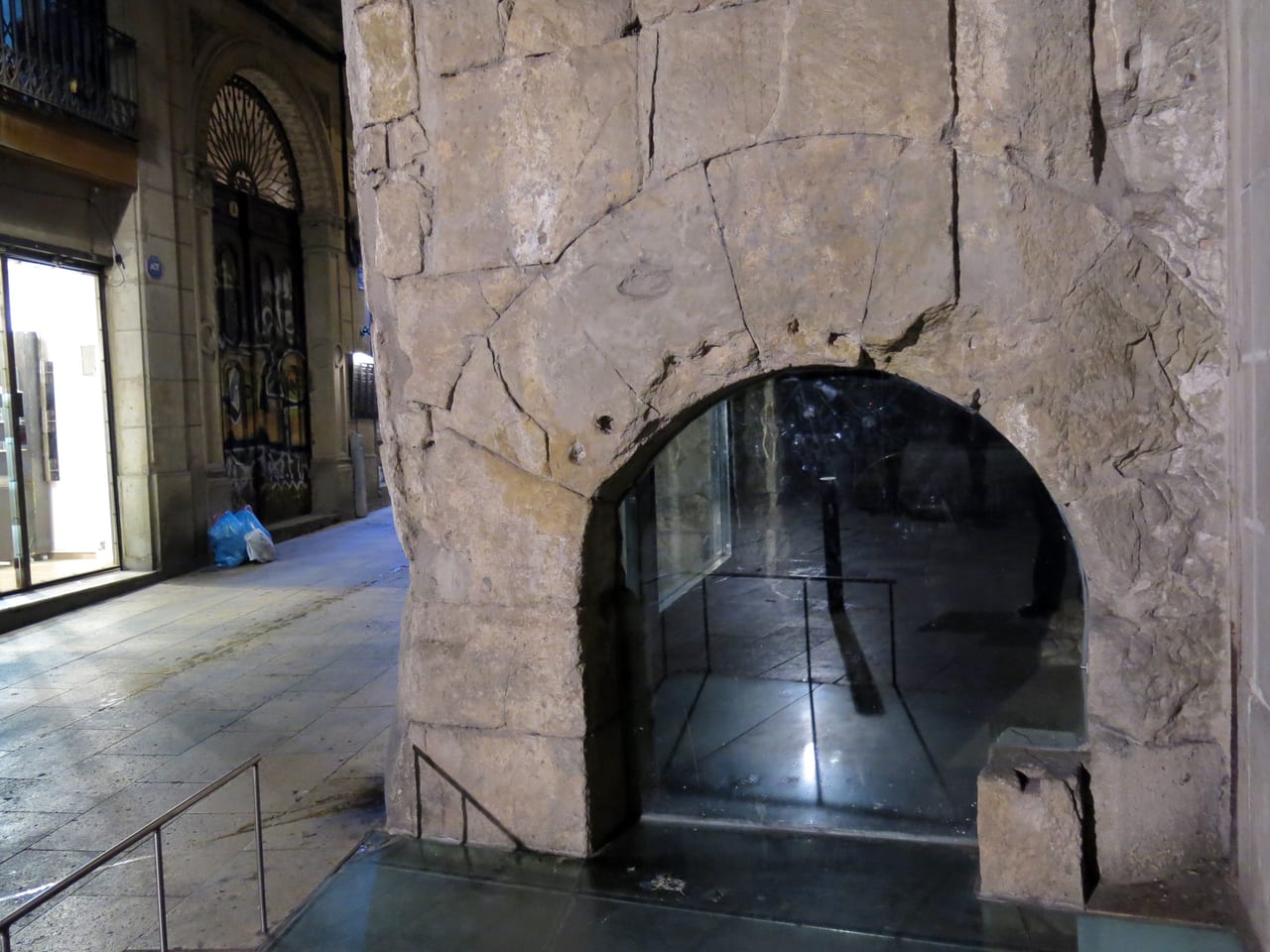
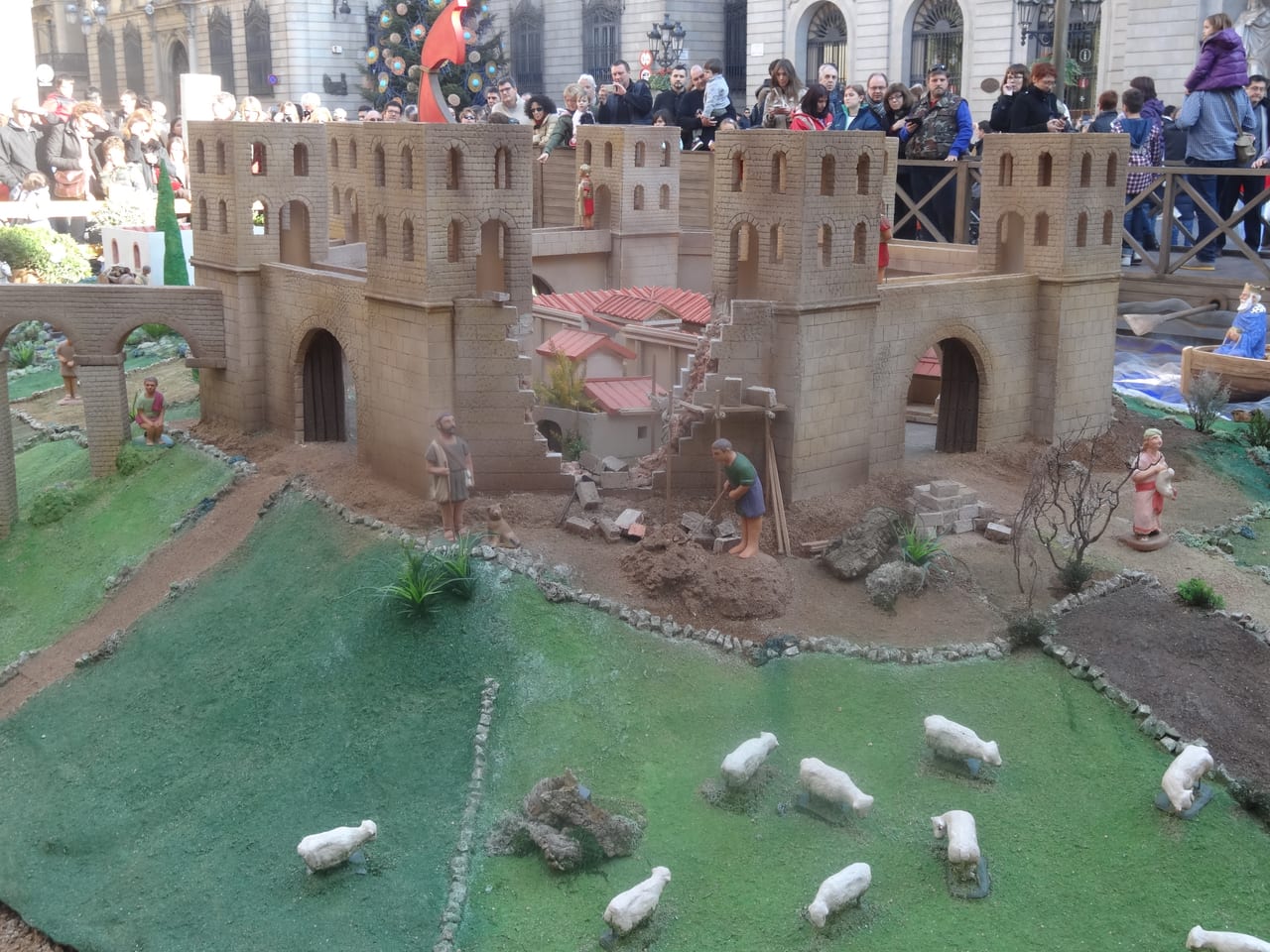
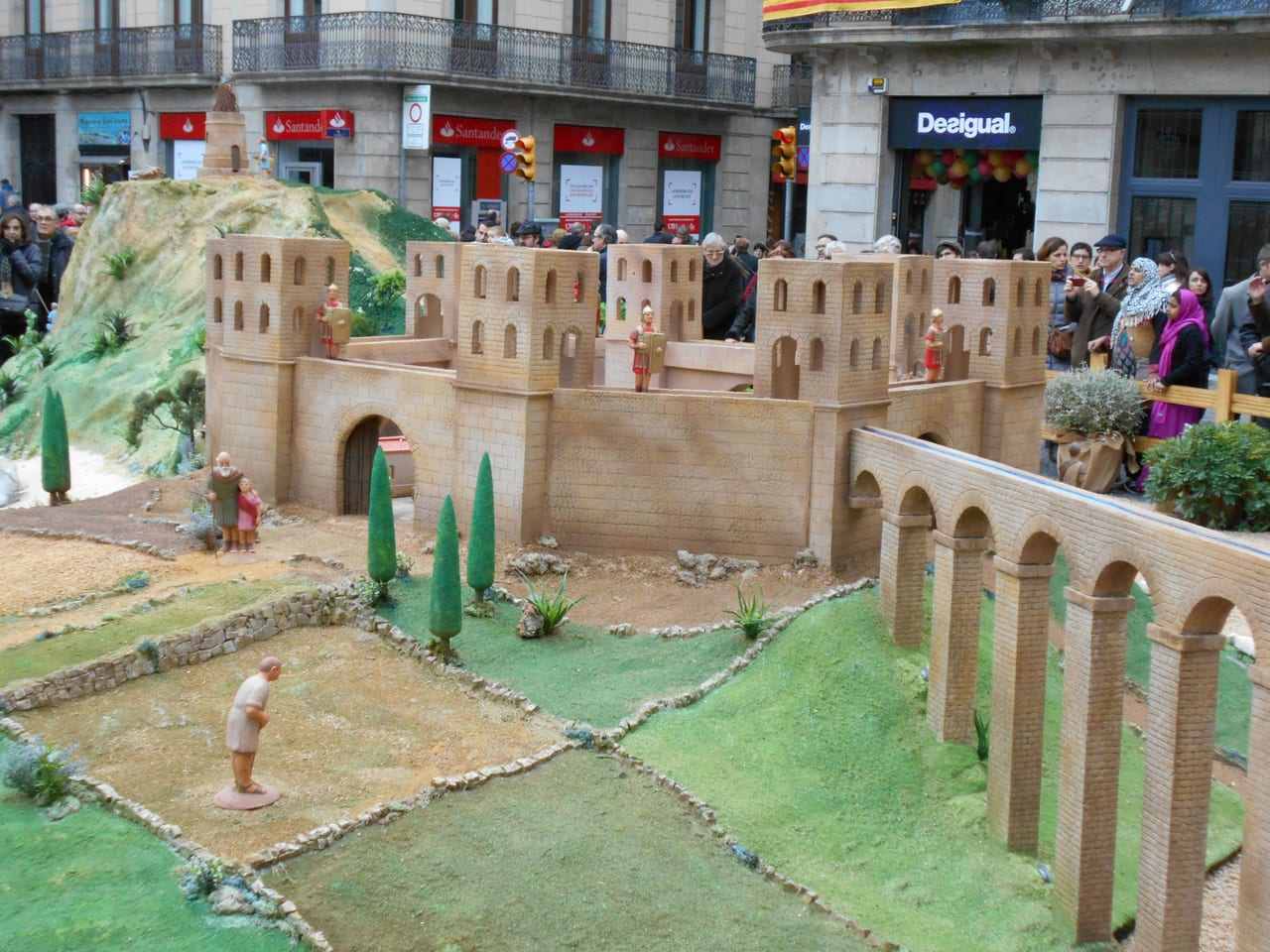
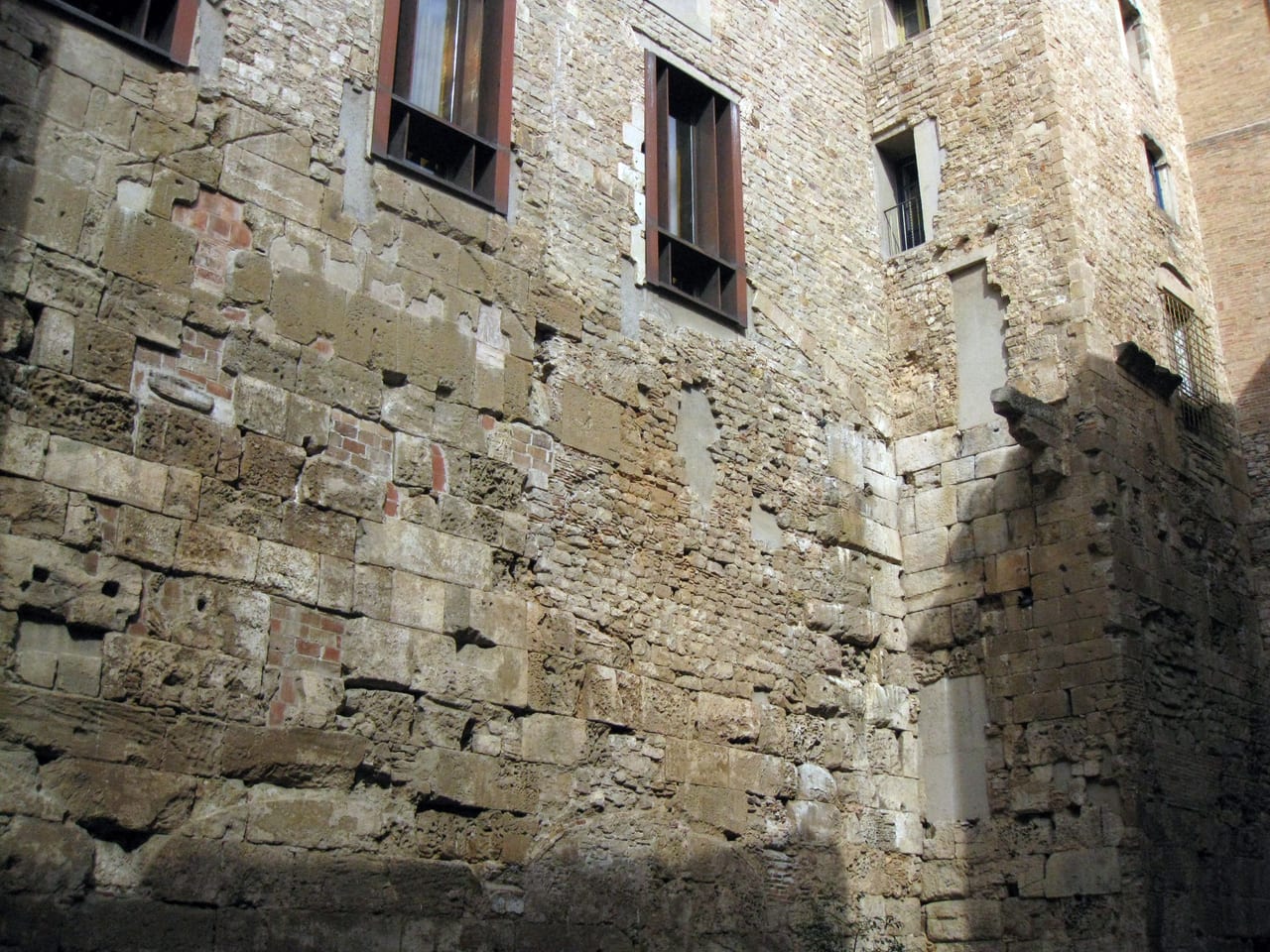
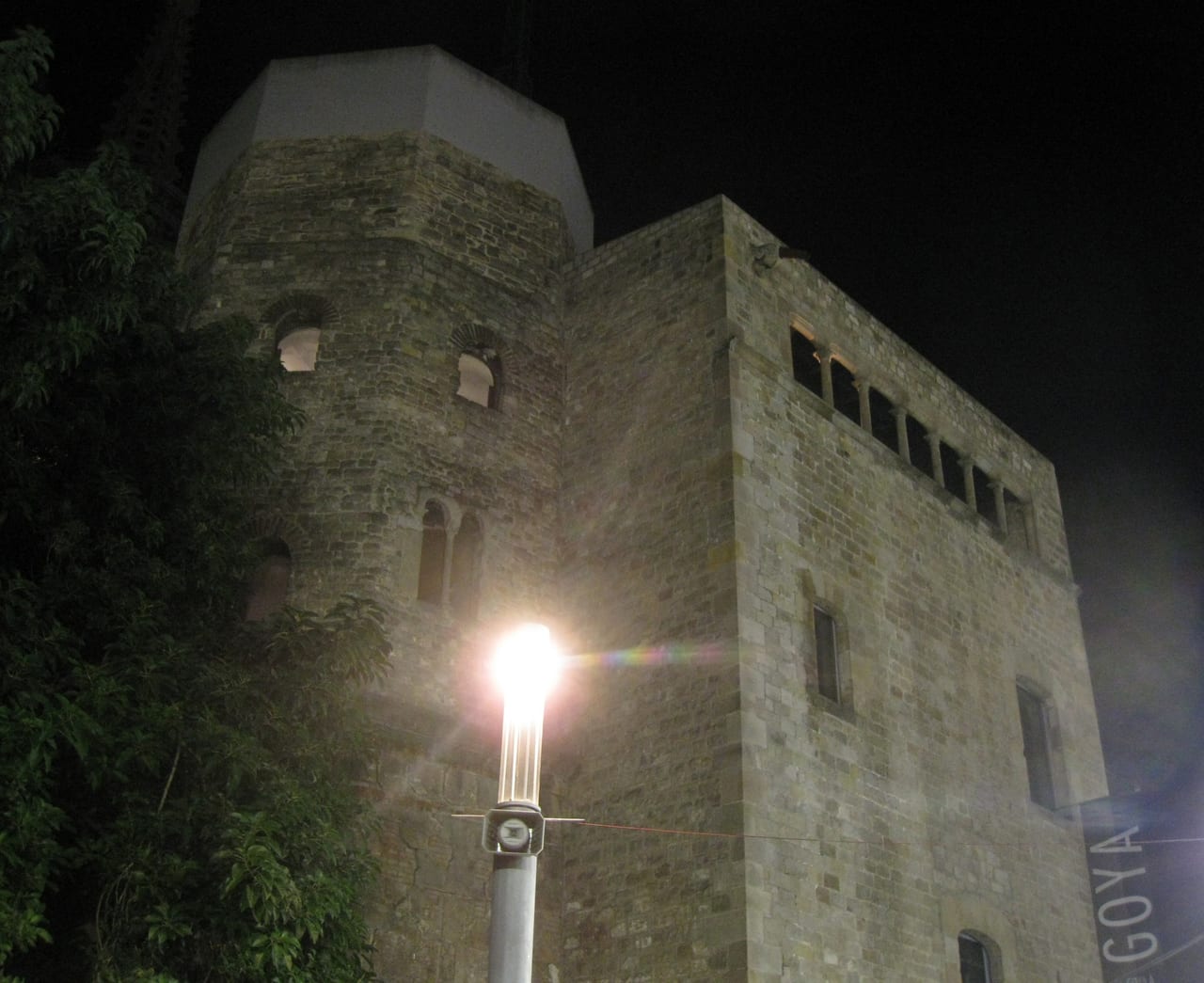
Roman Barcelona began as the colonia Barcino, founded under Augustus between 15 and 10 BC on Mount Tàber, close to a natural harbour and the meeting point of the Via Augusta and the Mediterranean. Its settlers included discharged legionaries, freedmen from Narbonensis and Italic colonists. The settlement followed a castrum grid: the cardo maximus and decumanus maximus met near the forum, around today’s Plaça de Sant Jaume. Commercial growth brought Barcino its greatest prosperity in the 2nd and 3rd centuries, when its population may have reached 3,500–5,000. The first enclosure began in the 1st century BC, but incursions by Franks and Alemanni from the 250s prompted a major rebuilding in the 4th century. Following the sack of Barcelona in 985, the city strengthened its gates with castles. Medieval expansion then carried urban life beyond the Roman perimeter; in 1260, a larger circuit was ordered around the suburbs. Buildings were later pressed against the ancient masonry, concealing much of it, while sections were destroyed in the 19th century. Elements that remain include gates, aqueduct remains, corner towers, medieval additions and Roman structures preserved beneath the city. The monument has national heritage protection in Catalonia and Spain.
At a glance
- Built
- 300
- Style
- ancient Roman architecture
- Heritage
- bien de interés cultural
Ways to explore Roman walls of Barcelona
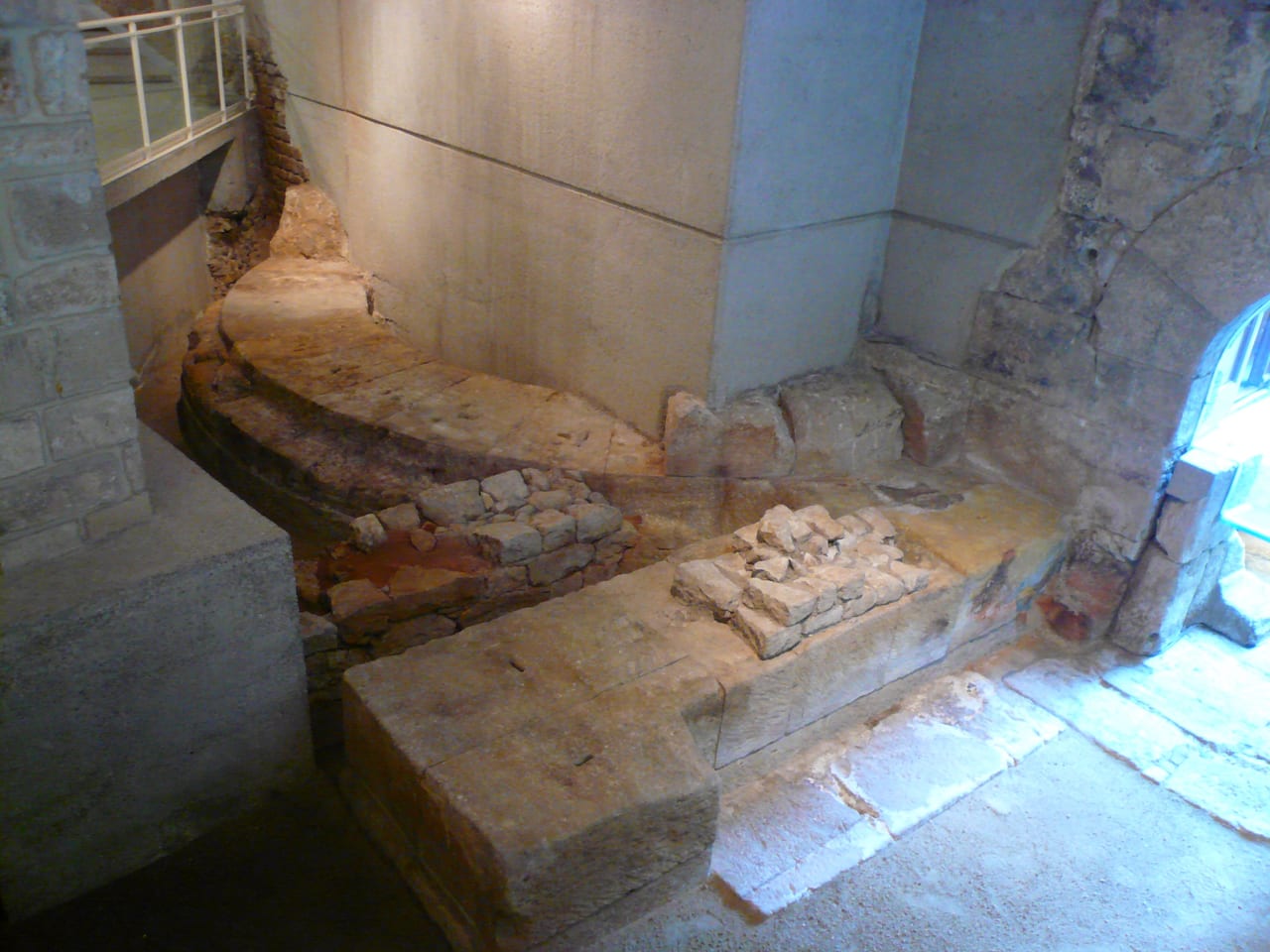
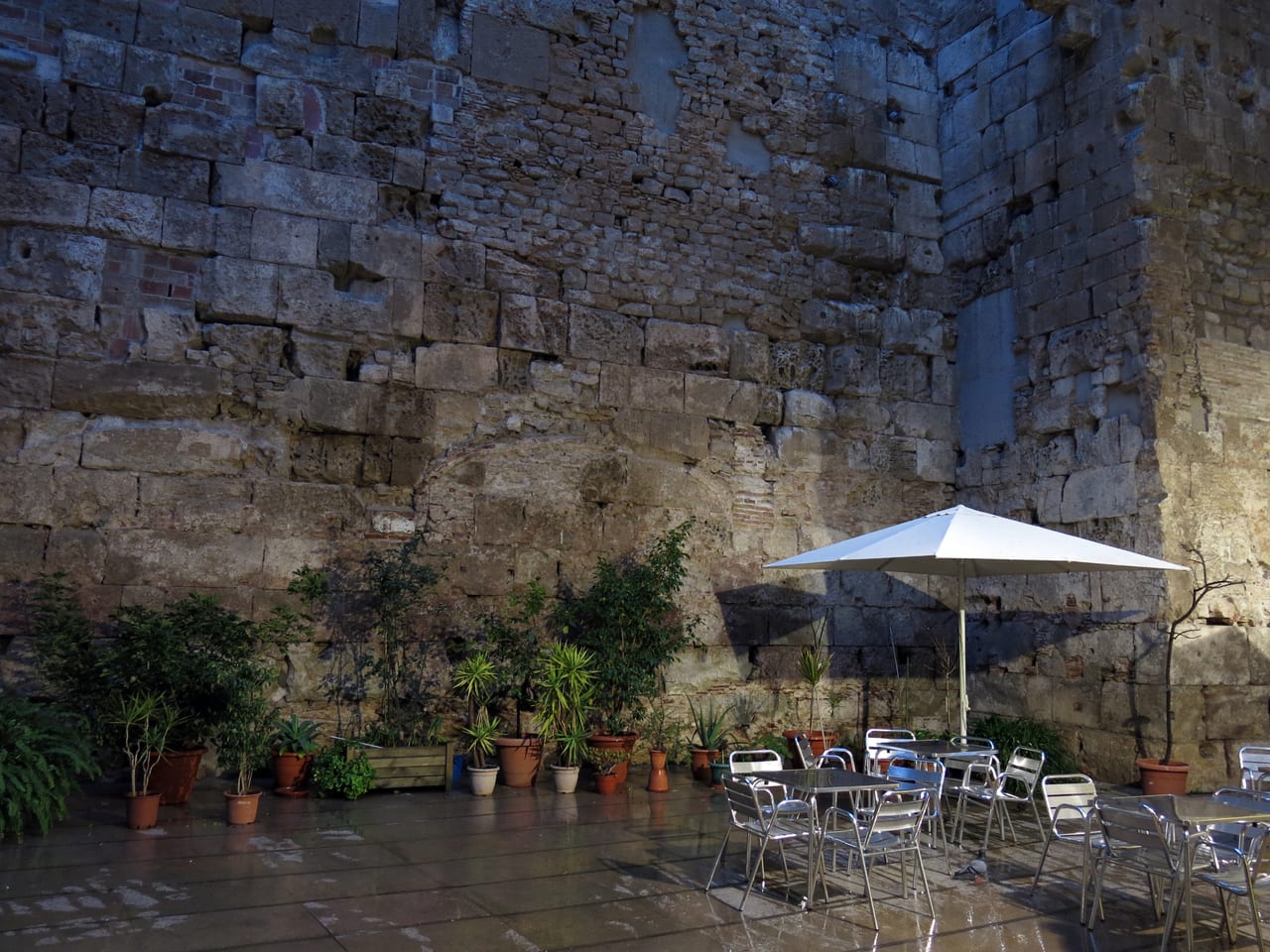
Begin at Plaça Nova, where the Praetoria gate, two towers, the perimeter masonry and an aqueduct arcade remain visible. Follow the line along Carrer de la Tapineria, Plaça de Ramon Berenguer el Gran and Carrer Sotstinent Navarro to see how later buildings incorporate the ancient fabric. Continue to Carrer del Correu Vell and Plaça dels Traginers for preserved towers. For less conspicuous traces, inspect the Museum of the History of Barcelona’s basement, the Pati Llimona Civic Centre and the small sections within buildings on Regomir, Avinyó, del Call, Banys Nous and Palla.
Places to stay near Roman walls of Barcelona

Live availability and prices from Stay22's partners, refreshed periodically and subject to change. Booking through these links may earn us a commission at no extra cost to you. See our privacy policy.
Cafés near Roman walls of Barcelona
Cafés near Roman walls of Barcelona loads as you scroll.
Attractions nearby
Attractions near Roman walls of Barcelona loads as you scroll.
Cities nearby
Cities nearby loads as you scroll.
More in Barcelona
See more of Barcelona.
Find great cafés, places to stay and other interesting places to visit in Barcelona.