Heritage landscape · Barcelona
Poblenou Cemetery
DirectionsA heritage landscape in Barcelona, designed by Antonio Ginesi.
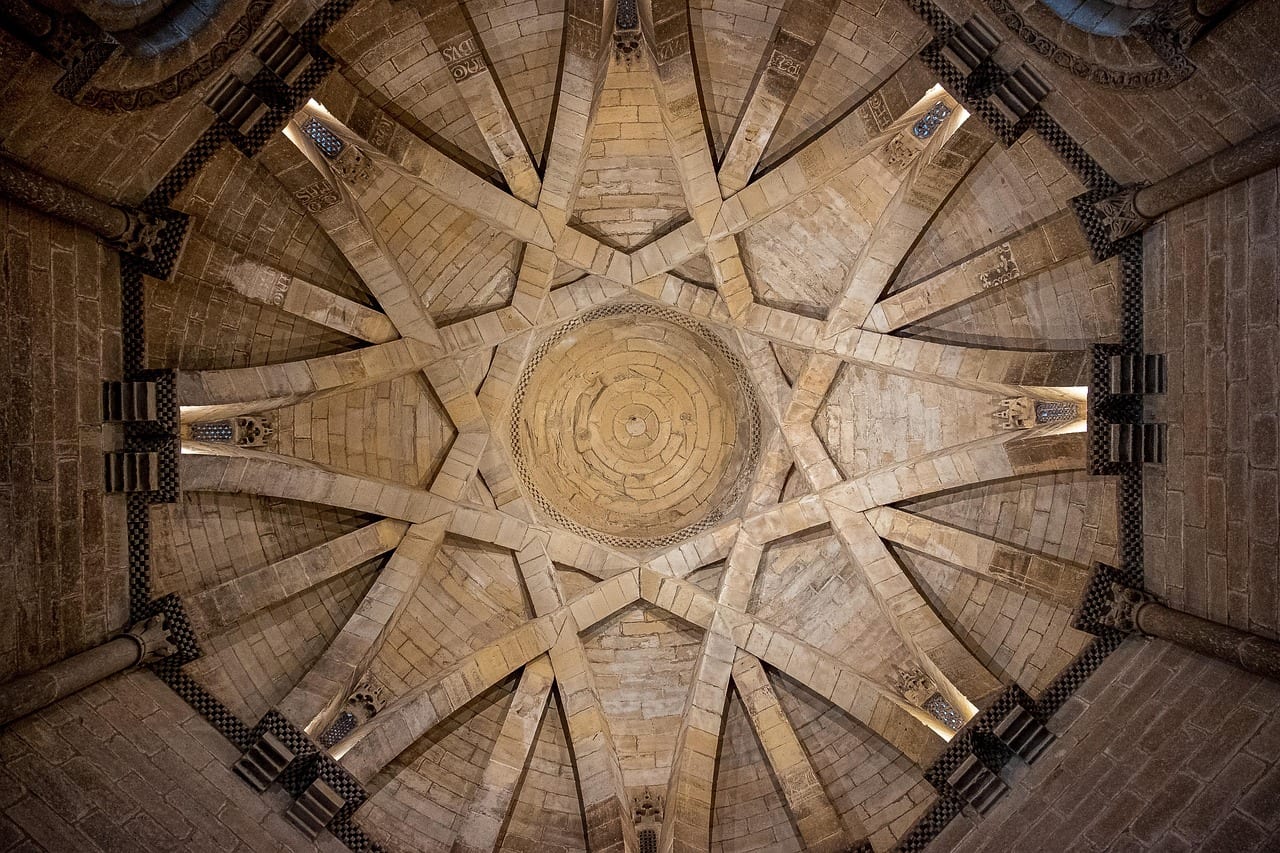
Opened by Bishop Climent in 1775, the cemetery was created for hygienic reasons, anticipating Charles III’s 1787 suppression of parish cemeteries. Its first sandy enclosure met resistance from residents and clergy, then was demolished by Napoleonic troops in 1813. Bishop Pau de Sitjar commissioned Antonio Ginesi to rebuild it between 1816 and 1819, producing a major Barcelona work of Neoclassicism inspired partly by Mediterranean cemeteries, including Pisa’s. Egyptian references appear in the solar disc and pyramid forms. Josep Mas i Vila replaced Ginesi’s provisional entrance with the present portal in 1840. Expansion in 1849–1852, directed by Joan Nolla i Cortès and Miquel Garriga i Roca, added the second department and monumental family tombs, responding both to overcrowding and the nineteenth-century bourgeois taste for splendour. A Protestant section and a third department for common graves followed around 1880. After Montjuïc Cemetery opened in 1883, Poblenou declined, and Porcioles later encouraged its neglect. Its burials include Narcís Monturiol, Josep Anselm Clavé, Narcís Oller, Lola Anglada and Mary Santpere; monuments bear the work of Josep Oriol Mestres, Josep Fontserè, Enric Sagnier and others.
At a glance
- Built
- 1775
- Architect
- Antonio Ginesi
- Style
- Neoclassical architecture
- Heritage
- Cultural Asset of Local Interest
Ways to explore Poblenou Cemetery
Enter through the semicircular forecourt, noting its palms, plane trees, cypresses, circular fountains and wrought-iron railings. Study the portal’s obelisks, the Fides and Spes sculptures by Francesc Pagès Serratosa, and the first department’s axial layout. Continue to the chapel for its Doric portico, ouroboros relief and coloured glazed-ceramic hemispherical vault. In the second department, examine the Greek-temple archive and the varied family pantheons along the orthogonal paths.
Places to stay near Poblenou Cemetery

Live availability and prices from Stay22's partners, refreshed periodically and subject to change. Booking through these links may earn us a commission at no extra cost to you. See our privacy policy.
Cafés near Poblenou Cemetery
Cafés near Poblenou Cemetery loads as you scroll.
Attractions nearby
Attractions near Poblenou Cemetery loads as you scroll.
Cities nearby
Cities nearby loads as you scroll.
More in Barcelona
See more of Barcelona.
Find great cafés, places to stay and other interesting places to visit in Barcelona.