Square · Barcelona
plaça del Diamant
DirectionsTwelve metres beneath Plaça del Diamant lies Refuge No. 232, a Civil War air-raid shelter for about 200 people, rehabilitated after a preservation campaign and now open to visitors.
Photograph 1 of 3 of plaça del Diamant
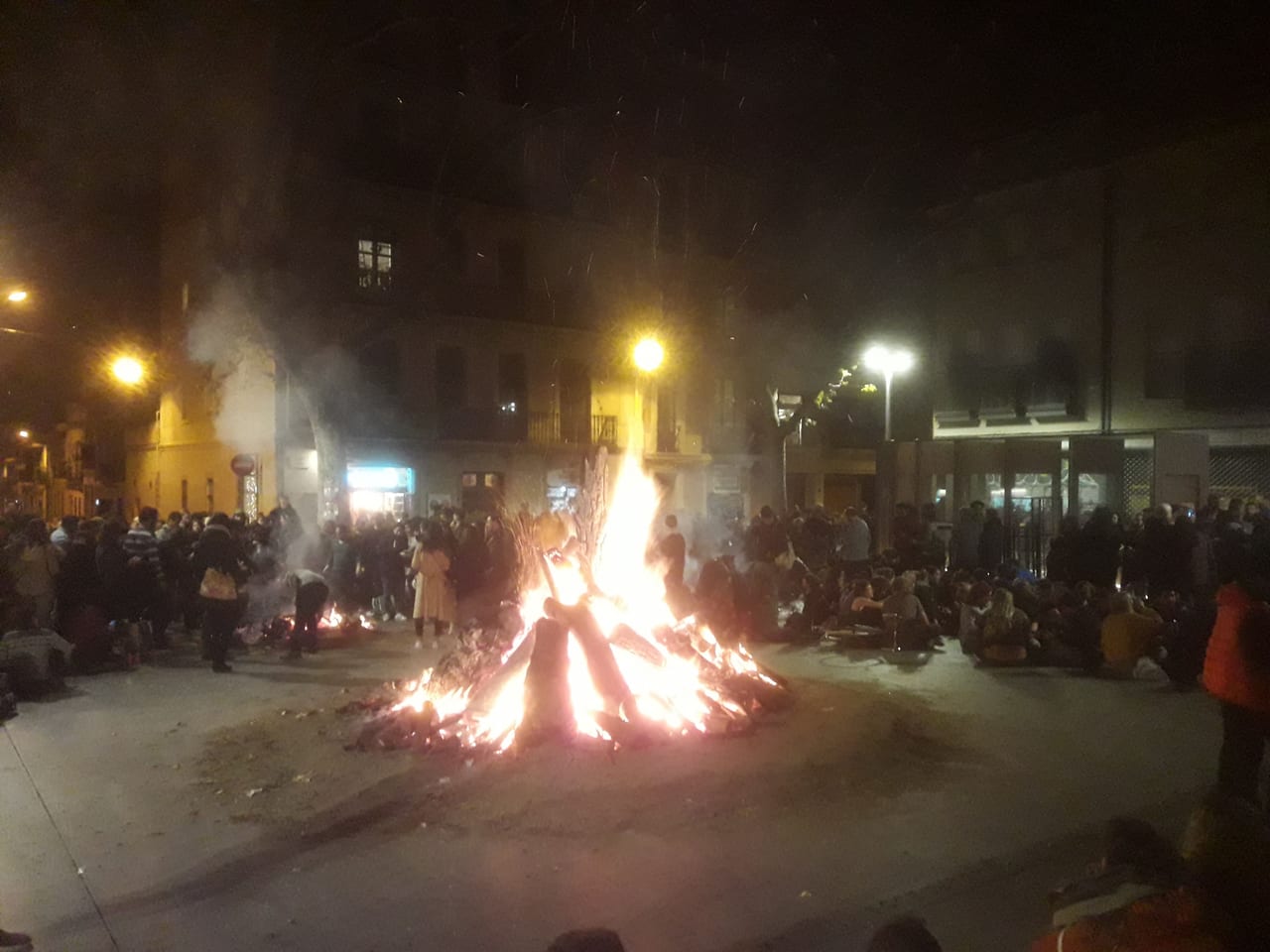
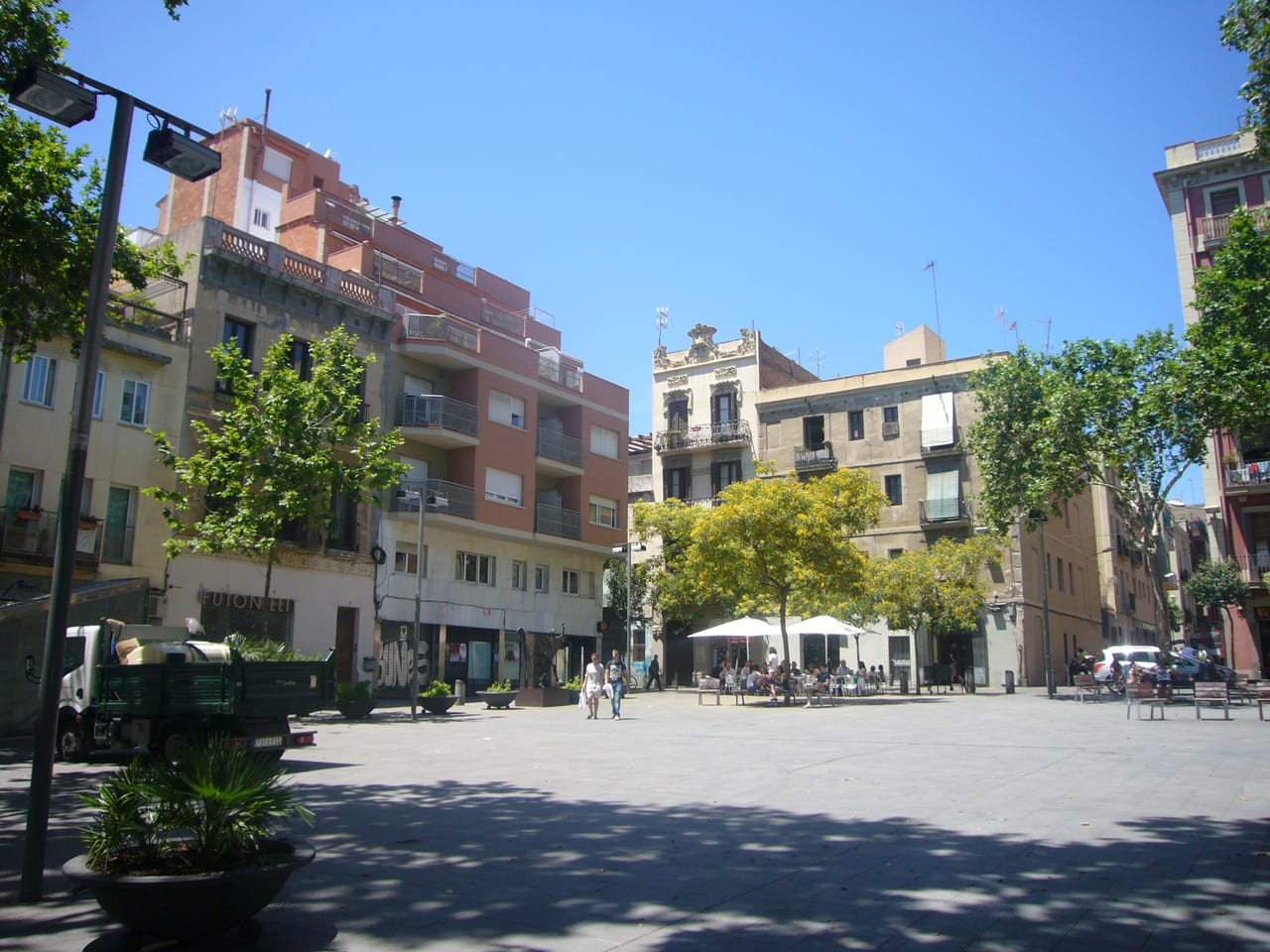
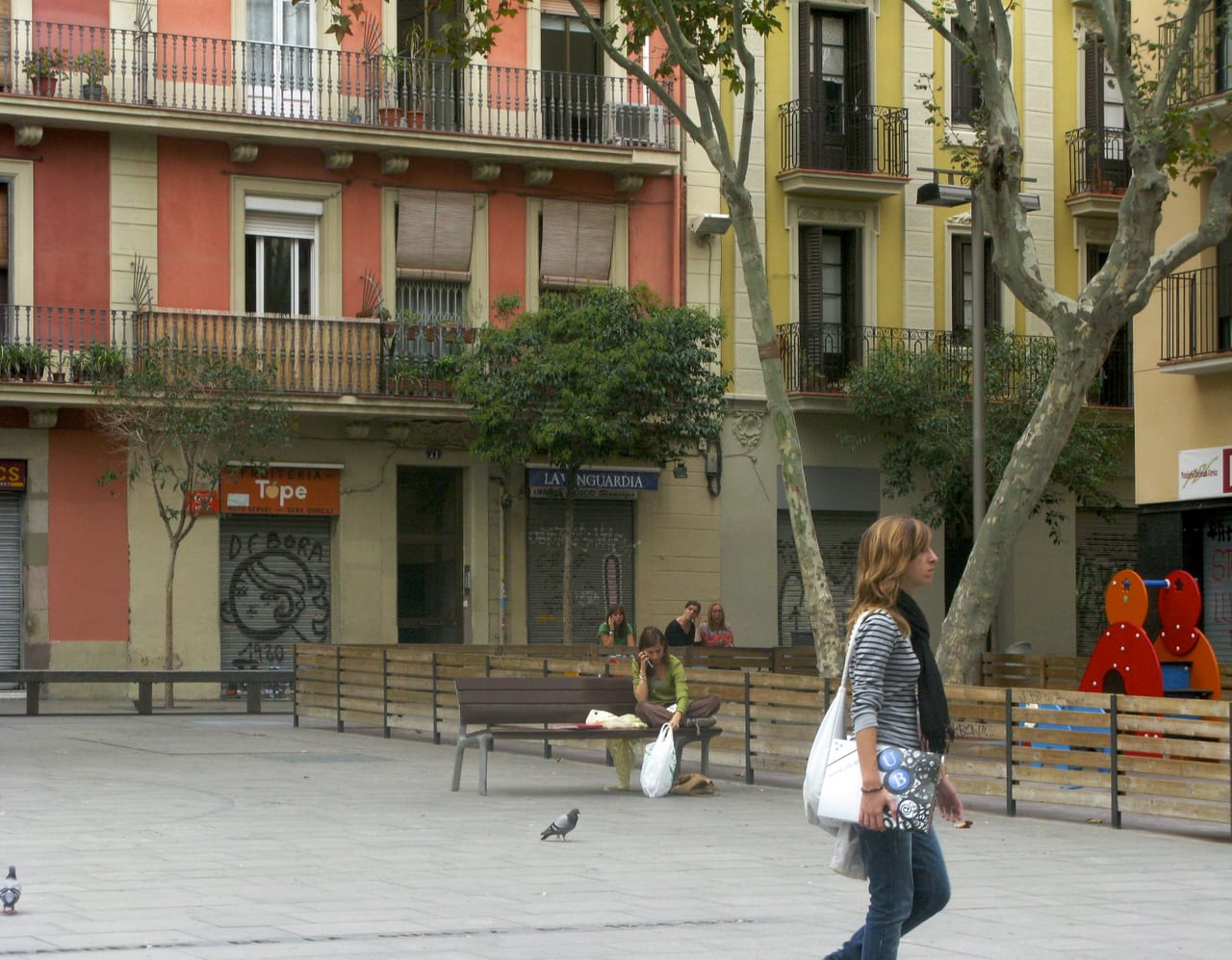
Plaça del Diamant became widely known through Mercè Rodoreda’s novel of the same name, whose protagonist’s story begins at a Festa Major dance held beneath an envelat. The square entered that festival tradition in 1914; after the interruption of the Spanish Civil War, the custom returned during the 1960s and 1970s. Its name has a distinctly local origin. In 1860, the village councillor Josep Rossell Imbert, a jeweller, acquired the land later urbanised here. He chose jewellery materials and precious stones for the streets and squares created on his properties, assigning the diamond—the most prized mineral—to this square. Its literary identity was reinforced by a bronze sculpture of La Colometa, Rodoreda’s protagonist with her pigeons, and by a commemorative plaque for the writer. The present plaque dates from November 2008, replacing one installed by the city council in April 1981.
At a glance
- Heritage
- With urban protection
Ways to explore plaça del Diamant
At the square, look for Xavier Medina Campeny’s bronze La Colometa, dated 1984: the figure represents Rodoreda’s protagonist alongside her pigeons. Read the commemorative plaque for the writer and compare its present 2008 version with the earlier memorial noted in the square’s history. The sculpture and plaque provide the clearest points of entry into the place’s literary identity.
Places to stay near plaça del Diamant

Live availability and prices from Stay22's partners, refreshed periodically and subject to change. Booking through these links may earn us a commission at no extra cost to you. See our privacy policy.
Cafés near plaça del Diamant
Cafés near plaça del Diamant loads as you scroll.
Attractions nearby
Attractions near plaça del Diamant loads as you scroll.
Cities nearby
Cities nearby loads as you scroll.
More in Barcelona
See more of Barcelona.
Find great cafés, places to stay and other interesting places to visit in Barcelona.