Square · Barcelona
Plaça de Sant Felip Neri
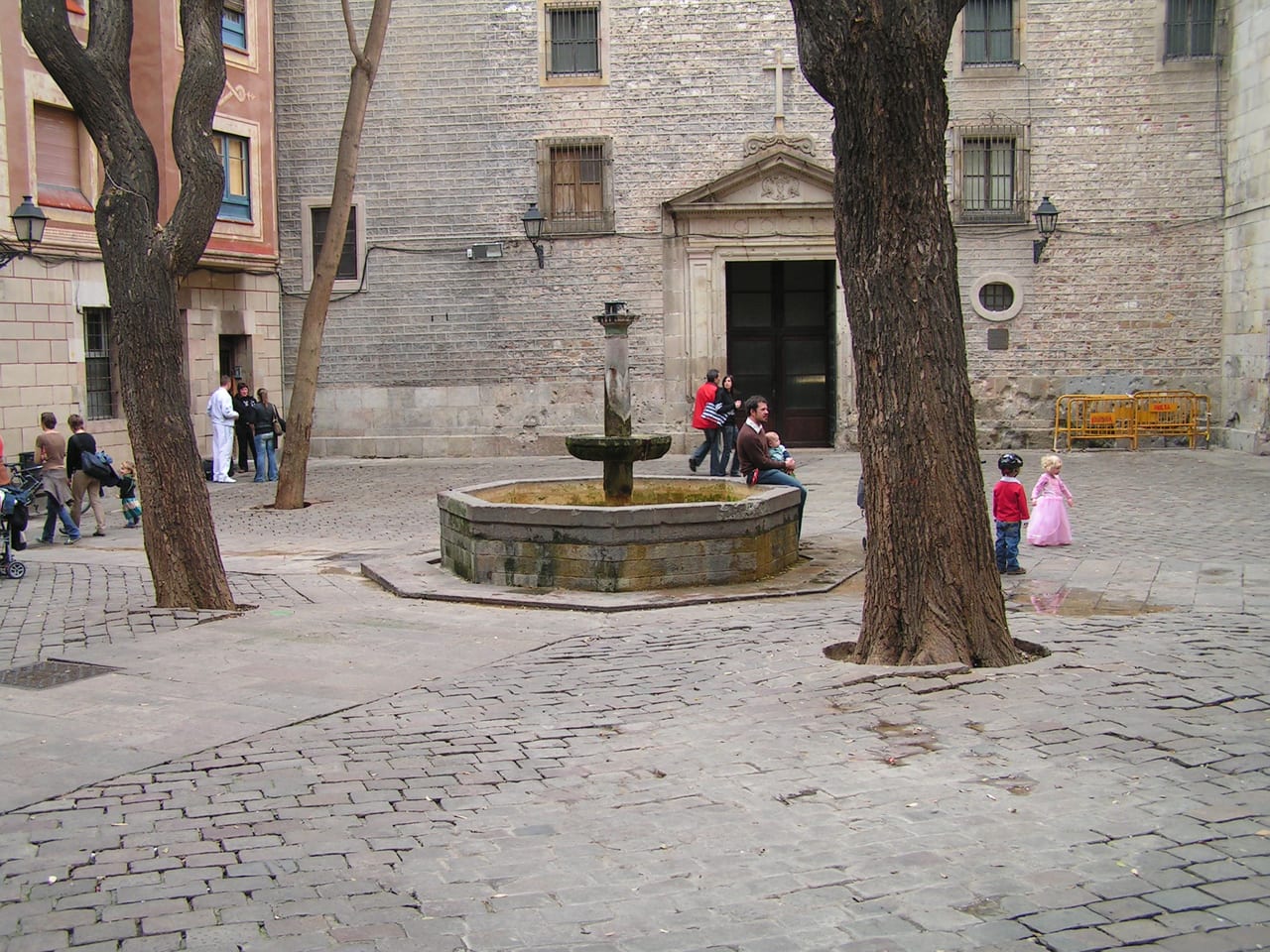
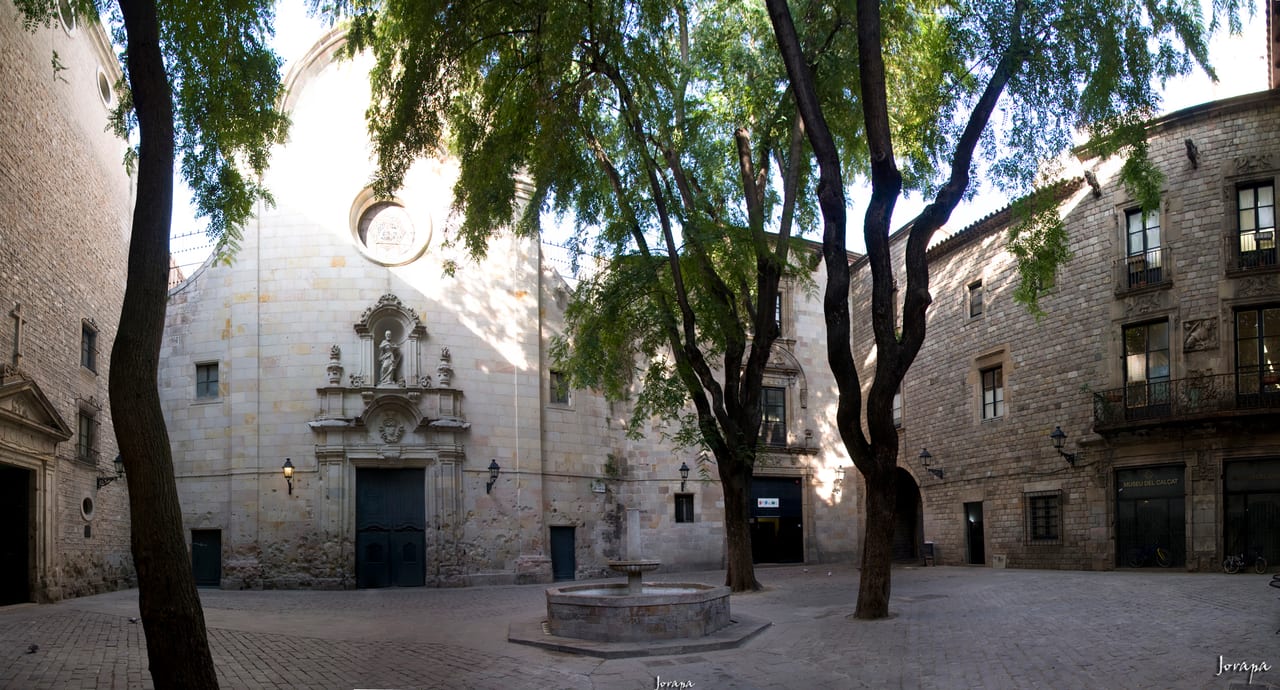
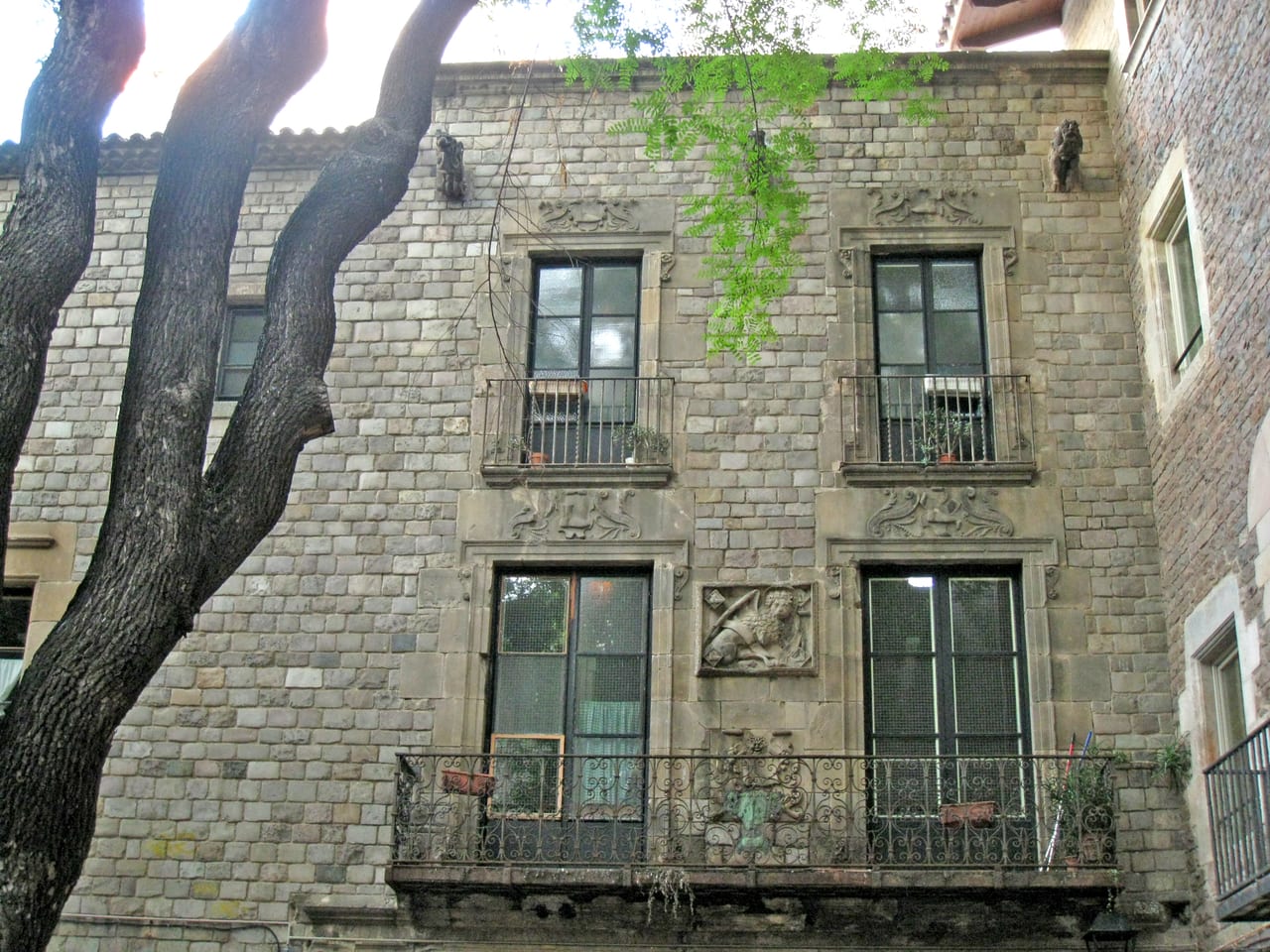
DirectionsRenaissance buildings were transferred here stone by stone in the mid-20th century, preserving the square’s deliberately Gothic character amid Barcelona’s redevelopment.
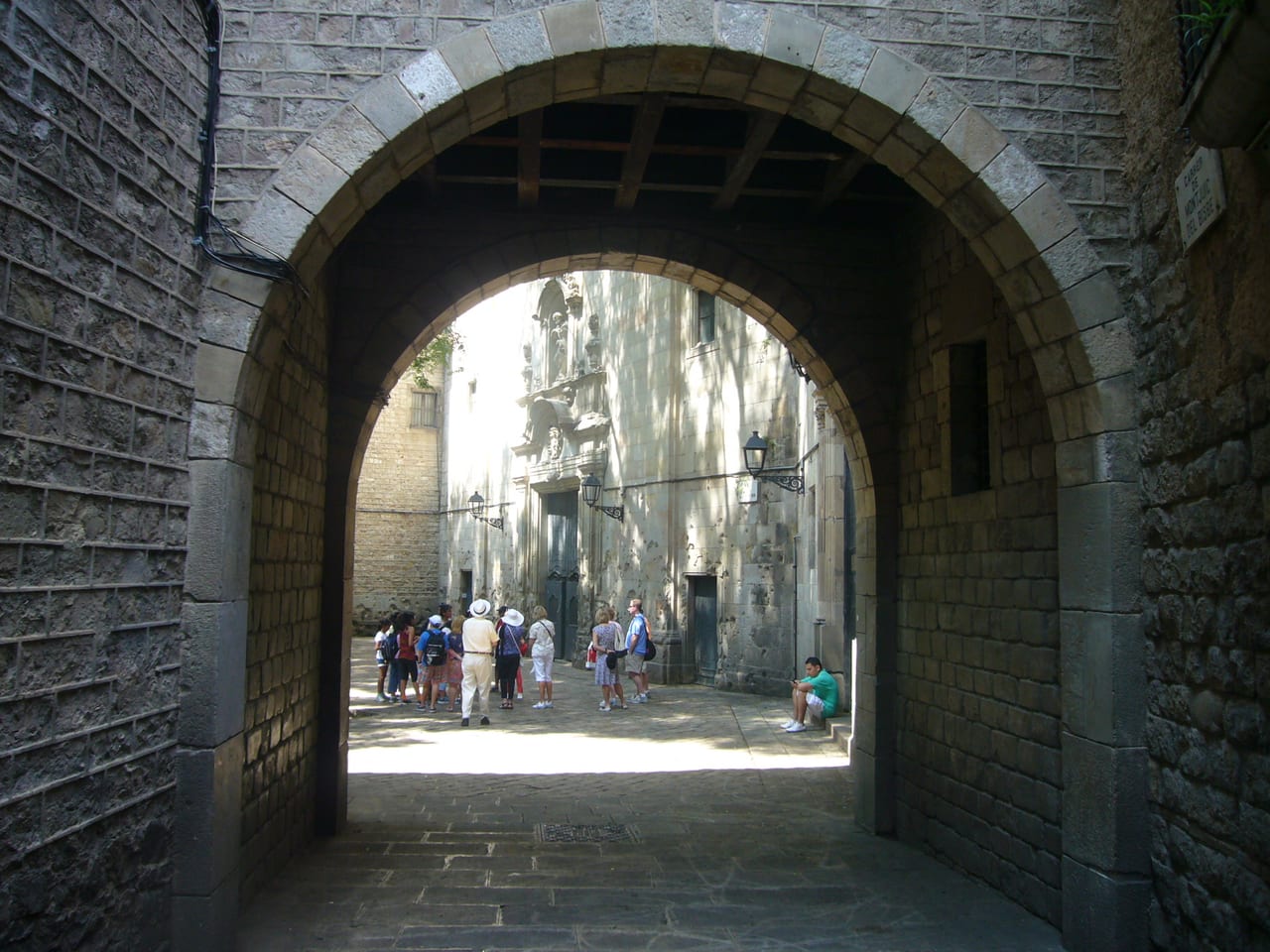
Photograph 1 of 13 of Plaça de Sant Felip Neri
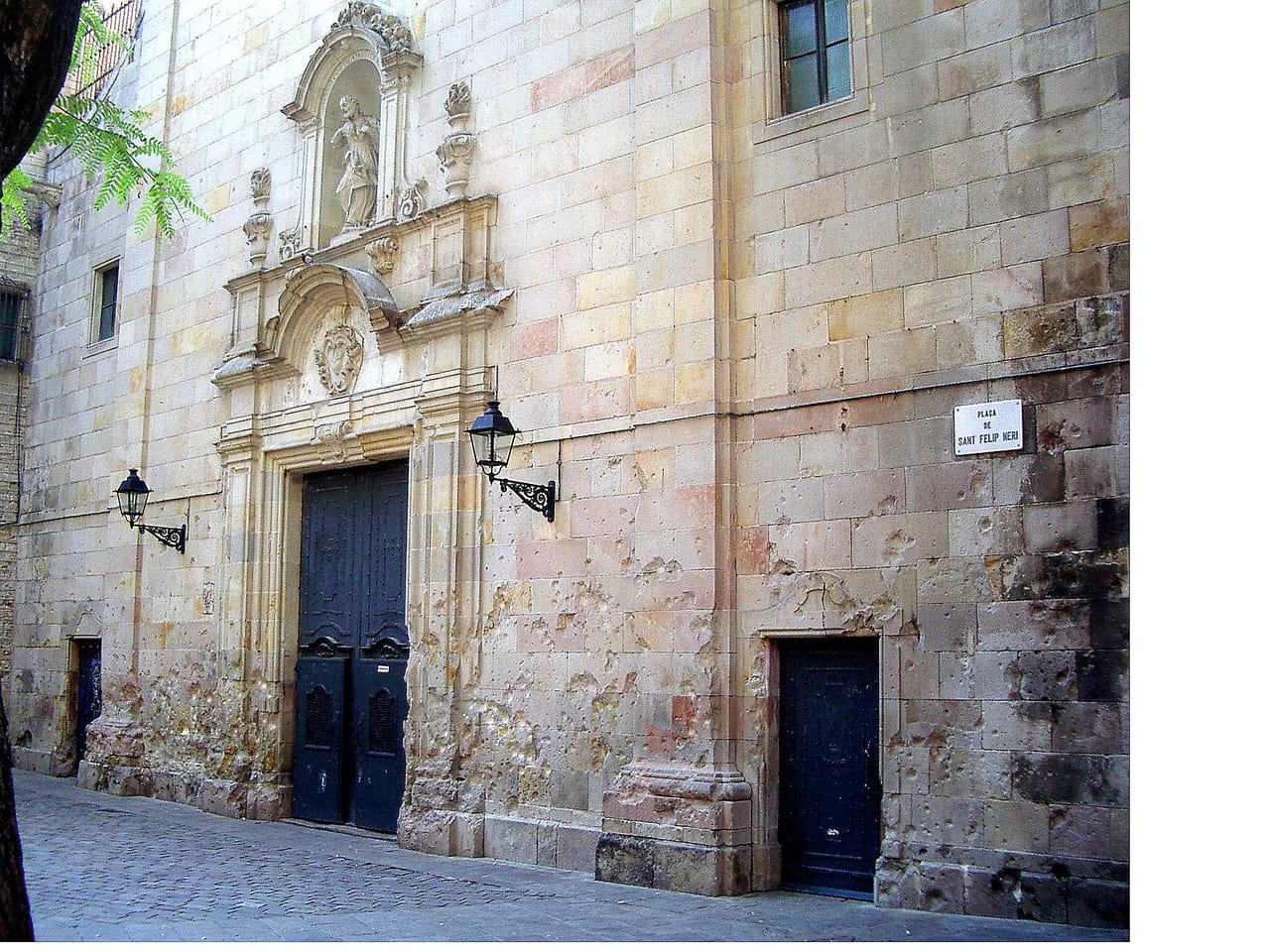
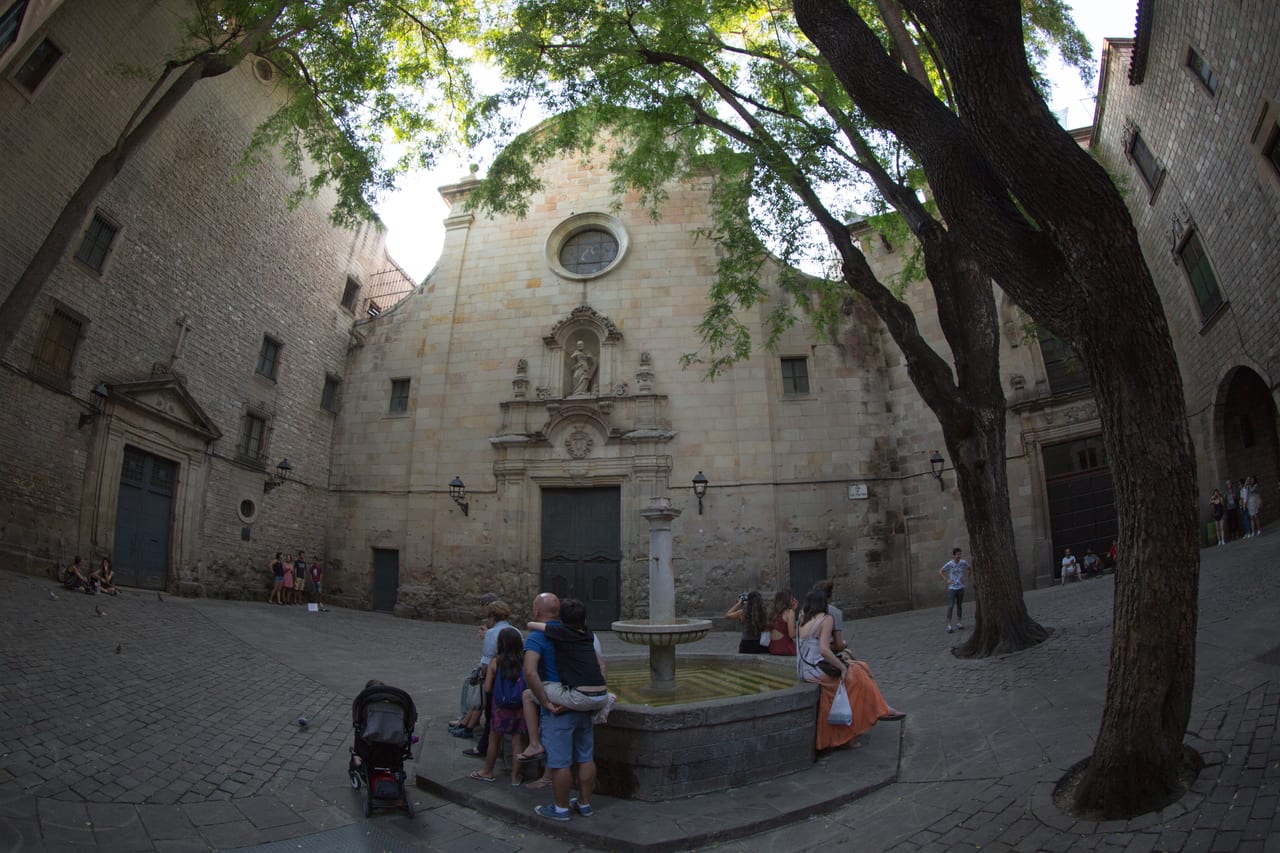
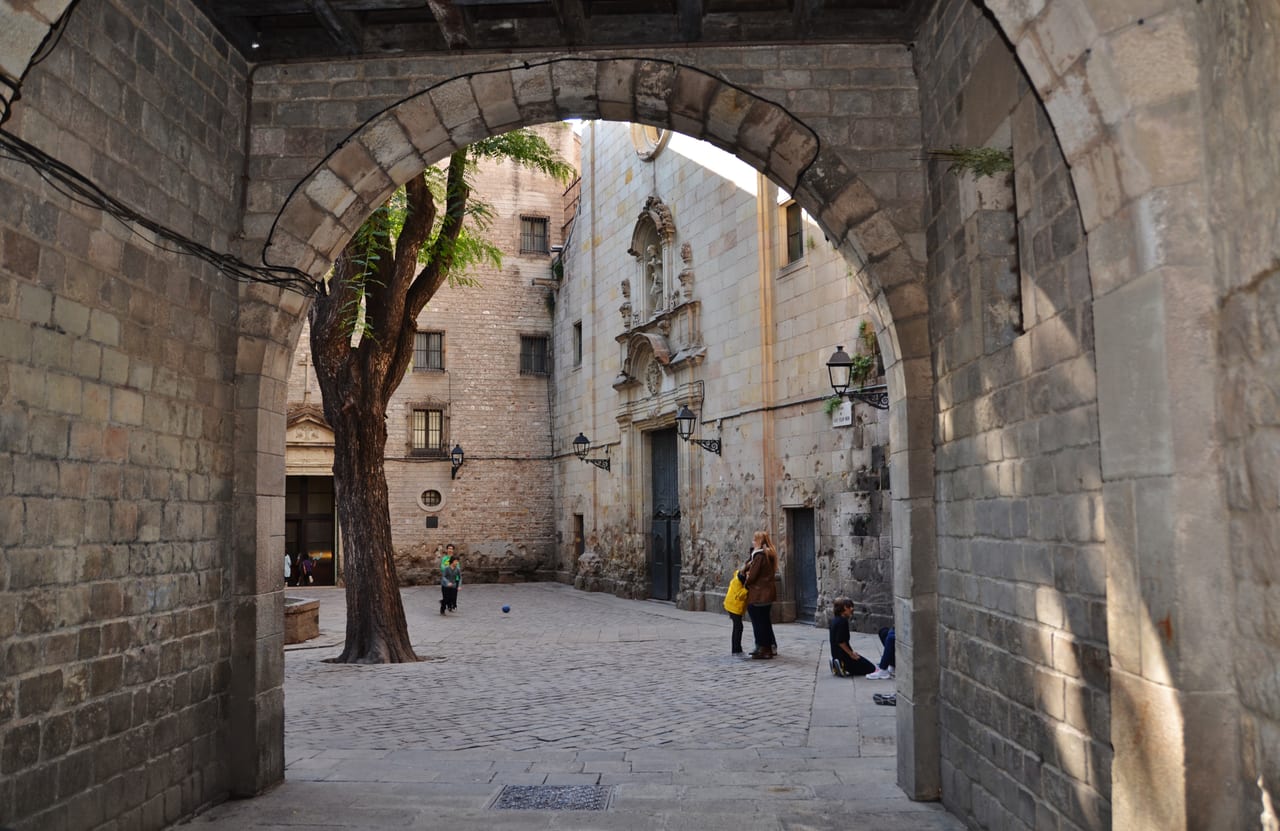
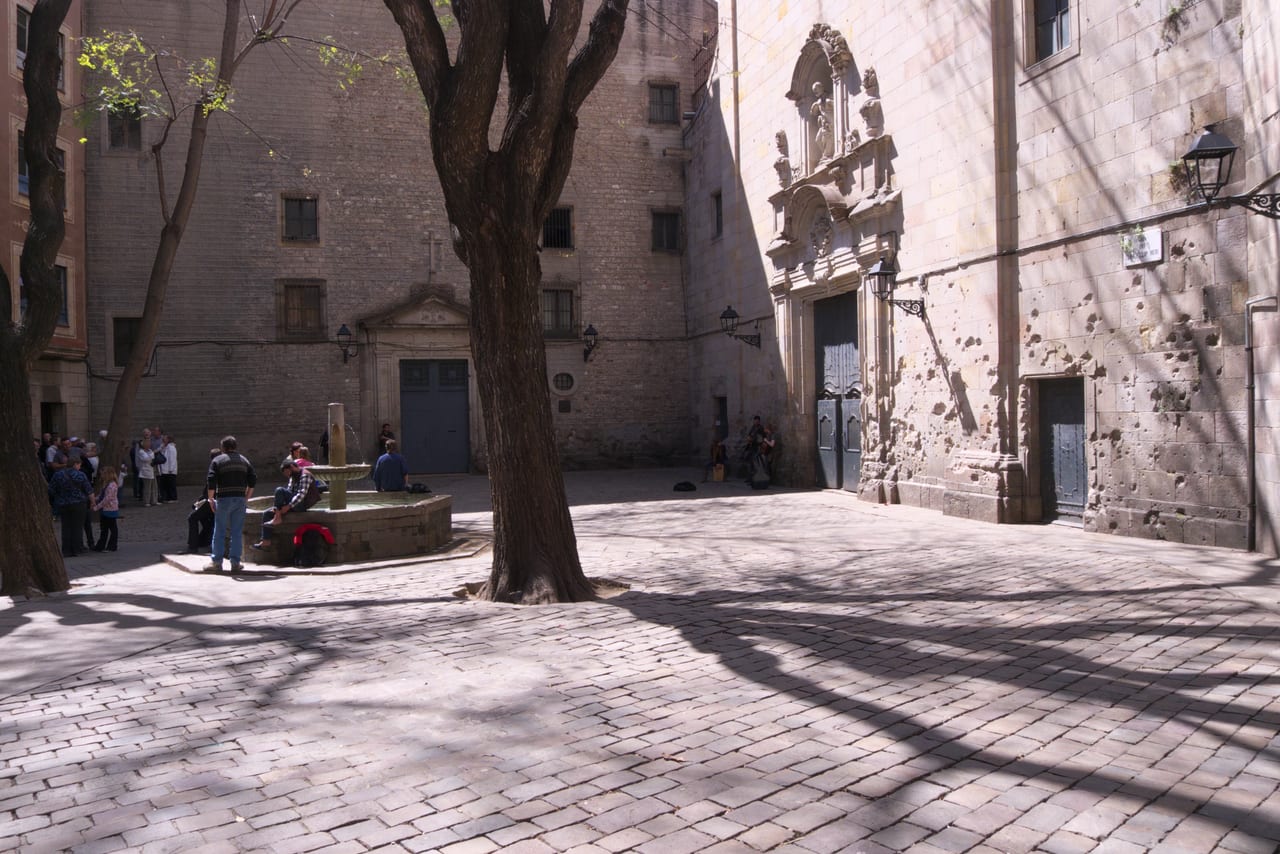
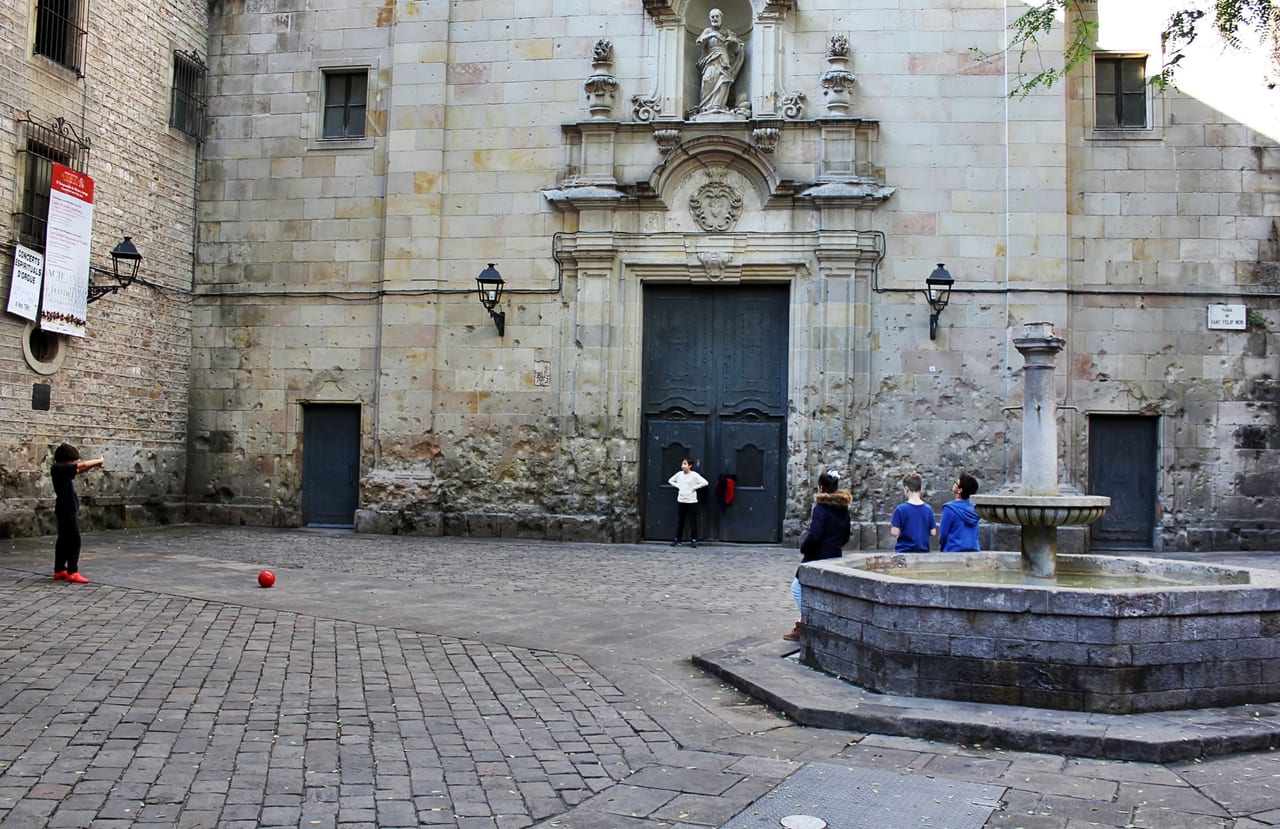
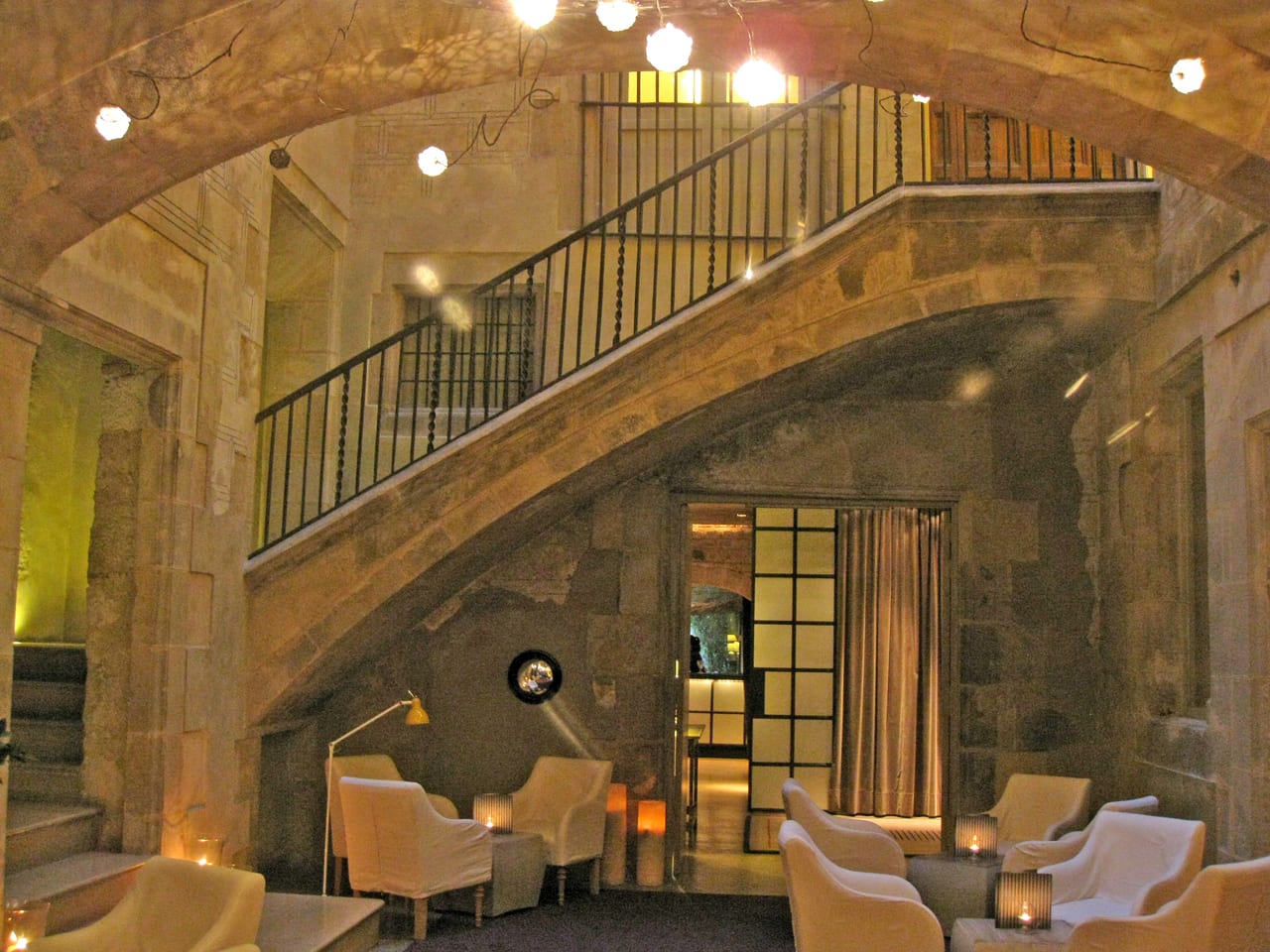
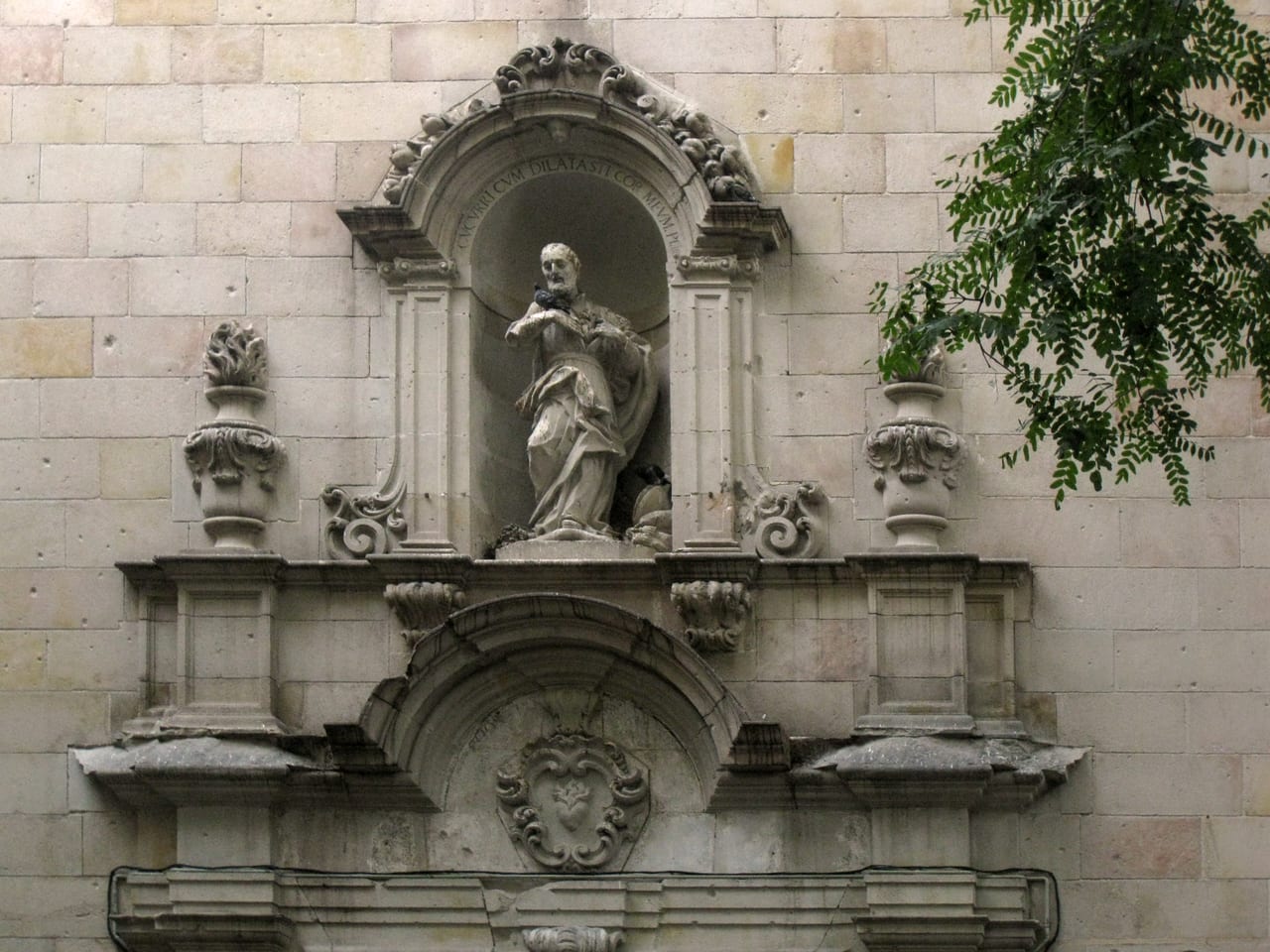
The site once contained the Palace of Neri, built in 1752. When the Hotel Neri was built, it adopted Gothic stonework so it would sit coherently within the historic setting. The square carries a devastating memory of the Spanish Civil War. A second bomb struck as survivors were being recovered, killing 12 more. The 42 deaths made it Barcelona’s second-worst bombing of the war. Pockmarks remain in the church walls. Francoist authorities later promoted a false story that they came from an anarchist execution of priests, concealing the bombing’s evidence. The Museu del Calçat, a footwear museum, closed in 2015 and its building remains unused.
Ways to explore Plaça de Sant Felip Neri
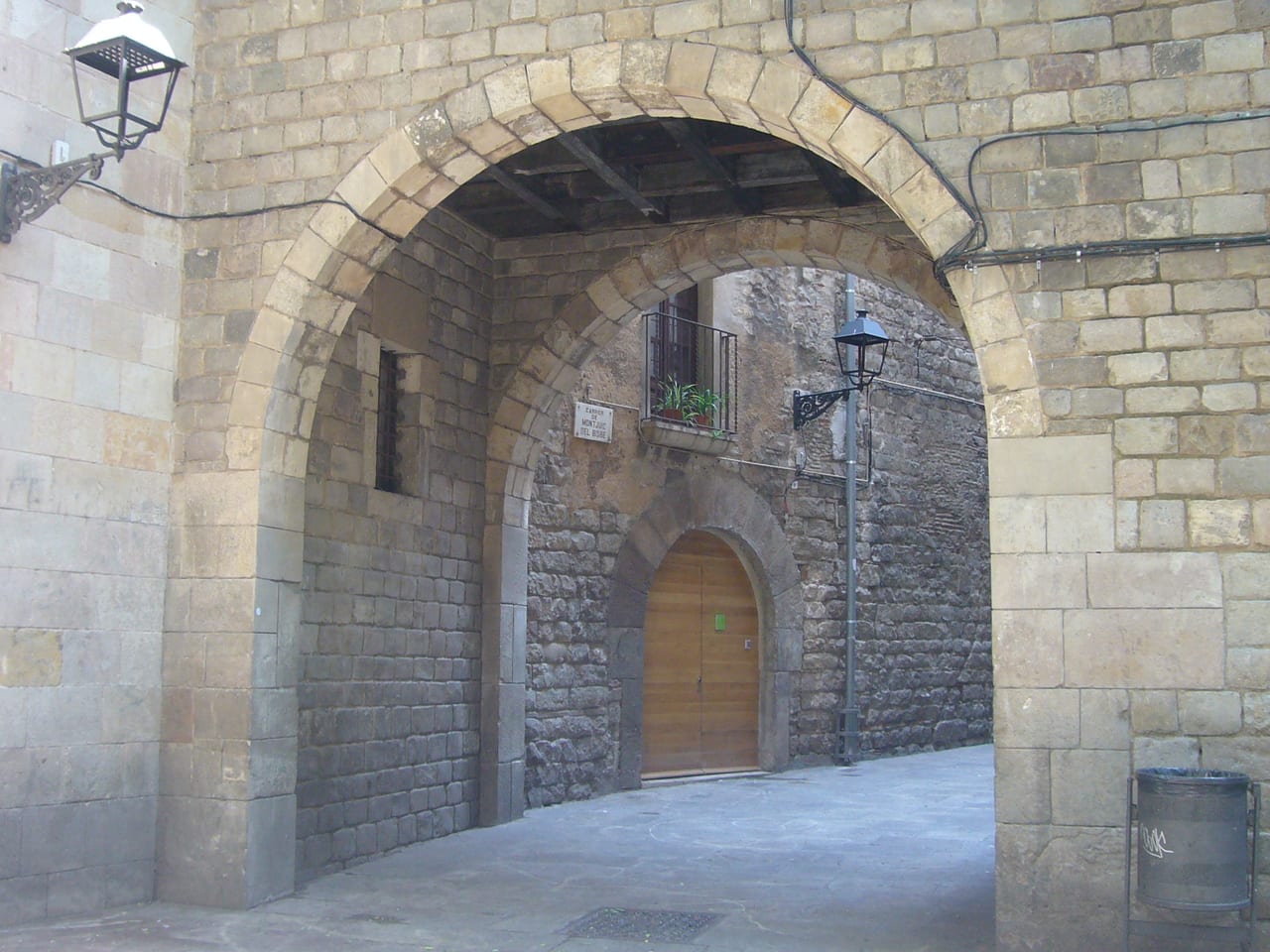
Enter from Carrer de Montjuïc del Bisbe, near Barcelona Cathedral, and take in the enclosed proportions before examining the church facade and the surrounding Renaissance and Baroque details. In the centre, pause at the octagonal fountain, conceived as a symbol of life. The school occupies the church’s right side and uses the space as a playground; the Oratory of Saint Philip Neri occupies the building to the left. Jaume I (L4) and Liceu (L3) are the closest metro stations.
Places to stay near Plaça de Sant Felip Neri

Live availability and prices from Stay22's partners, refreshed periodically and subject to change. Booking through these links may earn us a commission at no extra cost to you. See our privacy policy.
Cafés near Plaça de Sant Felip Neri
Cafés near Plaça de Sant Felip Neri loads as you scroll.
Attractions nearby
Attractions near Plaça de Sant Felip Neri loads as you scroll.
Cities nearby
Cities nearby loads as you scroll.
More in Barcelona
See more of Barcelona.
Find great cafés, places to stay and other interesting places to visit in Barcelona.