Street & promenade · Barcelona
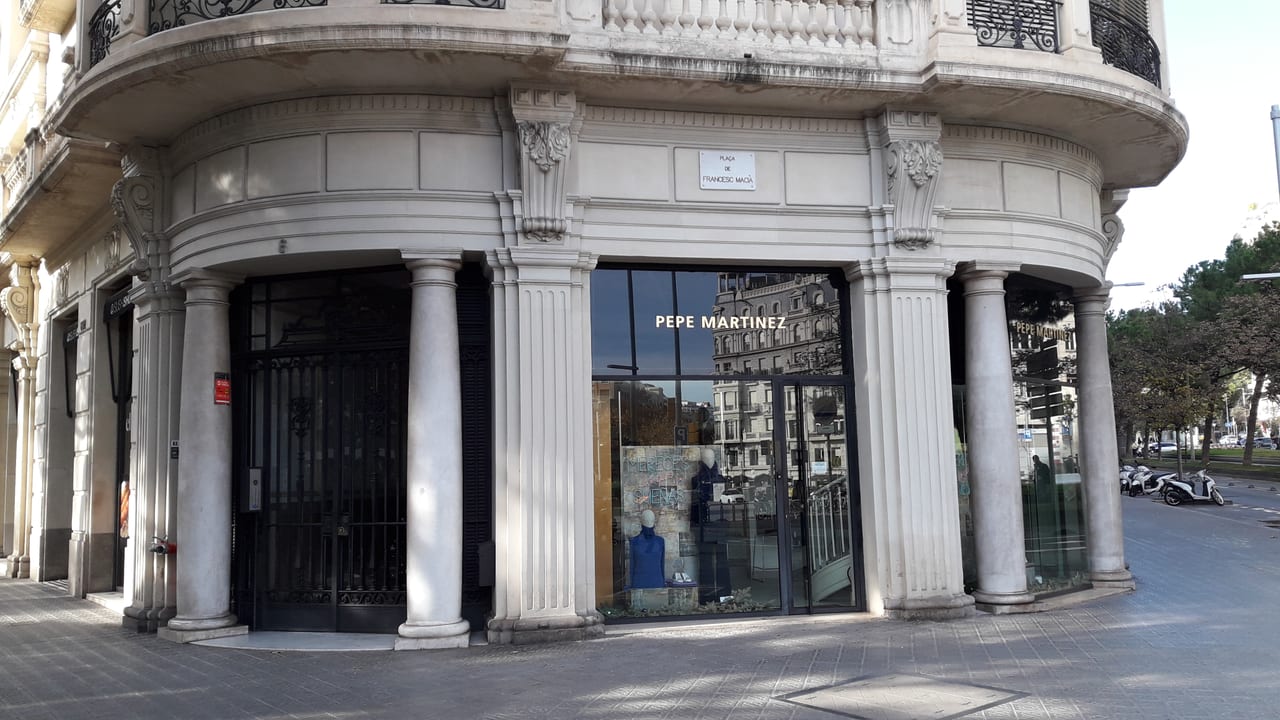
Plaça de Francesc Macià
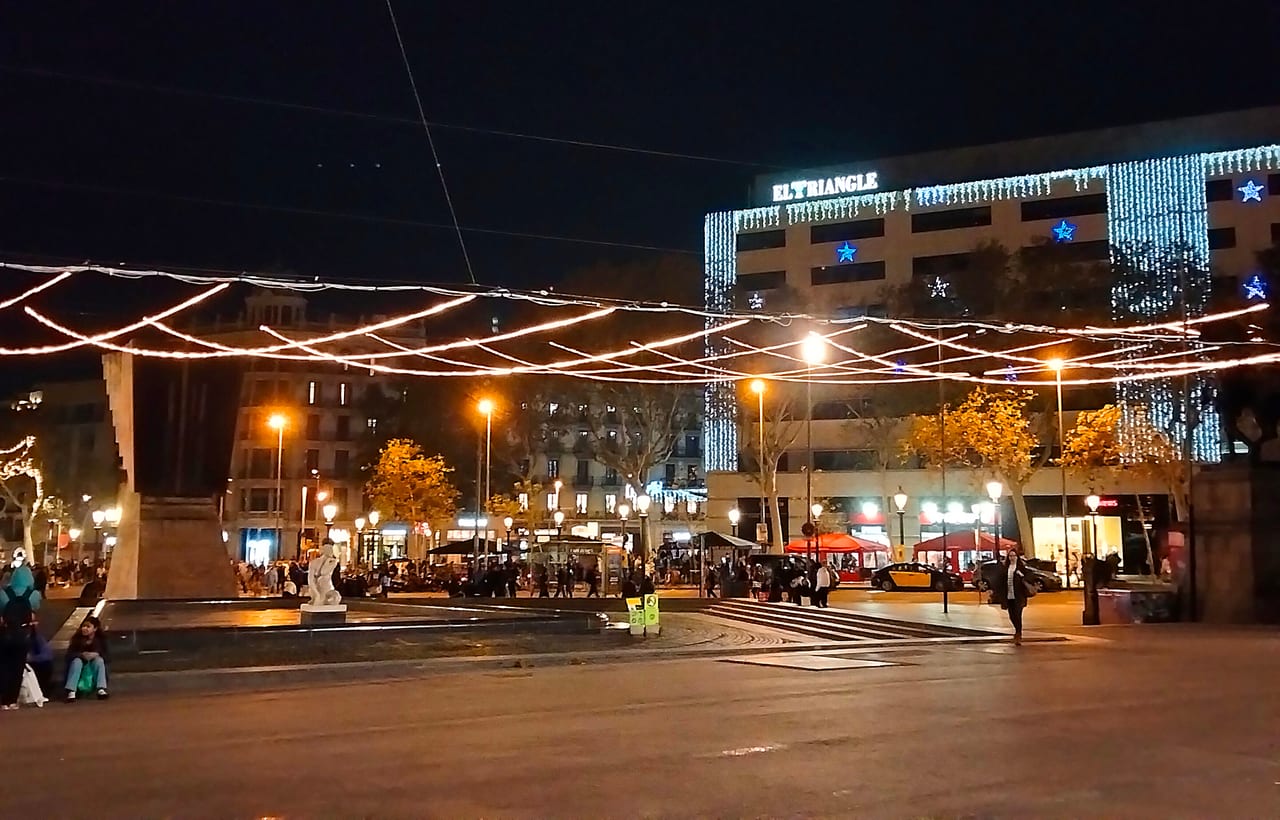
DirectionsThe central pond is modelled on the shape of Menorca, giving this intensely trafficked junction an unusually precise island outline.
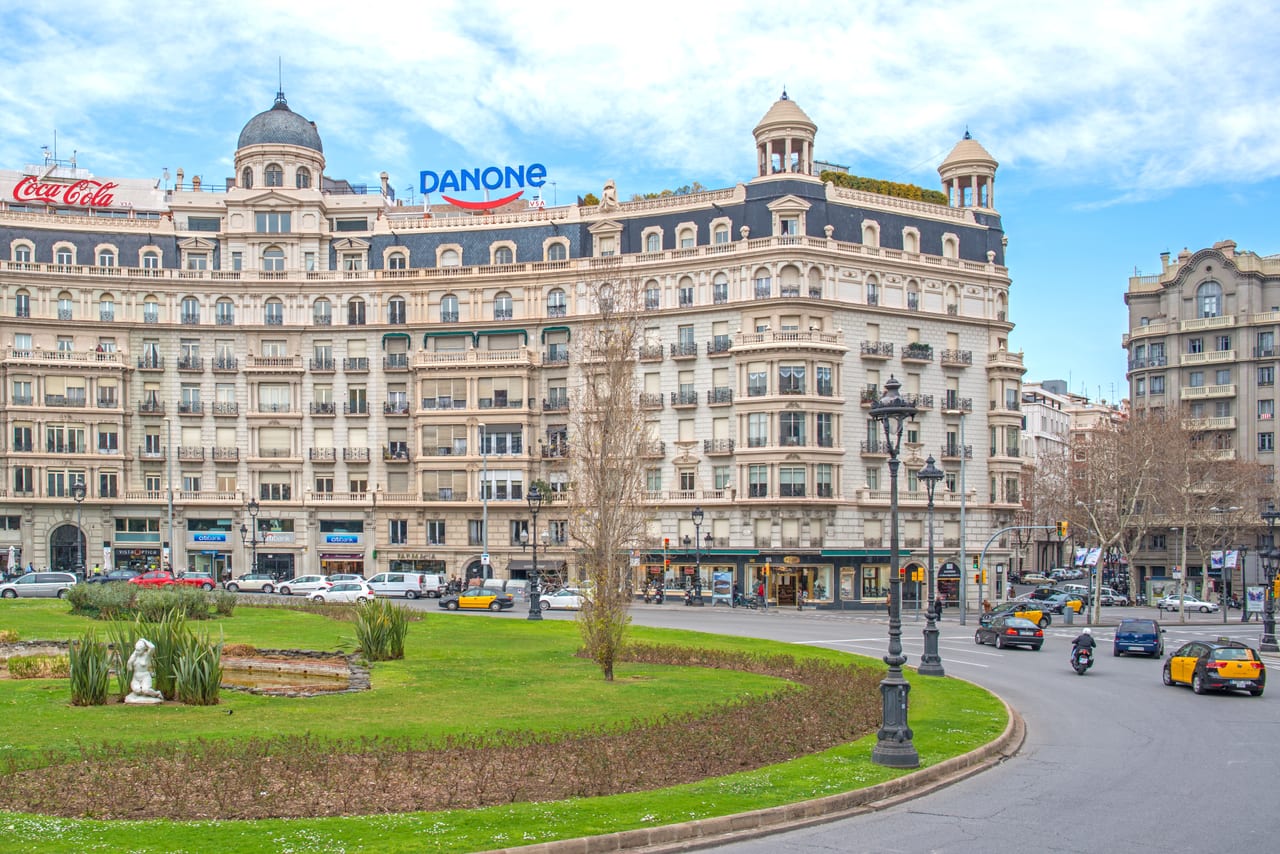
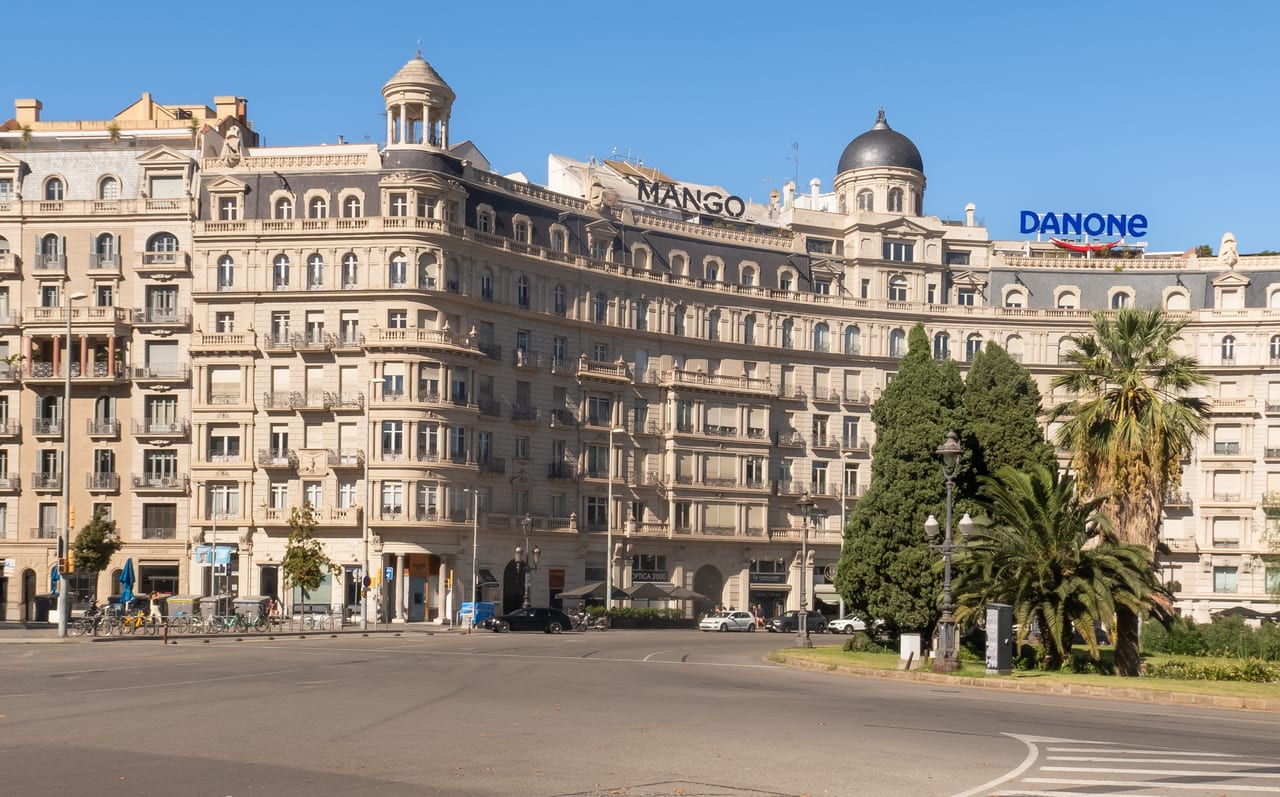
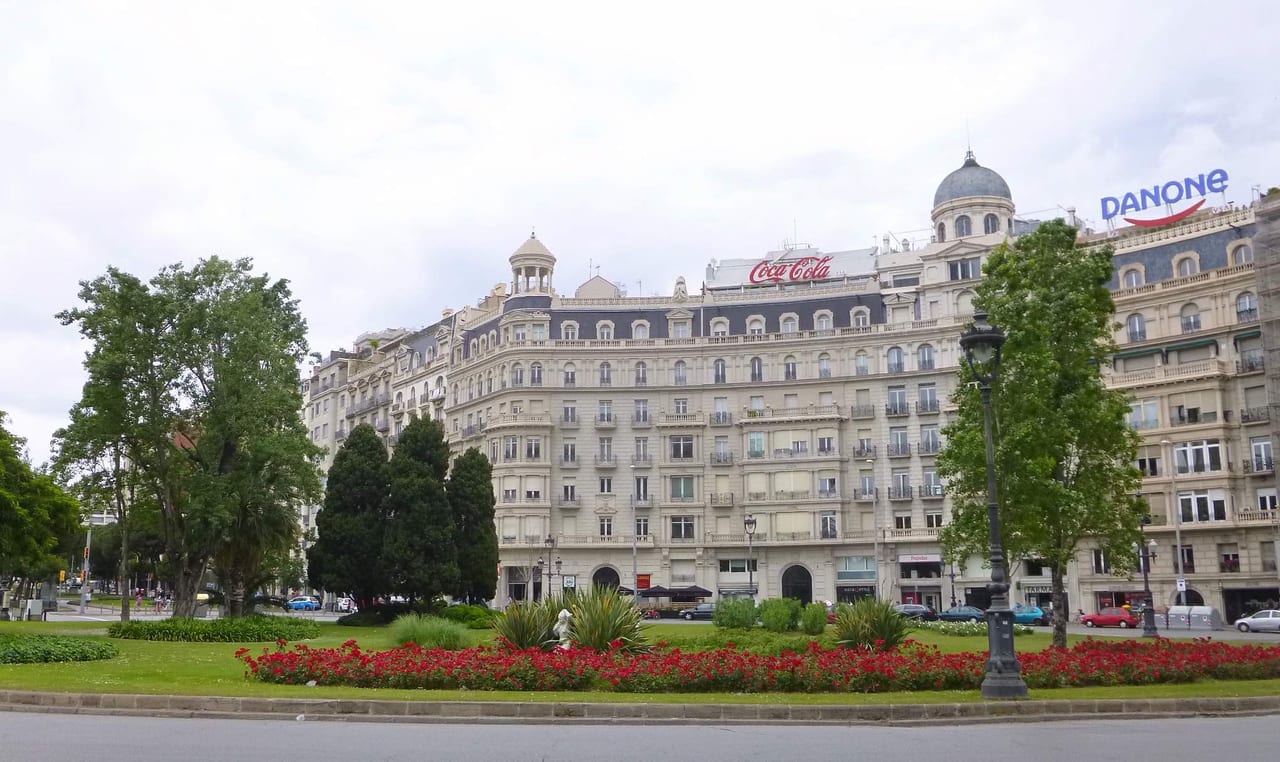
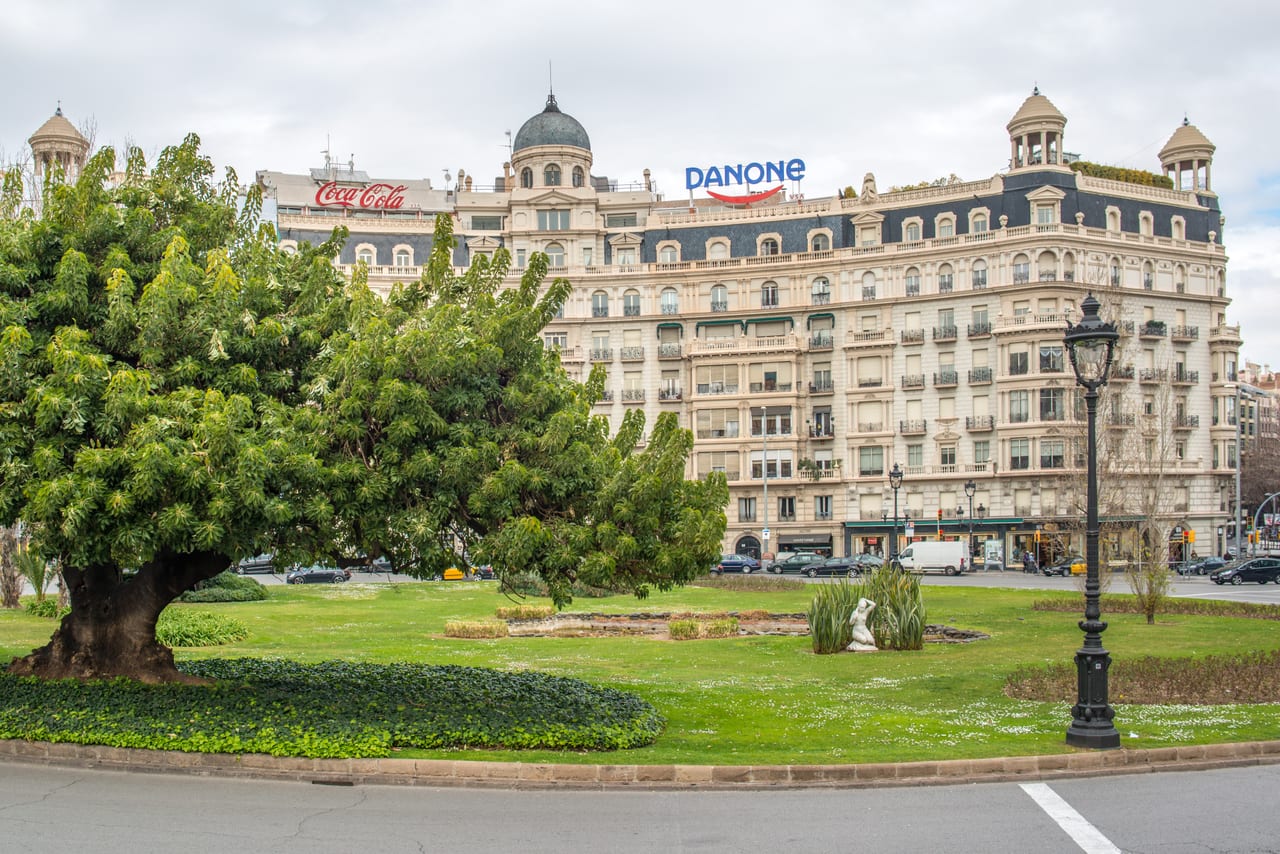
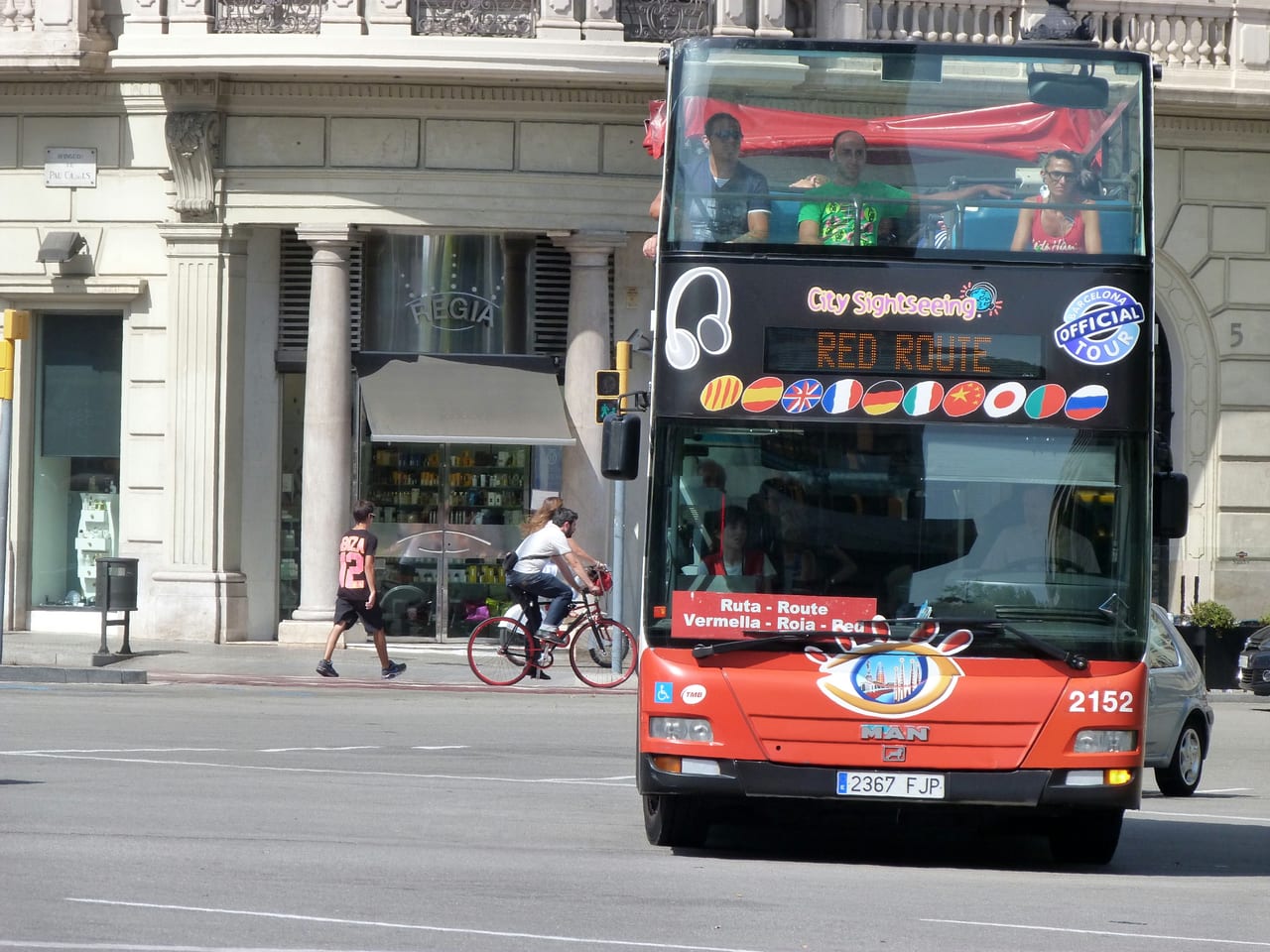
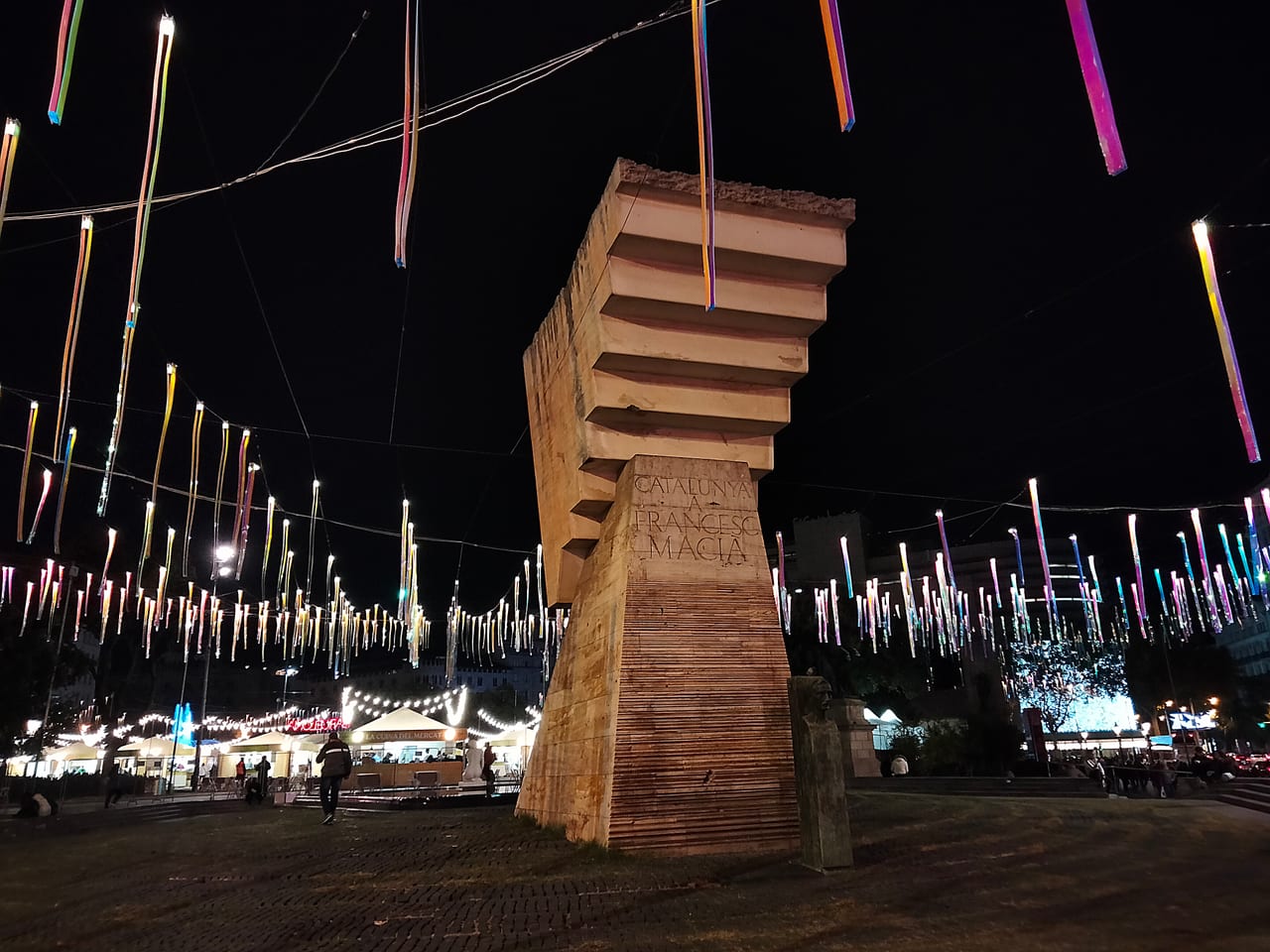
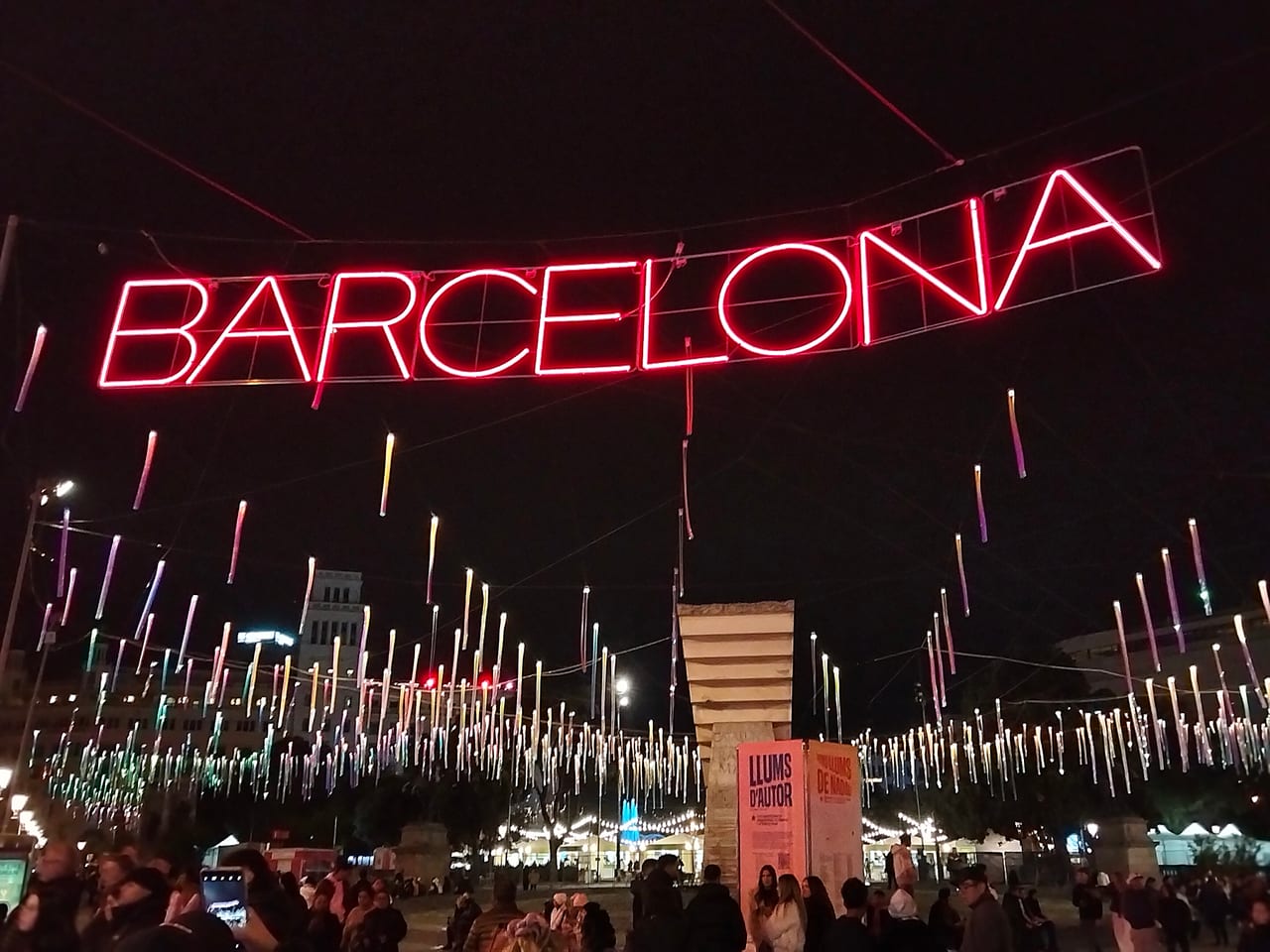
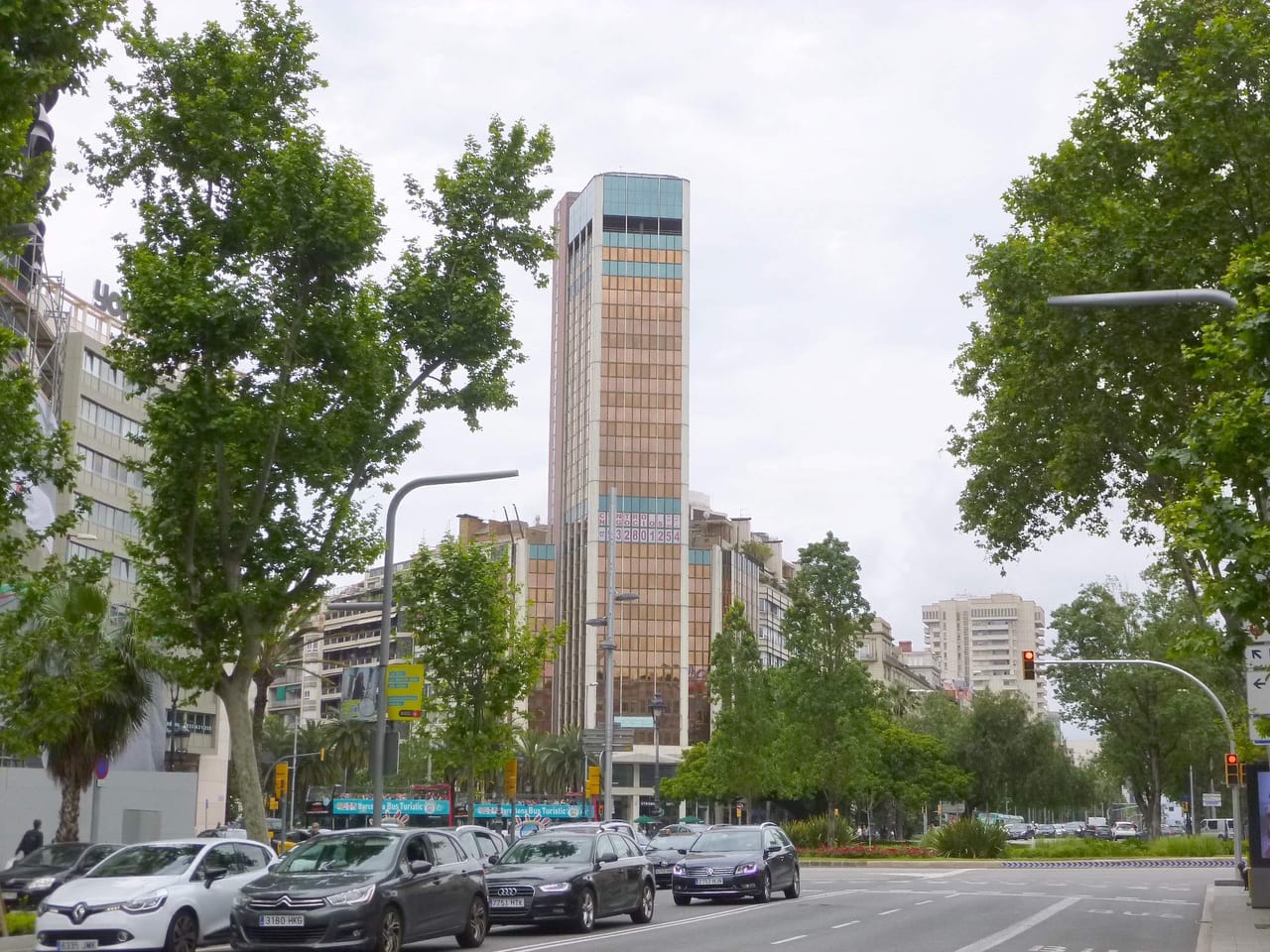
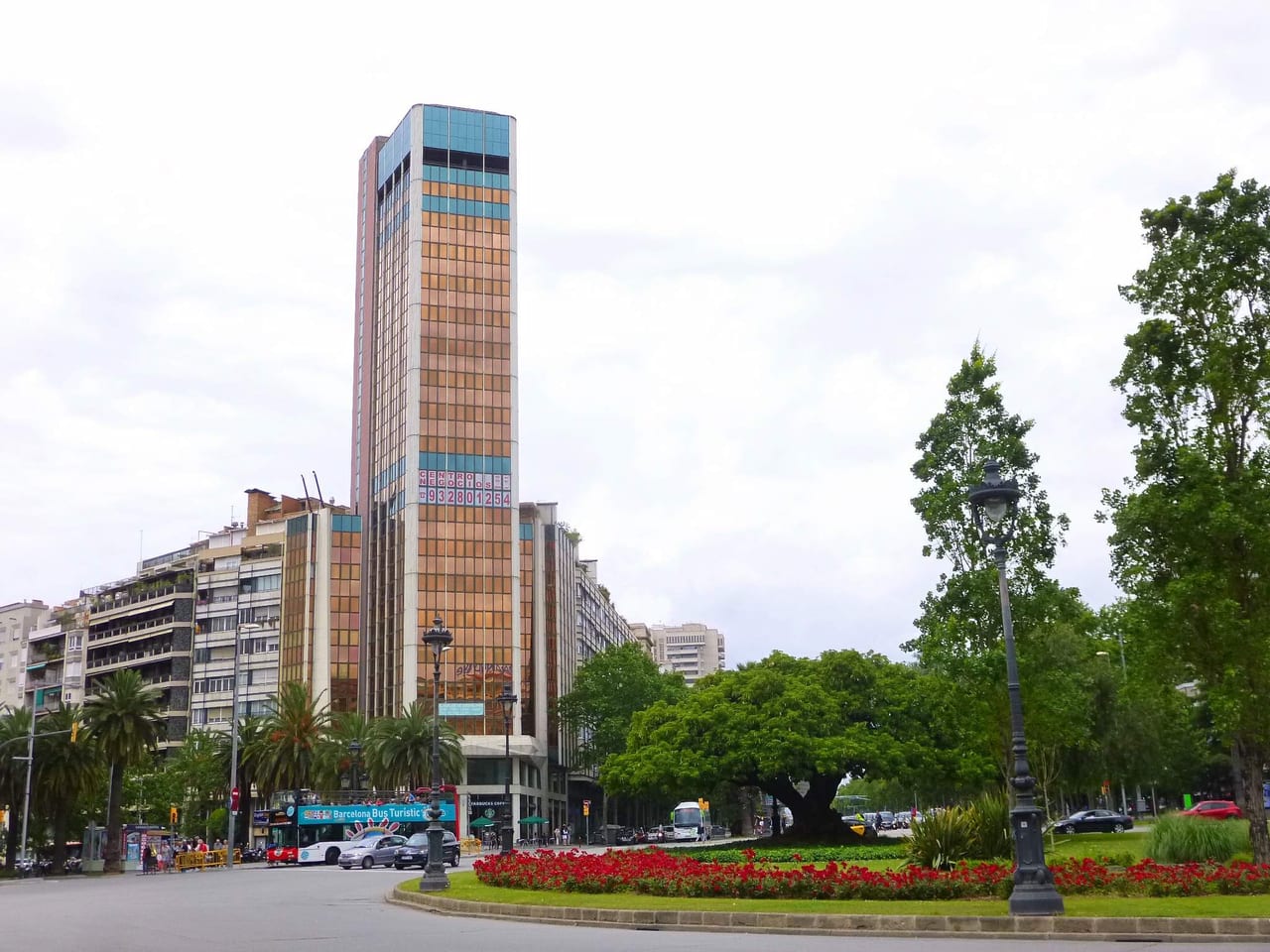
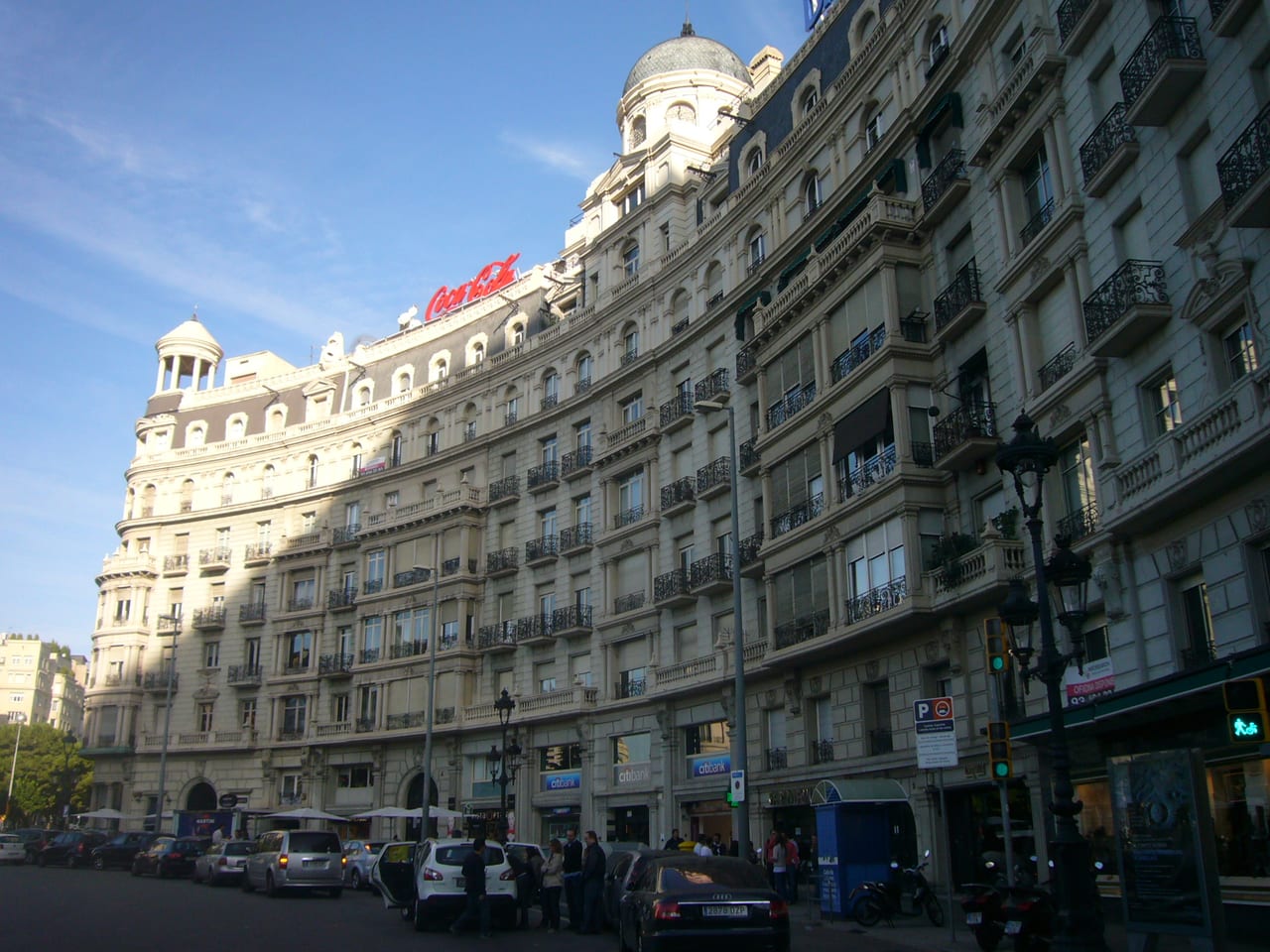
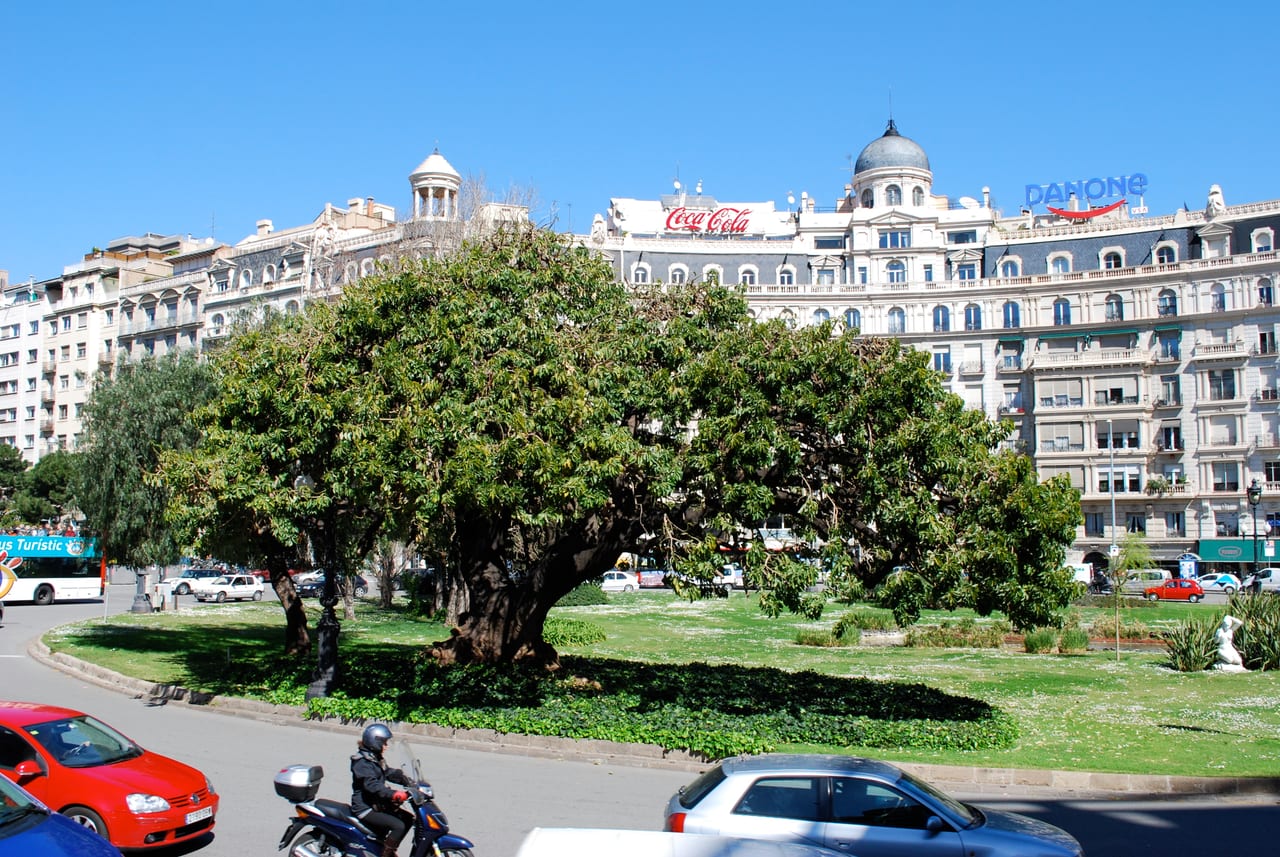
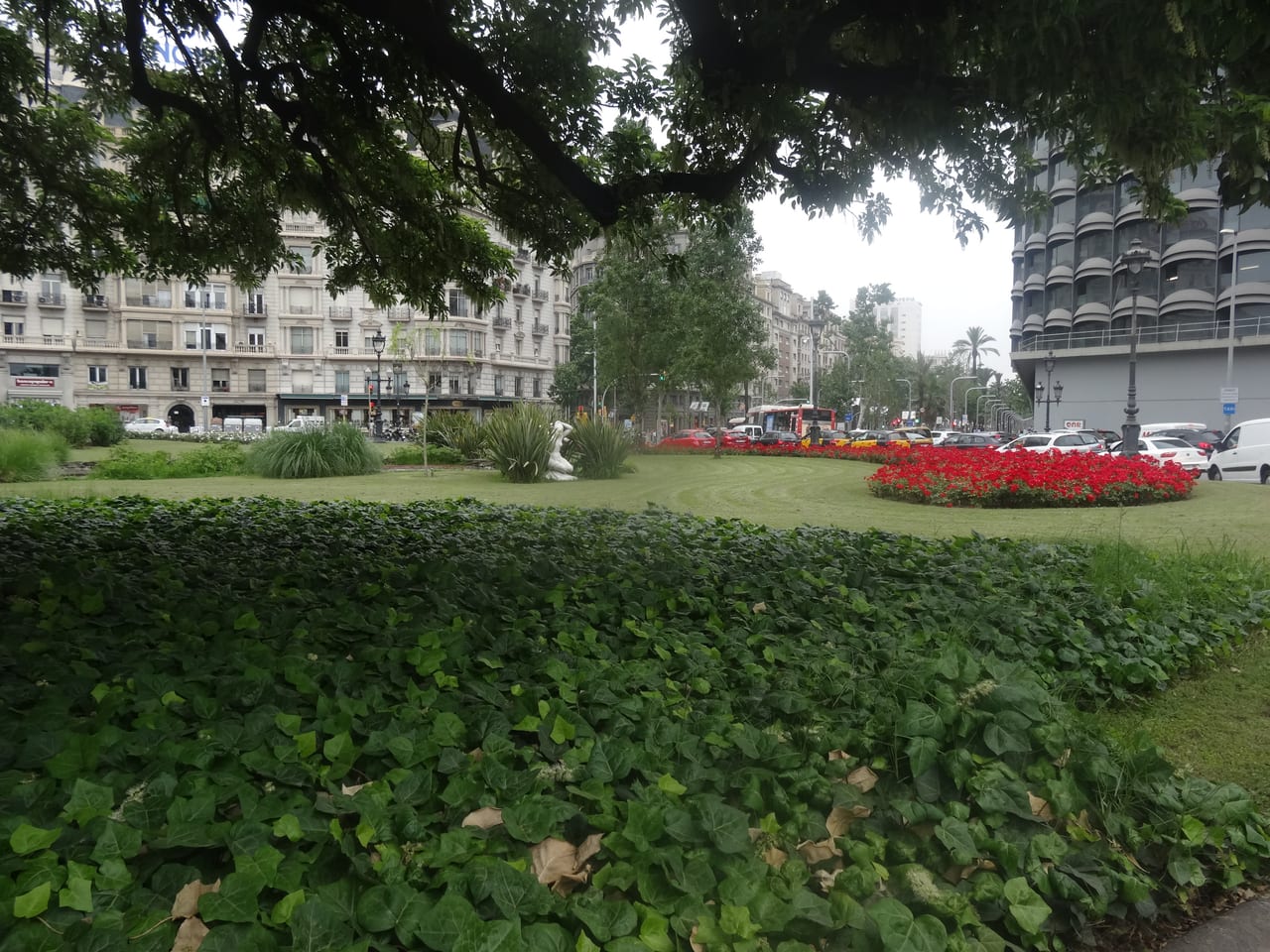
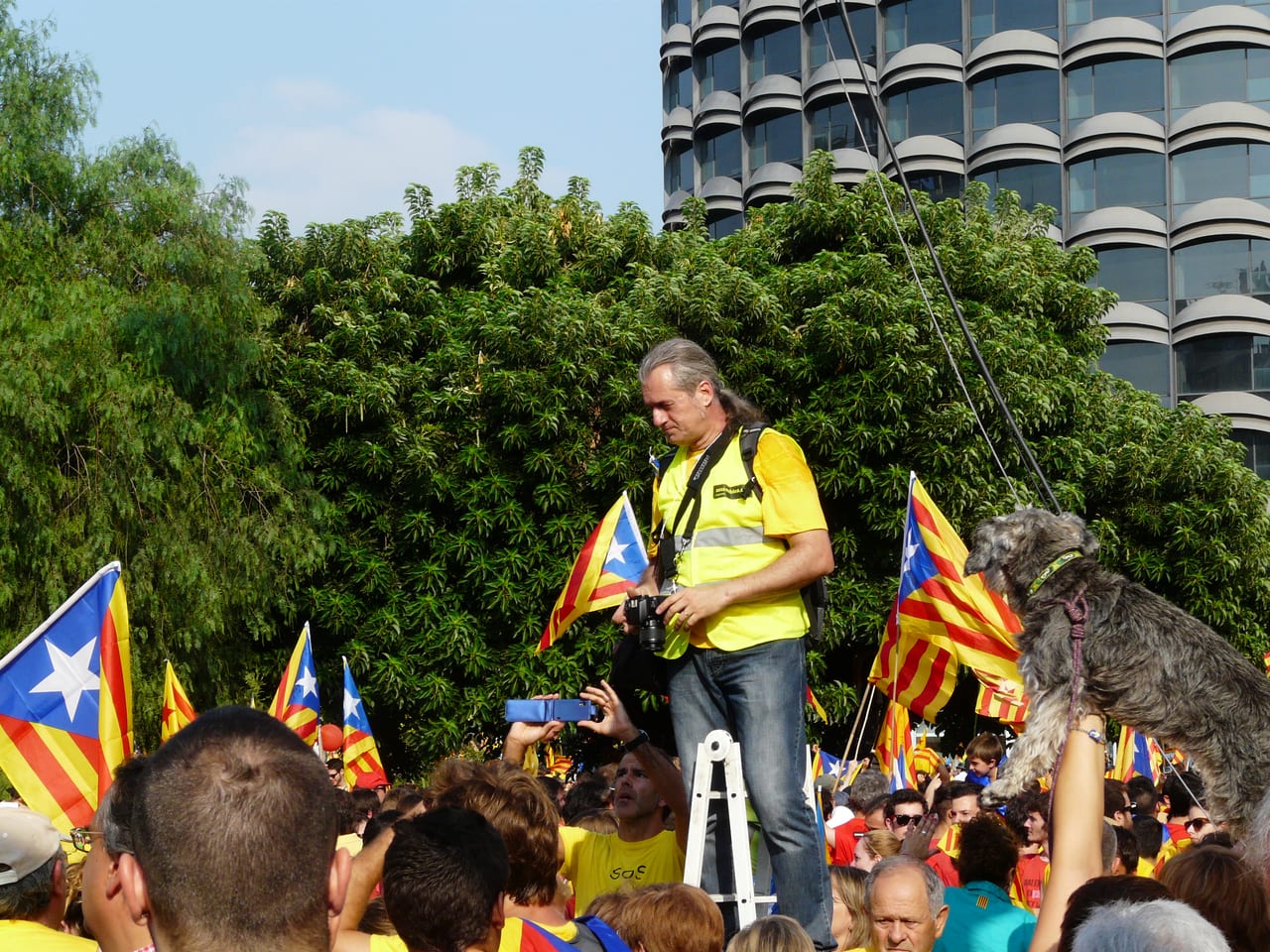
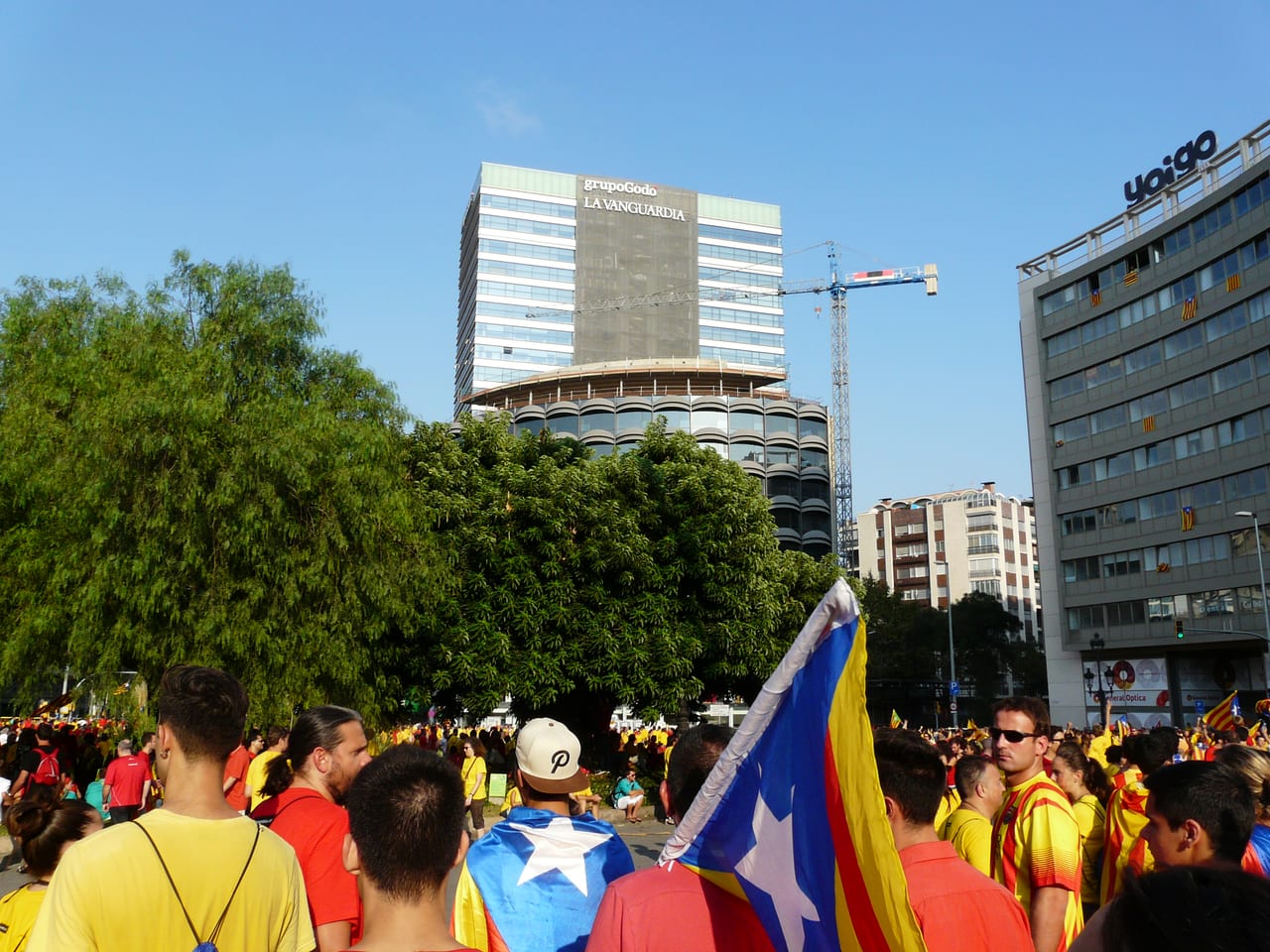
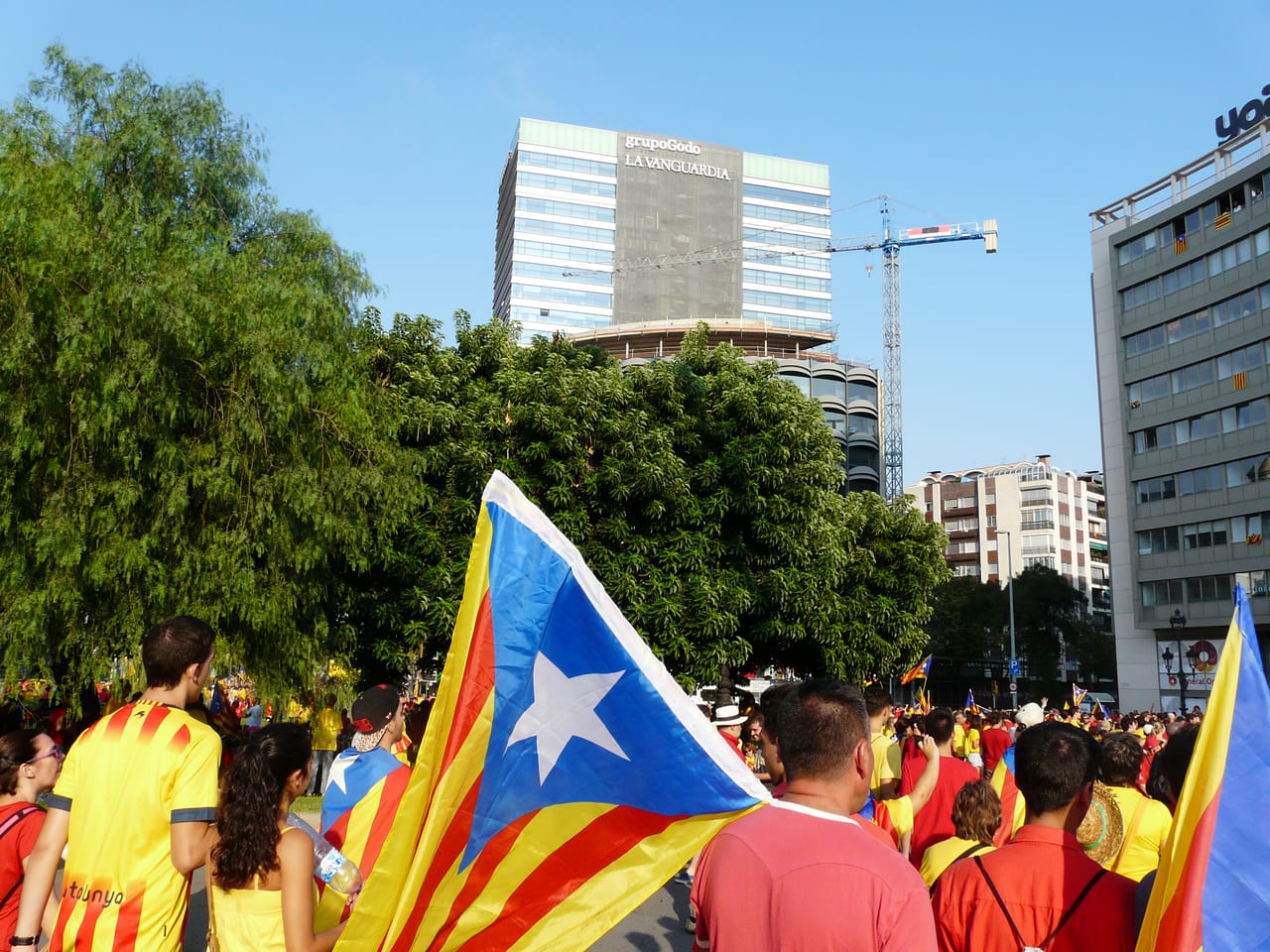
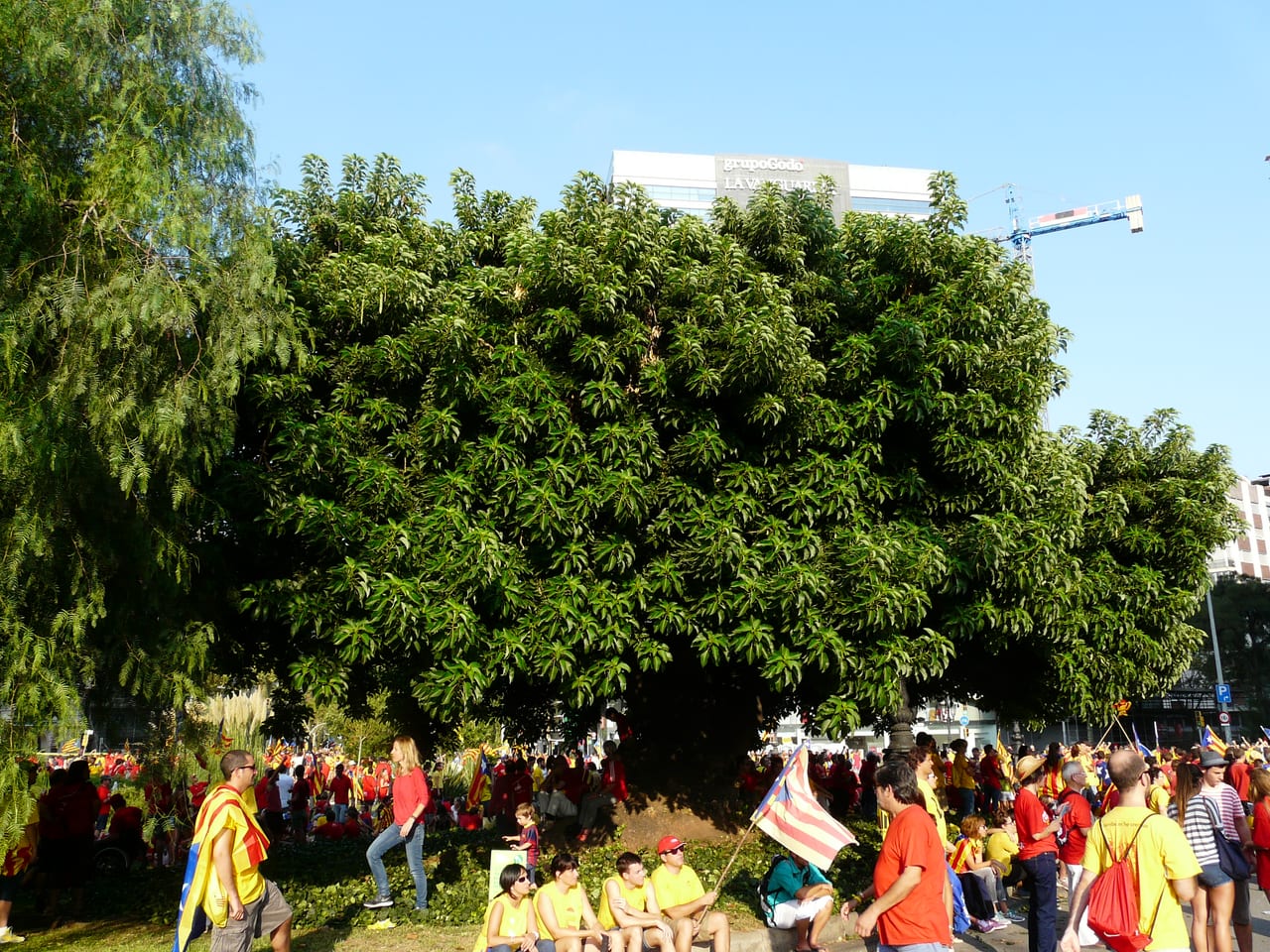
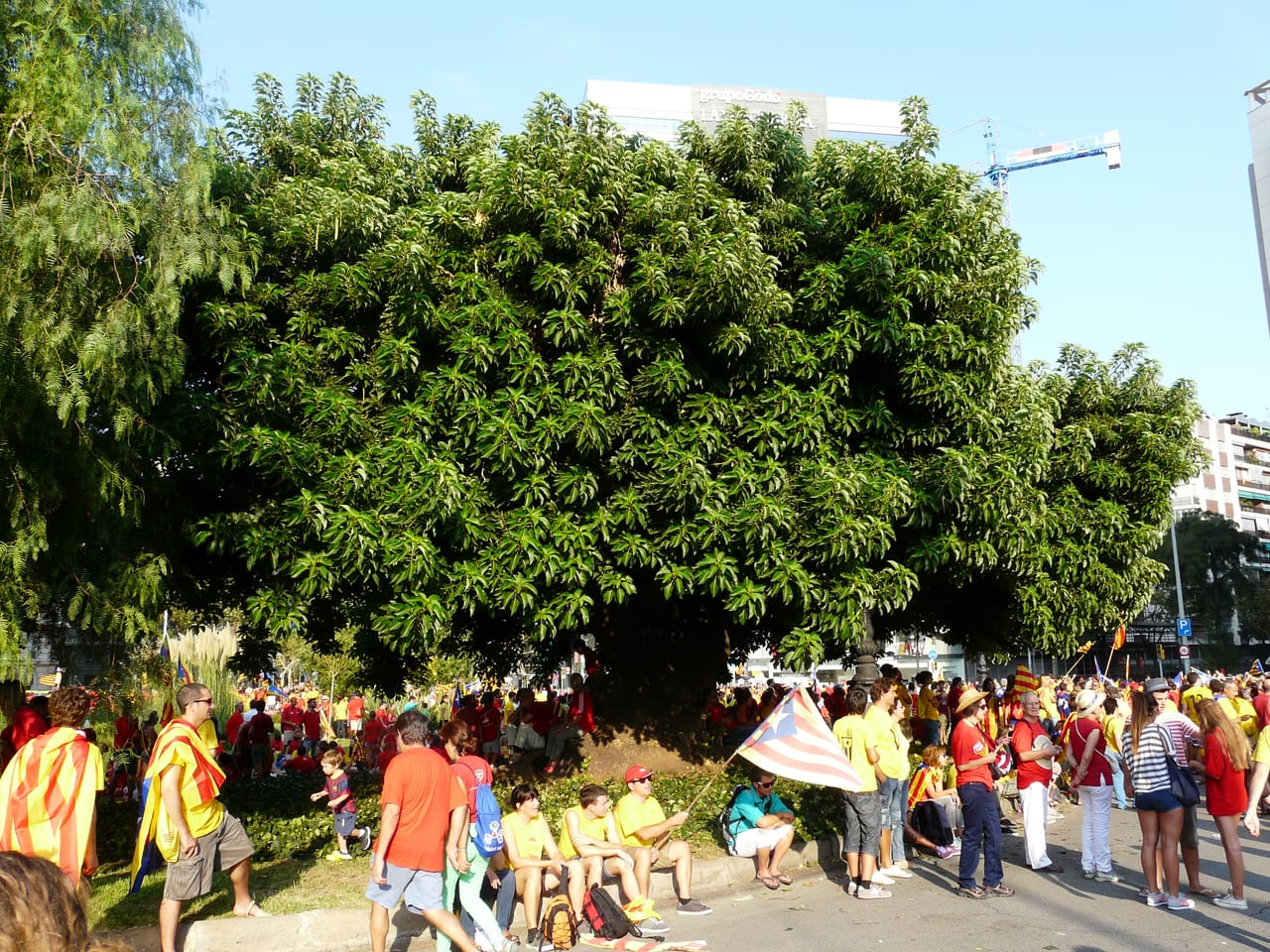
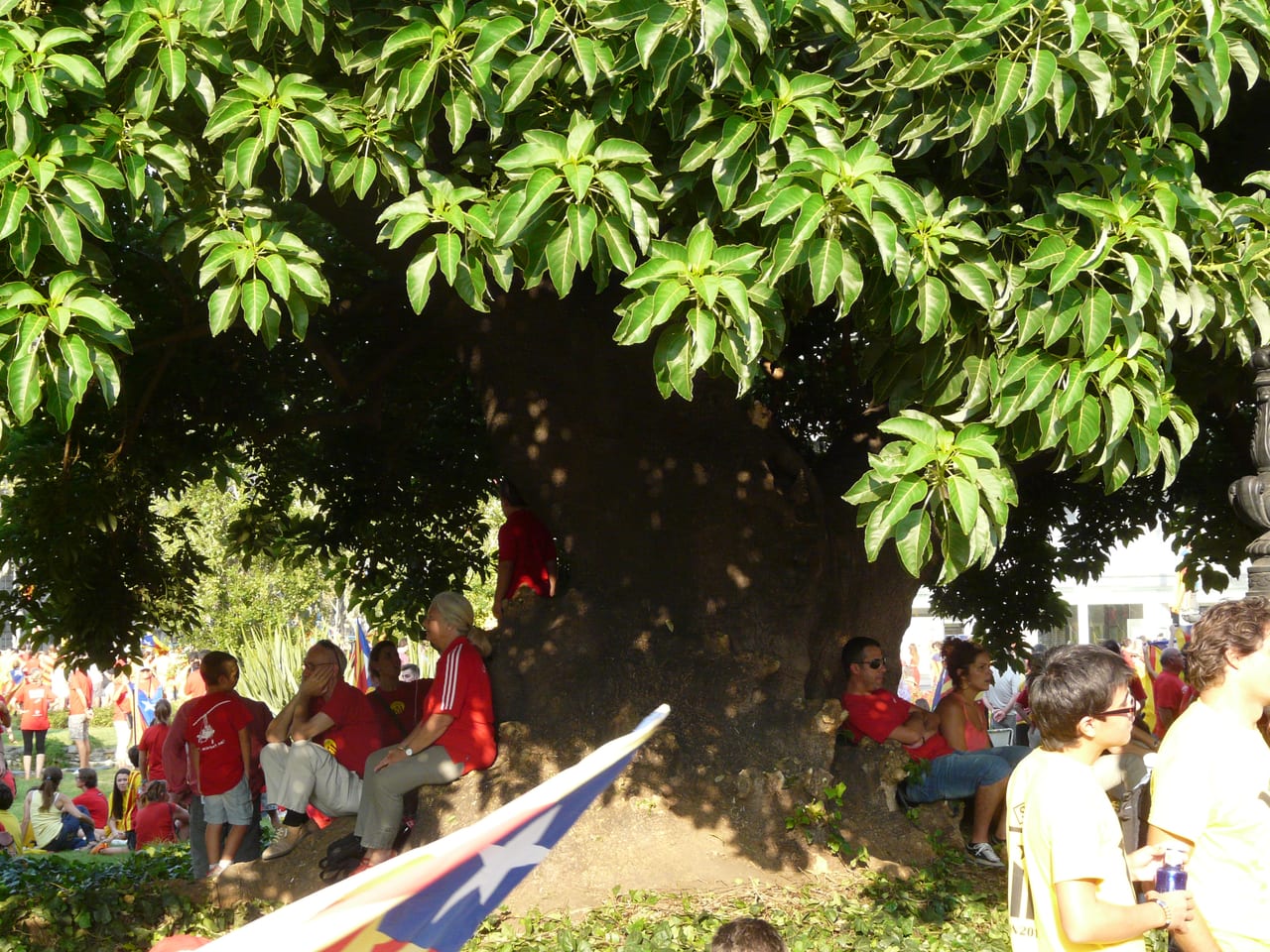
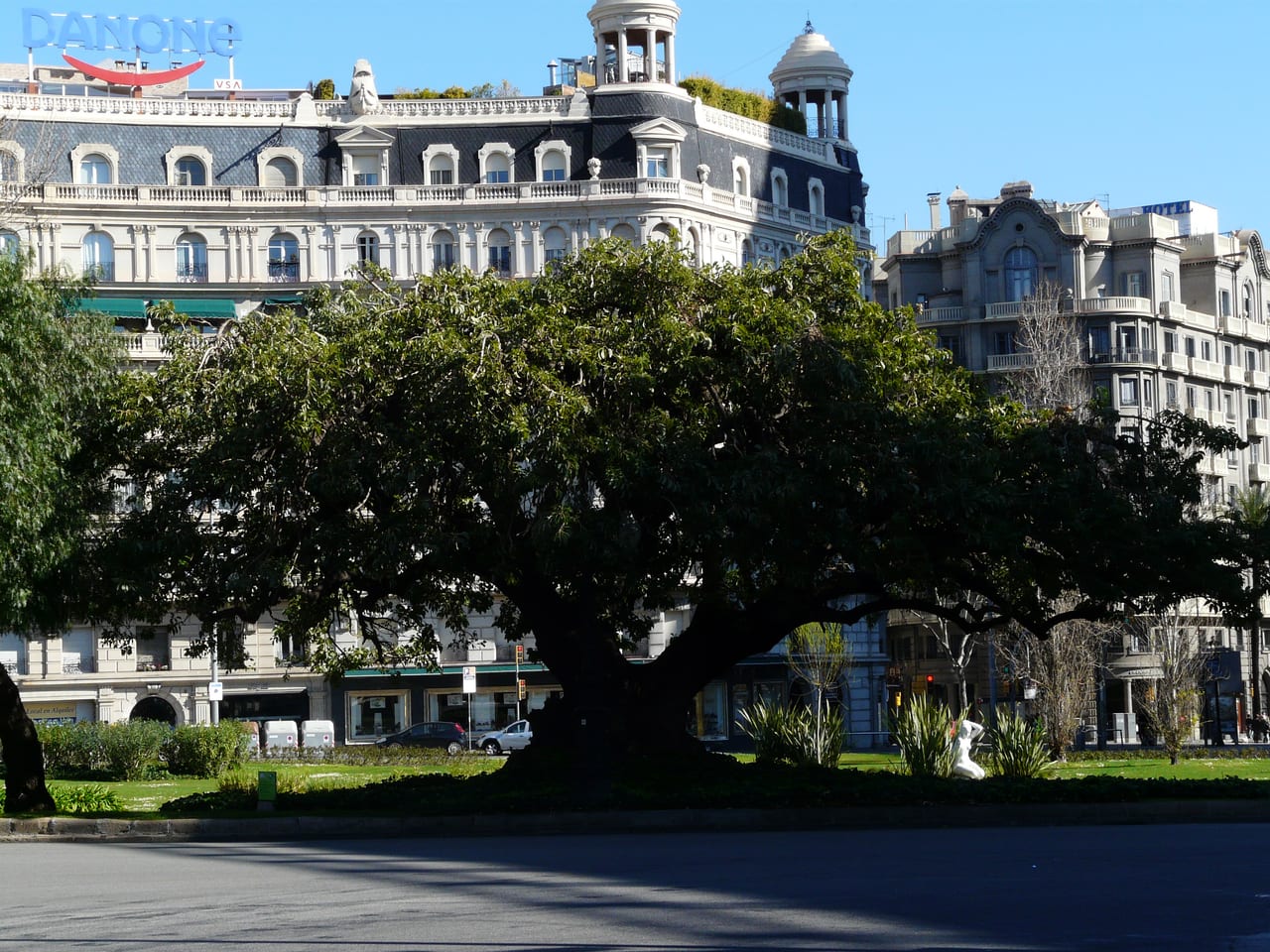
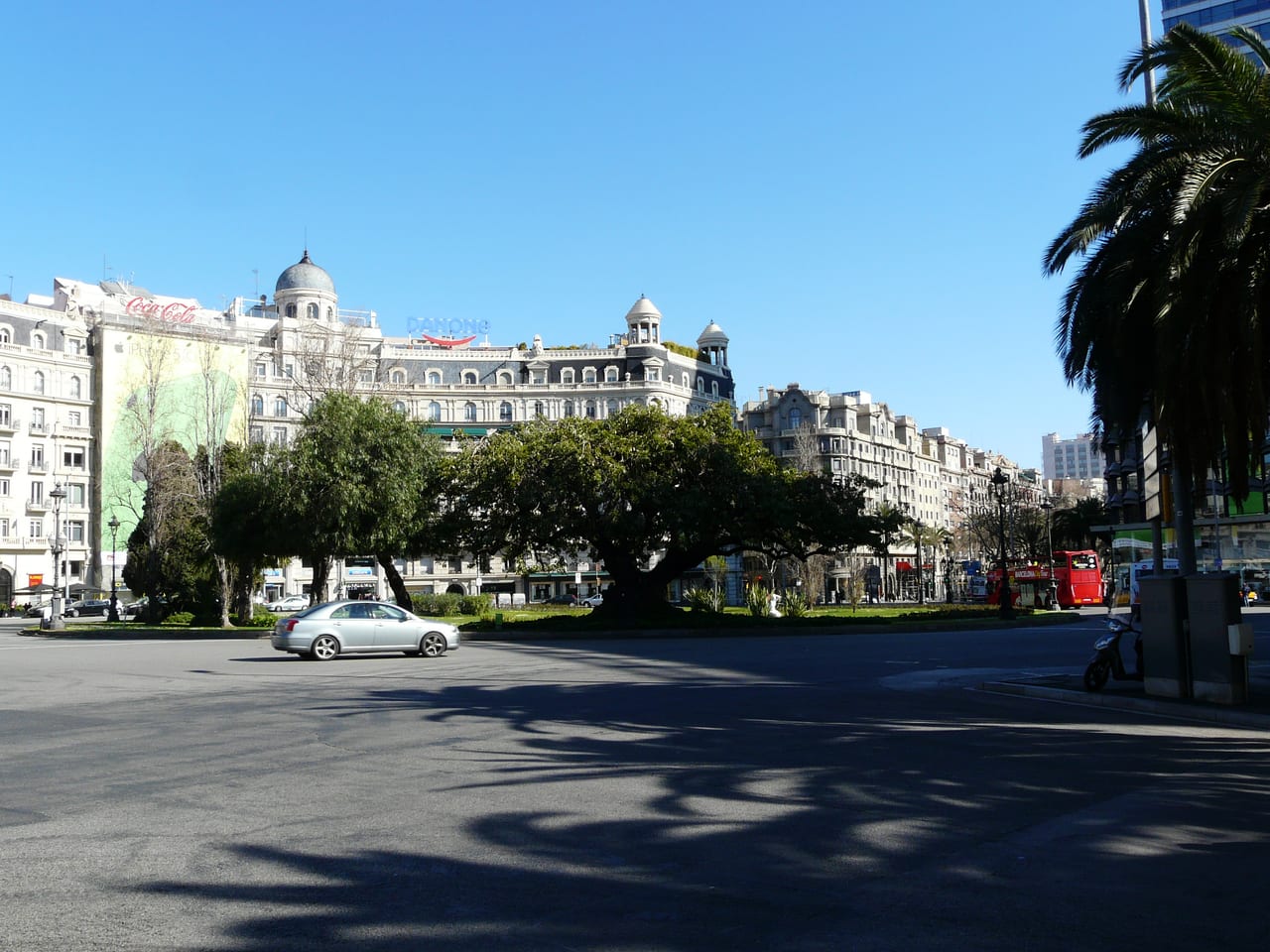
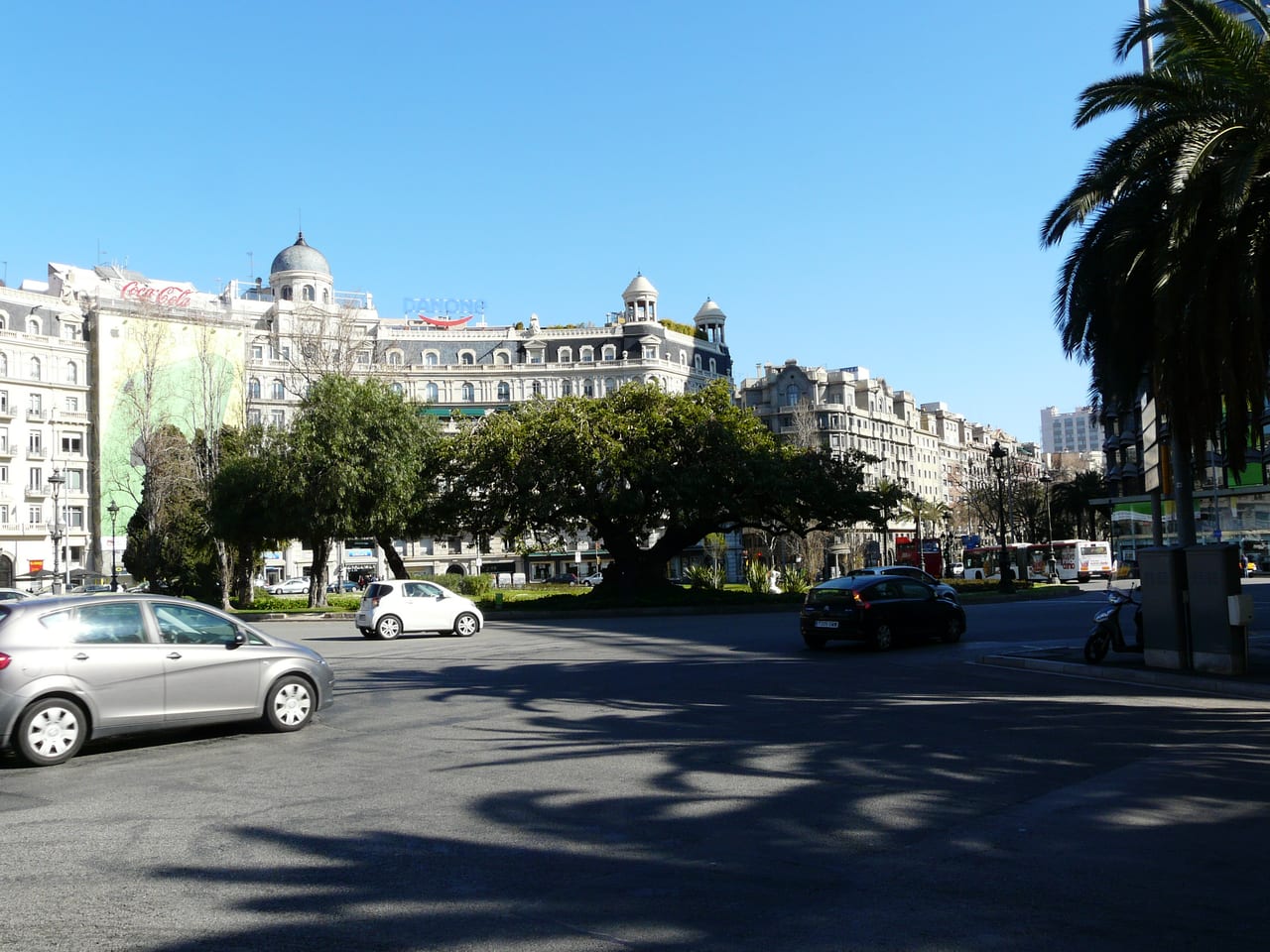
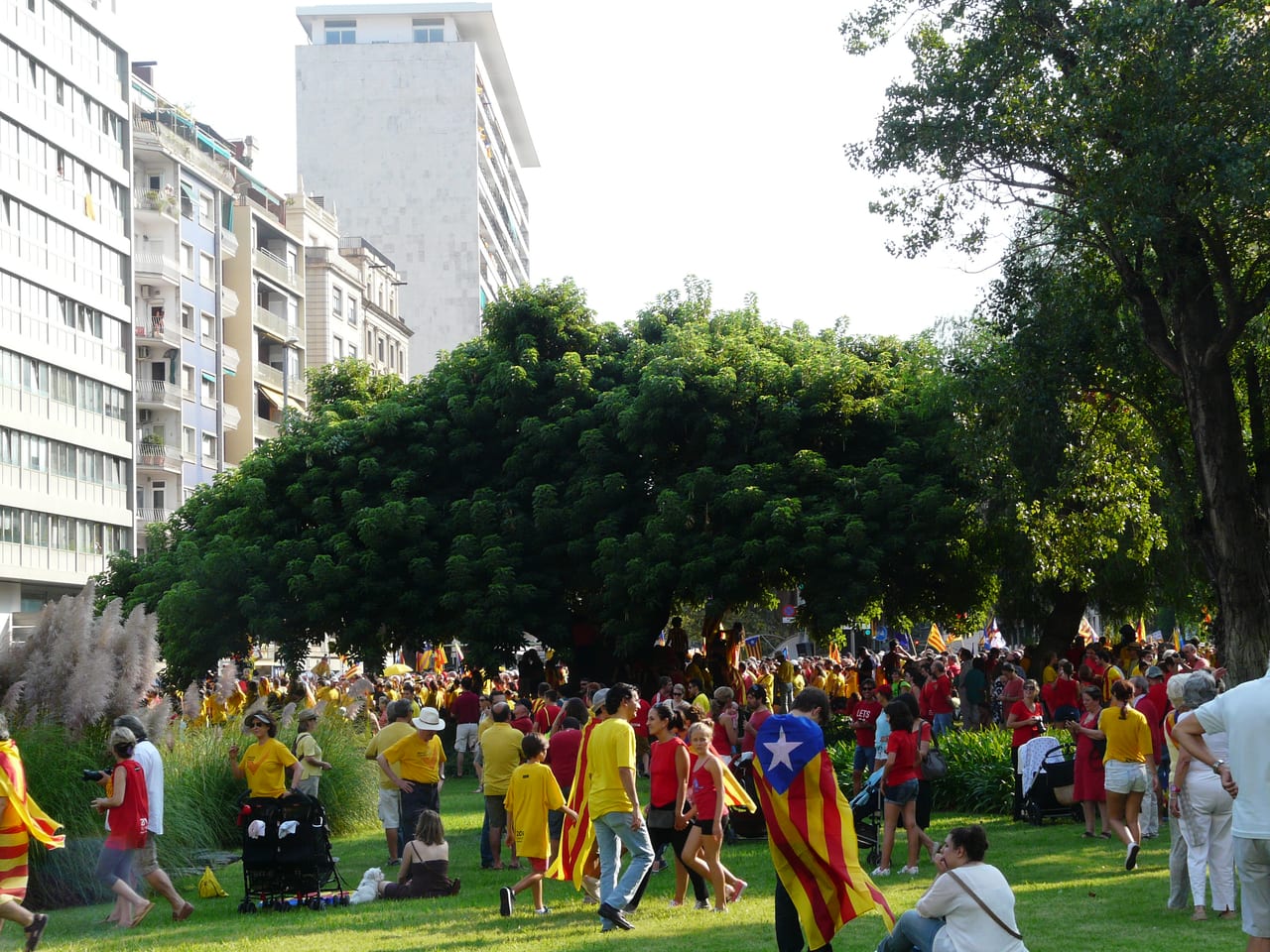
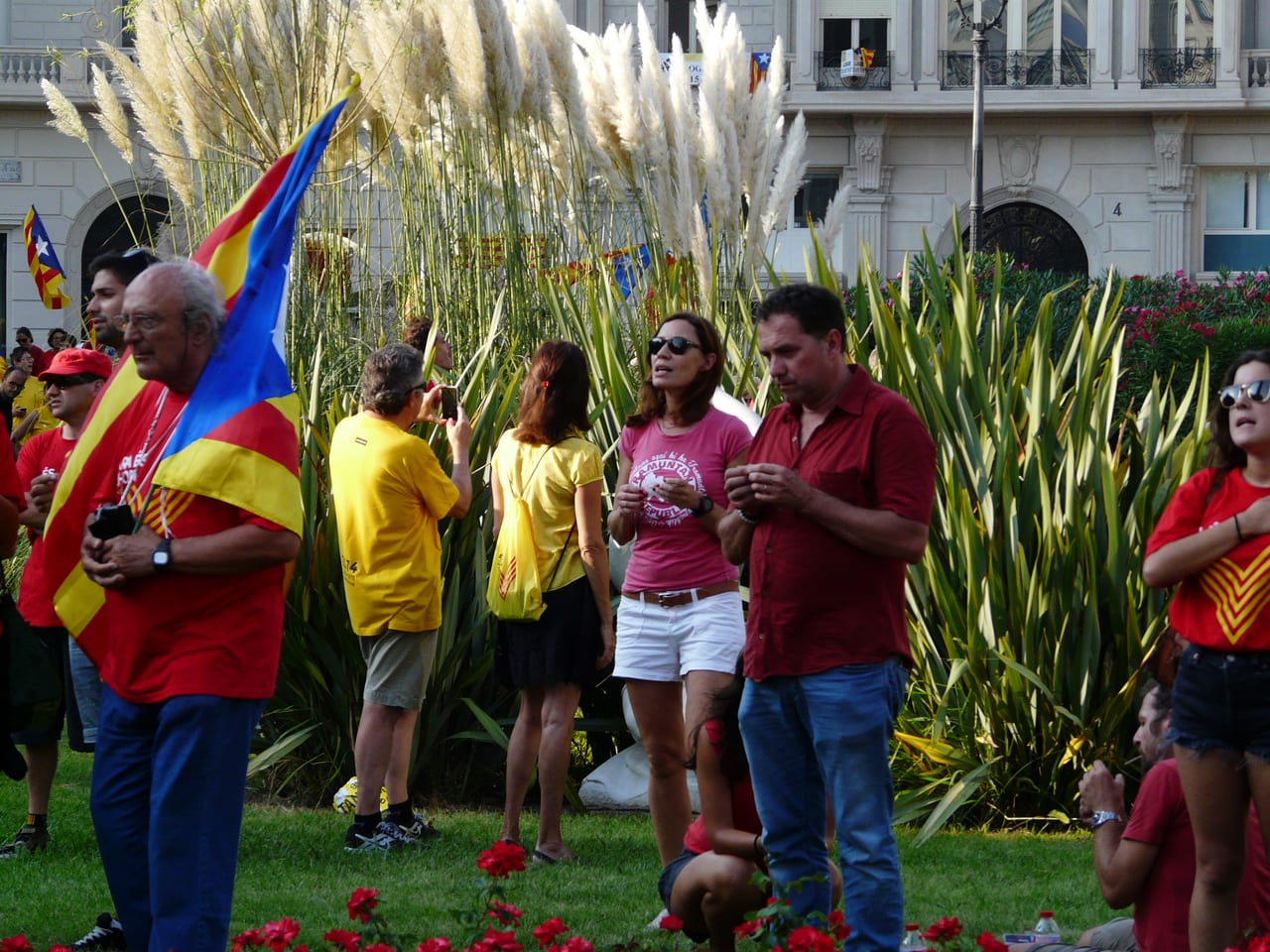
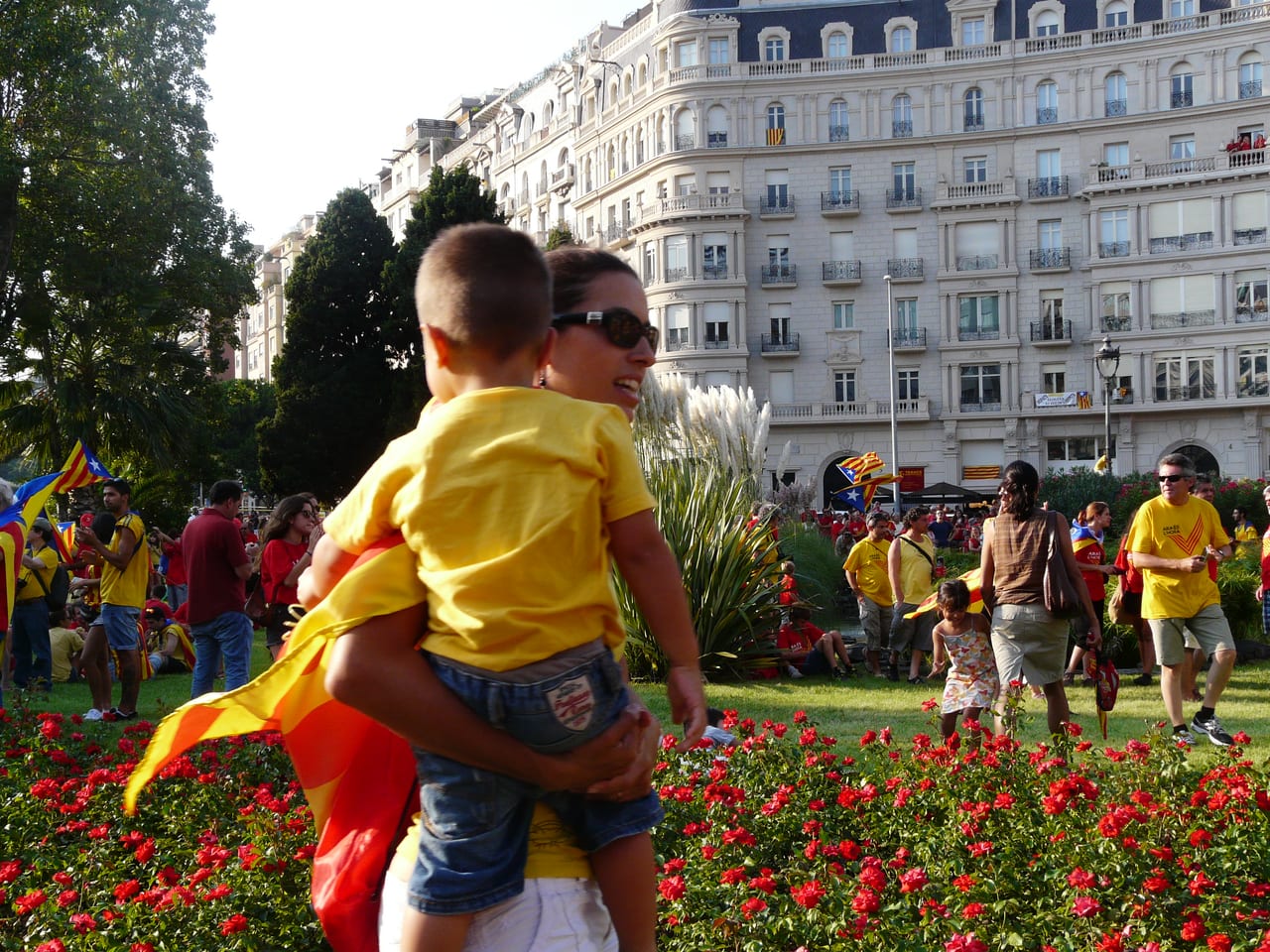
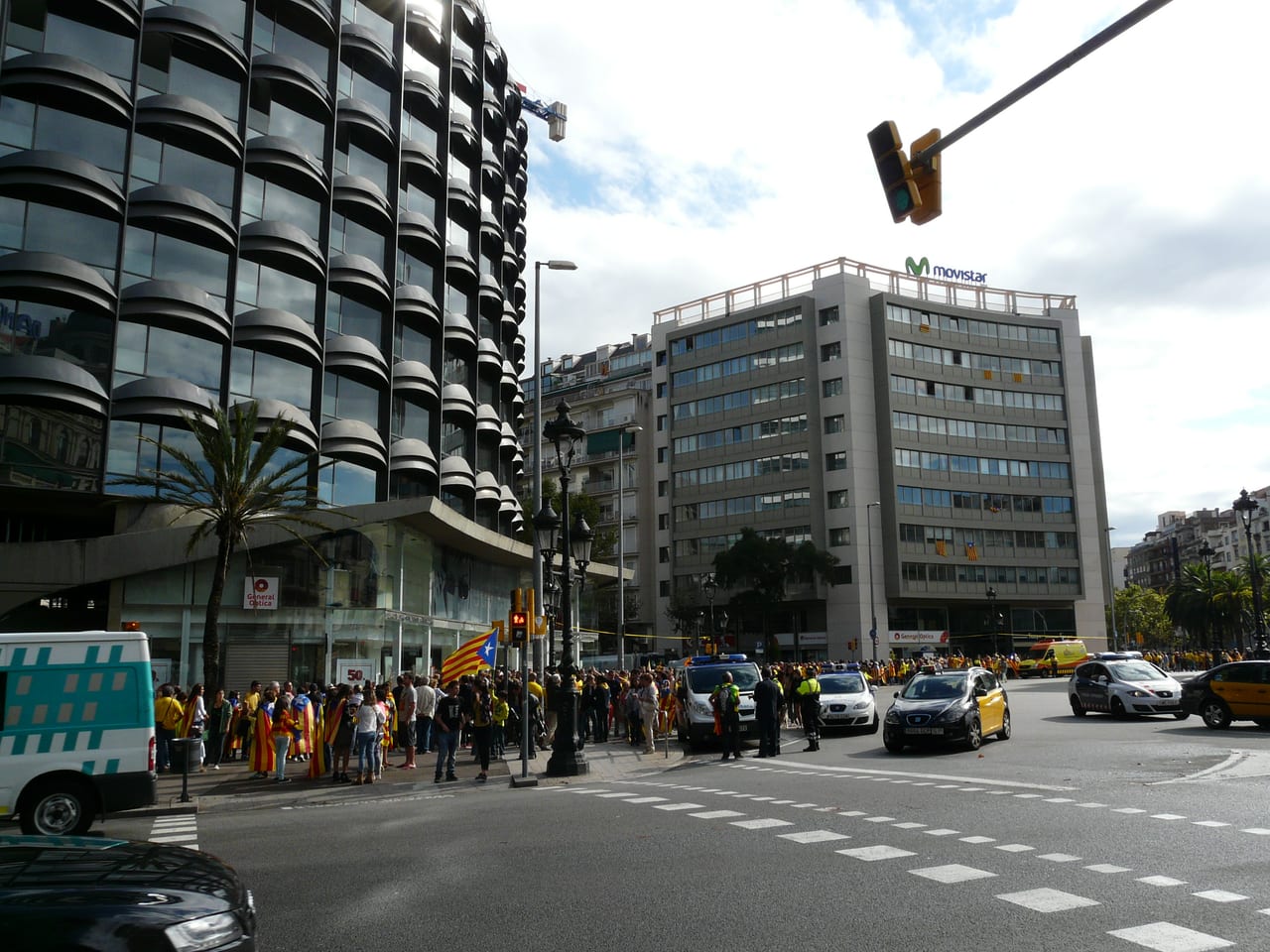
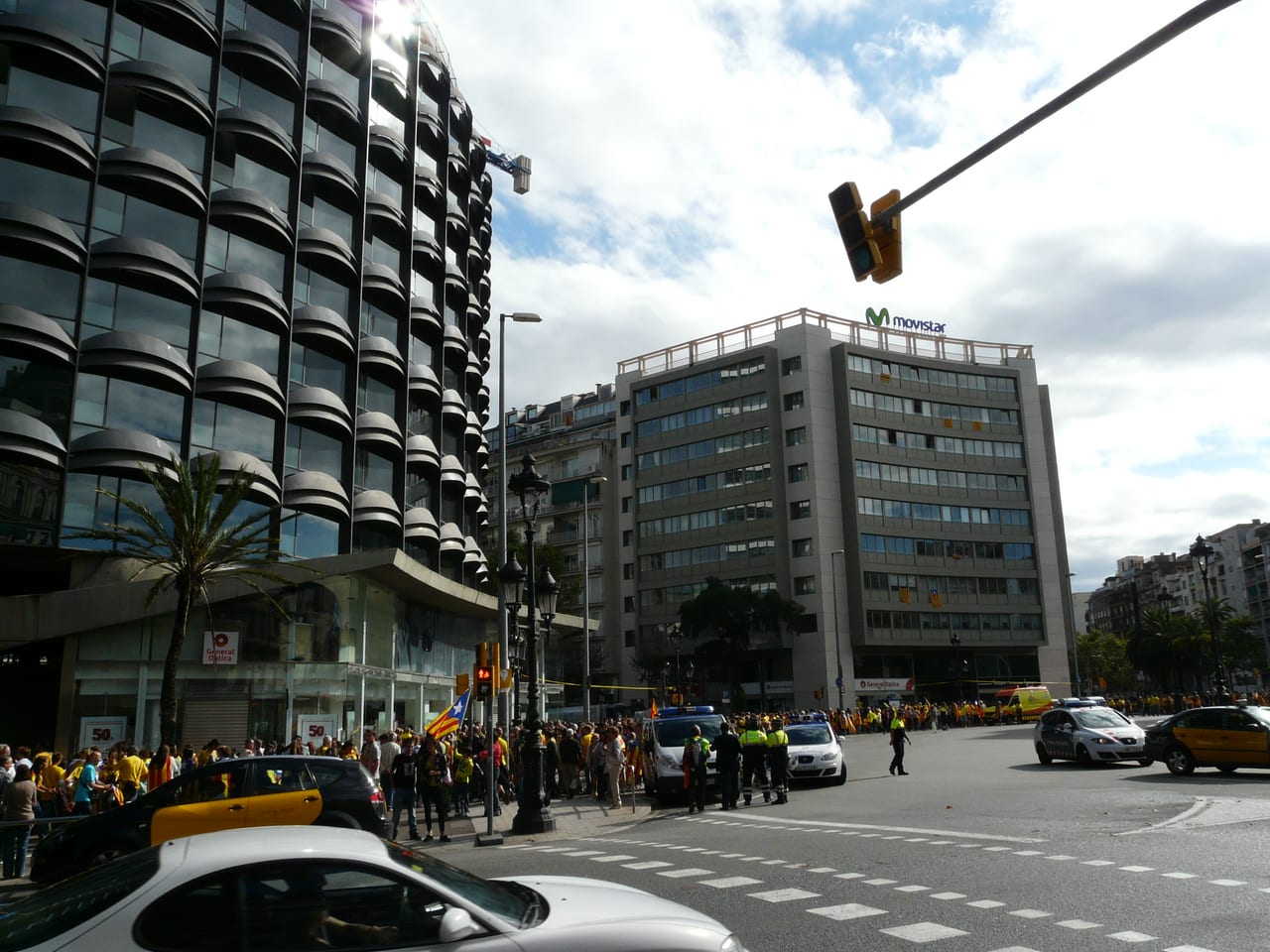
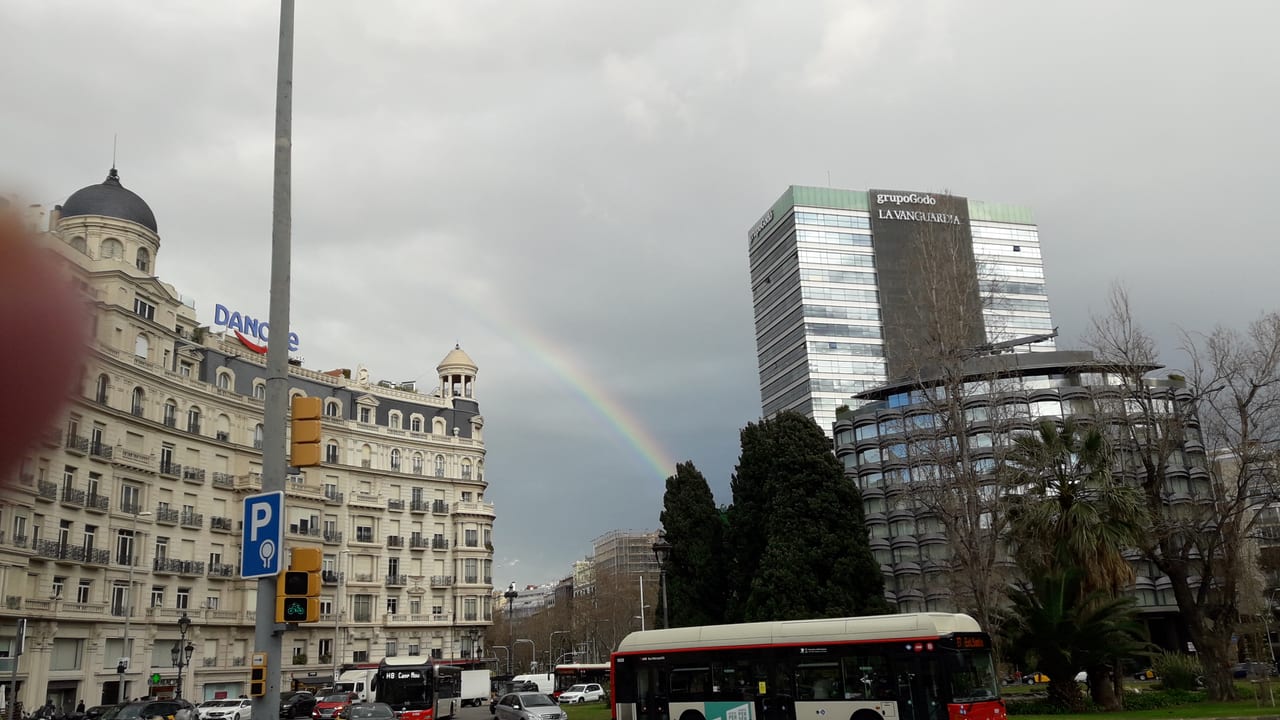
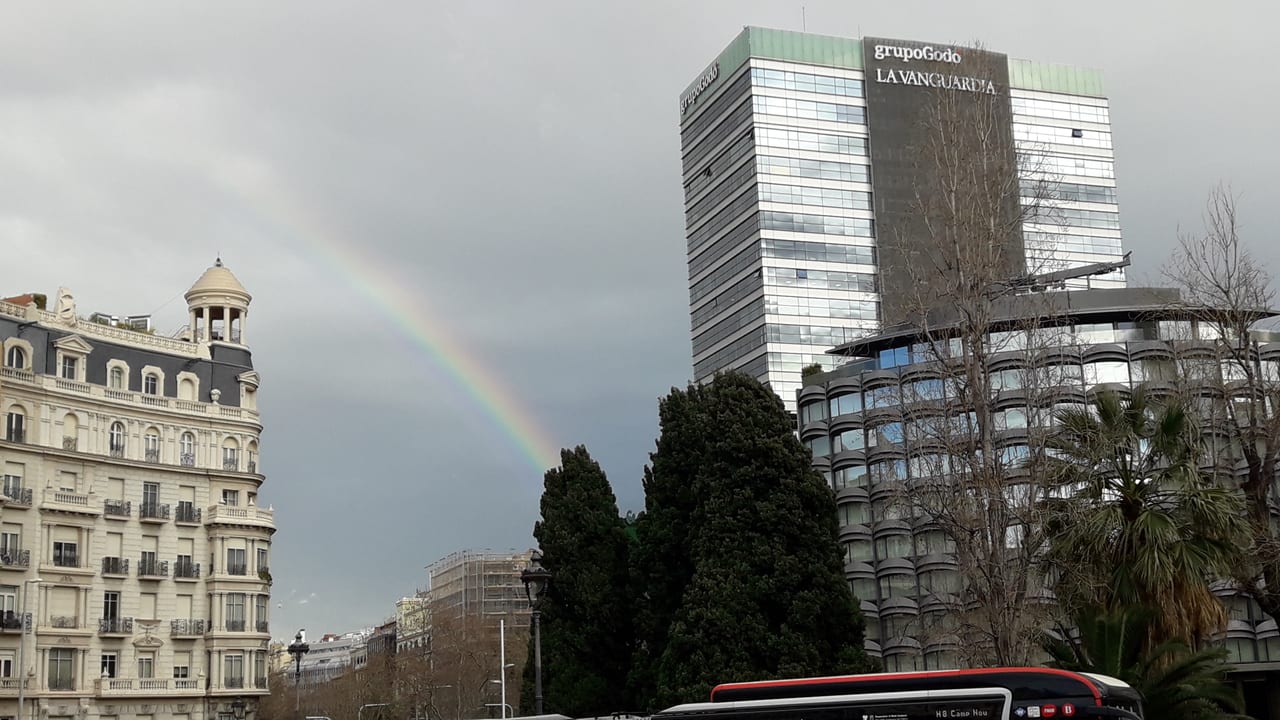
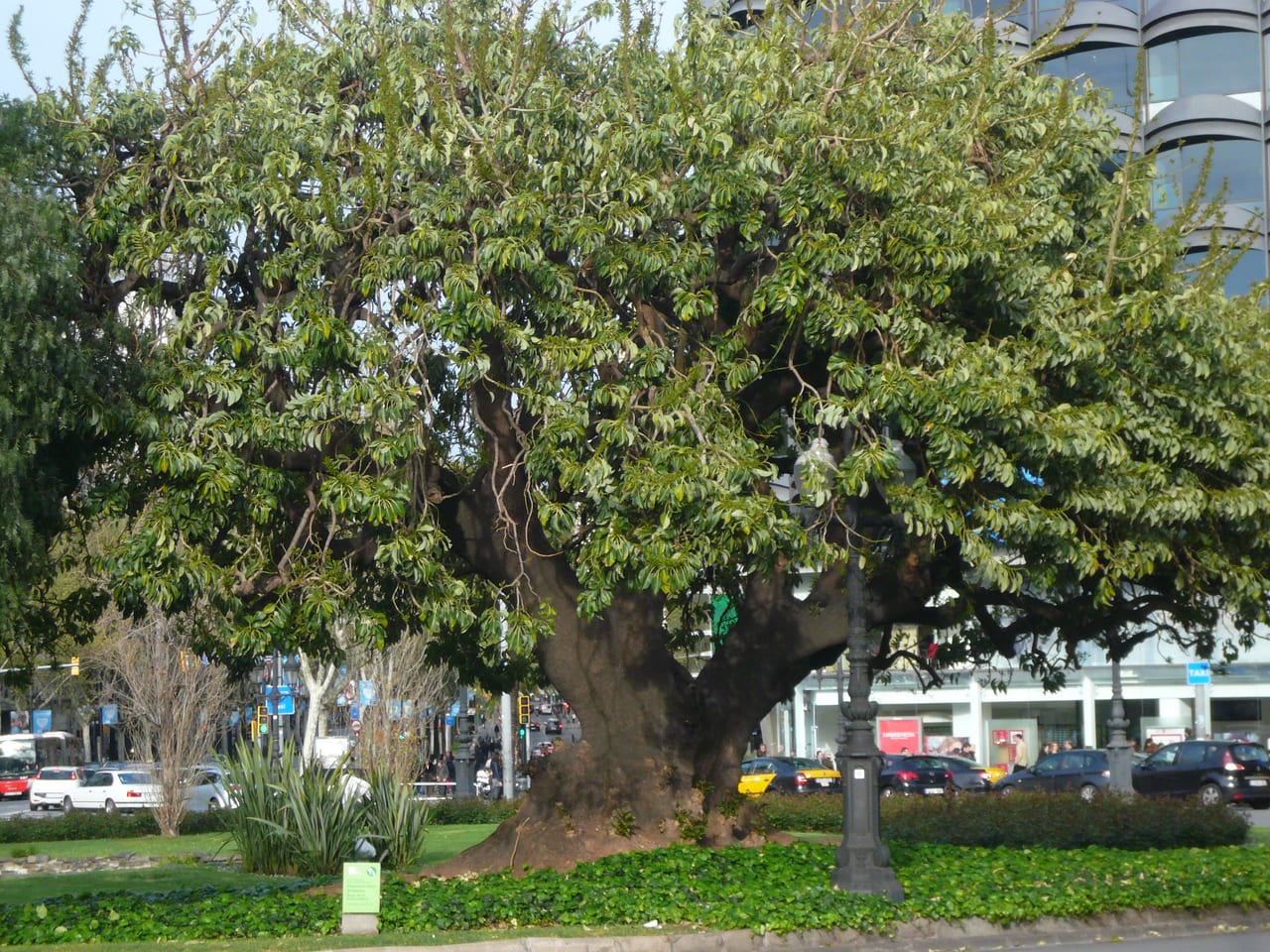
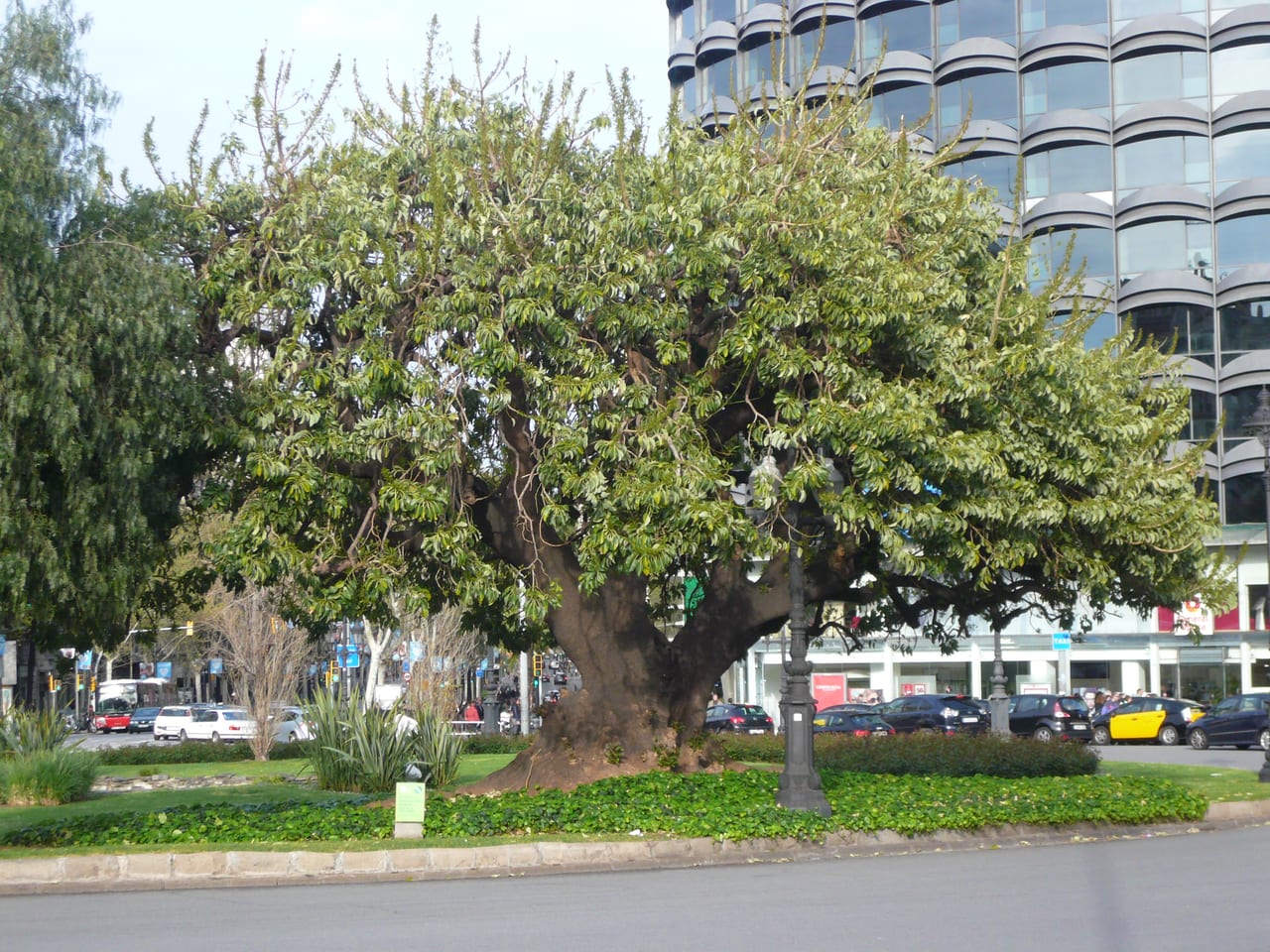
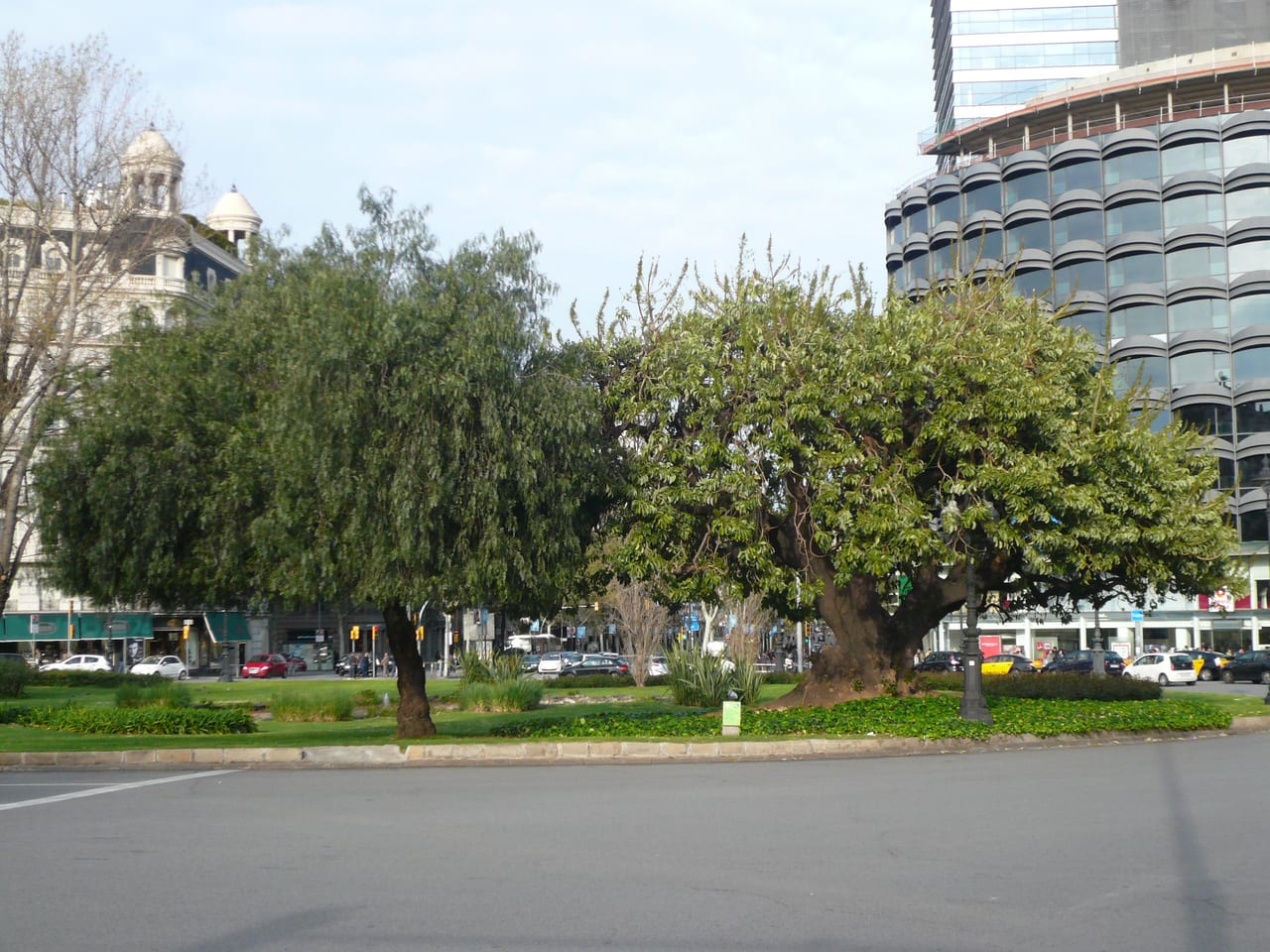
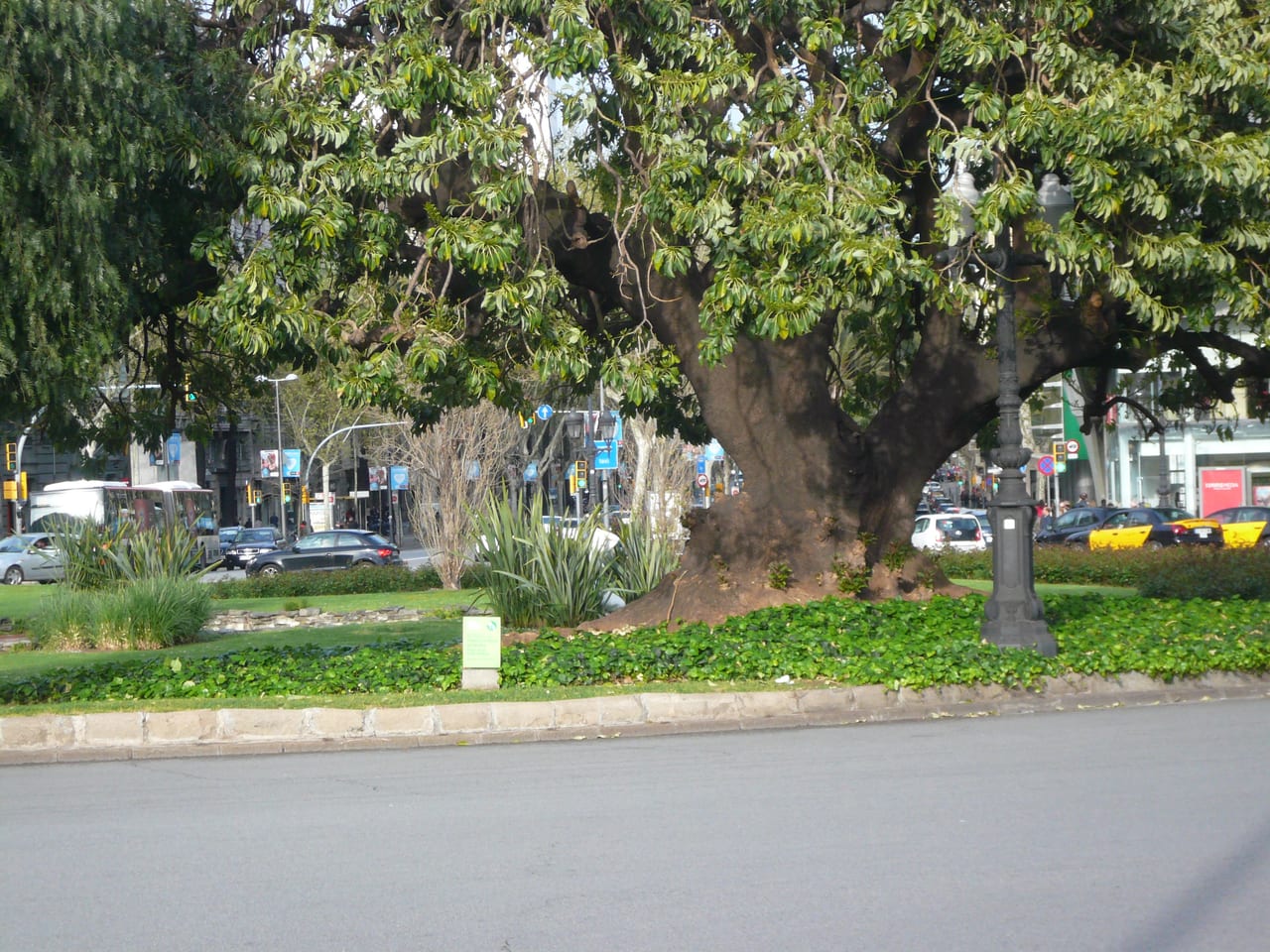
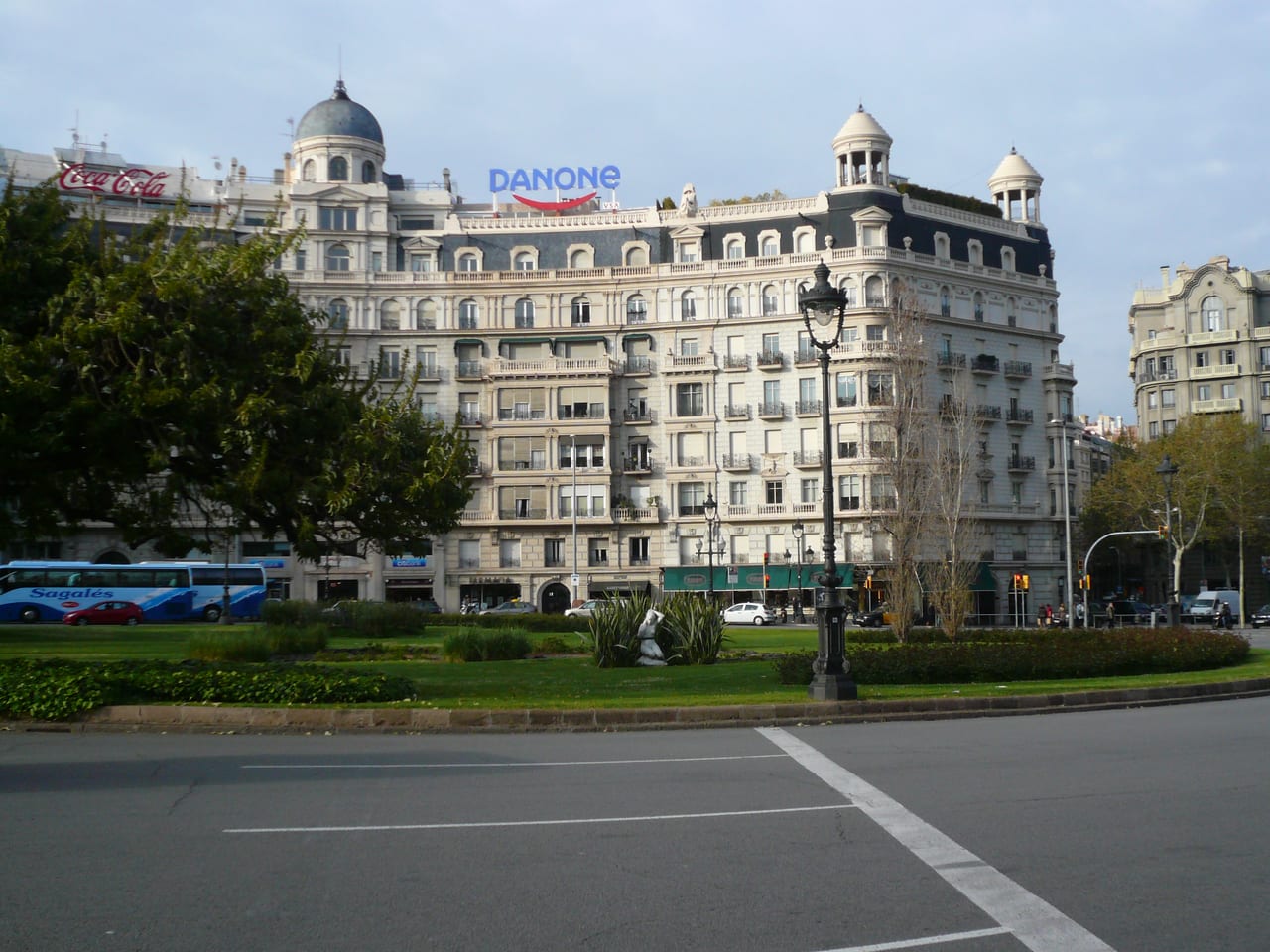
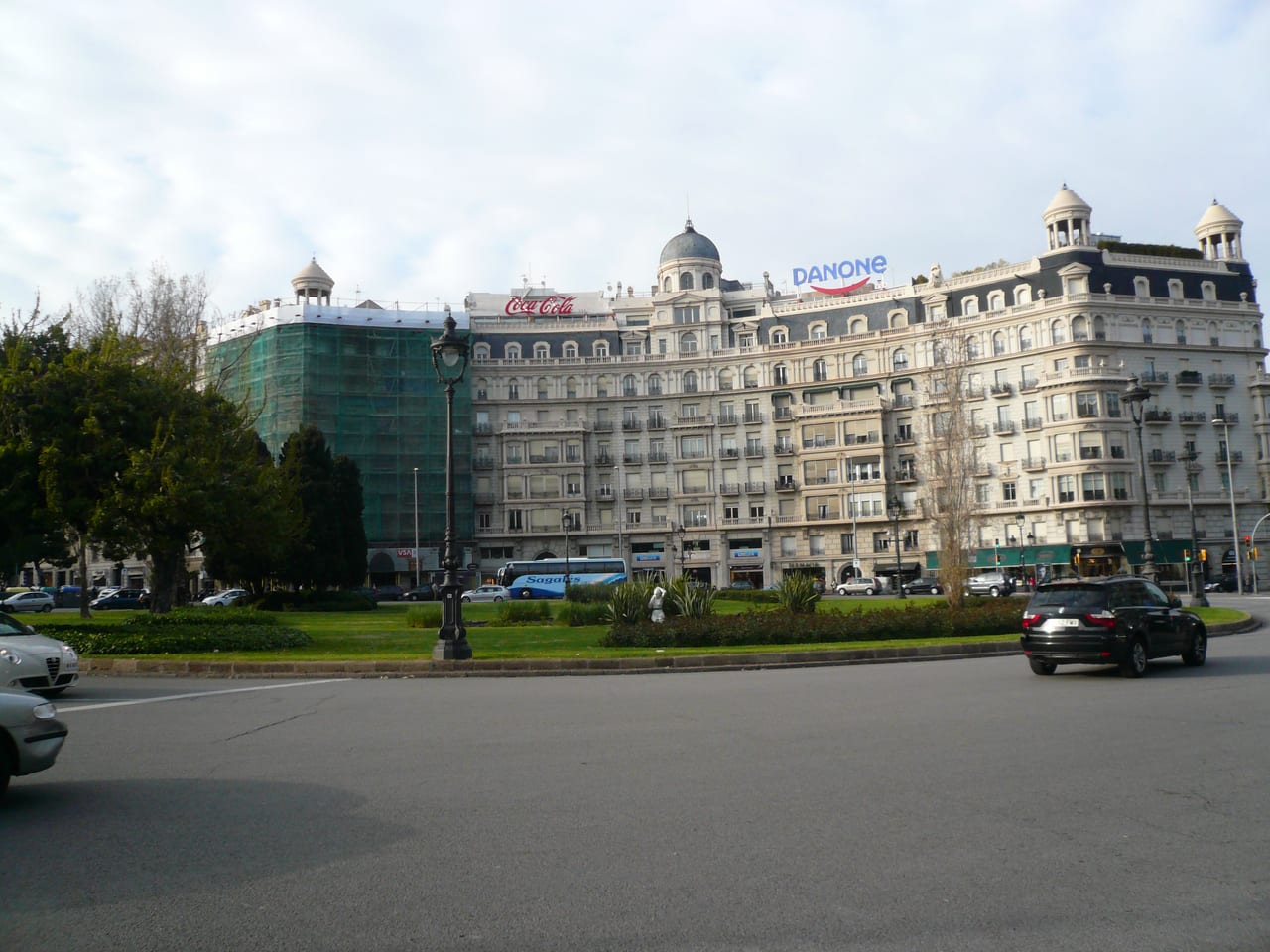
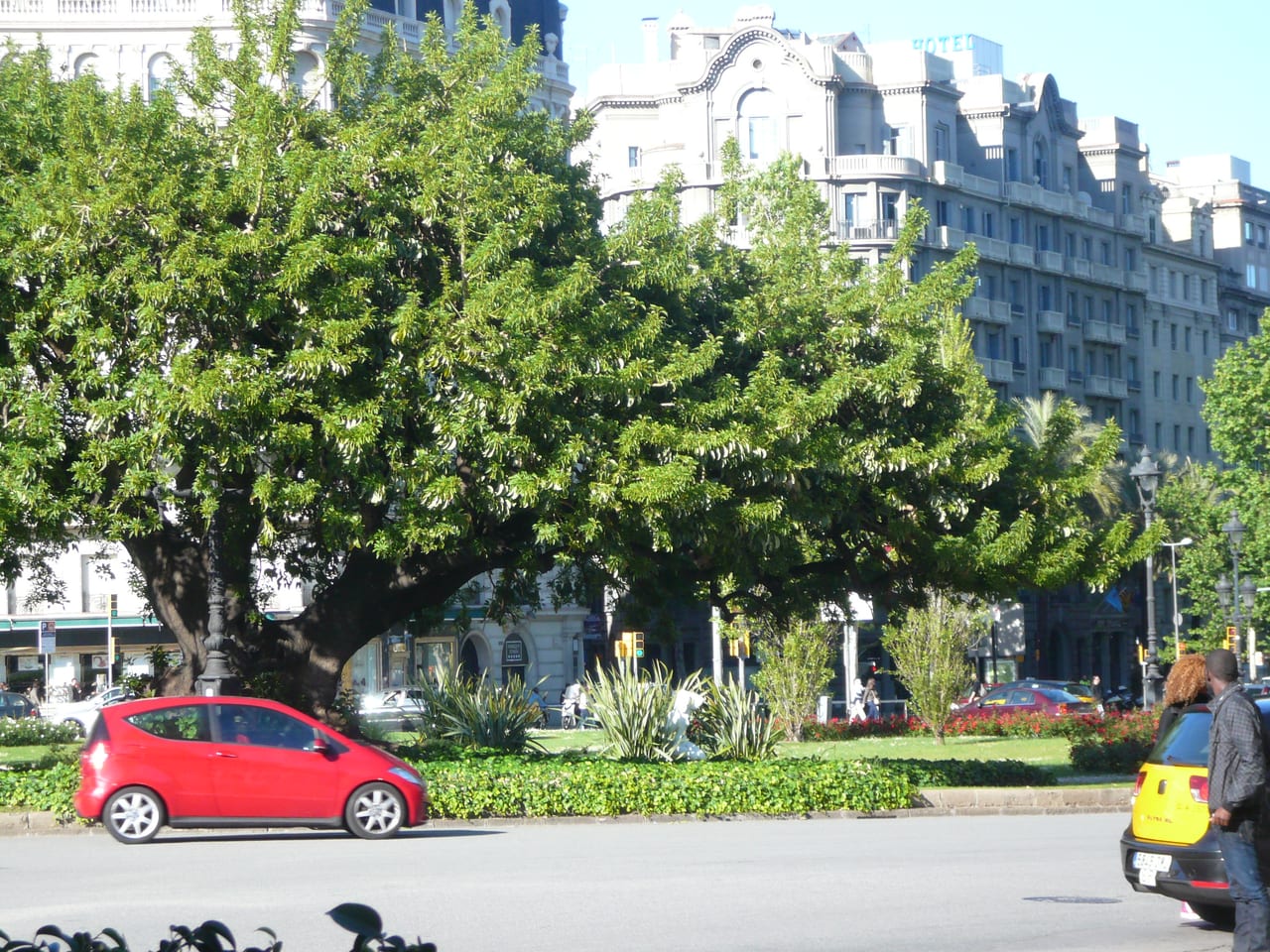
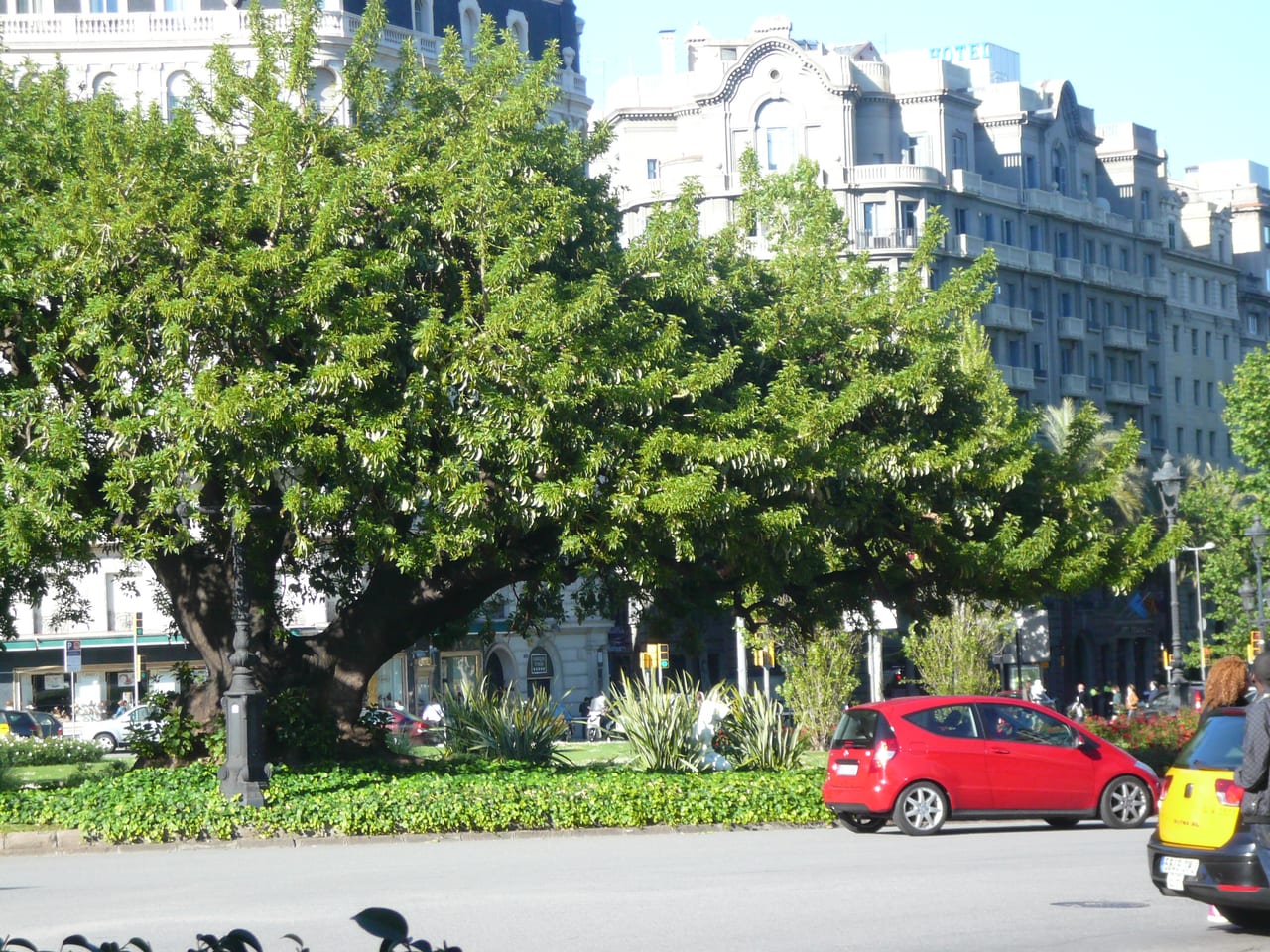
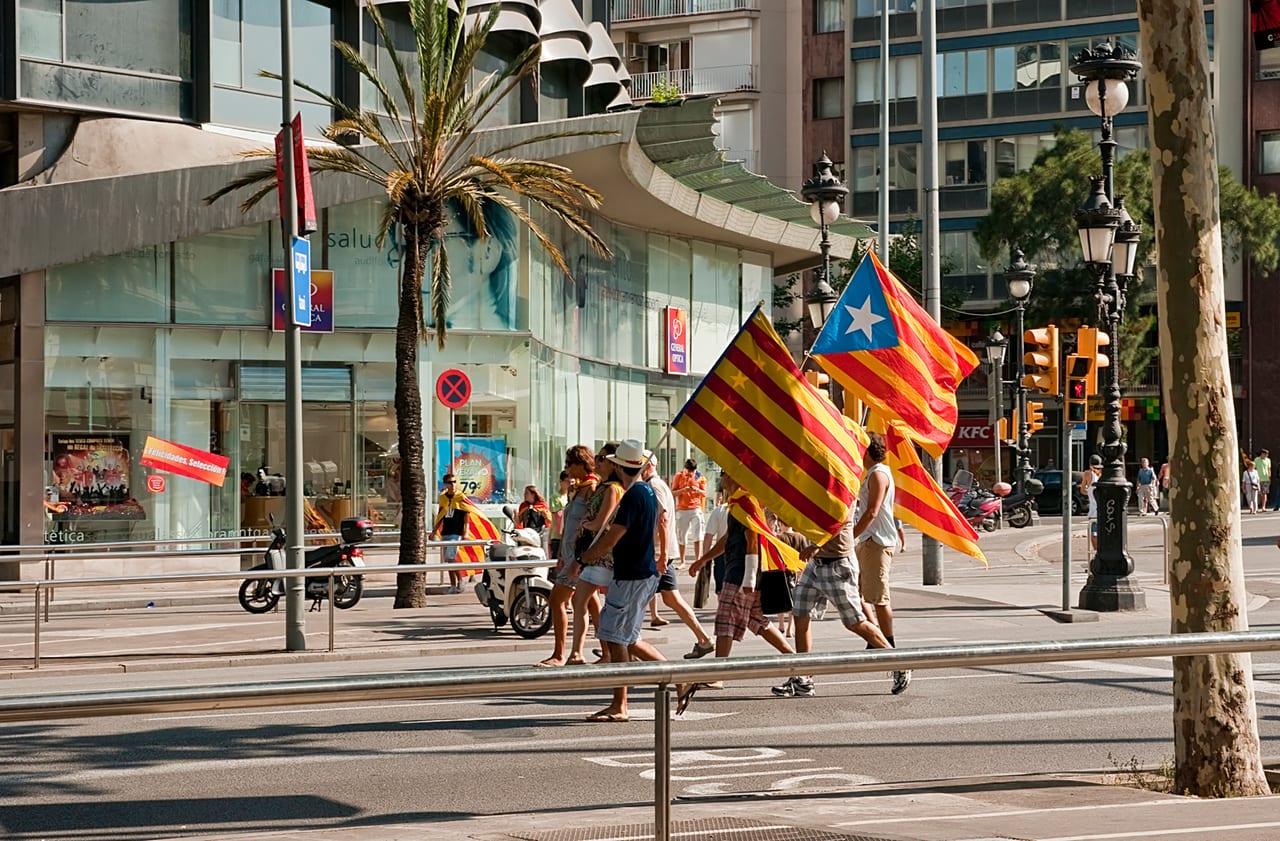
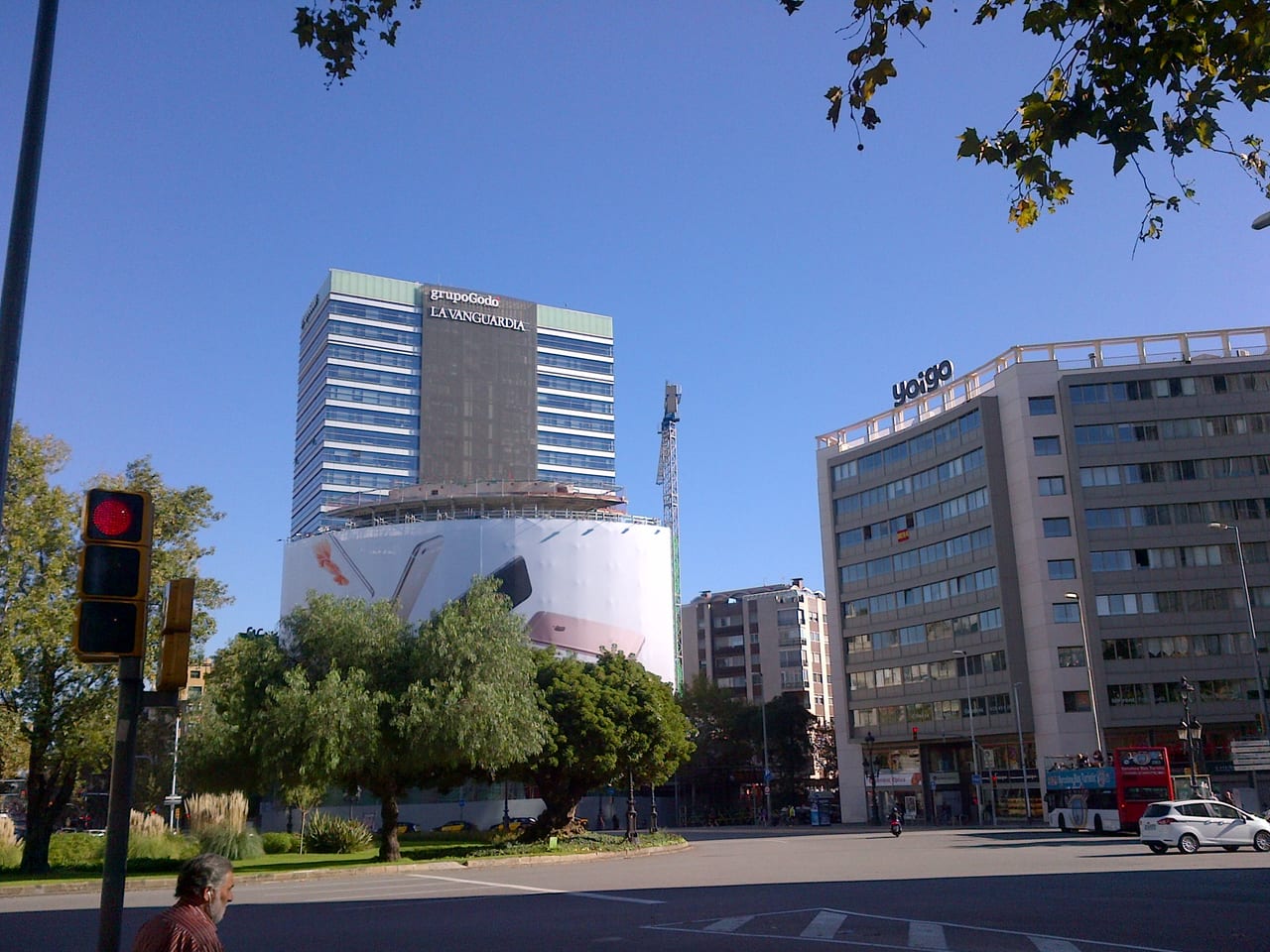
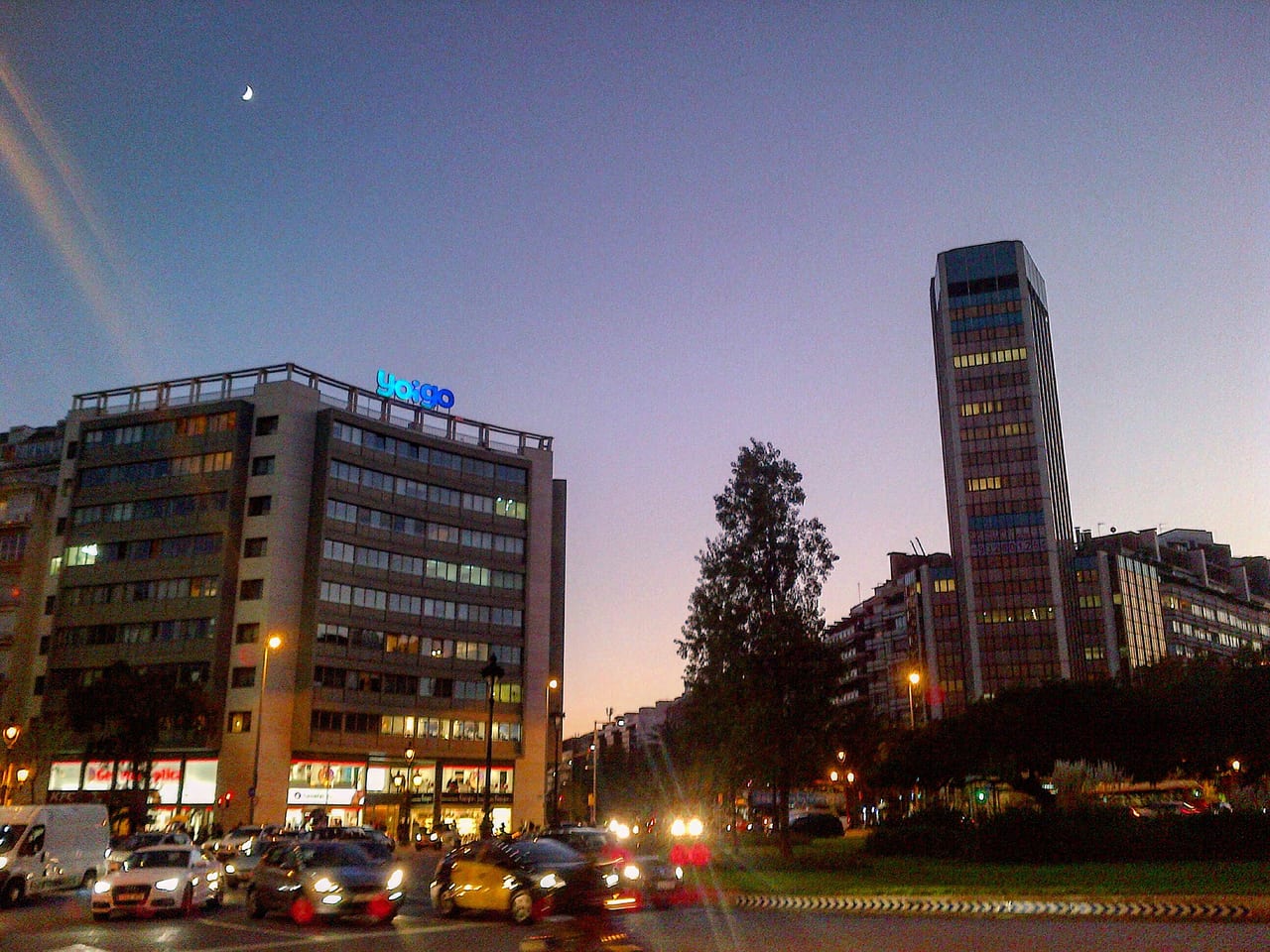
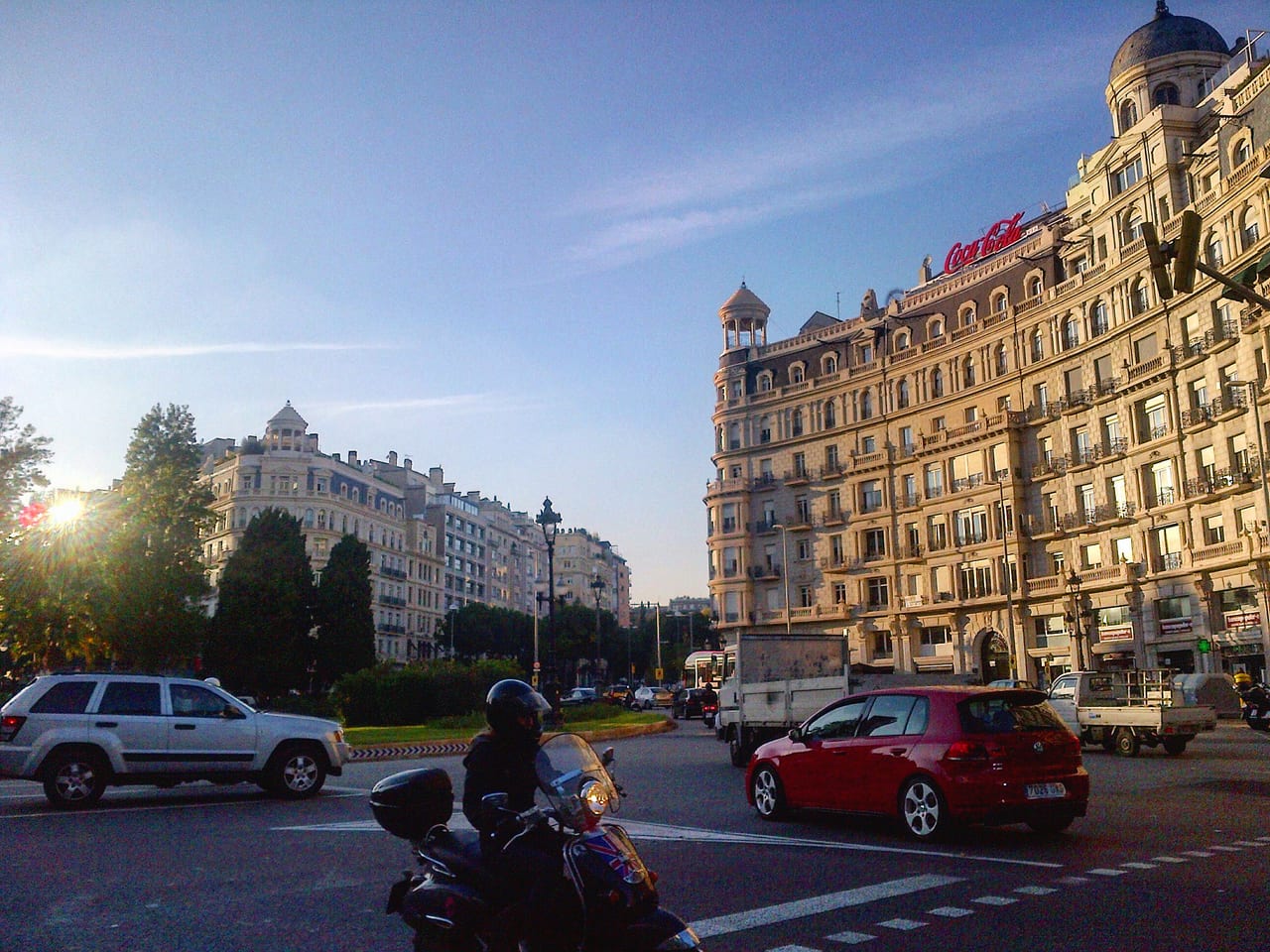
Photograph 1 of 50 of Plaça de Francesc Macià
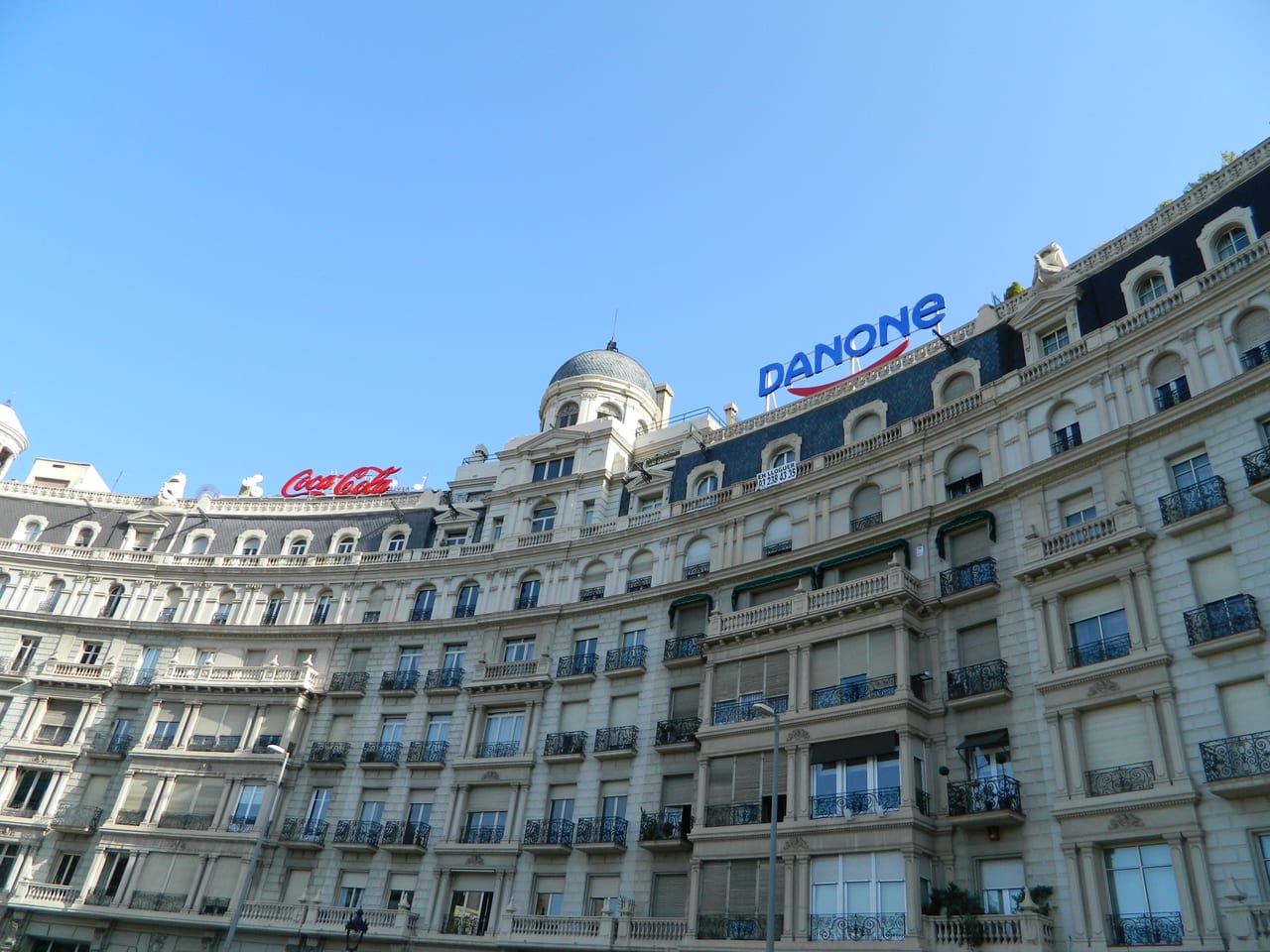
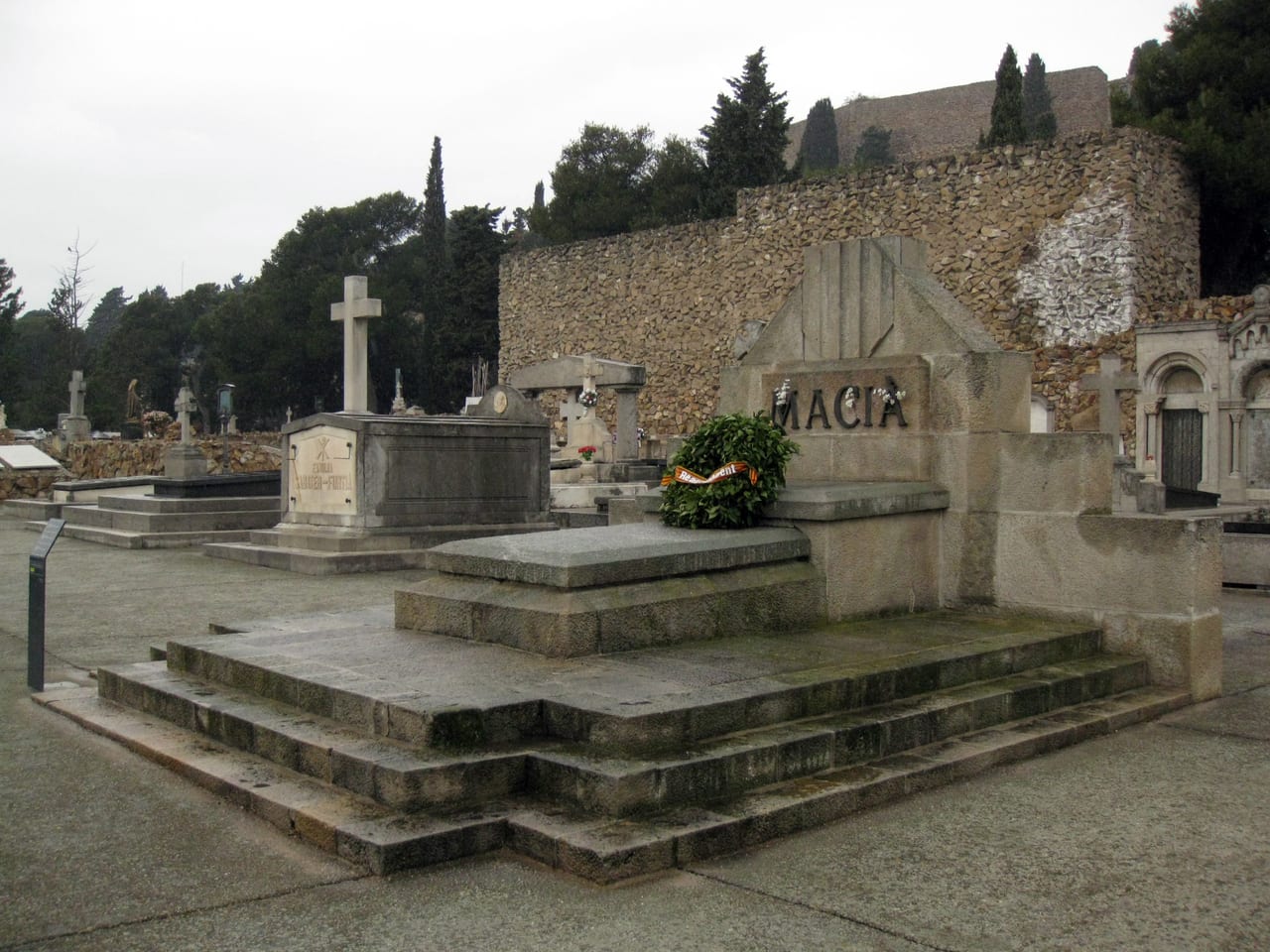
Conceived in 1932 as part of Barcelona’s urban reform, the square formed part of Nicolau Rubió i Tudurí’s project for the urbanisation of Alfonso XIII Avenue, extending from Carrer d’Urgell by Palau Reial towards the municipal boundary. The name records a succession of political eras. In 1932 it was Alcalá Zamora; in 1936, Hermanos Badía, honouring Josep and Miquel Badia; and from 1939, Calvo Sotelo, the monarchist politician killed in 1936 and commemorated by Franco’s regime as a martyr. The present name was adopted in 1979, after the transition to democracy, honouring Francesc Macià (1859–1933), president of Catalonia during the Second Spanish Republic and the proclaimer of a short-lived Catalan Republic. The square is recognised as a Cultural Asset forming part of Catalonia’s cultural heritage.
At a glance
- Built
- 1932
- Architect
- Nicolau Maria Rubió i Tudurí
- Style
- Noucentisme
- Heritage
- Cultural Asset part of the cultural heritage of Catalonia
Ways to explore Plaça de Francesc Macià
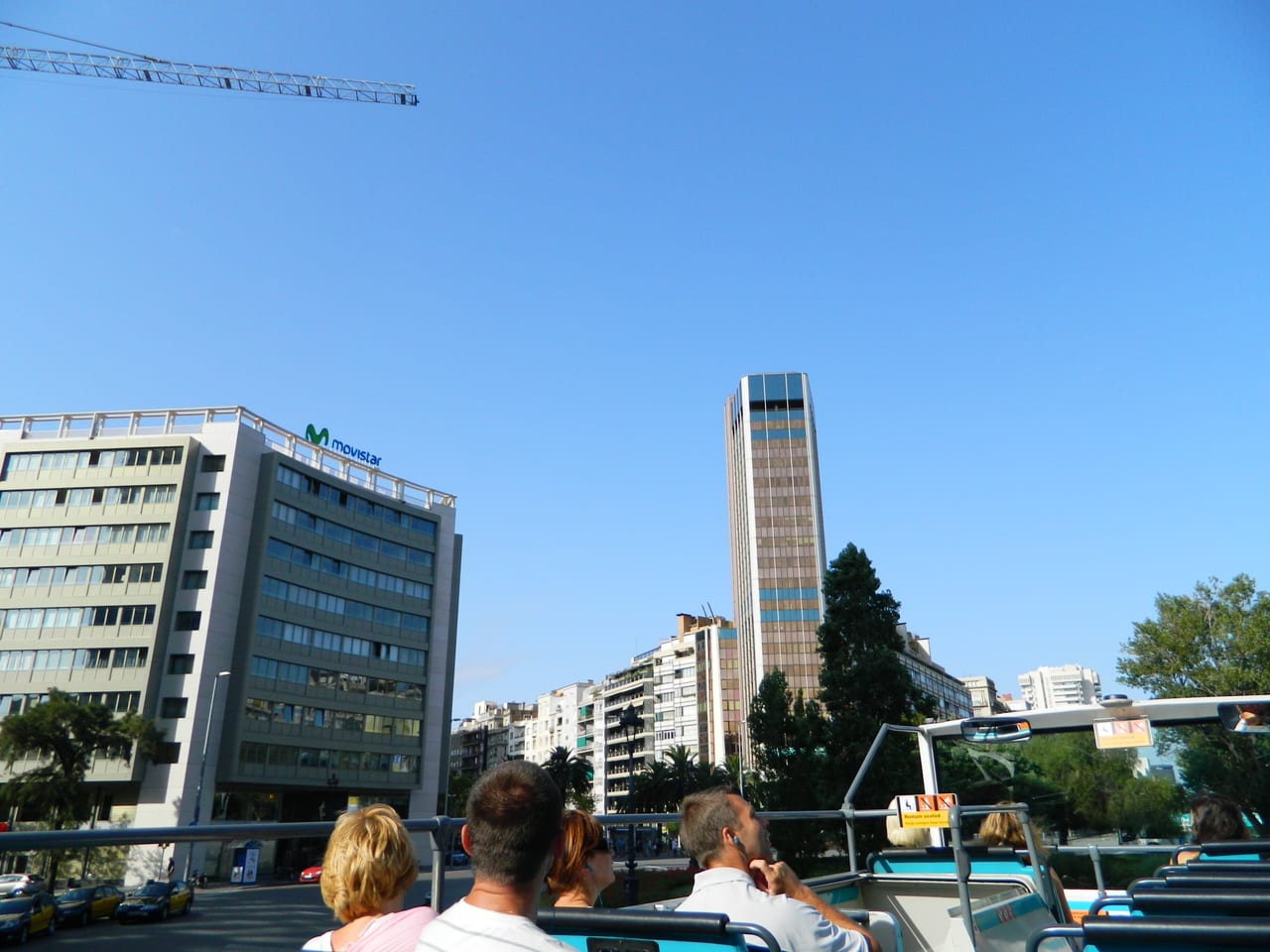
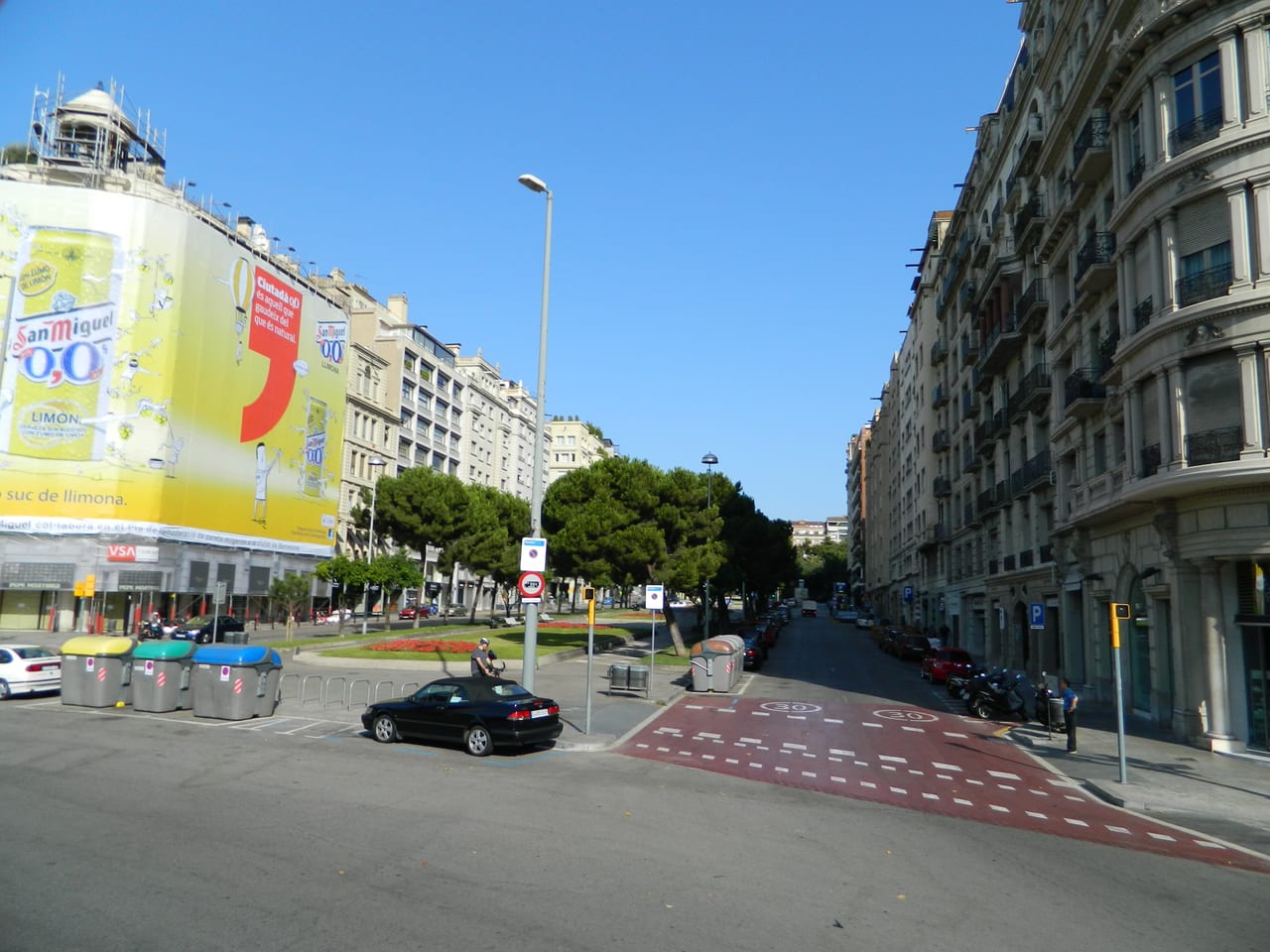
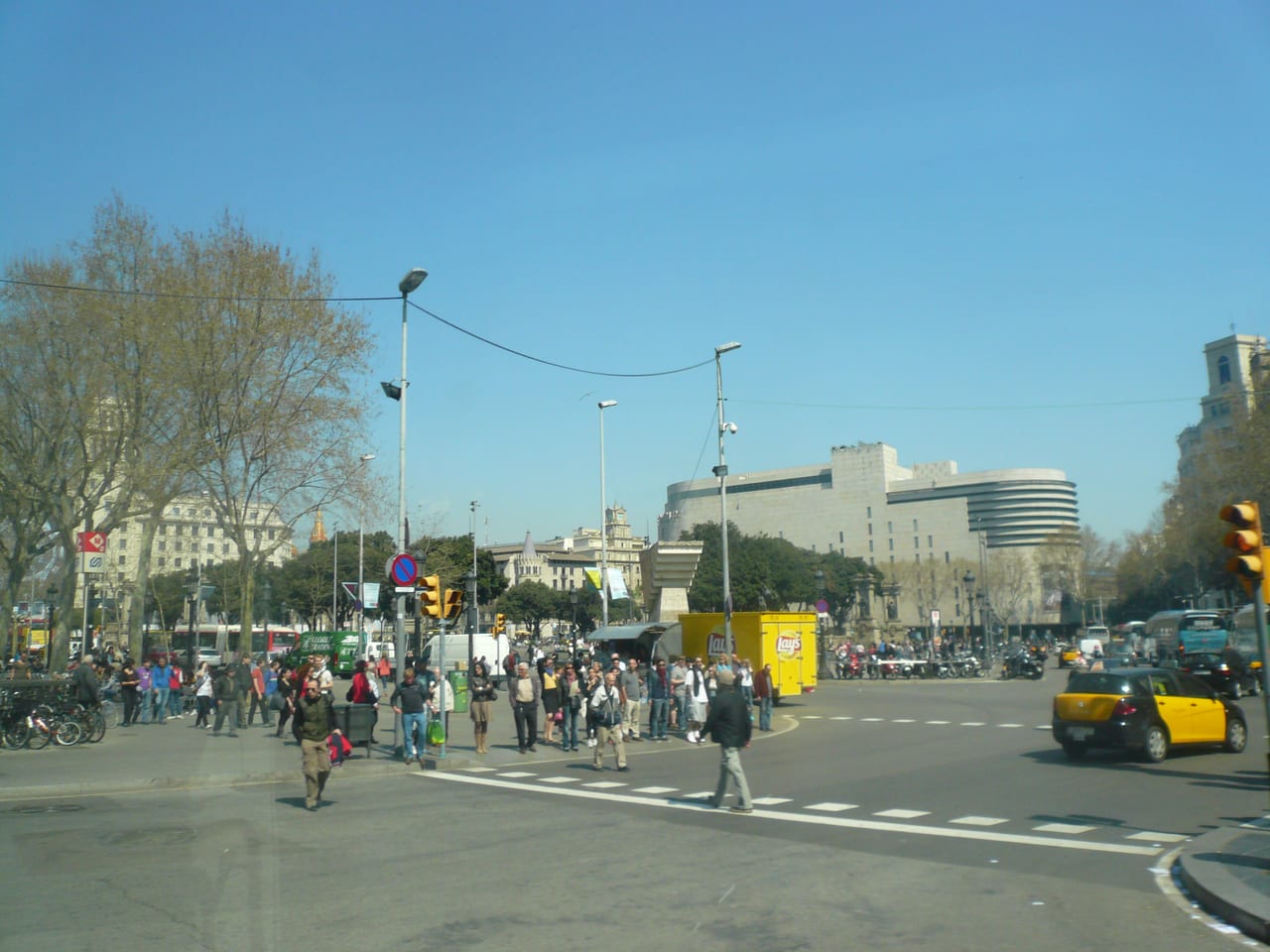
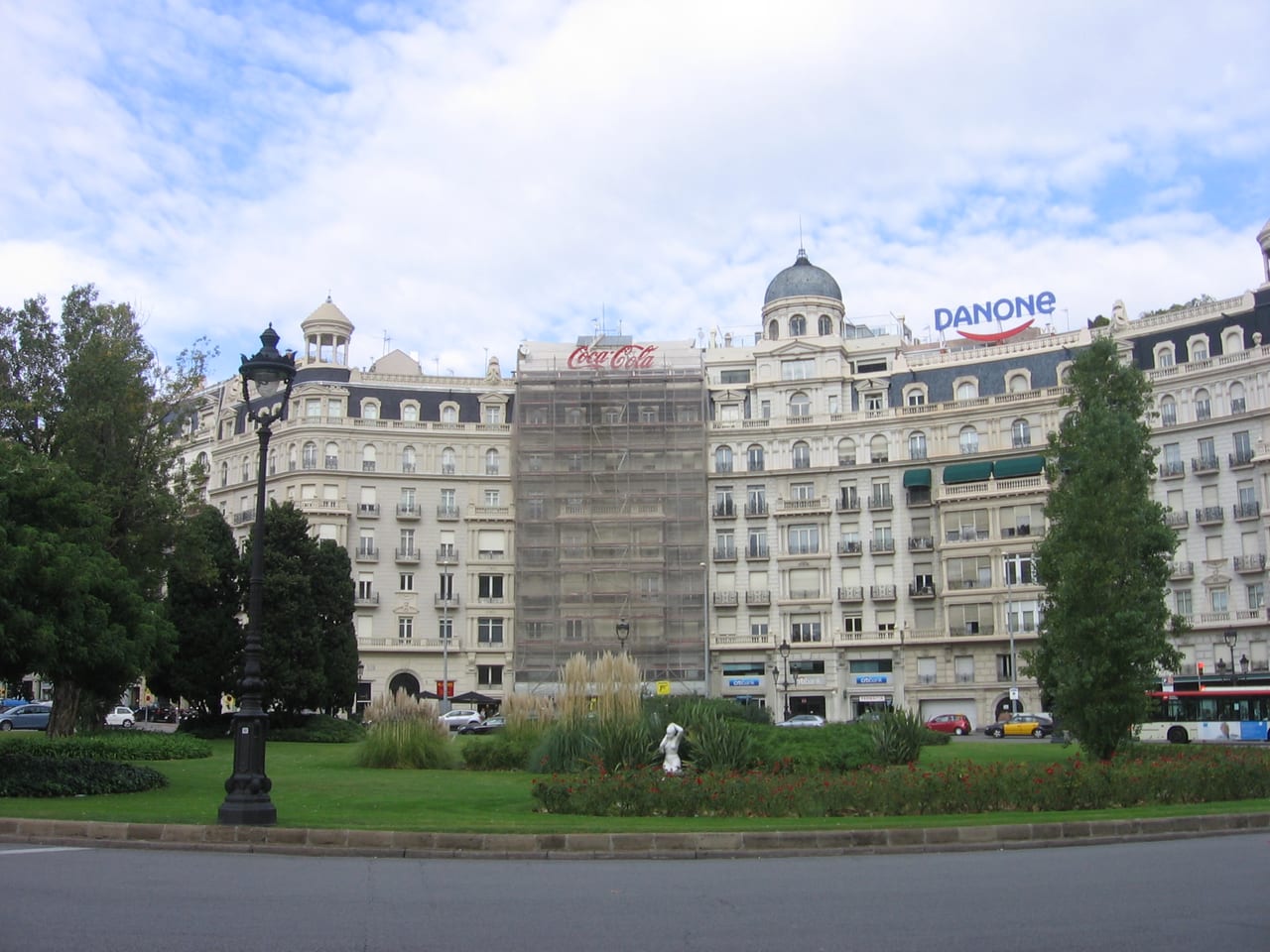
Walk around the central area to see Josep Manuel Benedicto’s feminine sculpture Joventut, installed in 1953, then observe how Avinguda Diagonal intersects with Josep Tarradellas, Travessera de Gràcia, Comte d’Urgell and Pau Casals. The Trambaix terminus is served by routes T1, T2 and T3; numerous city buses stop here. La Vanguardia’s headquarters is at Avinguda Diagonal 477. A Francesc Macià metro station is projected.
Places to stay near Plaça de Francesc Macià

Live availability and prices from Stay22's partners, refreshed periodically and subject to change. Booking through these links may earn us a commission at no extra cost to you. See our privacy policy.
Cafés near Plaça de Francesc Macià
Cafés near Plaça de Francesc Macià loads as you scroll.
Attractions nearby
Attractions near Plaça de Francesc Macià loads as you scroll.
Cities nearby
Cities nearby loads as you scroll.
More in Barcelona
See more of Barcelona.
Find great cafés, places to stay and other interesting places to visit in Barcelona.