Square · Barcelona
Plaça de Catalunya
DirectionsAt roughly 50,000 square metres, Plaça de Catalunya forms Barcelona’s great urban hinge, where the medieval city meets the 19th-century Eixample.
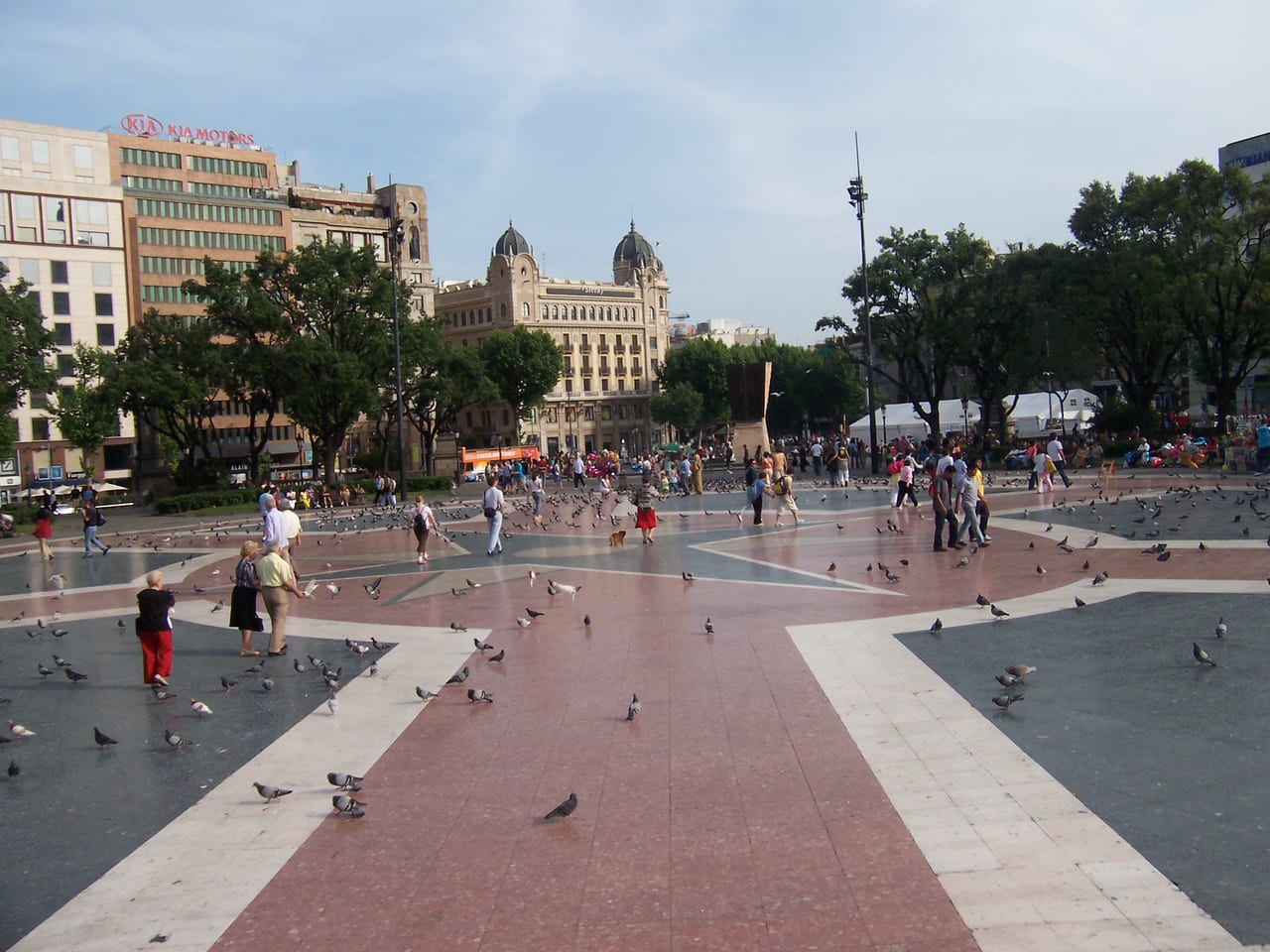
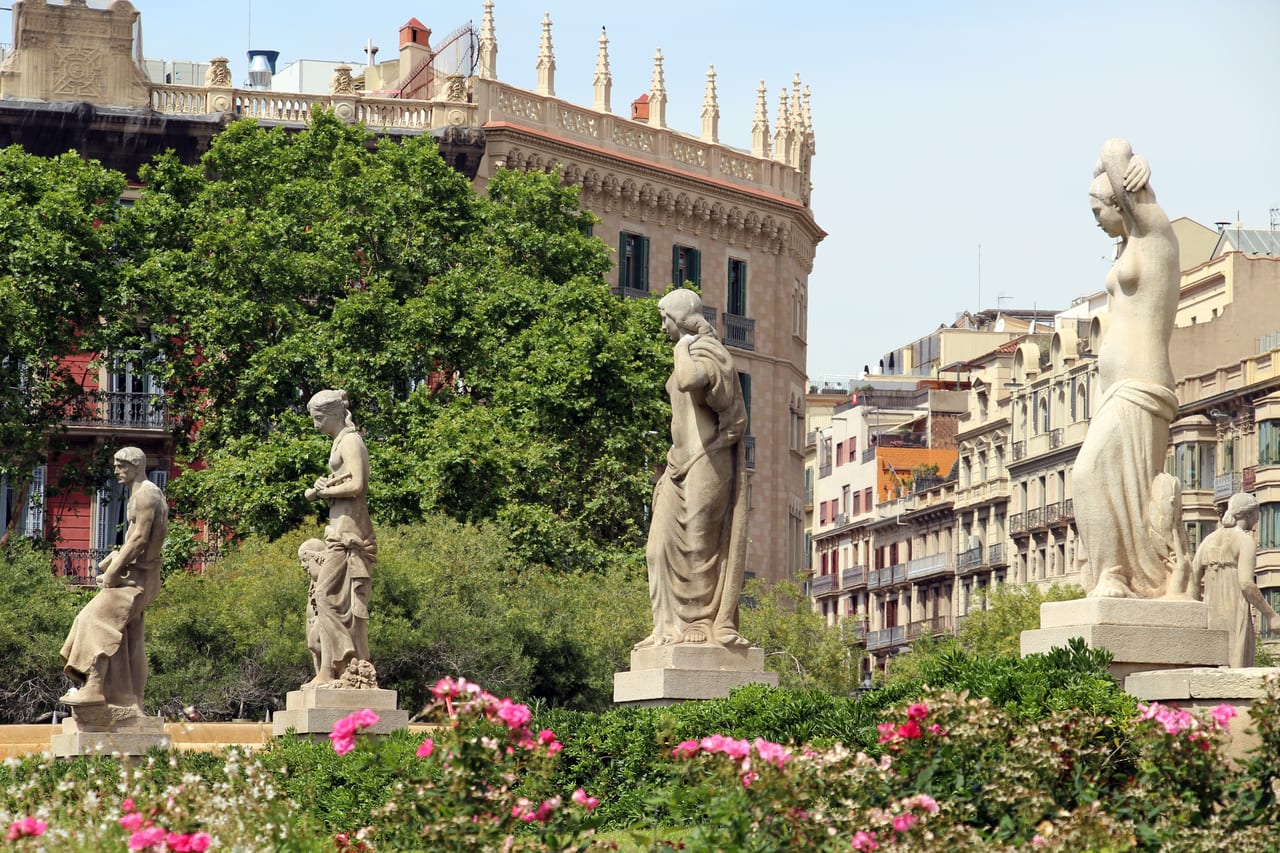
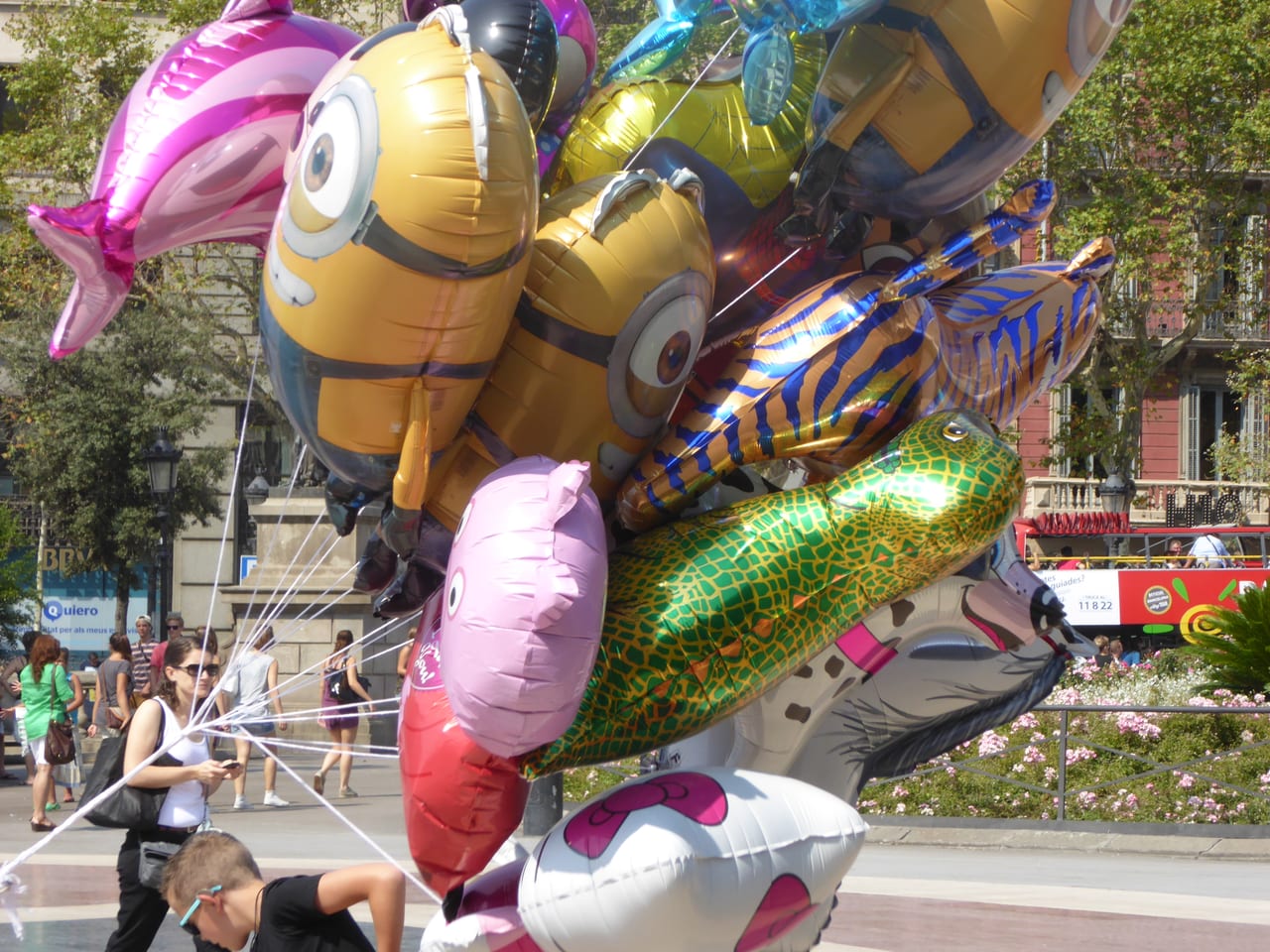
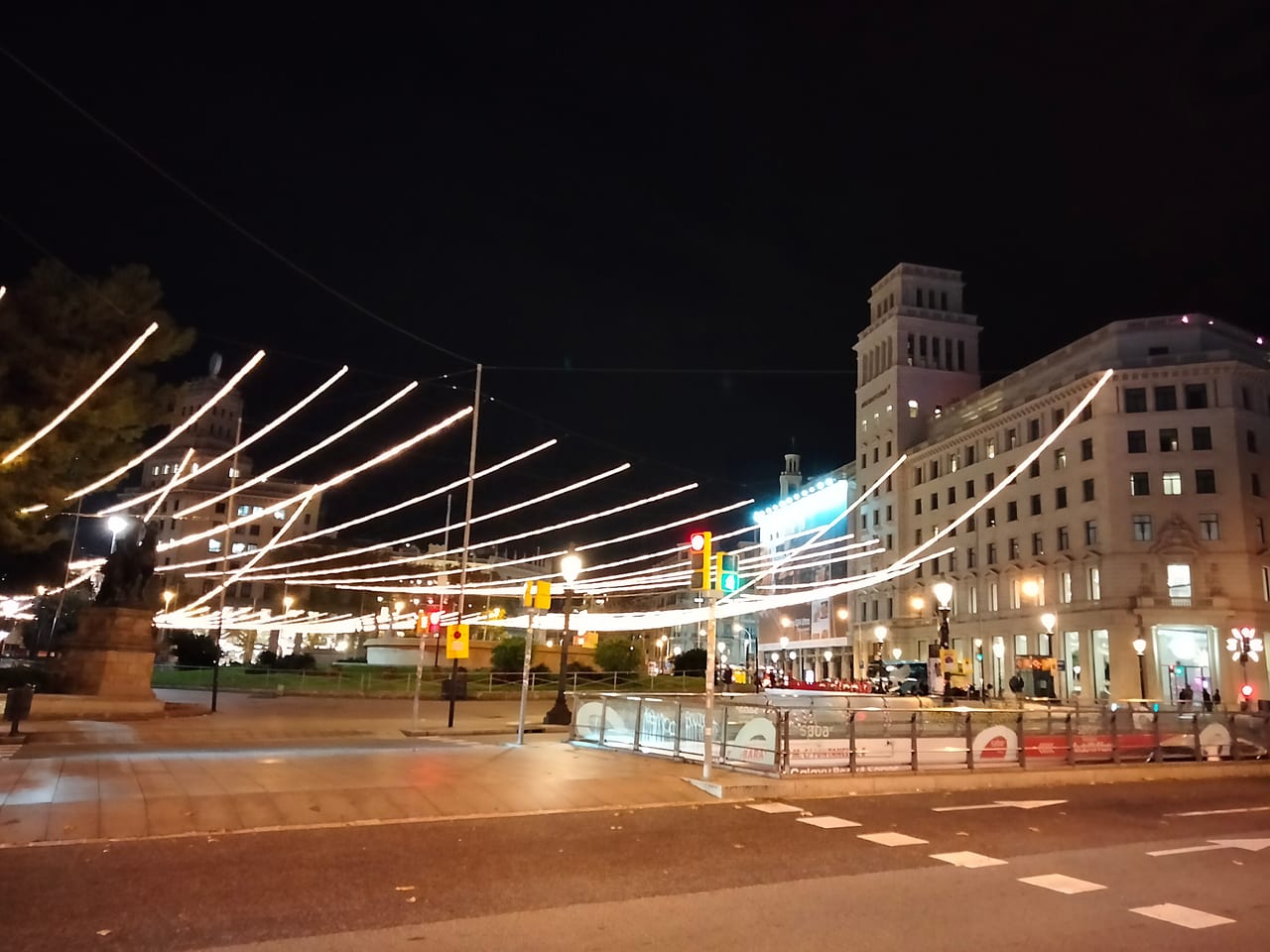
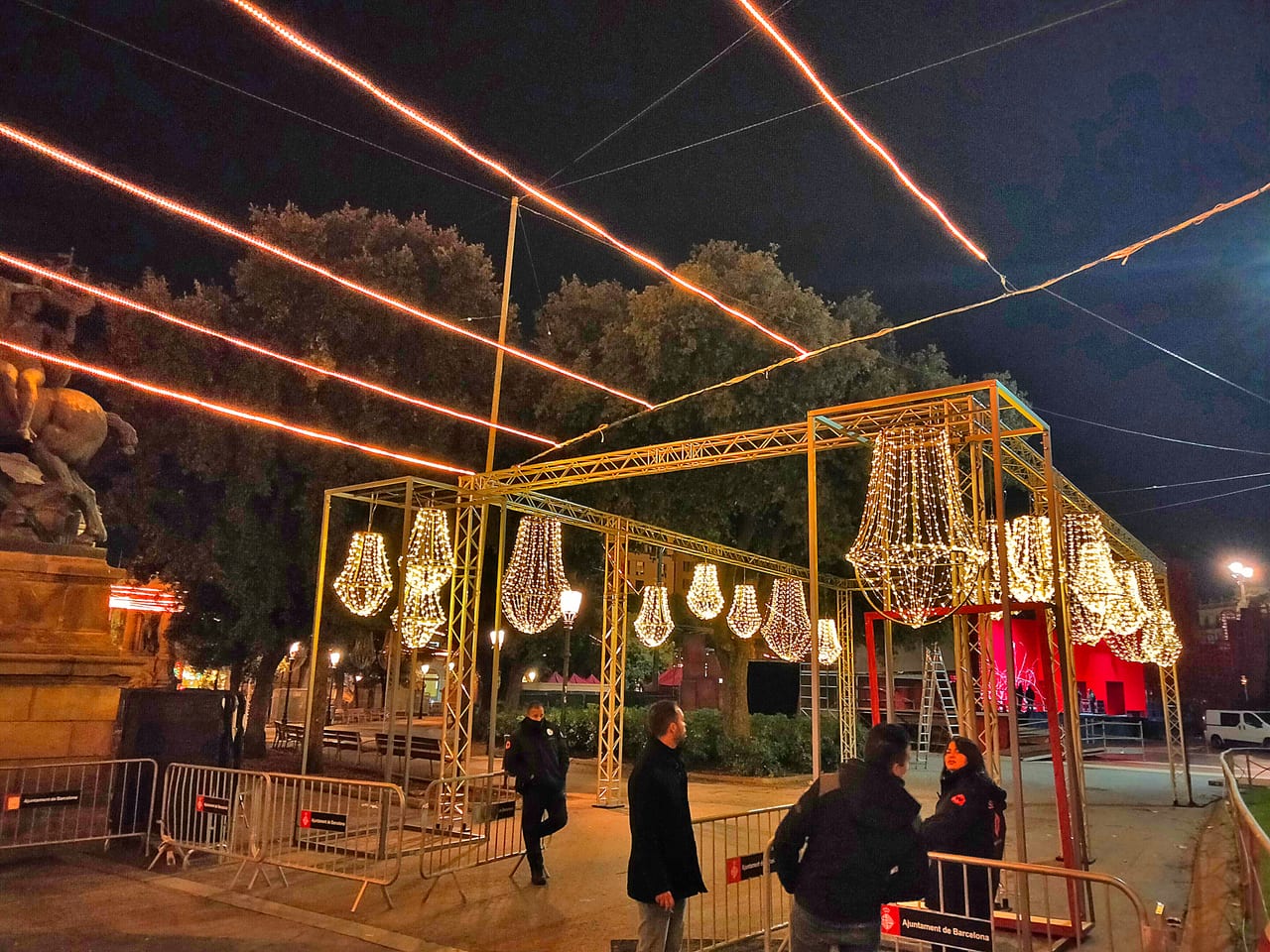
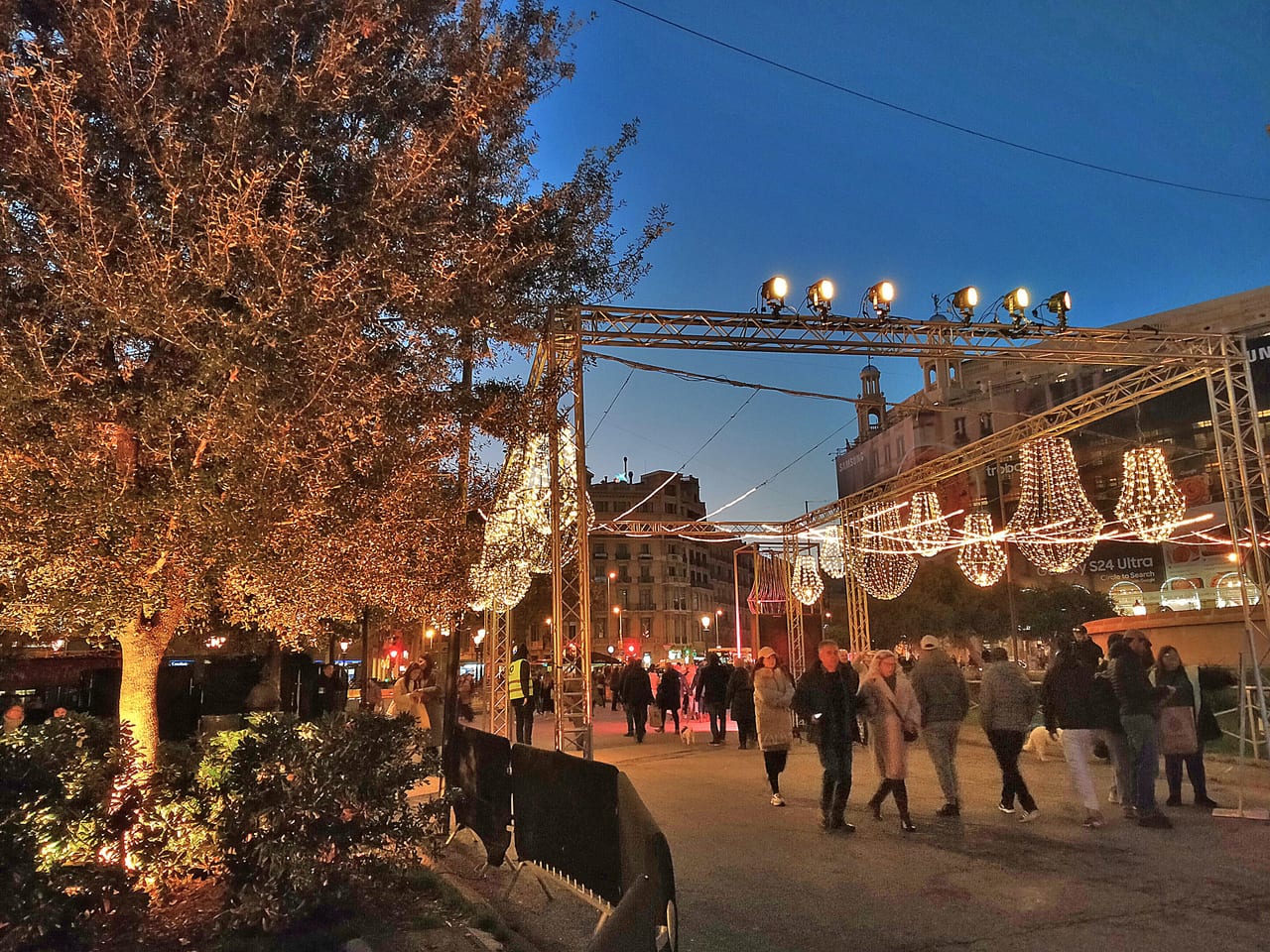
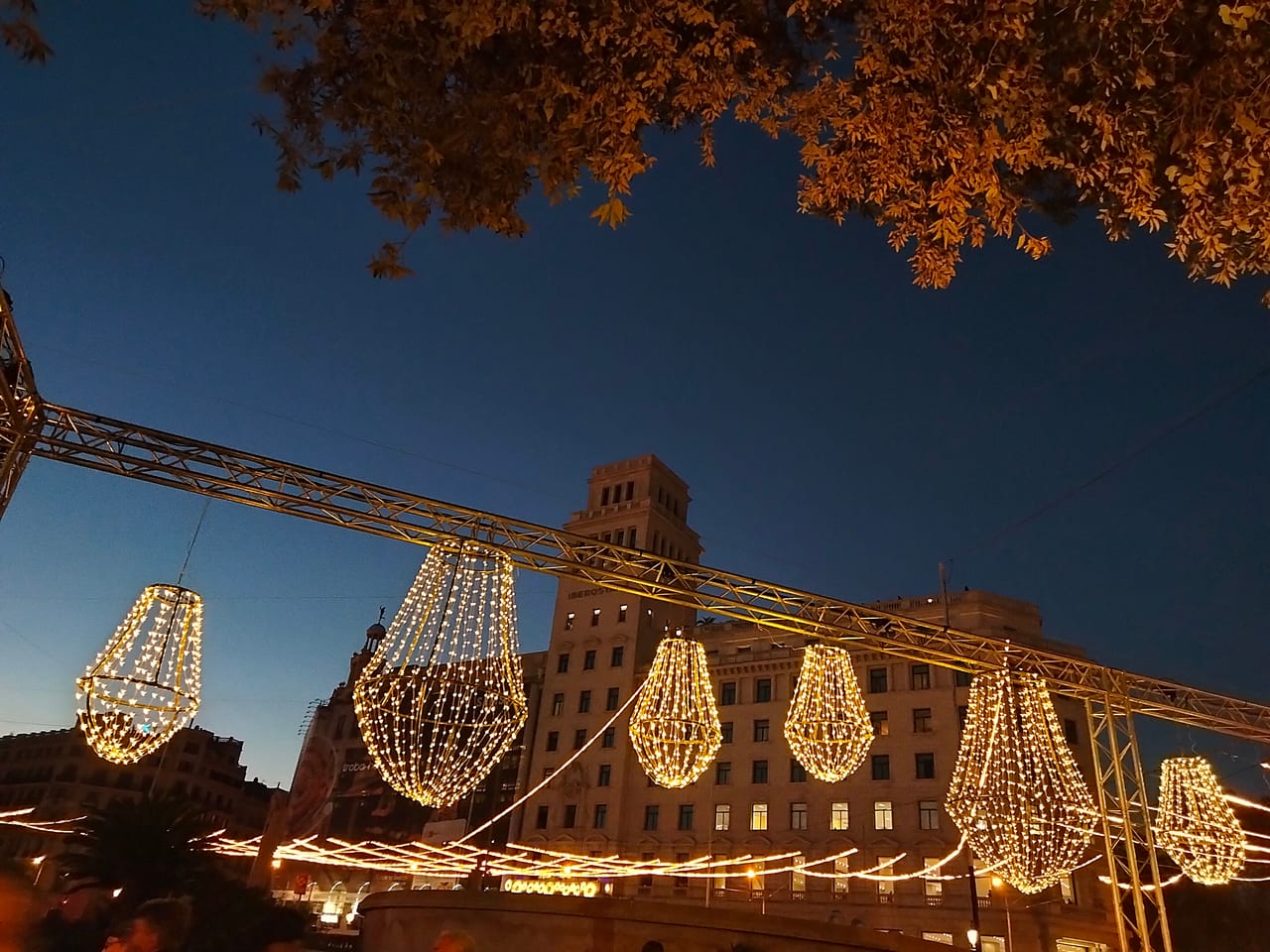
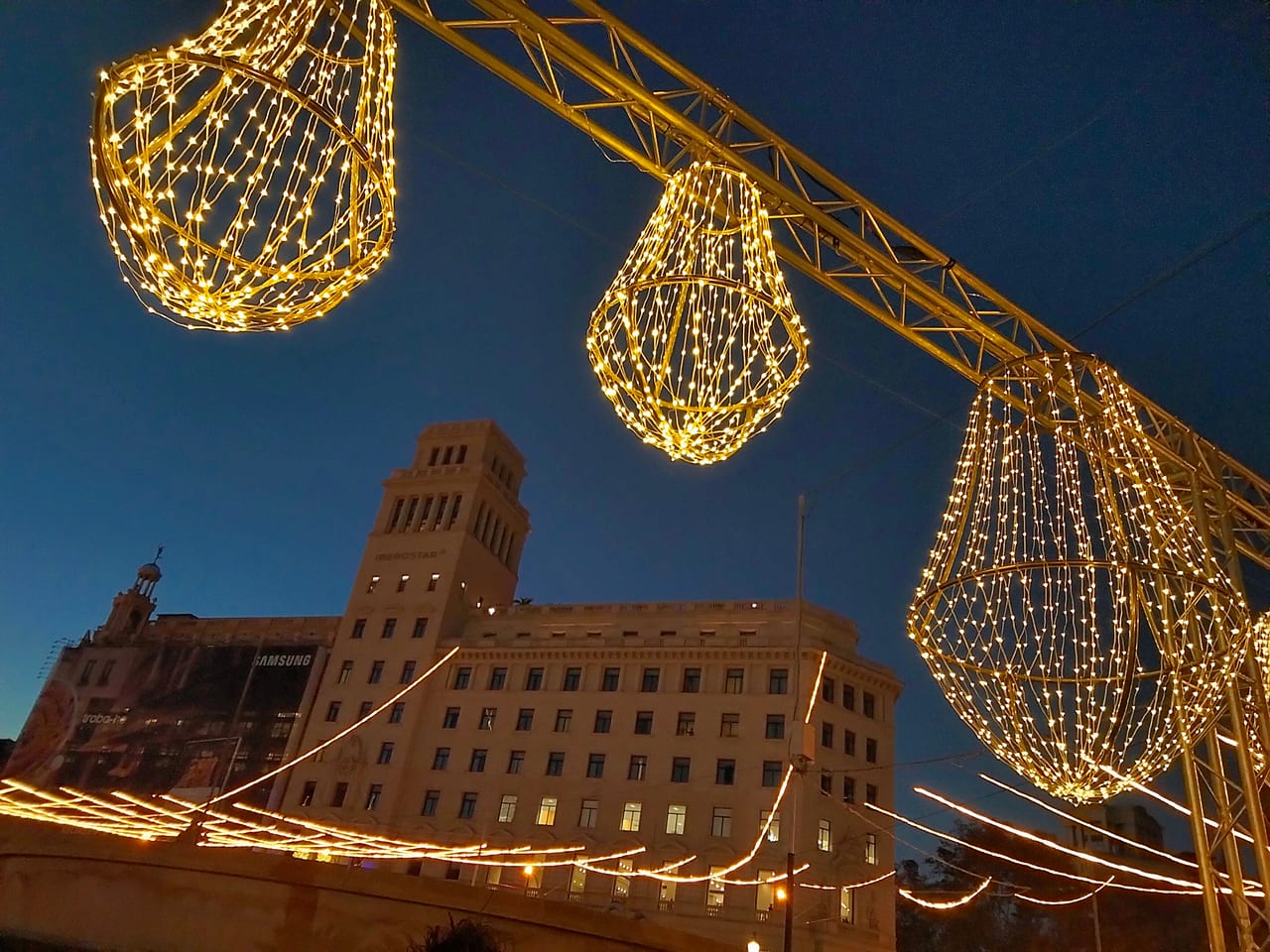
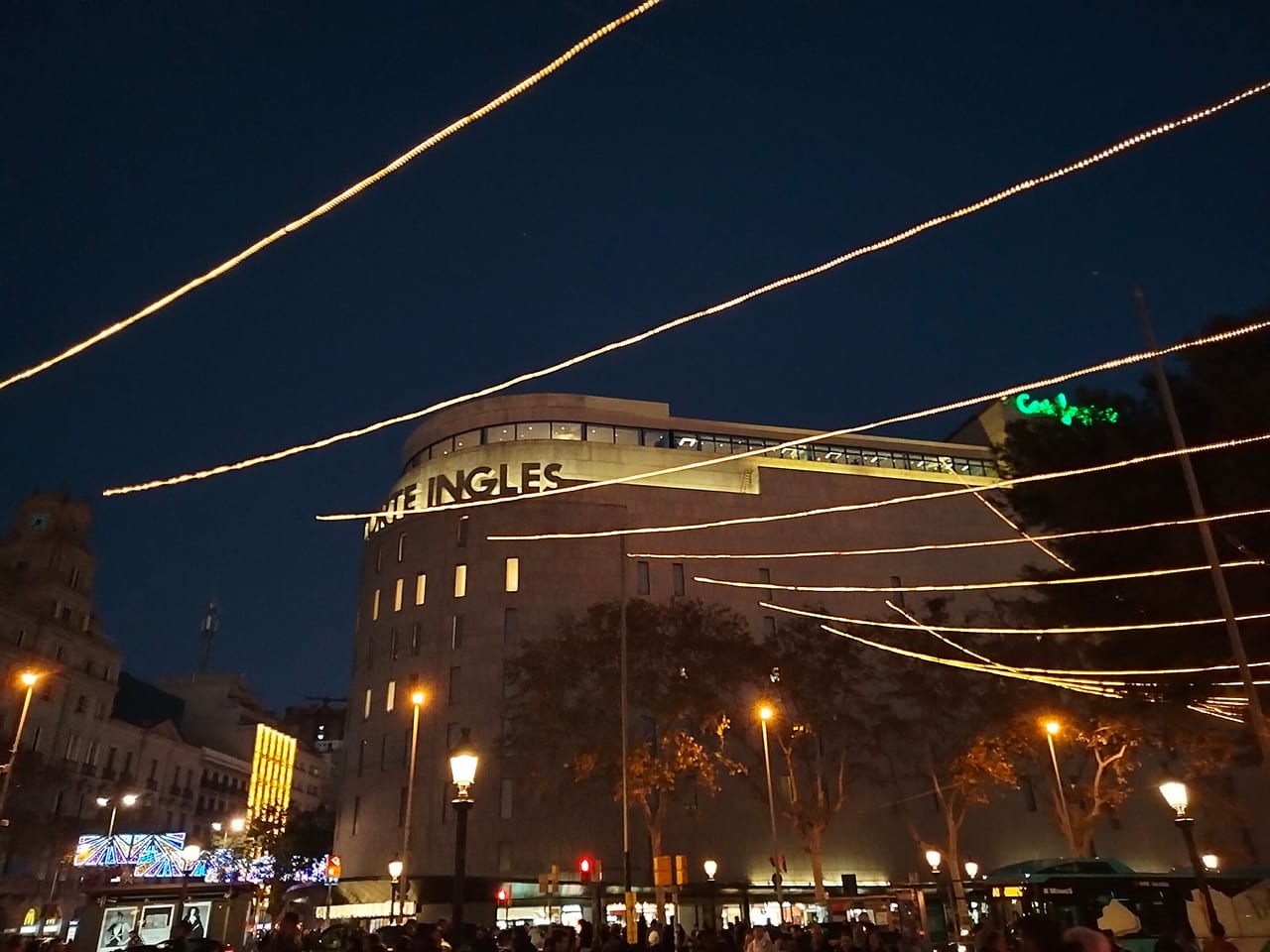
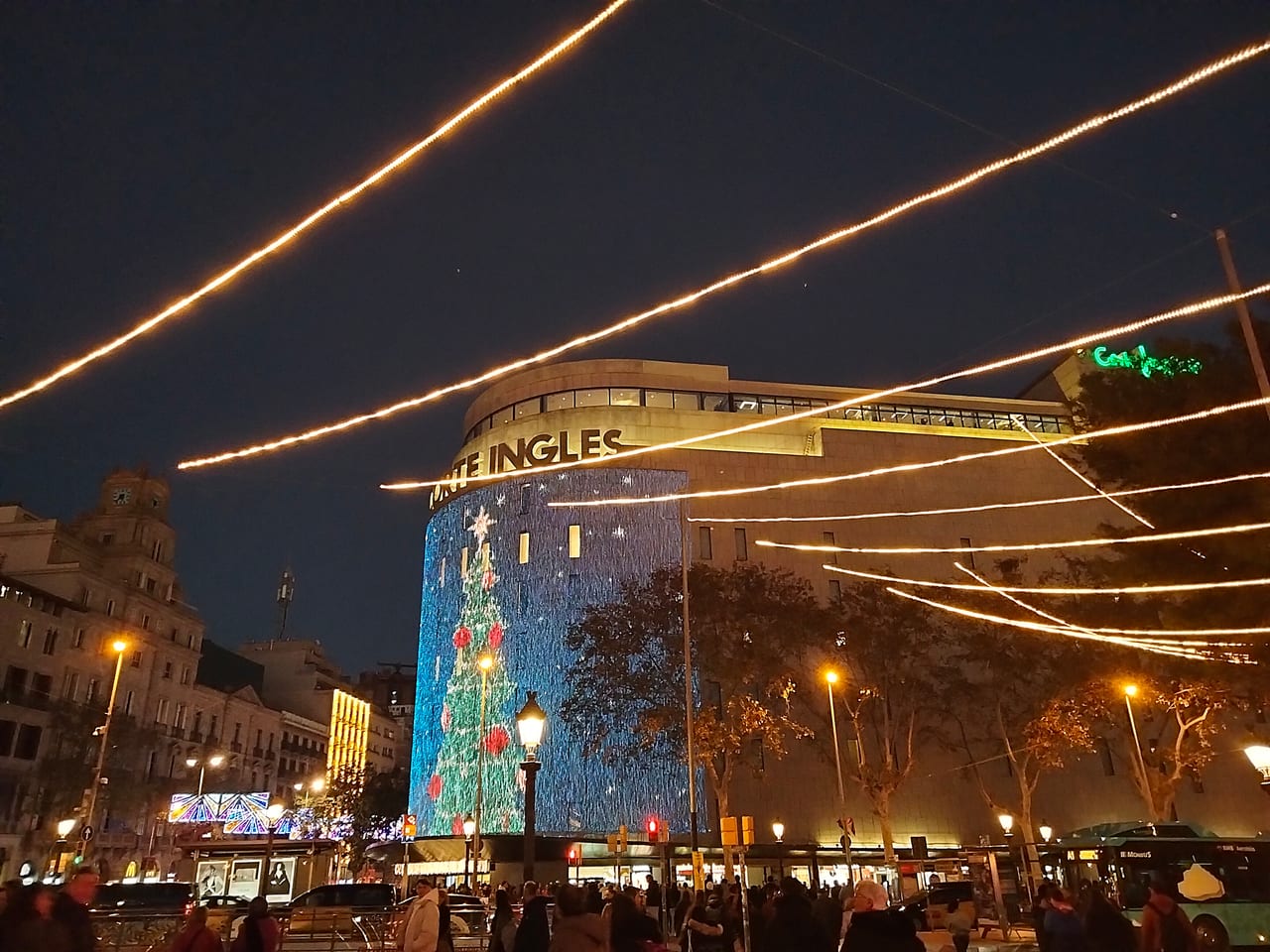
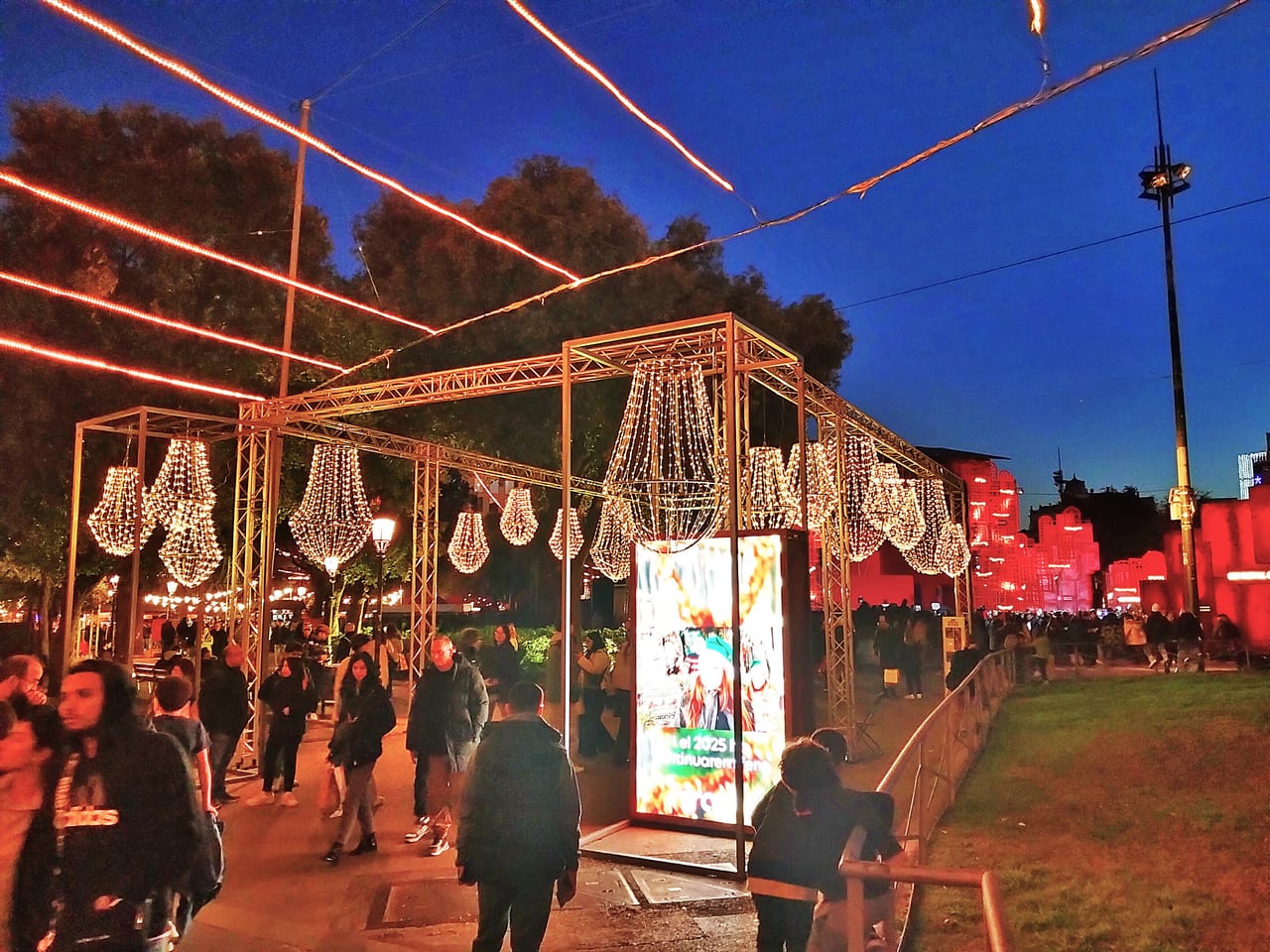
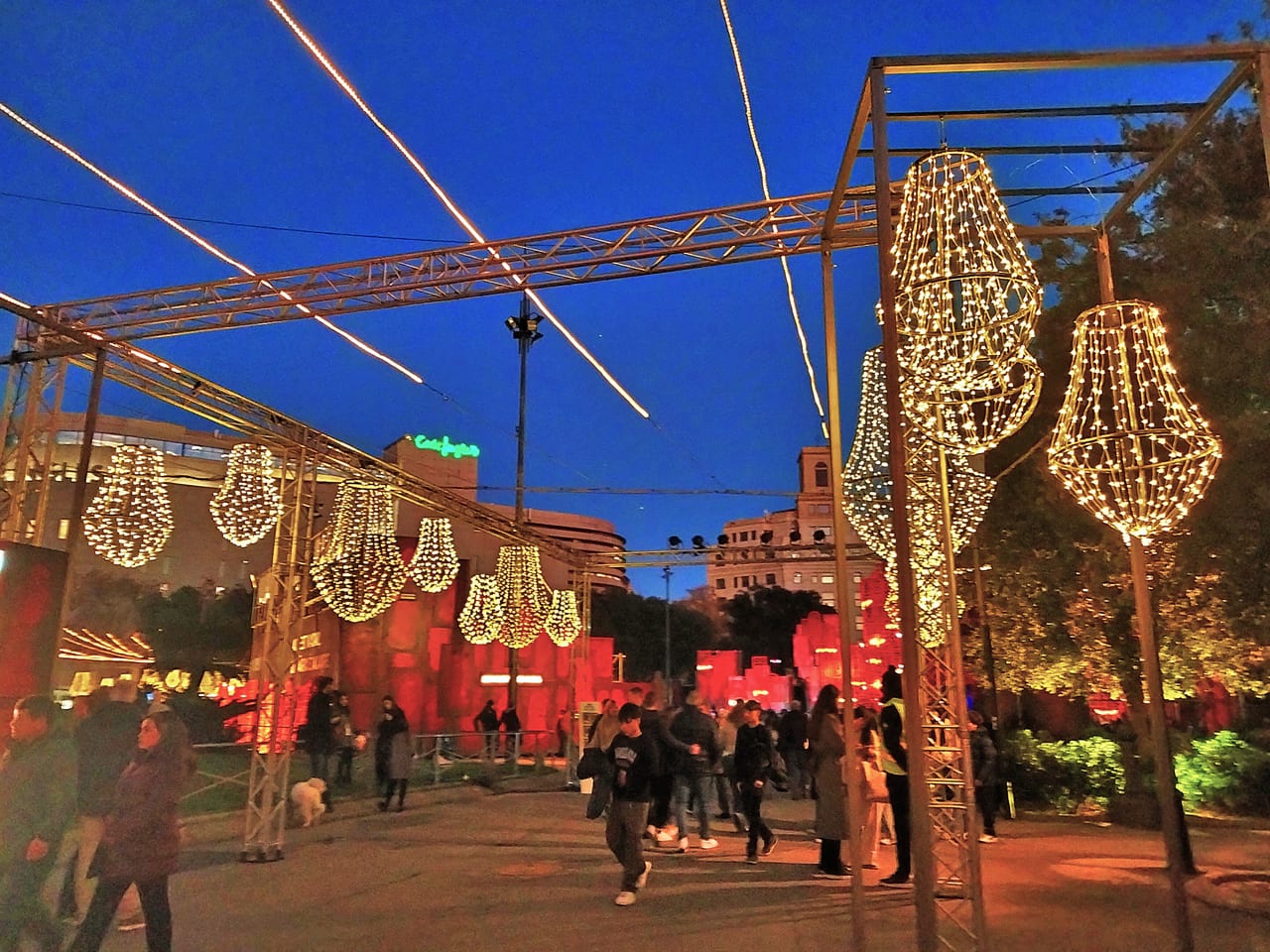
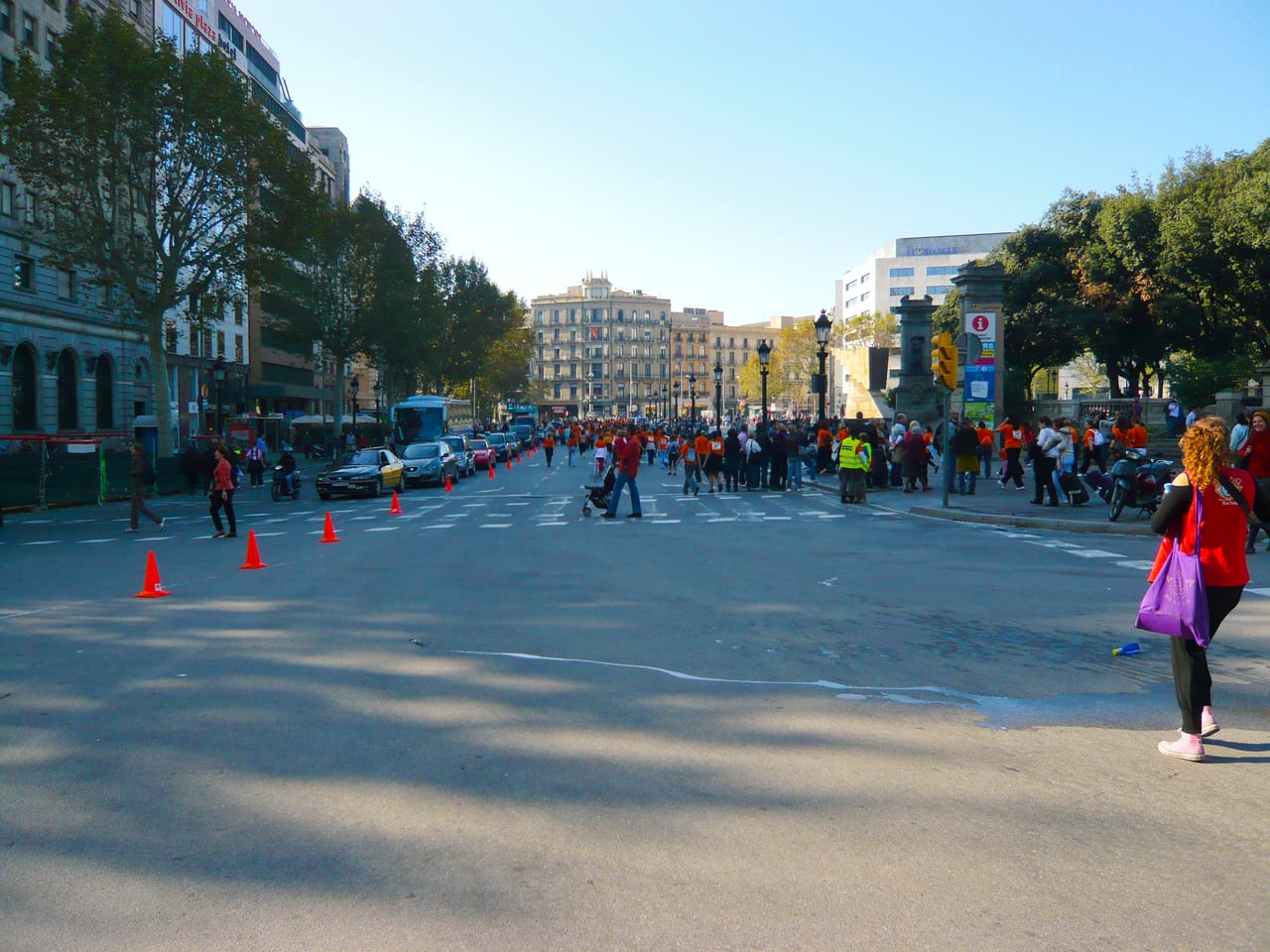
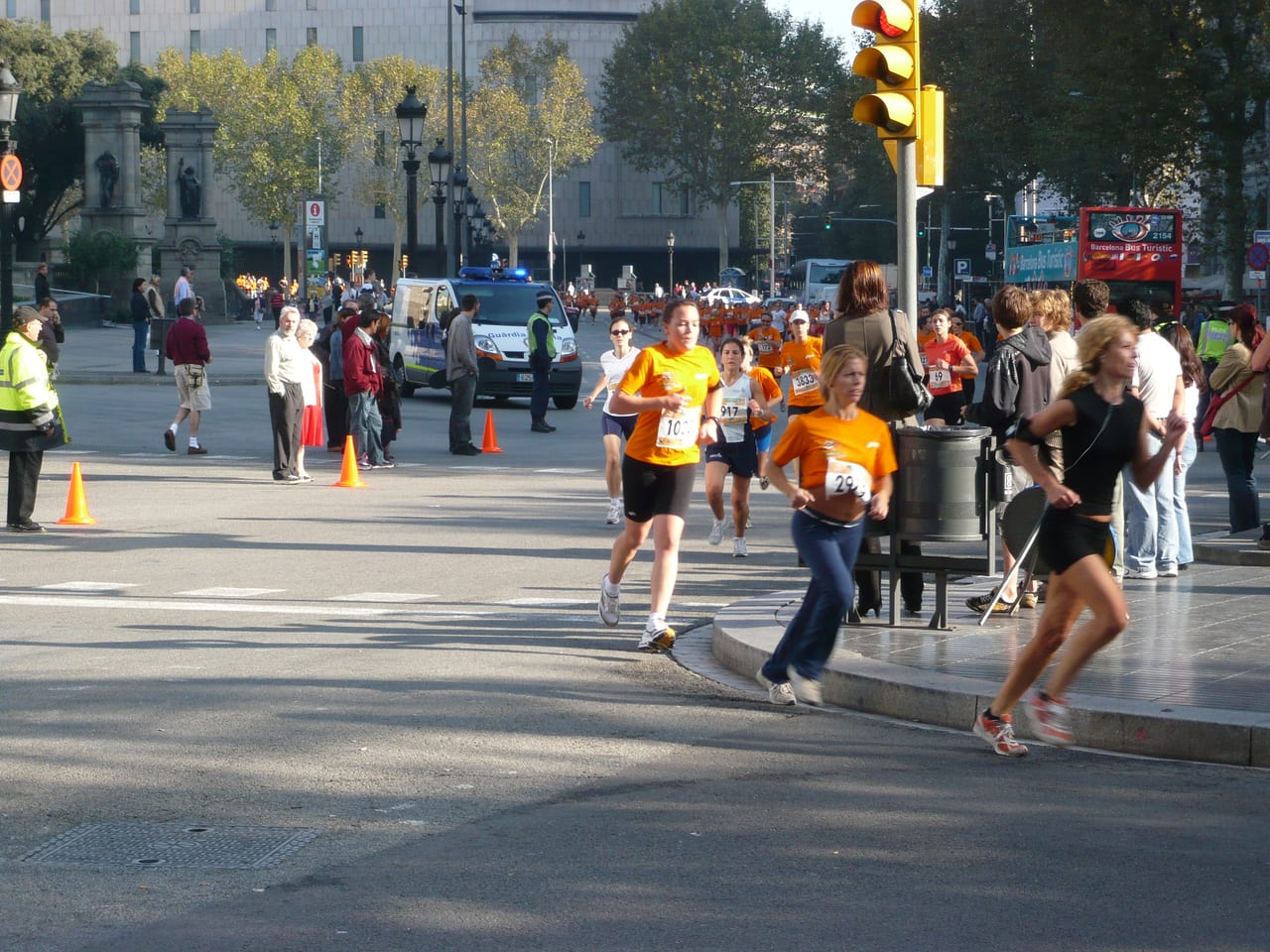
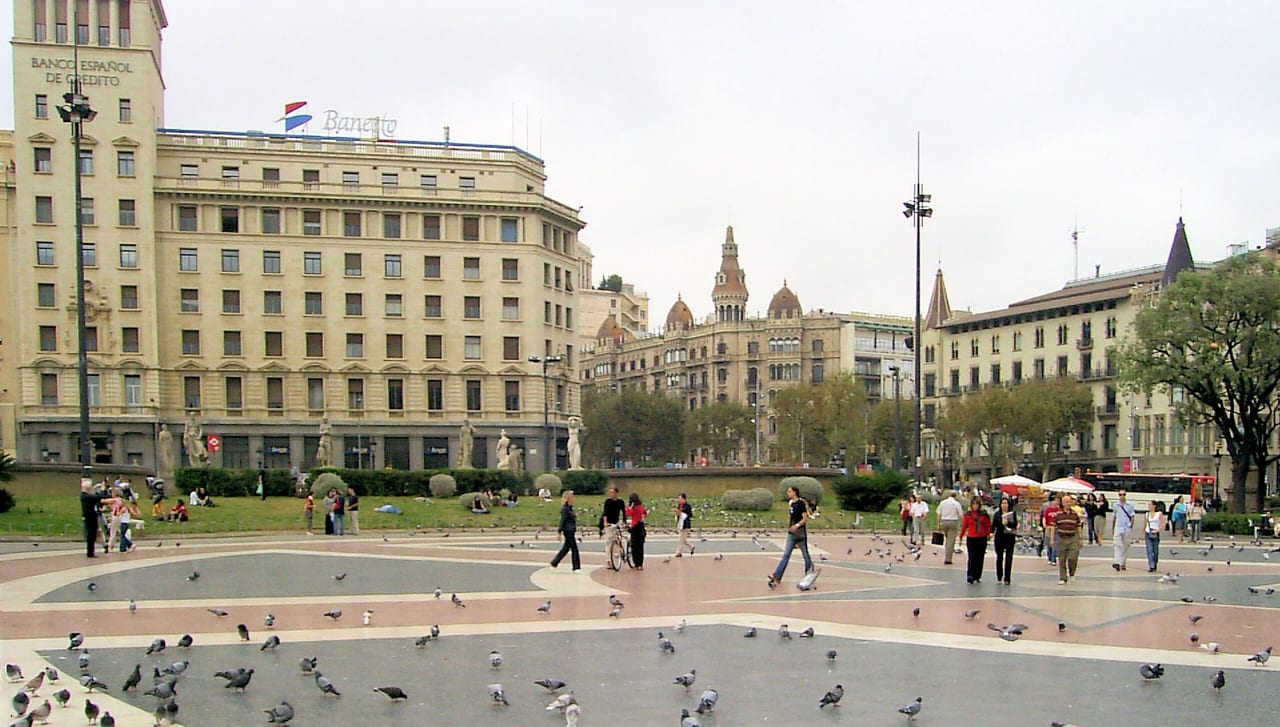
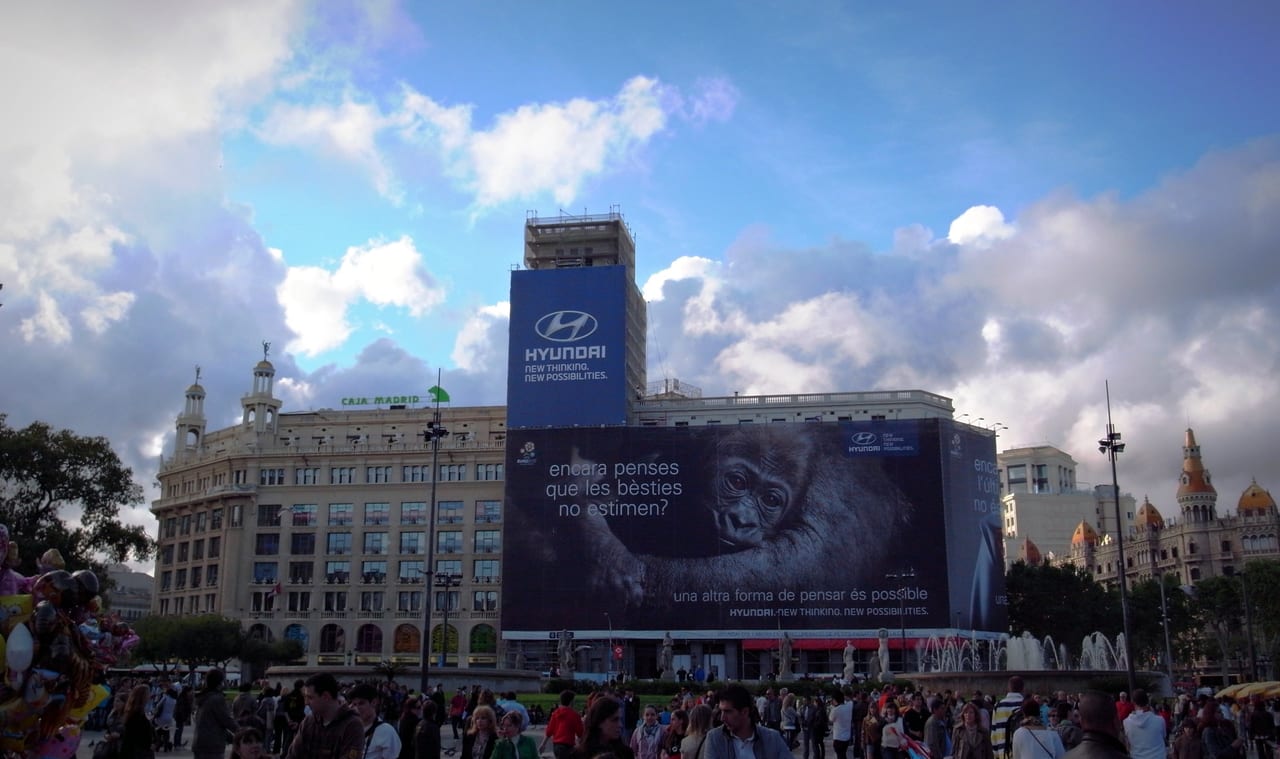
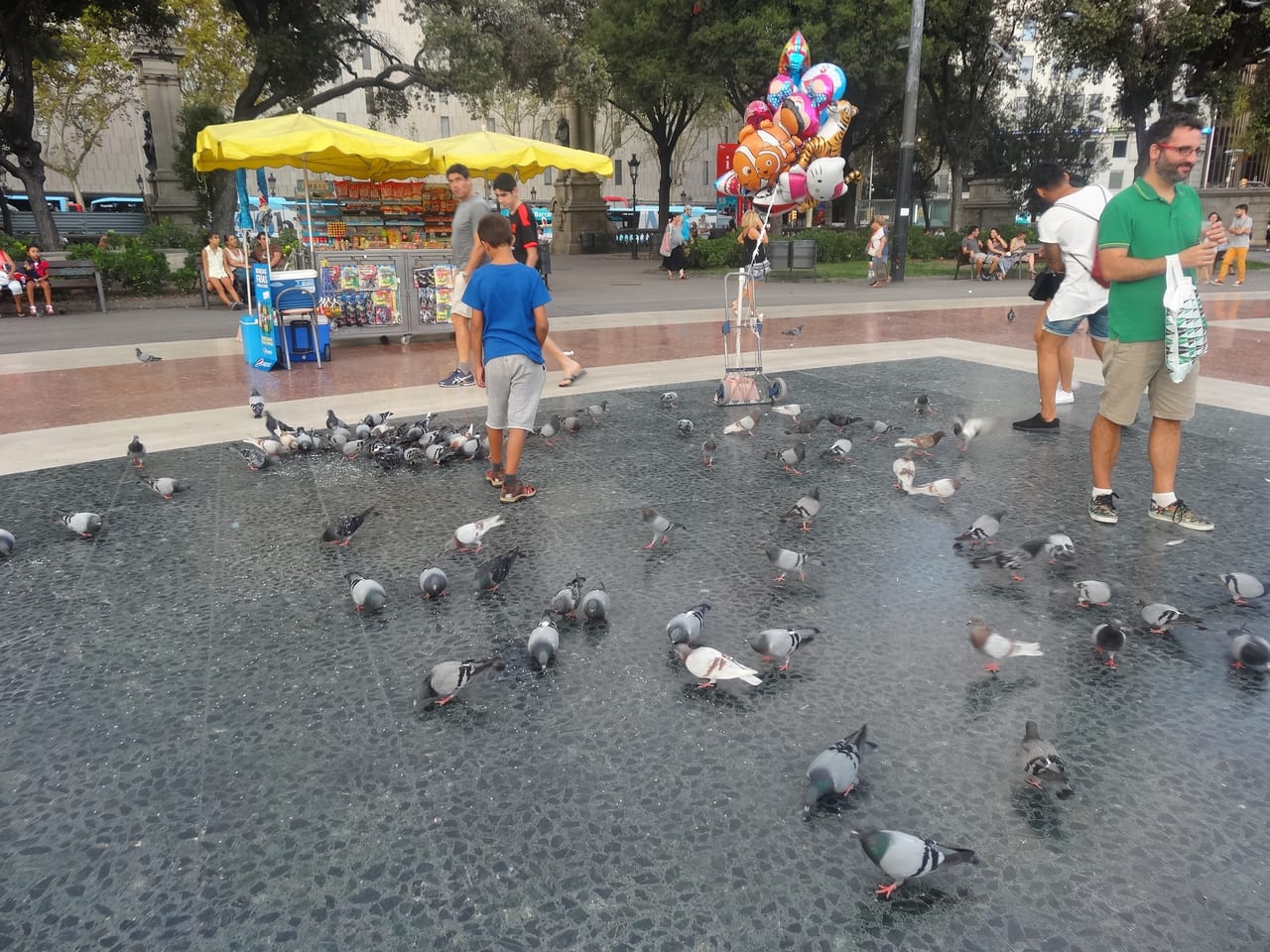
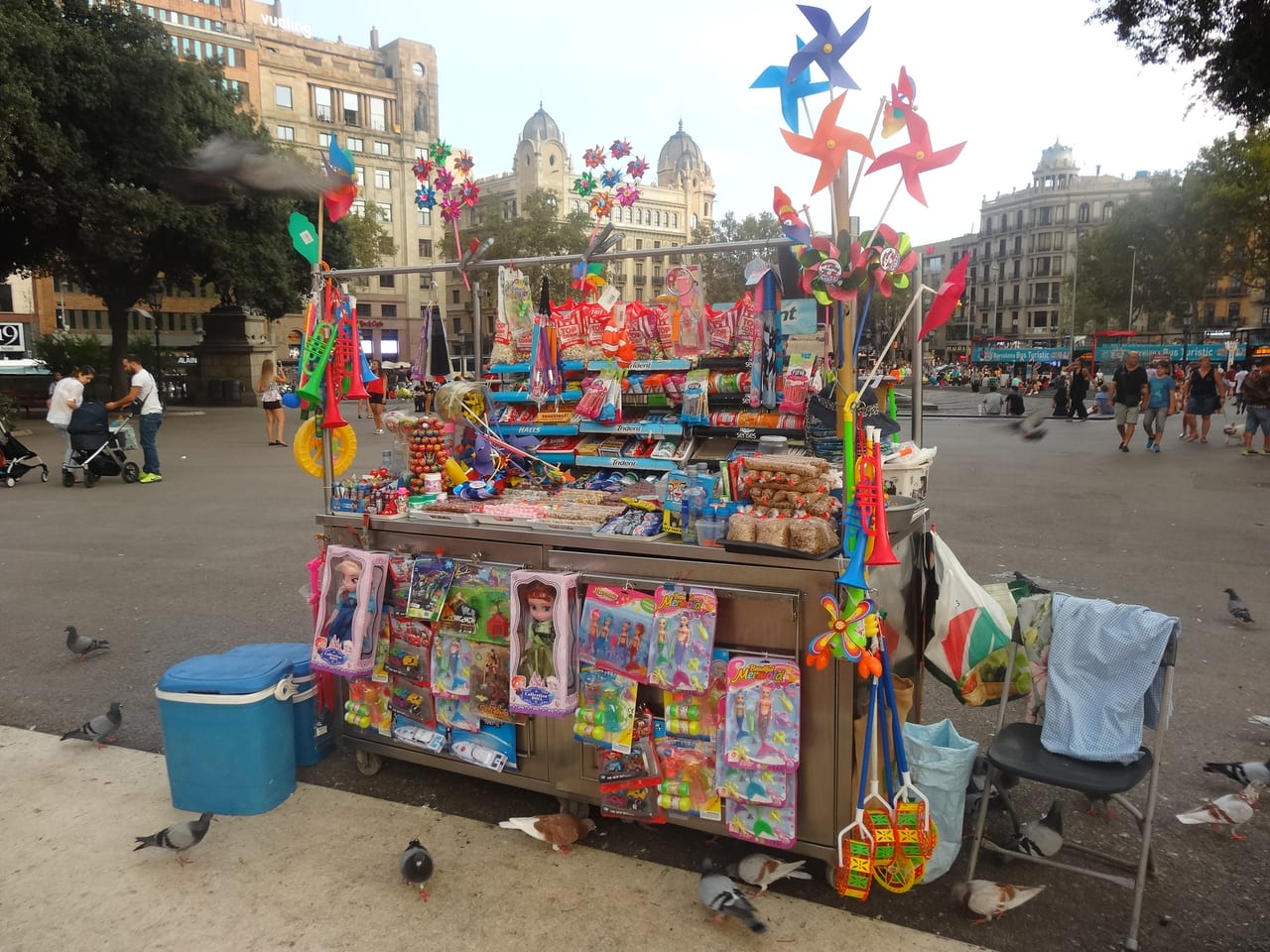
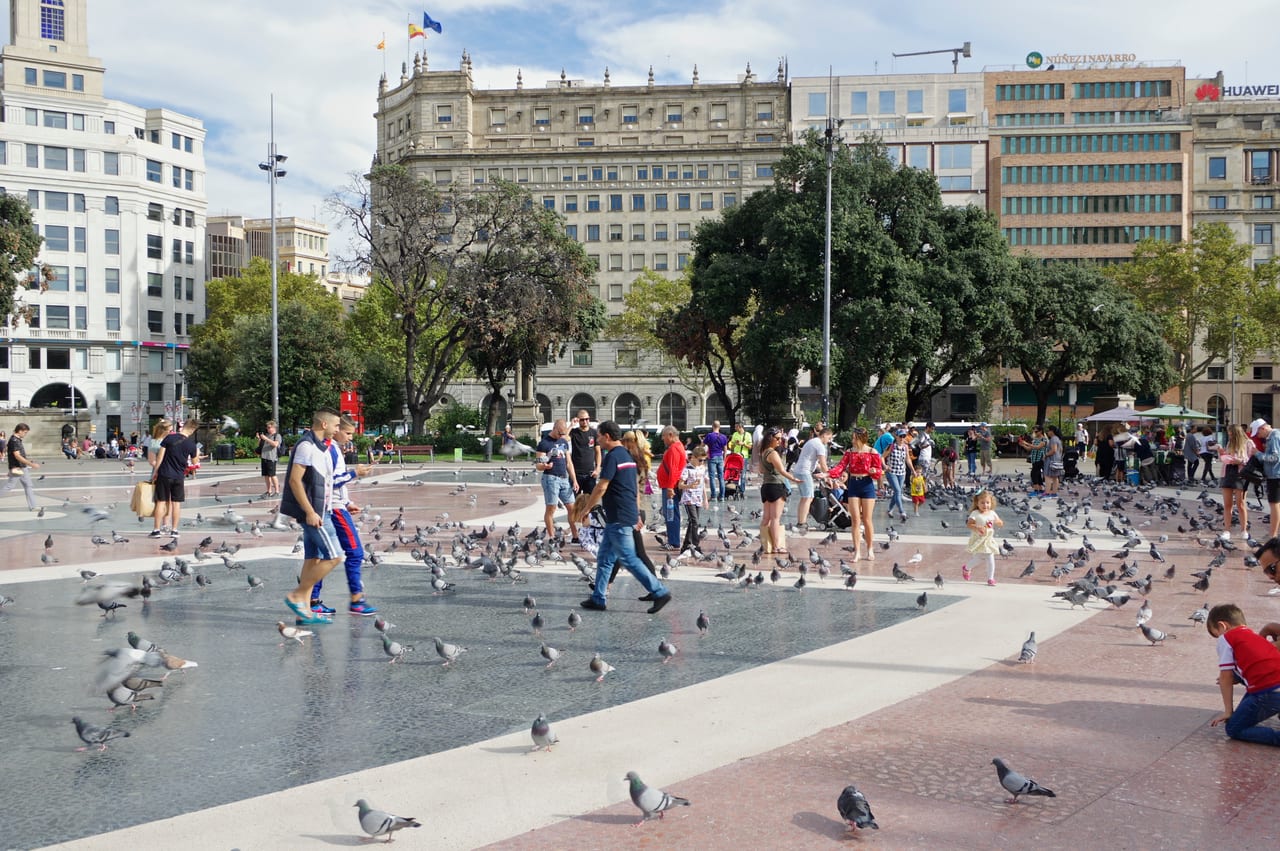
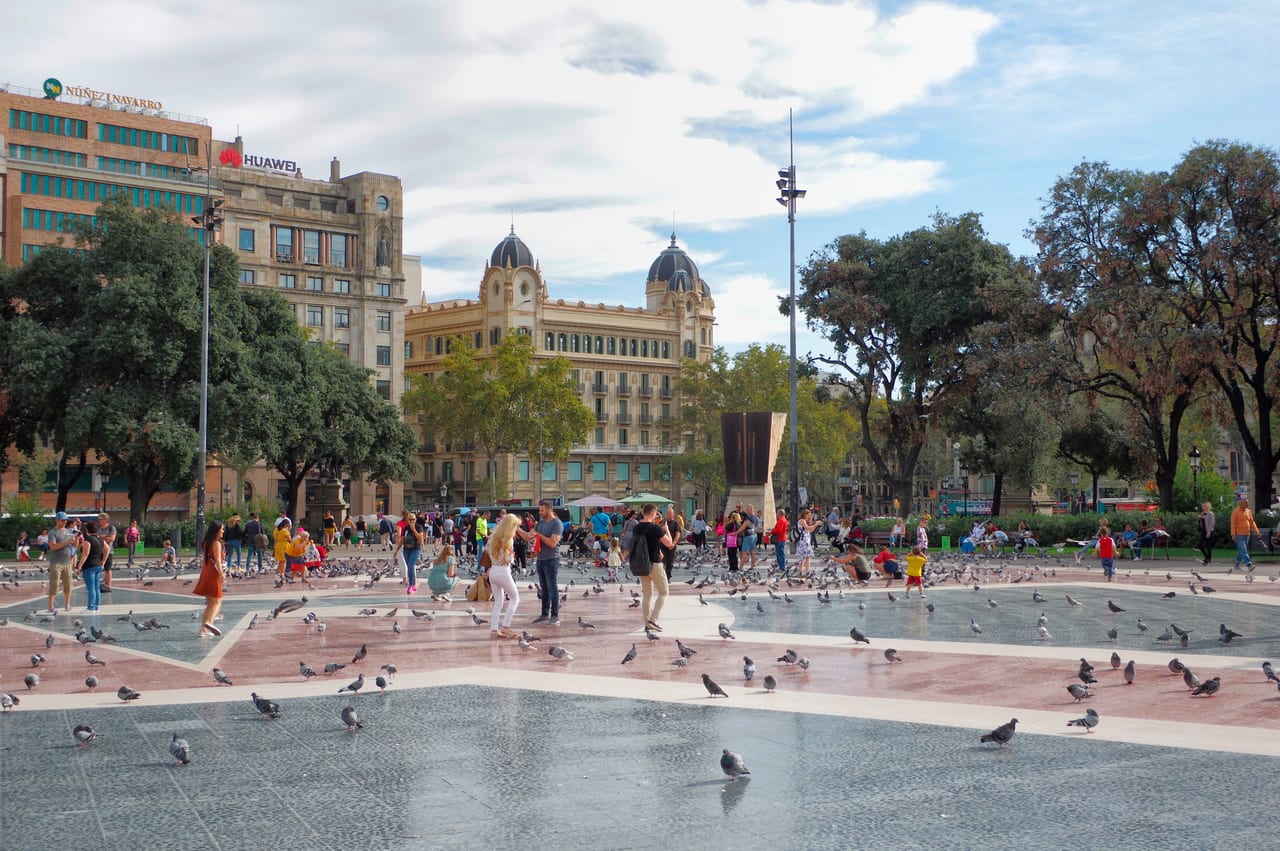
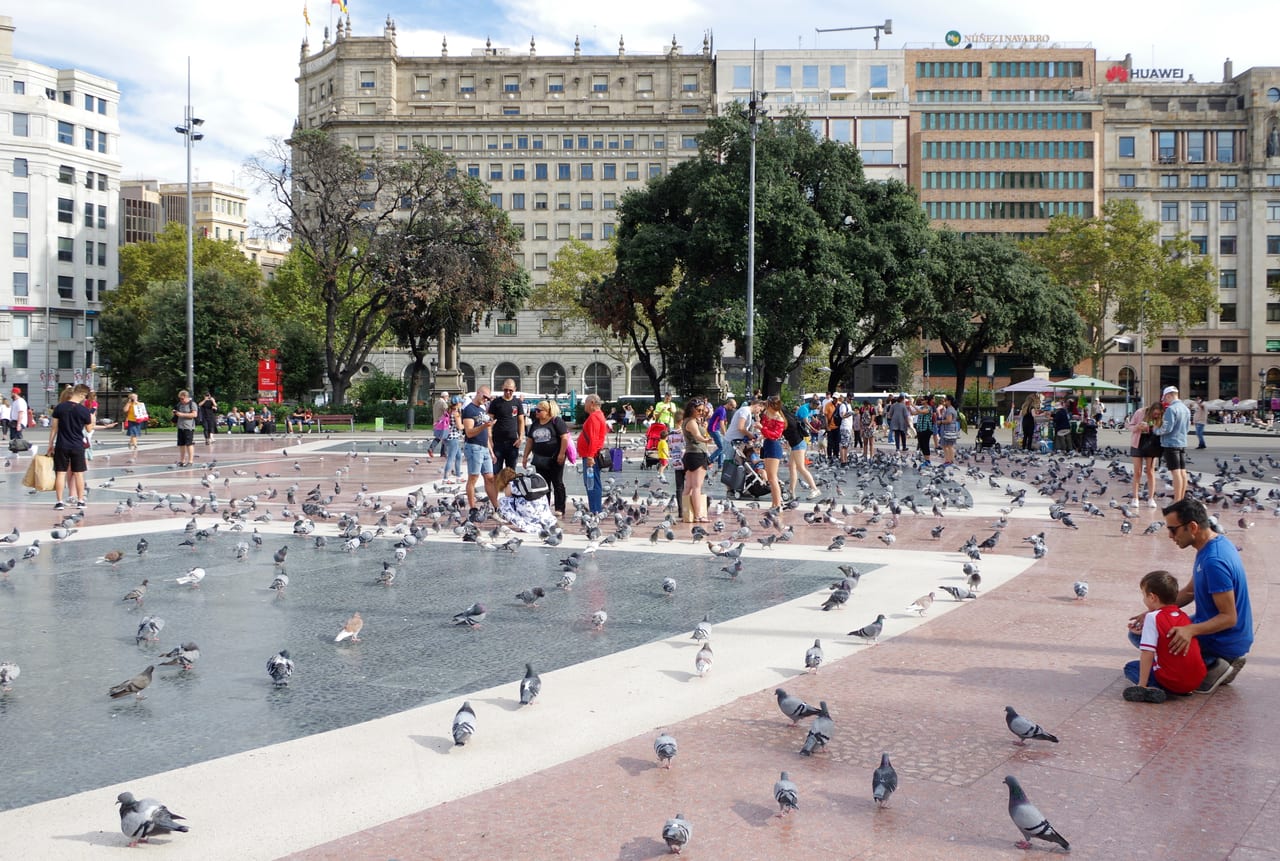
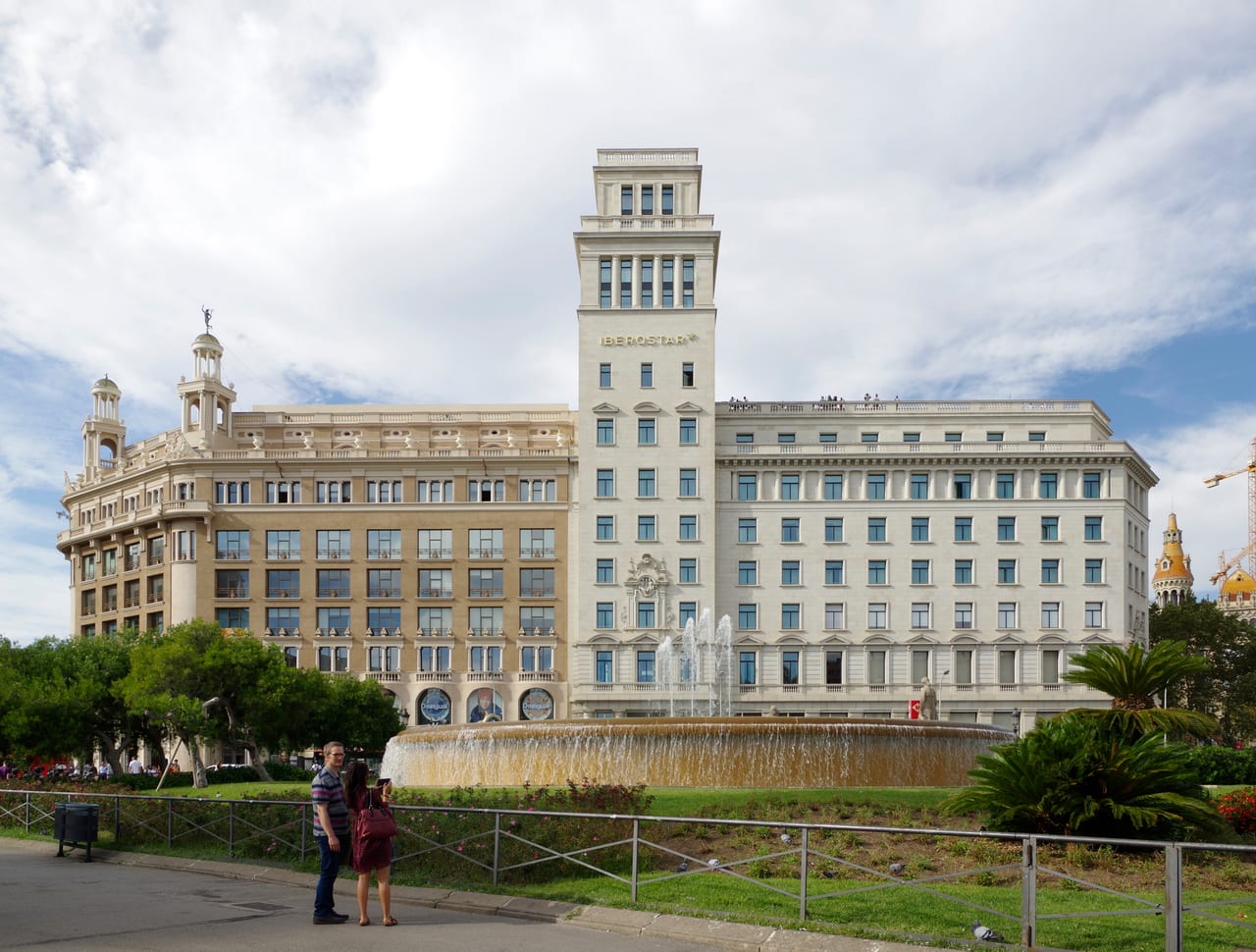
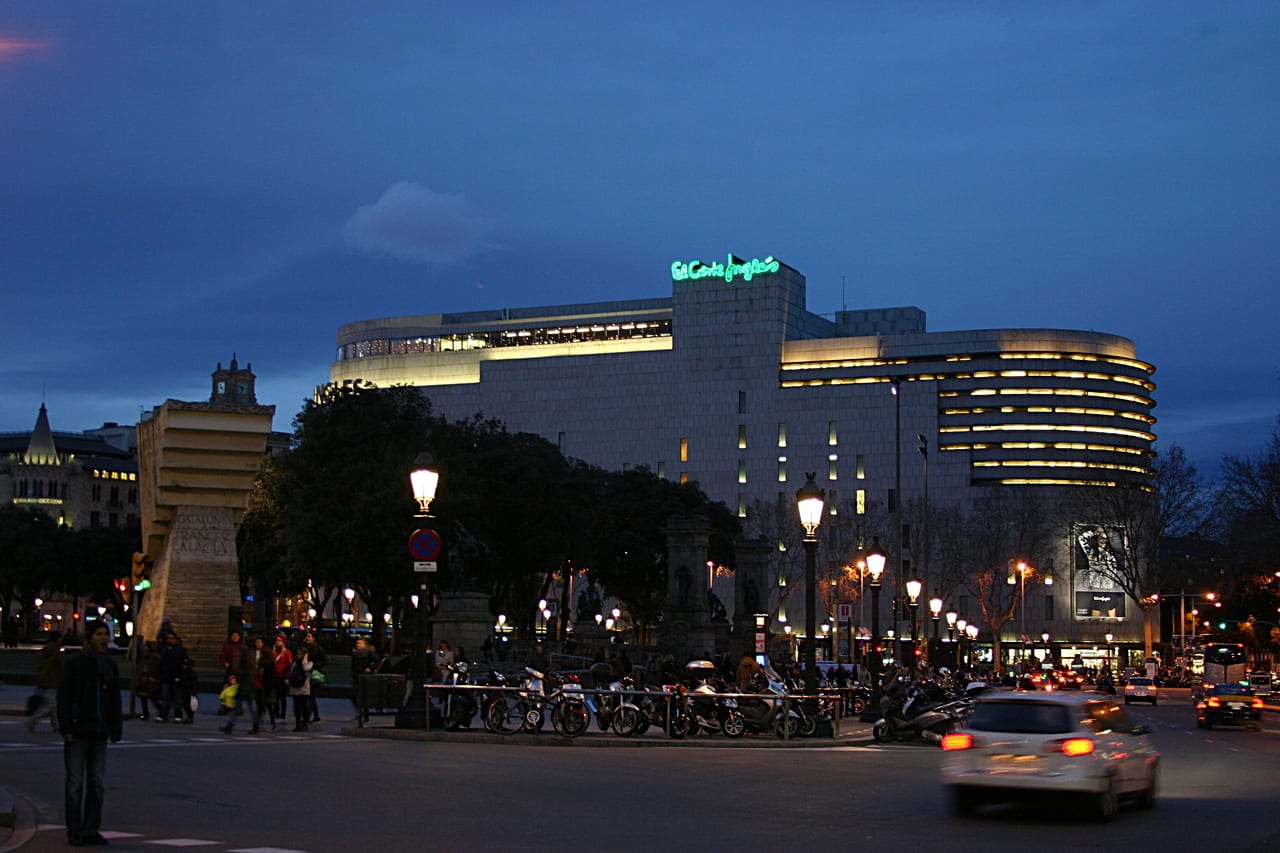
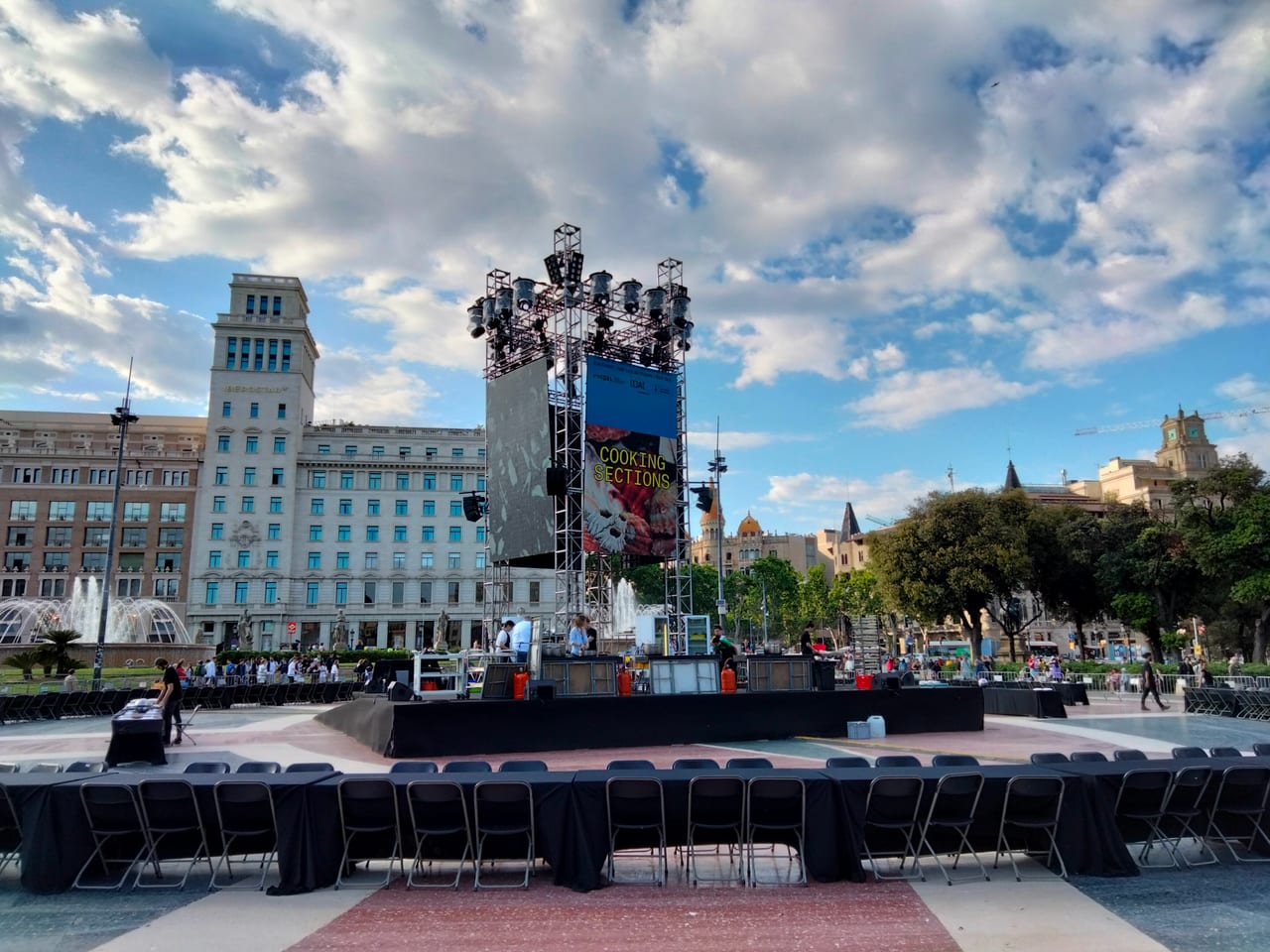
Photograph 1 of 41 of Plaça de Catalunya
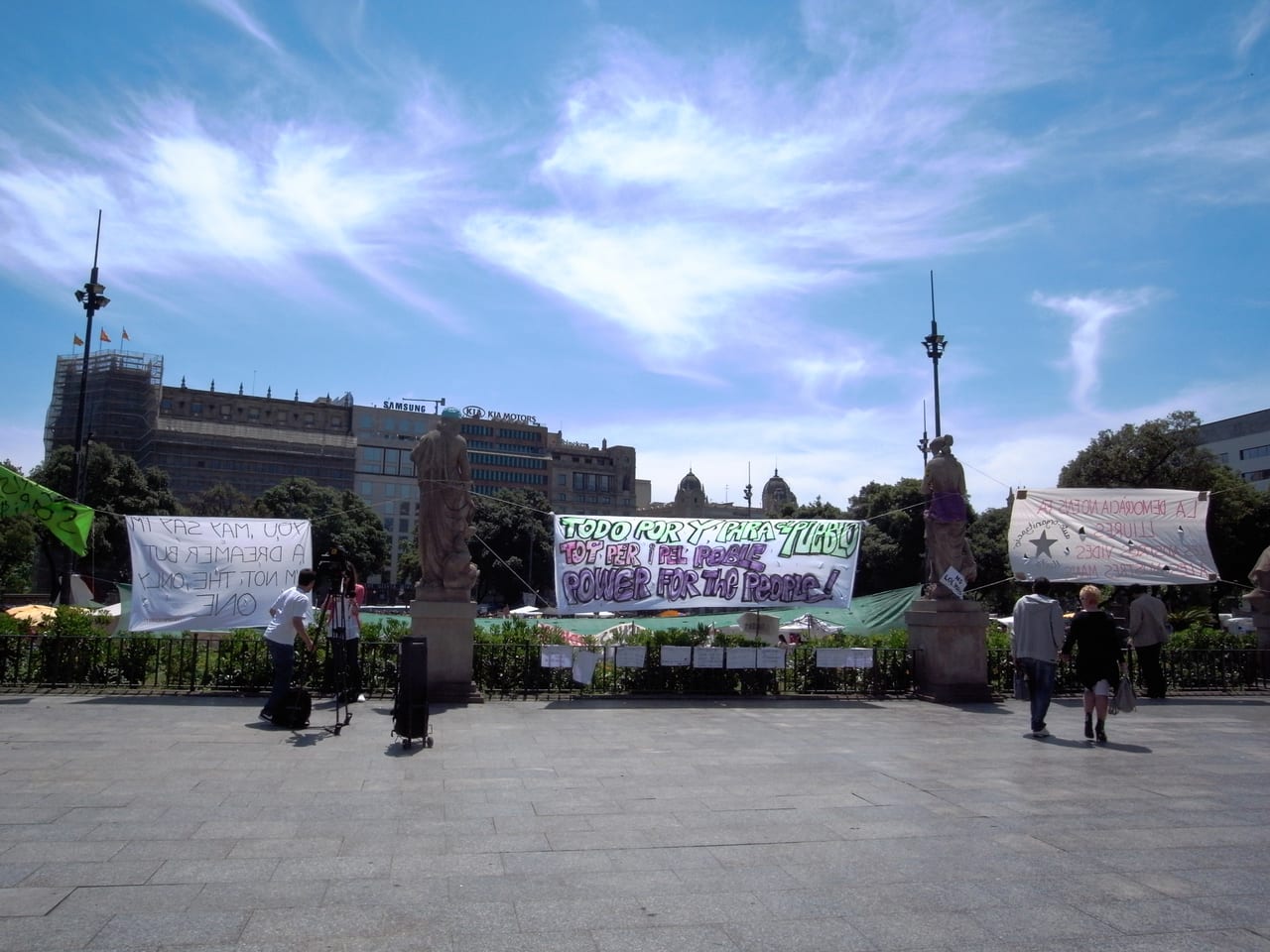
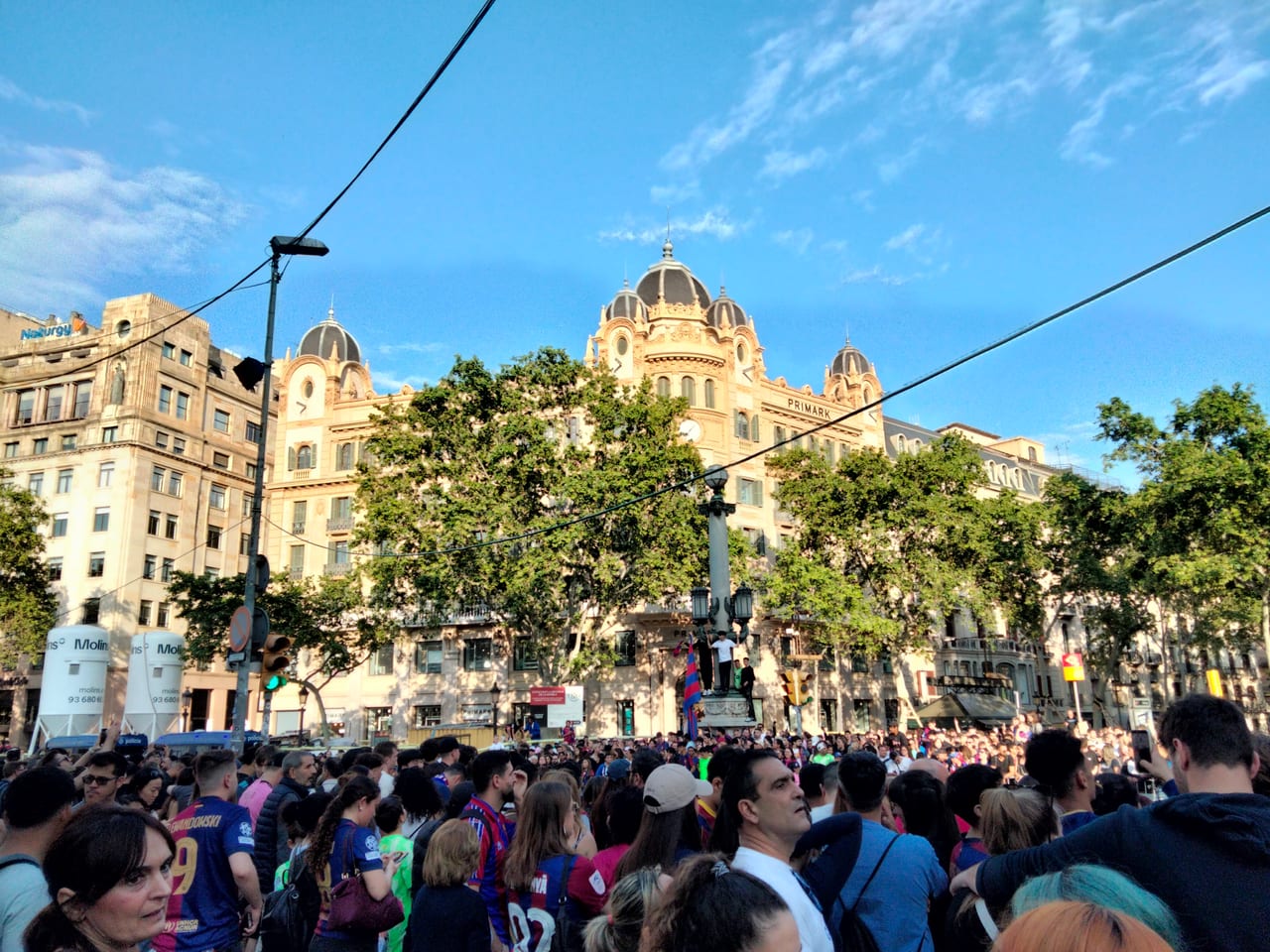
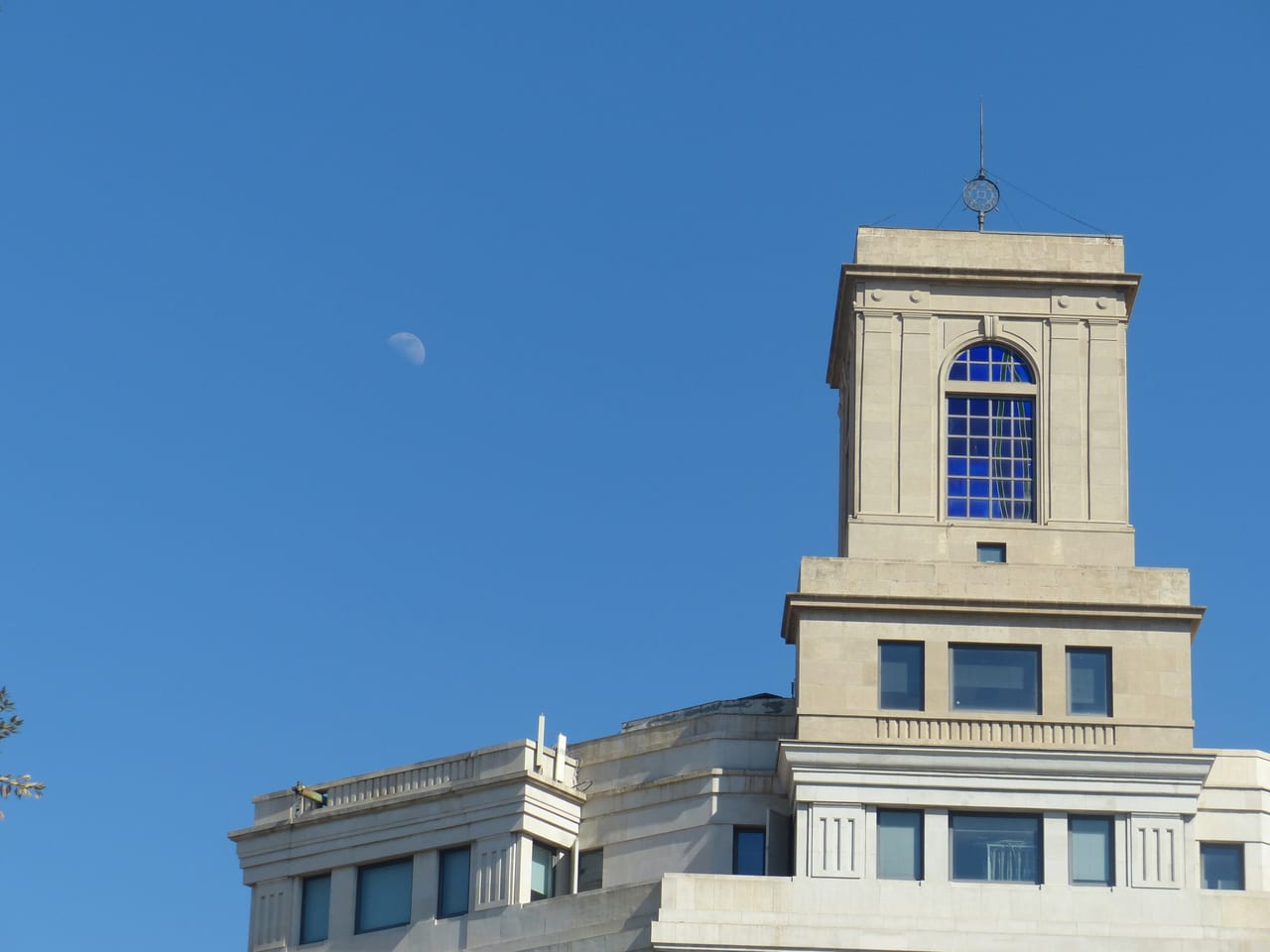
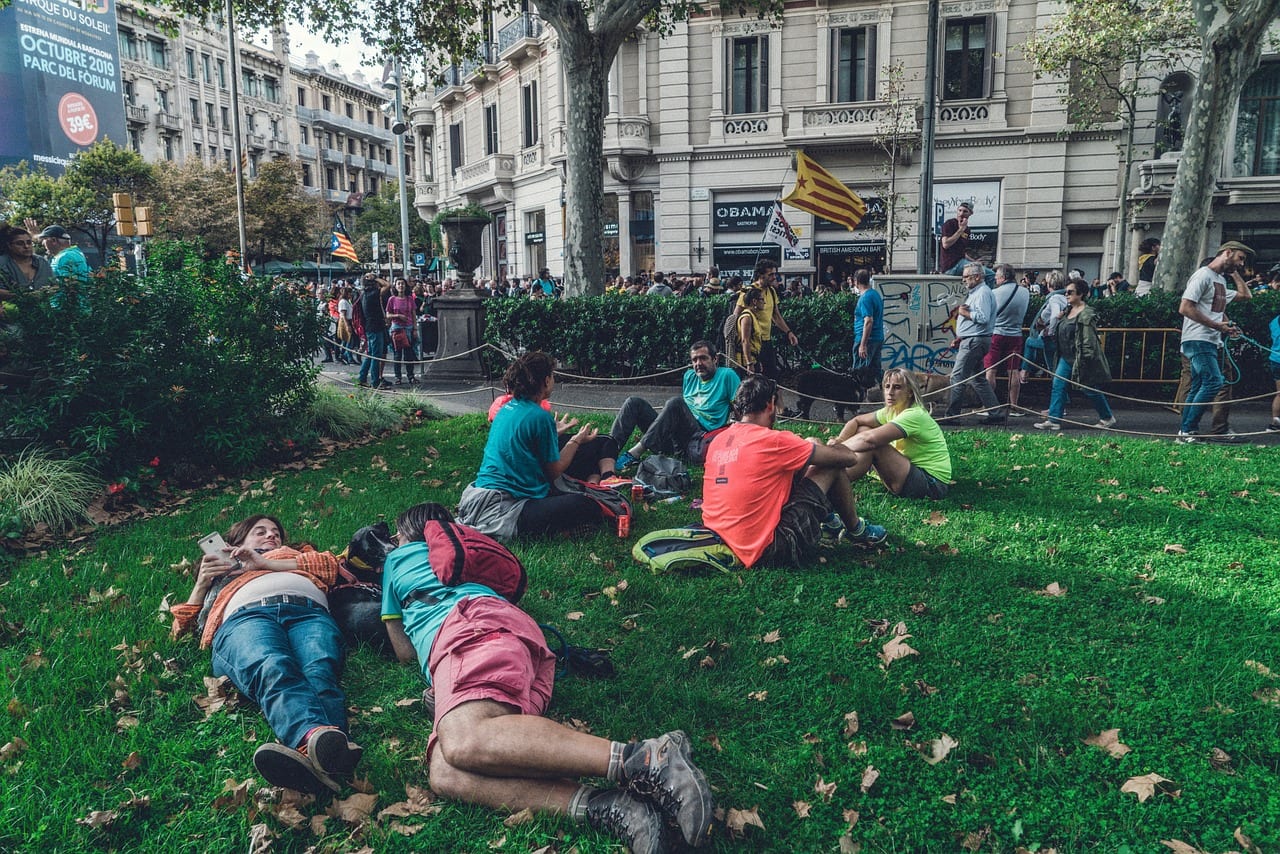
Plaça de Catalunya emerged from 19th-century plans for public space after Barcelona’s medieval walls were demolished. It was included in the 1859 pla Rovira scheme, though government approval came only with the 1888 Universal Exposition. Urbanised in 1902, it was substantially remodelled for the 1929 Barcelona International Exposition, with Francesc de Paula Nebot responsible for the changes and a metro station added. Its sculpture ensemble brings together Noucentisme, Neo-Classicism and avant-garde movements, including Josep Clarà’s Deessa, Pablo Gargallo’s Pastor de Pau, the monument to Francesc Macià and works by Josep Llimona. The Barcelona Telephone Exchange carries four stained-glass windows designed by Brian Clarke in 1991 for the 1992 Olympic Games; mosaics by Escola Massana pupils decorate the underground walls. The plaza was a major setting for events during the Spanish Civil War, particularly the May Days, and became the main site of Barcelona’s anti-government protests and sit-ins in May 2011.
Ways to explore Plaça de Catalunya
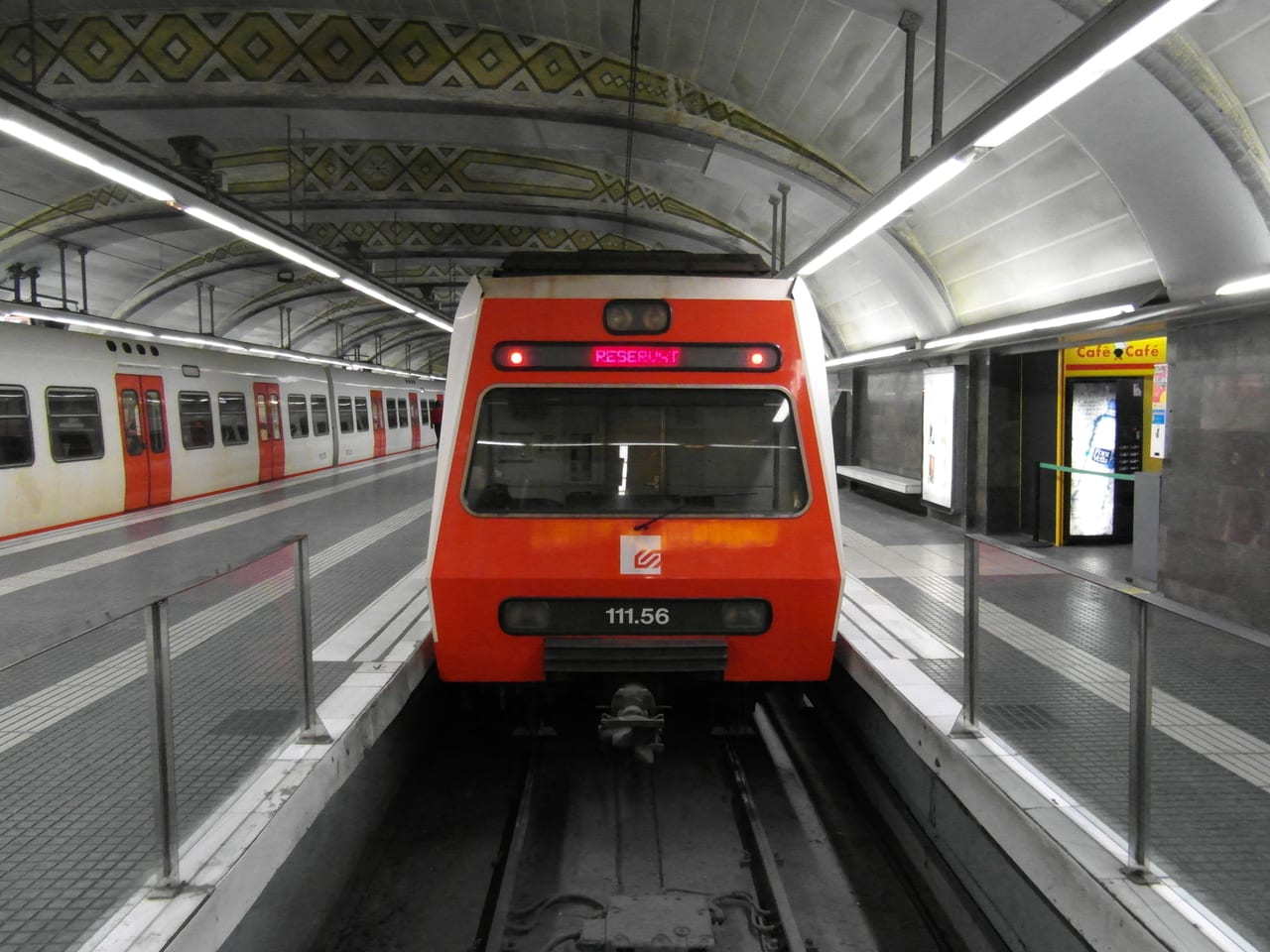
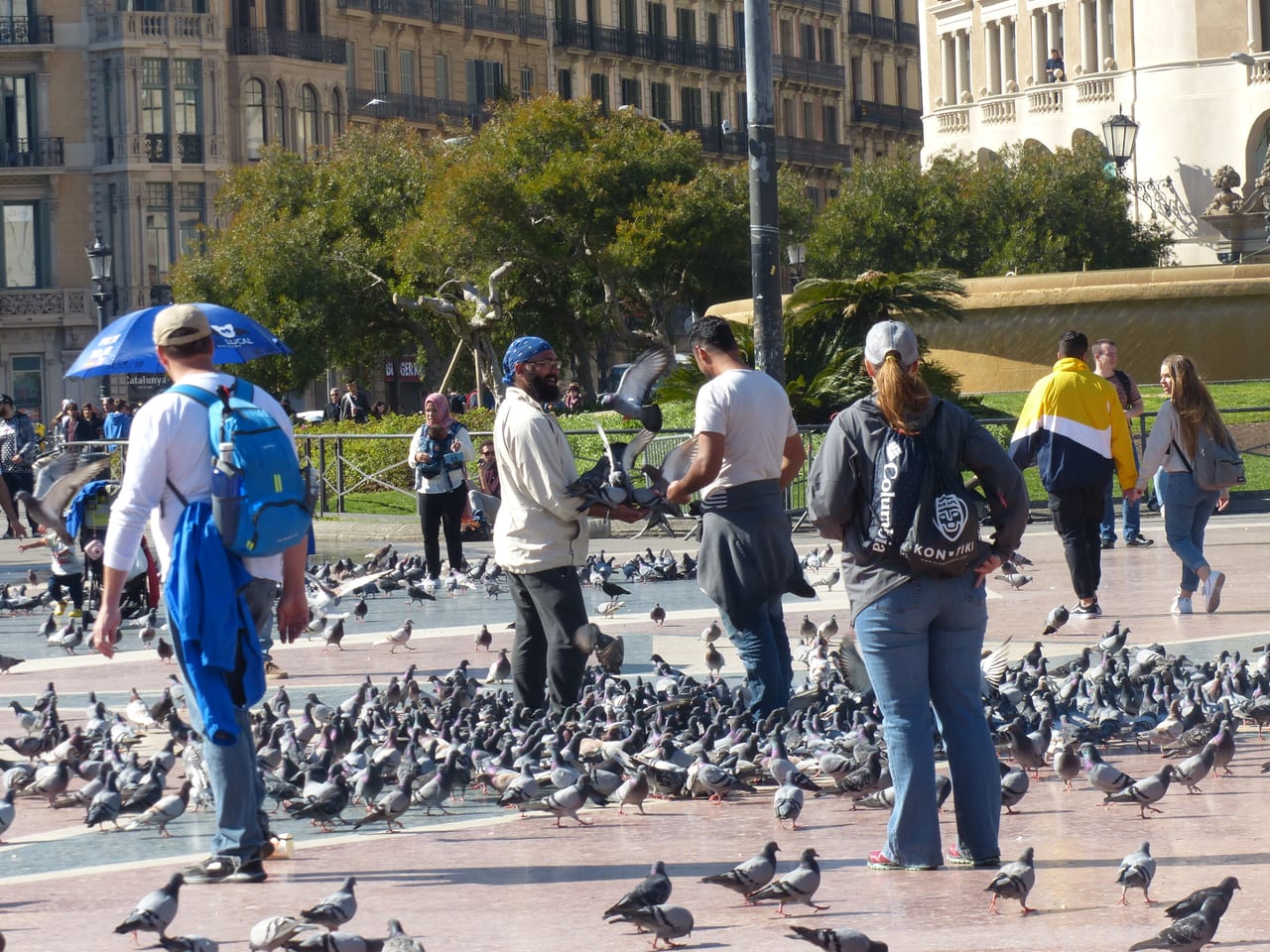
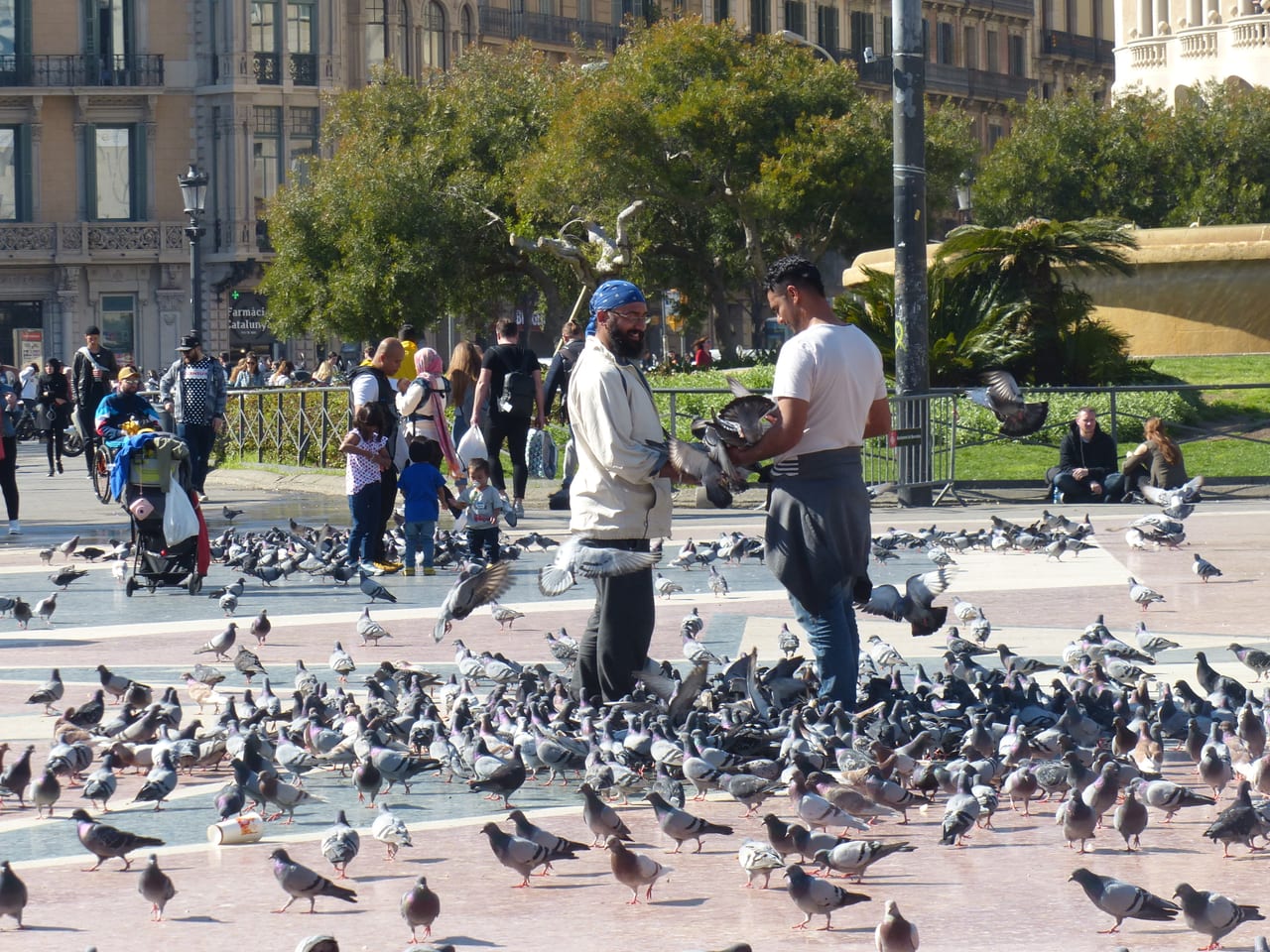
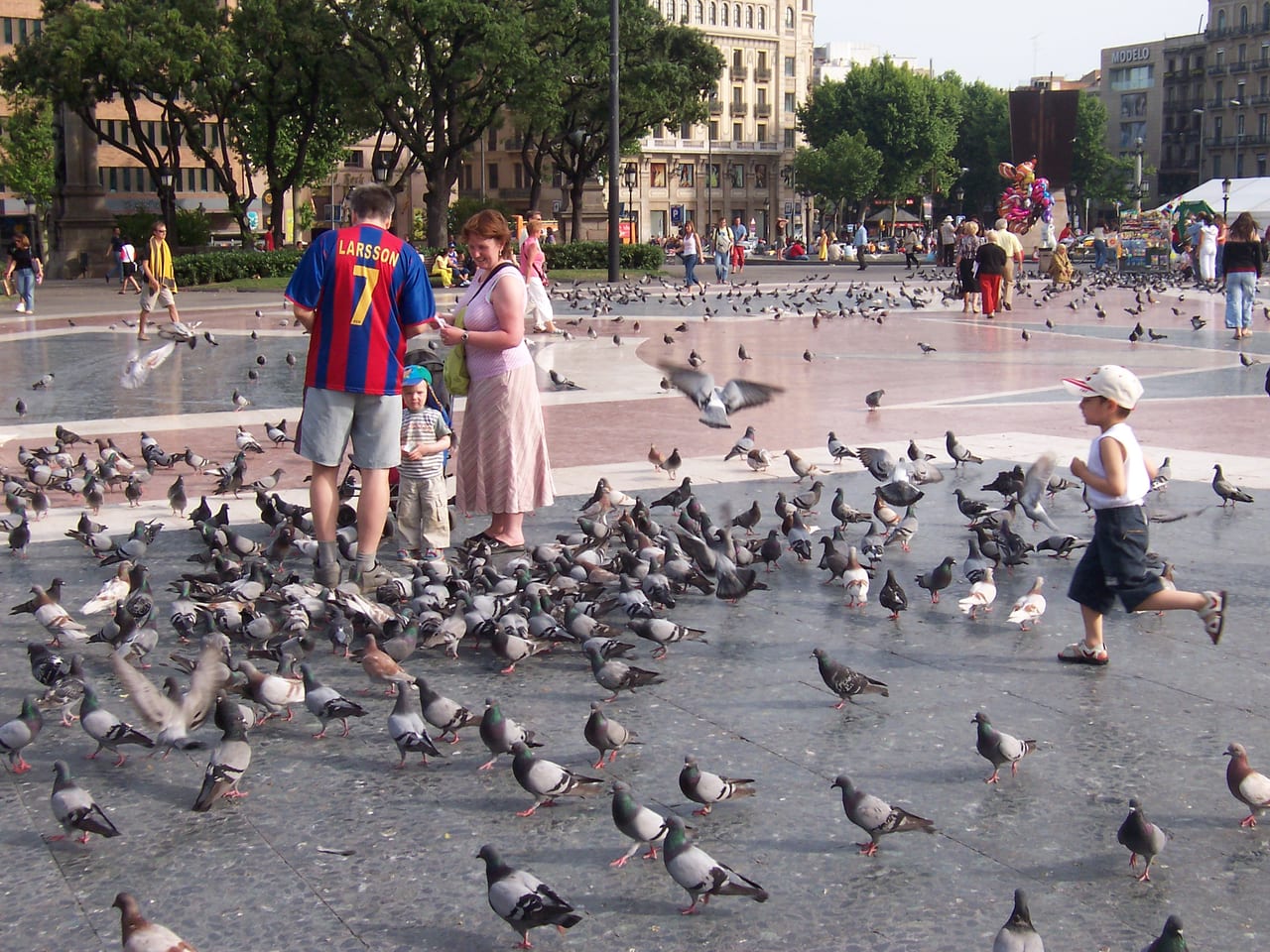
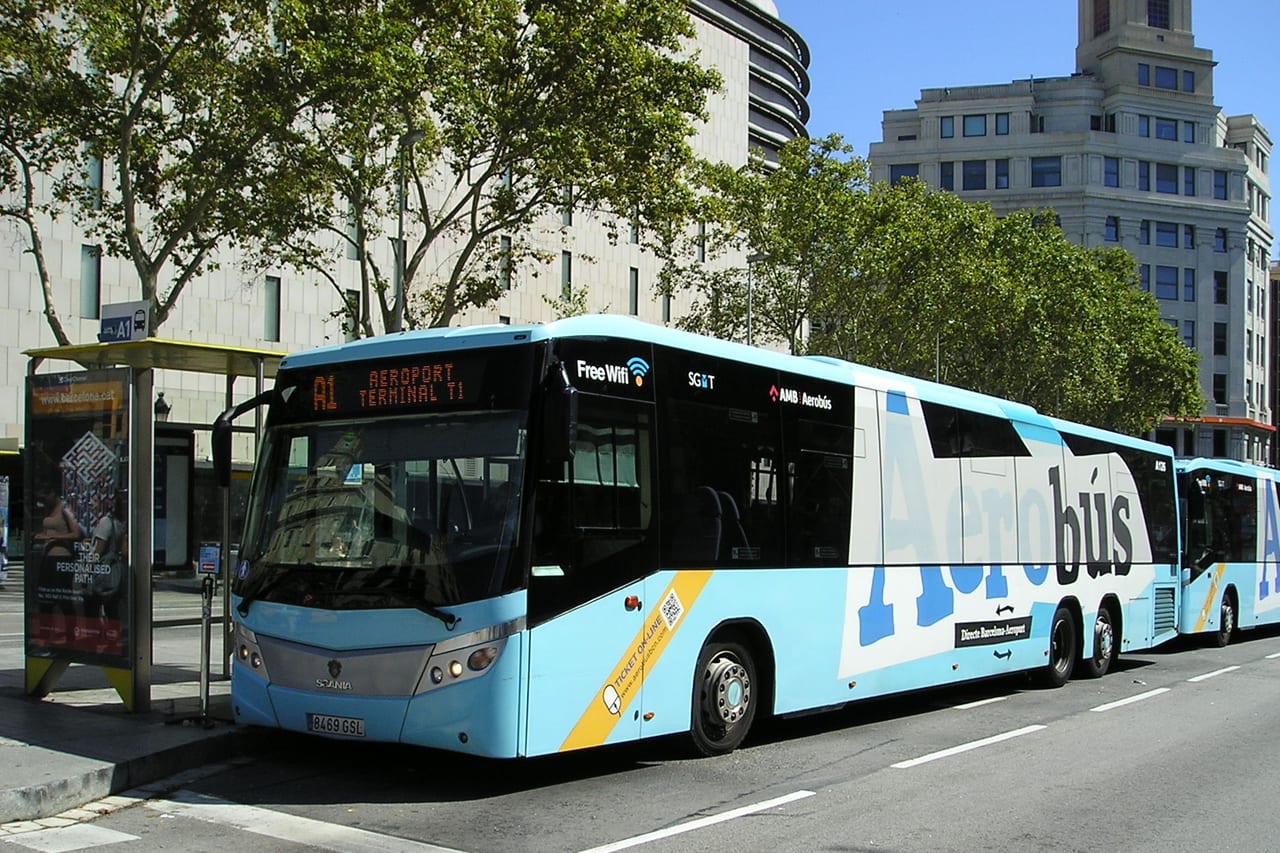
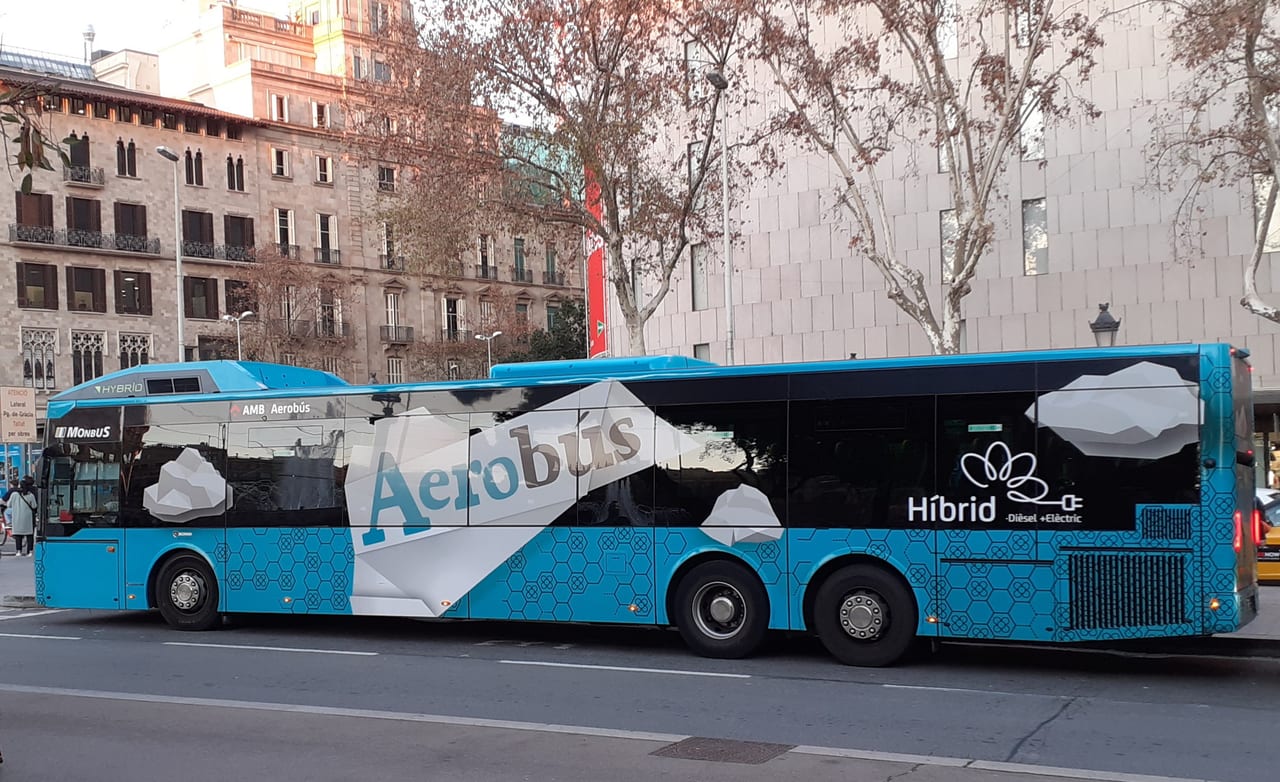
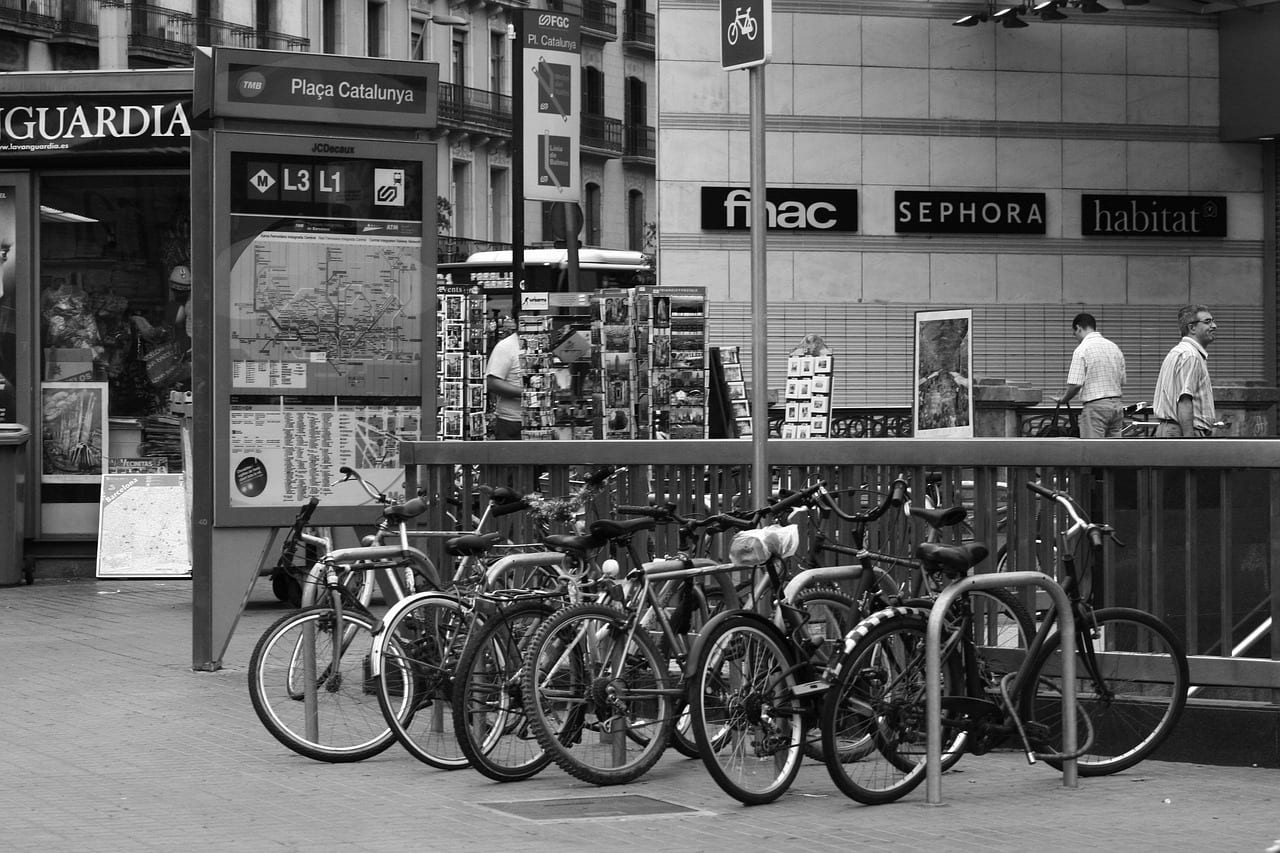
Start with the compass rose set into the pavement, then circle the fountains, statues and flocks of pigeons that animate the centre. Look upward at the Telefónica tower lantern for Brian Clarke’s coloured glass, and descend to inspect the Escola Massana mosaics. The square is a useful transport base: Catalunya connects with metro lines L1, L3, L6 and L7, as well as FGC services, while Passeig de Gràcia provides further connections.
Places to stay near Plaça de Catalunya

Live availability and prices from Stay22's partners, refreshed periodically and subject to change. Booking through these links may earn us a commission at no extra cost to you. See our privacy policy.
Cafés near Plaça de Catalunya
Cafés near Plaça de Catalunya loads as you scroll.
Attractions nearby
Attractions near Plaça de Catalunya loads as you scroll.
Cities nearby
Cities nearby loads as you scroll.
More in Barcelona
See more of Barcelona.
Find great cafés, places to stay and other interesting places to visit in Barcelona.