Street & promenade · Barcelona
Passeig de Gràcia
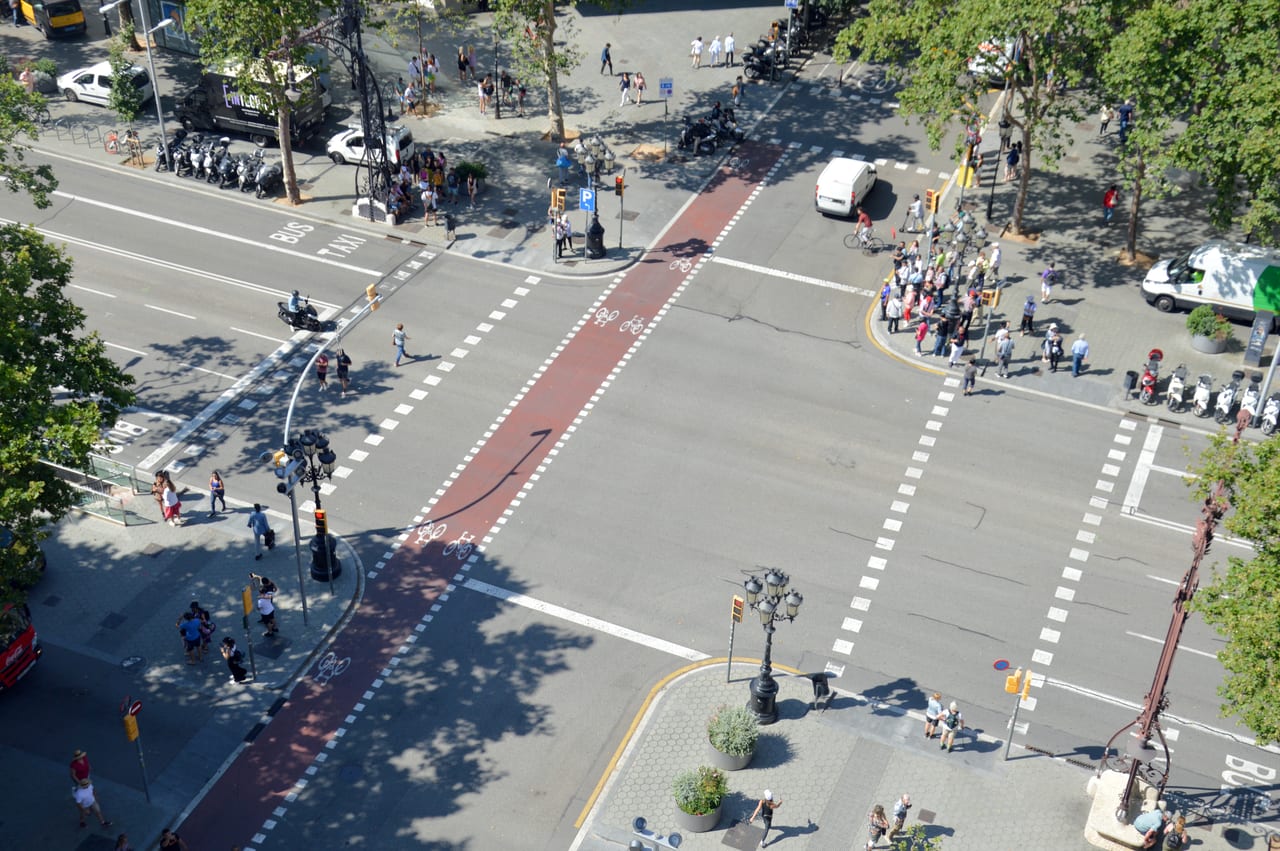
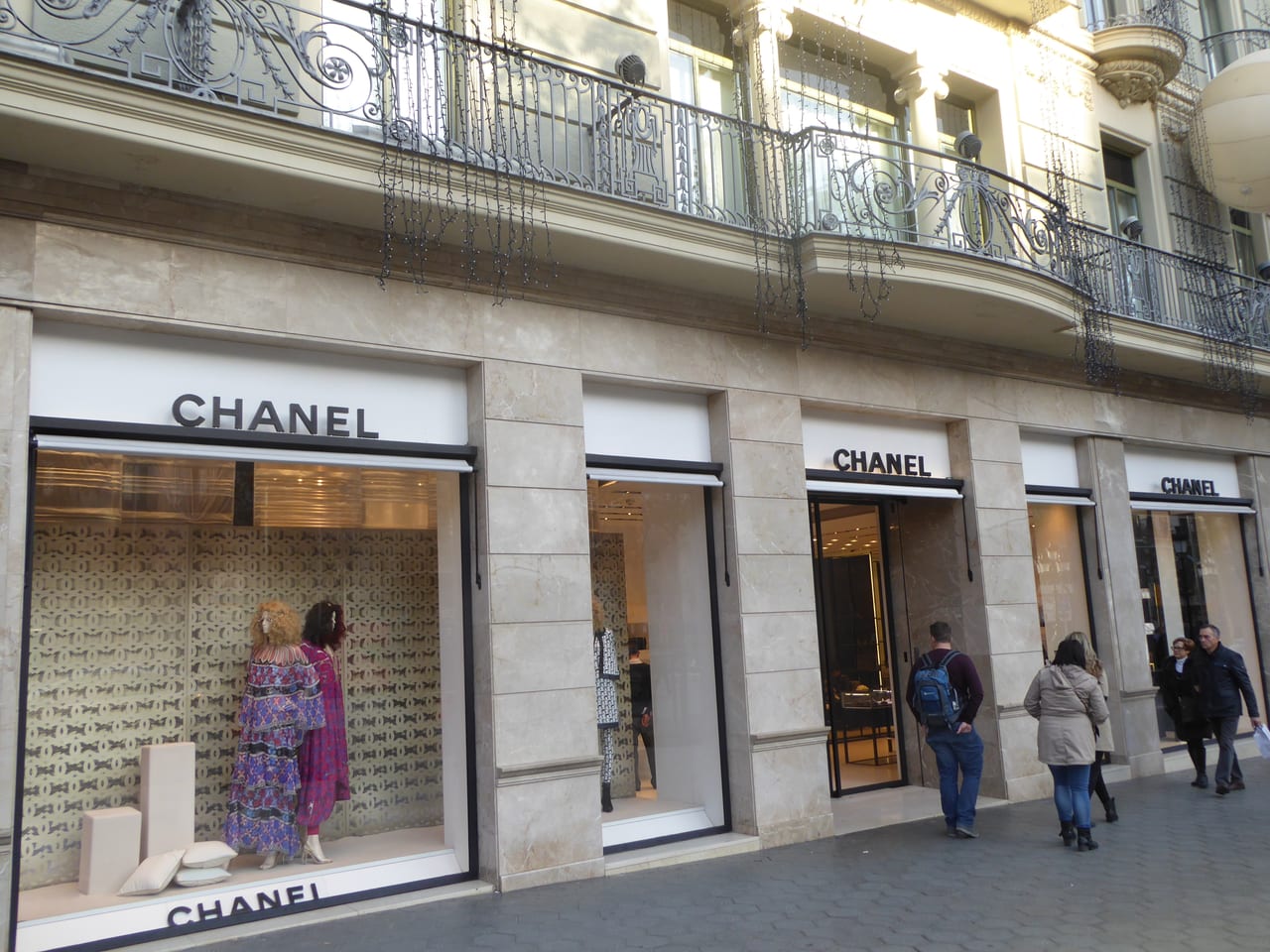
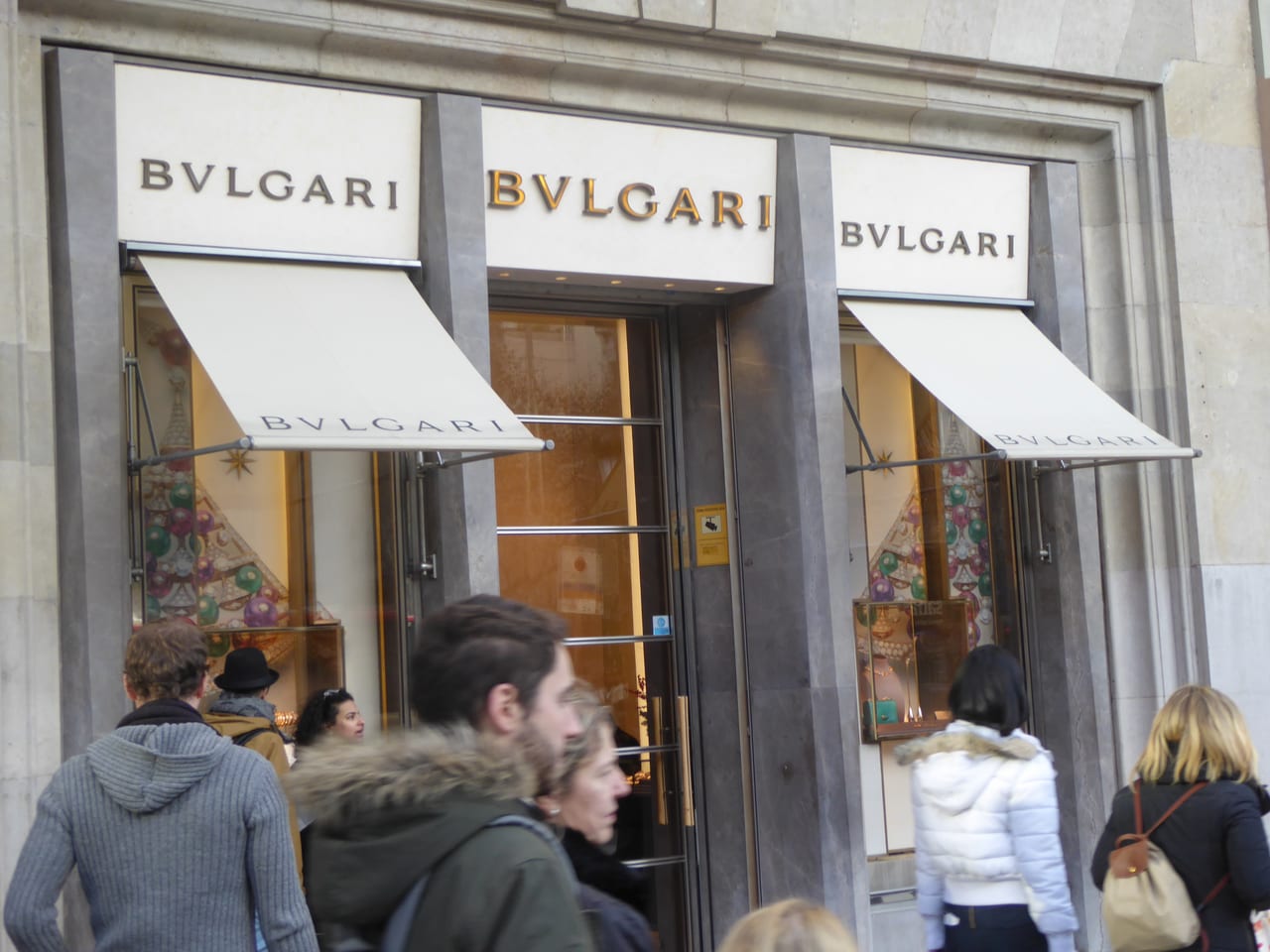
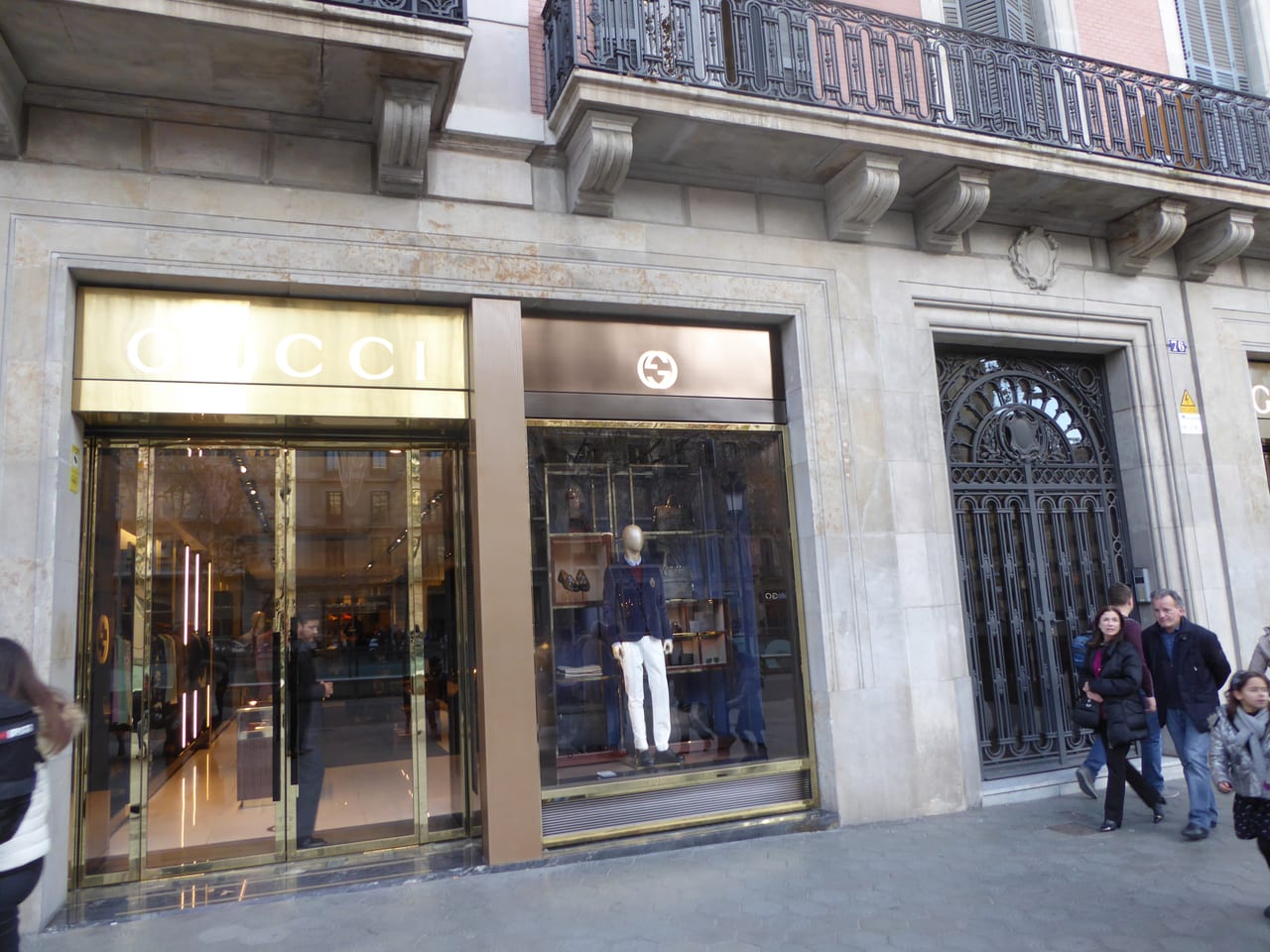
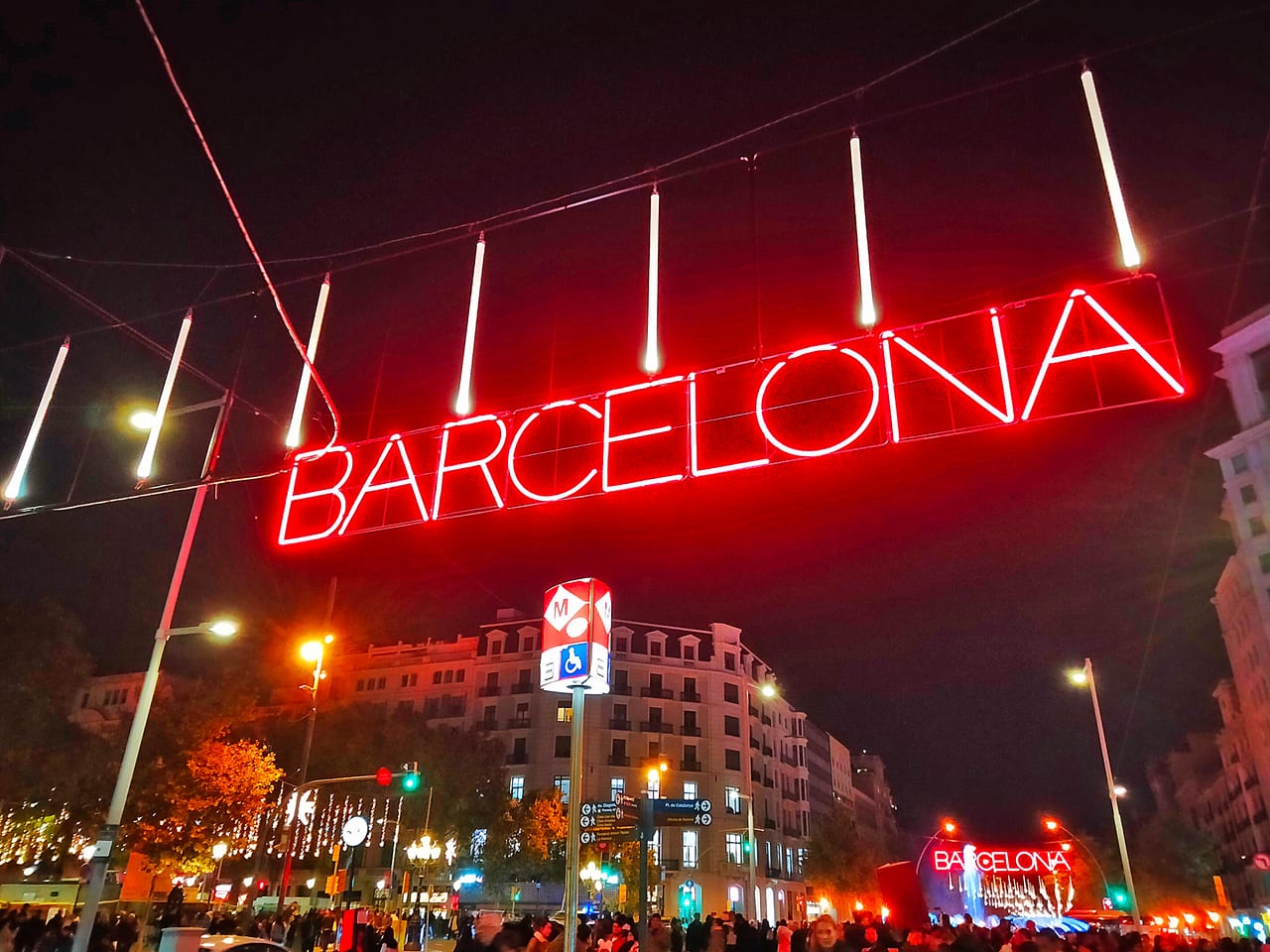
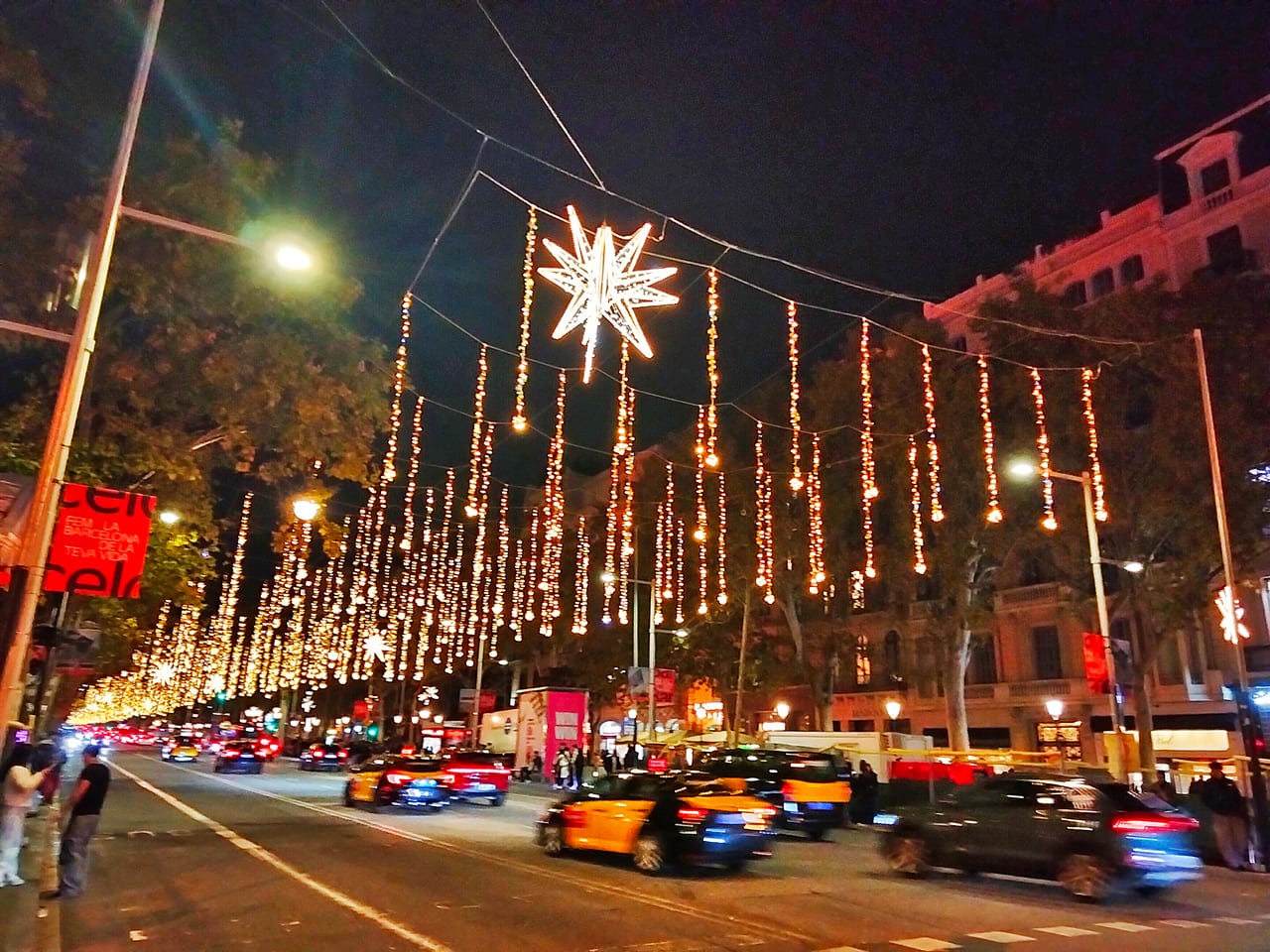
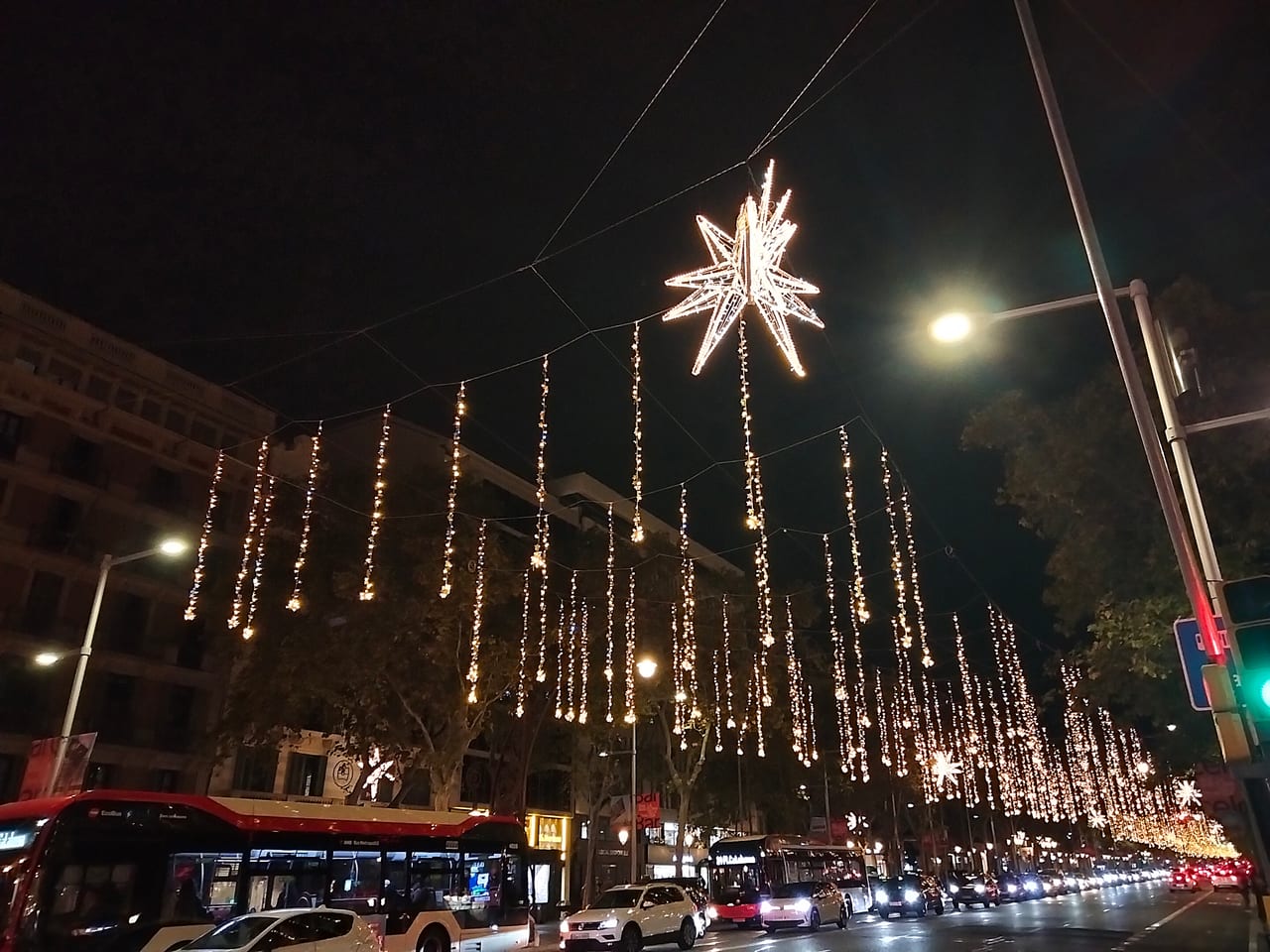
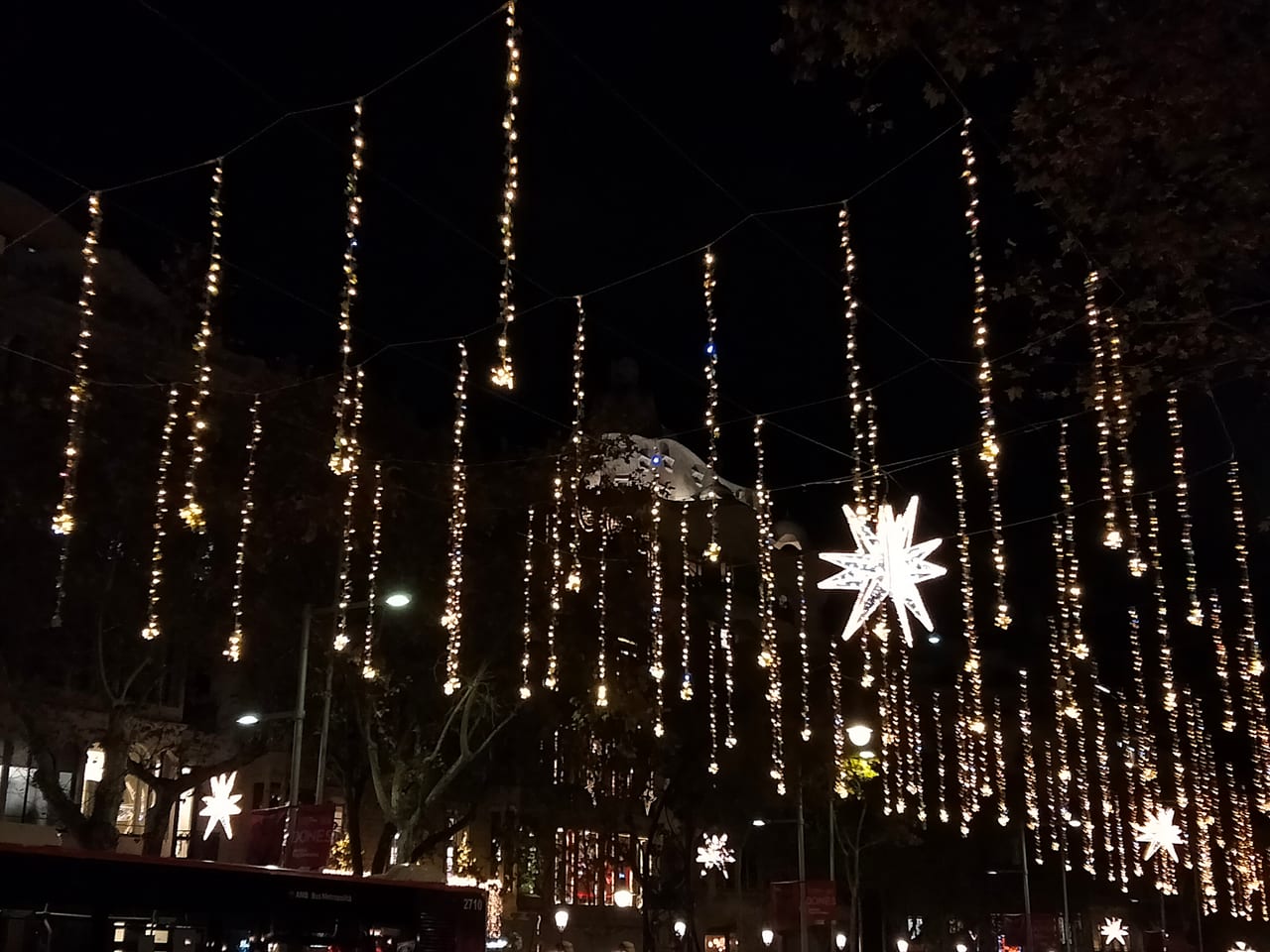
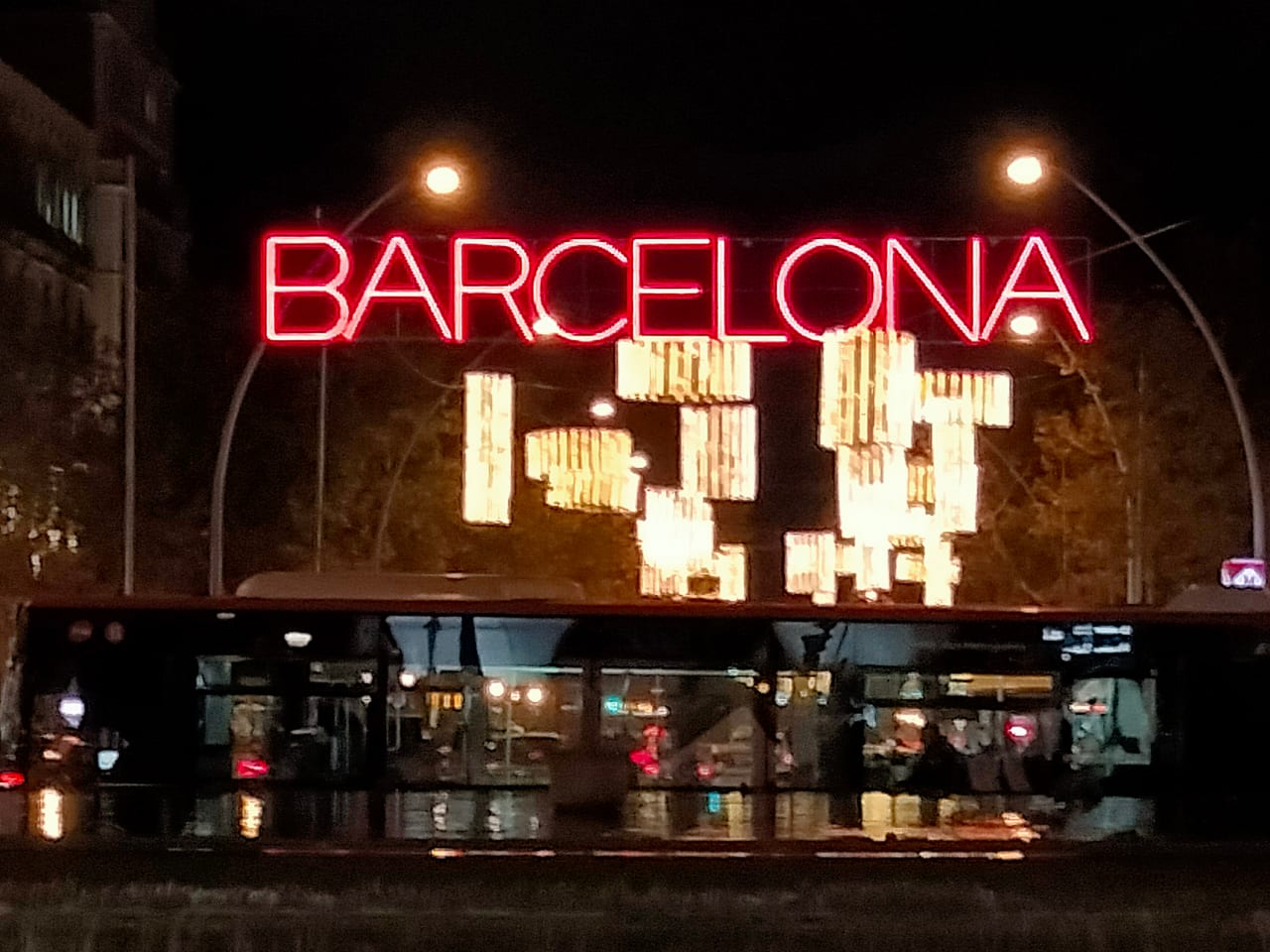
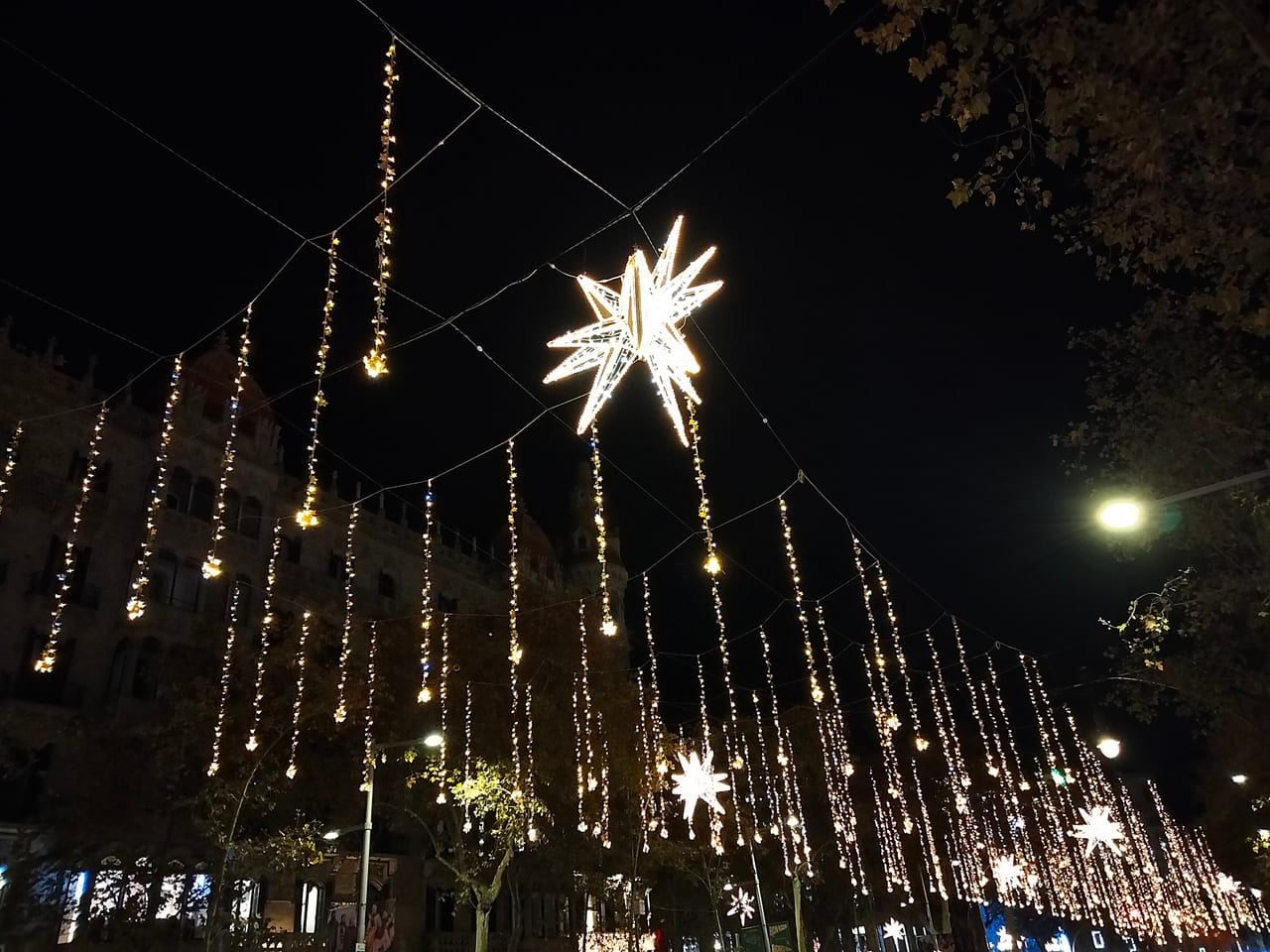
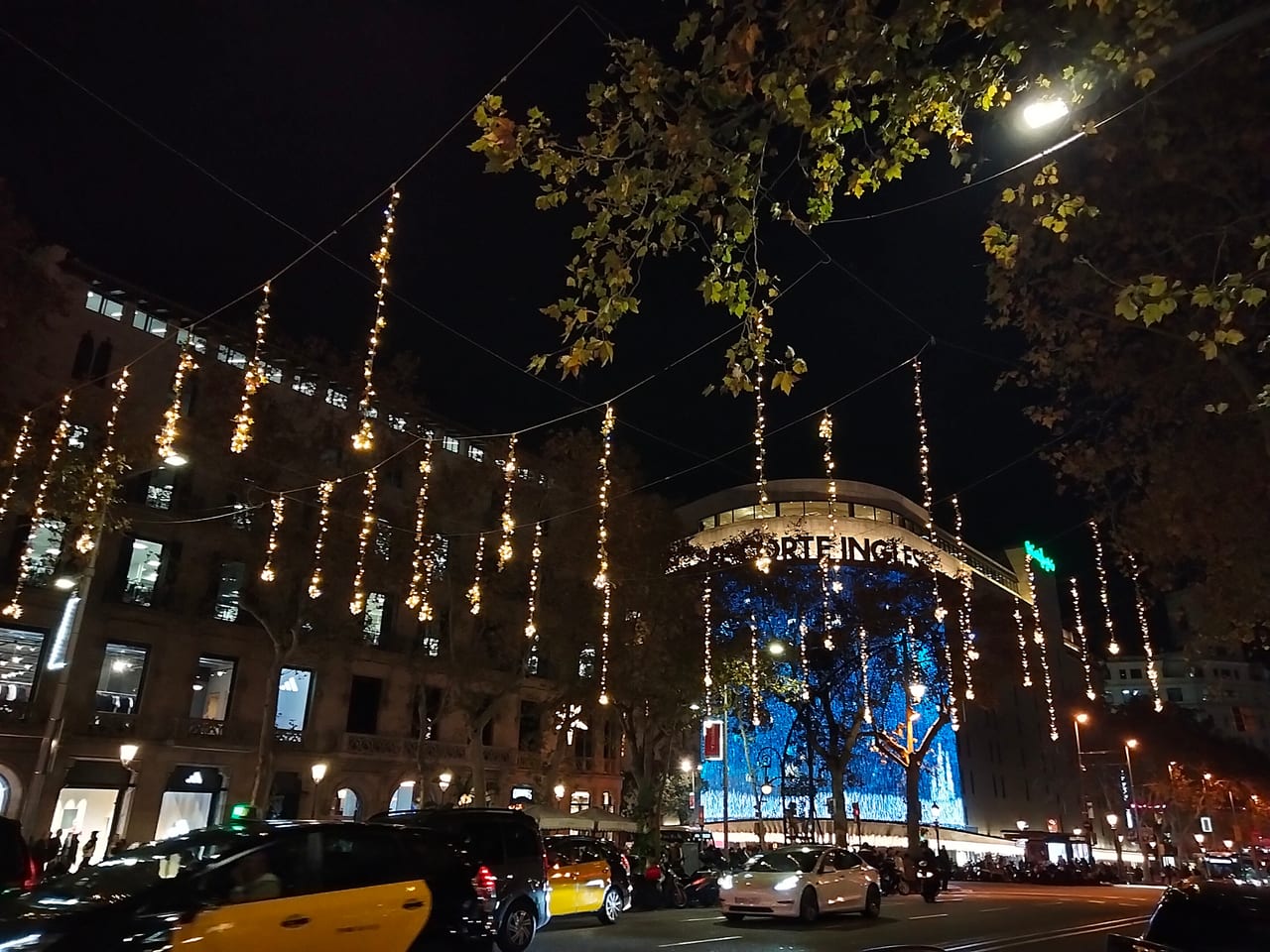
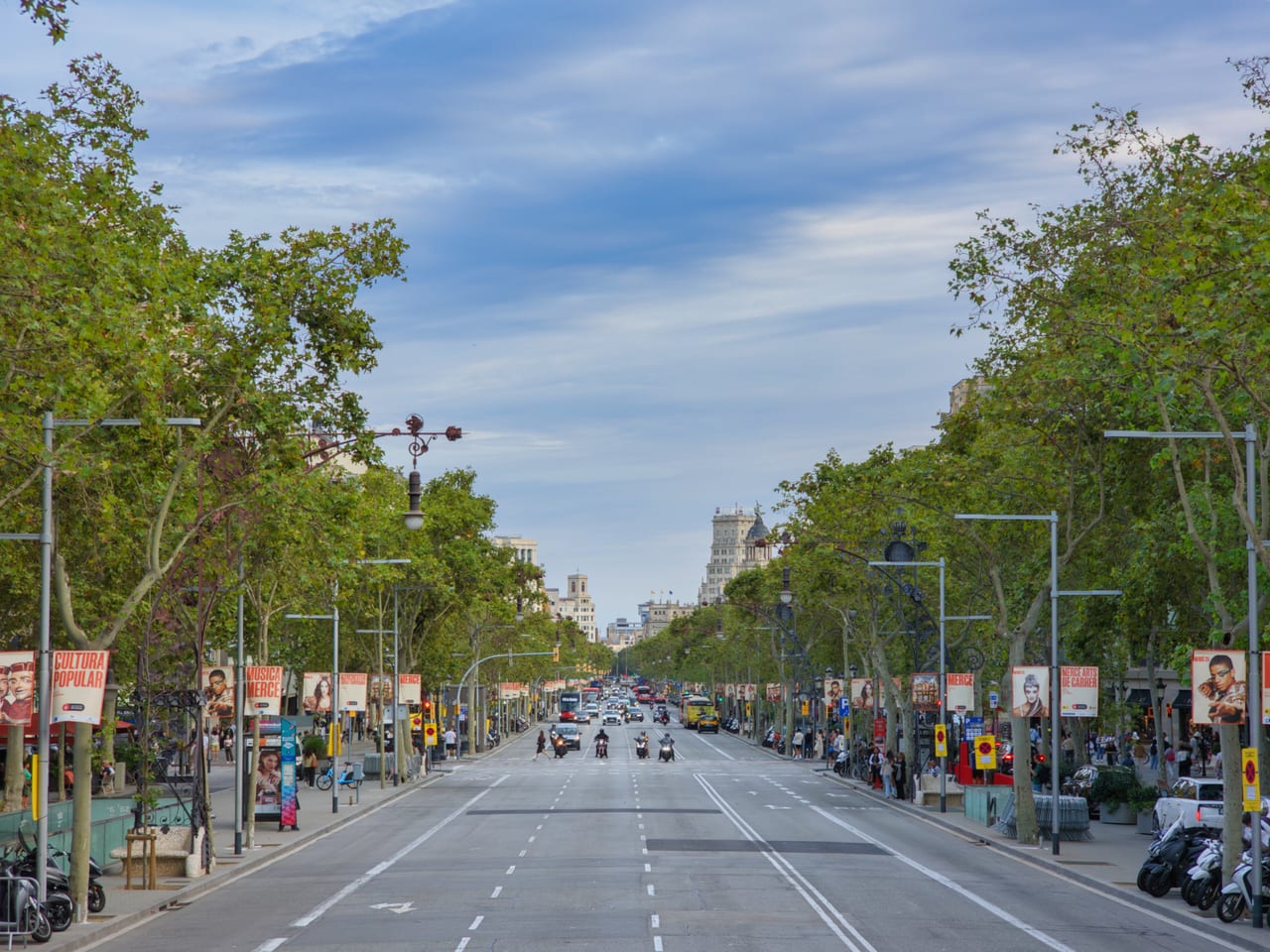
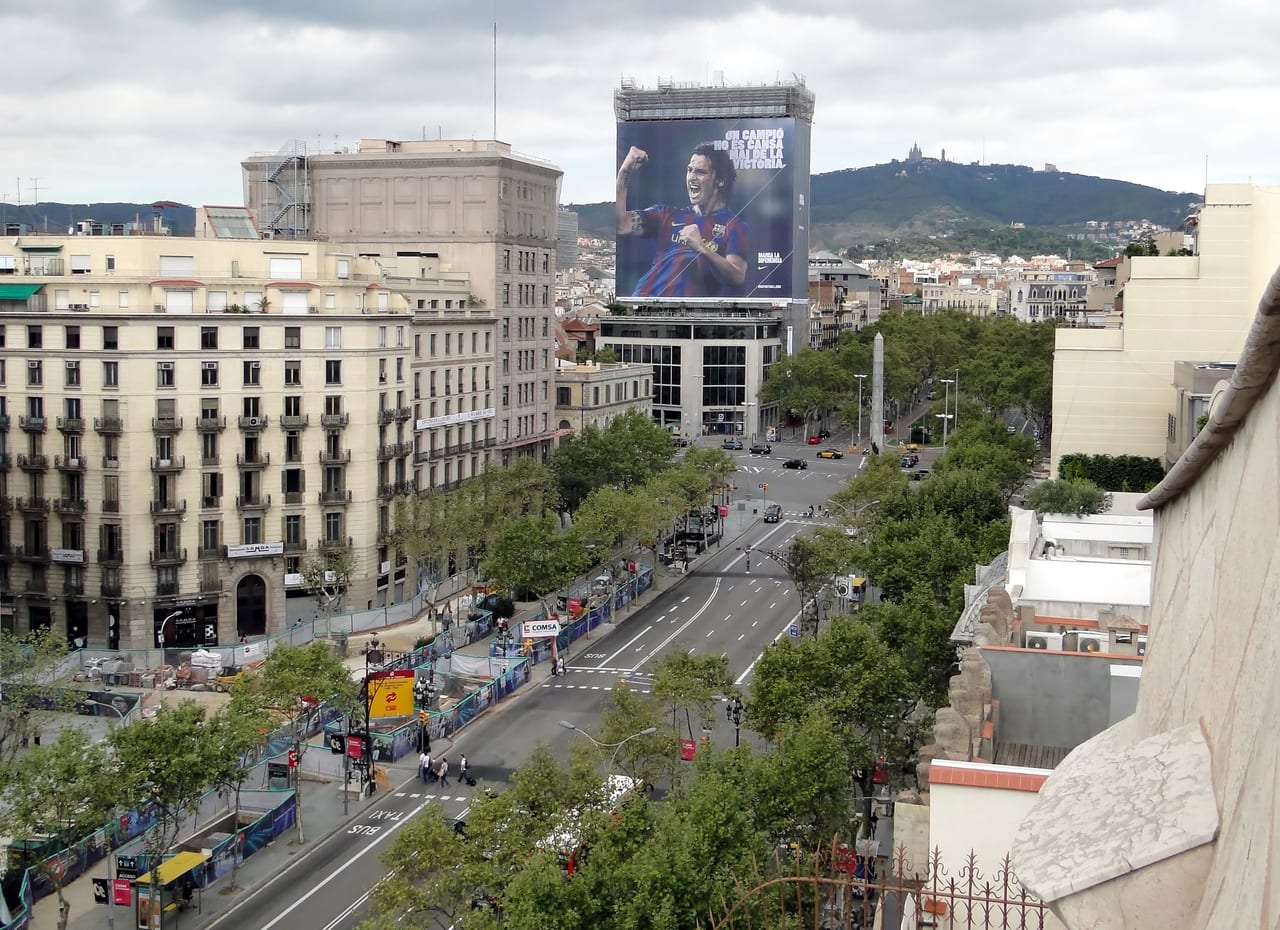
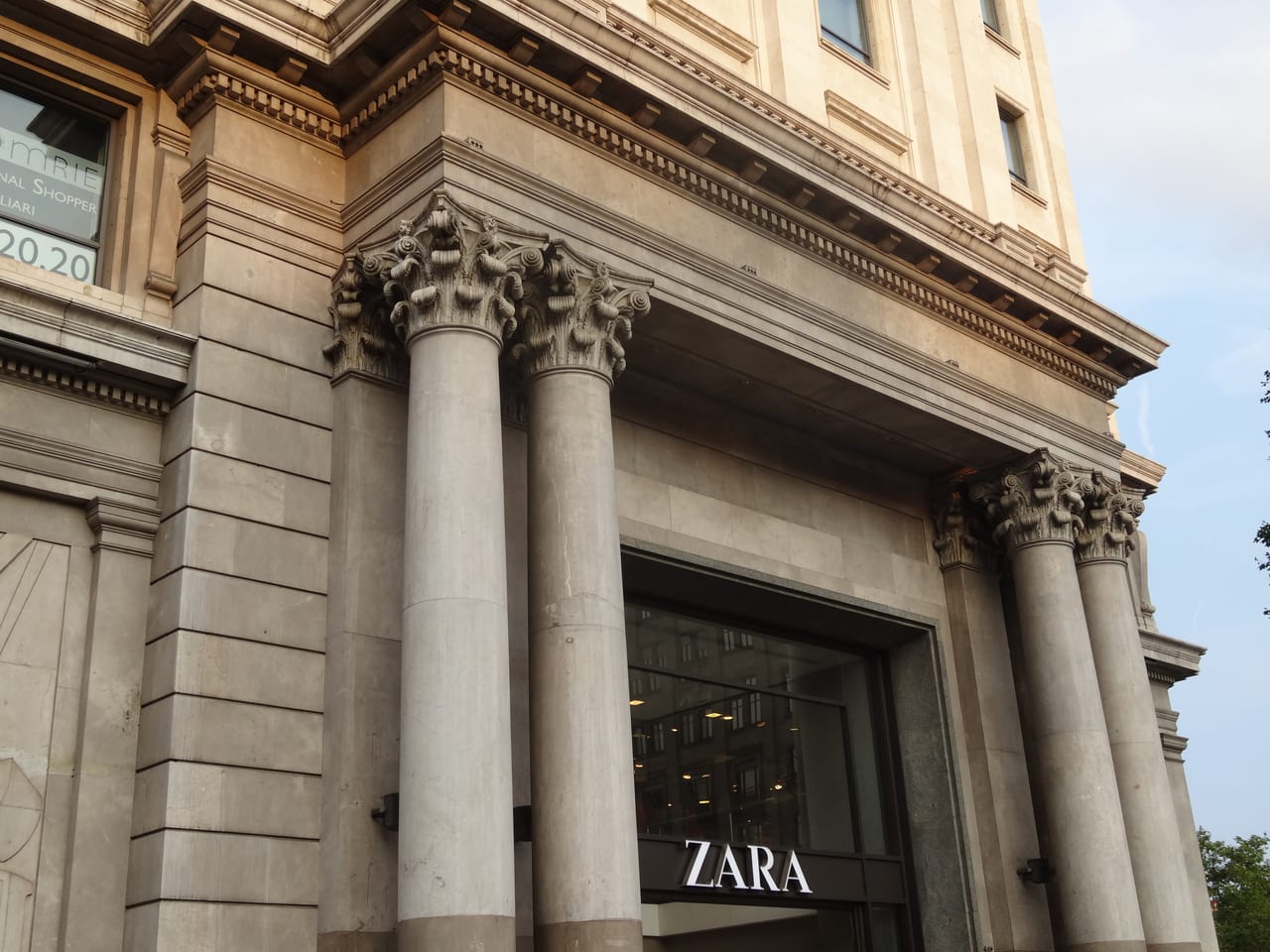
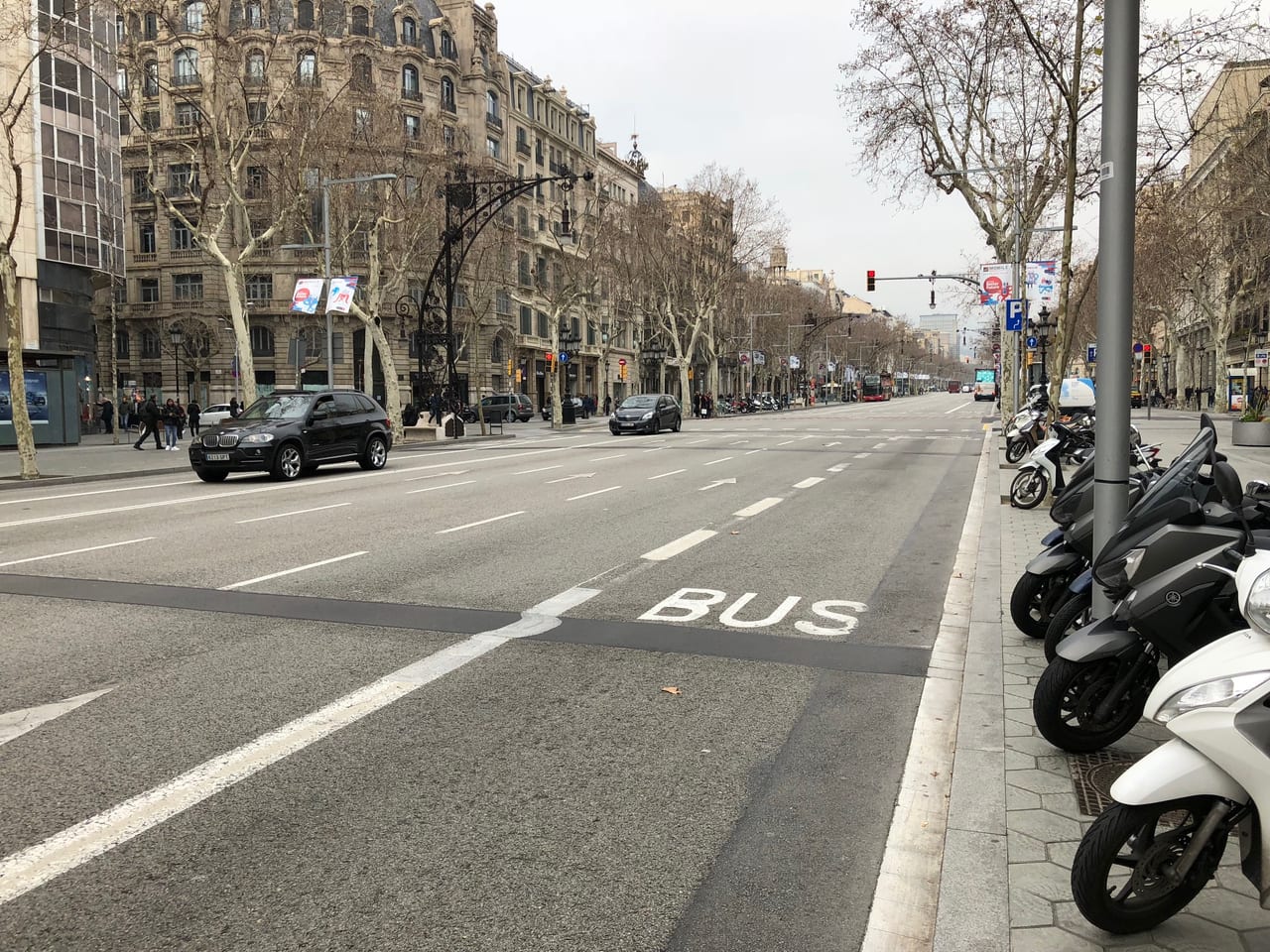
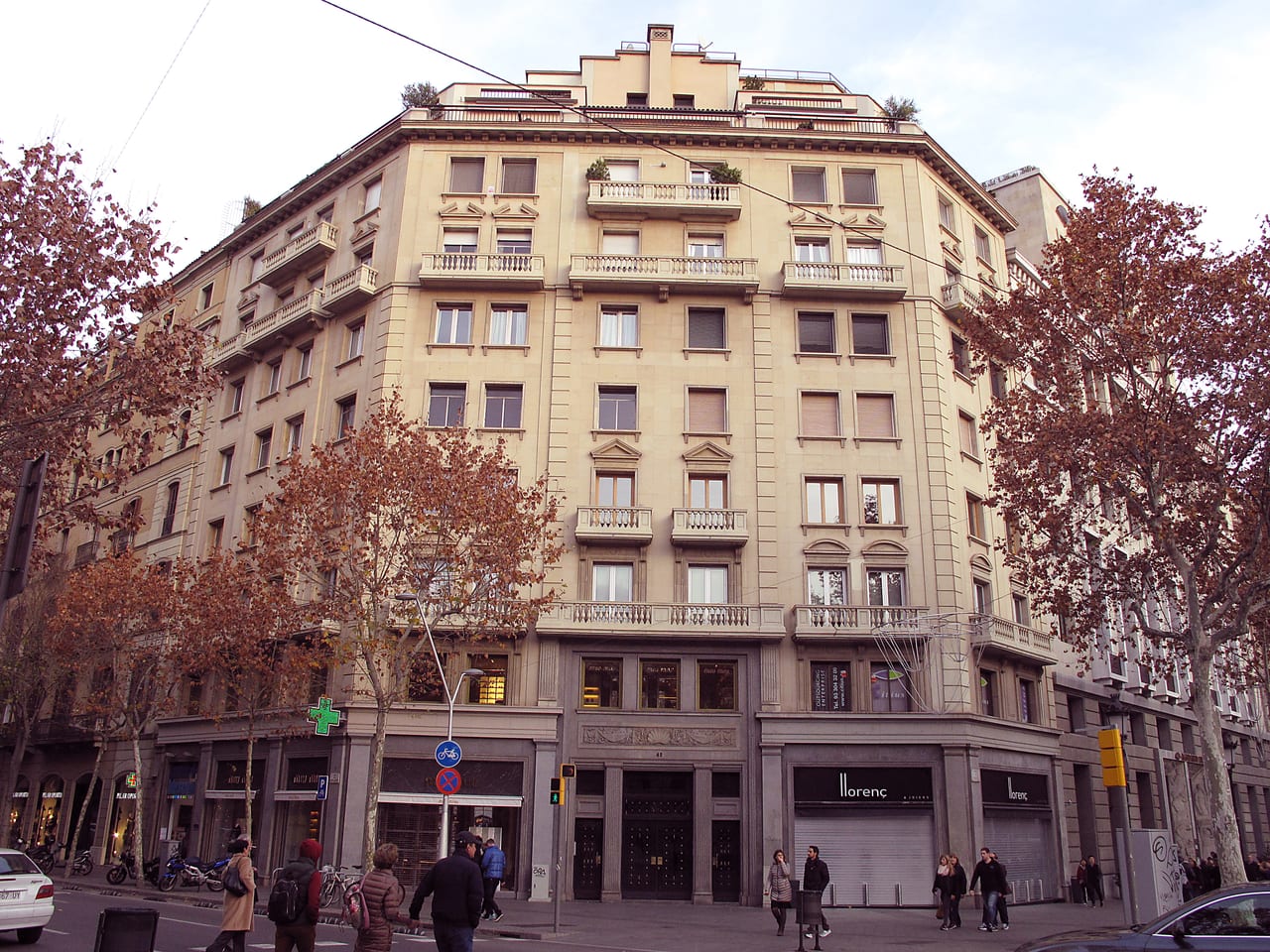
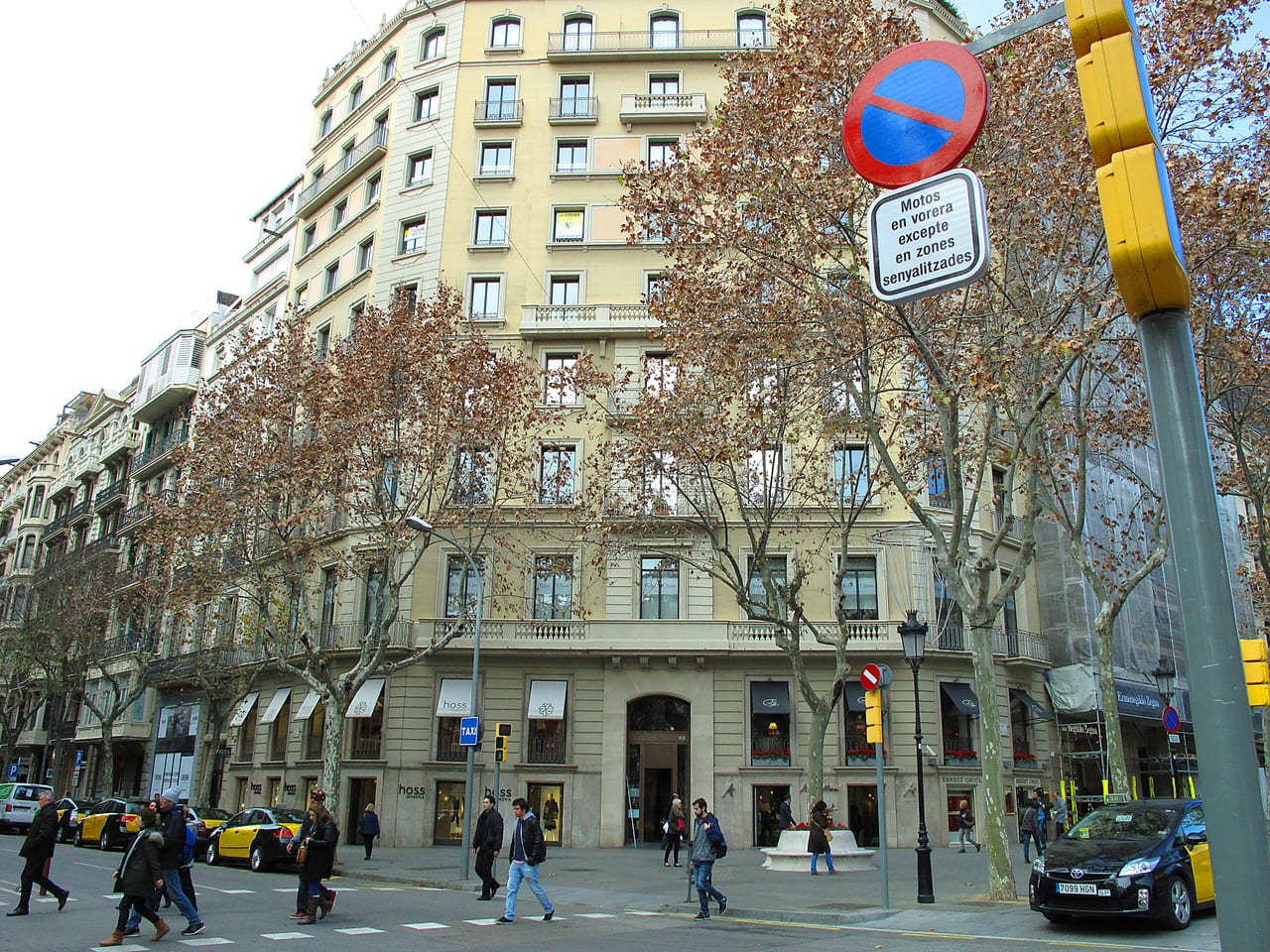
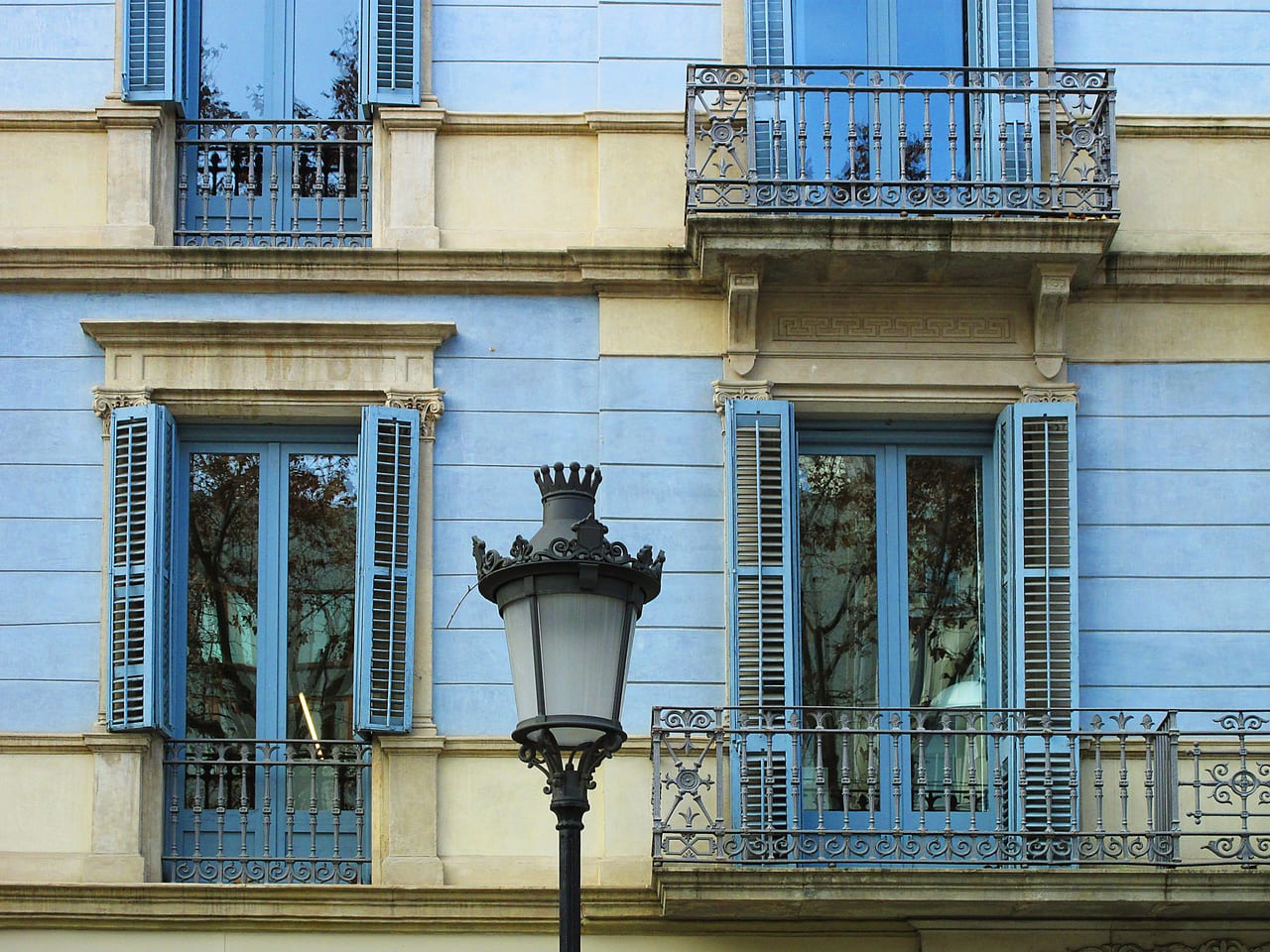
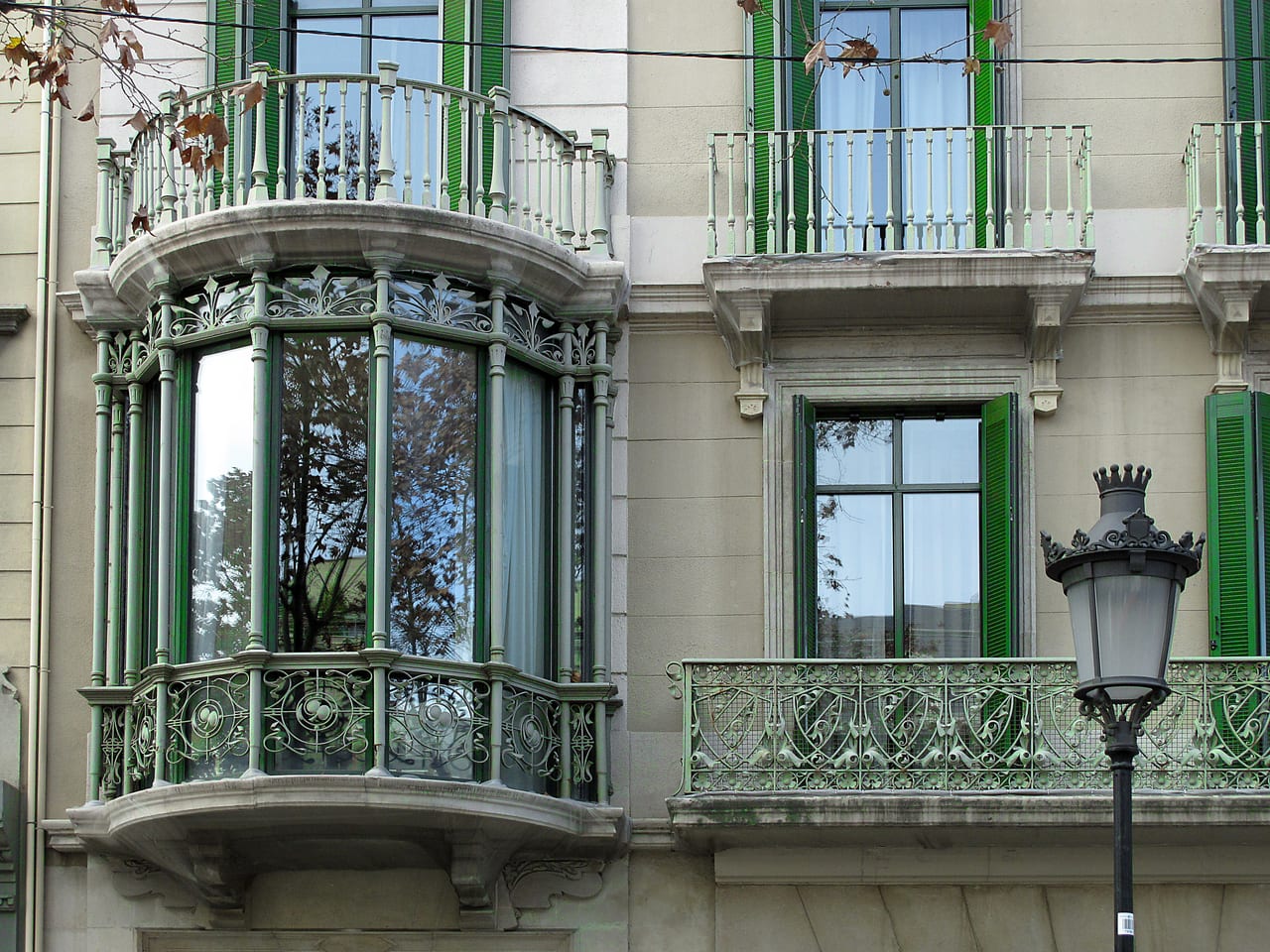
DirectionsRegarded as Spain’s most expensive street, Passeig de Gràcia combines elite shopping with an exceptional concentration of Catalan modernista architecture.
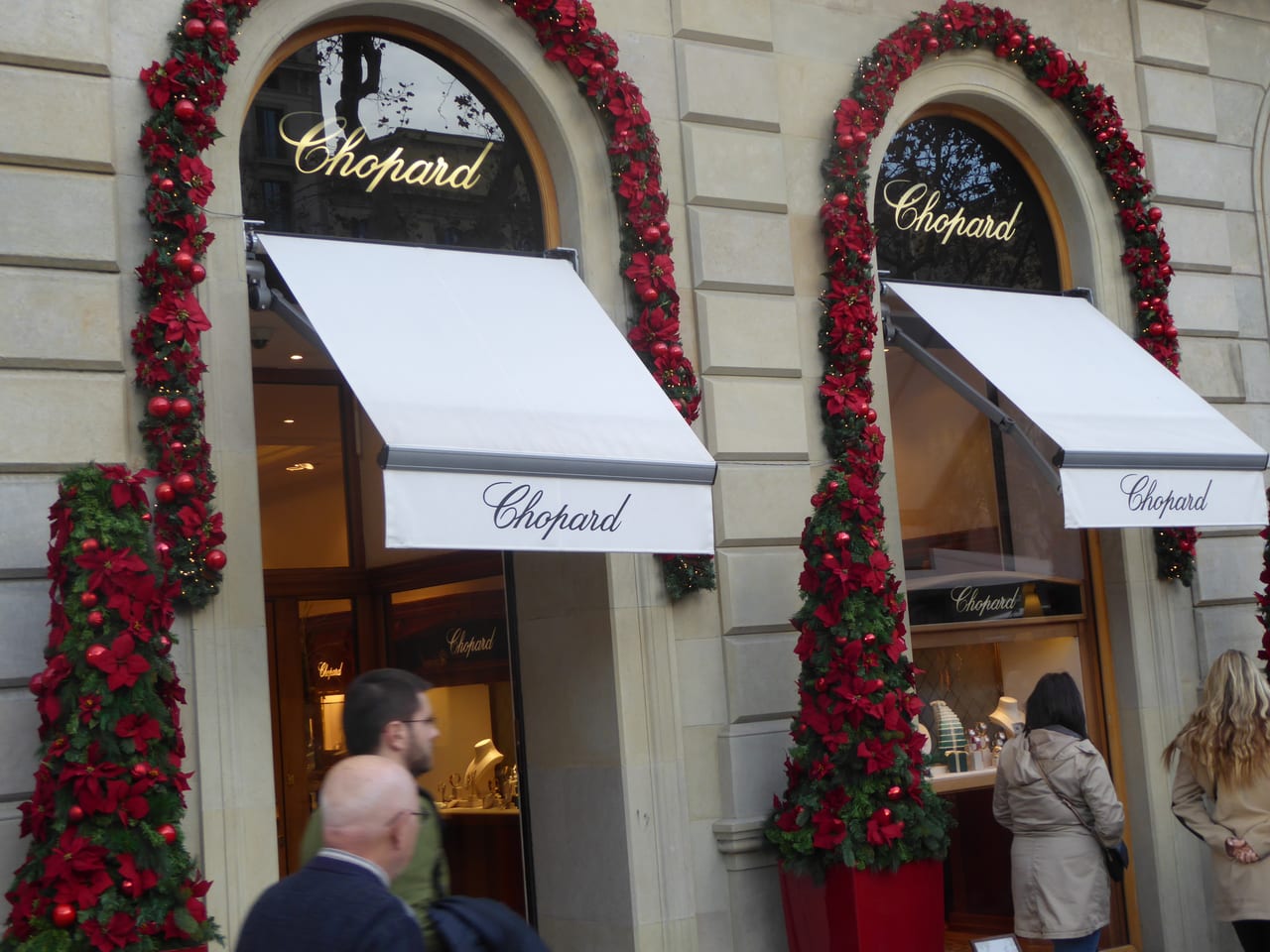
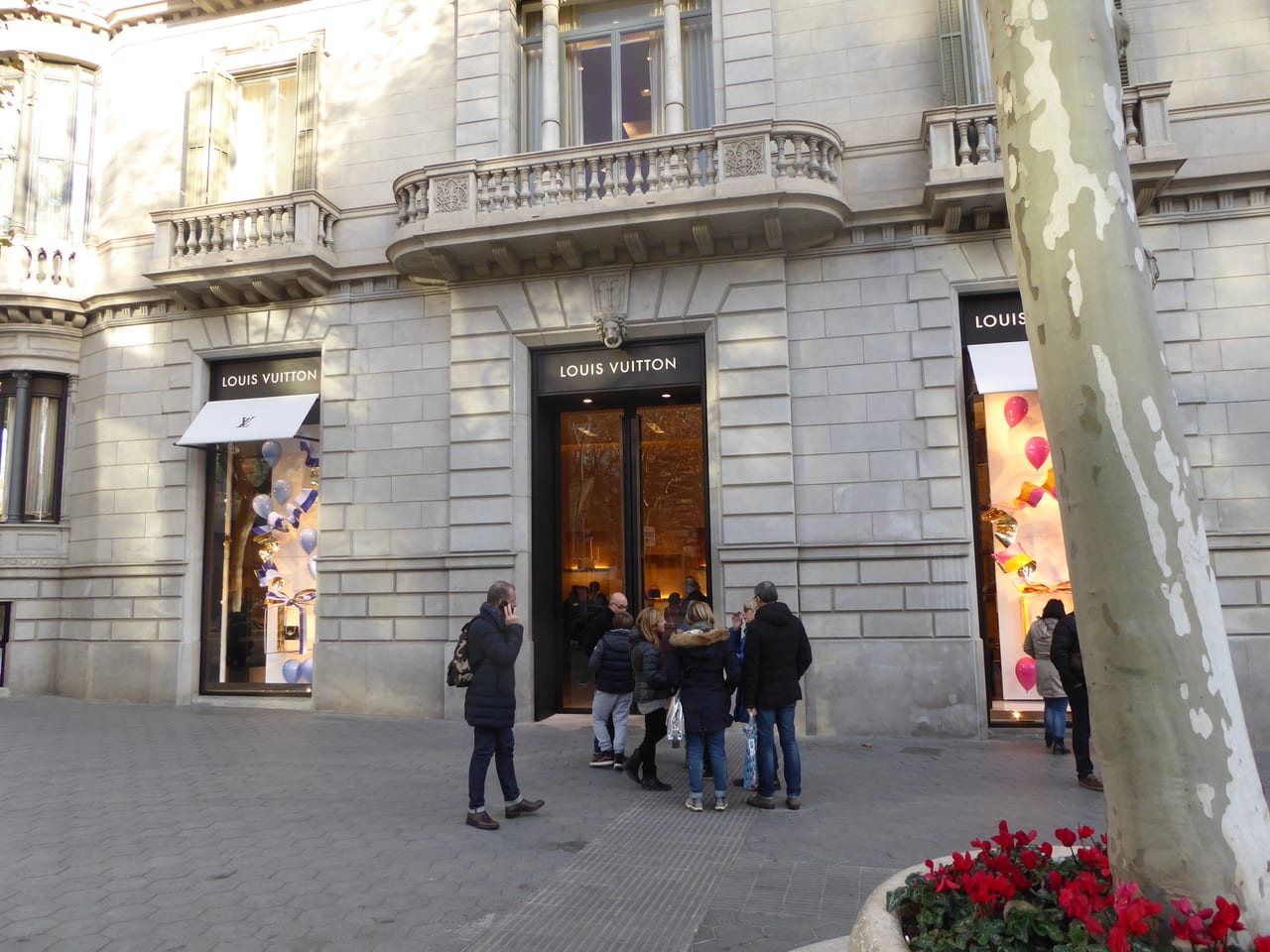
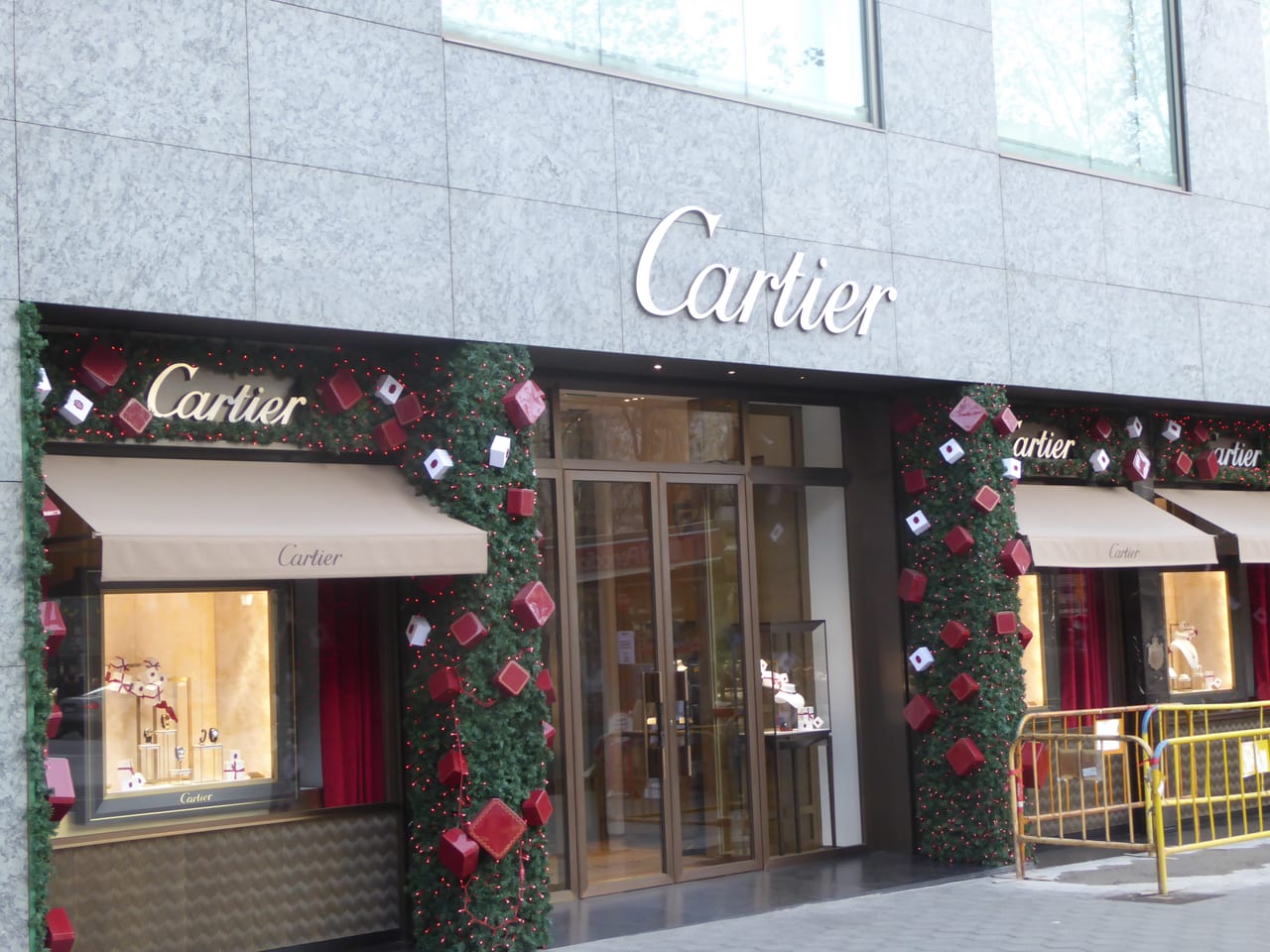
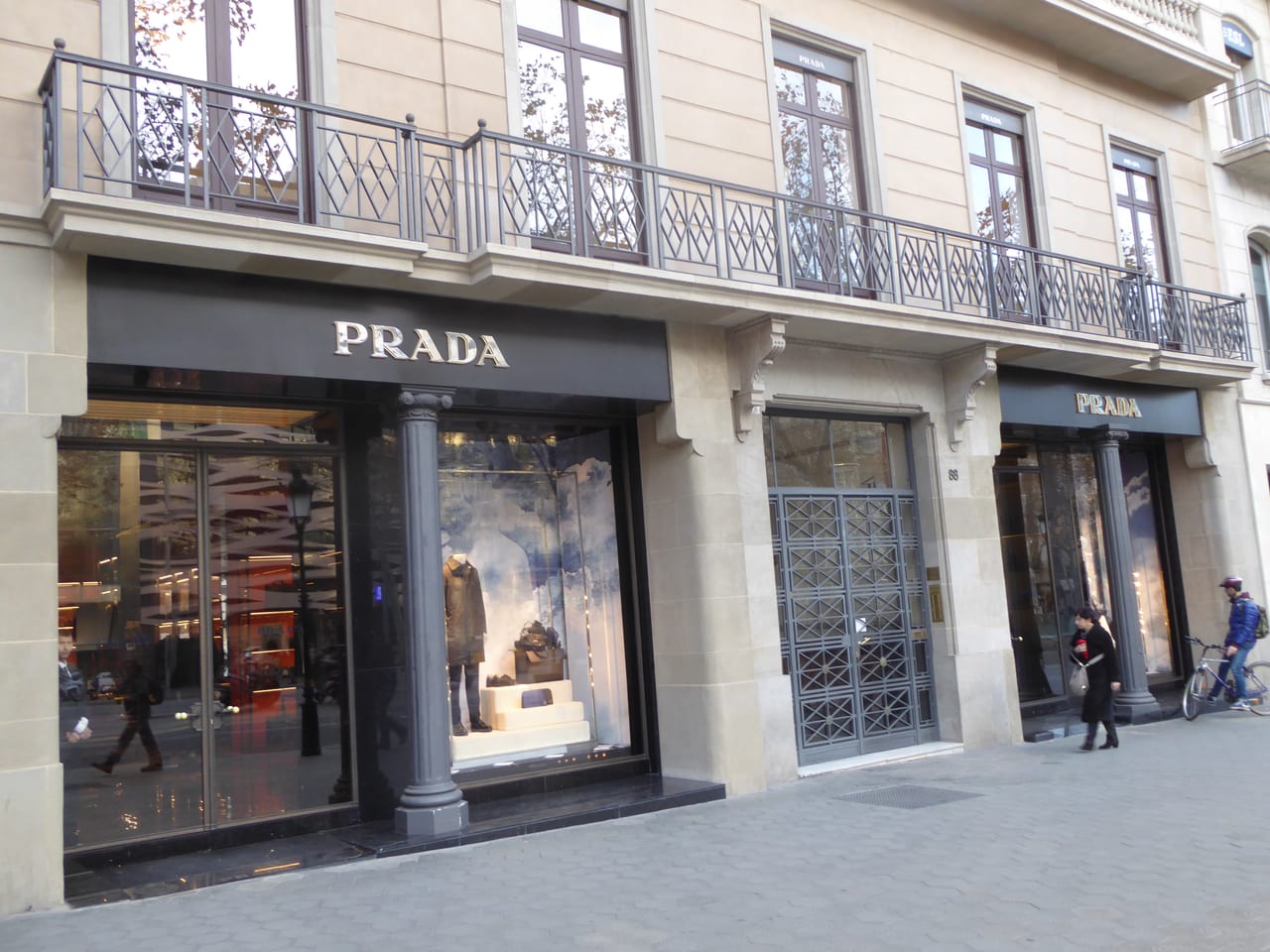
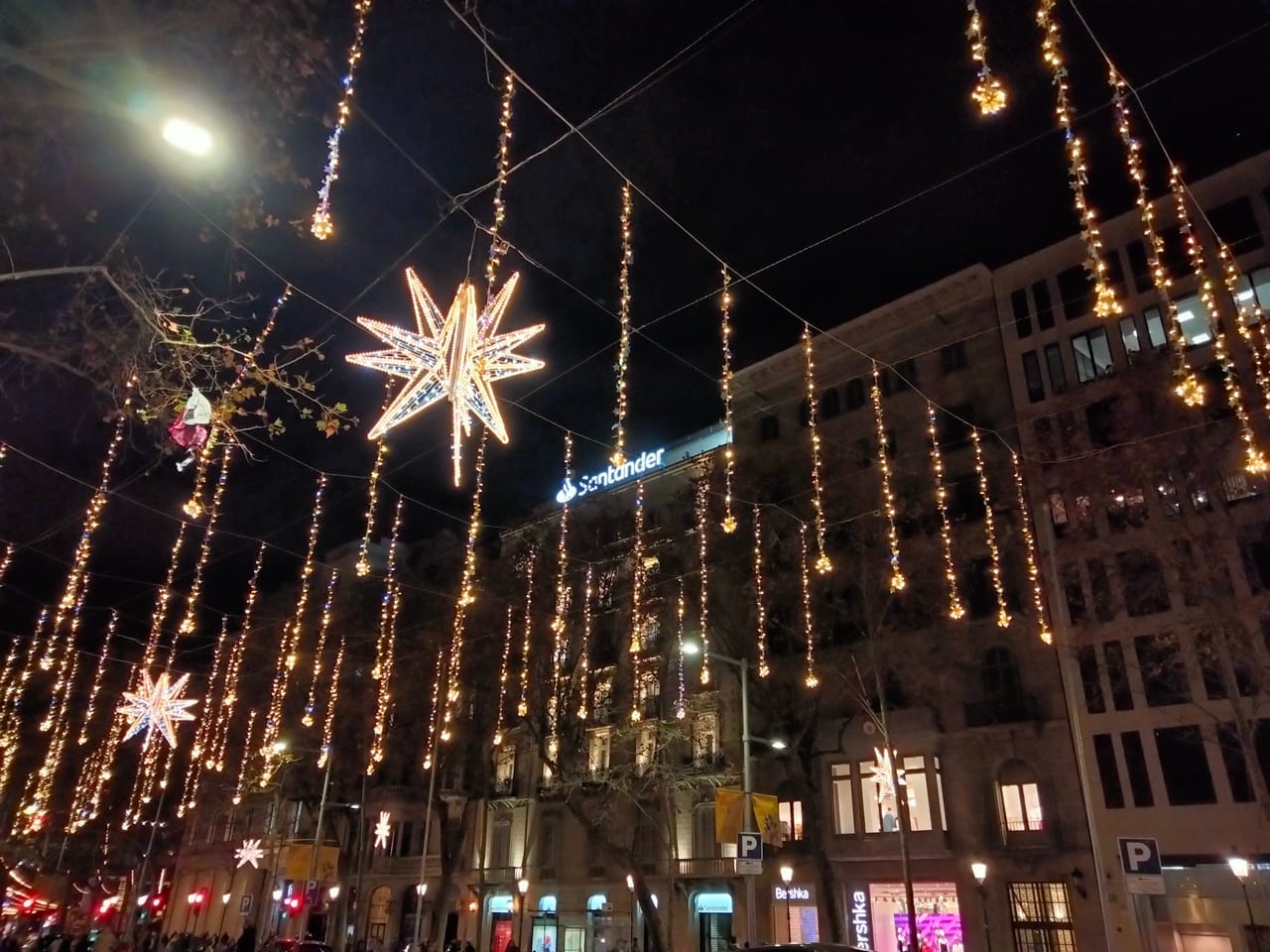
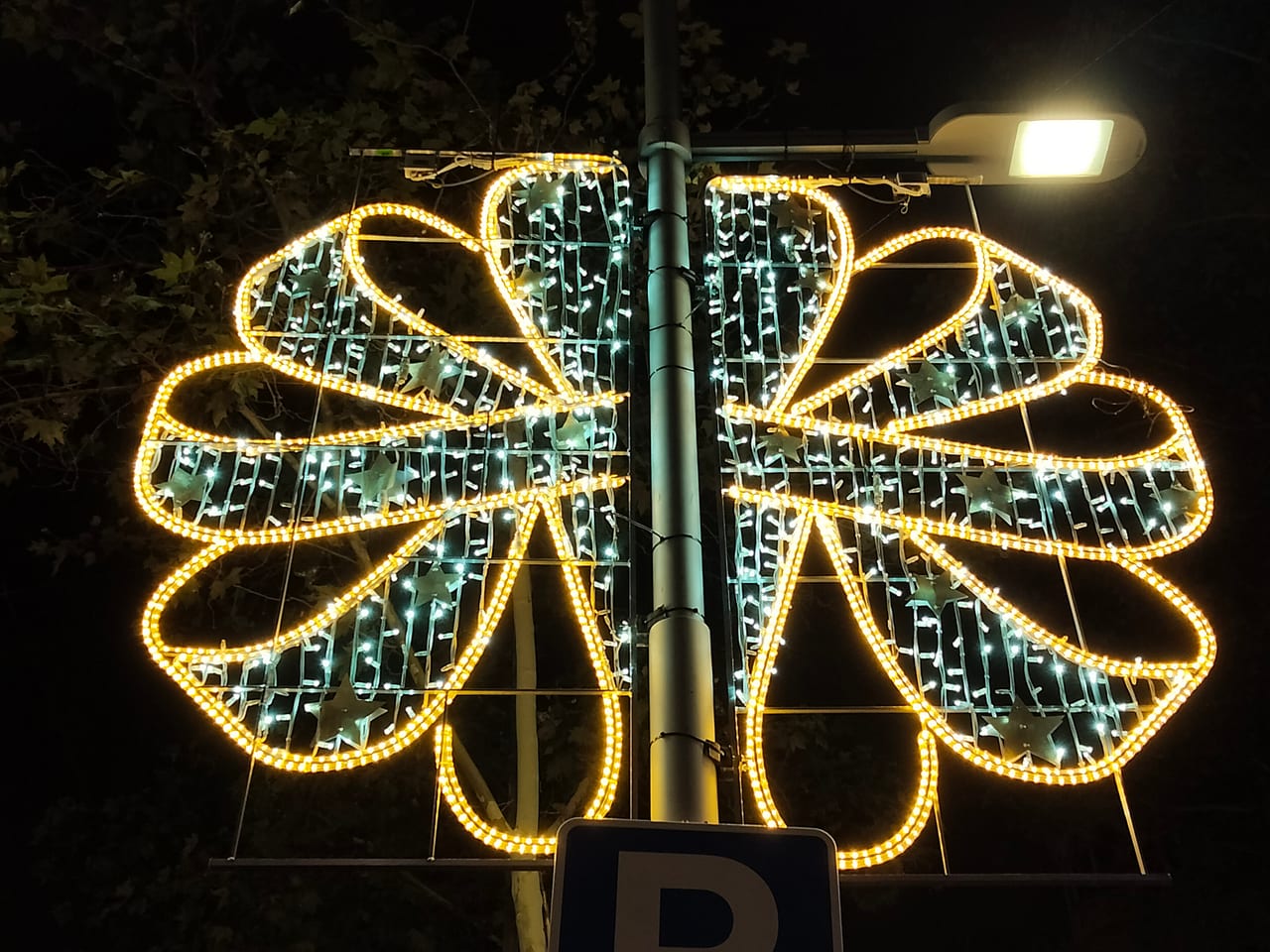
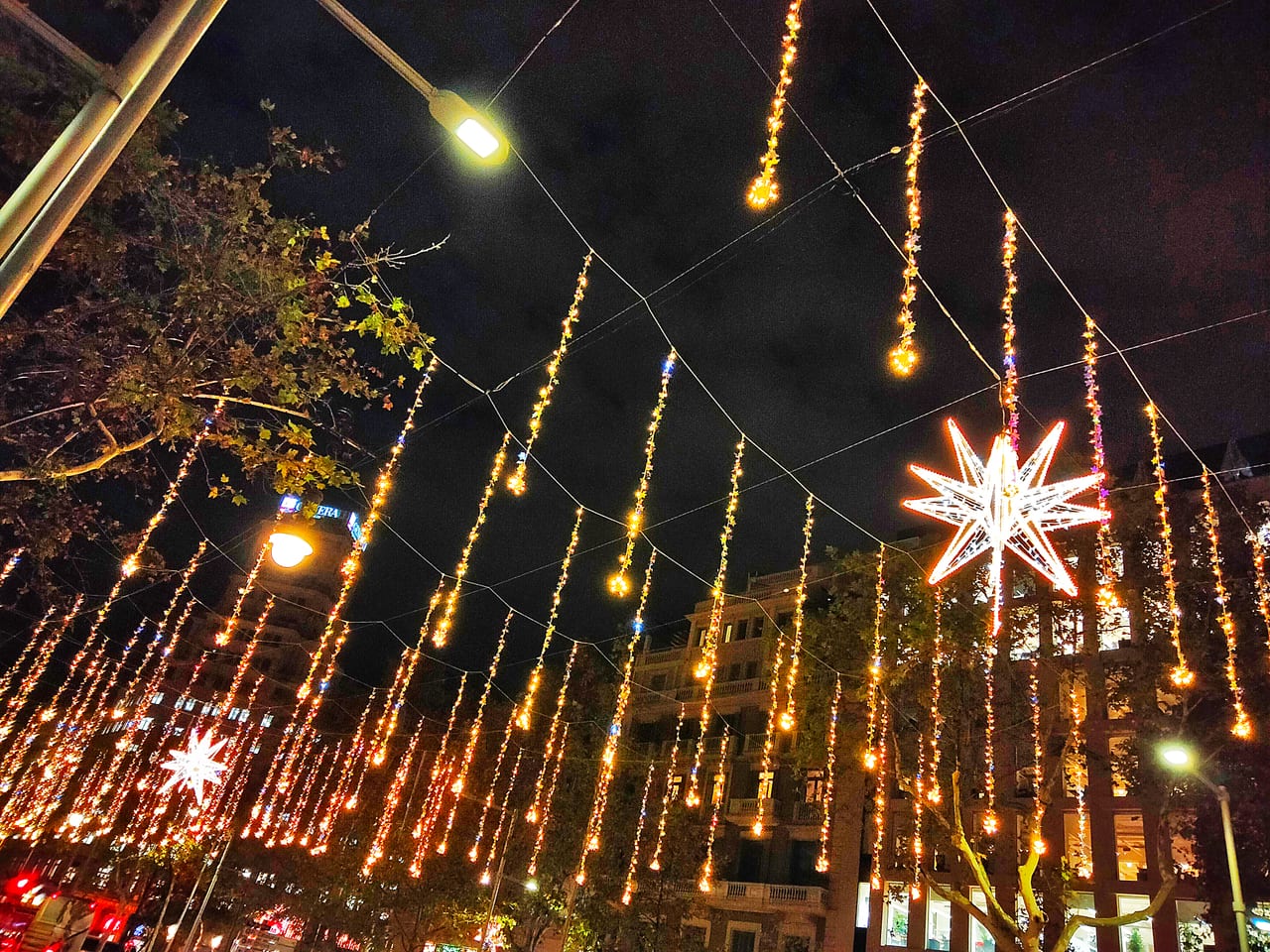
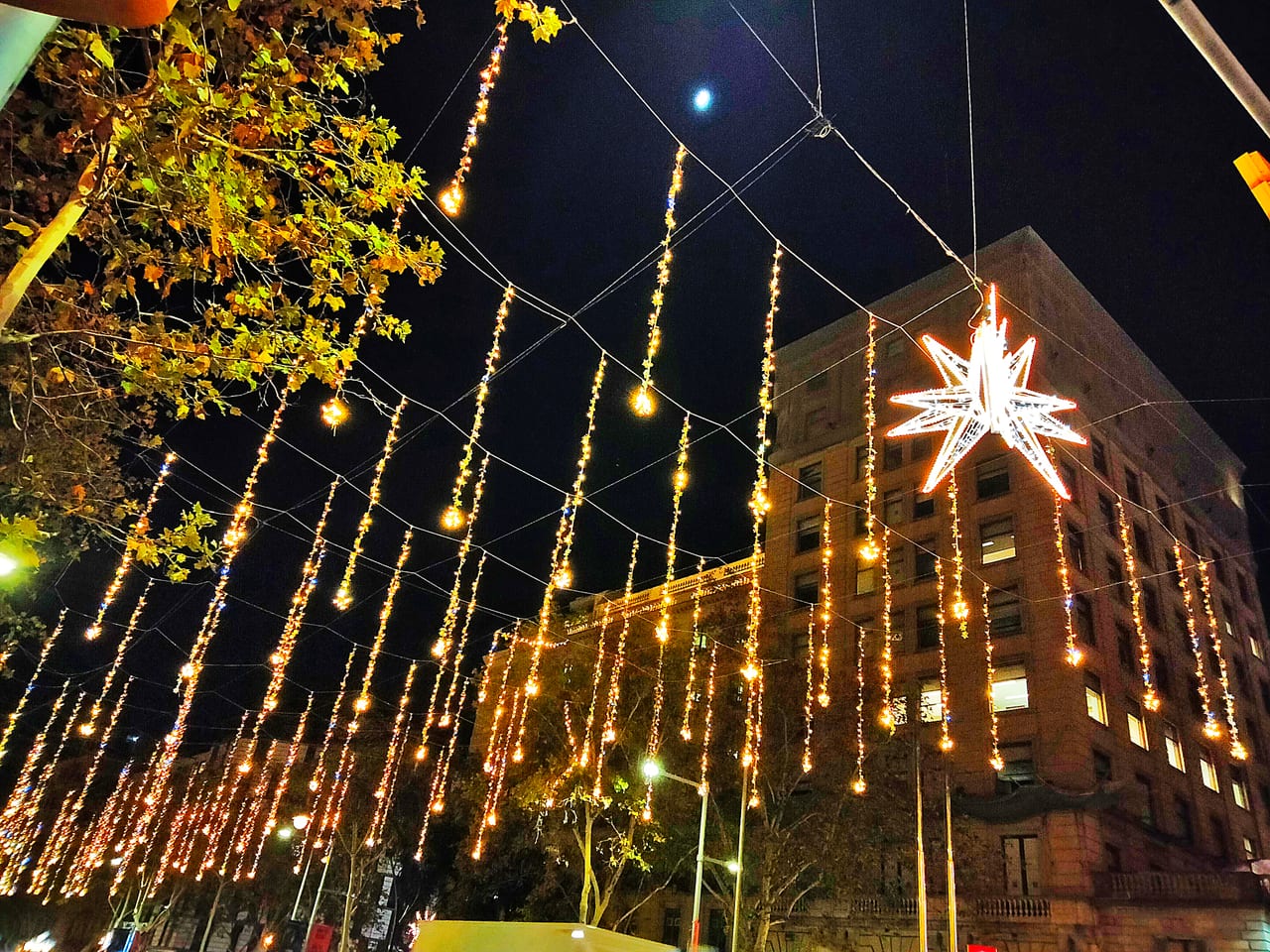
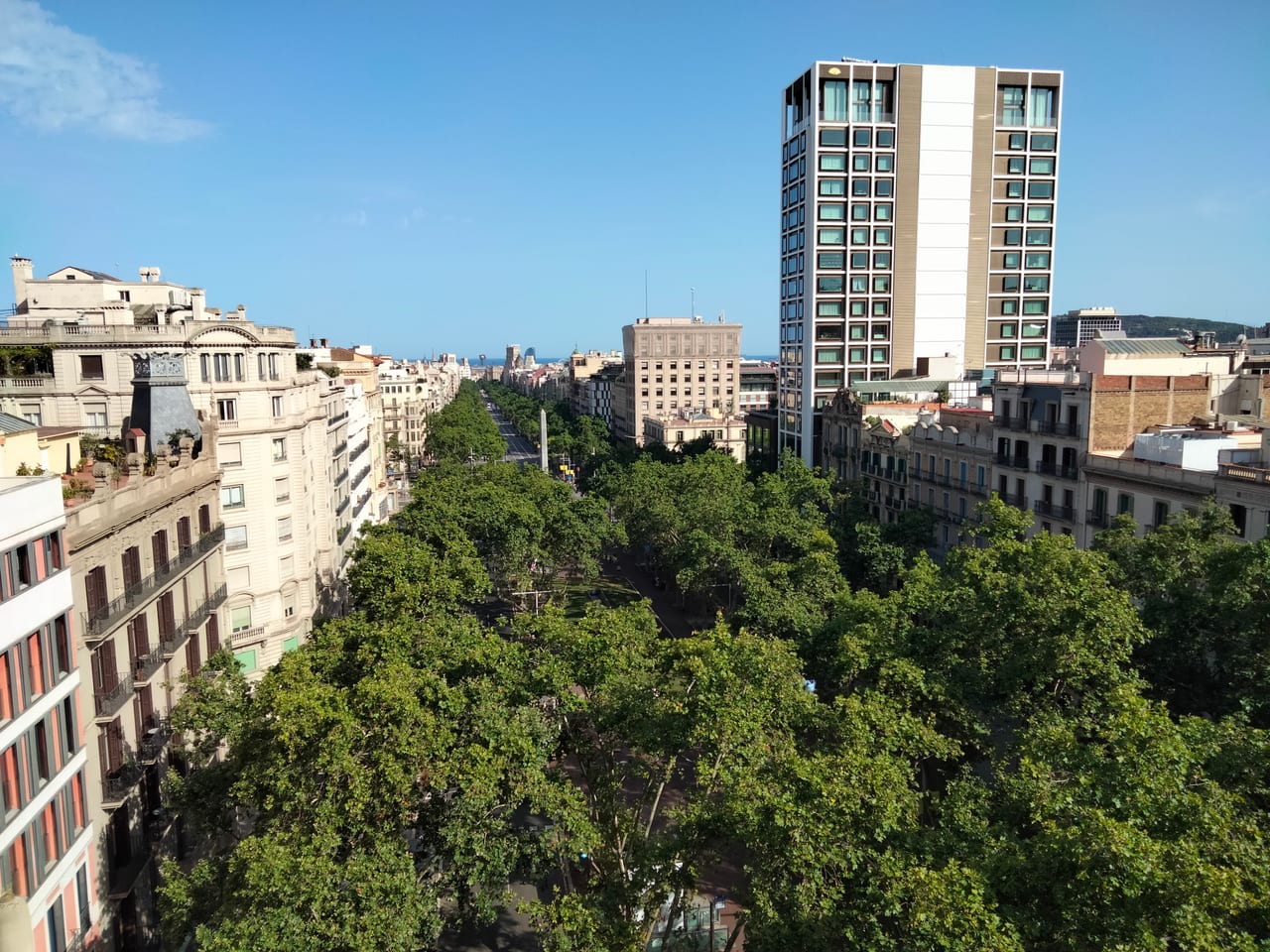
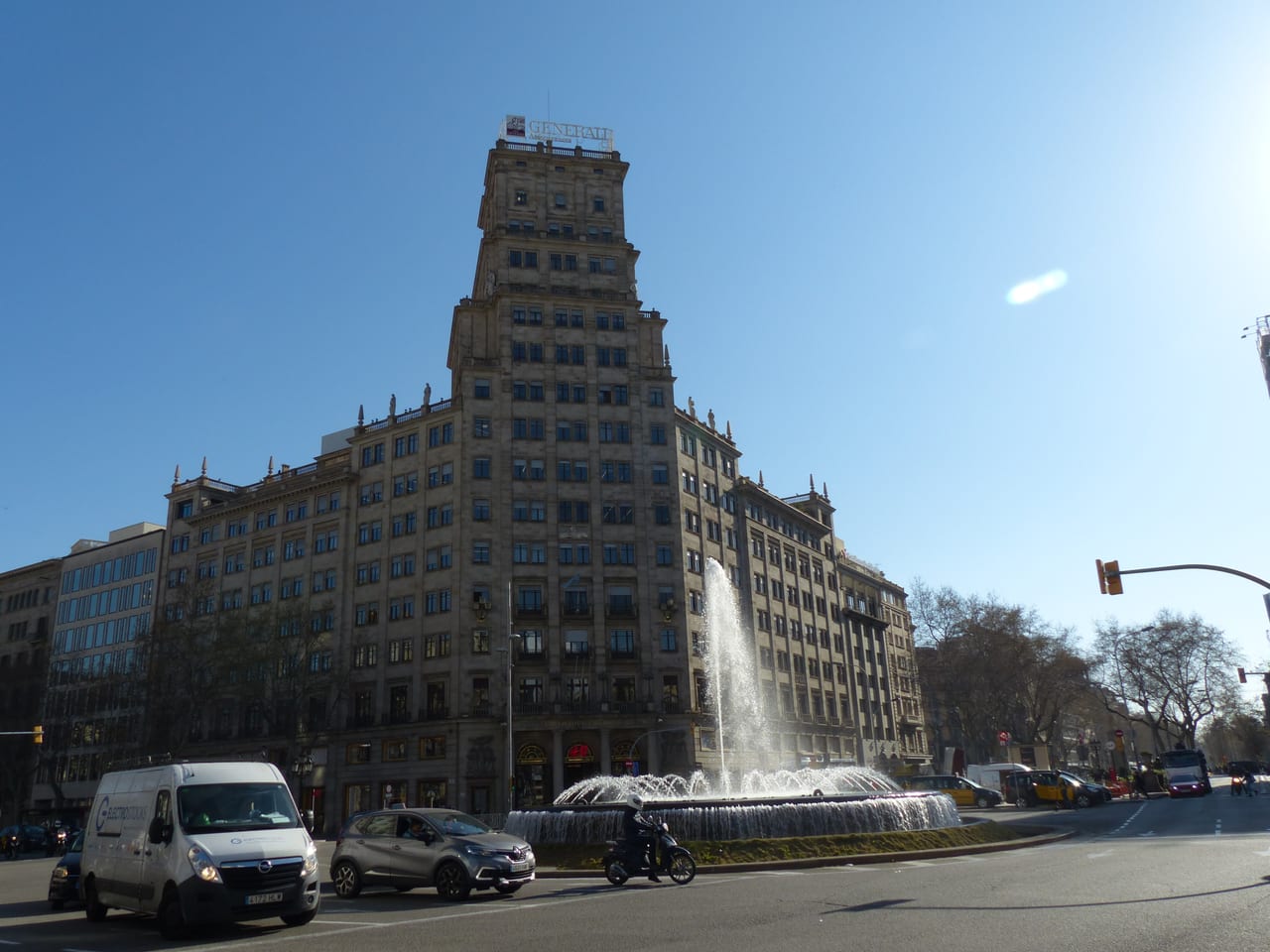
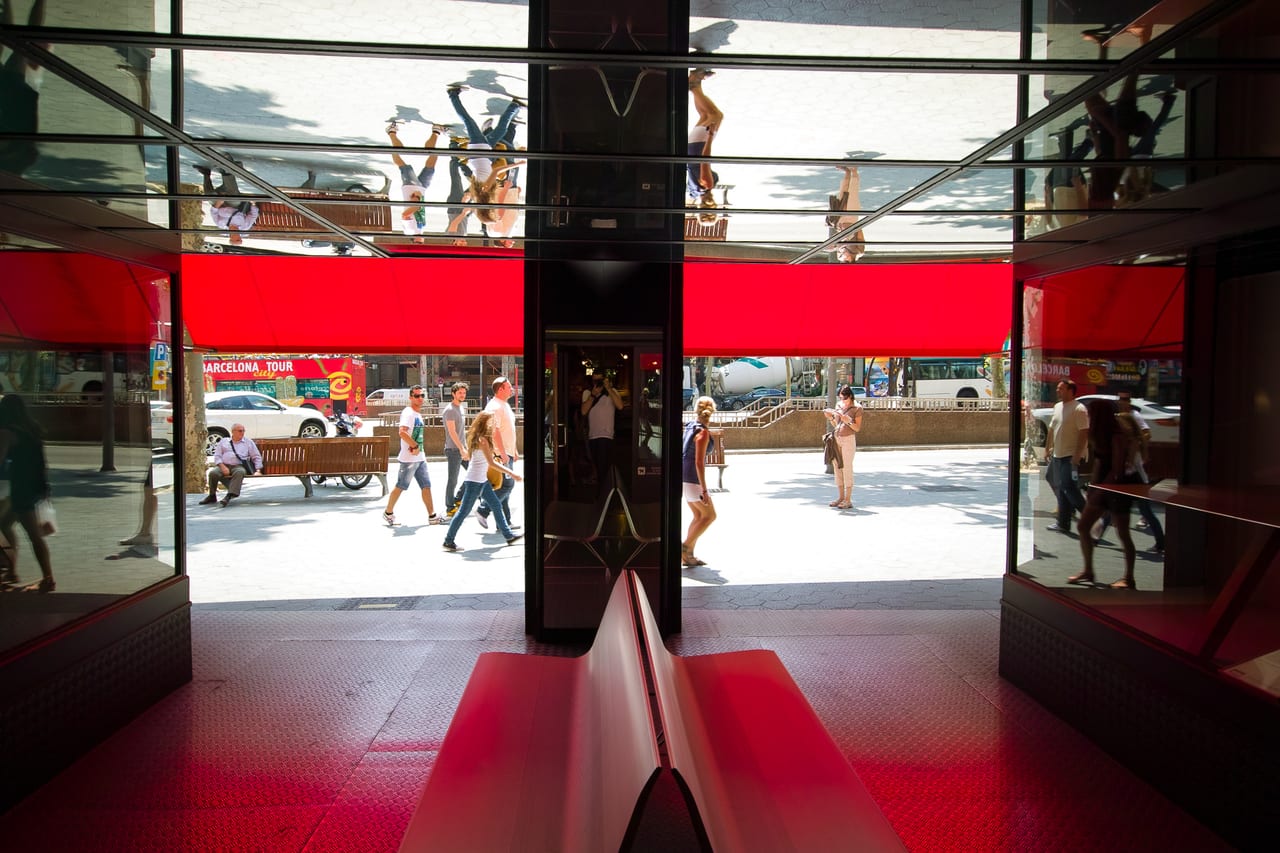
Photograph 1 of 35 of Passeig de Gràcia
Once called Camí de Jesús, the route began as a semi-rural lane through gardens linking Barcelona with Gràcia, then a separate town. A first urbanisation scheme, devised in 1821 by the liberal city council under Ramon Plana, was abandoned during epidemics. During the nineteenth century, aristocrats used it to display riding skills and elaborate carriages. By the early twentieth century it had become Barcelona’s fashionable address. The Illa de la Discòrdia brings together Casa Amatller, Casa Batlló and Casa Lleó Morera. The avenue also includes La Pedrera, Casa Fuster, Palau Robert and Hotel Majestic, opened in 1918. During the Spanish Civil War, the Basque government occupied number 60; the poet Salvador Espriu lived at Casa Fuster.
At a glance
- Built
- 1827
- Style
- Catalan modernism
Ways to explore Passeig de Gràcia
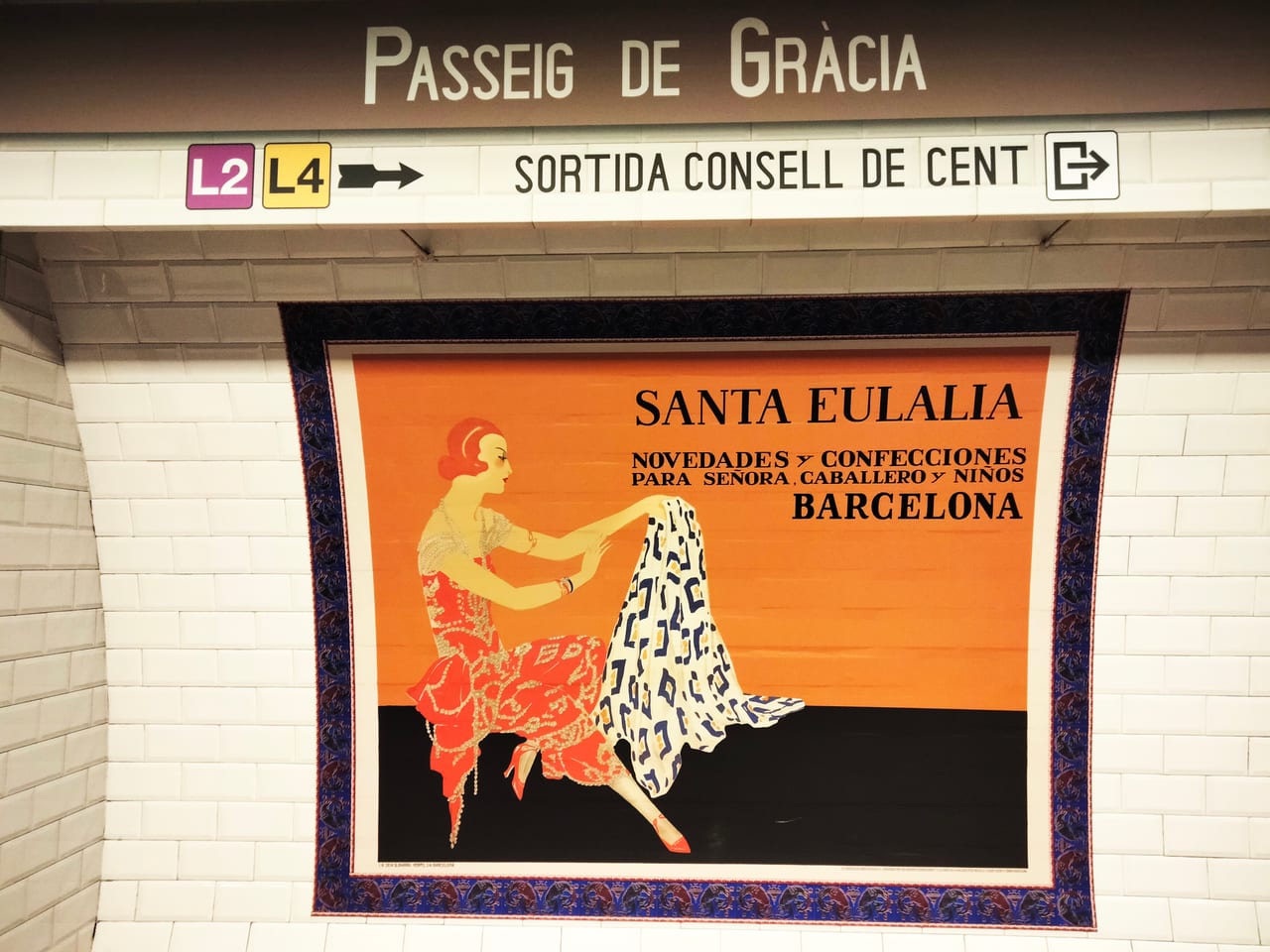
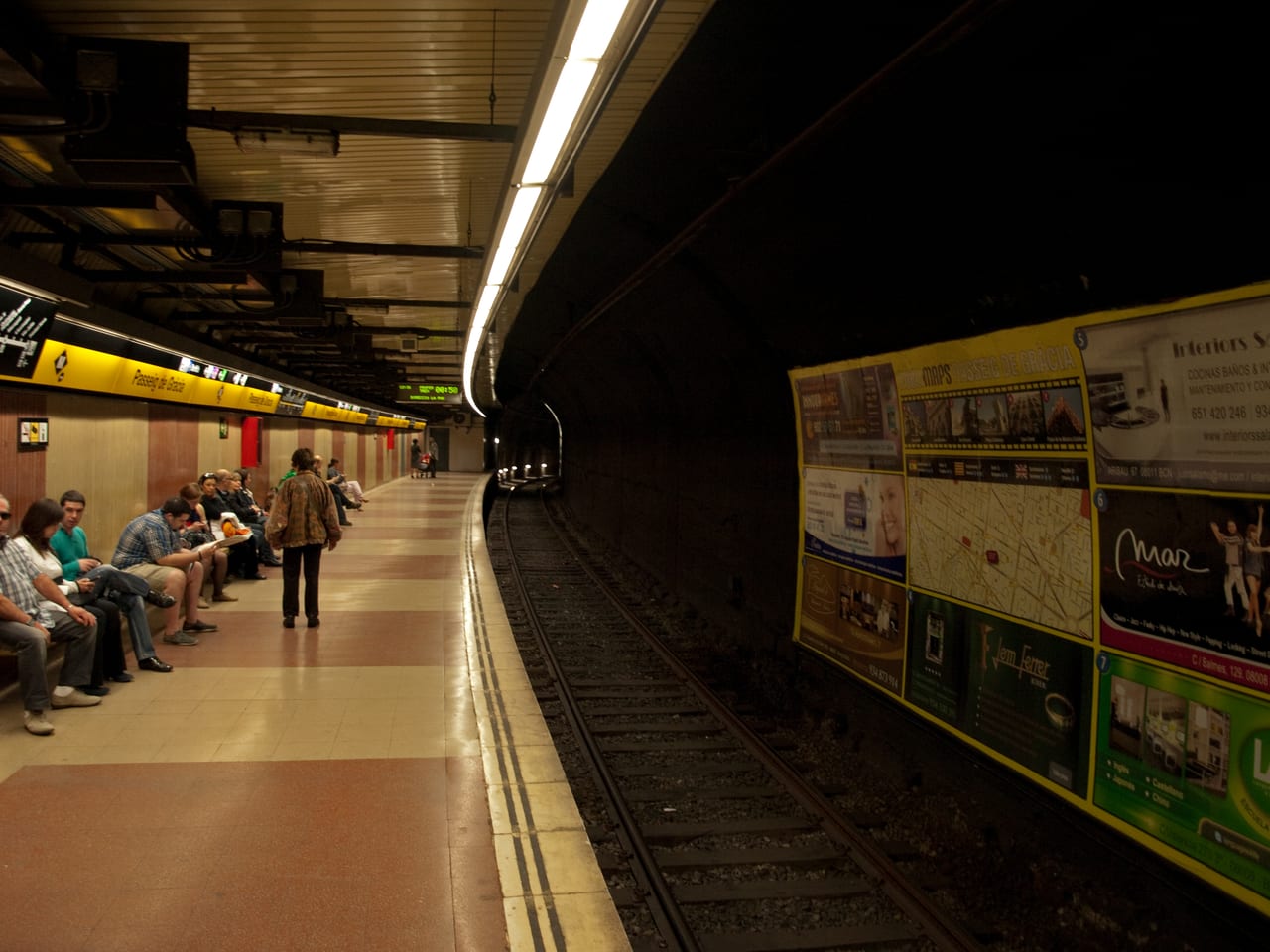
Walk the avenue from Plaça Catalunya towards Carrer Gran de Gràcia, taking time to examine the façades and the changing rhythm of the broad boulevard. The Museu del Perfum, Teatre Tívoli and Jardins de Salvador Espriu provide alternative stops beyond the architectural circuit. Passeig de Gràcia station, Diagonal station and bus services provide straightforward access.
Places to stay near Passeig de Gràcia

Live availability and prices from Stay22's partners, refreshed periodically and subject to change. Booking through these links may earn us a commission at no extra cost to you. See our privacy policy.
Cafés near Passeig de Gràcia
Cafés near Passeig de Gràcia loads as you scroll.
Attractions nearby
Attractions near Passeig de Gràcia loads as you scroll.
Cities nearby
Cities nearby loads as you scroll.
More in Barcelona
See more of Barcelona.
Find great cafés, places to stay and other interesting places to visit in Barcelona.