Church · Barcelona
Parròquia de Sant Pacià
DirectionsAntoni Gaudí probably made his first architectural contribution here, designing the floor, geometric mosaic patterns, lighting fixtures and school furniture; some of these elements were later lost.
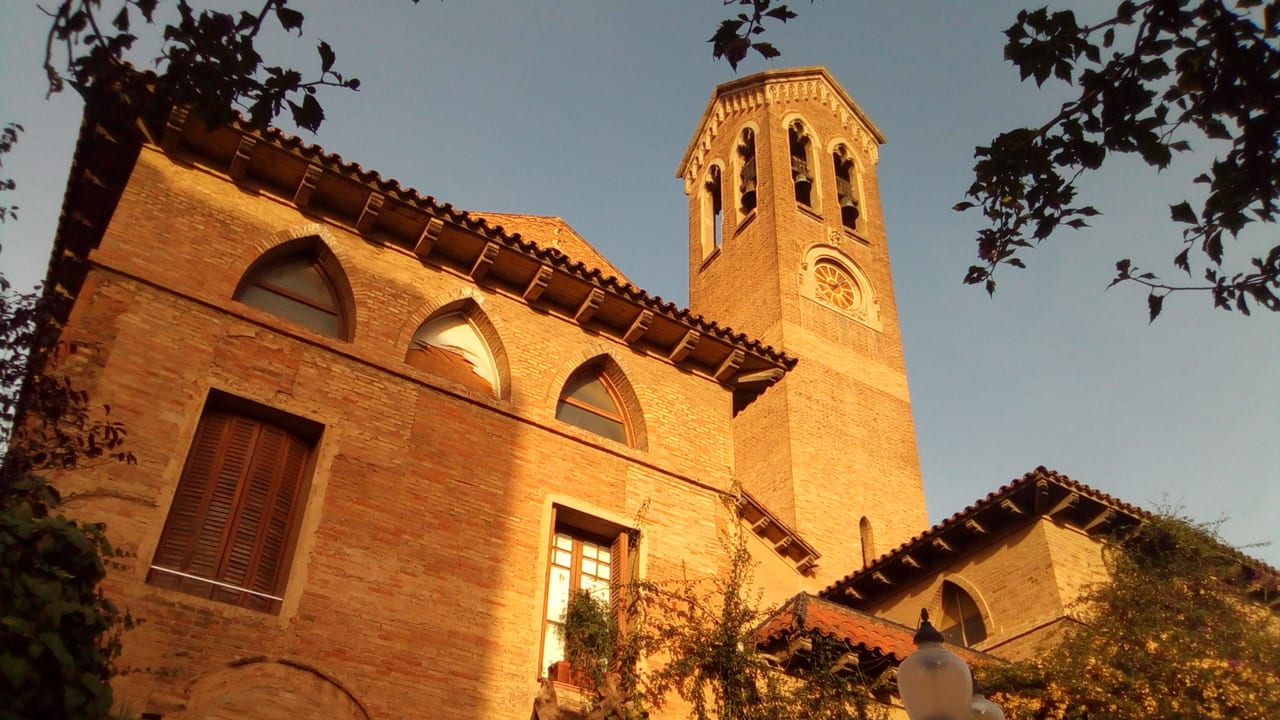
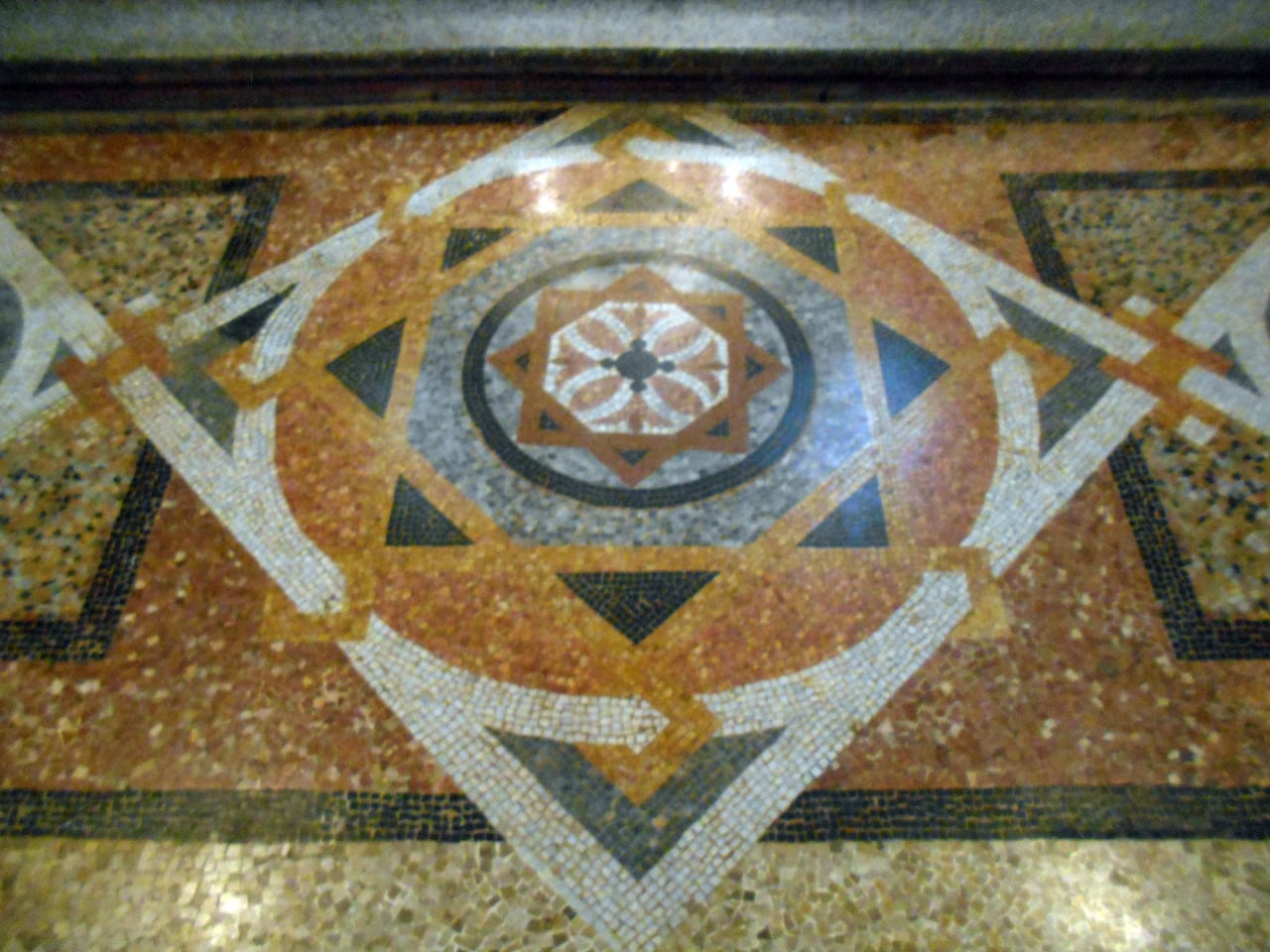
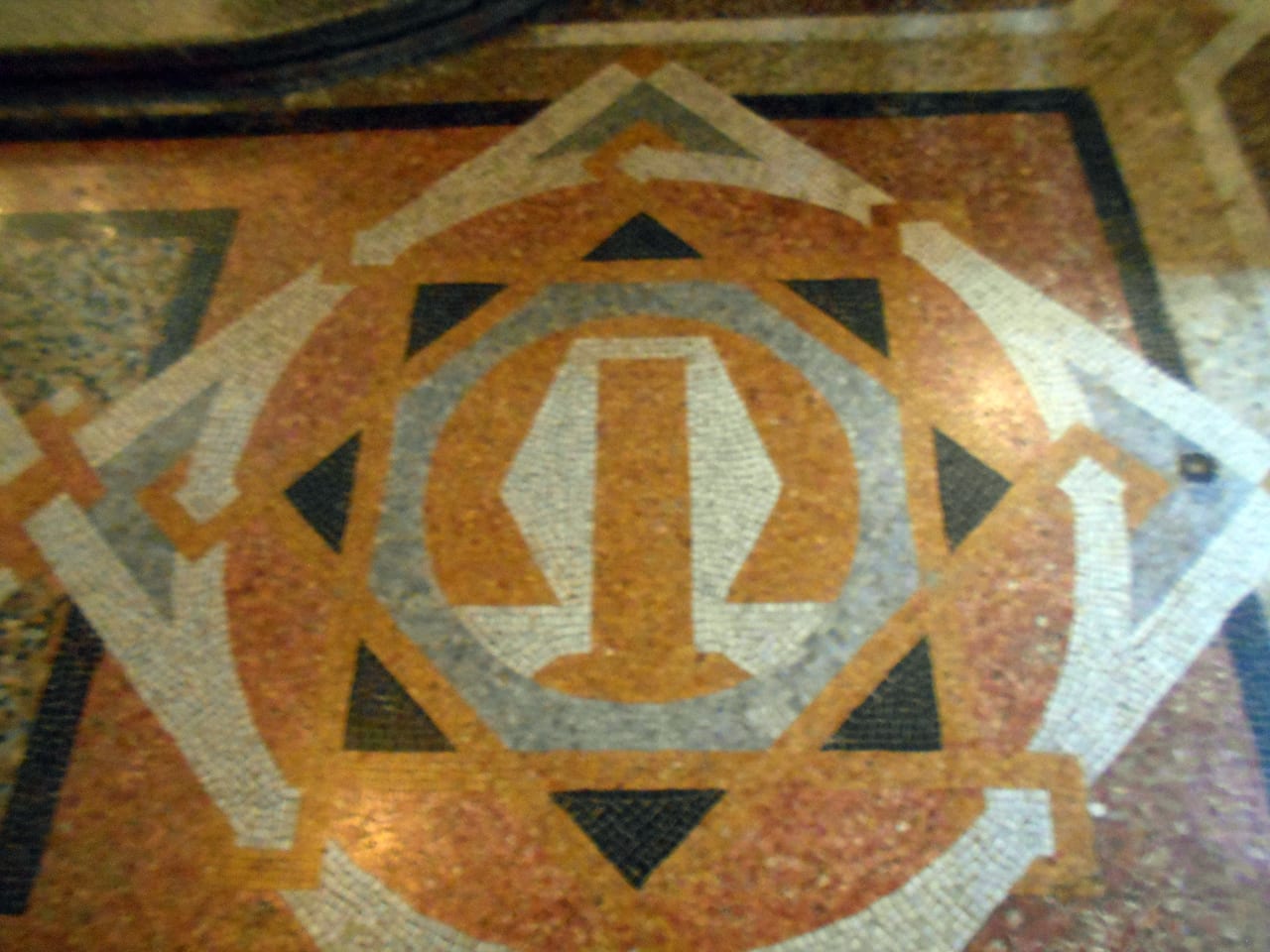
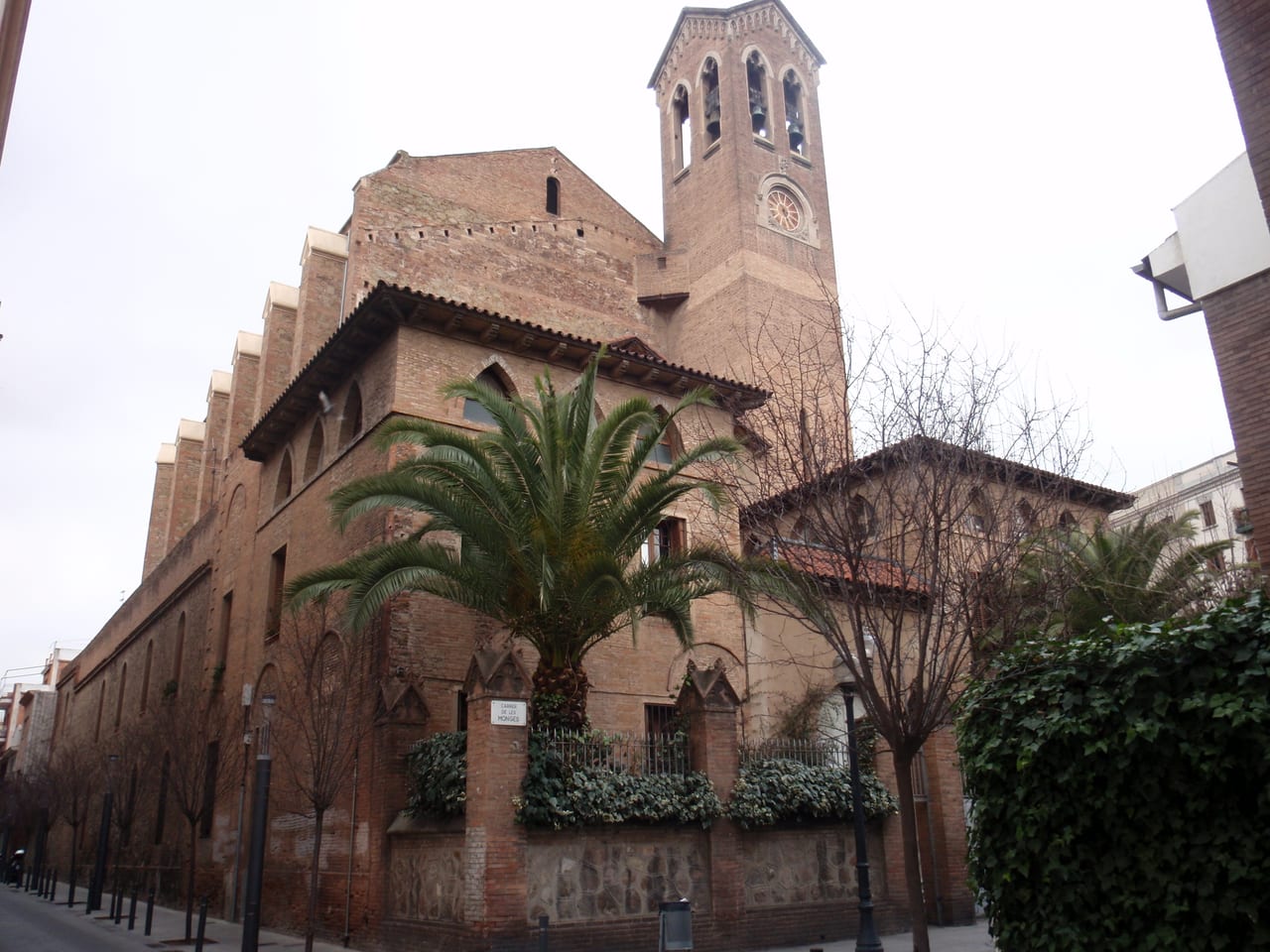
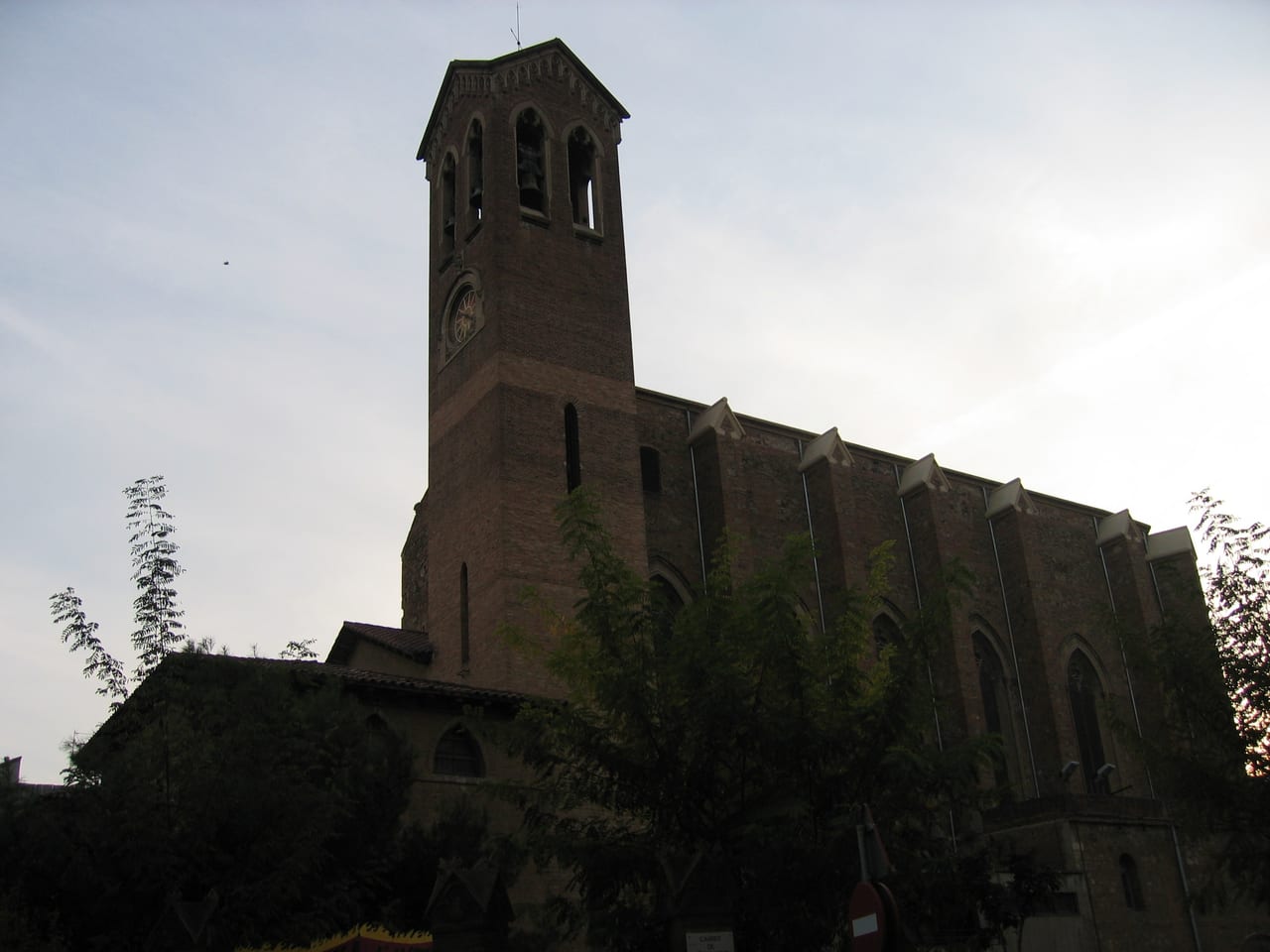
Photograph 1 of 7 of Parròquia de Sant Pacià
The site began in the late 1850s, when the Sisters of Jesus-Mary settled on land belonging to the Can Badaló farmhouse. In 1876 they commissioned Joan Torras i Guardiola, a native of Sant Andreu del Palomar, to design the complex; the church opened in 1881. His pupil Antoni Gaudí joined the team and worked on the interior, while later losses have altered the original scheme. In 1890, the nuns sold the entire complex to the Marist Brothers, who added a boys’ school and other convent facilities. The buildings were burned during the Tragic Week of 1909, after which the site was divided into parcels and sold. Worship resumed from 1922, when the bell tower was built, and the church became a parish from 1929. Torras gave the building a nineteenth-century Gothicizing character: a single nave beneath ribbed ogival vaults, tall pointed-arch windows, and masonry walls supported by buttresses. A choir occupies the entrance end, while a polygonal-based apse and a notably tall bell tower complete the composition. It is listed in Catalonia’s architectural heritage inventory.
At a glance
- Built
- 1876
- Architect
- Joan Torras i Guardiola
- Style
- historicist architecture
- Heritage
- Cultural Asset part of the cultural heritage of Catalonia
Ways to explore Parròquia de Sant Pacià
Read the interior from the entrance towards the choir, noting how the single nave, pointed windows and ribbed vaults establish a vertical Gothicizing rhythm. Look closely at the masonry and buttresses, then compare them with the polygonal apse. The bell tower is best considered as part of the church’s overall profile.
Places to stay near Parròquia de Sant Pacià

Live availability and prices from Stay22's partners, refreshed periodically and subject to change. Booking through these links may earn us a commission at no extra cost to you. See our privacy policy.
Cafés near Parròquia de Sant Pacià
Cafés near Parròquia de Sant Pacià loads as you scroll.
Attractions nearby
Attractions near Parròquia de Sant Pacià loads as you scroll.
Cities nearby
Cities nearby loads as you scroll.
More in Barcelona
See more of Barcelona.
Find great cafés, places to stay and other interesting places to visit in Barcelona.