Church · Barcelona
Parròquia de Sant Jaume
DirectionsIts five-arched porch hosted meetings of Barcelona’s Council of One Hundred before the body acquired a permanent headquarters.
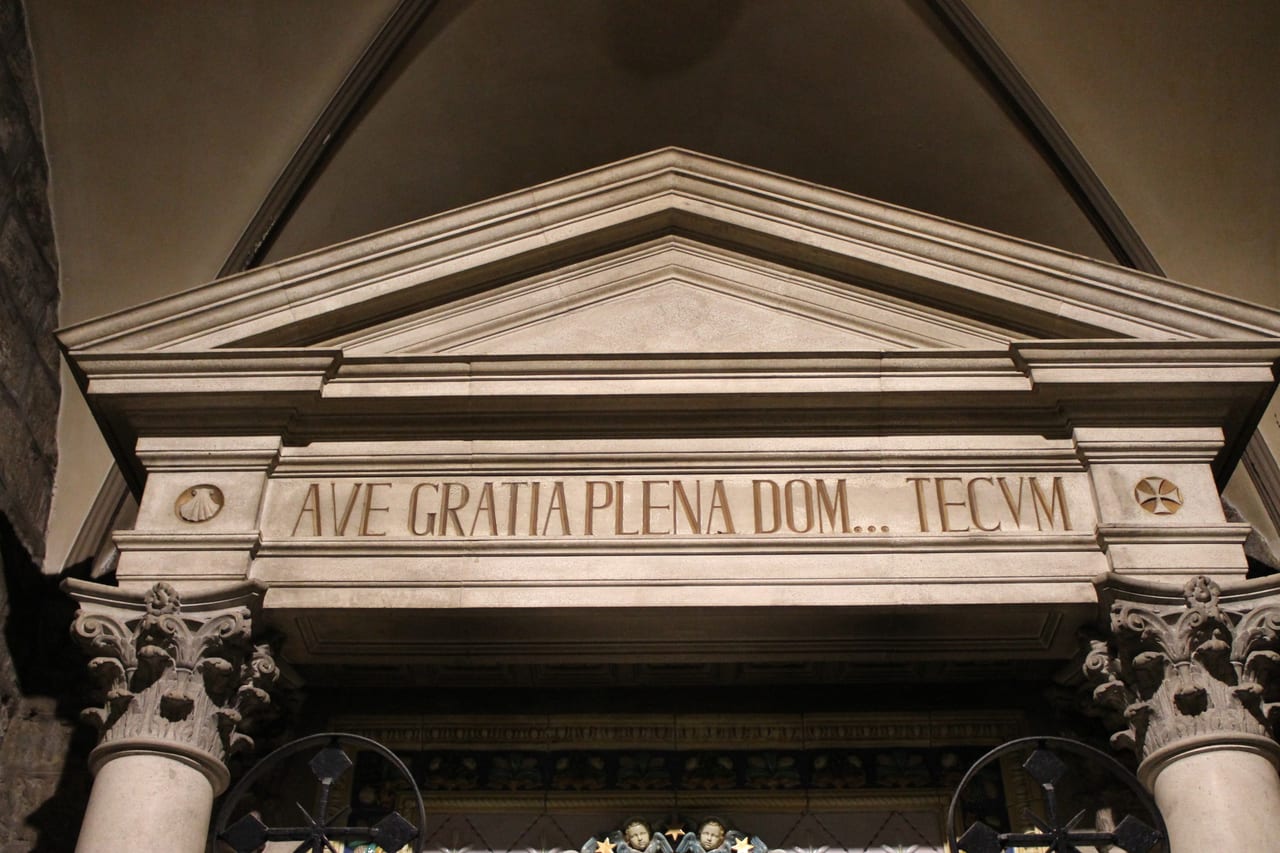
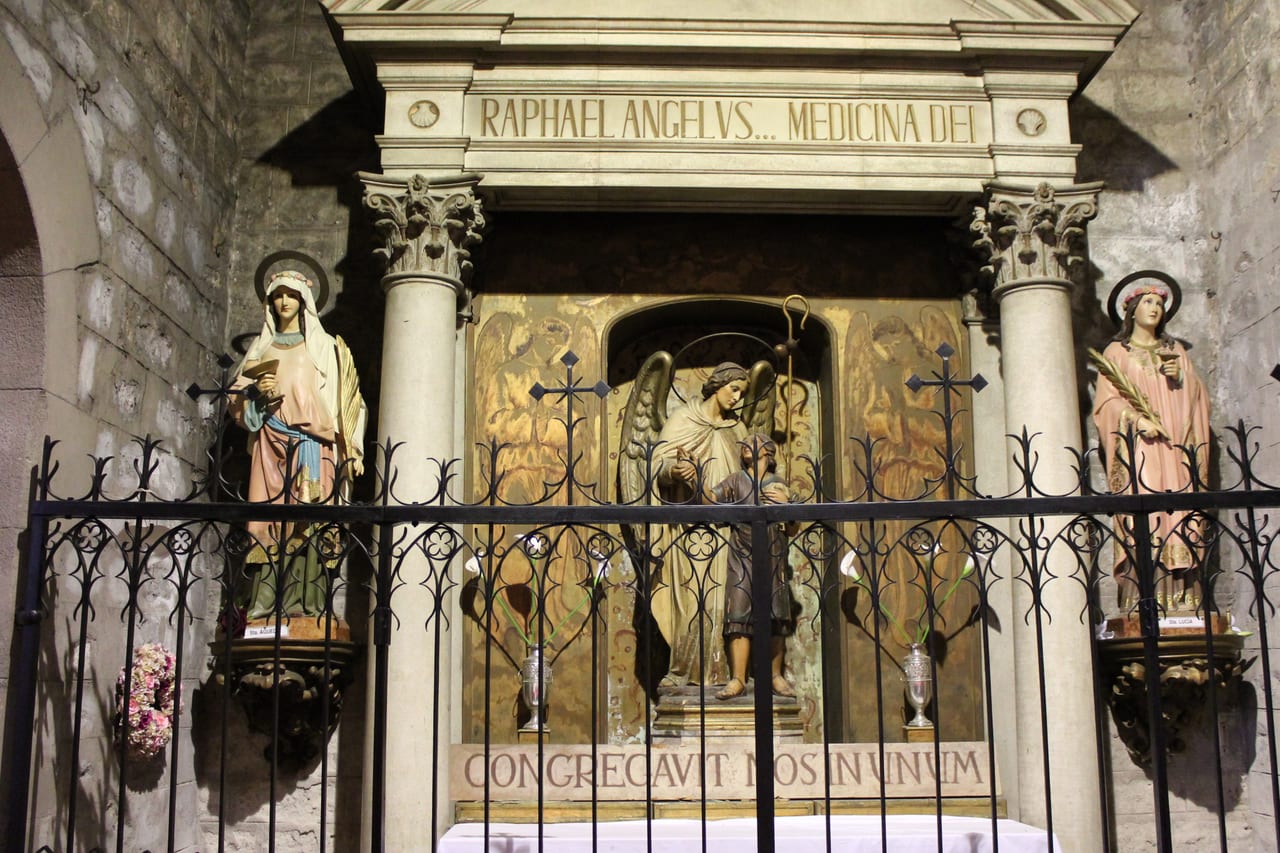
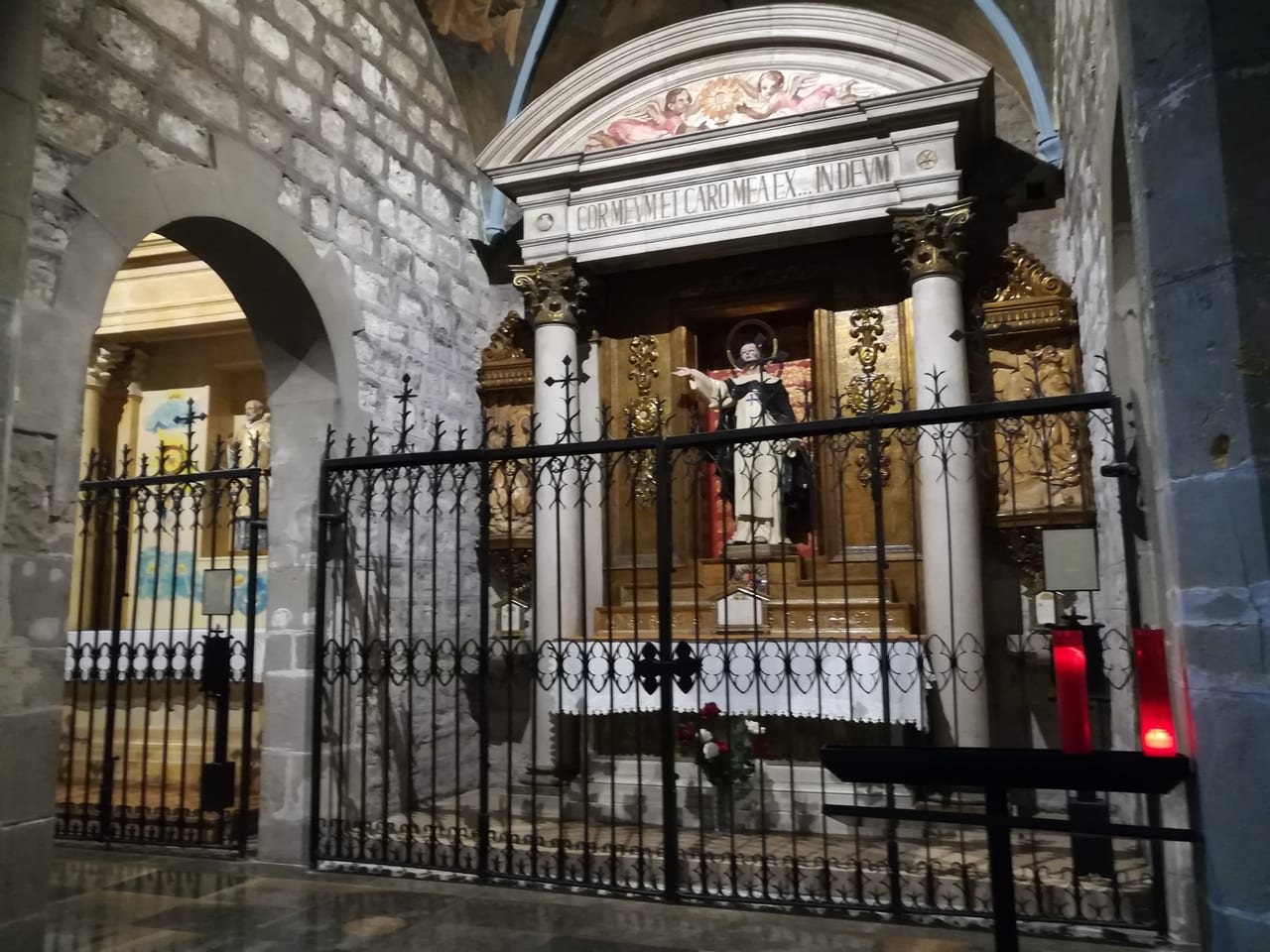
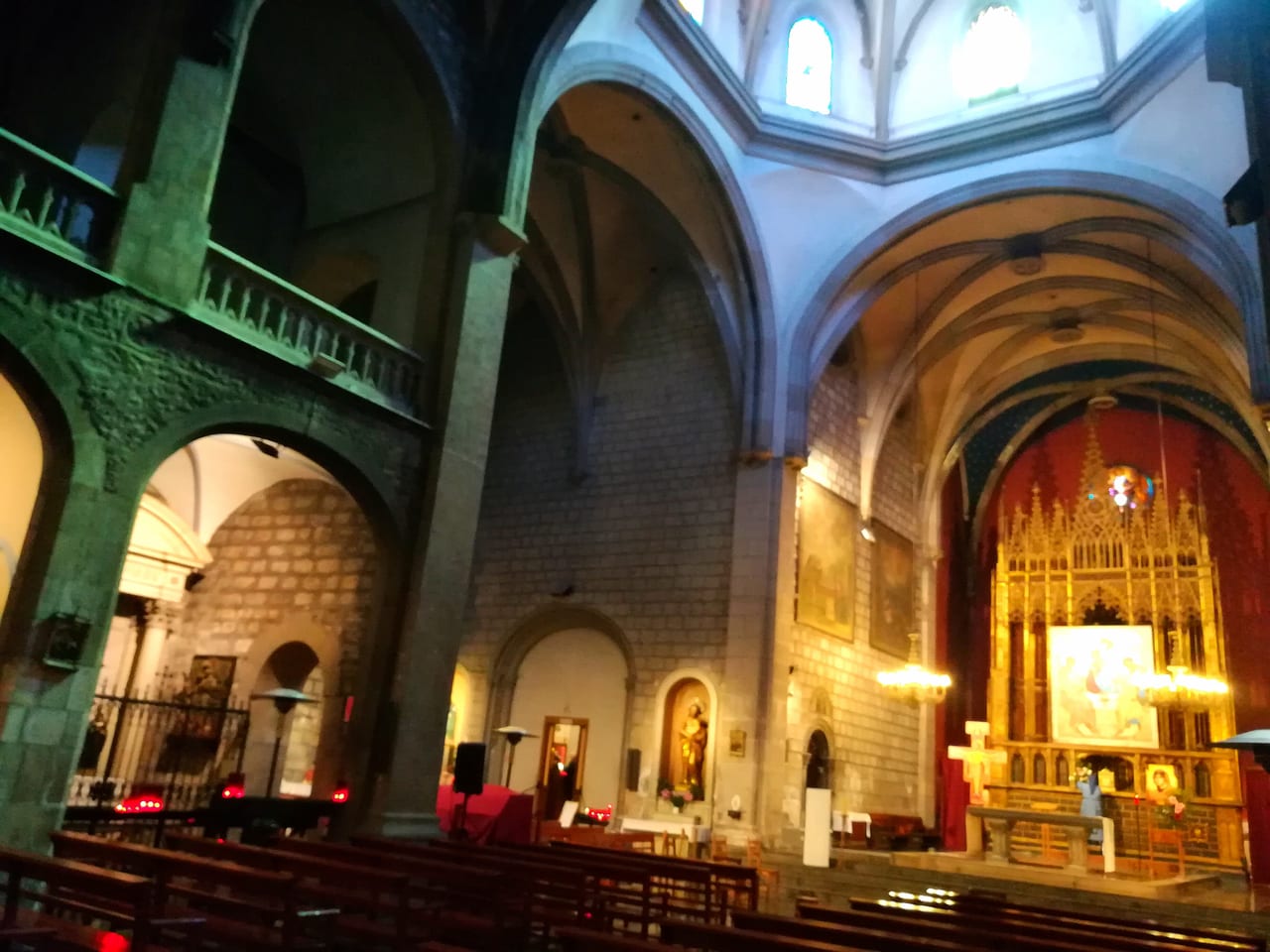
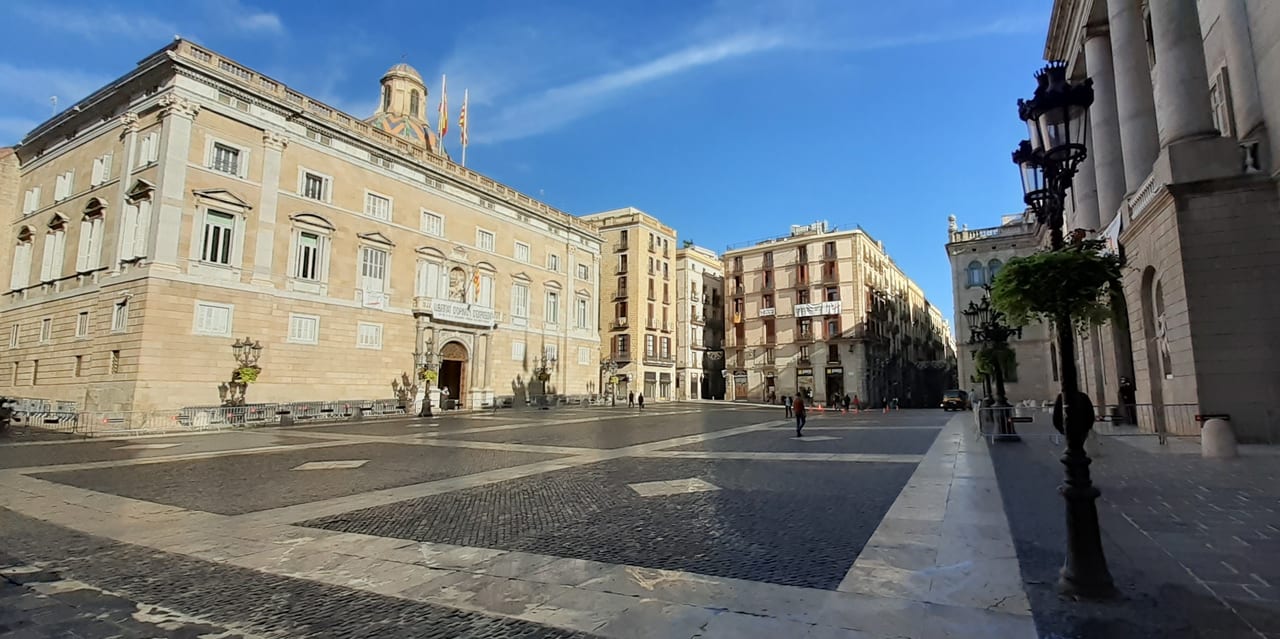
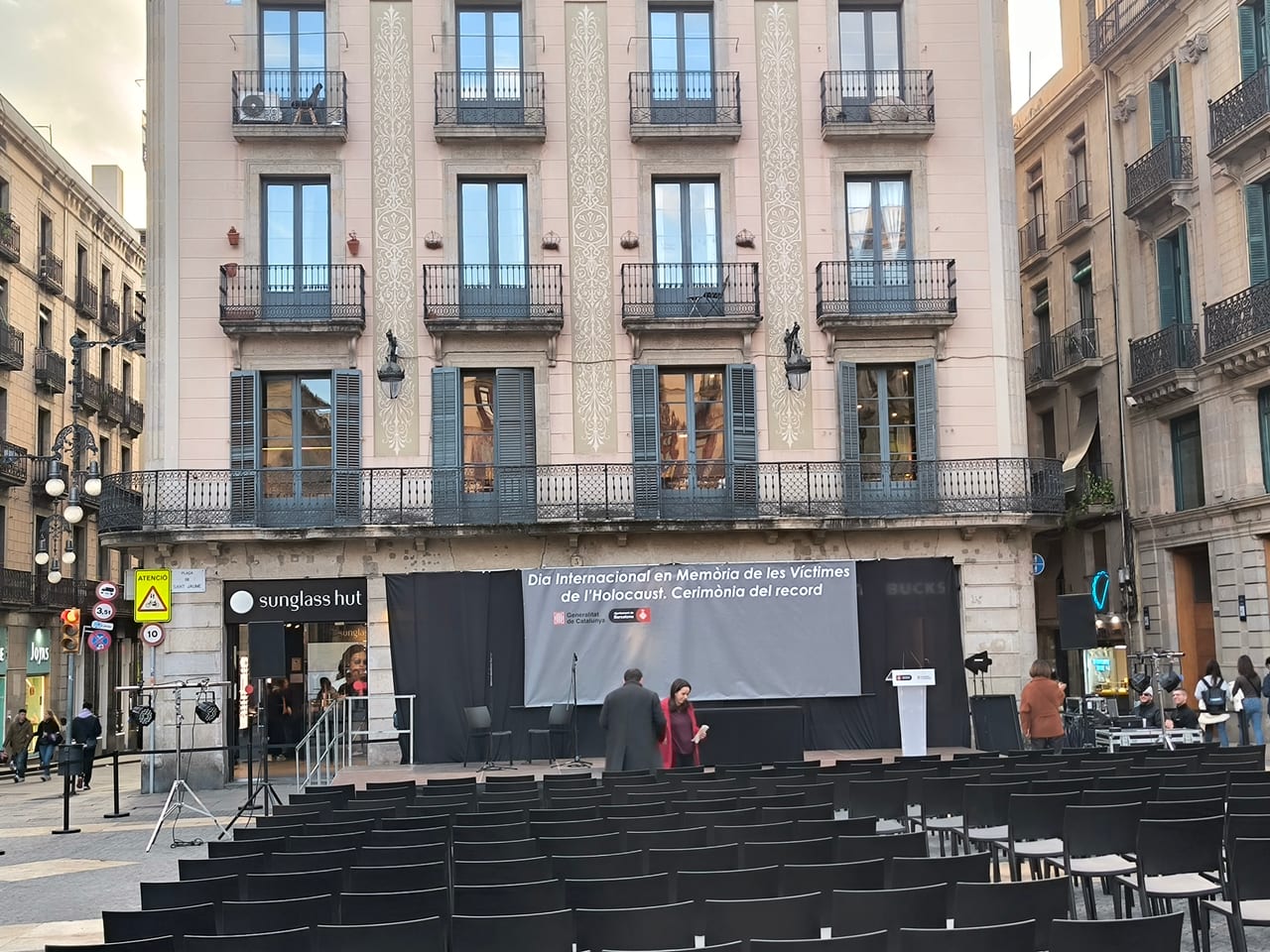
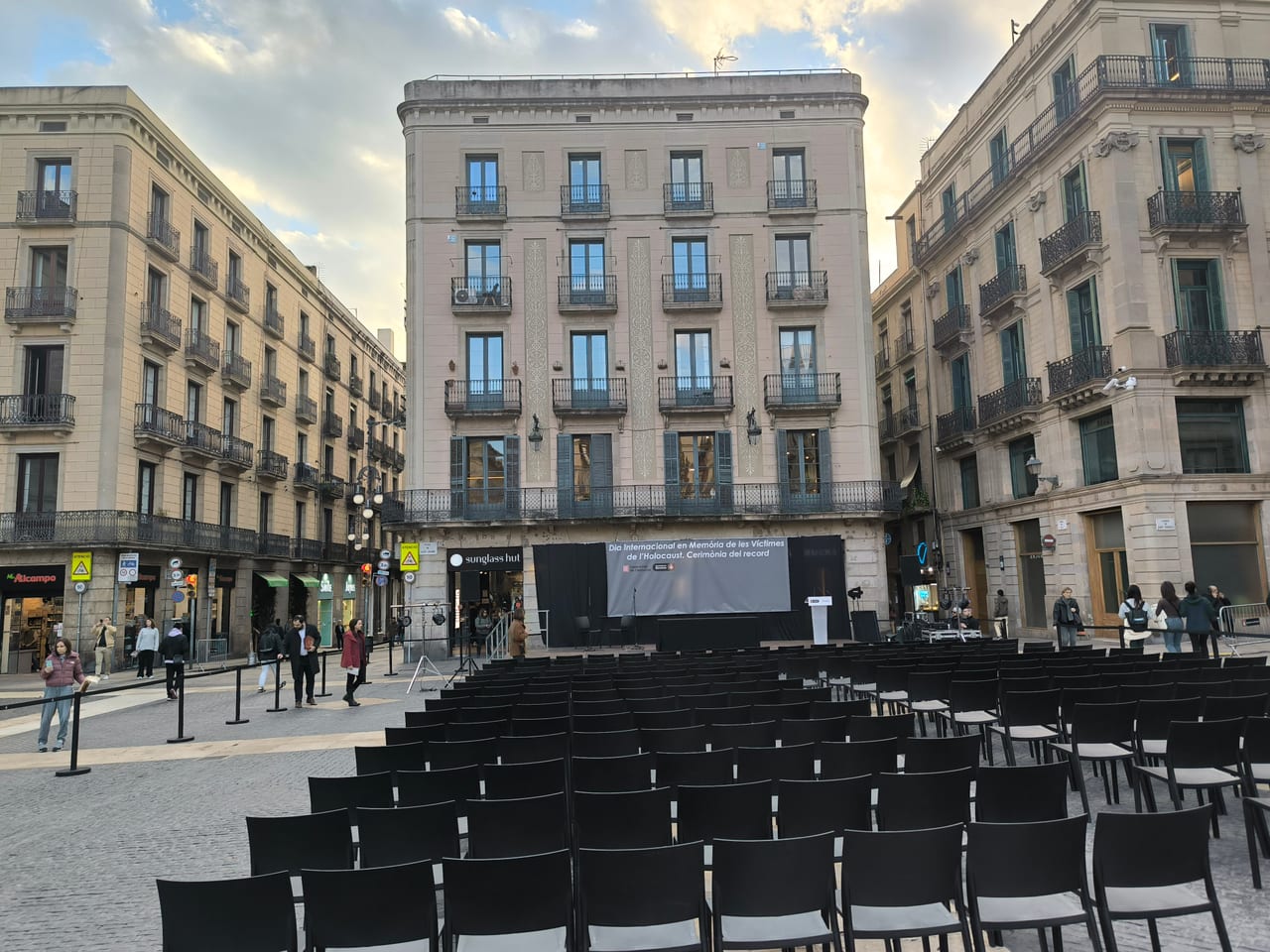
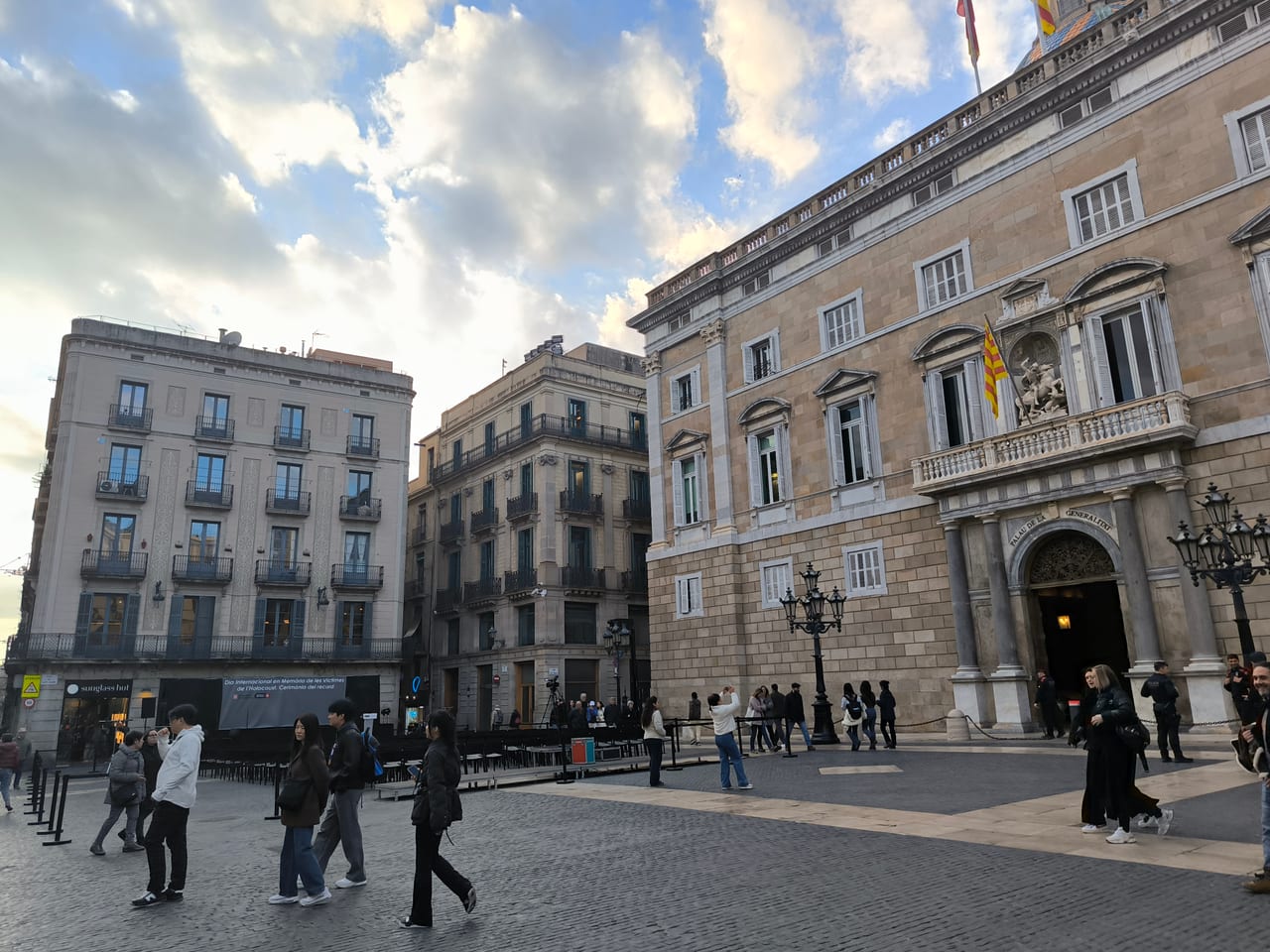
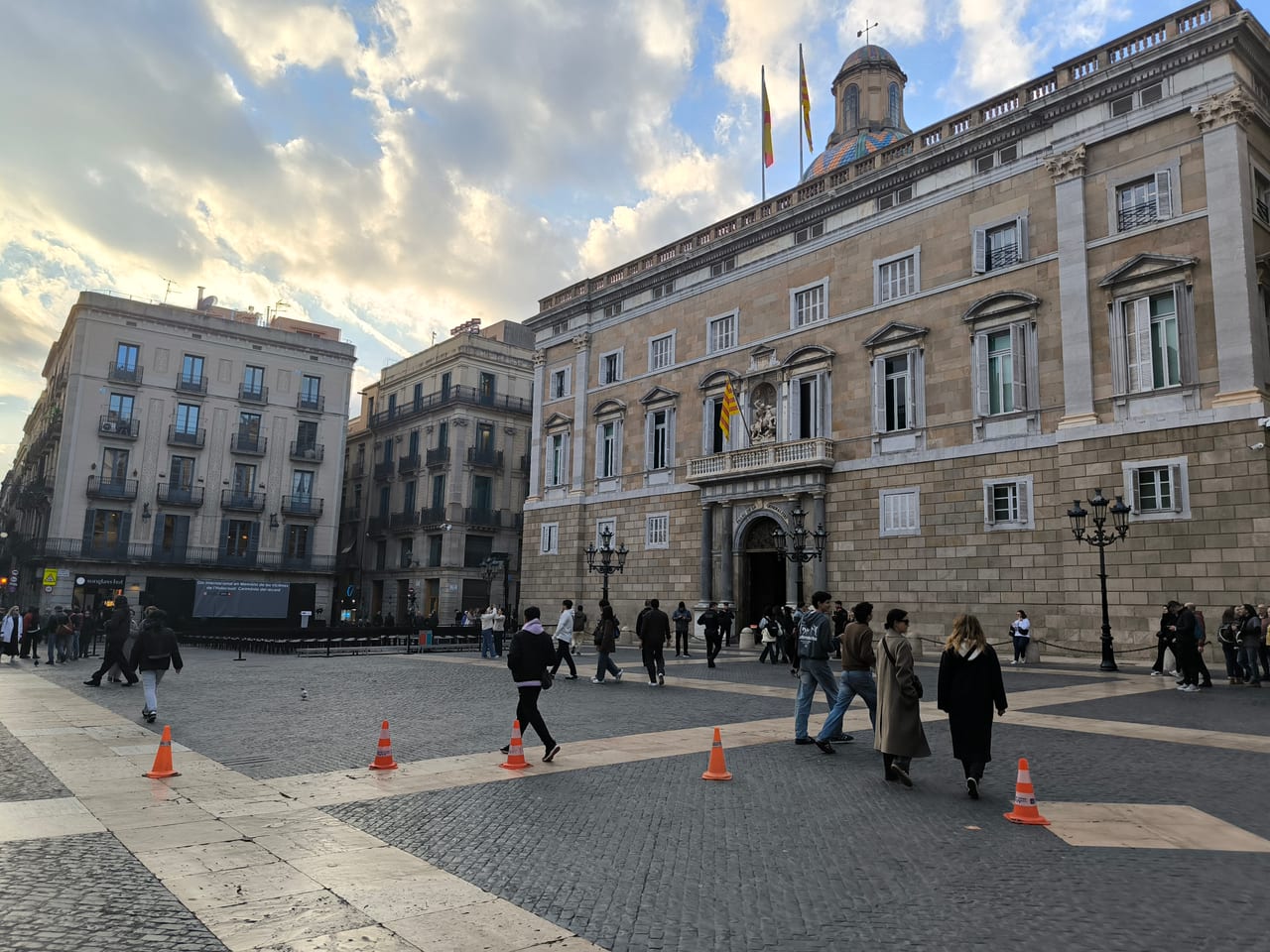
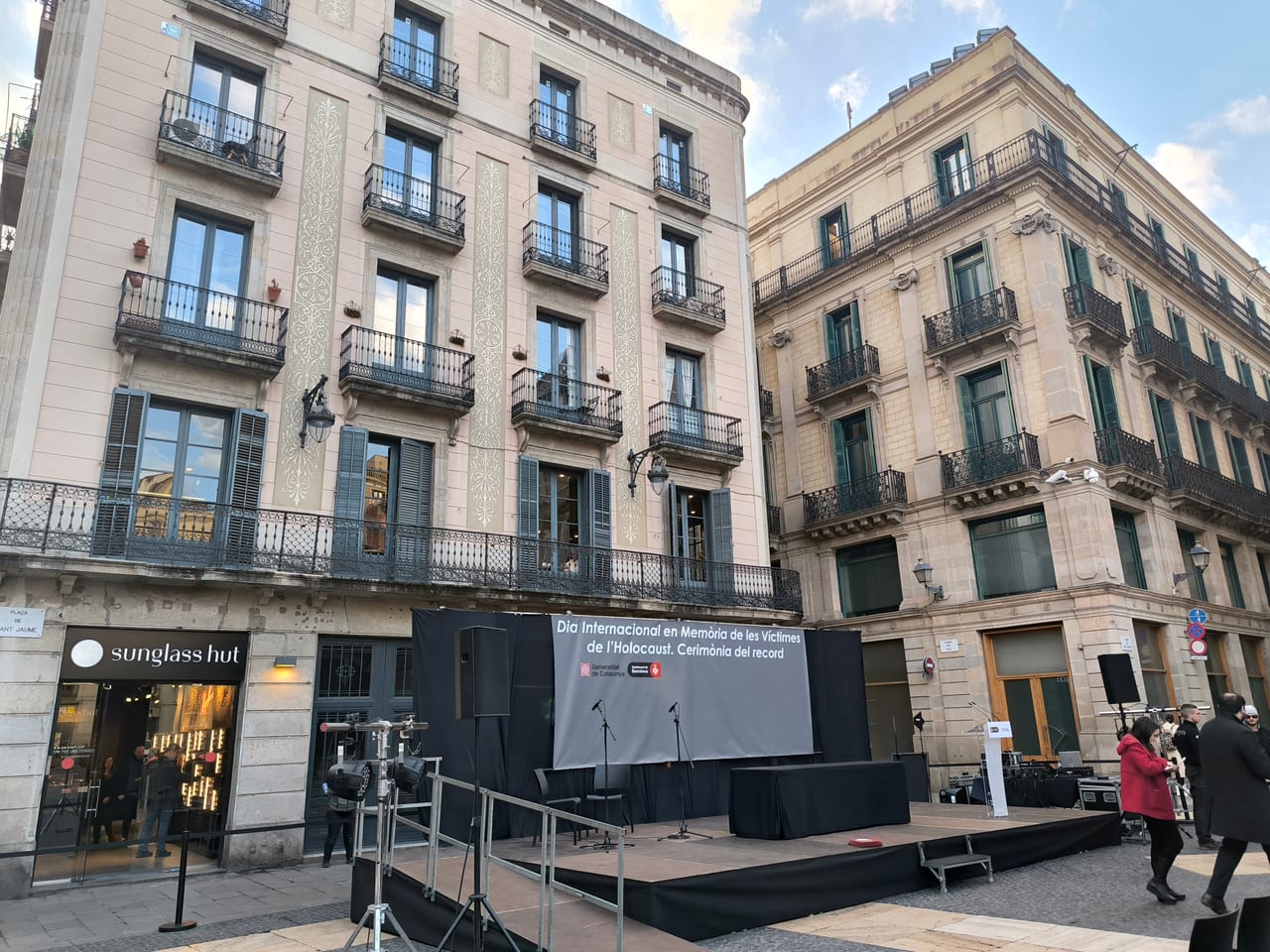
Photograph 1 of 15 of Parròquia de Sant Jaume
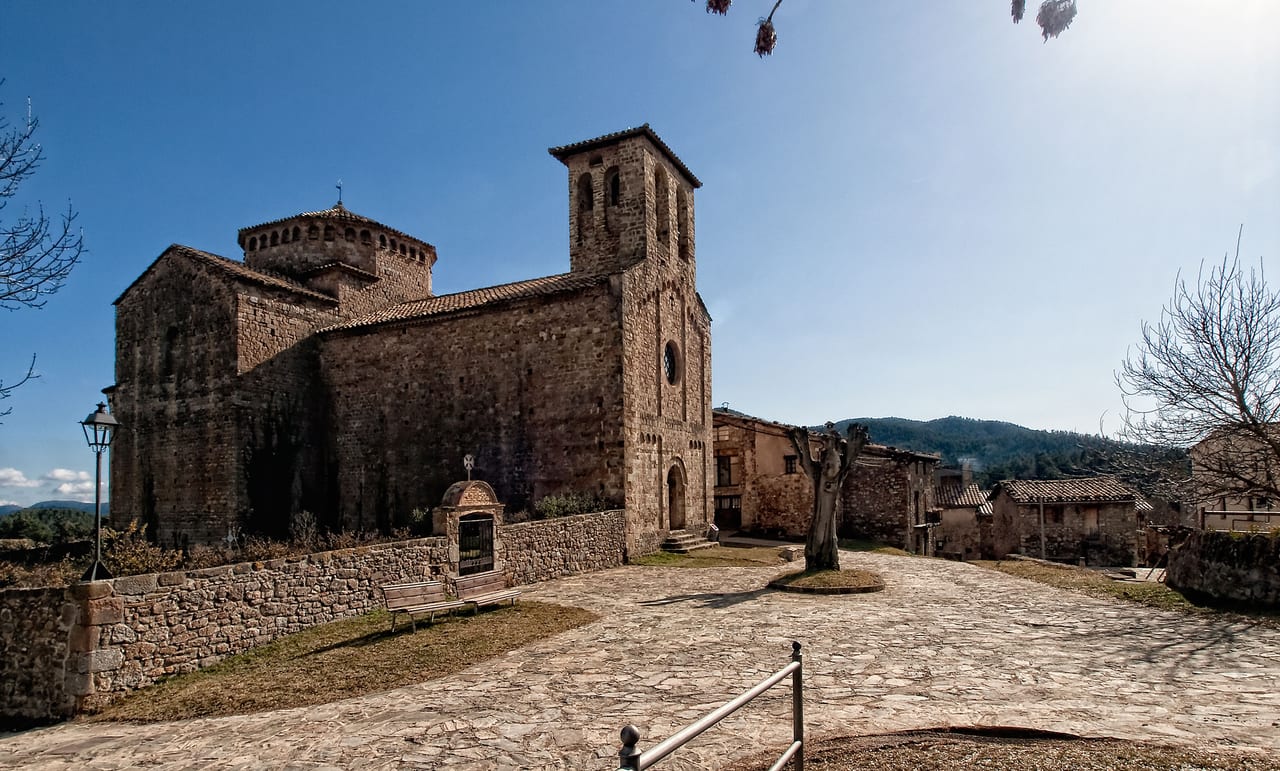
Sant Jaume’s origins reach back at least to references from 985 and 1021; by 1057 it was a parish, and a new consecration took place in 1146. Tradition held that Saint James himself founded the church on the site where he had preached. The final building was a Gothic, single-nave church, renovated in 1388, with a bell tower beside the nave near the apse. Its façade was finished with an openwork parapet and gargoyles, while Francesc Tramulles painted the vaults and porch with a representation of the Battle of Clavijo. The church was demolished in 1823 to enlarge Plaça de Sant Jaume. Its parish moved first to Santa Mònica and, in 1835, to the former Trinitat church. The Renaissance altarpiece, made between 1536 and 1546 with sculpture by Martín Díaz de Liatzasolo and polychromy by Pere Nunyes and Enric Fernandes, later went to Cardedeu; it was destroyed in the unrest of 1936. A surviving fragment with Saints Stephen and Catherine is held by the Museu Diocesà de Barcelona, while some capitals are preserved at the MNAC.
At a glance
- Style
- Gothic Revival
- Heritage
- Cultural Asset of Local Interest
Ways to explore Parròquia de Sant Jaume
Read the present square as the church’s former footprint, with the apse once occupying the area of the new façade’s left wing. At the MNAC, examine the reconstruction of part of the porch and its surviving capitals. The Museu Diocesà preserves the remaining altarpiece fragment with Saints Stephen and Catherine. Archival drawings, the altarpiece’s surviving outline and an old photograph provide further visual clues to the lost interior.
Places to stay near Parròquia de Sant Jaume

Live availability and prices from Stay22's partners, refreshed periodically and subject to change. Booking through these links may earn us a commission at no extra cost to you. See our privacy policy.
Cafés near Parròquia de Sant Jaume
Cafés near Parròquia de Sant Jaume loads as you scroll.
Attractions nearby
Attractions near Parròquia de Sant Jaume loads as you scroll.
Cities nearby
Cities nearby loads as you scroll.
More in Barcelona
See more of Barcelona.
Find great cafés, places to stay and other interesting places to visit in Barcelona.