Park · Barcelona
Park Güell
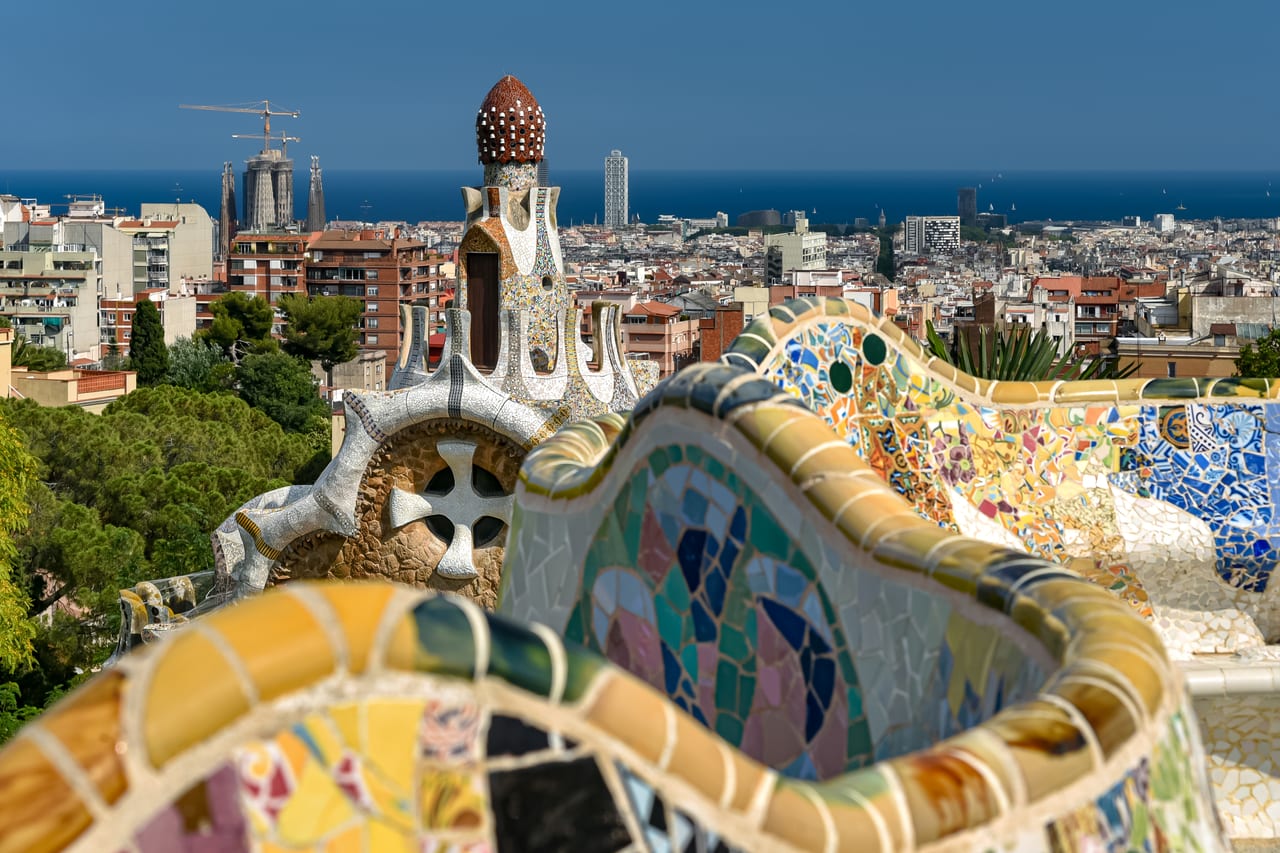
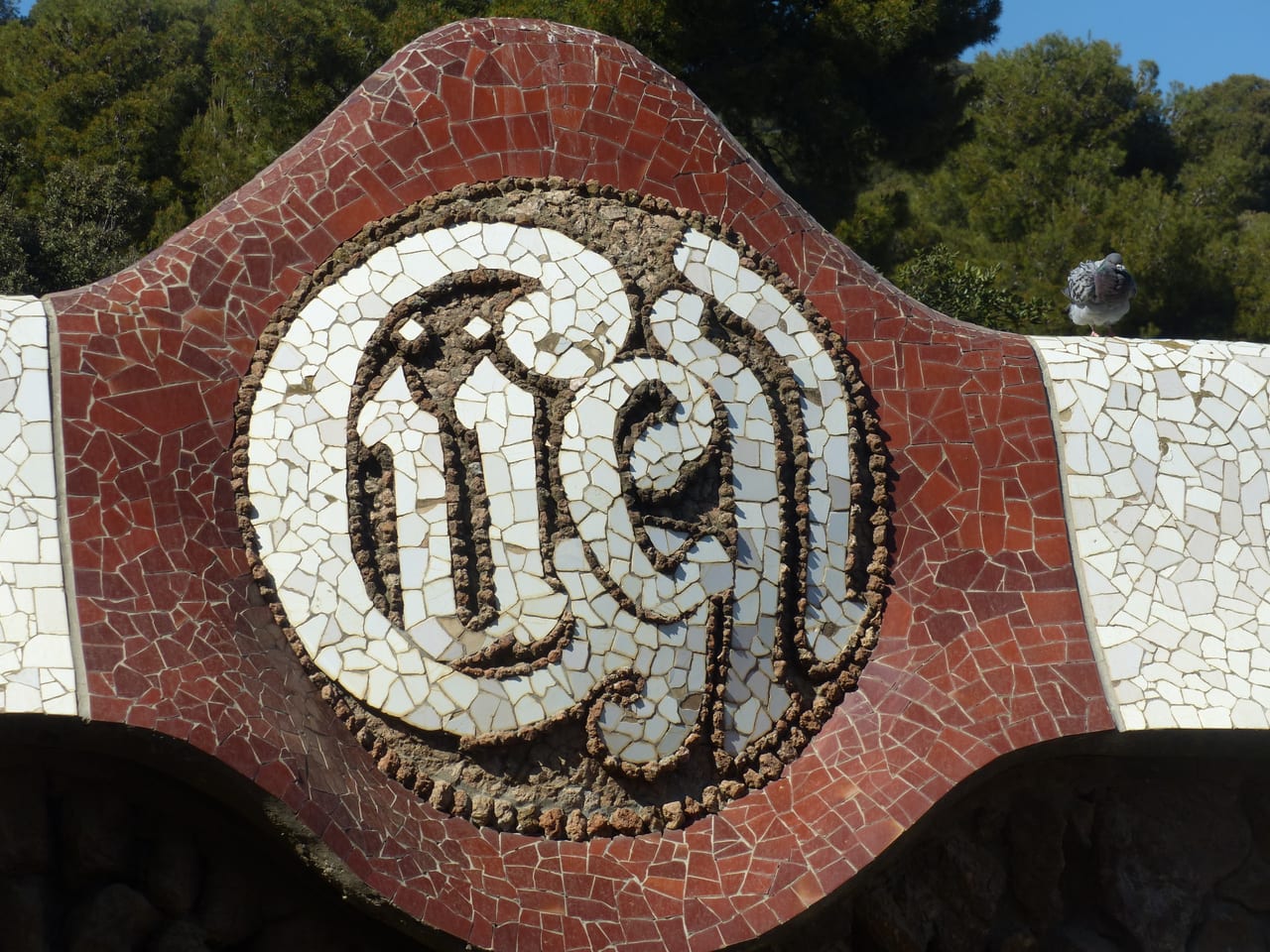
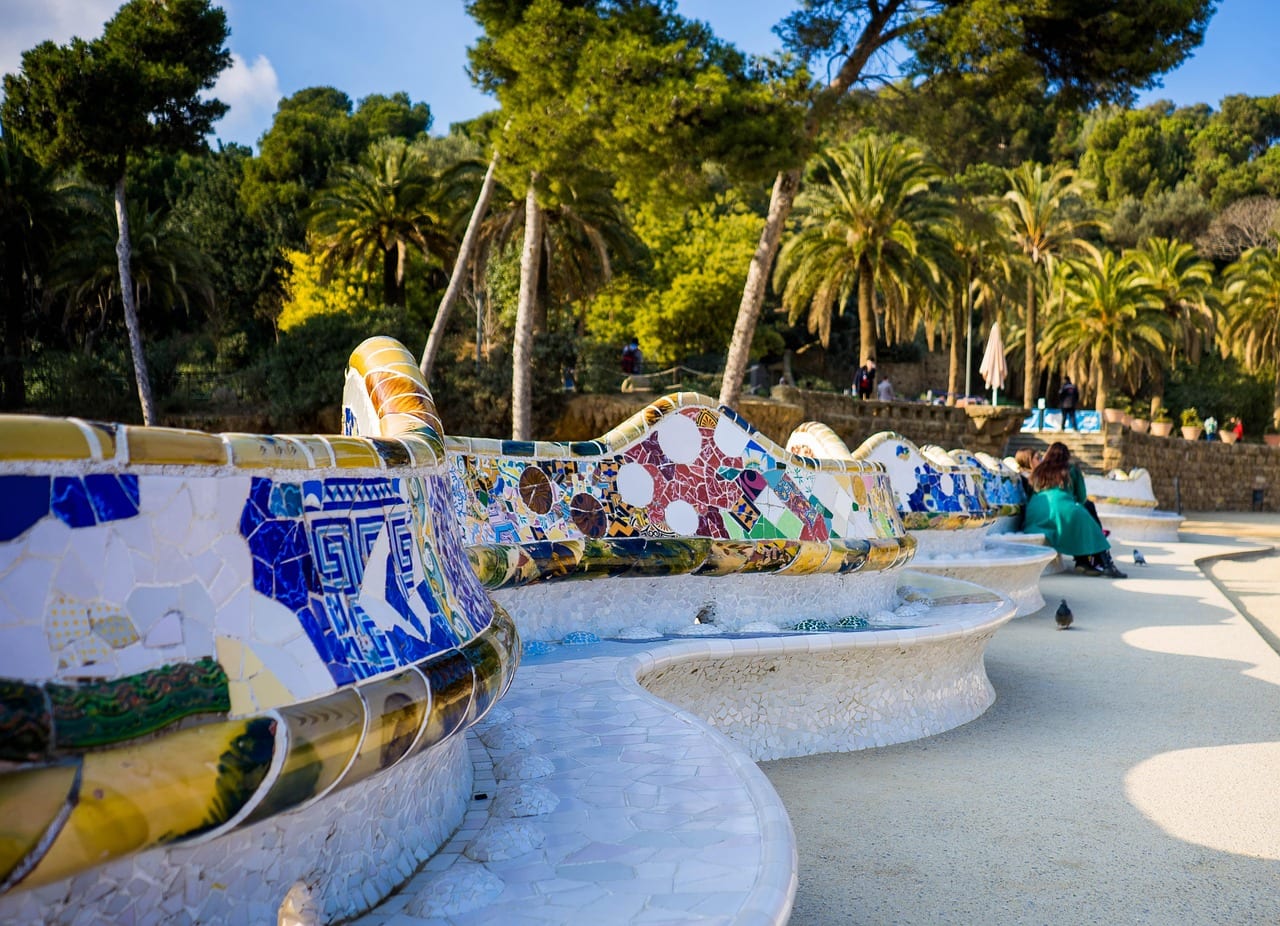
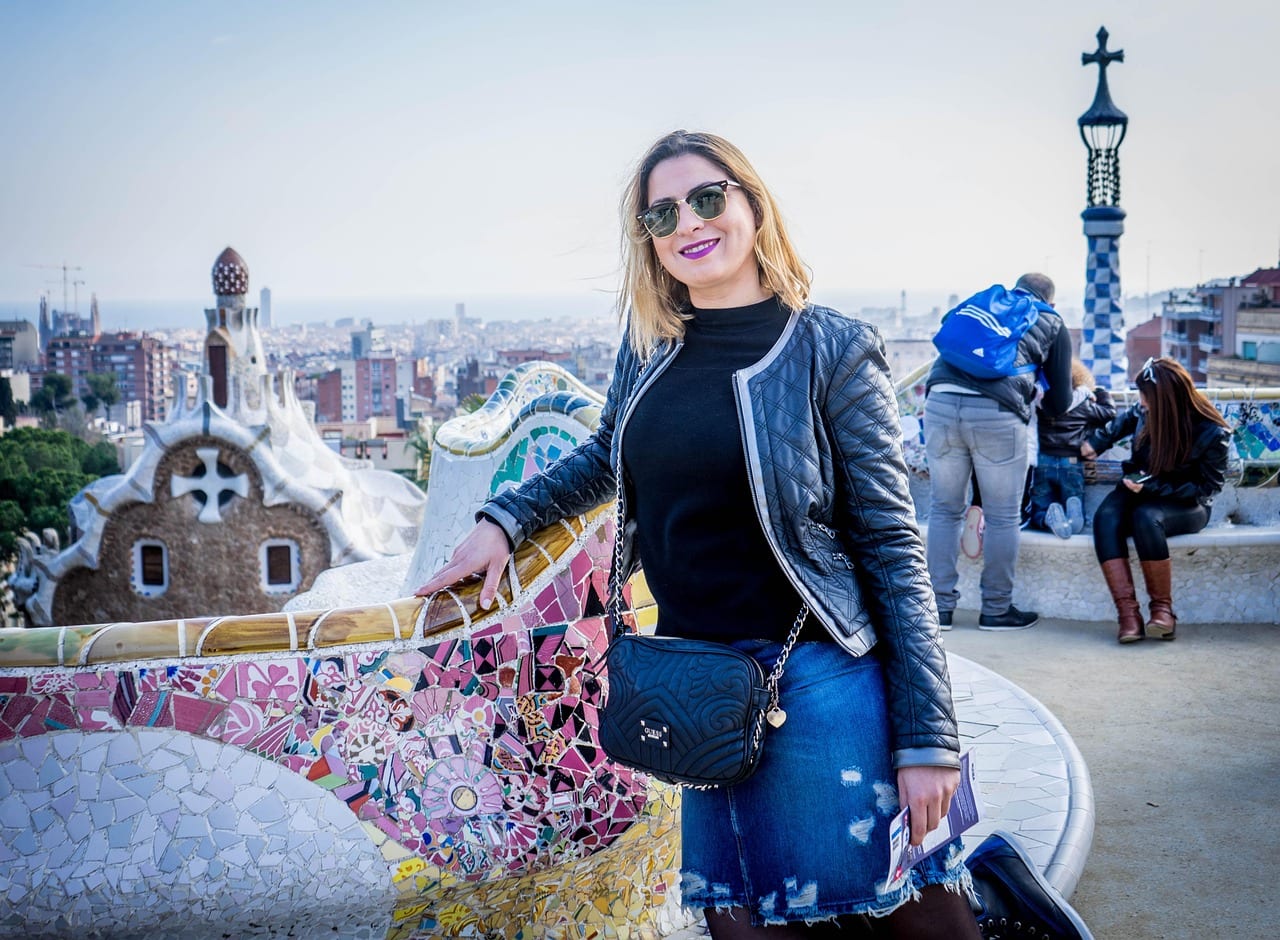
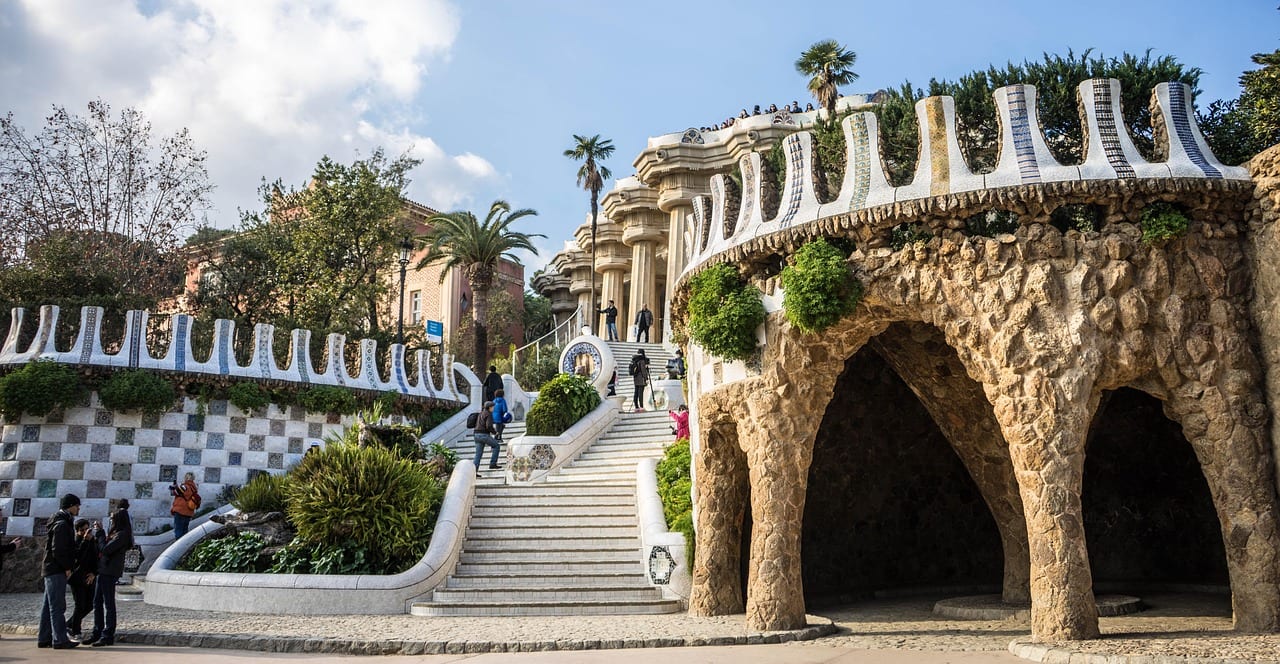
DirectionsIts central plaza is edged by a 150-metre serpentine bench, surfaced in colourful trencadís mosaics designed by Gaudí’s collaborator Josep Maria Jujol.
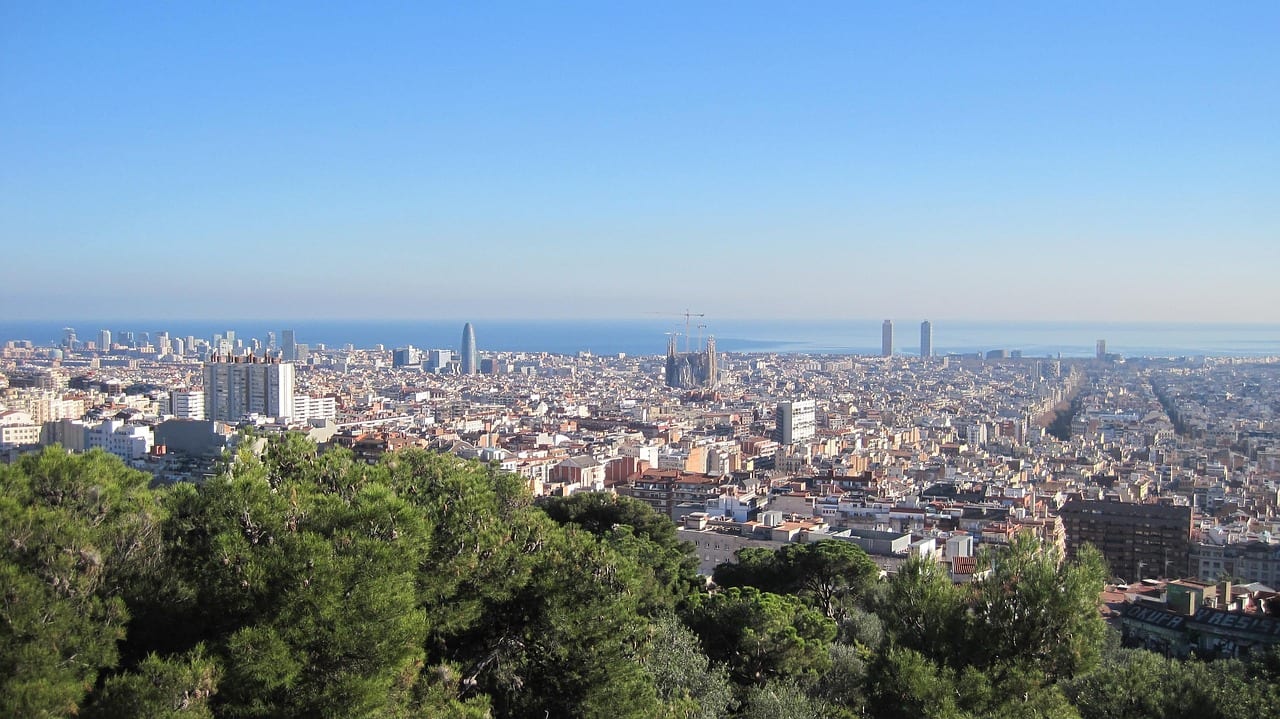
Photograph 1 of 17 of Park Güell
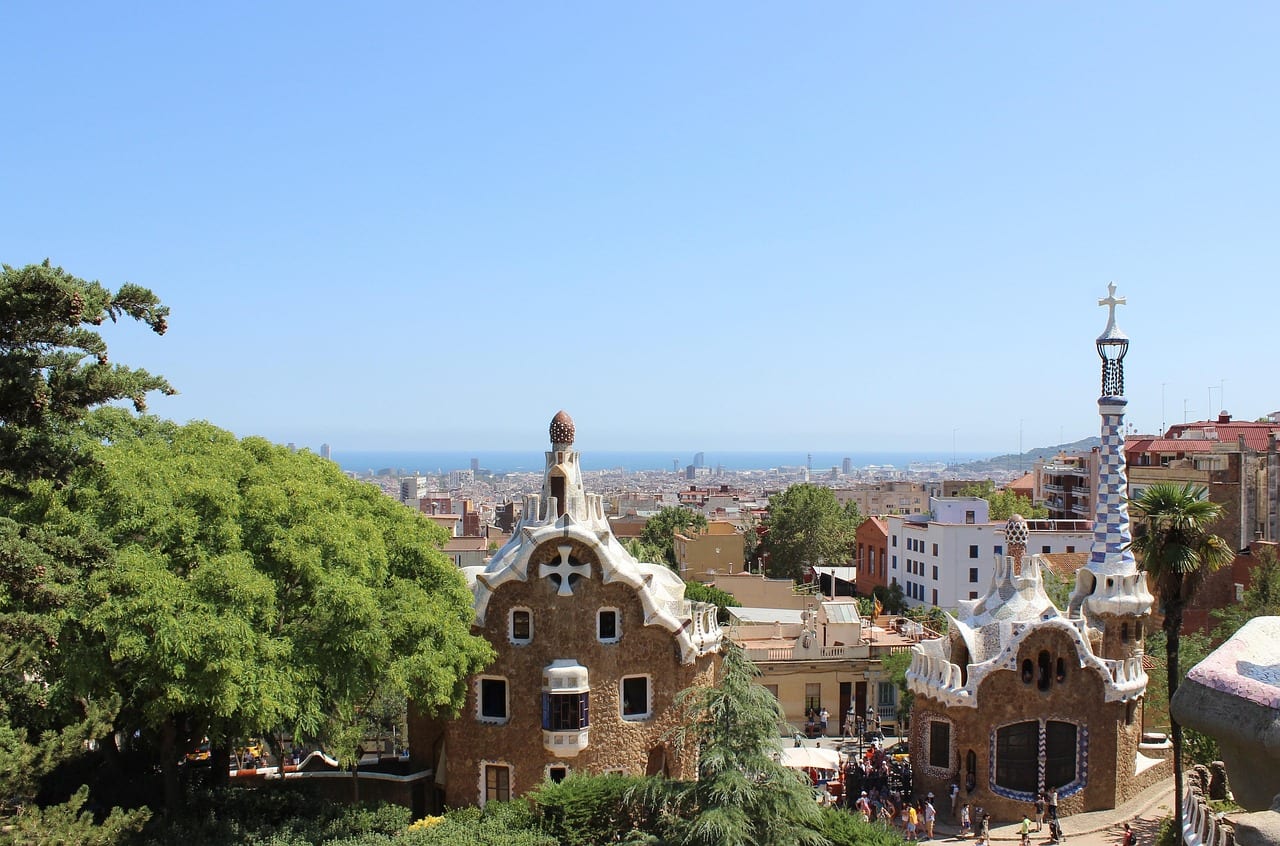
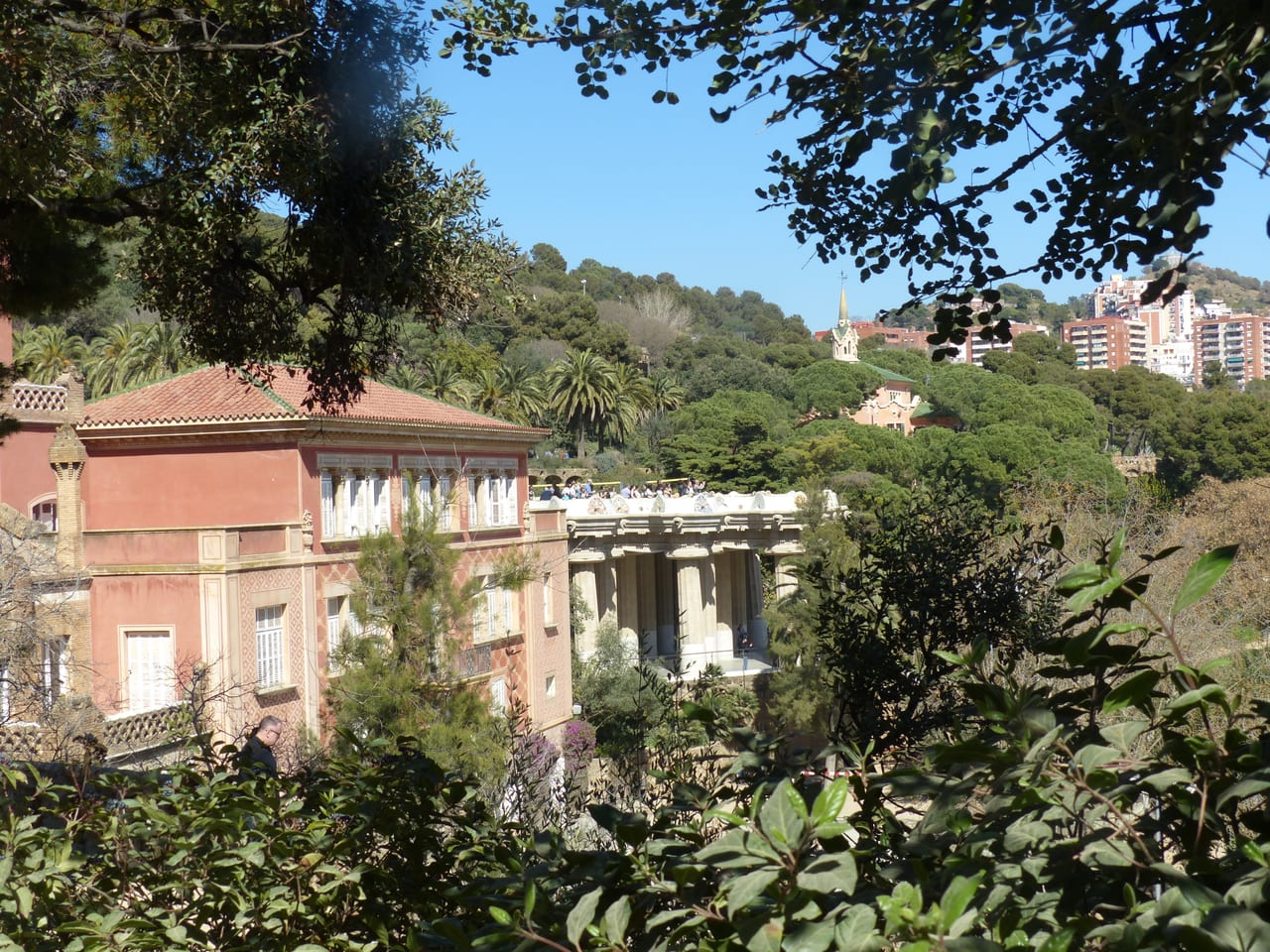
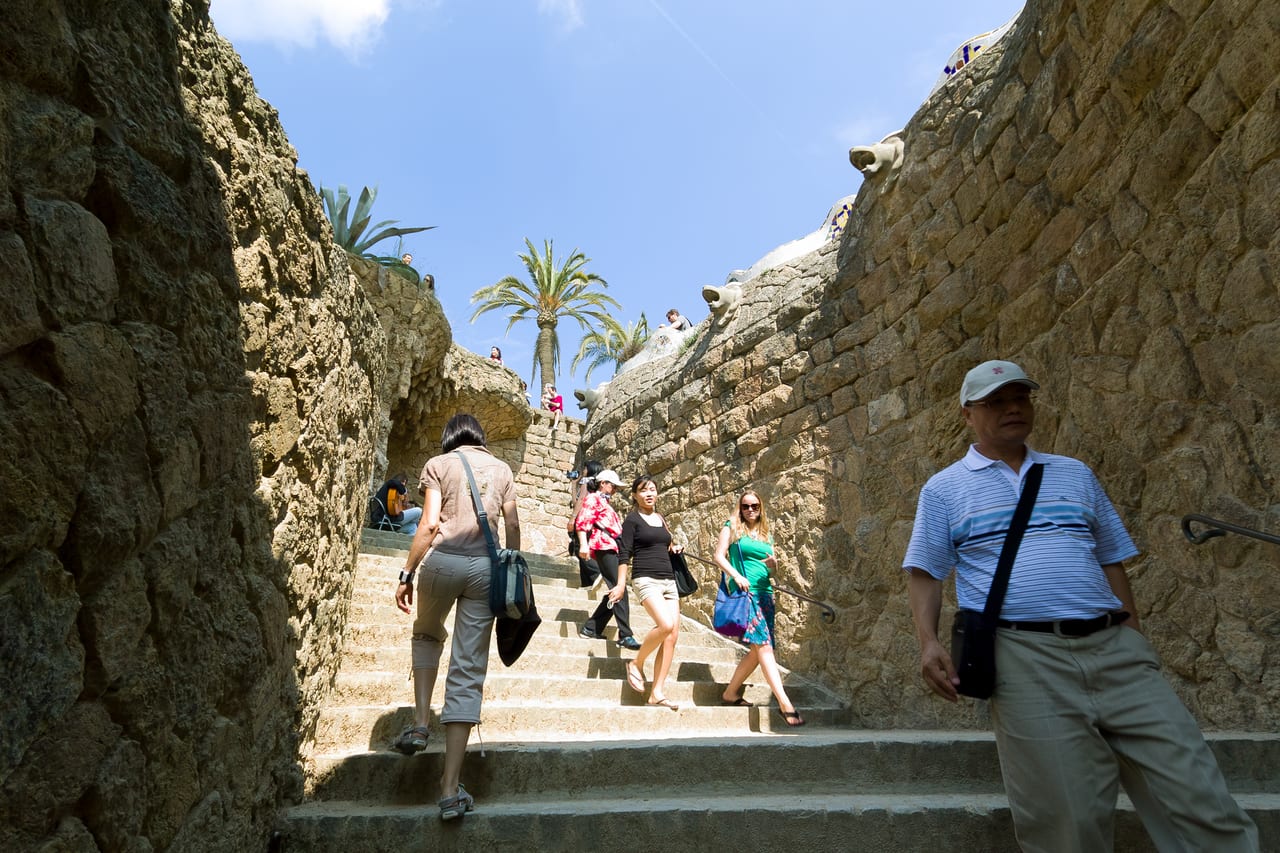
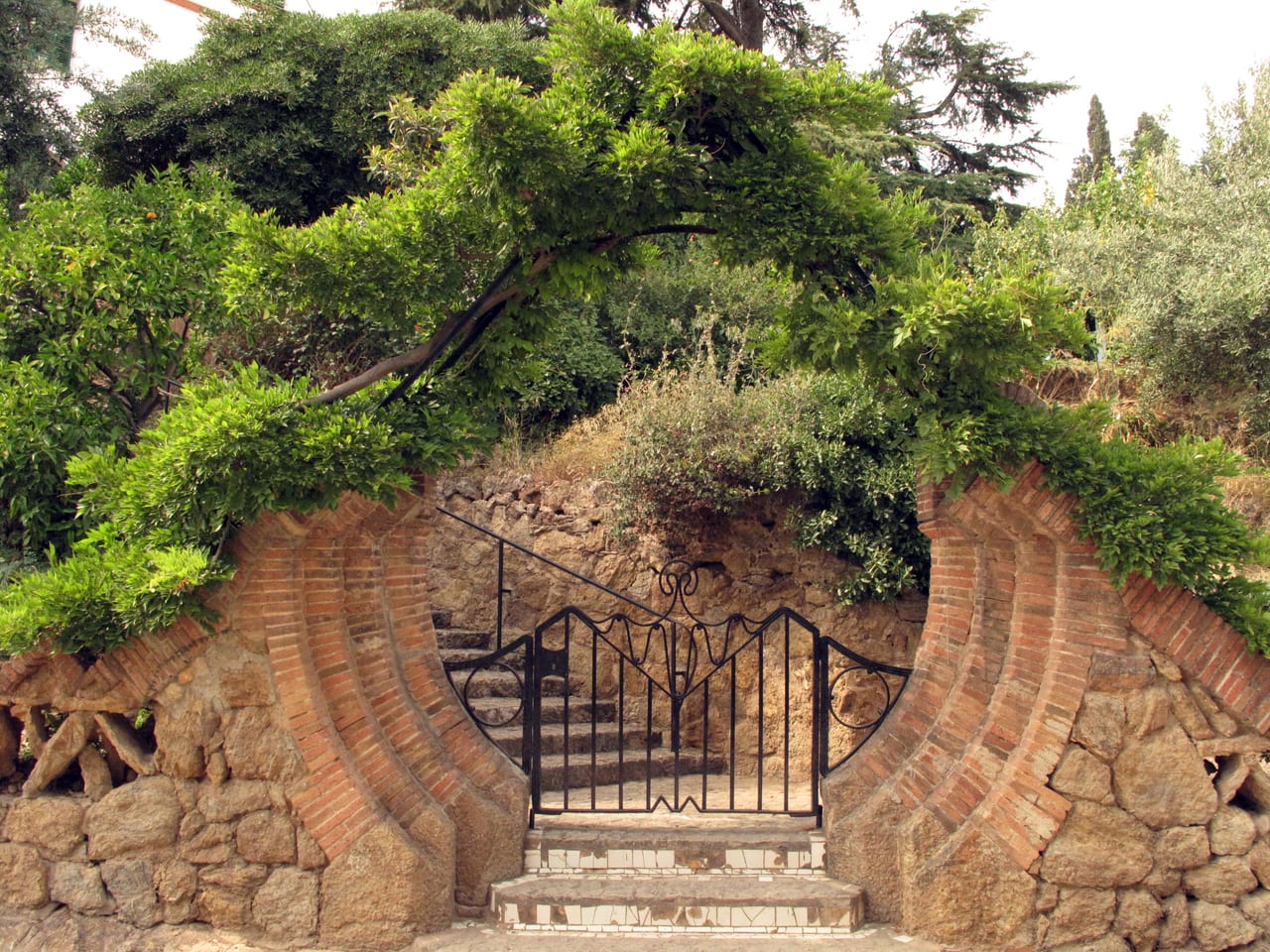
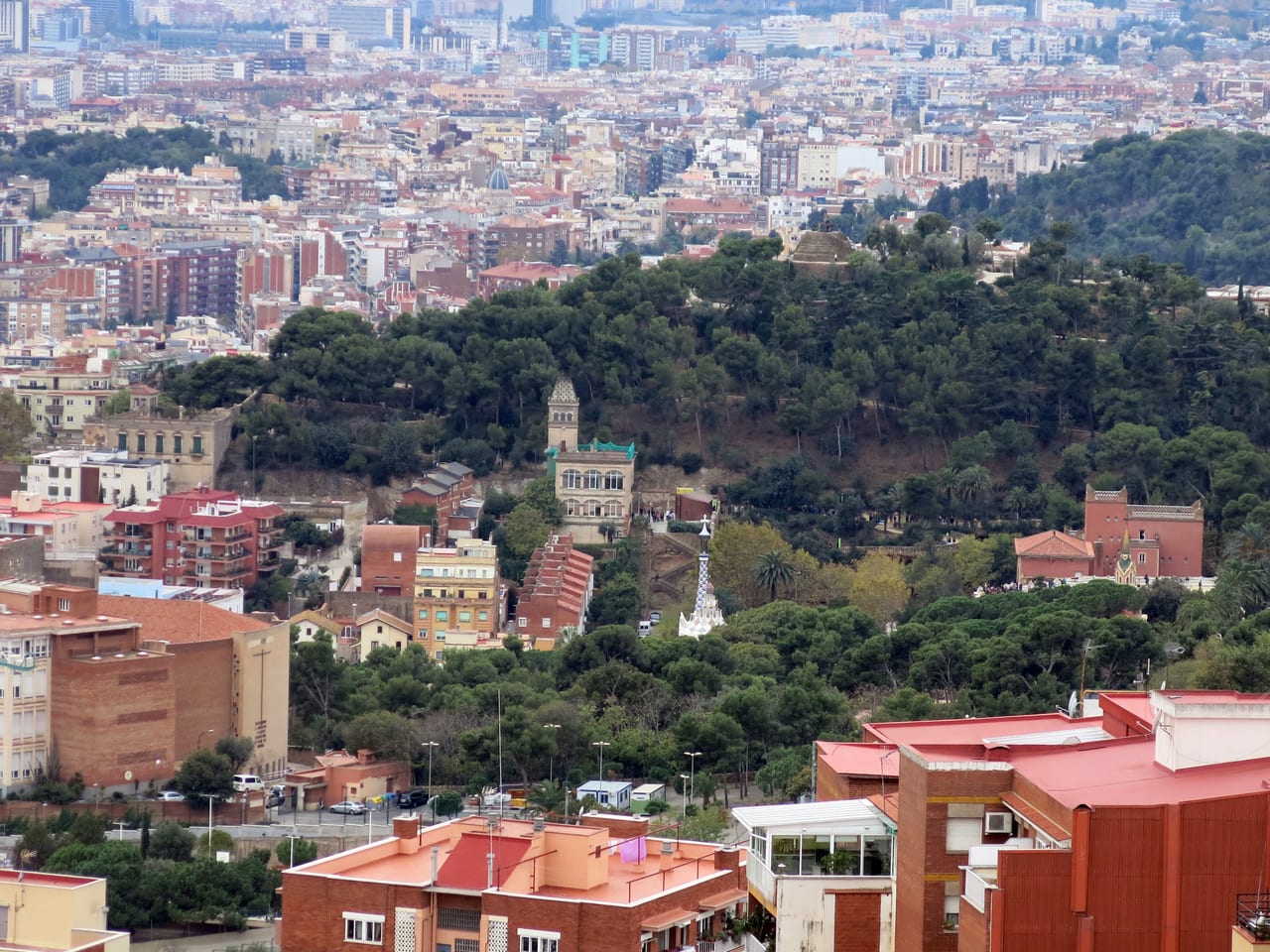
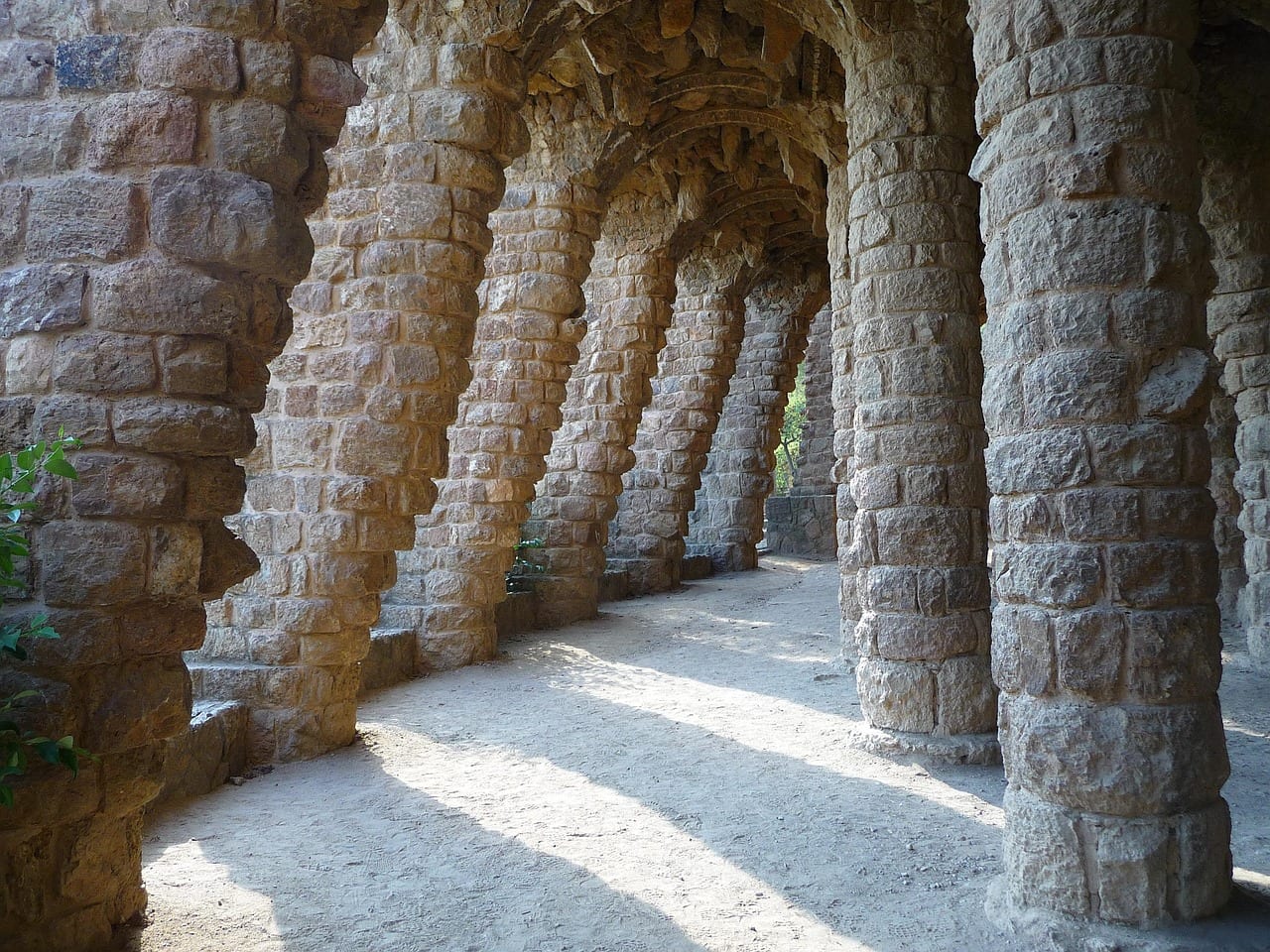
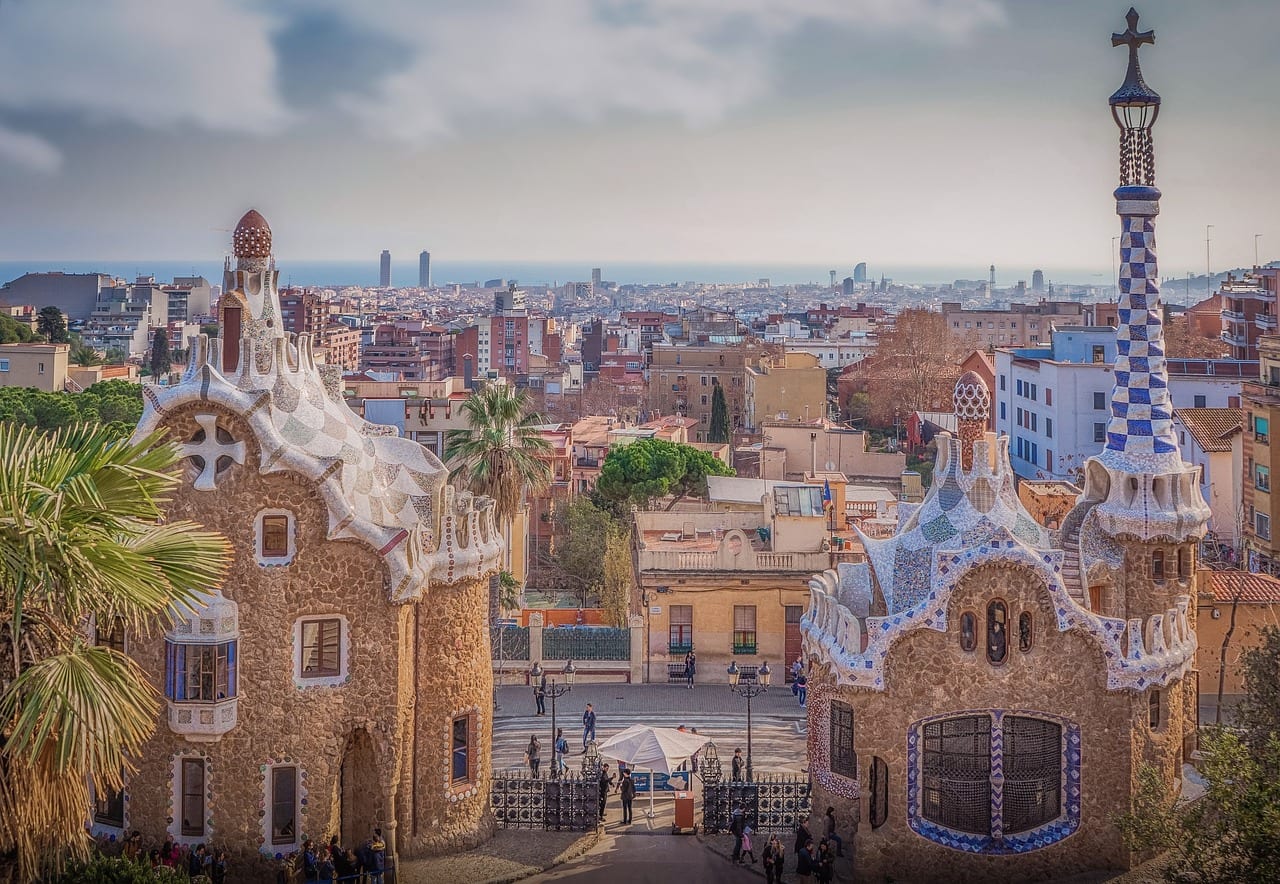
Park Güell grew from the partnership between Antoni Gaudí and Eusebi Güell, an industrialist and politician whose patronage began in 1878 after he encountered Gaudí’s work at the Paris Universal Exhibition. In 1900, Güell commissioned a garden city at Can Muntaner de Dalt, on the Muntanya Pelada, inspired by exclusive British residential developments. Gaudí planned 60 triangular plots, linked by paths, viaducts and stairs adapted to the steep terrain. Construction progressed rapidly: by 1903 the entrance pavilions, principal staircase, boundary wall, shelter, viaducts and part of the main esplanade were complete. The scheme proved commercially unviable, however, and work stopped in 1914 with only two houses built. Güell died there in 1918; his heirs sold the estate to Barcelona in 1922, and it opened as a municipal park in 1926. Gaudí integrated rough stone structures with the landscape, using four viaducts whose irregular columns evoke trees, stalactites and caves. The Sala de les Cent Columnes contains 86 inclined or upright columns and a ceiling of coloured mosaics. The entrance pavilions have brick vaults, intricate roofs and Gaudí’s double crosses. The site became a historic-artistic monument in 1969 and a UNESCO World Heritage property in 1984.
At a glance
- Architect
- Antoni Gaudí
- Style
- Catalan modernism
- Heritage
- bien de interés cultural
Ways to explore Park Güell
Approach via buses 24 or 116, the northern tourist bus, or Lesseps station on metro line 3. Allow extra time for slopes: wheelchair access is available, though some areas are difficult. Look closely at the salamander on the entrance staircase, the two entrance pavilions and the Casa del Guarda, which now contains a MUHBA museum project. Seasonal hours run from 10:00 until 18:00–21:00; the park also has fountains, a café, bookshop, toilets and a children’s play area.
Places to stay near Park Güell

Live availability and prices from Stay22's partners, refreshed periodically and subject to change. Booking through these links may earn us a commission at no extra cost to you. See our privacy policy.
Cafés near Park Güell
Cafés near Park Güell loads as you scroll.
Attractions nearby
Attractions near Park Güell loads as you scroll.
Cities nearby
Cities nearby loads as you scroll.
More in Barcelona
See more of Barcelona.
Find great cafés, places to stay and other interesting places to visit in Barcelona.