Castle & palace · Barcelona
Palau Robert
DirectionsIts garden still carries palm trees brought for the 1888 Barcelona Universal Exposition, giving this former aristocratic residence a surviving link to Barcelona’s great public spectacle.
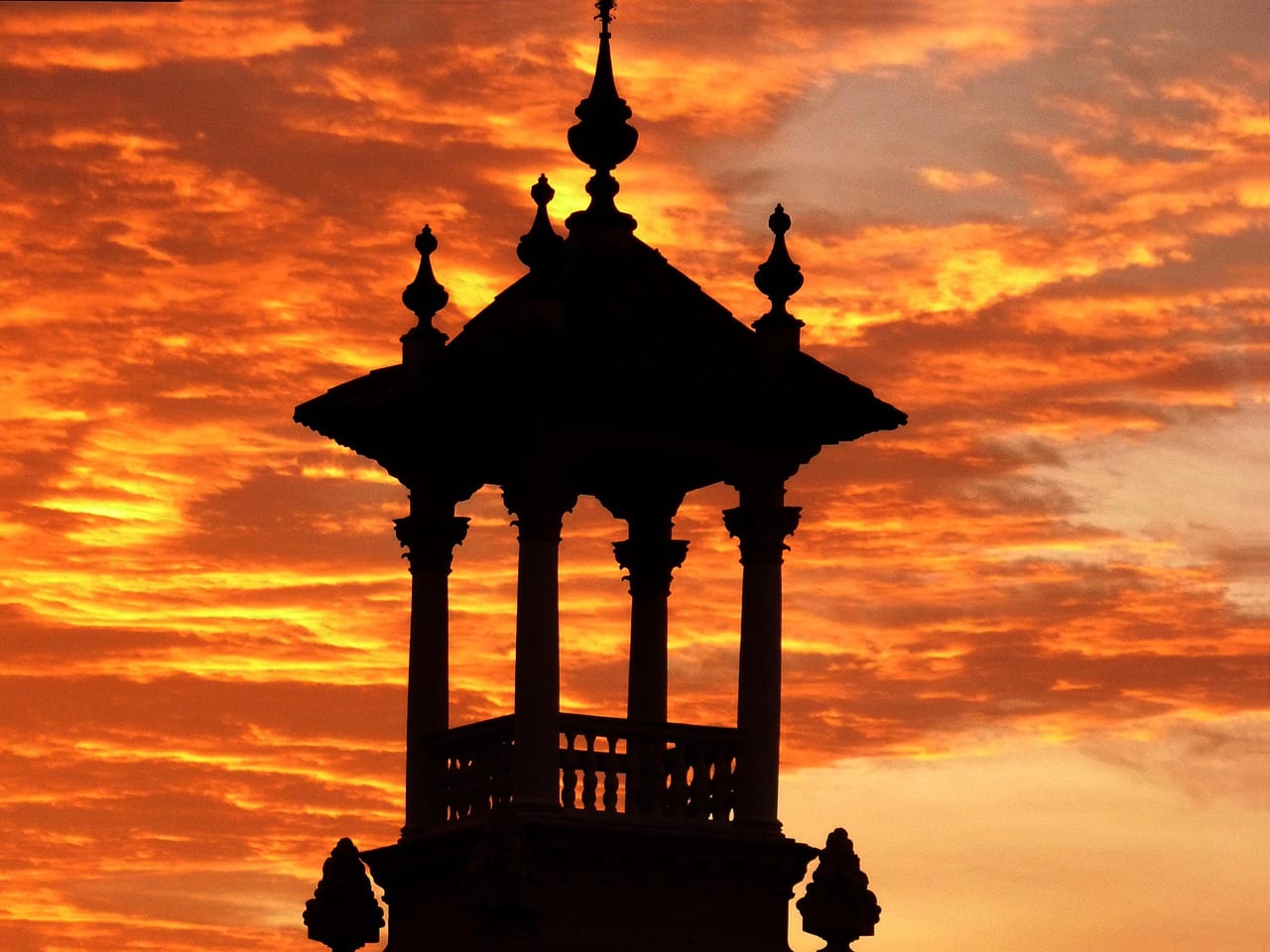
Construction began in 1899, and the building was completed in 1903 under the direction of Henri Grandpierre and Joan Martorell i Montells. Constructed with Montgrí stone, it is an example of late neoclassical architecture. Ramon Oliva designed its garden; he also designed Plaça Catalunya. Between 1936 and 1939, the building housed a cultural ministry of the Catalan government. After the Spanish Civil War, Robert’s family regained the property. The Catalan government purchased it again in 1981, converting it into a public building. The institution contains three exhibition halls, a concert hall, gardens and the Information Tourist Centre for Catalonia. Its designation as a Cultural Asset of Local Interest recognises the building’s architectural and civic significance.
At a glance
- Built
- 1899
- Architect
- Henri Grandpierre
- Style
- Neoclassical architecture
- Heritage
- Cultural Asset of Local Interest
Ways to explore Palau Robert
Read the neoclassical façade through its Montgrí stonework, then move into the gardens for a closer look at their layout and planting. Explore the three exhibition halls and concert hall, whose events give the interior its contemporary purpose. The Information Tourist Centre for Catalonia is on site. The Diagonal metro exit is adjacent; Provença FGC station is also nearby, served by L6, L7, S1, S2, S5 and S55.
Places to stay near Palau Robert

Live availability and prices from Stay22's partners, refreshed periodically and subject to change. Booking through these links may earn us a commission at no extra cost to you. See our privacy policy.
Cafés near Palau Robert
Cafés near Palau Robert loads as you scroll.
Attractions nearby
Attractions near Palau Robert loads as you scroll.
Cities nearby
Cities nearby loads as you scroll.
More in Barcelona
See more of Barcelona.
Find great cafés, places to stay and other interesting places to visit in Barcelona.