Castle & palace · Barcelona
Palau Reial Major
DirectionsUntil the mid-15th century, the Palau Reial Major was the principal residence of Barcelona’s counts and the kings of Aragon.
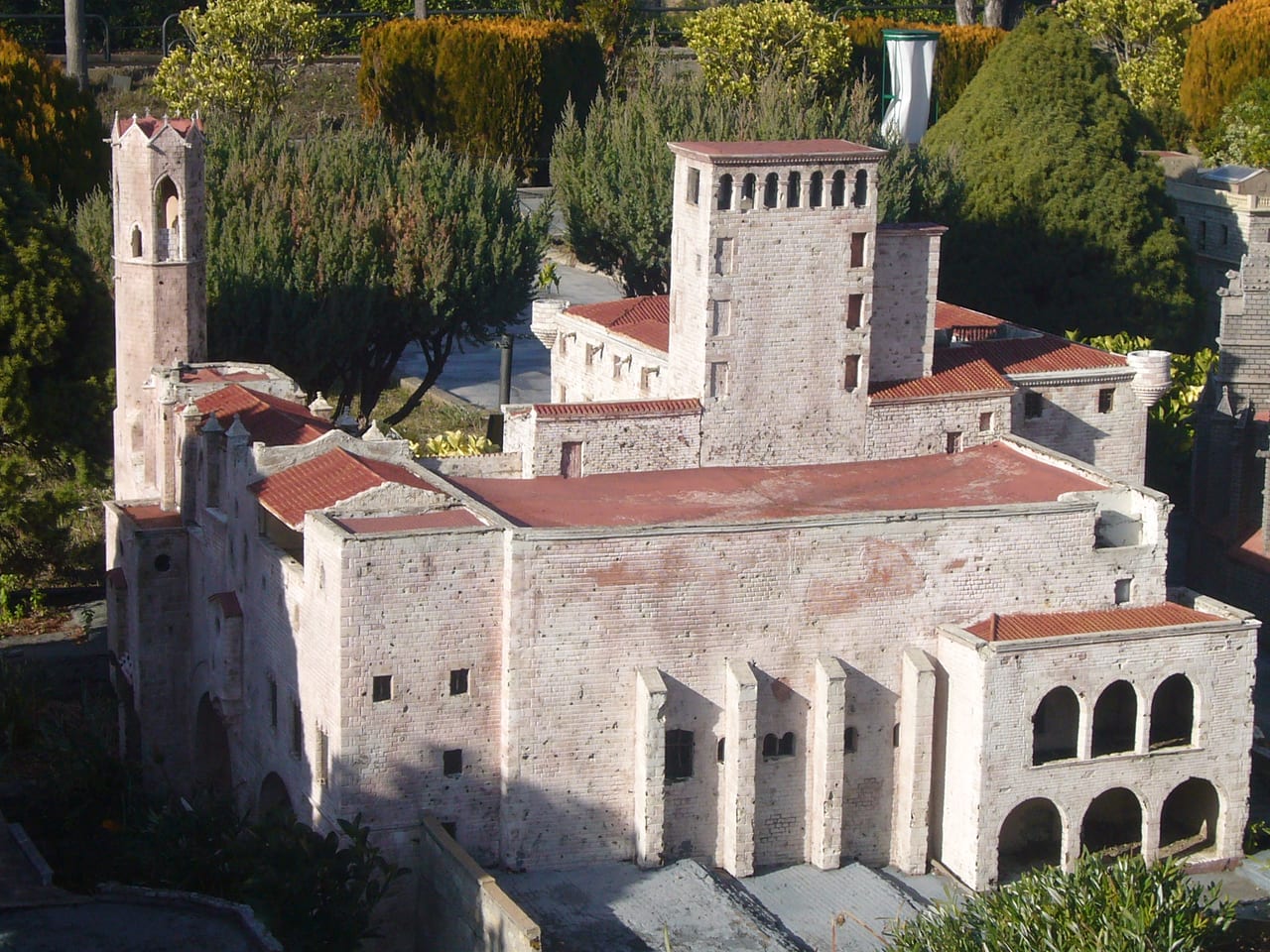
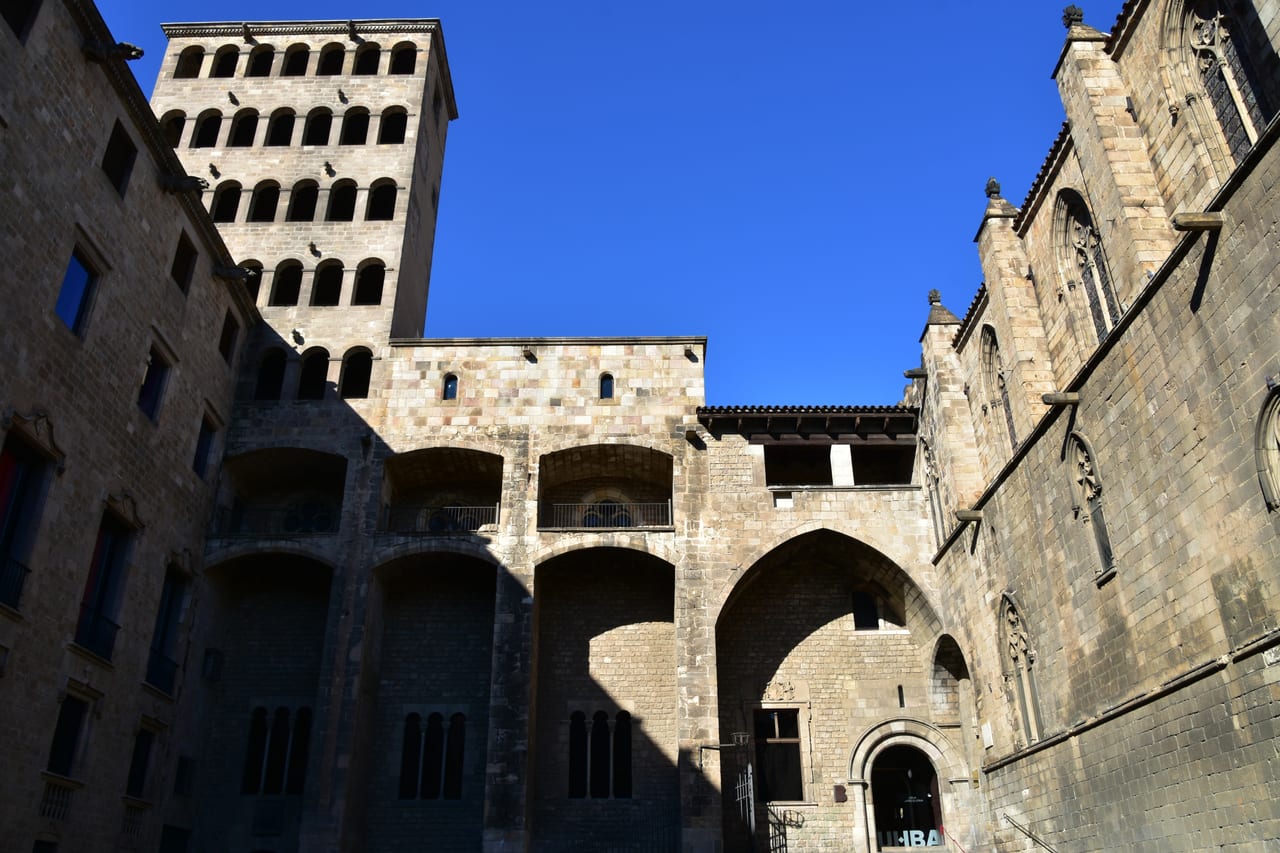
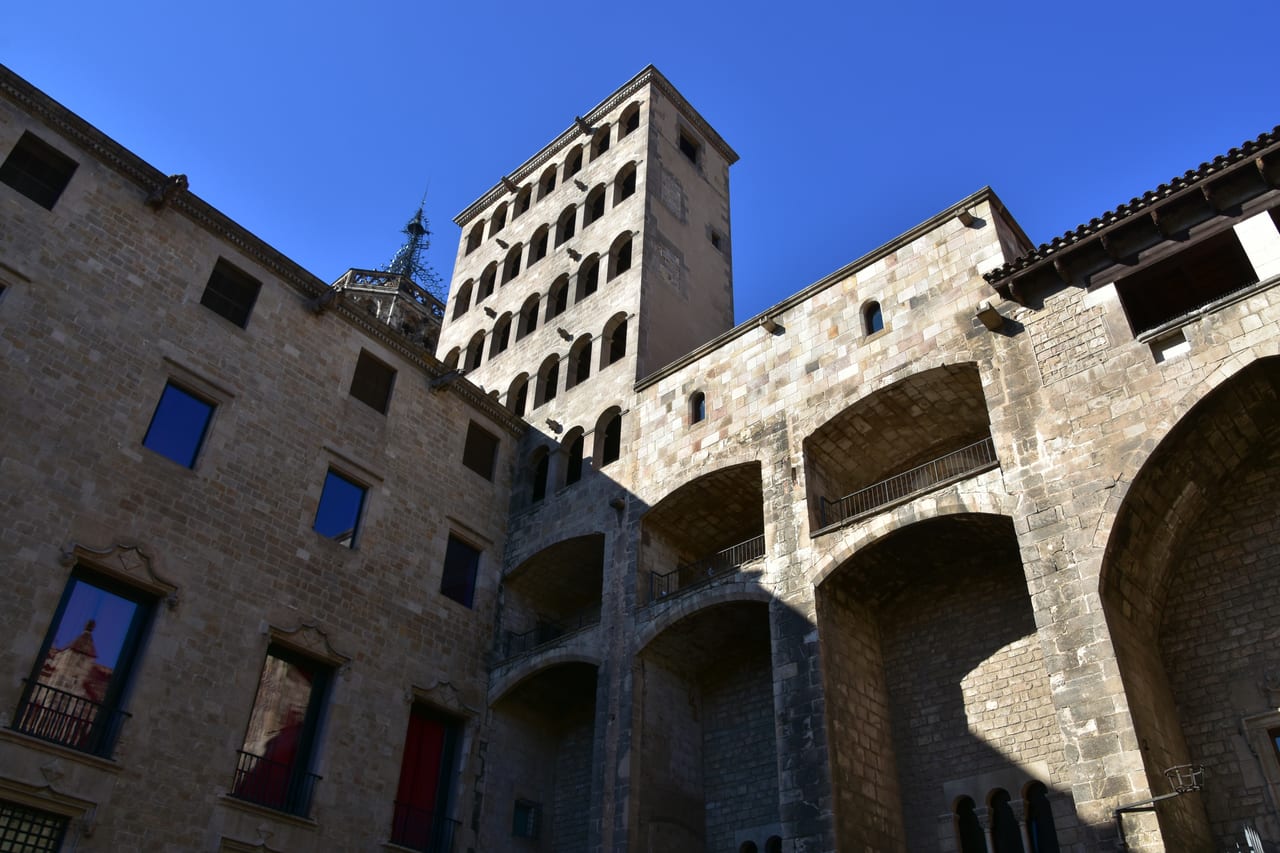
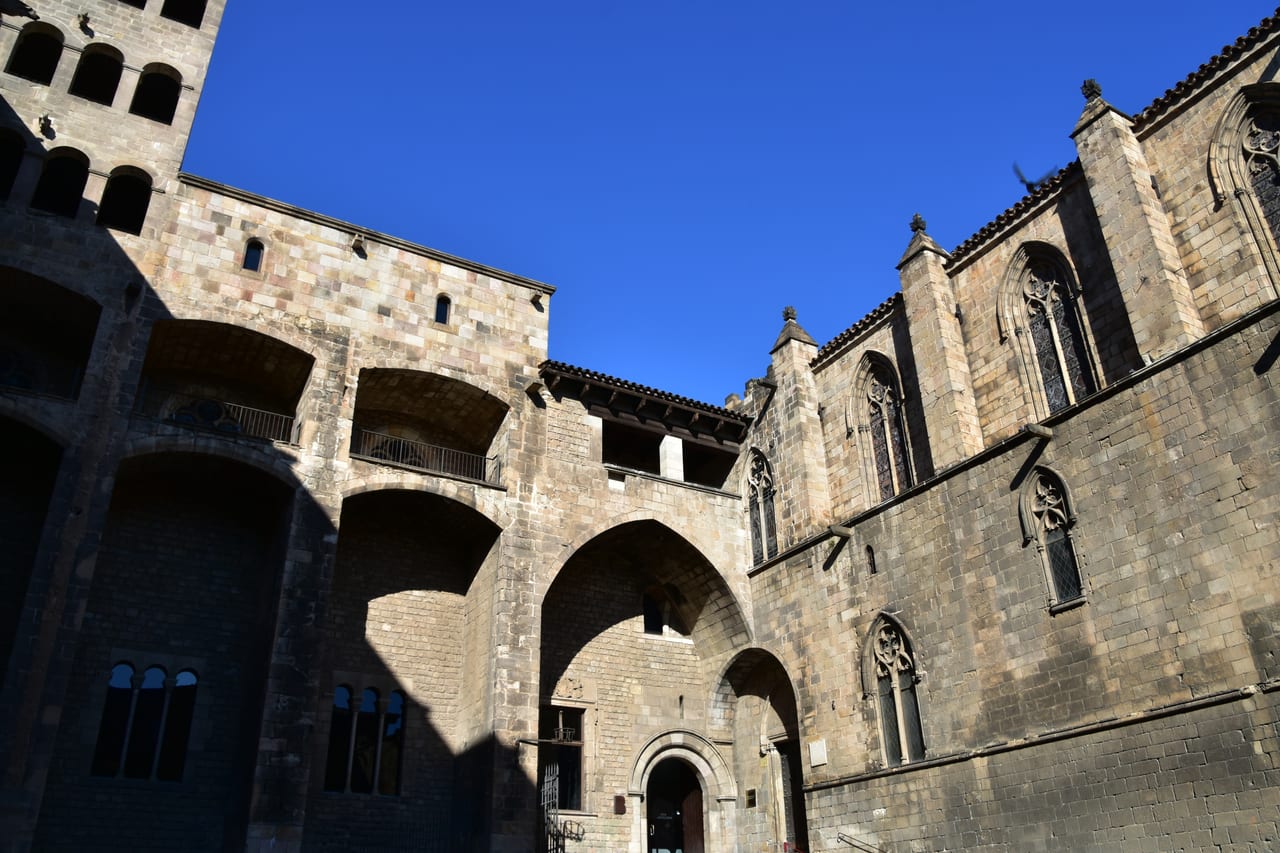
Photograph 1 of 14 of Palau Reial Major
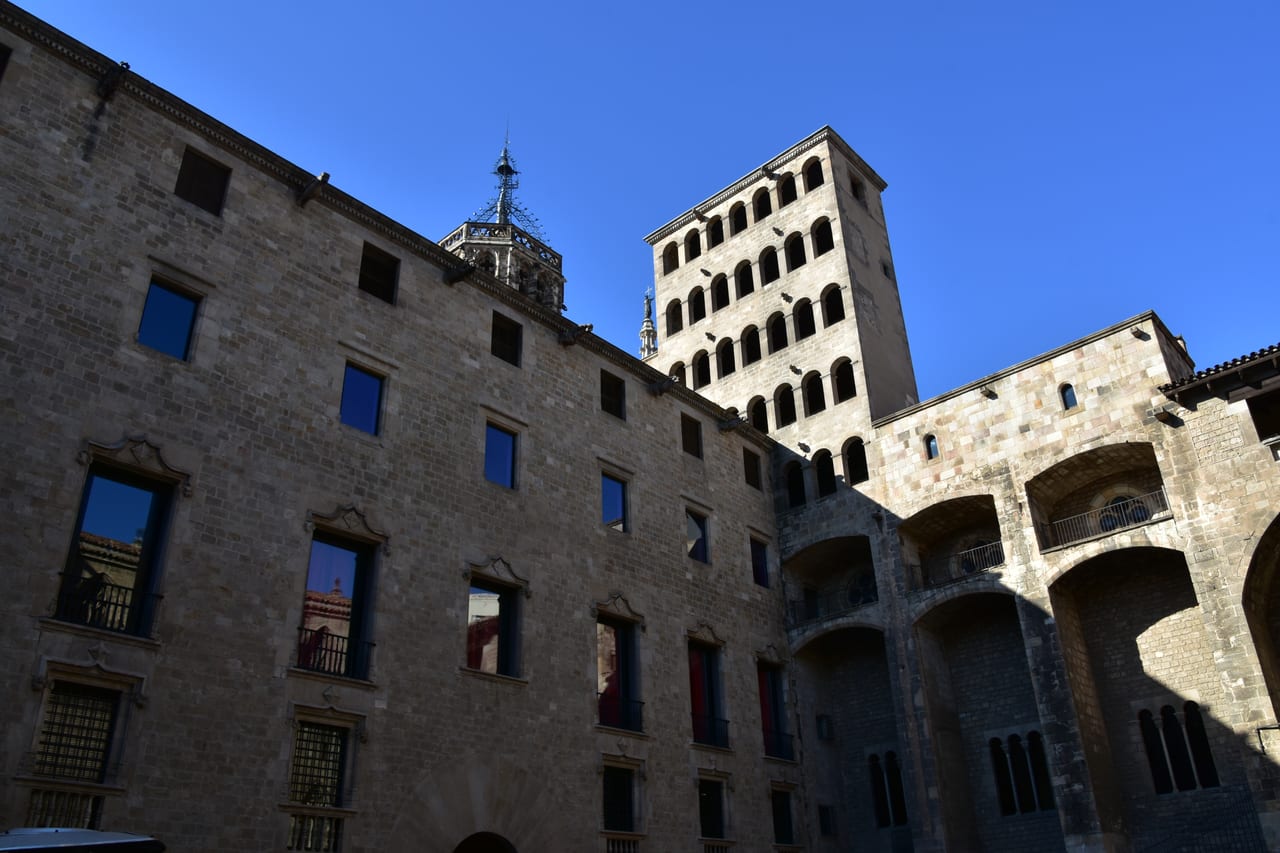
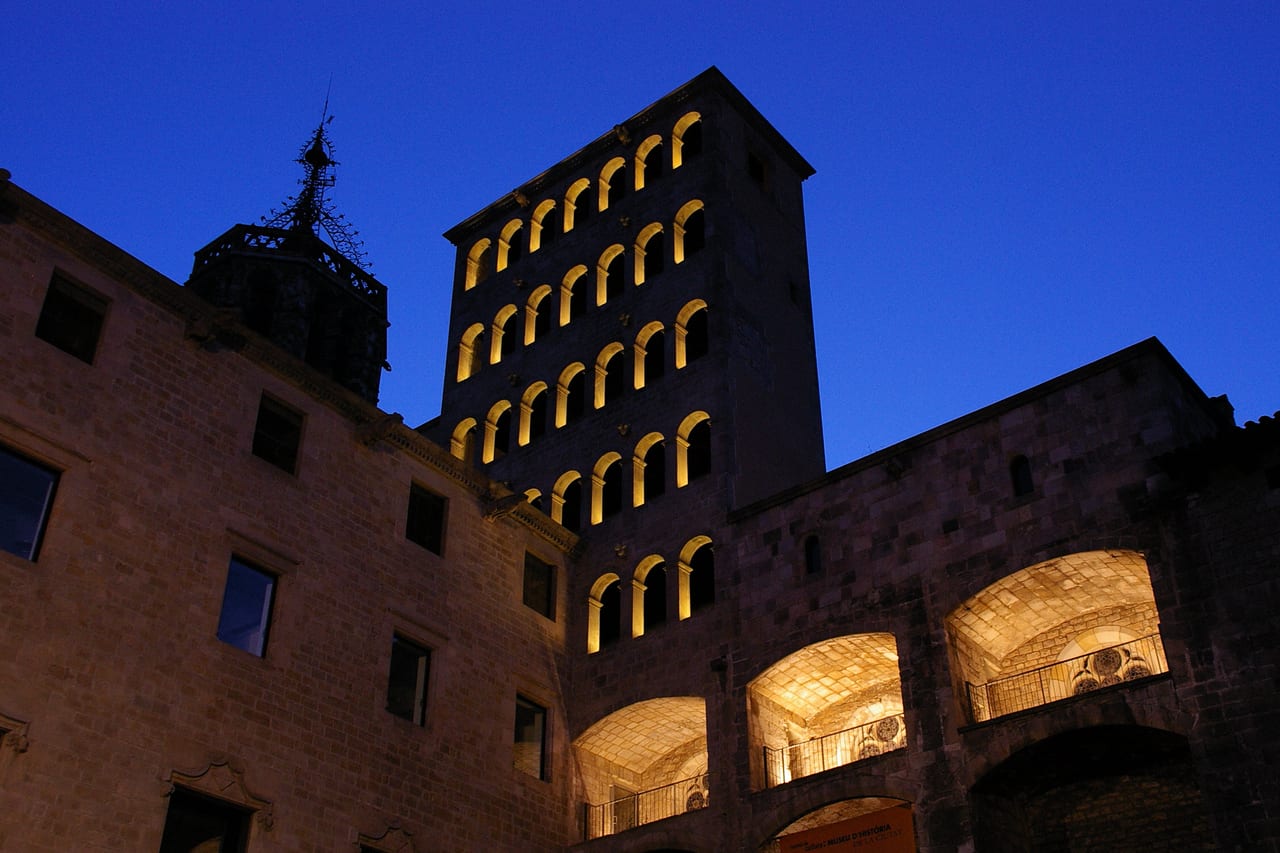
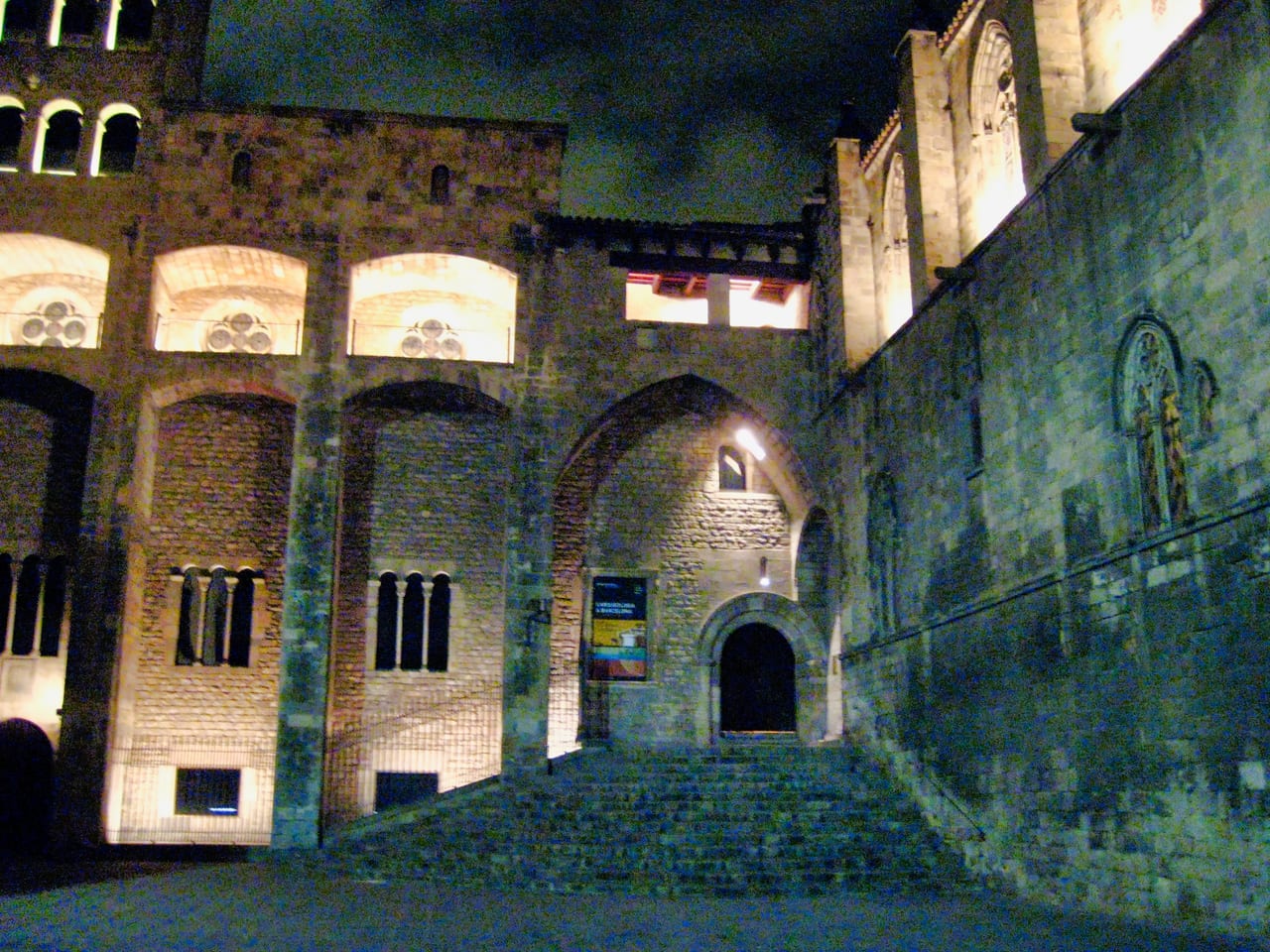
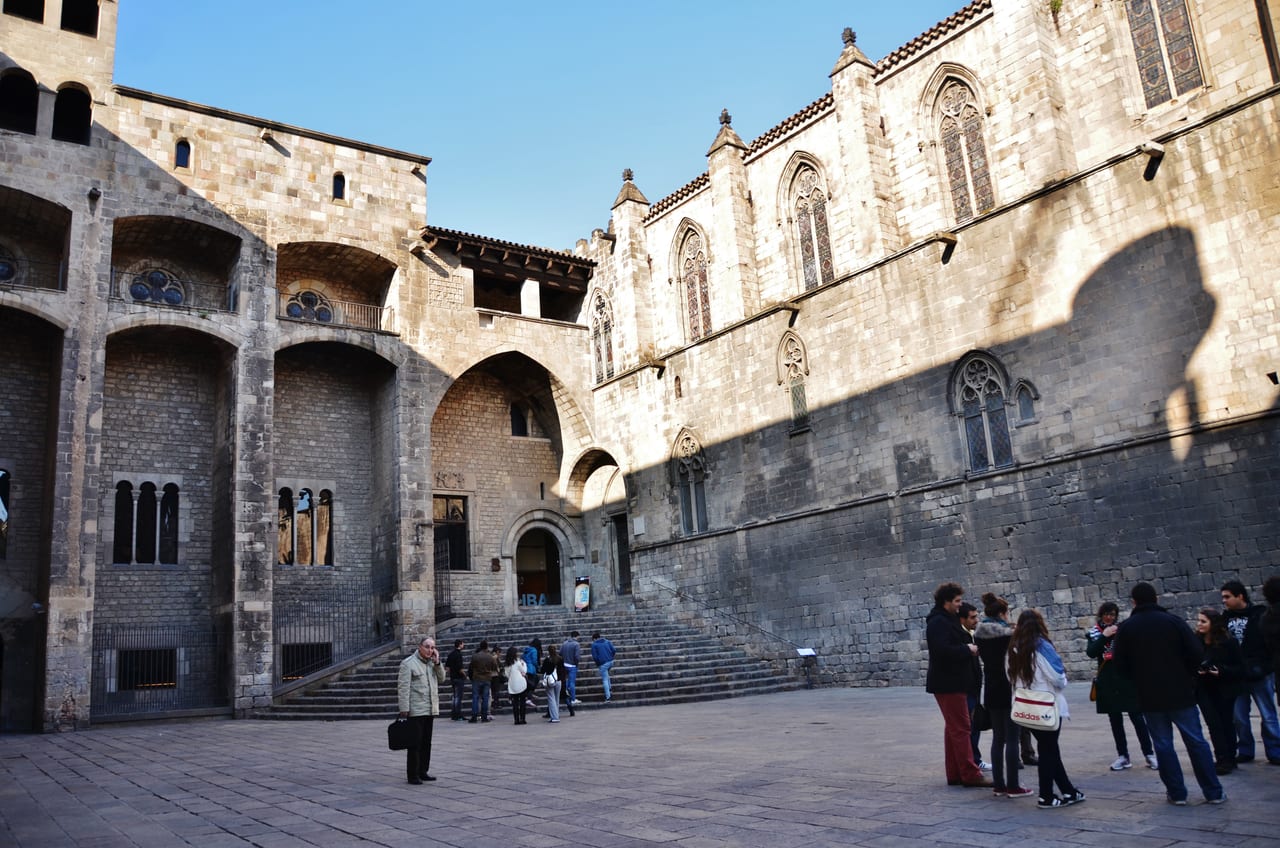
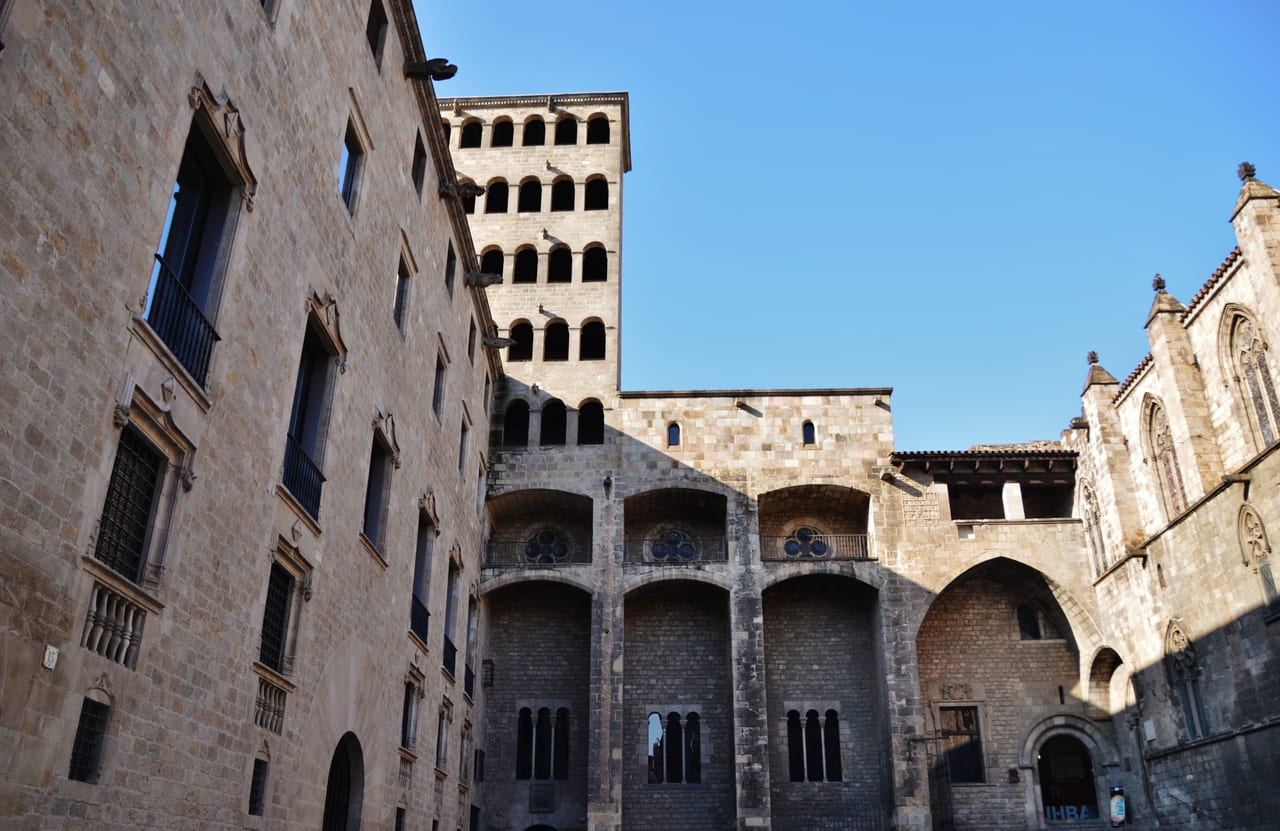
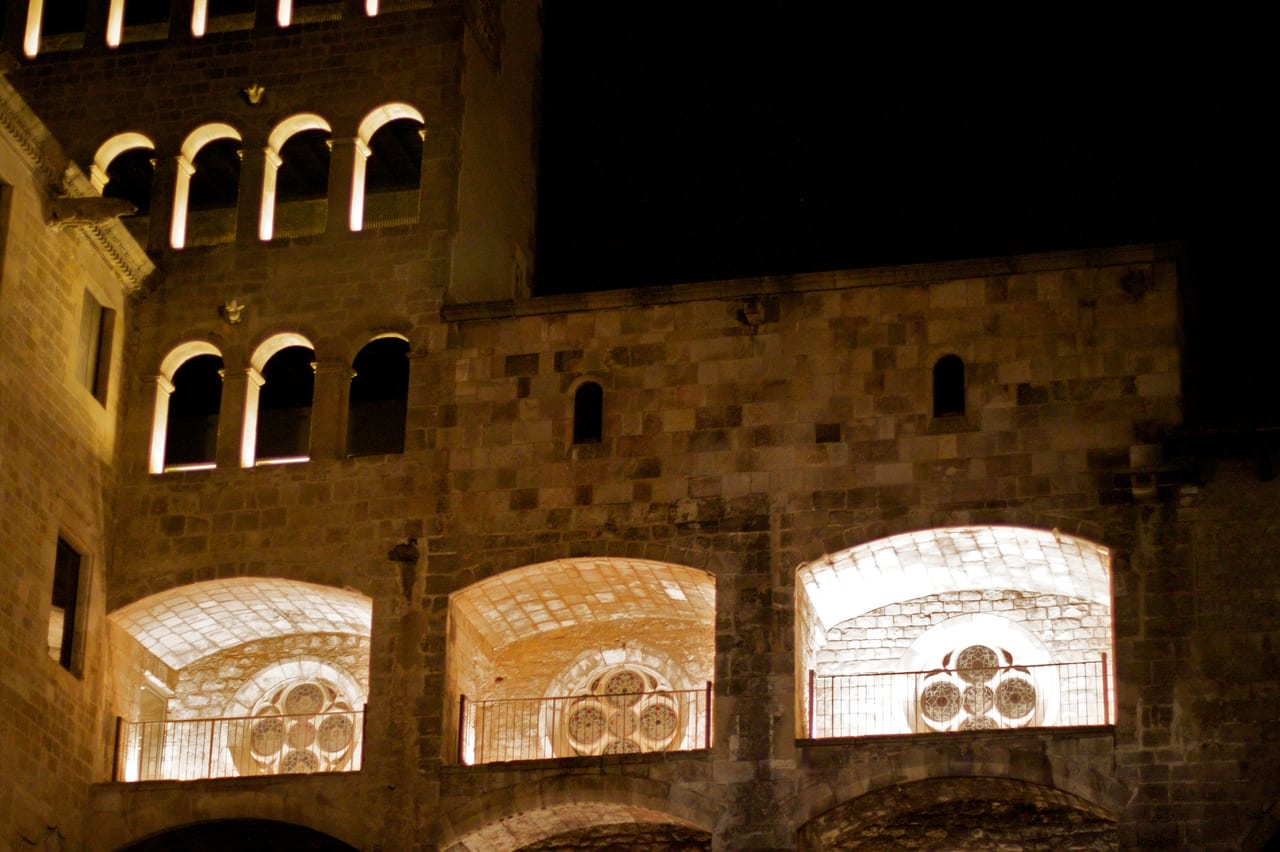
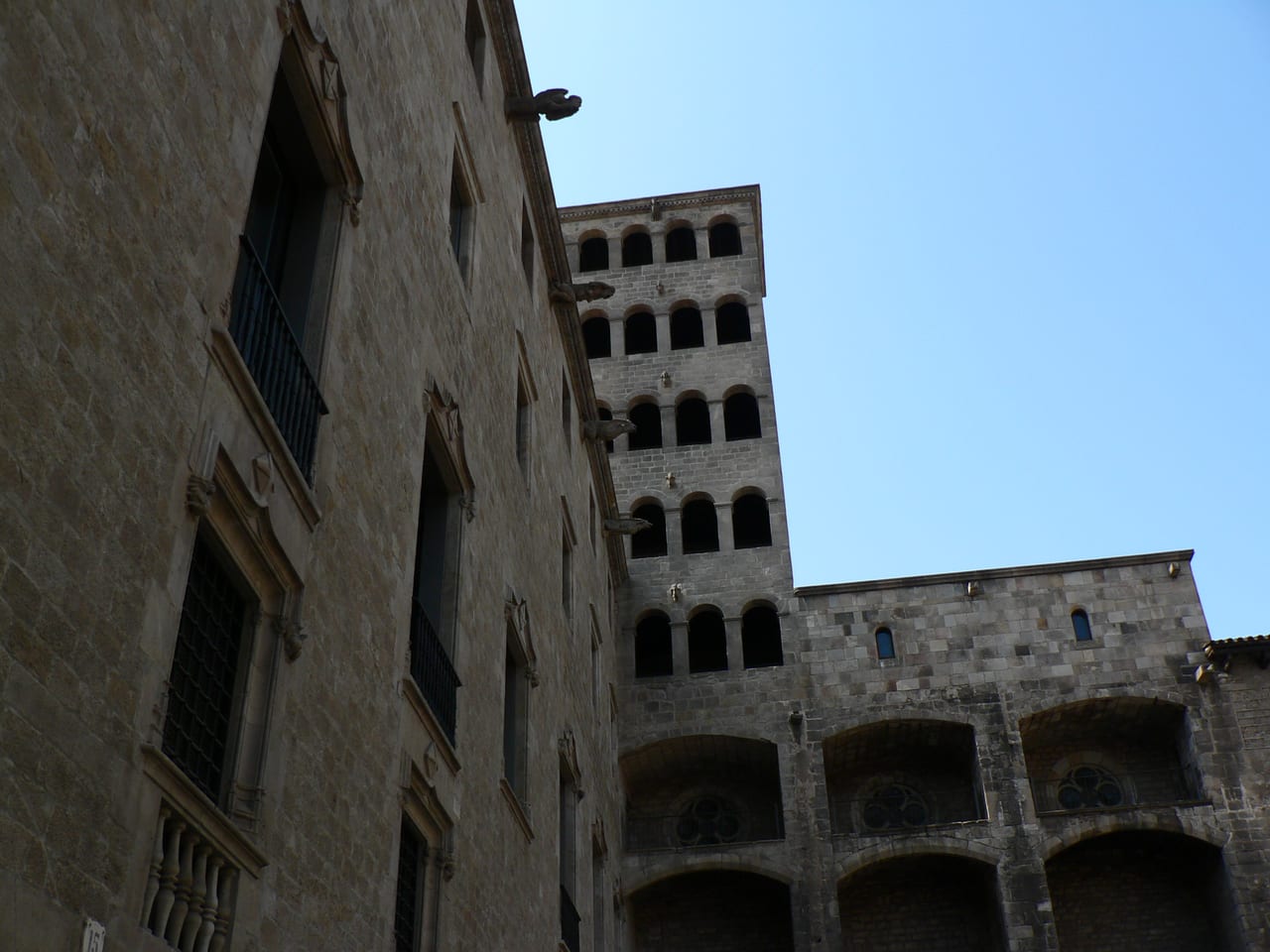
The complex is a layered record of Barcelona’s medieval and early modern building traditions. The Saló del Tinell was erected in 1359–1362 under Peter IV, directed by Guillem Carbonell. Its Gothic round arches rise from 11th-century vaults, which themselves overlay a monumental structure dating from the Visigoth age. The Palatine Chapel of St. Agatha, commissioned under James II in 1302, was designed by Bertran Riquer as a royal chapel. Its single aisle ends in a polygonal apse, while an early-14th-century octagonal tower rises above it; the sacristy is incorporated into the ancient Roman walls. Peter V of Aragon commissioned Jaume Huguet’s Epiphany altarpiece in 1463–1466. From the 16th century, the complex was divided between the Inquisition and royal administration. The Palau del Lloctinent, built by Antoni Carbonell in 1549–1557 for Catalonia’s viceroy, introduced a late Gothic-Renaissance idiom. The five-storey Mirador of King Martin dates from 1555. The Tinell and chapel now form part of MUHBA, with temporary exhibitions held inside.
At a glance
- Style
- Romanesque architecture
- Heritage
- bien de interés cultural
Ways to explore Palau Reial Major
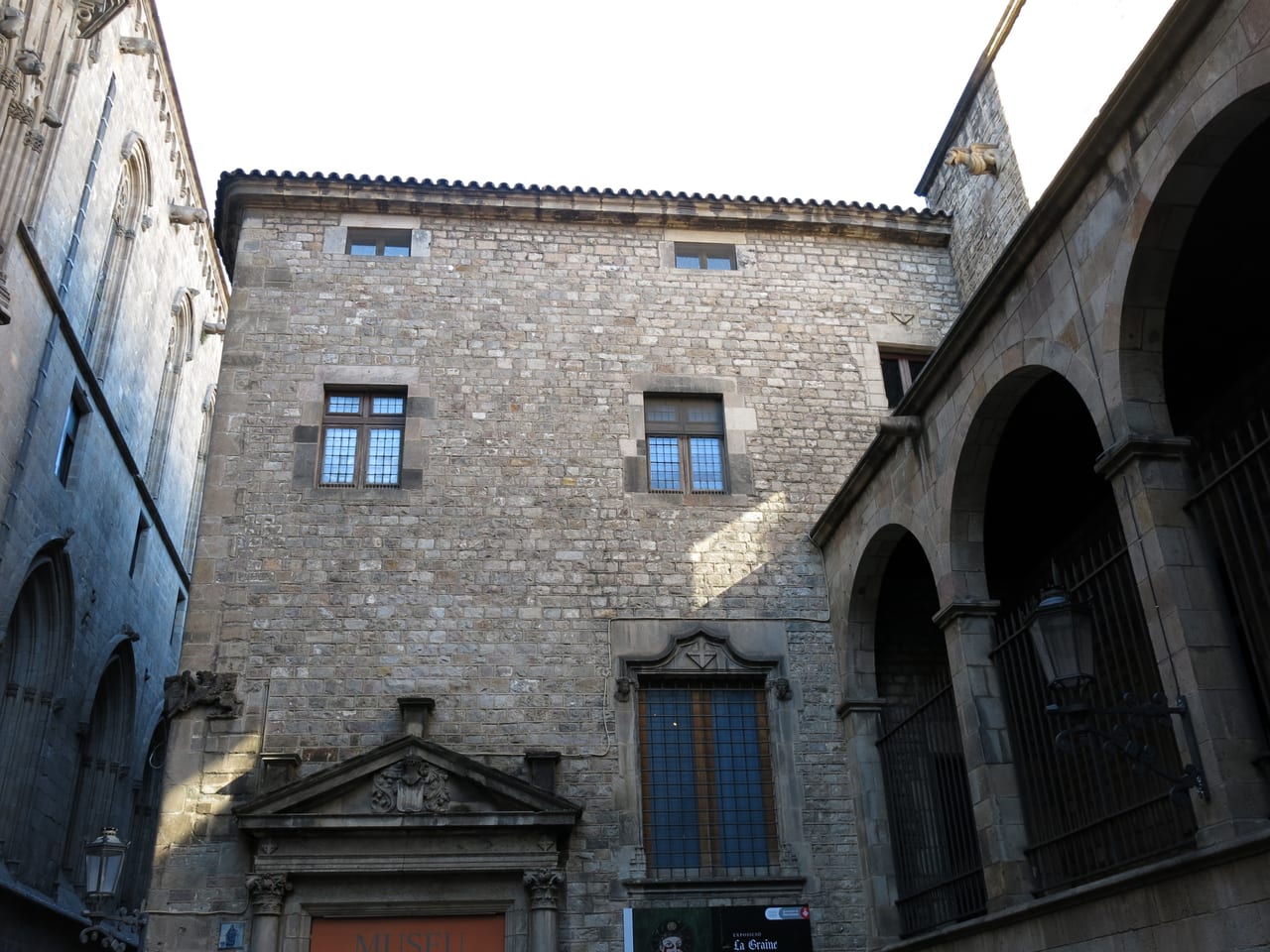
A visit can begin with the Saló del Tinell’s sequence of arches, followed by the more intimate geometry of St. Agatha’s Chapel. The chapel’s polygonal apse, octagonal tower and Epiphany altarpiece reward close attention. The complex’s varied textures meet around the old walls, while the Royal Audience Hall doorway’s triangular tympanum is at the Museu Frederic Marès. MUHBA’s programme includes temporary exhibitions in the rooms.
Places to stay near Palau Reial Major

Live availability and prices from Stay22's partners, refreshed periodically and subject to change. Booking through these links may earn us a commission at no extra cost to you. See our privacy policy.
Cafés near Palau Reial Major
Cafés near Palau Reial Major loads as you scroll.
Attractions nearby
Attractions near Palau Reial Major loads as you scroll.
Cities nearby
Cities nearby loads as you scroll.
More in Barcelona
See more of Barcelona.
Find great cafés, places to stay and other interesting places to visit in Barcelona.