Castle & palace · Barcelona
Palau Mornau
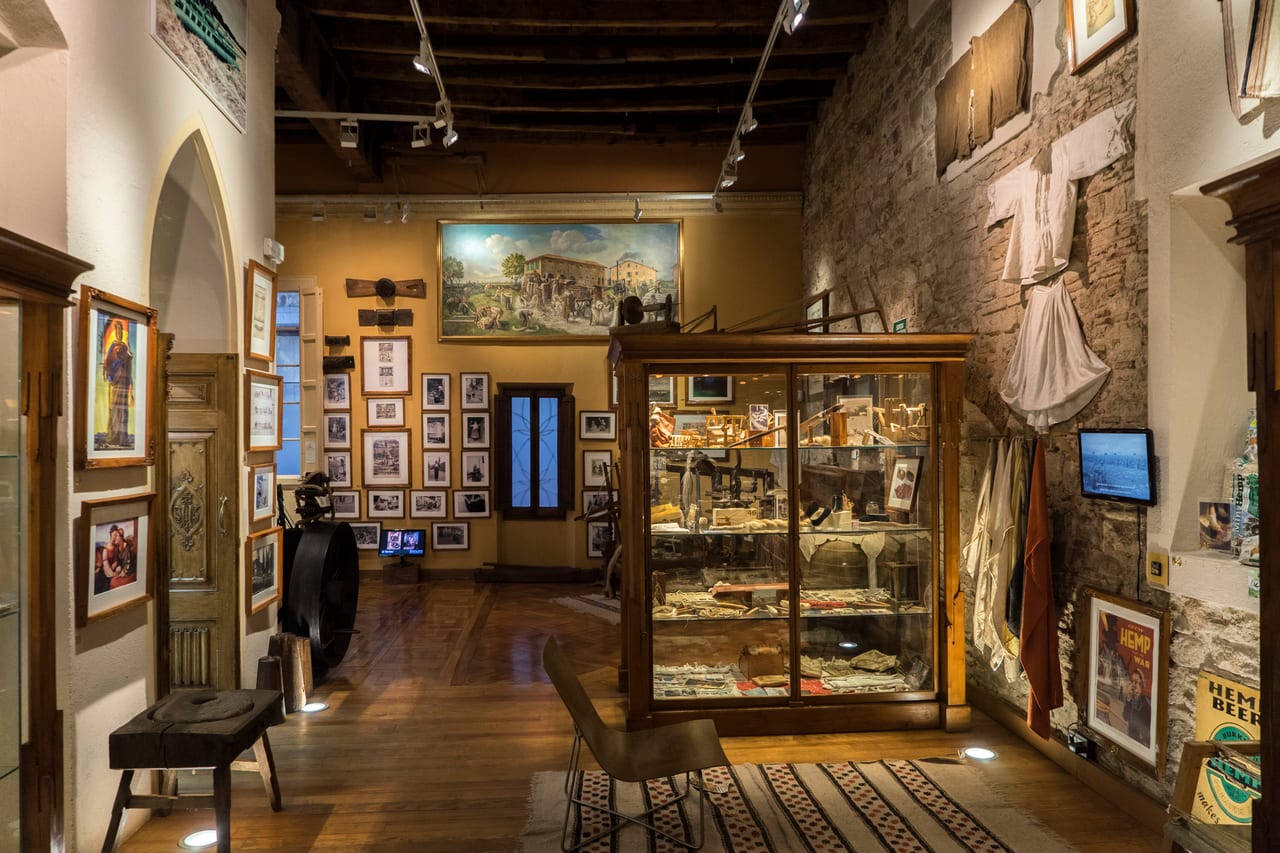
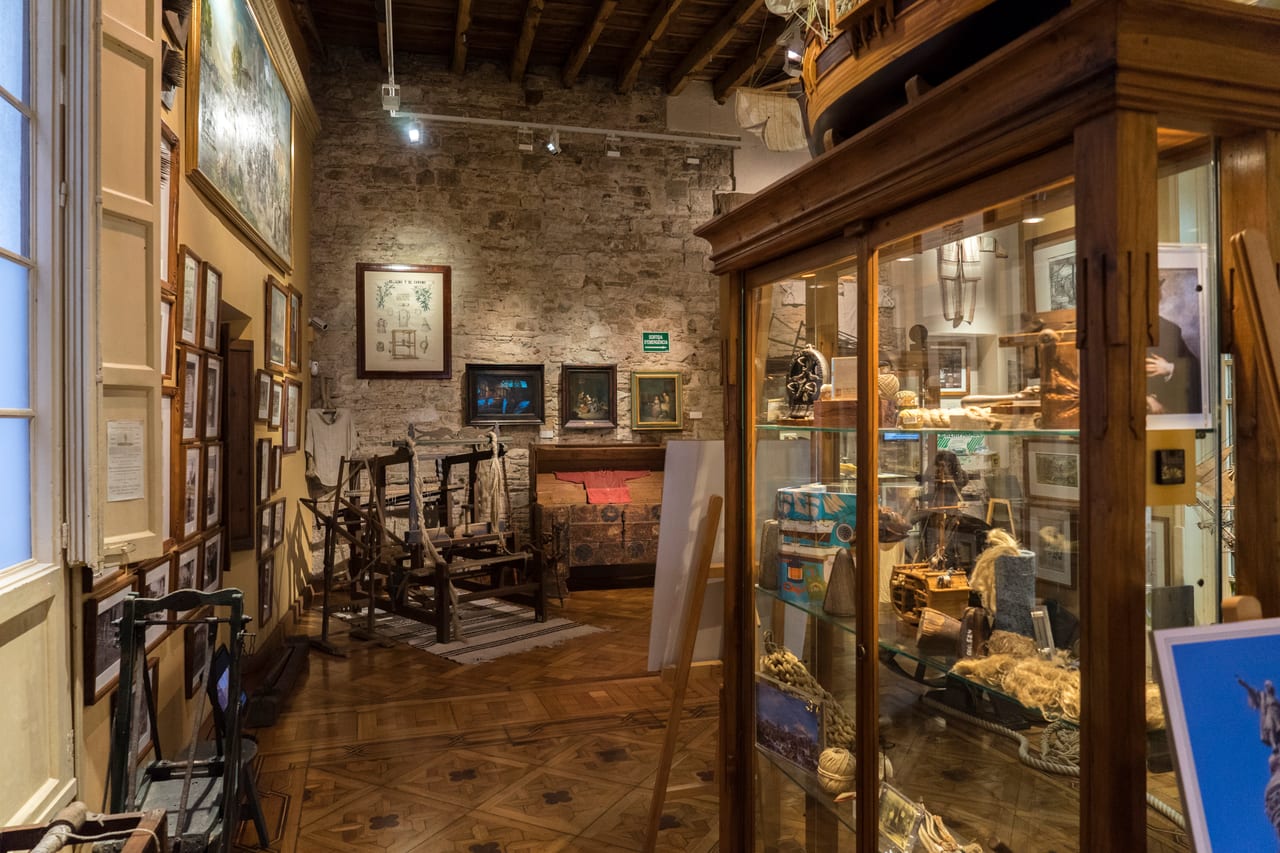
DirectionsSince 2012, Palau Mornau has housed the Hash Marihuana & Hemp Museum, bringing a modern cannabis-and-hemp collection into a palace whose fabric spans the fifteenth century to Catalan modernisme.
Photograph 1 of 26 of Palau Mornau
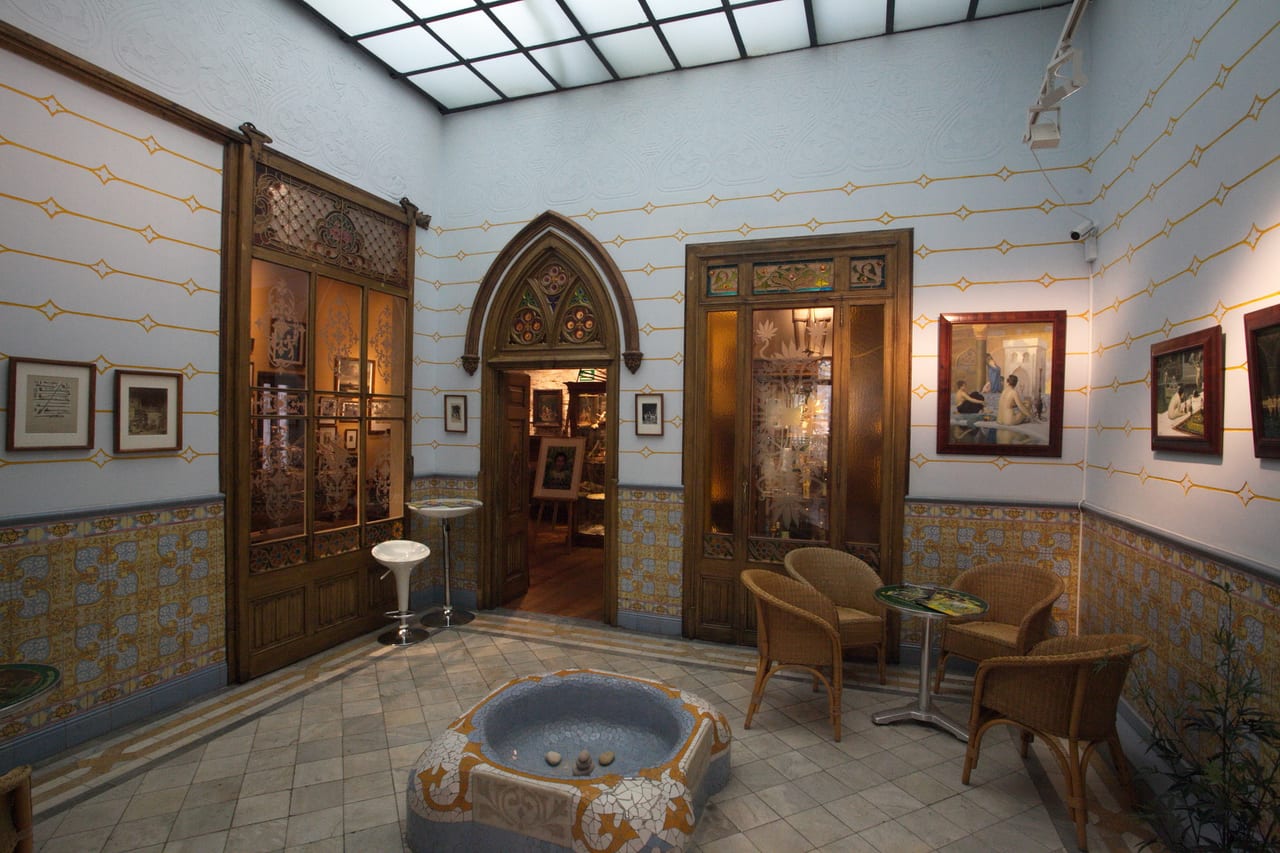
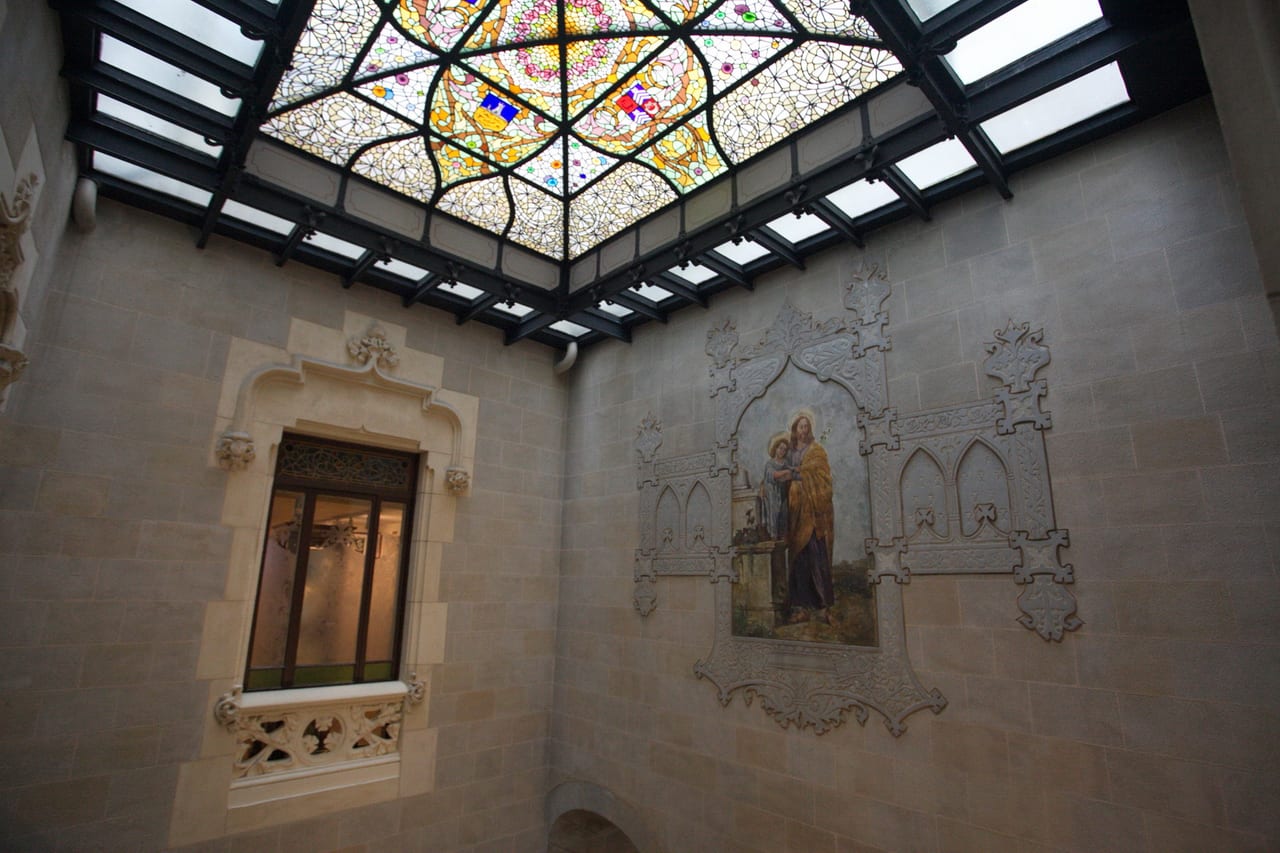
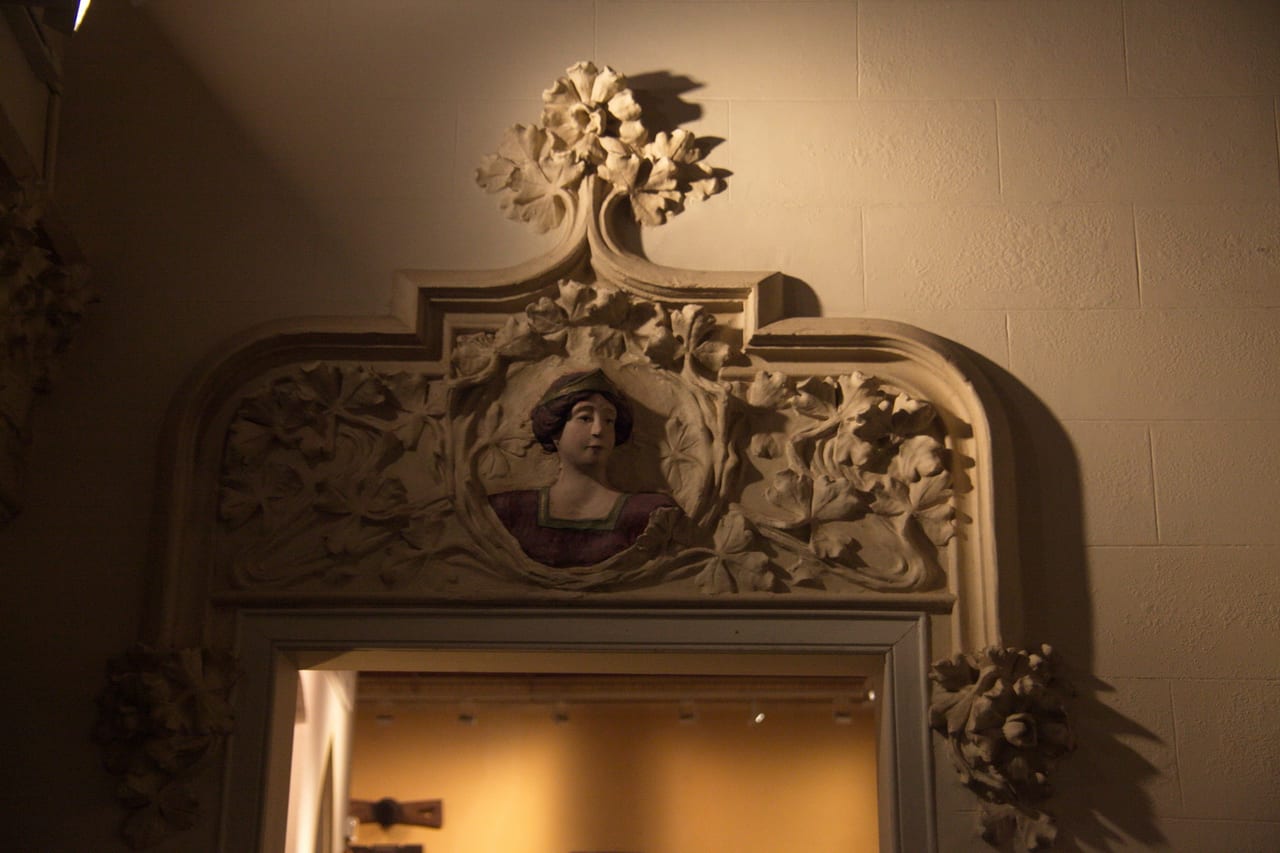
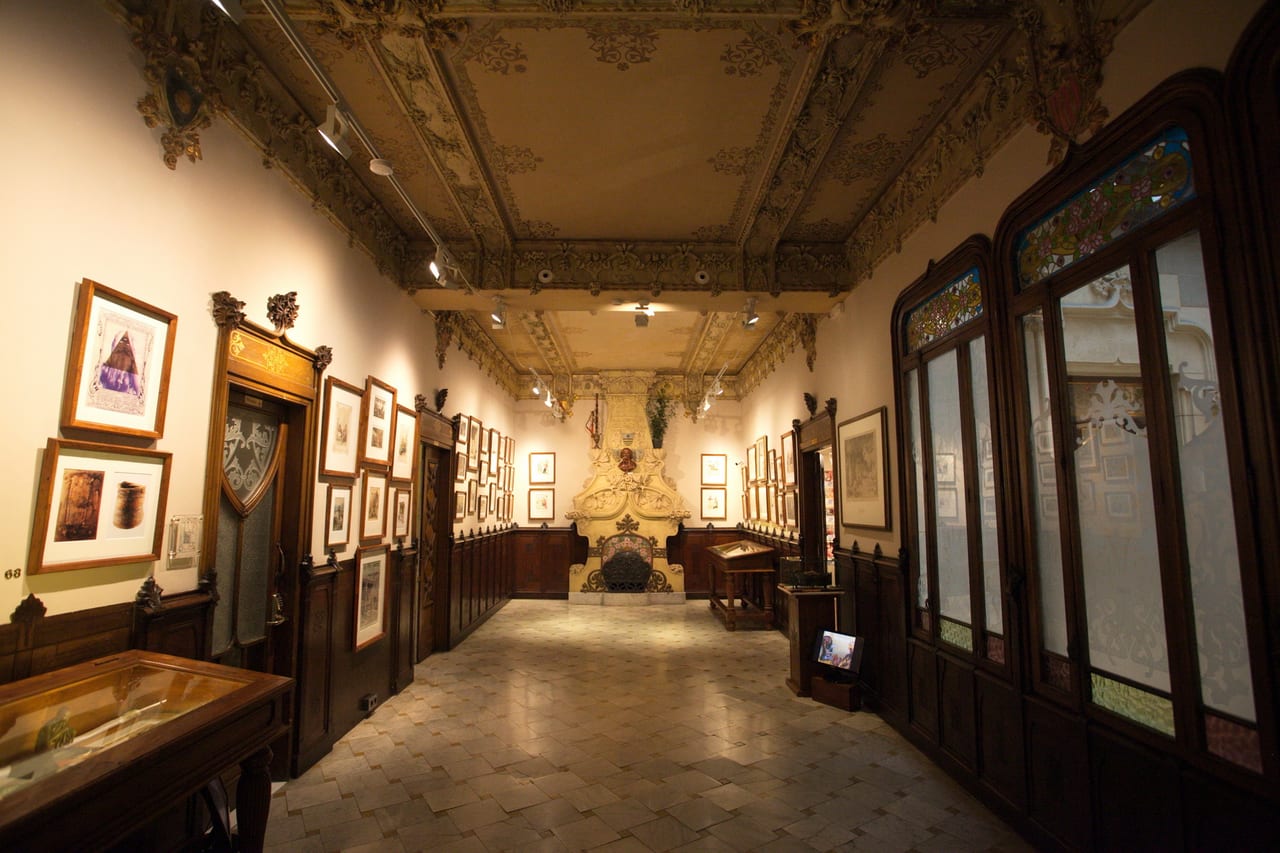
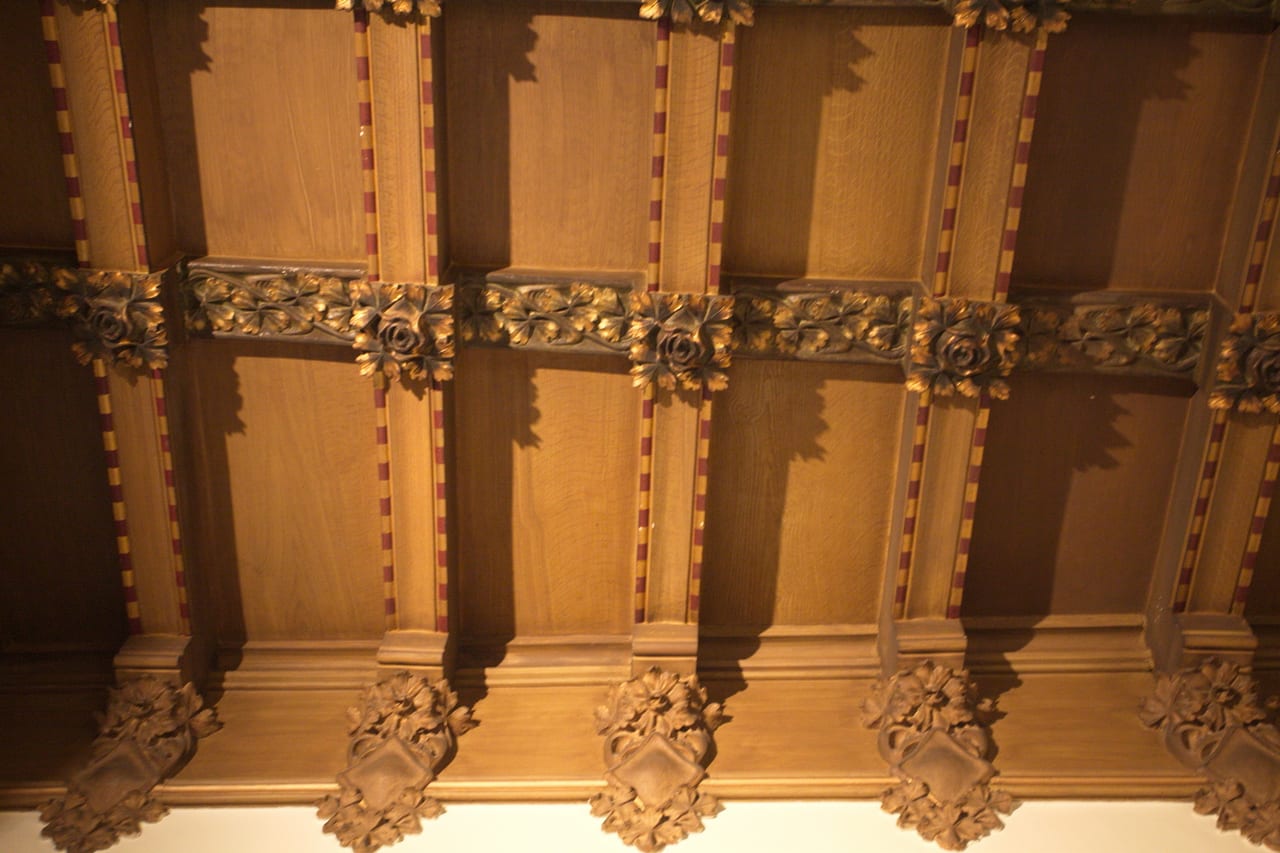
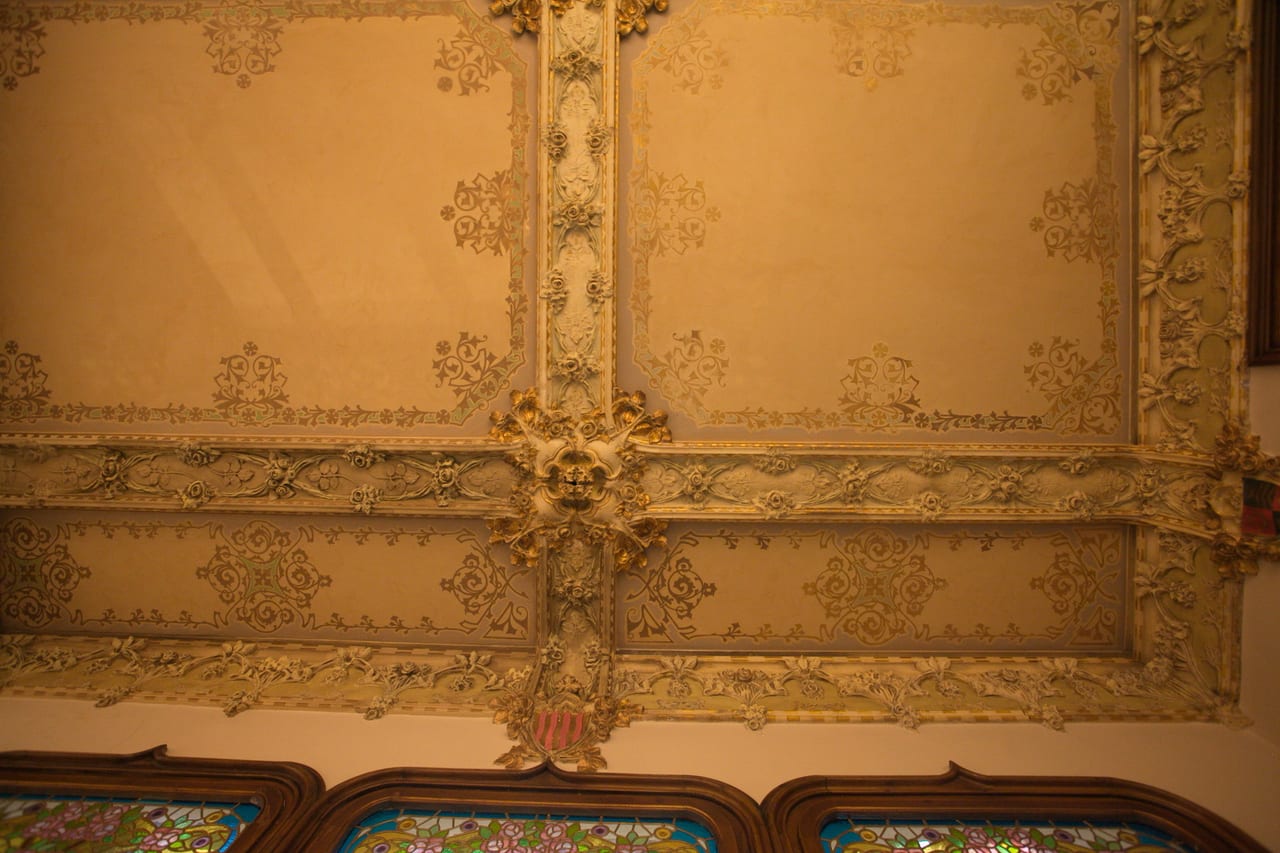
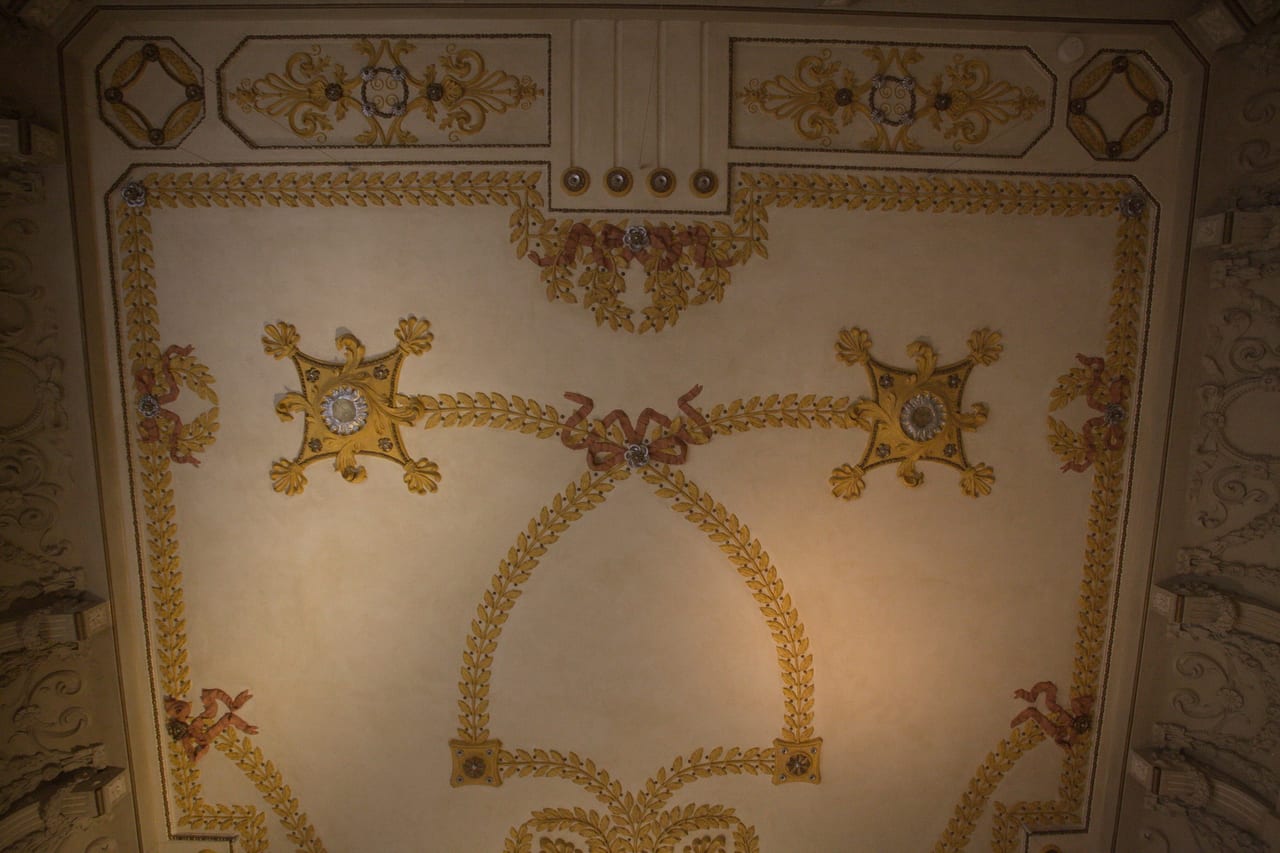
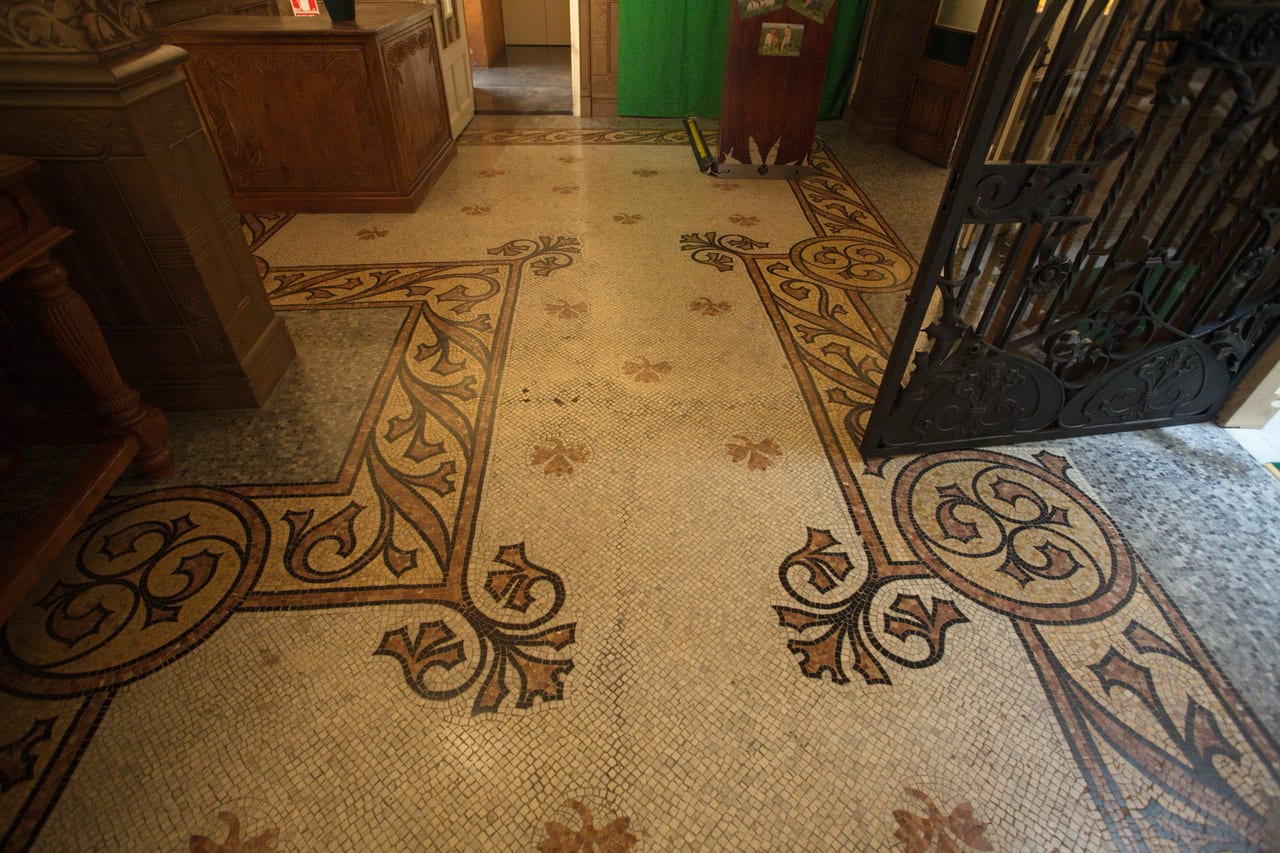
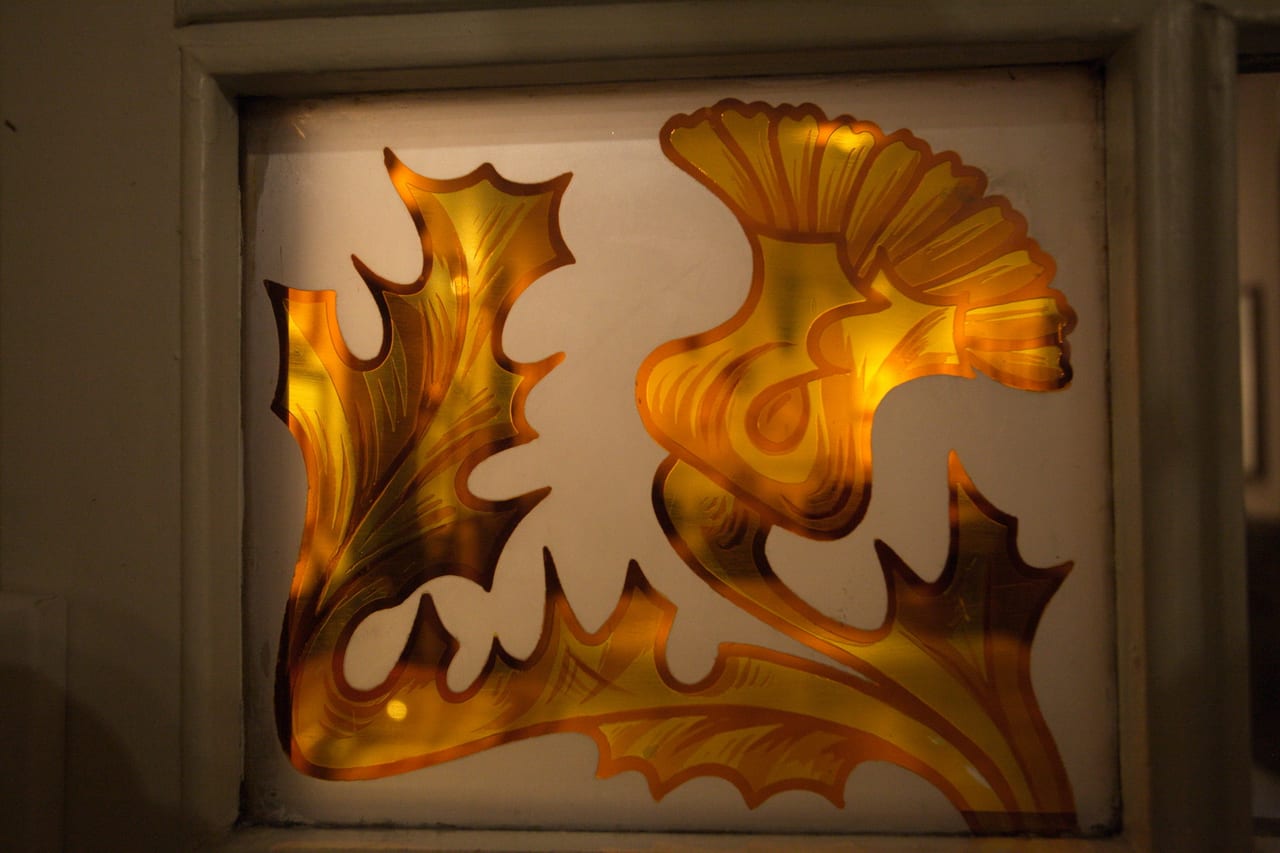
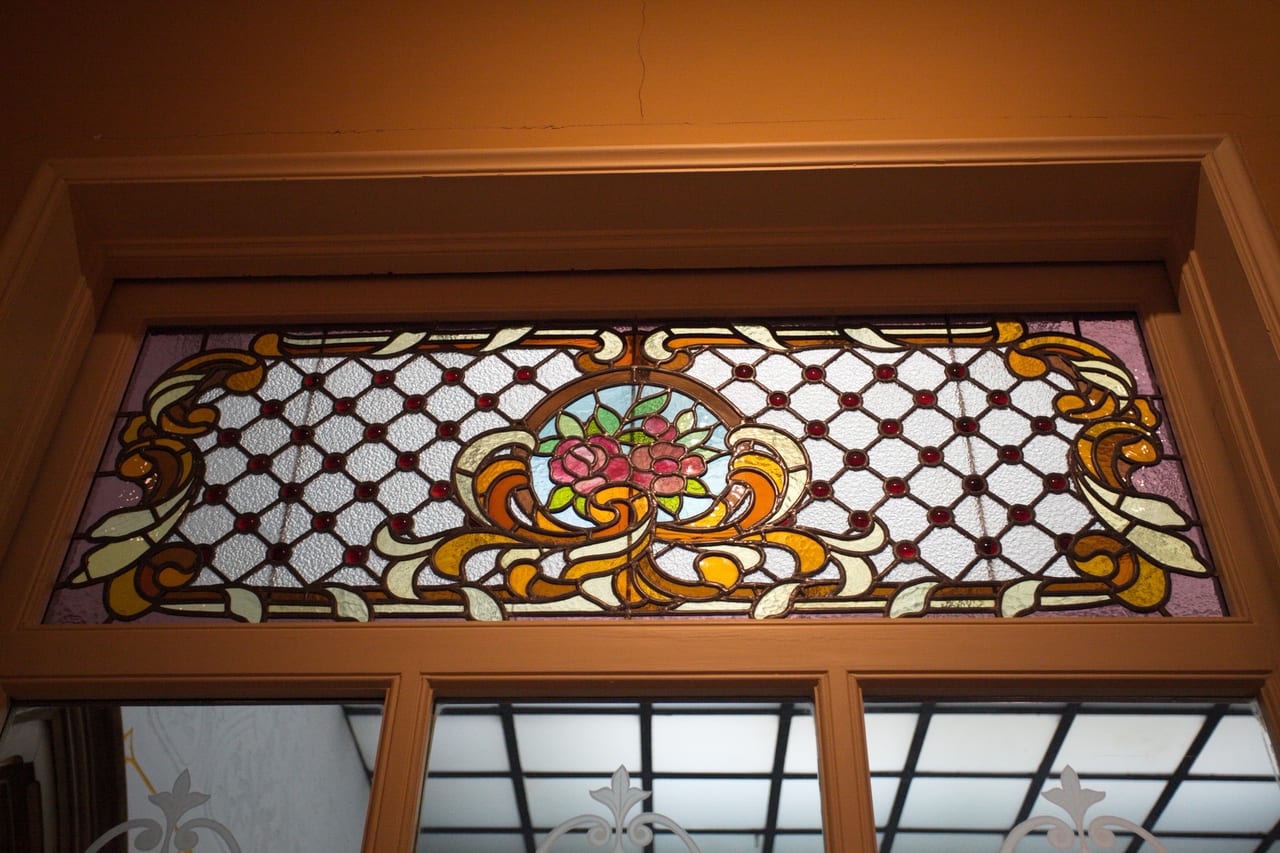
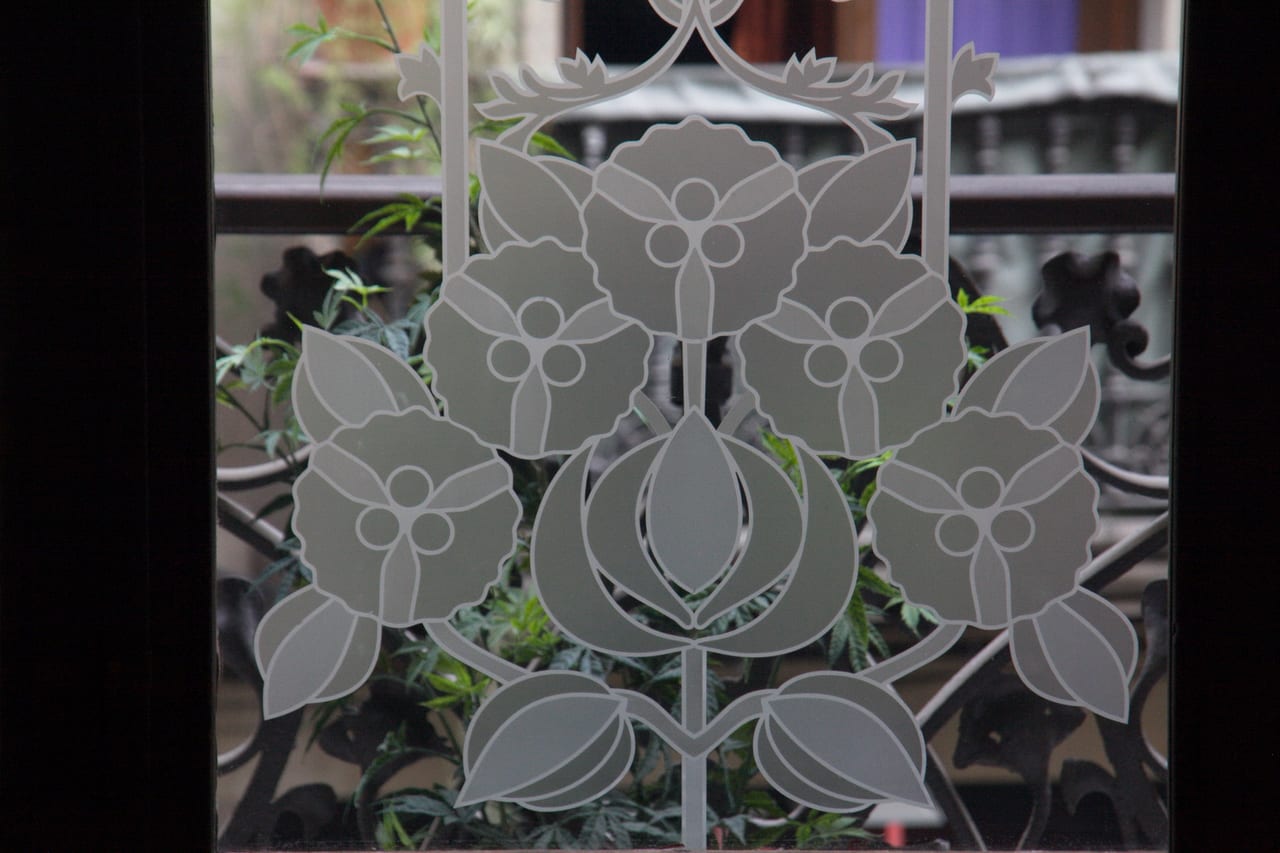
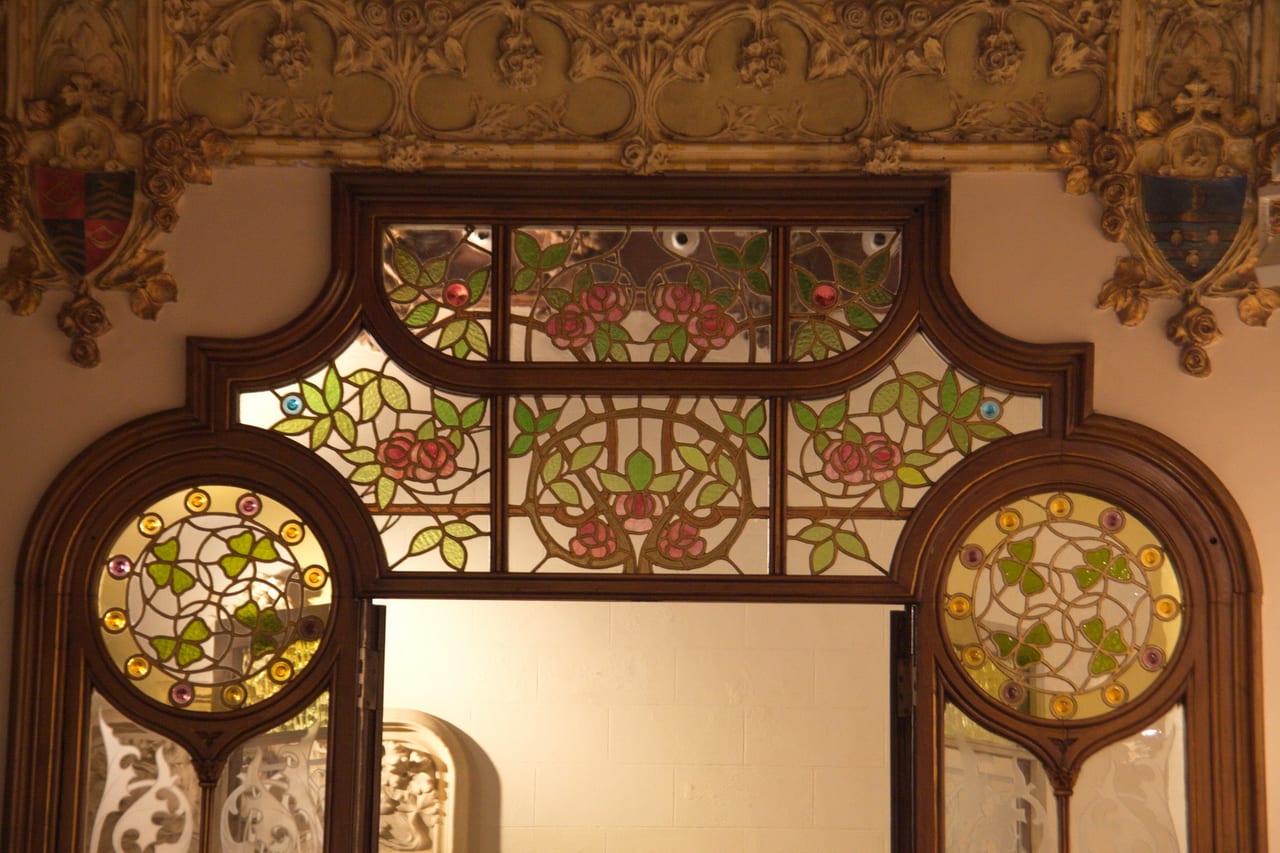
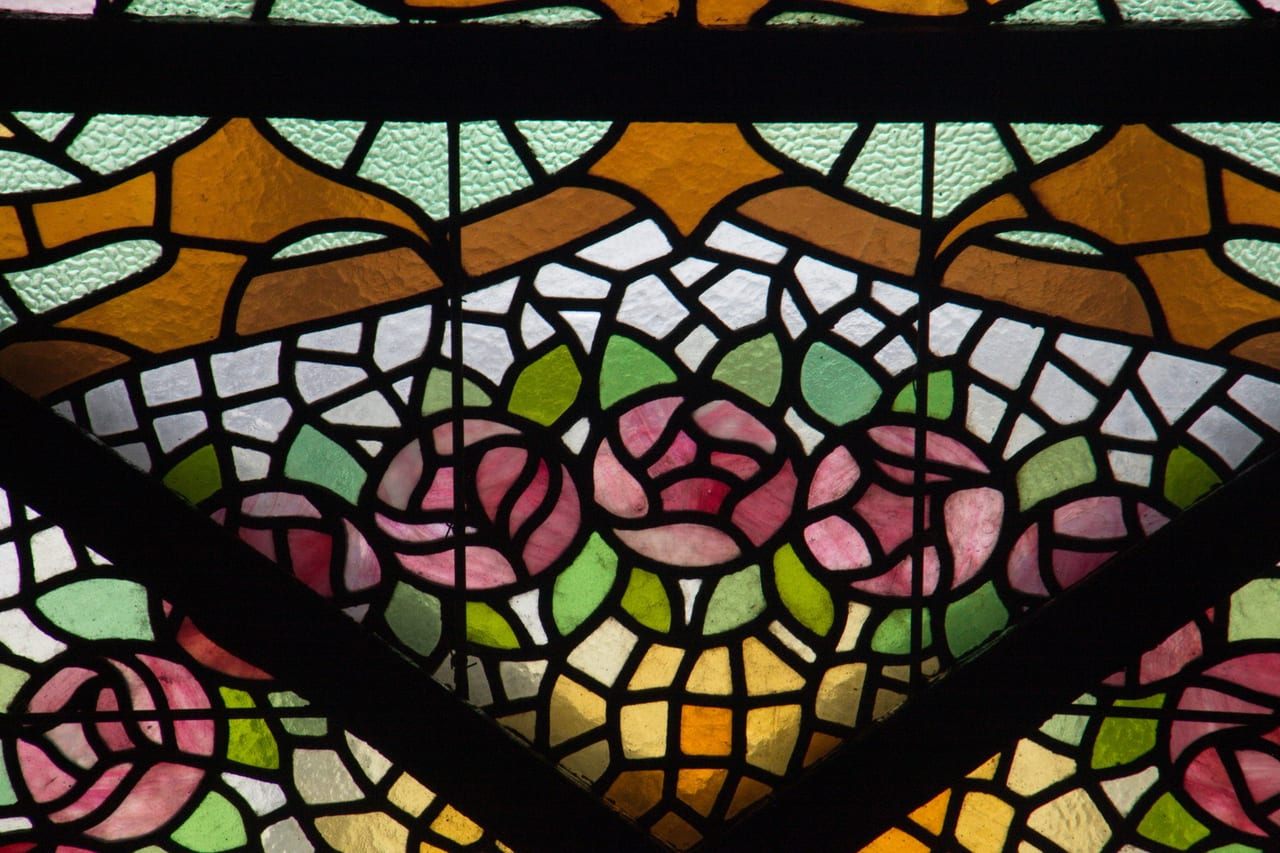
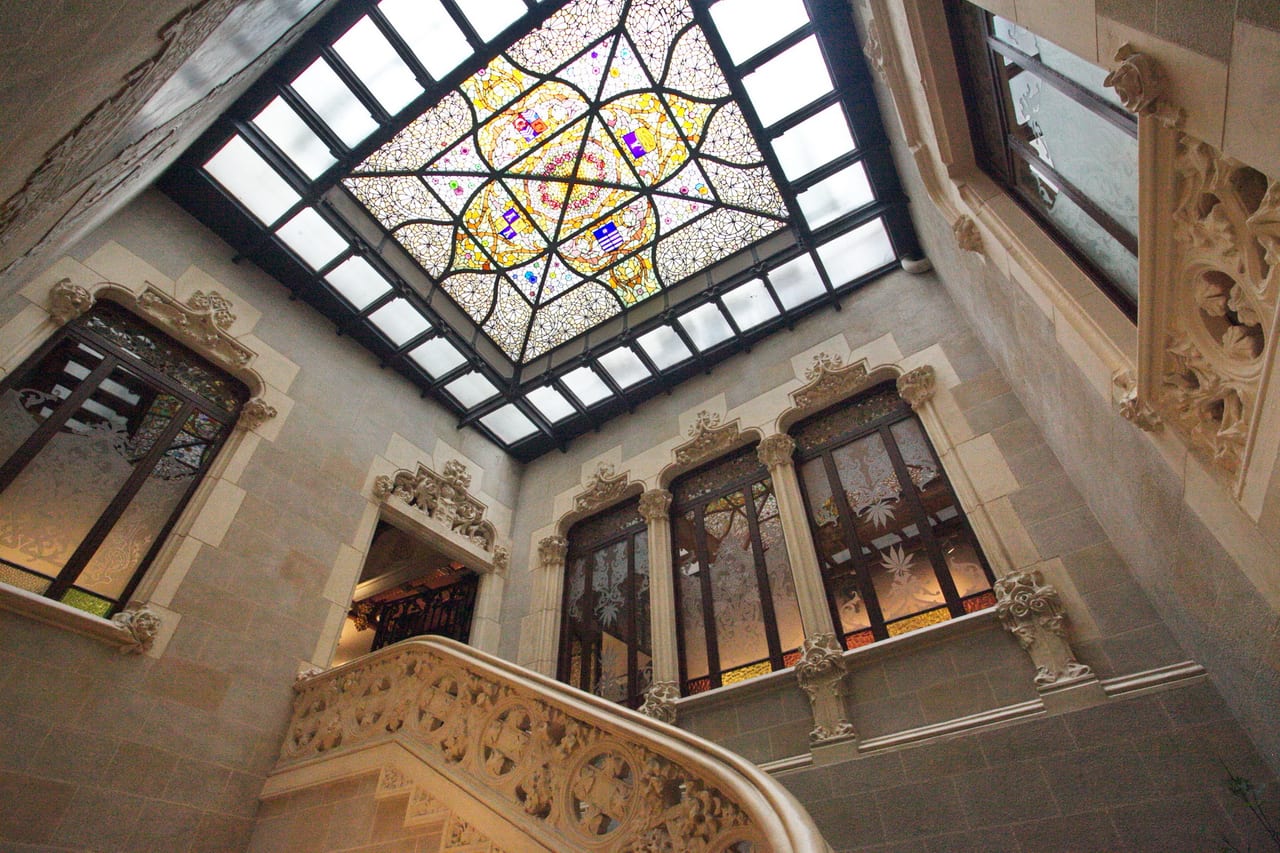
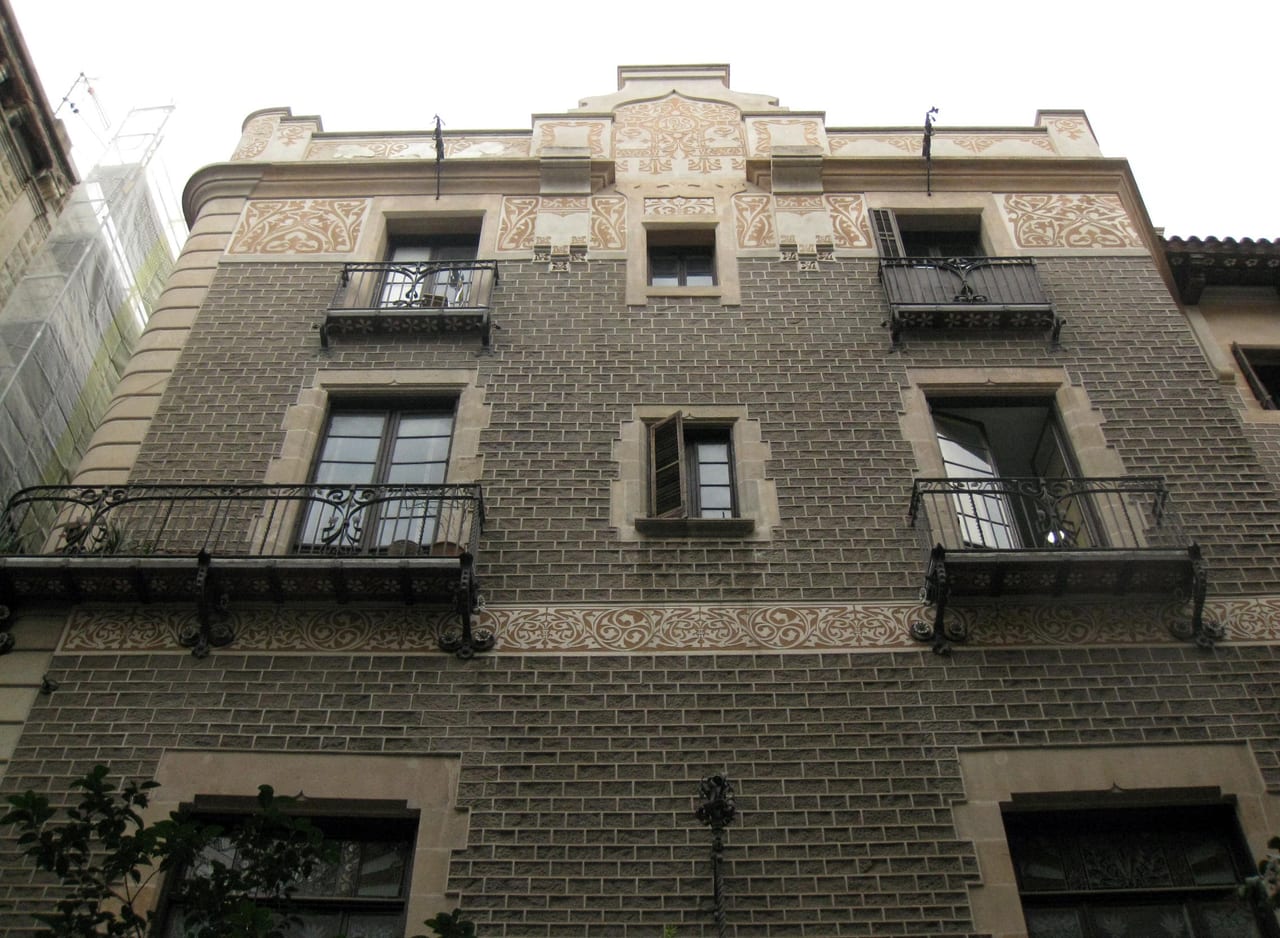
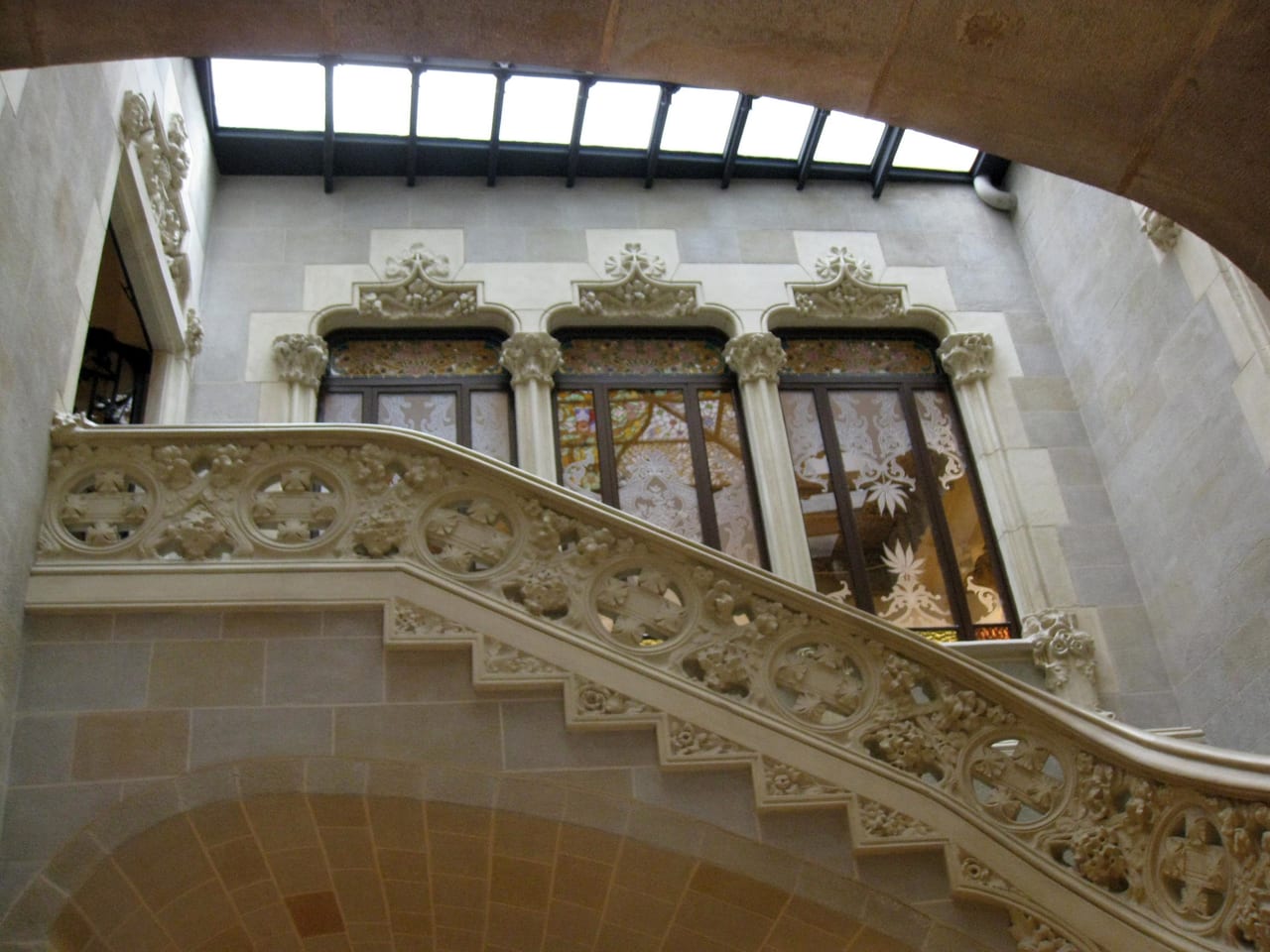
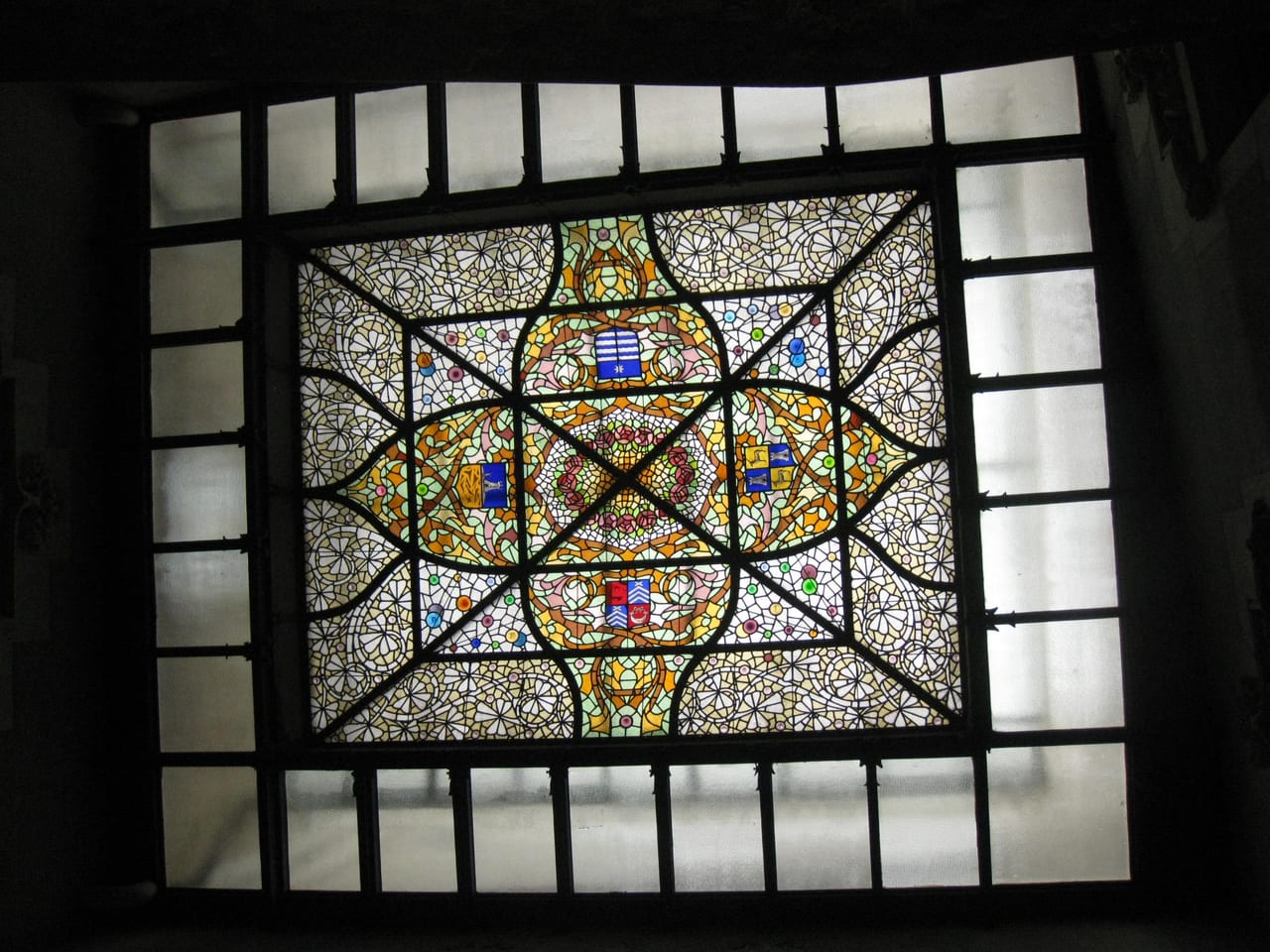
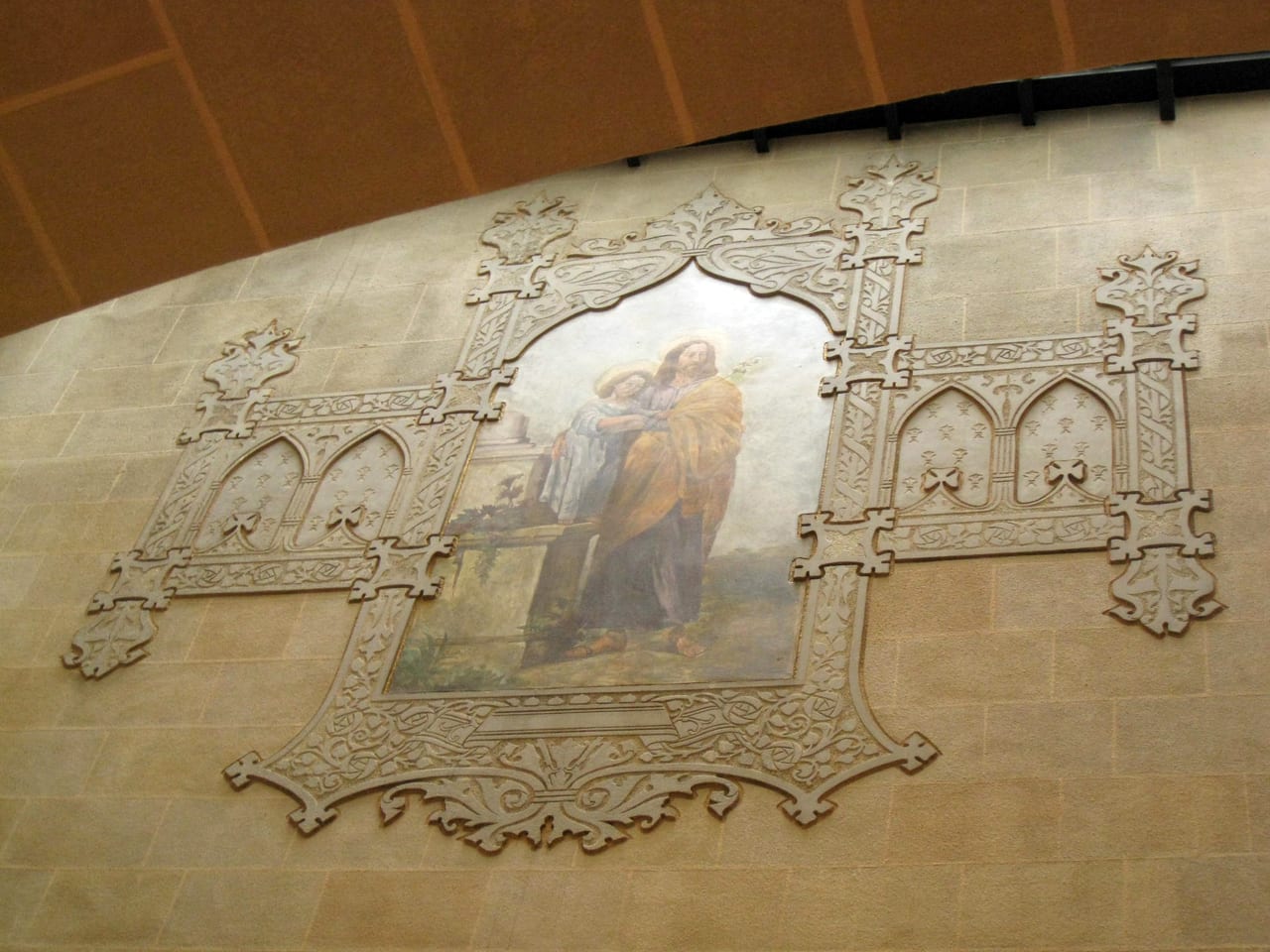
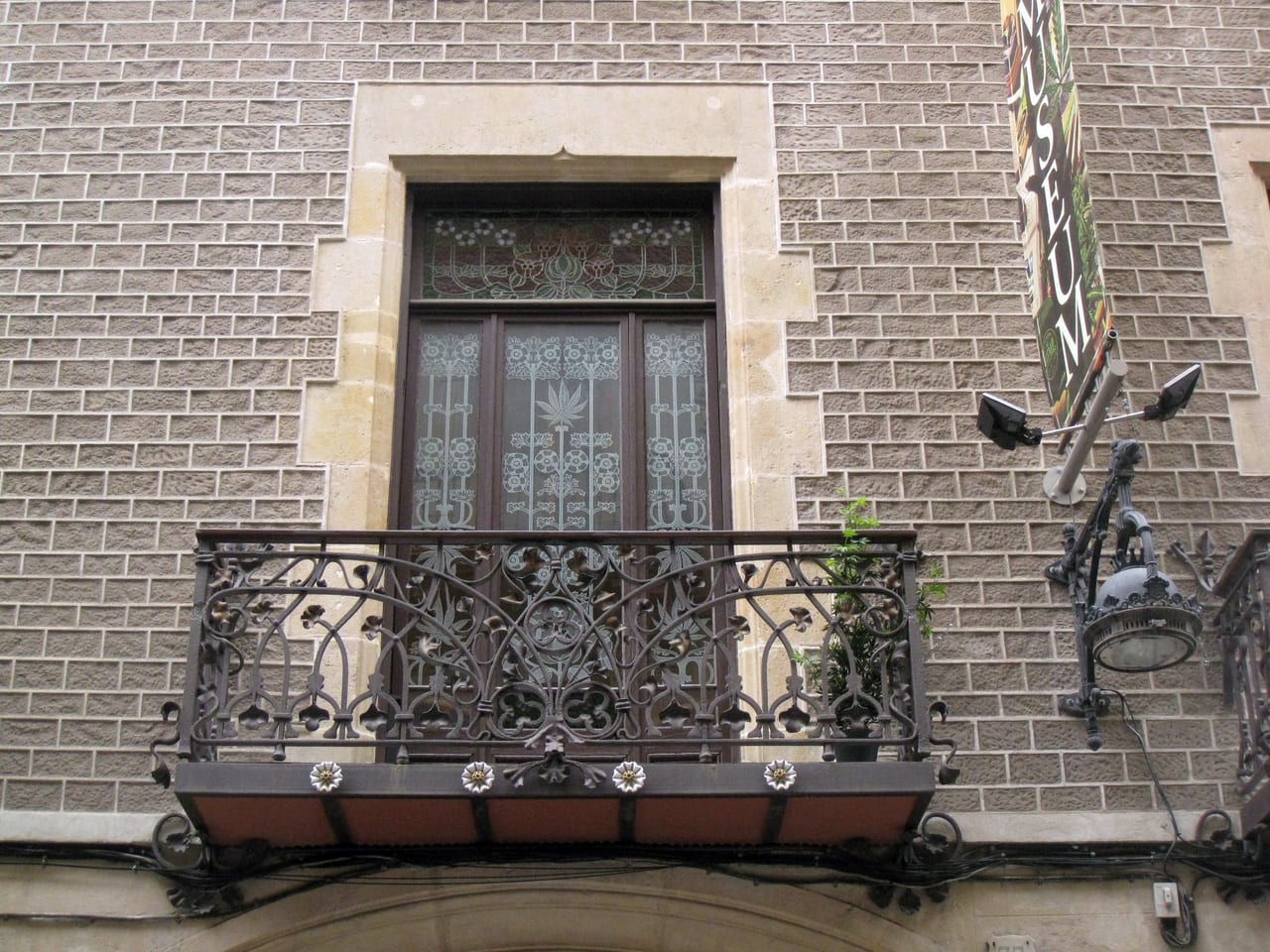
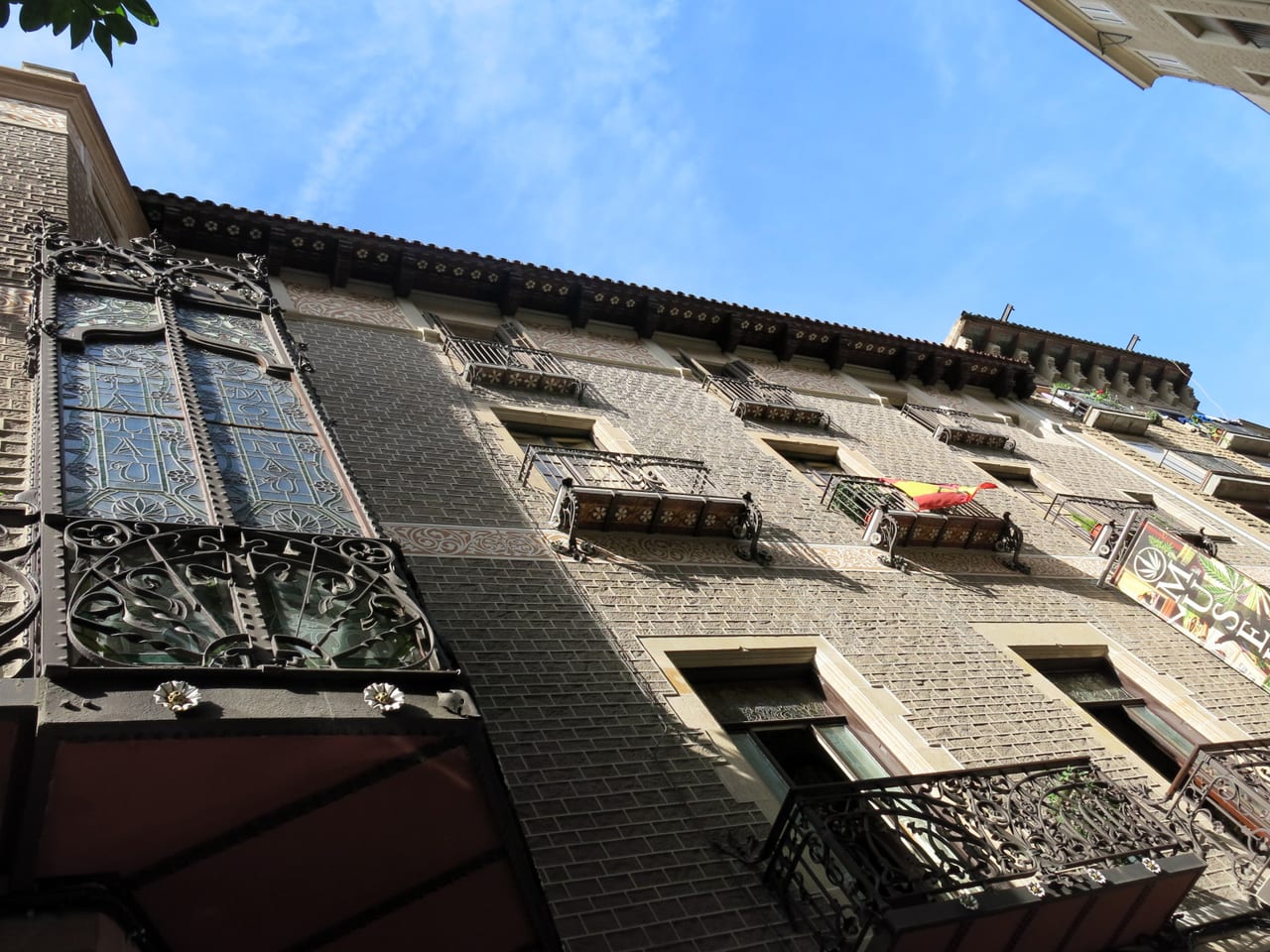
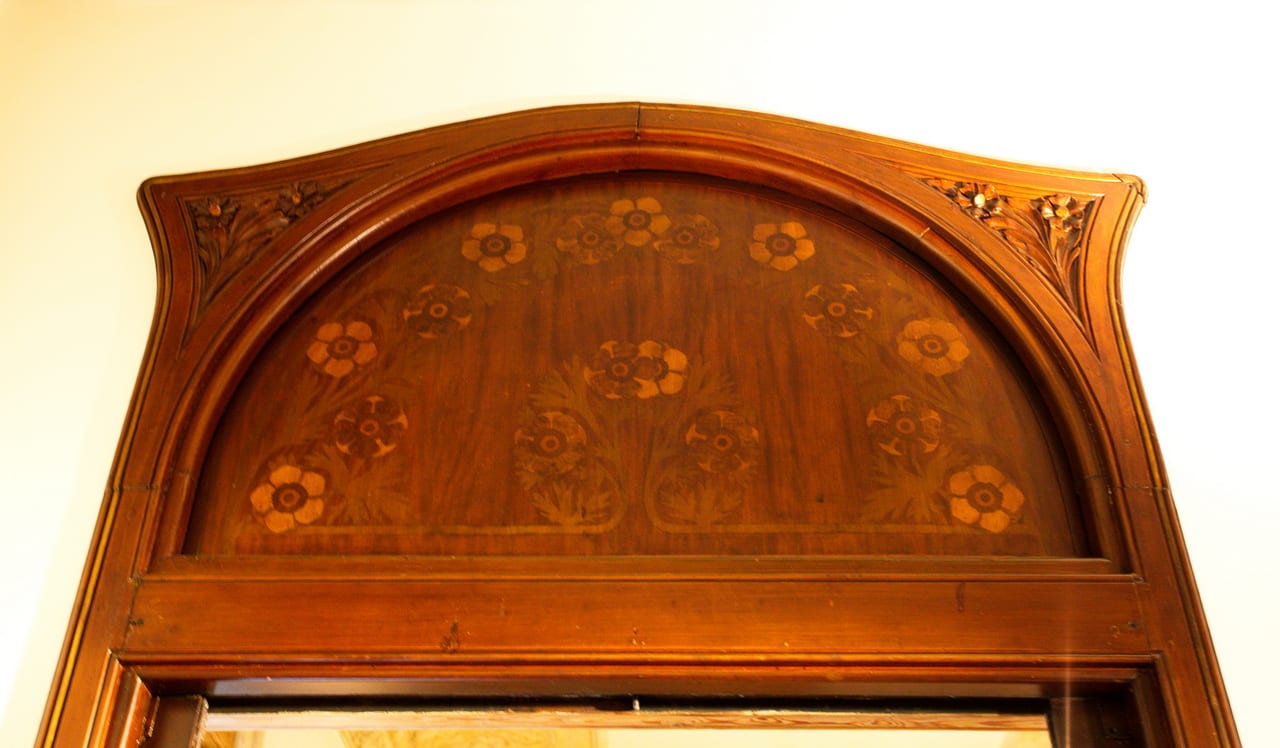
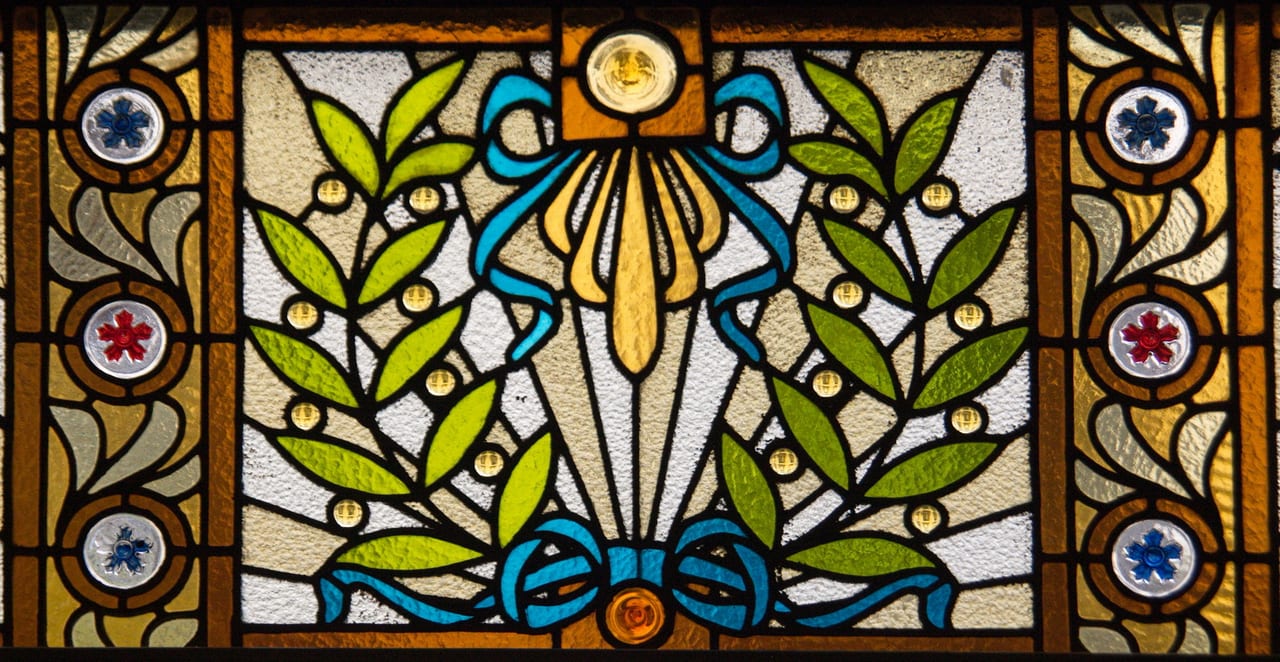
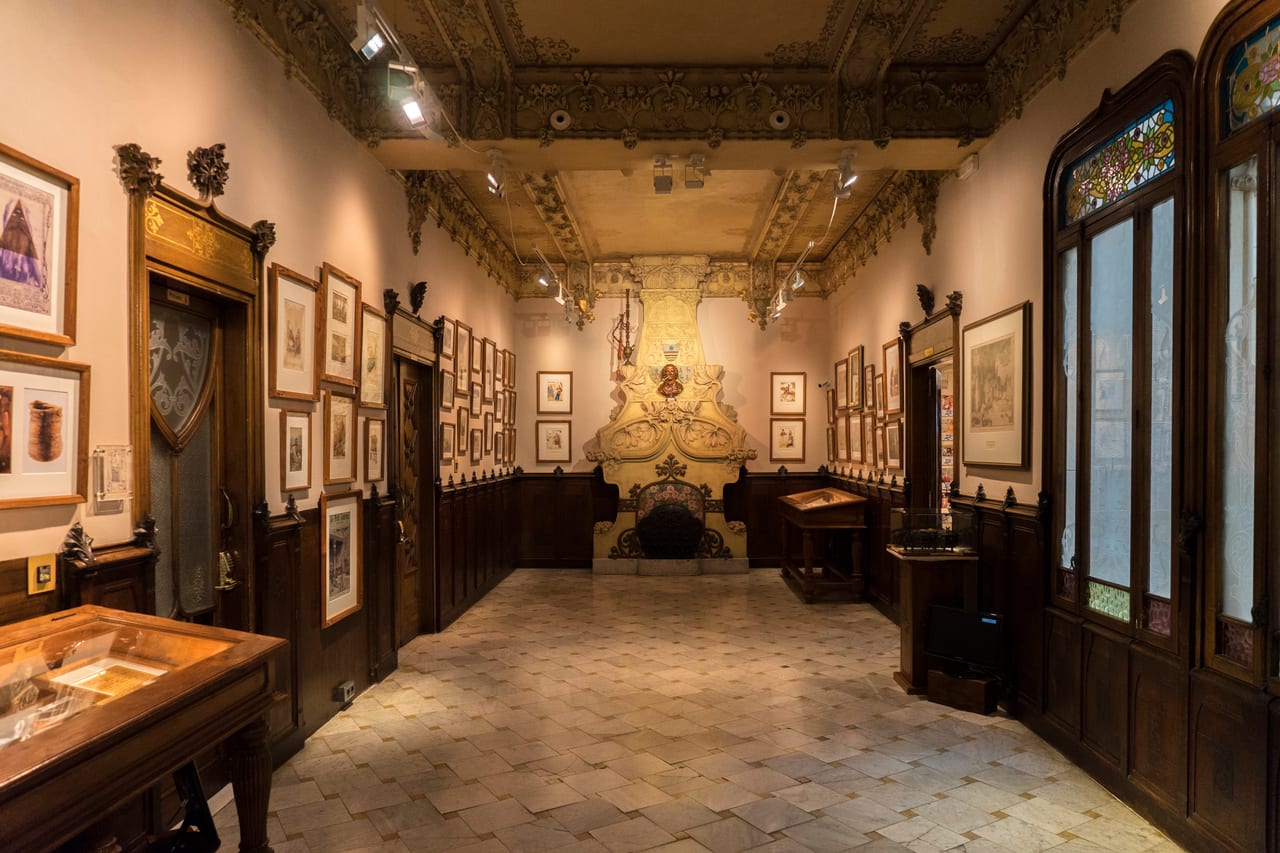
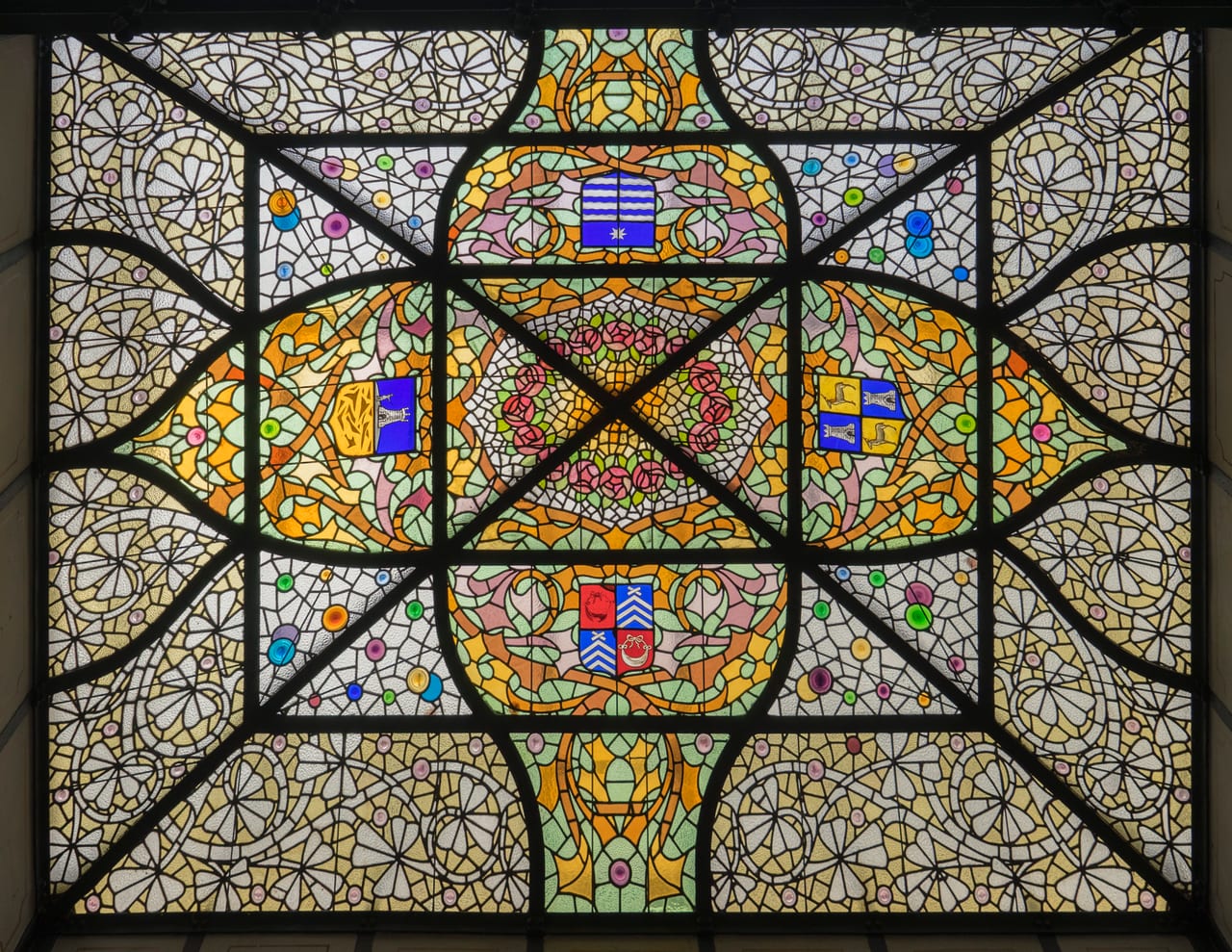
Palau Mornau’s documented ownership begins with the Santcliment family, several of whose members served as the city’s chief councillors. In 1771, the property was sold to the merchant Antoni Rodoreda i Costa, who commissioned alterations. Josep Francesc Mornau acquired it in 1796 and, in 1799, hired Tomàs Soler i Ferrer to rebuild the corner section. The house later became a focal point of neighbourhood social life; on 11 May 1809, it hosted the insurgents’ meeting for the Ascension conspiracy, an attempt to liberate the city from Napoleonic occupation. In 1908, Lluís de Nadal i Artós commissioned Joaquim Raspall to remodel and enlarge the residence for his marriage to Maria de Quadras i Veiret. Maria, whose family home was already associated with the emerging style, marked the house’s turn towards Catalan modernisme. The irregular 482-square-metre property has three façades, a projecting tribune joined to the principal-floor balcony, and floral sgraffiti. Eighteenth-century stone openings coexist with modernist metal balustrades. Inside, a Montjuïc-stone vestibule leads to a skylit central courtyard; carved stone, wrought iron, stained glass, noble wood, tesserae and trencadís unite rooms ranging from neo-Gothic to Neo-Empire. Earlier structures, possibly dating to the fifteenth century, remain beneath the later finishes.
At a glance
- Style
- Catalan modernism
- Heritage
- Cultural Asset of Local Interest
Ways to explore Palau Mornau
Study the façades together: the principal elevation combines stonework, diminishing window axes, floral sgraffiti and the projecting tribune, while the Tonell frontage has a markedly different monochrome treatment. At the entrance, examine the contrast between the older recessed arch and the elaborate wood-and-forged-iron door. Indoors, look upward in the vestibule for the stained-glass skylight, then compare each principal-floor room’s decorative vocabulary, surfaces and joinery. Notice how carved details, marquetry, tesserae and trencadís vary from room to room.
Places to stay near Palau Mornau

Live availability and prices from Stay22's partners, refreshed periodically and subject to change. Booking through these links may earn us a commission at no extra cost to you. See our privacy policy.
Cafés near Palau Mornau
Cafés near Palau Mornau loads as you scroll.
Attractions nearby
Attractions near Palau Mornau loads as you scroll.
Cities nearby
Cities nearby loads as you scroll.
More in Barcelona
See more of Barcelona.
Find great cafés, places to stay and other interesting places to visit in Barcelona.