Castle & palace · Barcelona
Palau del Baró de Castellet
DirectionsIts nearly ten-metre-high neoclassical room preserves the lavish marble effects, gilded ornament, philosopher busts and sculpted children created during the 1792–93 remodelling.
Photograph 1 of 4 of Palau del Baró de Castellet
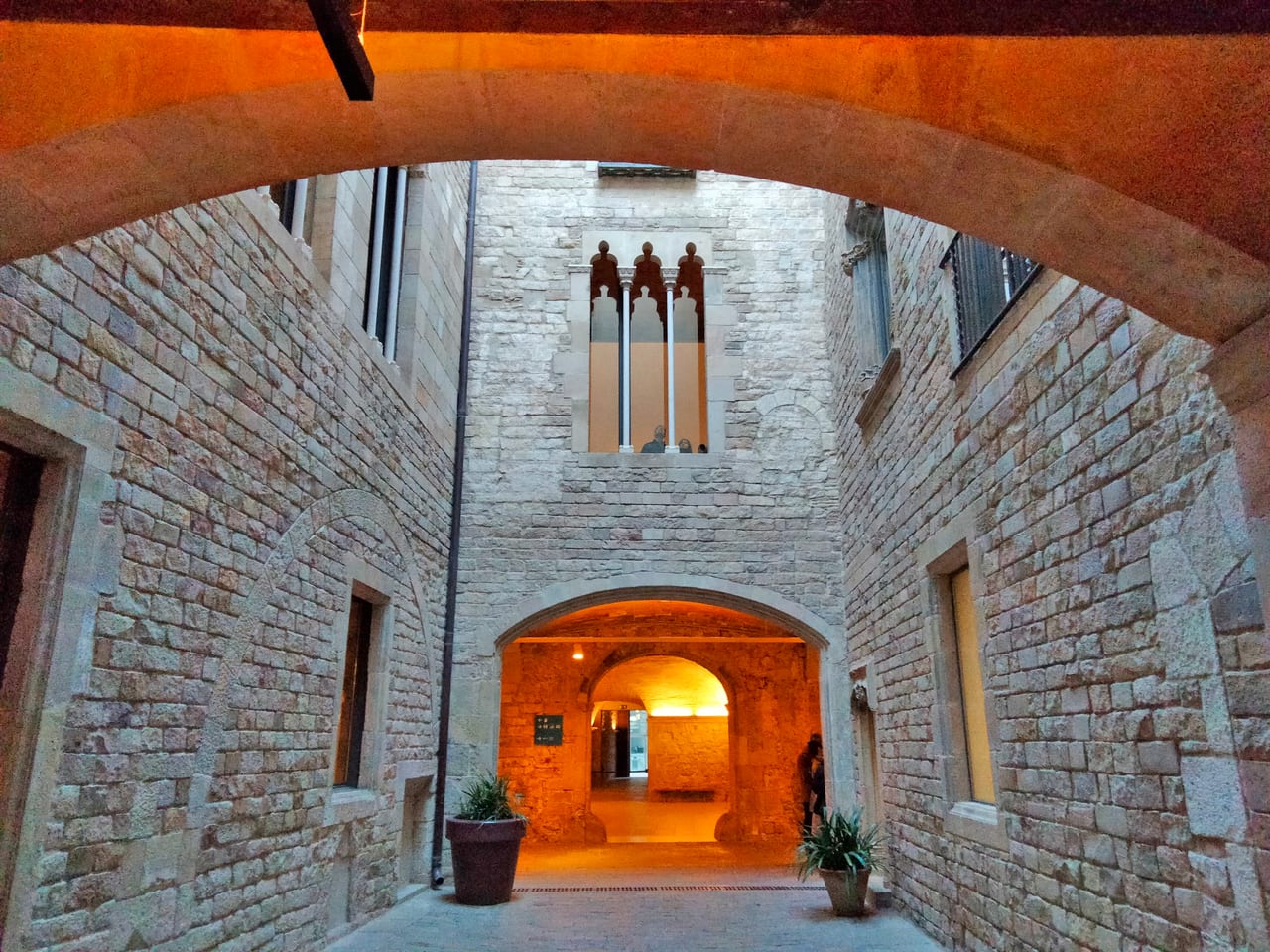
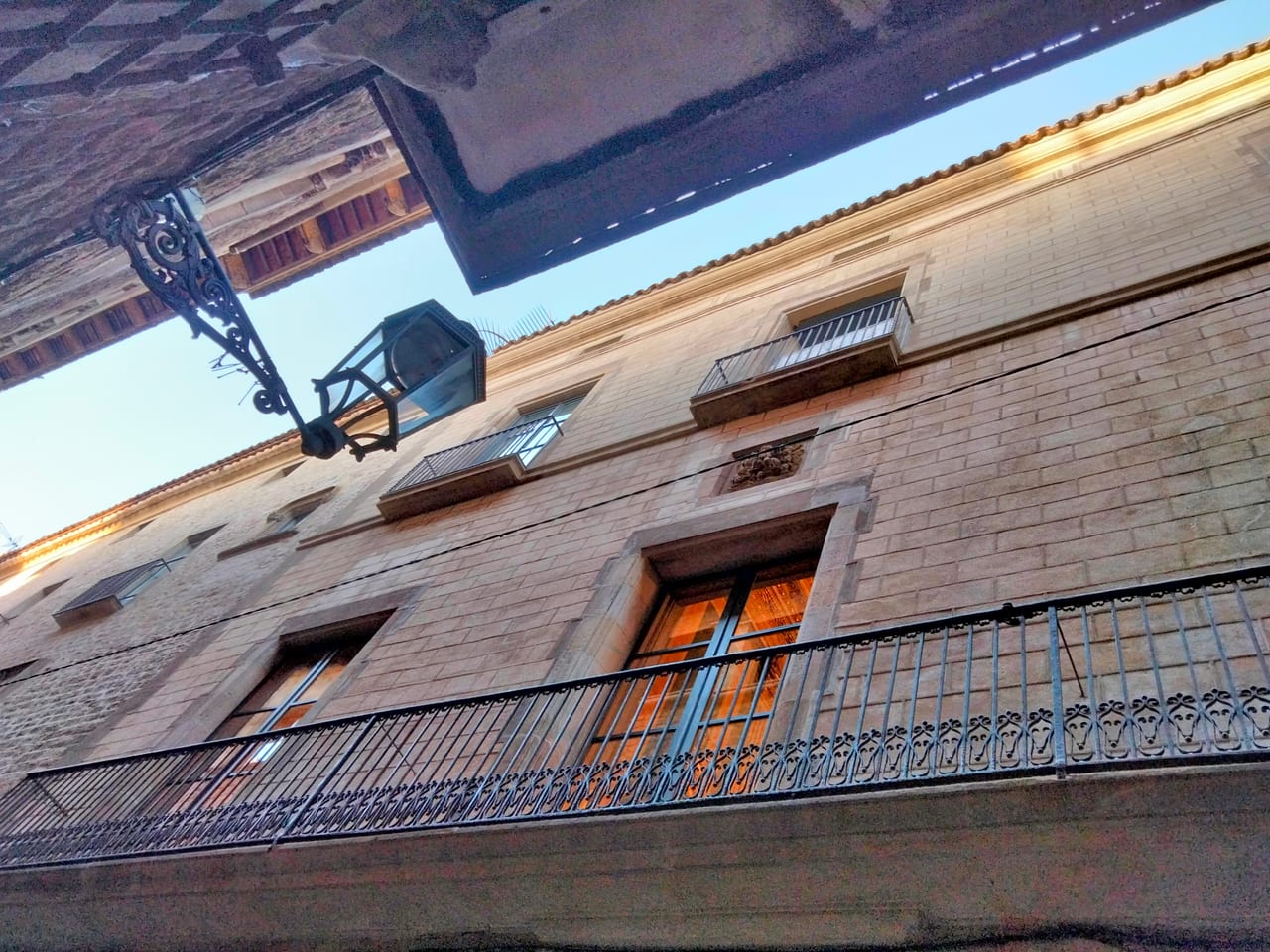
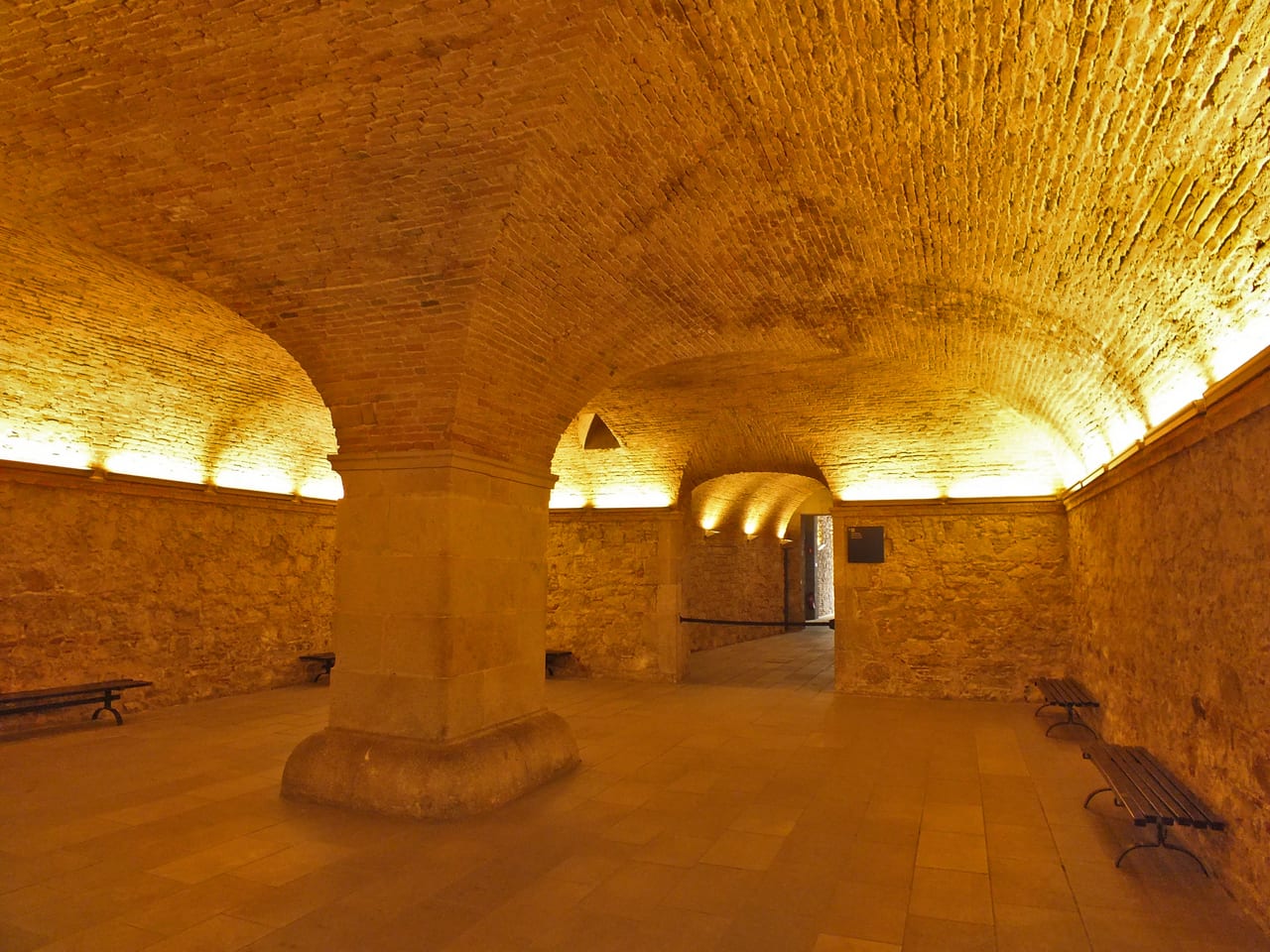
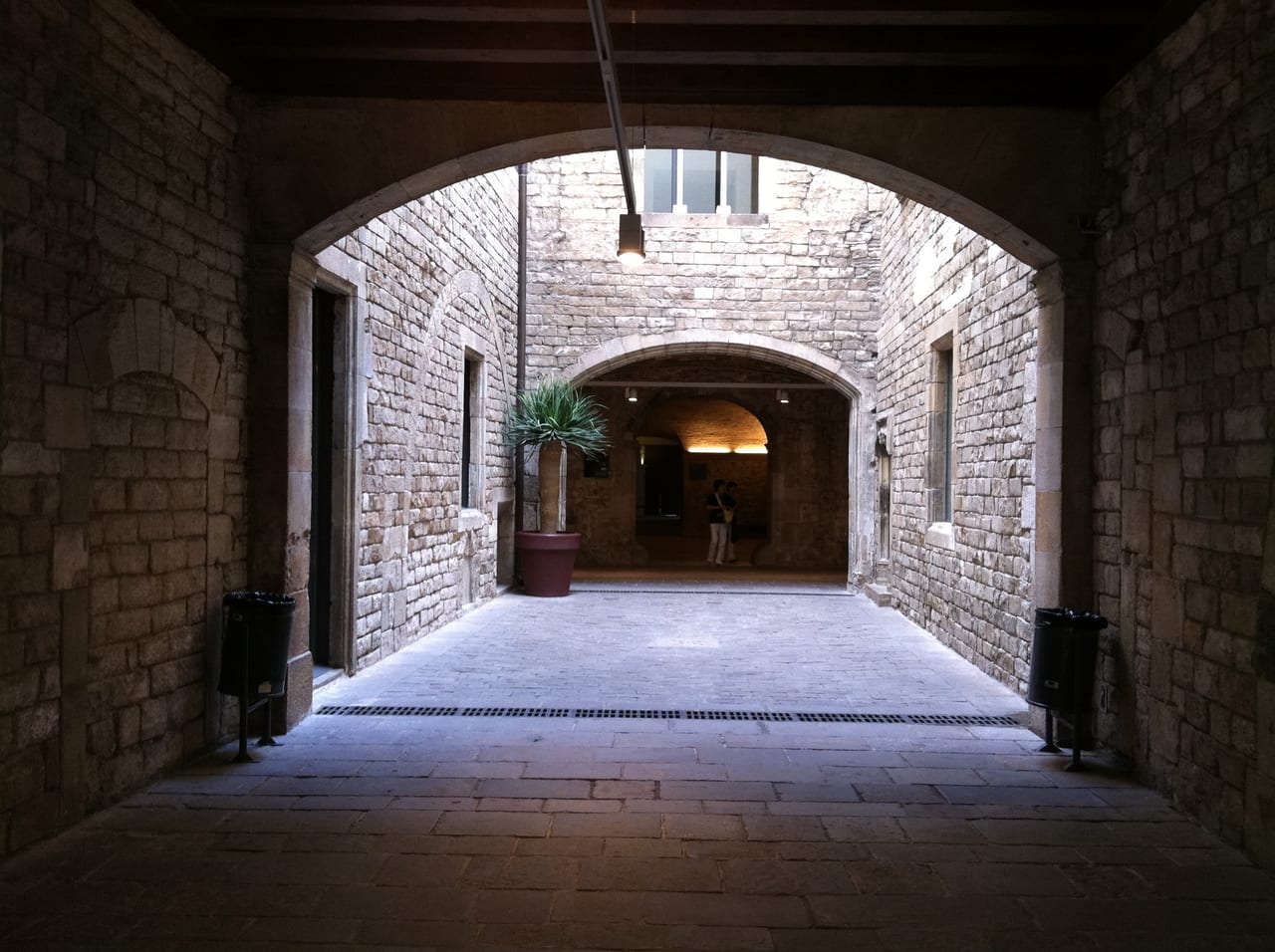
The house’s origins reach back to the late thirteenth century; its first documentary reference is from 1263. Ownership passed through the Duran, Branca, Girona, Moradell, Xifré, Ripoll and Nadal families before Caterina Farell and Blai acquired it at auction in 1668. Her son sold it in 1722, while Miquel Alegre i Roig sought permission in 1791 to demolish the building to the first floor and reconstruct it. His son, Marià Alegre d’Aparici i d’Amat, inherited the property as Baró de Castellet and left it to the Hospital de la Santa Creu in 1831. After the 1855 Madoz disentailment, the State sold the property in 1860. A prolonged inheritance dispute brought the Jofre family back into possession in 1865, followed by further litigation over rents and improvements. In 1871 they sold it to Jaume Rius i Lladó; the Rius i Torres colonial-trade company later operated from the building. Barcelona expropriated it on 11 September 1963 for the expansion of the Museu Picasso, with Ignasi Serra i Goday and Joaquim de Ros i de Ramis directing the works. Two courtyards organise the building. Its façade has three ground-floor entrances, projecting balconies, a sculptural relief and an attic level; inside are medieval arcades, storage silos, varied vaults and a spiral staircase. A major eighteenth-century hall, built over the former medieval garden, has a brick vault carried by a central stone pillar. The 1960s restoration reinstated fifteenth-century window elements, while the 1980s conversion moved the elevated courtyard to the second floor.
At a glance
- Heritage
- Cultural Asset of Local Interest
Ways to explore Palau del Baró de Castellet
Approach the façade slowly to read its three entrances, continuous first-floor balcony, ironwork and carved relief above the central window. Inside, compare the two courtyards: the smaller noble court and the traces of earlier arcades visible on the ground floor. Look for the surviving medieval structural fragments, the former storage silos and the spiral stair. In the exhibition route, seek the elevated courtyard and the neoclassical room, whose decorative programme rewards close inspection.
Places to stay near Palau del Baró de Castellet

Live availability and prices from Stay22's partners, refreshed periodically and subject to change. Booking through these links may earn us a commission at no extra cost to you. See our privacy policy.
Cafés near Palau del Baró de Castellet
Cafés near Palau del Baró de Castellet loads as you scroll.
Attractions nearby
Attractions near Palau del Baró de Castellet loads as you scroll.
Cities nearby
Cities nearby loads as you scroll.
More in Barcelona
See more of Barcelona.
Find great cafés, places to stay and other interesting places to visit in Barcelona.