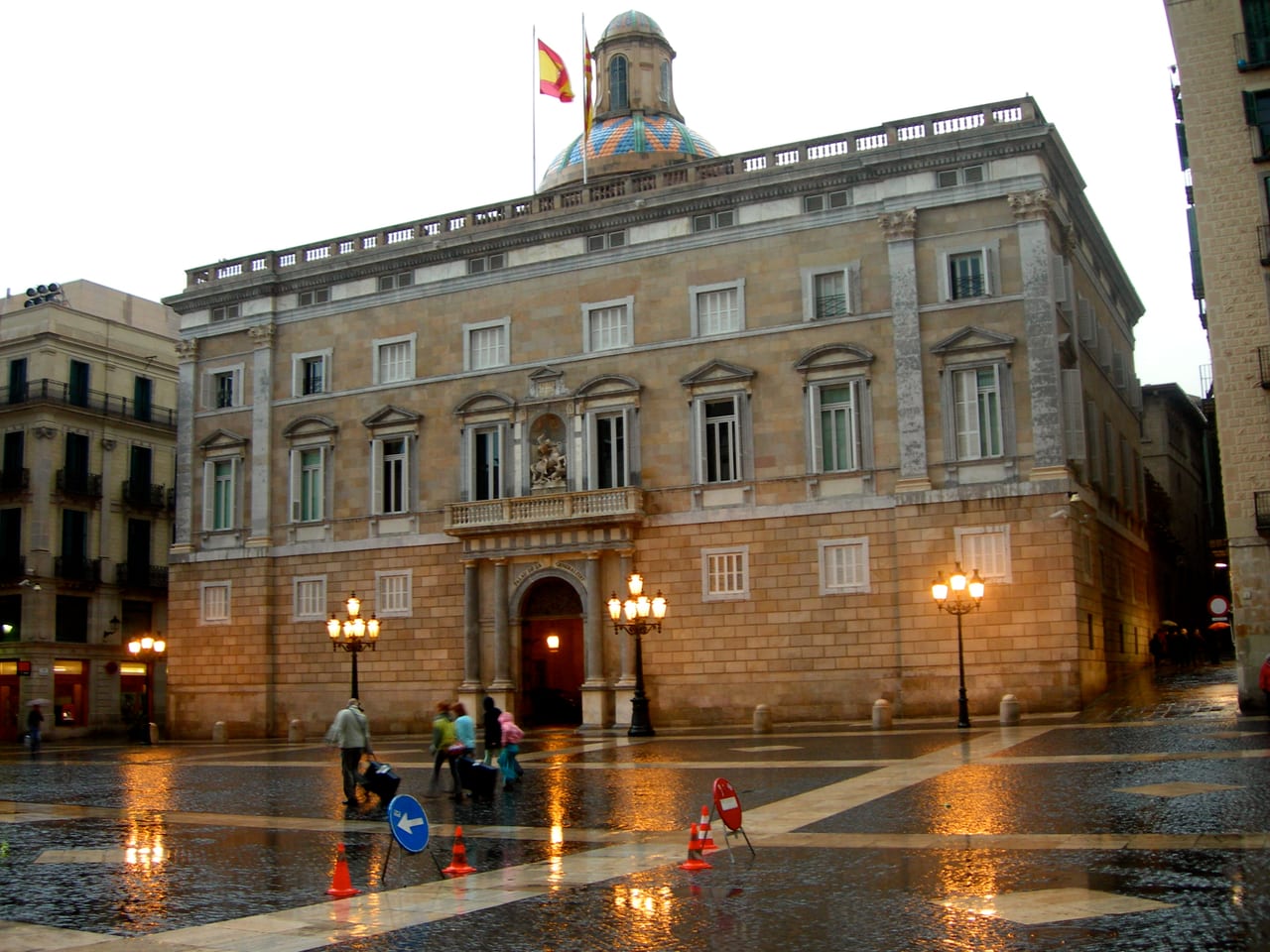
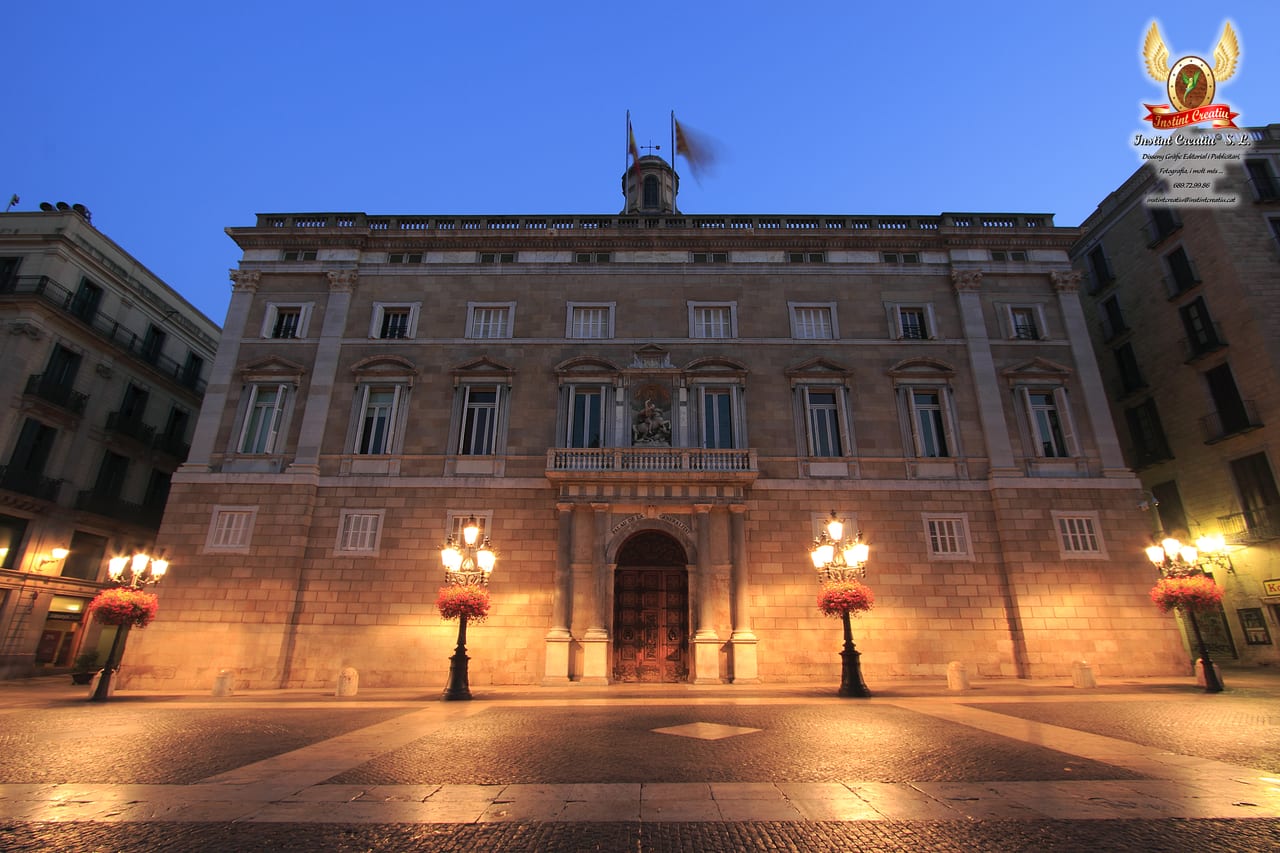
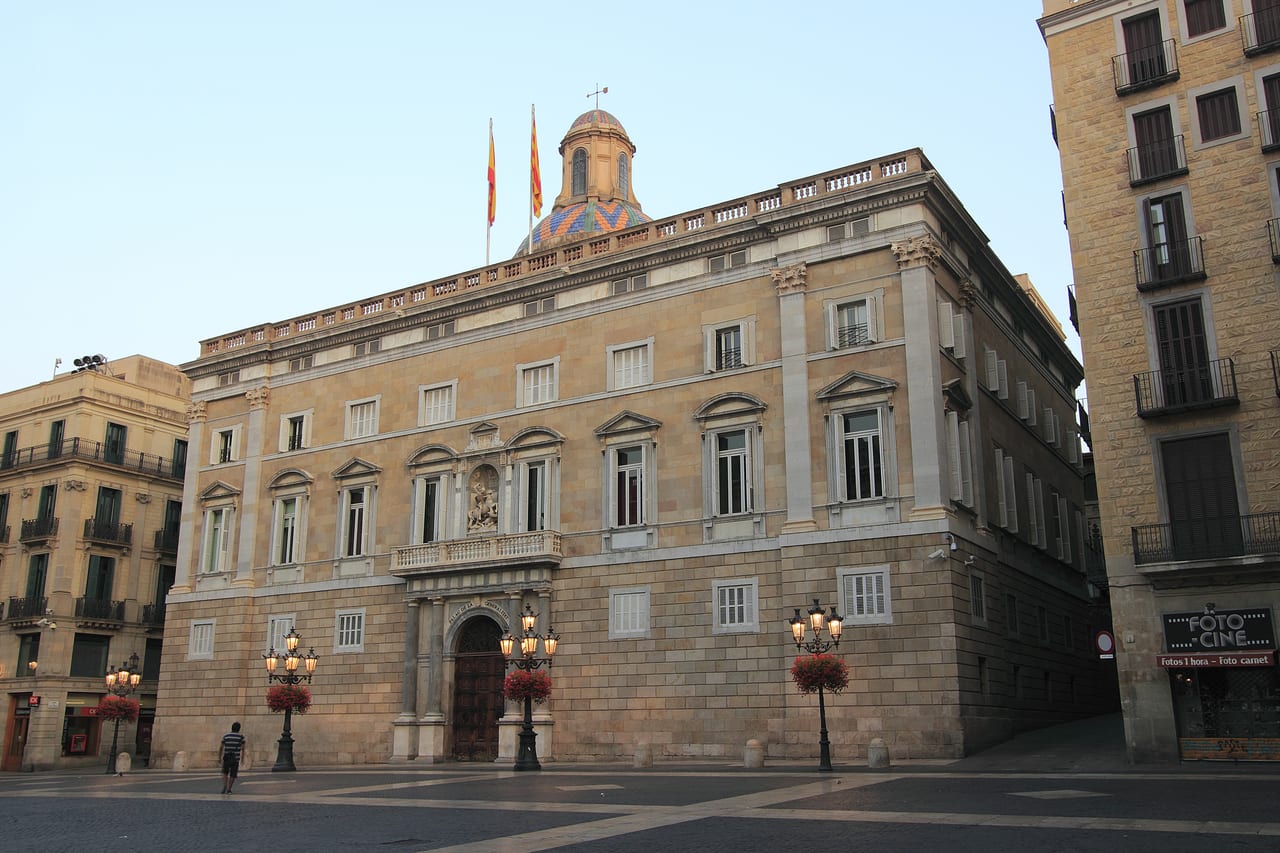
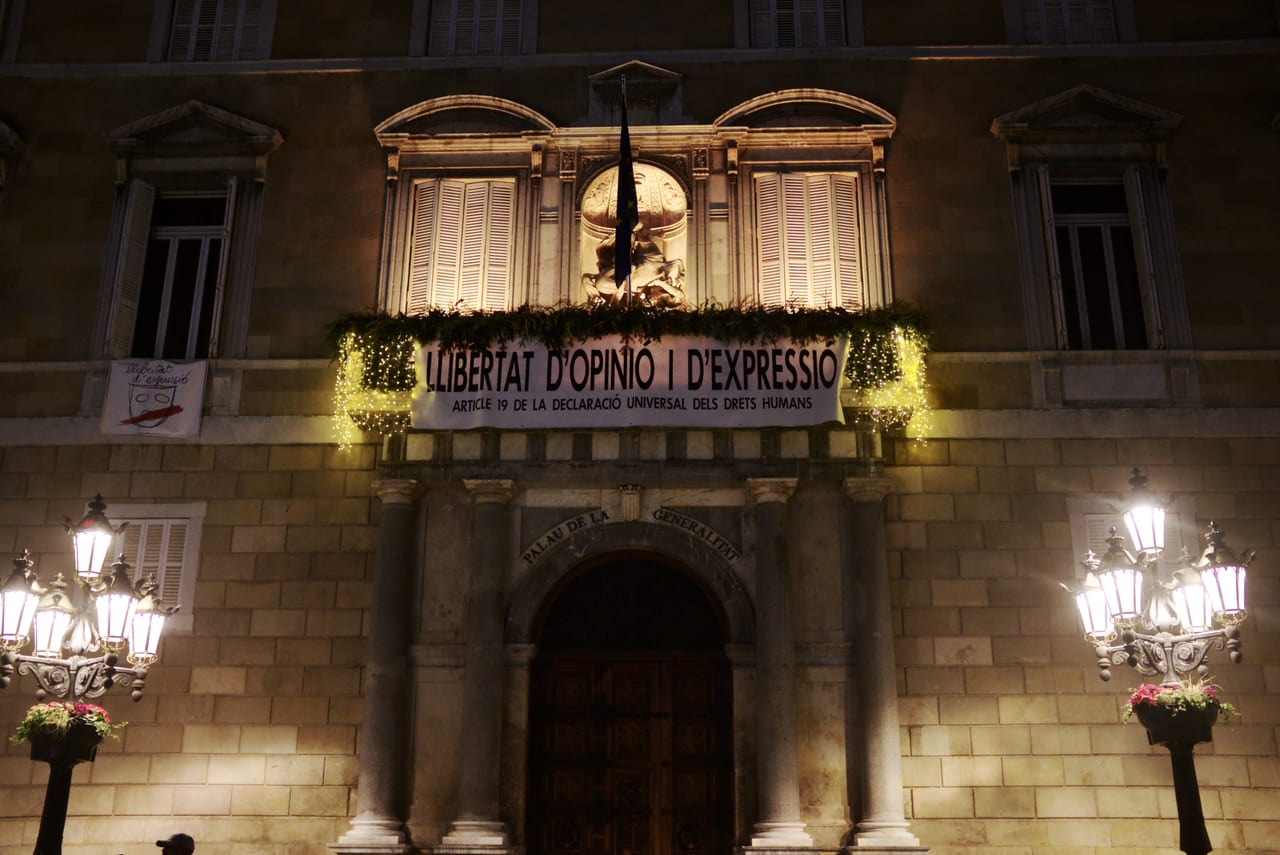
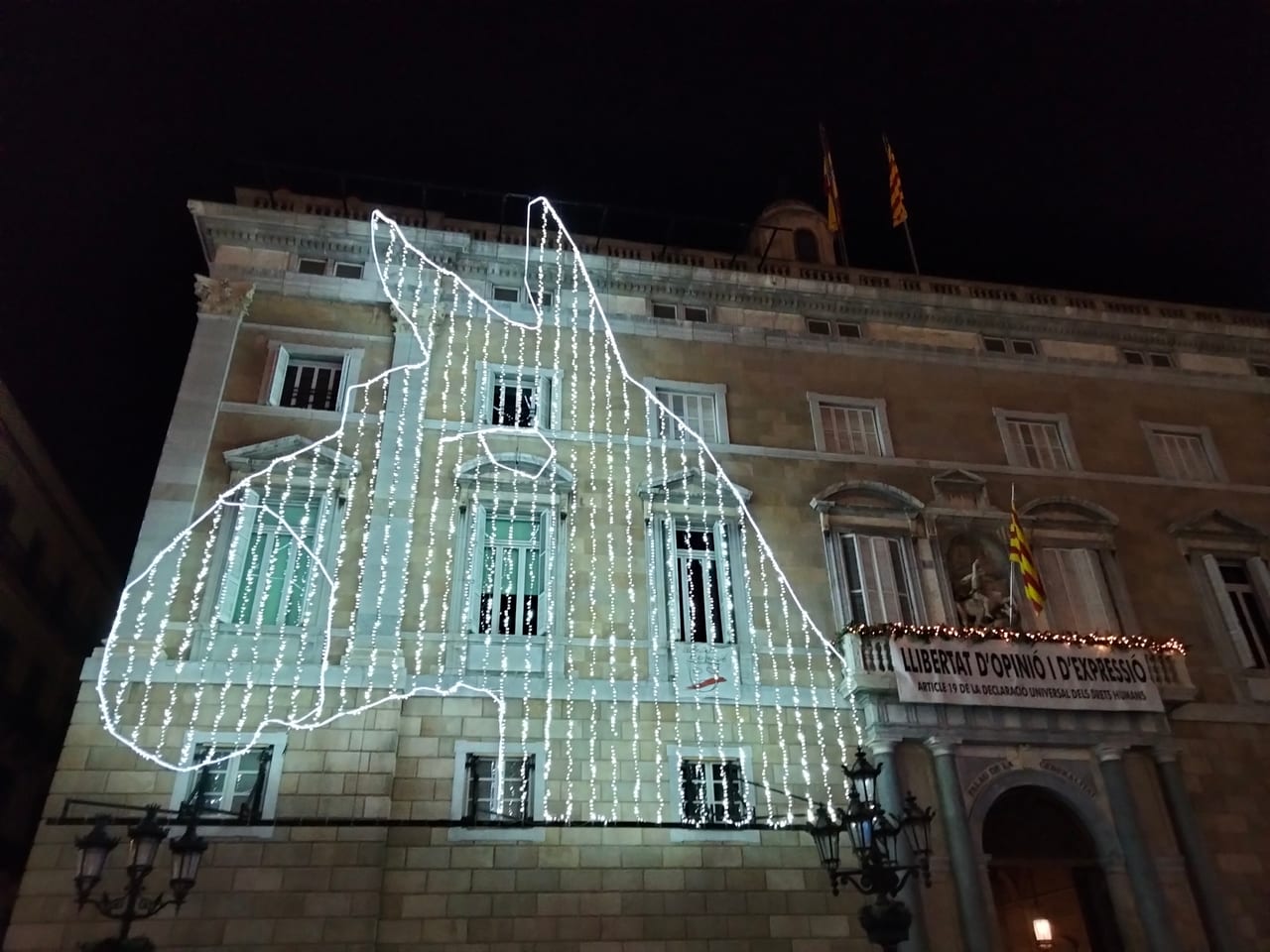
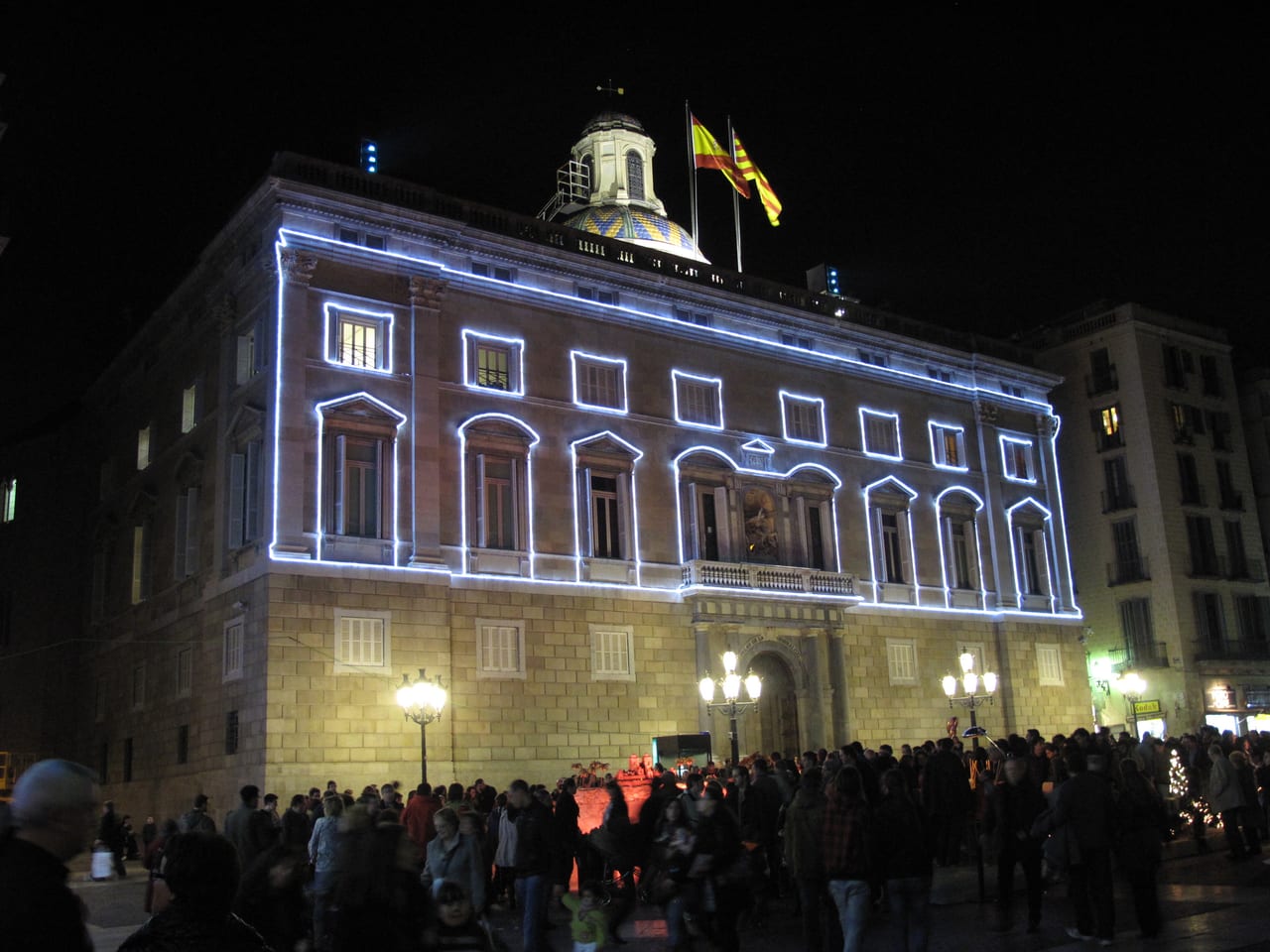
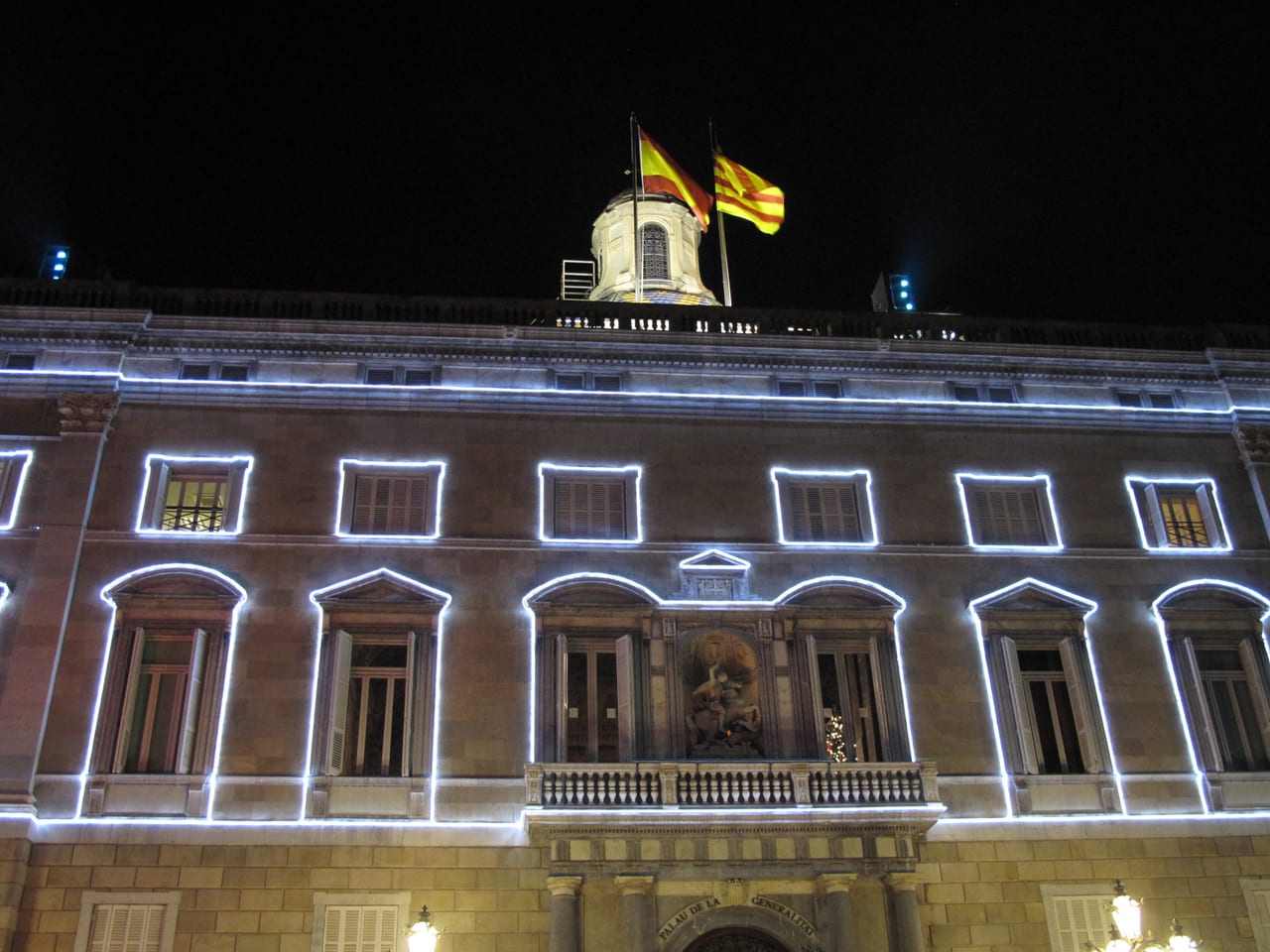
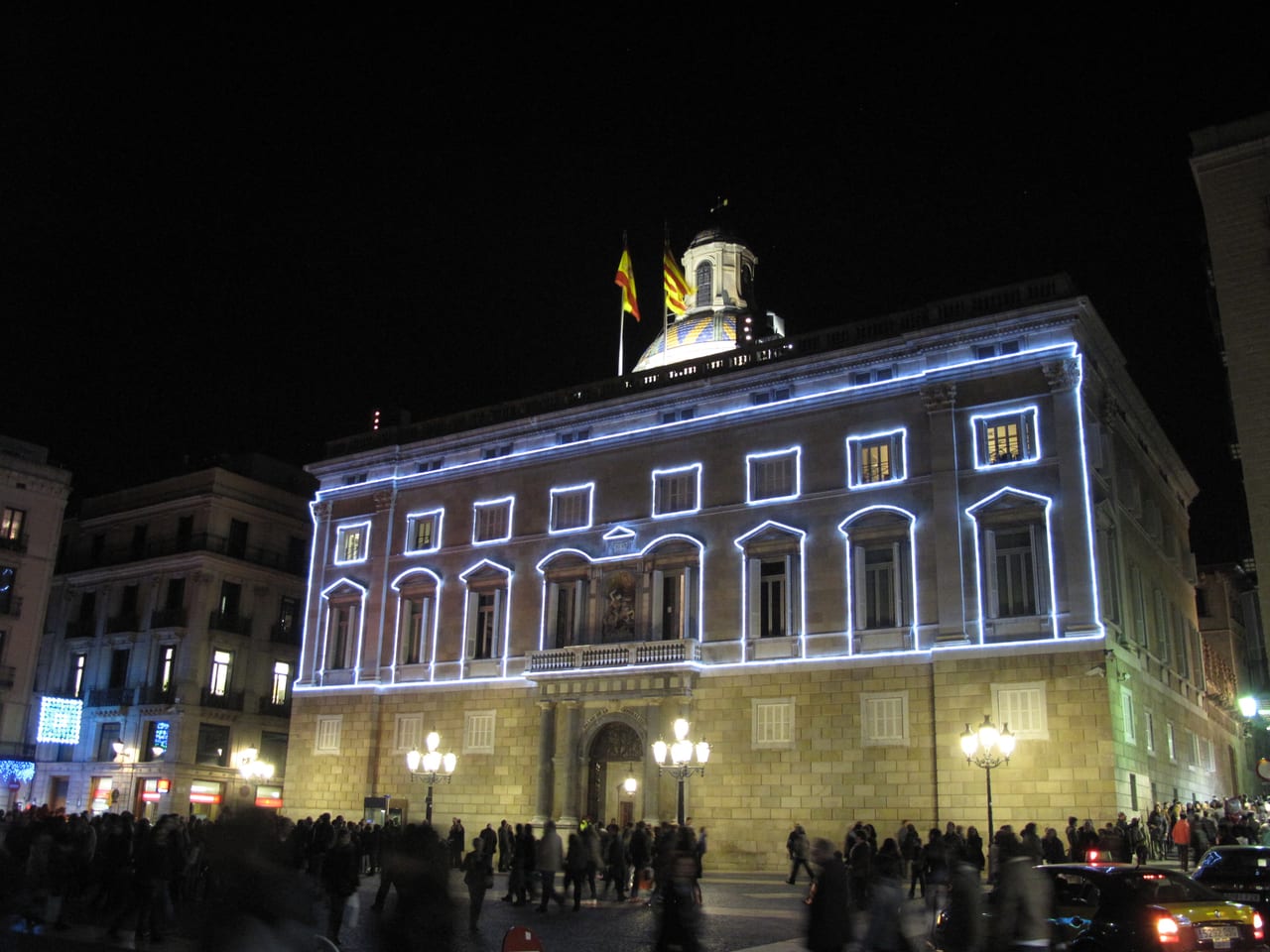
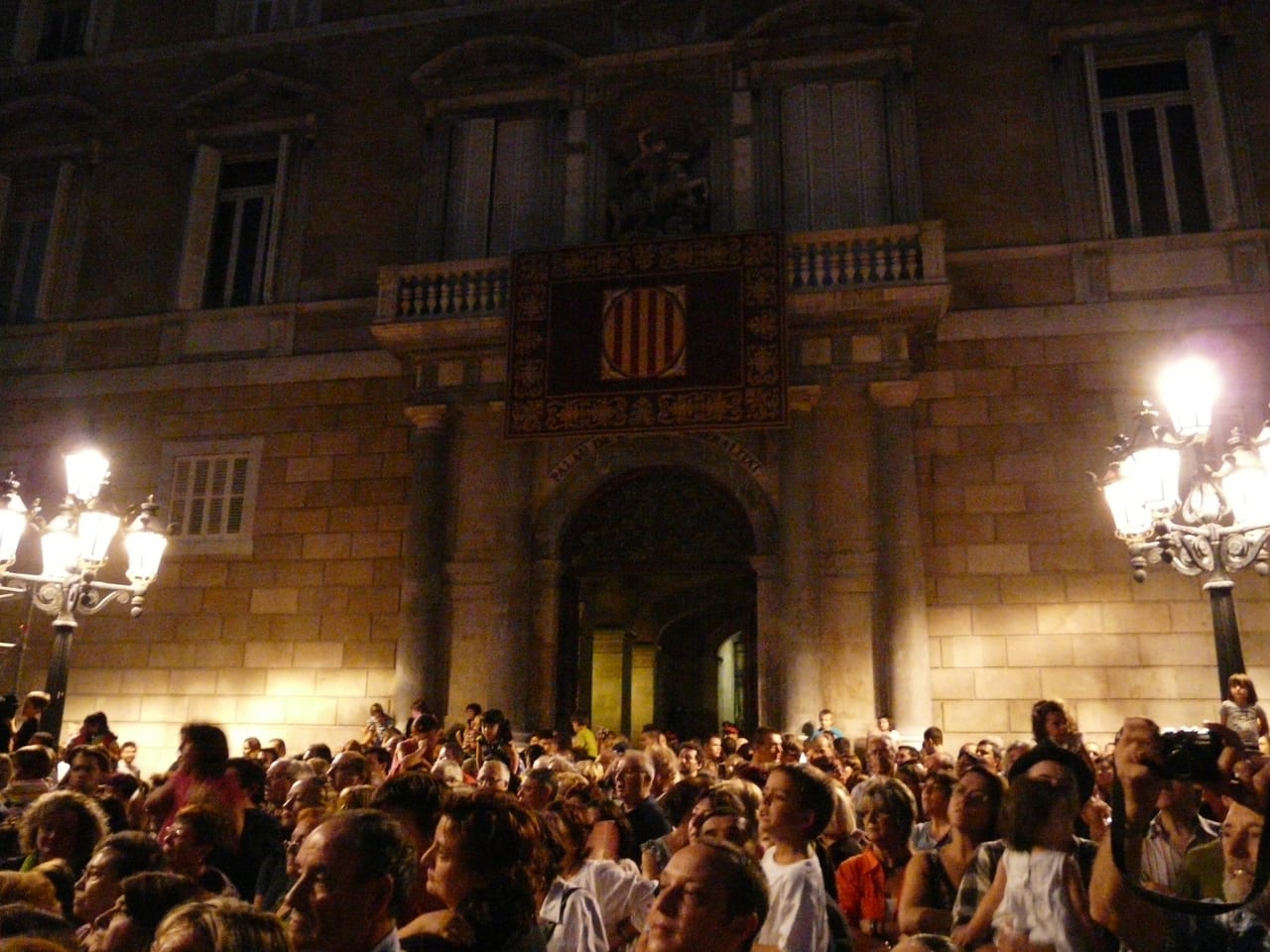
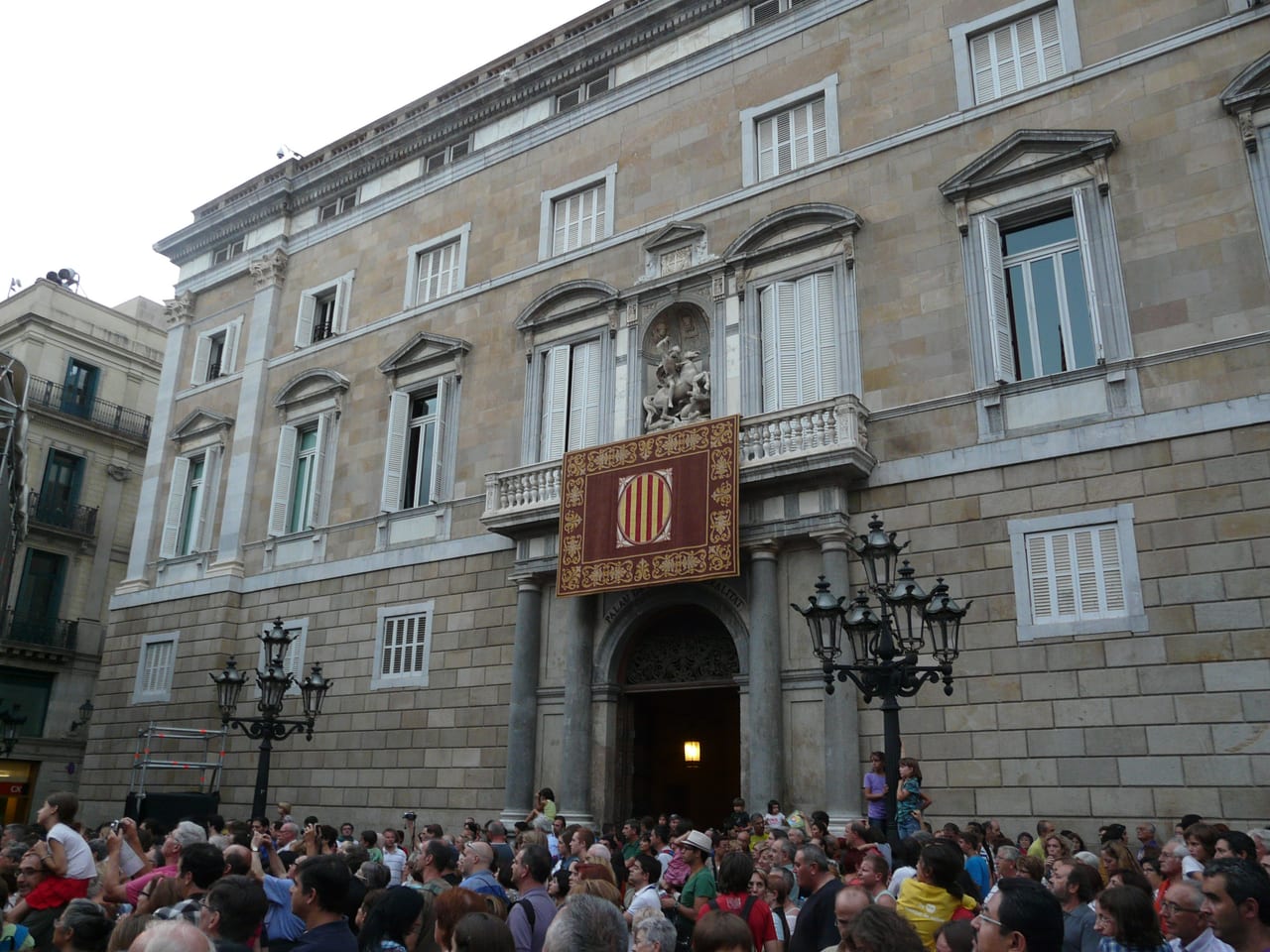
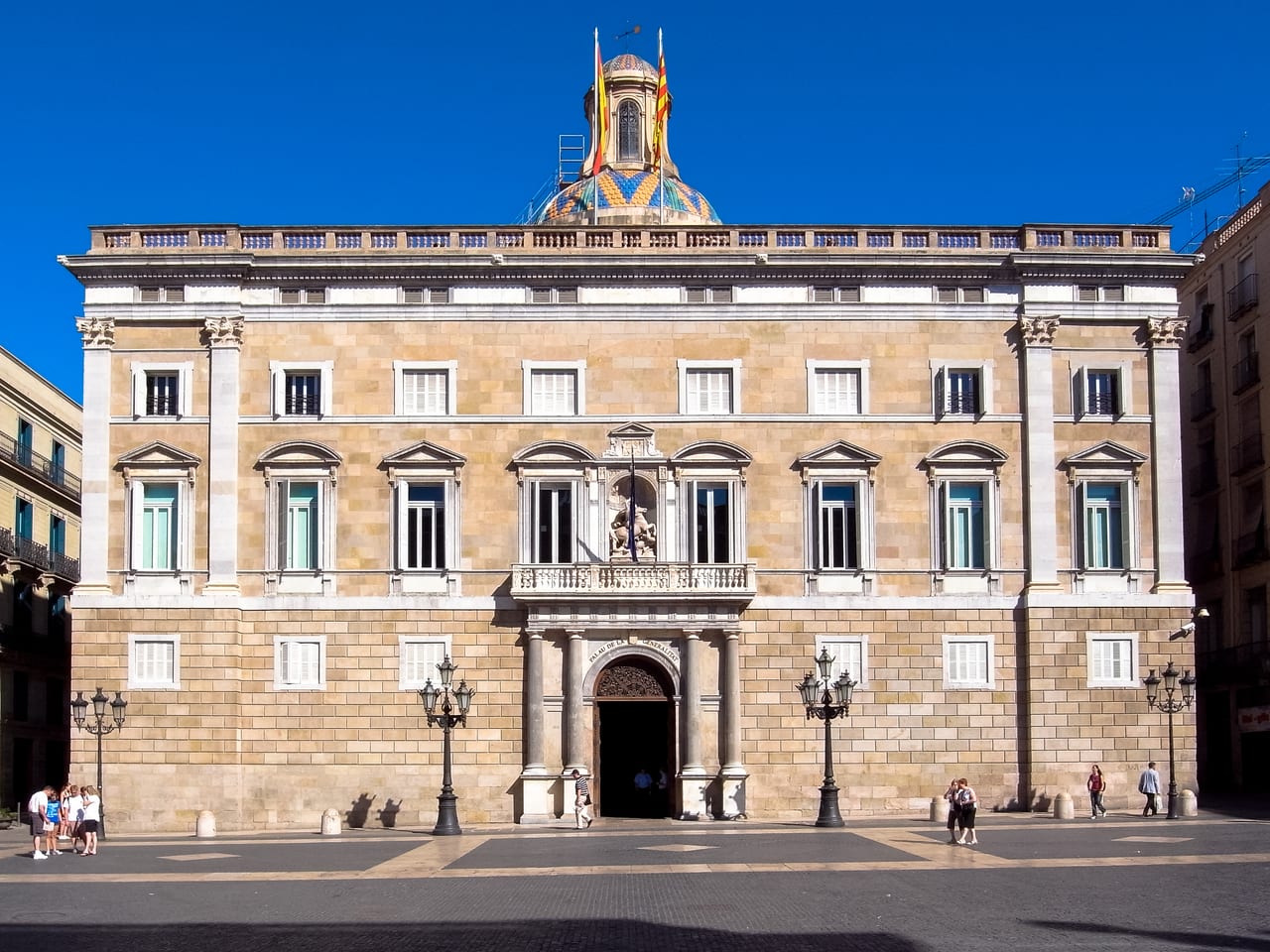
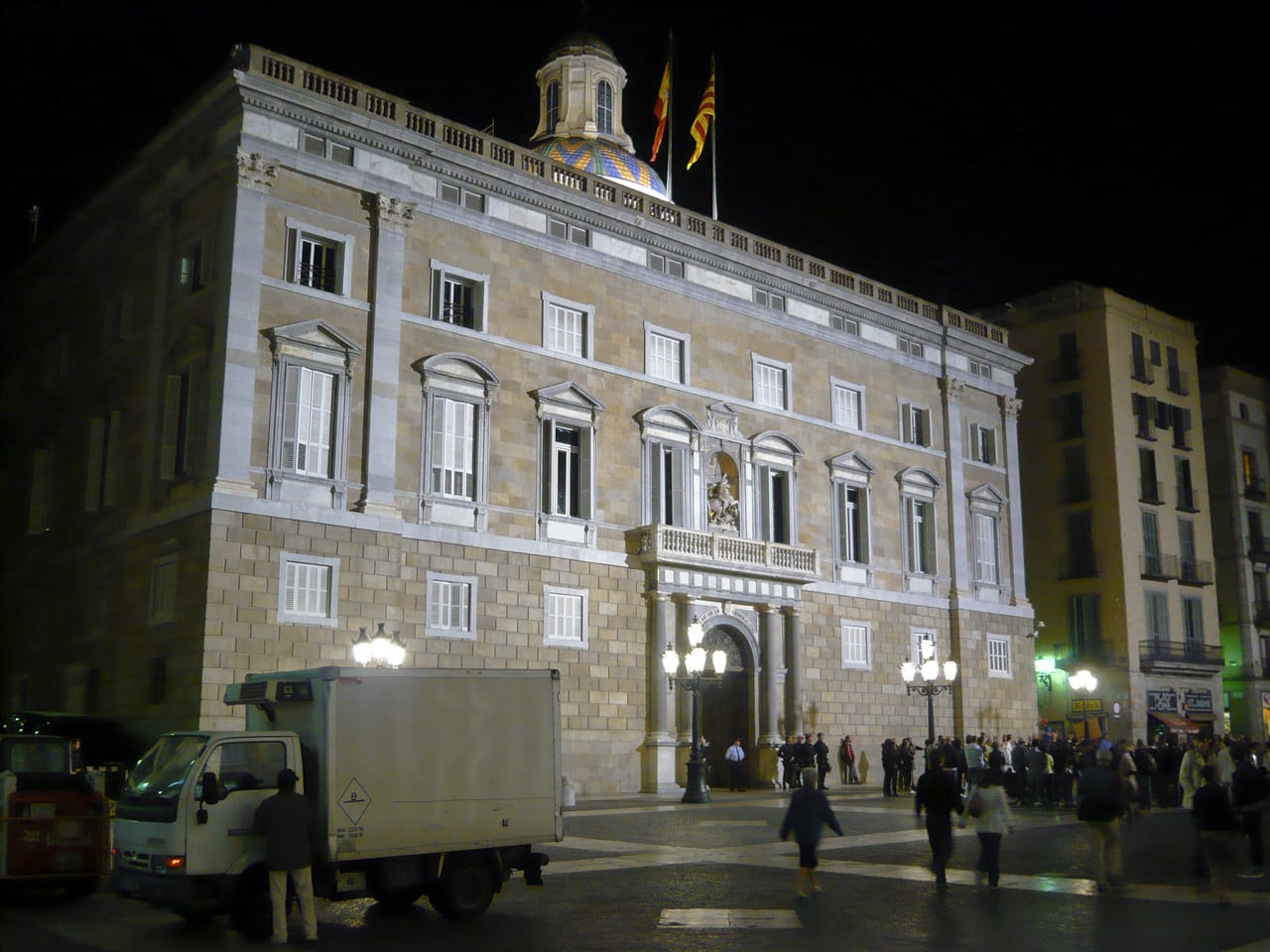
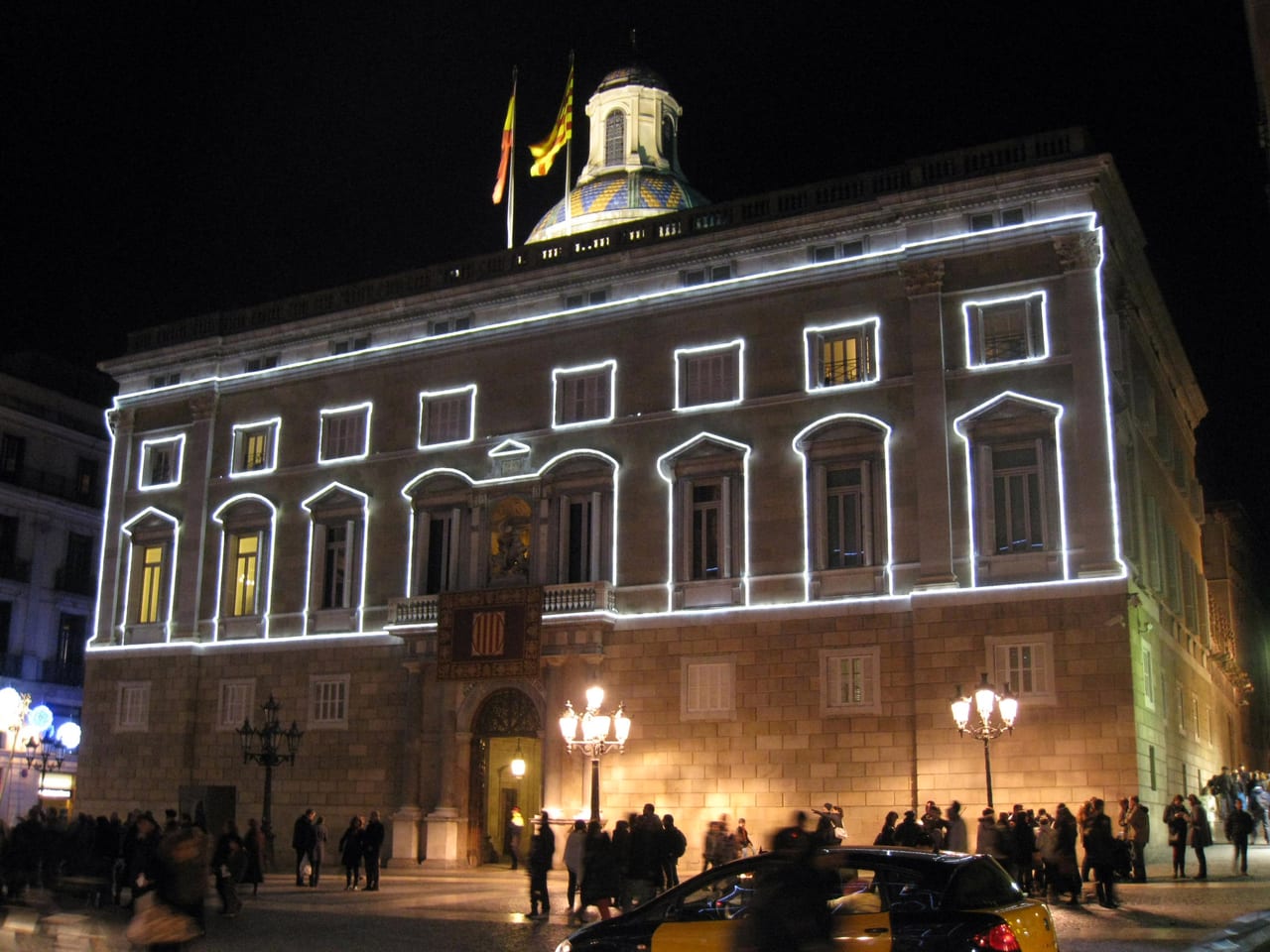
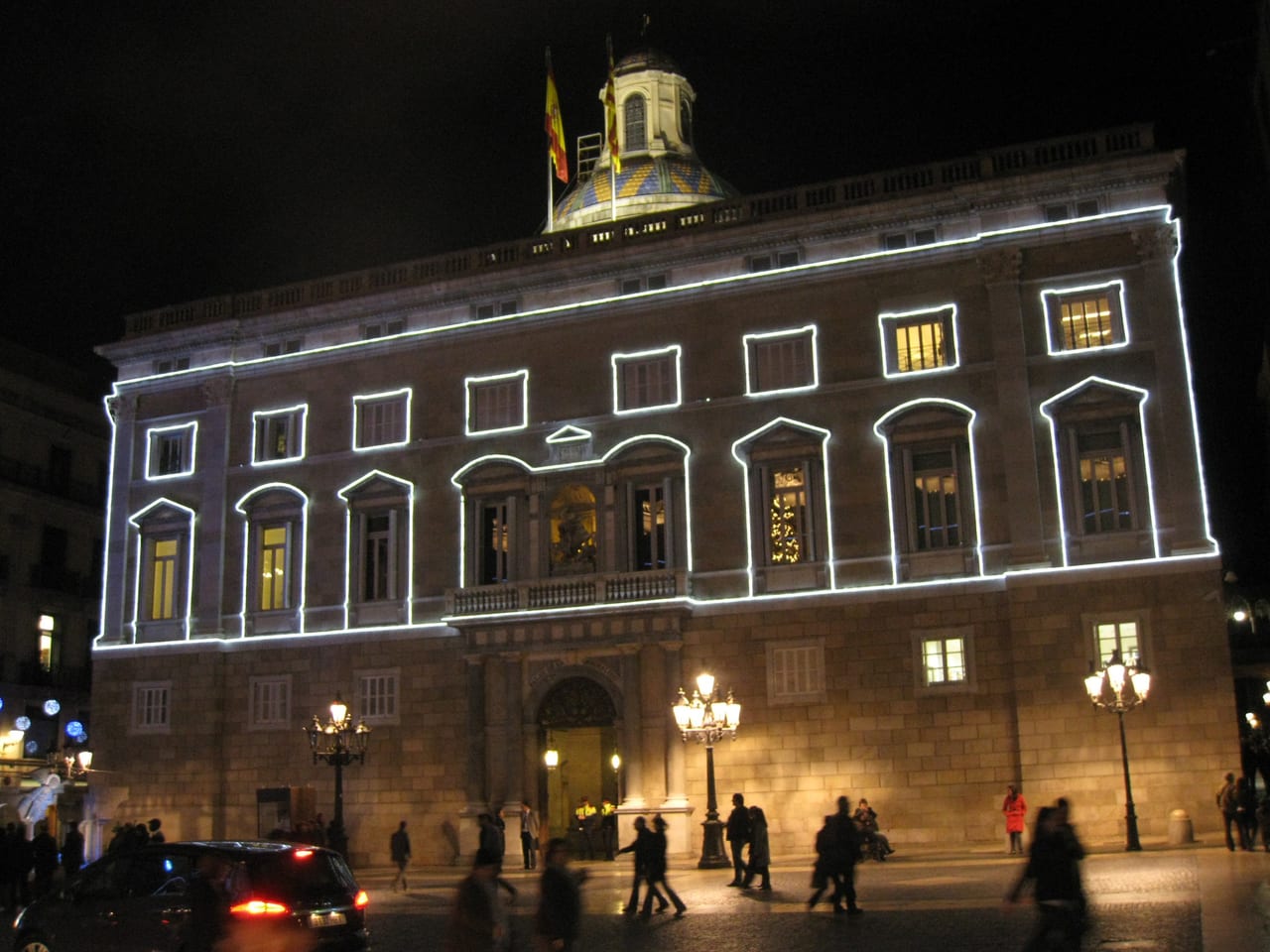
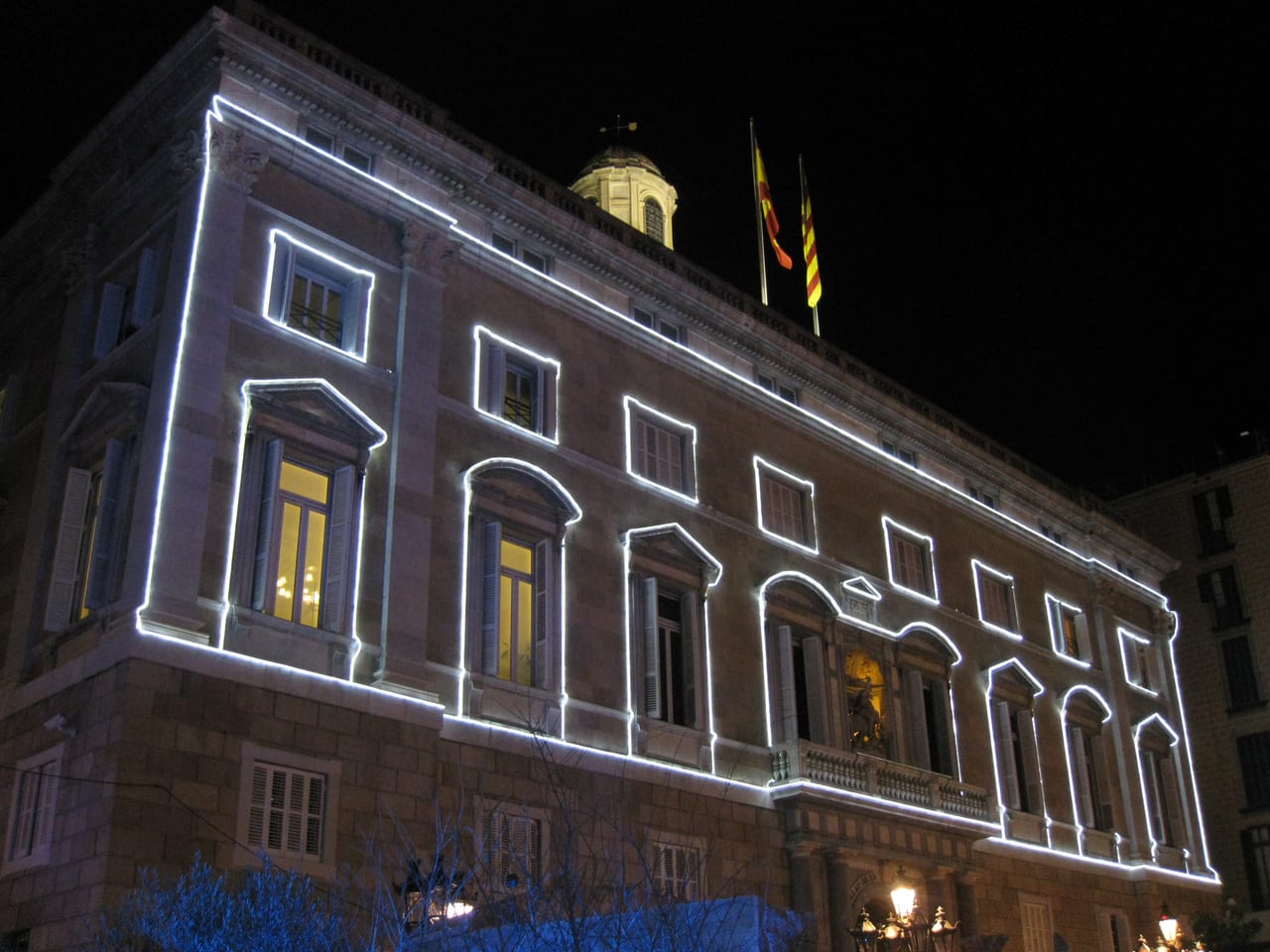
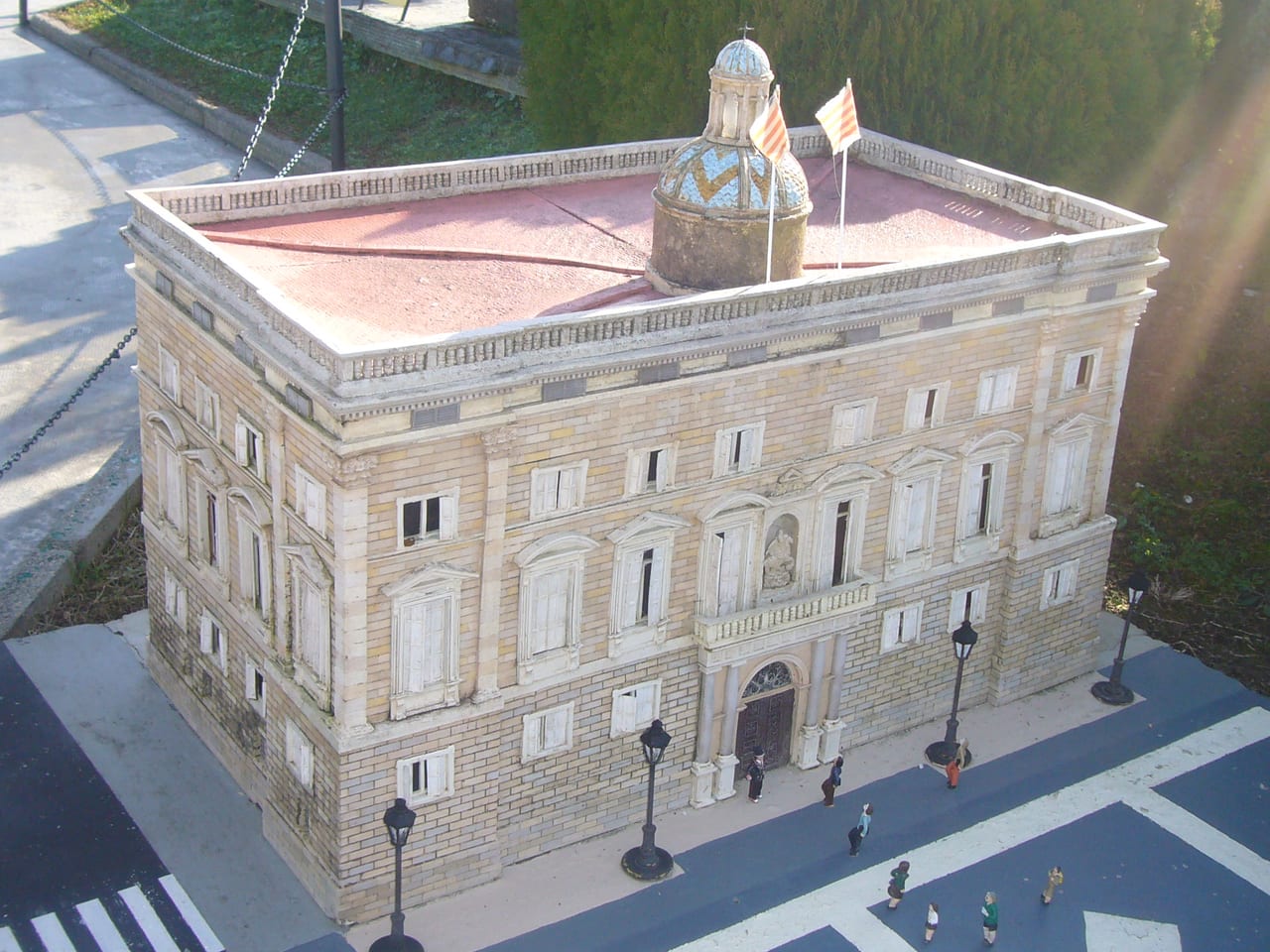
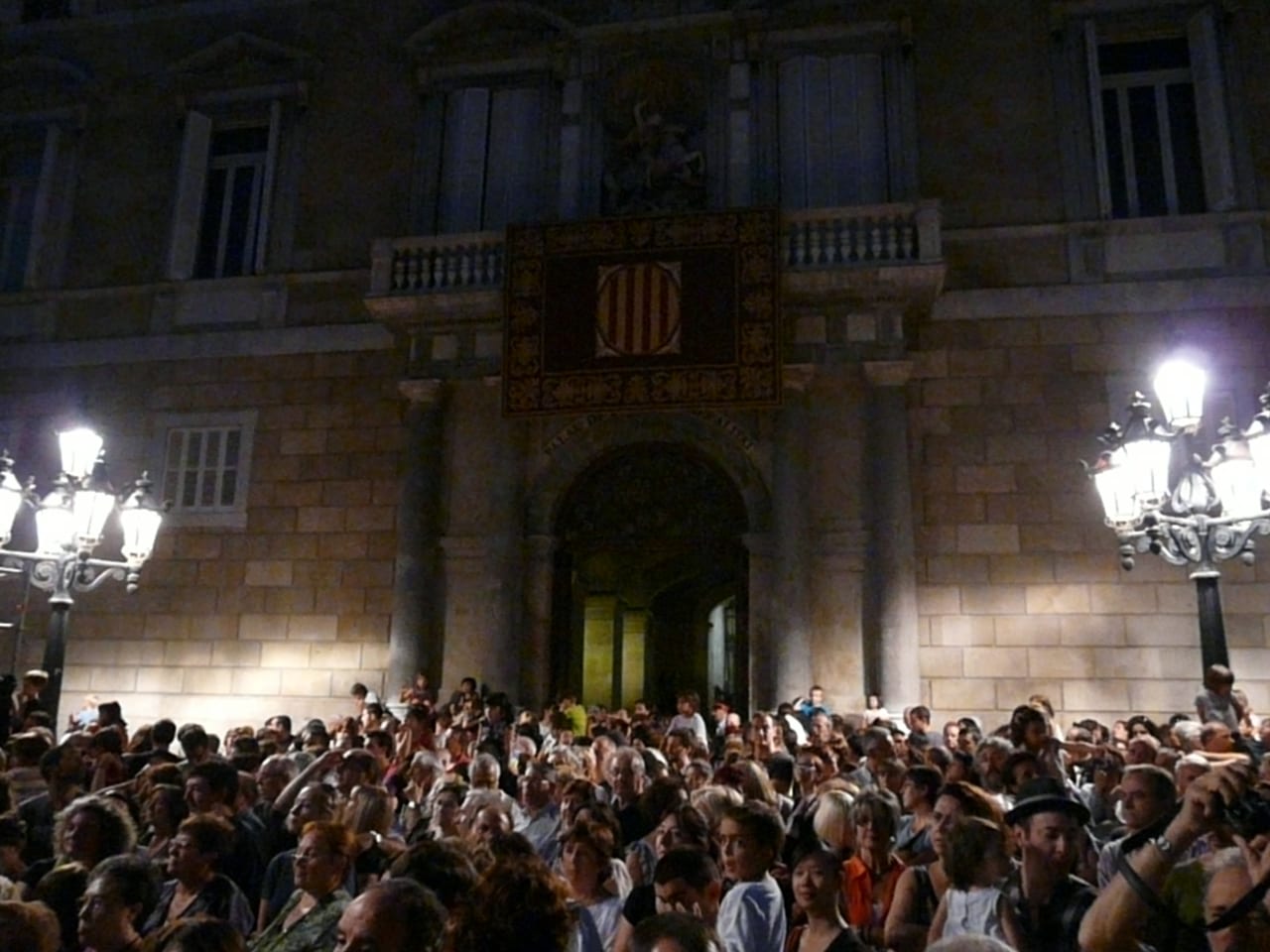
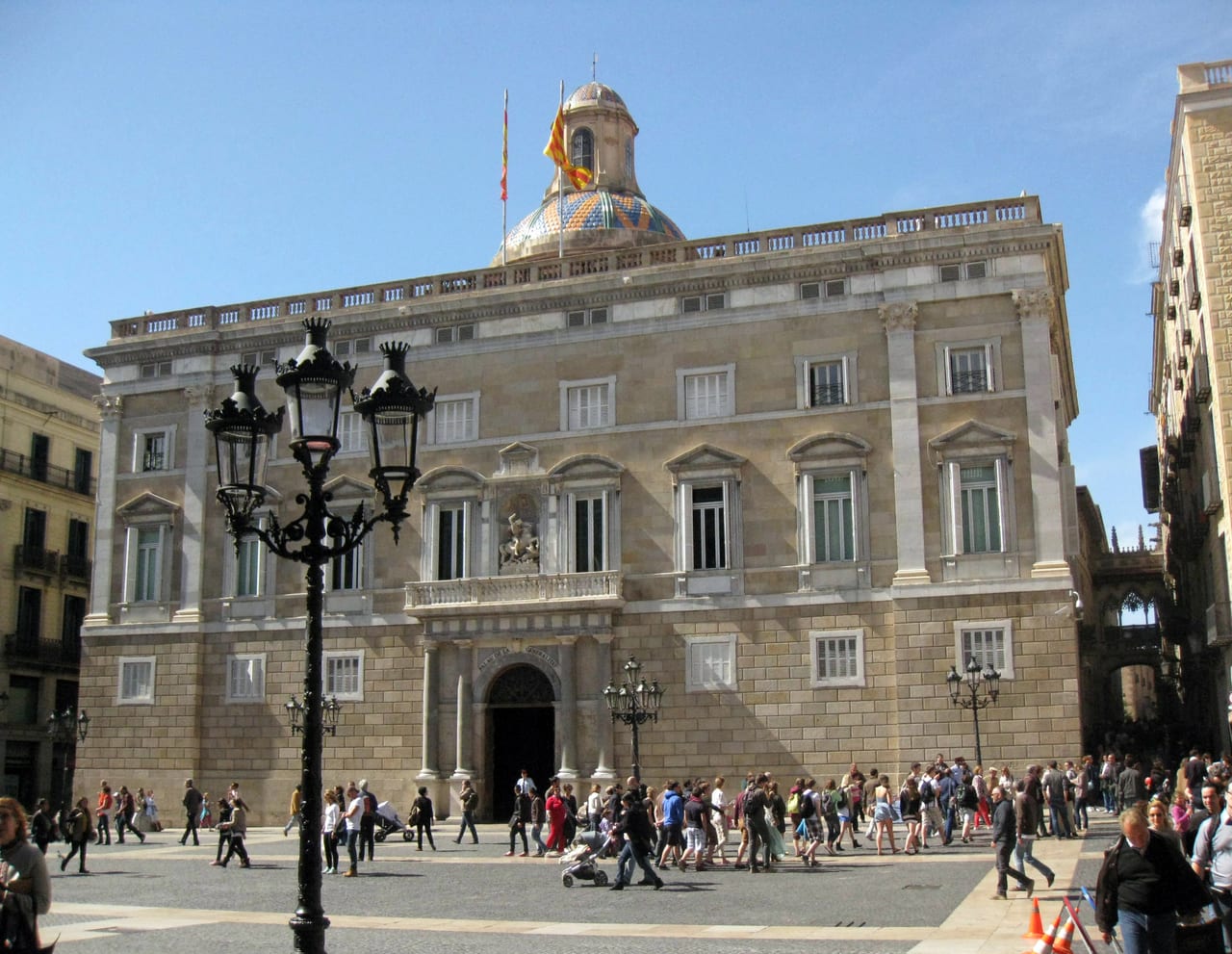
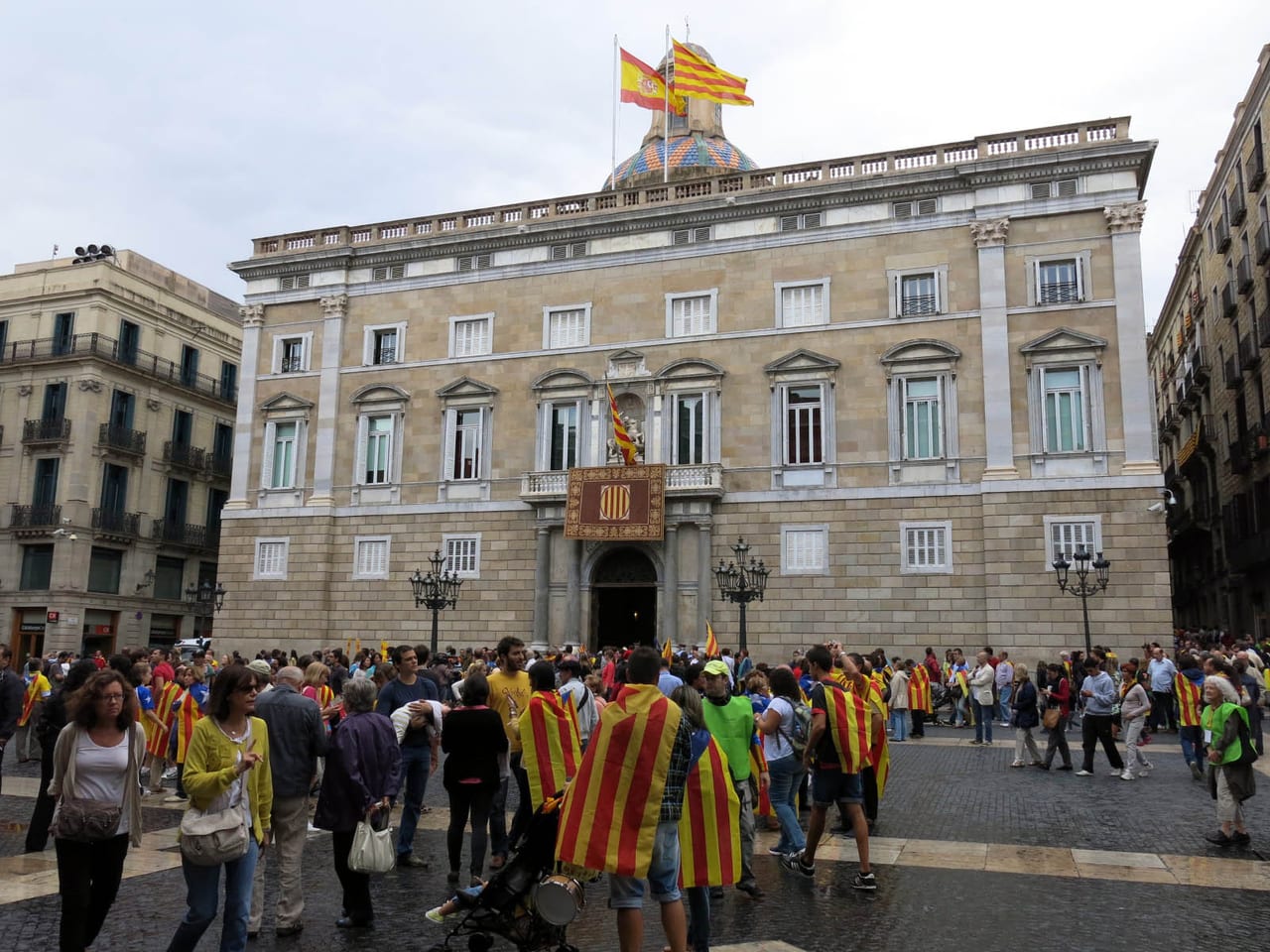
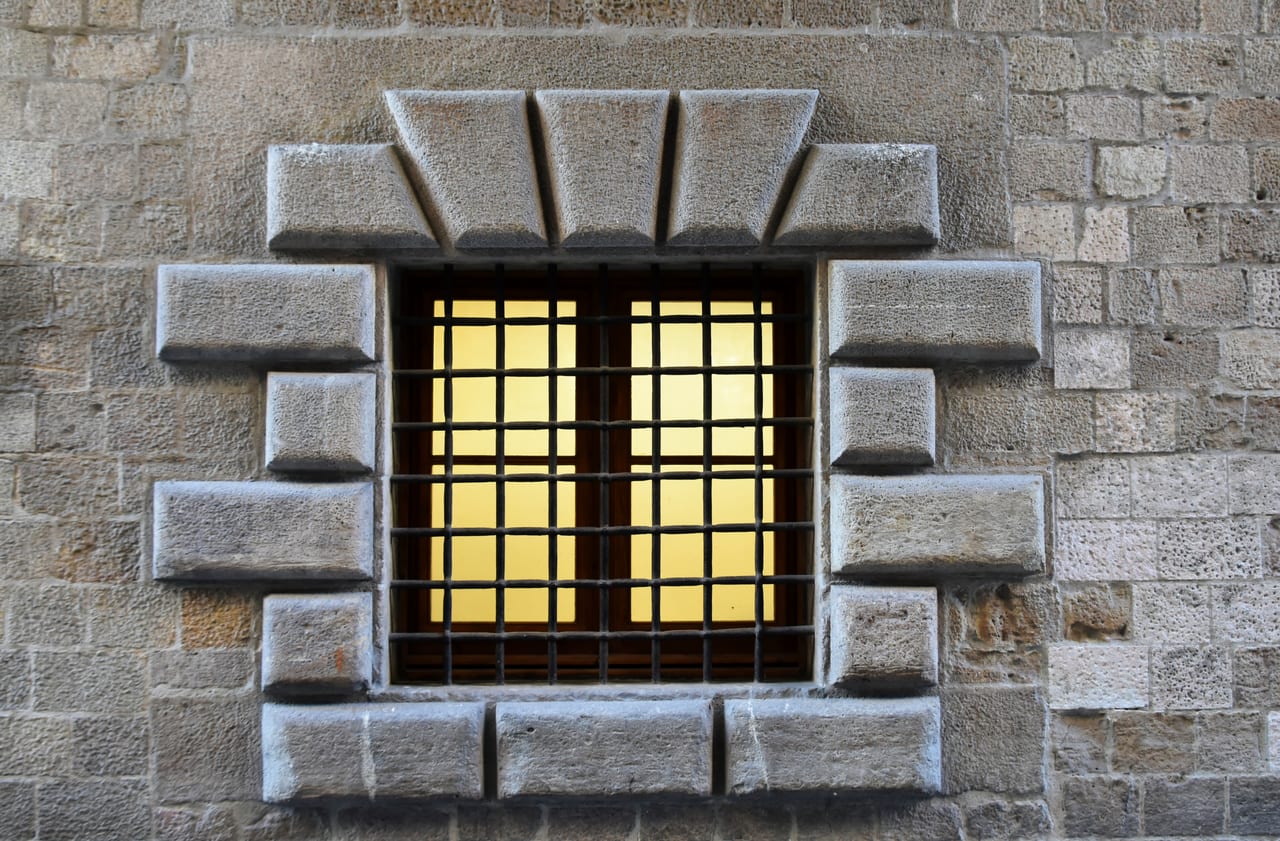
Photograph 1 of 39 of Palau de la Generalitat
Castle & palace · Barcelona
A castle in Barcelona, designed by Pere Blai.
Photograph 1 of 39 of Palau de la Generalitat
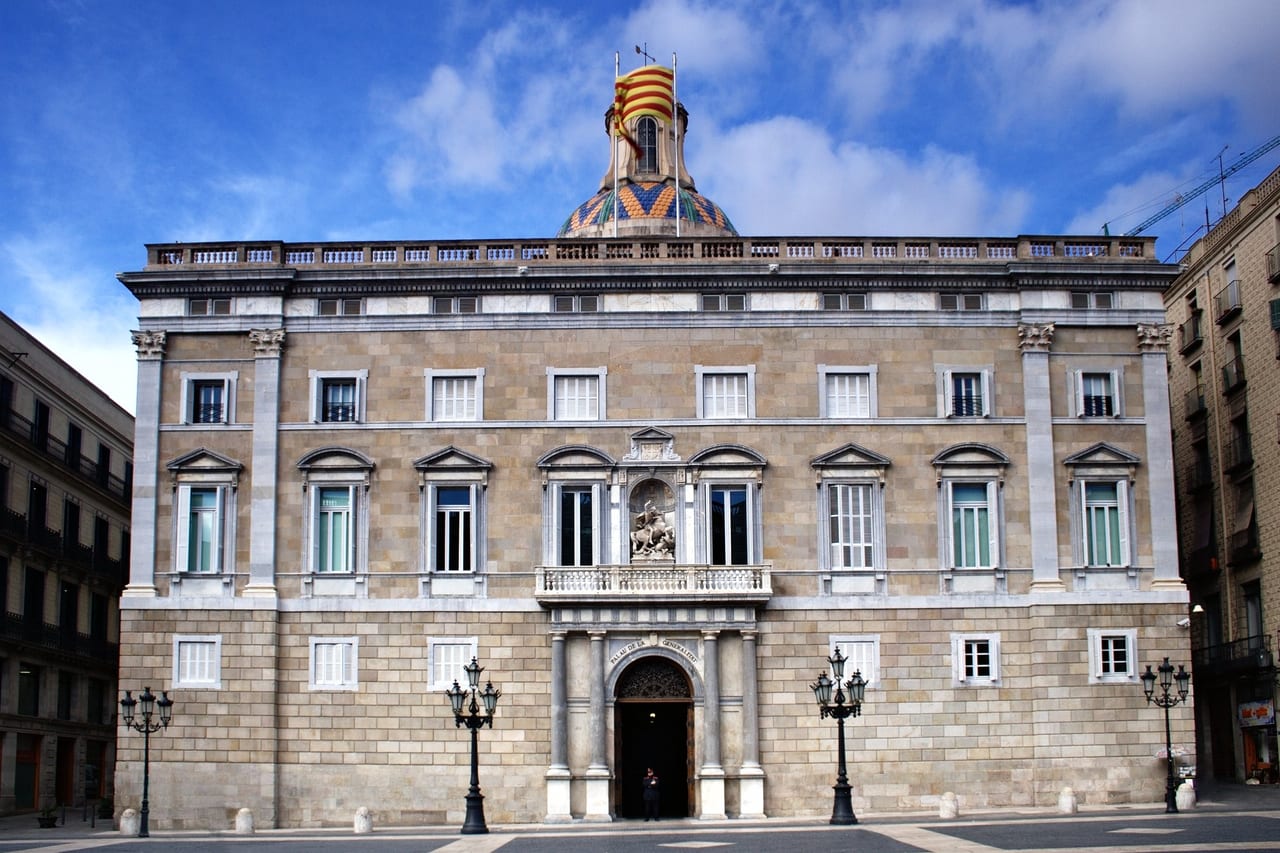
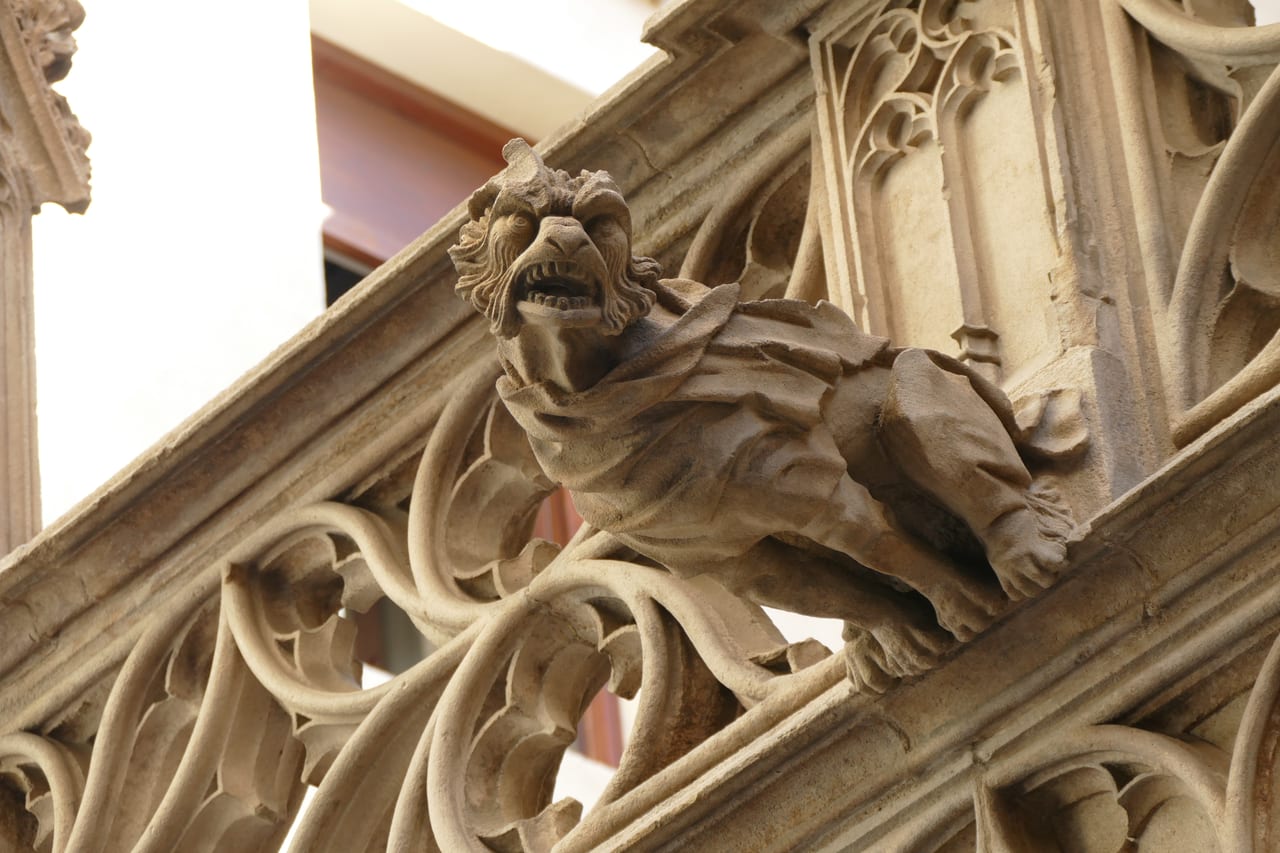
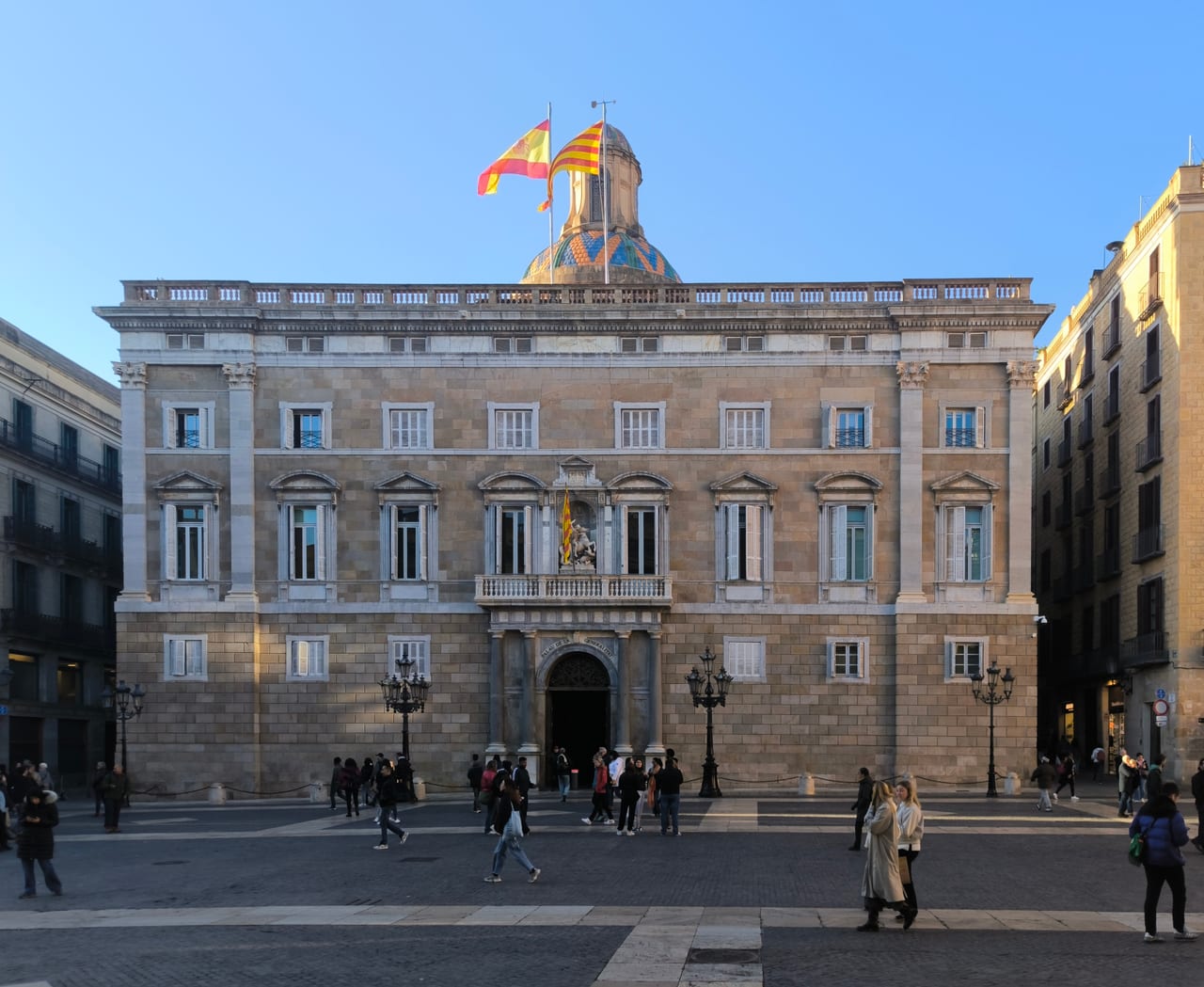
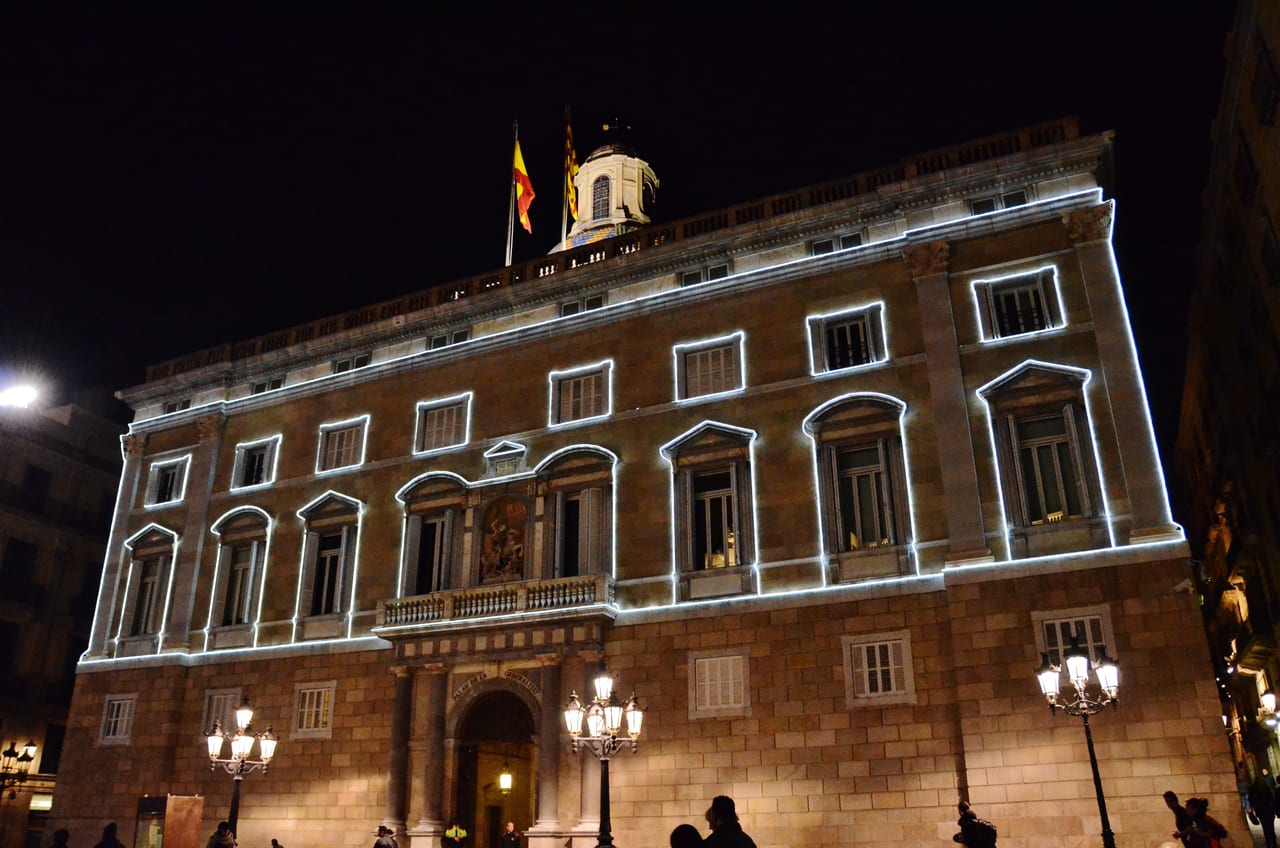
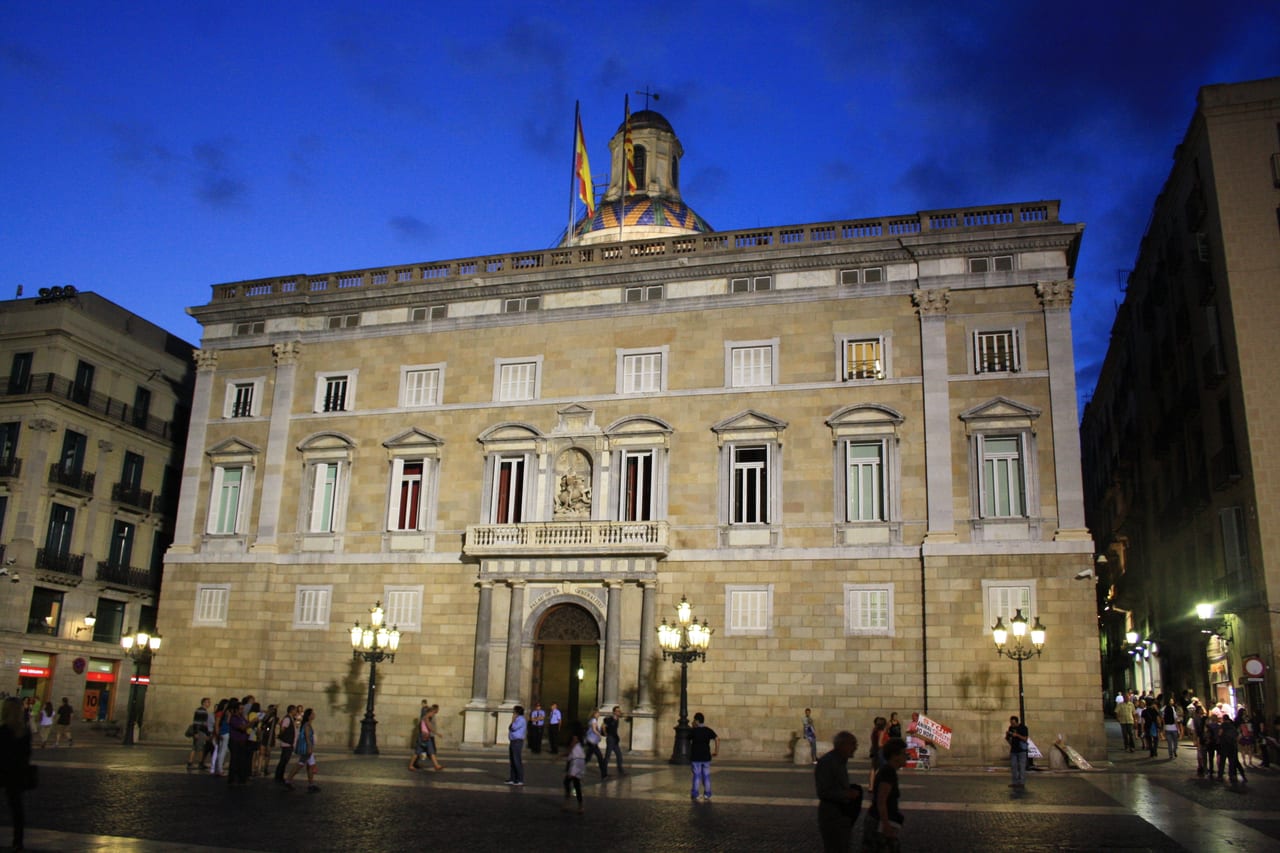
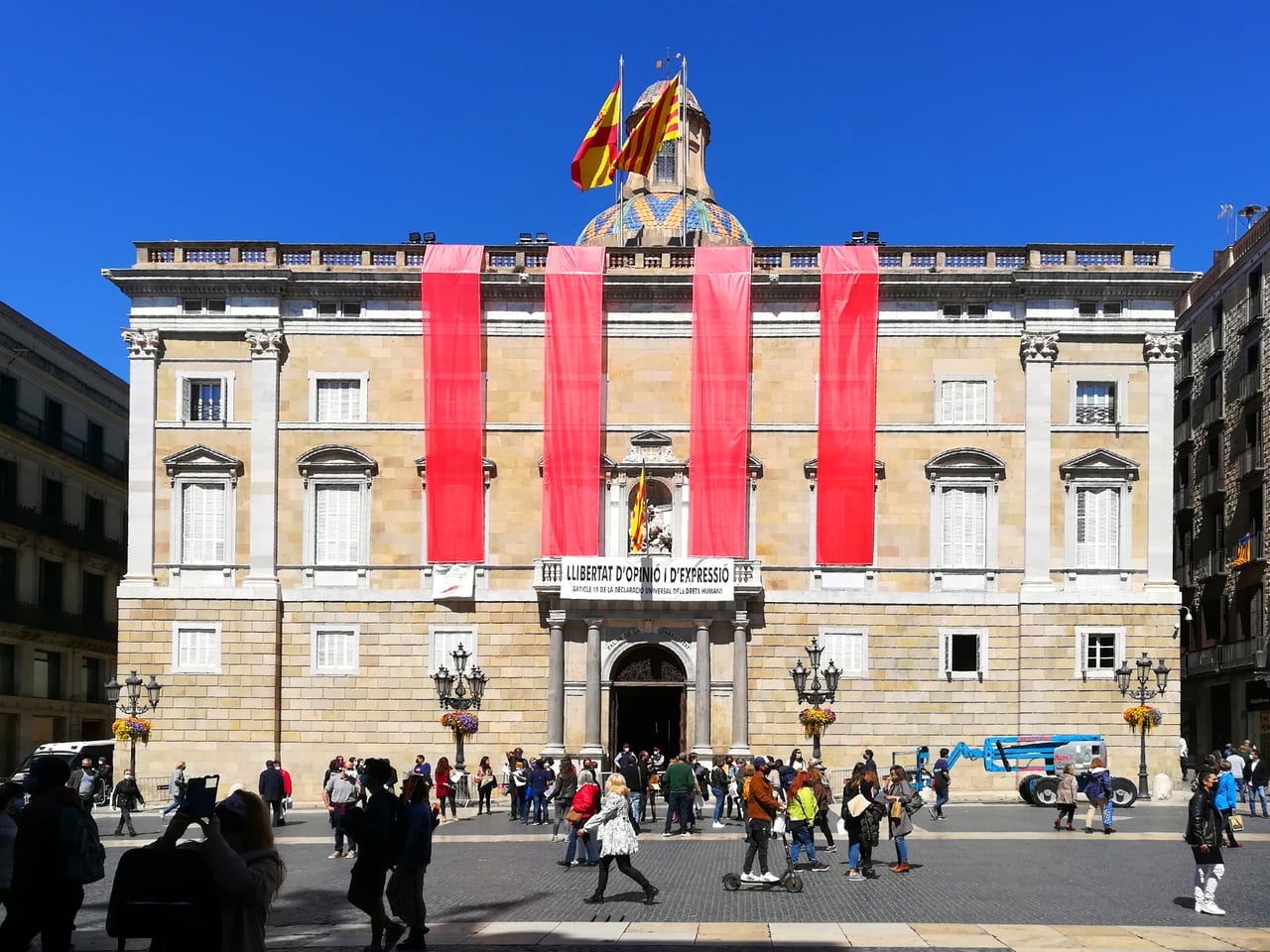
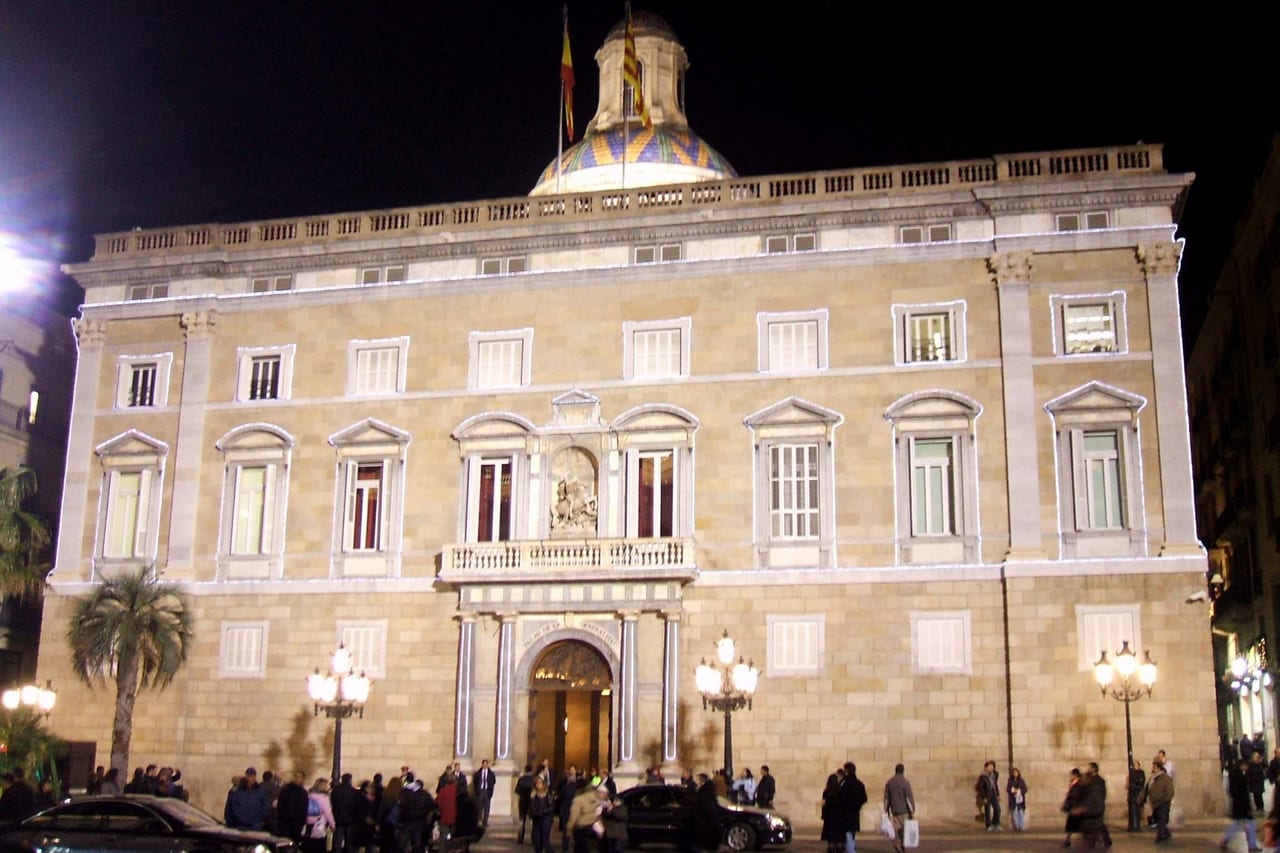
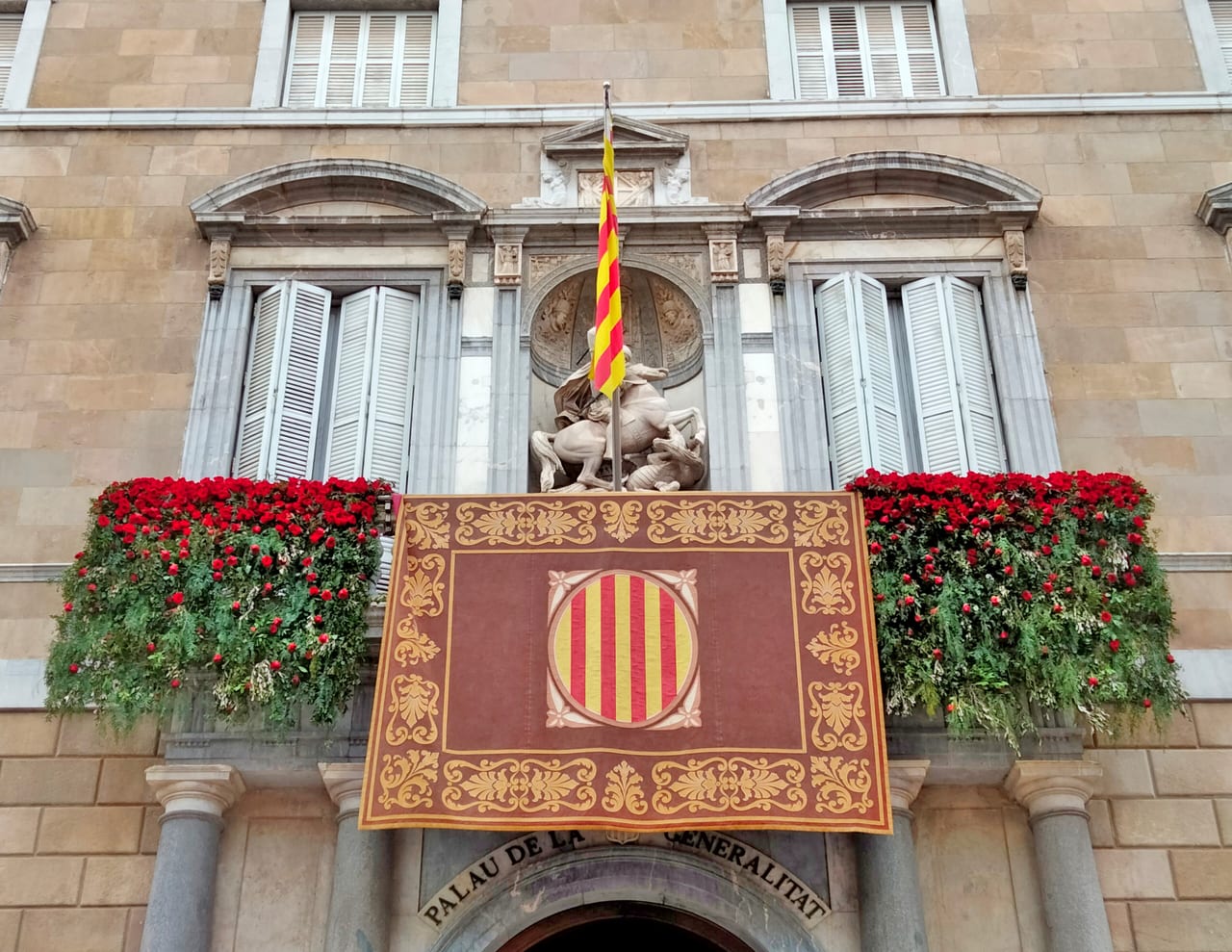
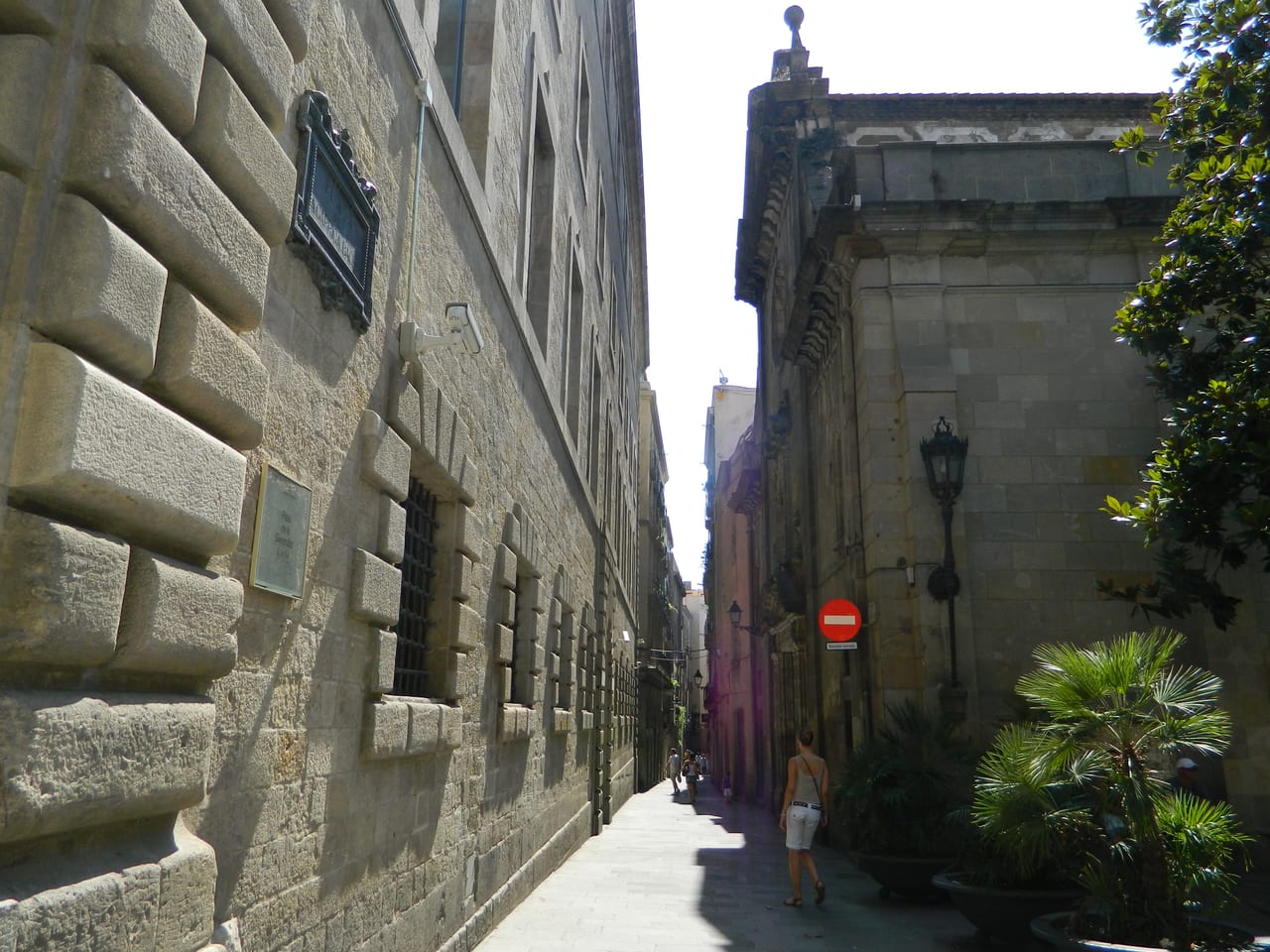
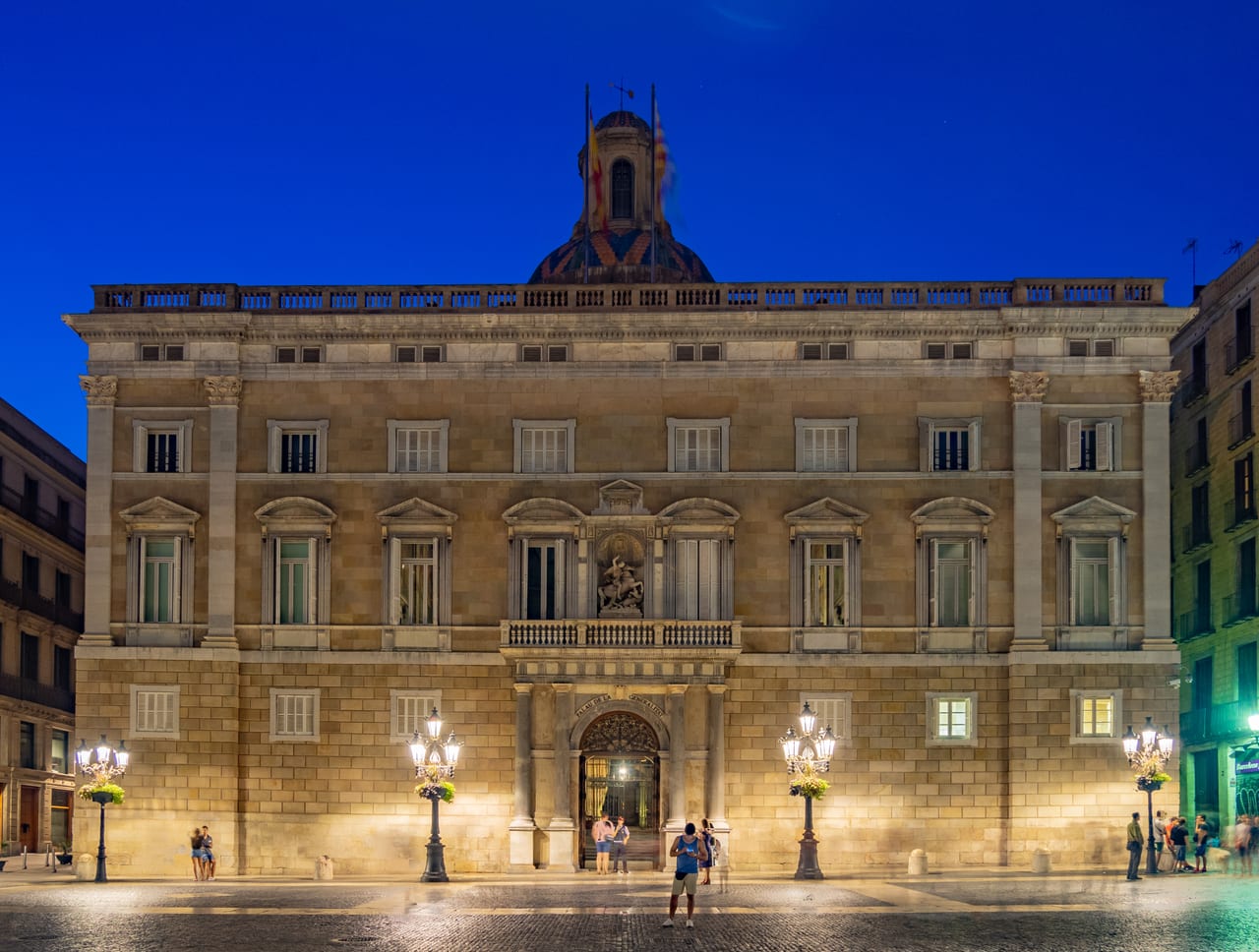
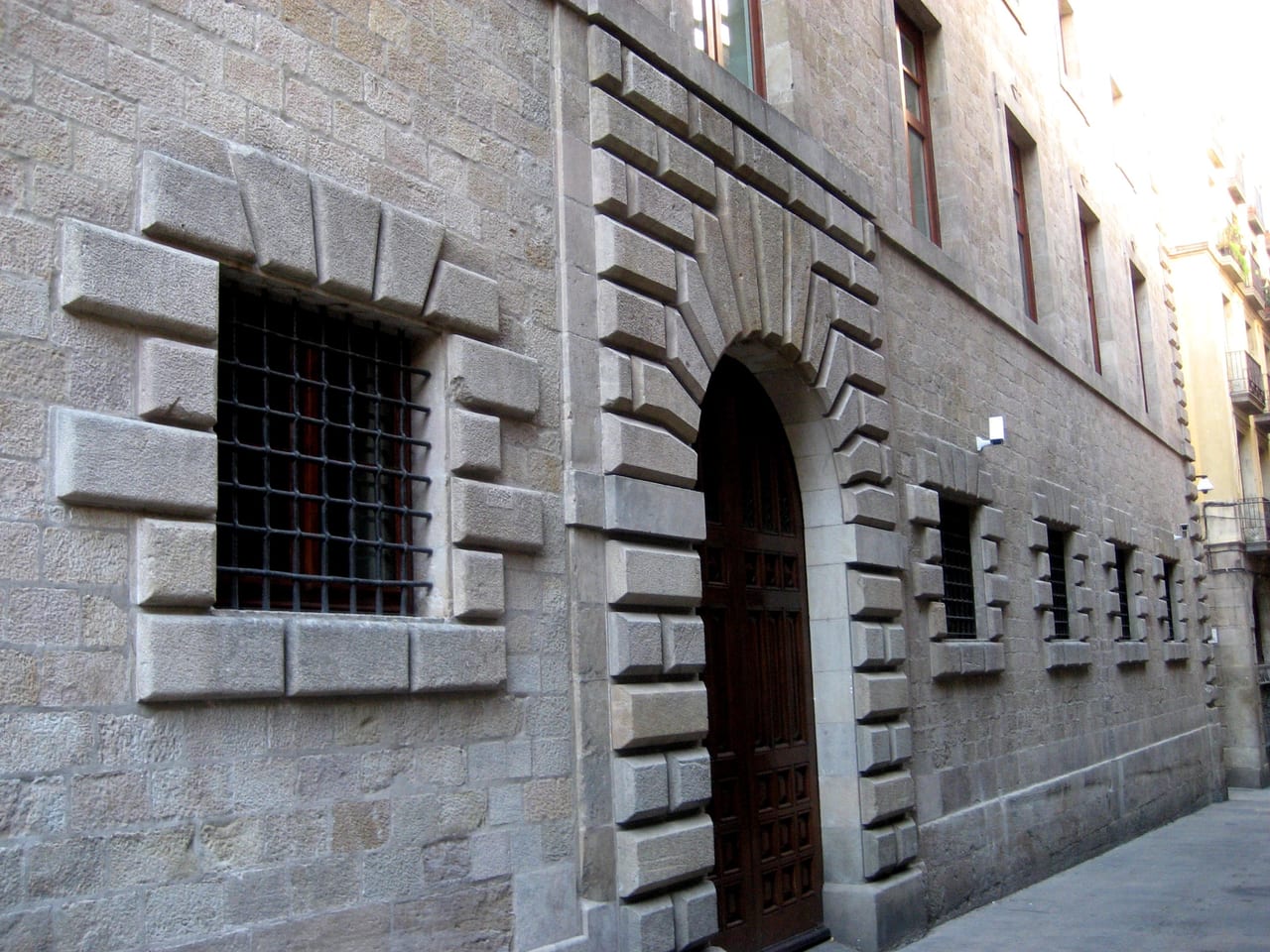
The Generalitat grew from a tax-collecting commission created by the Catalan Corts in 1289 and formalised as the Diputació del General at Cervera in 1359. As its authority expanded, representatives bought Pere Brunet’s house on 3 December 1400 for 38,500 sous. The early complex included a central courtyard, archive, orchard and rooms still preserved as the Council Chamber and Chamber of the Judges. Bishop Marc Safont extended the building in 1416 and built the chapel of Sant Jordi in 1434. Its Gothic core includes a grand staircase and galleries around the courtyard, while Pere Blai’s façade of 1596 introduced Catalonia’s first grand Renaissance façade. Between 1610 and 1630, Pere Ferrer and Pere Pau Ferrer reshaped the façades on Carrer Sant Honorat and Carrer Sant Sever and added a Vignolesc gate. Work in the nineteenth and twentieth centuries recovered earlier features; Josep Puig i Cadafalch’s campaign also added the neo-Gothic bridge over Carrer del Bisbe in 1928. Its survival through abolition, exile and restoration has made it a symbol of Catalan democracy.
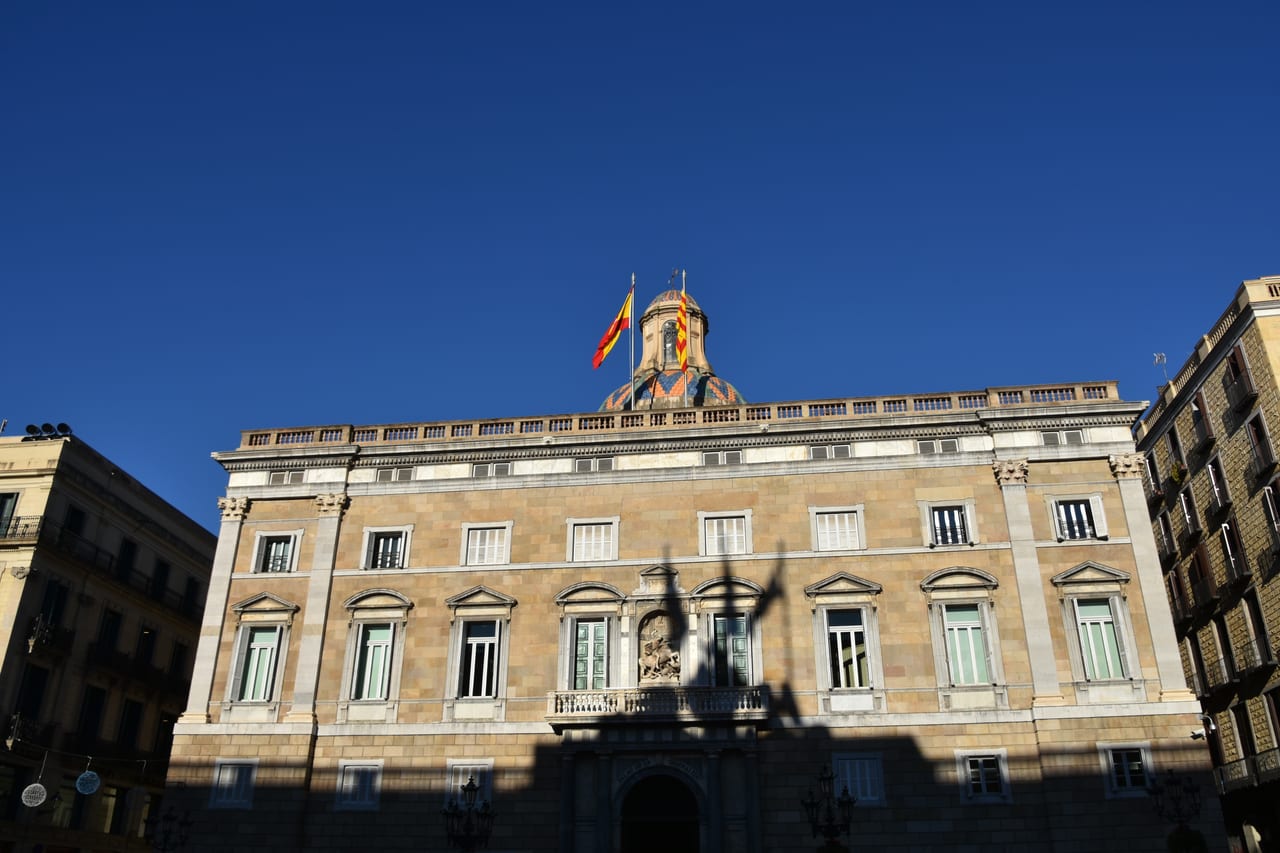
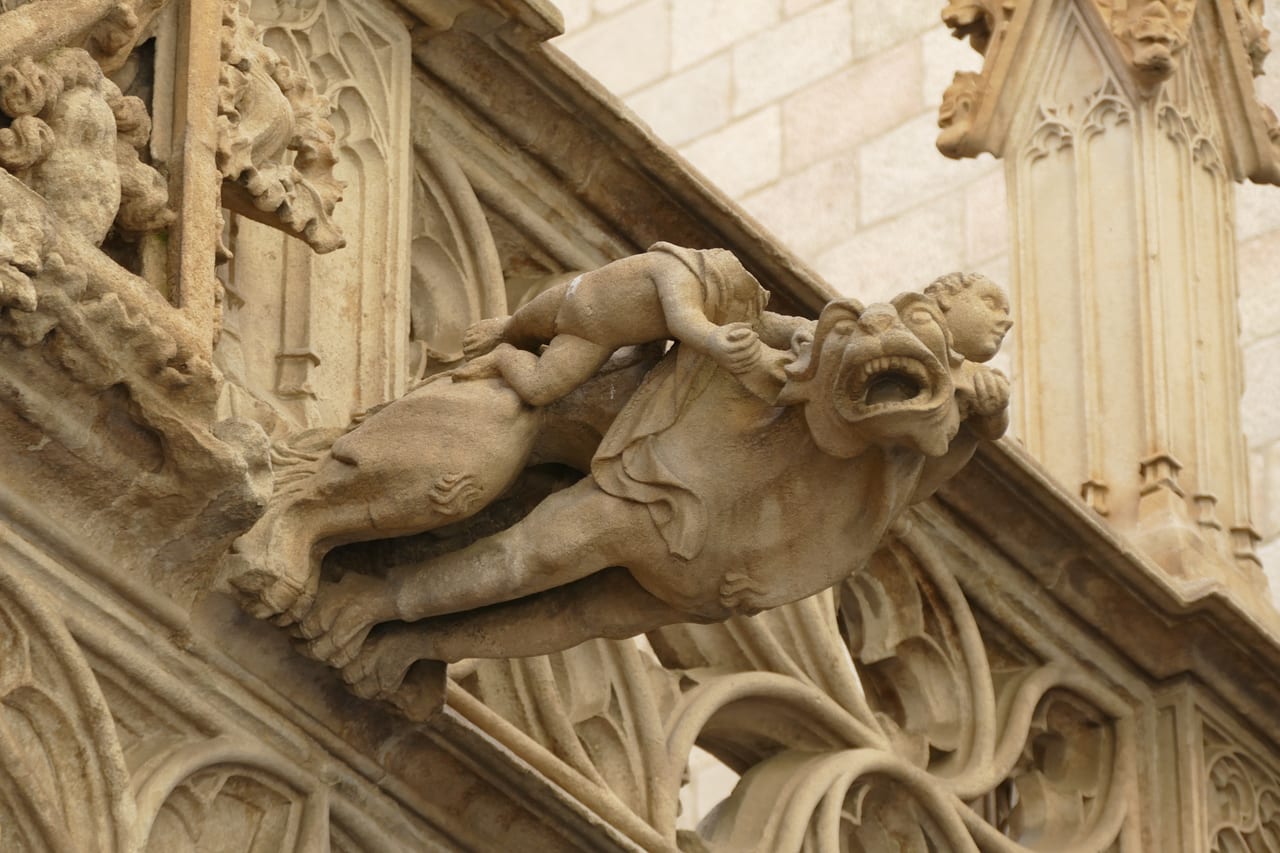
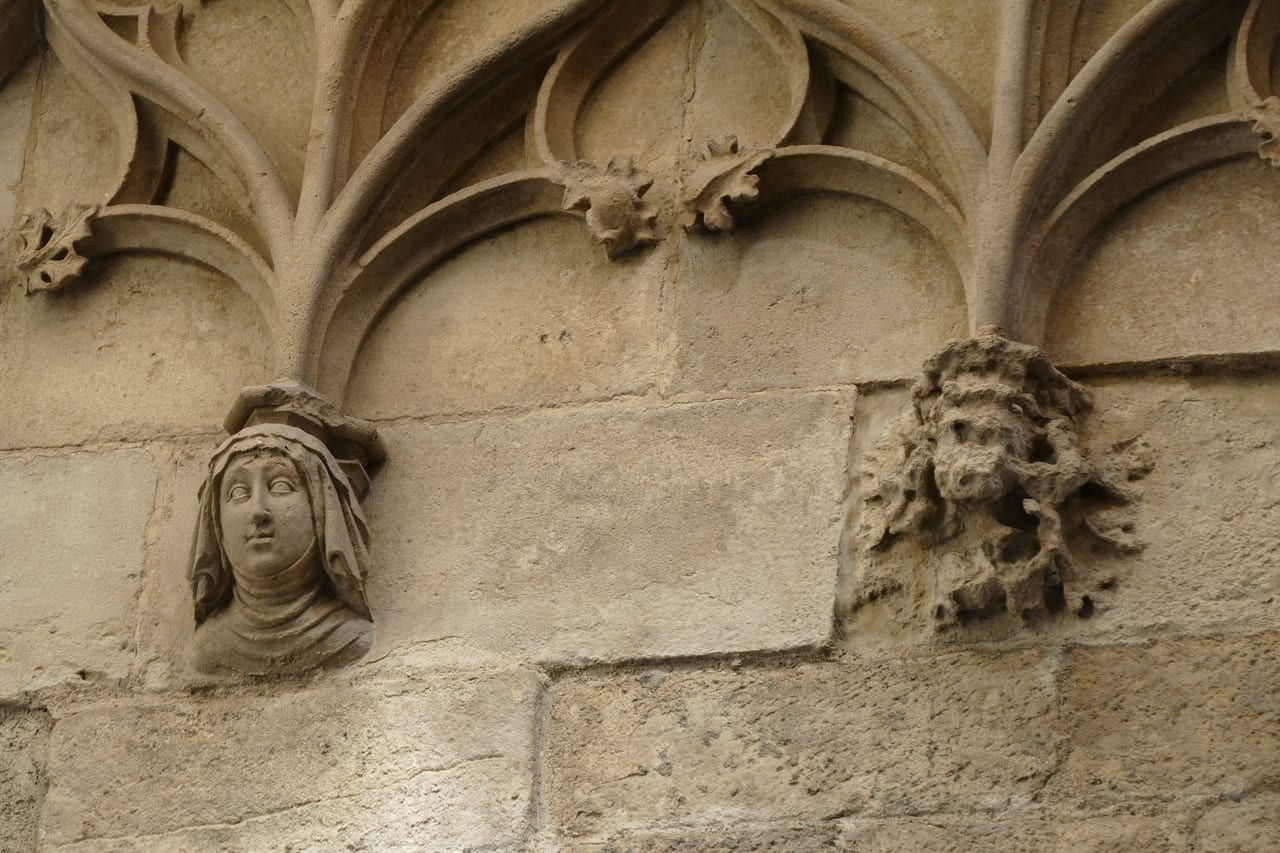
Begin with the Renaissance entrance façade and then inspect the darker granite columns, originally sculpted in Troy and brought to Tarragona during Hadrian’s stay in 122–123. The central courtyard contains the staircase, arcaded galleries and Gothic detailing that form the building’s strongest spatial sequence. The flamboyant Gothic façade on Carrer del Bisbe and the Sant Jordi chapel provide a contrasting view, while the neo-Gothic bridge links the palace with the Casa dels Canonges.
Live availability and prices from Stay22's partners, refreshed periodically and subject to change. Booking through these links may earn us a commission at no extra cost to you. See our privacy policy.
More in Barcelona
Find great cafés, places to stay and other interesting places to visit in Barcelona.
