Photograph 1 of 19 of Palace of the Parliament of Catalonia
Castle & palace · Barcelona
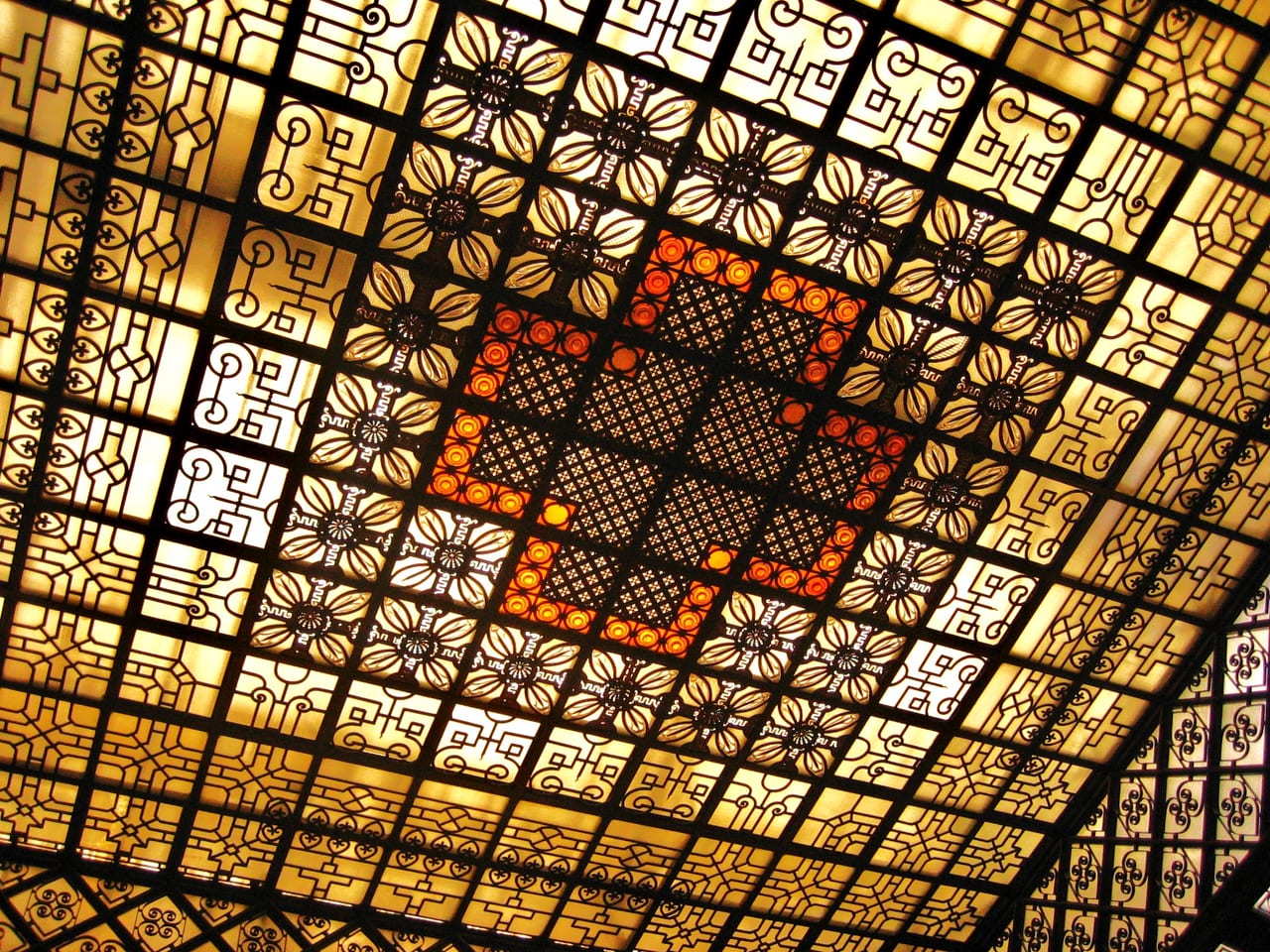
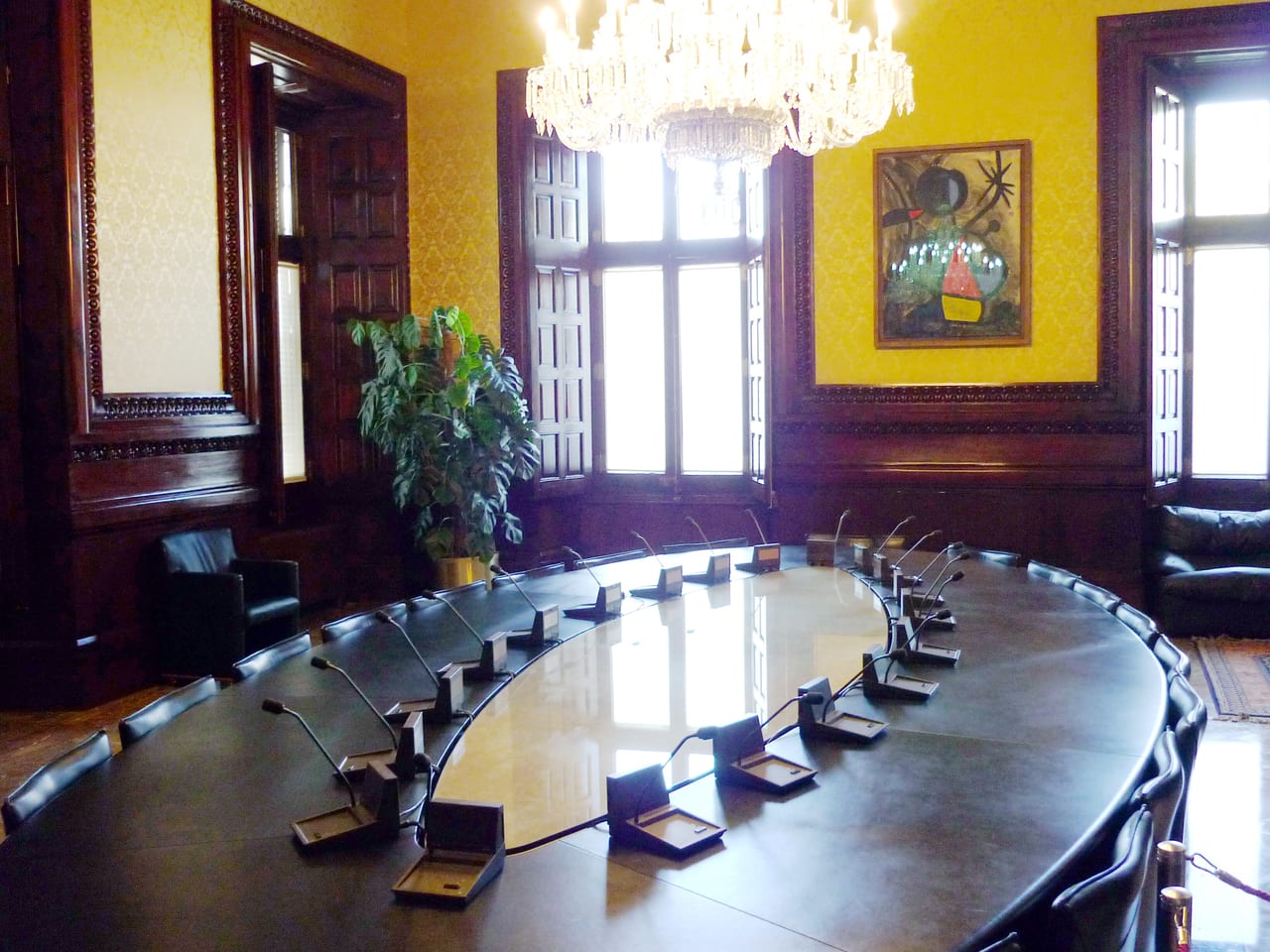
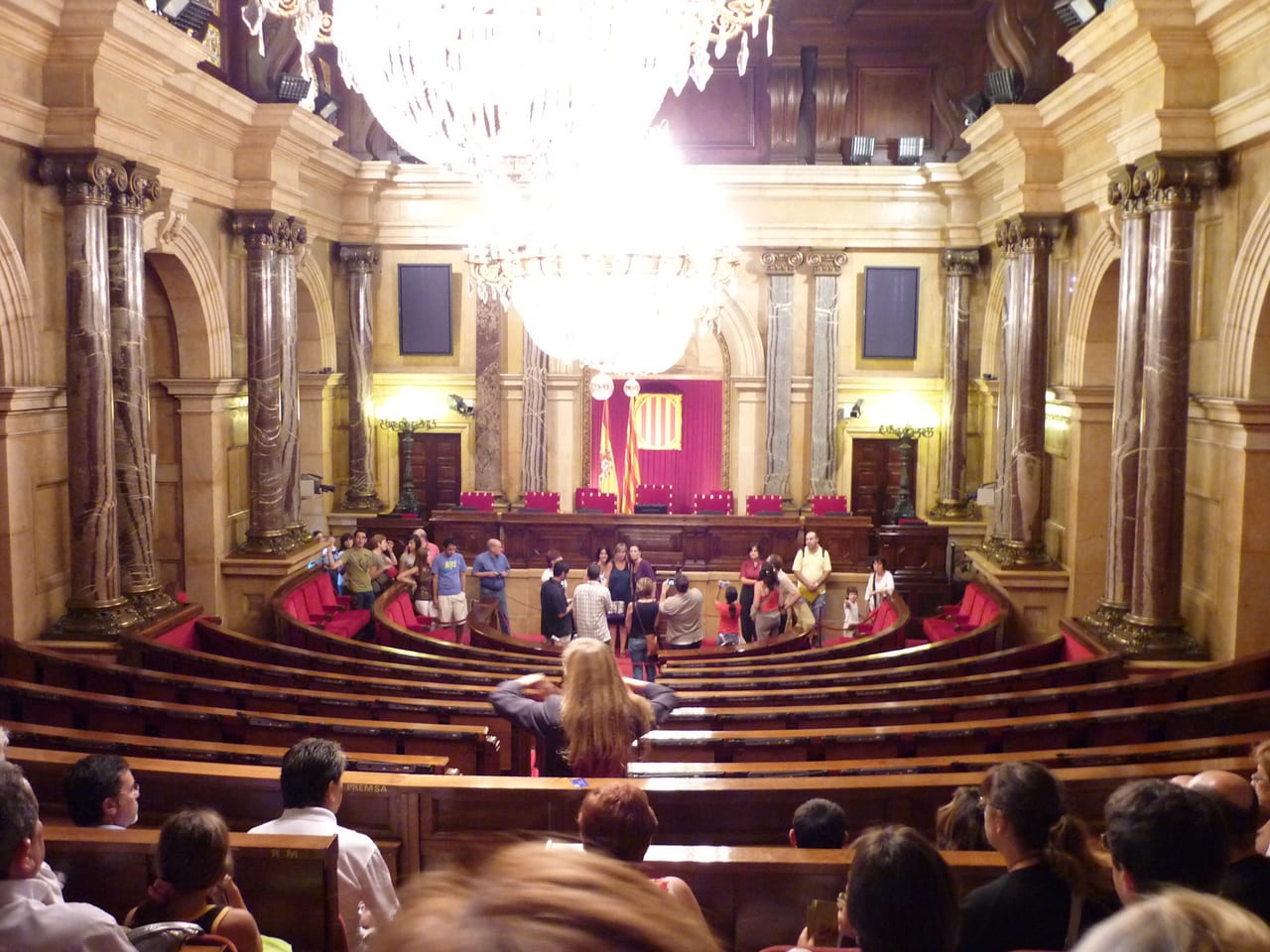
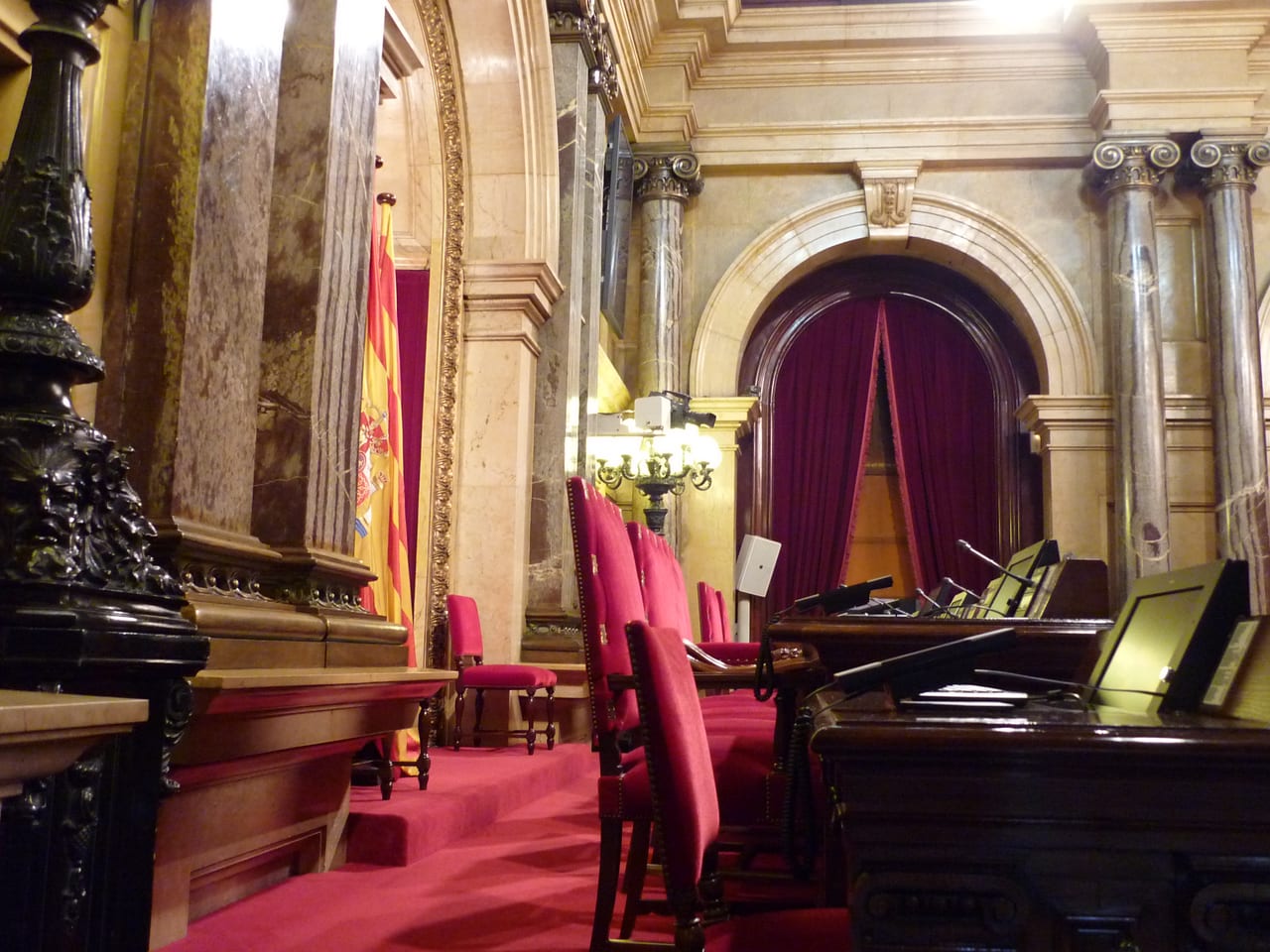
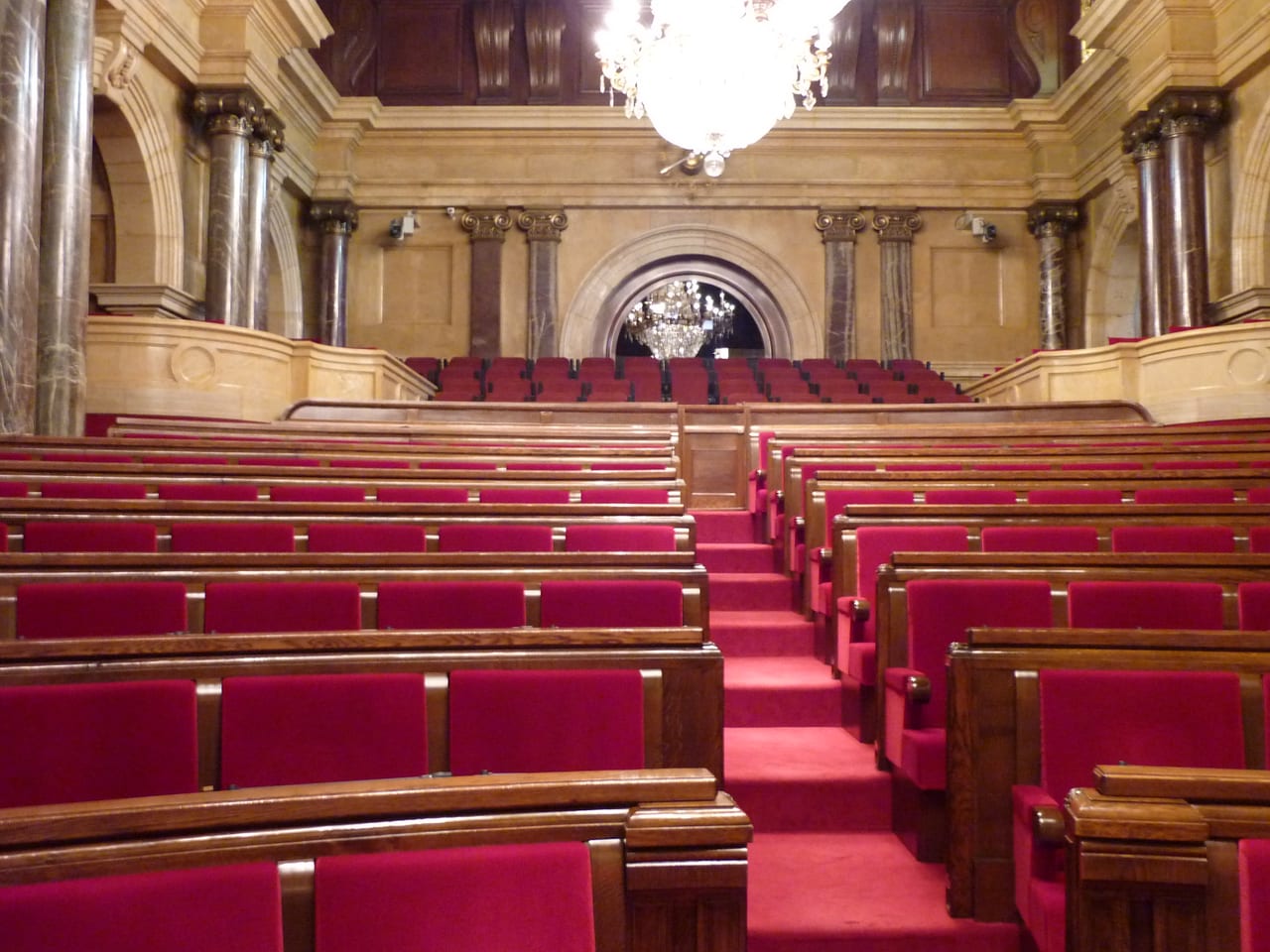
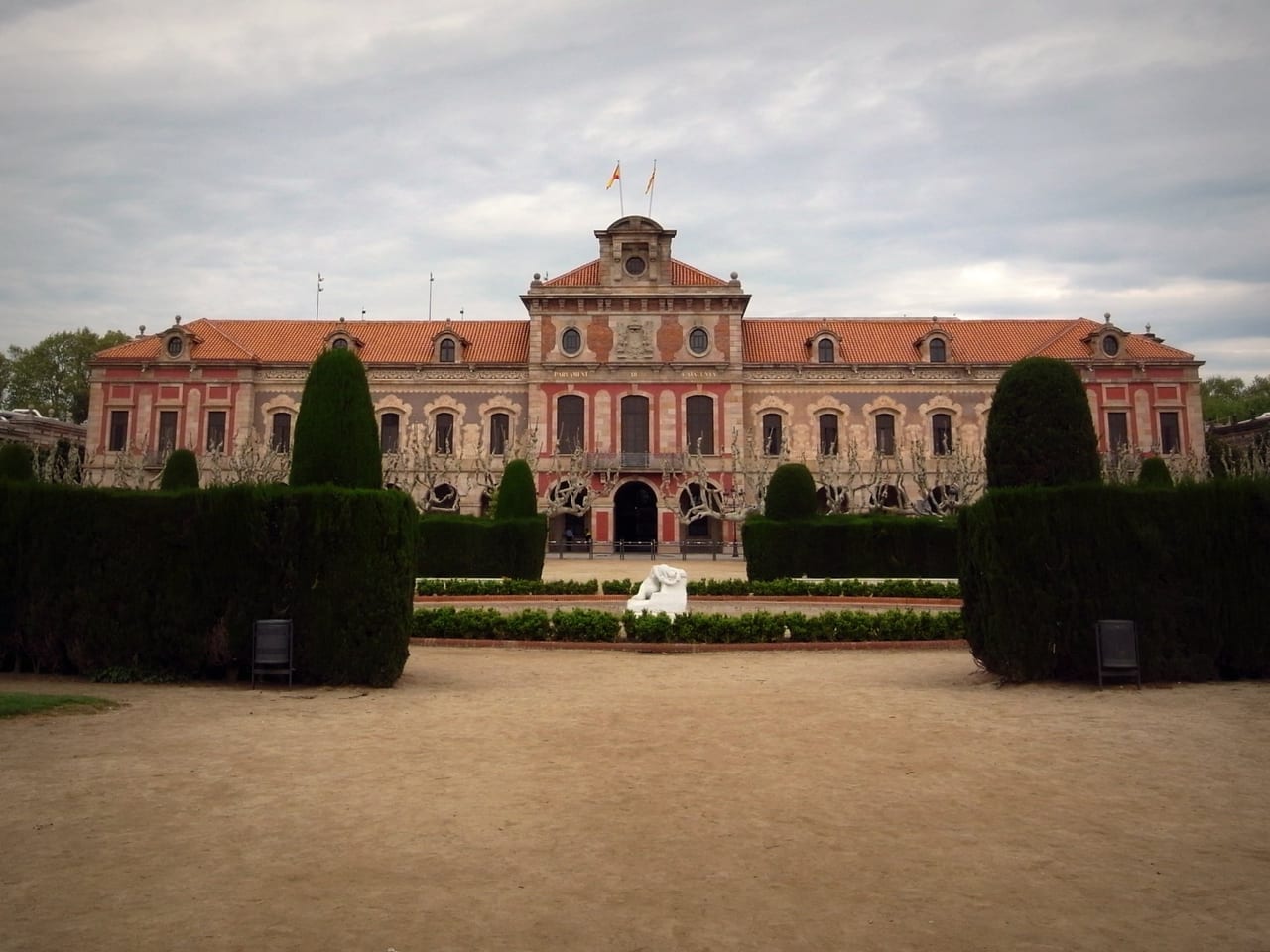
The present parliamentary chamber was designed as a throne room, one of several transformations that carried the former Ciutadella arsenal from military storehouse to civic institution.
Photograph 1 of 19 of Palace of the Parliament of Catalonia
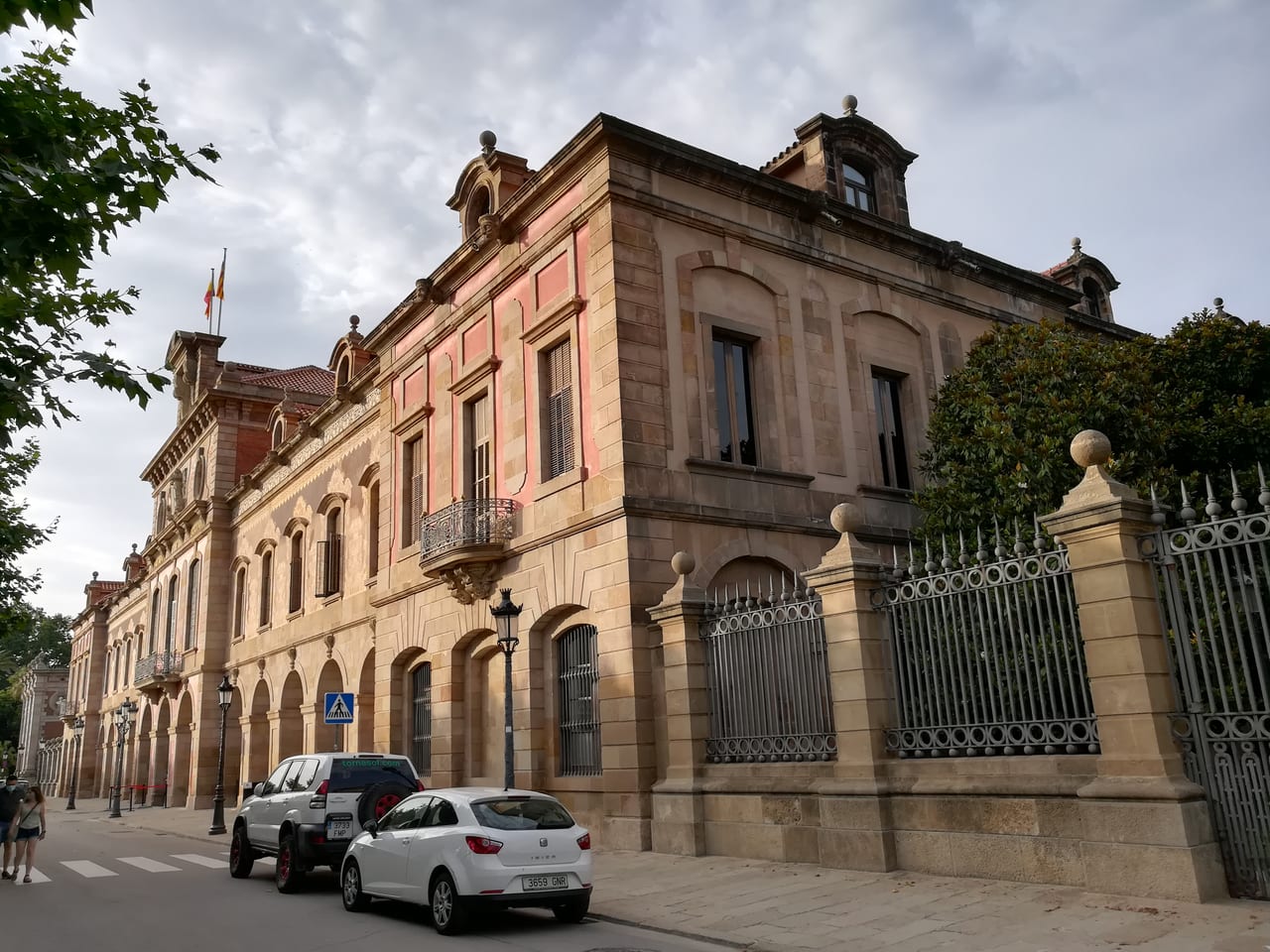
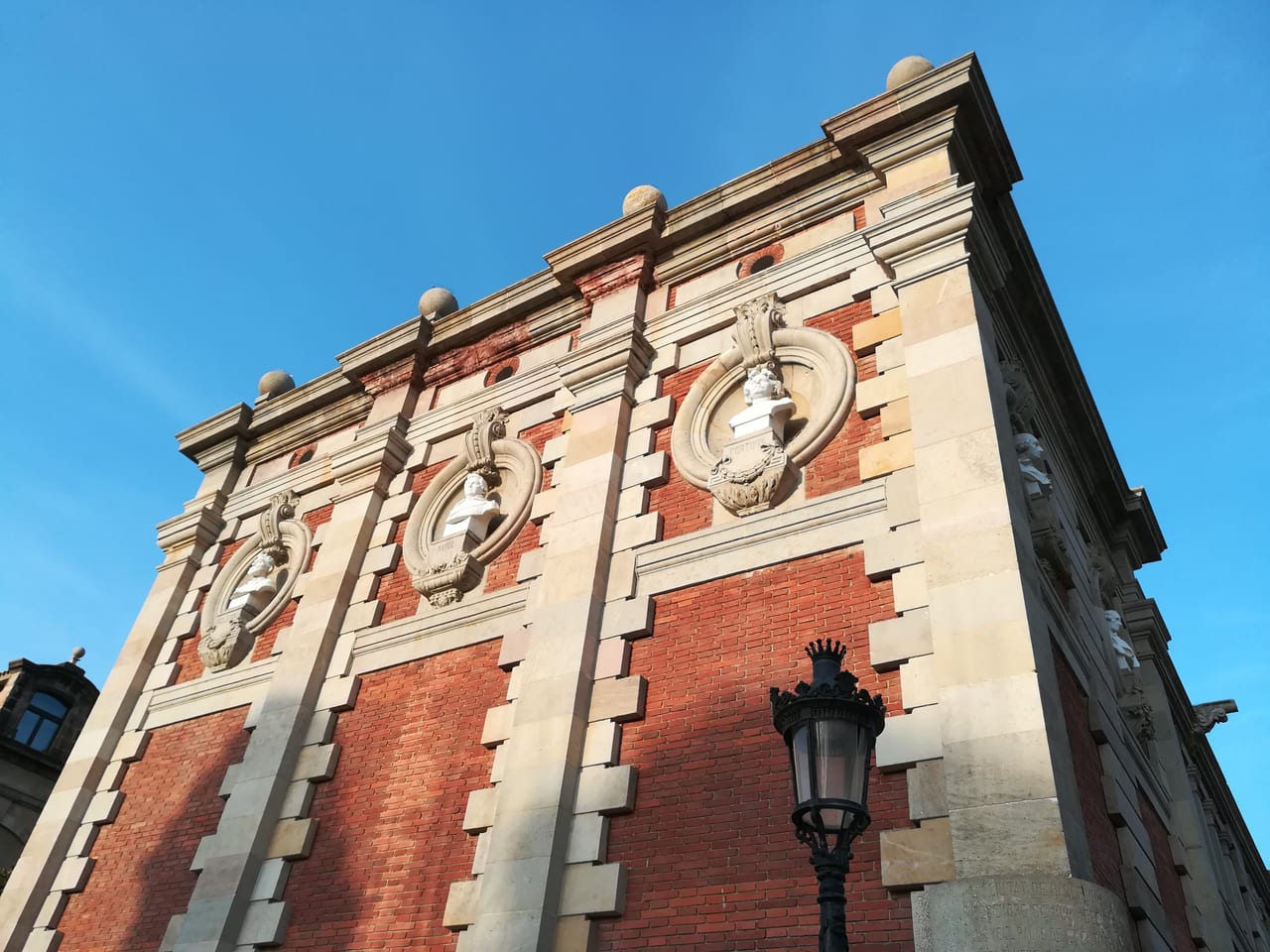
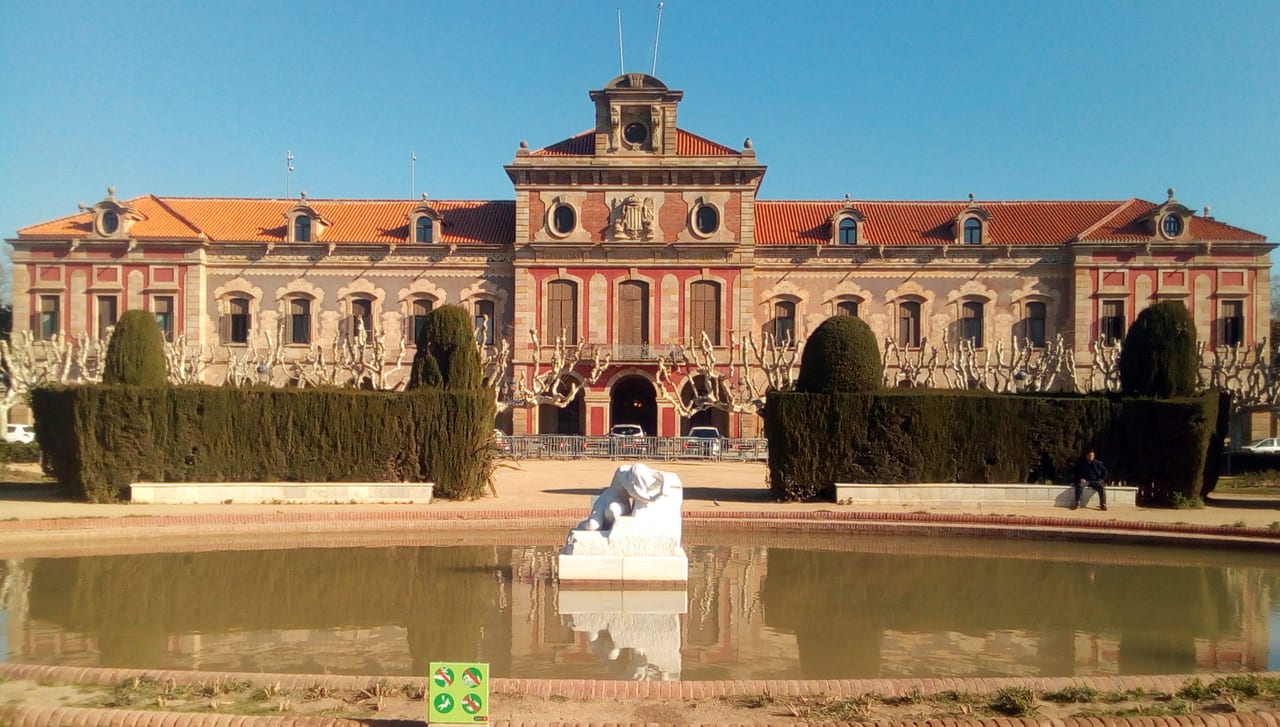
Built between 1717 and 1727, the arsenal formed part of the Ciutadella, the star fort Philip V ordered after the War of the Spanish Succession, when Catalonia had supported Archduke Charles. The Flemish military engineer Jorge Próspero de Verboom designed it; minor restoration followed later in the 18th century. After the fortifications were demolished following the 1868 revolution, the arsenal survived alongside the chapel and governor’s palace, first becoming a temporary barracks. It became the Museu Municipal d’Art in 1900; two matching wings were added in 1915, decorated with busts of Catalan artists and figures associated with Catalan art. The former parade ground became a garden in 1927. Parliament occupied the building from 1932 until 1939, and again from 1980. The art collections departed in 2004, leaving it exclusively for parliamentary use.
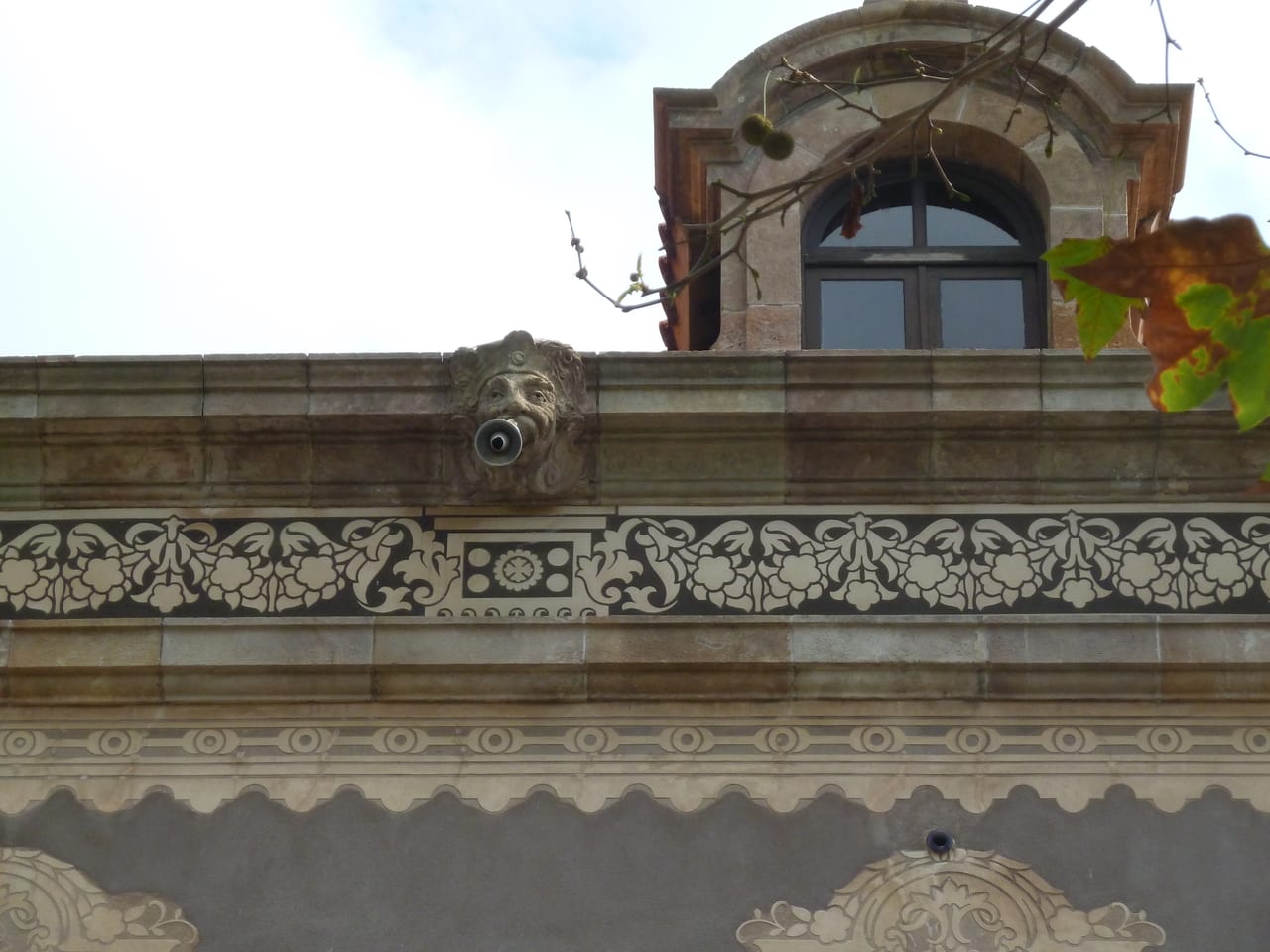
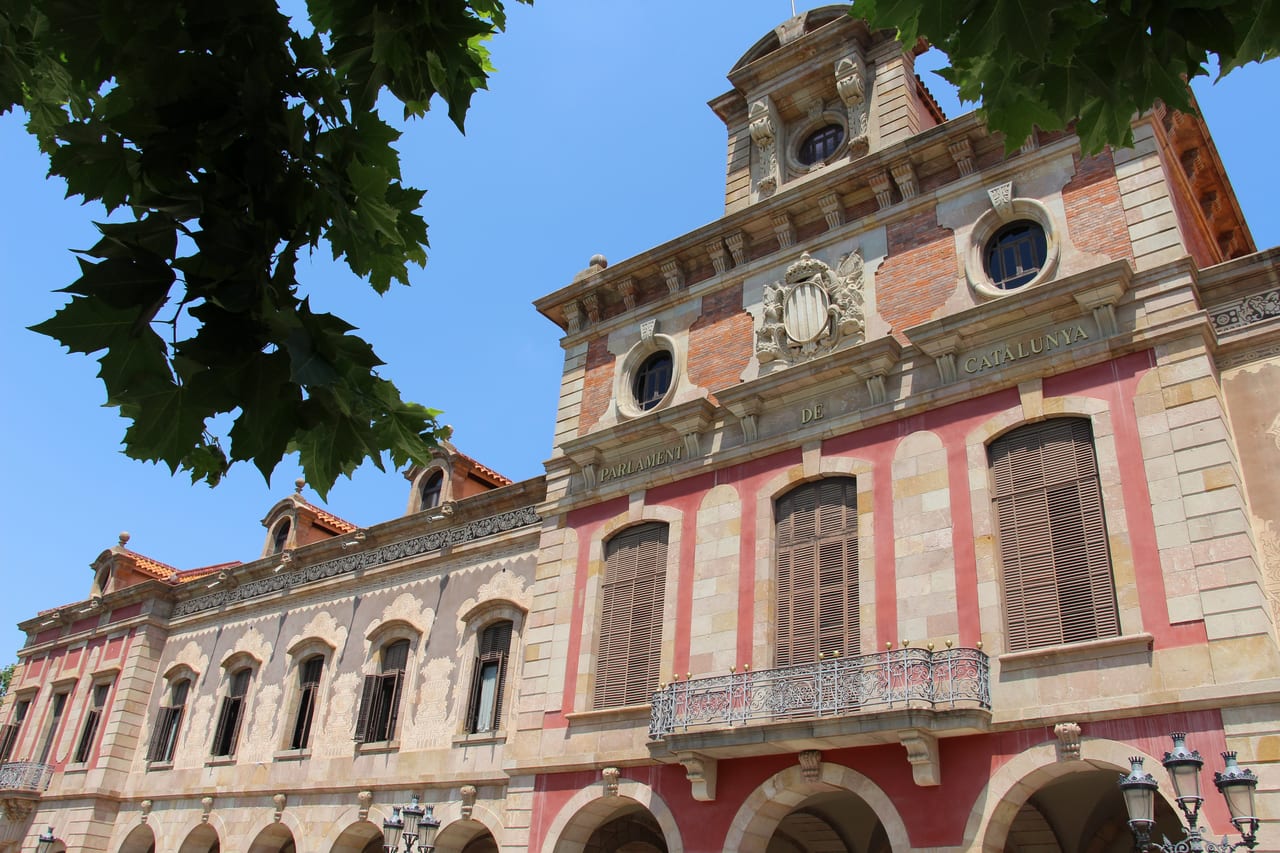
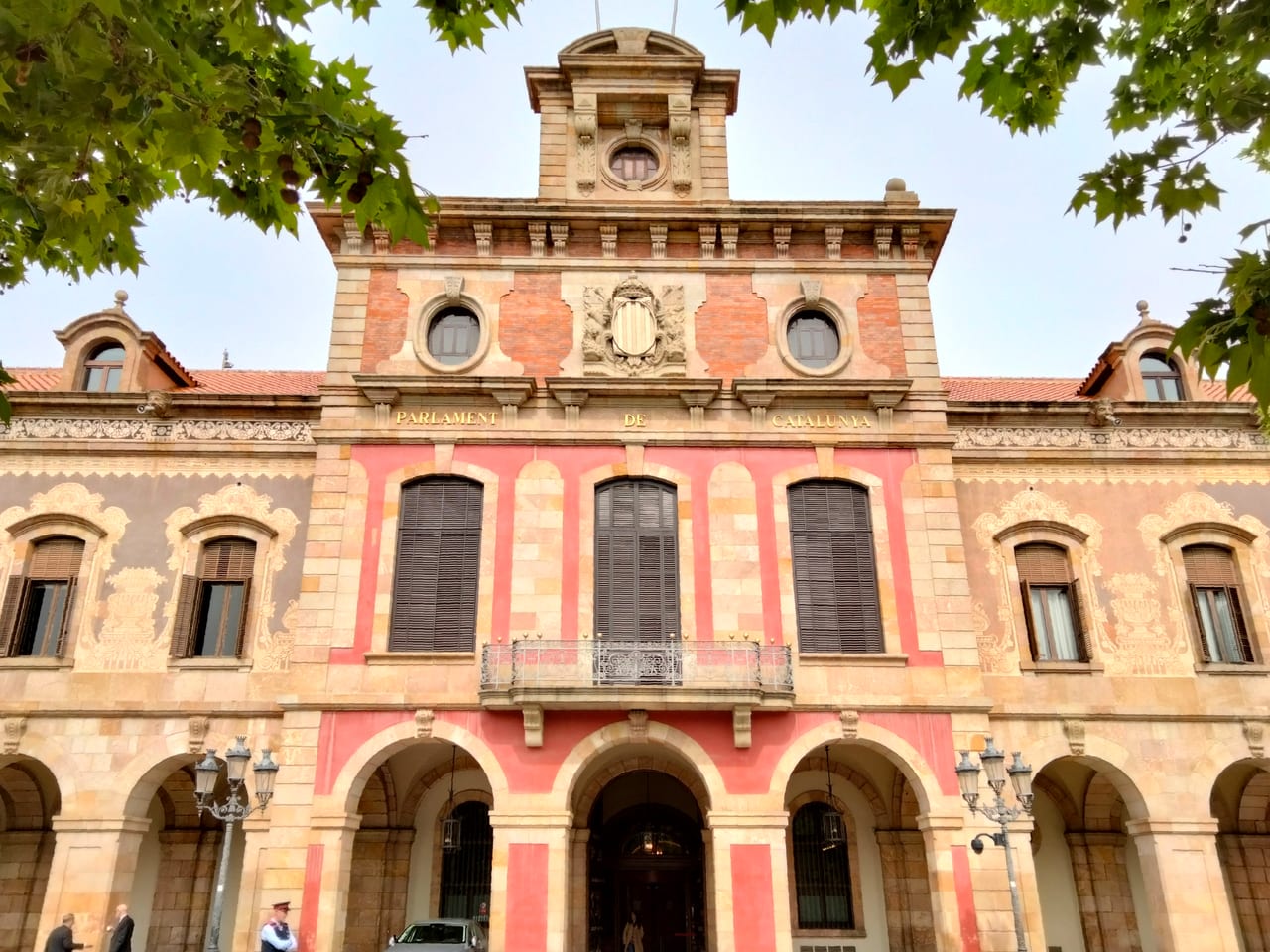
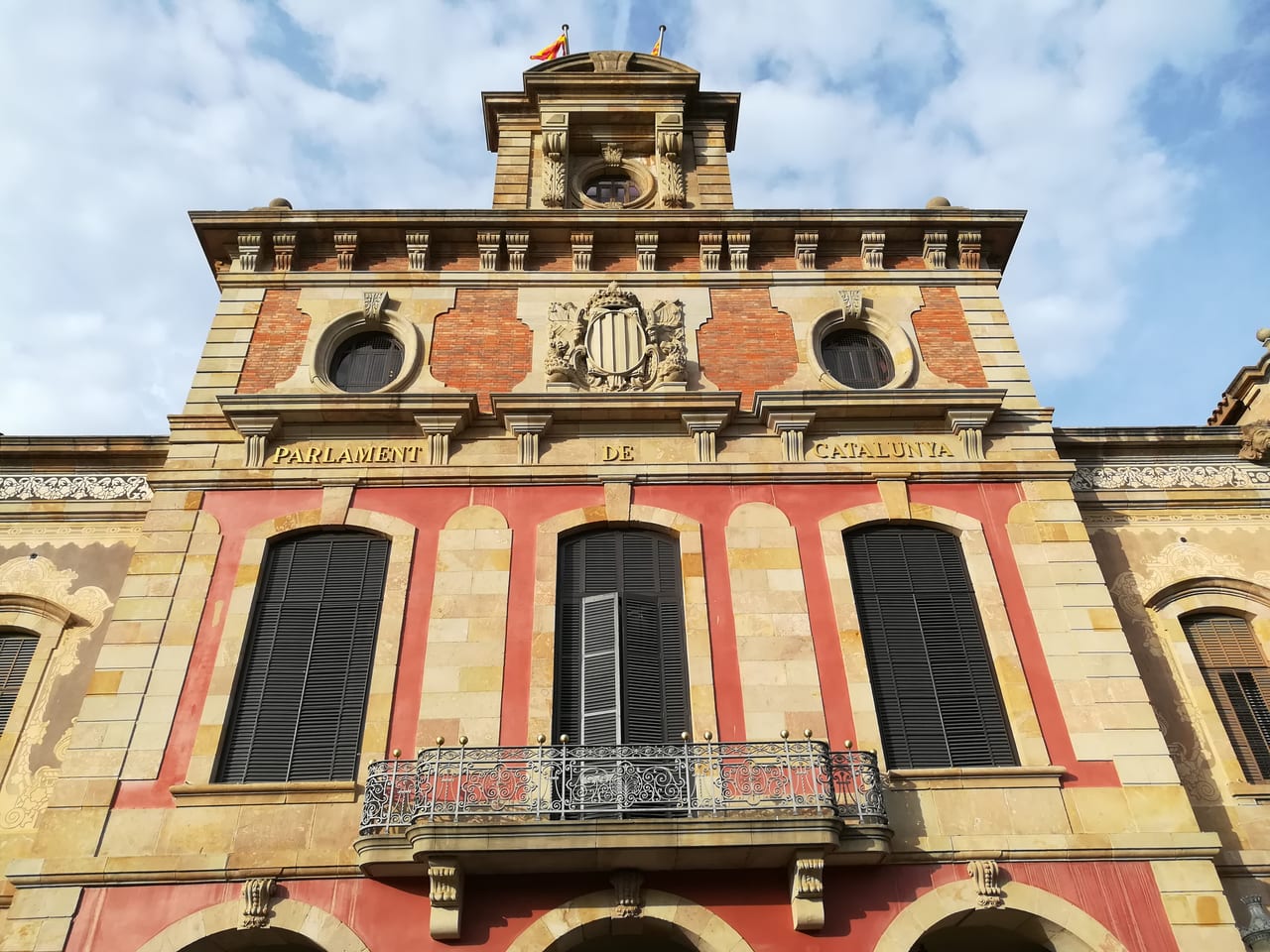
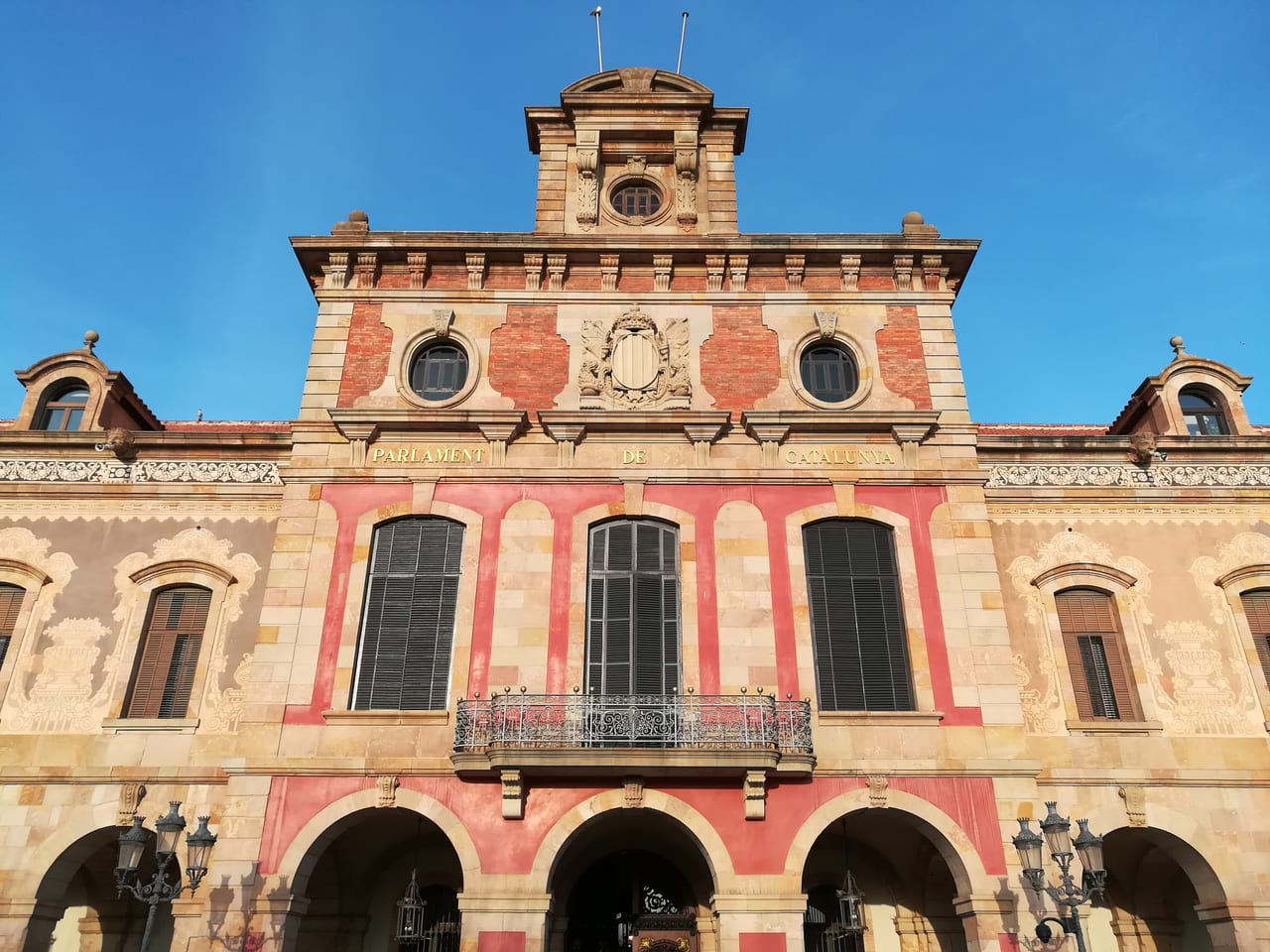
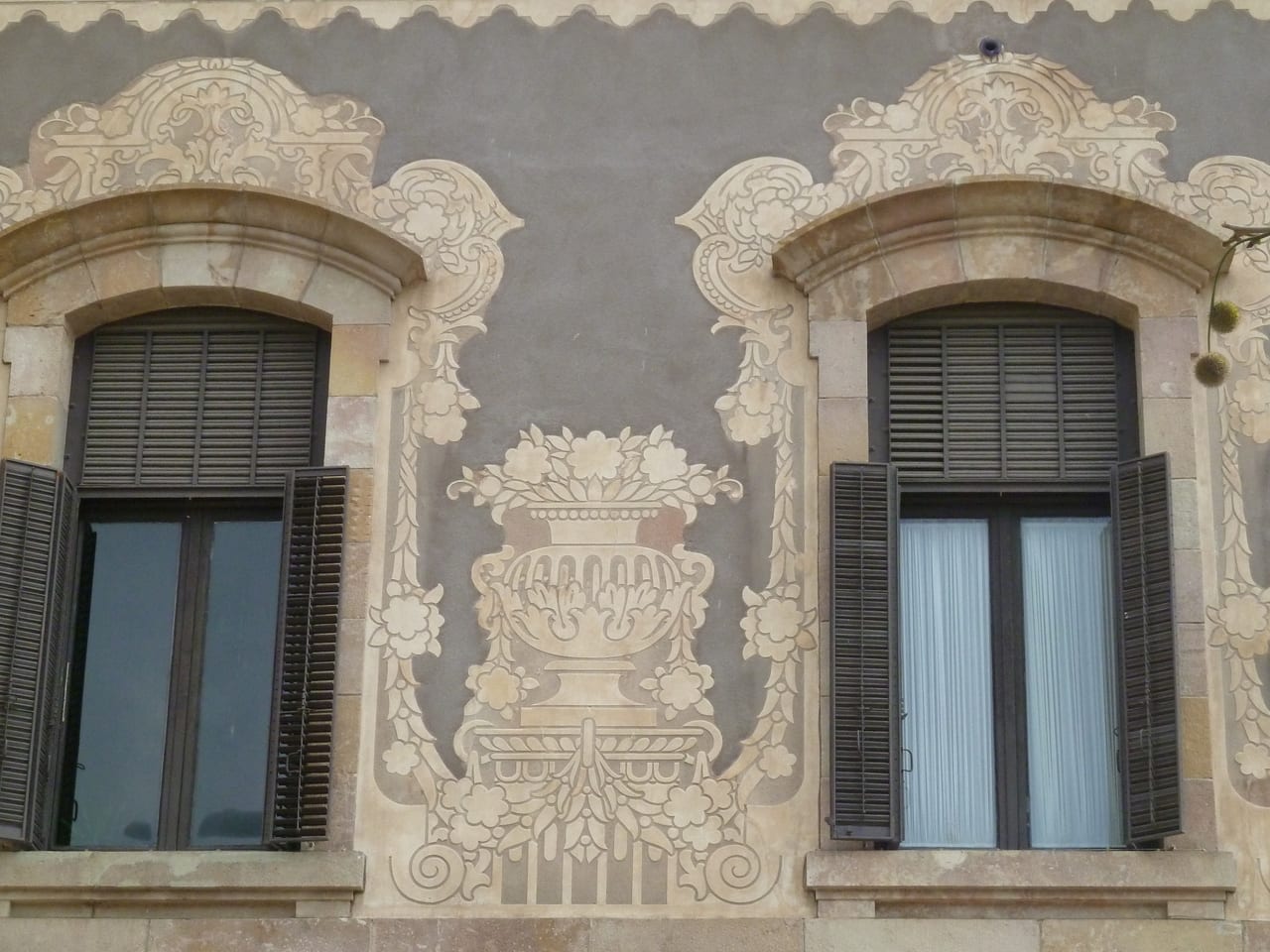
Study the cross-shaped plan, central dome and four courtyards, then note the contrast between Montjuïc stone and red tile. On the façade, look for Falqués’s balconies, sculptural decoration and the escutcheon on its raised central section. In the garden, the pond contains a copy of Josep Llimona i Bruguera’s Desolation. The side wings reward a closer look for their busts of Catalan artists and figures linked to Catalan art.
Live availability and prices from Stay22's partners, refreshed periodically and subject to change. Booking through these links may earn us a commission at no extra cost to you. See our privacy policy.
More in Barcelona
Find great cafés, places to stay and other interesting places to visit in Barcelona.
