Castle & palace · Barcelona
Nadal Palace
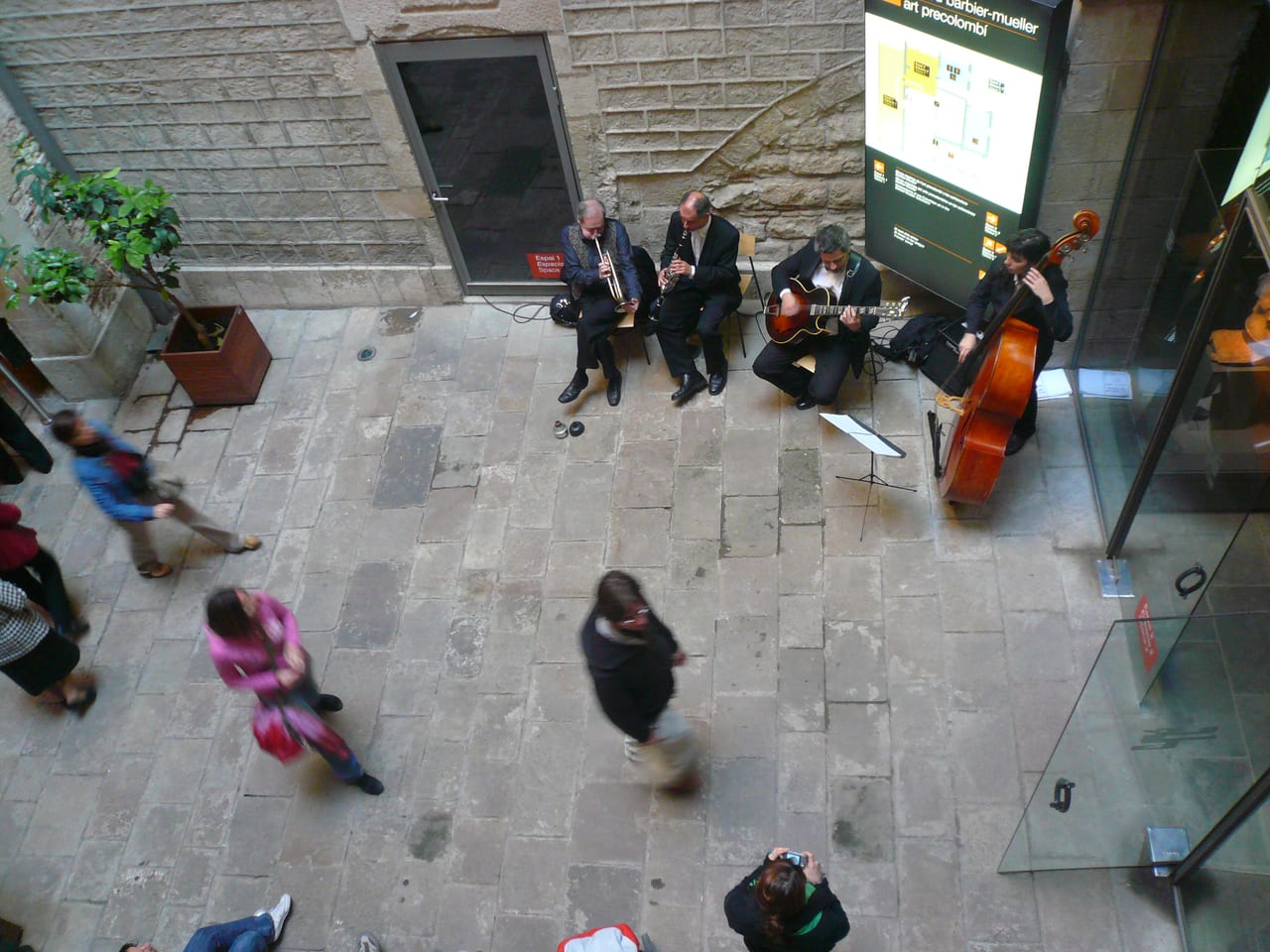
DirectionsSince 2015, Nadal Palace has formed part of Barcelona’s Museum of World Cultures, sharing the museum complex with the neighbouring Palau del Marquès de Llo.
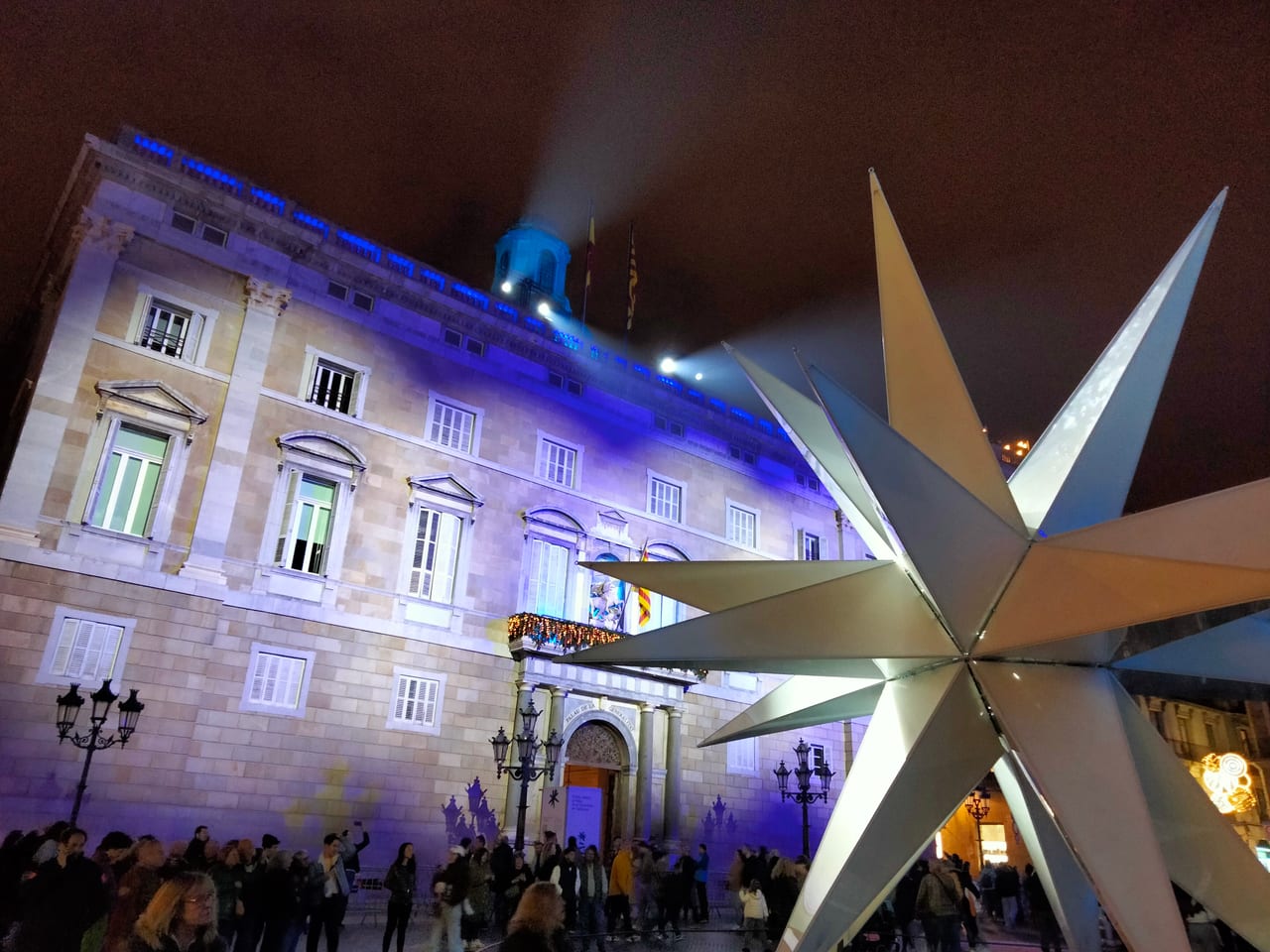
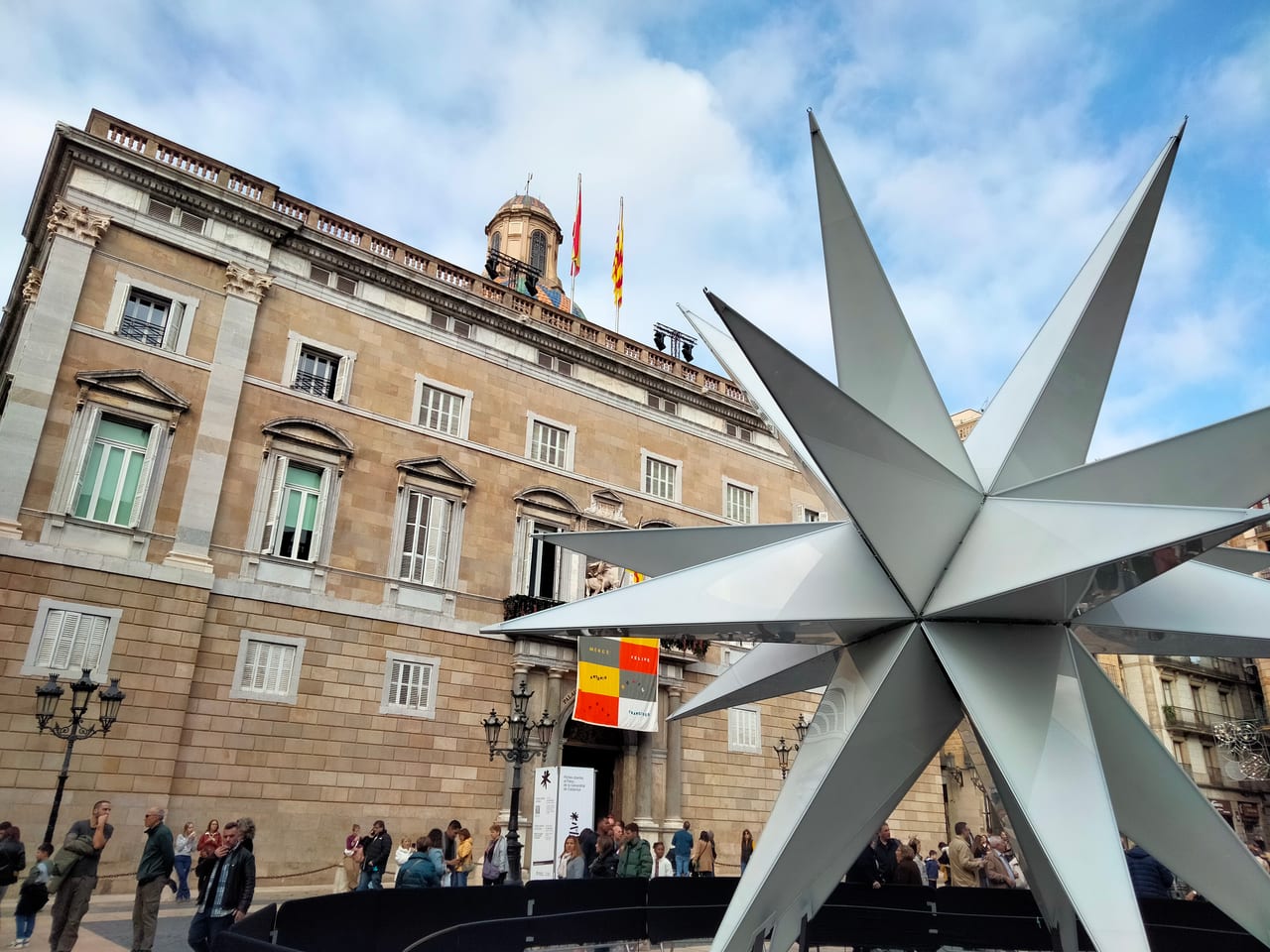
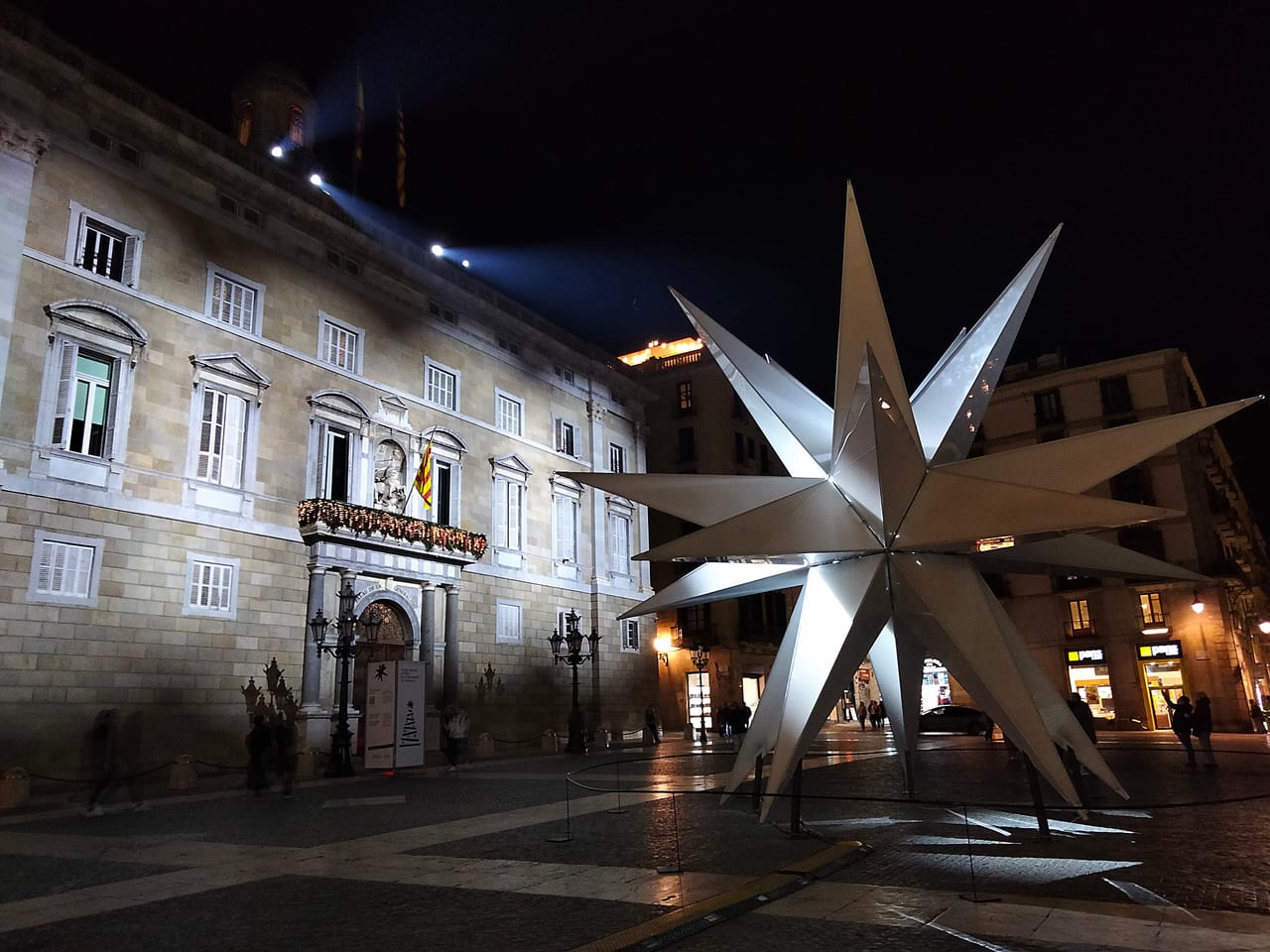
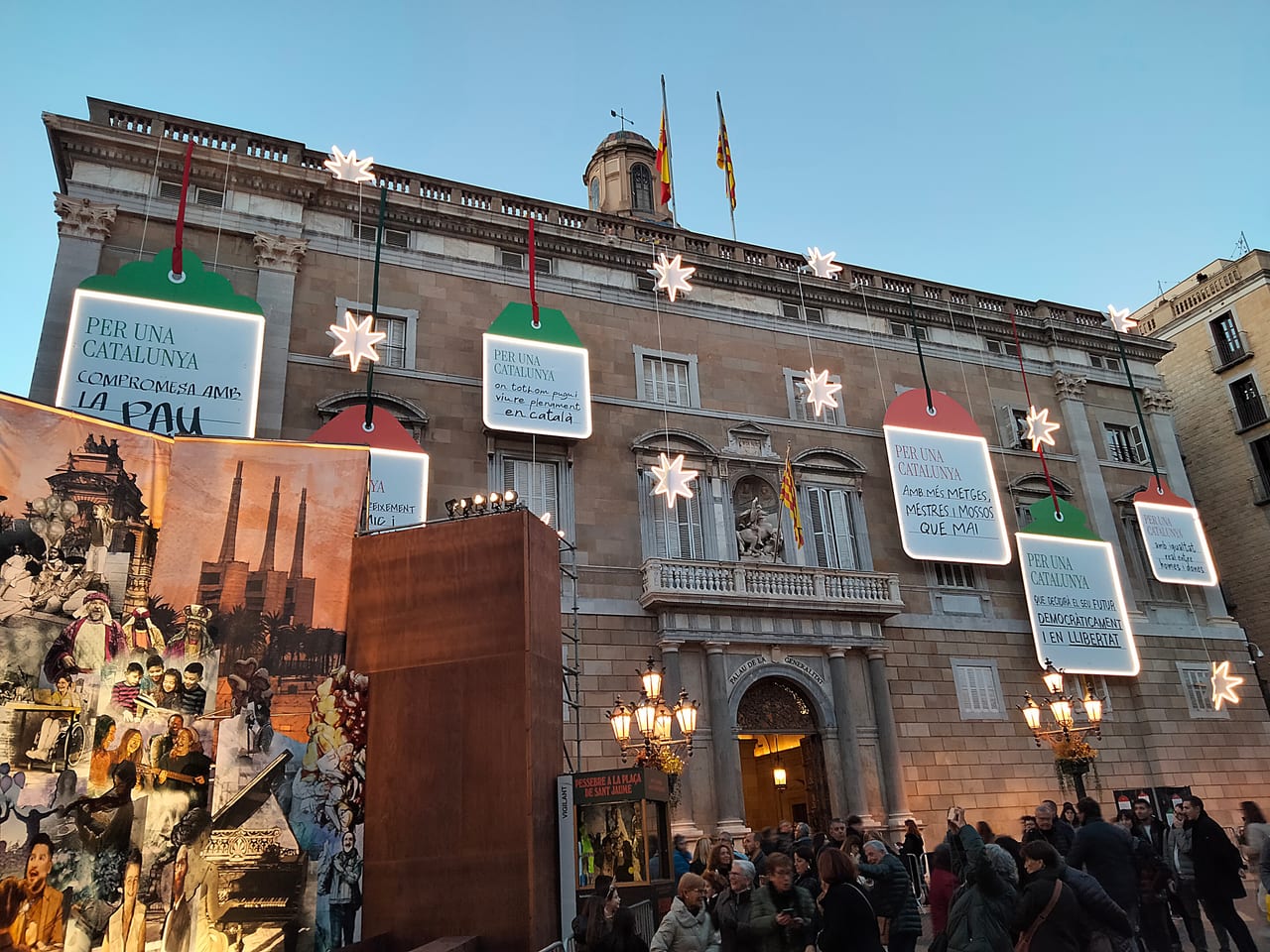
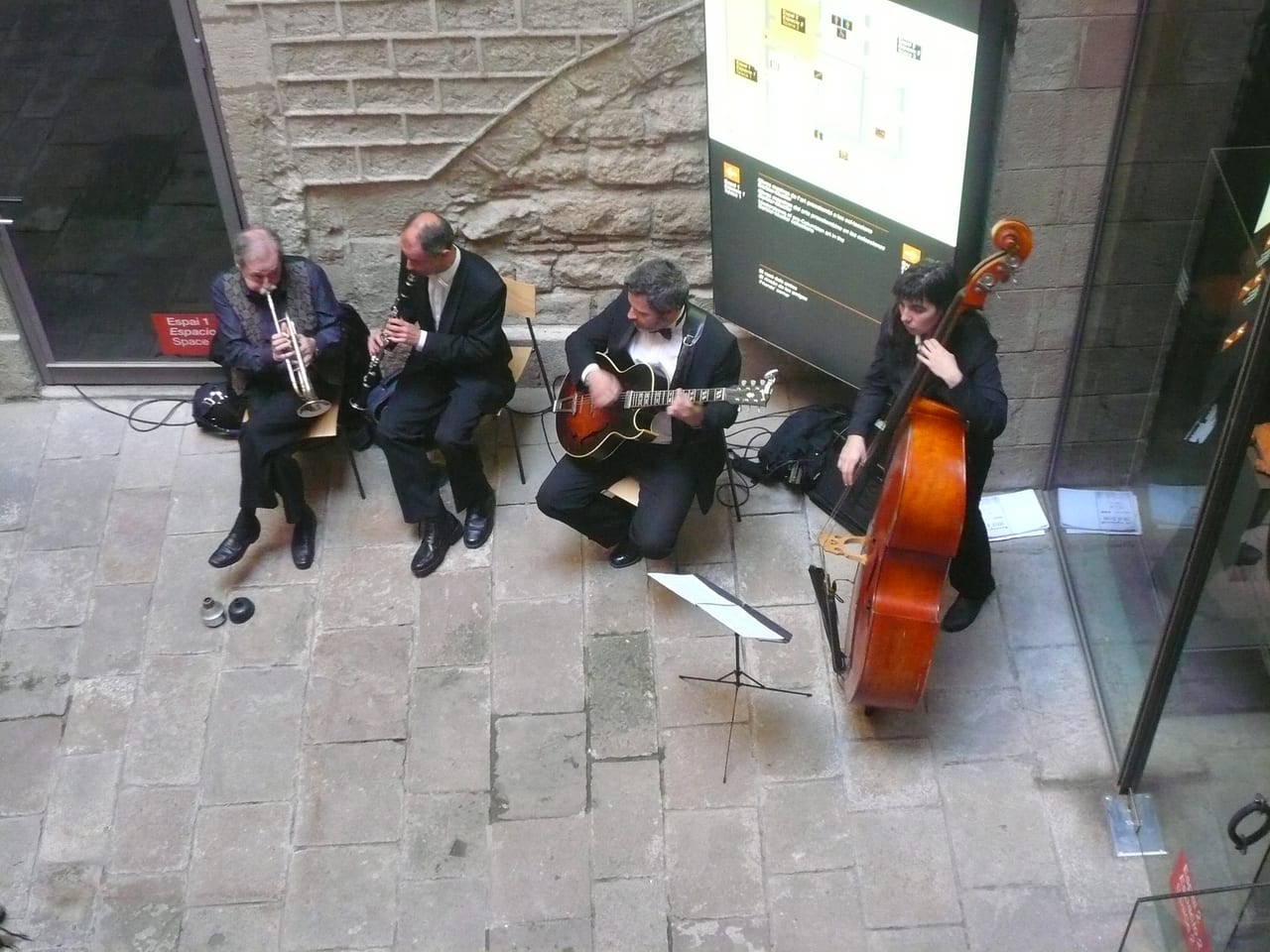
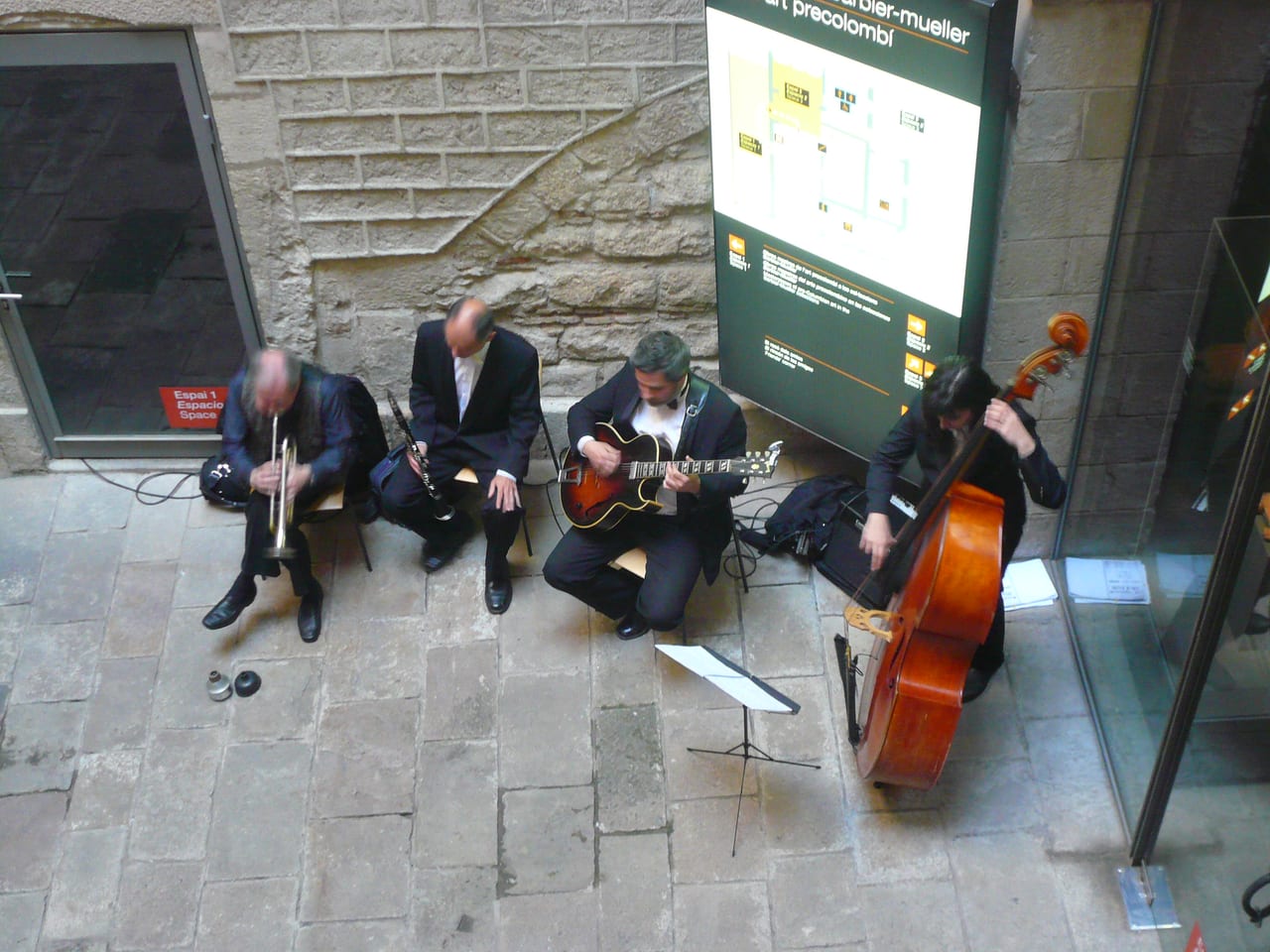
Photograph 1 of 14 of Nadal Palace
Nadal Palace grew from a substantial Montcada property acquired in 1546 by Francina Fontarnau, widow of the merchant Bartomeu Bruch. After several transfers, the house was bought in 1610 by the knight Rafael de Nadal, who later became a priest. His son, Jeroni de Nadal i Moner, purchased the adjoining southern property in 1637, bringing the two houses into one estate. The Nadal family line continued until the property passed to the Olives family. In 1770, extensive repairs led to an emphyteutic lease to Fèlix and Francesc de Magarola. A proposed 1789 remodelling produced the surviving neoclassical entrance and first-floor balconies, but work stopped in 1790. Later it accommodated recreational, excursionist and social organisations. The city expropriated it in 1967; rehabilitation begun in 1971 enlarged the solana gallery, removed the original tower and altered several openings.
At a glance
- Style
- Gothic architecture
- Heritage
- Cultural Asset of Local Interest
Ways to explore Nadal Palace
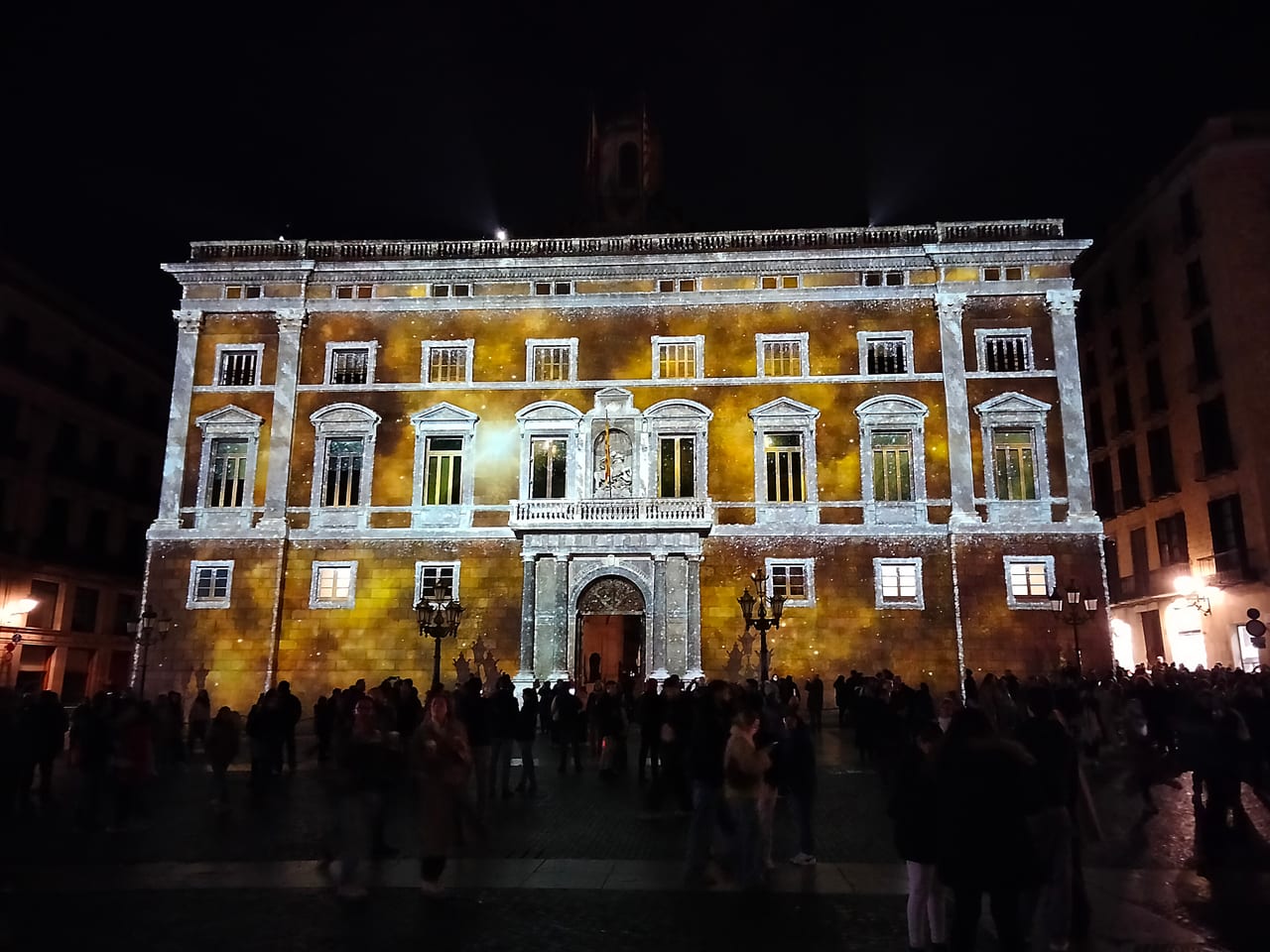
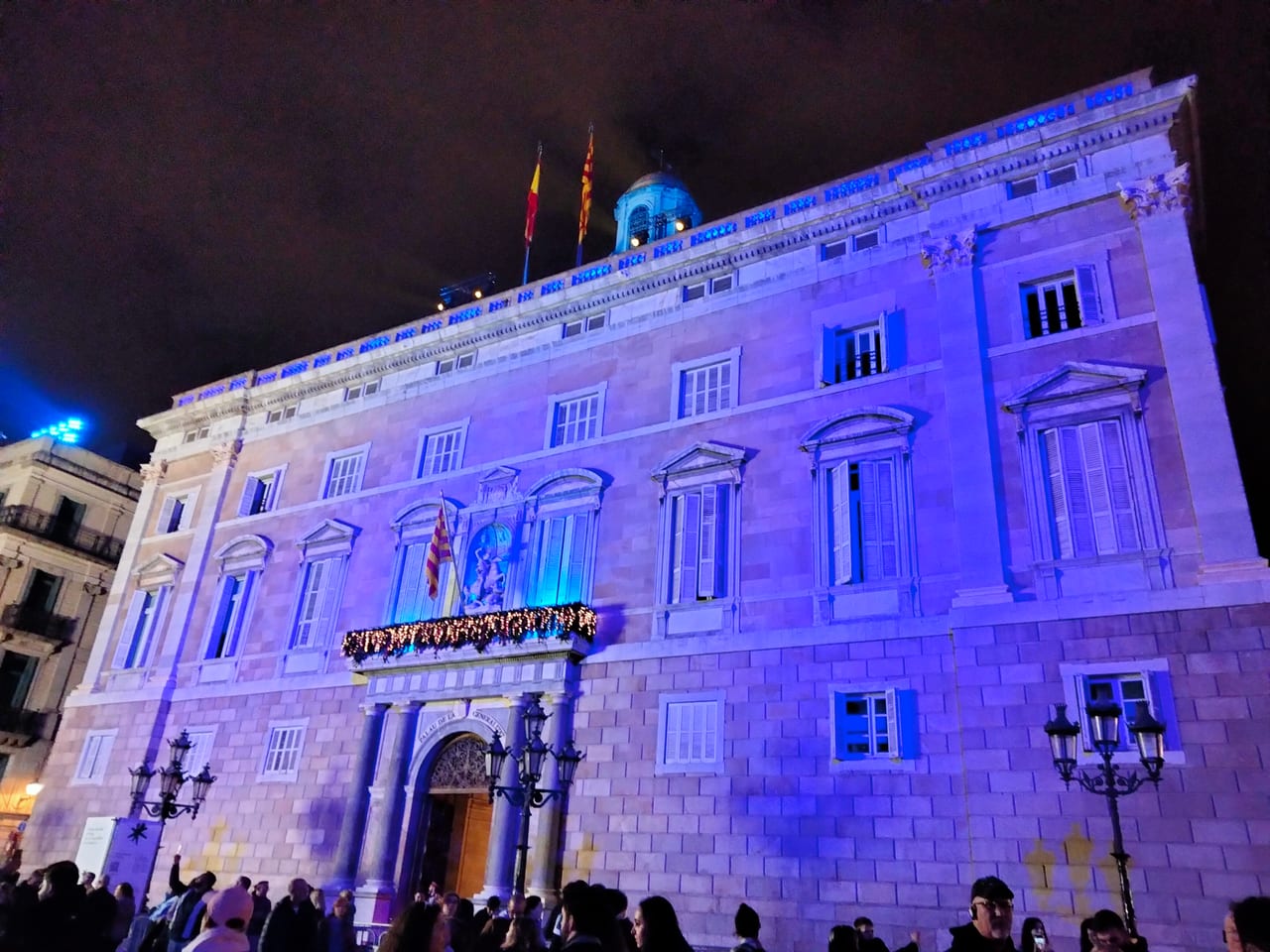
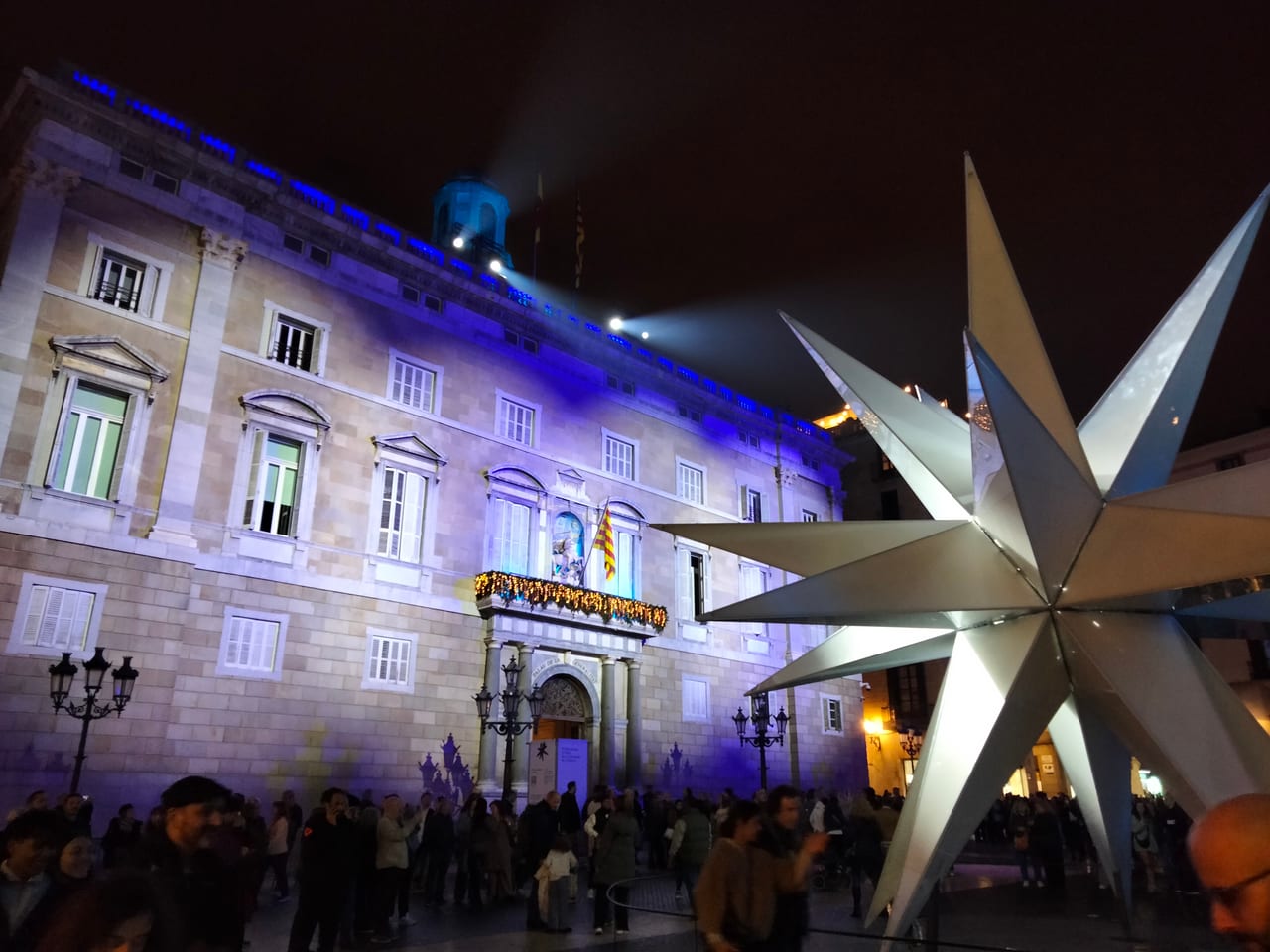
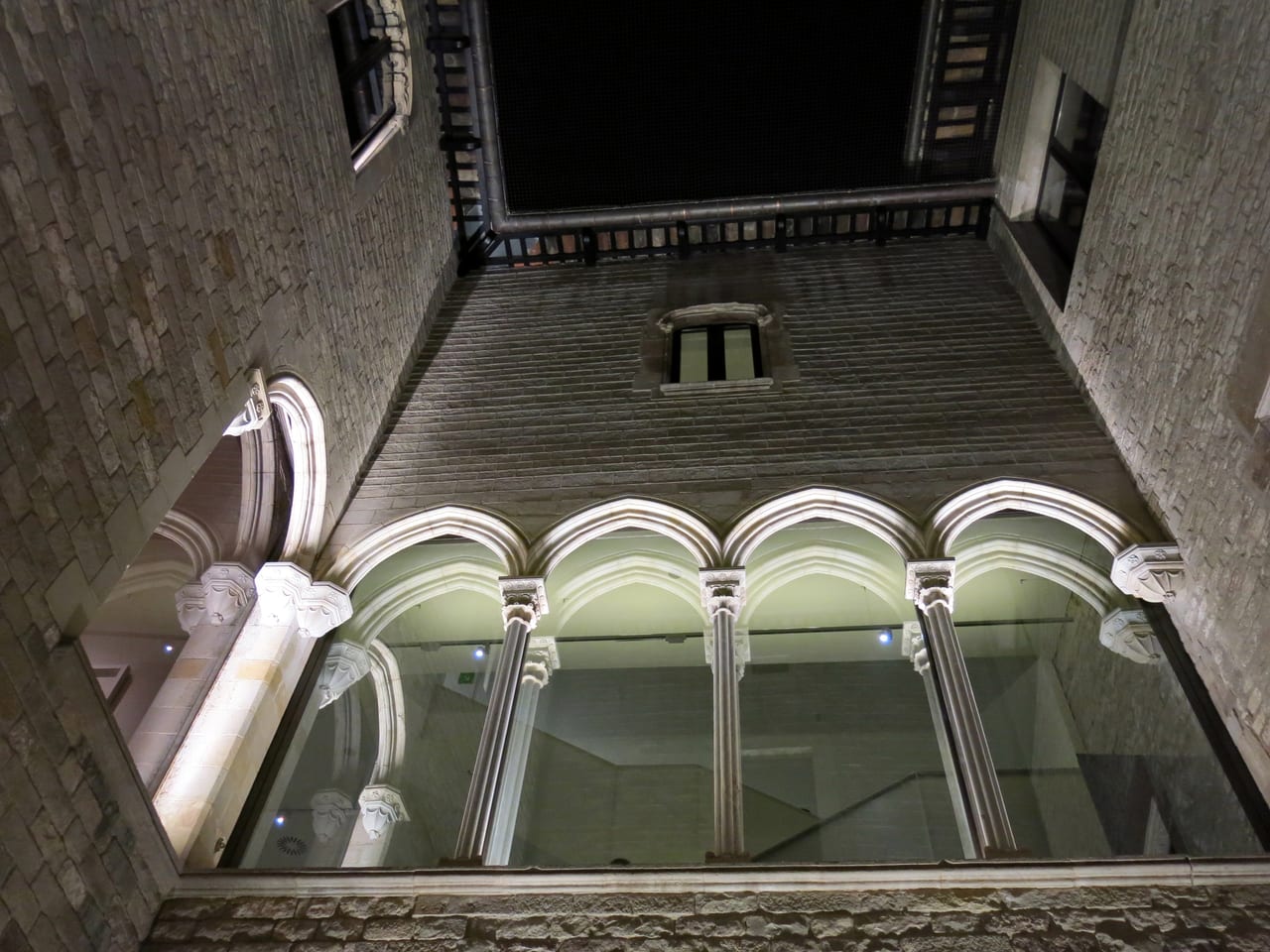
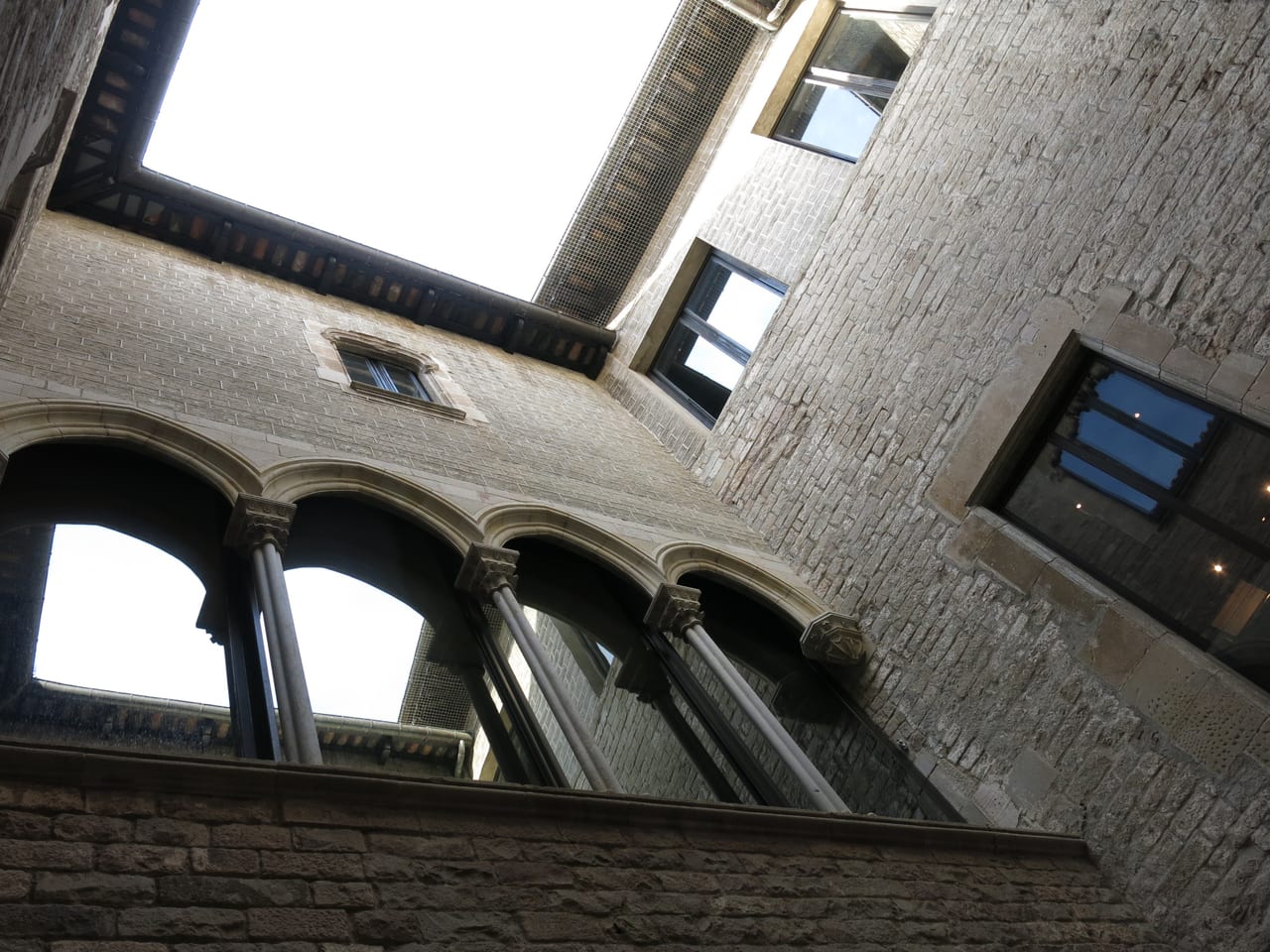
Start with the street façade, comparing the monumental neoclassical portal and Doric pilasters with the Baroque noble-floor windows. Look for the conopial-arched window with the carved male and female busts, the surviving trace of a blocked window, and the restored octagonal-pillared solana. Inside, pause in the courtyard for its pointed-arch gallery, slender columns and floral capitals; also notice the preserved stone arch, dark wall finishes and the rib-vaulted stair leading towards the former studies.
Places to stay near Nadal Palace

Live availability and prices from Stay22's partners, refreshed periodically and subject to change. Booking through these links may earn us a commission at no extra cost to you. See our privacy policy.
Cafés near Nadal Palace
Cafés near Nadal Palace loads as you scroll.
Attractions nearby
Attractions near Nadal Palace loads as you scroll.
Cities nearby
Cities nearby loads as you scroll.
More in Barcelona
See more of Barcelona.
Find great cafés, places to stay and other interesting places to visit in Barcelona.