Museum · Barcelona
Museu Picasso
DirectionsIt is the only museum devoted to Picasso created during his lifetime, born from his own conviction that Barcelona—not Málaga, his birthplace—was the right home.
Photograph 1 of 12 of Museu Picasso
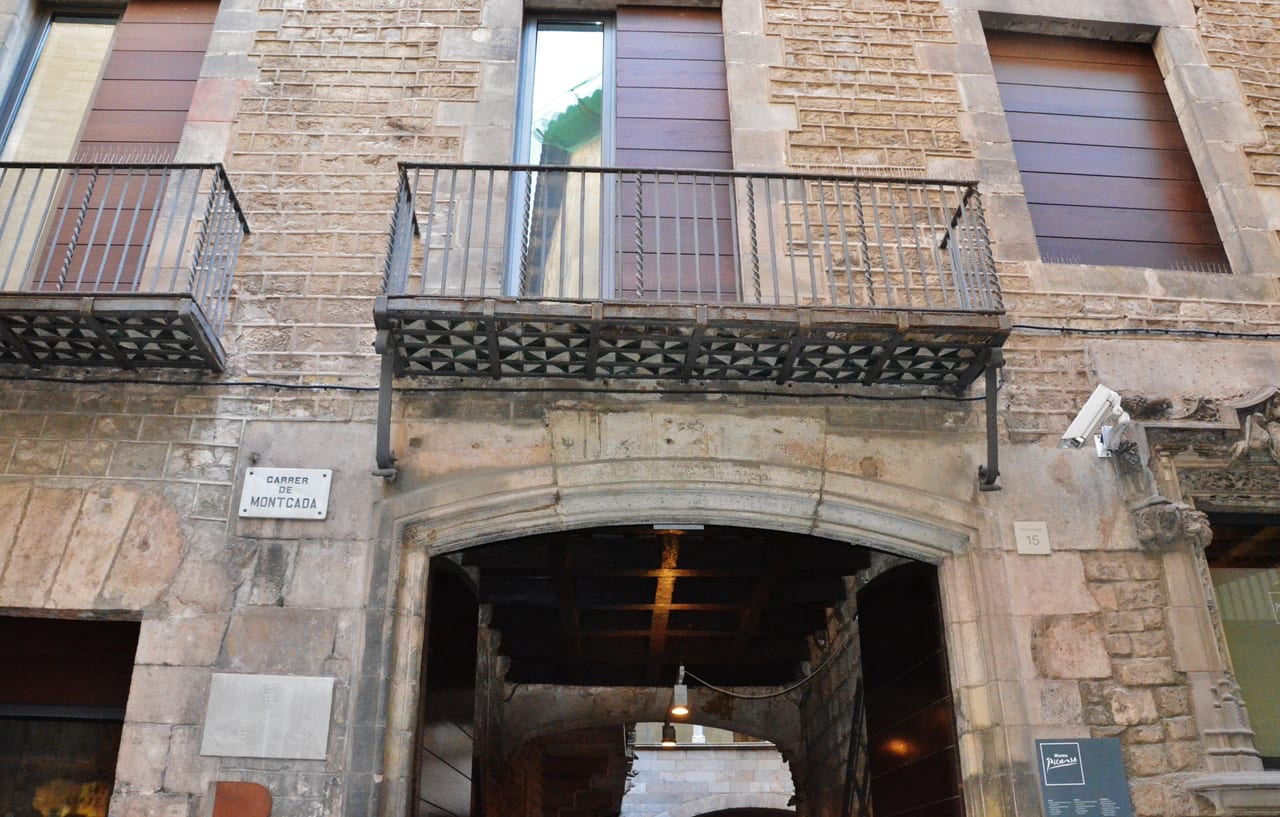
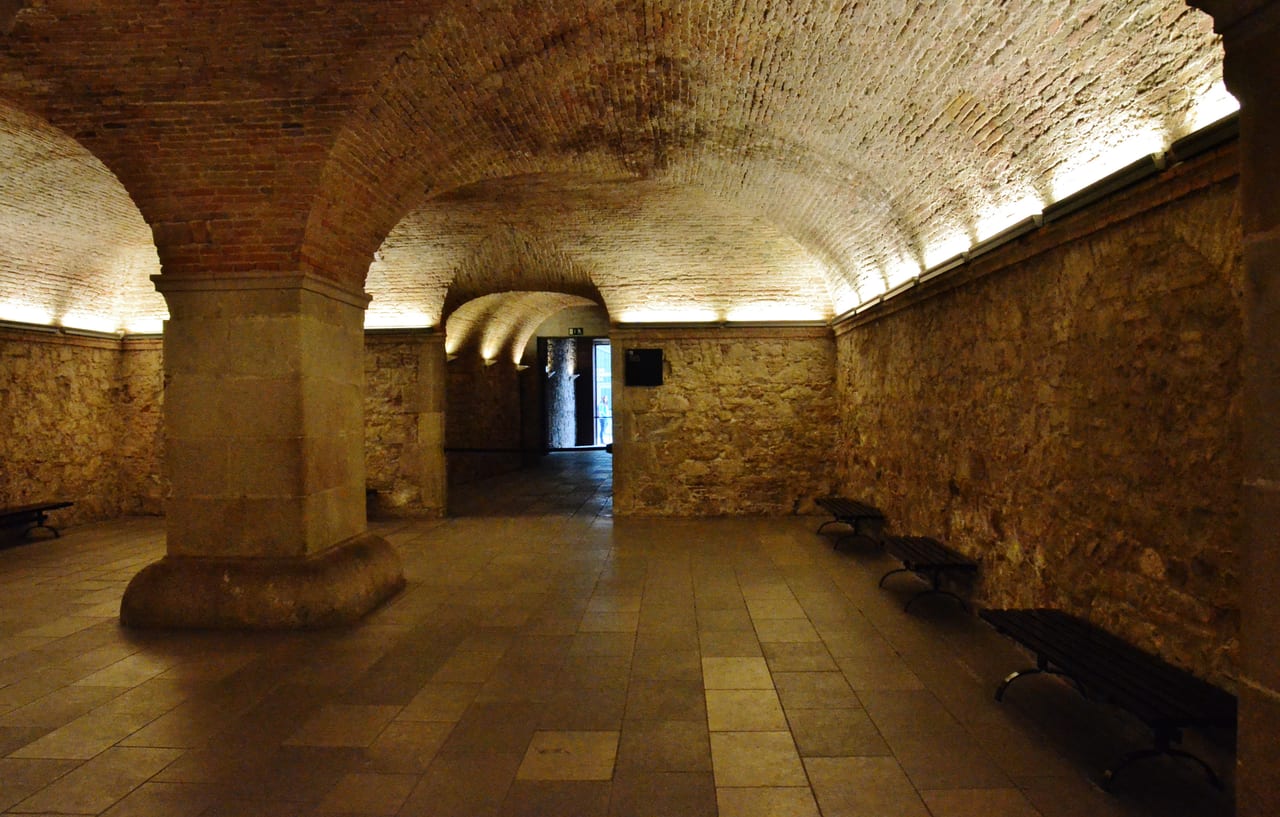
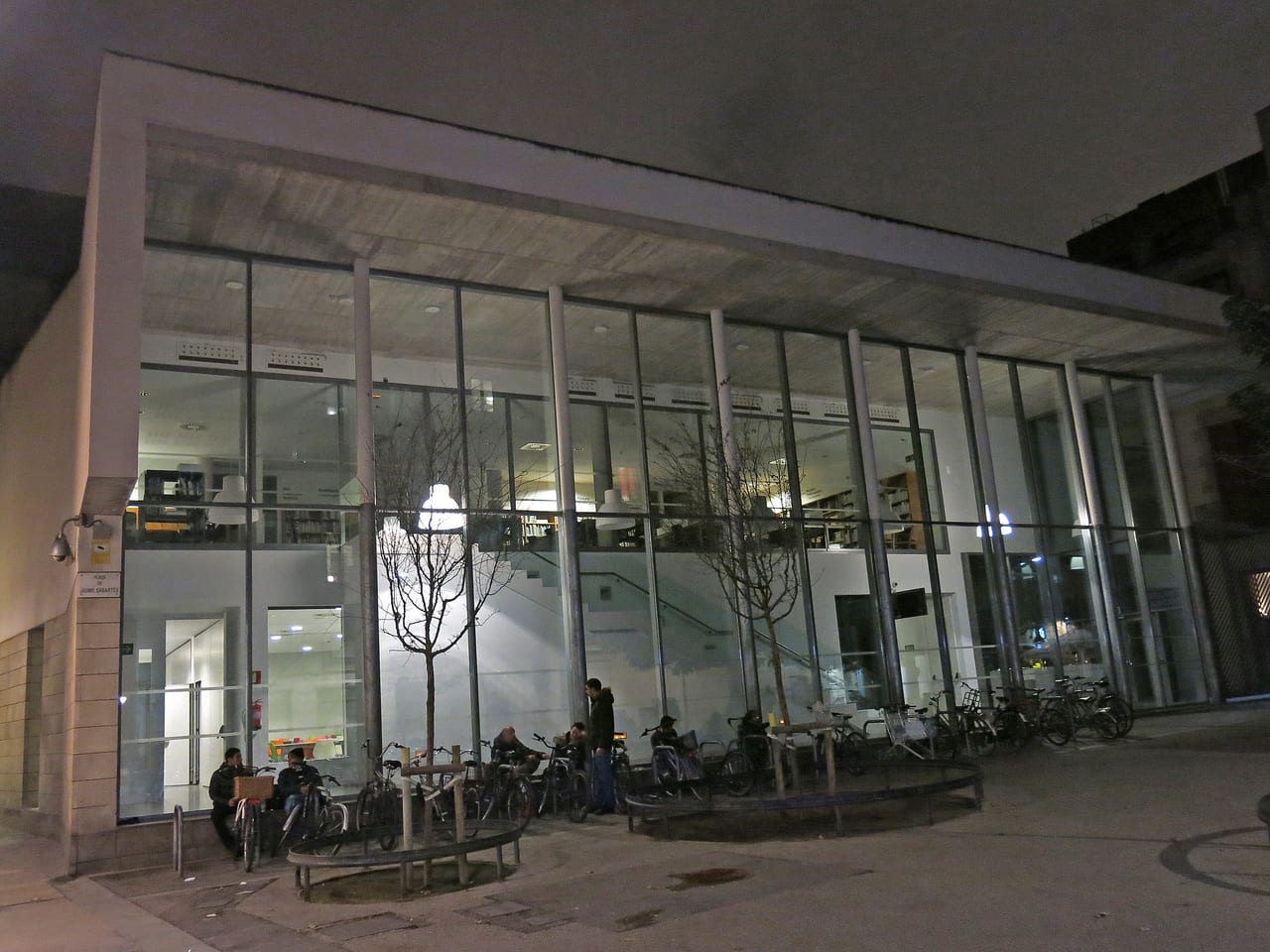
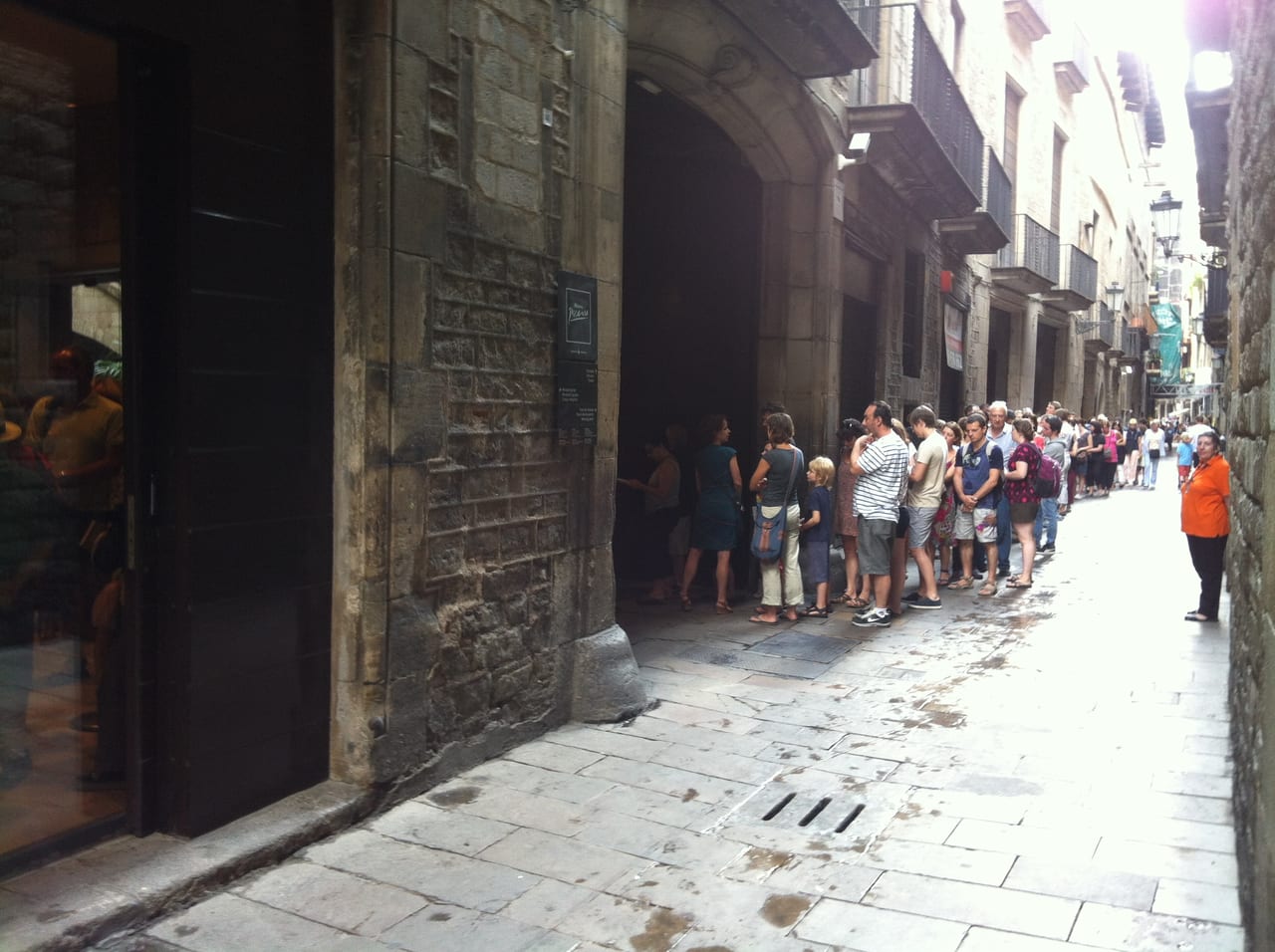
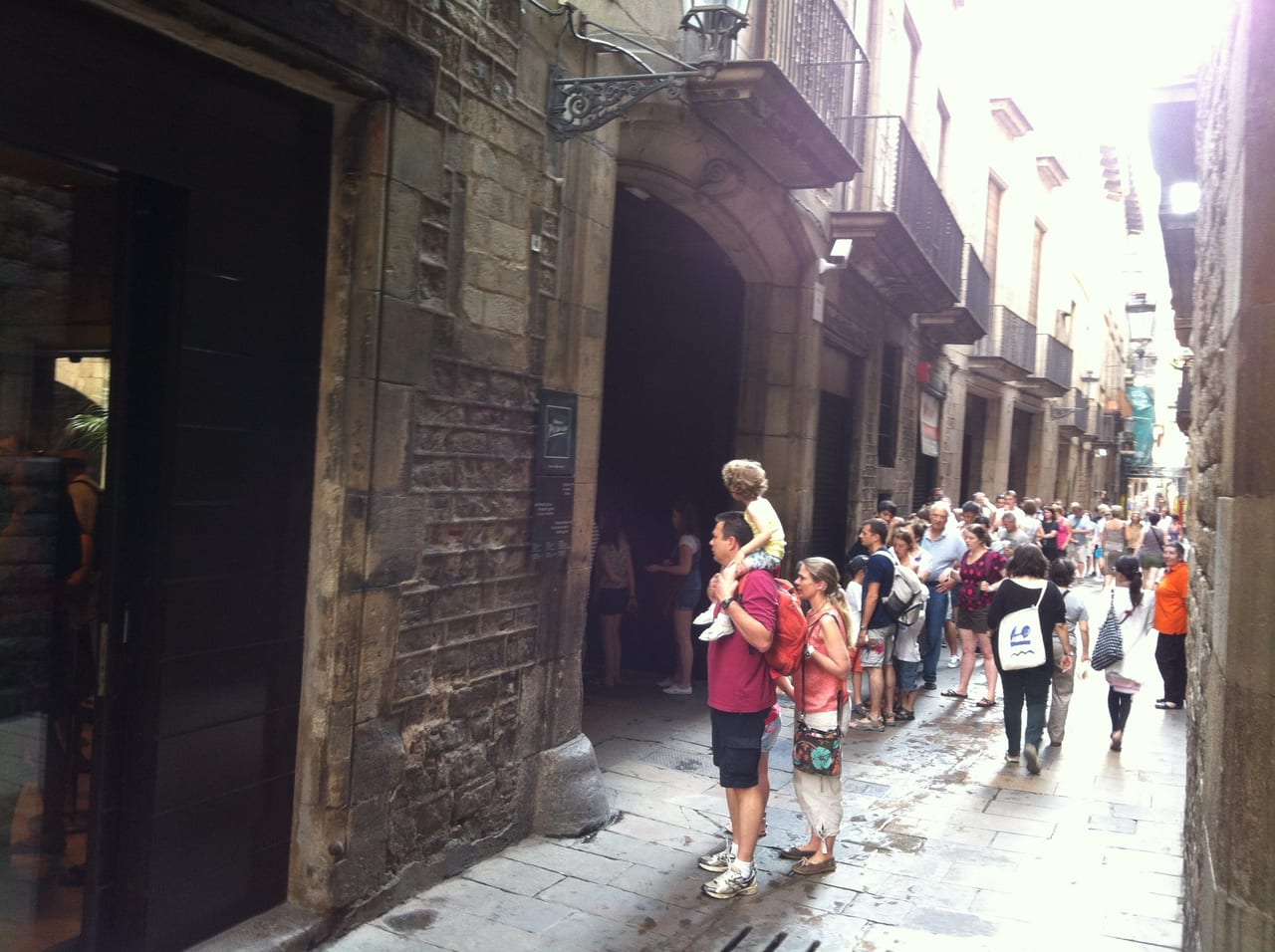
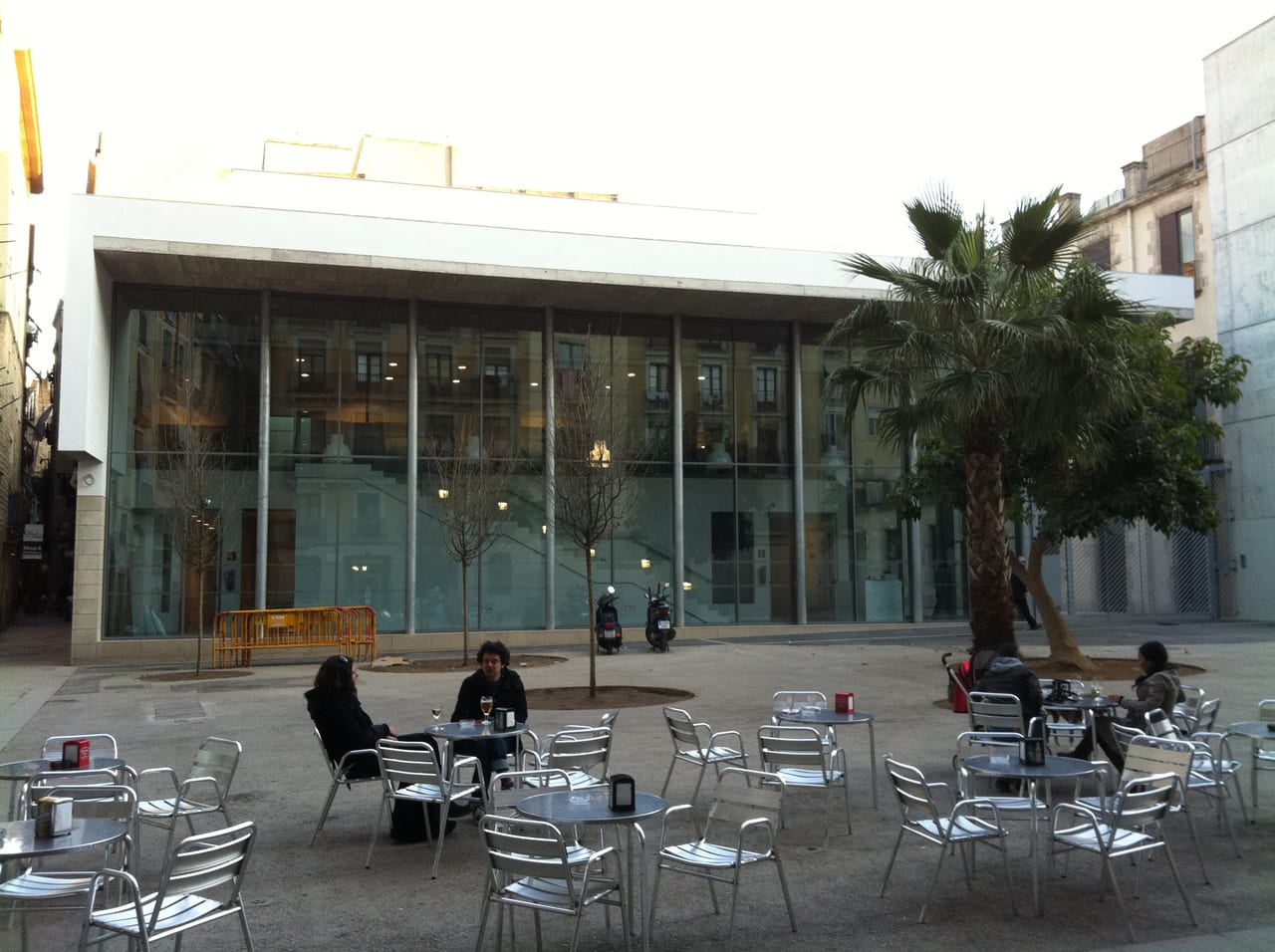
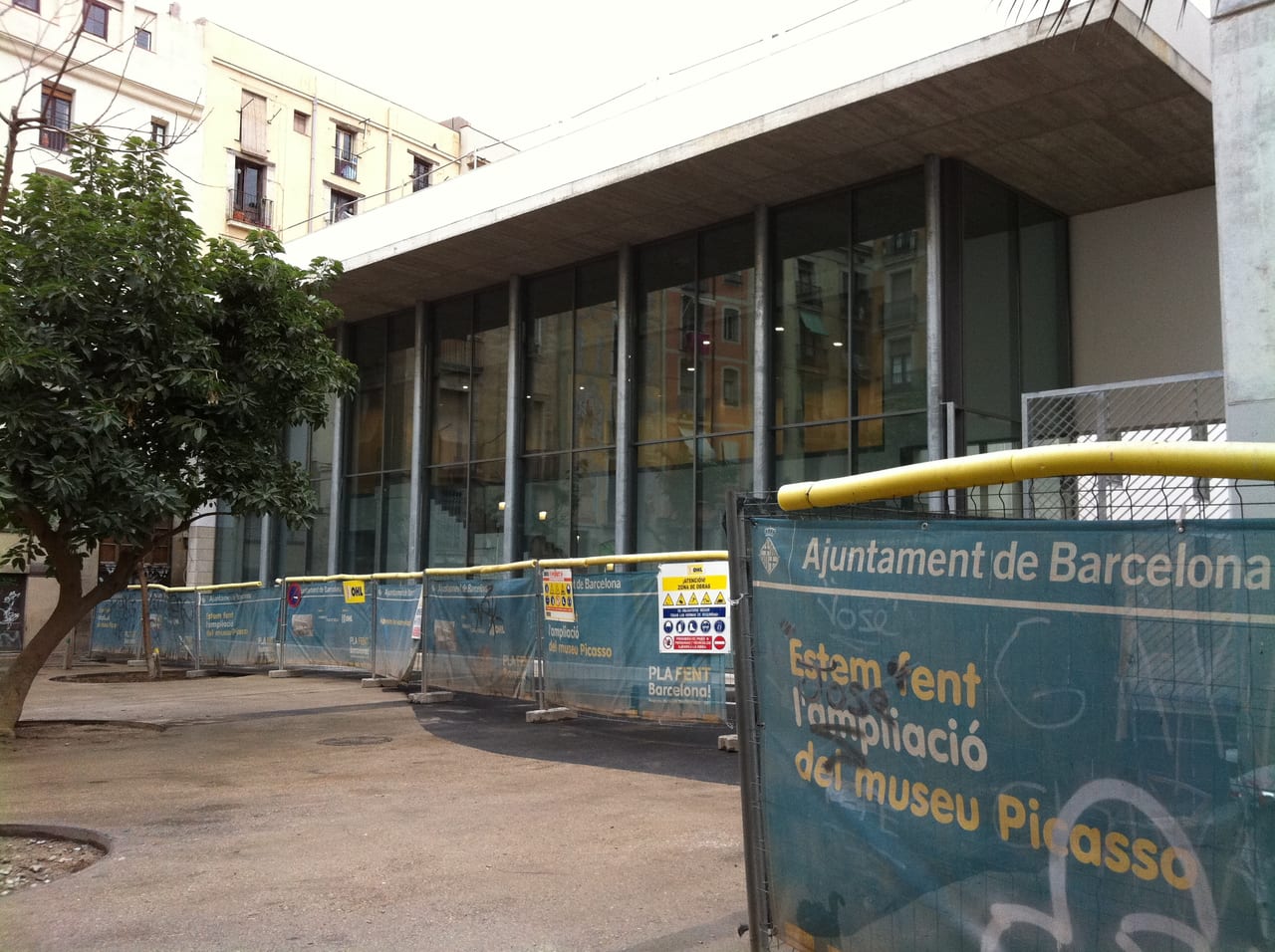
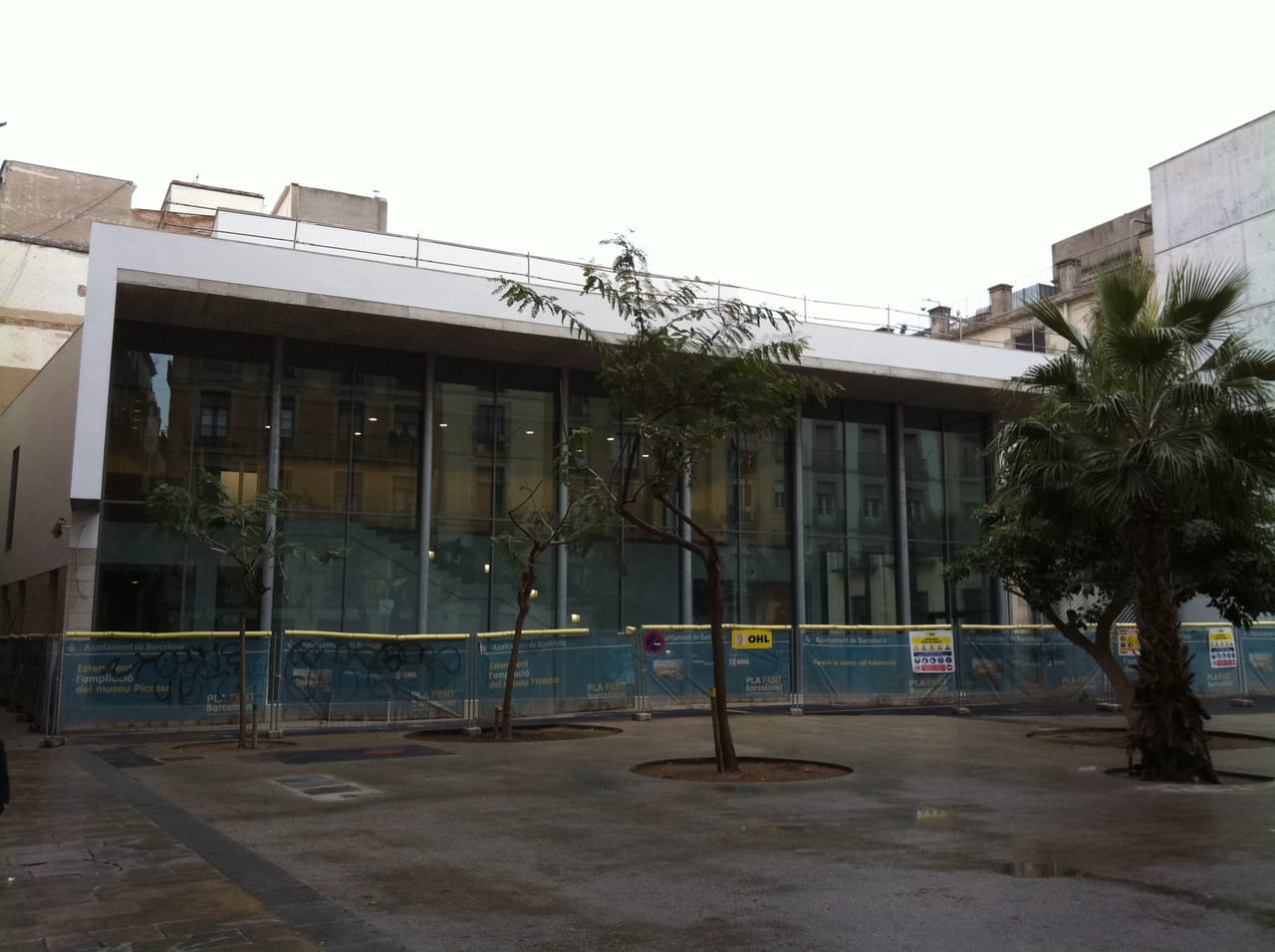
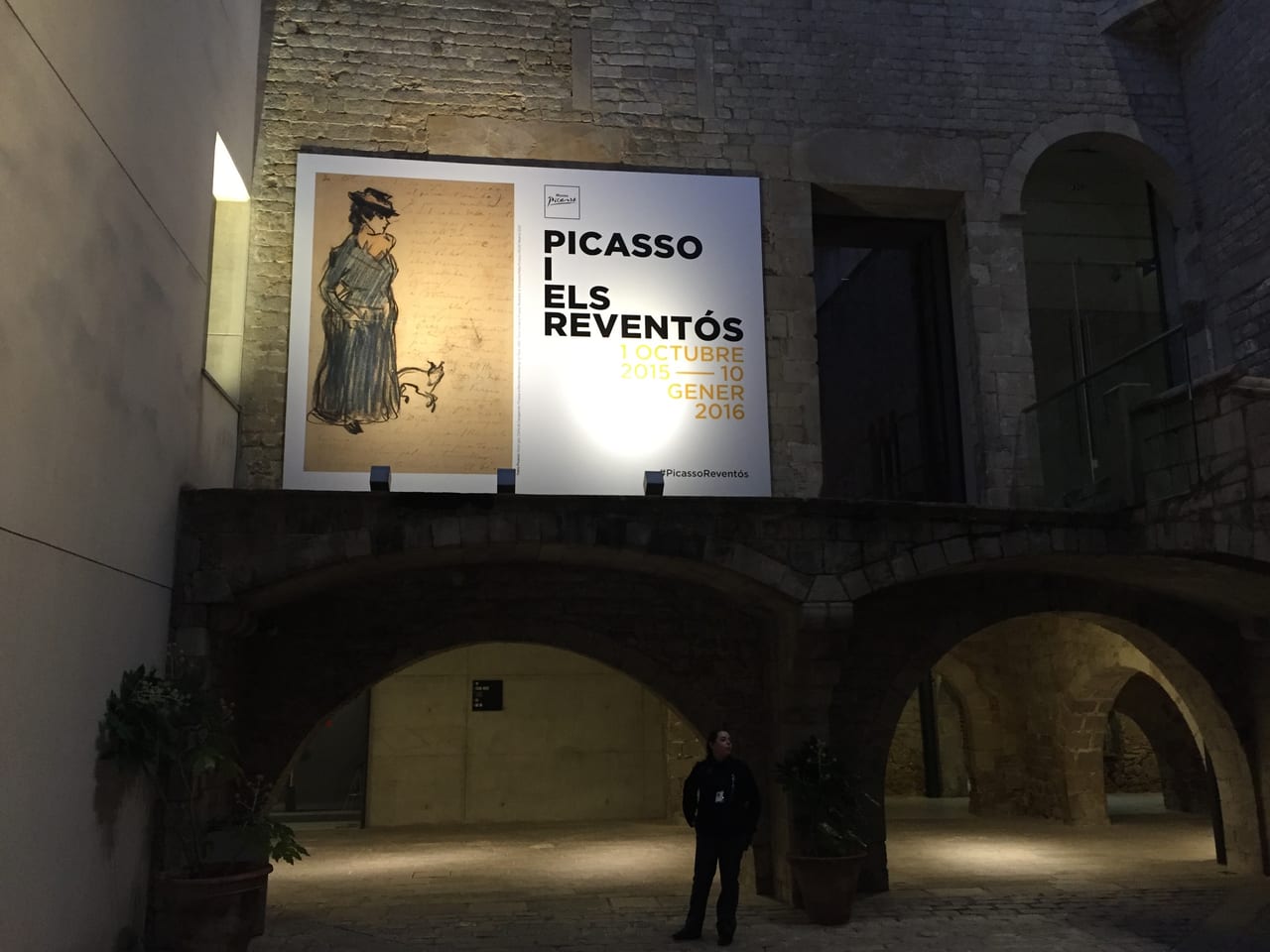
The museum grew from the initiative of Jaume Sabartés, Picasso’s lifelong friend and secretary, who signed an agreement with Barcelona on 27 July 1960. It opened in 1963 with 574 works from Sabartés’ collection, gifts from Picasso and others, and works transferred from municipal holdings. Because Picasso opposed Franco’s regime, it initially opened as the Sabartés Collection; mayor Josep Porcioles proceeded despite central-government opposition. Its setting is an architectural ensemble of five adjoining palaces on Carrer de Montcada. The 13th- and 14th-century buildings follow Catalan Gothic civil design, arranged around courtyards with external staircases. Palau Aguilar contains traces of a 13th-century wall painting, while Palau Baró de Castellet retains a 16th-century religious relief and neoclassical interiors. Palau Meca is noted for medieval polychrome coffered ceilings; Casa Mauri preserves an unusual wooden façade, and Palau Finestres has restored arcades and a late-13th-century coffered ceiling. Picasso’s 1970 donation of 920 works transformed the collection, later enlarged by Jacqueline Roque, Louise Leiris Gallery and others. Expansion added Palau Meca in 1982, then Casa Mauri and Palau Finestres in 1999. The holdings now exceed 3,500 works in the permanent collection, especially paintings, drawings, engravings and ceramics from 1890 to 1917, alongside the 1957 Las Meninas series. A glass-fronted Knowledge and Research Center designed by Jordi Garcés opened in 2011.
At a glance
- Built
- 1963
Ways to explore Museu Picasso
Read the collection chronologically, from the Málaga, Corunna and Barcelona works through the training years and Blue Period, then seek out The First Communion, Science and Charity and the Las Meninas series. Set aside time for the courtyards, exterior staircases, Gothic arches and carved or coffered ceilings linking the five palaces. Temporary exhibitions, seminars and lectures provide additional ways to engage with Picasso’s work and related subjects. The Research Center includes a library, documentation center, archives and educational spaces.
Places to stay near Museu Picasso

Live availability and prices from Stay22's partners, refreshed periodically and subject to change. Booking through these links may earn us a commission at no extra cost to you. See our privacy policy.
Cafés near Museu Picasso
Cafés near Museu Picasso loads as you scroll.
Attractions nearby
Attractions near Museu Picasso loads as you scroll.
Cities nearby
Cities nearby loads as you scroll.
More in Barcelona
See more of Barcelona.
Find great cafés, places to stay and other interesting places to visit in Barcelona.