Monument · Barcelona
Monument a Josep Anselm Clavé
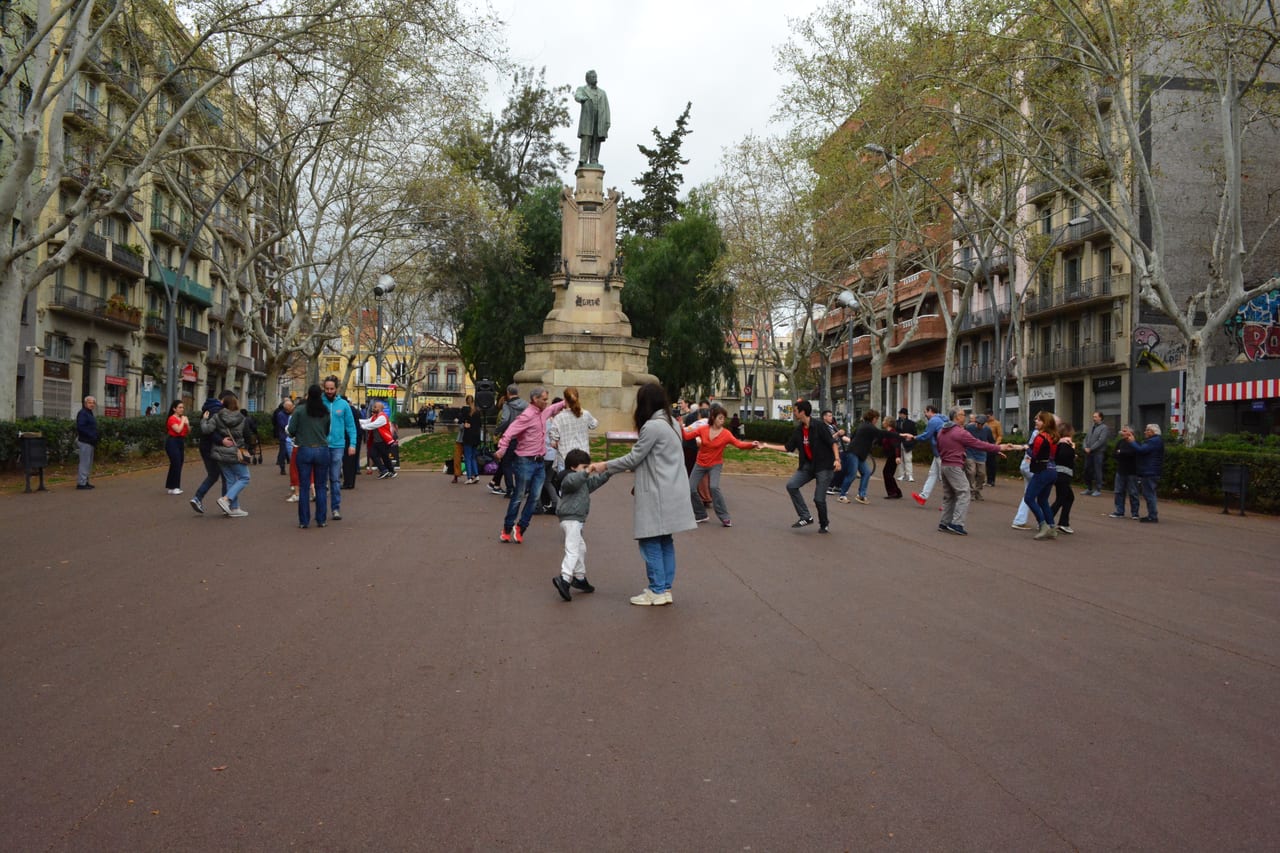
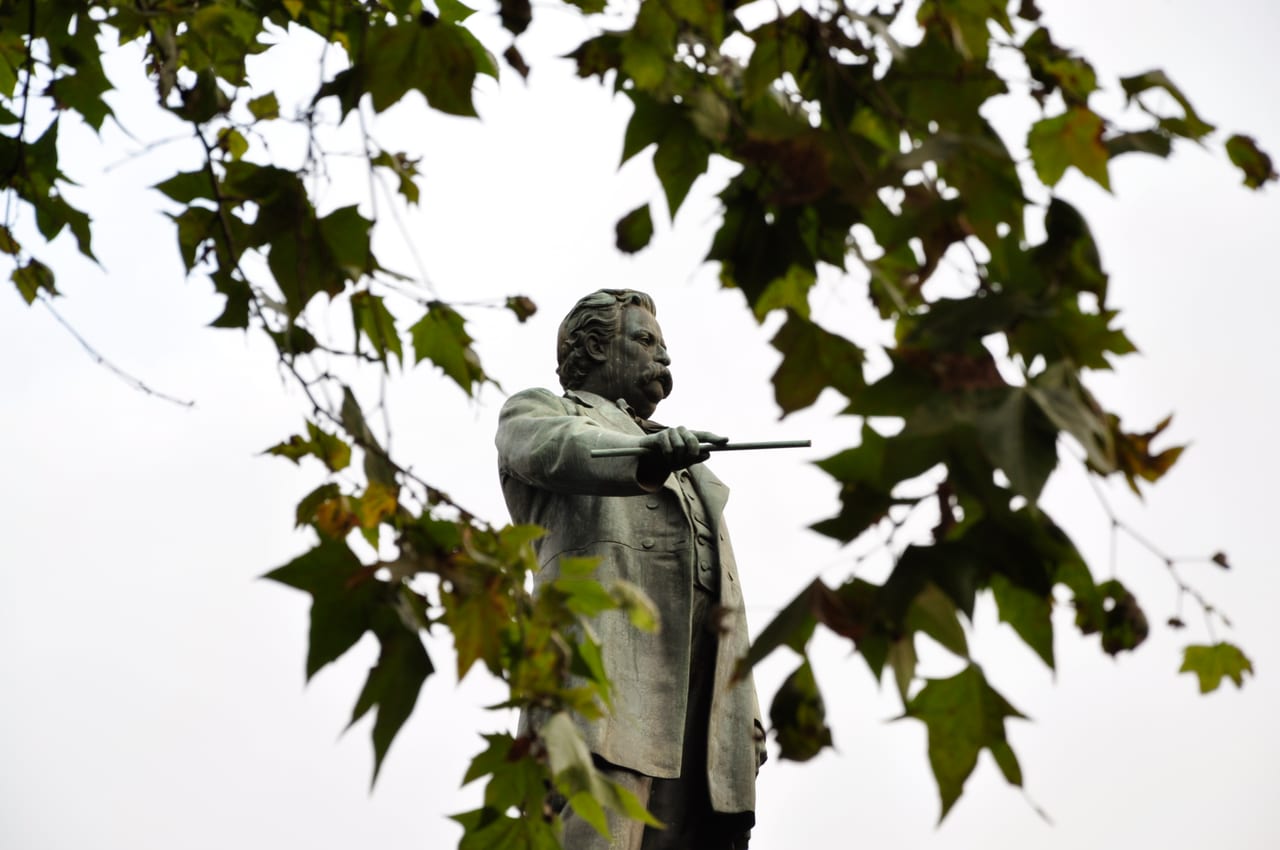
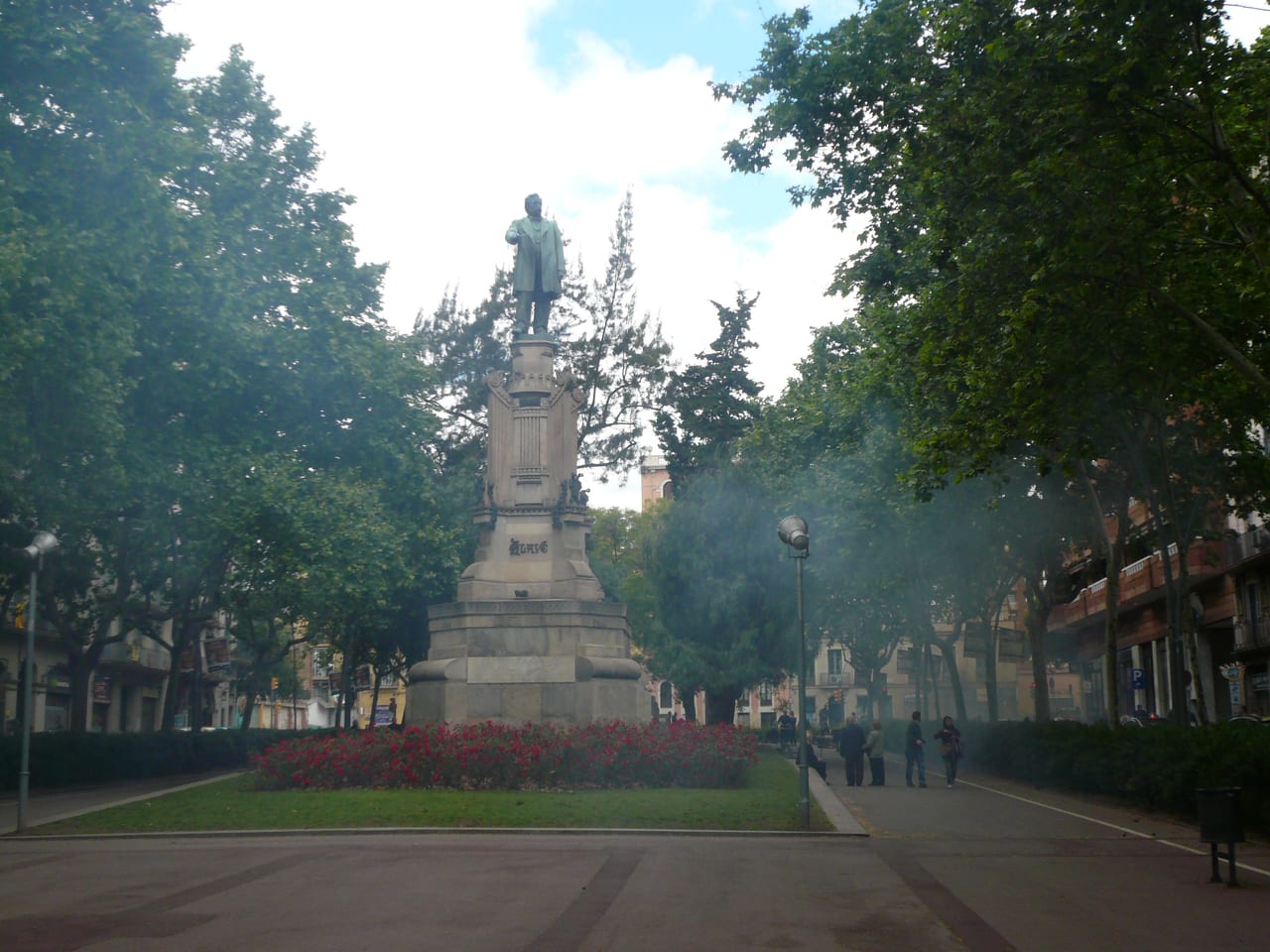
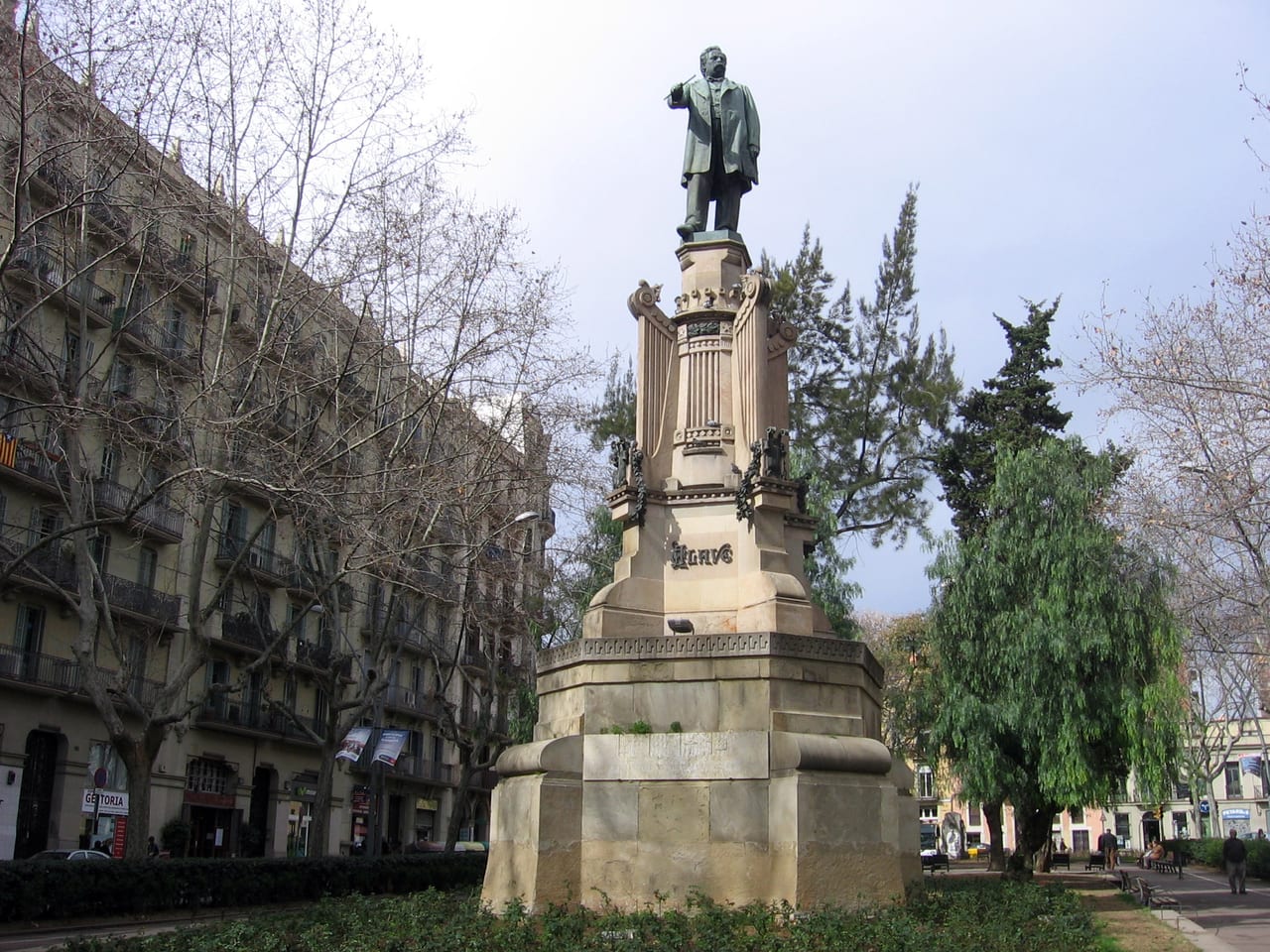
DirectionsIts conductor figure is arranged in an unusually taut vertical axis, with the head aligned precisely toward the raised baton.
Photograph 1 of 10 of Monument a Josep Anselm Clavé
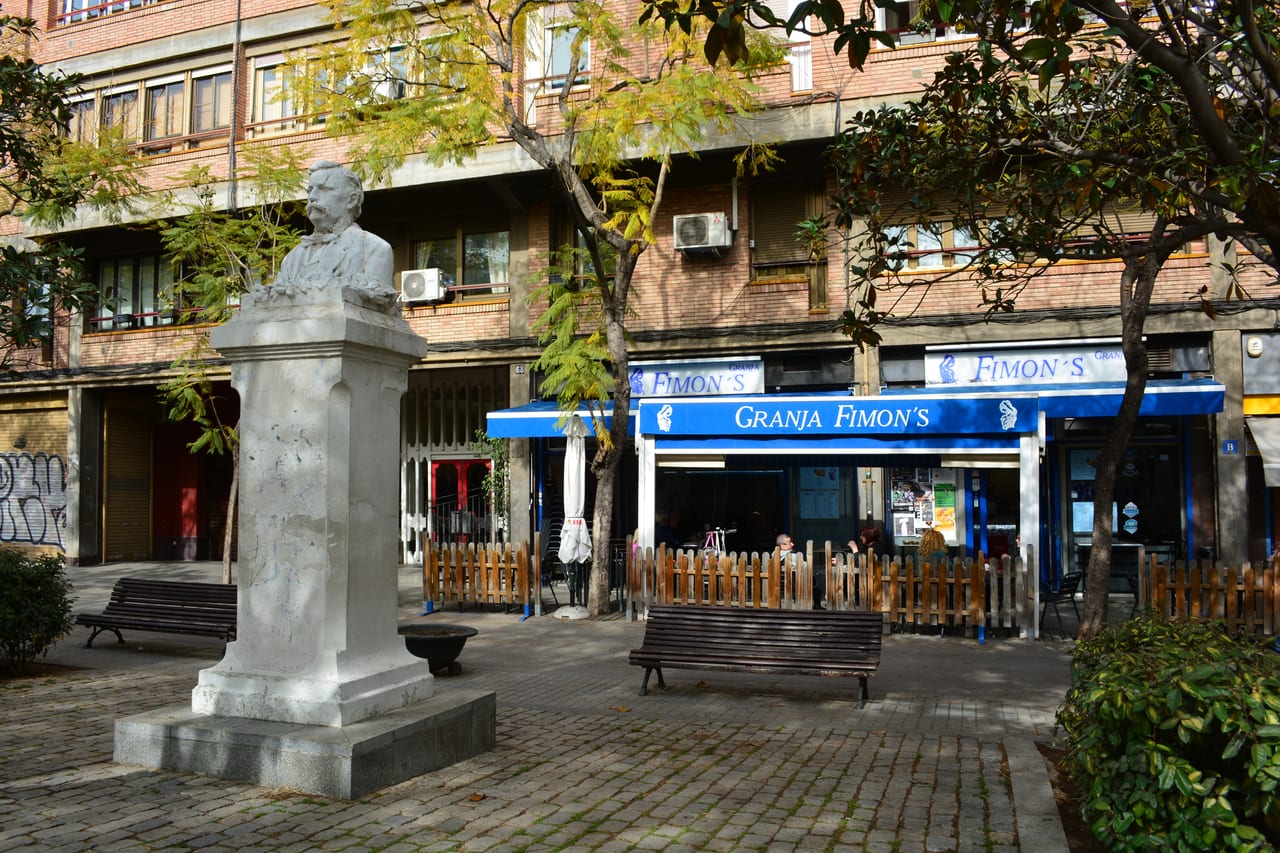
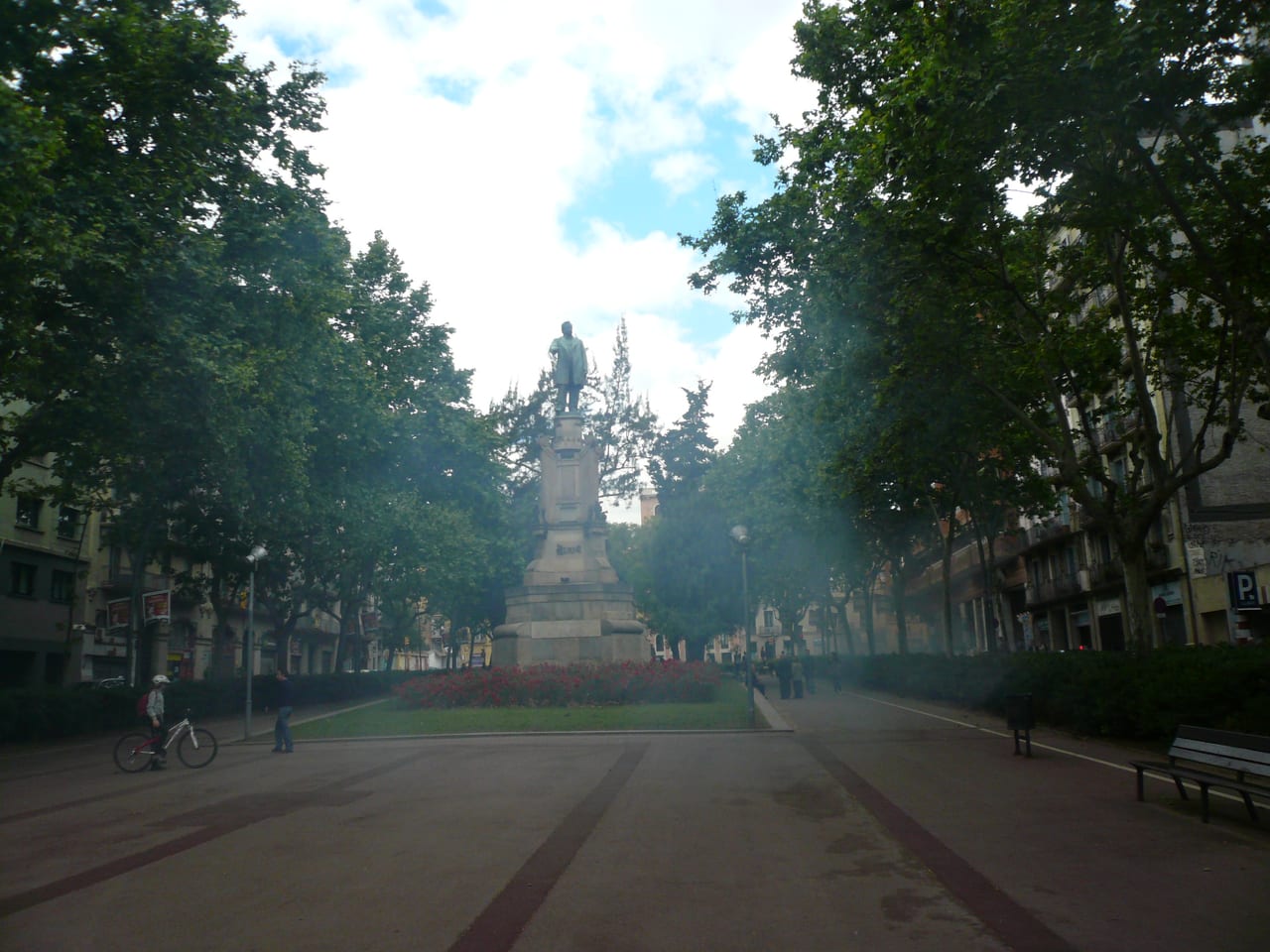
Designed by the architect Josep Vilaseca i Casanovas in historicist style, the monument began construction in 1883 at the junction of Rambla de Catalunya and Carrer de València. Although work started there, its inauguration took place on 24 November 1888; it was later re inaugurated at its present site on 6 May 1956. The sculptor Manuel Fuxà created the figure of Josep Anselm Clavé, which rises above a pedestal of about five metres. The pedestal is built in successive drums: a broad undecorated base, a second section finished with a low band of geometric ornament, and a taller, narrower upper section. Four small buttresses carry vegetal motifs, probably laurel wreaths, while four harps appear above them. The inscription “Clavé” is carved between the buttresses facing Avinguda Diagonal. The monument is catalogued as a Cultural Asset of Local Interest.
At a glance
- Built
- 1888
- Architect
- Josep Vilaseca i Casanovas
- Style
- historicist architecture
- Heritage
- Cultural Asset of Local Interest
Ways to explore Monument a Josep Anselm Clavé
Walk along Passeig de Sant Joan and examine the pedestal from several angles, especially the geometric band, the probable laurel motifs and the four harps. Look for the carved “Clavé” between the buttresses facing Avinguda Diagonal, then study how the successive drums narrow toward the small upper support. The surrounding intersections provide useful views of the monument’s full proportions.
Places to stay near Monument a Josep Anselm Clavé

Live availability and prices from Stay22's partners, refreshed periodically and subject to change. Booking through these links may earn us a commission at no extra cost to you. See our privacy policy.
Cafés near Monument a Josep Anselm Clavé
Cafés near Monument a Josep Anselm Clavé loads as you scroll.
Attractions nearby
Attractions near Monument a Josep Anselm Clavé loads as you scroll.
Cities nearby
Cities nearby loads as you scroll.
More in Barcelona
See more of Barcelona.
Find great cafés, places to stay and other interesting places to visit in Barcelona.