Heritage landscape · Barcelona
Montjuïc Cemetery
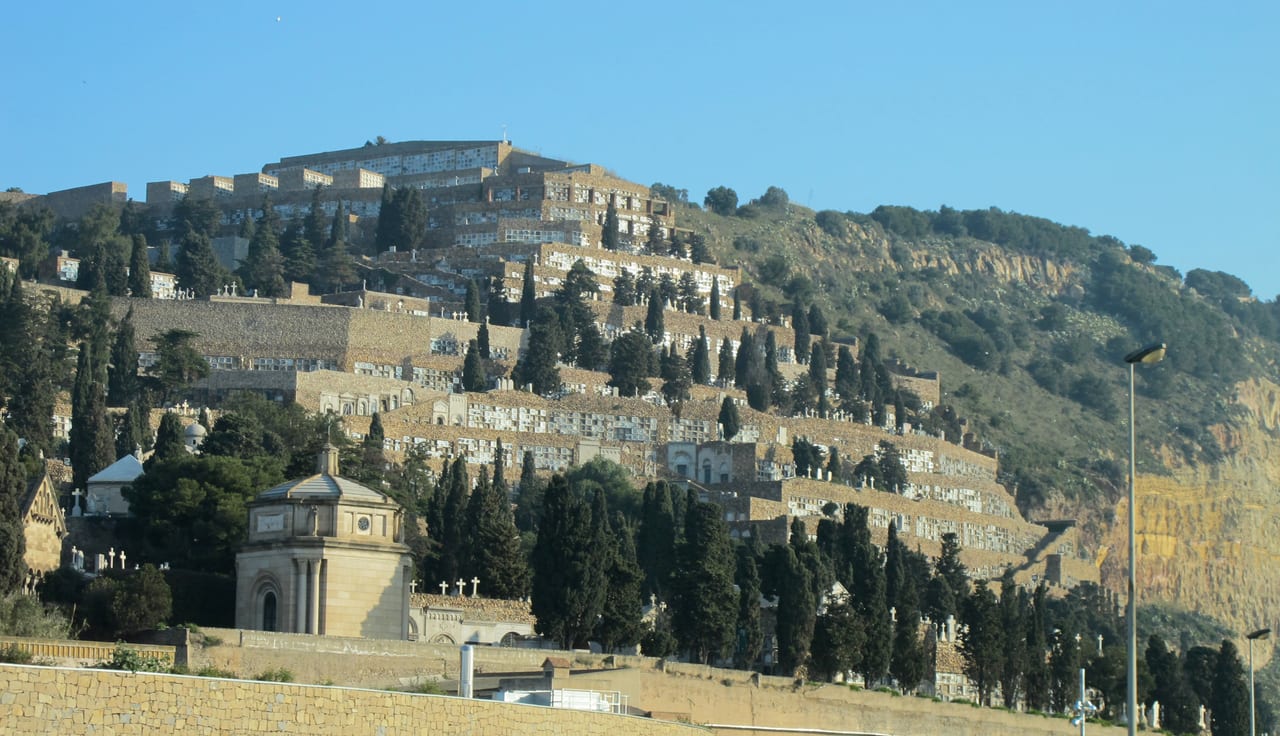
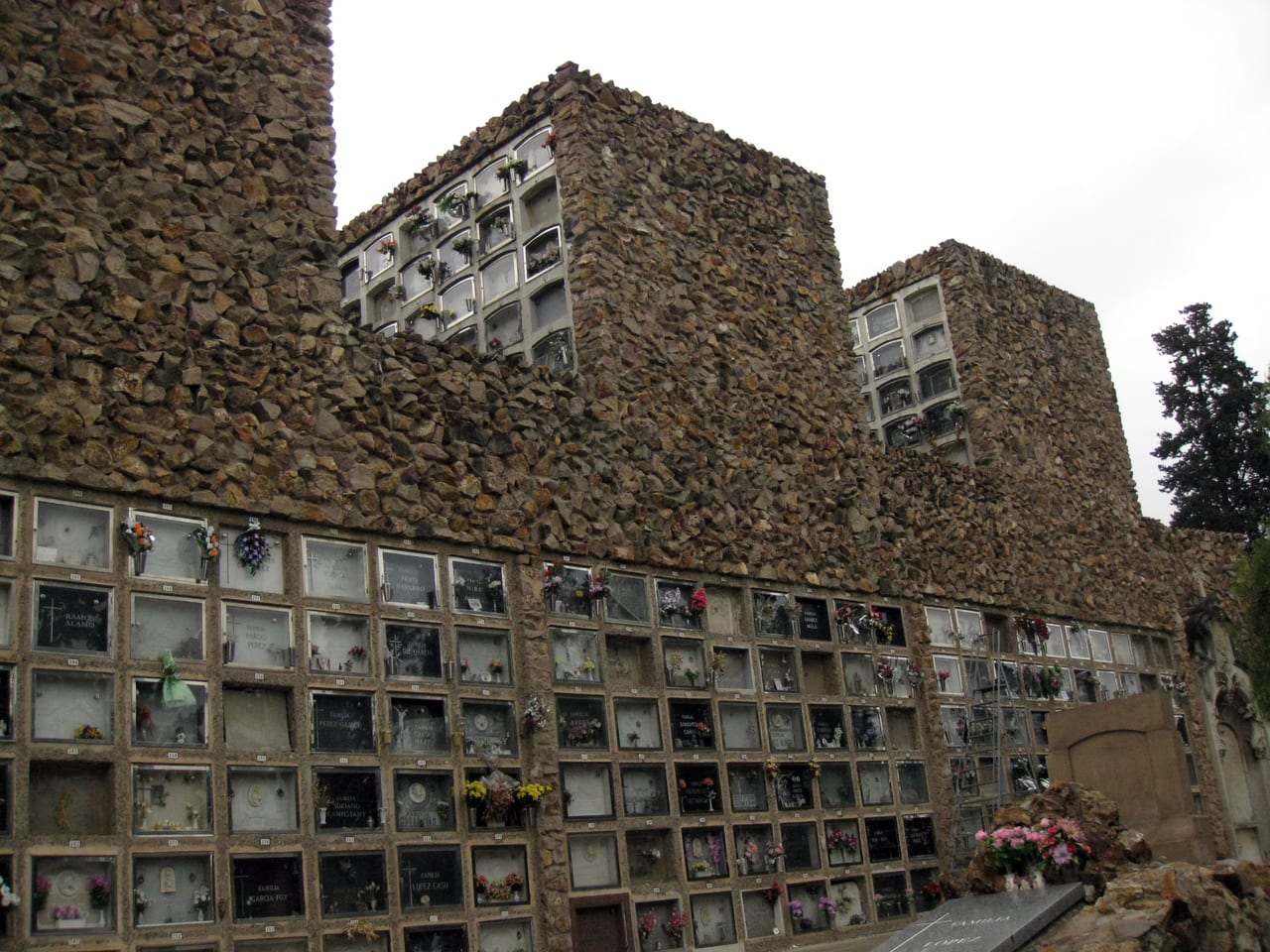
DirectionsWith more than a million burials and cremation ashes, Montjuïc Cemetery is a vast hillside necropolis whose scale is unusual within Barcelona.
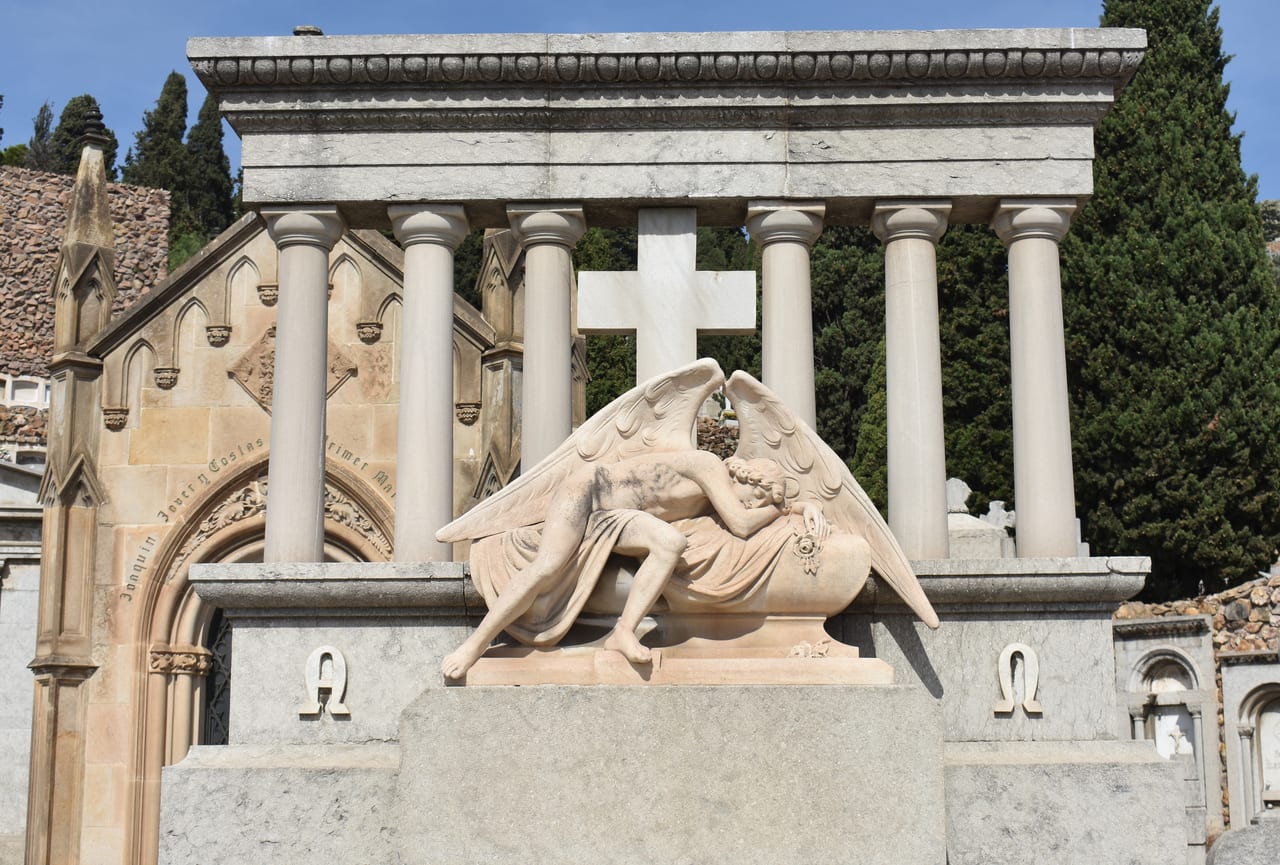
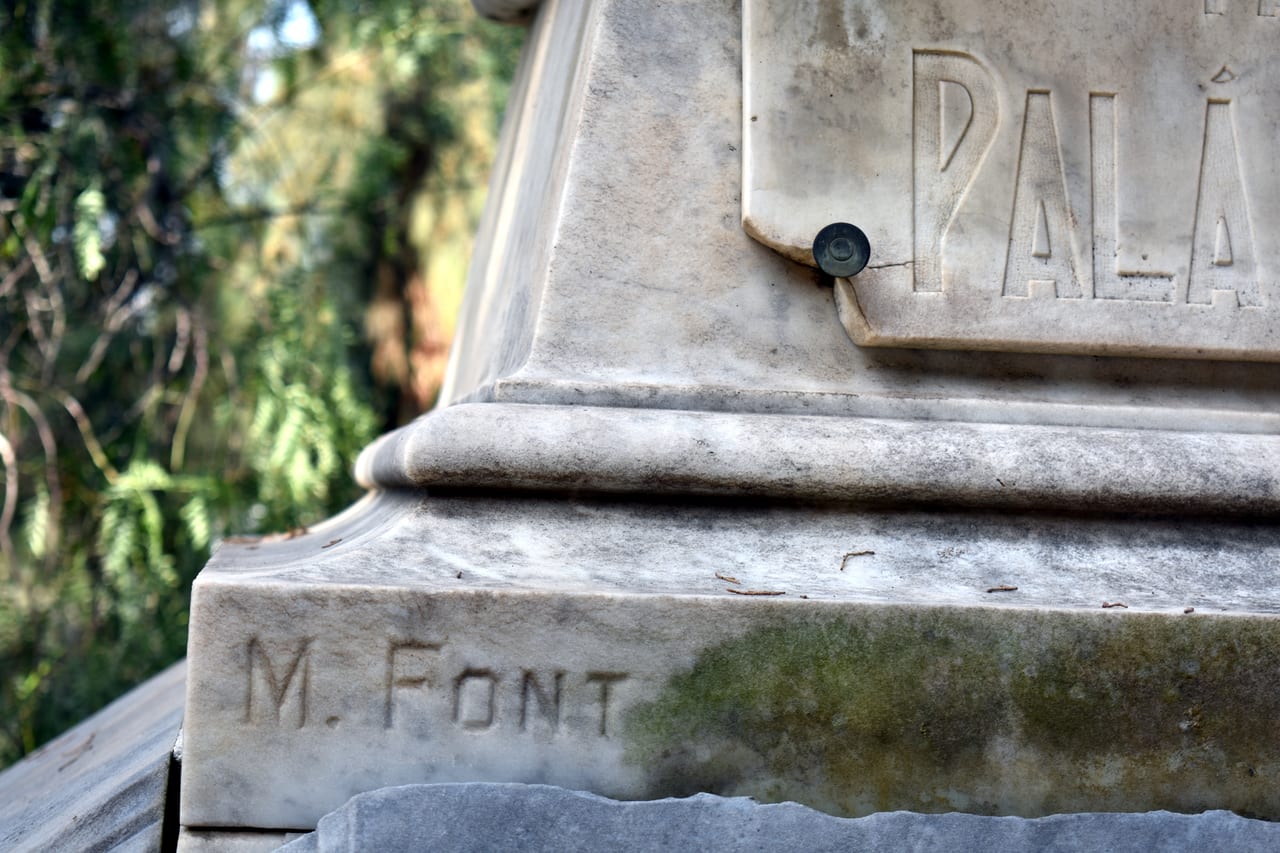
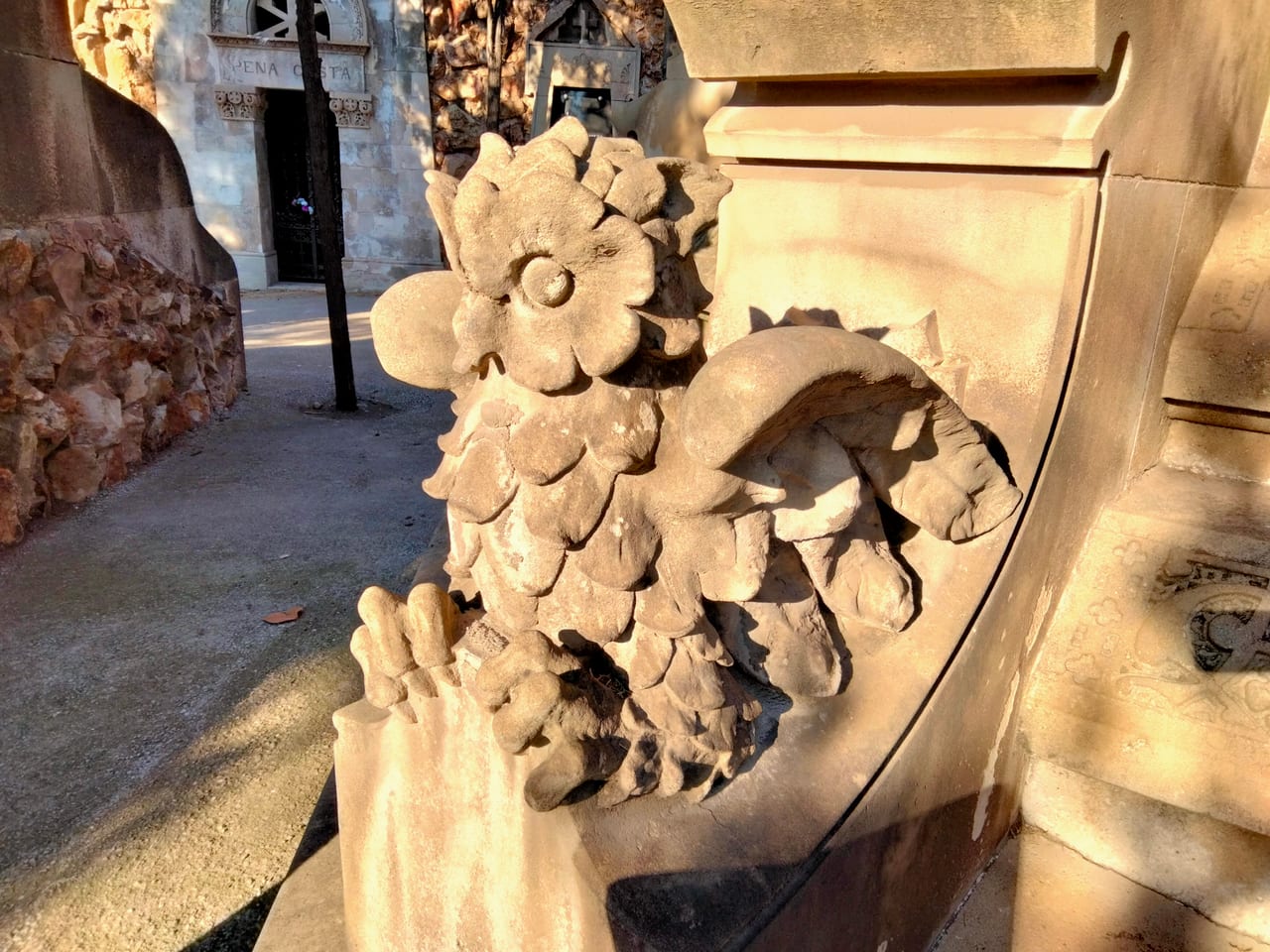
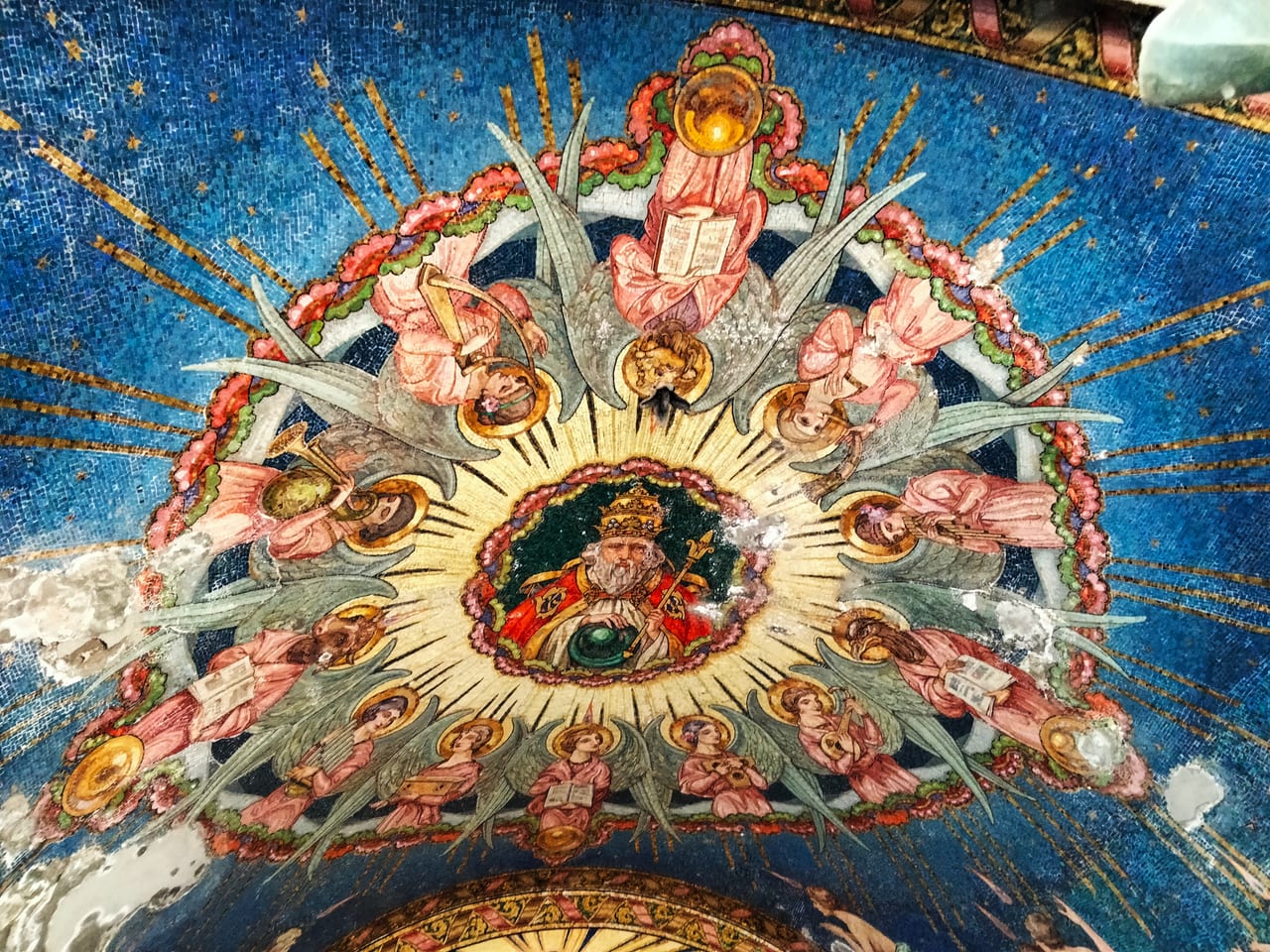
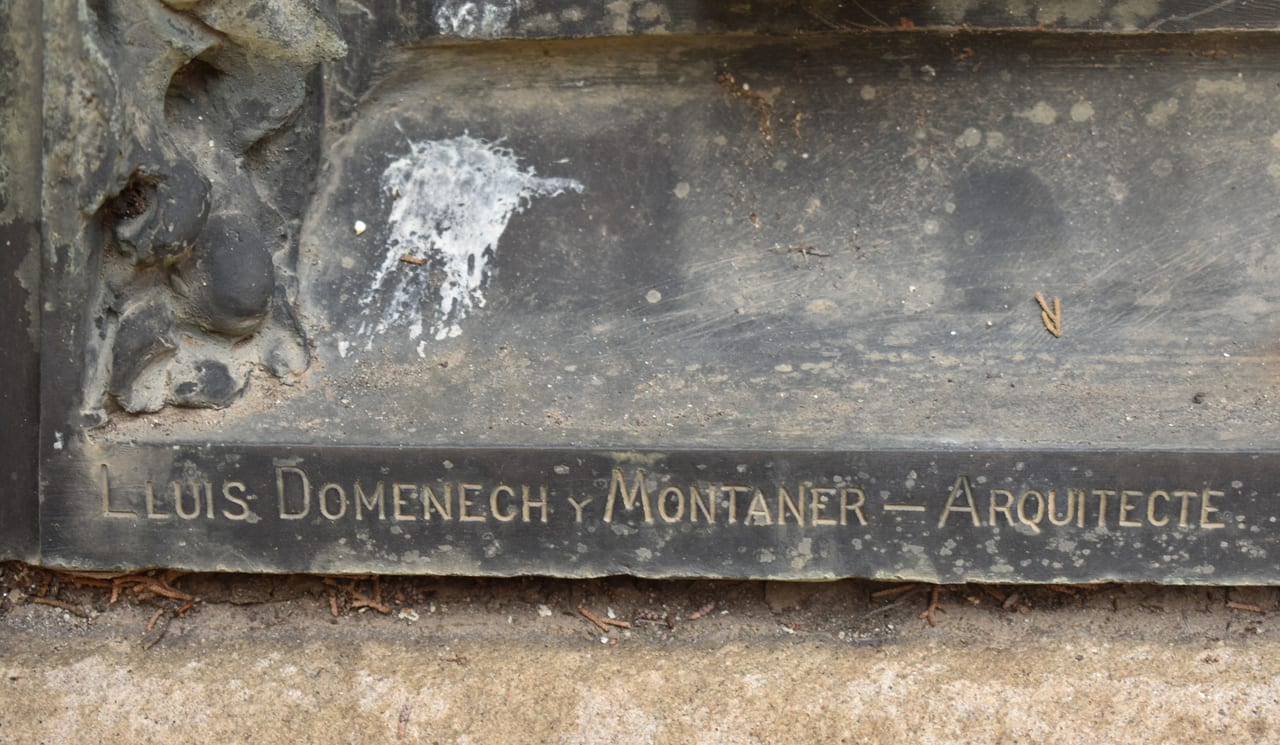
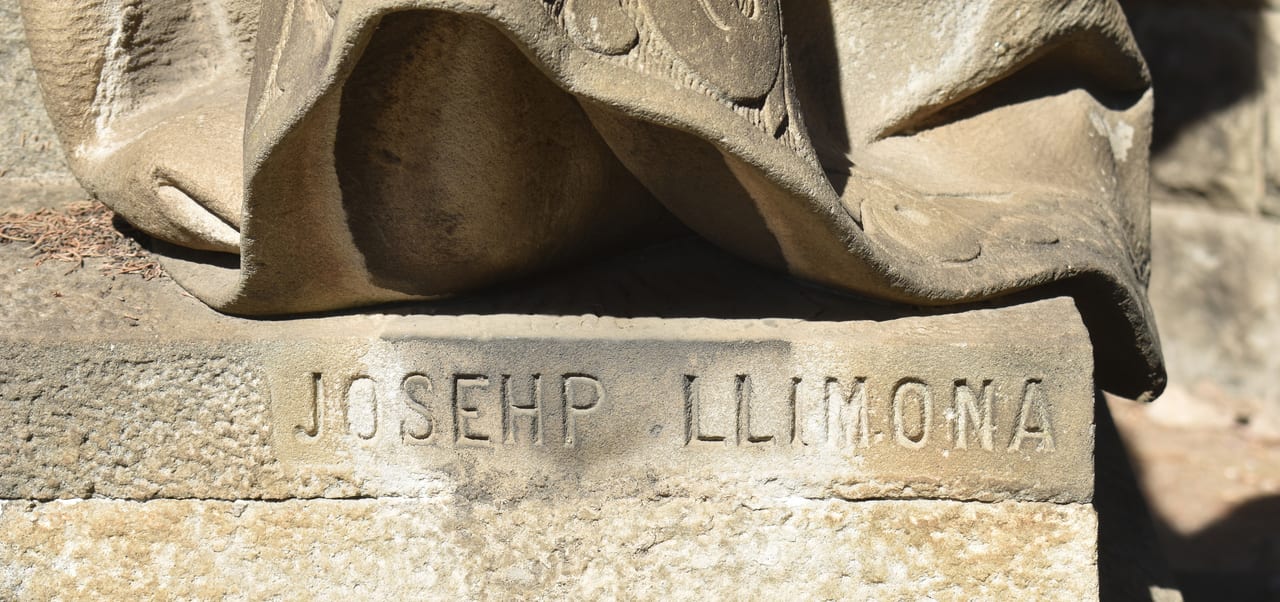
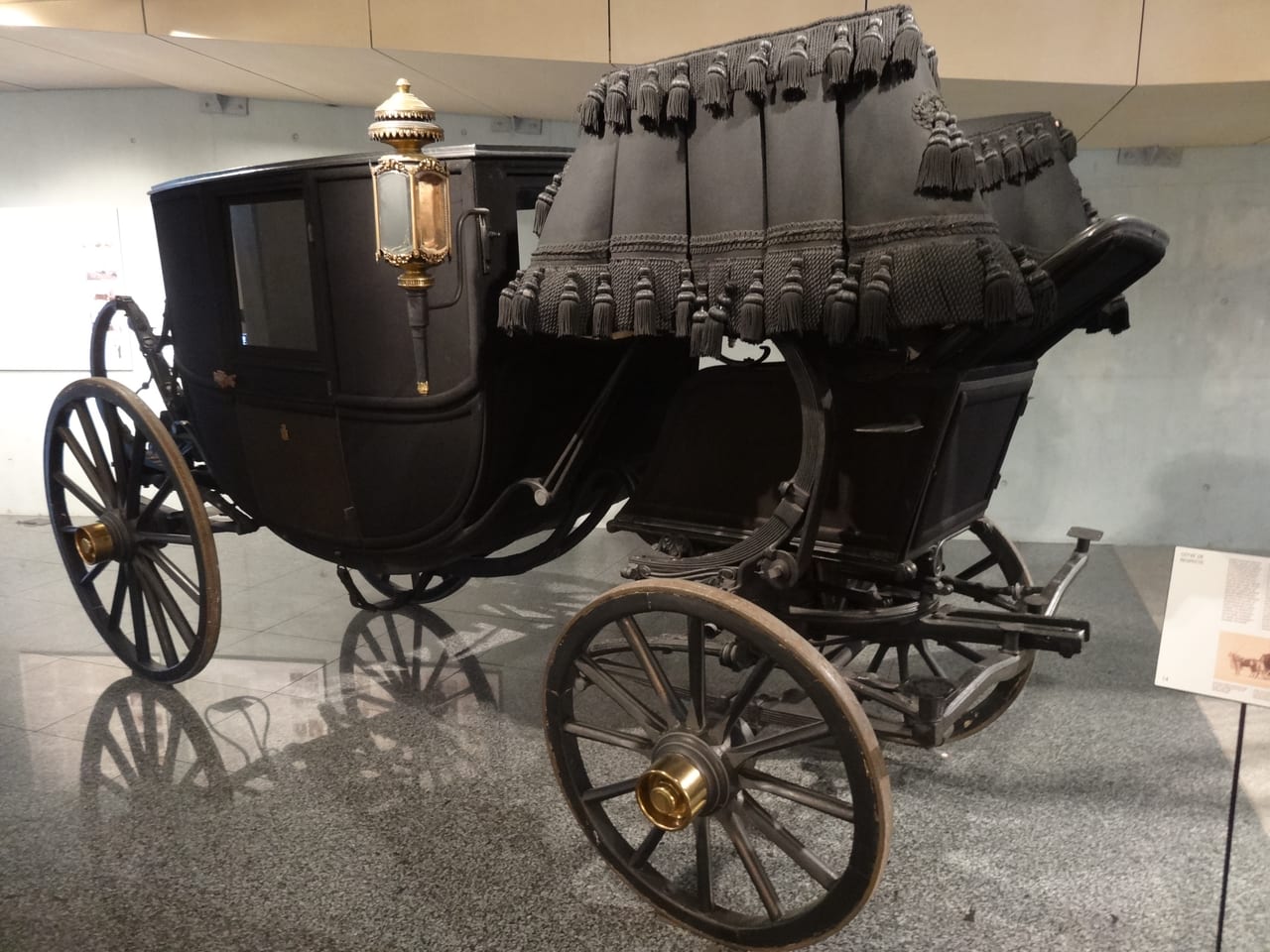
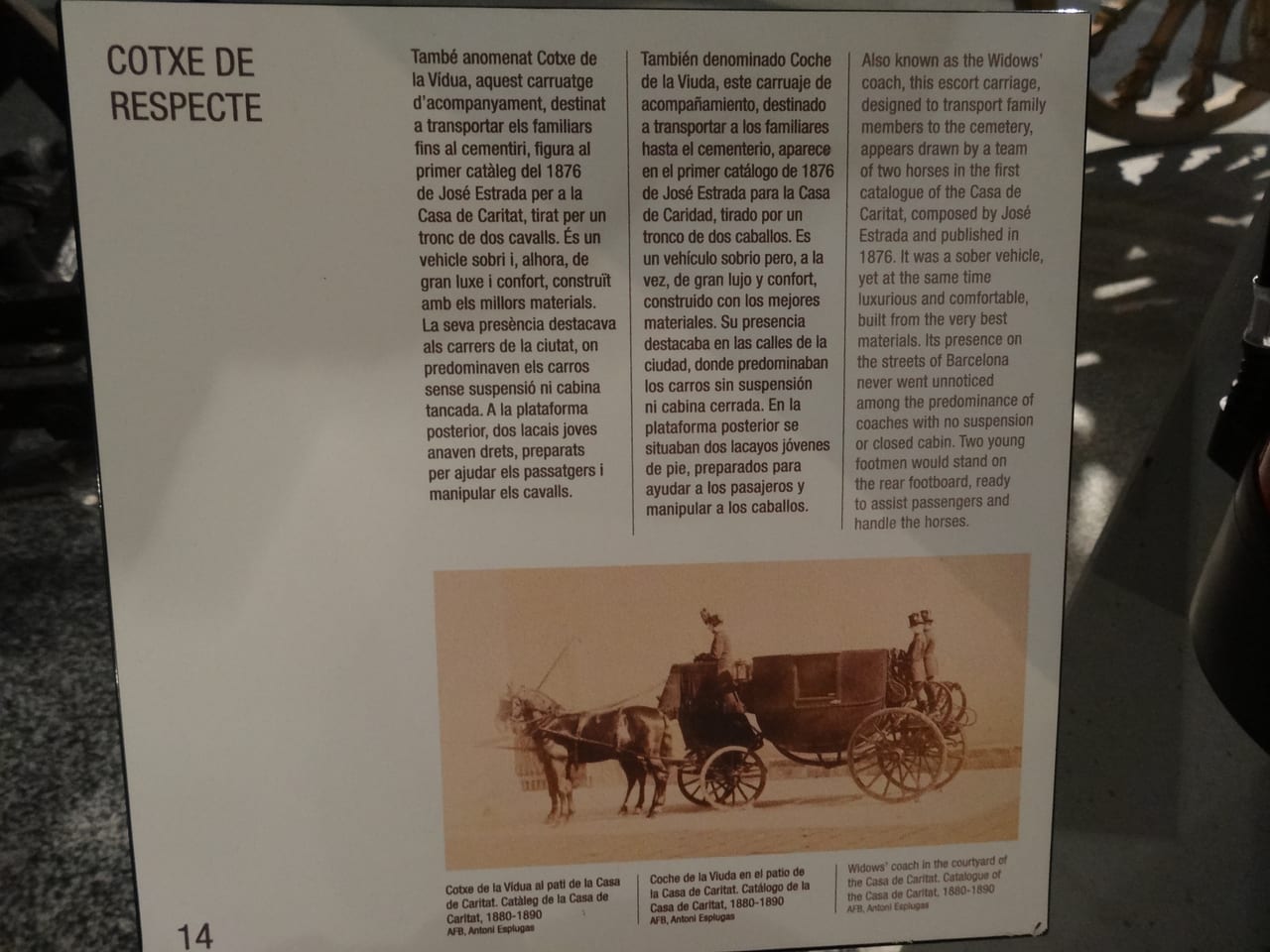
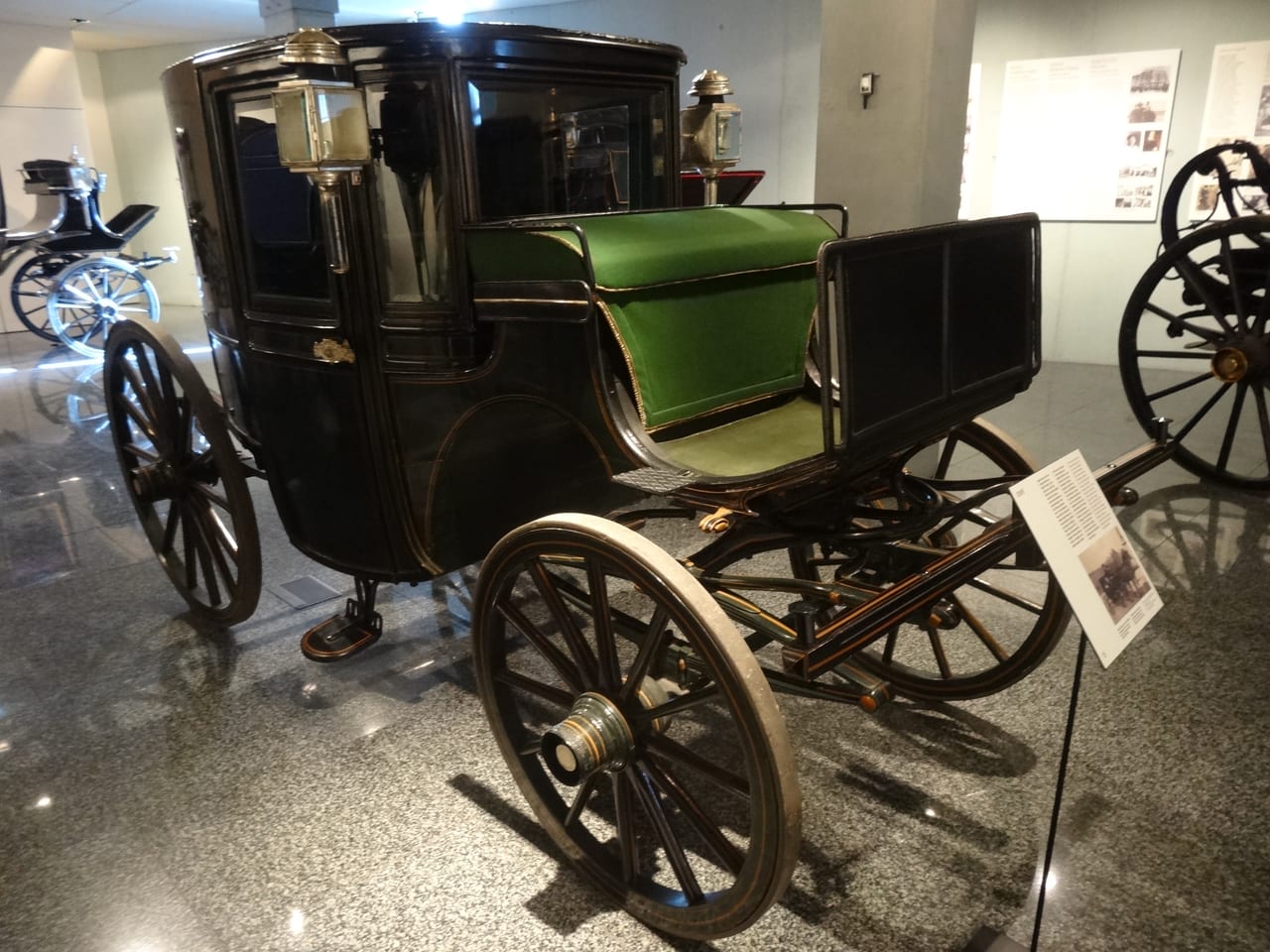
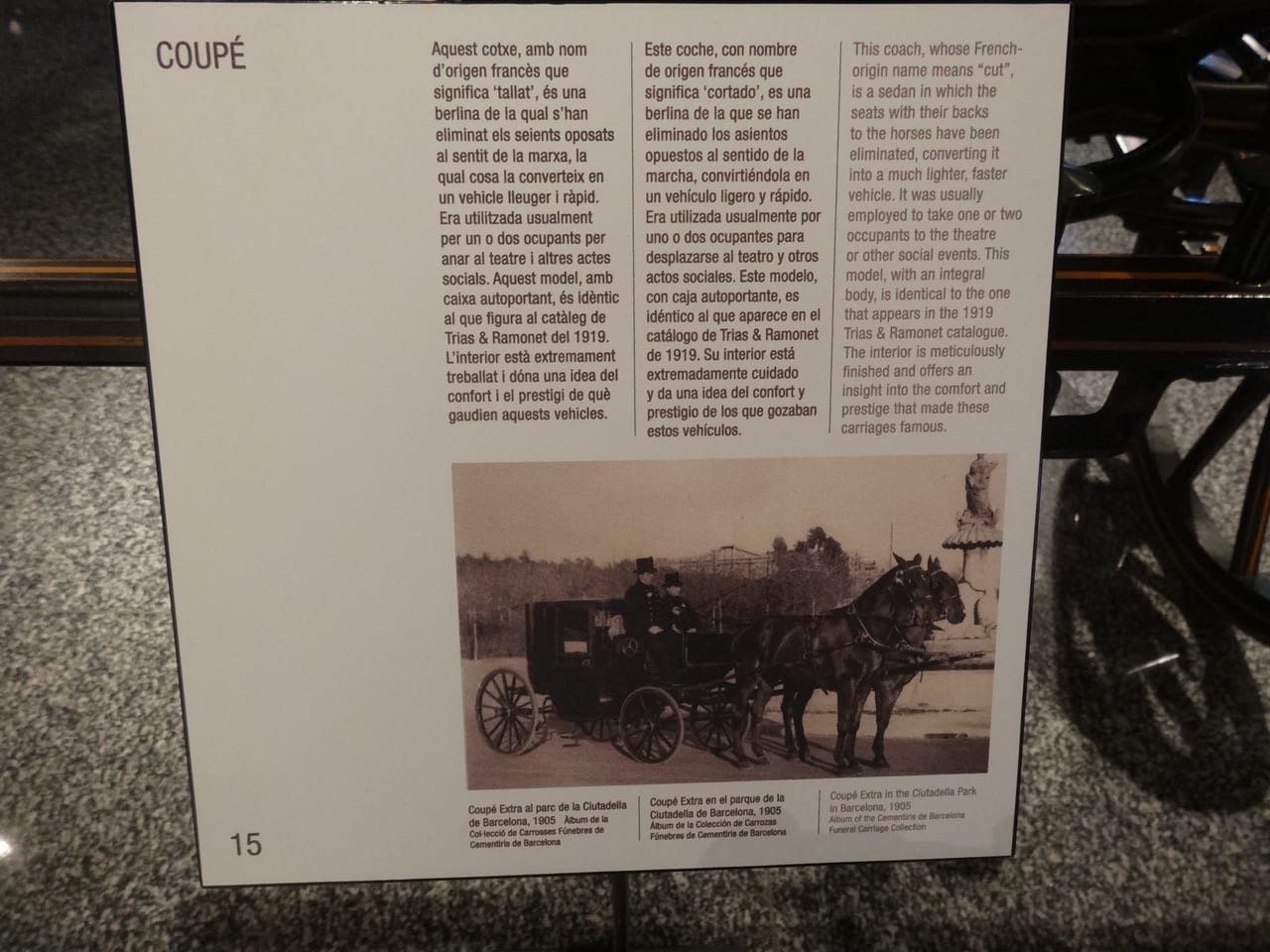
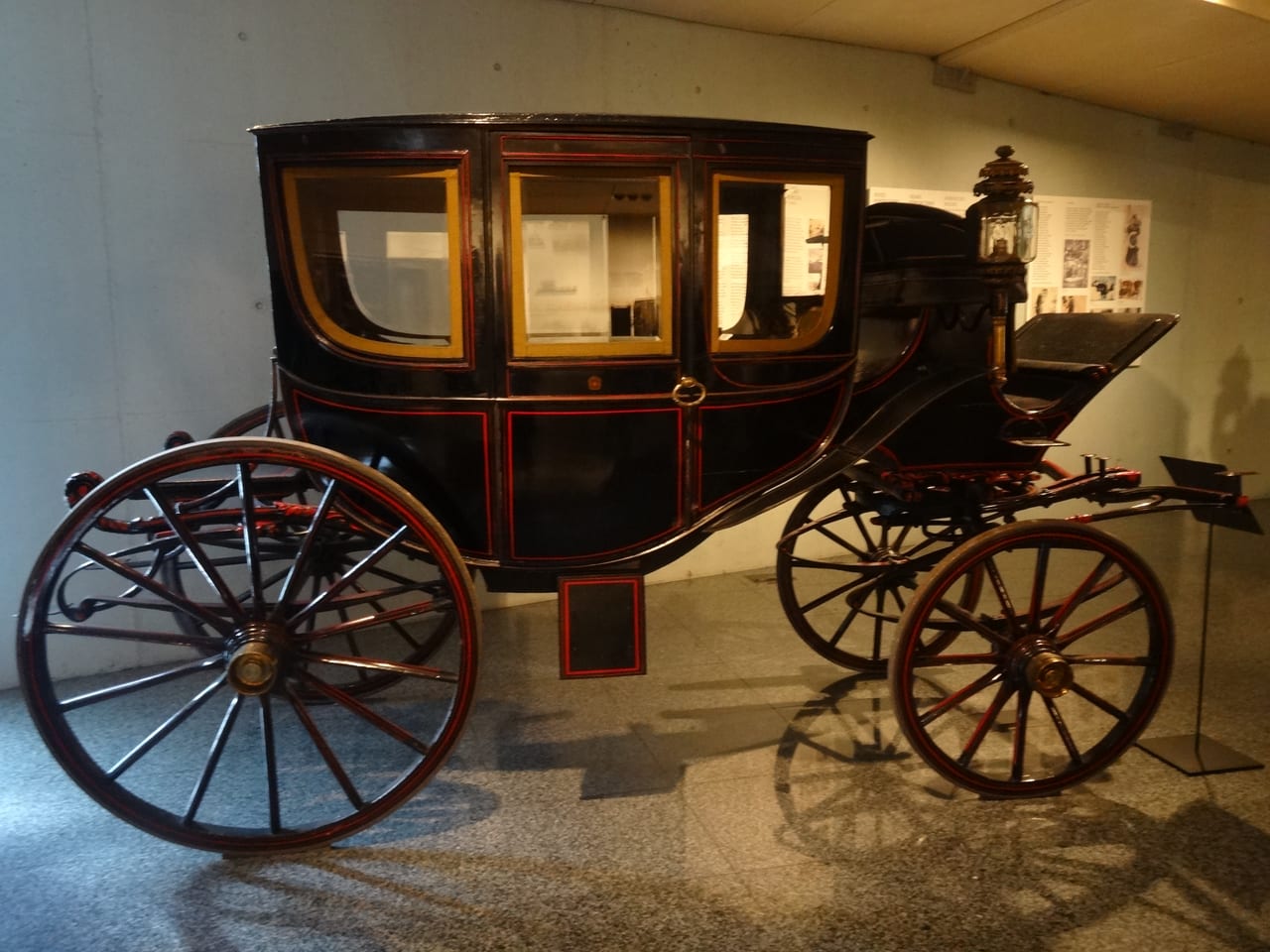
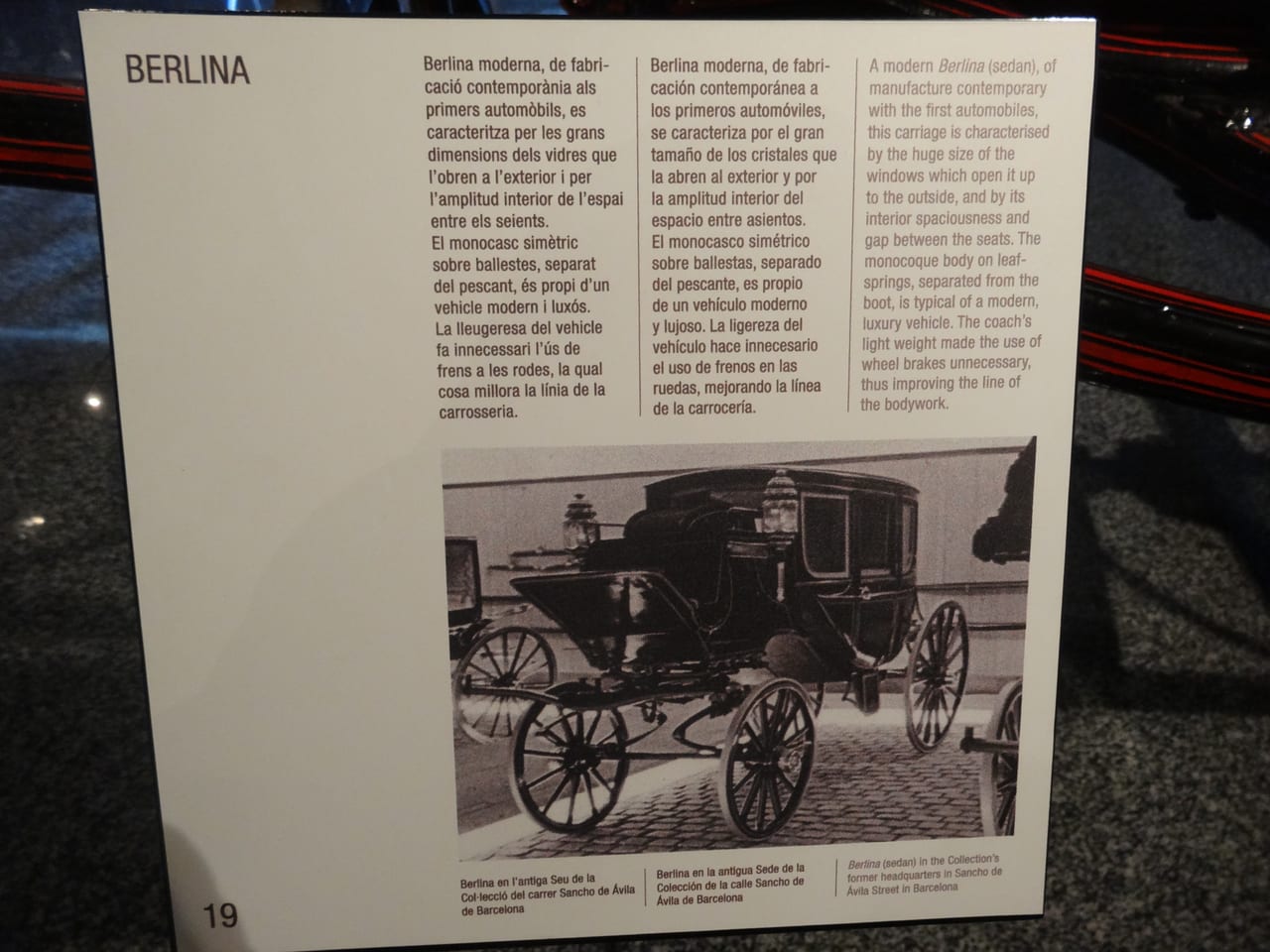
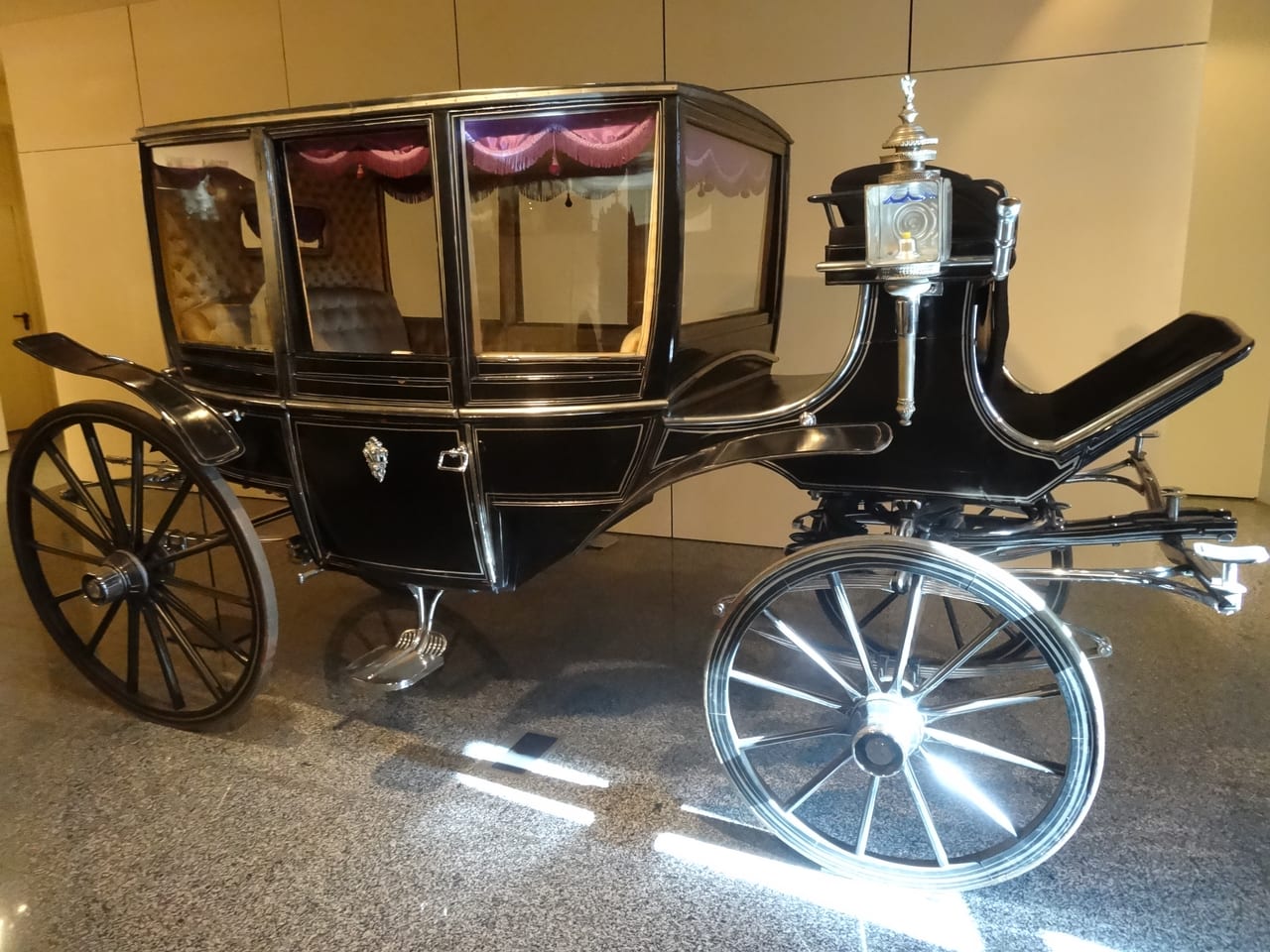
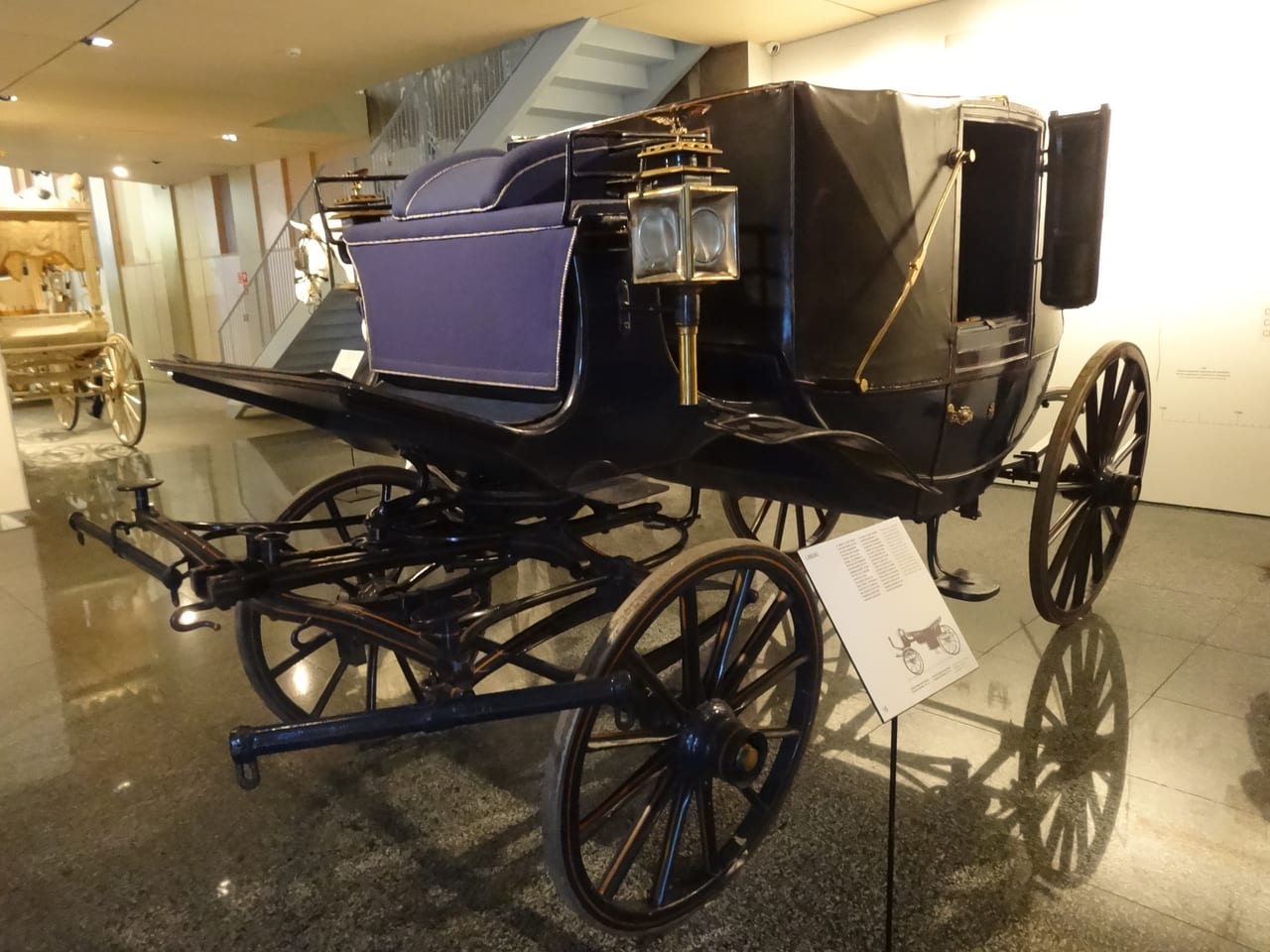
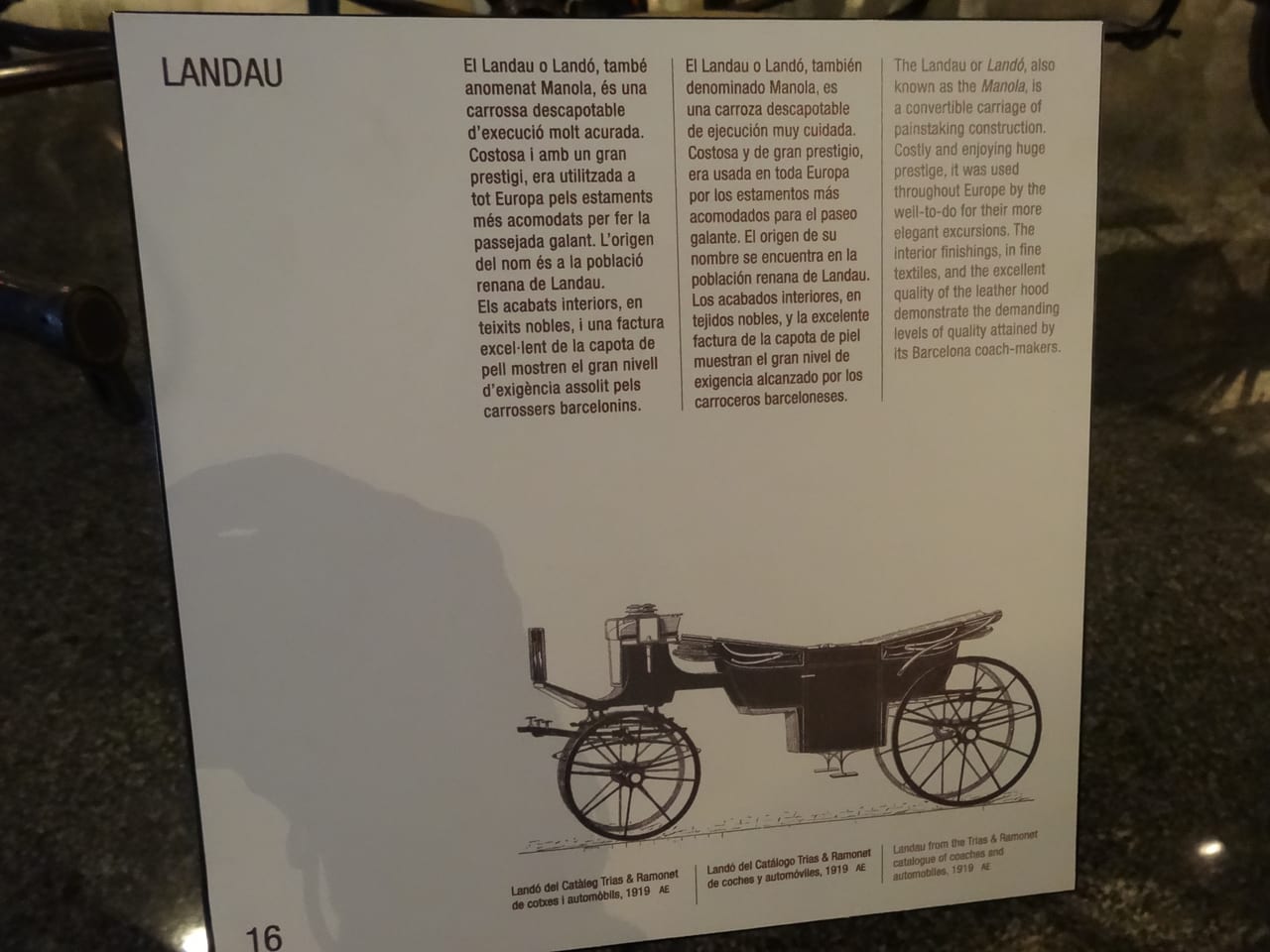
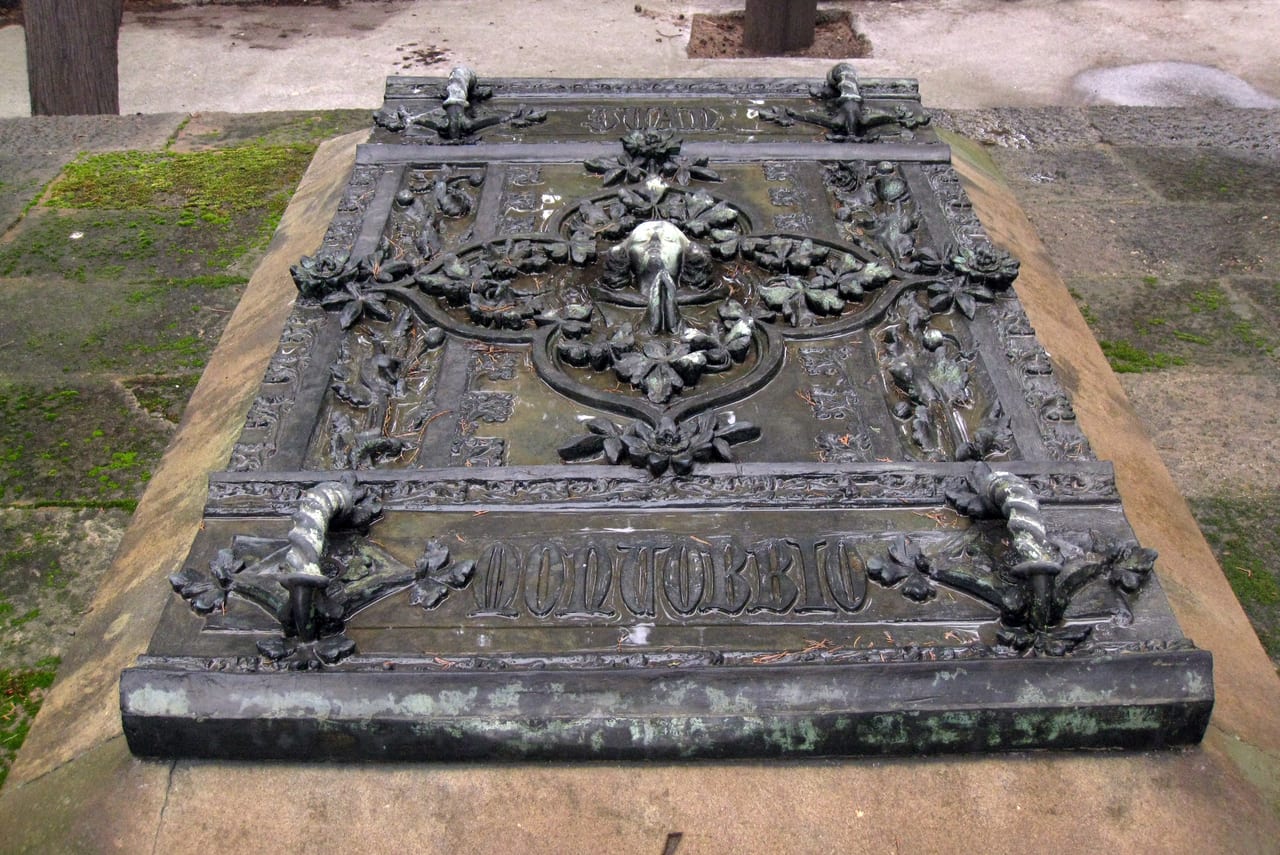
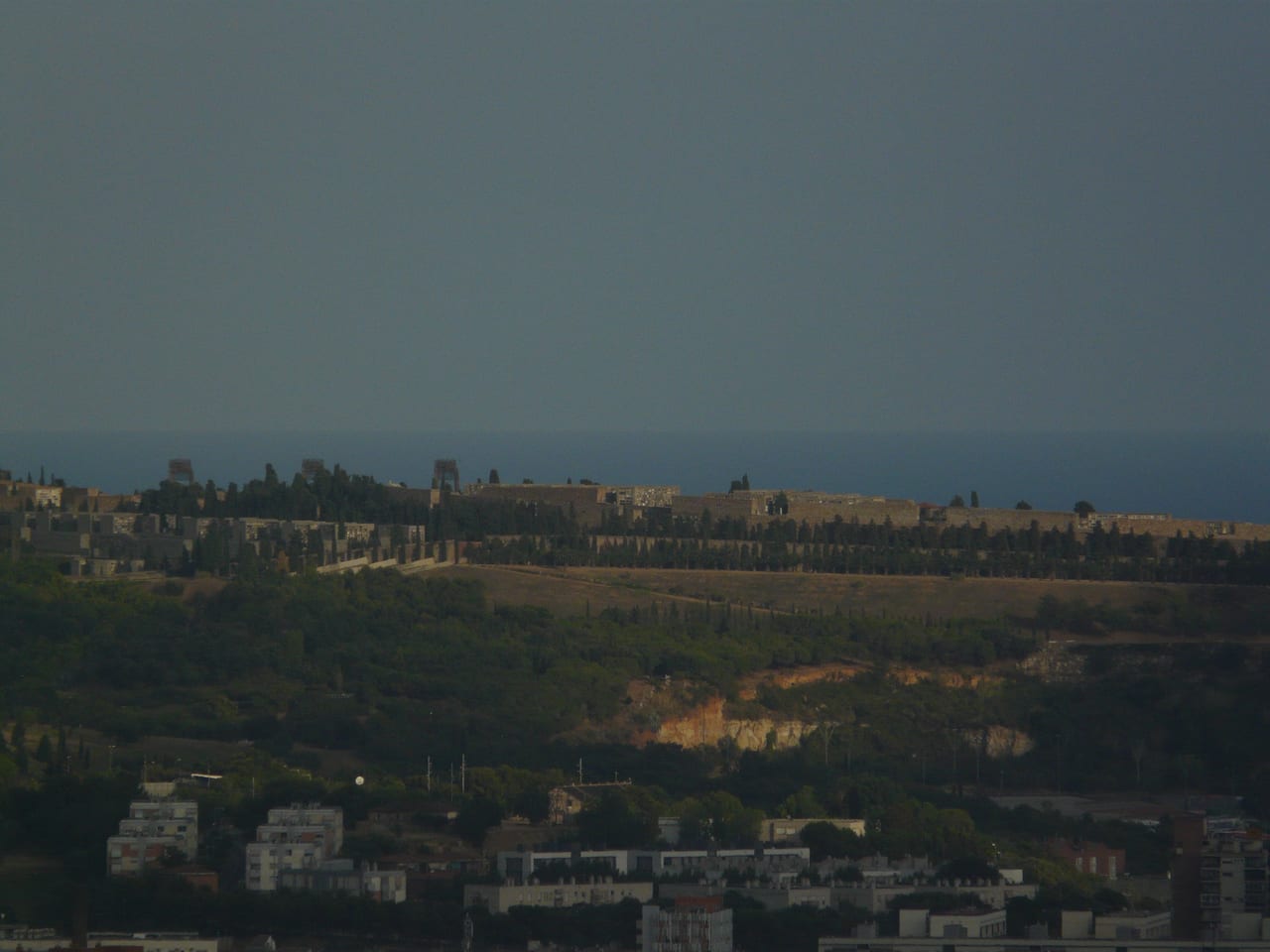
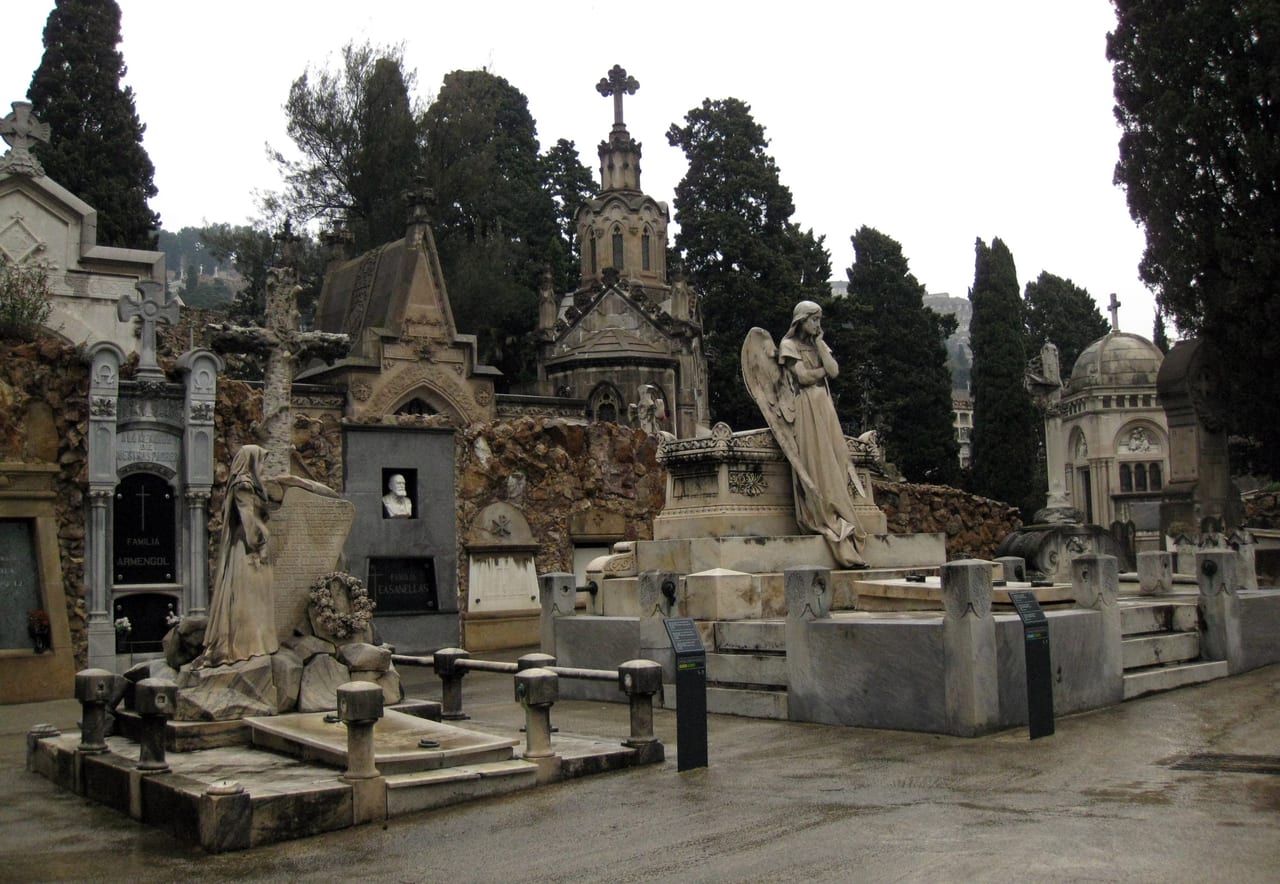
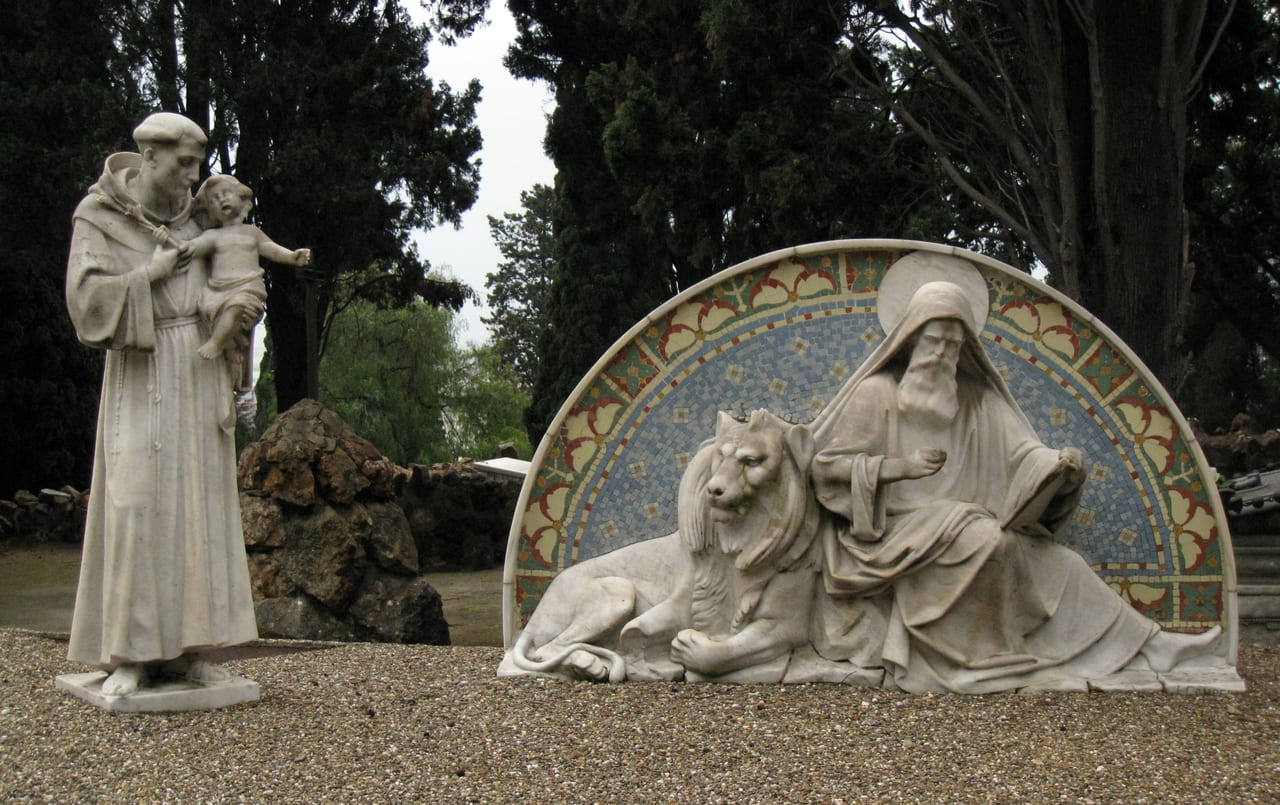
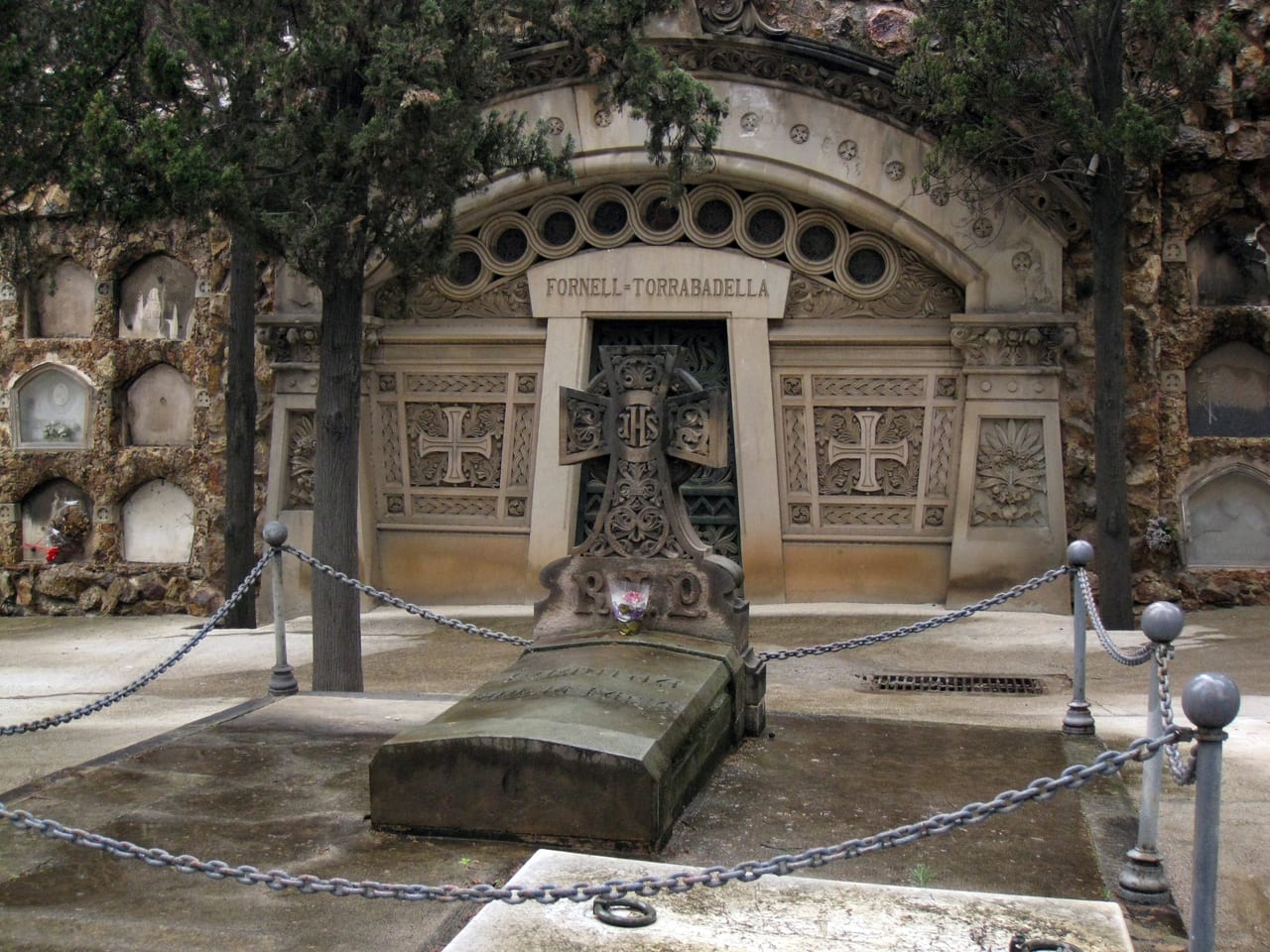
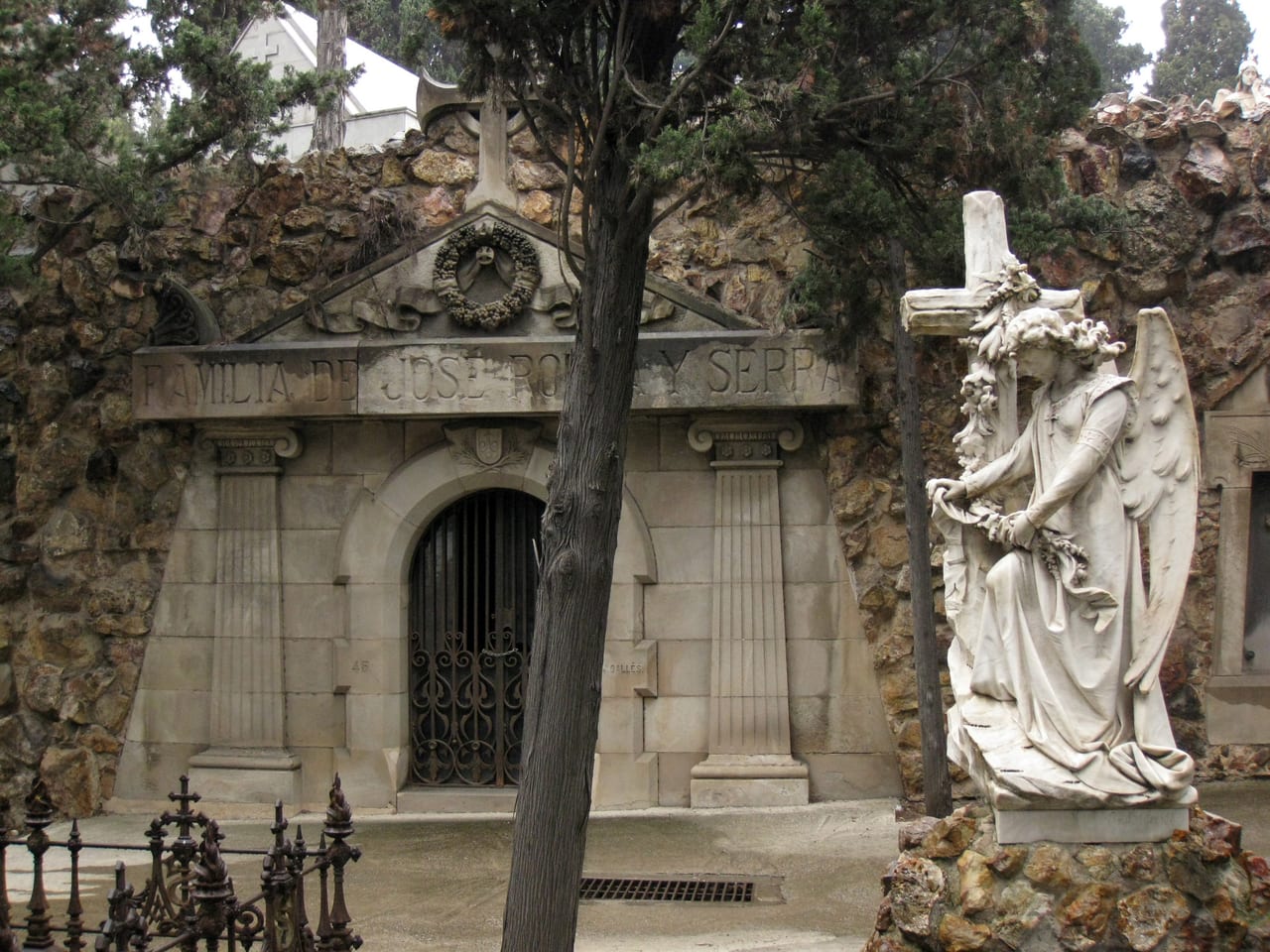
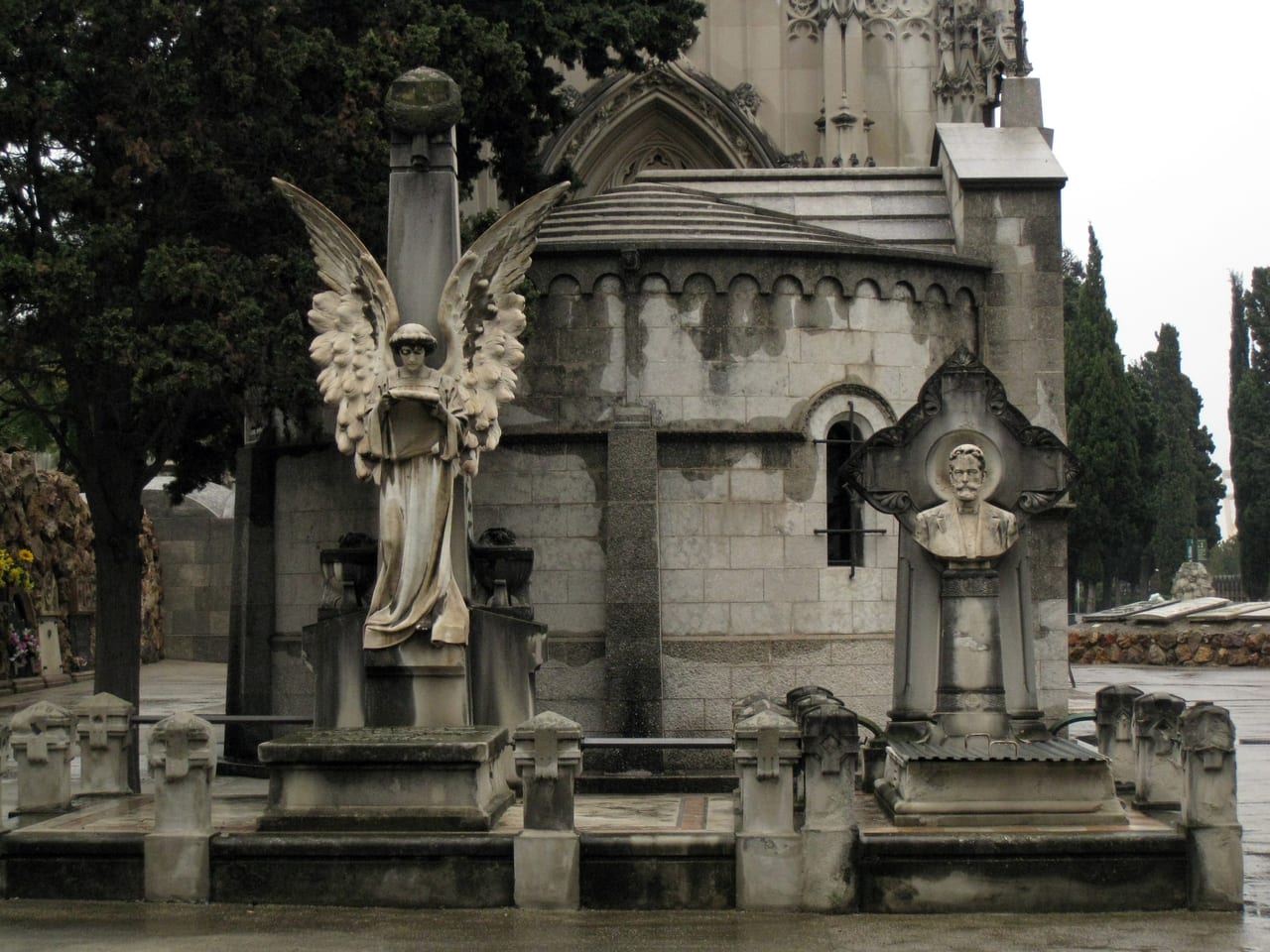
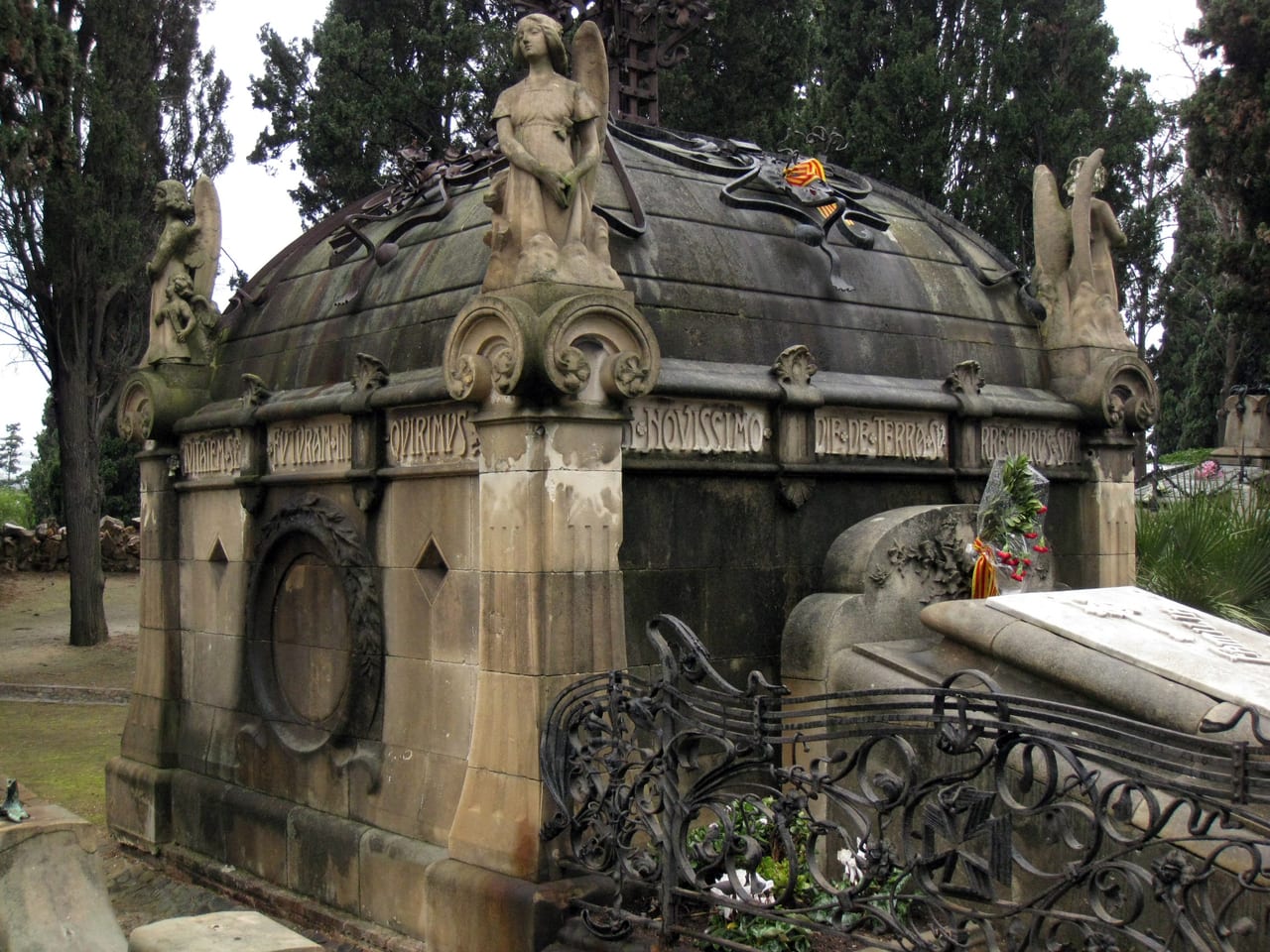
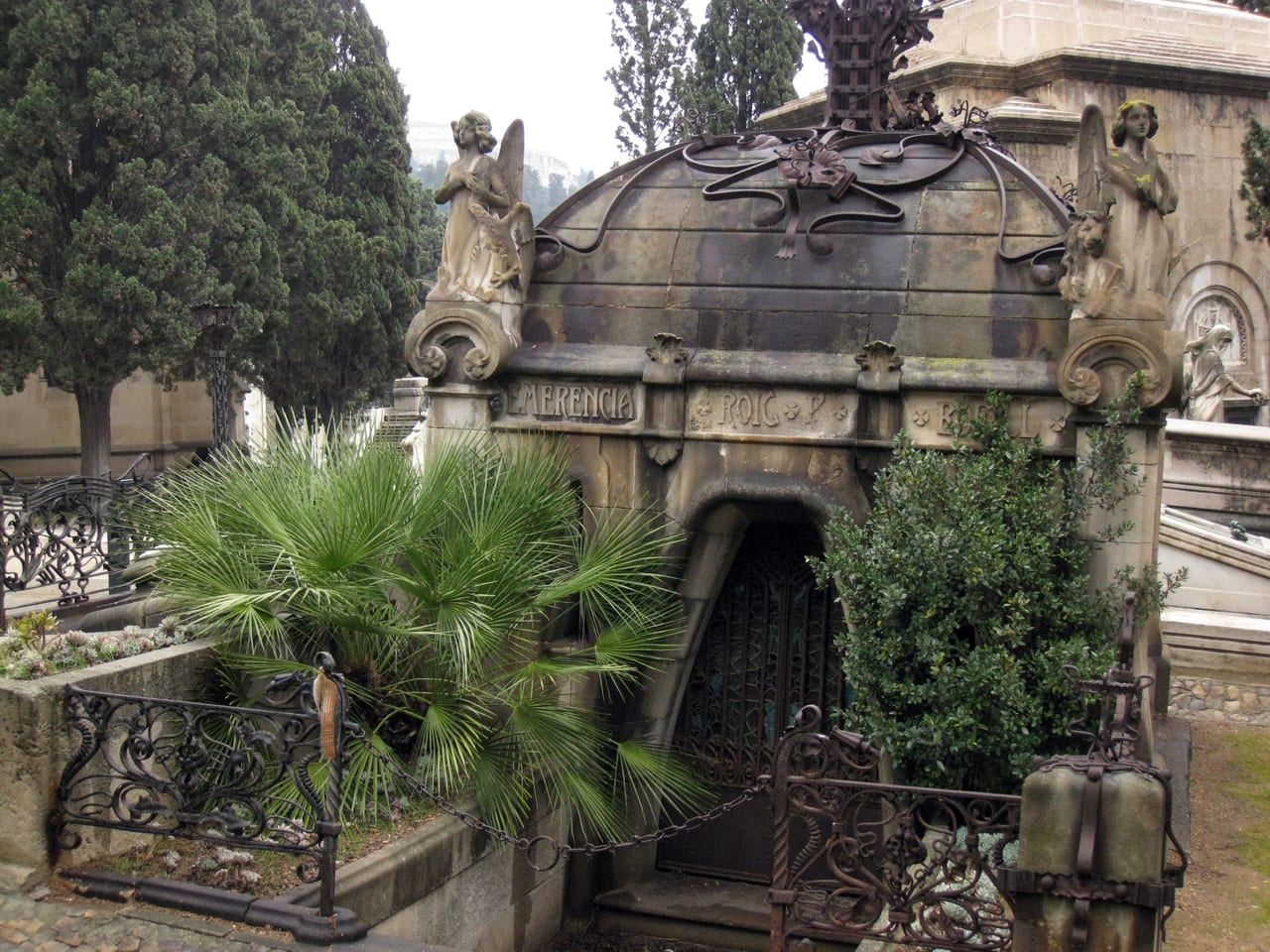
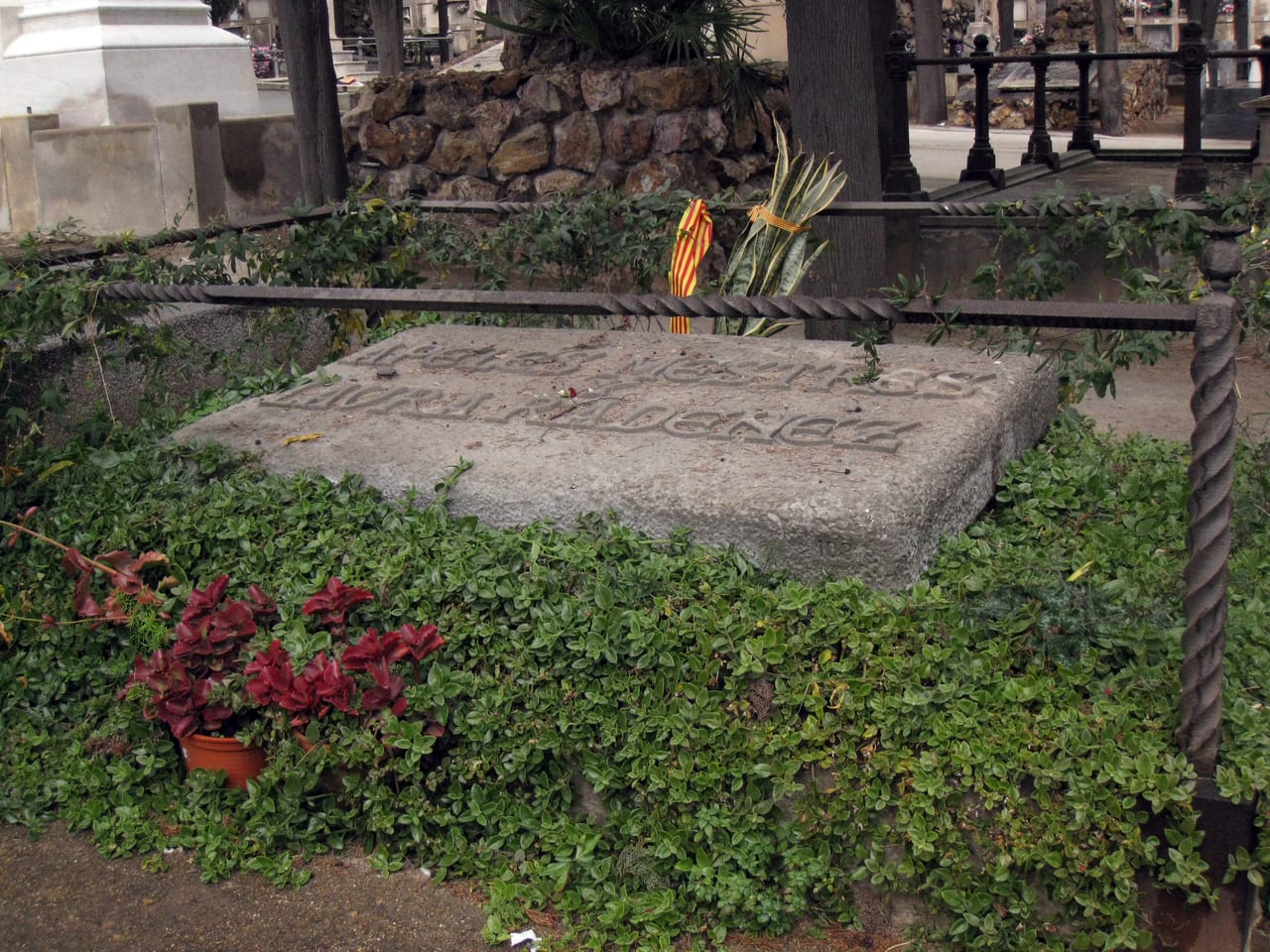
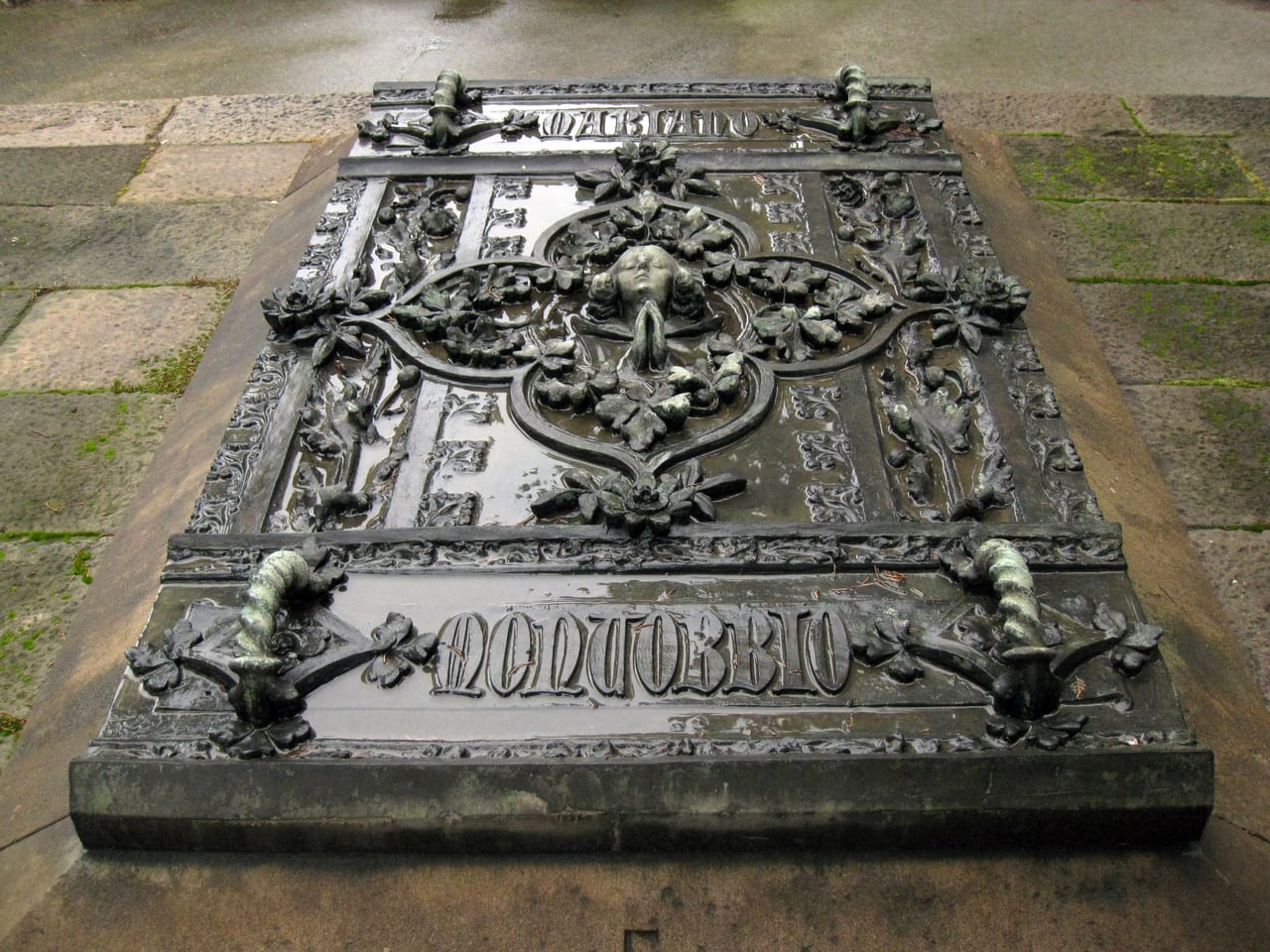
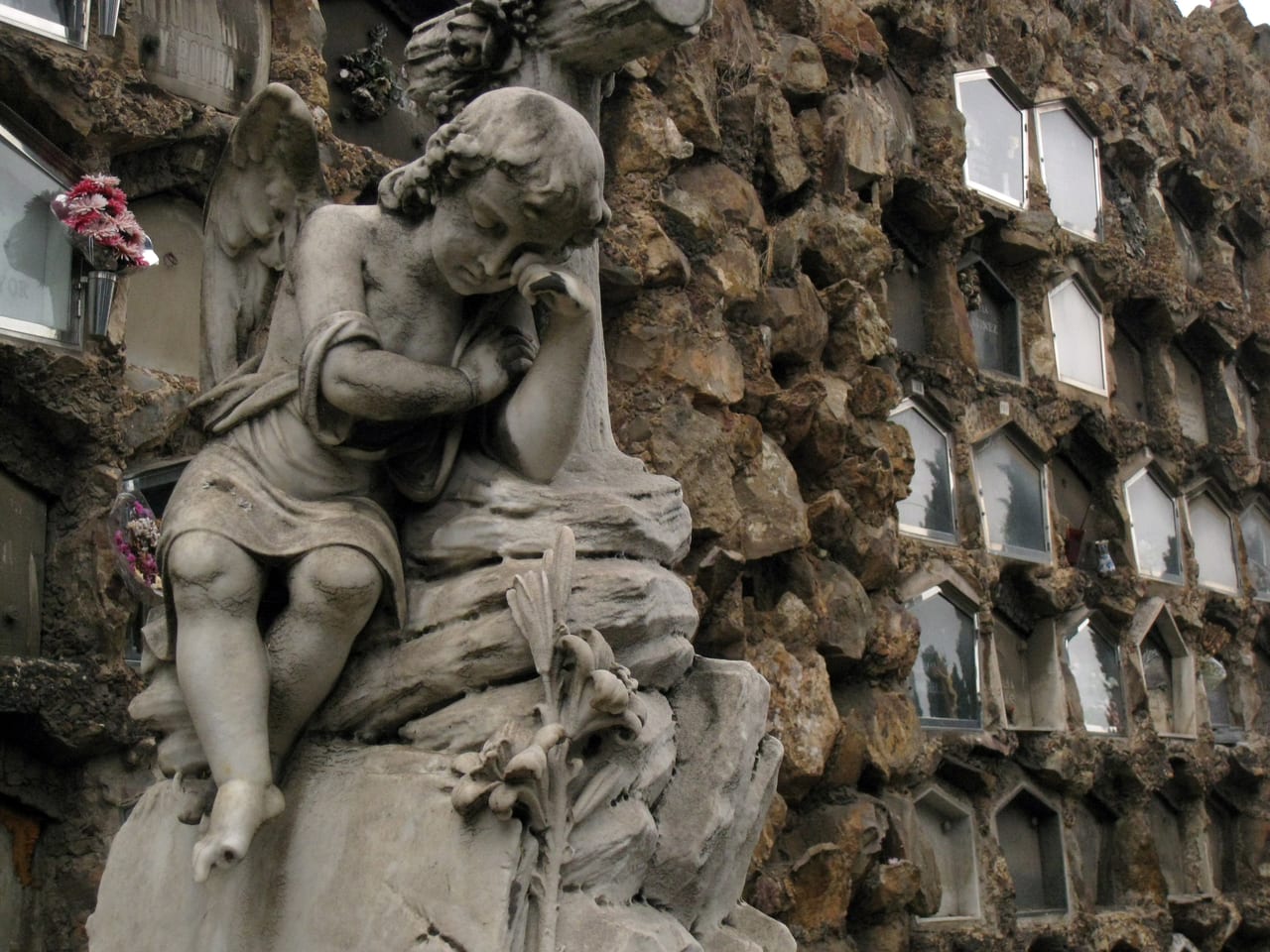
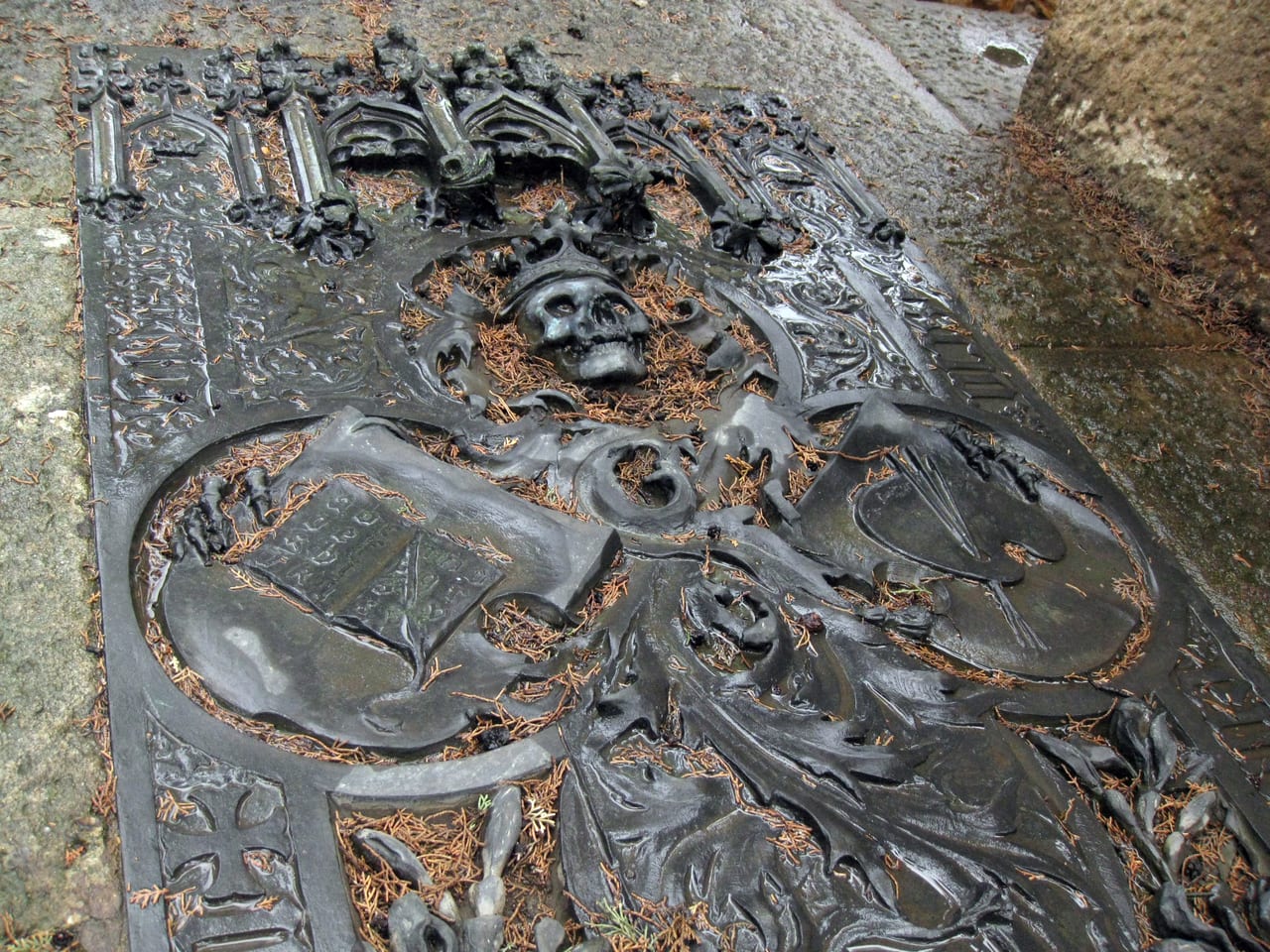
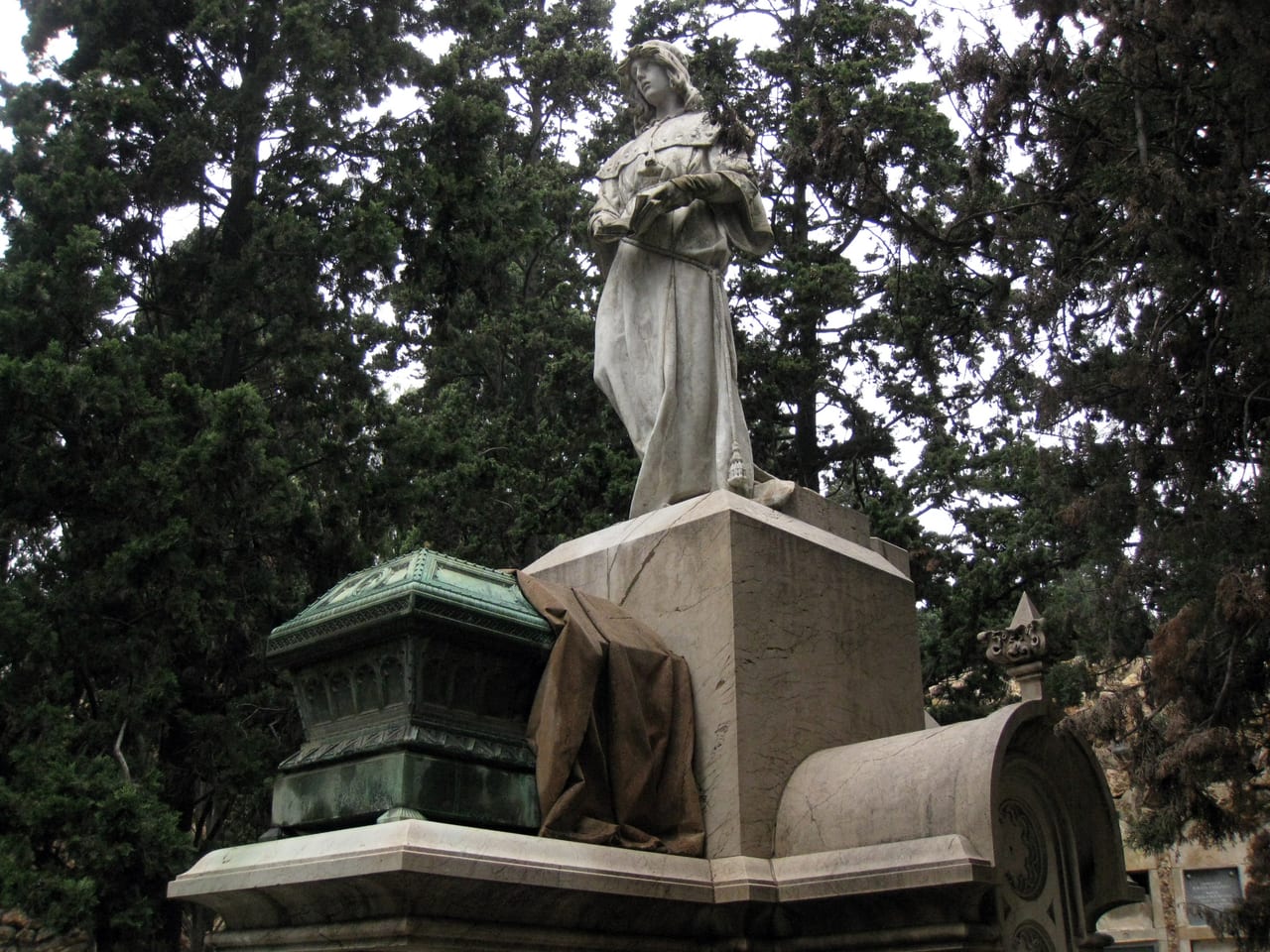
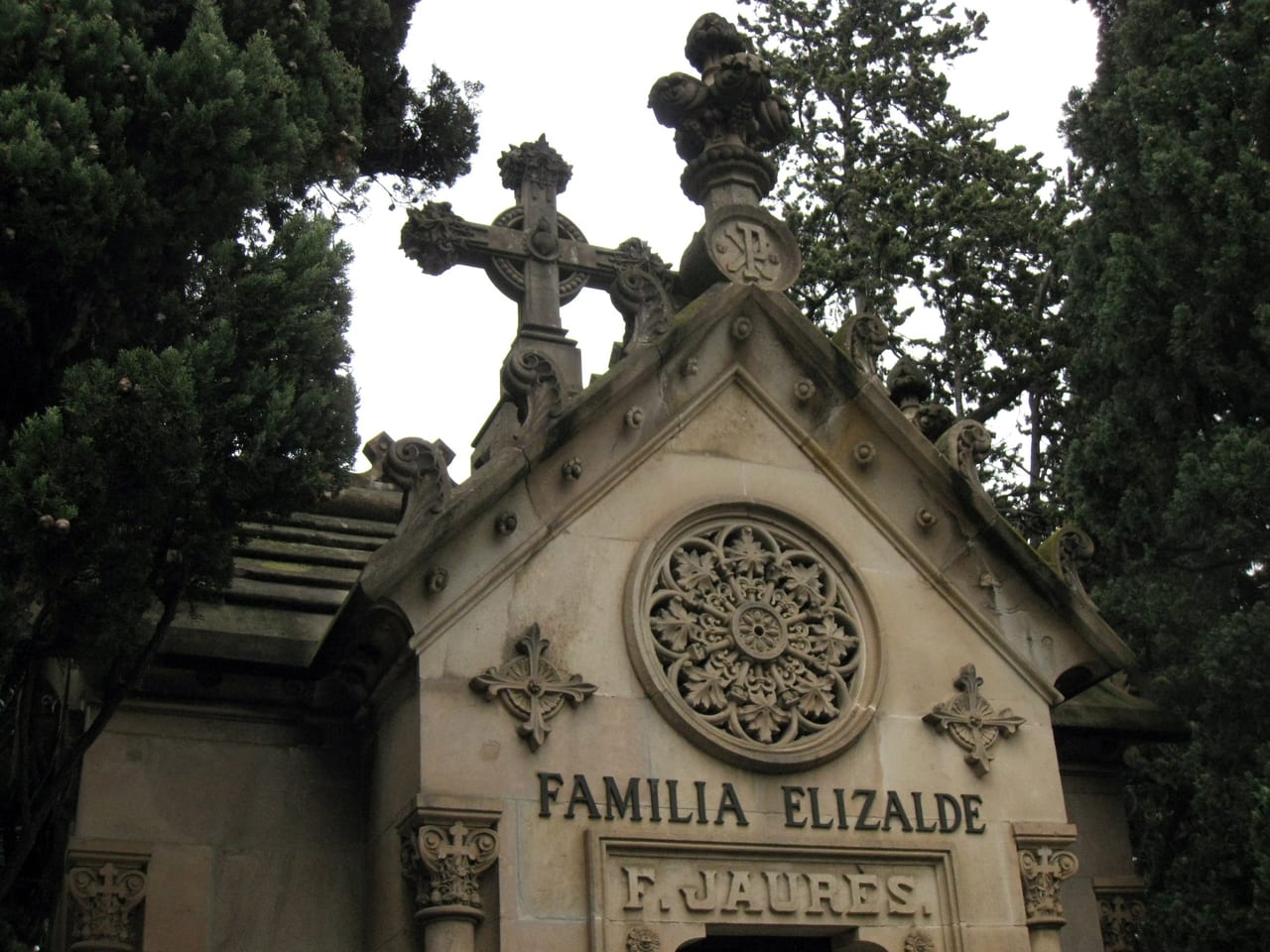
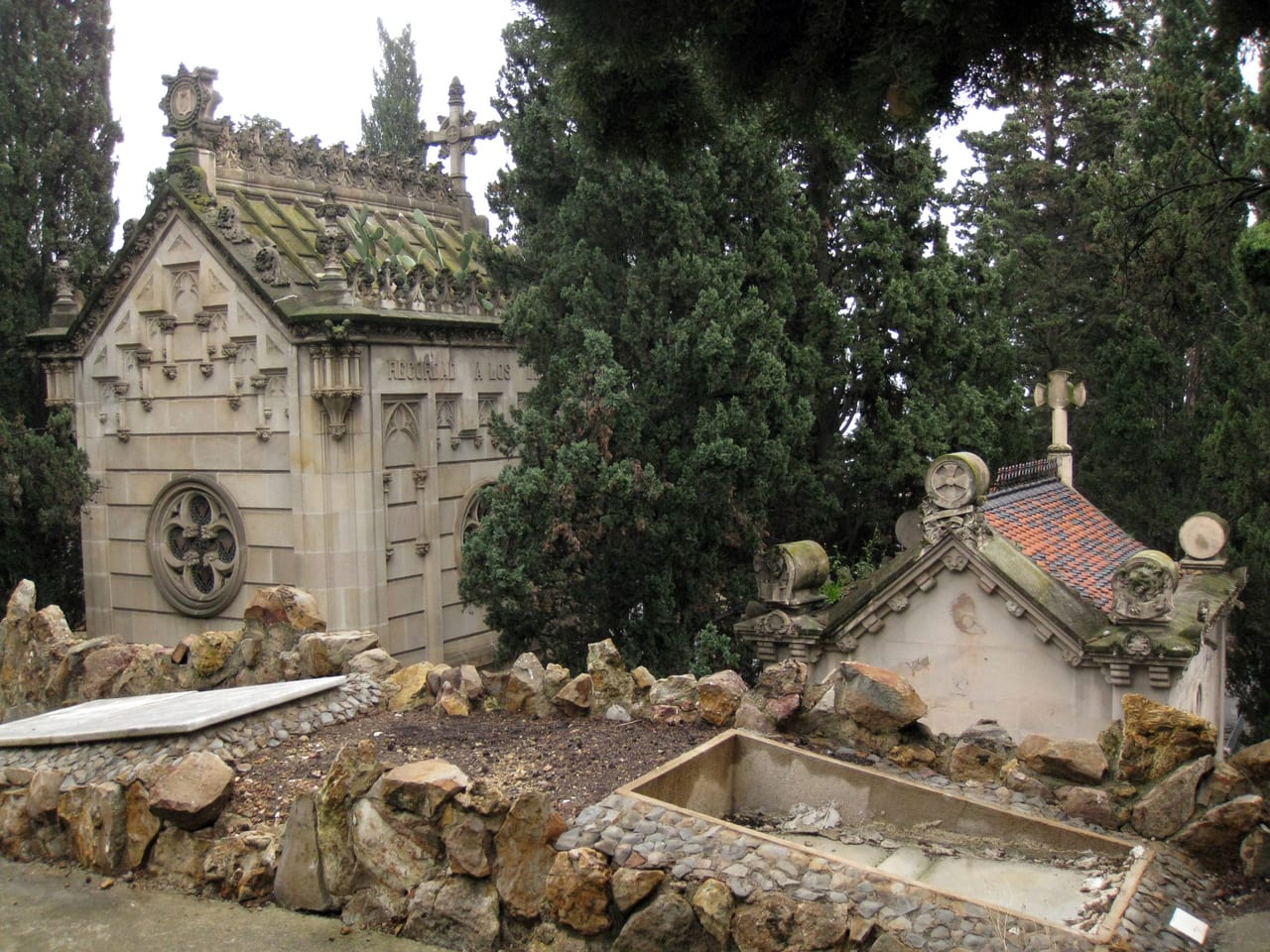
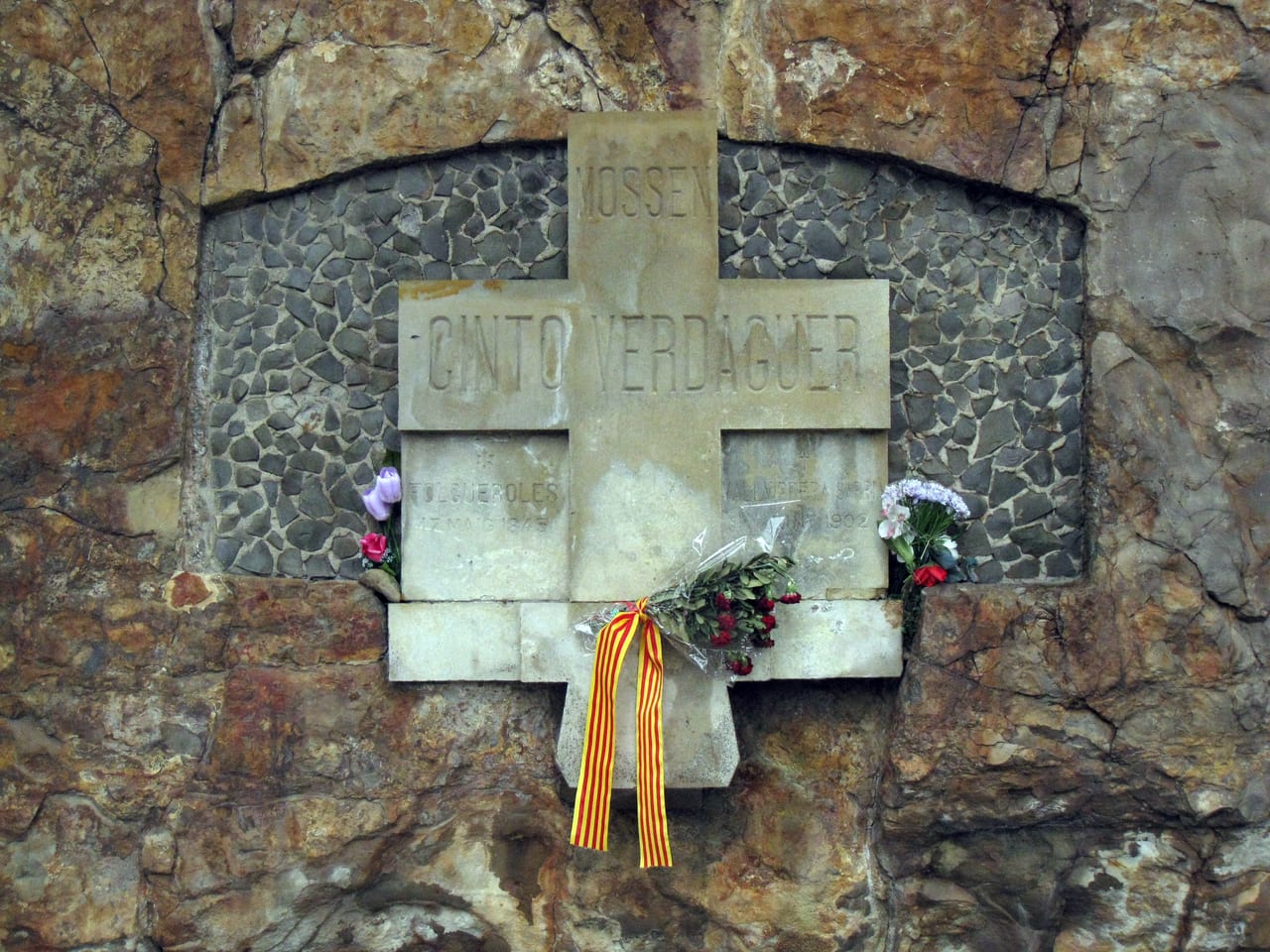
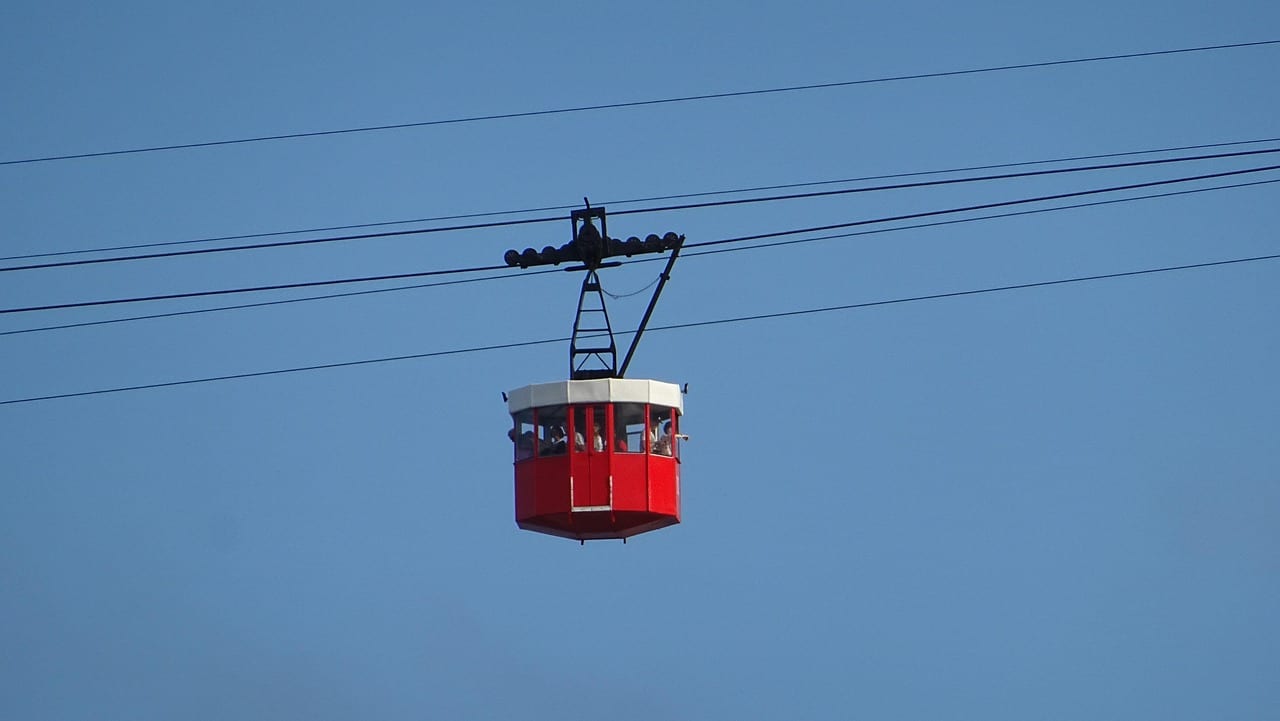
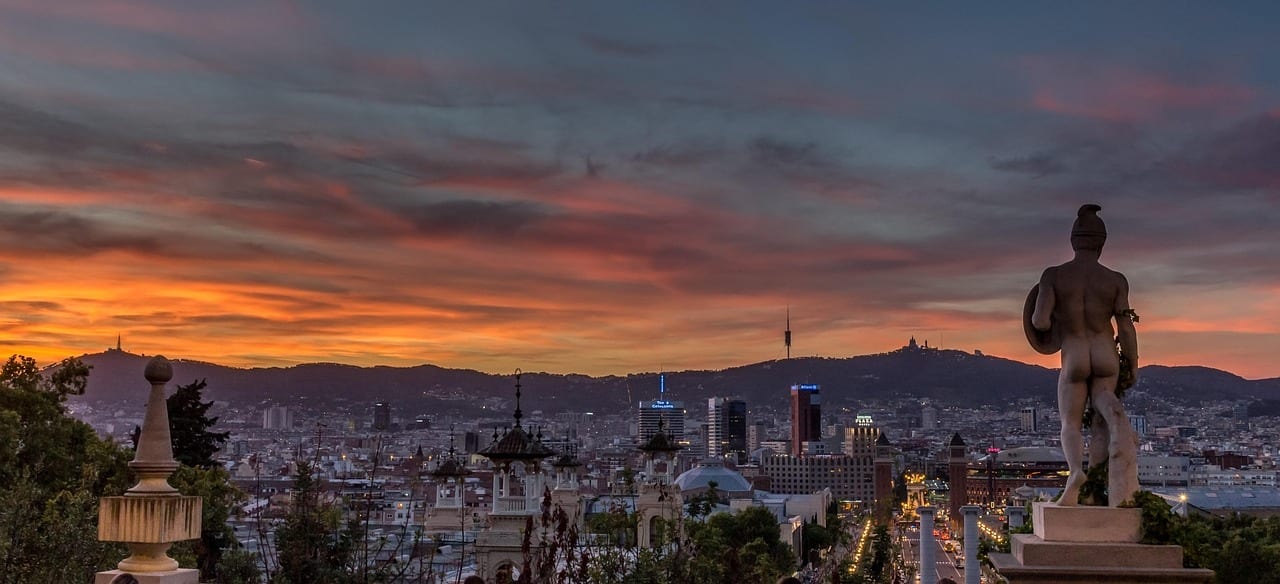
Photograph 1 of 46 of Montjuïc Cemetery
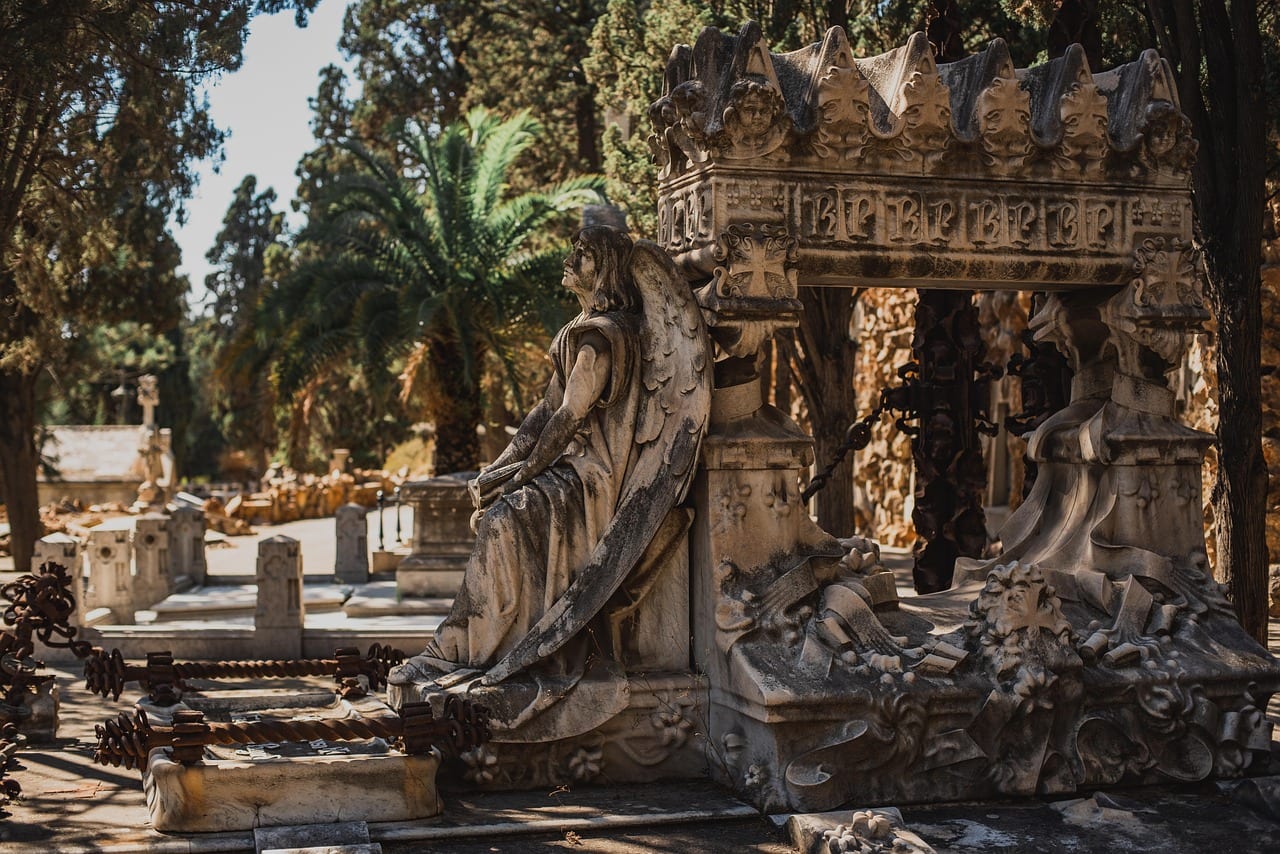
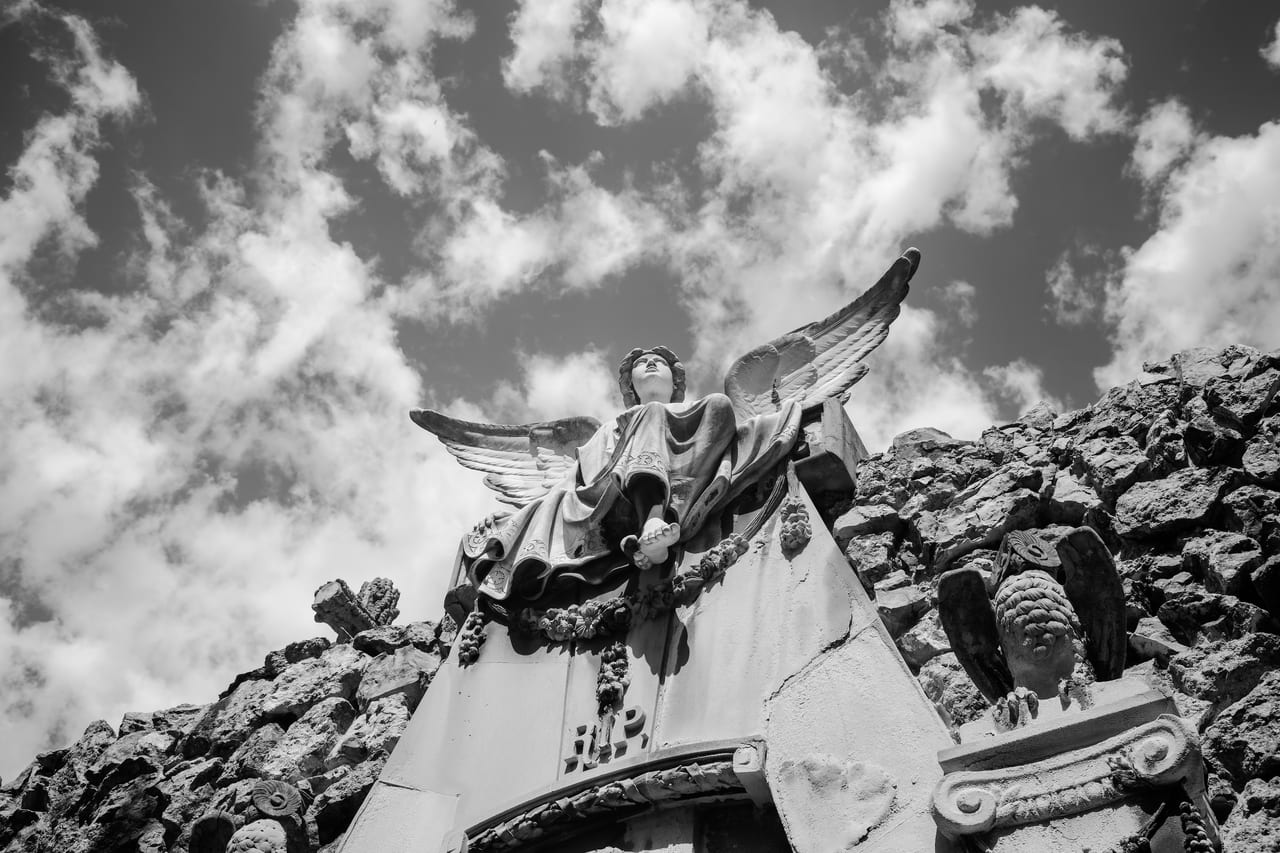
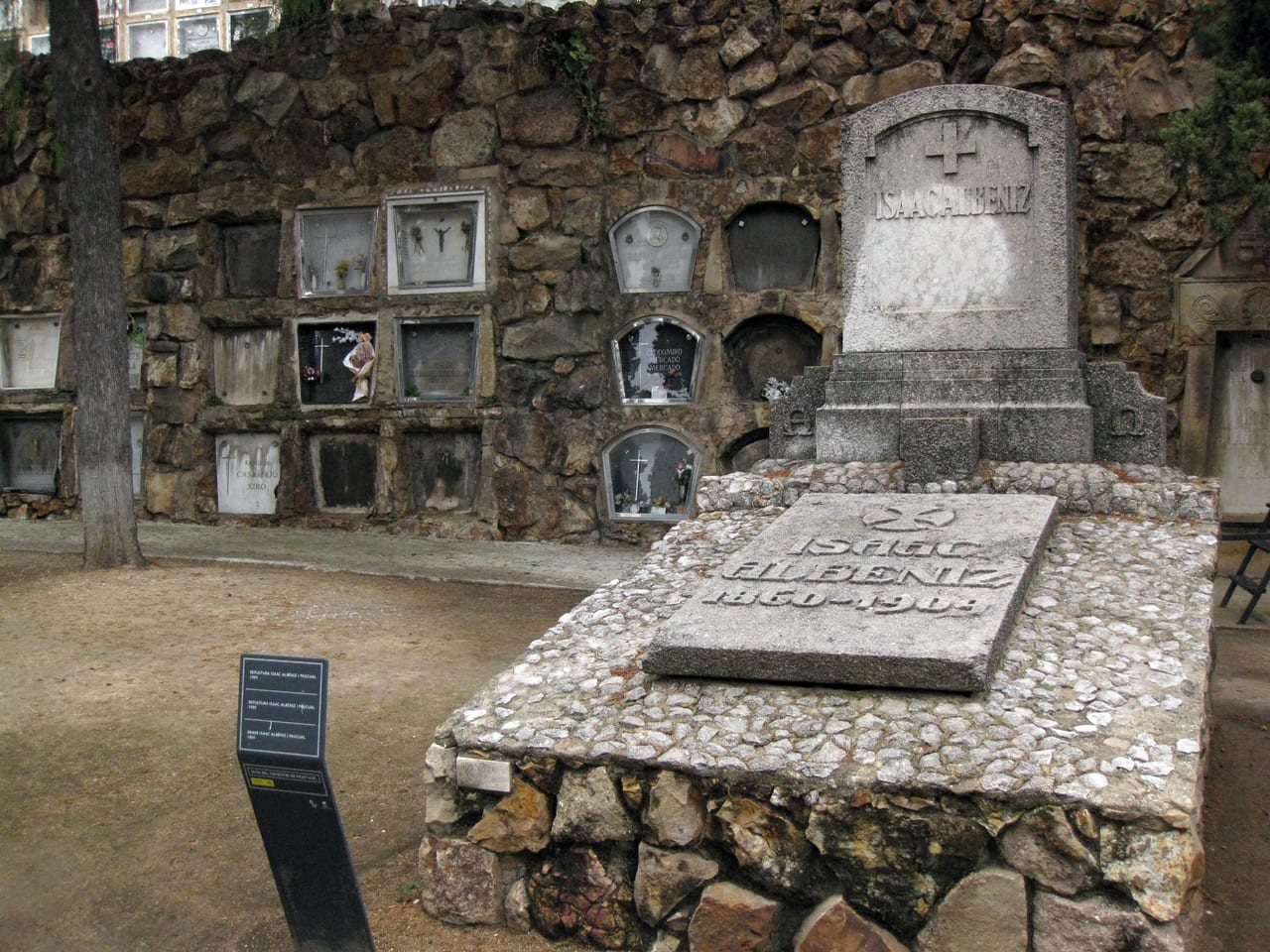
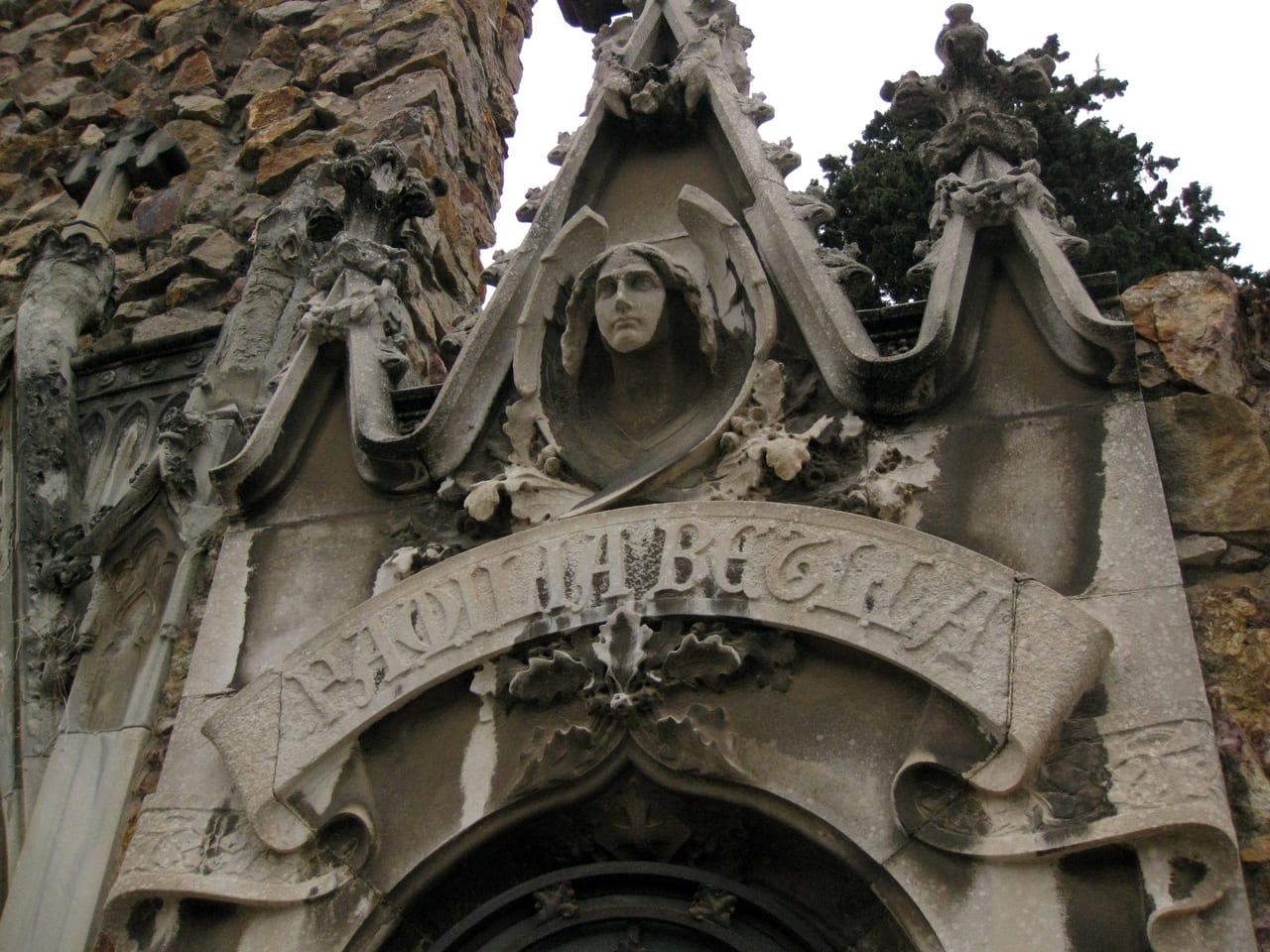
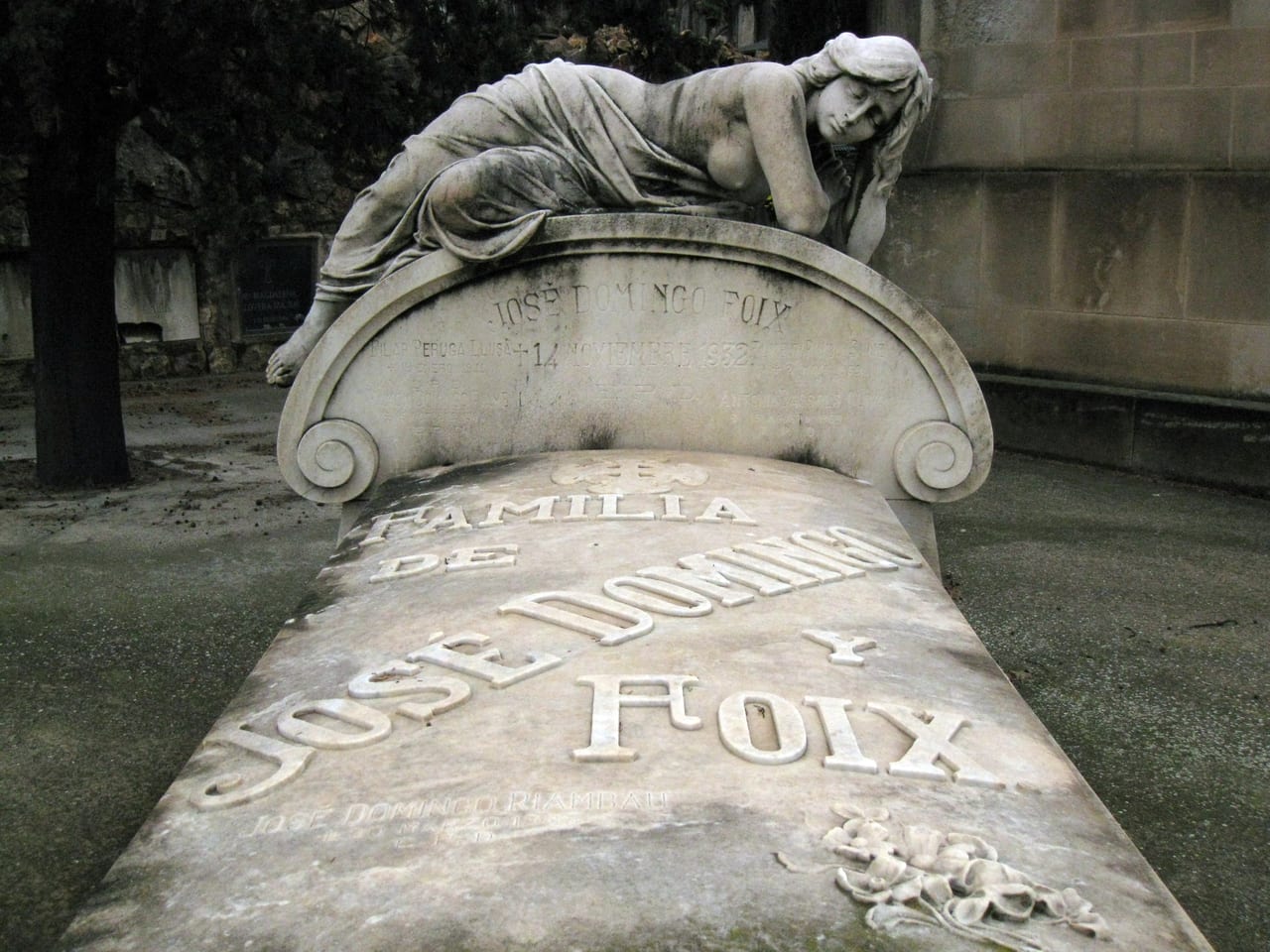
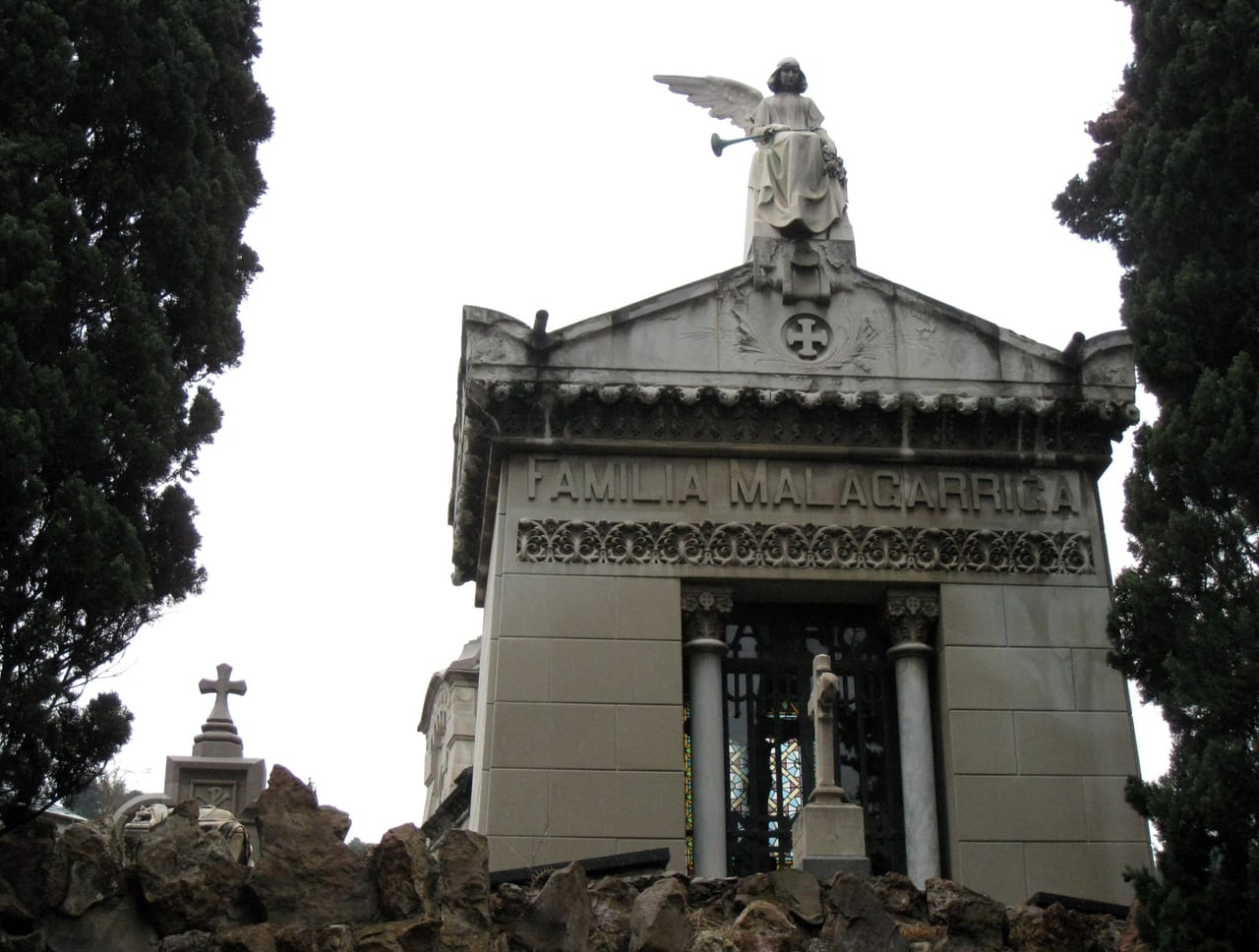
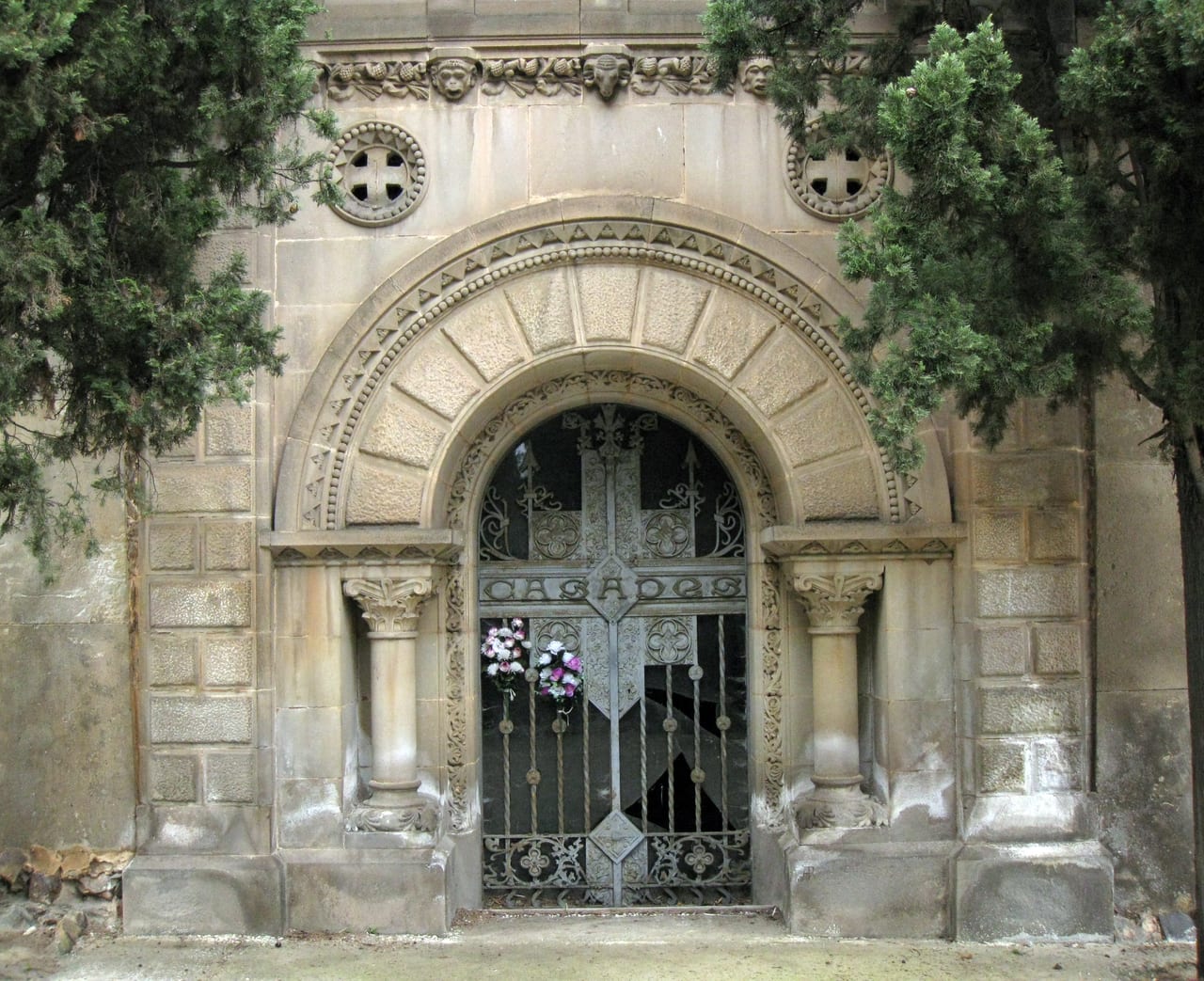
Barcelona opened the cemetery on 17 March 1883, replacing the older burial ground at Poblenou. It is now operated by Cementiris de Barcelona S.A. and has urban protection. The memorial landscape spans several artistic periods. Early monuments draw on classical and Gothic traditions; those from the fin de siècle absorb Art Nouveau, which developed in Catalonia as Modernisme. This evolution is visible in the cemetery’s monuments, niches and mausolea. Notable interments include composer Isaac Albéniz, artists Ramon Casas and Joan Miró, poets Jacint Verdaguer and Josep Carner, football pioneer Joan Gamper, Catalan presidents Lluís Companys and Francesc Macià, and anarchists Buenaventura Durruti and Salvador Seguí Rubinat. The cemetery also contains the Commonwealth war grave of British Army Private Charles Hill, who died in 1941. Filipino writer Marcelo H.
At a glance
- Built
- 1884
- Style
- Catalan modernism
- Heritage
- With urban protection
Ways to explore Montjuïc Cemetery
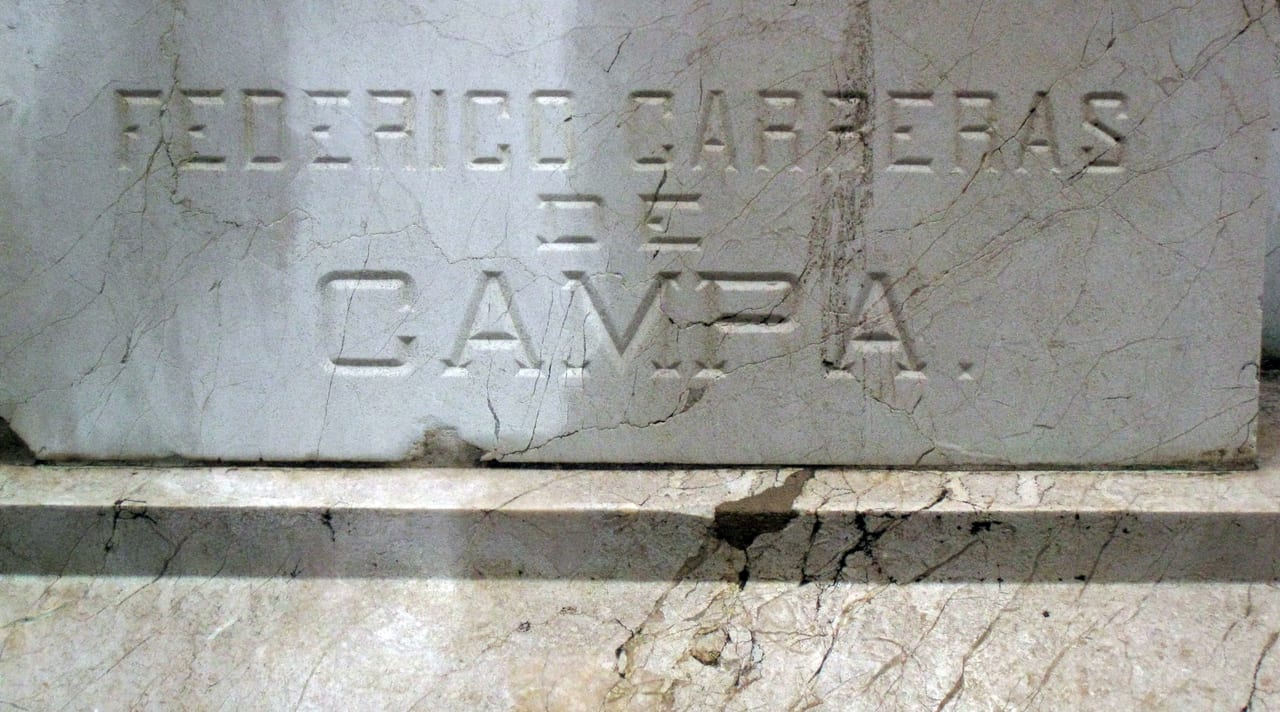
Follow the winding paths slowly, paying attention to how the burial architecture changes from restrained classical and Gothic forms to more expressive Modernisme. Look closely at the terraced niches and family mausolea, particularly those overlooking the harbour. Visit the graves of figures such as Albéniz, Miró, Verdaguer, Companys and Macià, then find Charles Hill’s Commonwealth war grave. The cemetery rewards an unhurried visit focused on inscriptions, sculpture and the relationship between monuments and terrain.
Places to stay near Montjuïc Cemetery

Live availability and prices from Stay22's partners, refreshed periodically and subject to change. Booking through these links may earn us a commission at no extra cost to you. See our privacy policy.
Cafés near Montjuïc Cemetery
Cafés near Montjuïc Cemetery loads as you scroll.
Attractions nearby
Attractions near Montjuïc Cemetery loads as you scroll.
Cities nearby
Cities nearby loads as you scroll.
More in Barcelona
See more of Barcelona.
Find great cafés, places to stay and other interesting places to visit in Barcelona.