Castle & palace · Barcelona
Montjuïc Castle
DirectionsIn 1940, Montjuïc Castle became the site where Lluís Companys, president of the Generalitat of Catalonia, was executed on orders of the Spanish State.

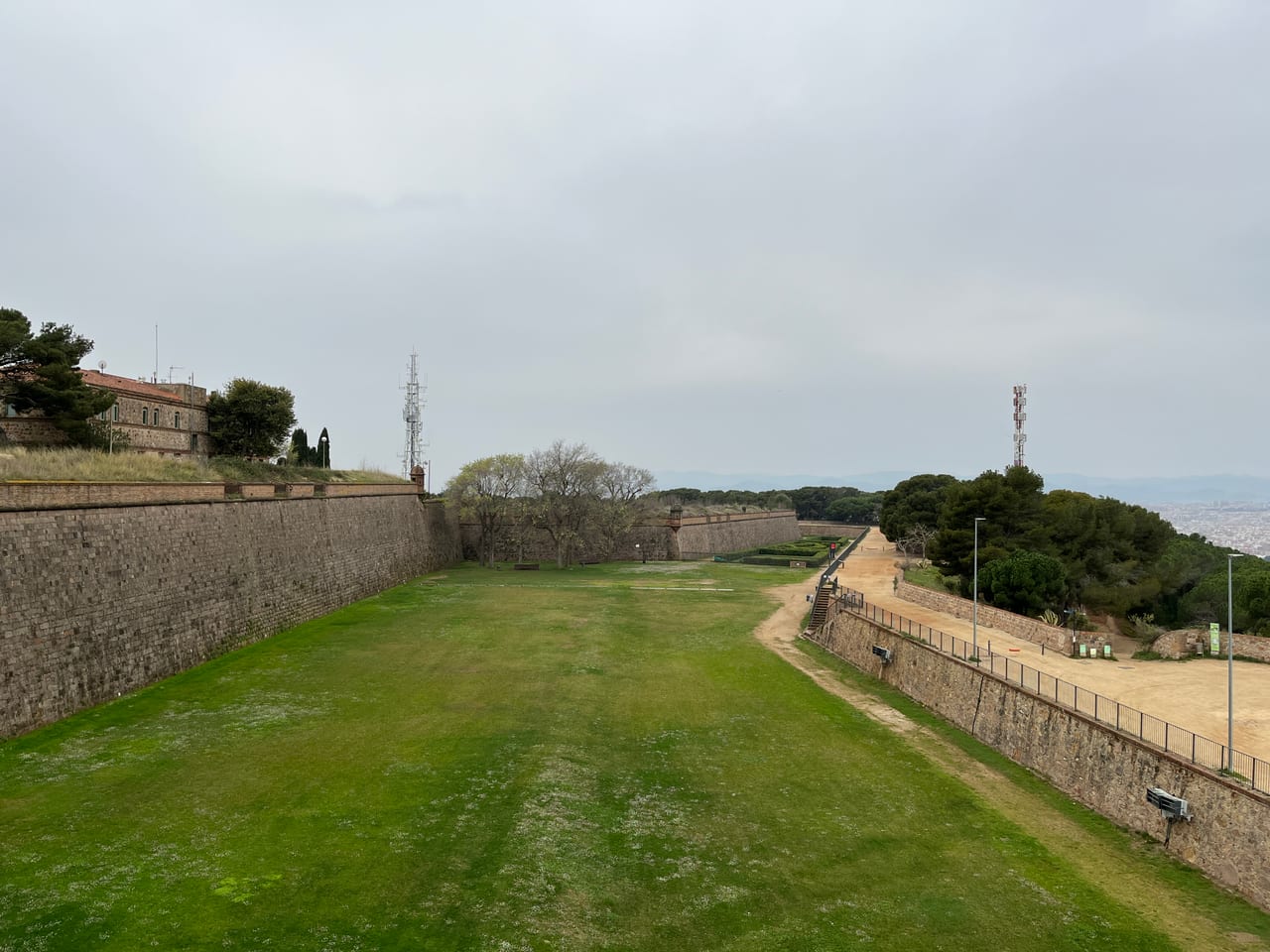
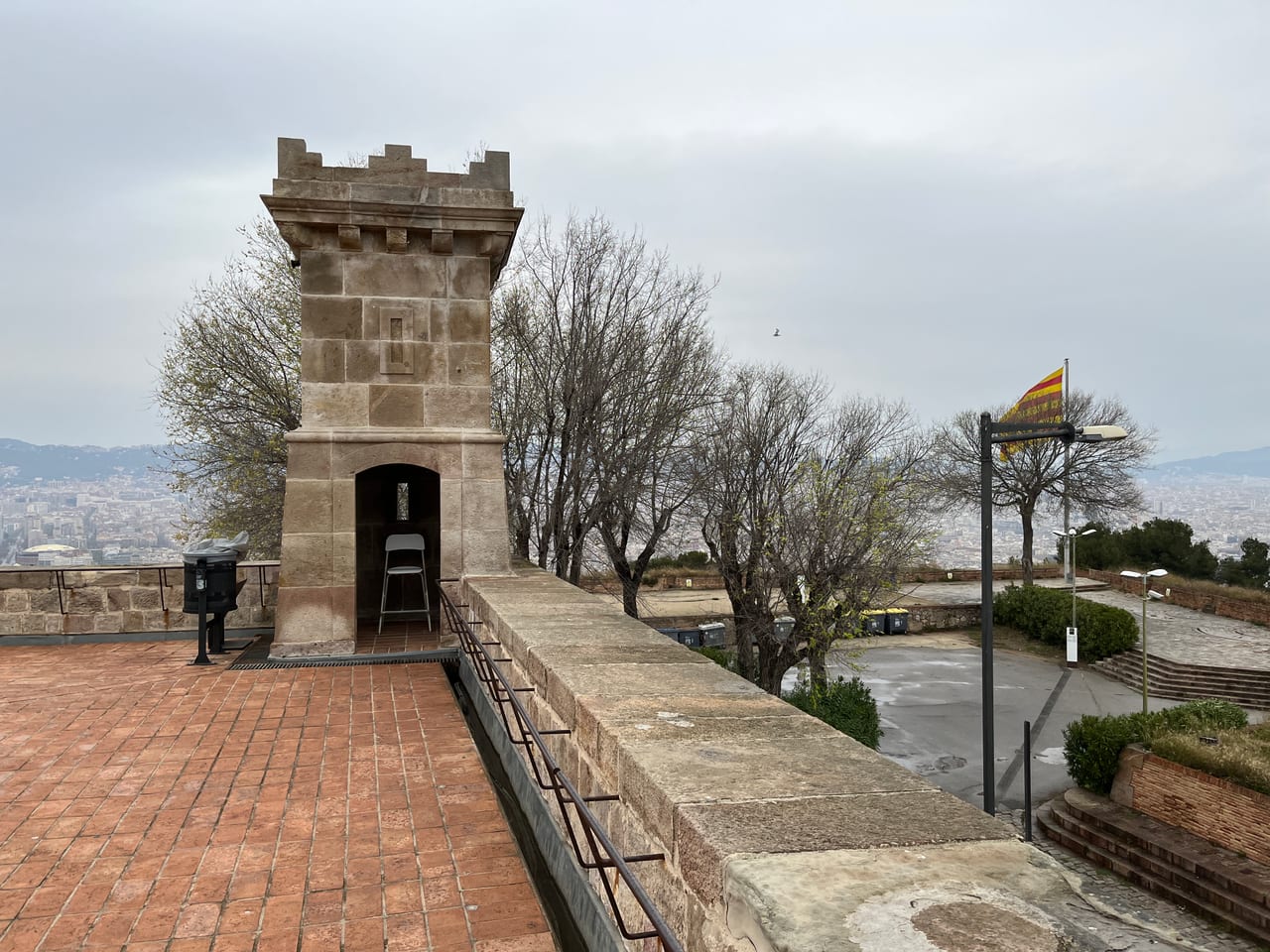
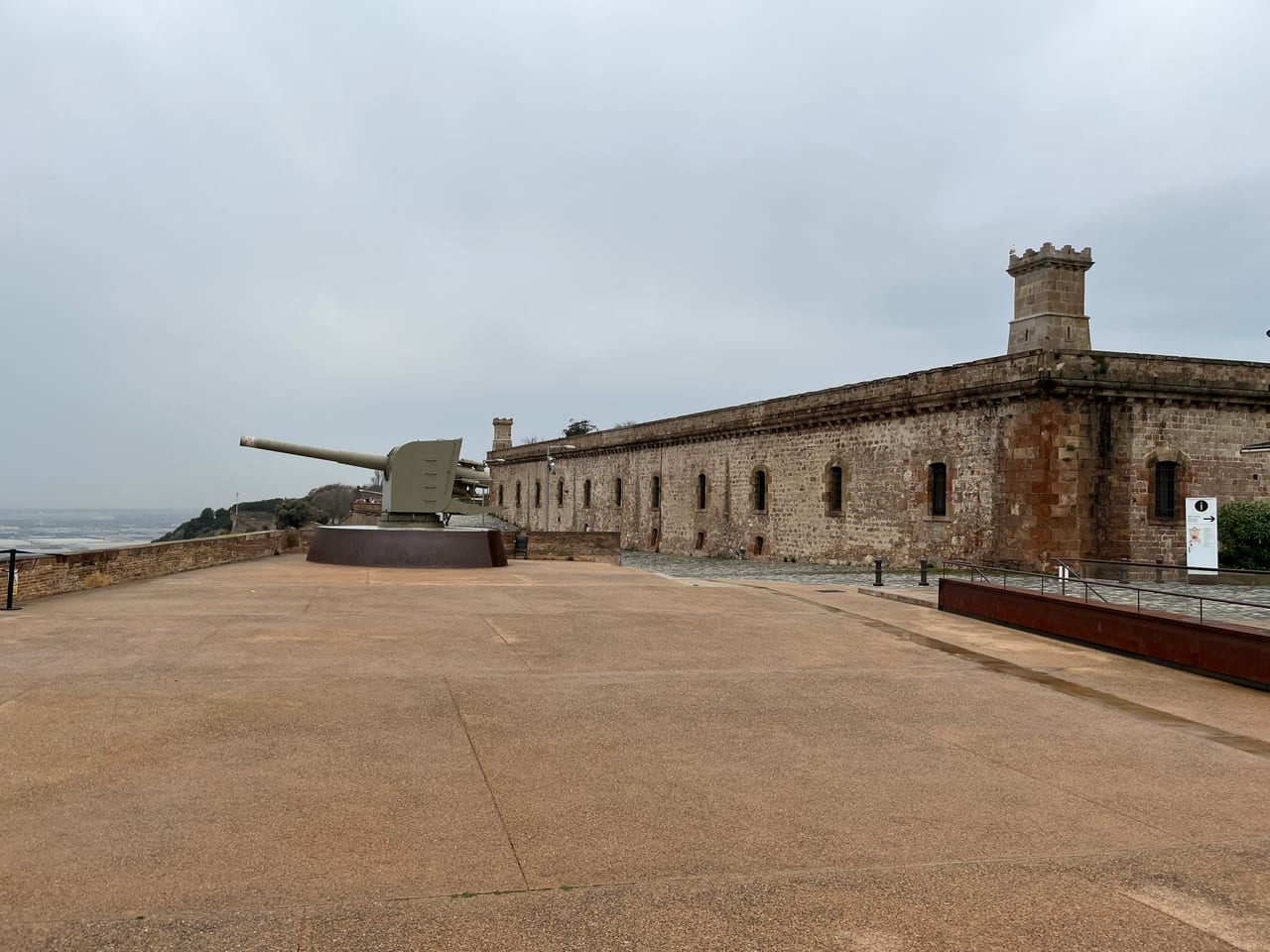
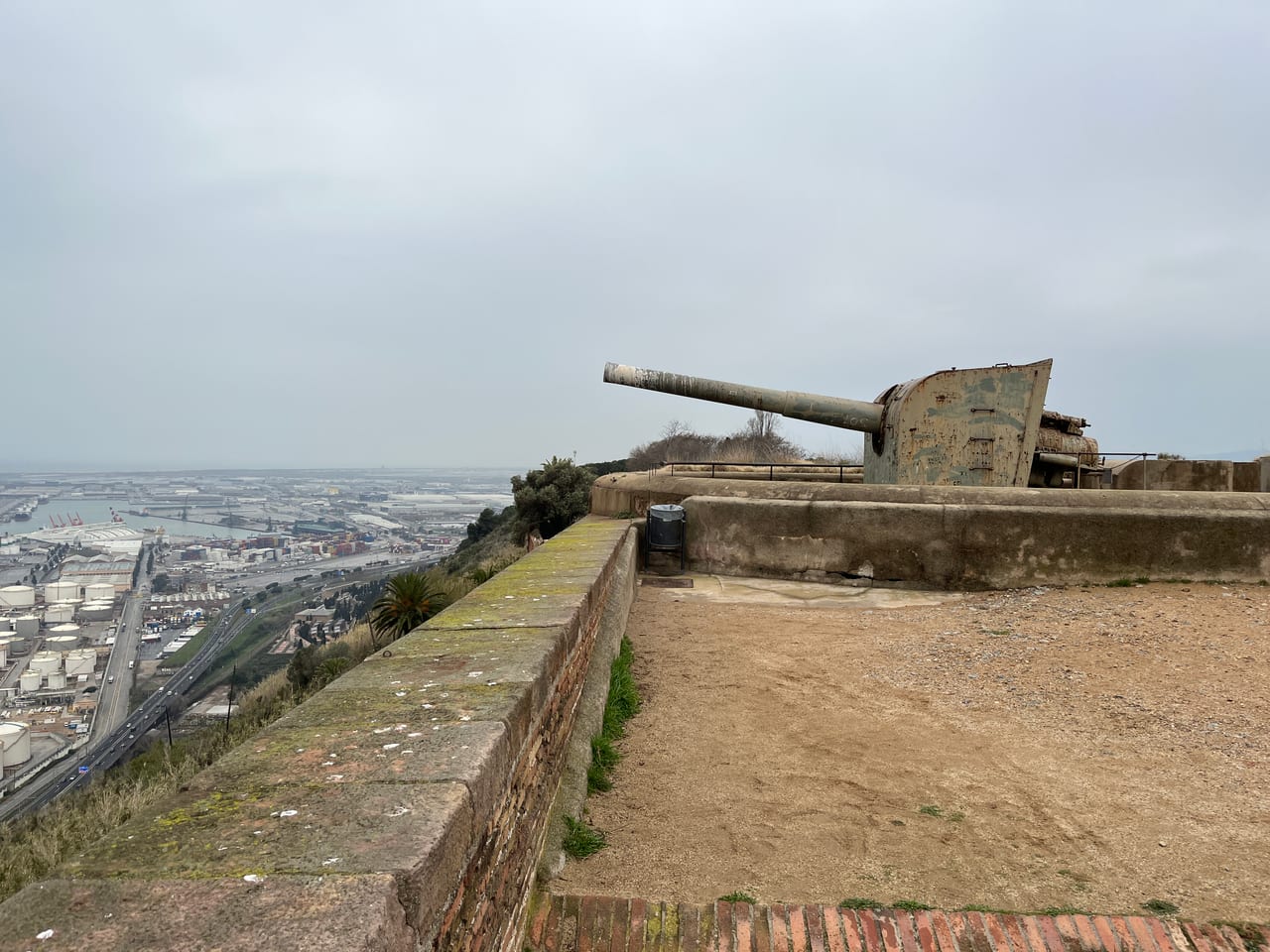
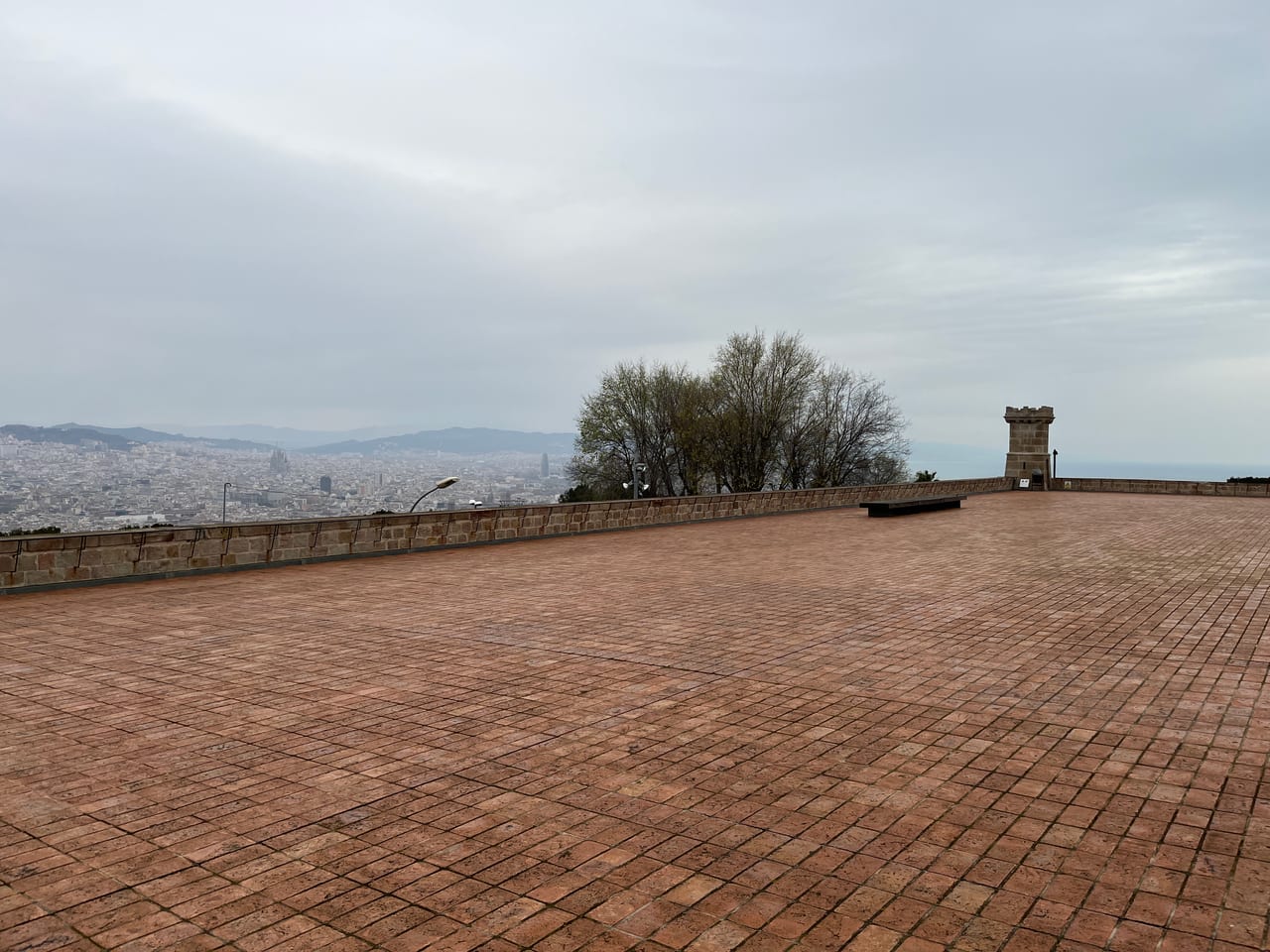
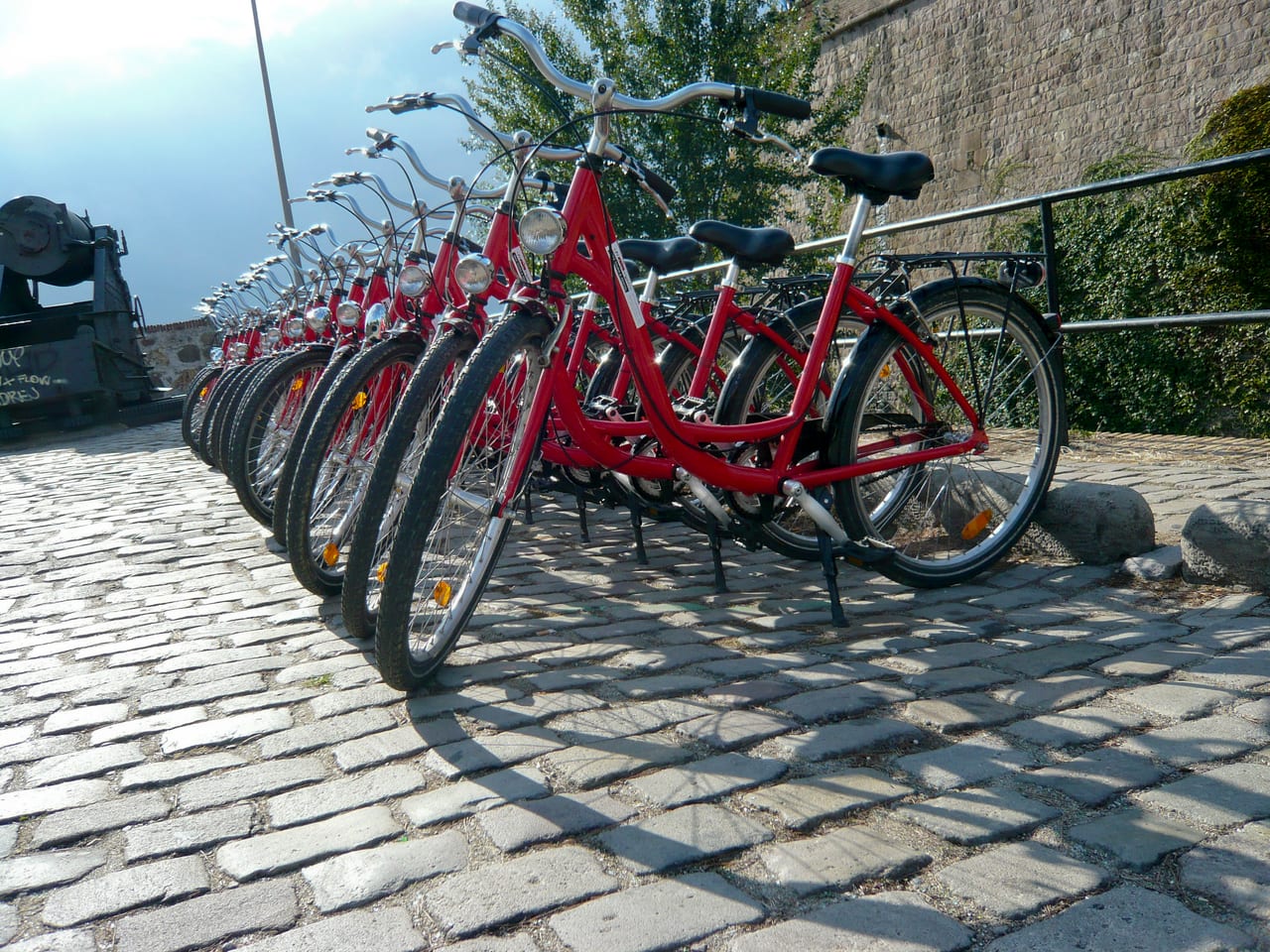
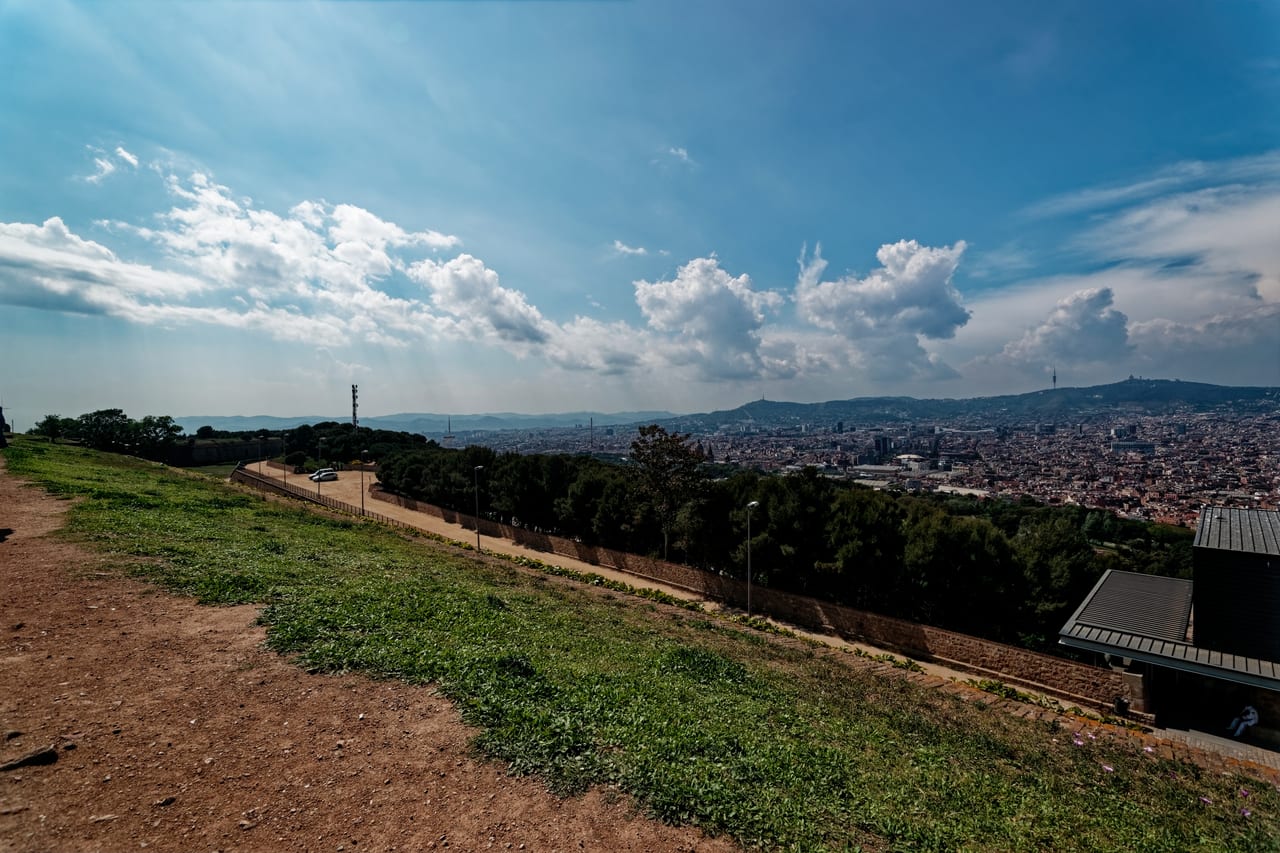
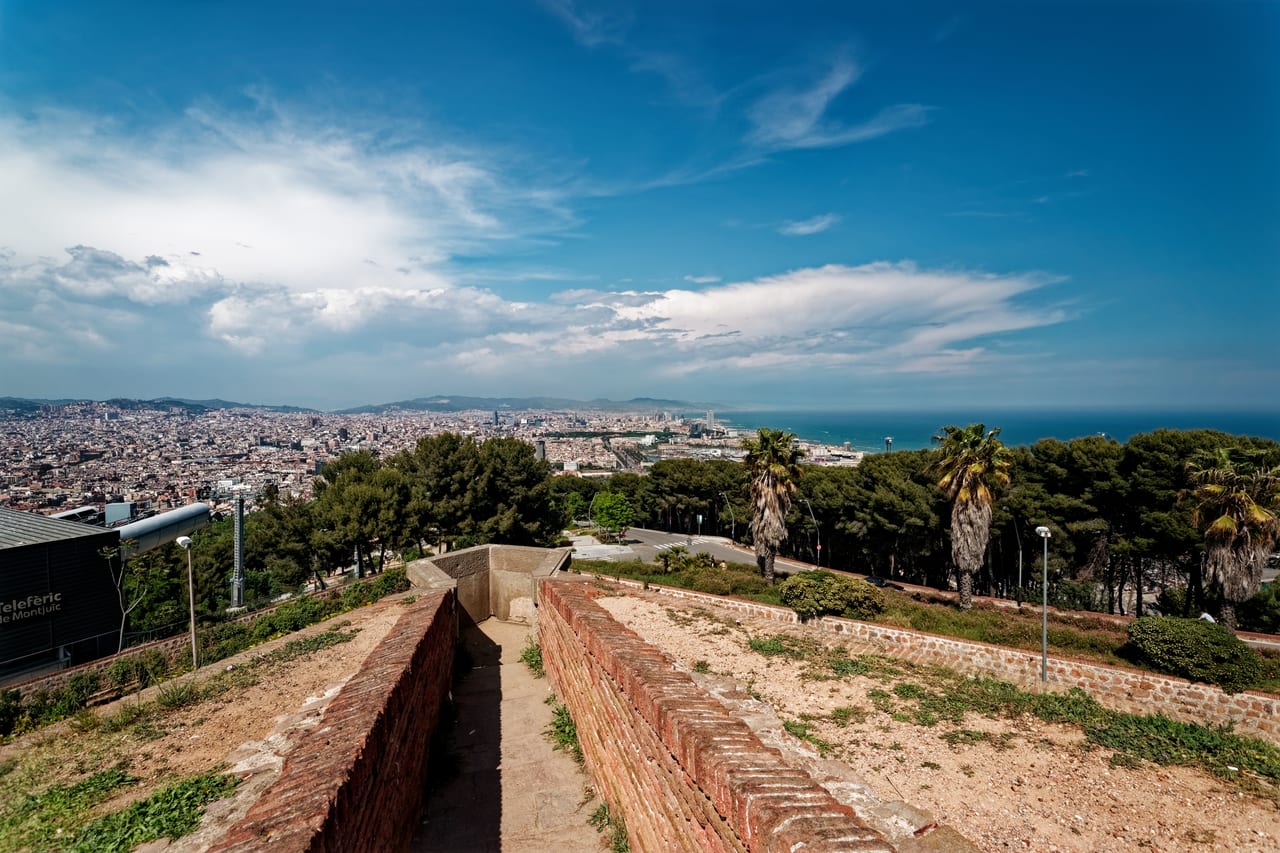
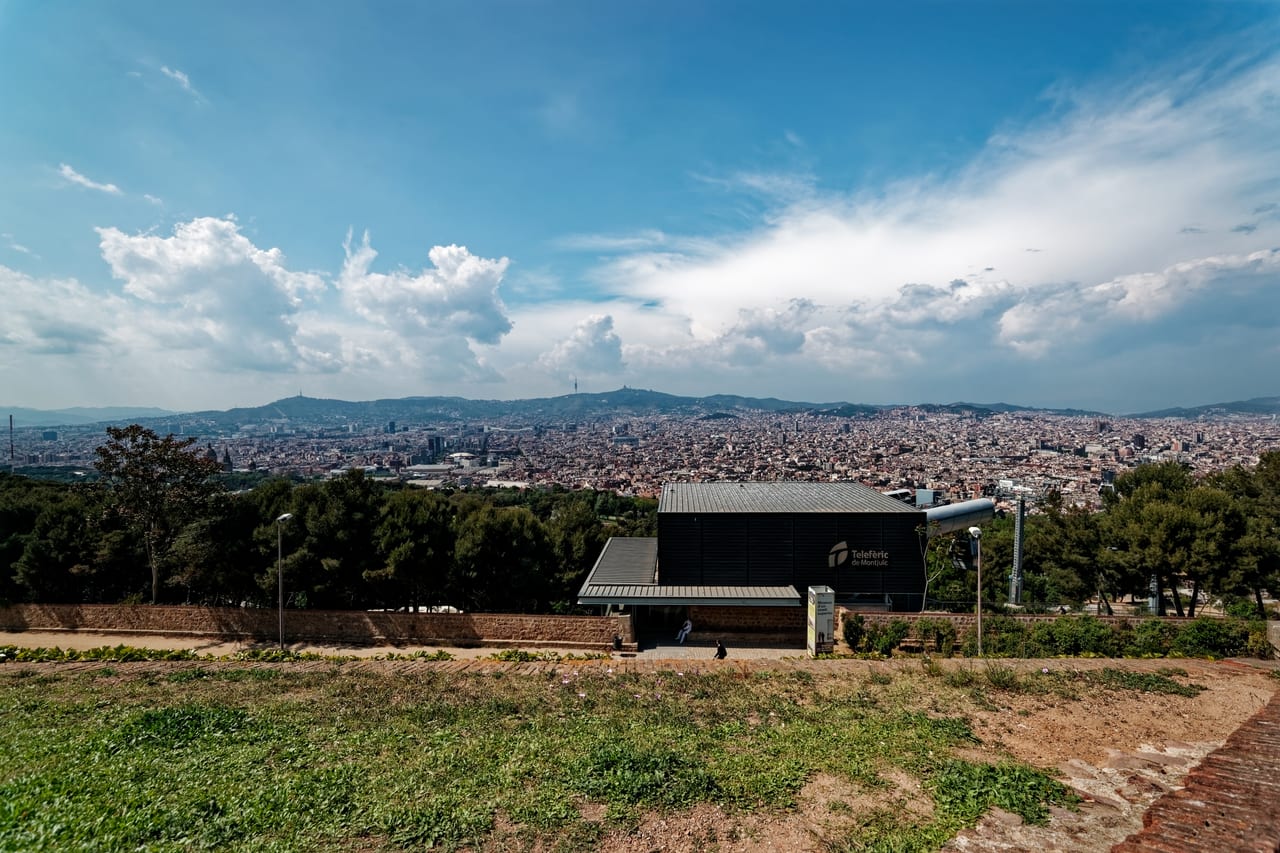
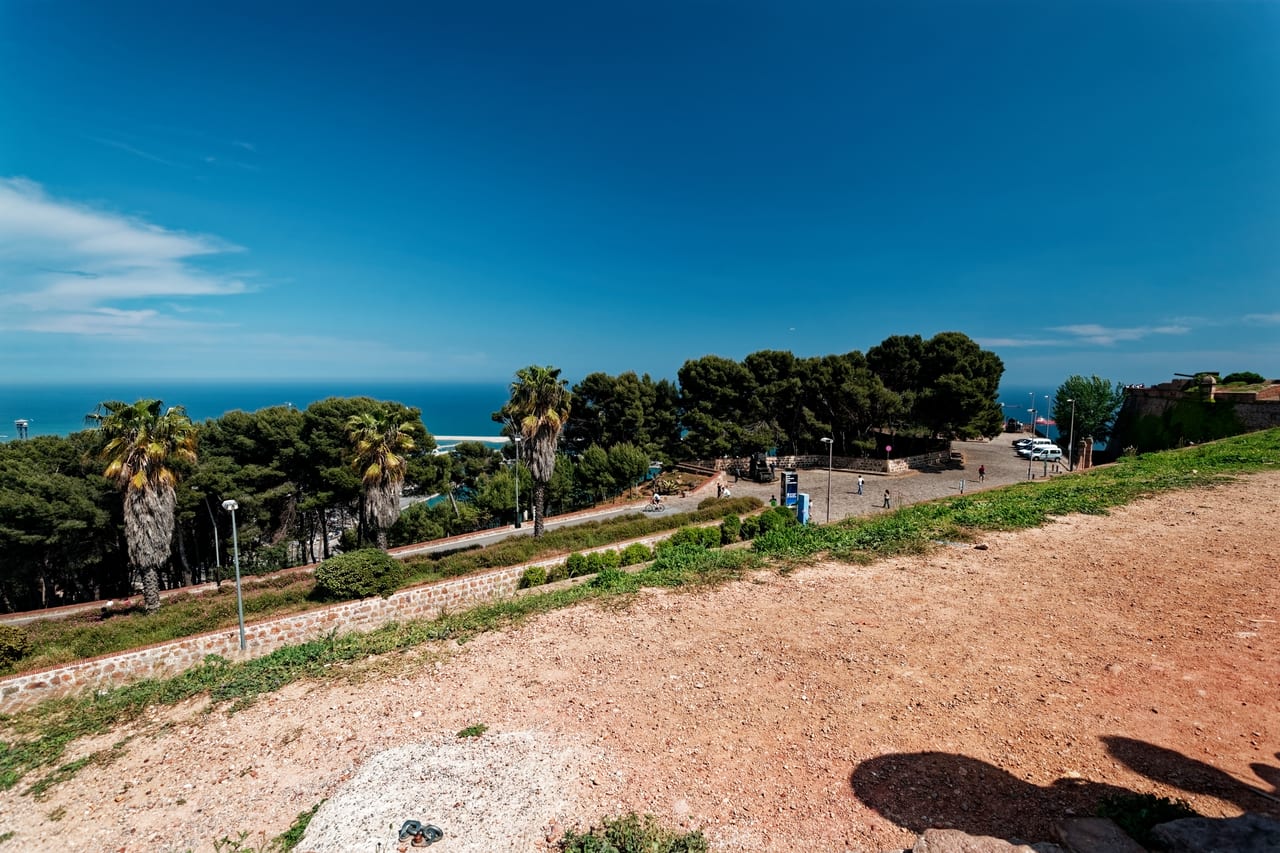
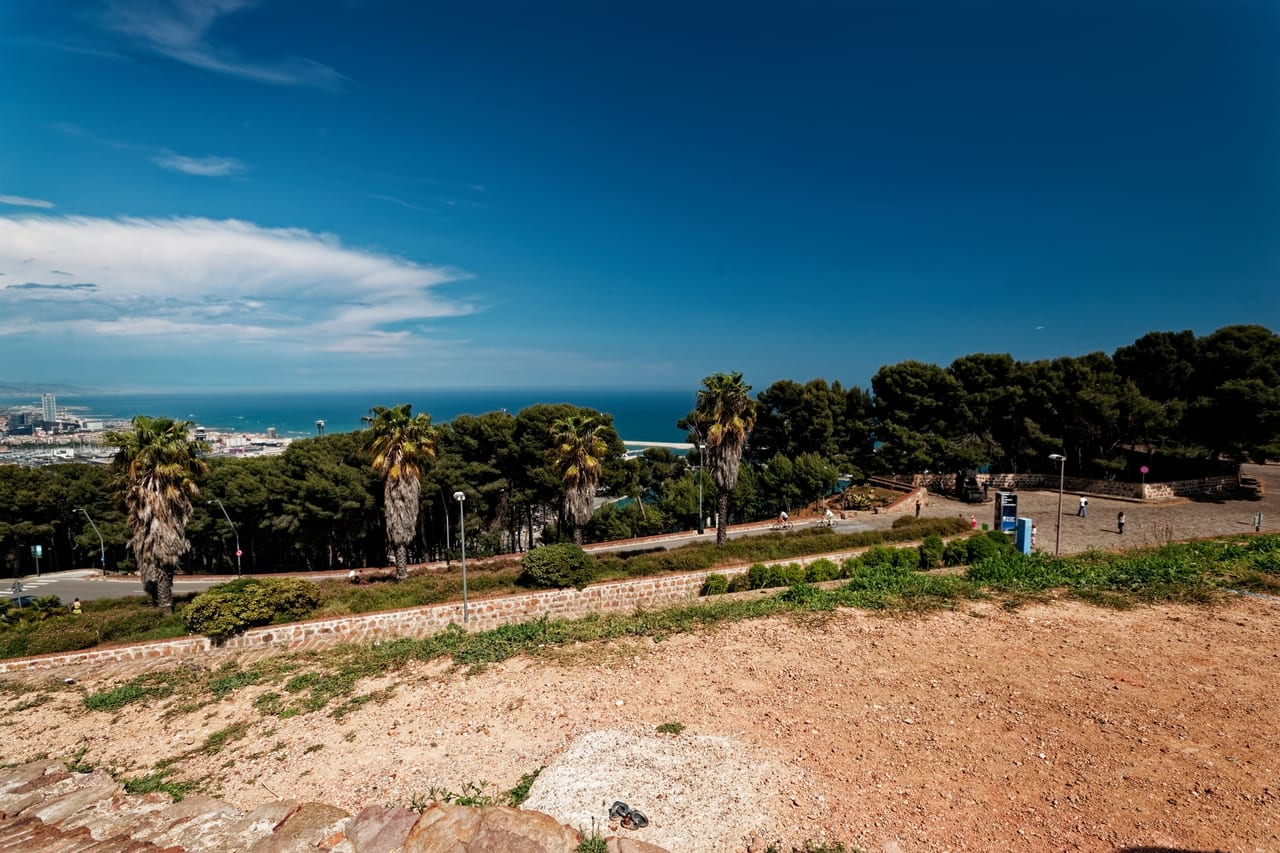
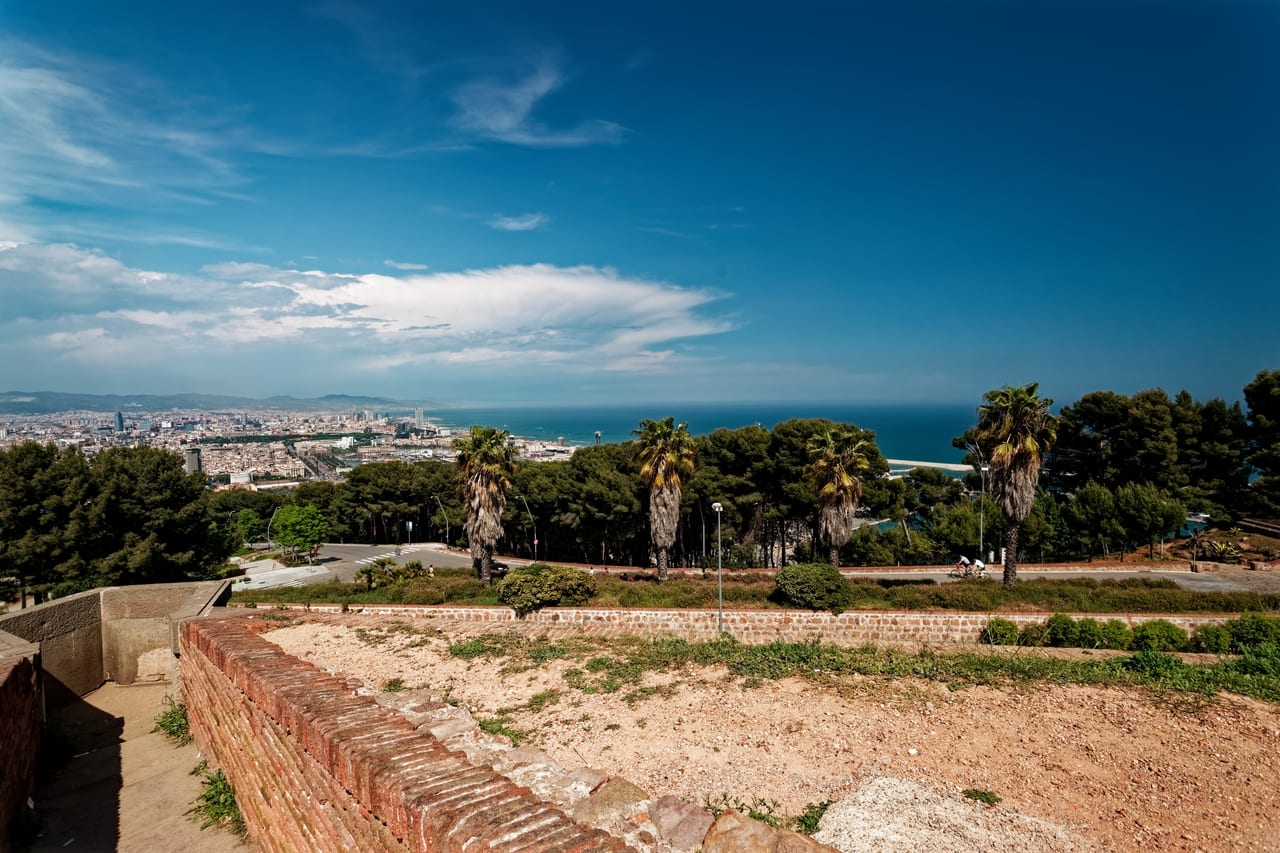
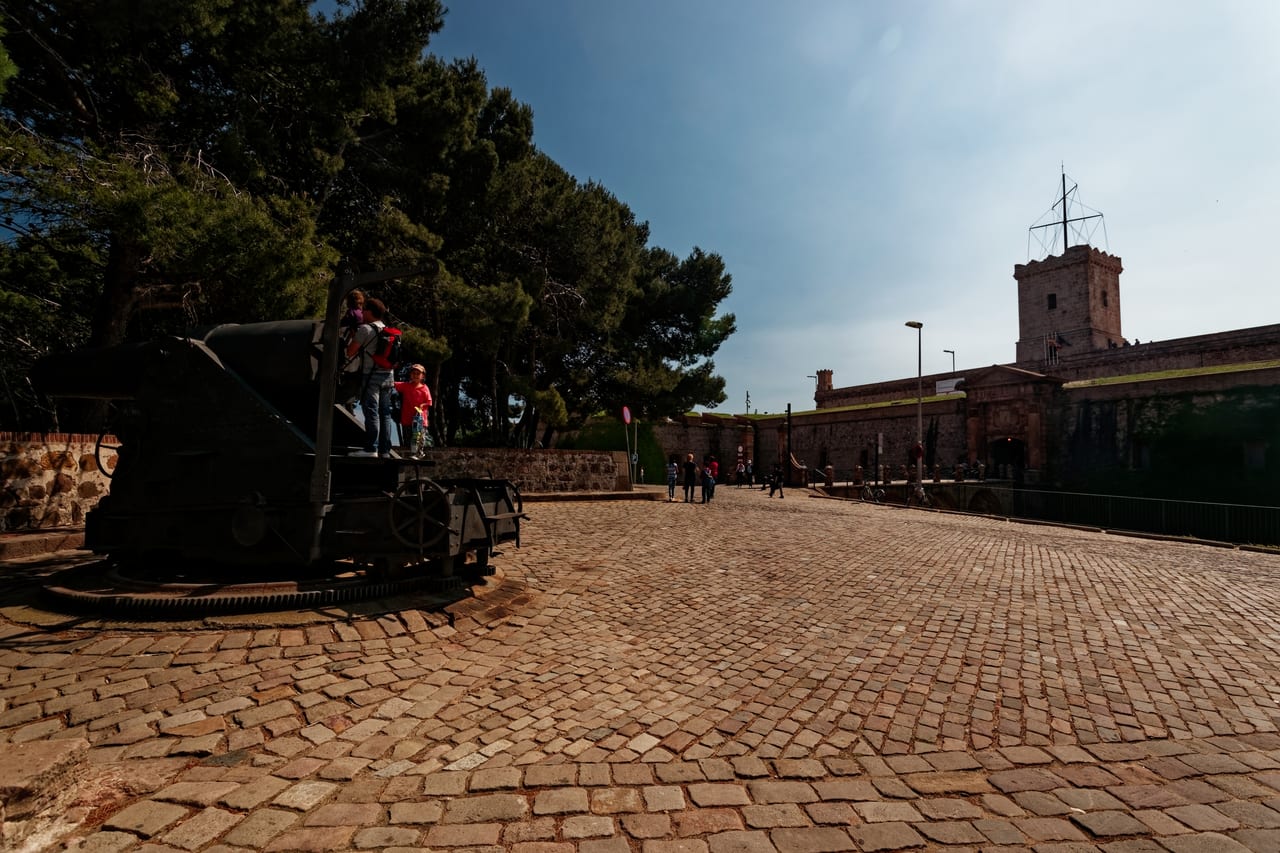
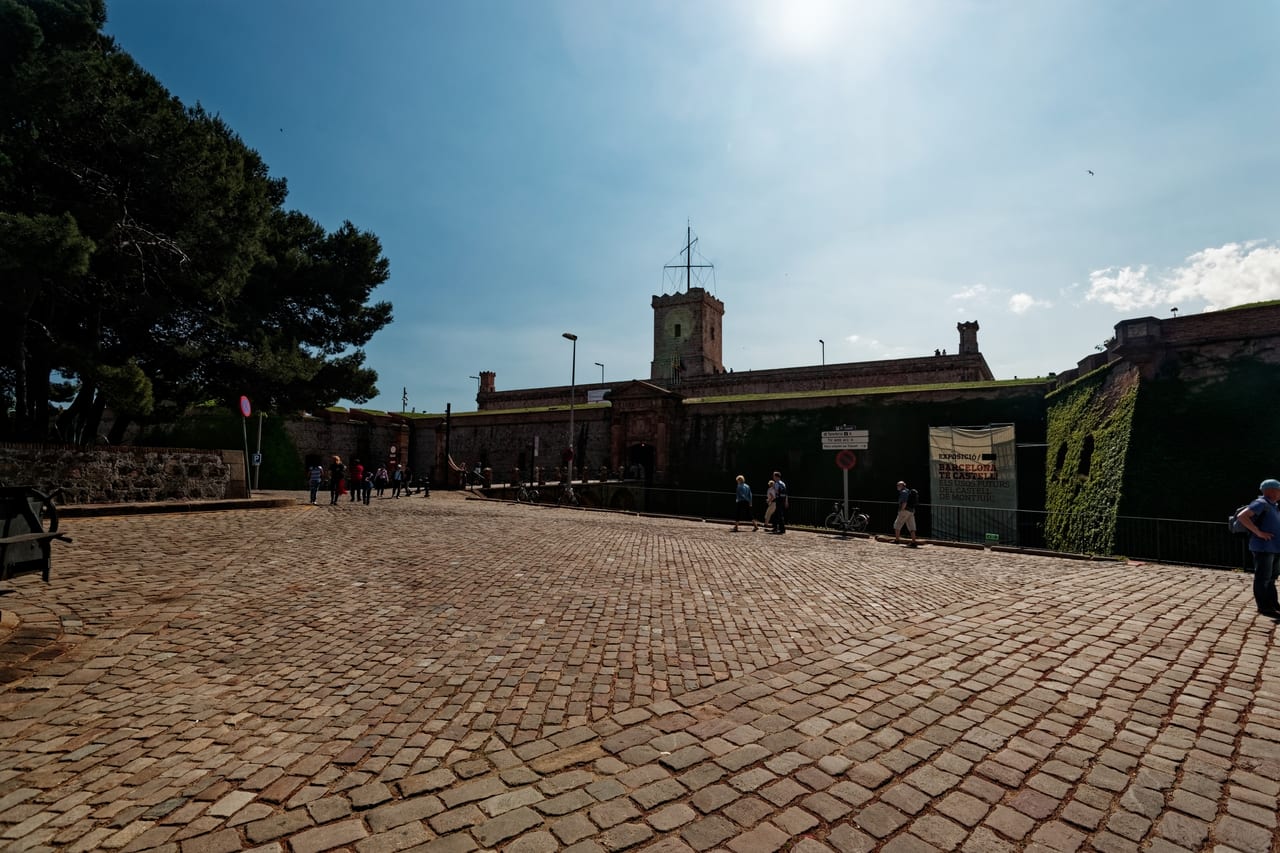
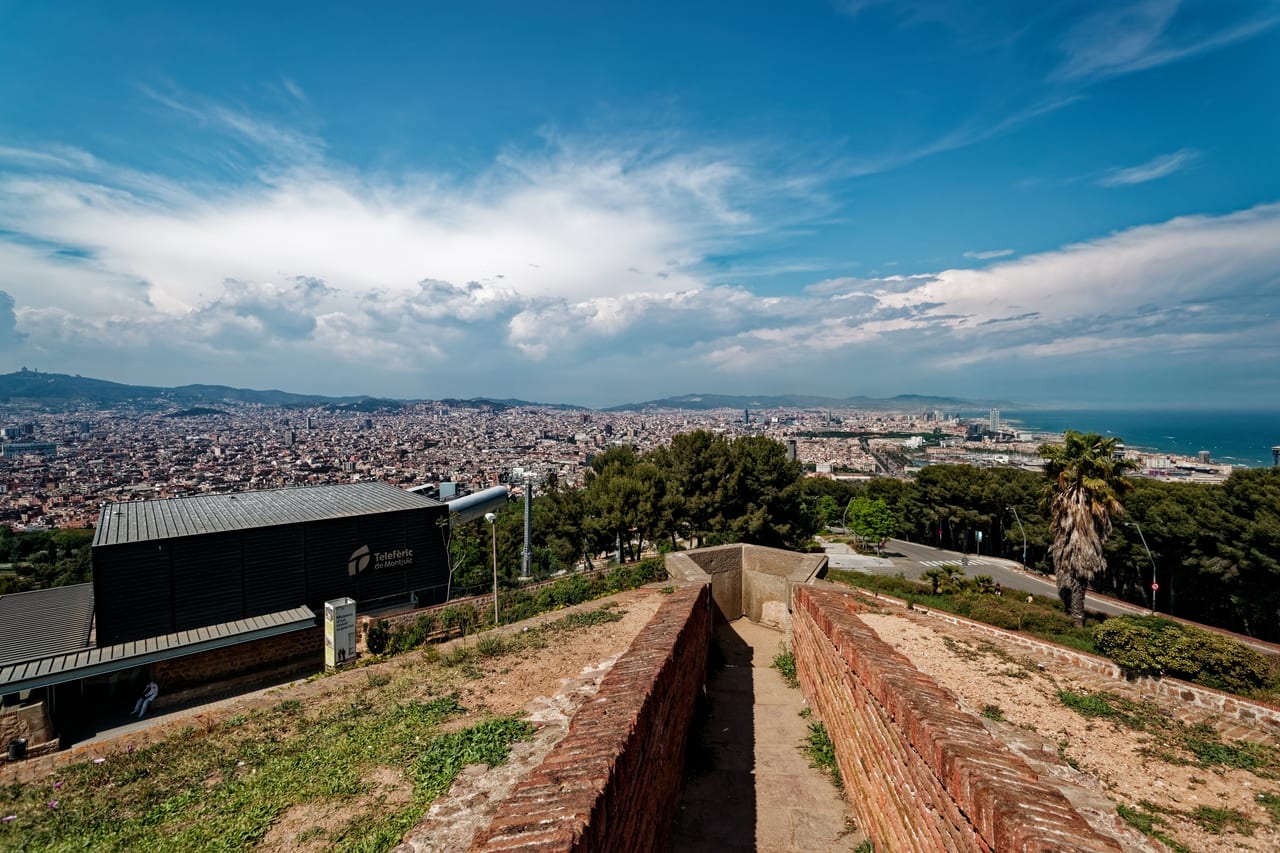
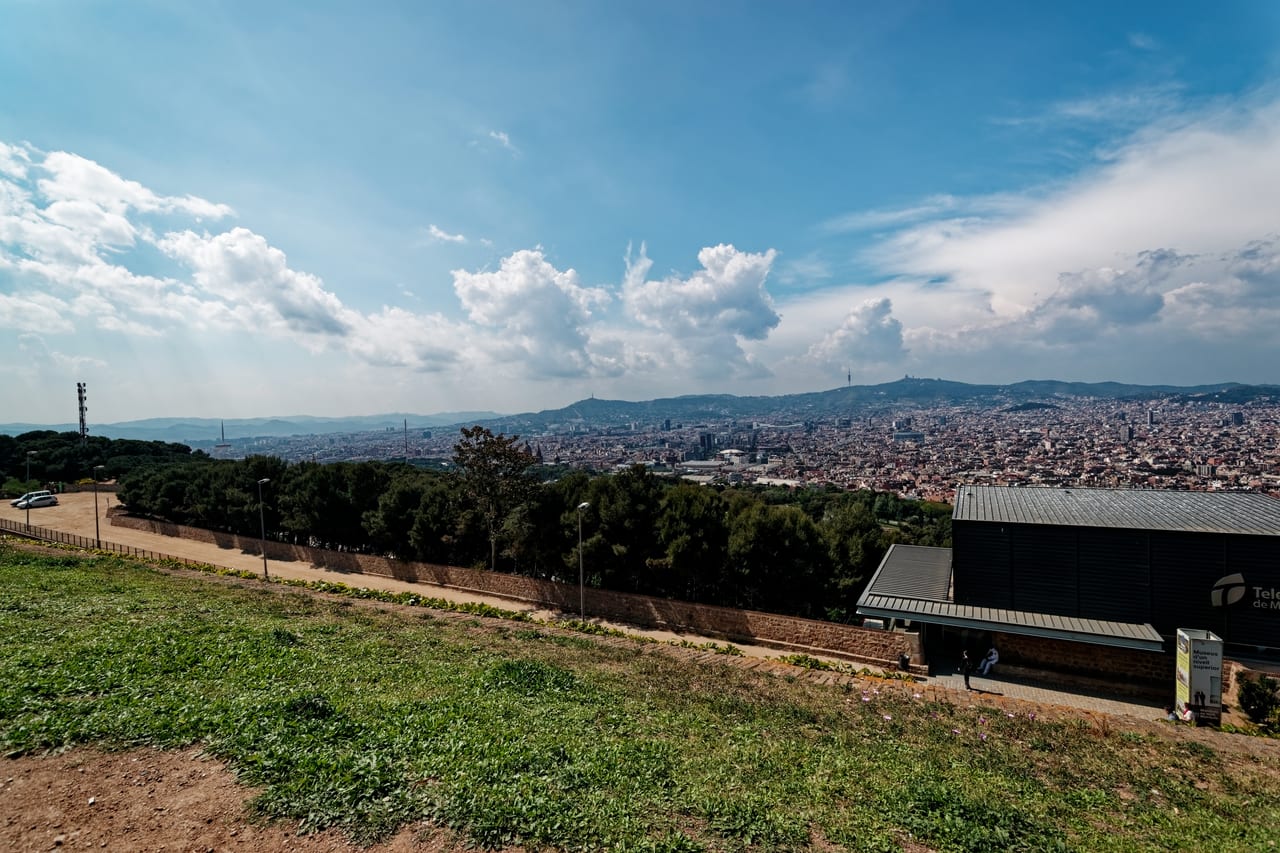
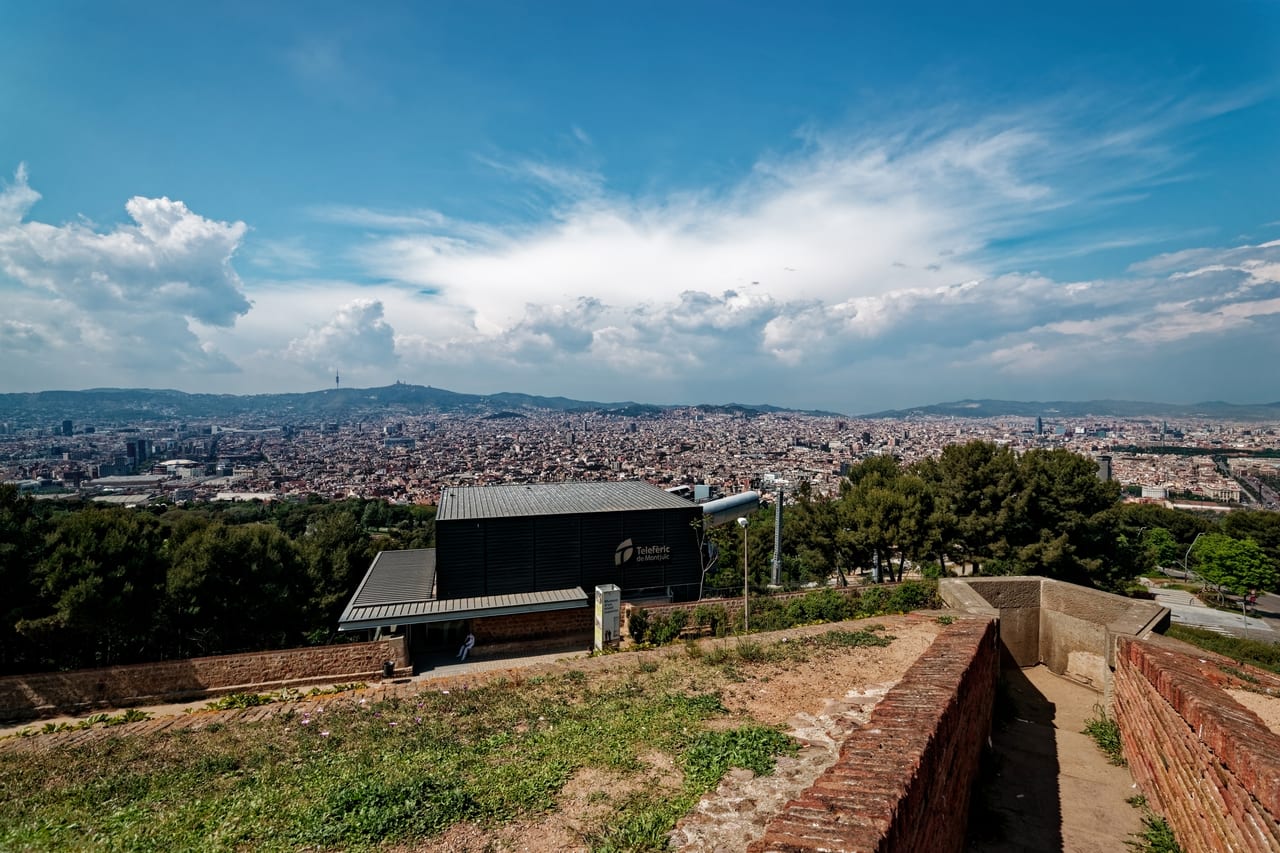
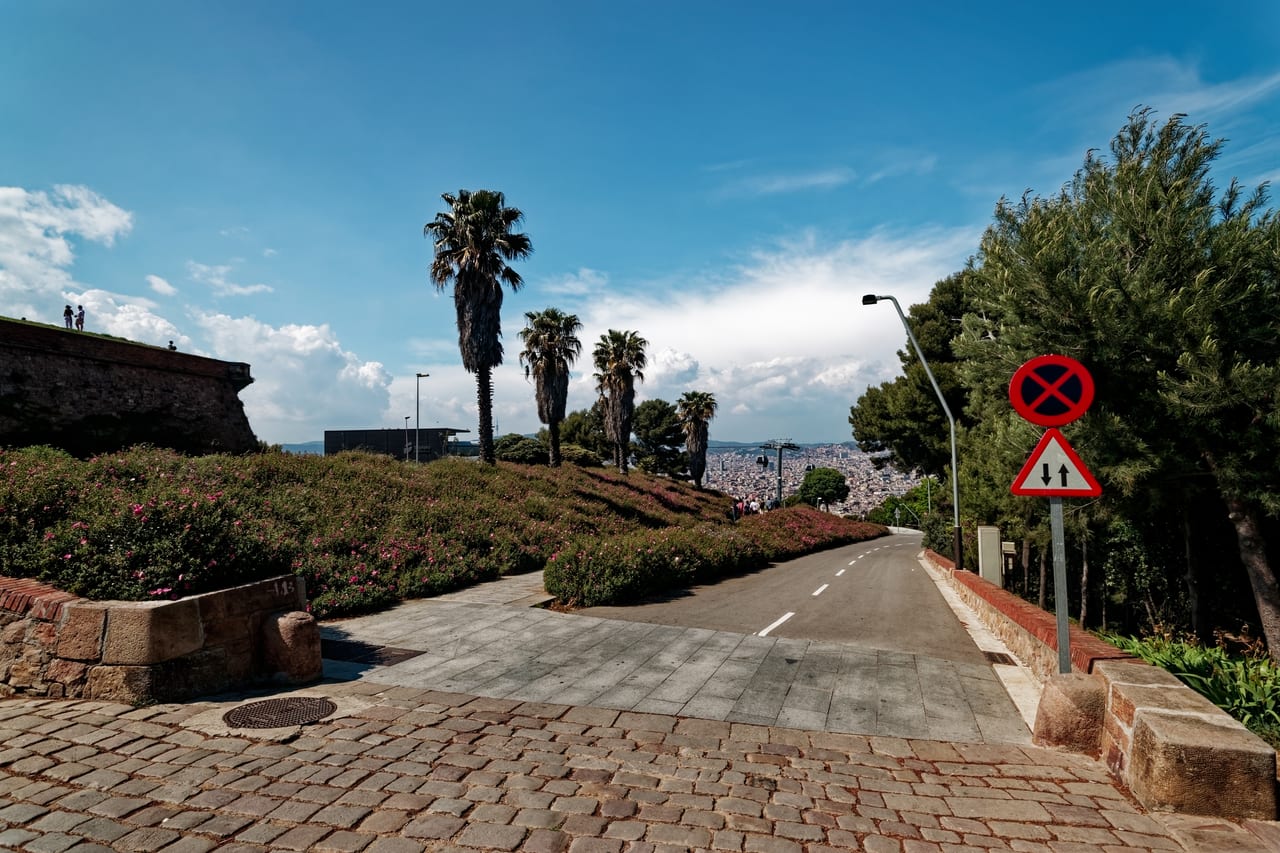
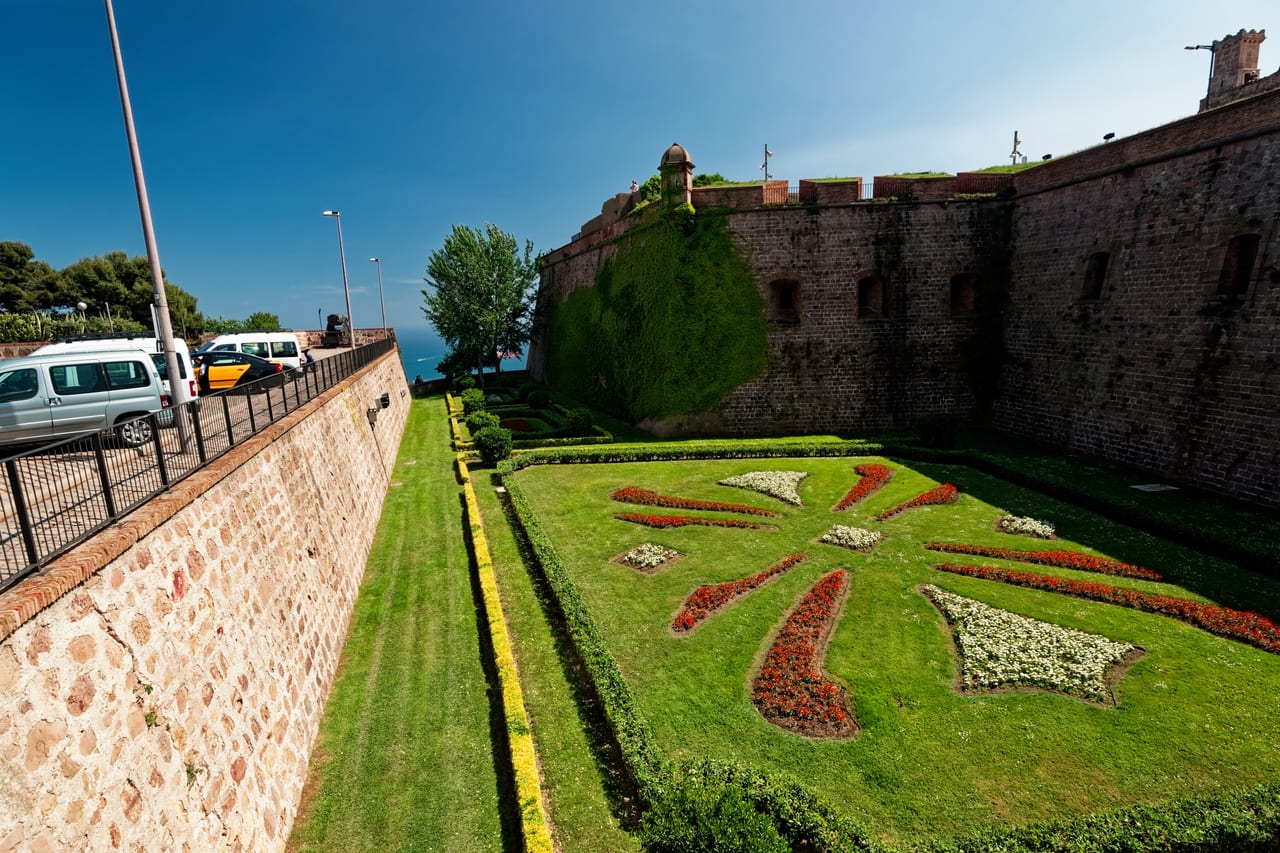
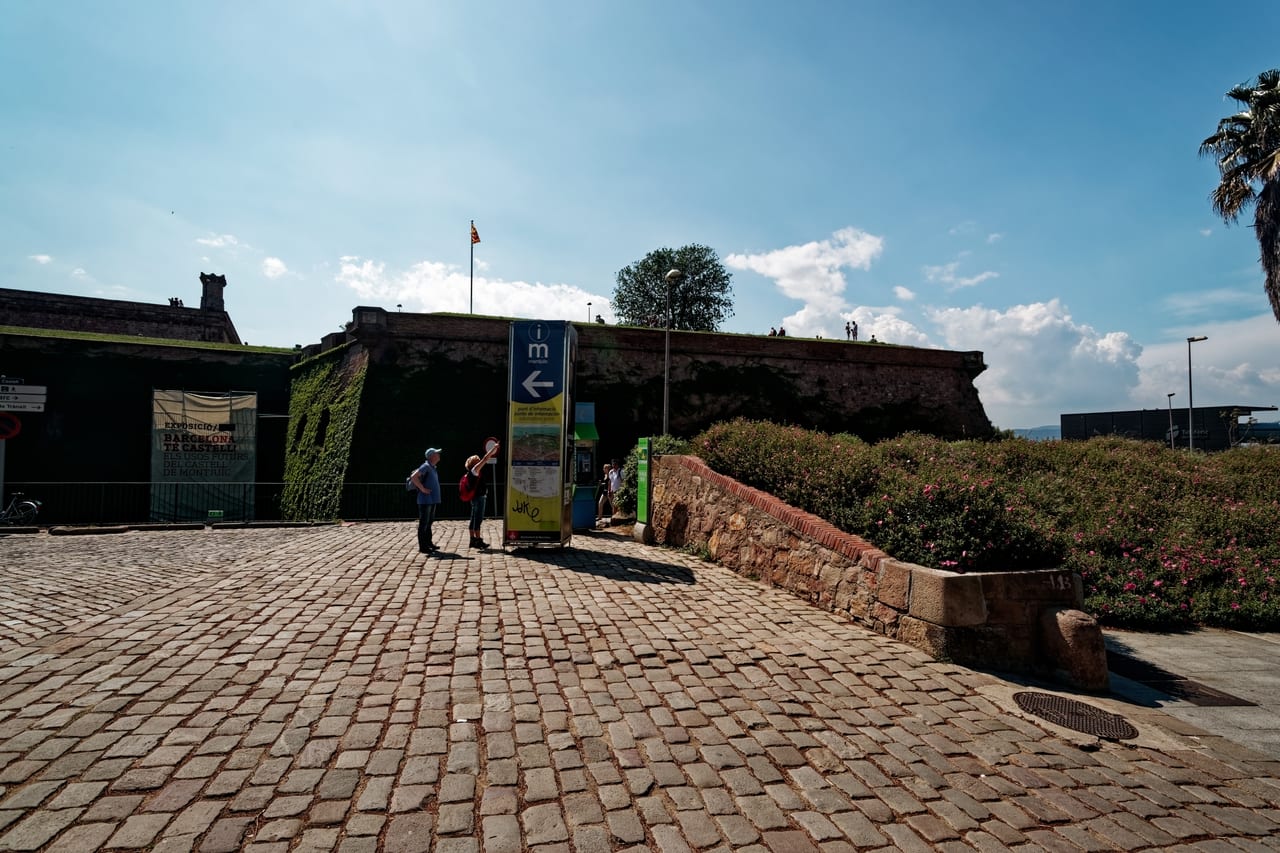
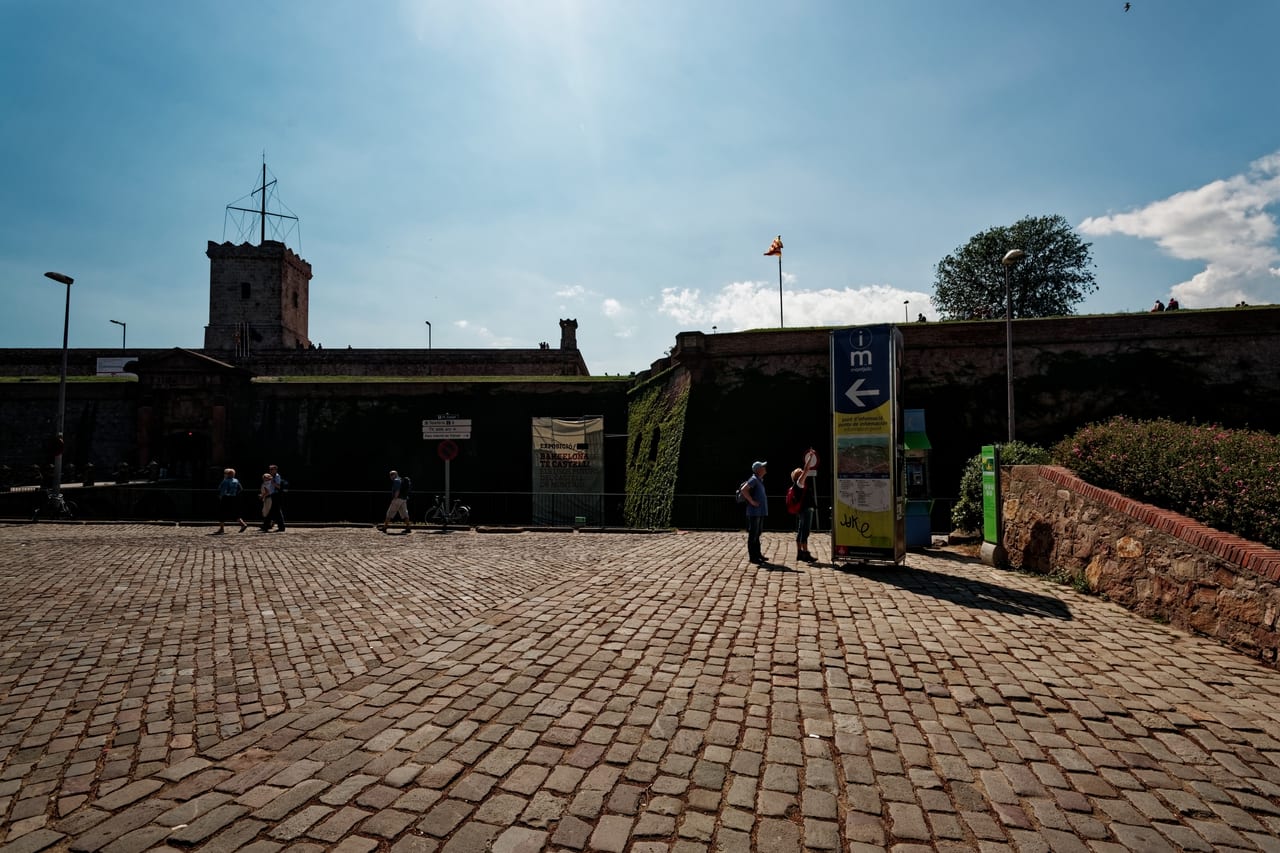
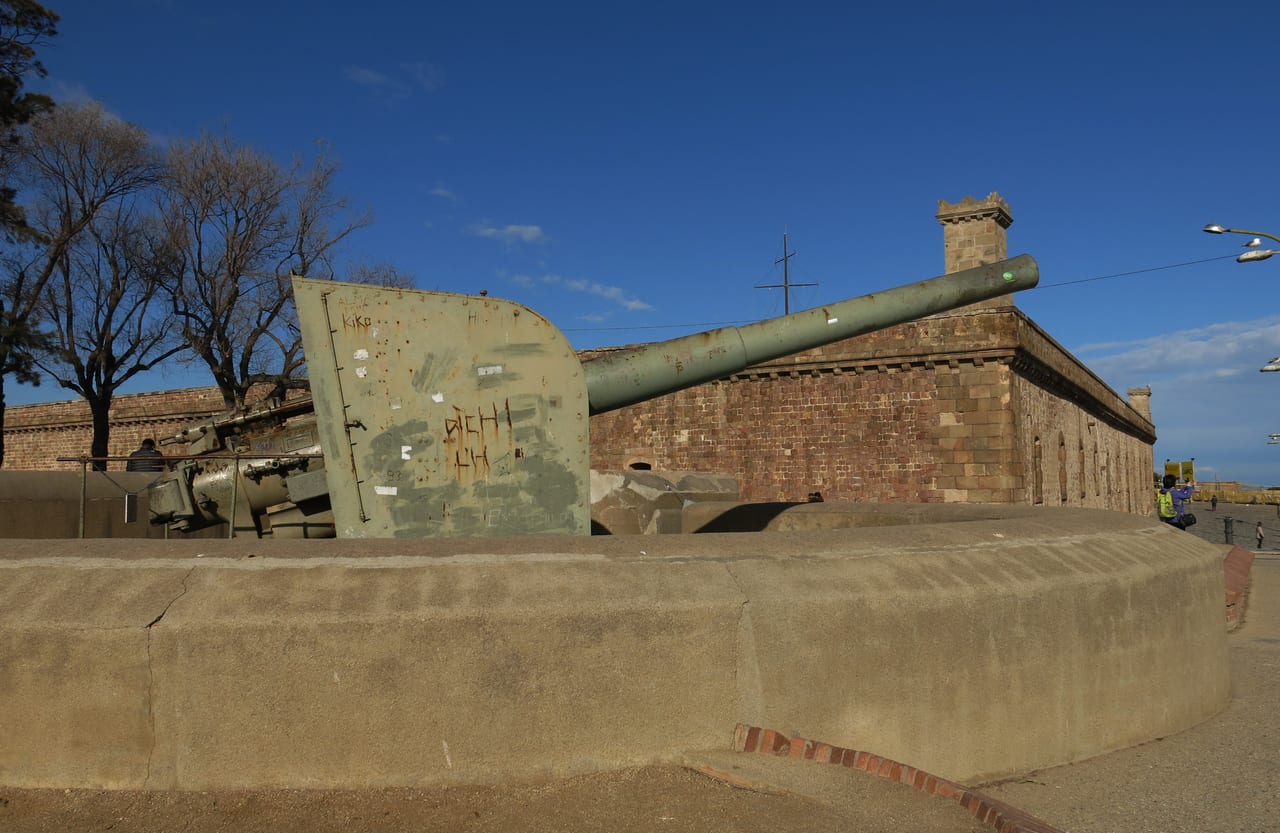
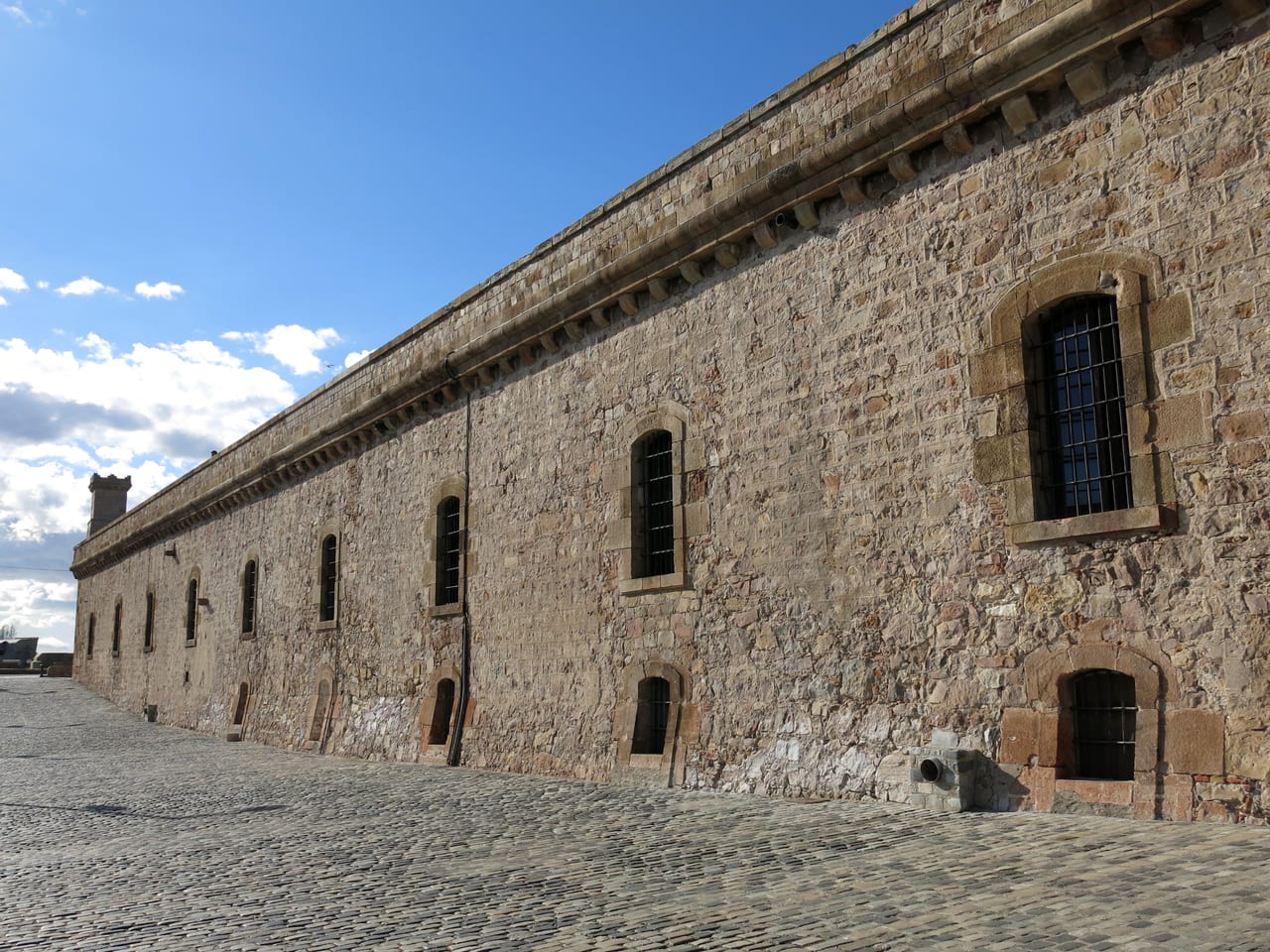
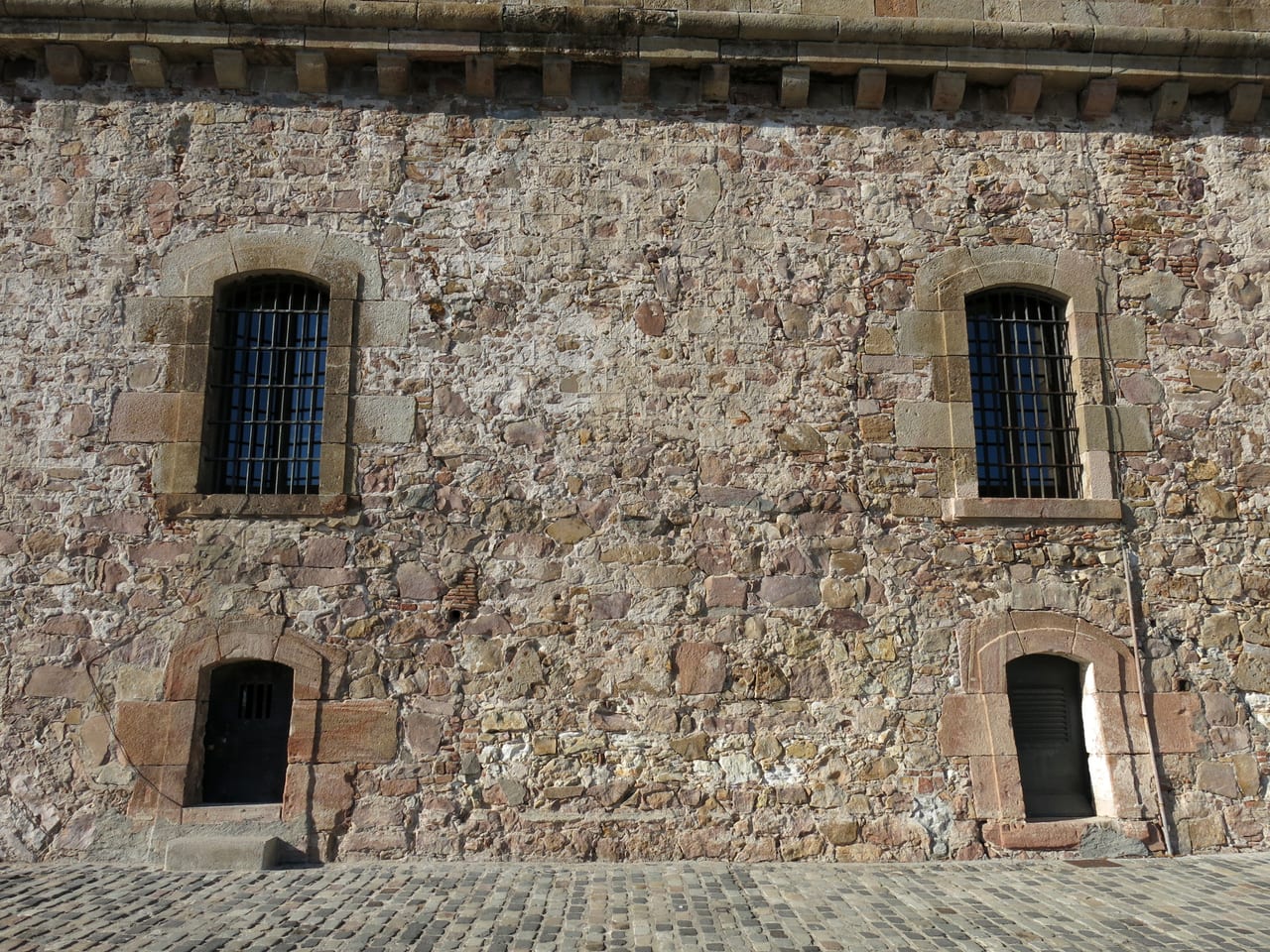
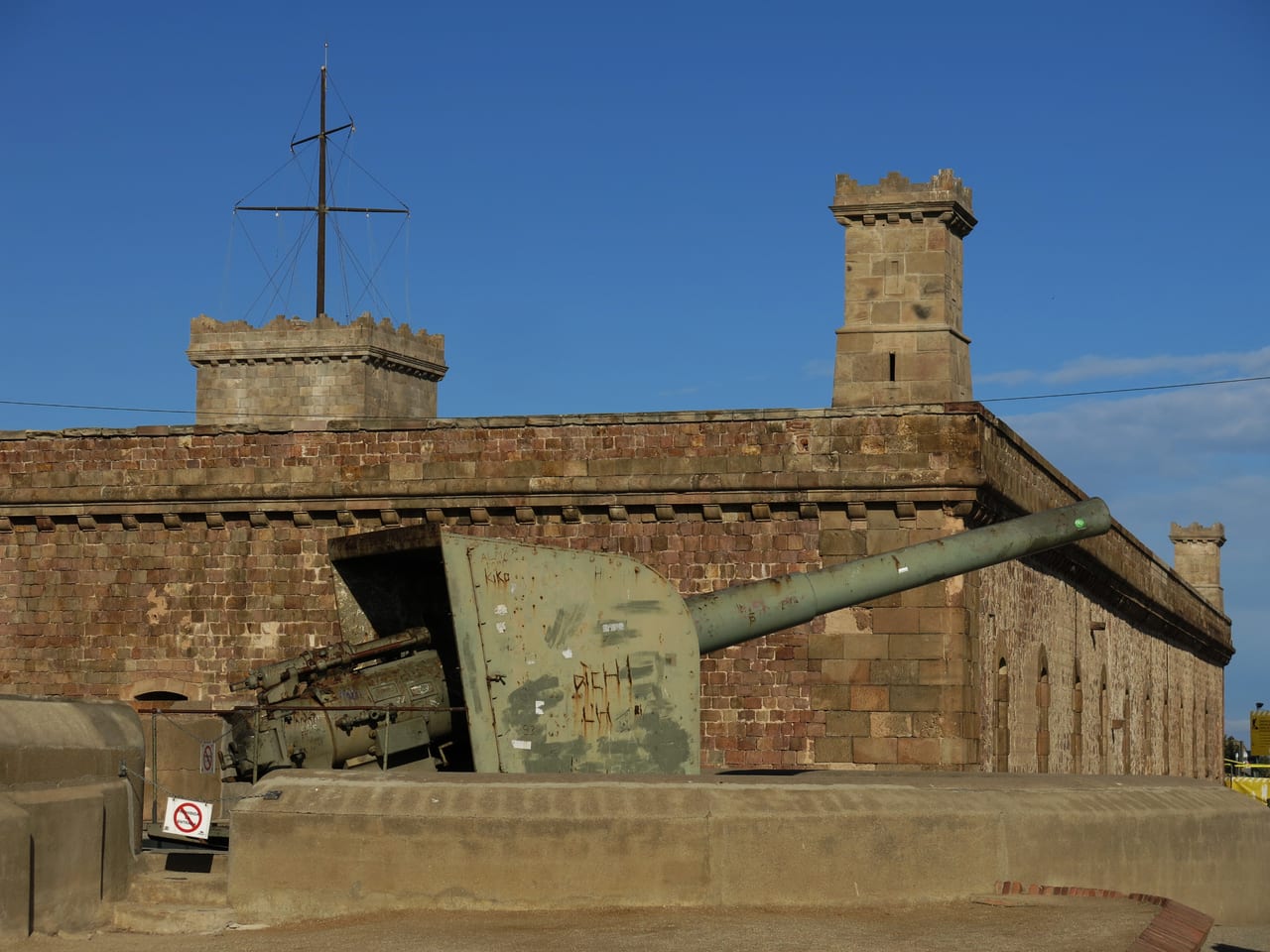
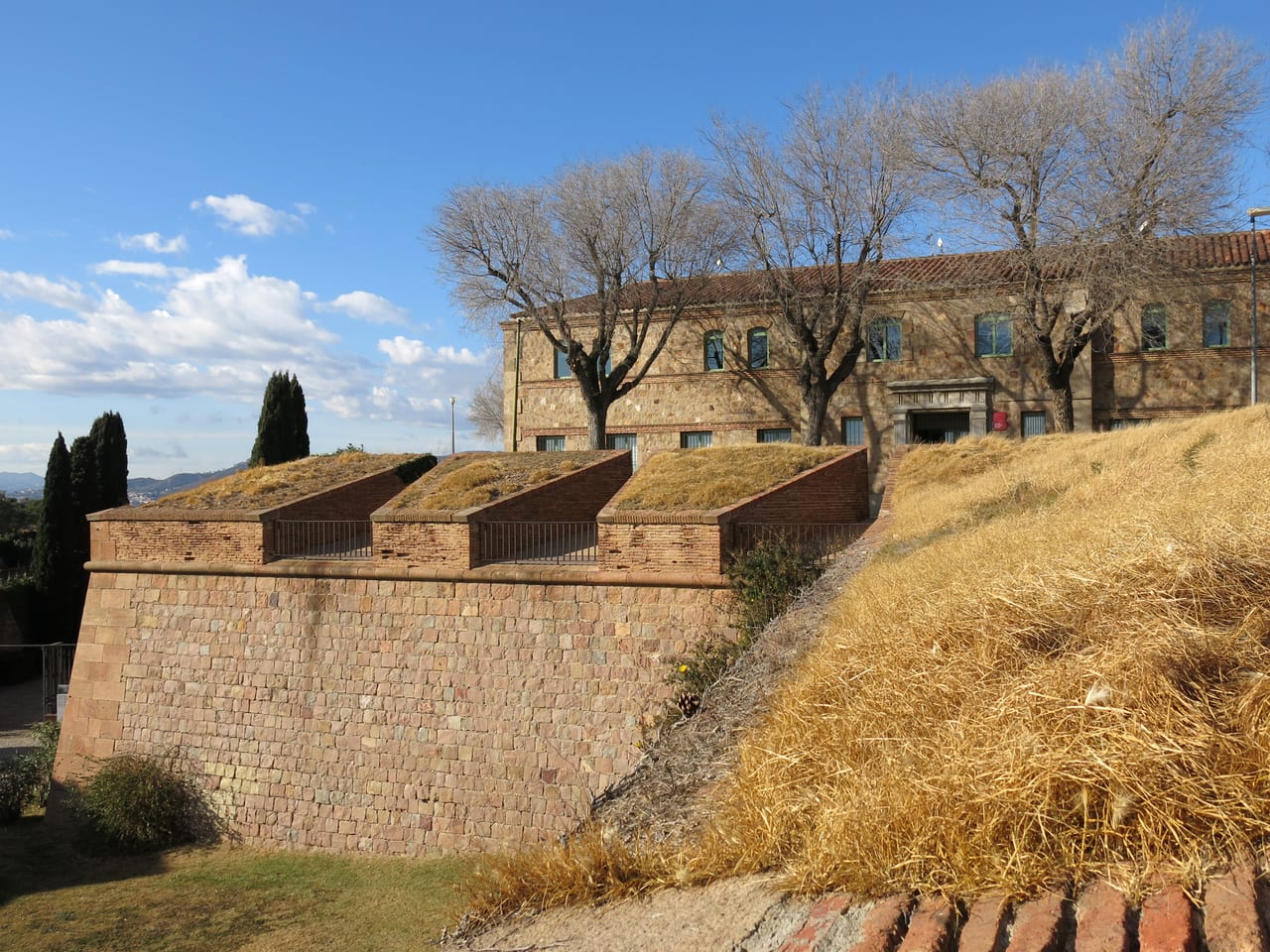
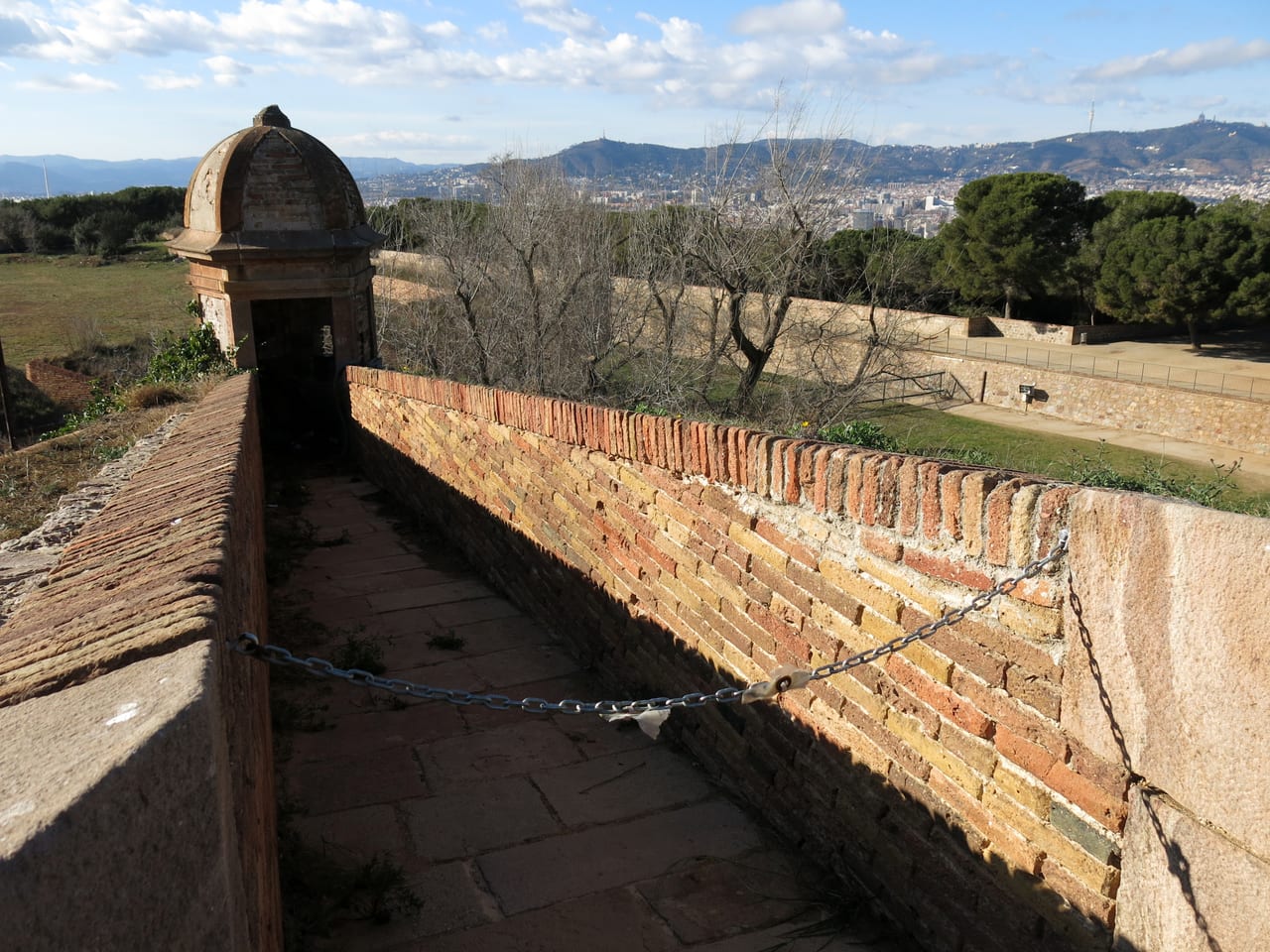
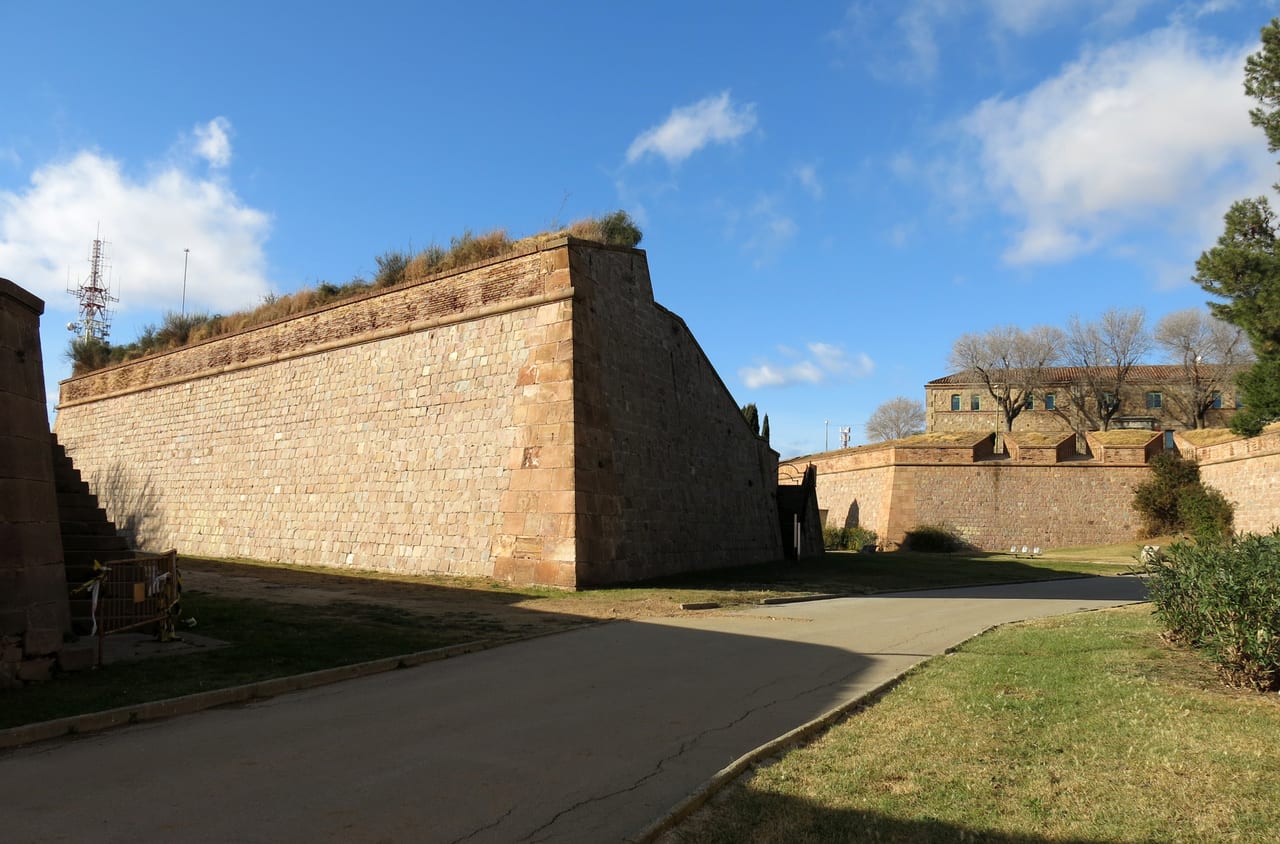
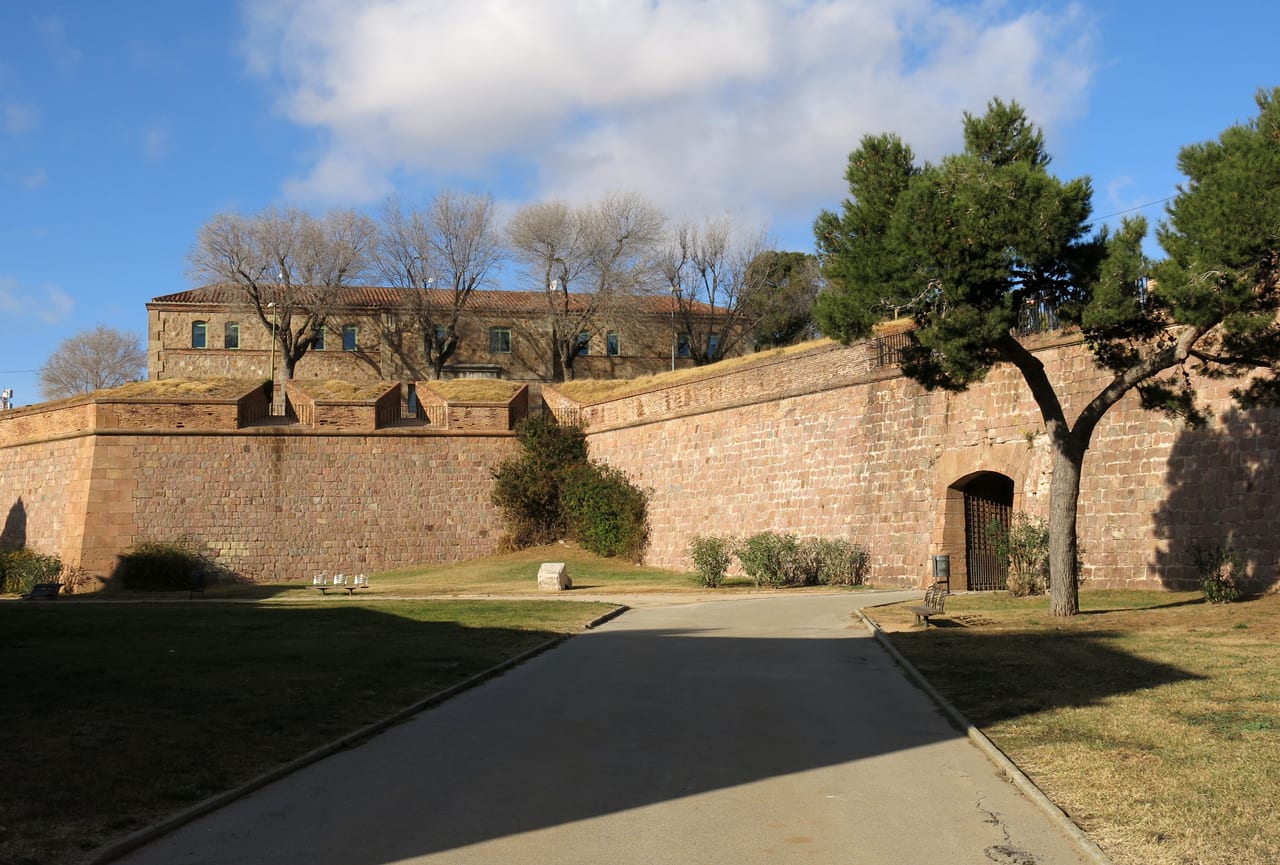
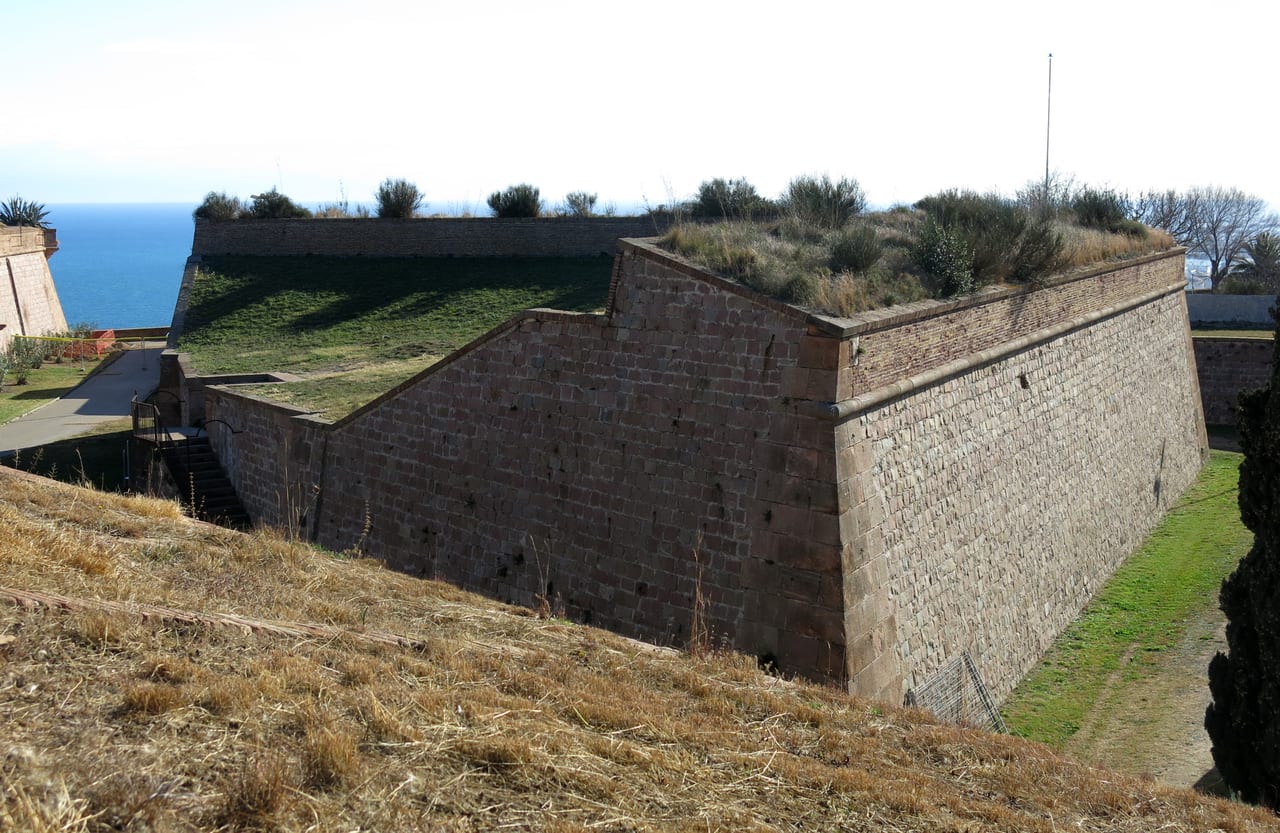
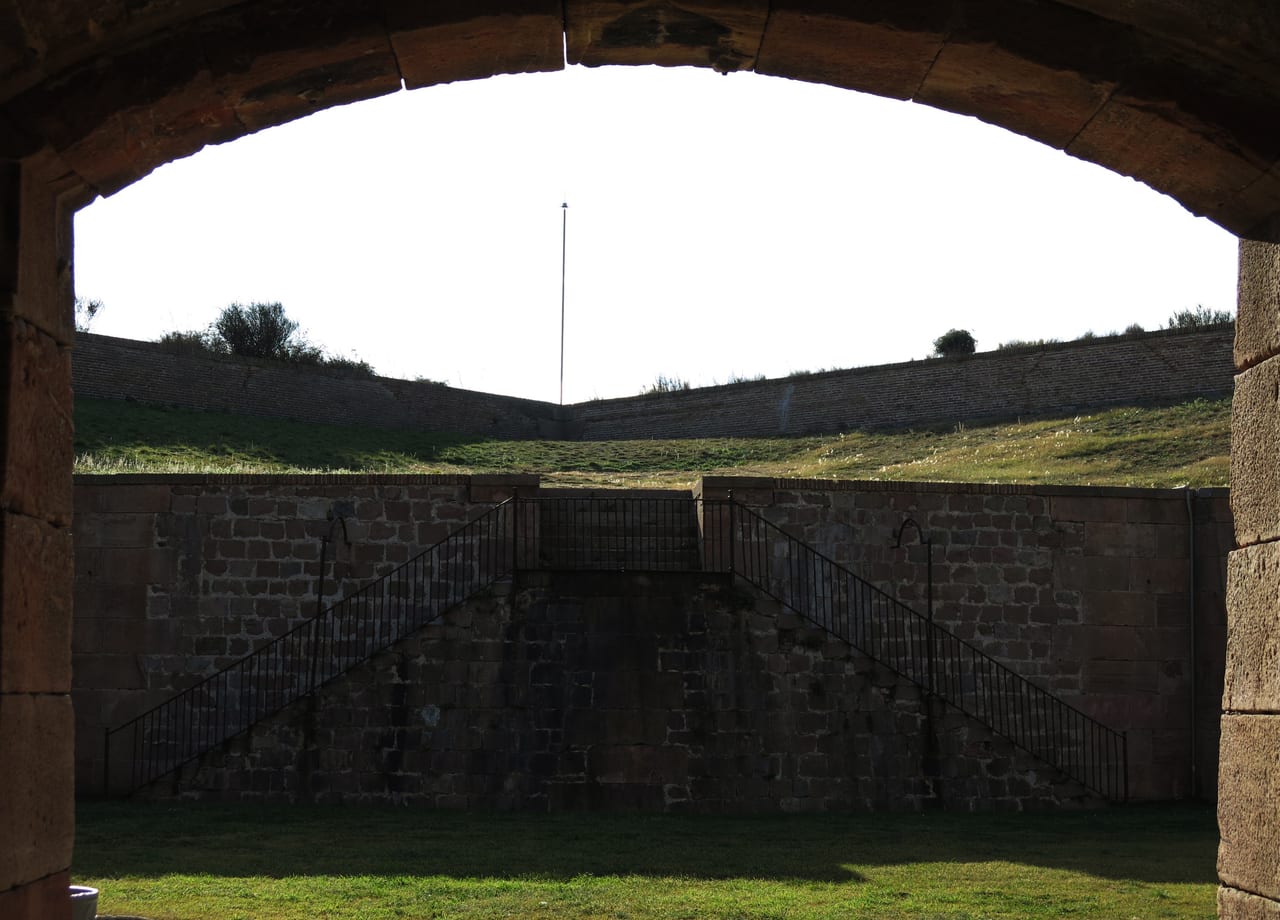
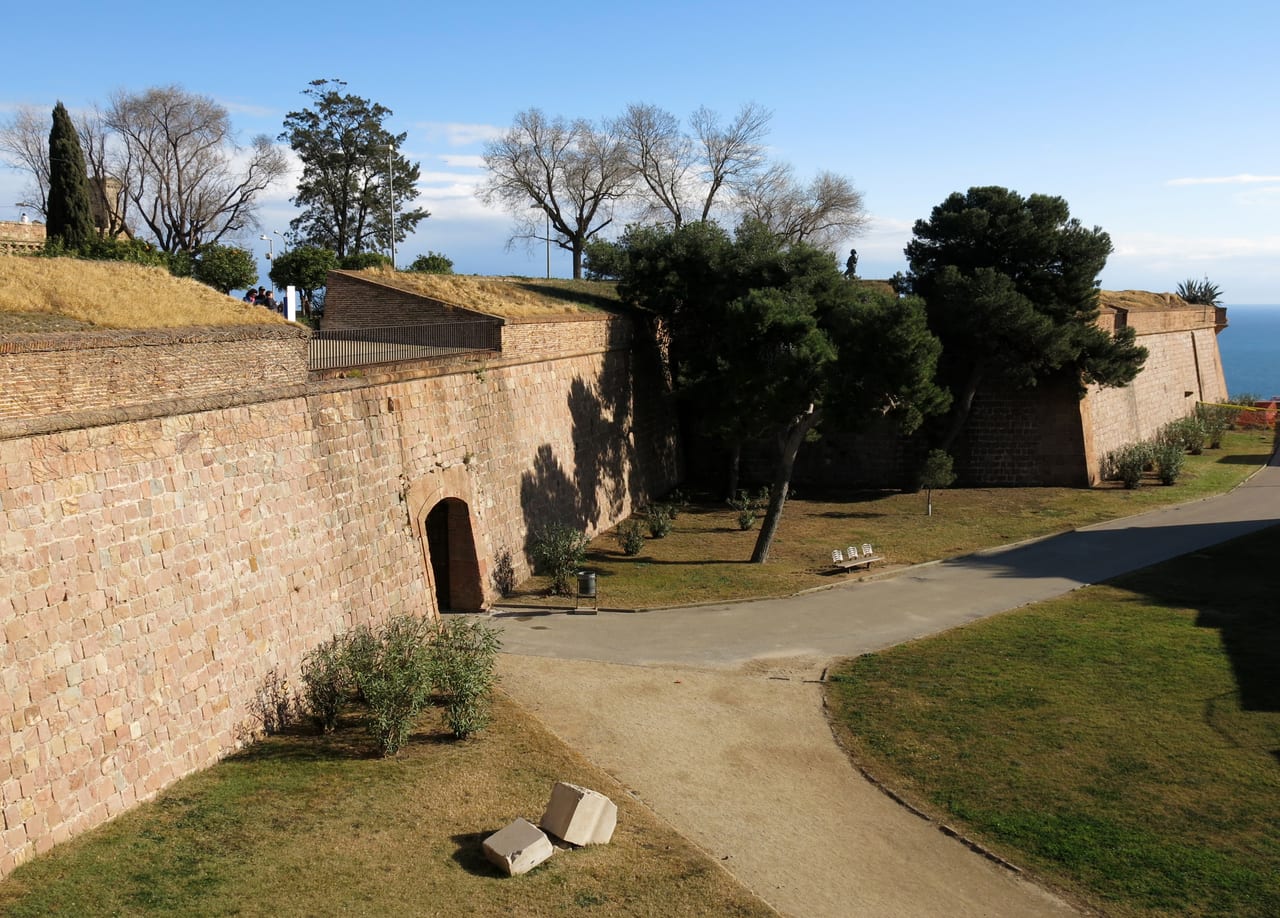
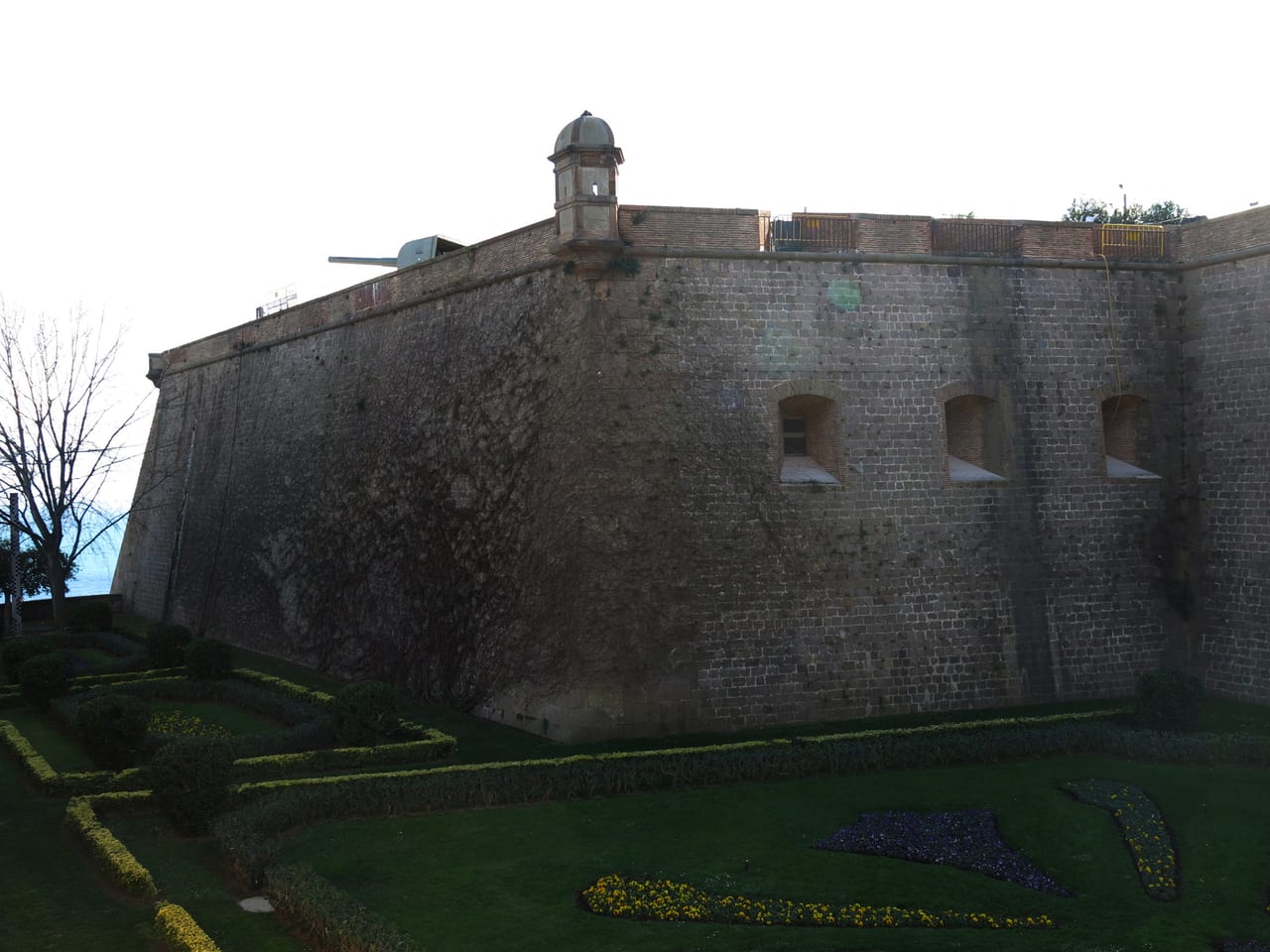
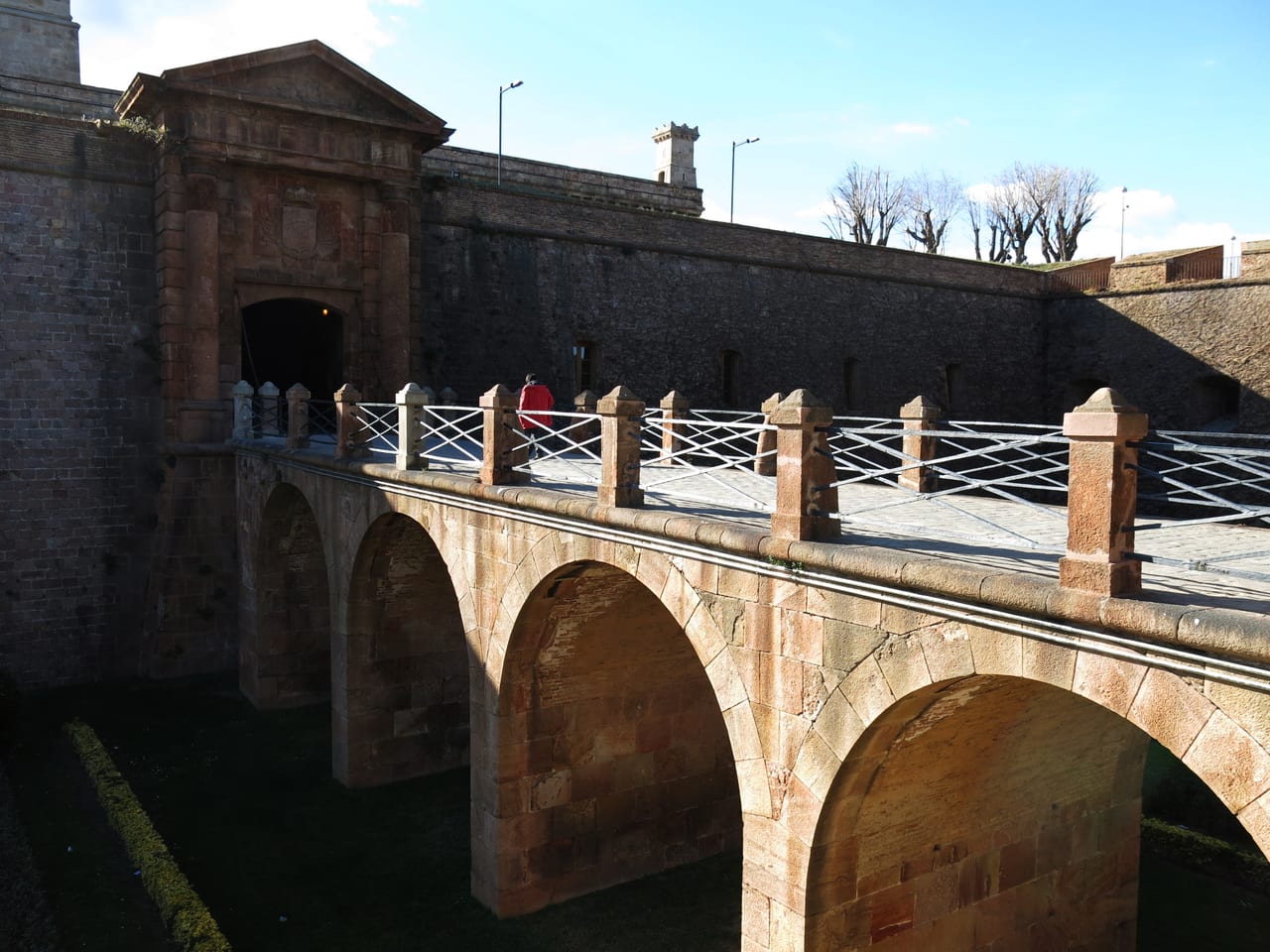
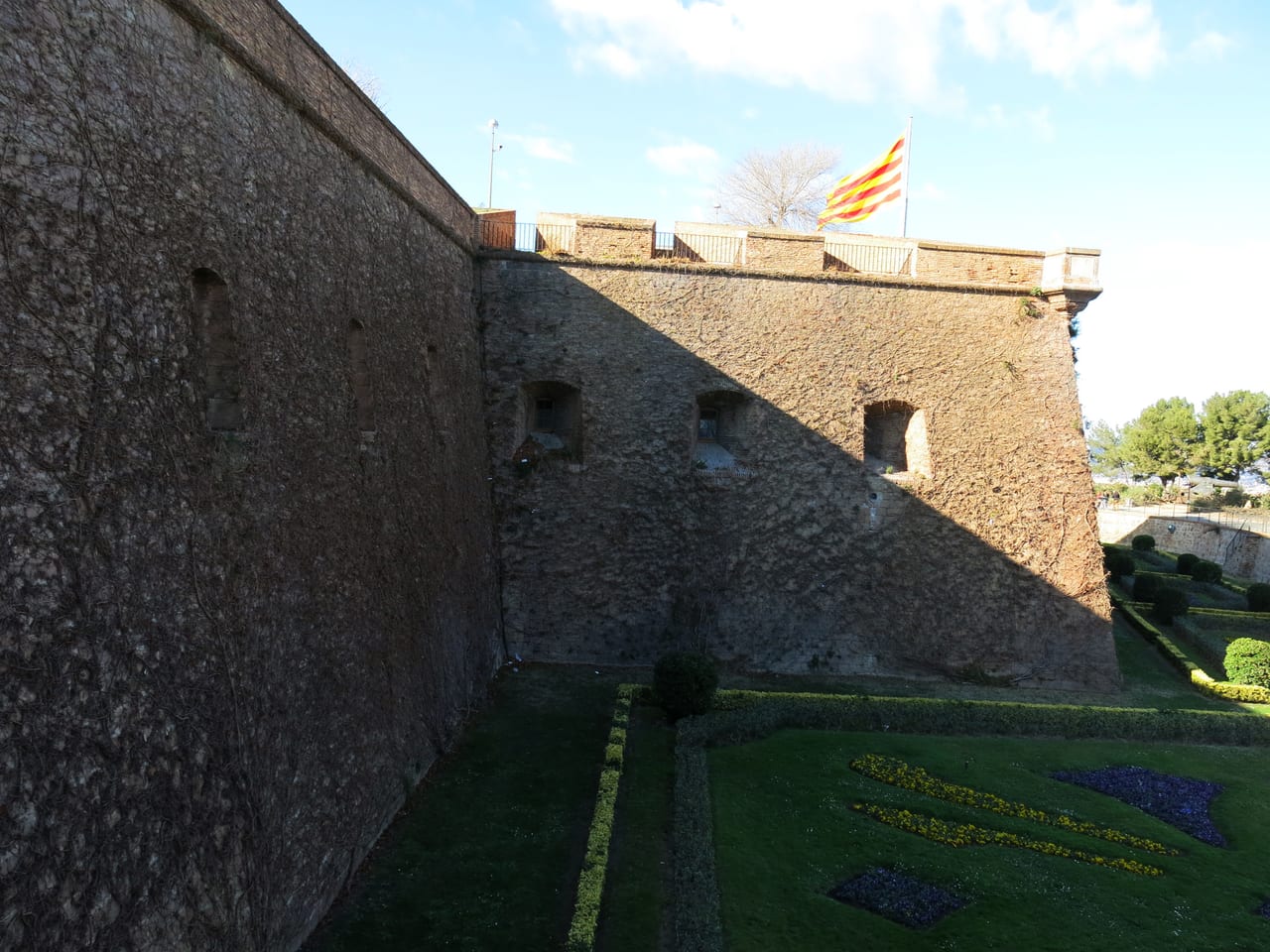
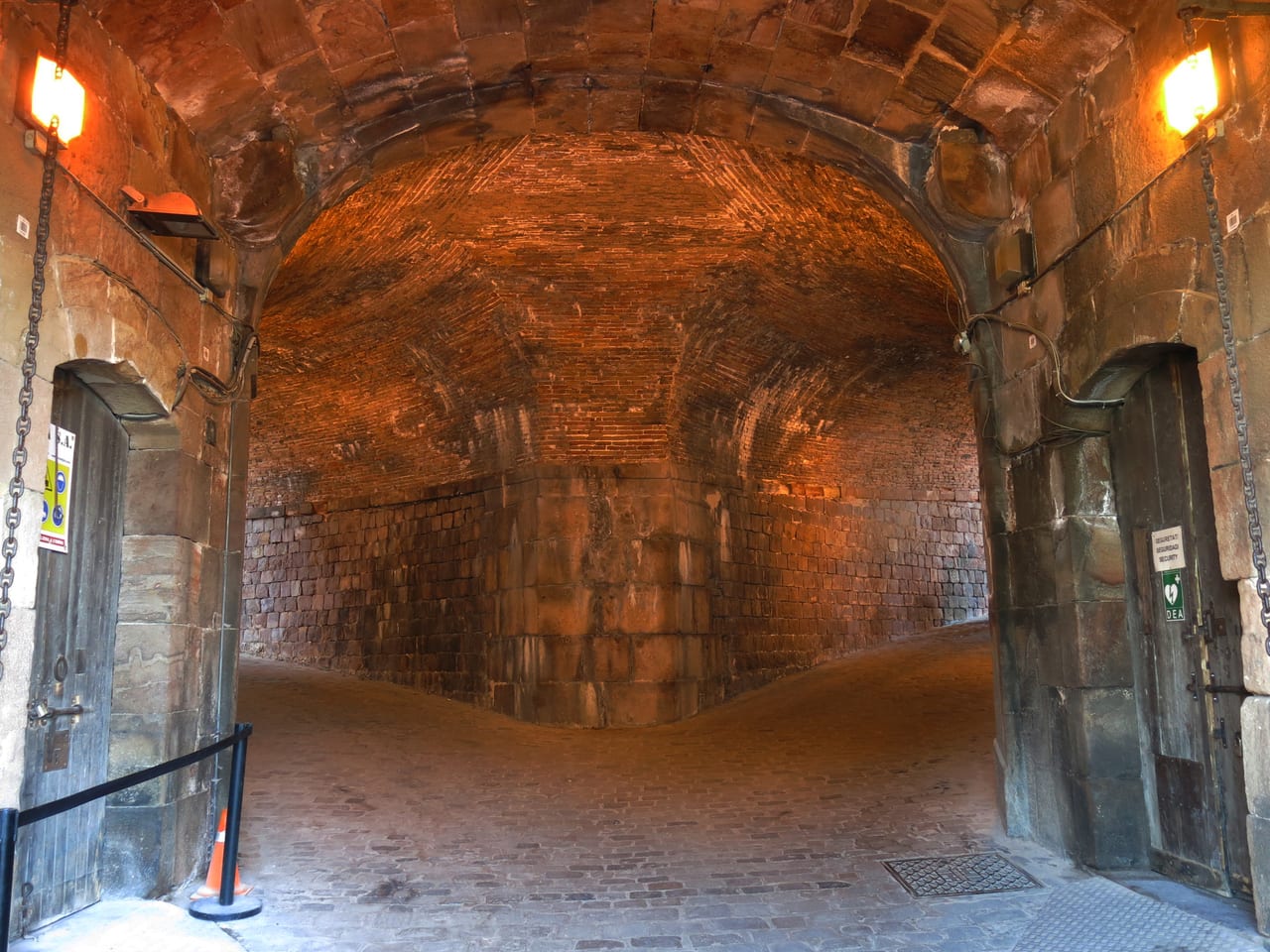
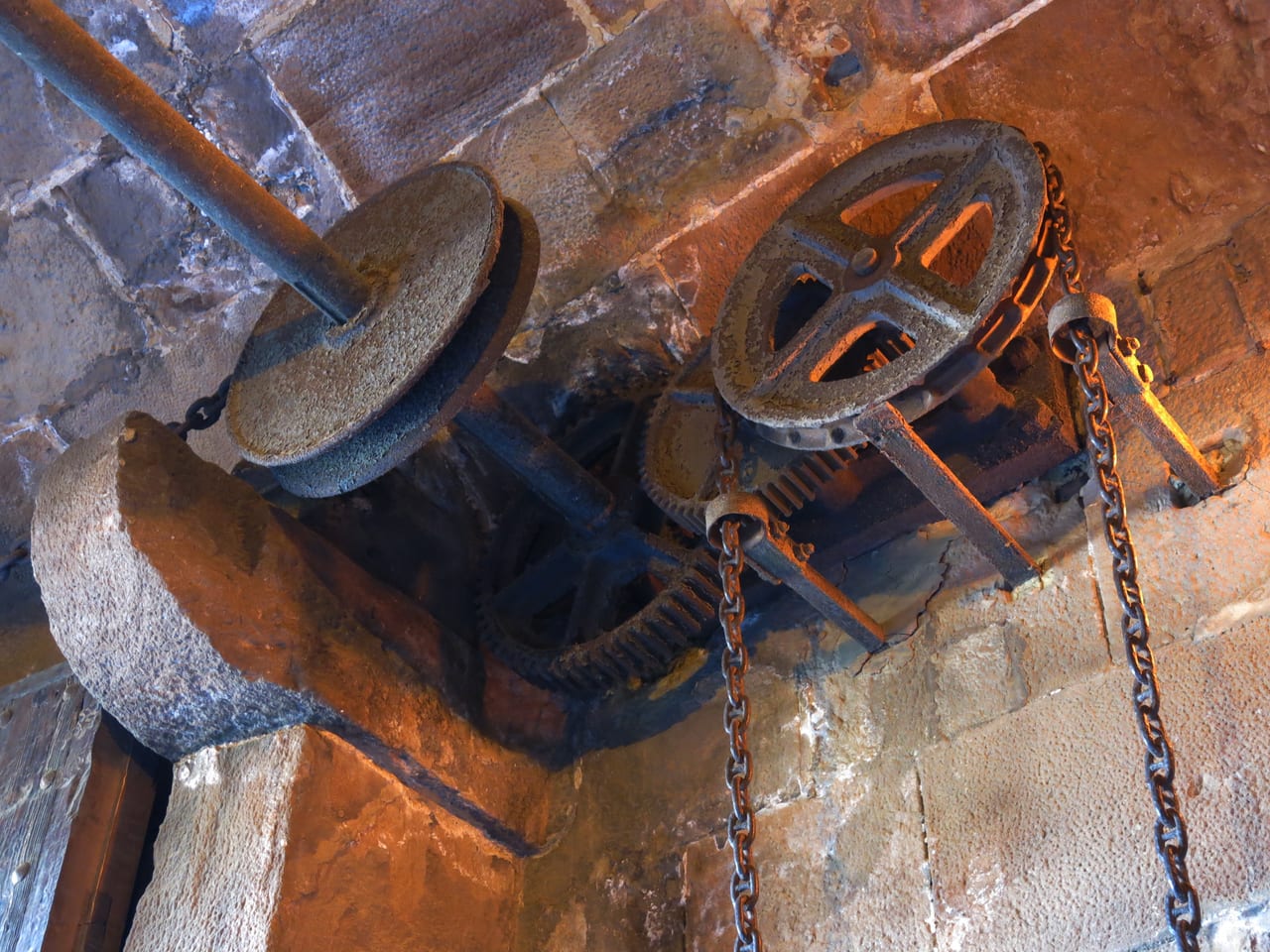
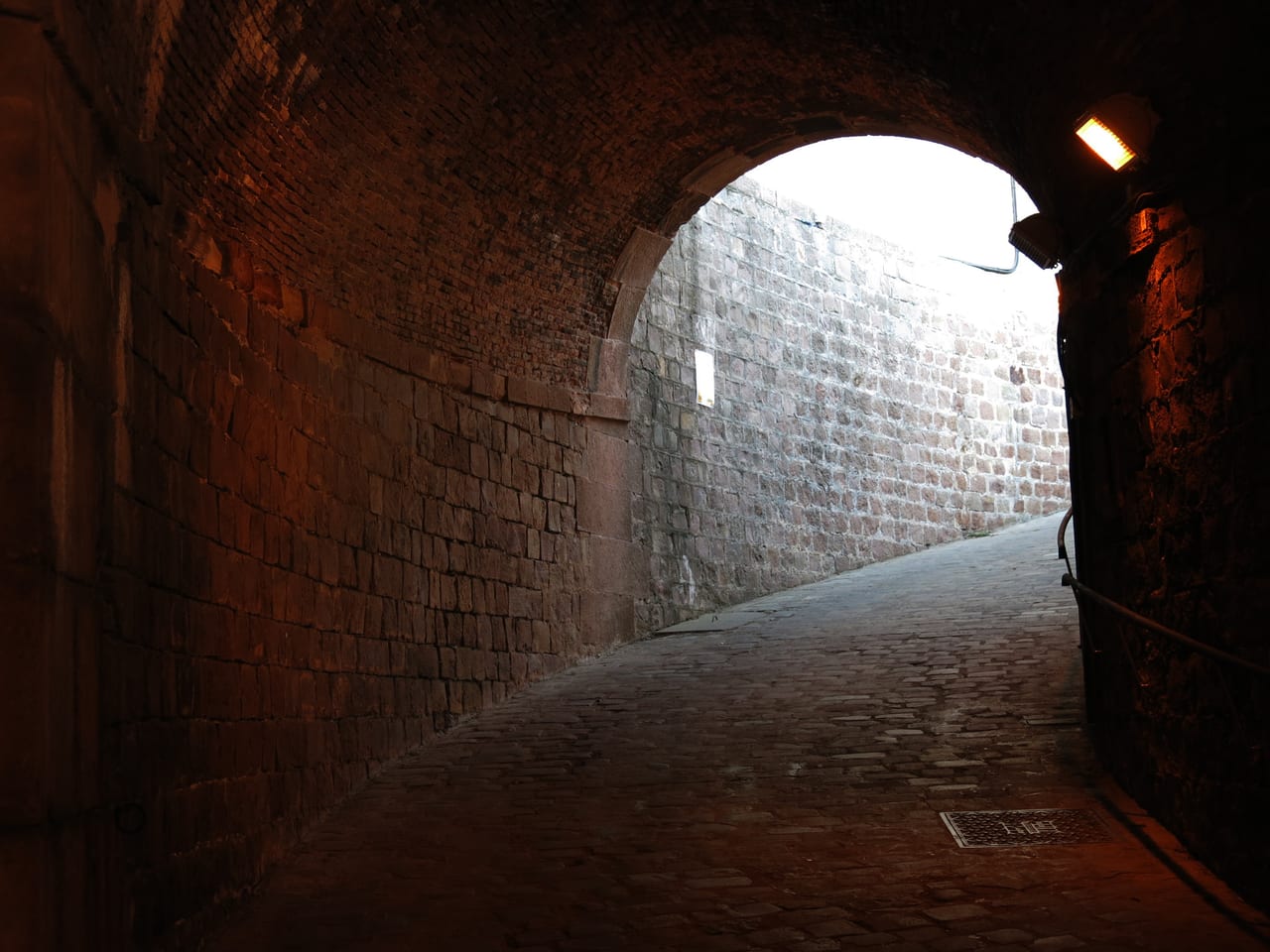
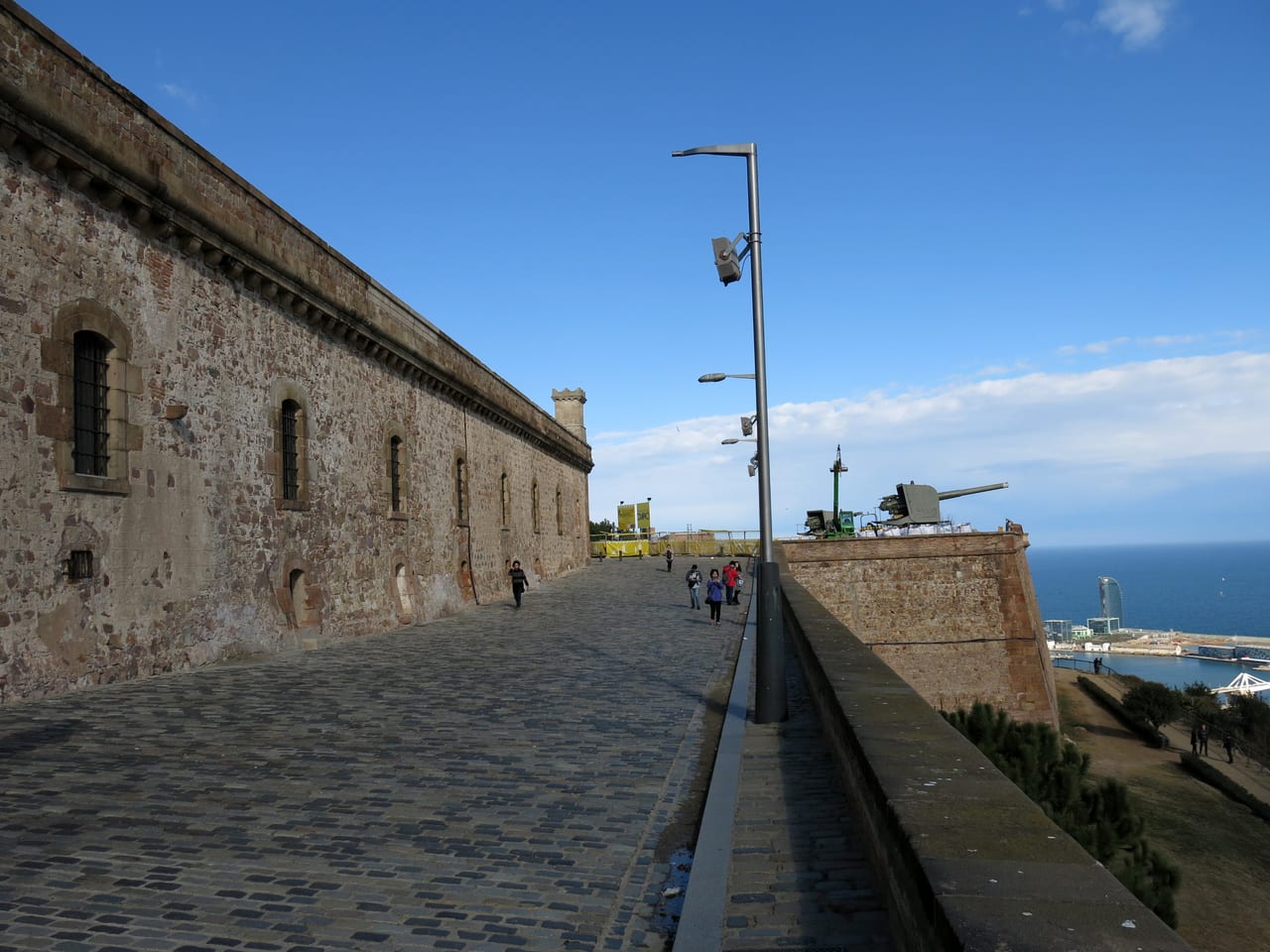
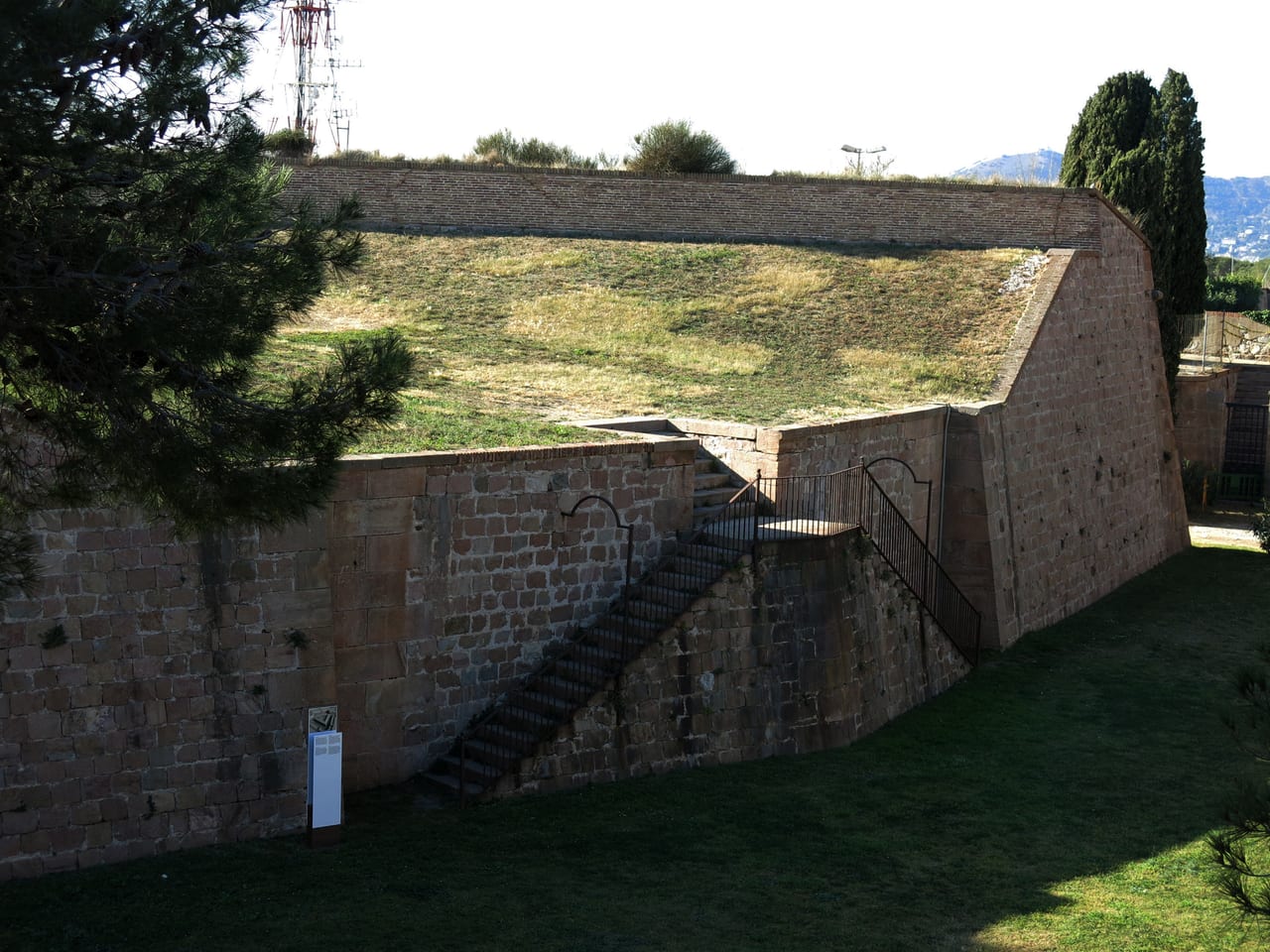
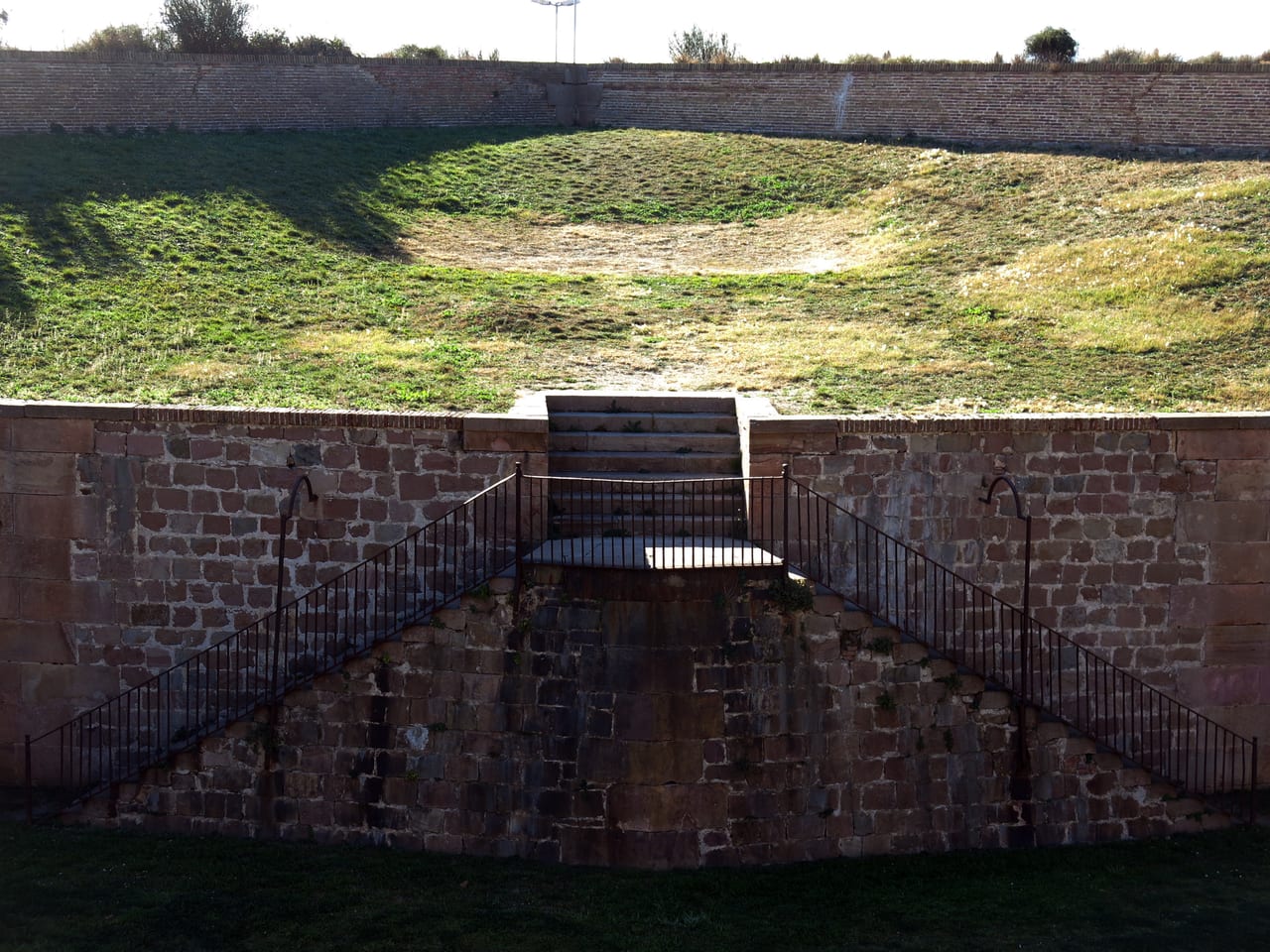
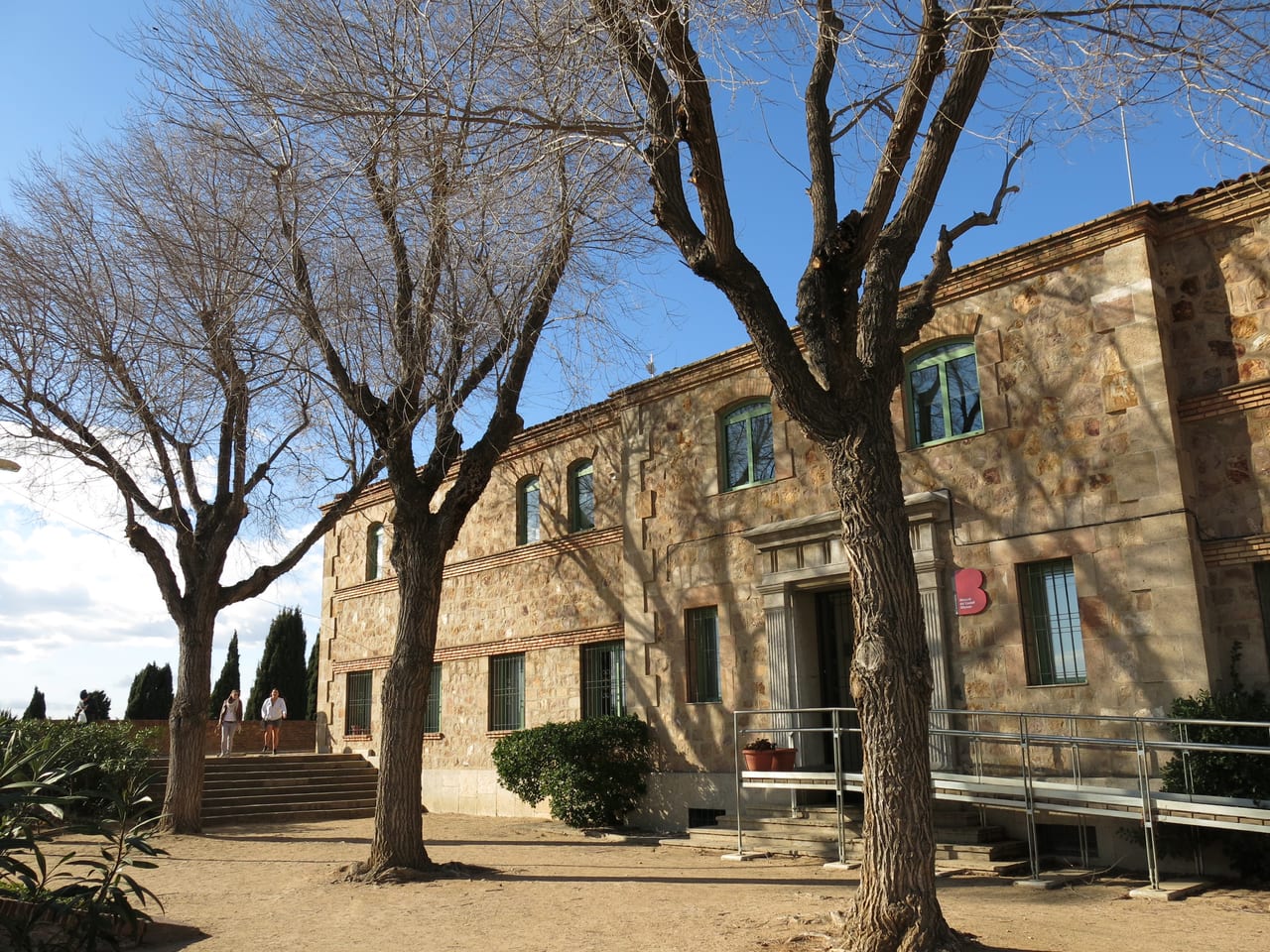
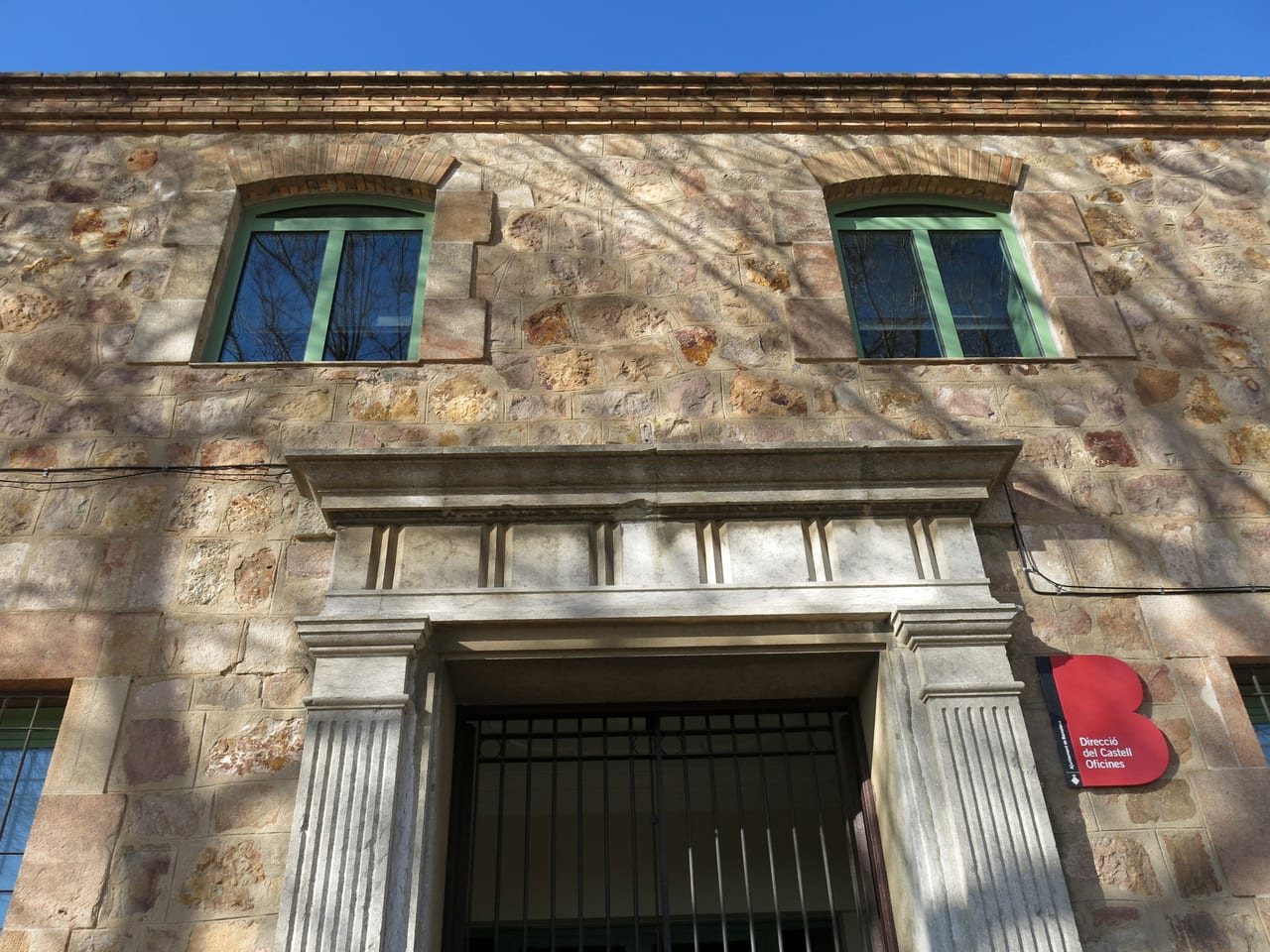
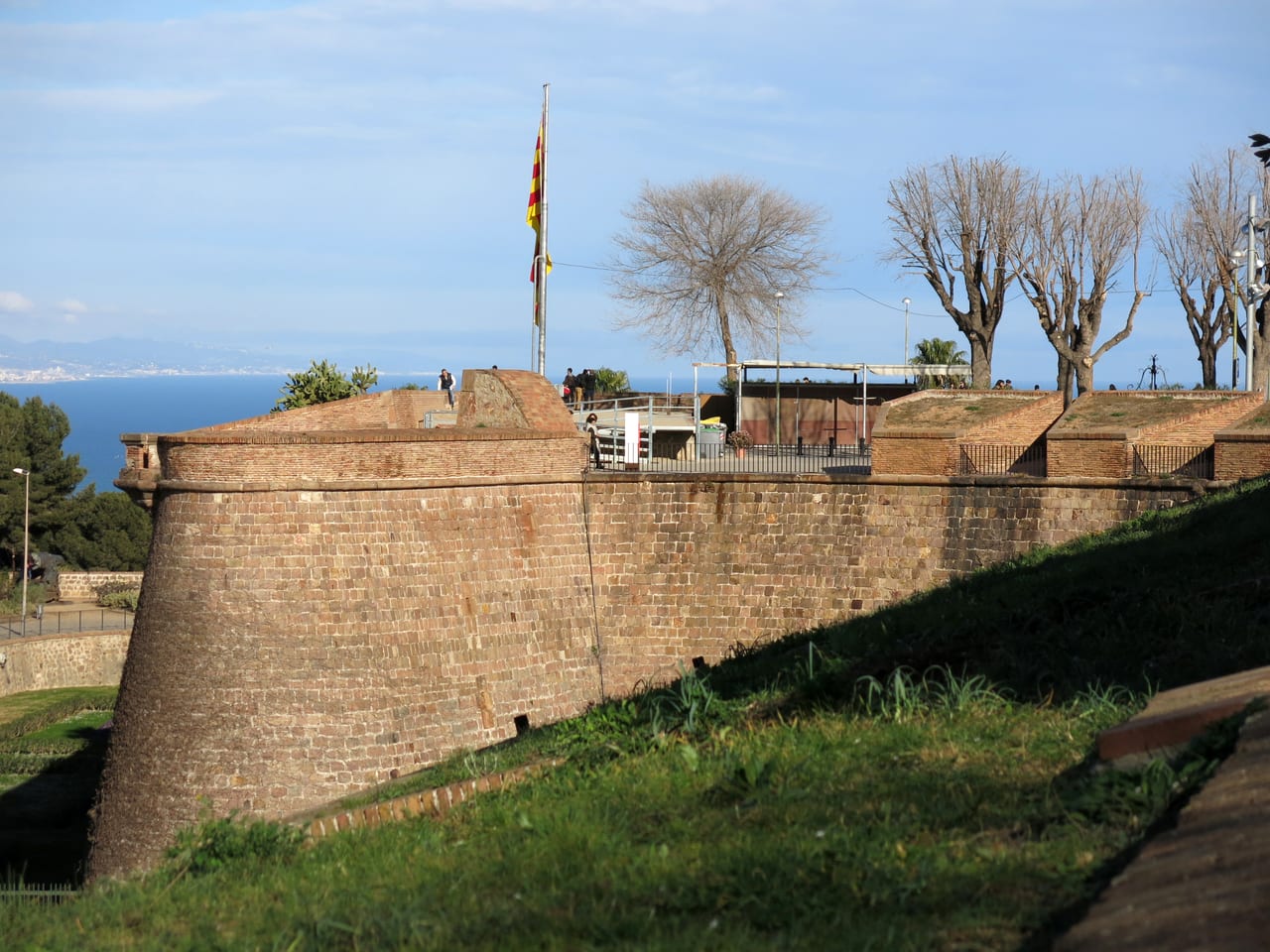
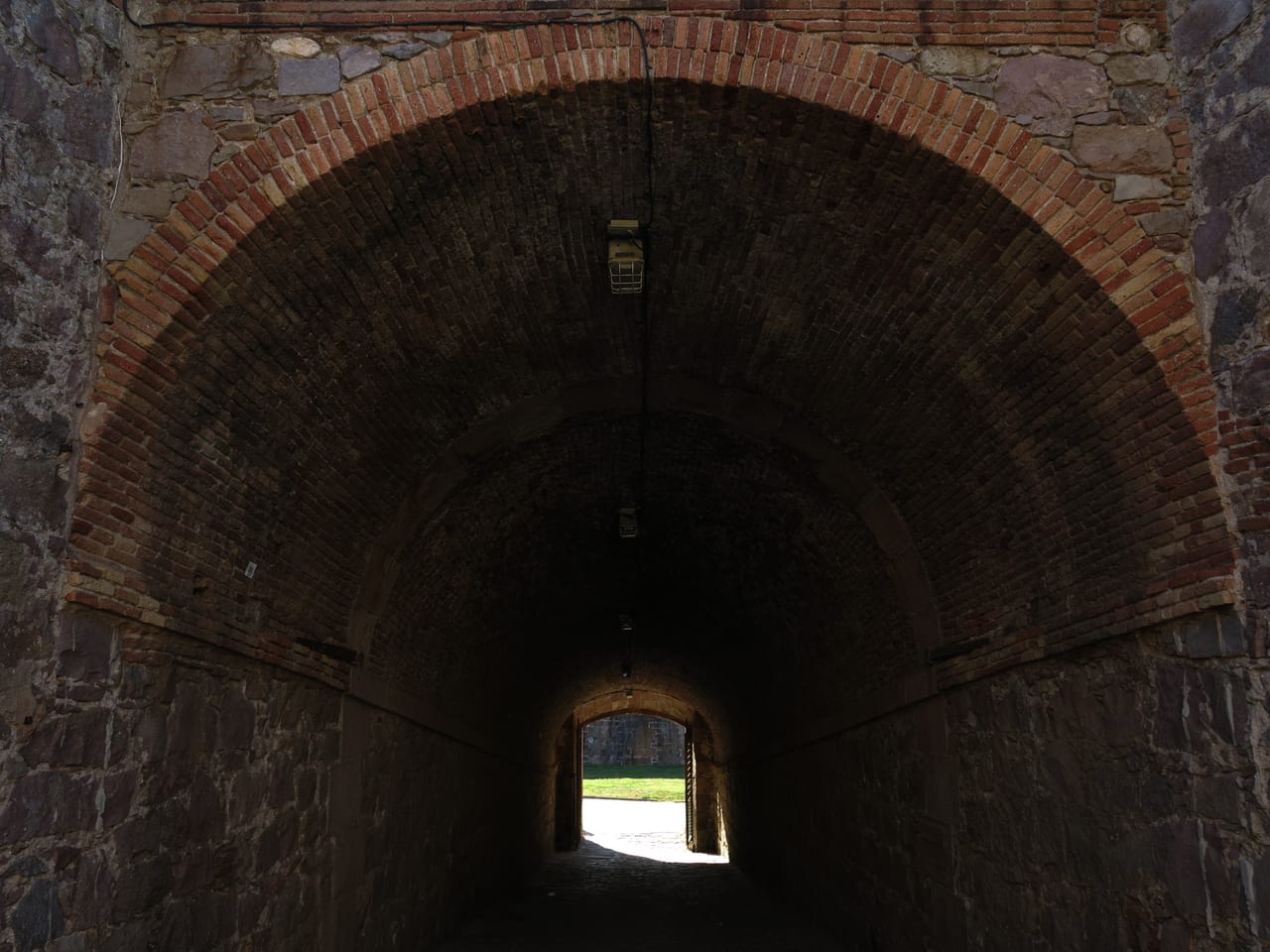
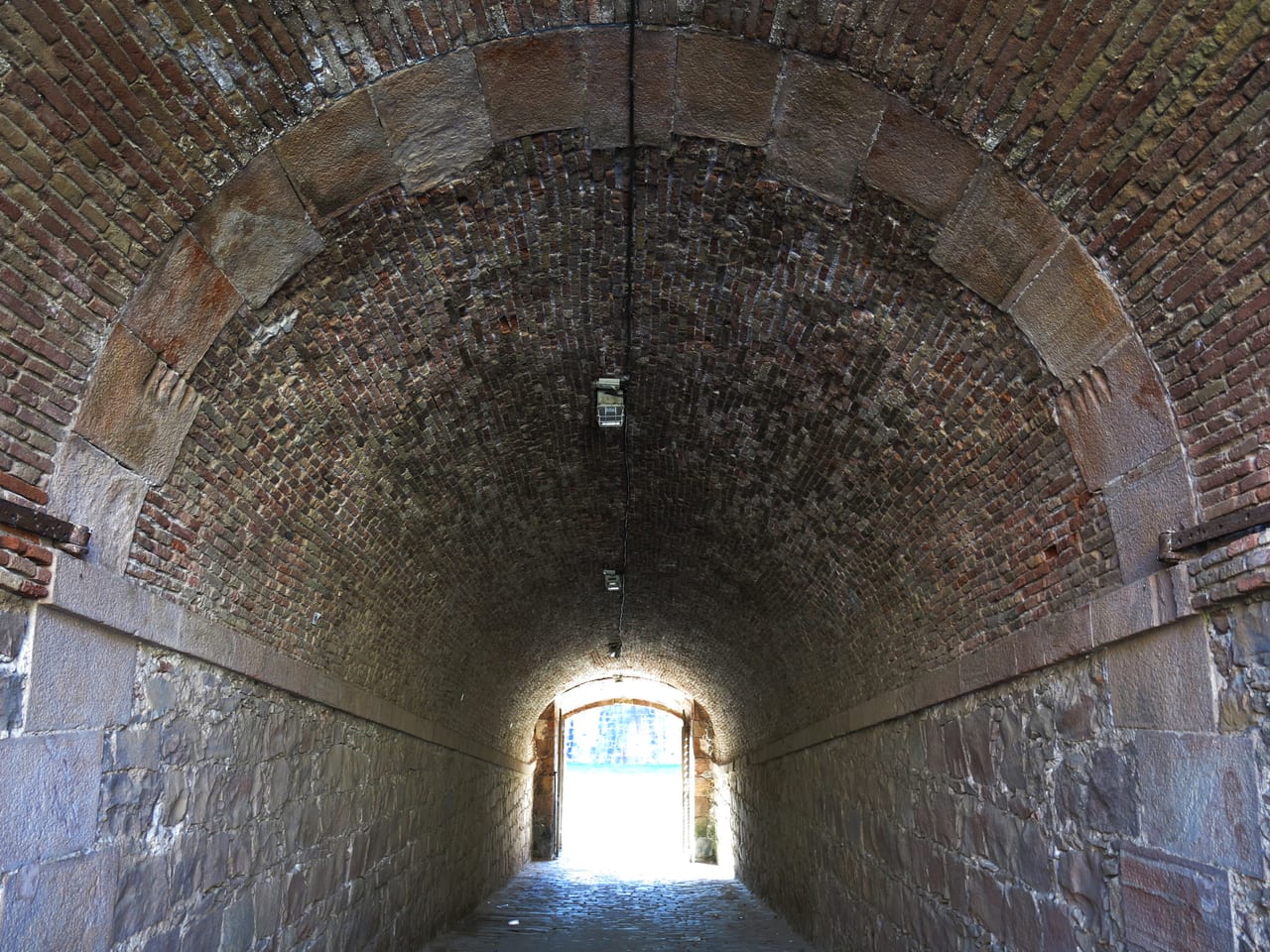
Photograph 1 of 51 of Montjuïc Castle
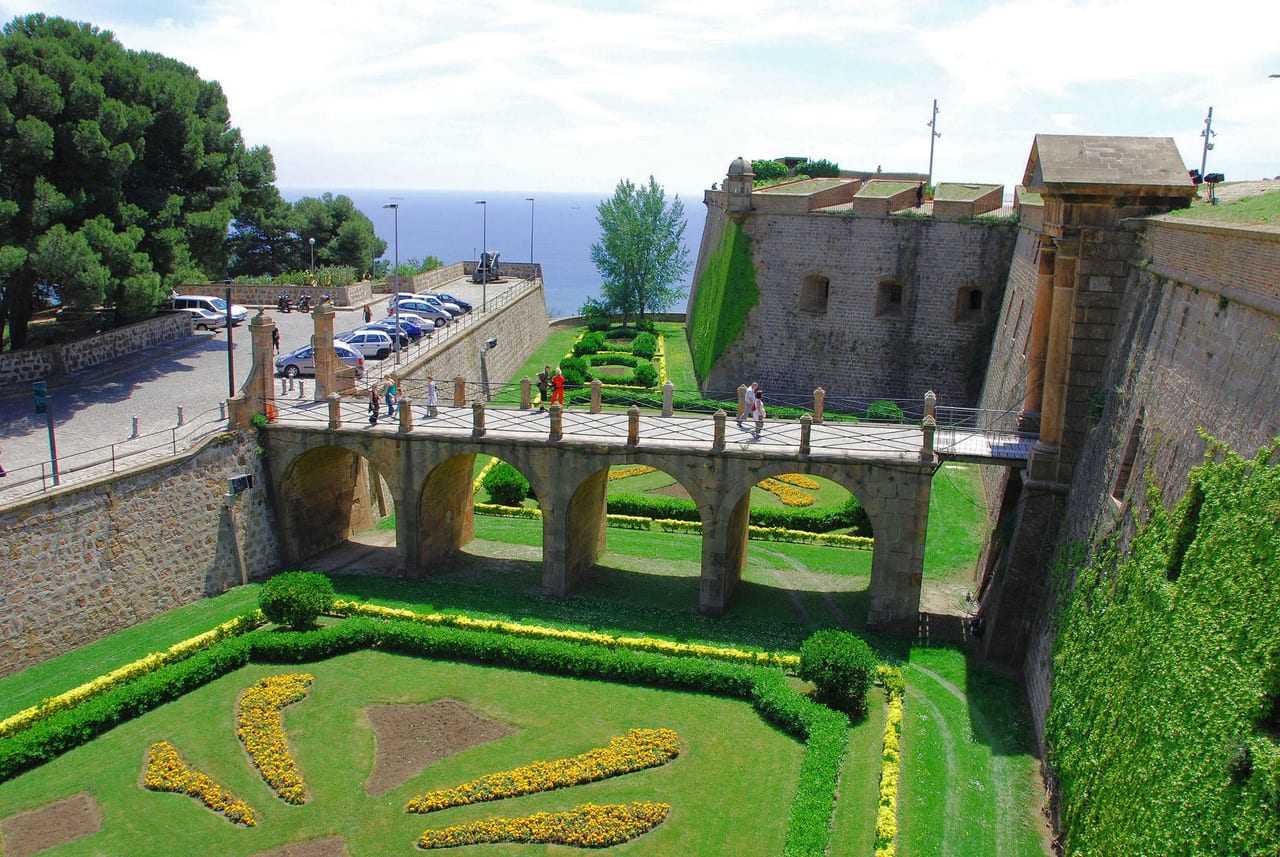
Montjuïc Castle began as a basic fortification whose foundation stone was laid in 1640. Its first battle came in January 1641, during the Catalan Revolt, when Catalan forces led by Francesc de Tamarit defeated Pedro Fajardo’s army at Montjuïc. Colonel Shane O’Neill, known in Spain as Prince Juan O’Neill, died from a musket-ball wound during the fighting; he was later granted the title Viscount Montjuïc. New bastions and battlements erected in 1694 transformed the fort into a castle. British troops led by Lieutenant-Colonel William Southwell captured it during the 1705 Siege of Barcelona, and Southwell became its governor. Major works from 1779 to 1799 shaped its final form and provided 120 cannons. French forces took it without resistance during the Napoleonic Wars. After its association with imprisonment and torture in the late nineteenth century, it became a military museum, inaugurated by Francisco Franco in 1963. The castle passed to the city council in 2007; restoration began after the museum closed in 2010.
At a glance
- Built
- 1641
- Heritage
- bien de interés cultural
Ways to explore Montjuïc Castle
Approach via the Montjuïc cable car, whose upper station is near the entrance; the funicular connects with its lower station from the Paral·lel metro station. A second aerial tramway links the old harbour with Montjuïc. Look for the defensive layout of bastions and battlements, then the watchtower and roof areas affected by the later restoration and waterproofing project.
Places to stay near Montjuïc Castle

Live availability and prices from Stay22's partners, refreshed periodically and subject to change. Booking through these links may earn us a commission at no extra cost to you. See our privacy policy.
Cafés near Montjuïc Castle
Cafés near Montjuïc Castle loads as you scroll.
Attractions nearby
Attractions near Montjuïc Castle loads as you scroll.
Cities nearby
Cities nearby loads as you scroll.
More in Barcelona
See more of Barcelona.
Find great cafés, places to stay and other interesting places to visit in Barcelona.