Arena & stadium · Barcelona
Lluís Companys Olympic Stadium
DirectionsThe stadium bears the name of Catalonia’s president Lluís Companys, executed by Francoist Spain at nearby Montjuïc Castle in 1940.
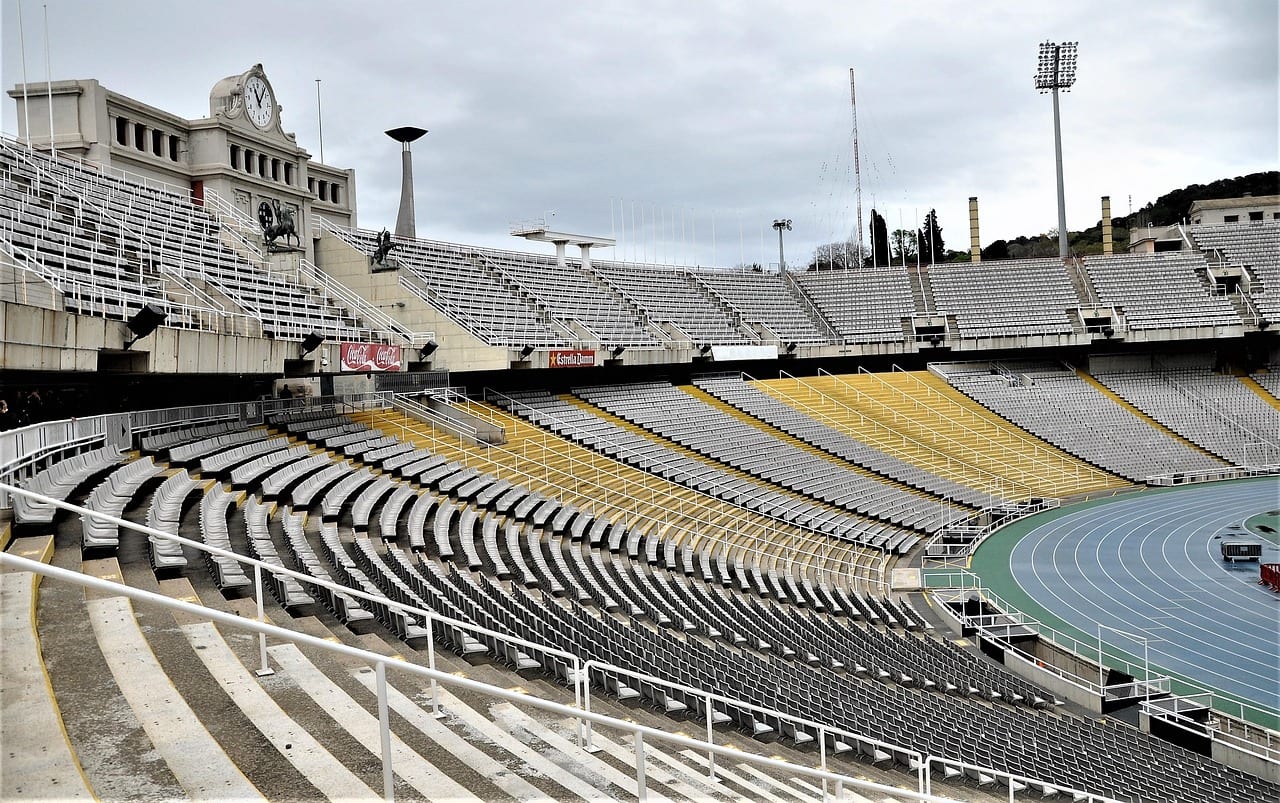
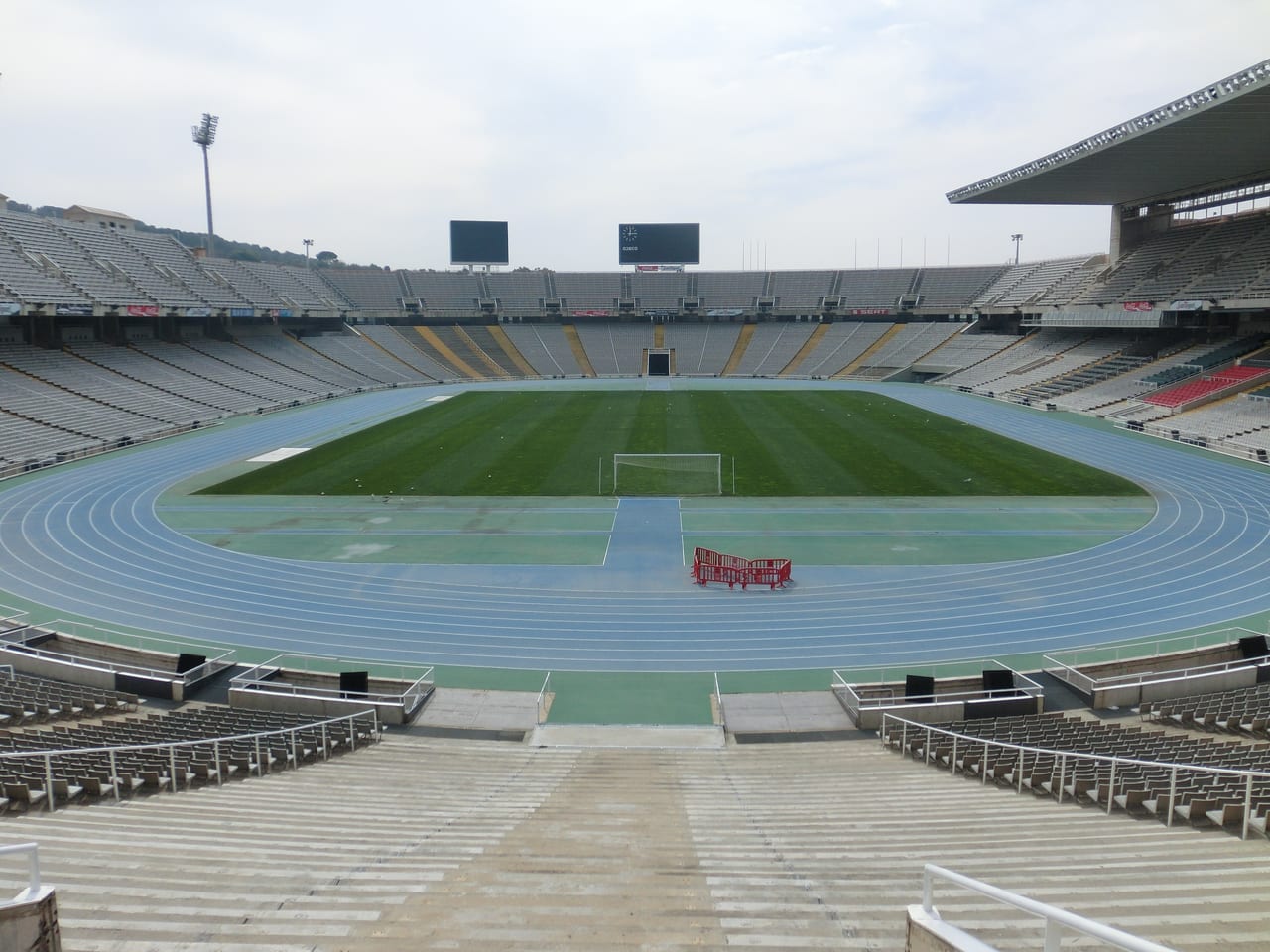
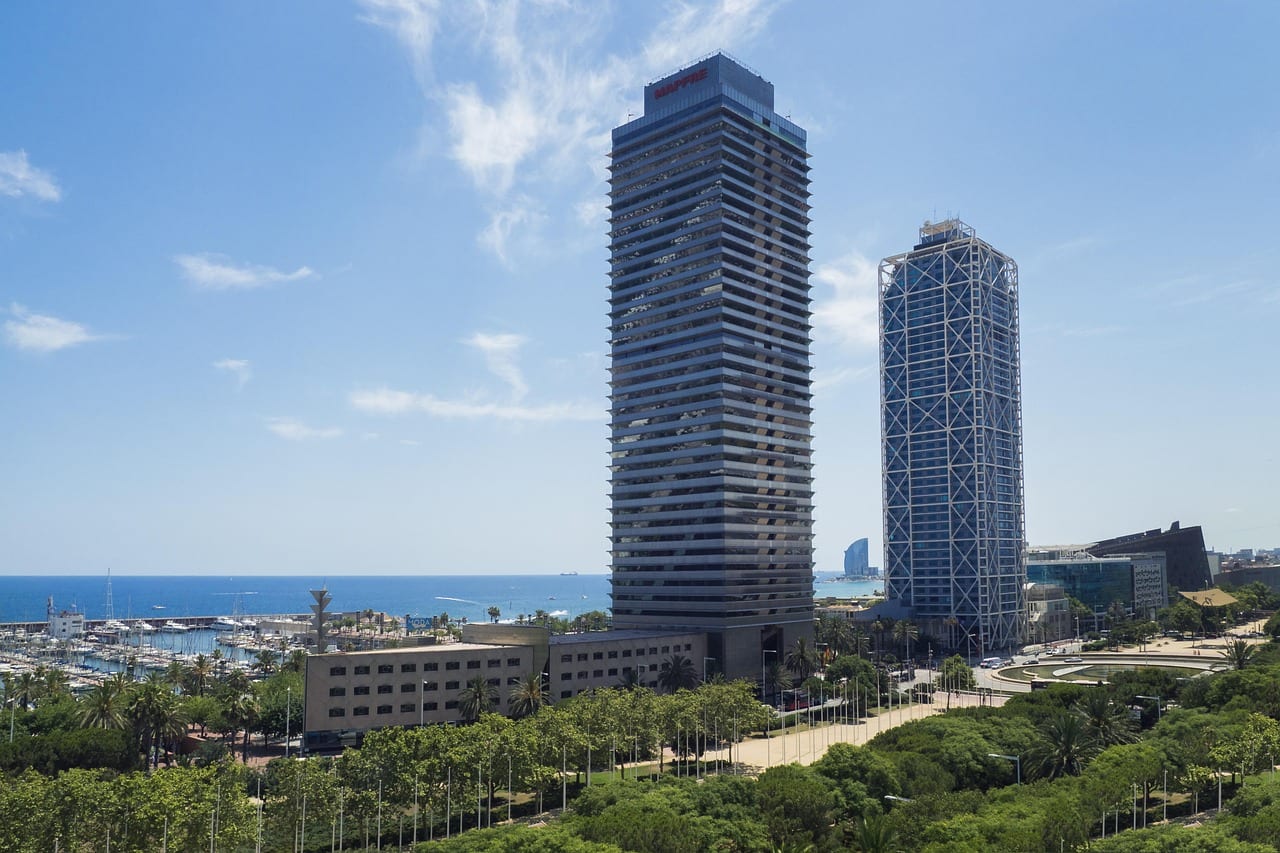
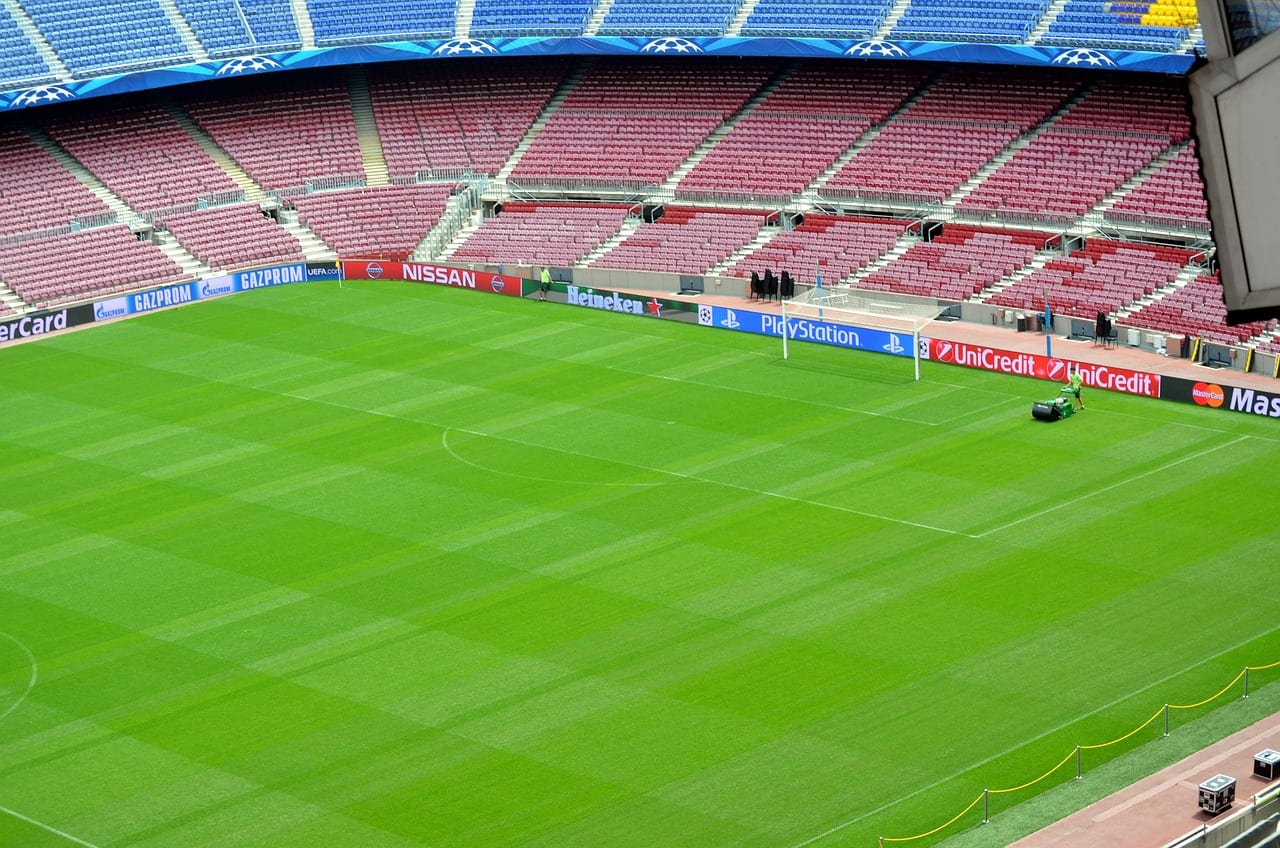
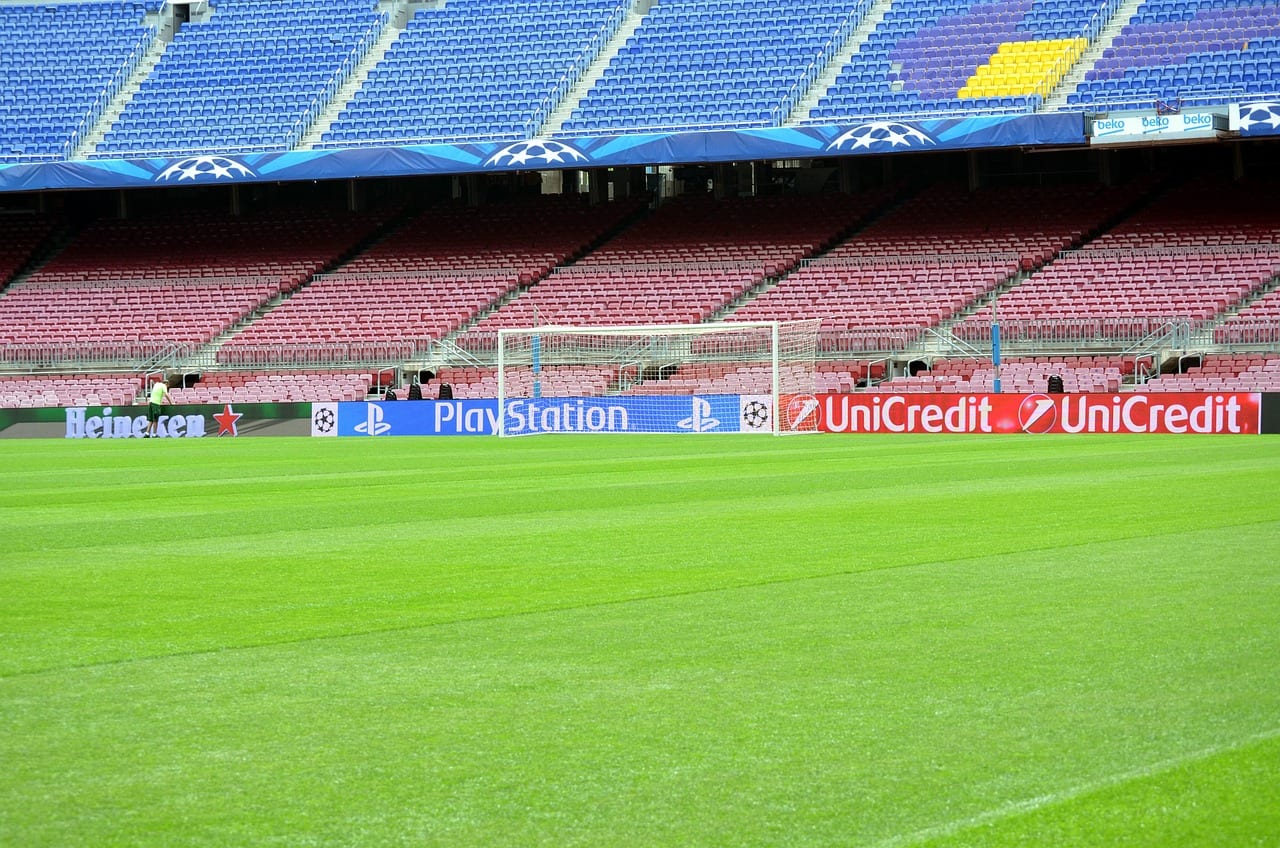
Photograph 1 of 5 of Lluís Companys Olympic Stadium
Designed by Pere Domènech i Roura in an eclectic style, the stadium opened on 20 May 1929 for Barcelona’s International Exposition. The proposed 1936 People’s Olympiad, conceived as a protest against the Berlin Olympics, was cancelled when the Spanish Civil War began. The venue later hosted the 1955 Mediterranean Games and the 1957 cup final between Barcelona and Espanyol. For the 1992 Olympics, Vittorio Gregotti oversaw a radical rebuilding that retained portions of the original facades and introduced new stands. It then hosted the 1989 World Cup in Athletics, followed by Olympic and Paralympic ceremonies and athletics.
At a glance
- Built
- 1929
- Architect
- Pere Domènech i Roura
- Style
- eclectic architecture
- Heritage
- Cultural Asset of Local Interest
Ways to explore Lluís Companys Olympic Stadium
Walk around the Anella Olímpica to appreciate the stadium’s position on Montjuïc and its outlook over the harbor. Look at the exterior facades, then compare their formal character with the broad sweep of the later seating bowl. From the seating bowl, notice the scale of the current 55,926-seat arrangement and imagine how the sightlines work for both track events and field sports. The venue’s layered sporting identity is especially apparent in the contrast between its football-sized arena and athletics configuration.
Places to stay near Lluís Companys Olympic Stadium

Live availability and prices from Stay22's partners, refreshed periodically and subject to change. Booking through these links may earn us a commission at no extra cost to you. See our privacy policy.
Cafés near Lluís Companys Olympic Stadium
Cafés near Lluís Companys Olympic Stadium loads as you scroll.
Attractions nearby
Attractions near Lluís Companys Olympic Stadium loads as you scroll.
Cities nearby
Cities nearby loads as you scroll.
More in Barcelona
See more of Barcelona.
Find great cafés, places to stay and other interesting places to visit in Barcelona.