Attraction · Barcelona
La Boqueria
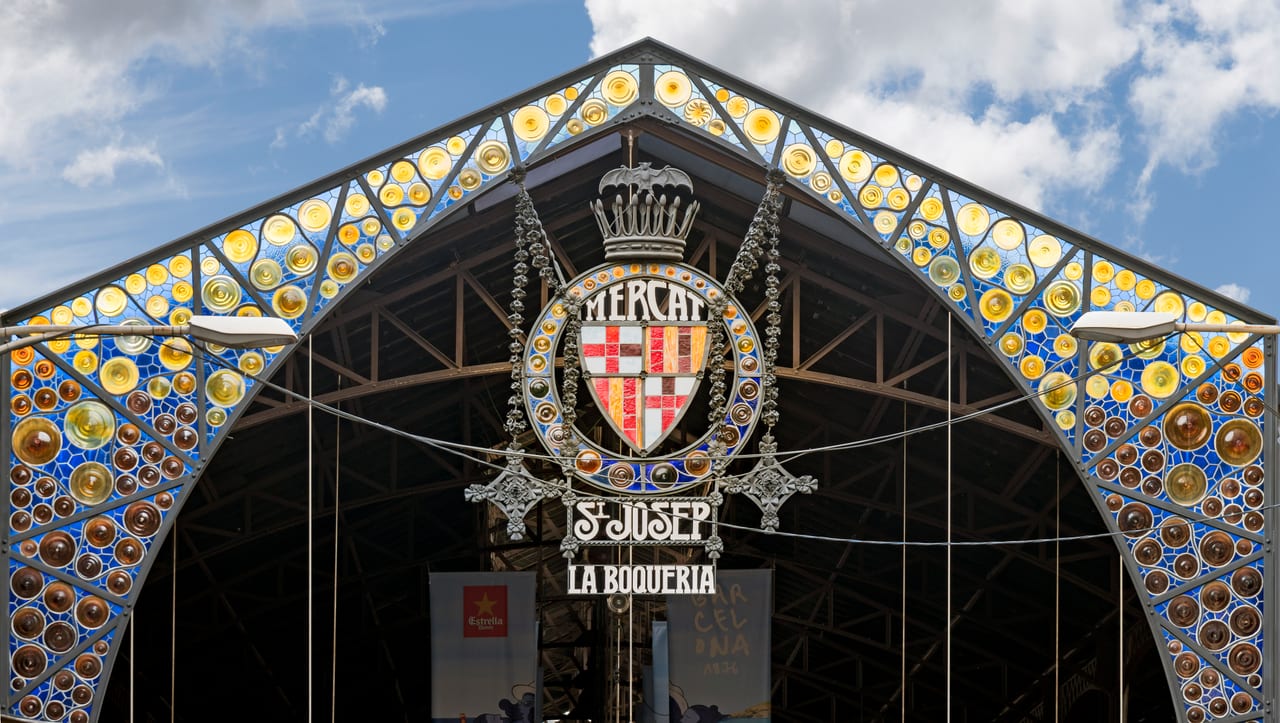
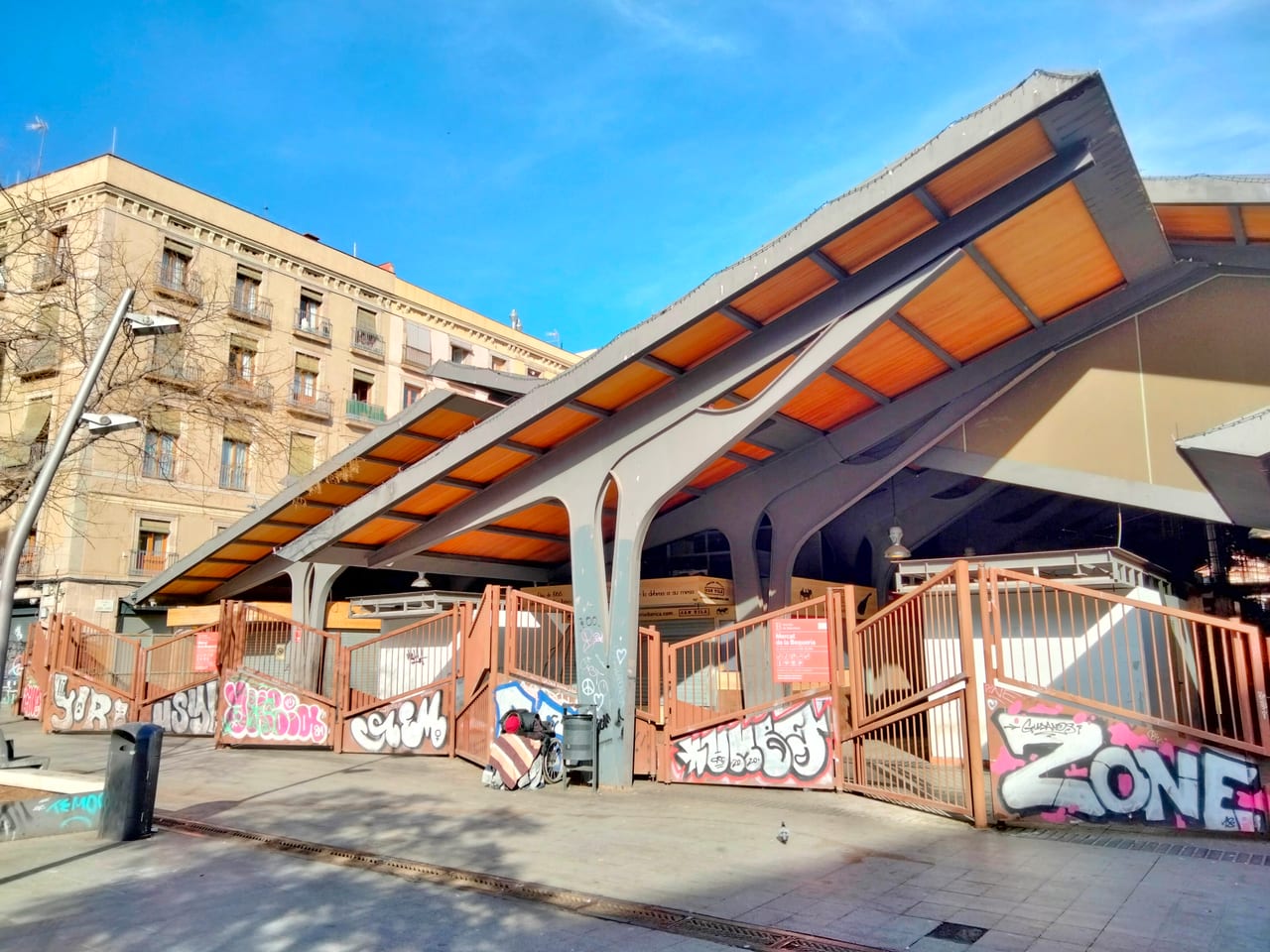
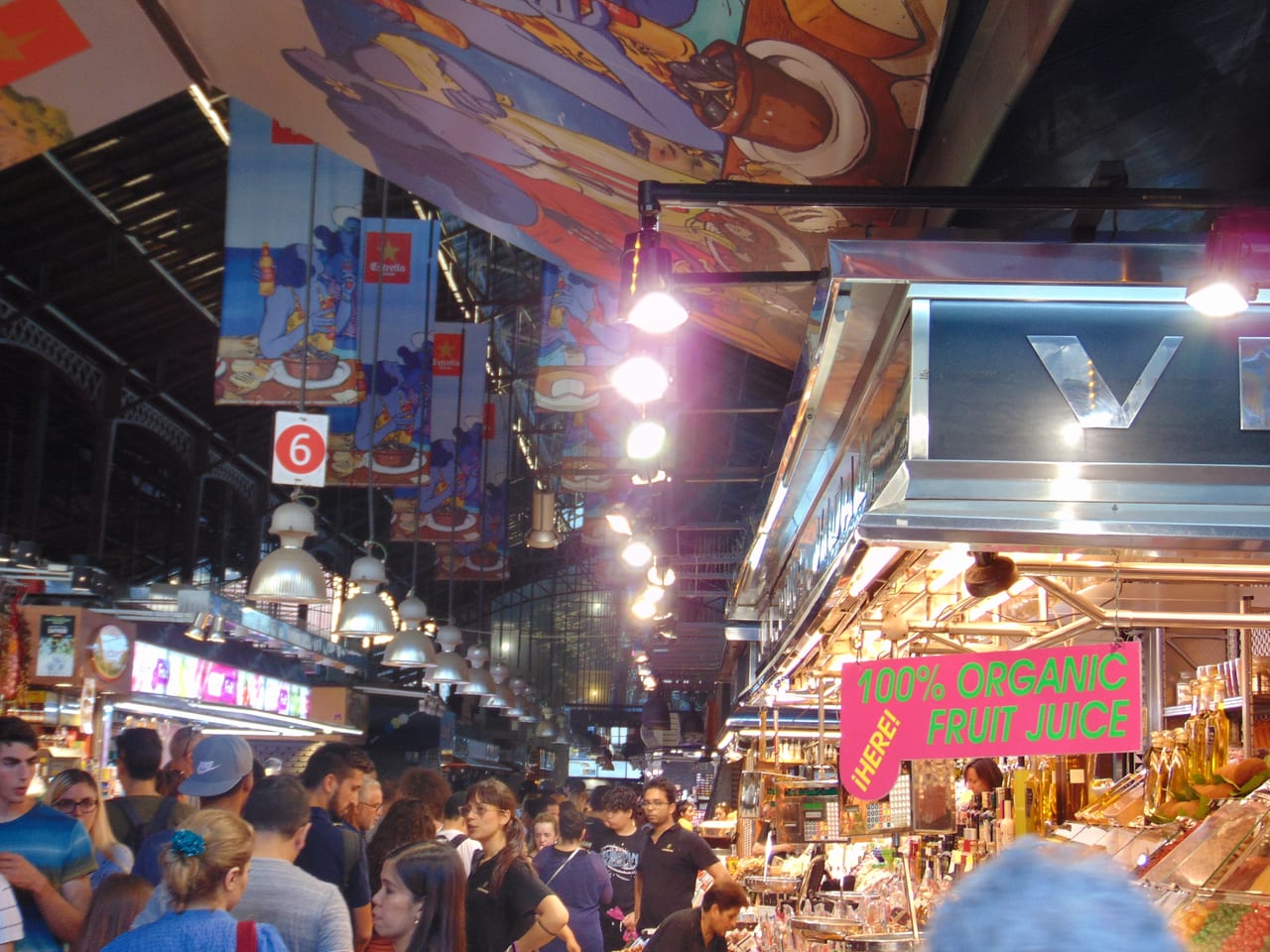
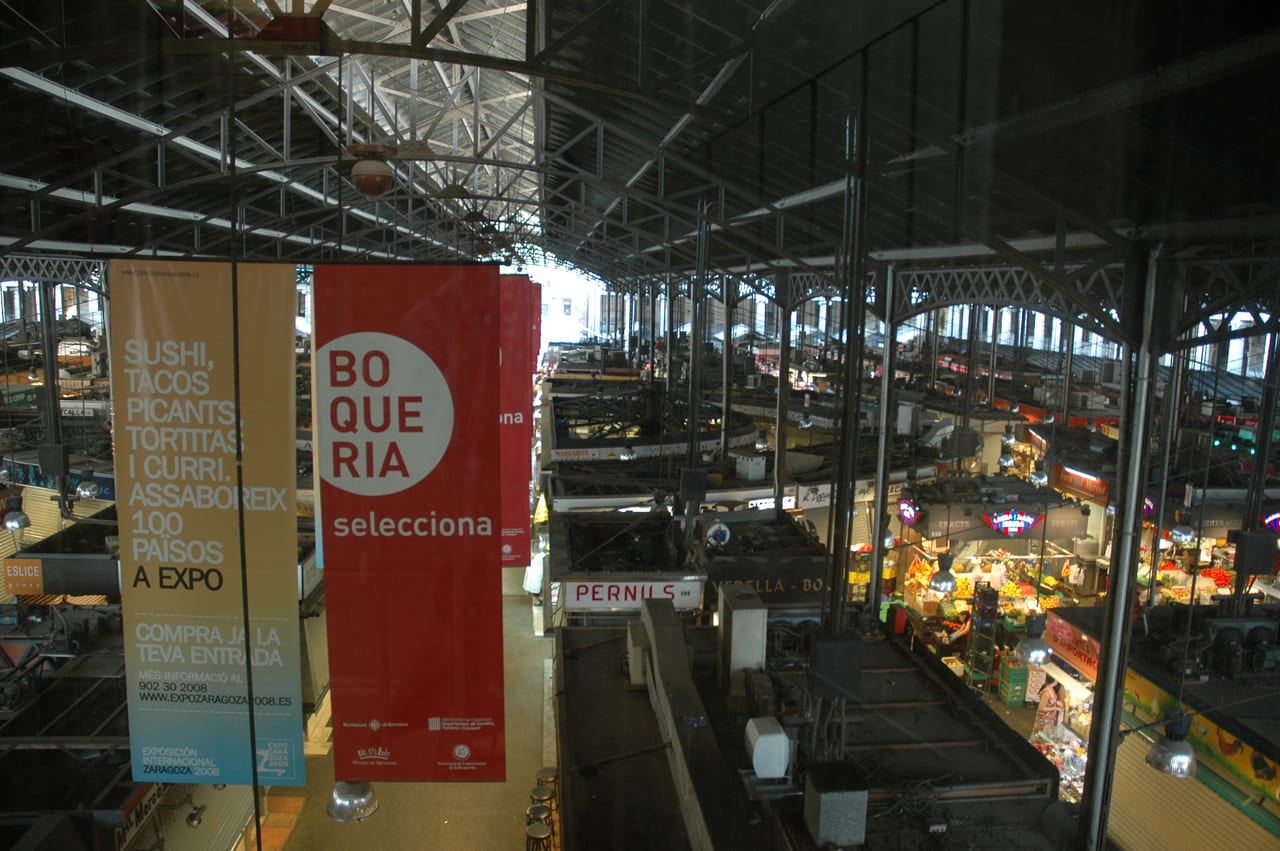
DirectionsThe present metal canopy dates from 1914, the surviving signature of a market whose official opening followed years of changing plans.
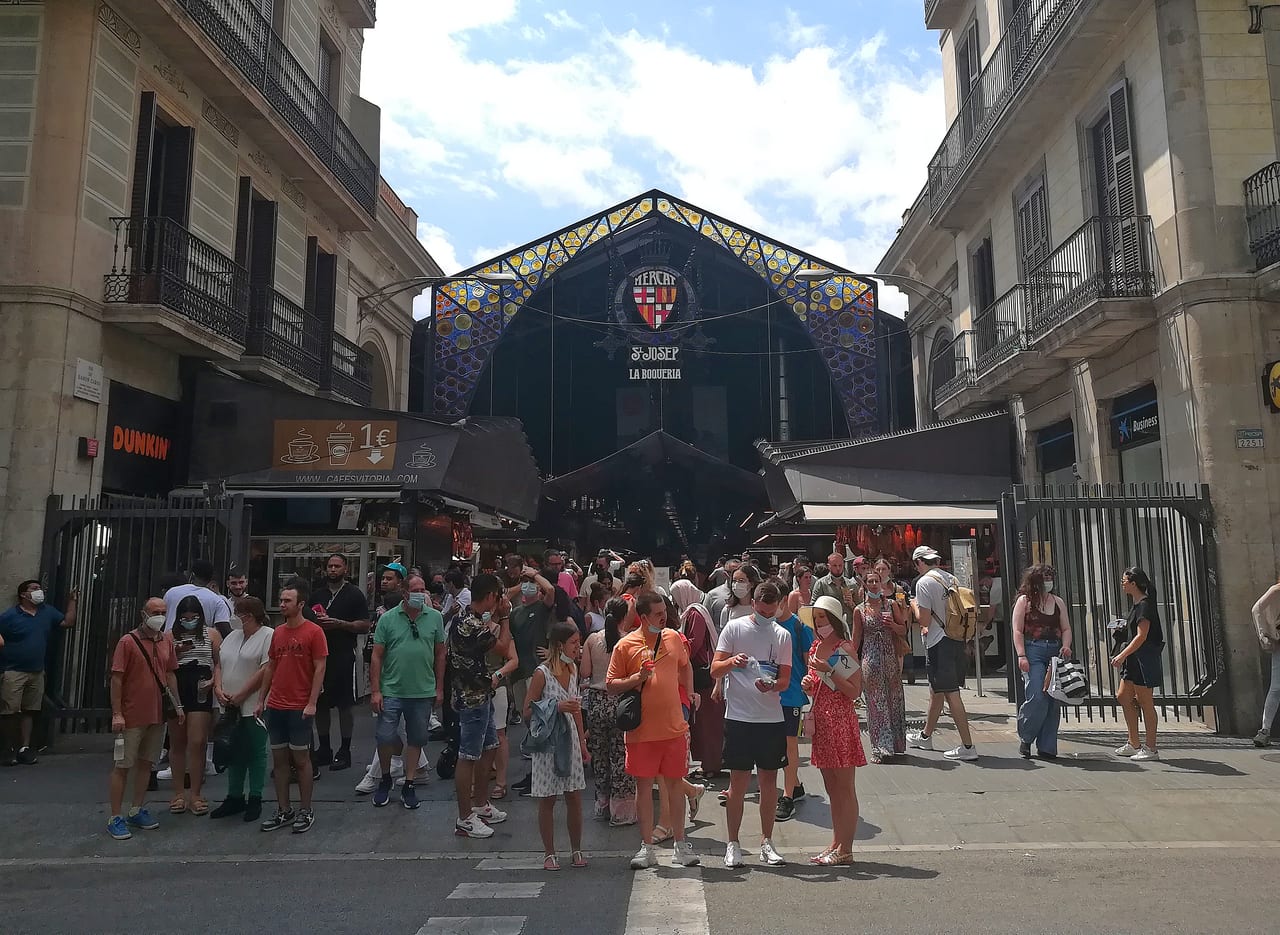
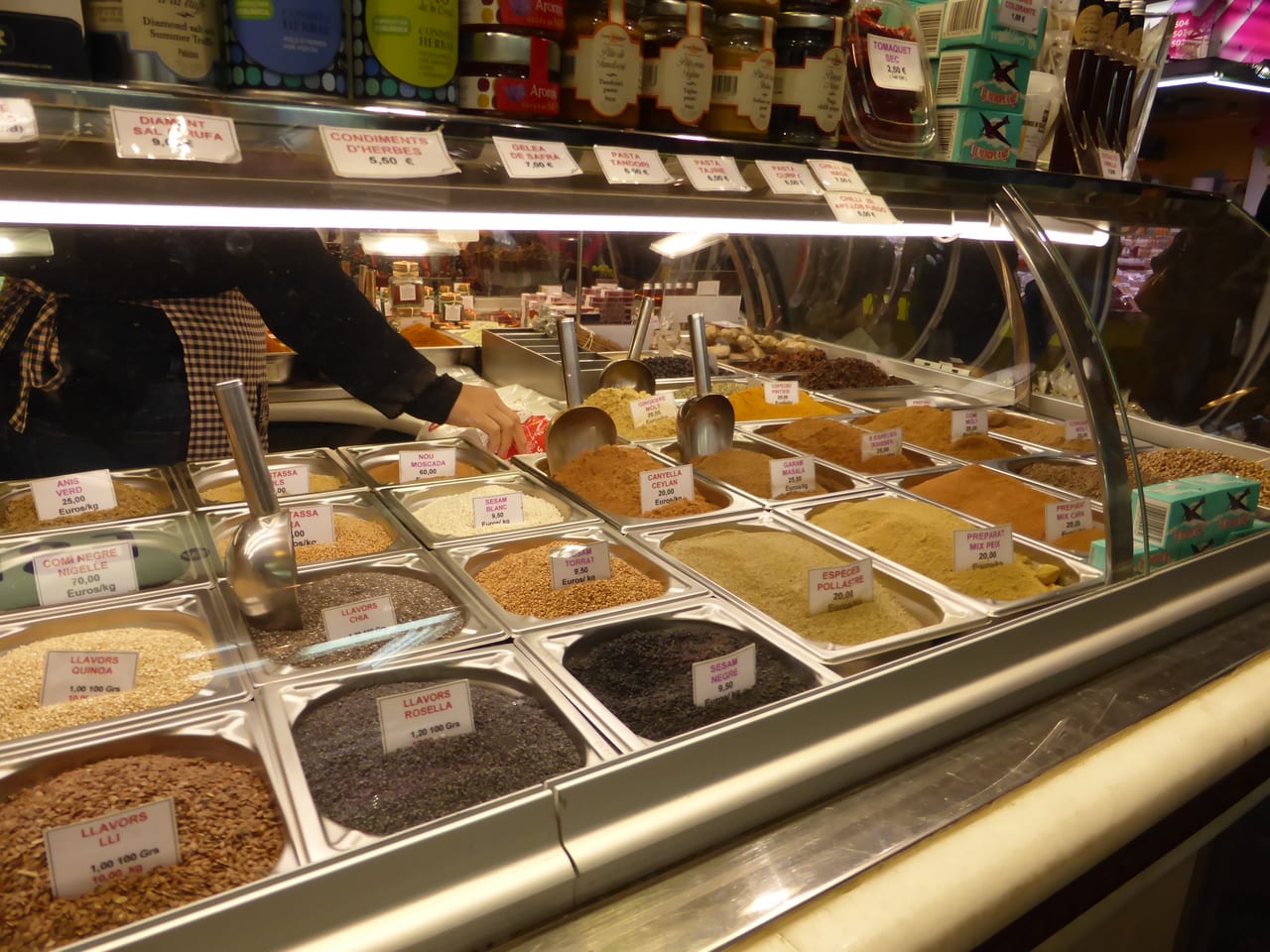
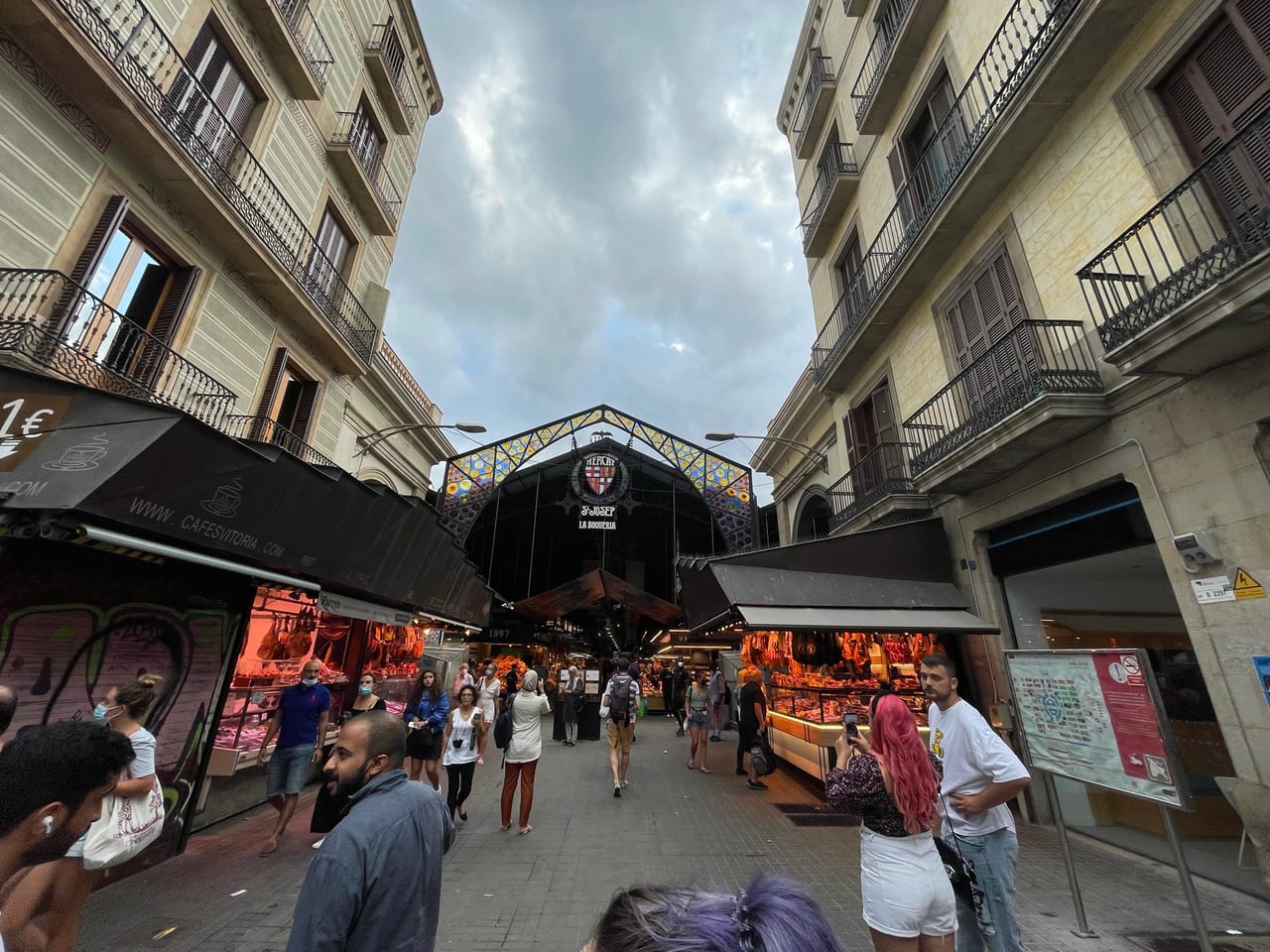
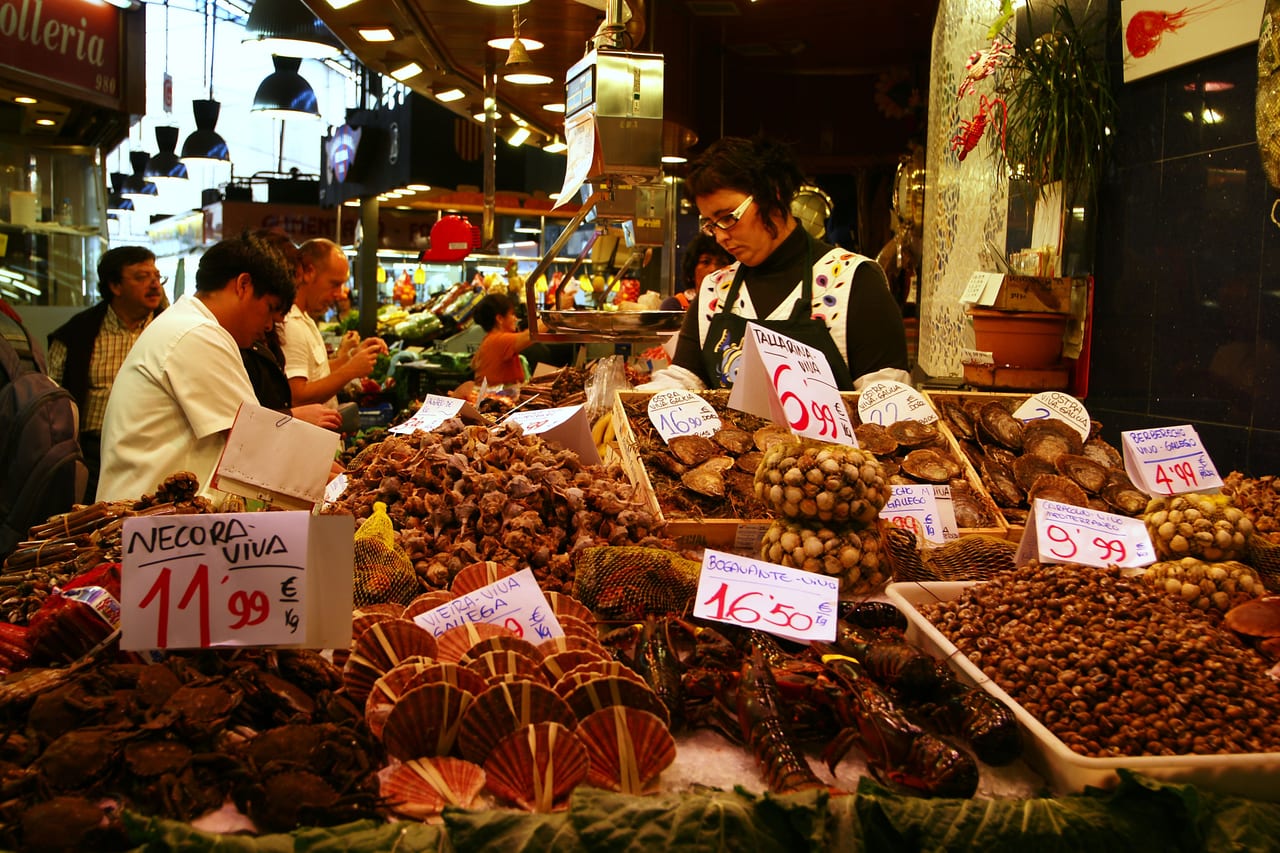
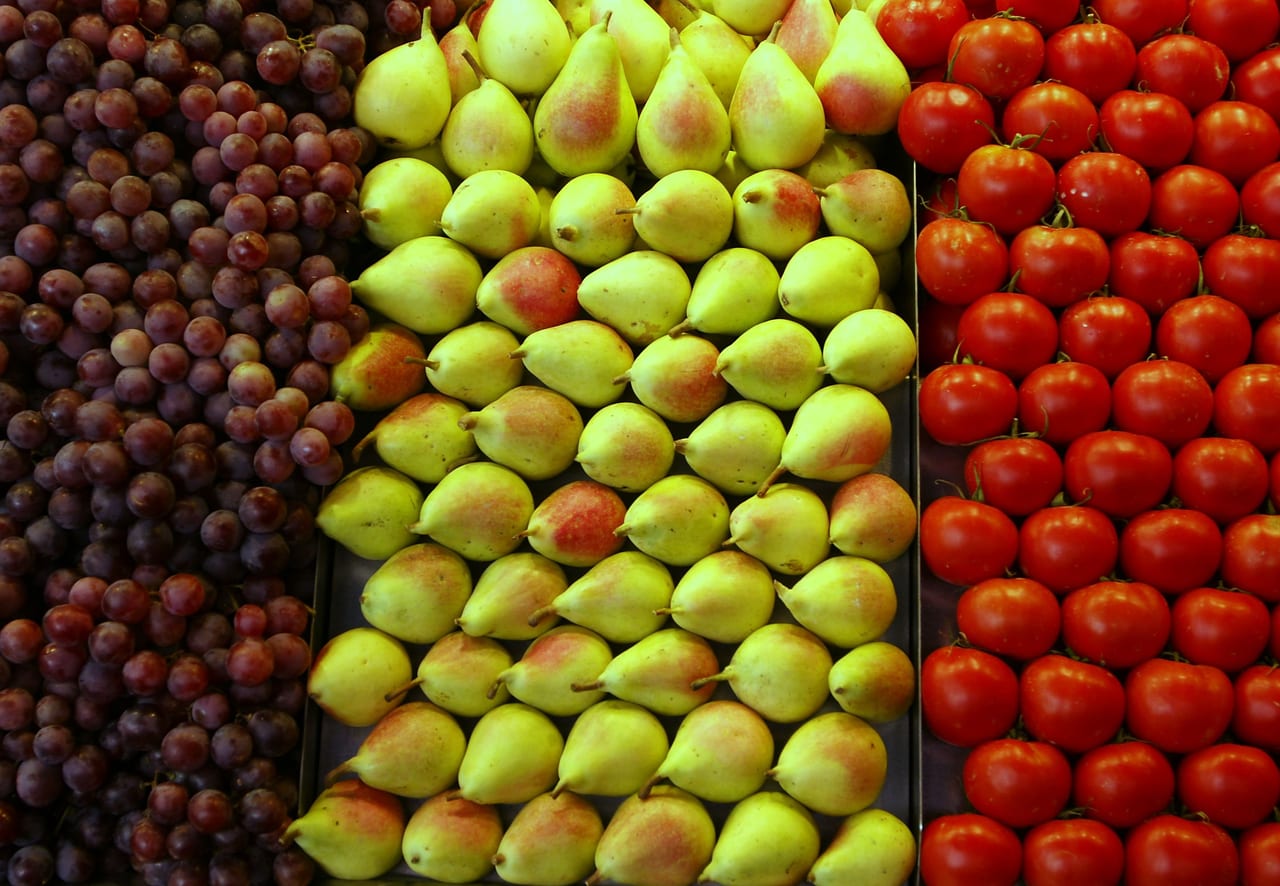
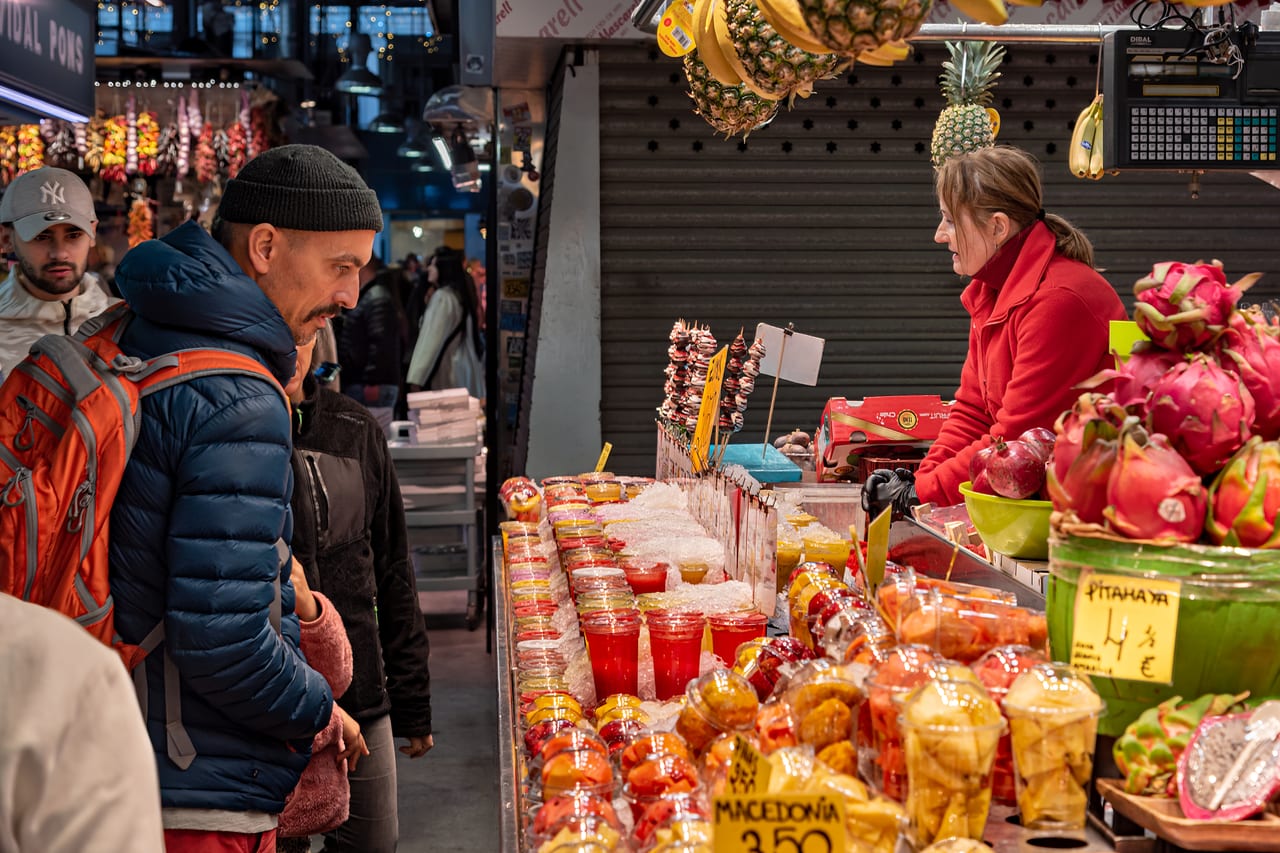
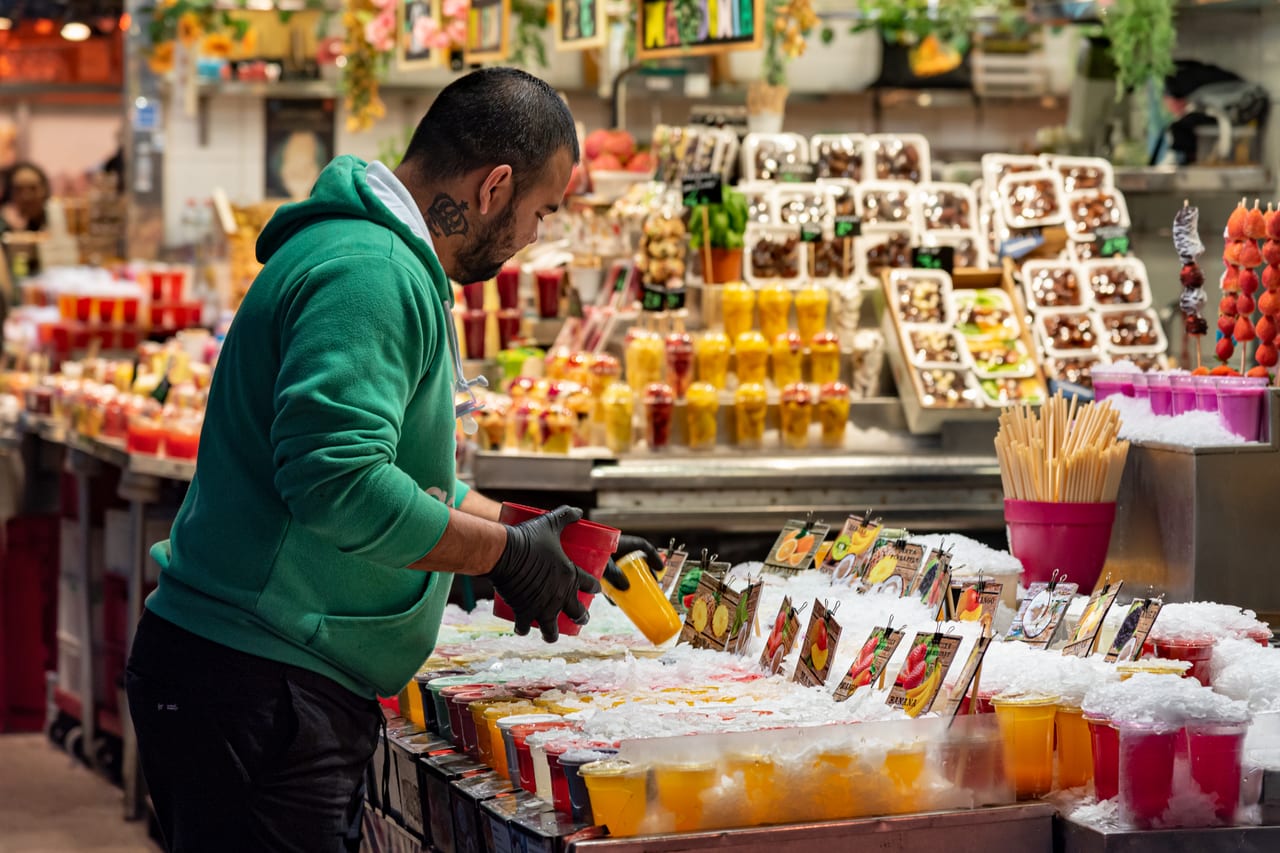
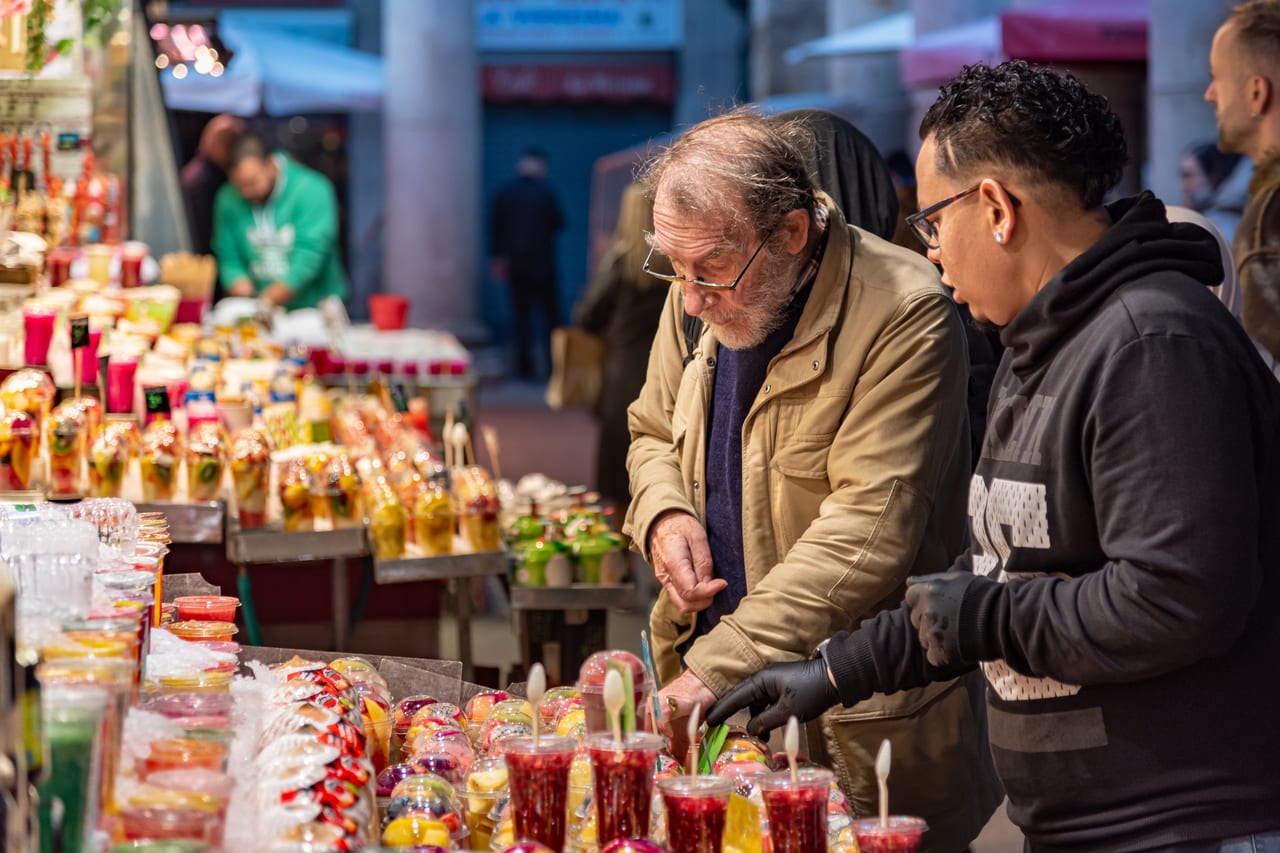
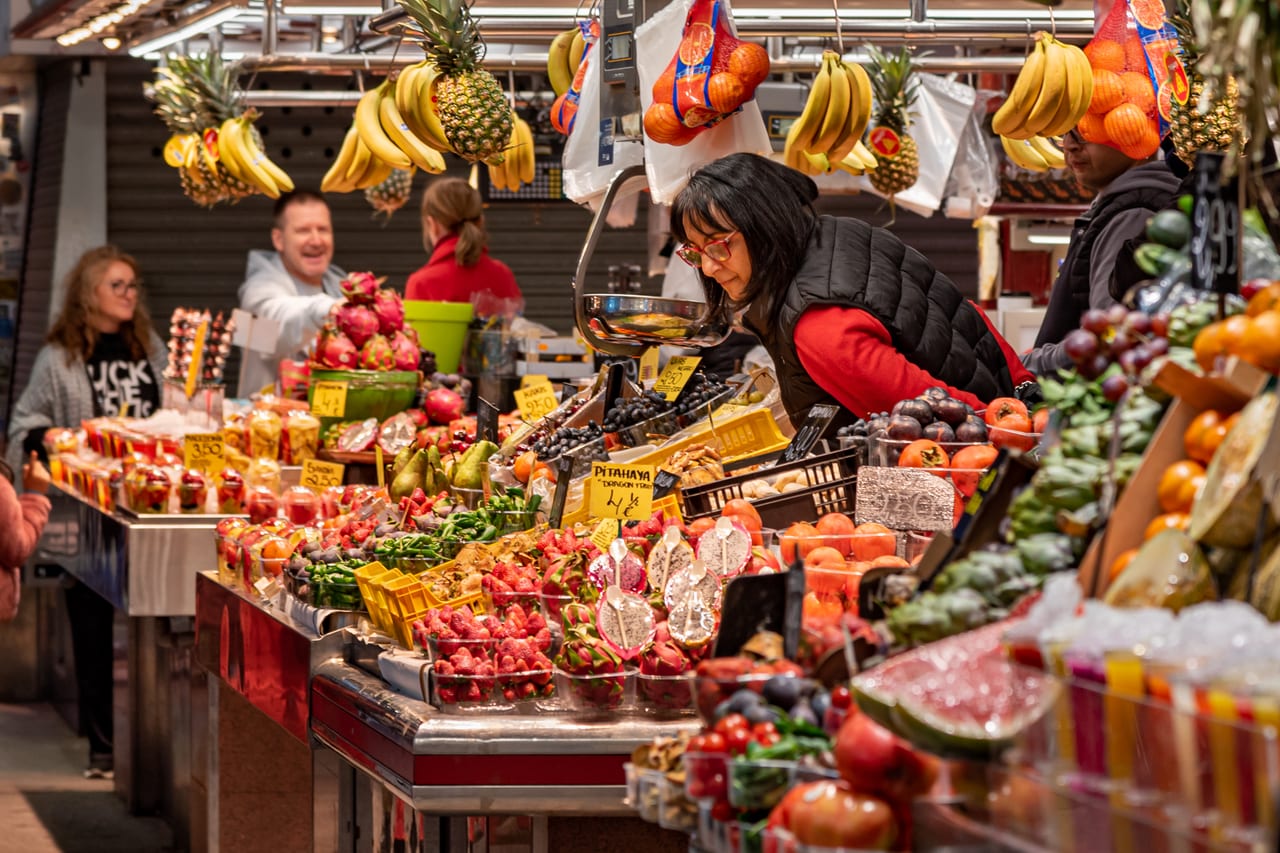
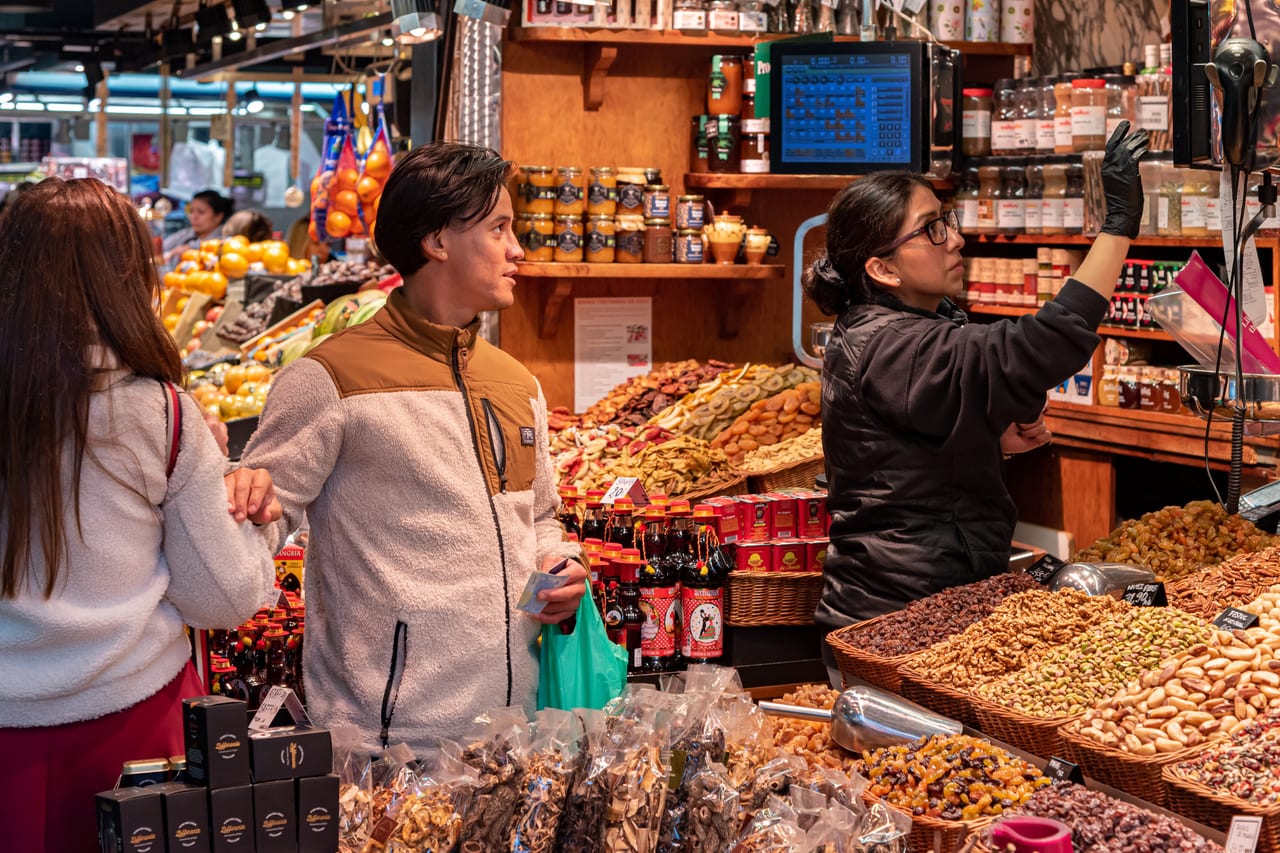
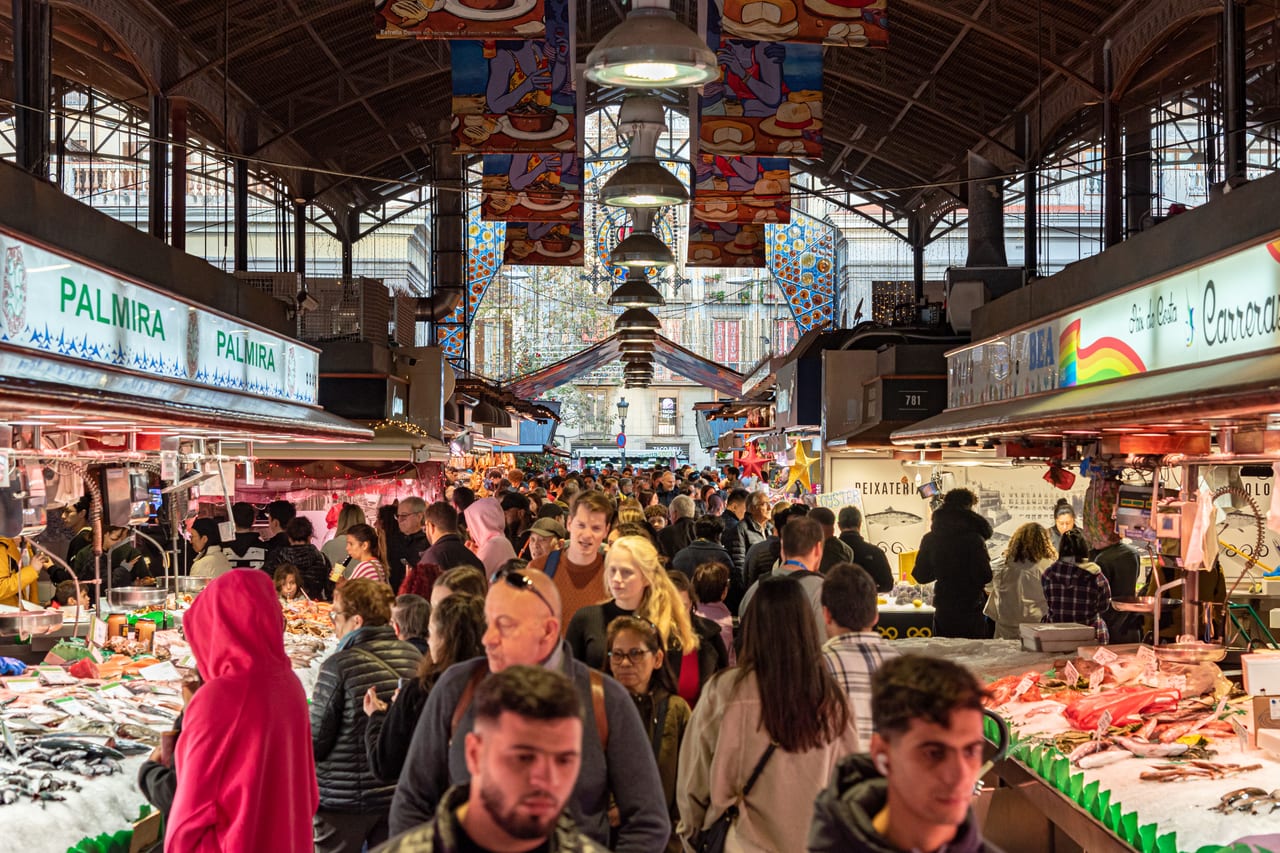
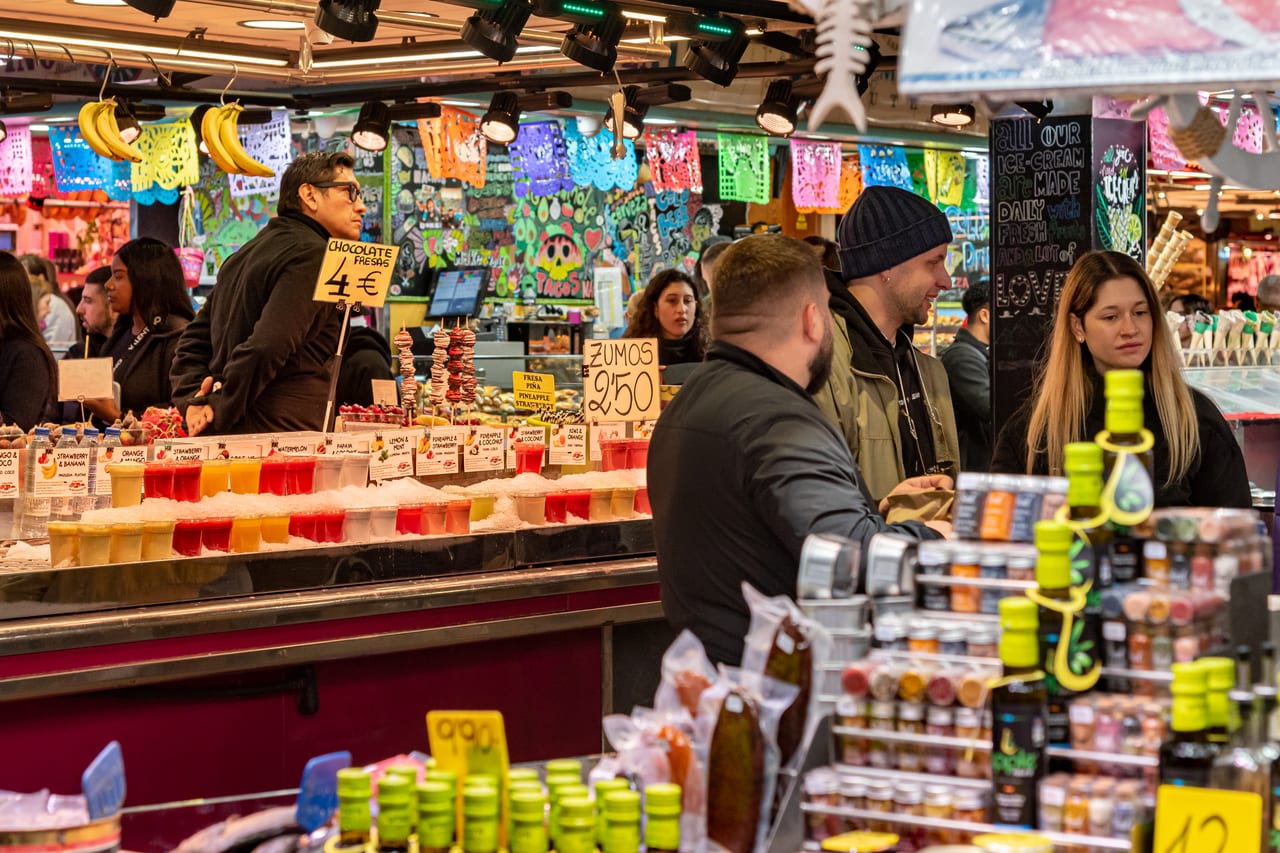
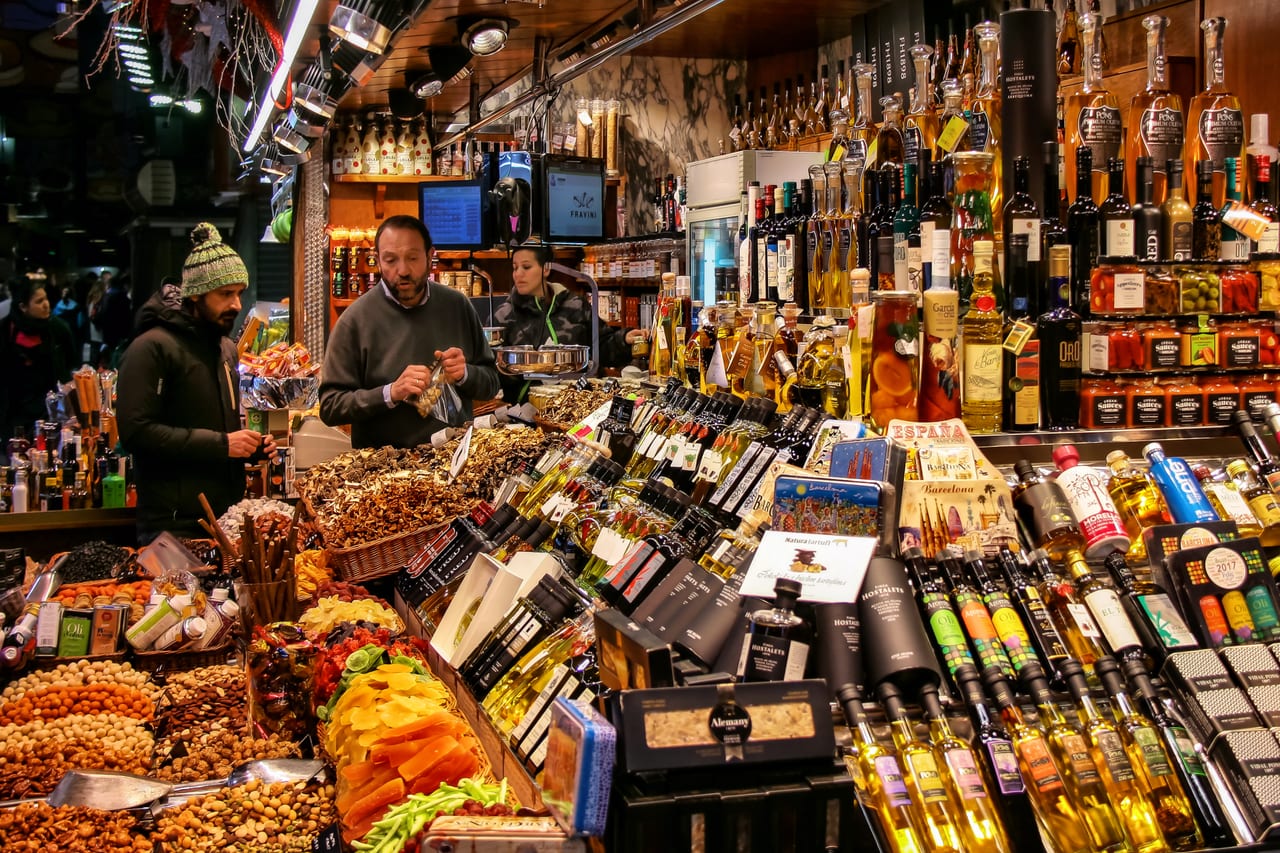
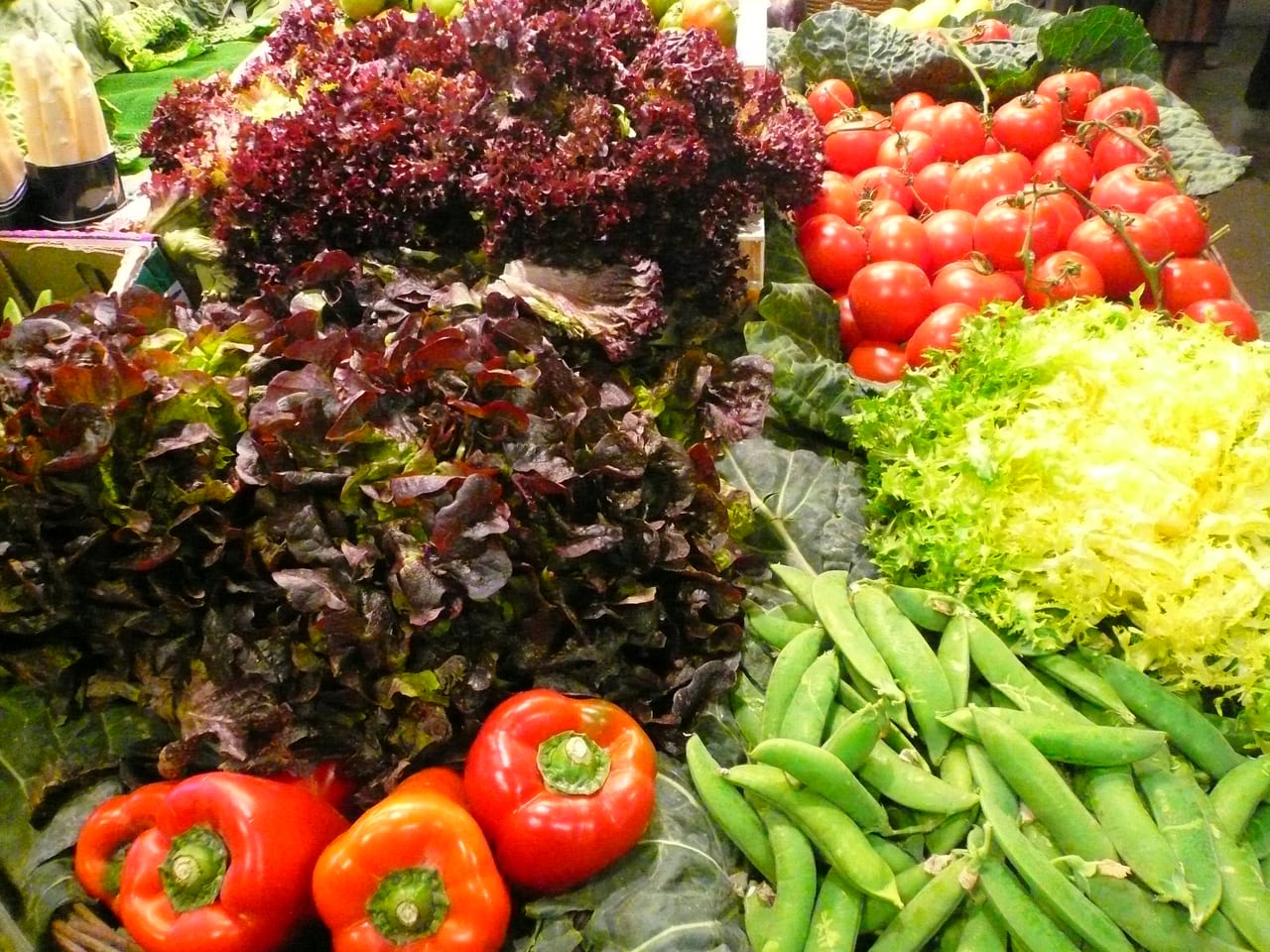
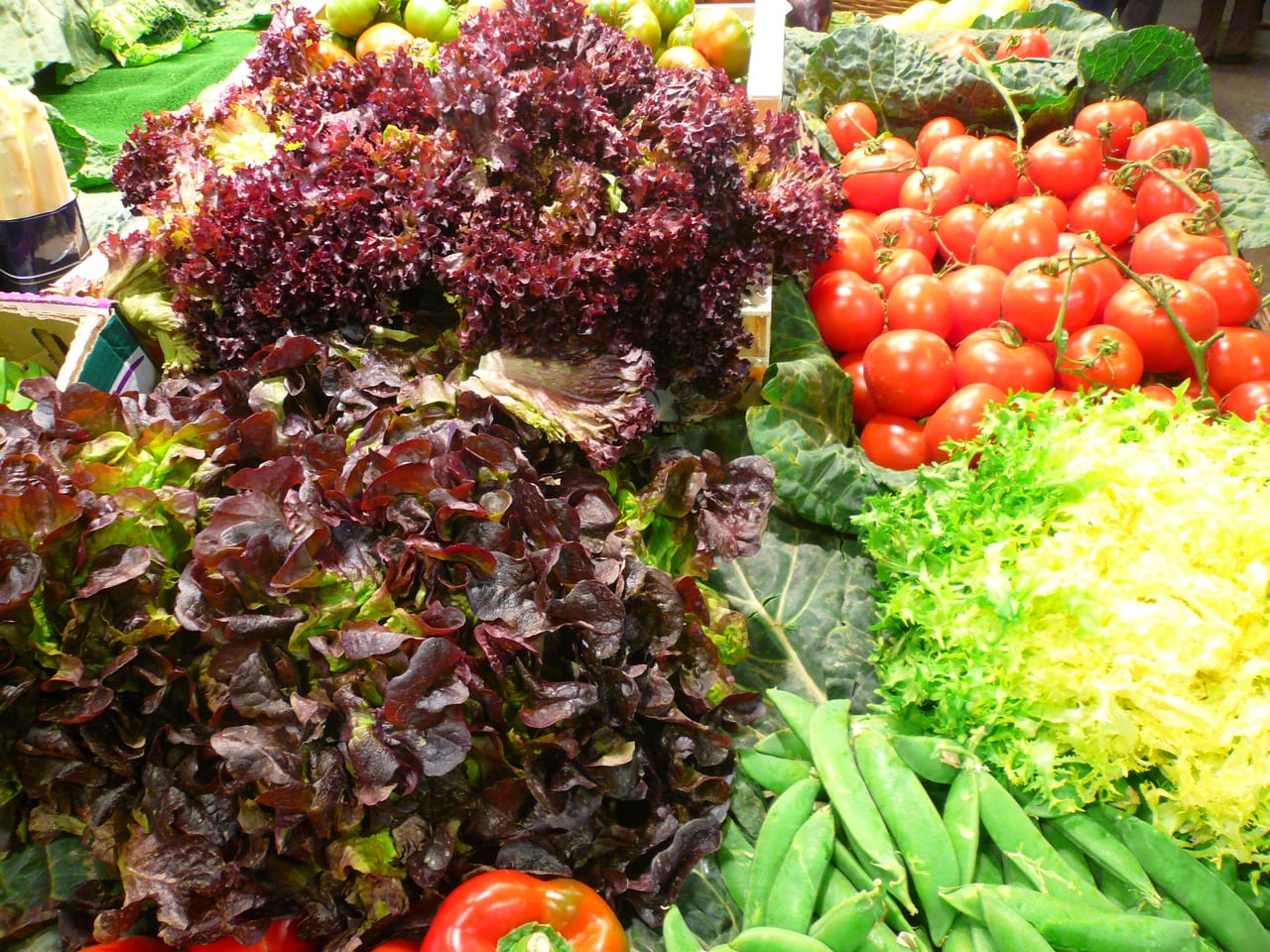
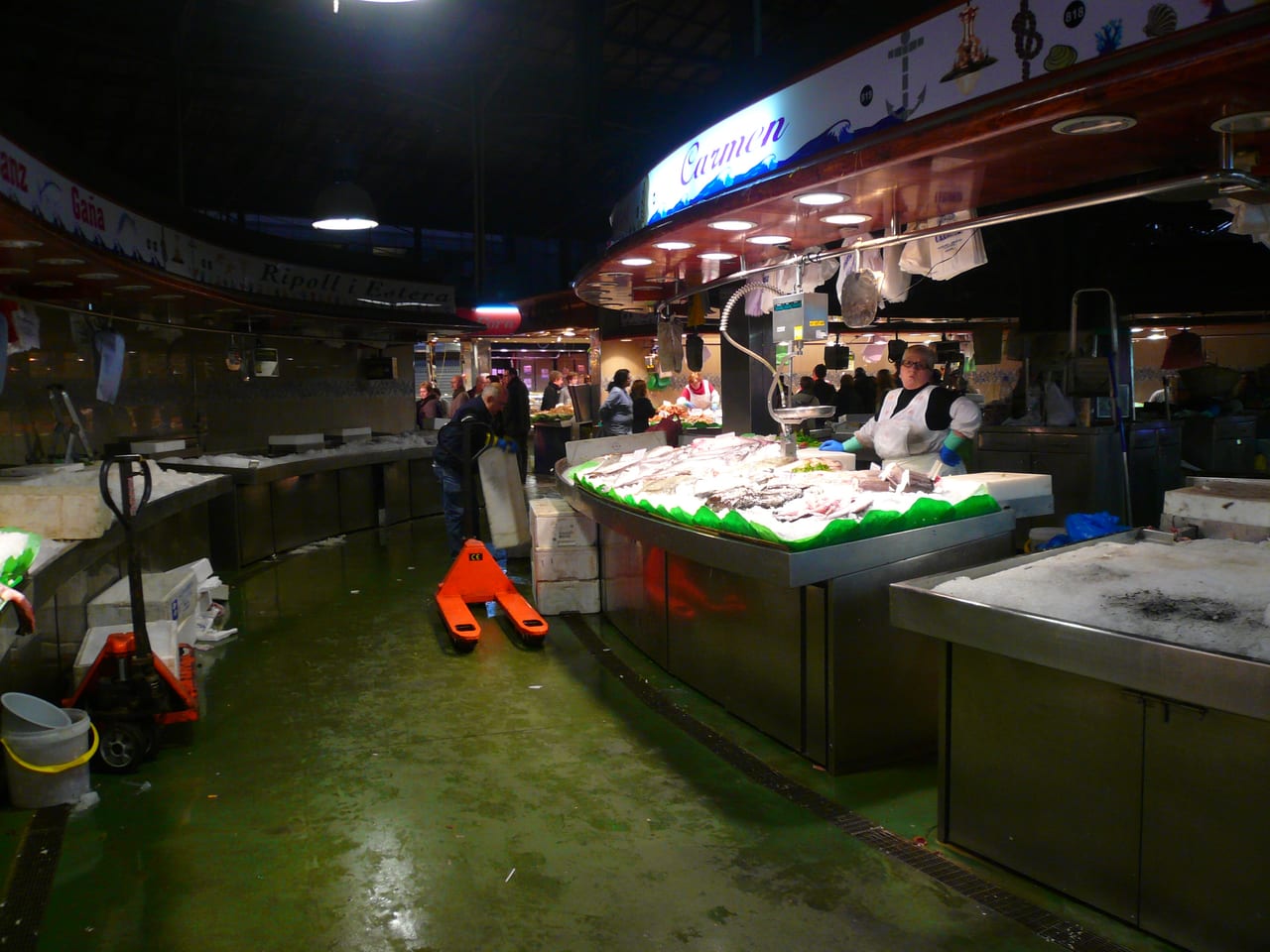
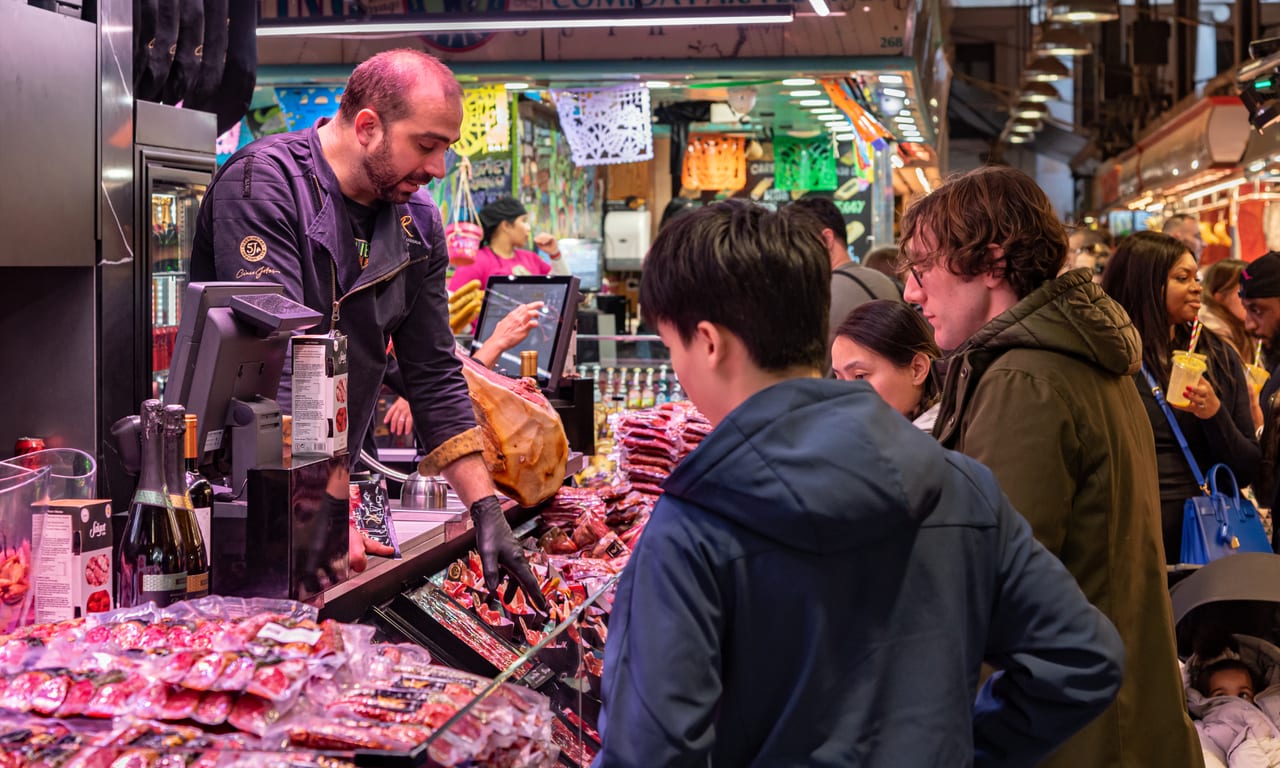
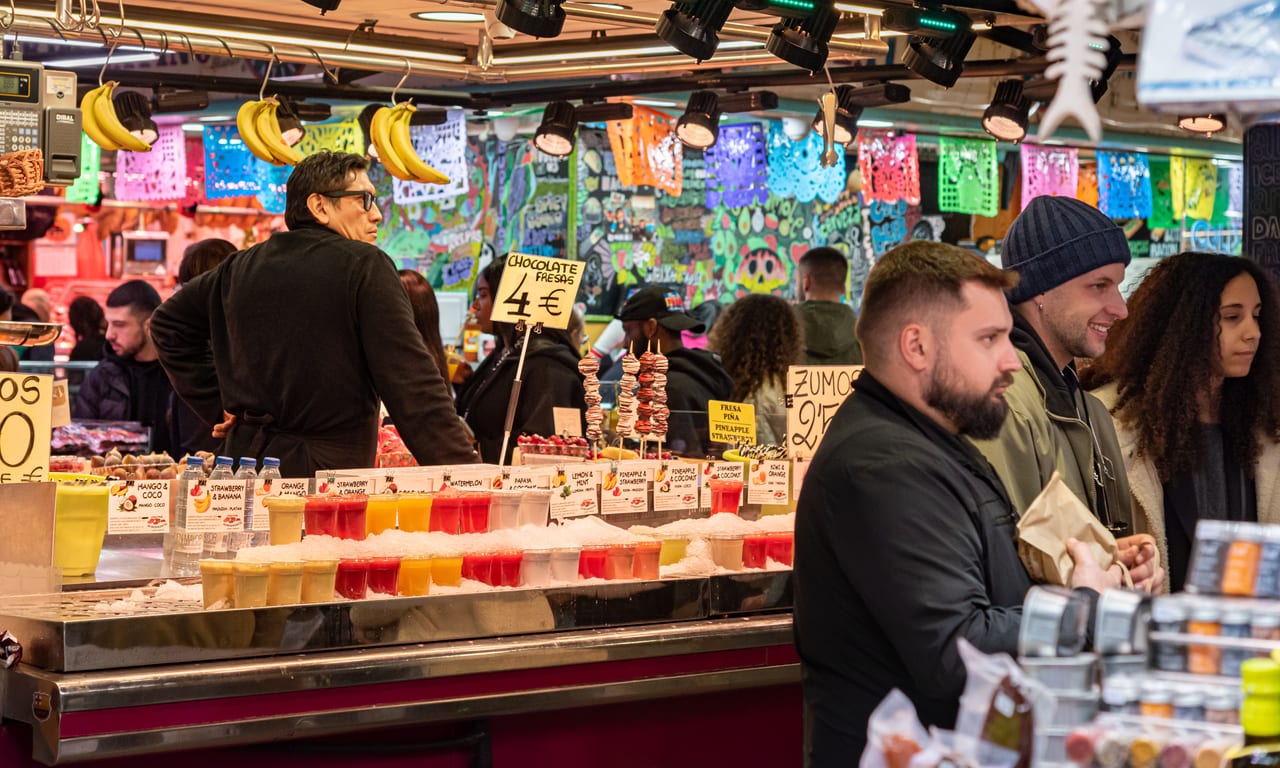
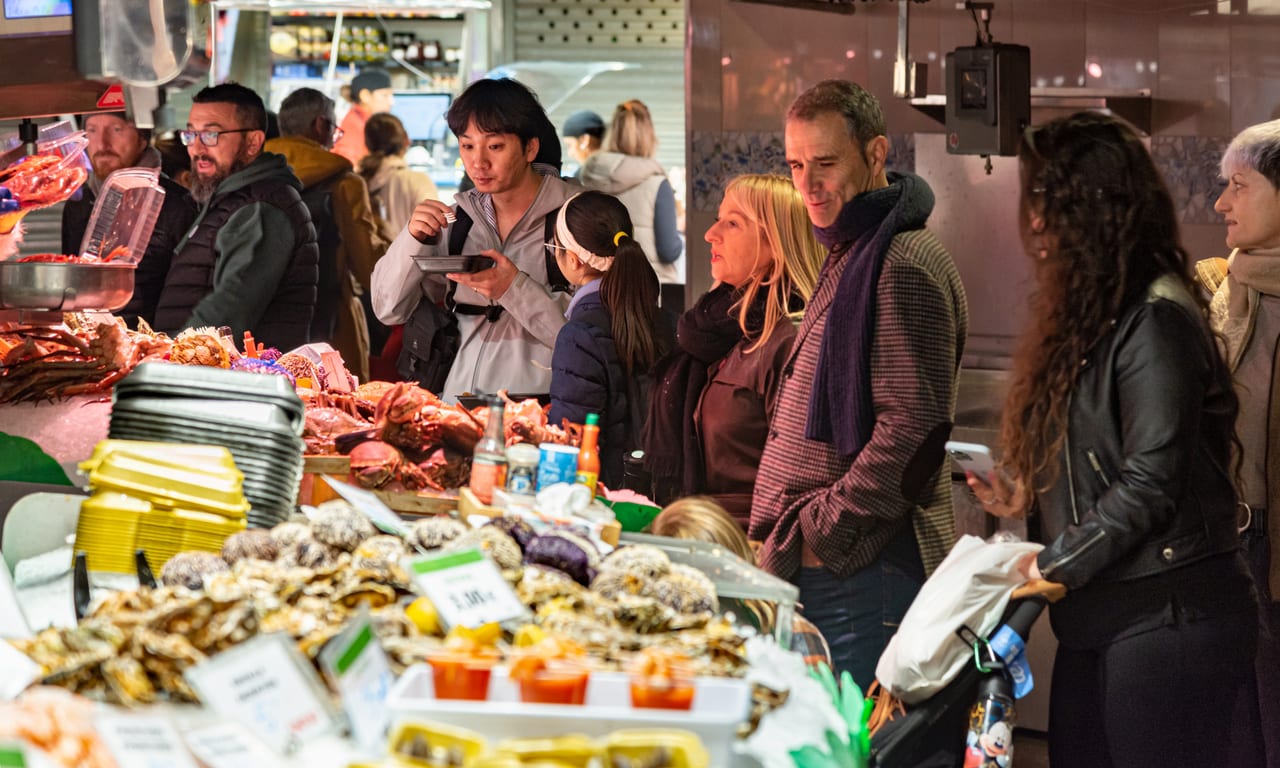
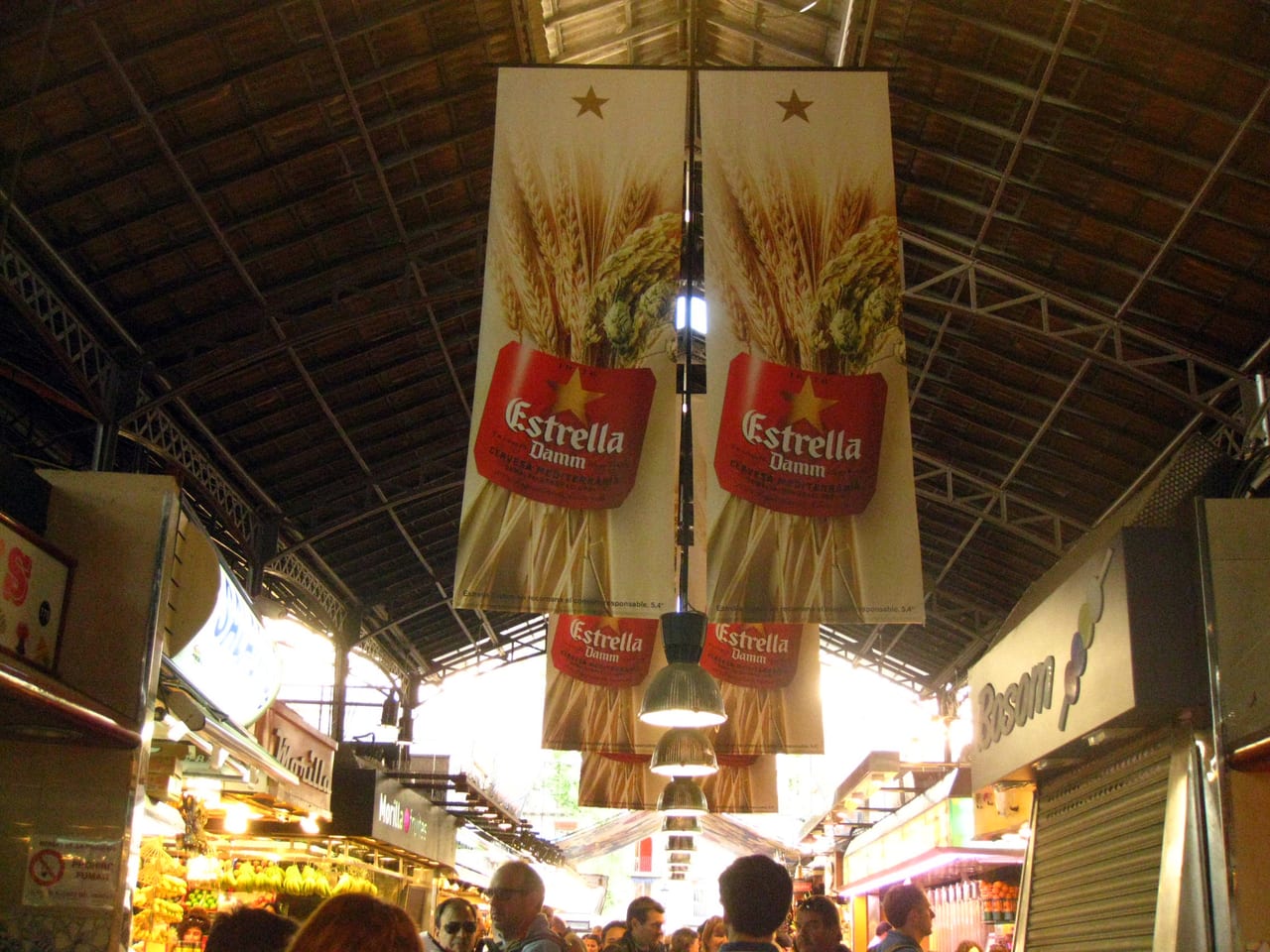
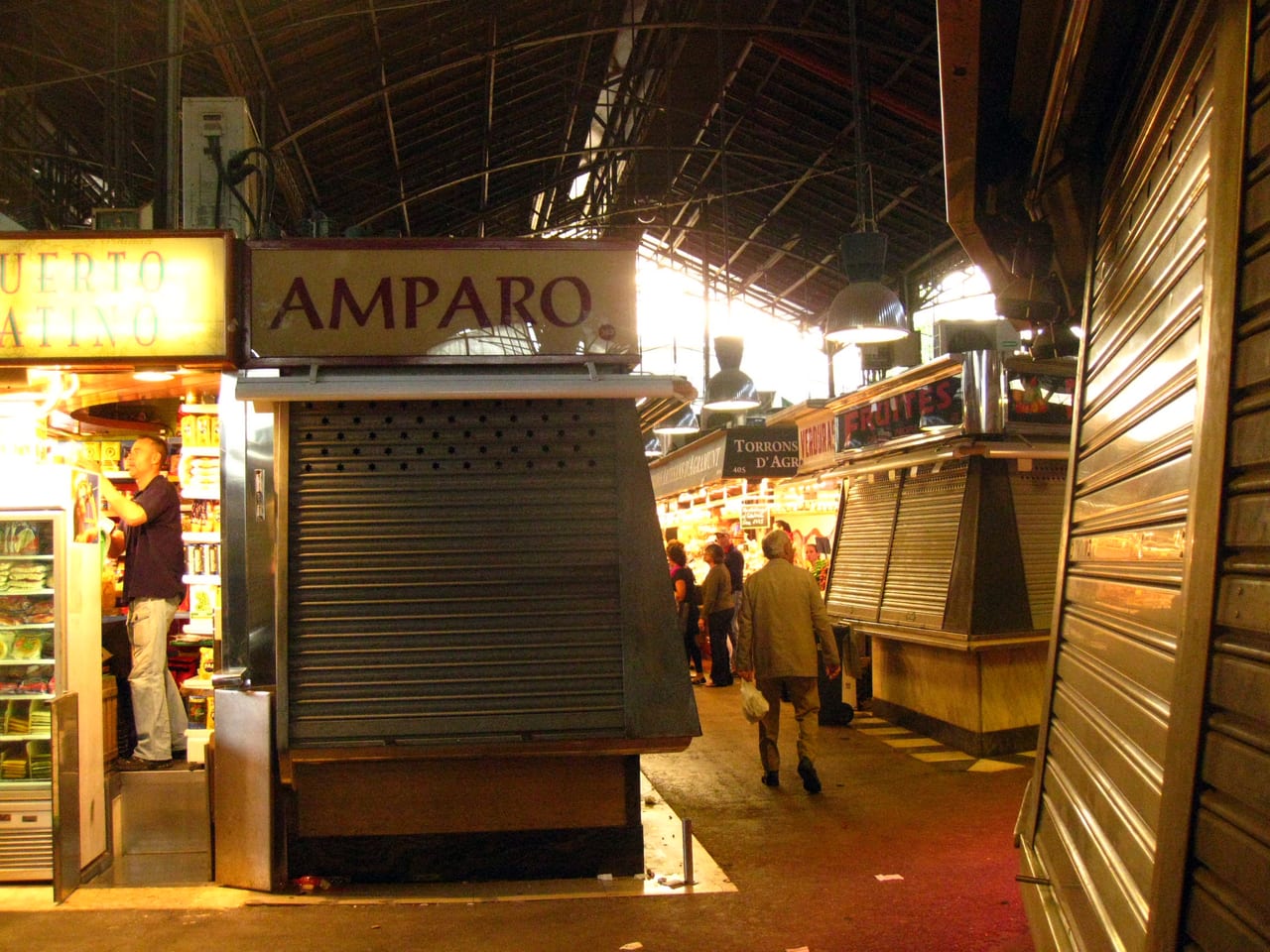
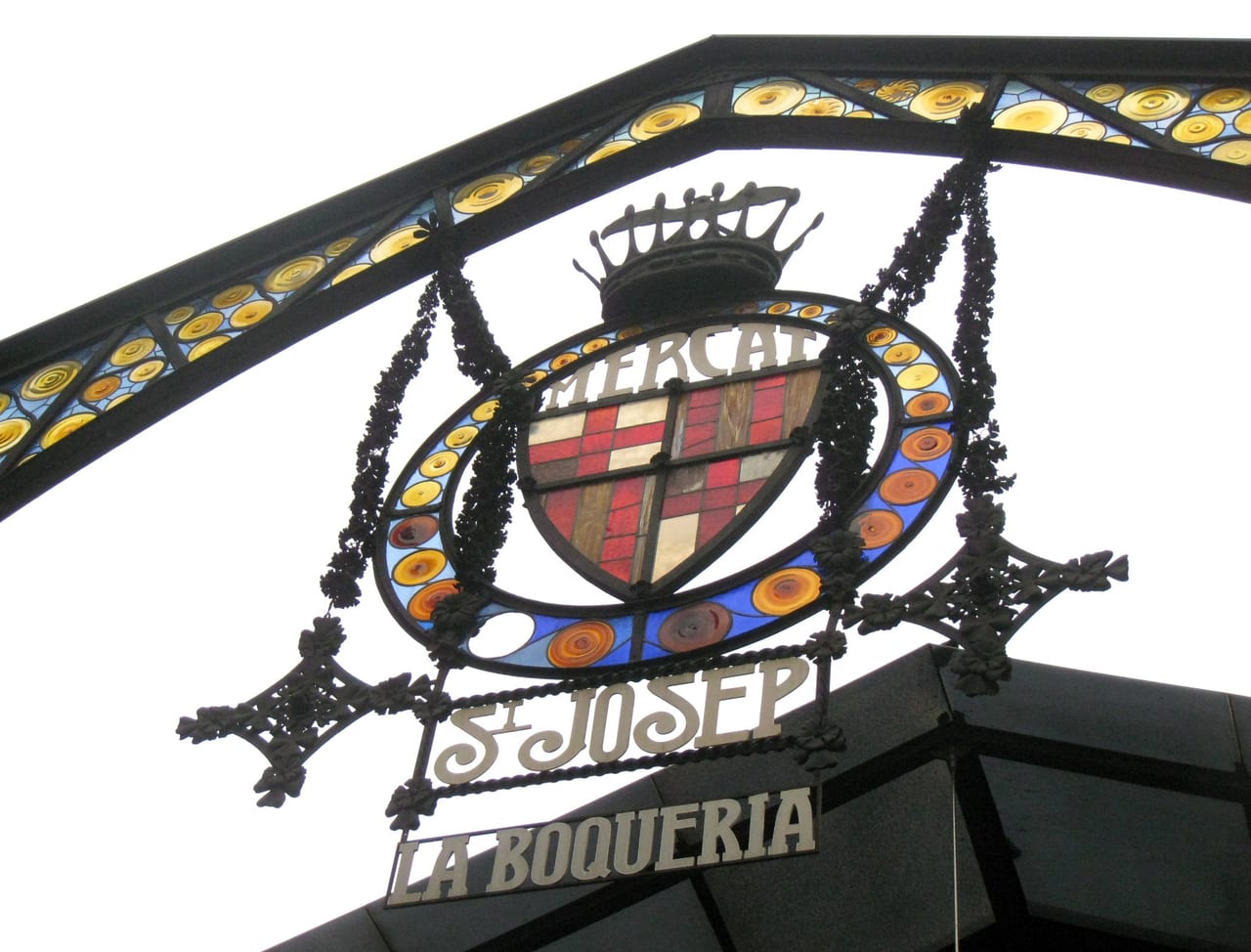
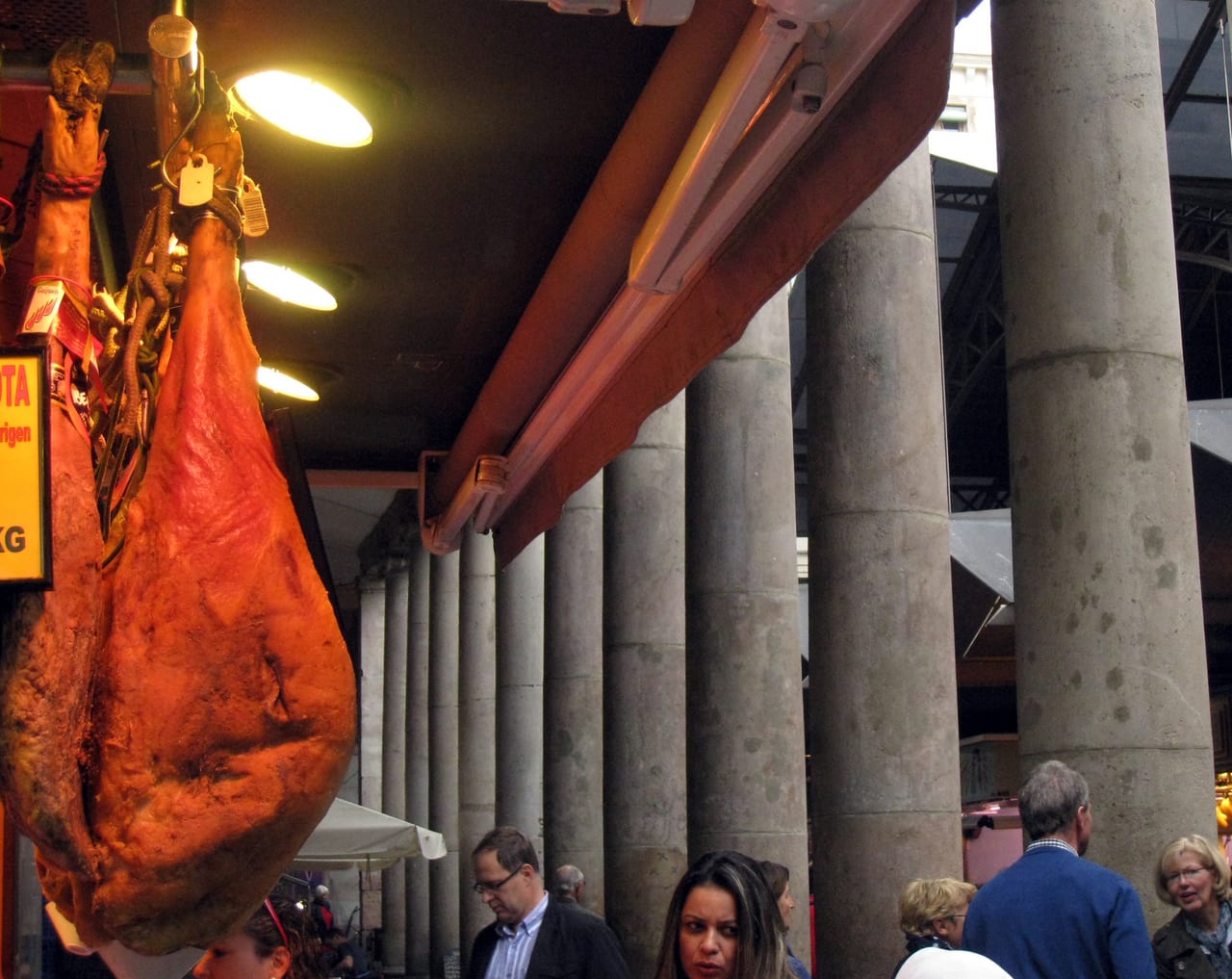
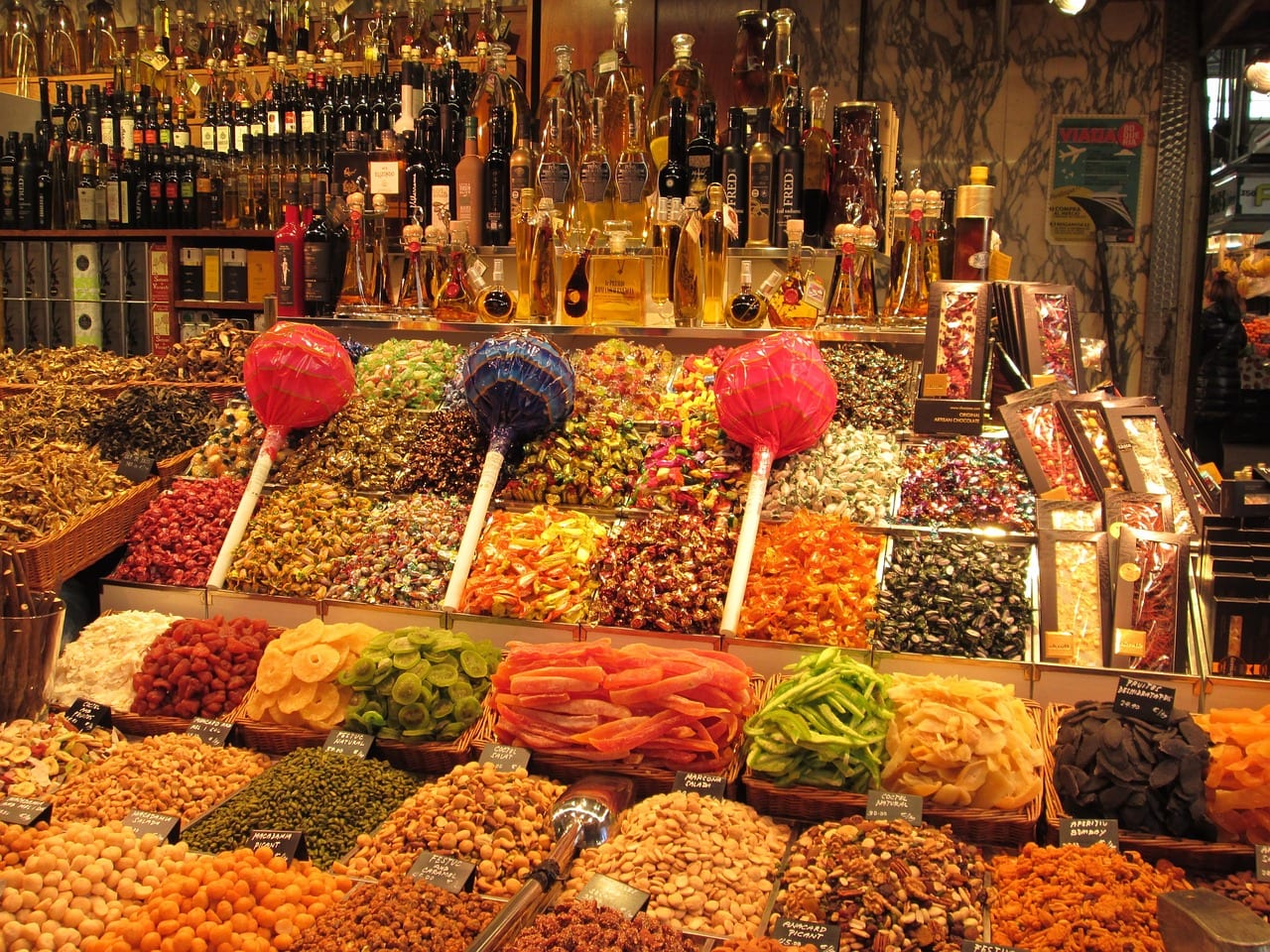
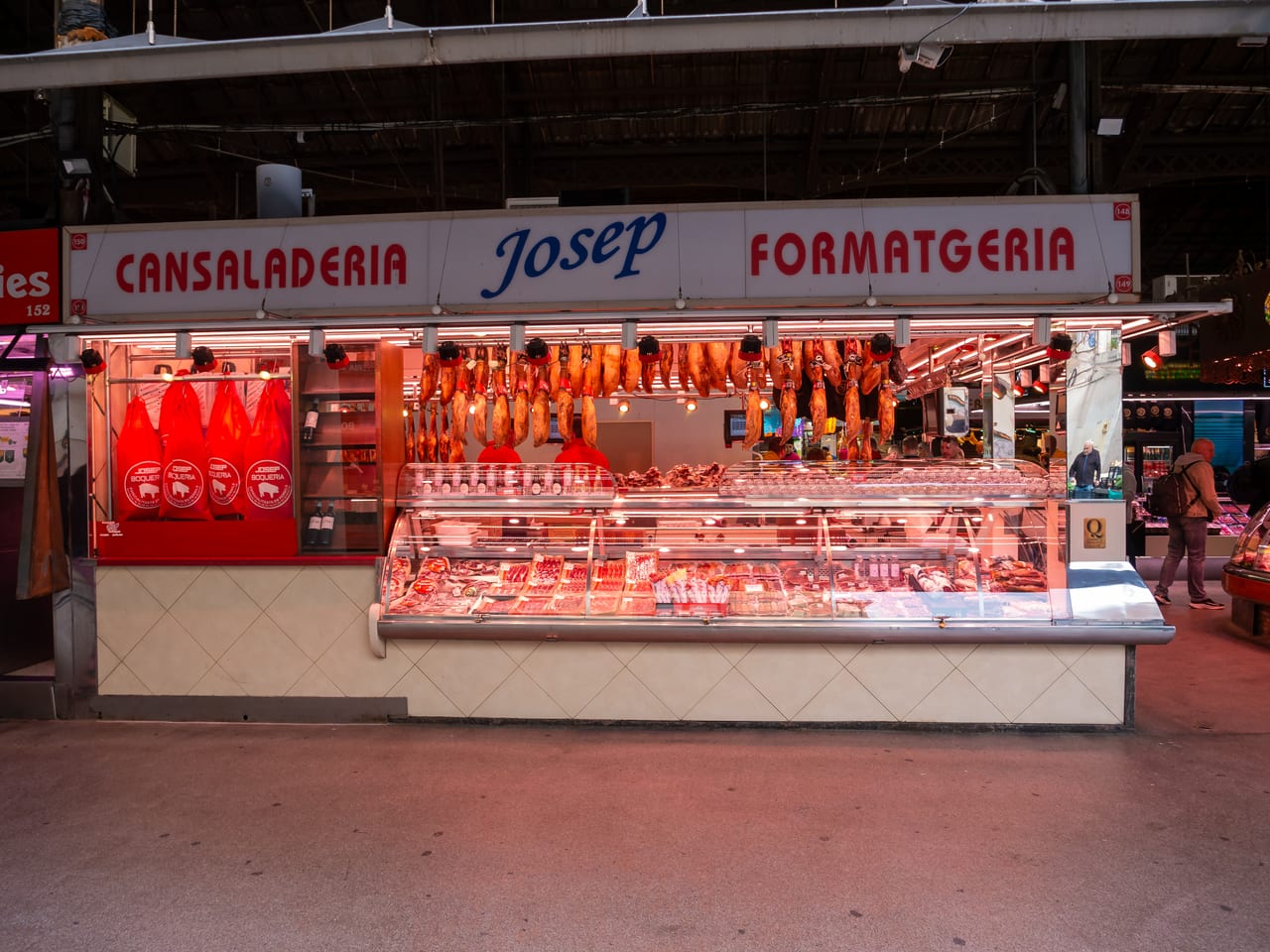
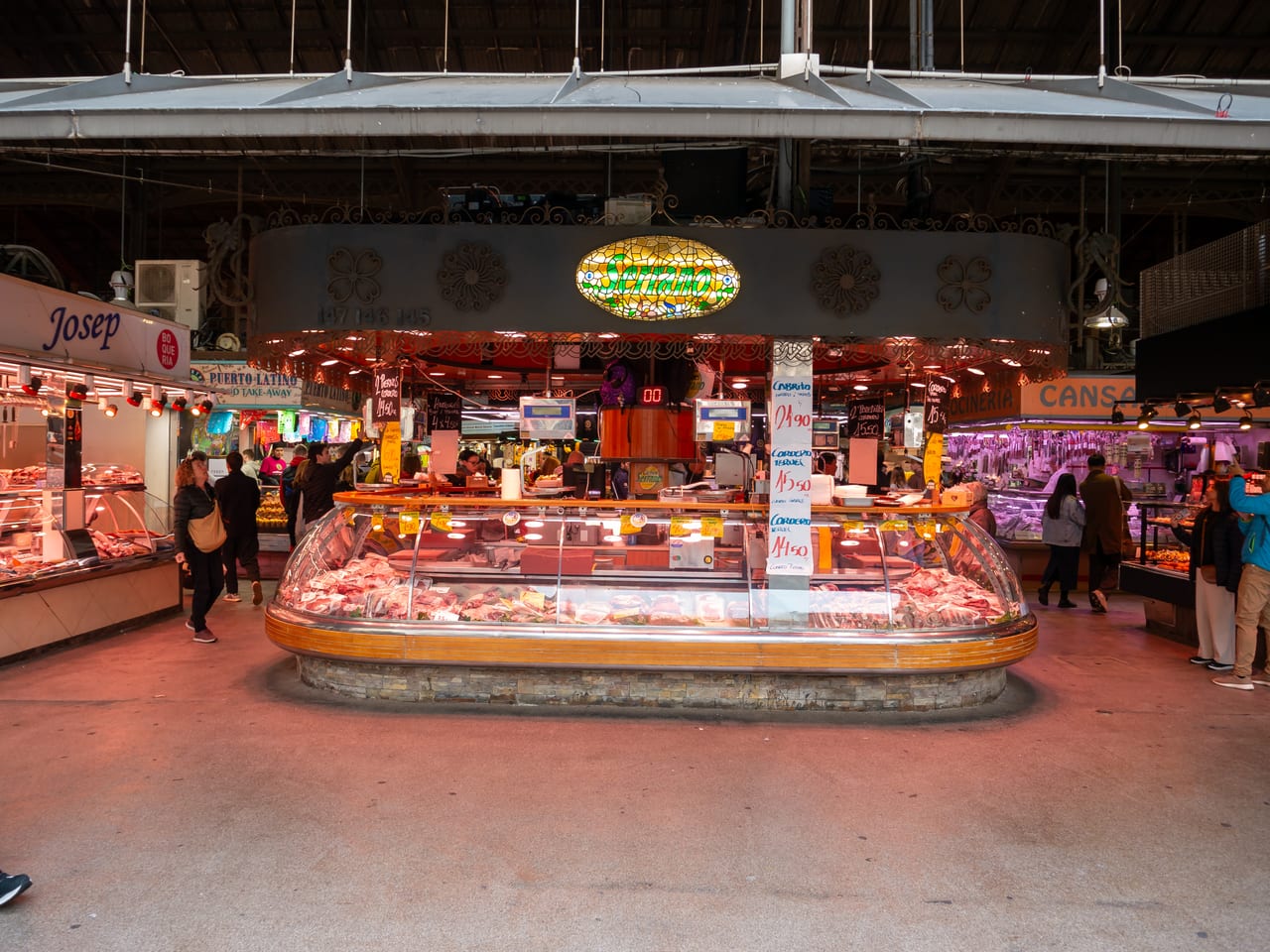
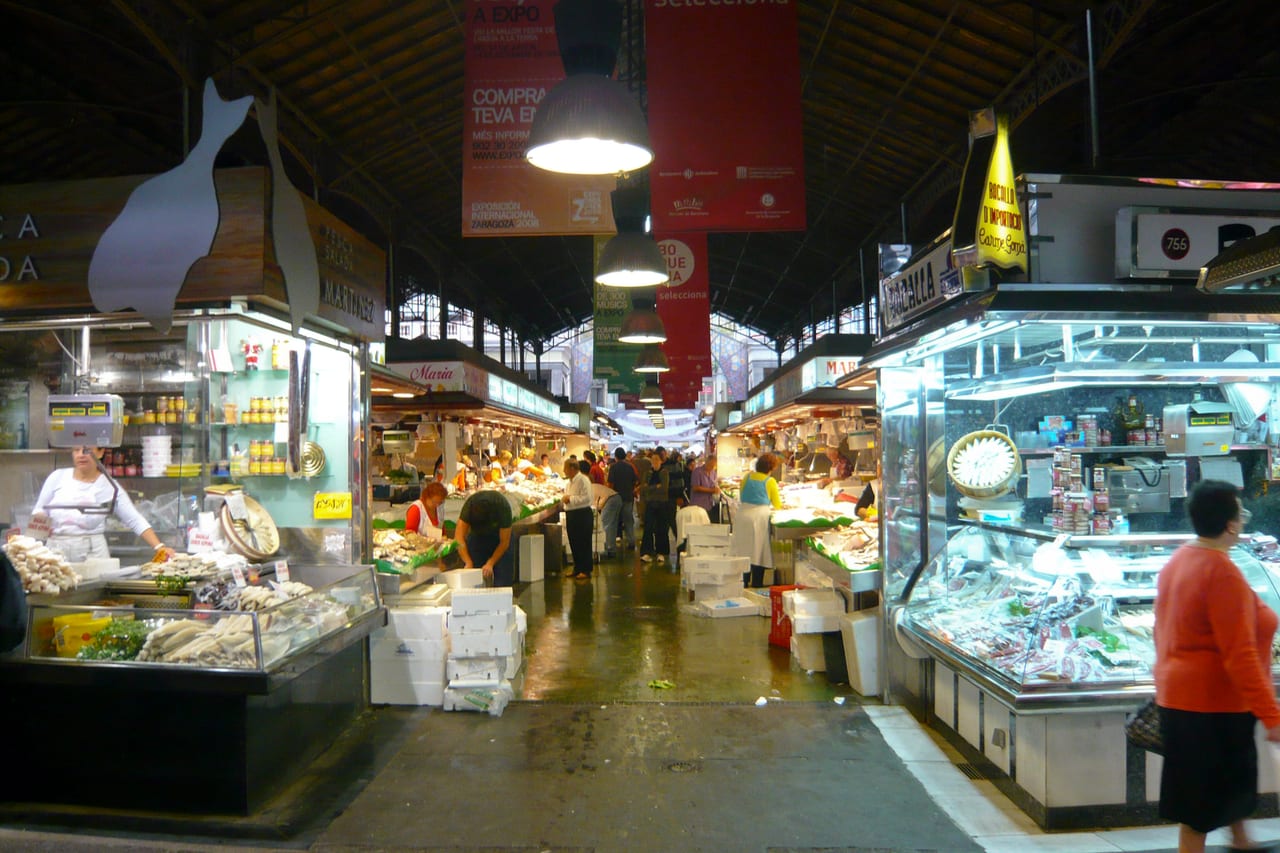
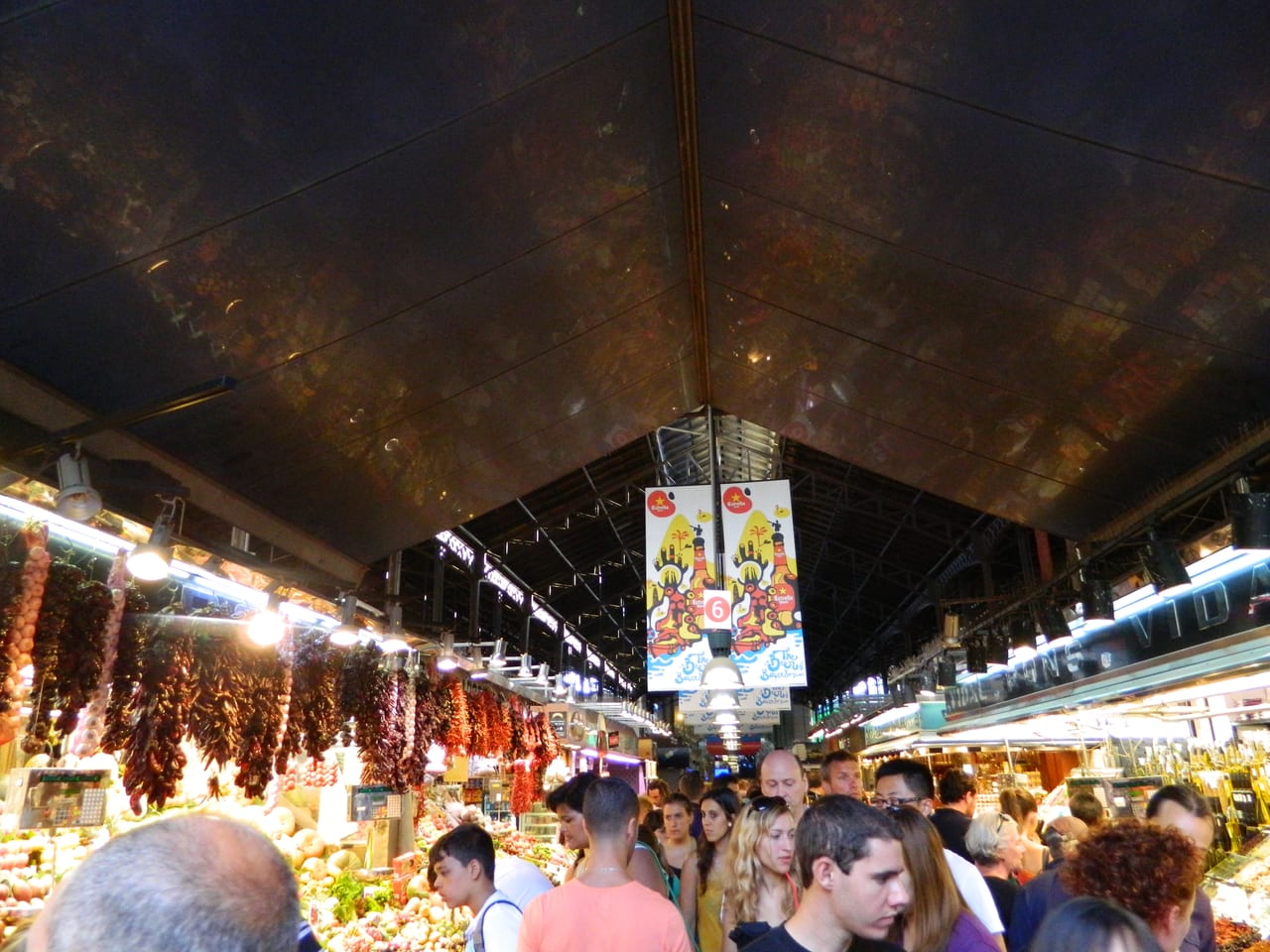
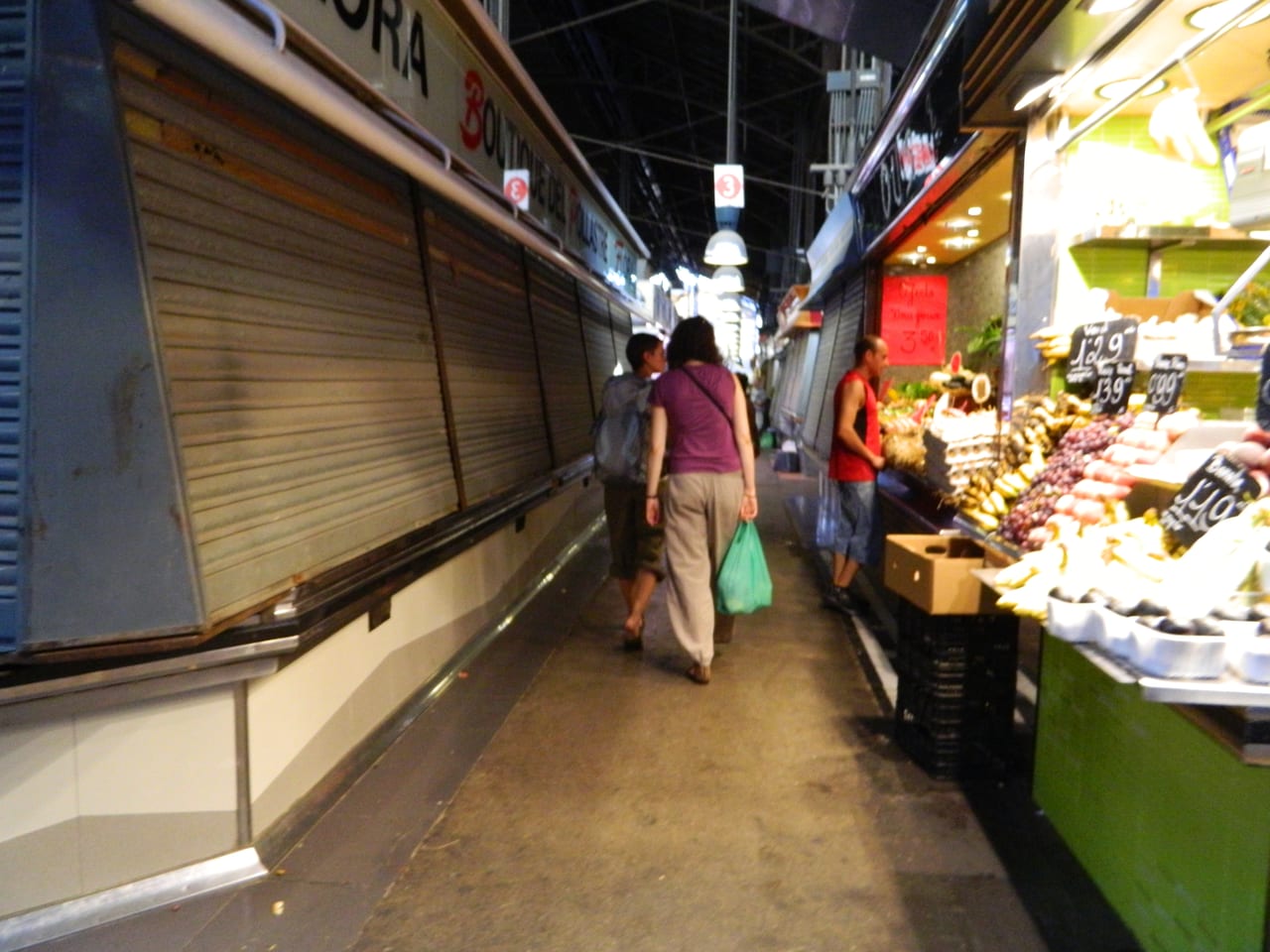
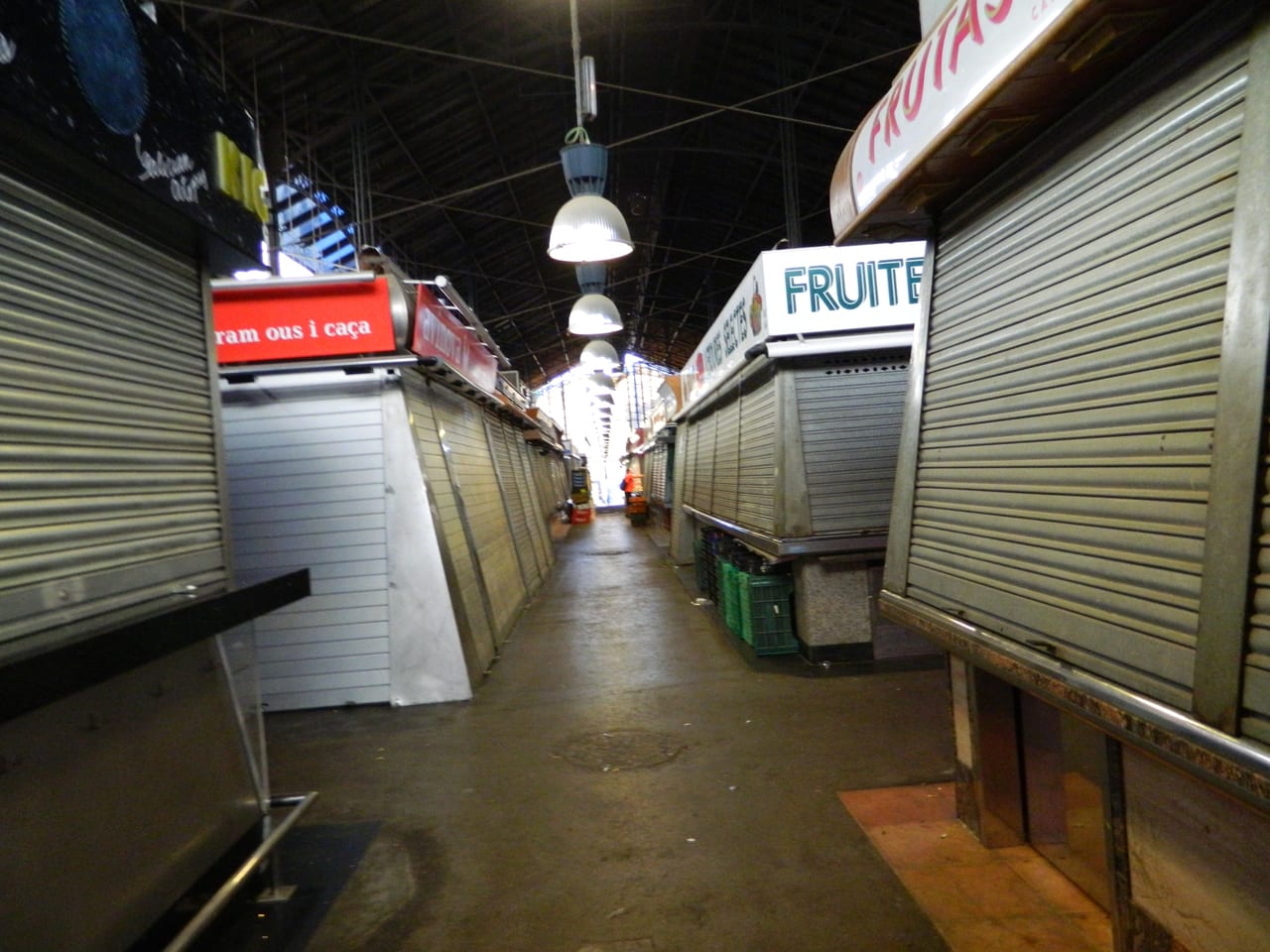
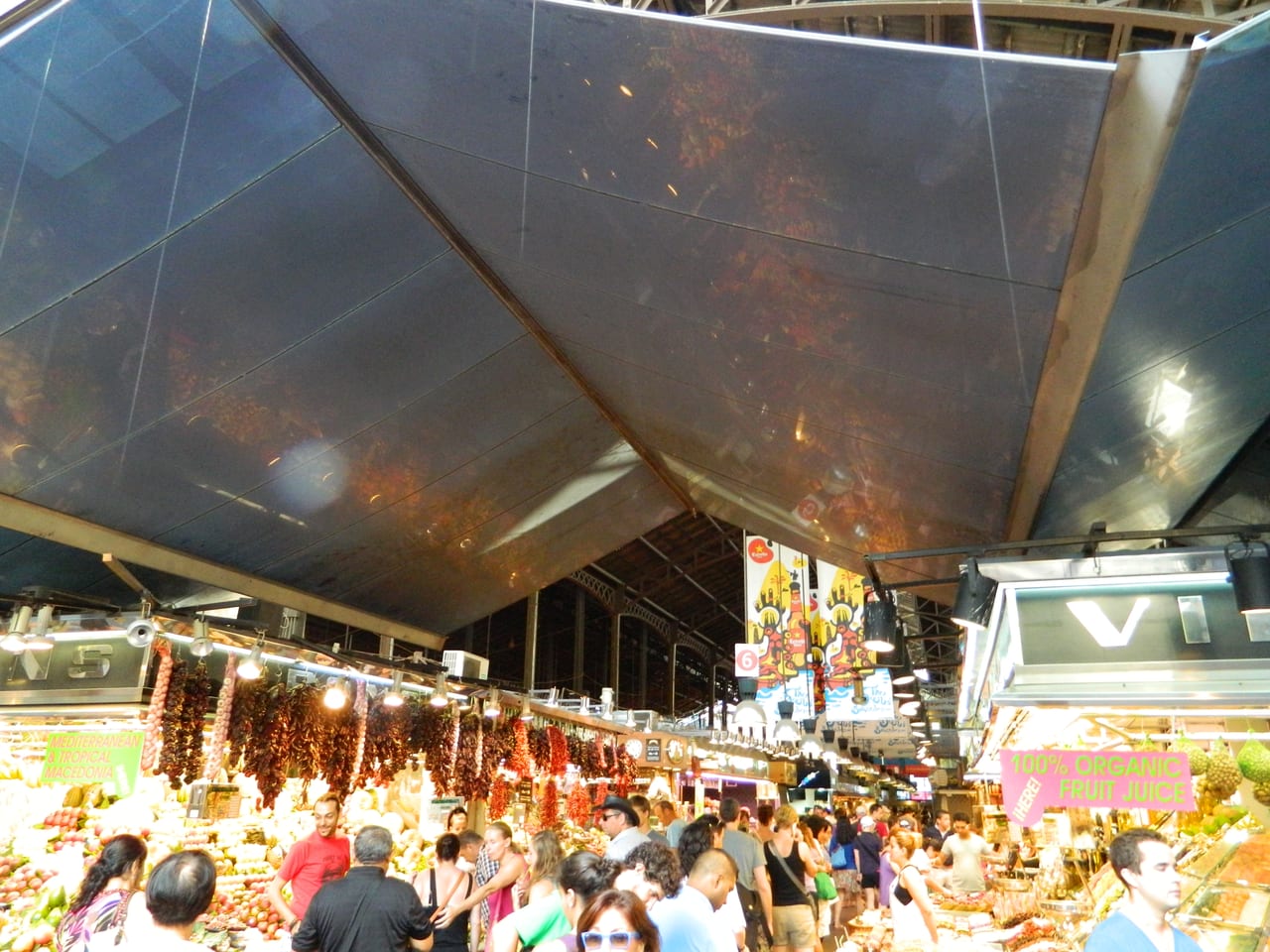
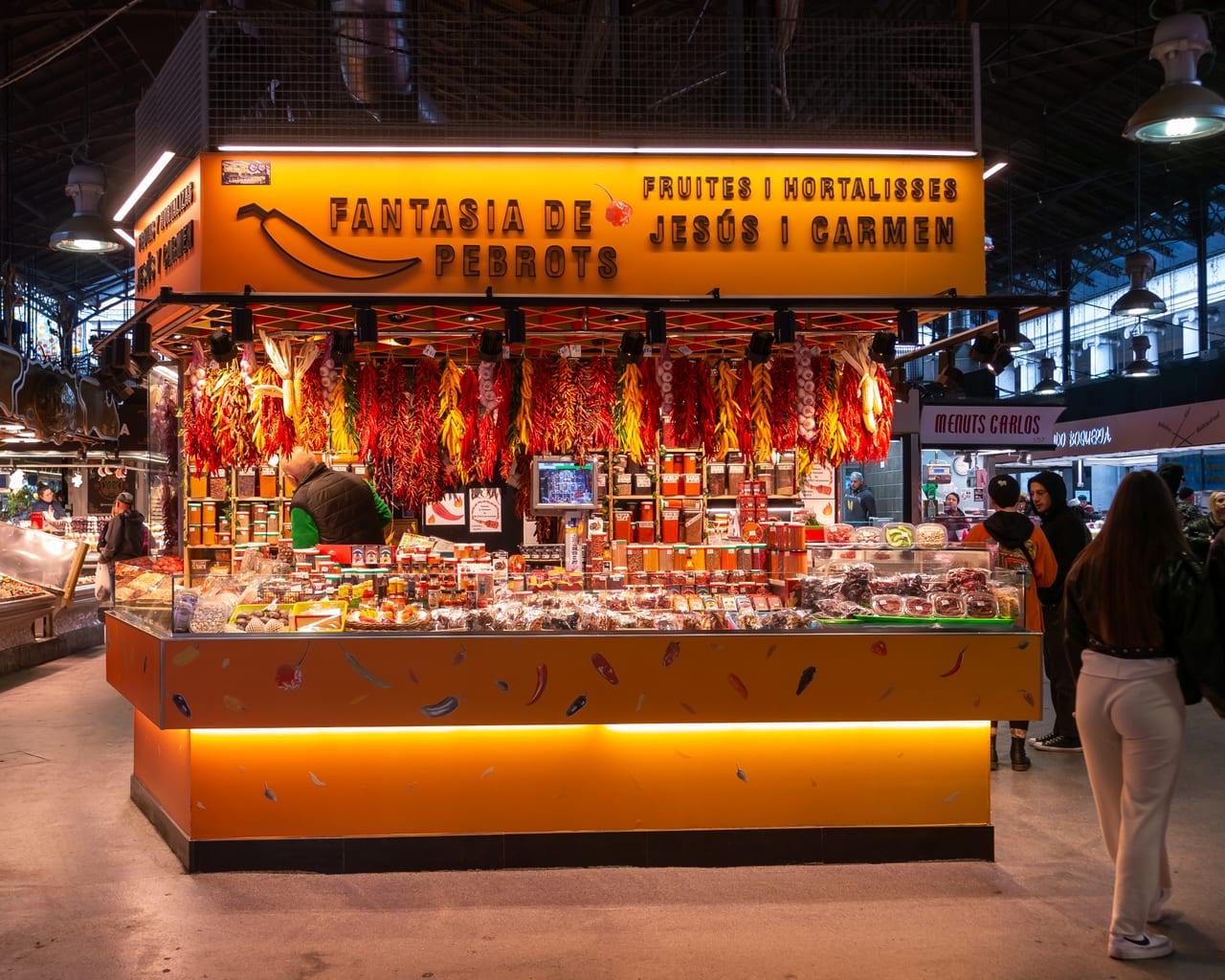
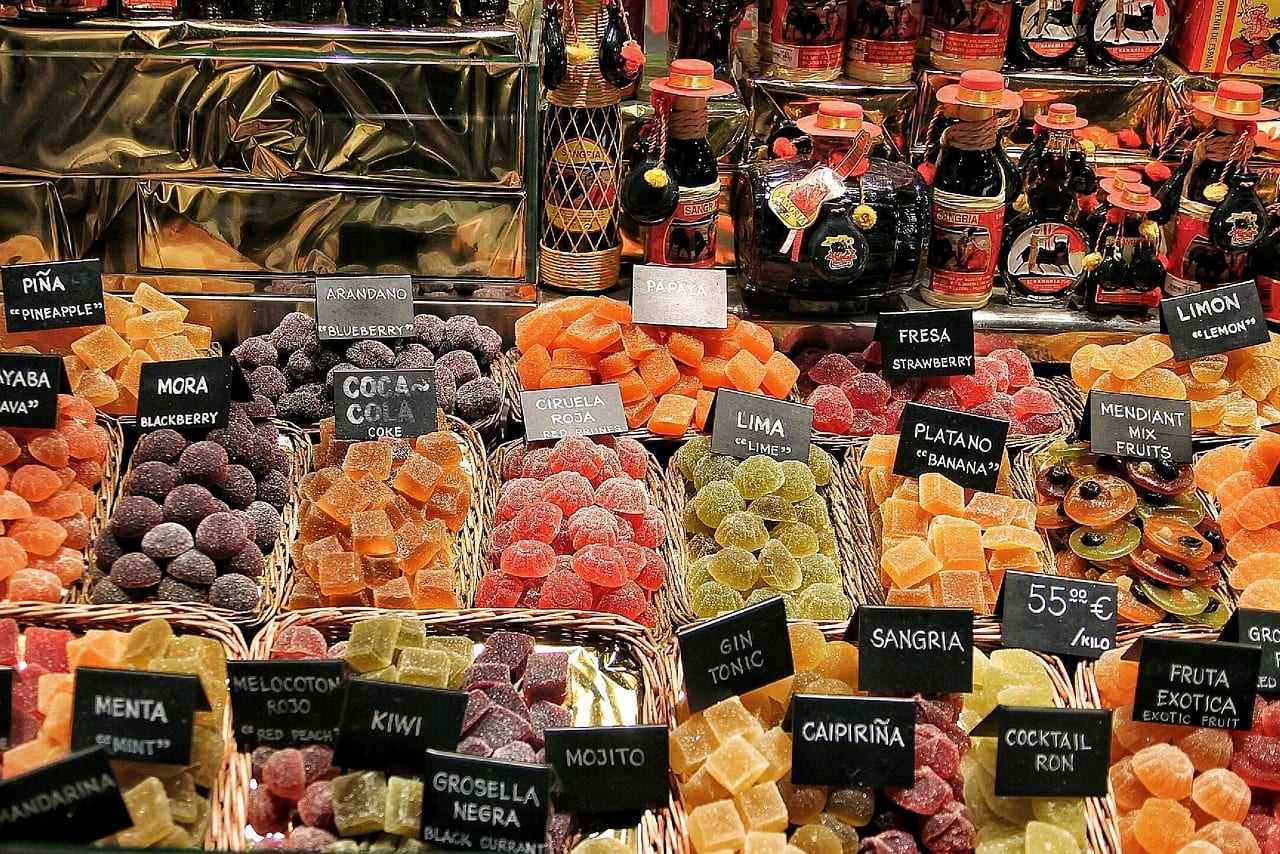
Photograph 1 of 45 of La Boqueria
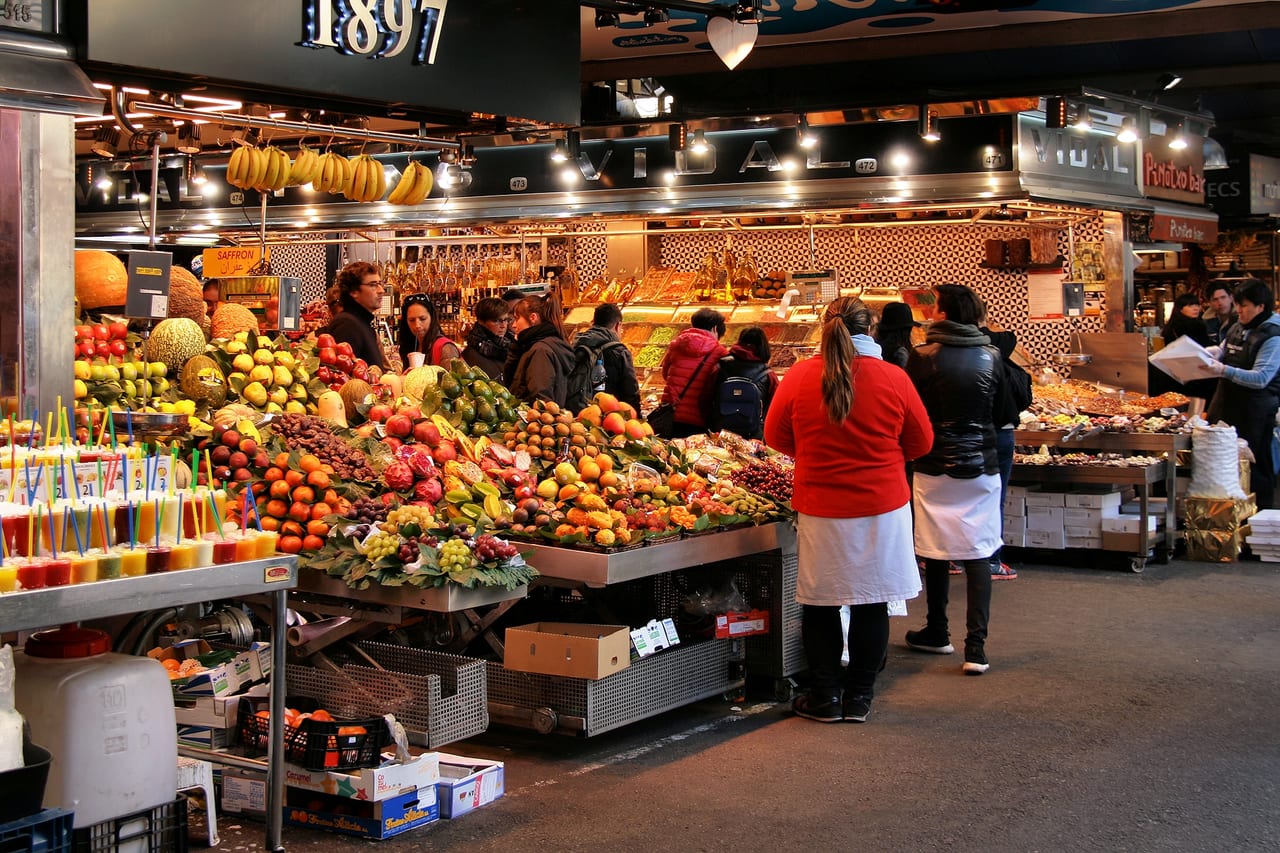
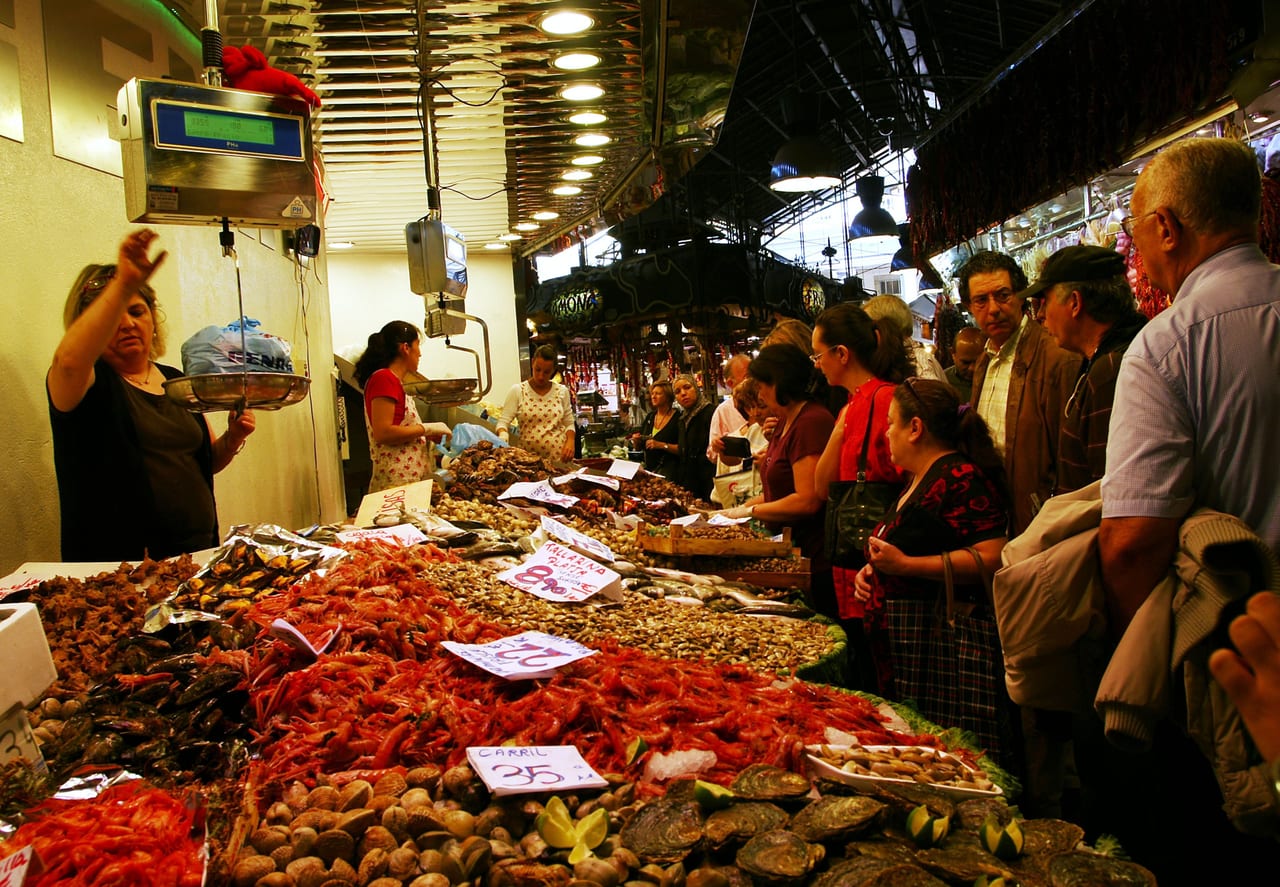
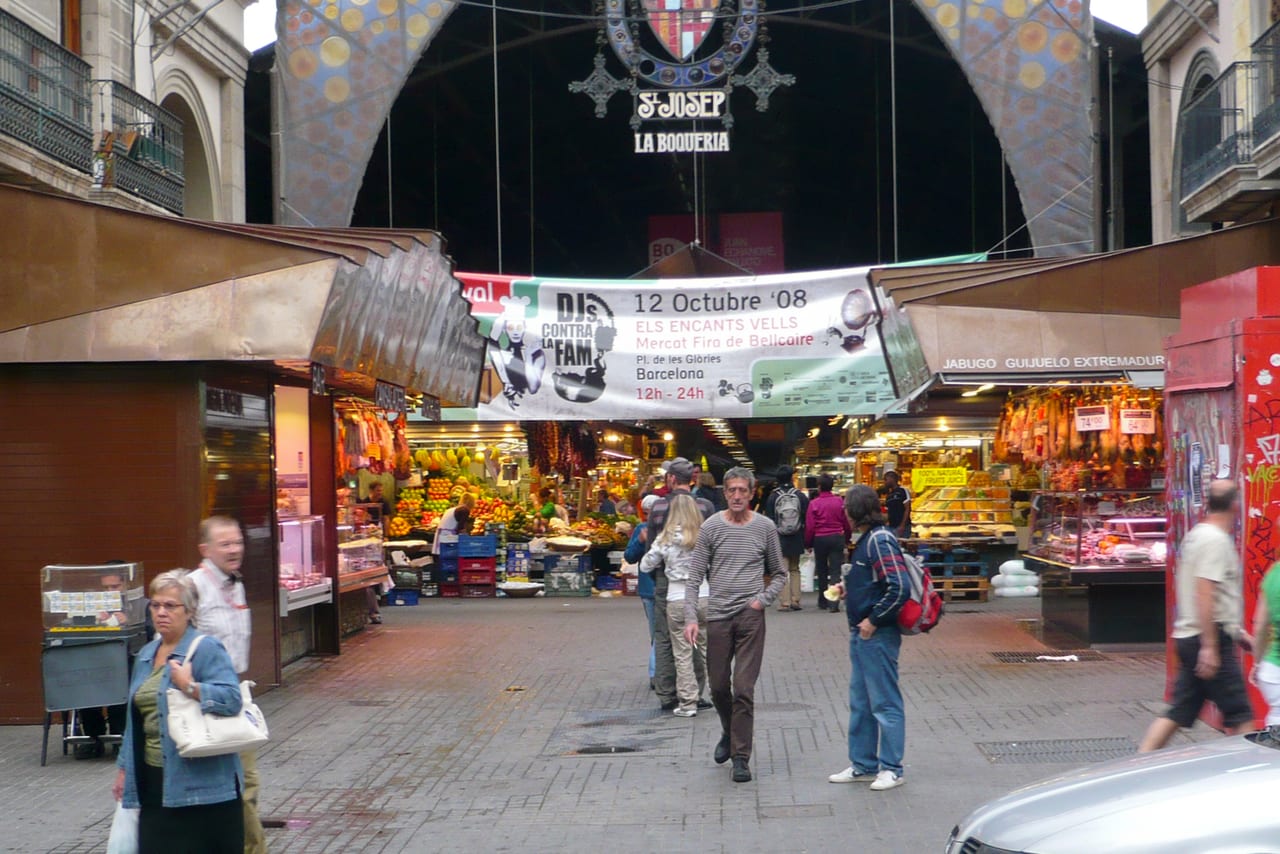
La Boqueria’s story begins in 1217, when tables near an old city gate sold meat. From December 1470, the site hosted a pig market known as Mercadi Bornet; later, until 1794, it was called Mercat de la Palla, or straw market. The market was open and unofficial, functioning as an extension of the Plaça Nova market reaching towards Plaça del Pi. The name La Boqueria is believed to derive from boc, the Catalan word for goat, suggesting a place associated with goat meat. Authorities later planned a separate market on La Rambla, chiefly for fishmongers and butchers. Legal recognition came in 1826, followed by a 1835 convention to build a permanent structure. Construction began on 19 March 1840 under architect Mas Vilá. The market opened that year, but building plans changed repeatedly, and the structure was finally inaugurated in 1853. A new fish market arrived in 1911. The varied goods and central setting have since made La Boqueria one of Barcelona’s most distinctive public markets.
At a glance
- Built
- 1914
- Style
- cast-iron architecture
- Heritage
- With urban protection
Ways to explore La Boqueria
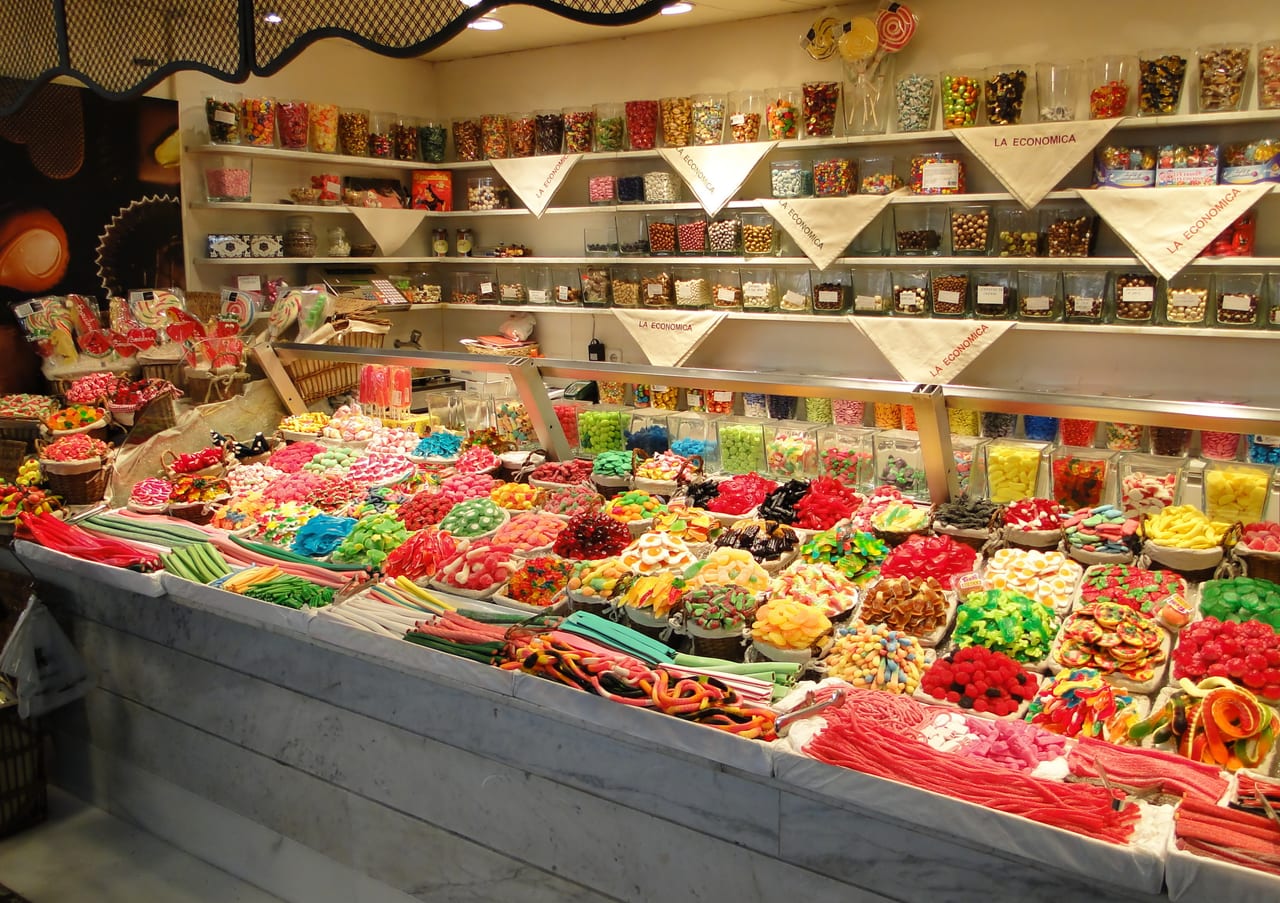
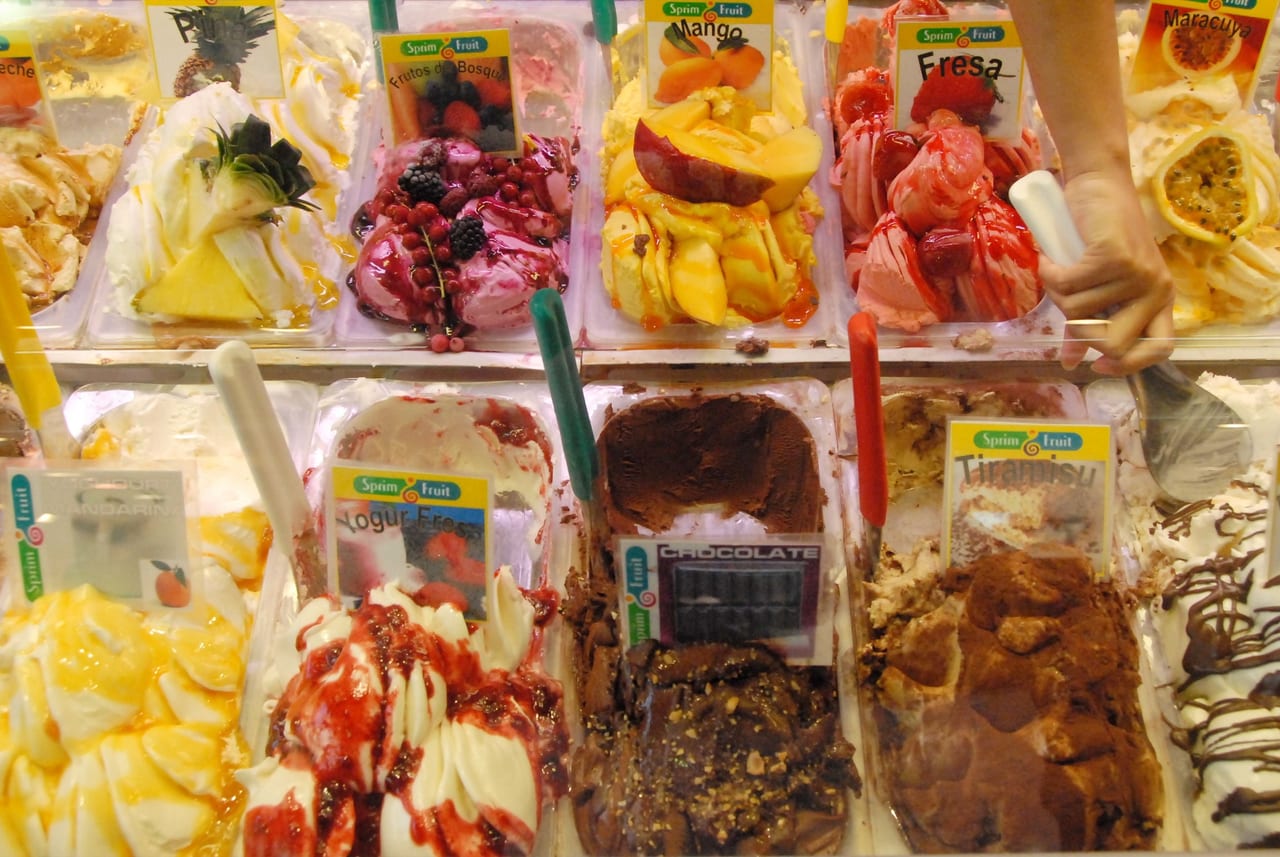
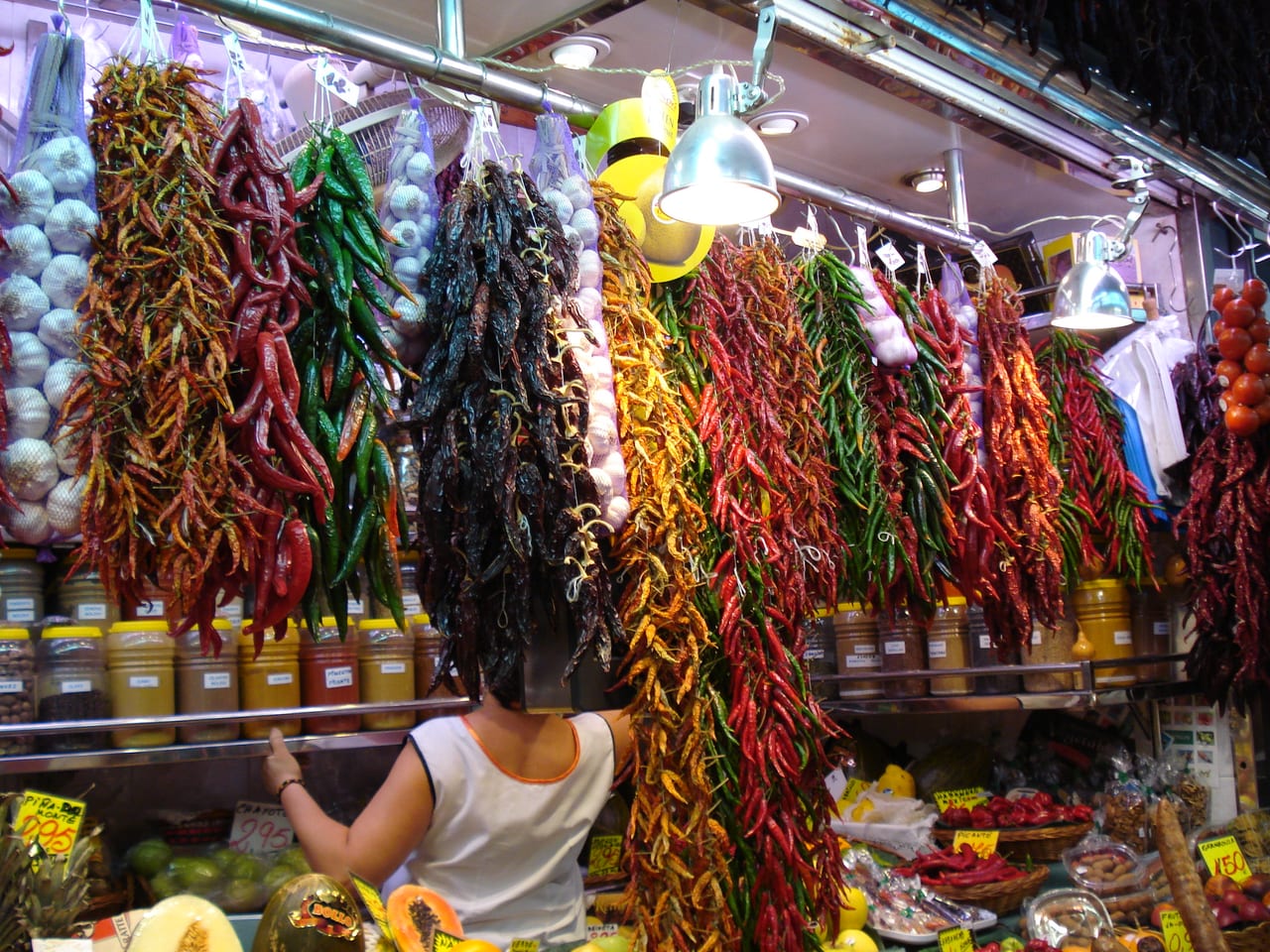
Enter from La Rambla and take time to move beyond the busiest front stalls. Compare the different sections and the range of goods, then pause to examine the market’s cast-iron construction and urban protection status. The nearby Liceu provides a useful architectural landmark for orienting yourself before or after exploring the market.
Places to stay near La Boqueria

Live availability and prices from Stay22's partners, refreshed periodically and subject to change. Booking through these links may earn us a commission at no extra cost to you. See our privacy policy.
Cafés near La Boqueria
Cafés near La Boqueria loads as you scroll.
Attractions nearby
Attractions near La Boqueria loads as you scroll.
Cities nearby
Cities nearby loads as you scroll.
More in Barcelona
See more of Barcelona.
Find great cafés, places to stay and other interesting places to visit in Barcelona.