Fountain · Barcelona
Font de Diana
DirectionsA conservative city council forced sculptor Venanci Vallmitjana to clothe his originally nude Diana before the statue could enter Barcelona’s public realm.
Photograph 1 of 7 of Font de Diana
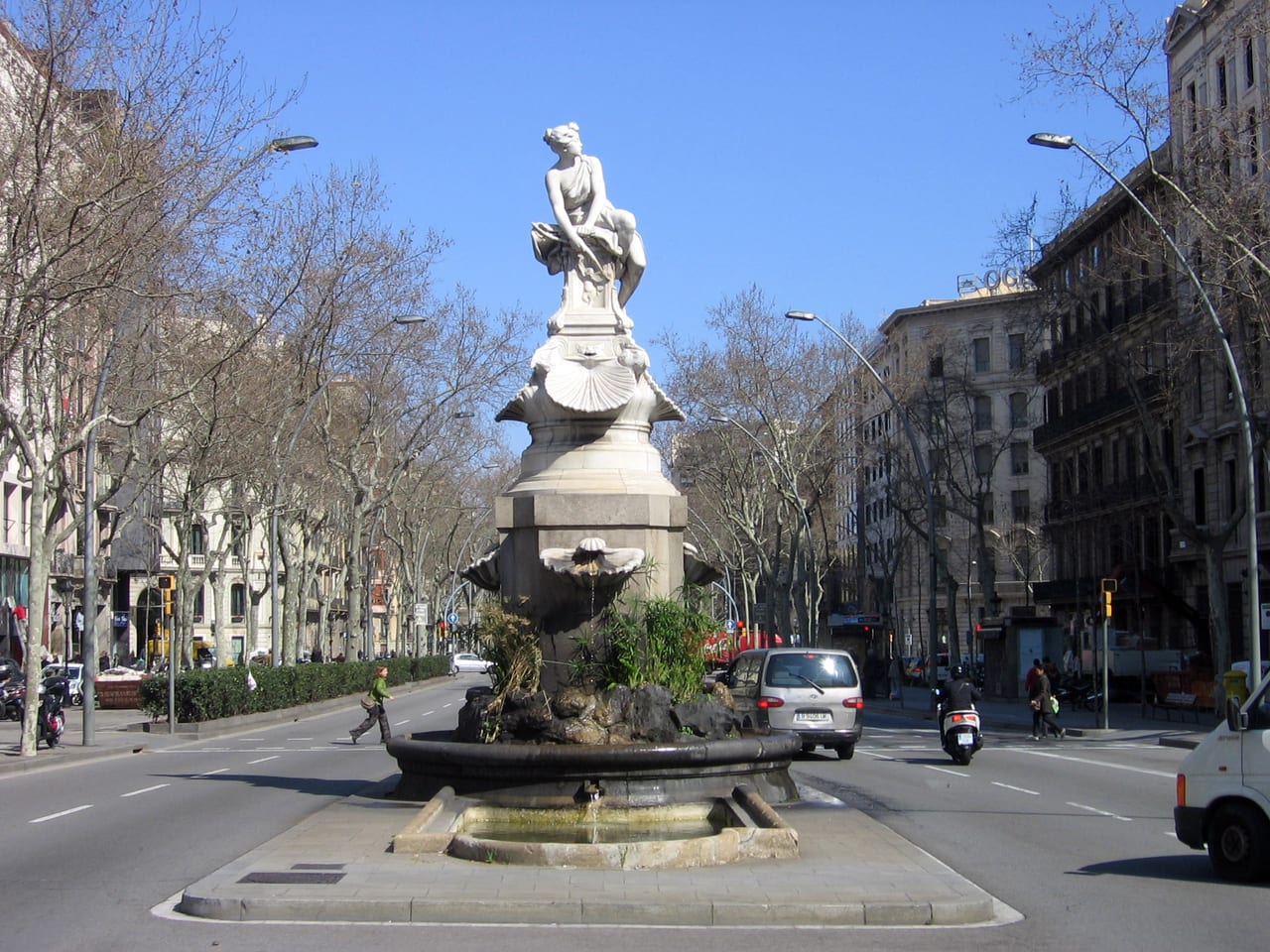
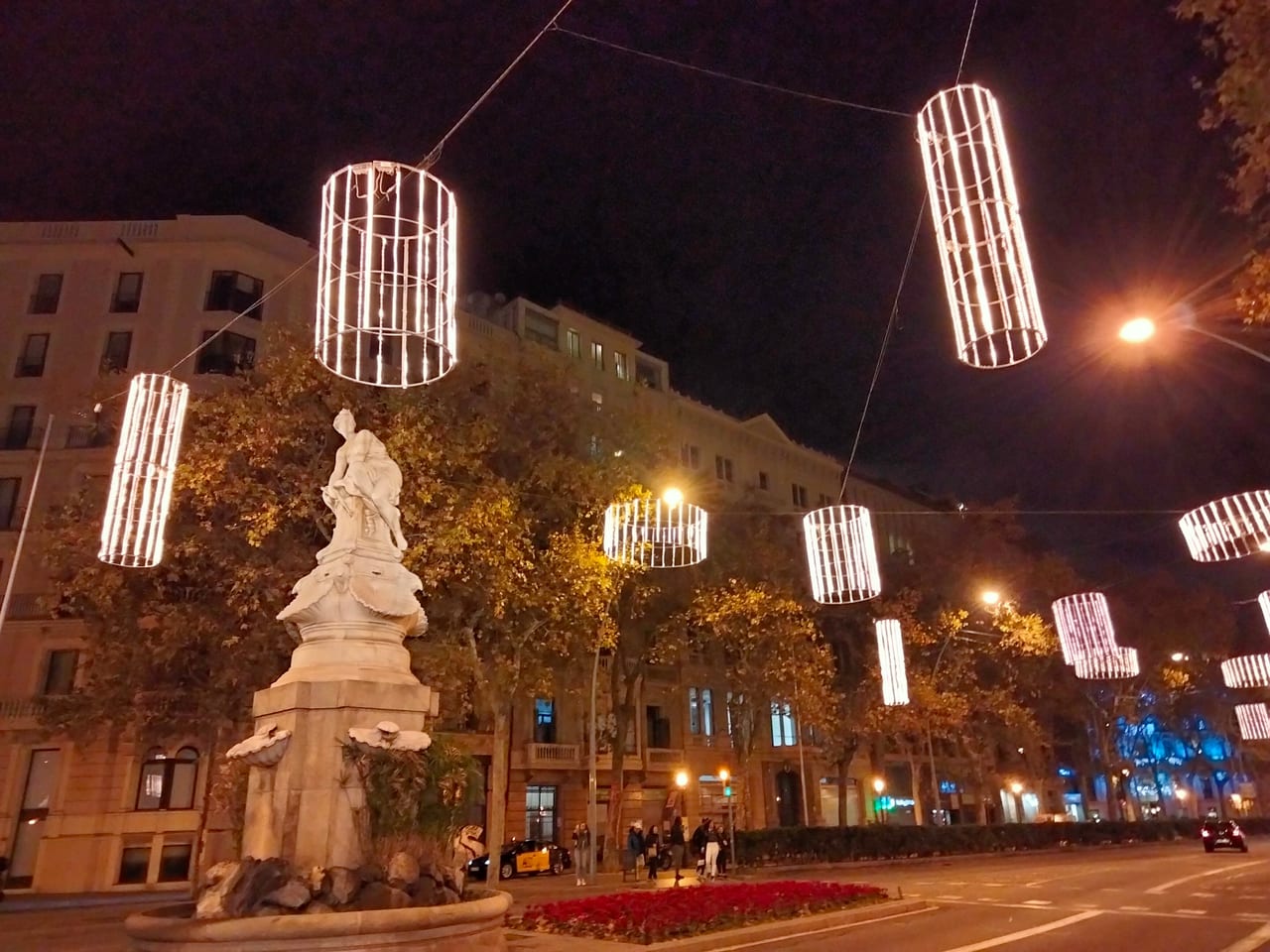
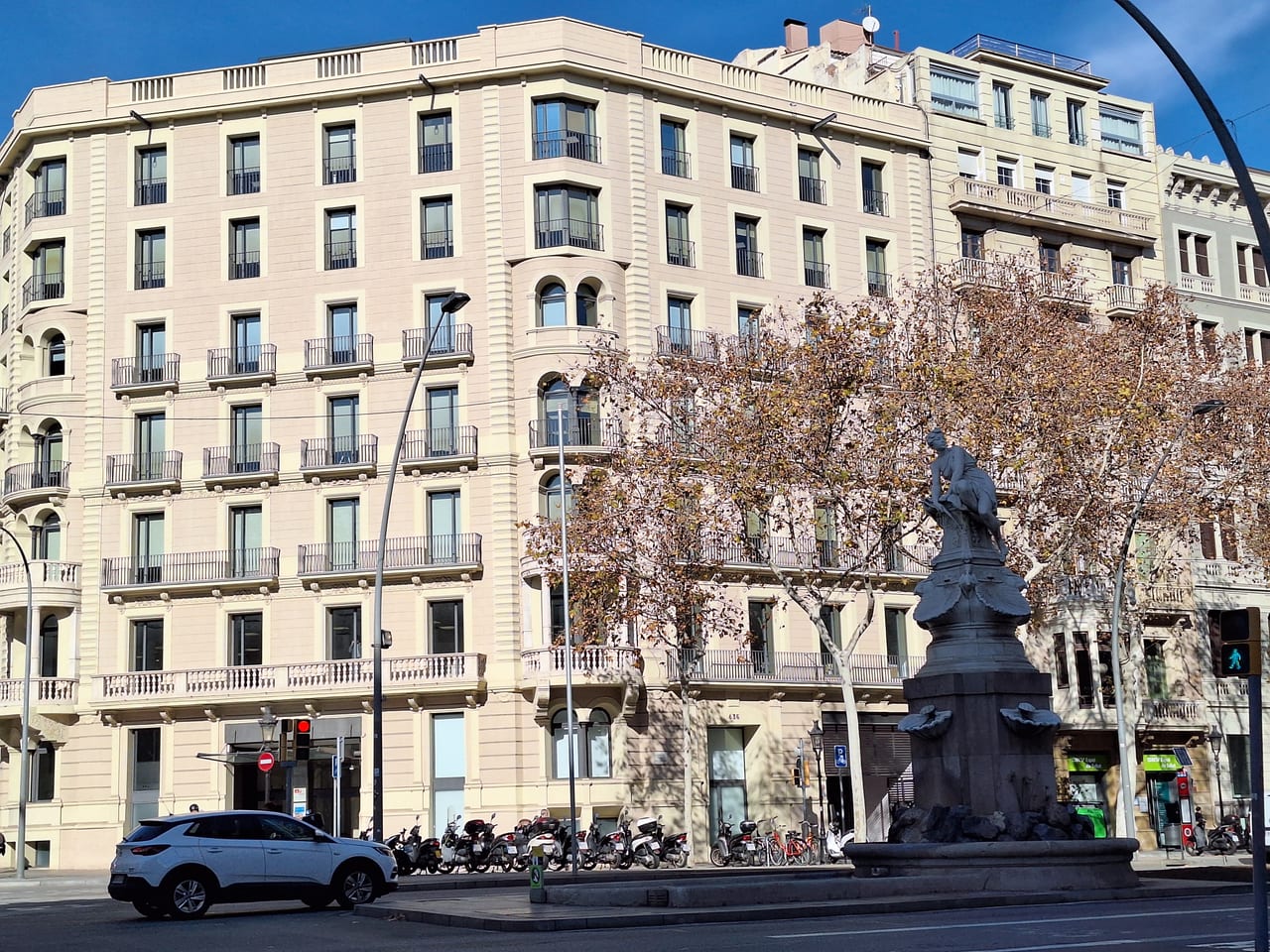
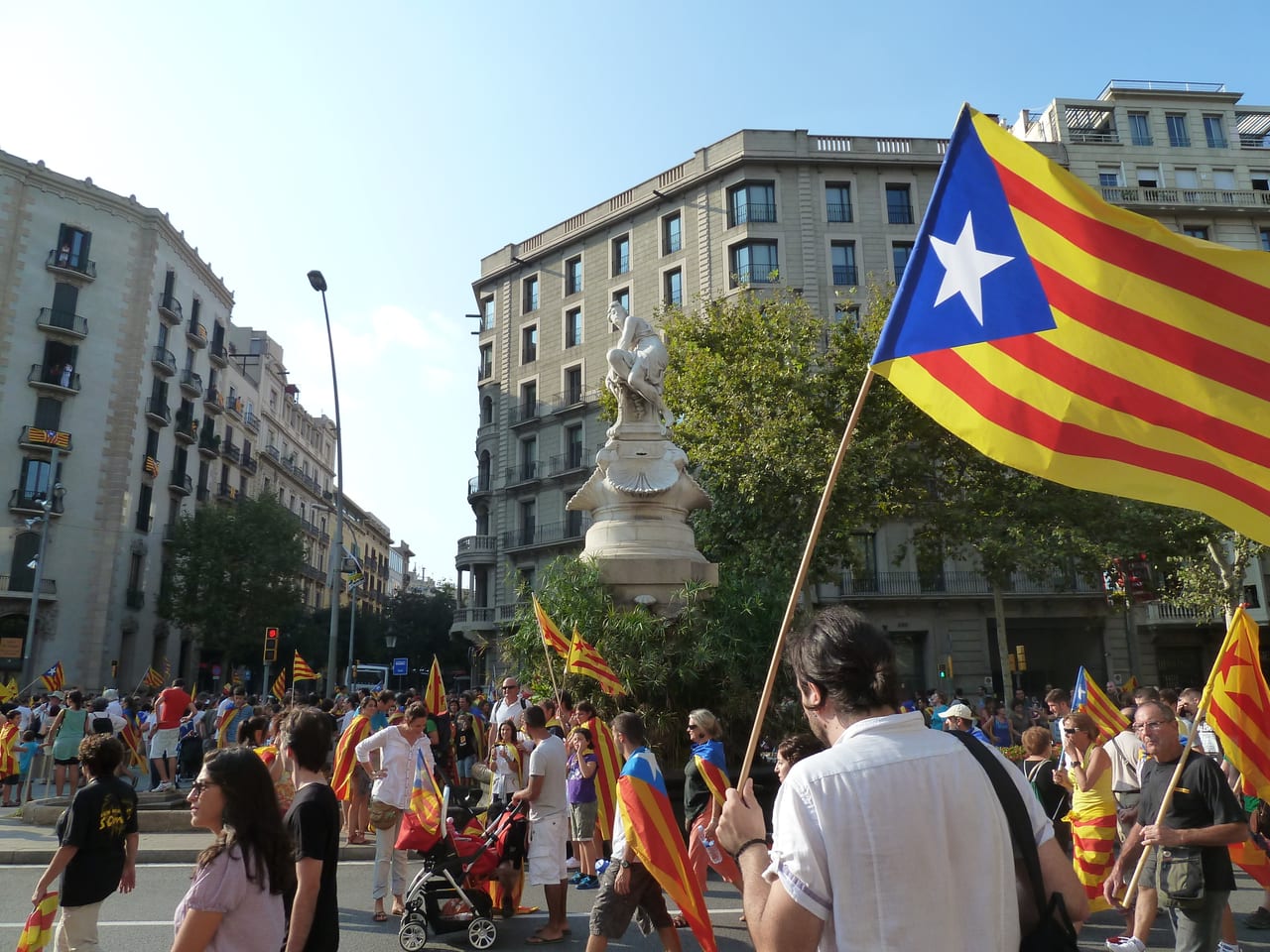
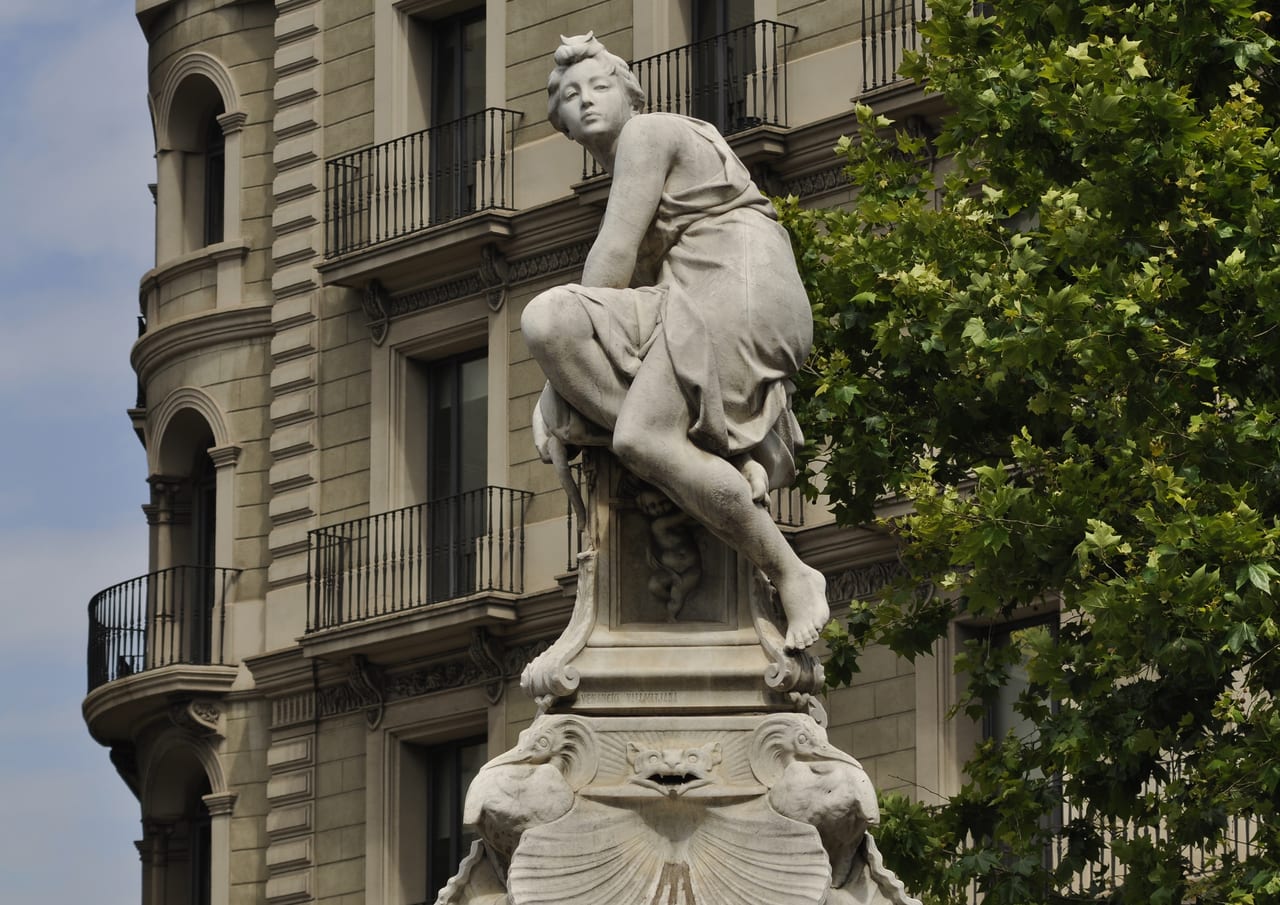
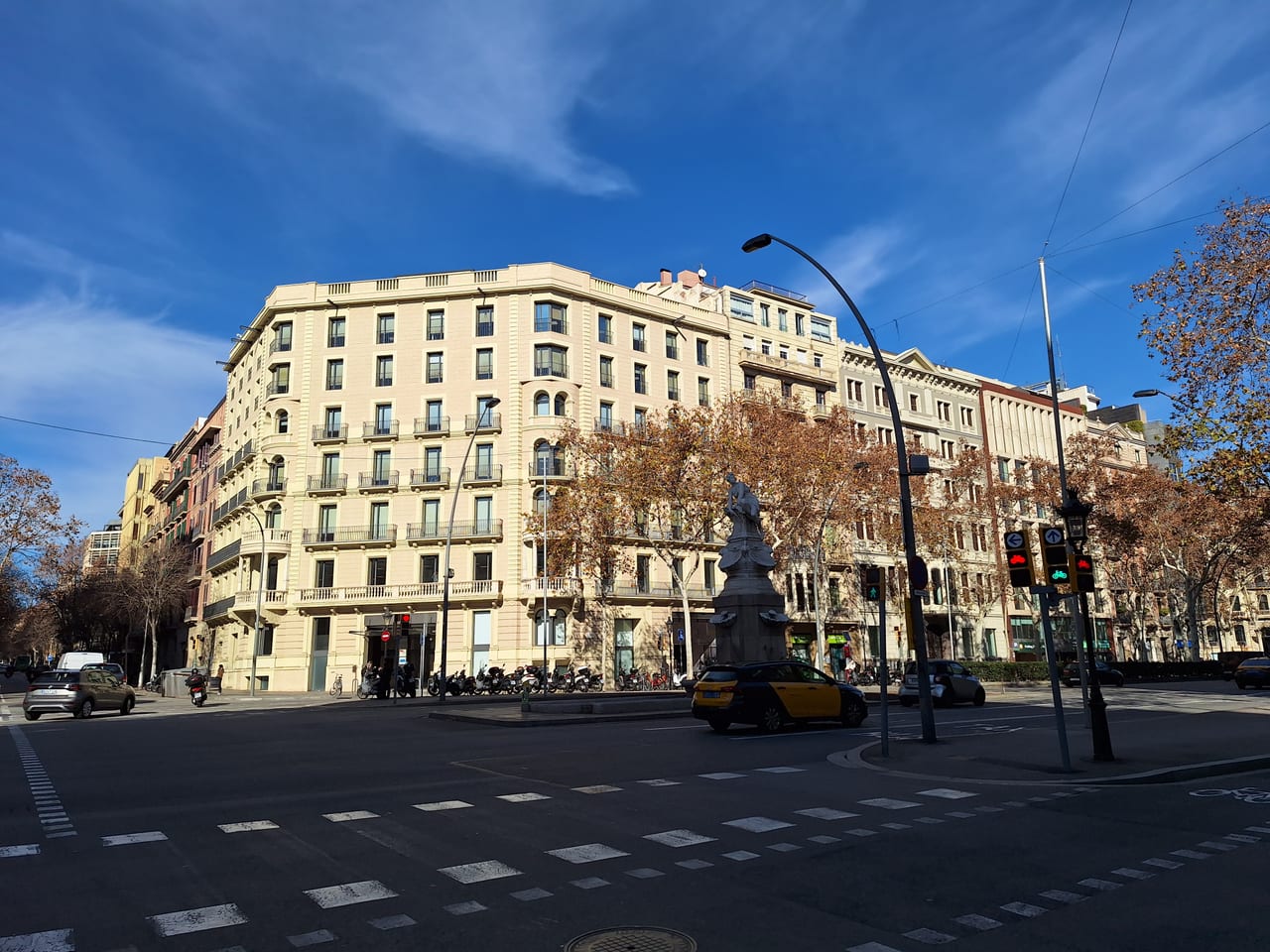
Venanci Vallmitjana received the commission for a sculptural fountain in 1913, reusing a Diana he had made earlier and exhibited at the IV Barcelona Fine Arts Exhibition in 1898. The project was first intended for the junction of Gran Via de les Corts Catalanes and Carrer del Bruc, but the site shifted to Carrer de Roger de Llúria when the Hotel Ritz was built there in 1919. Its architect, Eduard Ferrés, received the city’s architecture prize that year. The fountain was inaugurated on 12 December 1919. Originally set within a broad parterre, the monument was reduced in the 1950s to ease motor traffic. Its sculptural composition rises from a small circular pool with a rockwork base and a pedestal formed by square and circular stages. Diana’s poised, anticipatory movement conveys the instant before action. Vallmitjana’s treatment of the limbs and face reveals a strong Michelangelo influence, especially in the tension of the pose and gaze. Restored in 1987, it was reinaugurated by Mayor Pasqual Maragall on 16 November that year. The fountain is listed as a locally significant cultural asset.
At a glance
- Built
- 1898
- Heritage
- public art in Barcelona
Ways to explore Font de Diana
Examine the pedestal’s four large shell motifs, then look upward for the small crescent on Diana’s head and the bow held in her hand. Walk around the monument to read the figure’s asymmetrical stance from different angles, paying particular attention to the taut relationship between arms, legs and head. From the pavement, compare the compact present arrangement with the open space implied by its surviving rockwork setting.
Places to stay near Font de Diana

Live availability and prices from Stay22's partners, refreshed periodically and subject to change. Booking through these links may earn us a commission at no extra cost to you. See our privacy policy.
Cafés near Font de Diana
Cafés near Font de Diana loads as you scroll.
Attractions nearby
Attractions near Font de Diana loads as you scroll.
Cities nearby
Cities nearby loads as you scroll.
More in Barcelona
See more of Barcelona.
Find great cafés, places to stay and other interesting places to visit in Barcelona.