Church · Barcelona
Església del Carme de Barcelona
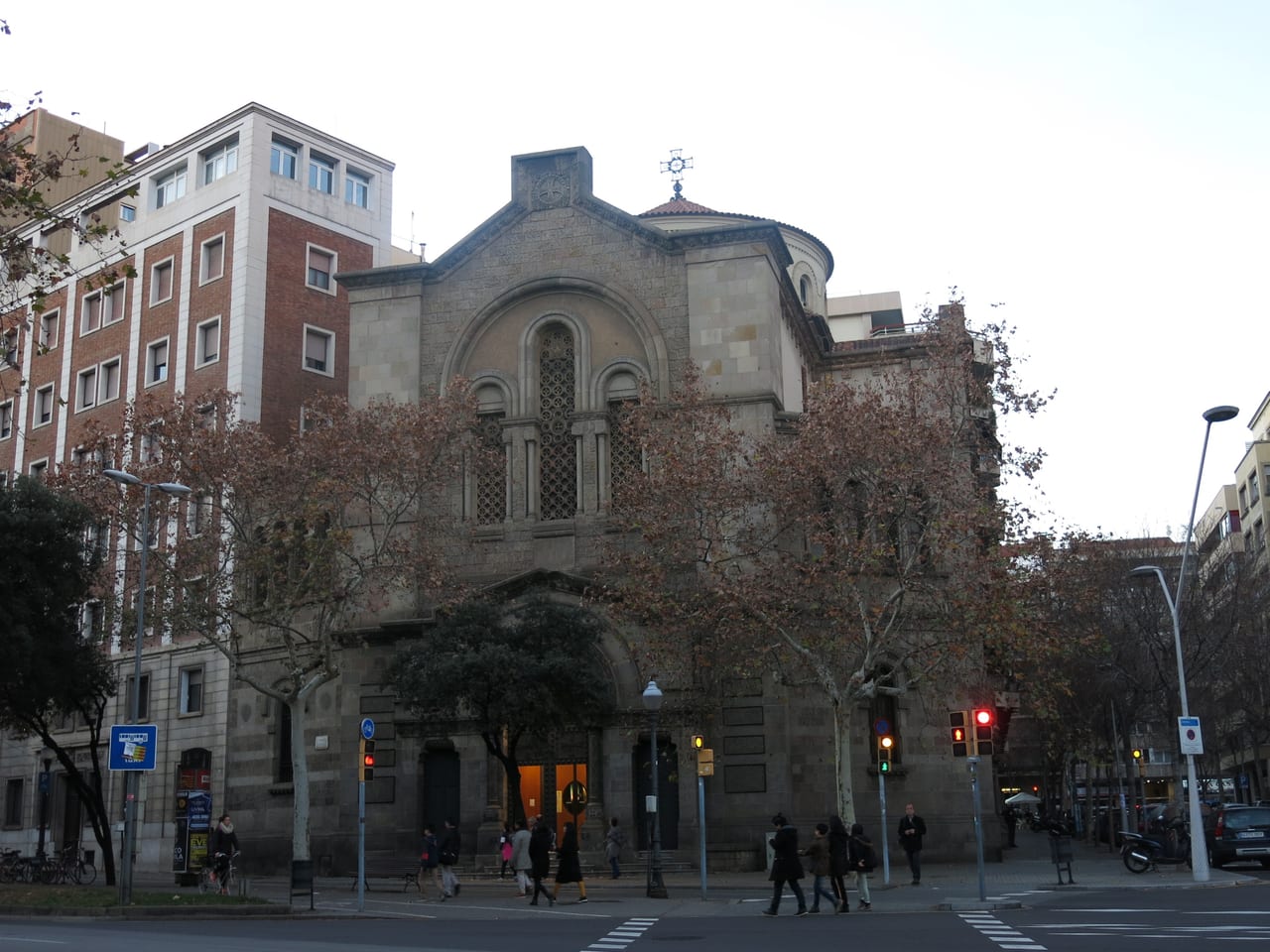
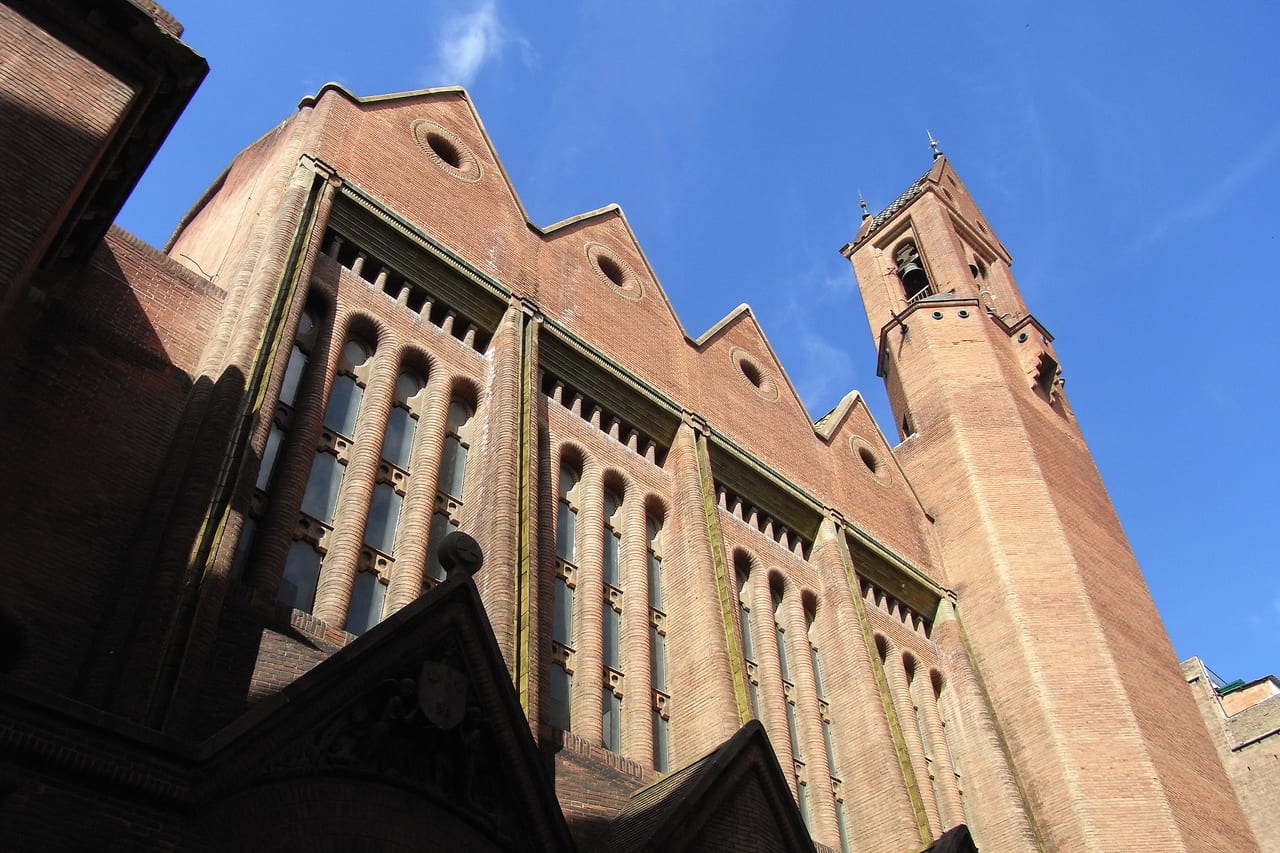
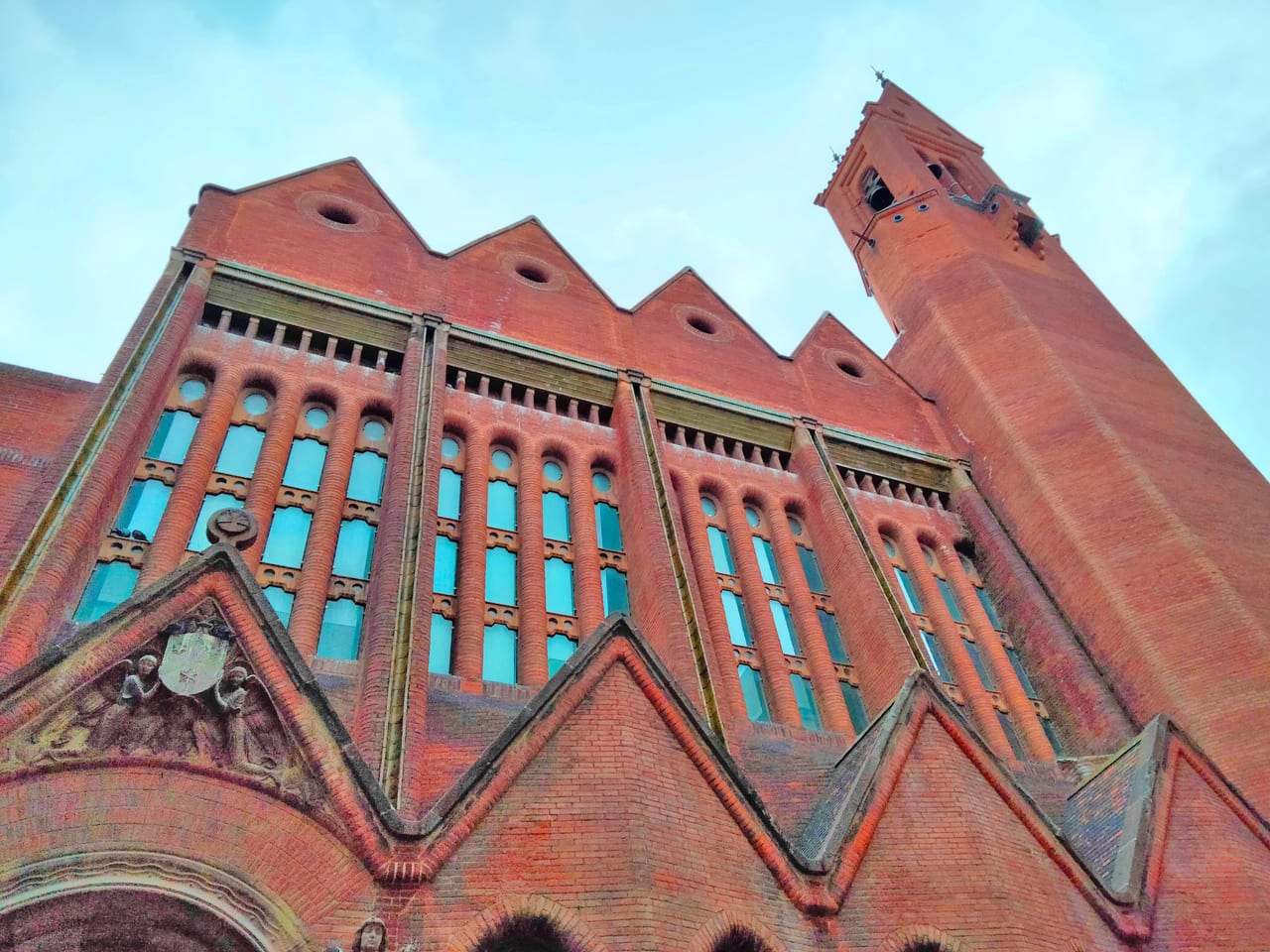
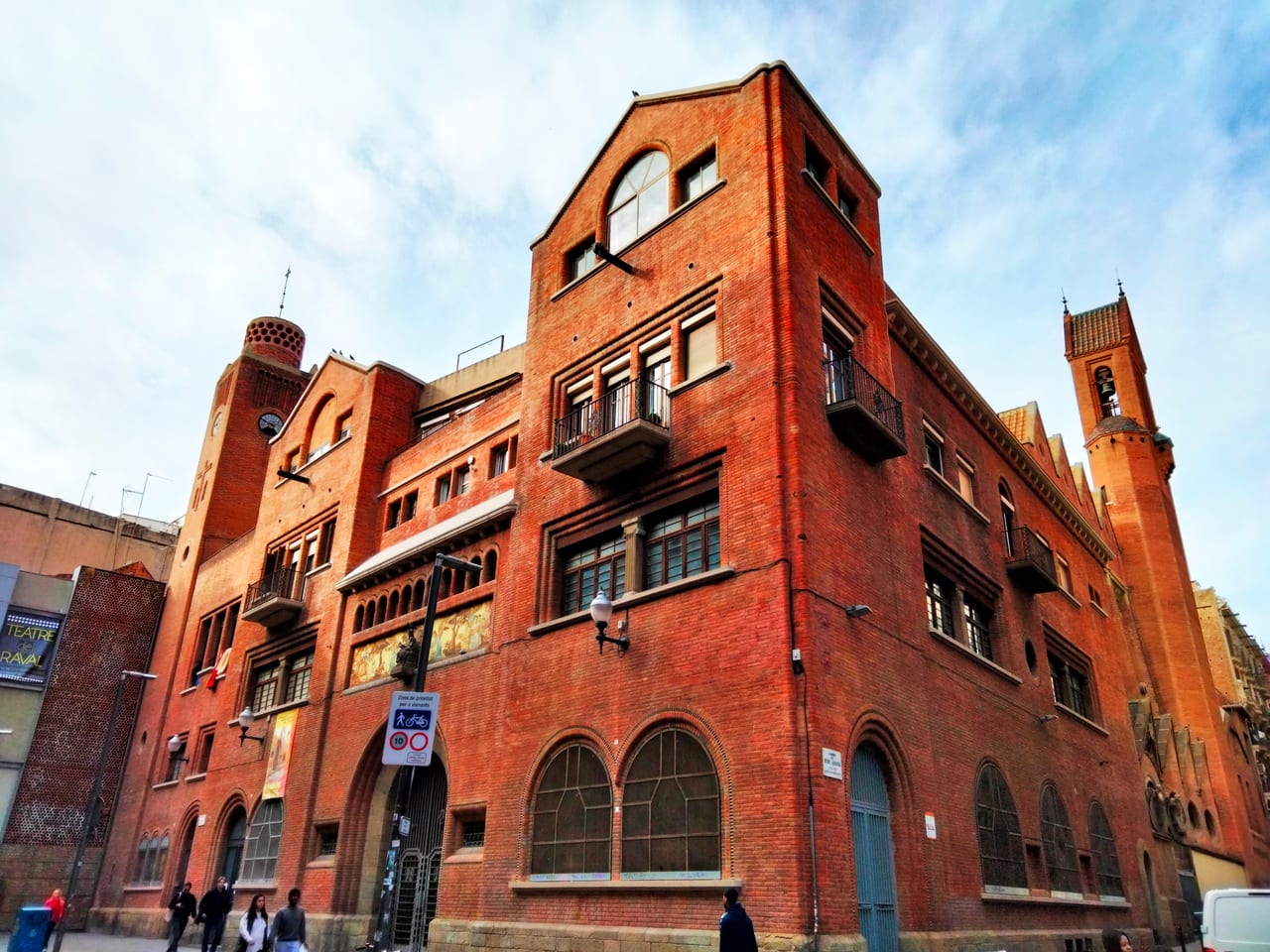
DirectionsIts parish complex bridges Catalan modernism and early rationalism, with architectural echoes of Viennese Sezession, German expressionism and the Amsterdam School.
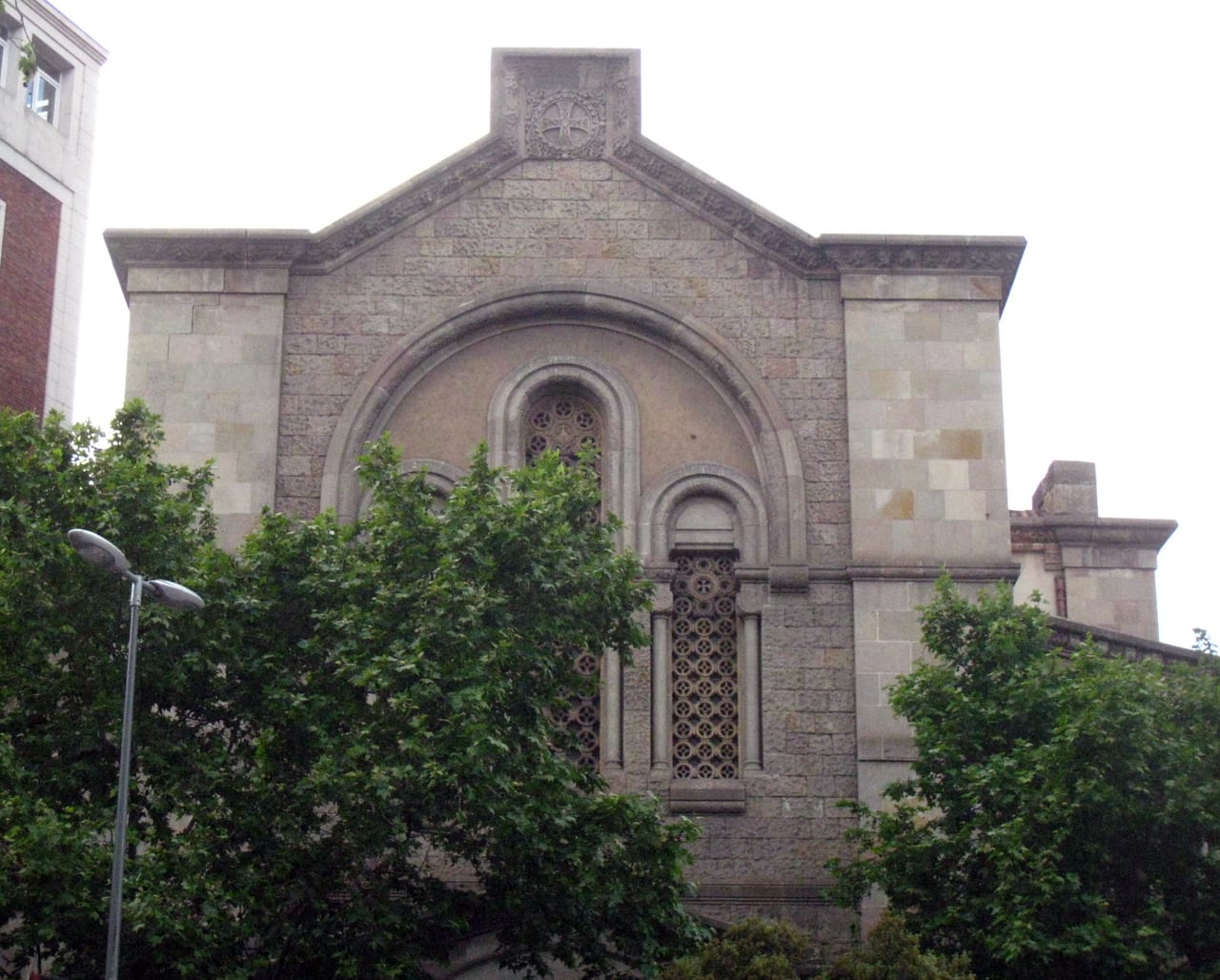
Photograph 1 of 21 of Església del Carme de Barcelona
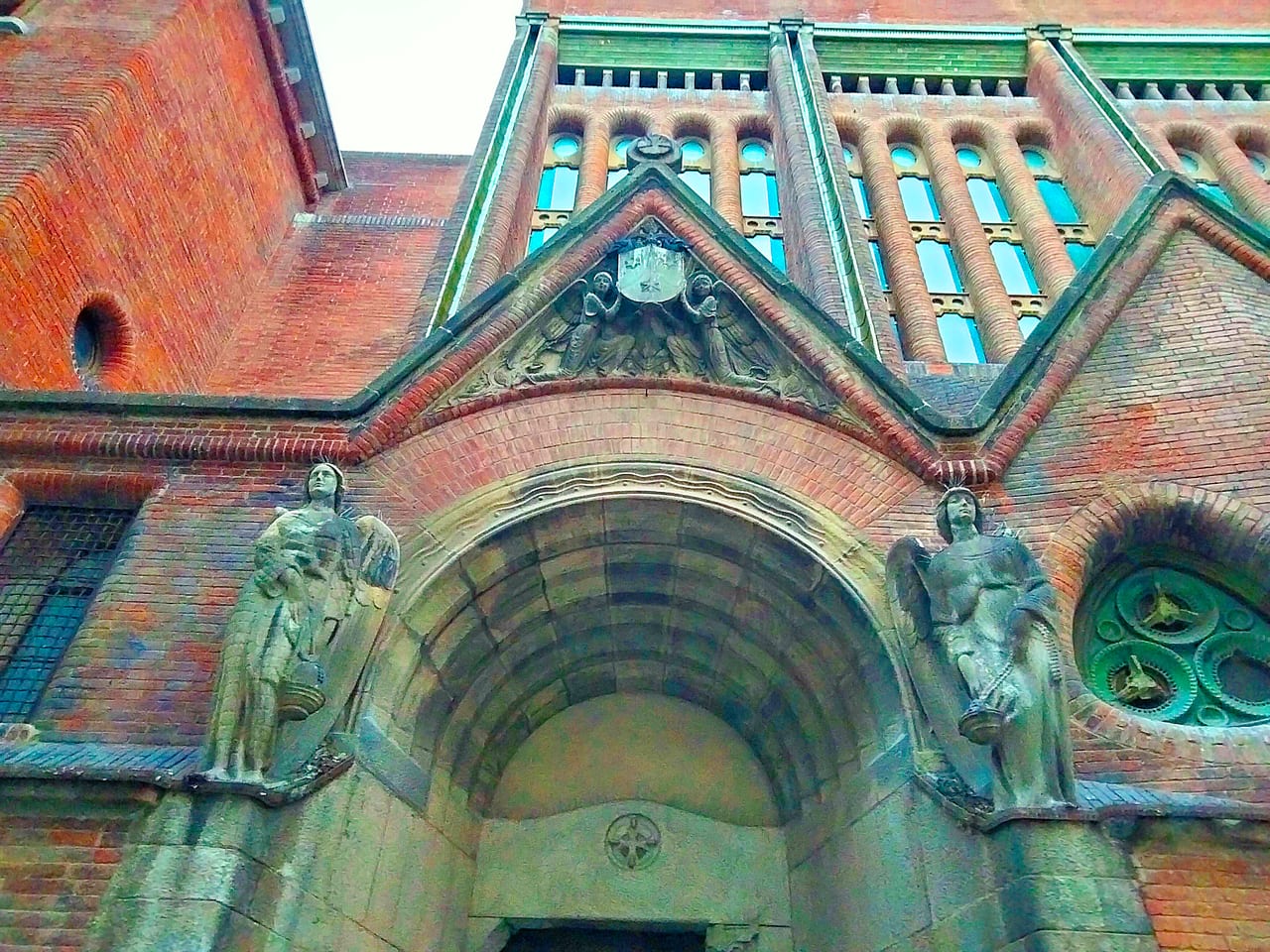
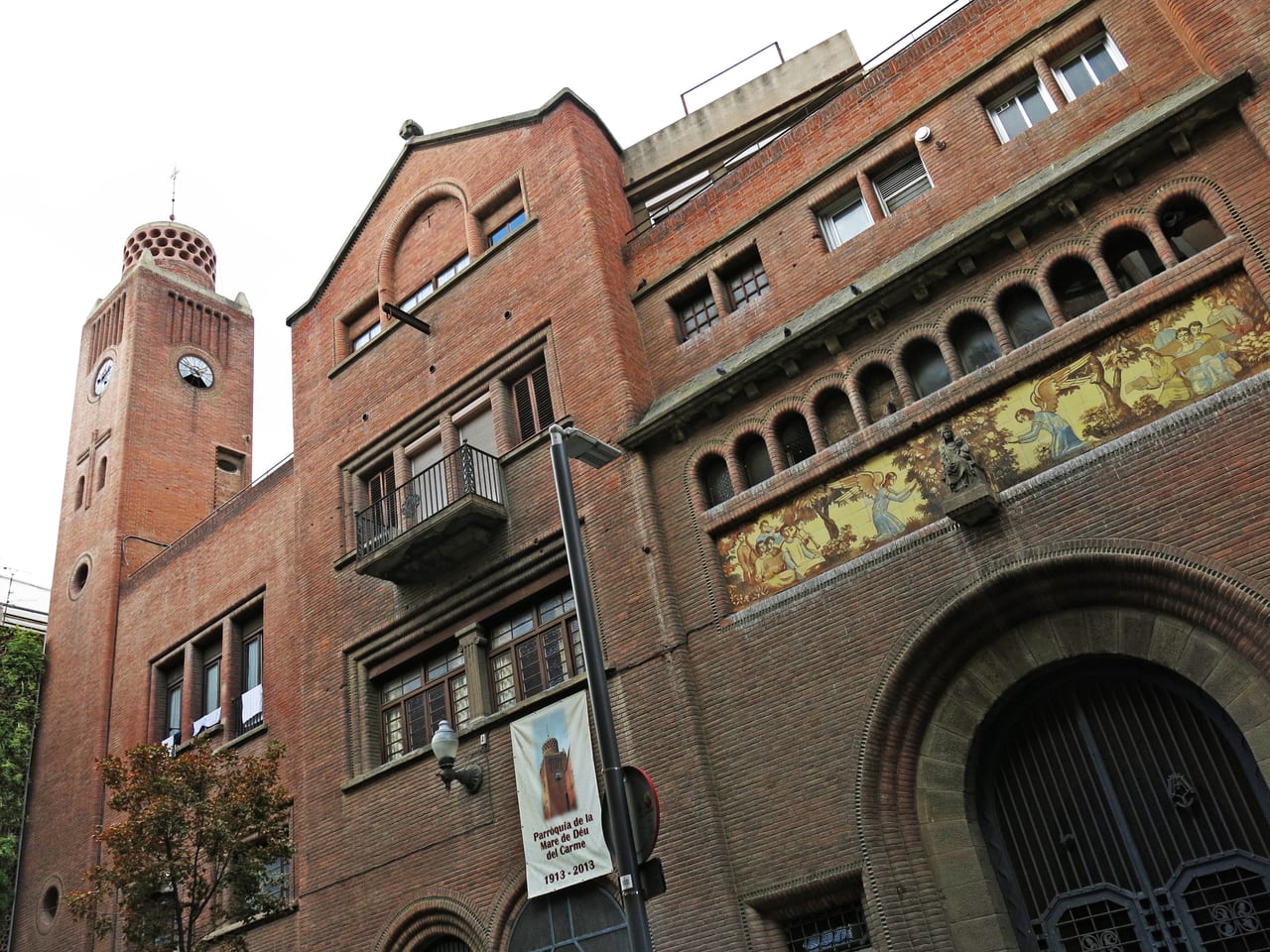
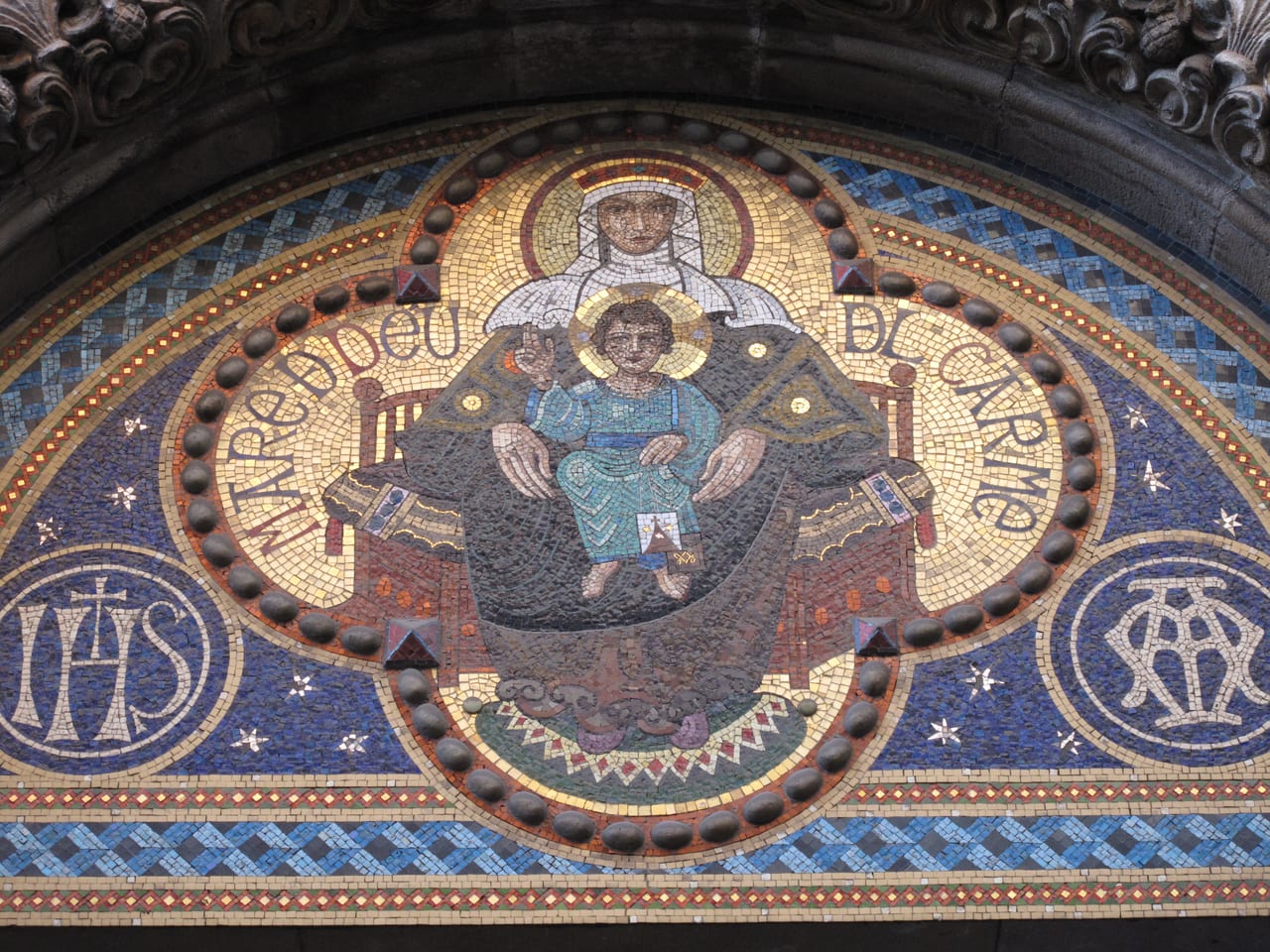
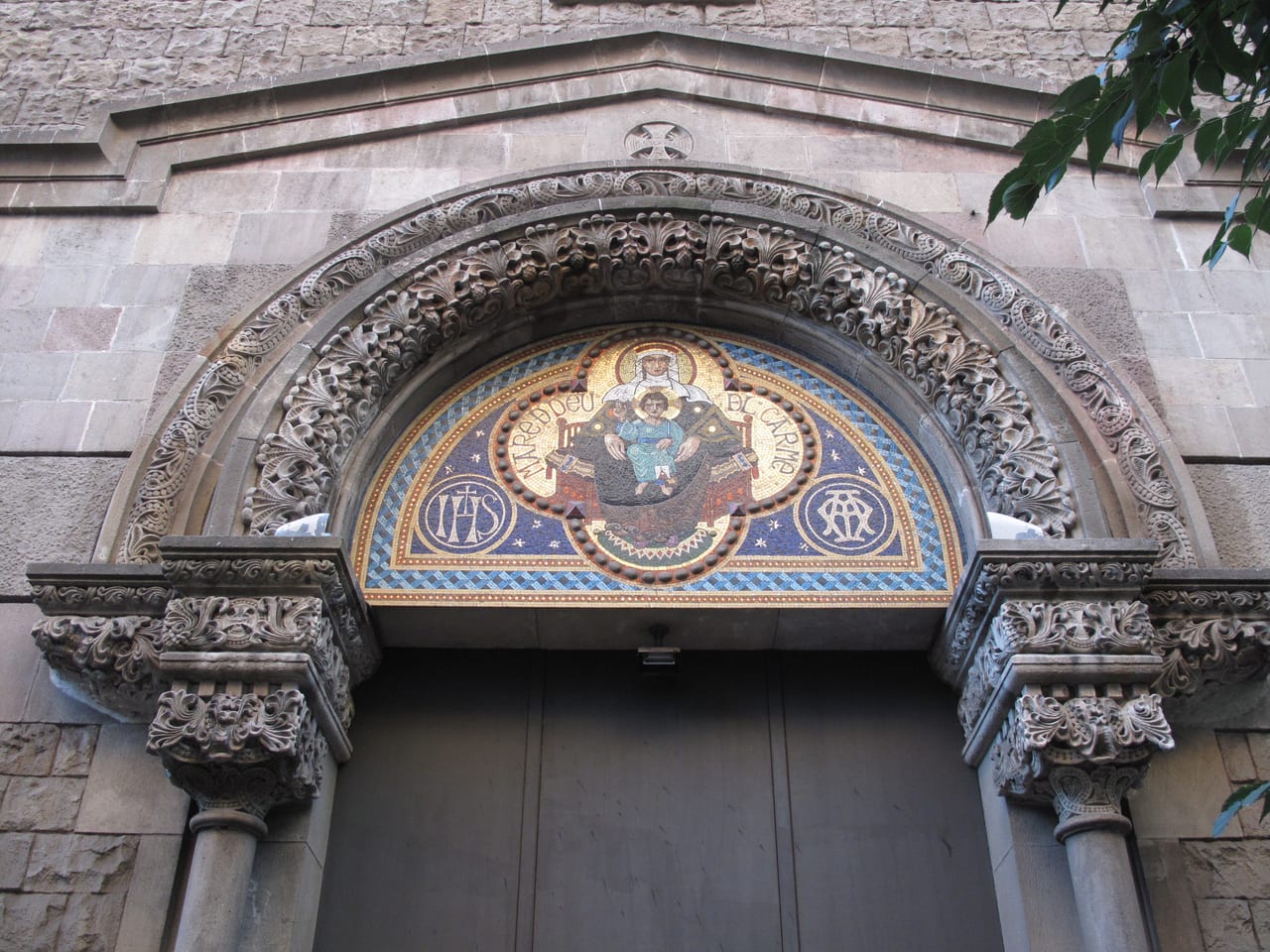
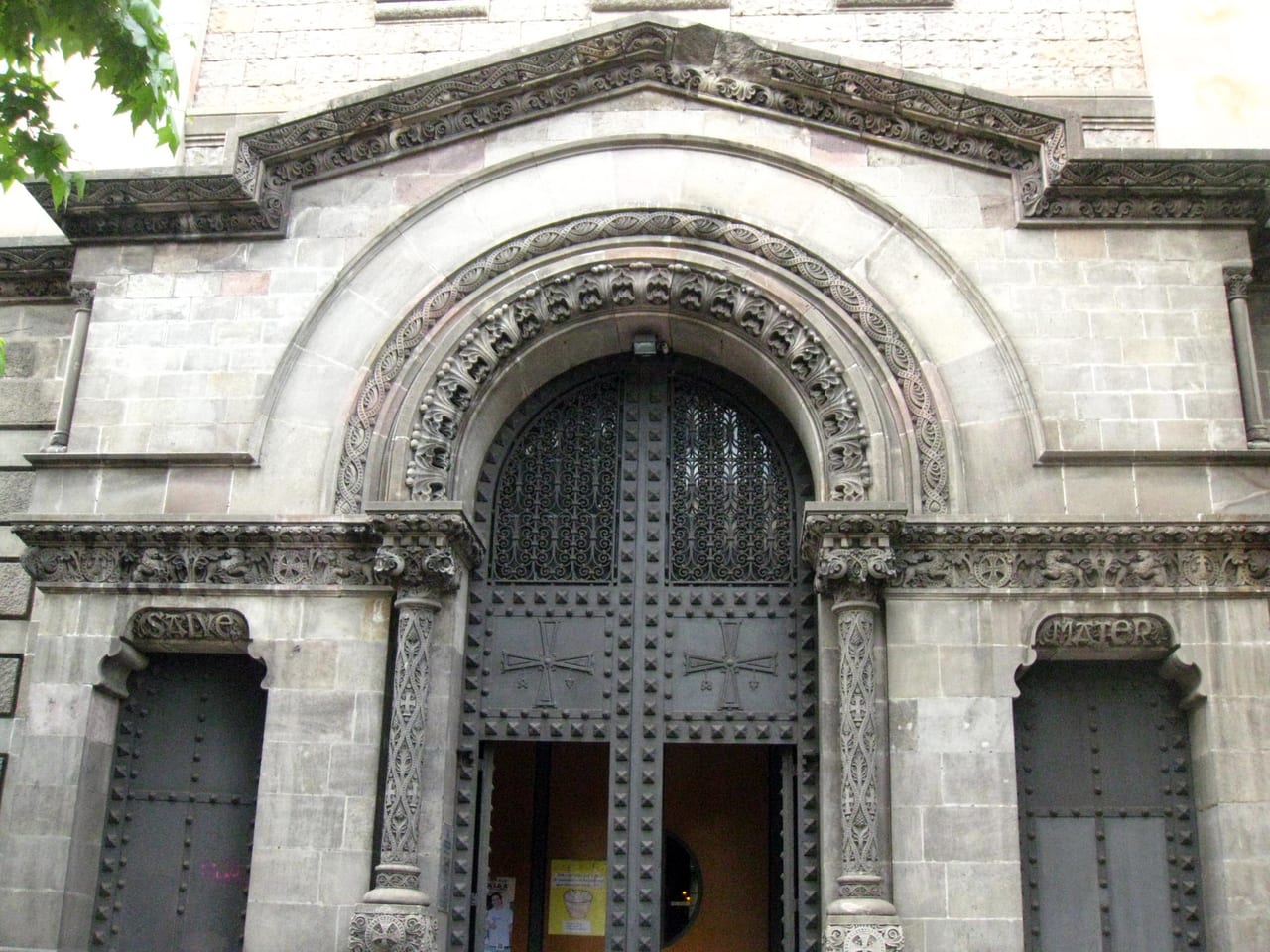
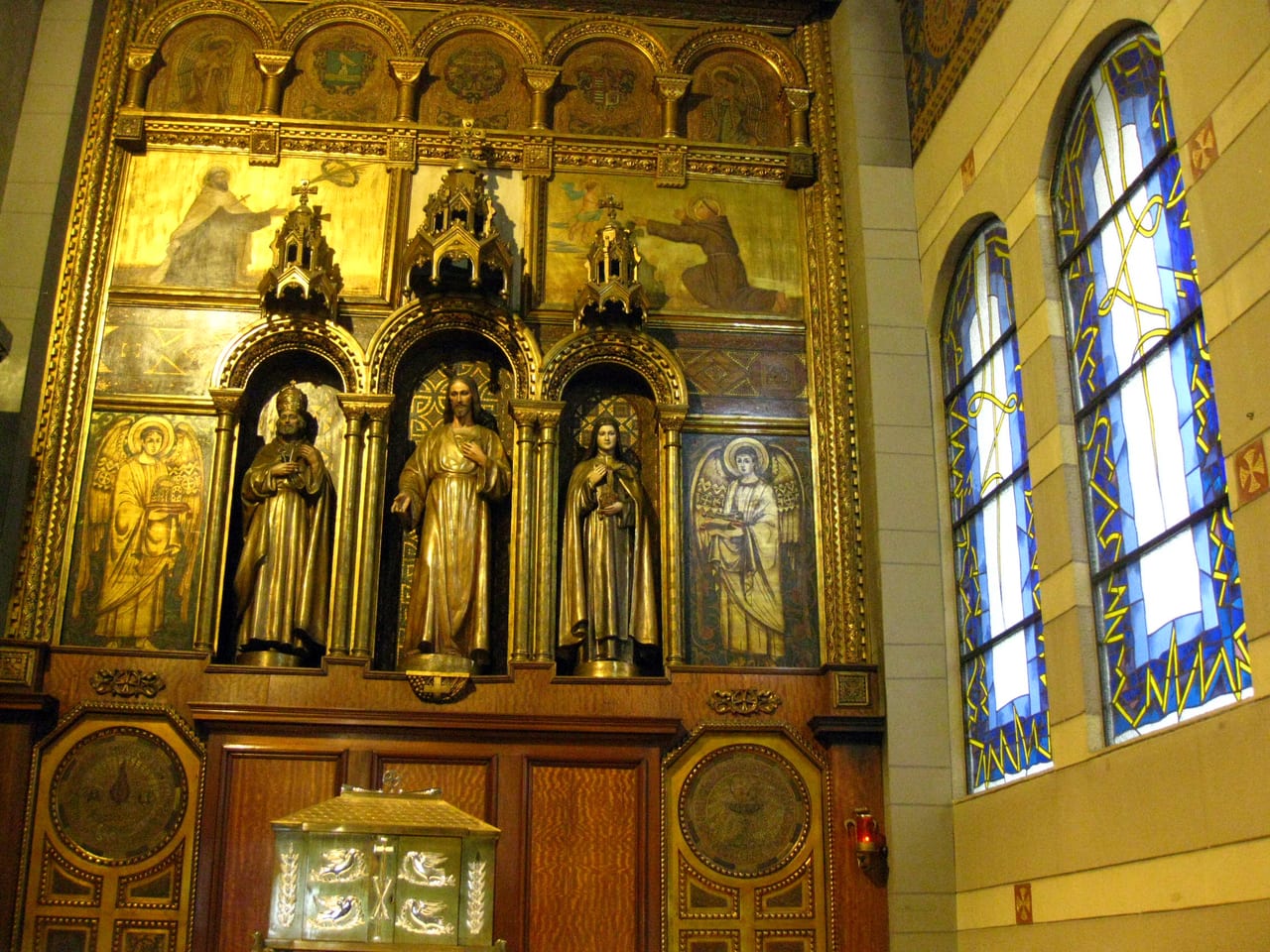
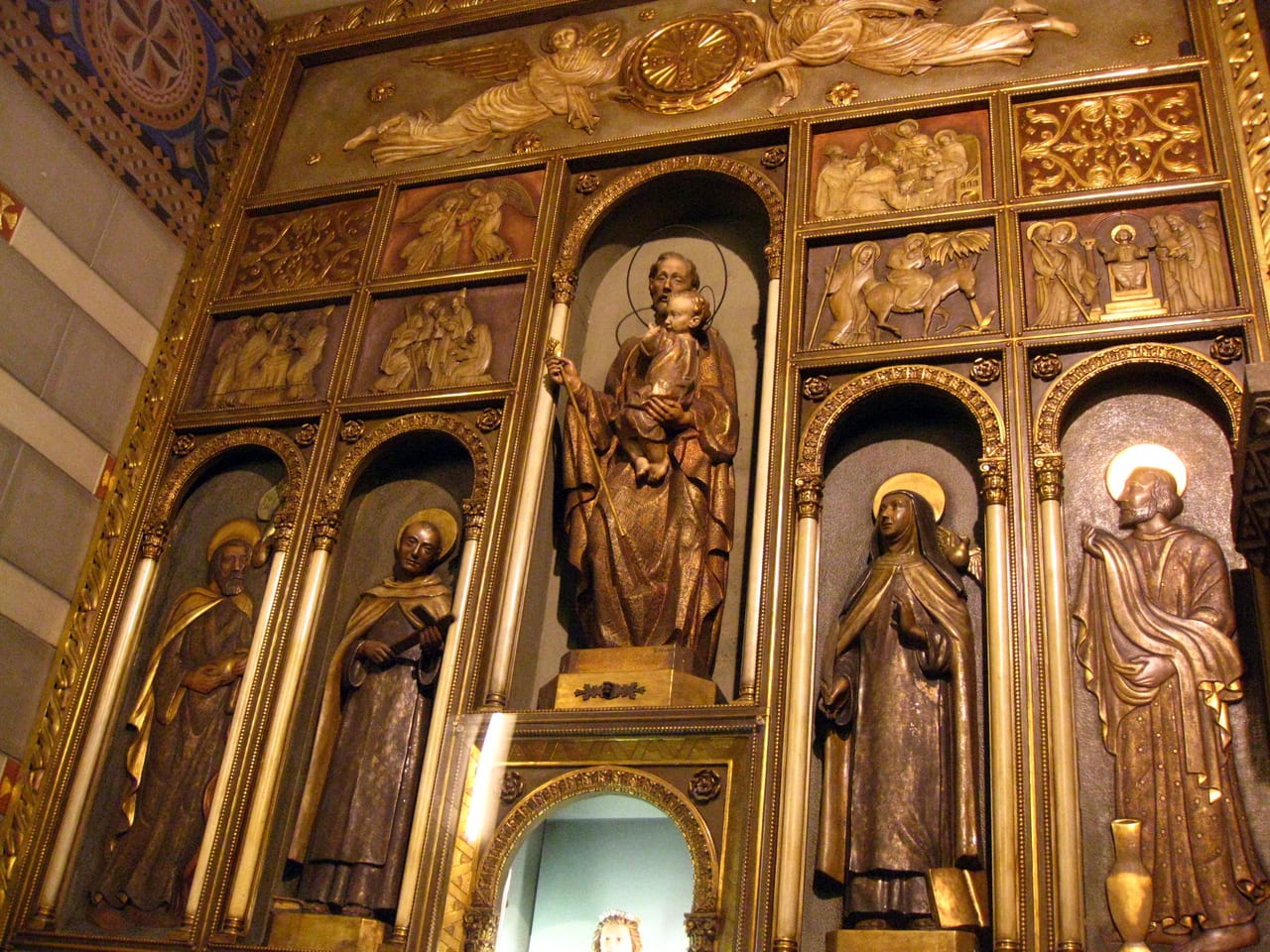
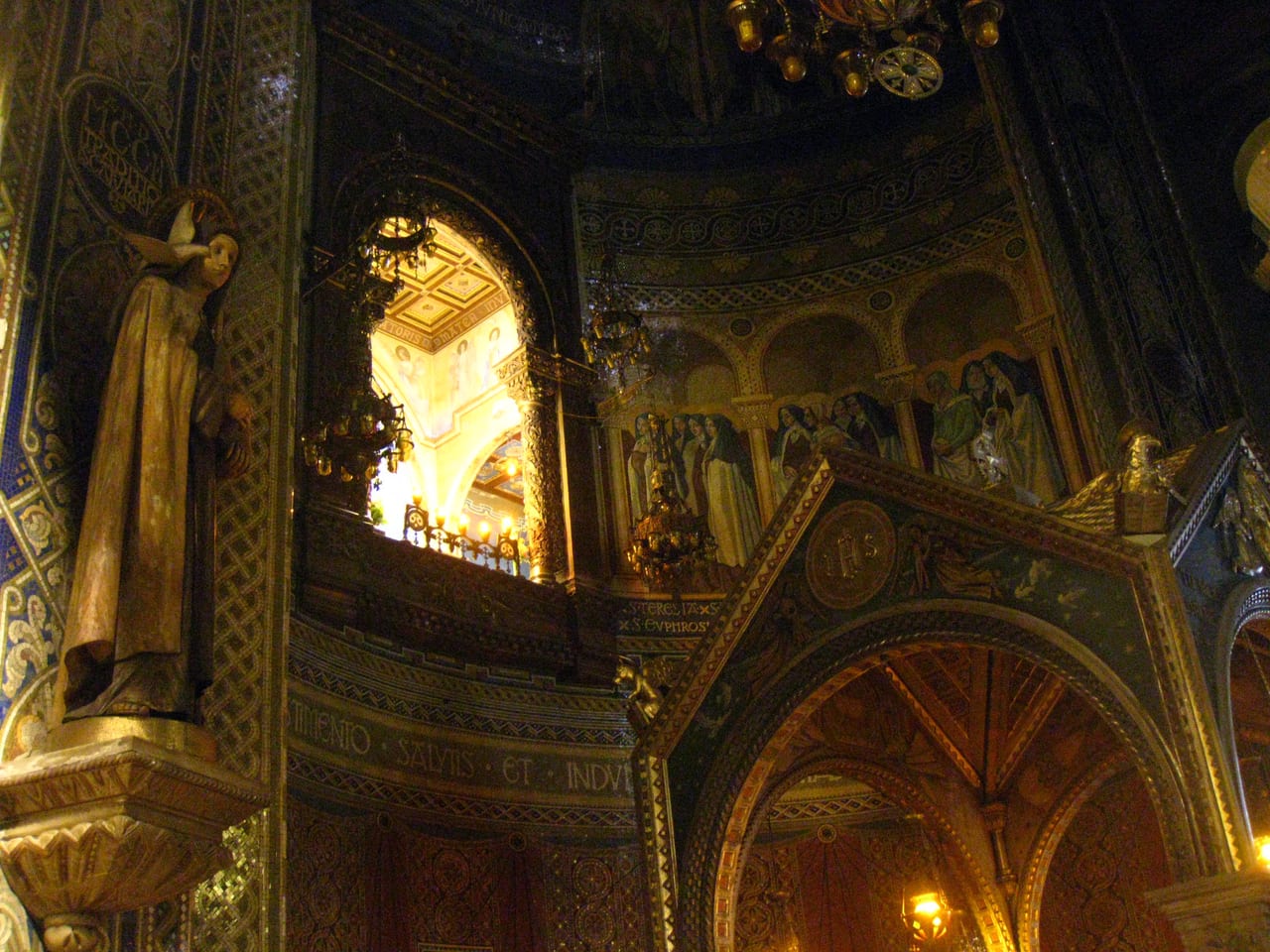
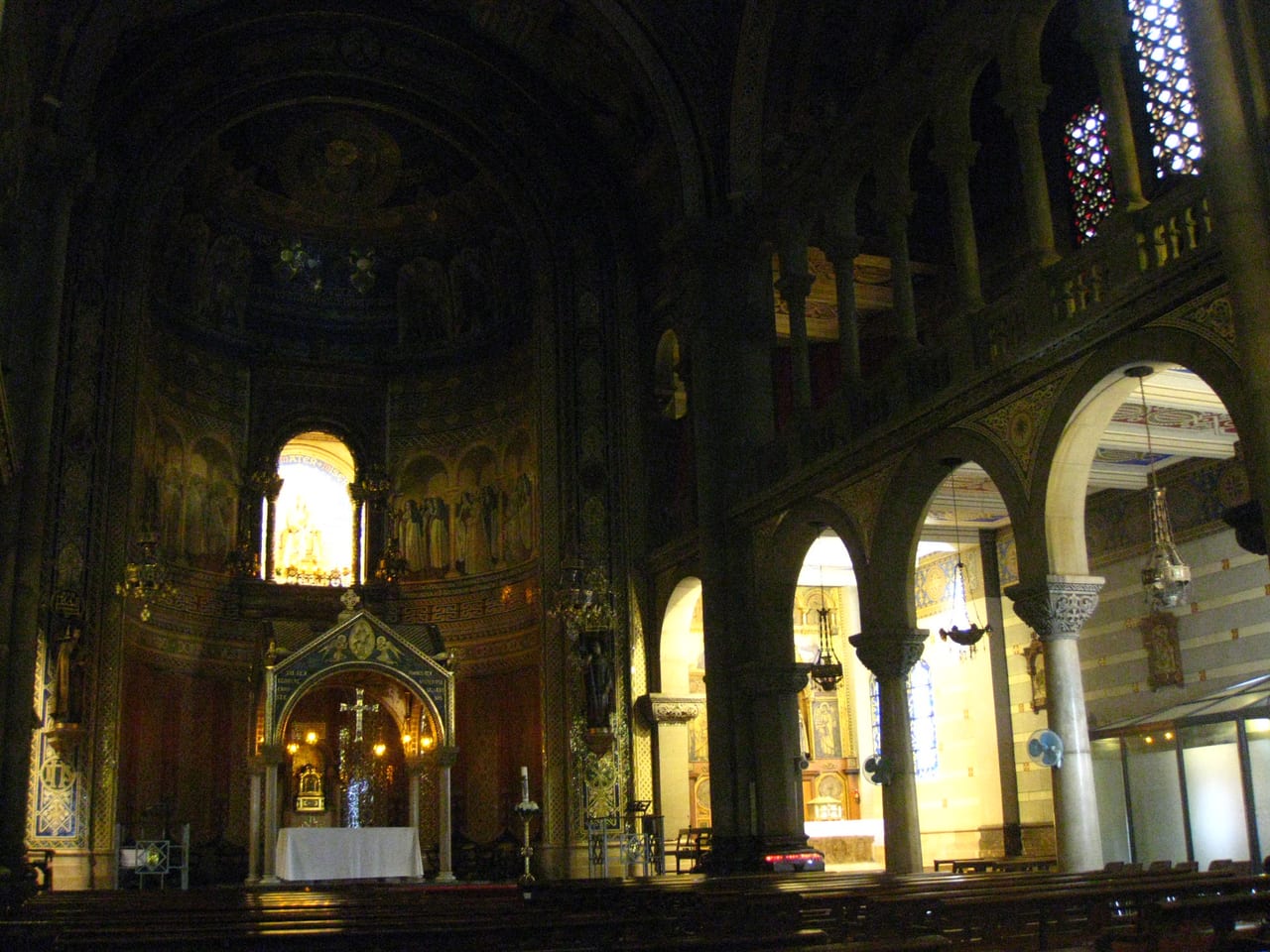
The site began as the Hospital of Sant Maties, founded through Pere del Vilar’s testament on 24 October 1256. Integrated into the Hospital de la Santa Creu in 1401, it passed to the Hieronymite nuns in 1484, who occupied a Gothic church with a single nave, side chapels and a polygonal apse. The church briefly functioned as a parish during the Liberal Triennium (1820–1823); after the nuns were expelled in 1835, it became the parish of Mare de Déu del Carme. The community returned in 1845, retaining that role. The monastery was badly damaged in the July 1909 fire during the Tragic Week. The bell tower followed in 1923–1924, an extension in 1926, and a parish centre around 1935. Three connected buildings form the complex, unified by brickwork, Montjuïc stone and moulded glazed ceramic. Inside, the basilical church has three aisles, side chapels, patterned sgraffiti and a gilded canopy over the Carmelite Virgin.
At a glance
- Architect
- Josep Maria Pericas i Morros
- Style
- Catalan modernism
- Heritage
- Cultural Asset of Local Interest
Ways to explore Església del Carme de Barcelona
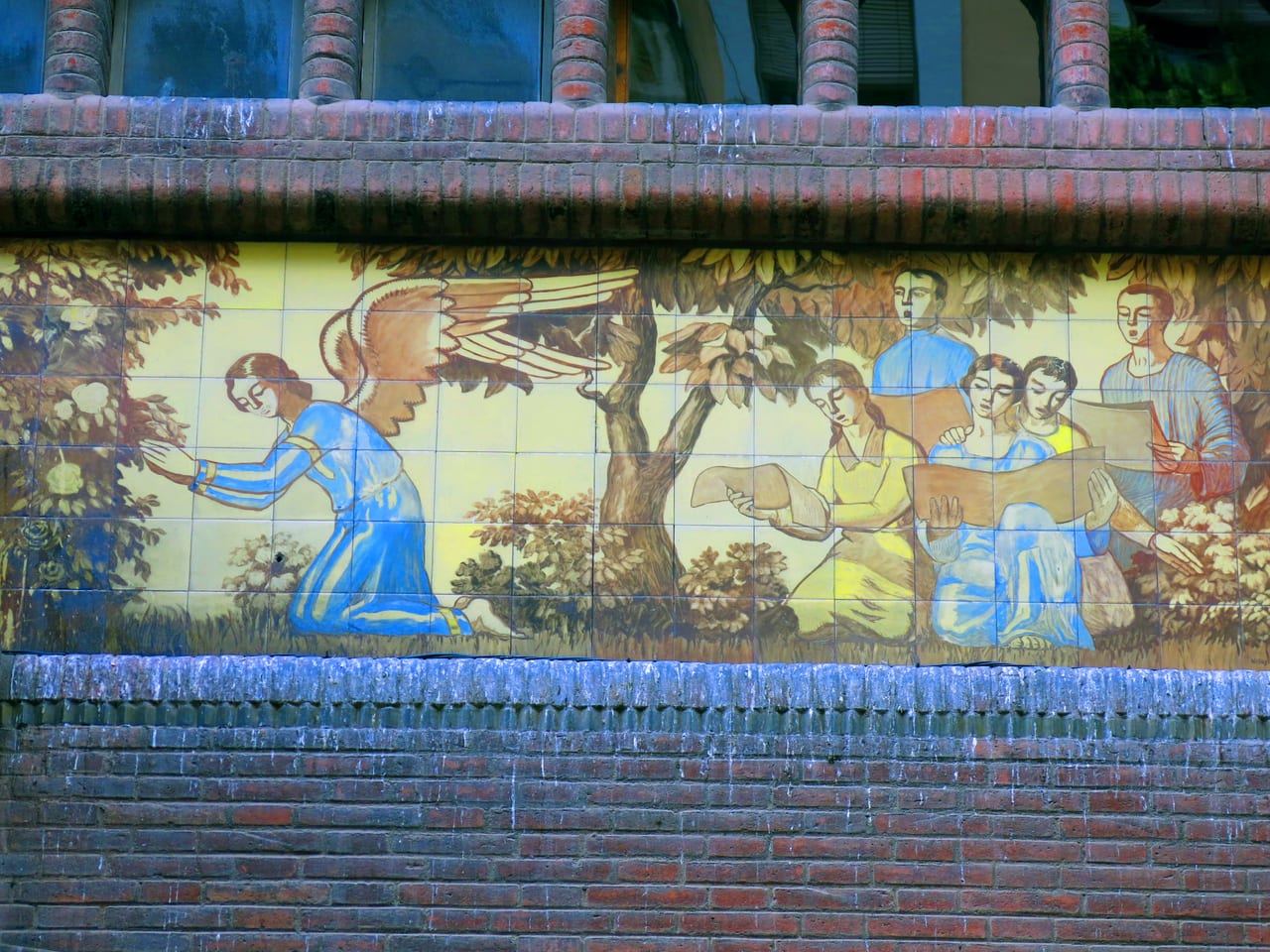
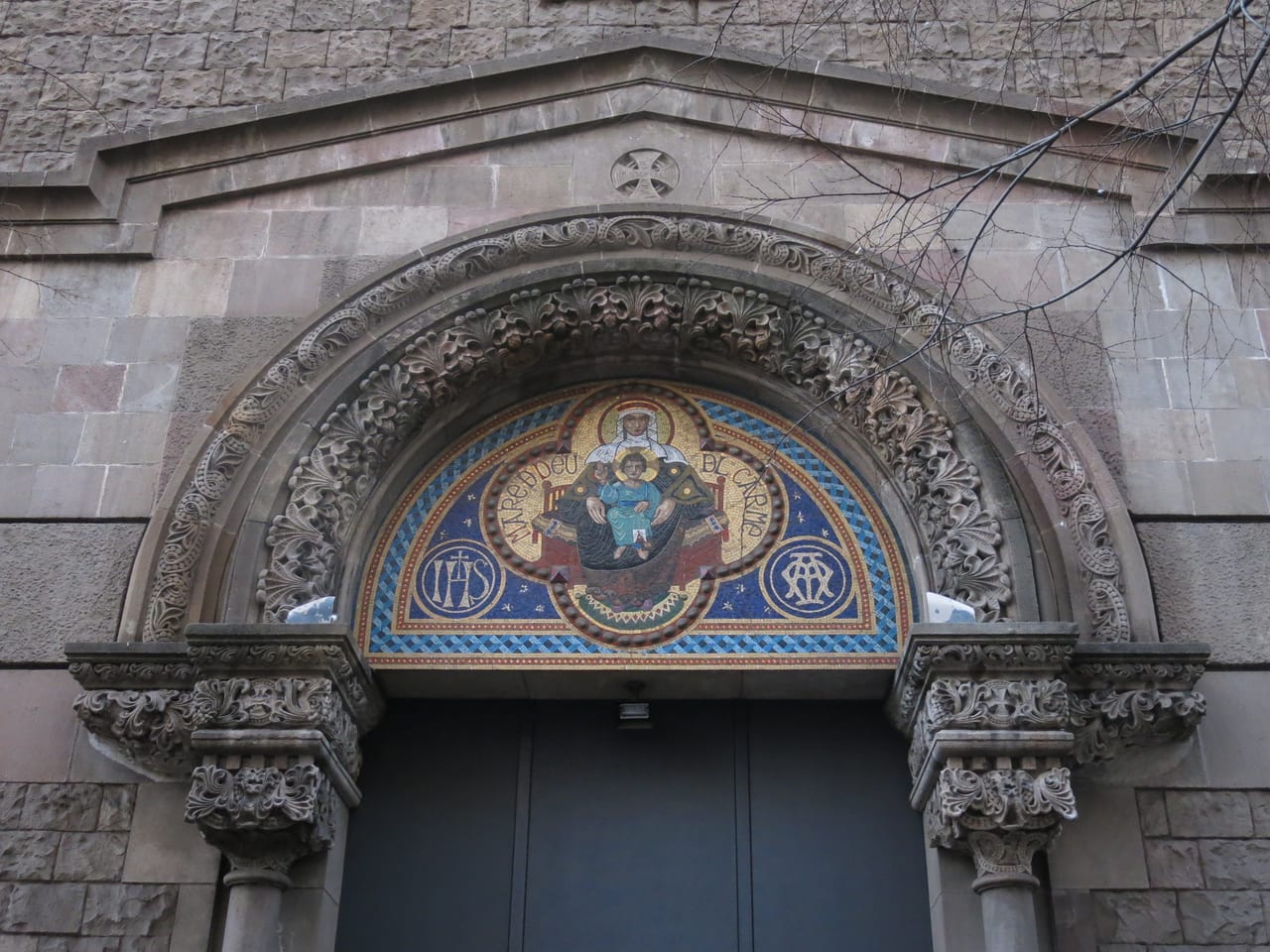
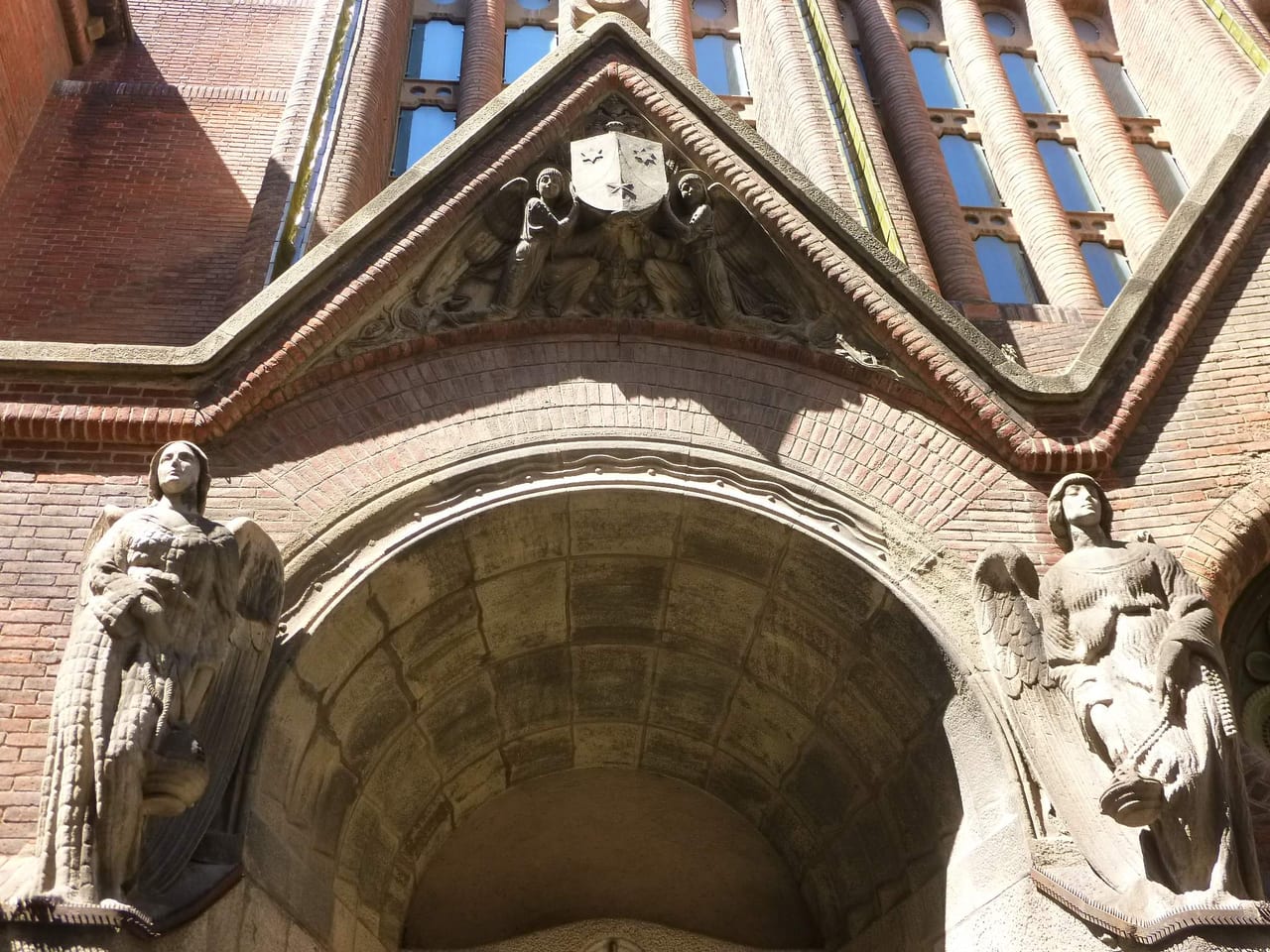
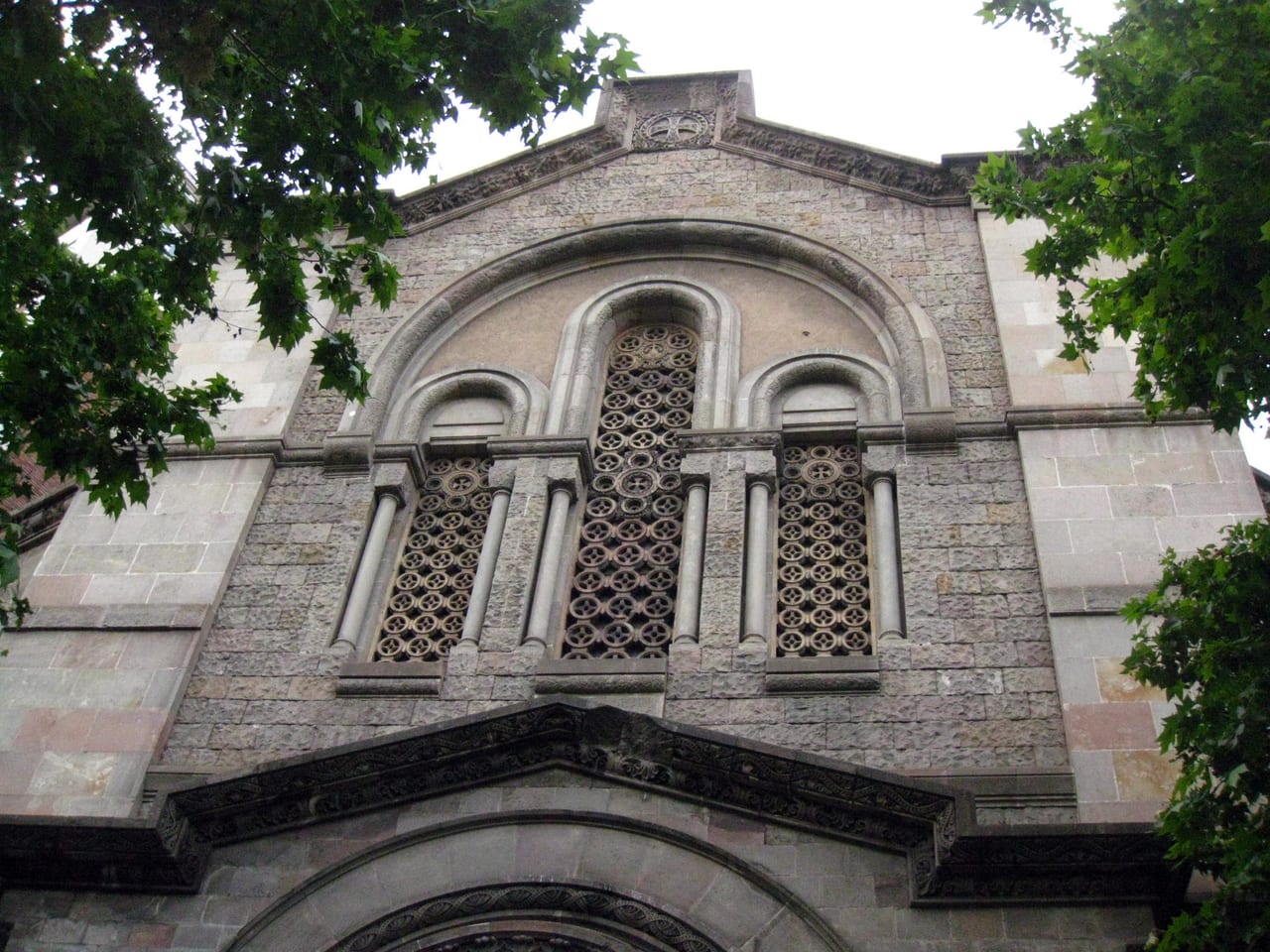
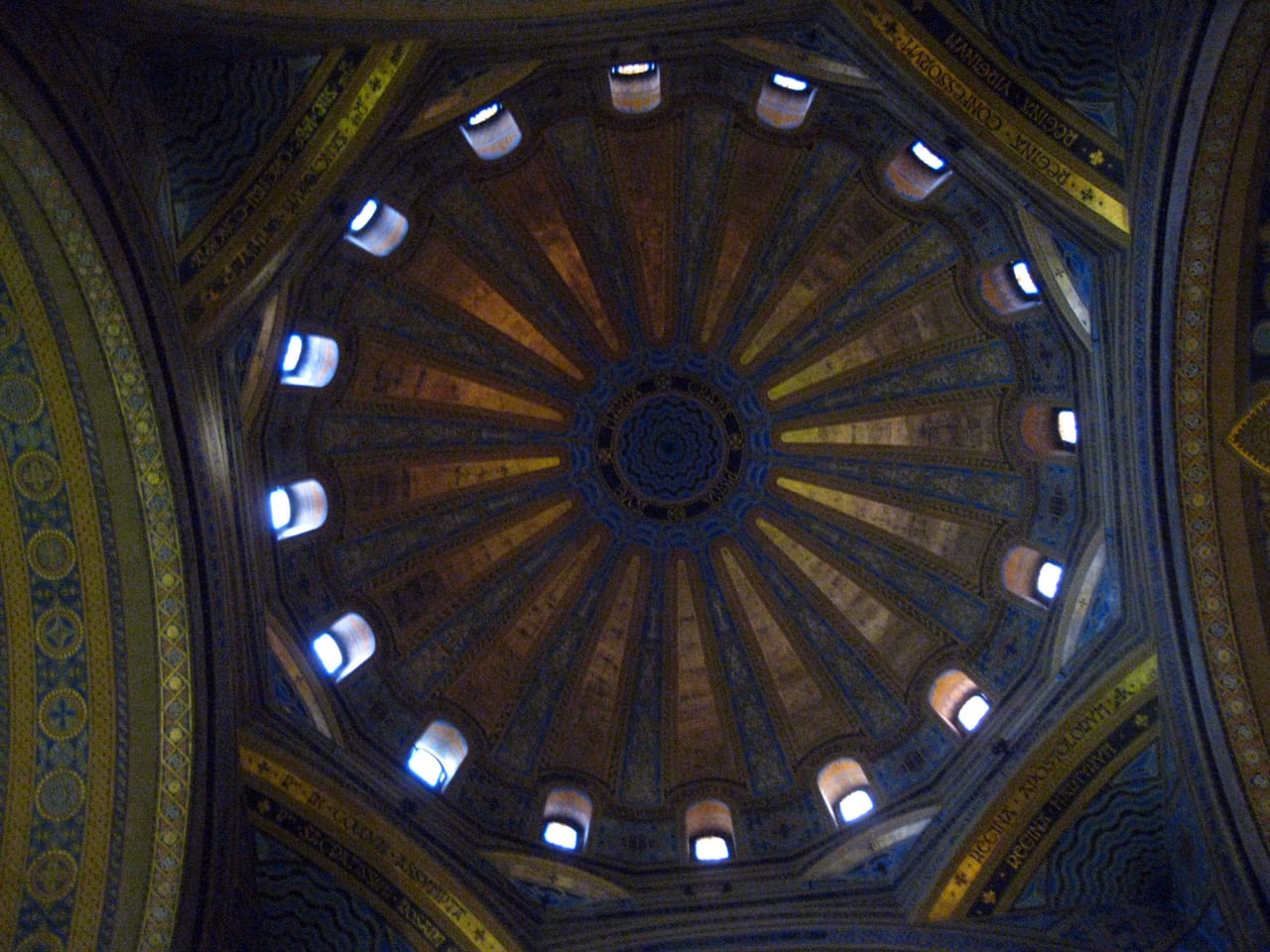
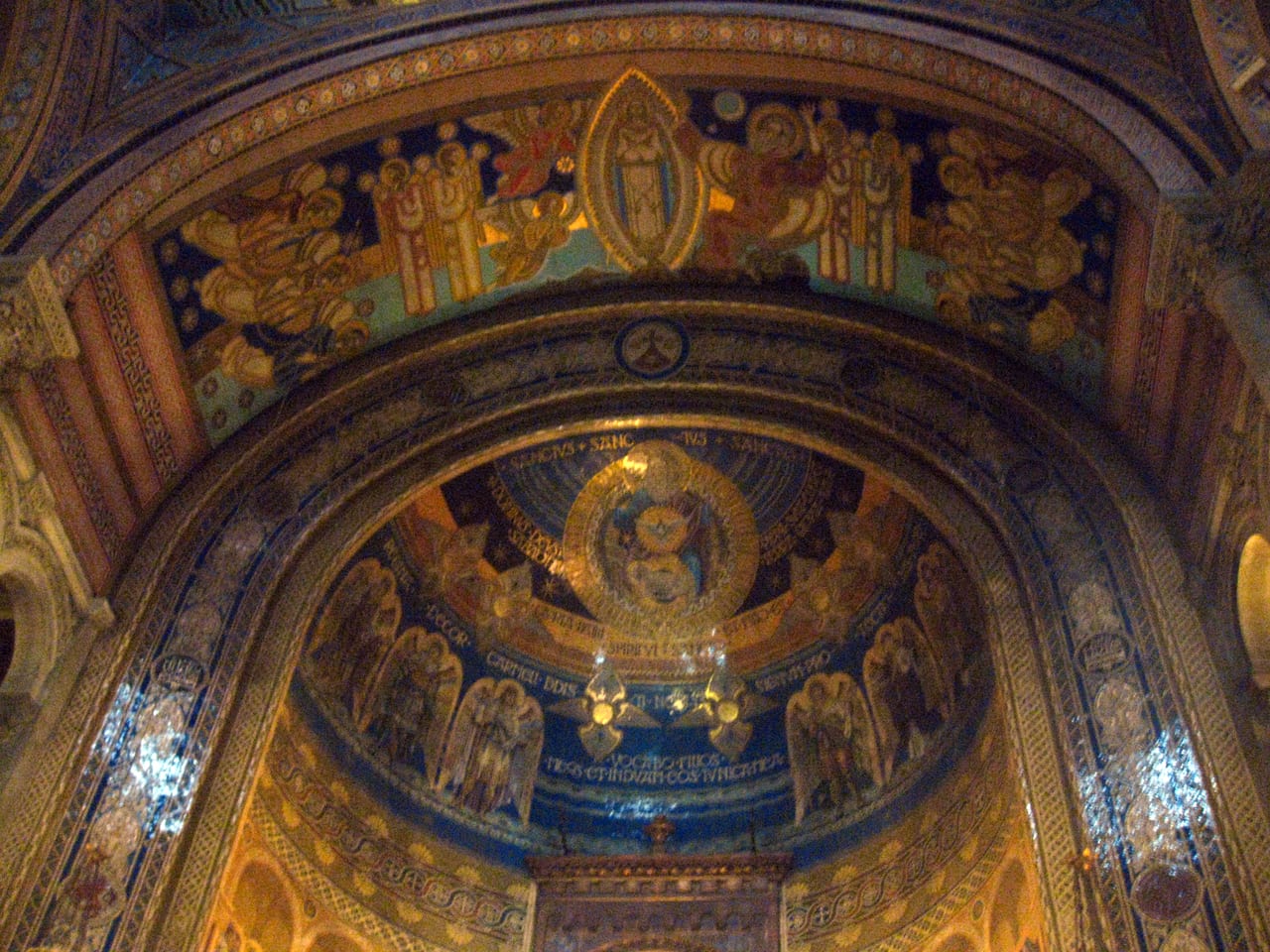
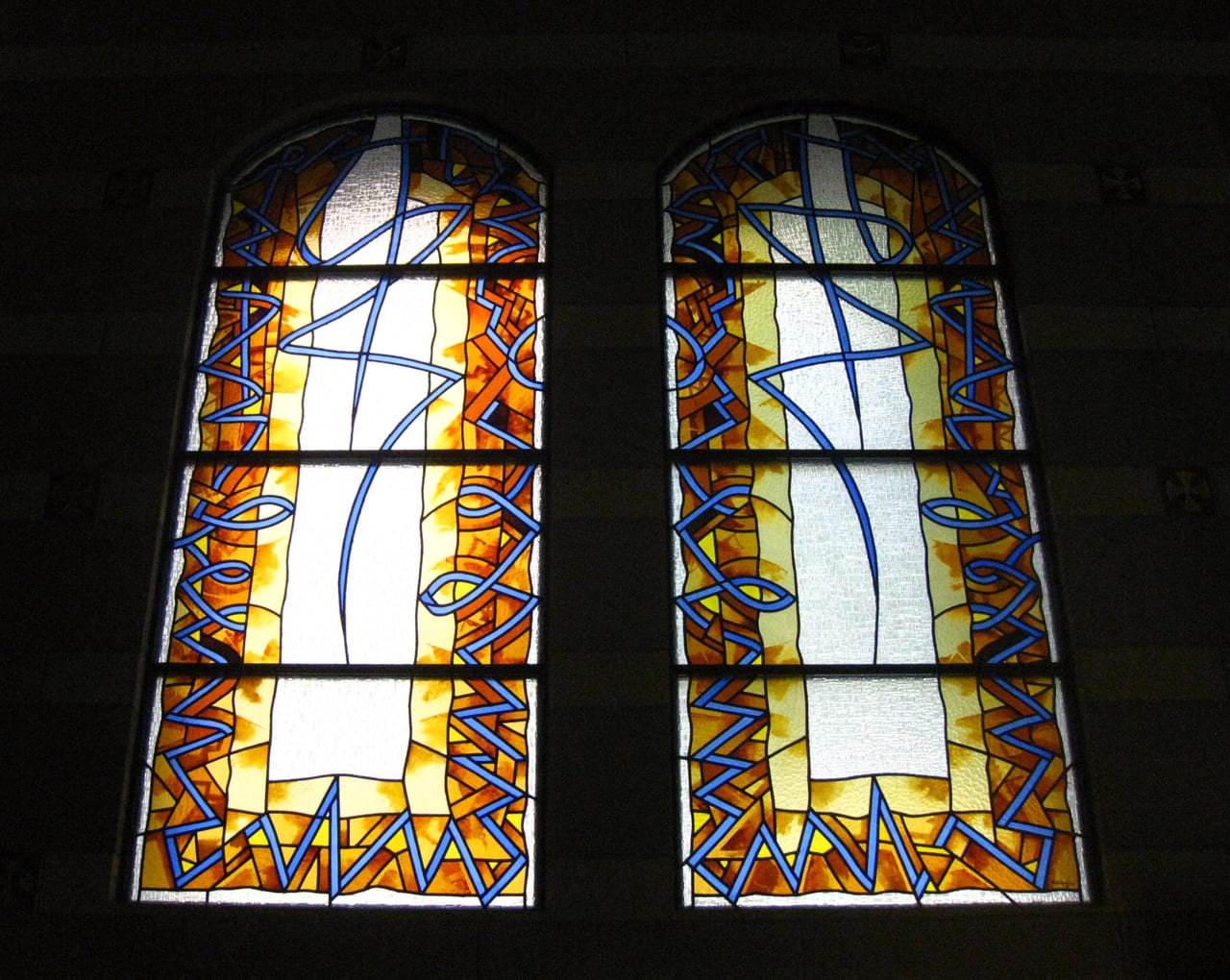
Enter from Carrer del Bisbe Laguarda to read the façade as a projection of the interior: note the stone portal, angel sculptures, Carmelite shield, glazed-ceramic tracery, stained glass and sloping buttresses. Inside, look up at the curving vaults, cylindrical pillars and parabola-shaped presbytery arch, then study the celestial murals around the Virgin. From Carrer de Sant Antoni Abat, inspect the Escolapis frontage, its varied window forms and ceramic frieze. The adjoining parish centre contains the Teatre del Raval, whose Italian-style auditorium retains some gilded moulding.
Places to stay near Església del Carme de Barcelona

Live availability and prices from Stay22's partners, refreshed periodically and subject to change. Booking through these links may earn us a commission at no extra cost to you. See our privacy policy.
Cafés near Església del Carme de Barcelona
Cafés near Església del Carme de Barcelona loads as you scroll.
Attractions nearby
Attractions near Església del Carme de Barcelona loads as you scroll.
Cities nearby
Cities nearby loads as you scroll.
More in Barcelona
See more of Barcelona.
Find great cafés, places to stay and other interesting places to visit in Barcelona.