Theatre · Barcelona
El Molino
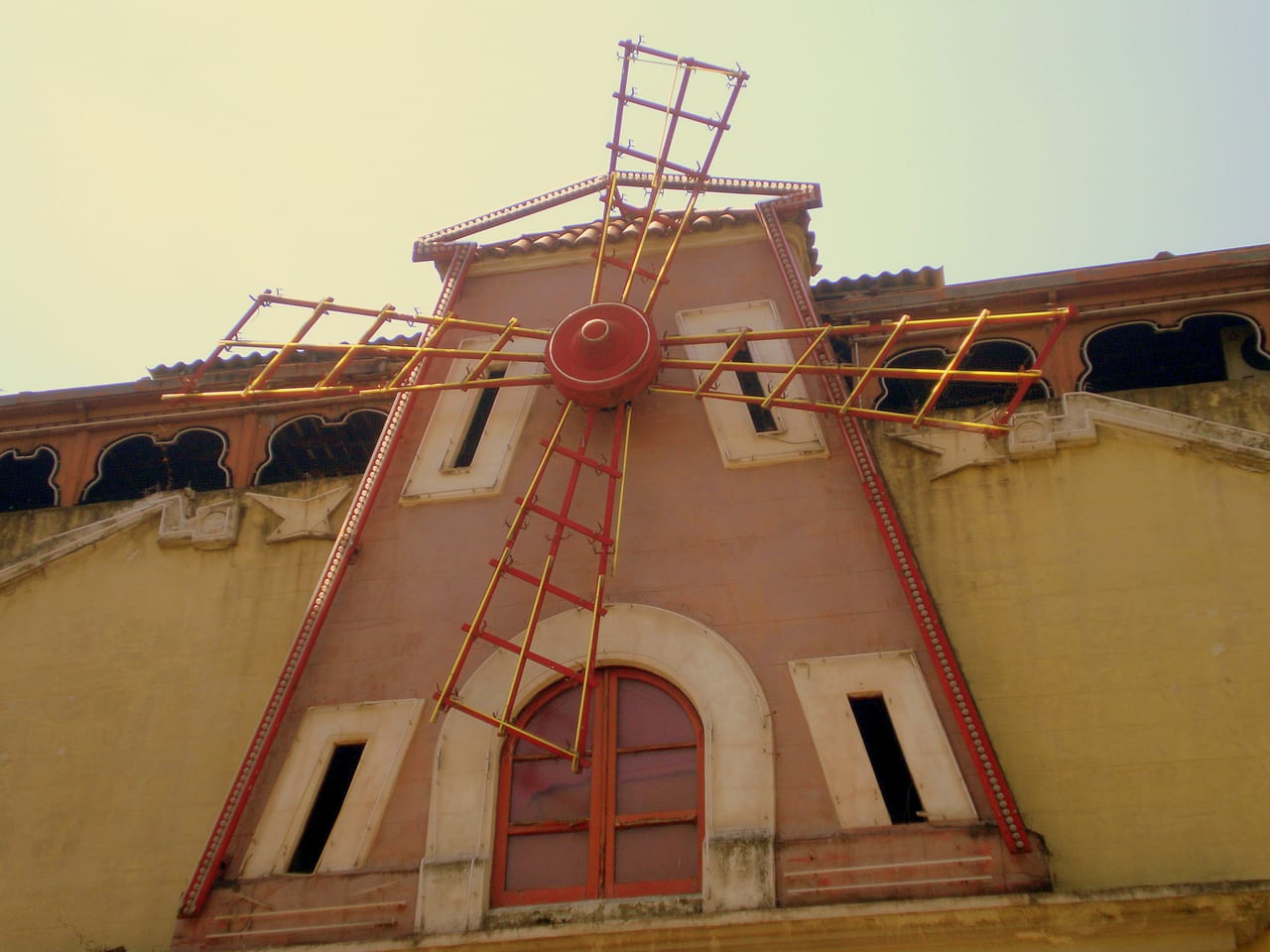
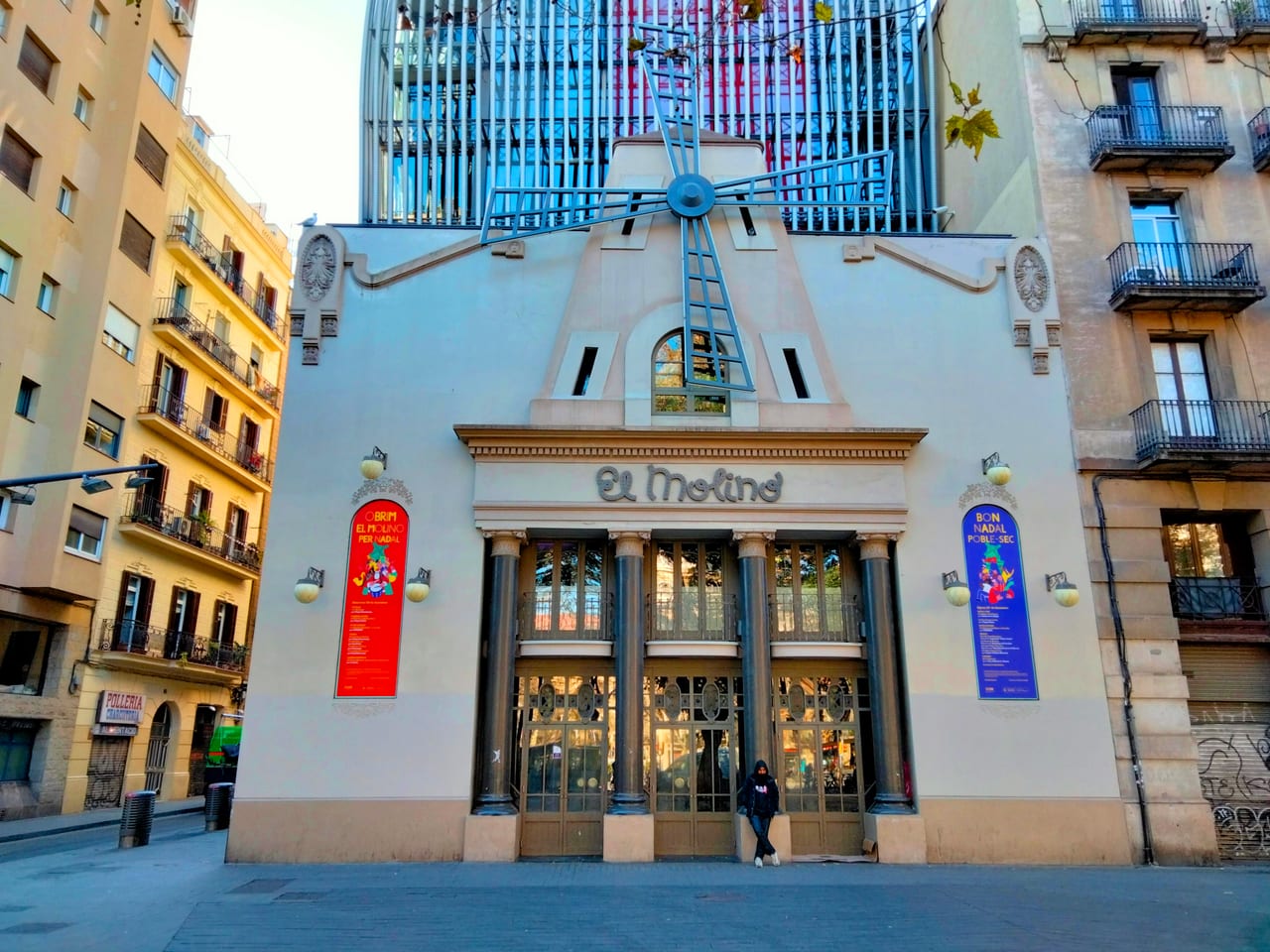
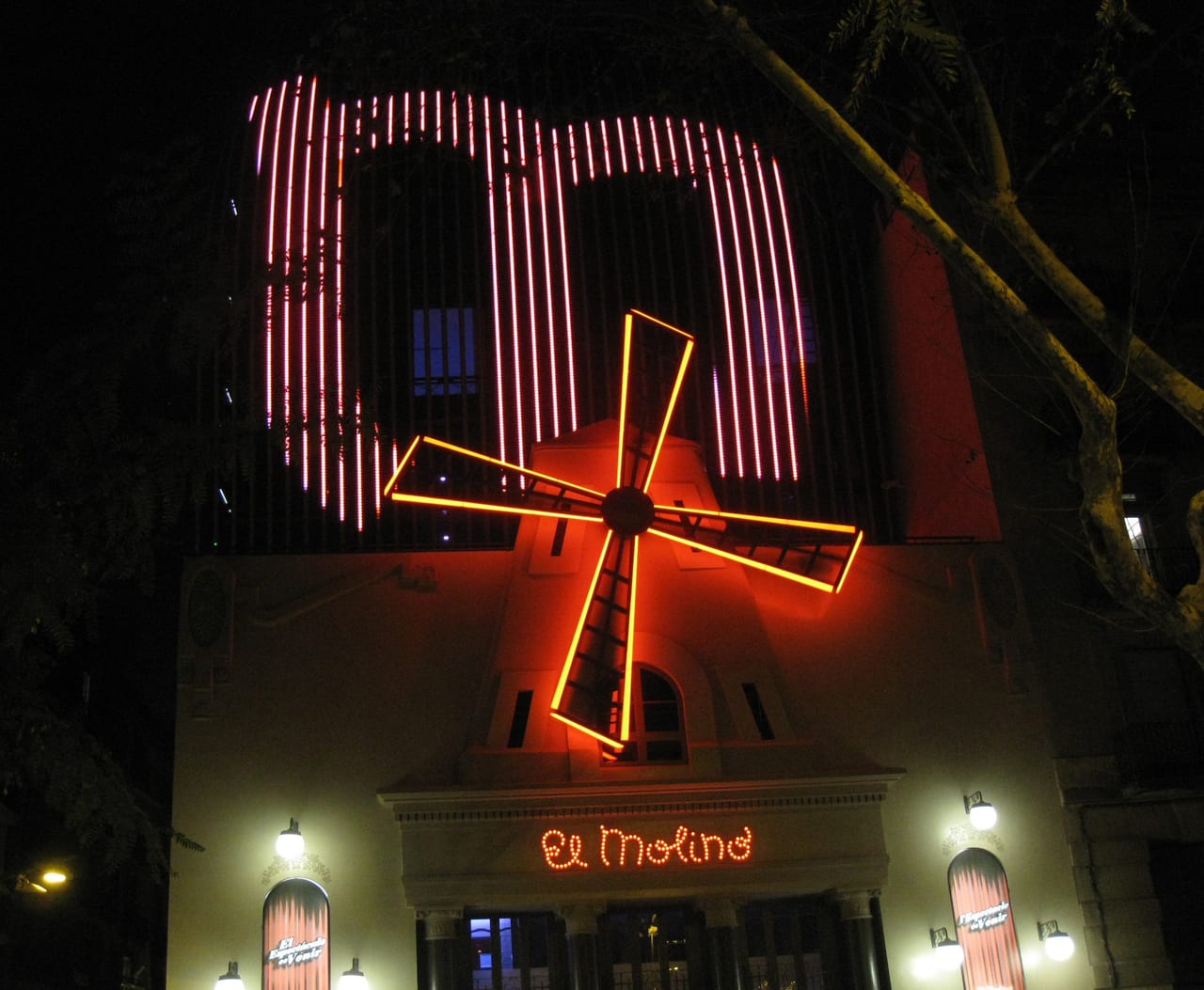
DirectionsIts theatrical façade, crowned by the famous red mill blades, is the surviving emblem of a venue that repeatedly outwitted censorship through innuendo, spectacle and reinvention.
Photograph 1 of 6 of El Molino
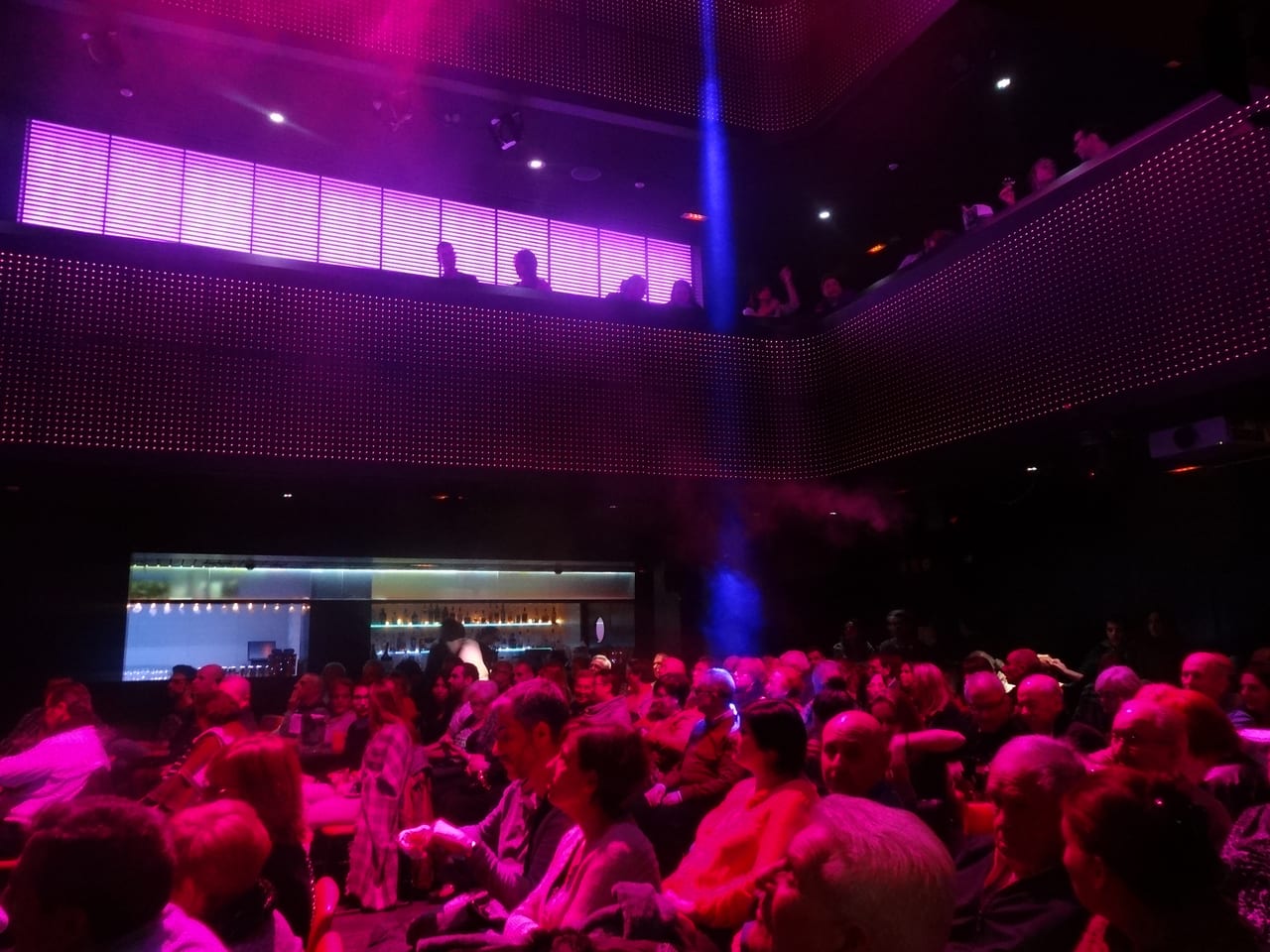
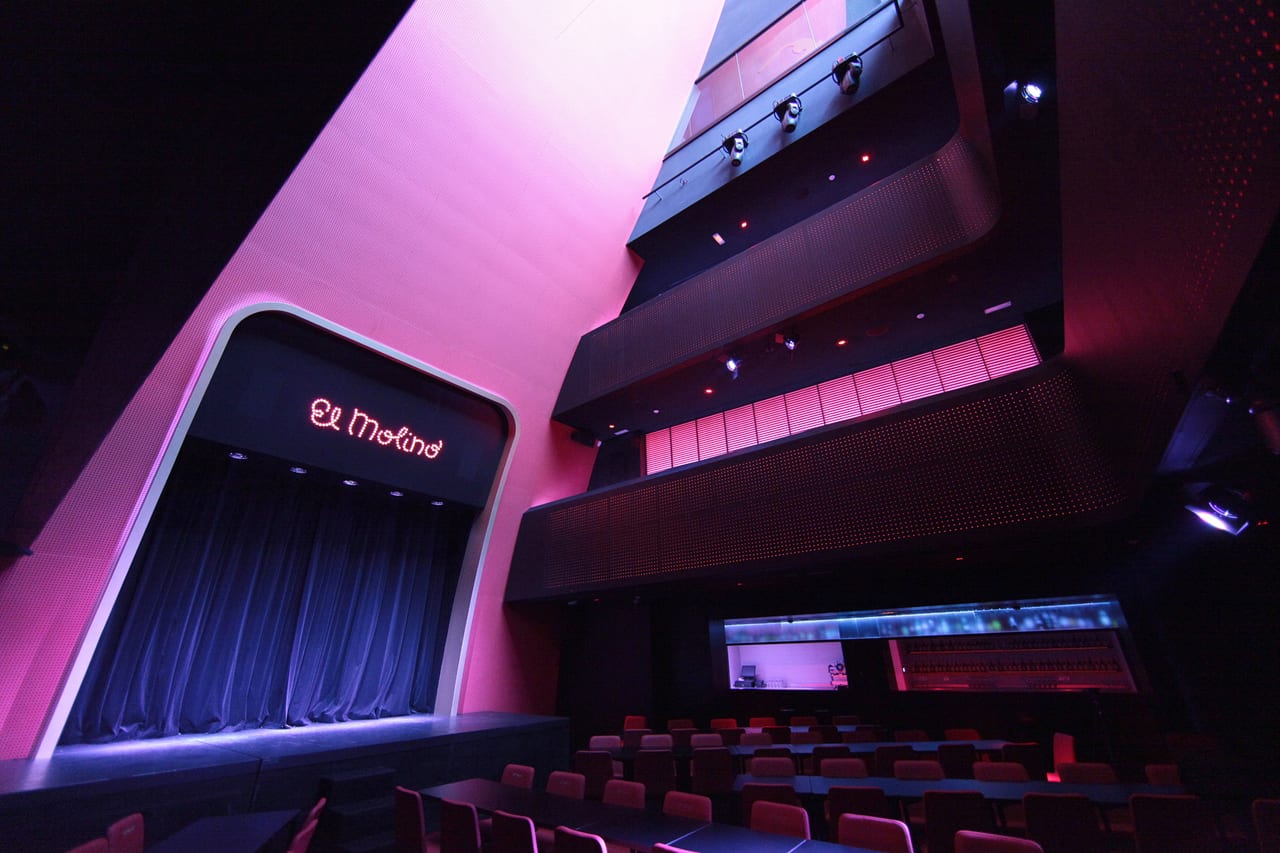
El Molino opened in 1898 as Pajarera Catalana, after an earlier tavern called La Pajarera was sold in 1899 for one hundred pesetas. Its improvised stage presented flamenco, short zarzuelas, cinema and the ventriloquist Caballero Felip. In 1910, Manuel Joaquim Raspall replaced the wooden structure with a permanent building, inaugurated on 17 December as Petit Moulin Rouge; Josep Alemany i Juvé remodelled its frontage in 1929. The venue later became briefly the headquarters of Unión Patriótica Española in 1926, was managed by the CNT during the Civil War, and was renamed El Molino under Franco in 1939. The Bella Dorita dominated its 1940s and 1950s stage, while later performers included Lita Claver and Merche Mar. El Molino received the first FAD Sebastià Gasch award for paratheatrical arts in 1976, closed after Merche Mar’s final performance in 1997, and reopened in 2010 after a major reconstruction led by BOPBAA Arquitectes. The renewal introduced audiovisual technology while retaining its intimate music-hall identity. In 2021, Barcelona City Council announced its purchase after the theatre’s pandemic-era financial difficulties.
At a glance
- Style
- Noucentisme
- Heritage
- Cultural Asset of Local Interest
Ways to explore El Molino
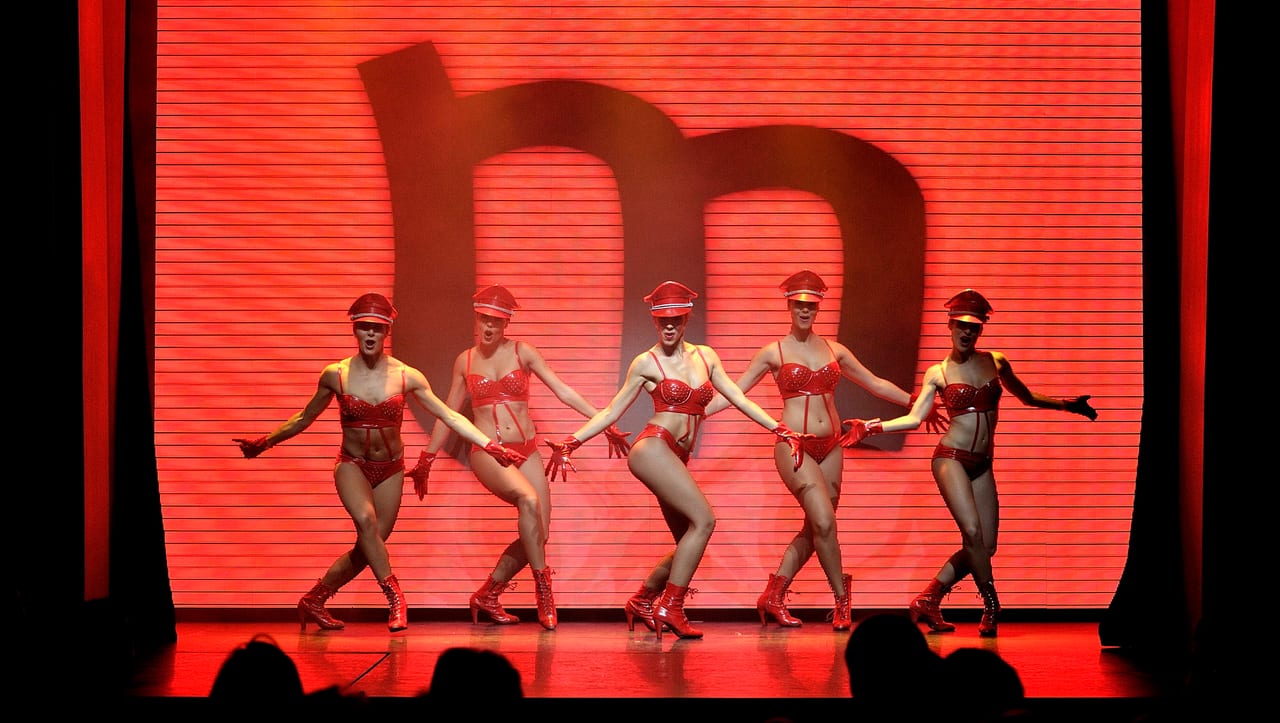
Look beyond the performance itself: the compact auditorium places the audience close to the stage, while the piano associated with Bella Dorita provides a tangible link to the venue’s performers. The interior’s movable platforms, black marble bar and adaptable lighting reward attention between acts. Upstairs, visit the Golden Bar for its gold-toned tributes to Carmen Amaya and Joséphine Baker, the artists’ list, and Josep Ribas’s mural photograph of Christa Leem. Check the programme for revue, burlesque cabaret, music, flamenco or theatre.
Places to stay near El Molino

Live availability and prices from Stay22's partners, refreshed periodically and subject to change. Booking through these links may earn us a commission at no extra cost to you. See our privacy policy.
Cafés near El Molino
Cafés near El Molino loads as you scroll.
Attractions nearby
Attractions near El Molino loads as you scroll.
Cities nearby
Cities nearby loads as you scroll.
More in Barcelona
See more of Barcelona.
Find great cafés, places to stay and other interesting places to visit in Barcelona.