Castle & palace · Barcelona
Casa Mauri
DirectionsCasa Mauri preserves an exceptionally rare eighteenth-century wooden lattice window, a surviving detail once characteristic of Barcelona’s façades but now scarcely found elsewhere in the city.
Photograph 1 of 16 of Casa Mauri
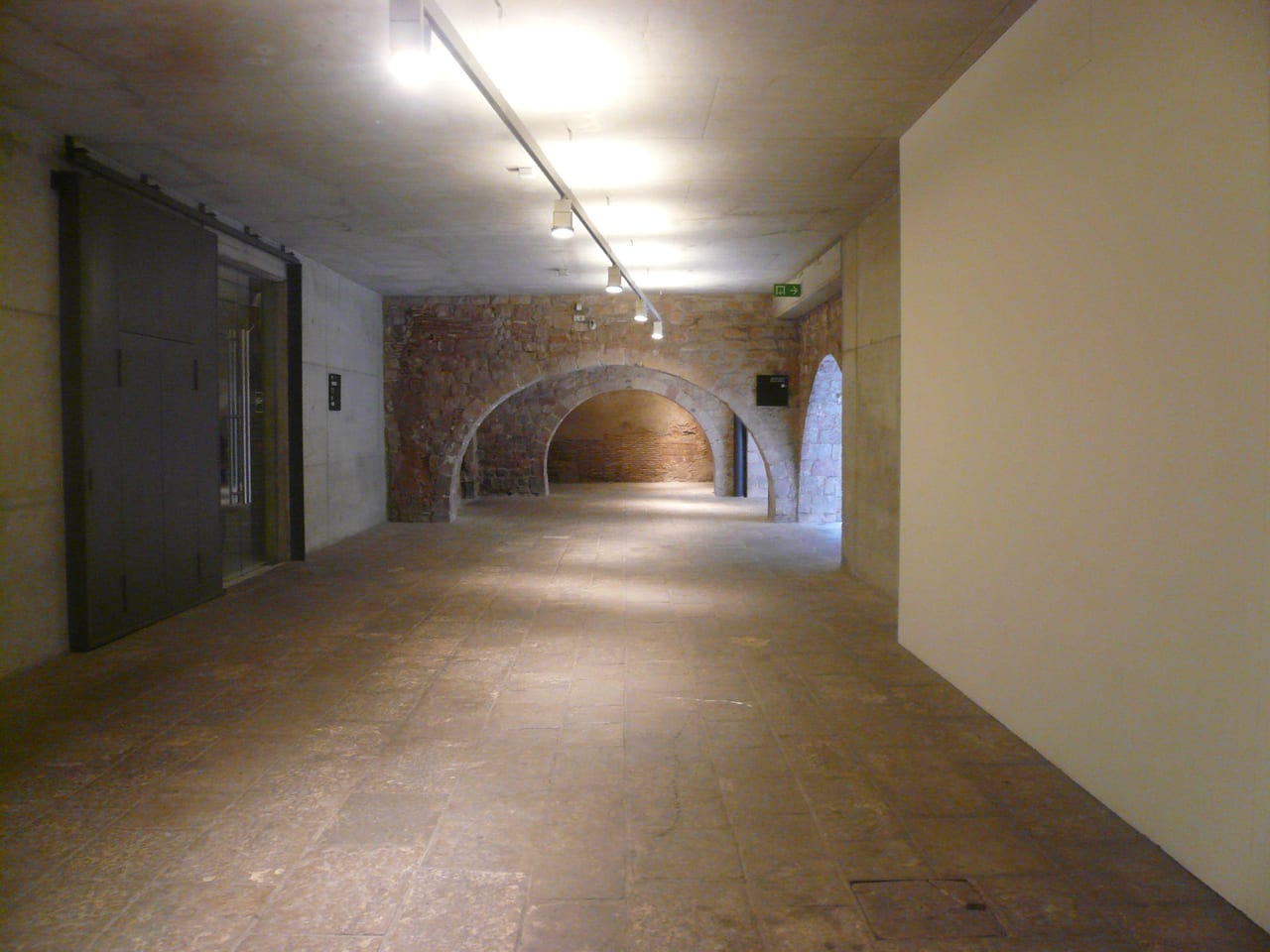
Casa Mauri’s documented history begins in 1323, when Guillem d’Oliveres sold it to the moneychanger Bernat Cavaller. Ownership passed through several established families, including the Rocacrespa, Girón de Rebolledo, Almogàver and Aguilar-Caçador lineages. In 1539, it became associated with the poet Joan Boscà i Almogàver, who sold it the following year to the merchant Jeroni de Sorribes i Noguers. After the siege of 1713–1714 damaged the property, Josep d’Aguilar-Caçador commissioned repairs between 1715 and 1720 from master builder Joan Català. He sold the house in 1723 to silk weaver Josep Casas i Roca, whose family carried out a major Baroque transformation. By the mid-nineteenth century, it housed Josep Vidal i Ribas’s chemical-products factory and drug warehouse; later, the premises were occupied by Productos Químicos Gehe. Confectionery manufacturer Vicenç Mauri bought it in 1943 and proposed industrial alterations in 1945–47, including new openings and a skylight-covered ground-floor courtyard. The changes destroyed Baroque interior elements and prompted a heritage complaint. In the late 1990s, Jordi Garcés converted the building and neighbouring Palau Finestres for the Museu Picasso, replacing the interior with a reinforced-concrete structure and creating Raimon Noguera Square behind it.
At a glance
- Style
- baroque architecture
- Heritage
- Cultural Asset of Local Interest
Ways to explore Casa Mauri
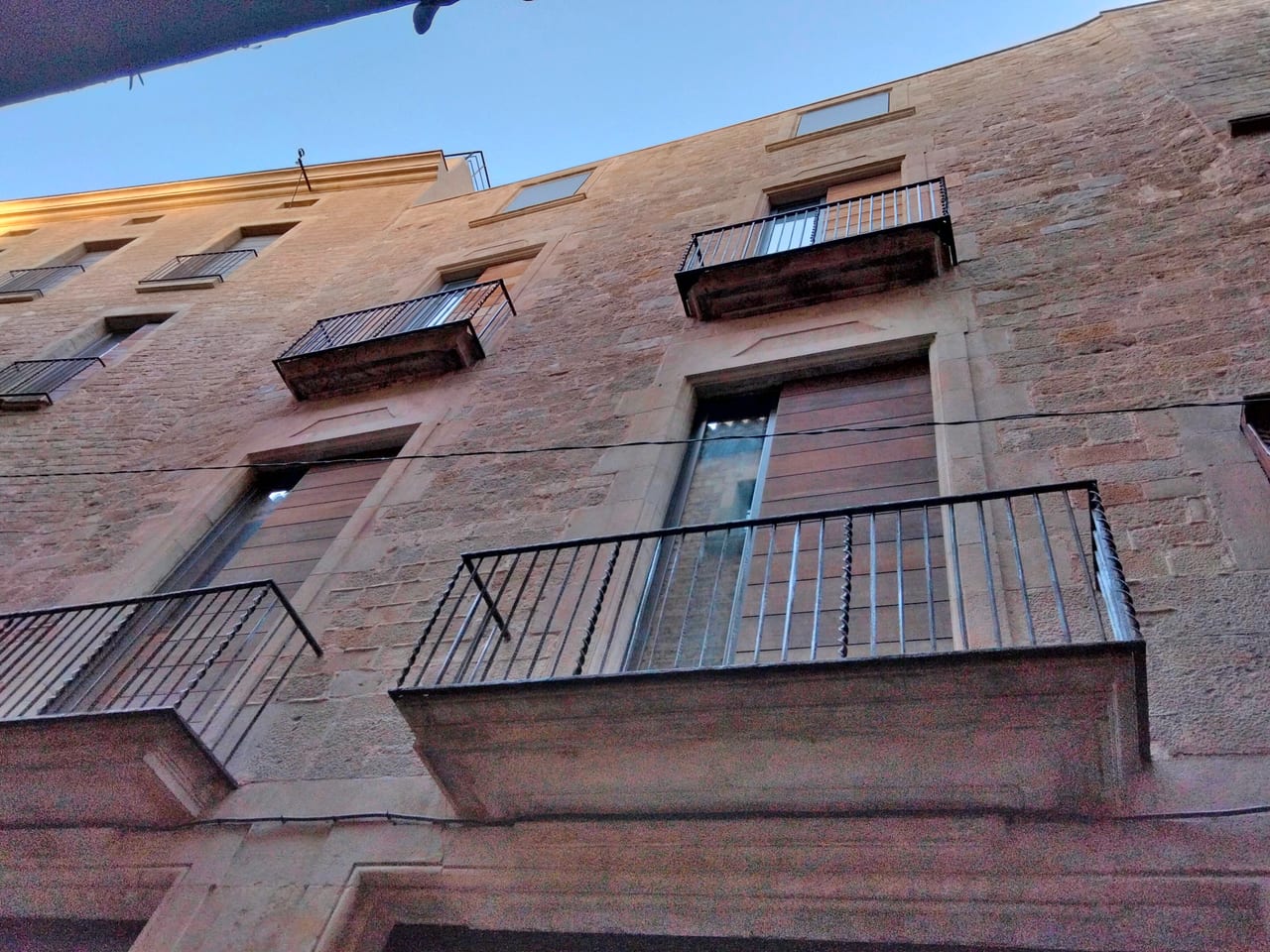
Read the narrow street façade as a tightly composed vertical elevation: two large ground-floor portals, individual balconies on the first and second floors, and two sealed upper-storey windows. Examine the moulded stone lintels, balcony slabs and wrought-iron railings, then look closely at the regular ashlar masonry. The building forms part of the Museu Picasso, so combine the exterior details with the temporary-exhibition spaces inside and the rear Raimon Noguera Square.
Places to stay near Casa Mauri

Live availability and prices from Stay22's partners, refreshed periodically and subject to change. Booking through these links may earn us a commission at no extra cost to you. See our privacy policy.
Cafés near Casa Mauri
Cafés near Casa Mauri loads as you scroll.
Attractions nearby
Attractions near Casa Mauri loads as you scroll.
Cities nearby
Cities nearby loads as you scroll.
More in Barcelona
See more of Barcelona.
Find great cafés, places to stay and other interesting places to visit in Barcelona.