Street & promenade · Barcelona
Carrer de Ferran
DirectionsIts name has shifted with Barcelona’s political regimes: from Ferran VII to Major del Duc de la Victòria, referring to Espartero, then Llibertat and Joan Fivaller, before the Catalan form returned in 1980.
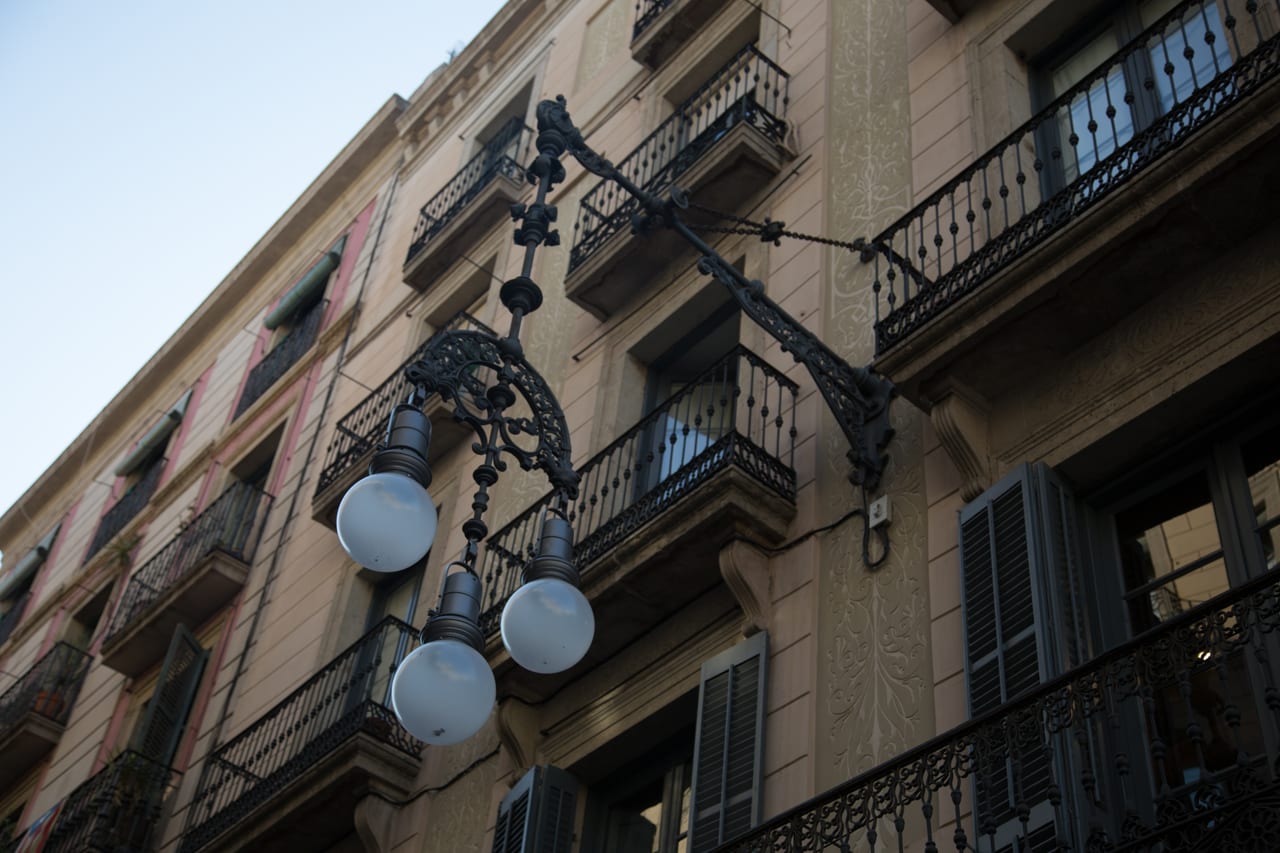
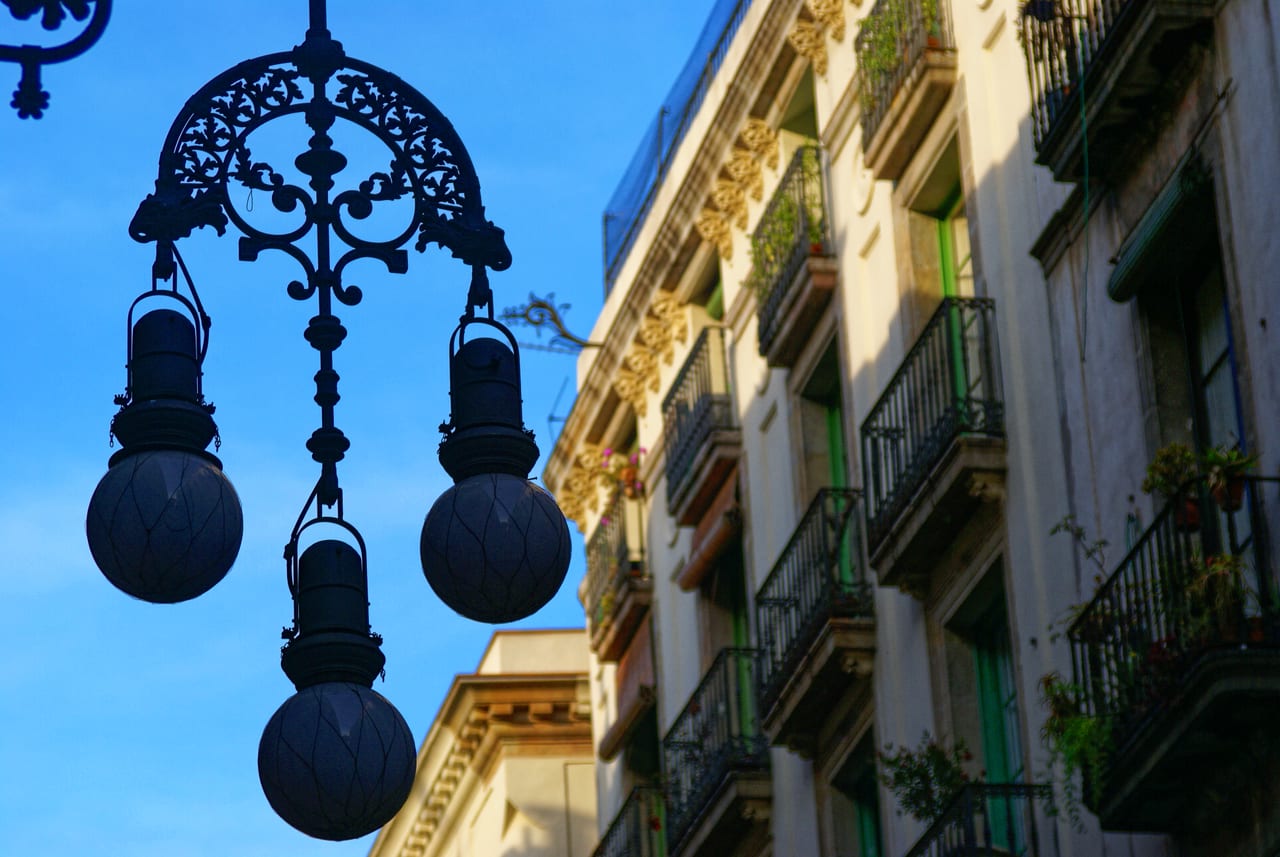
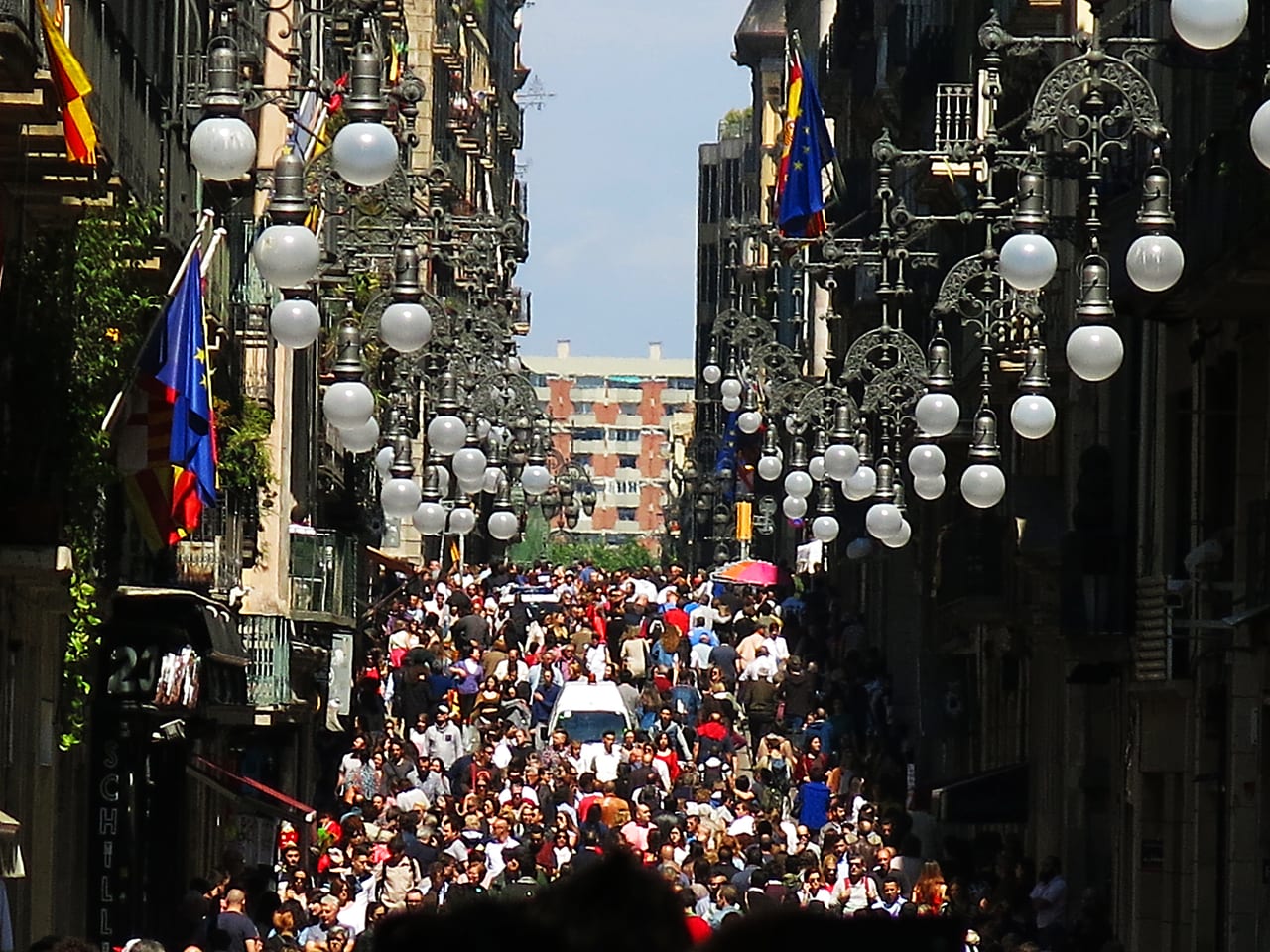
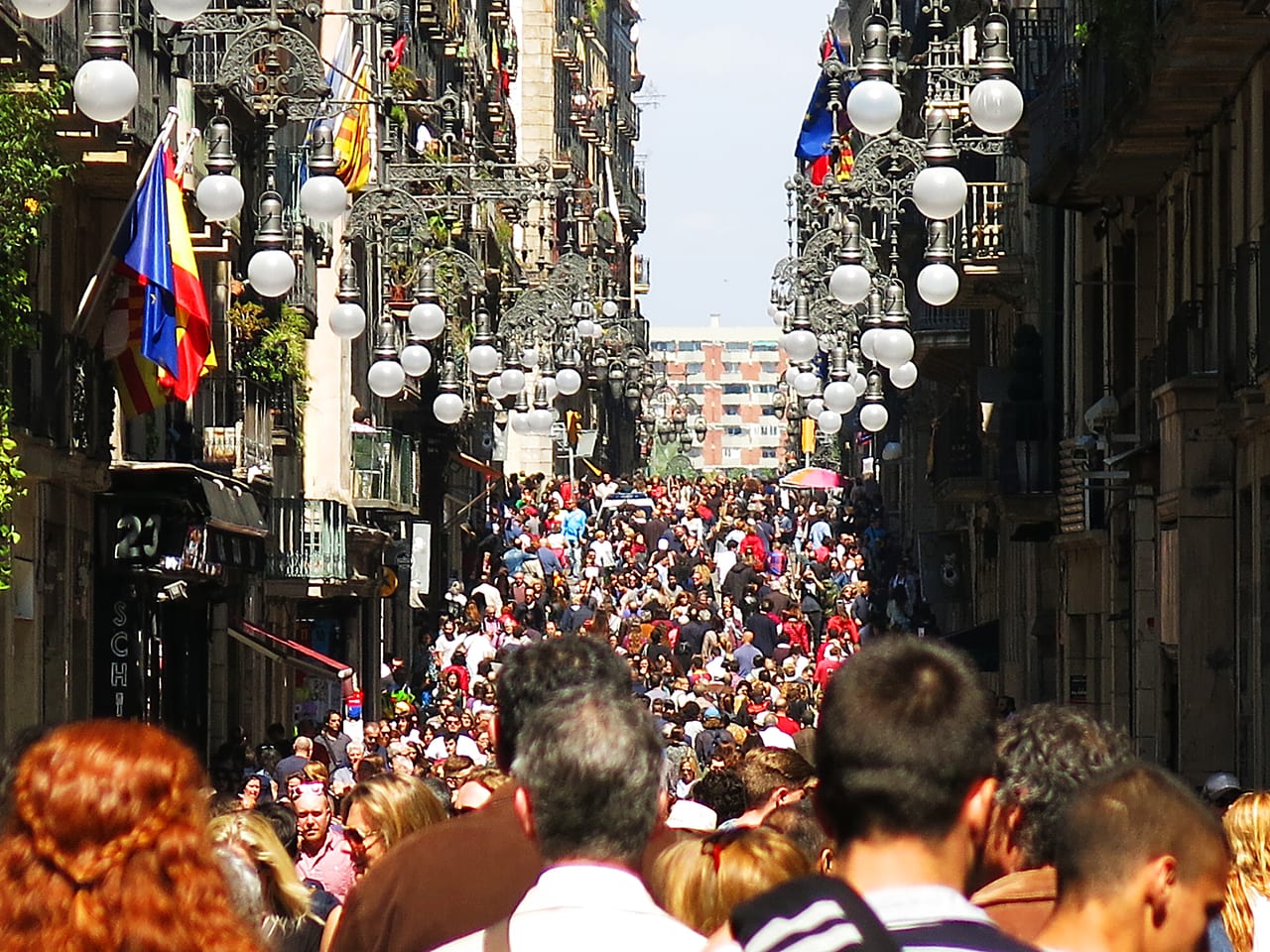
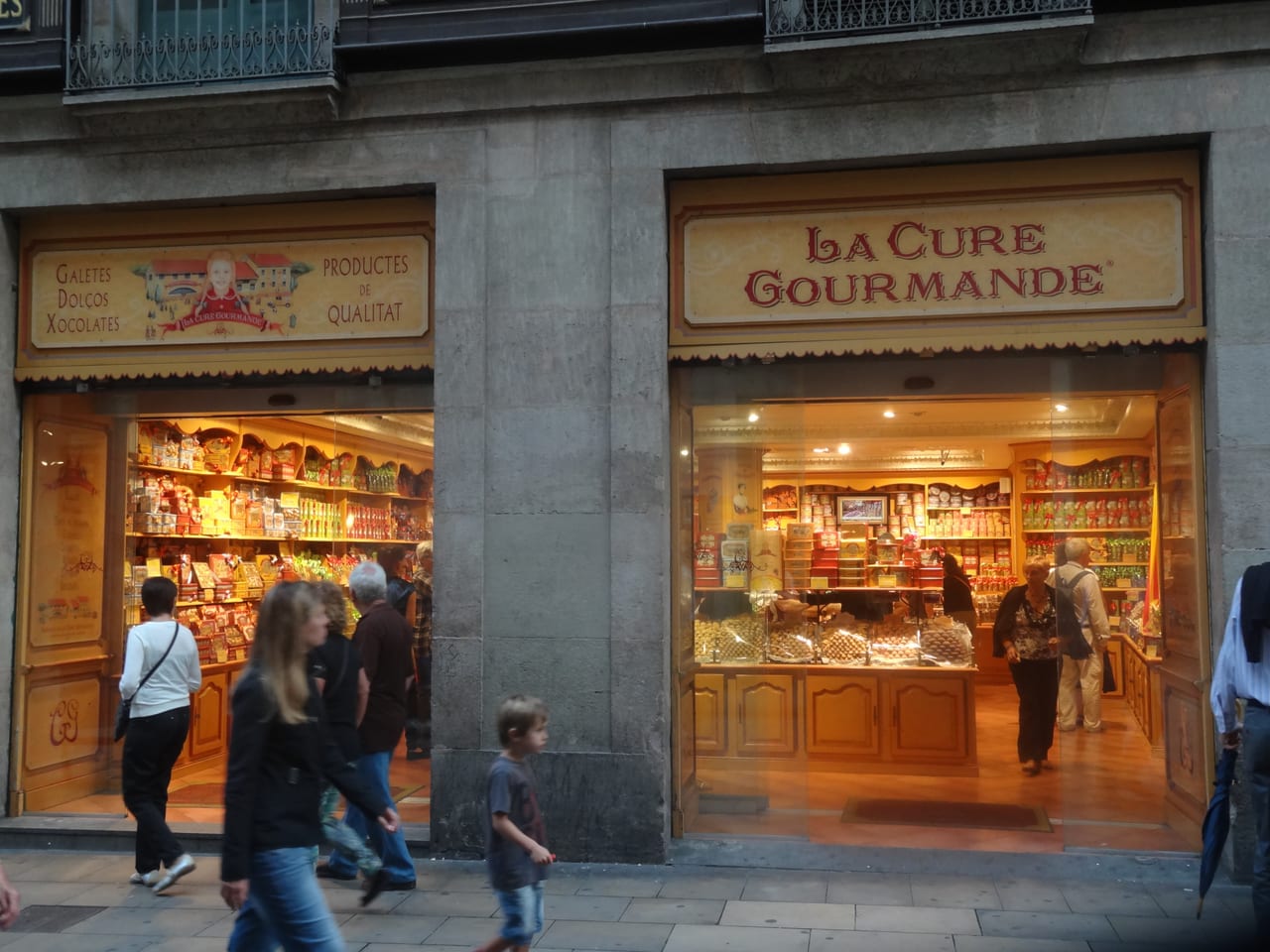
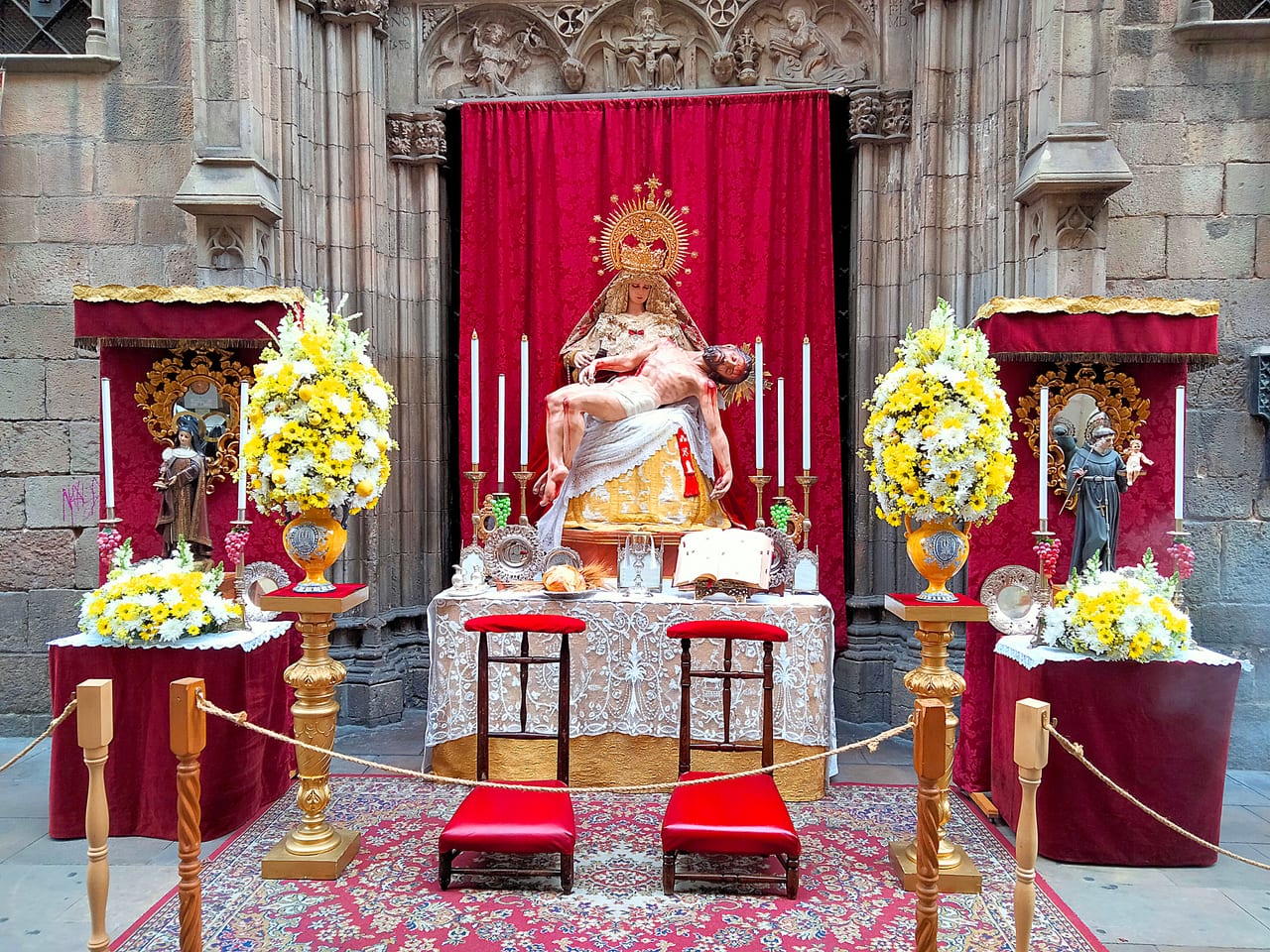
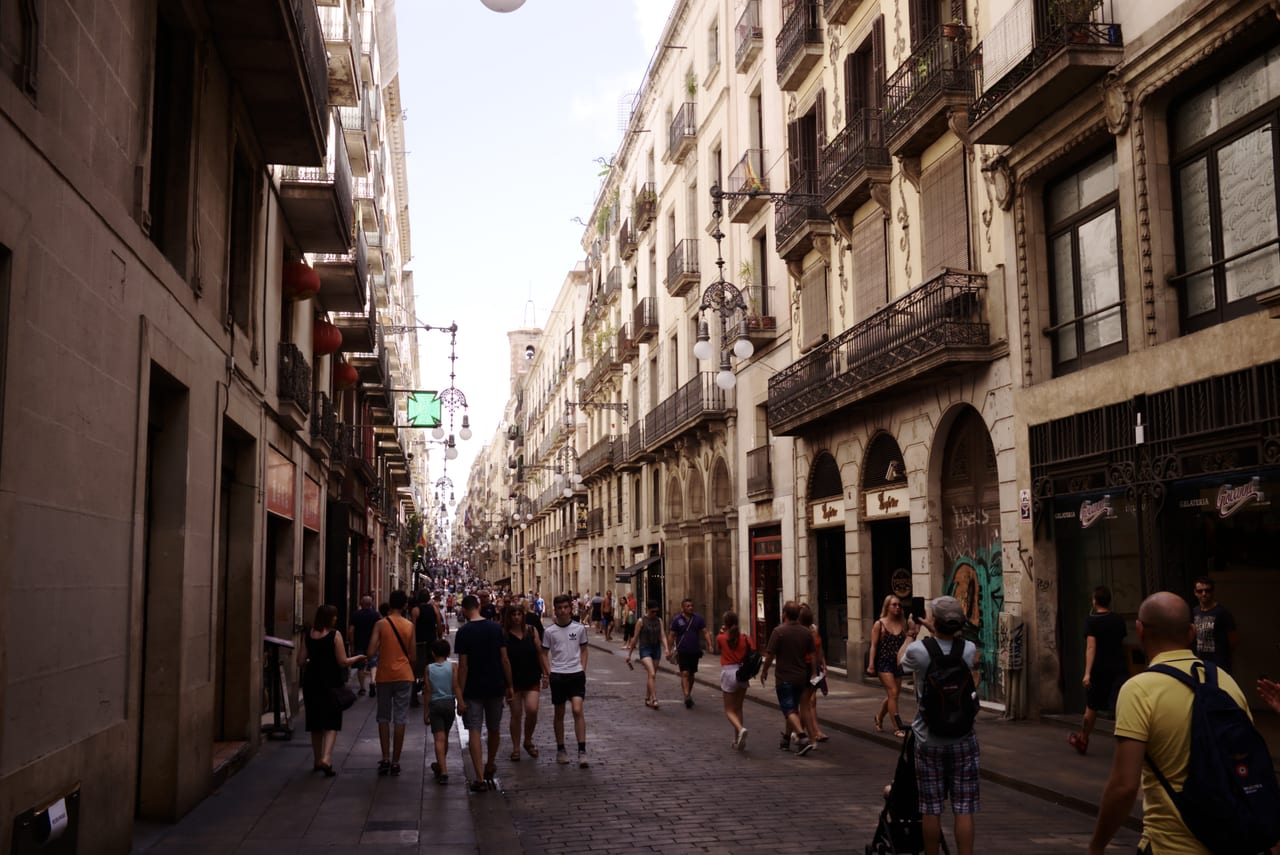
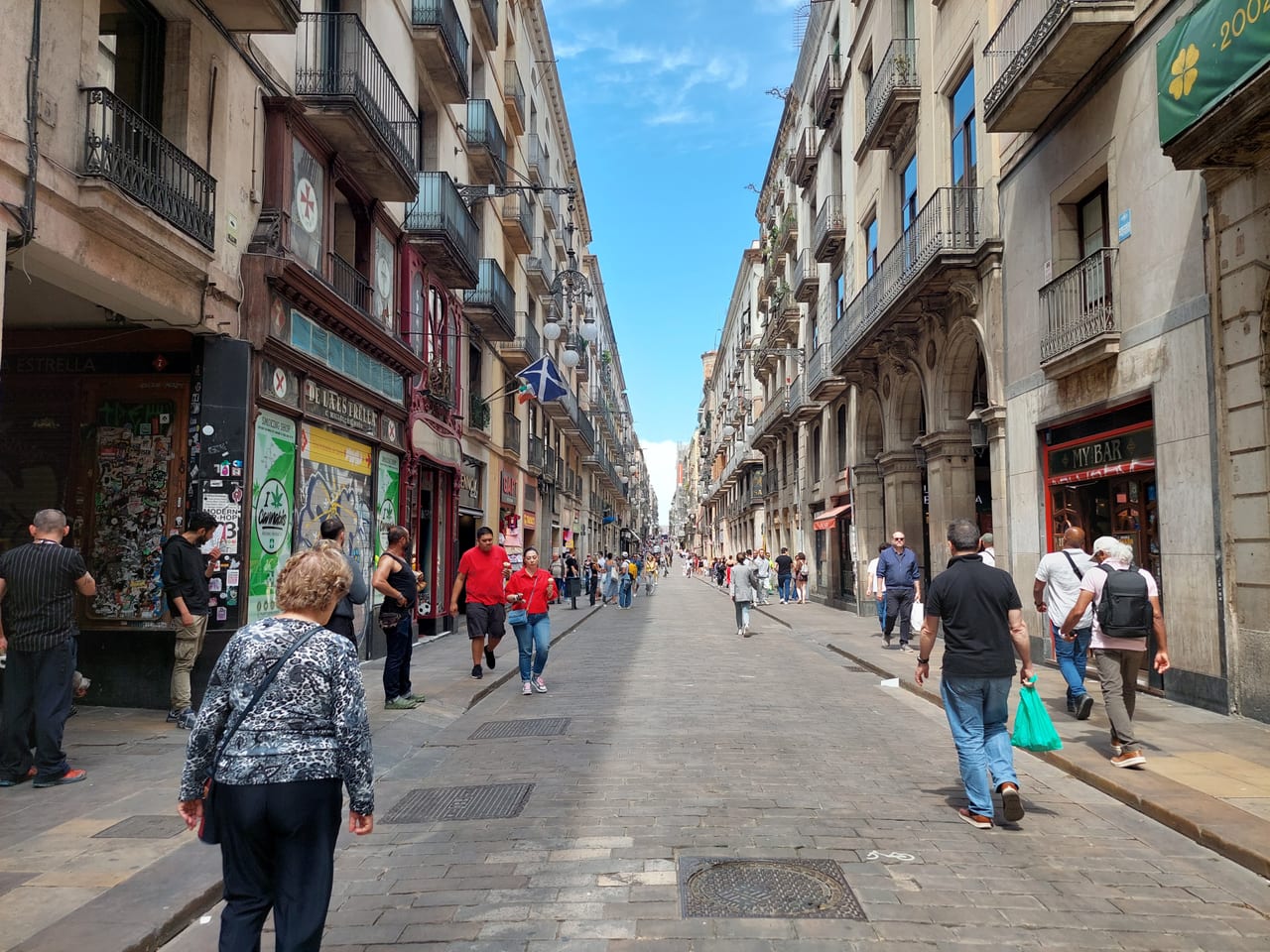
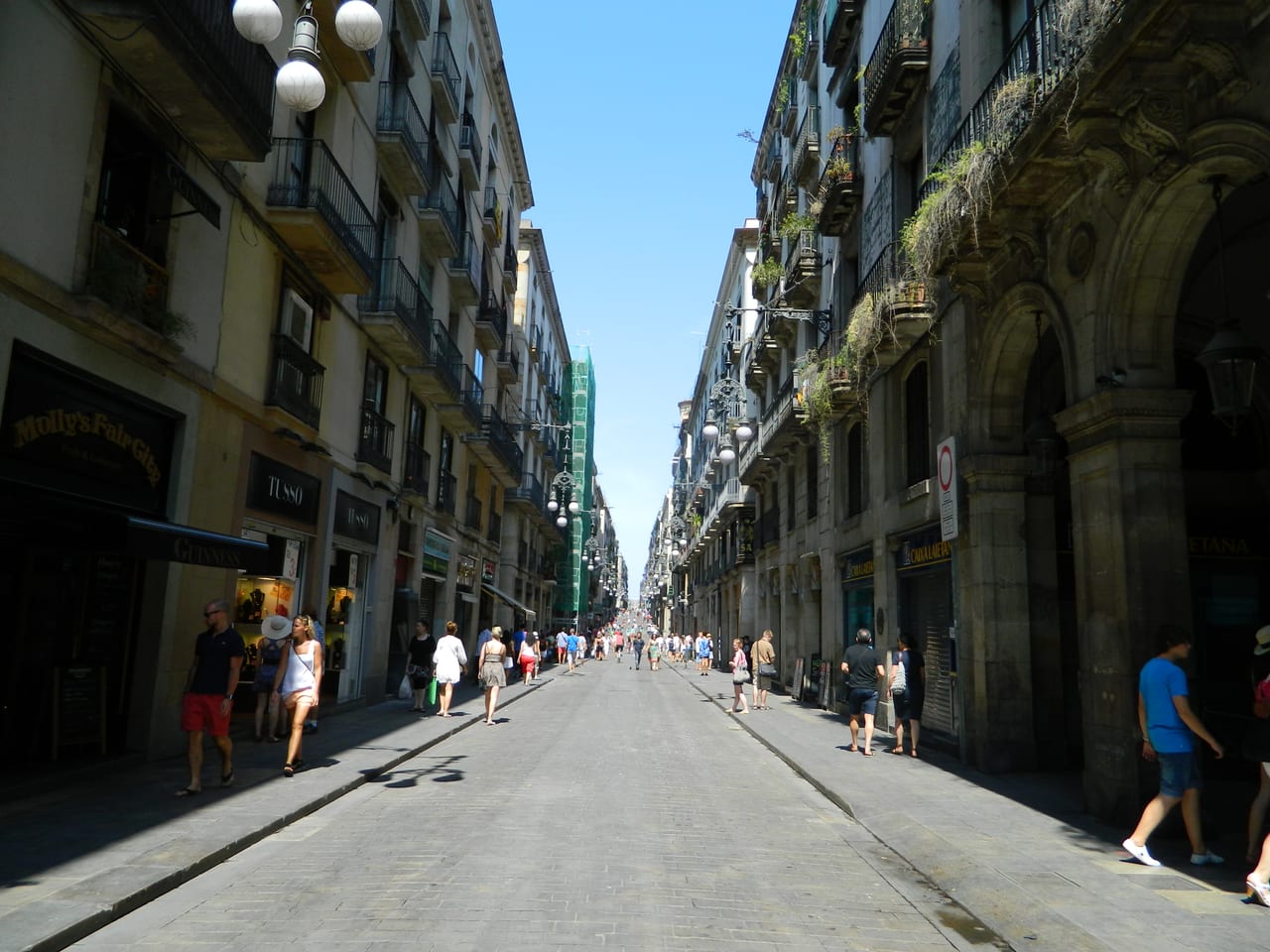
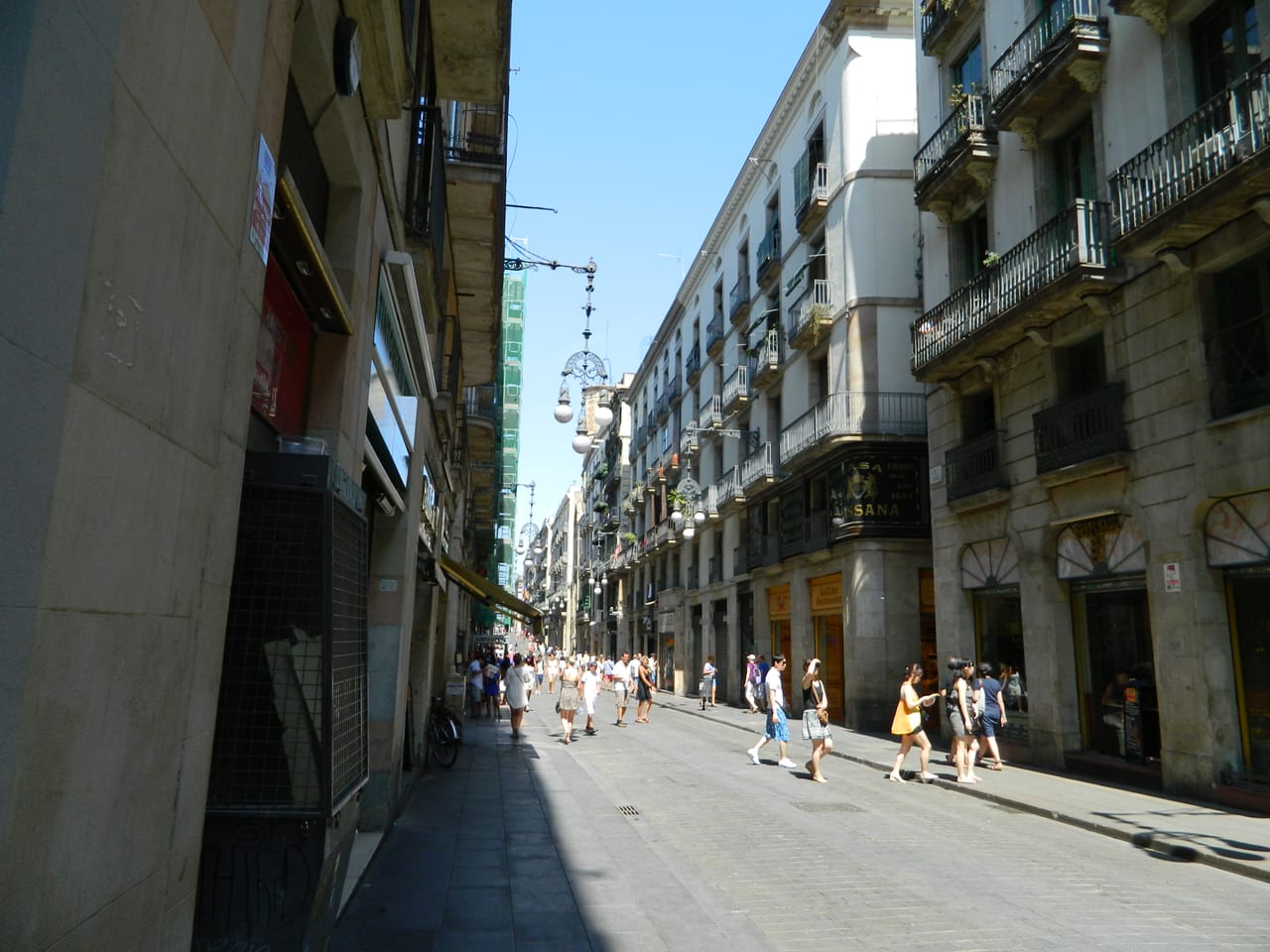
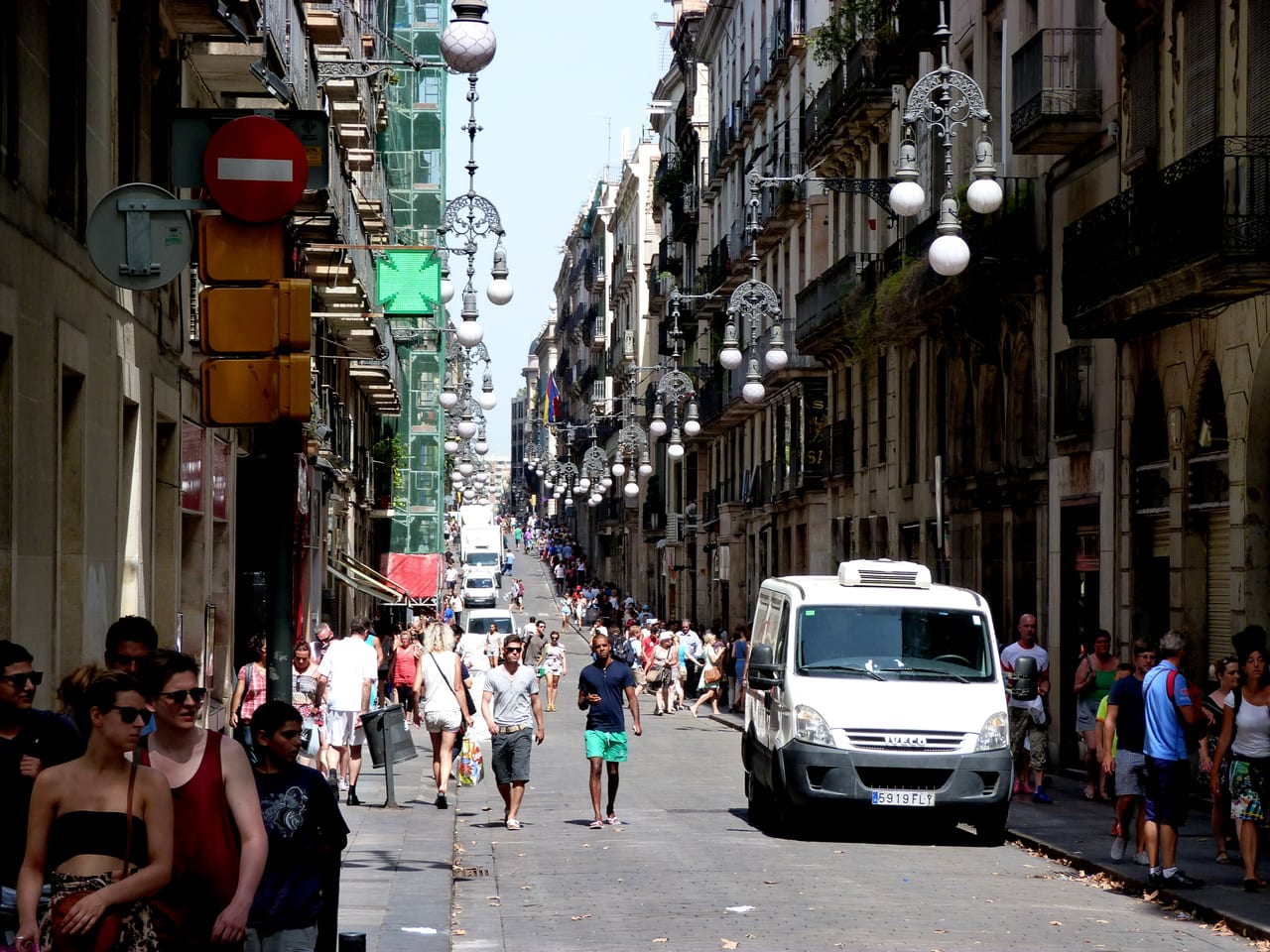
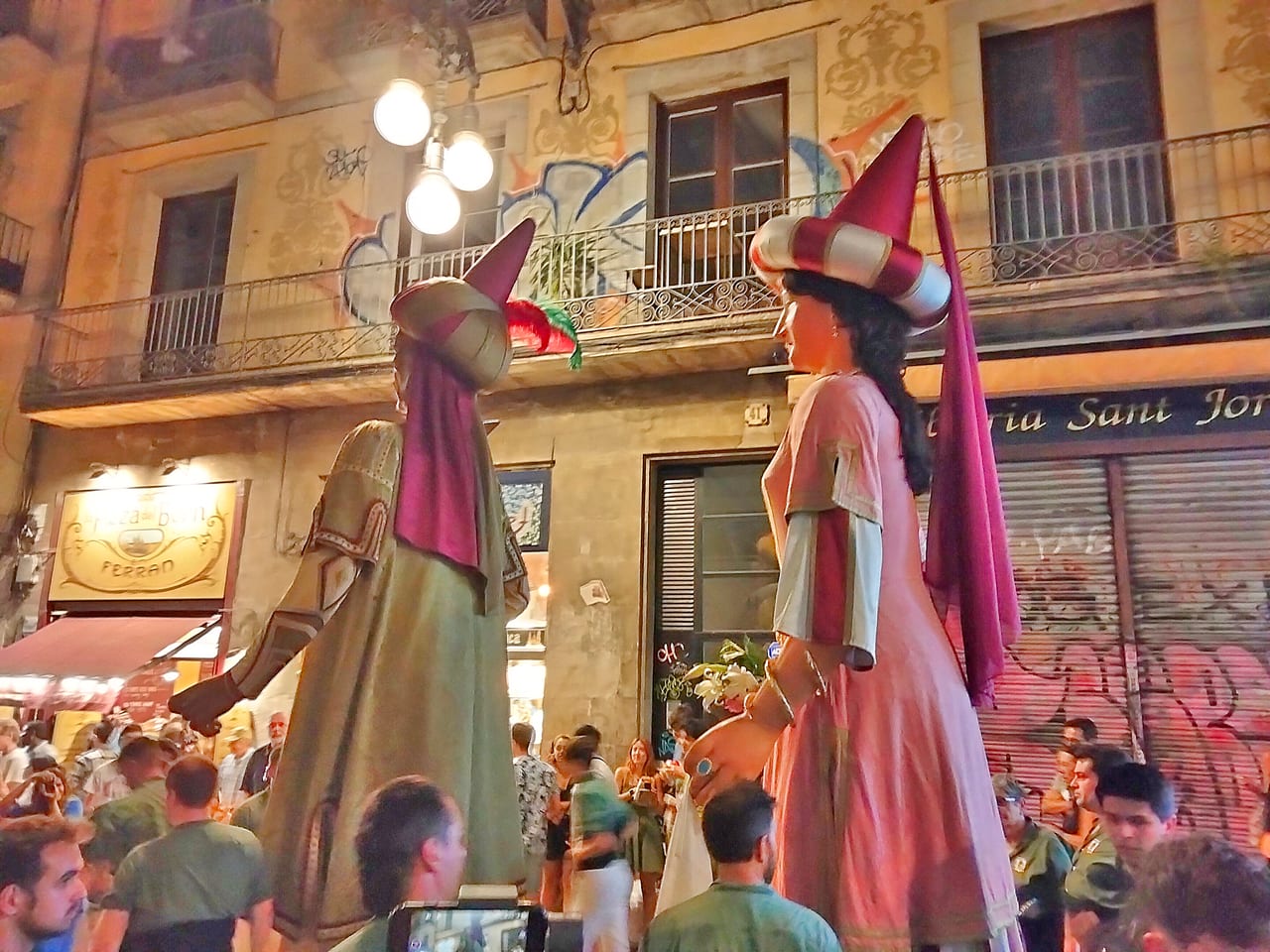
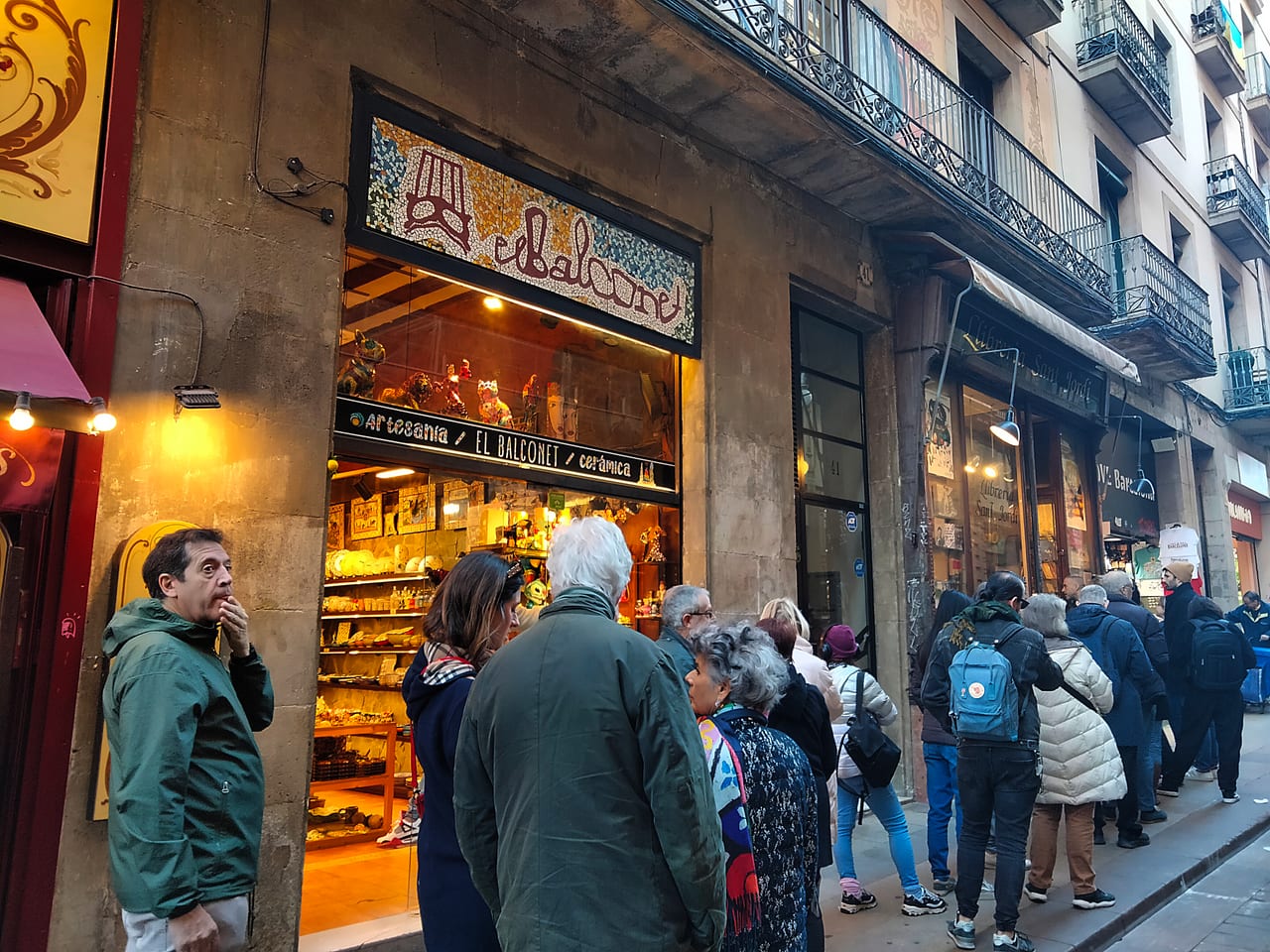
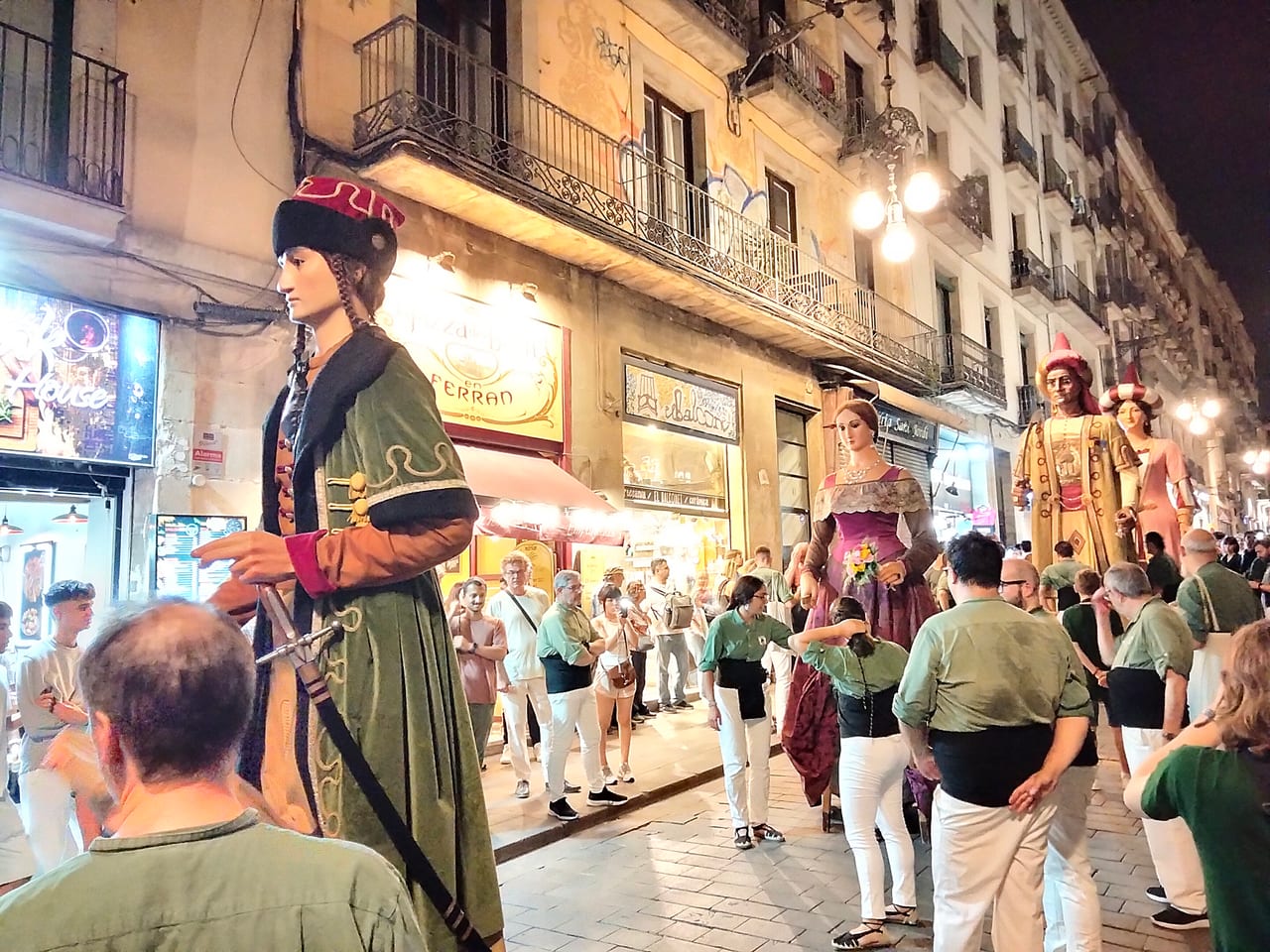
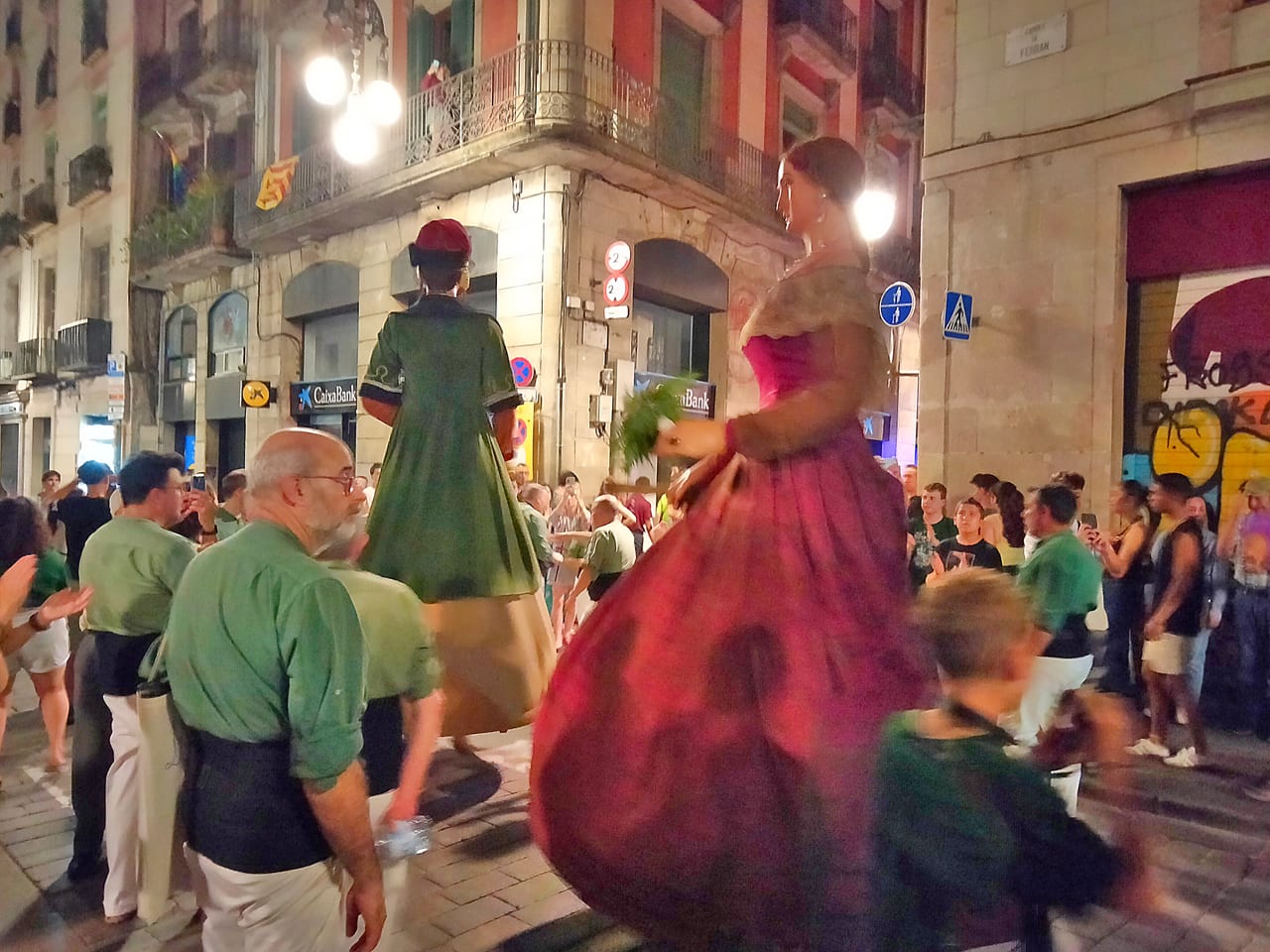
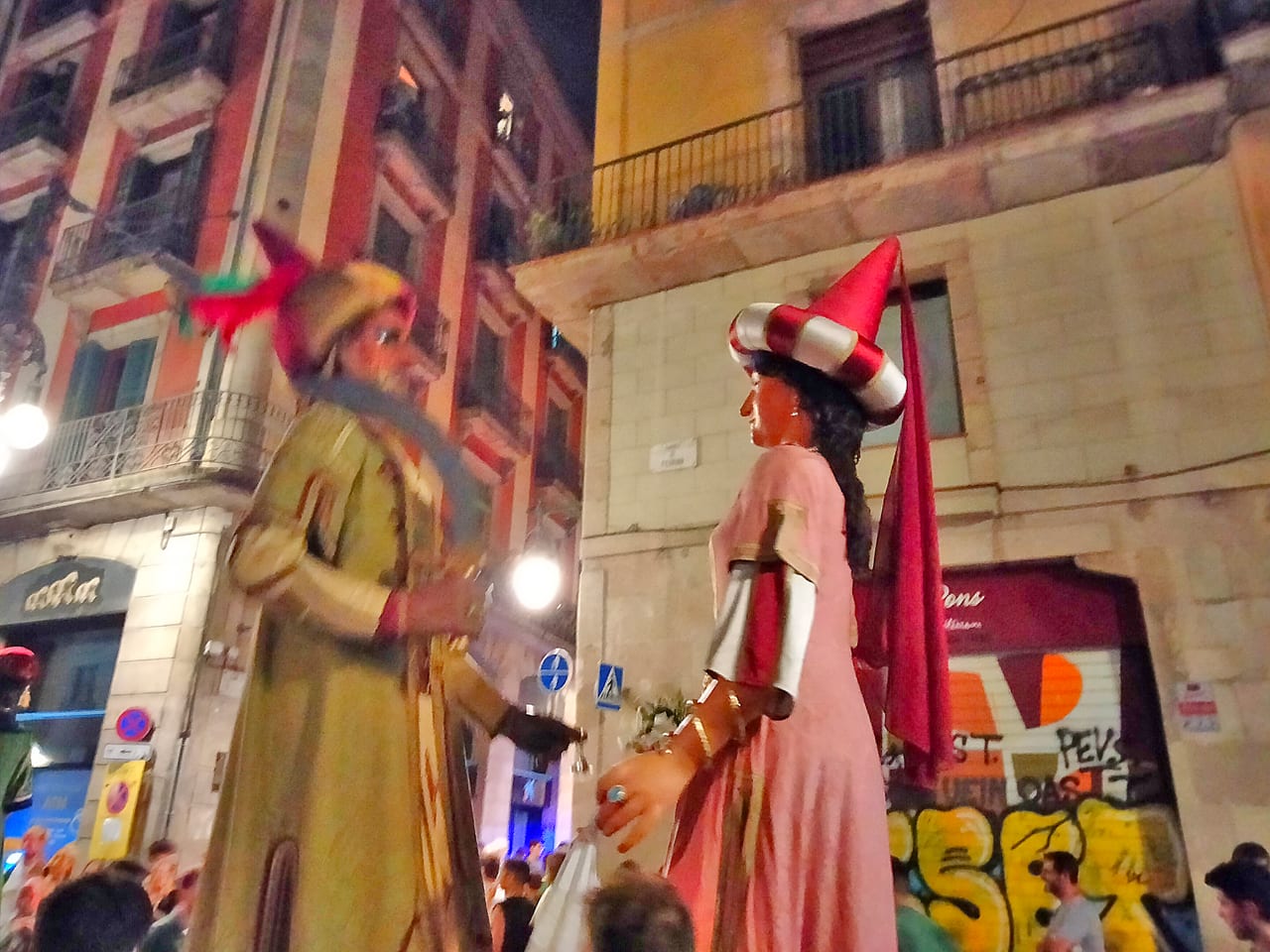
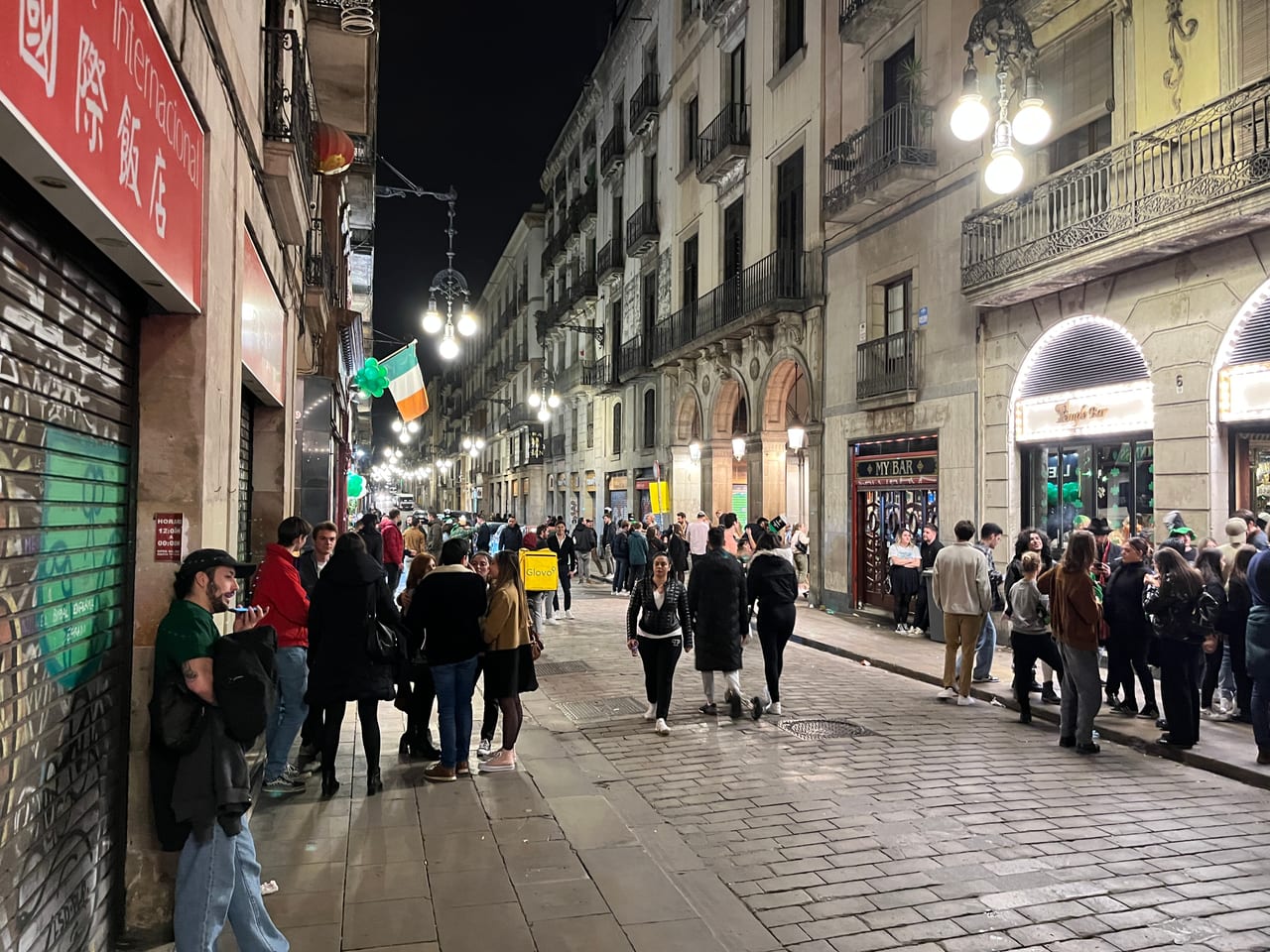
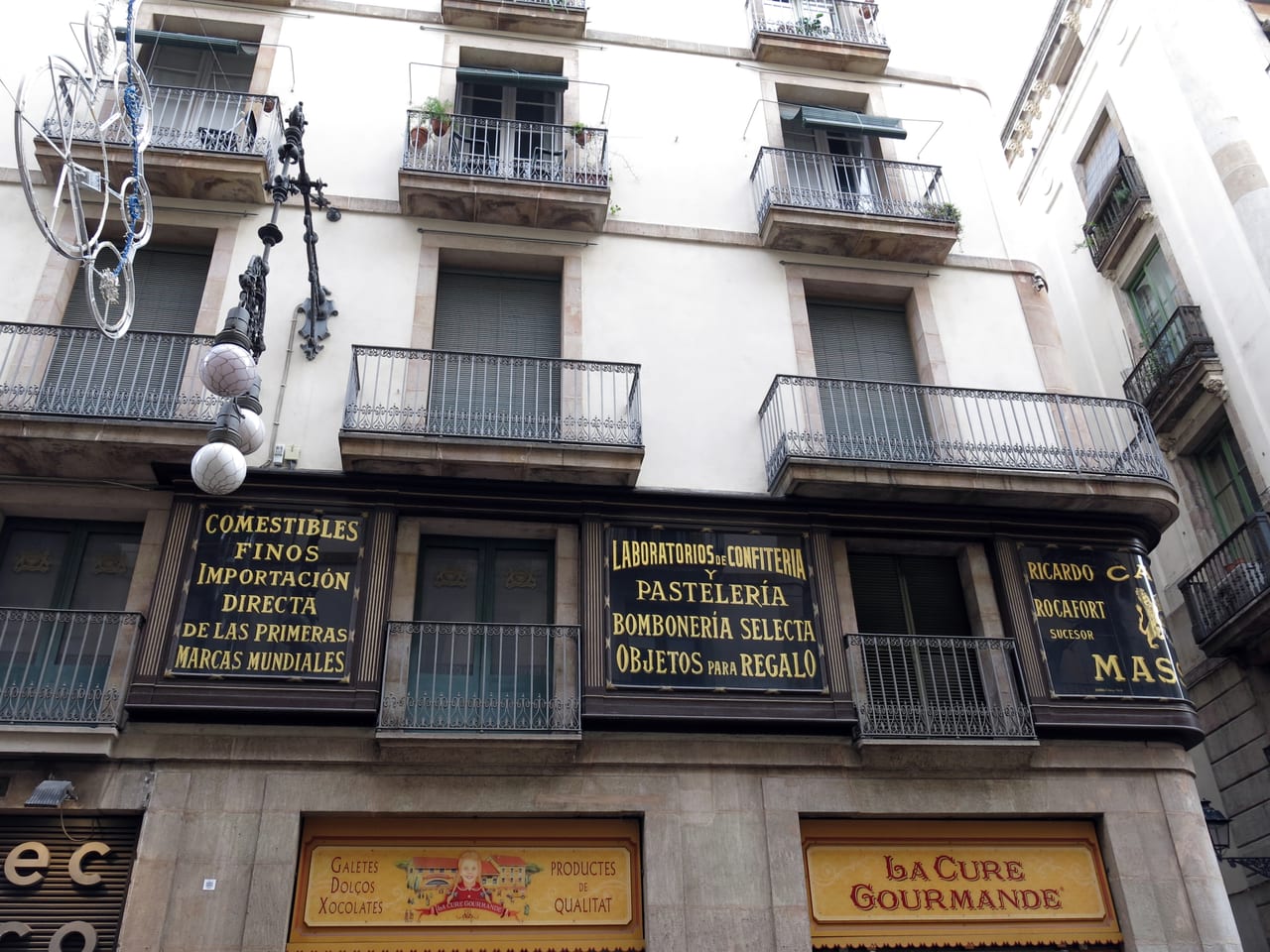
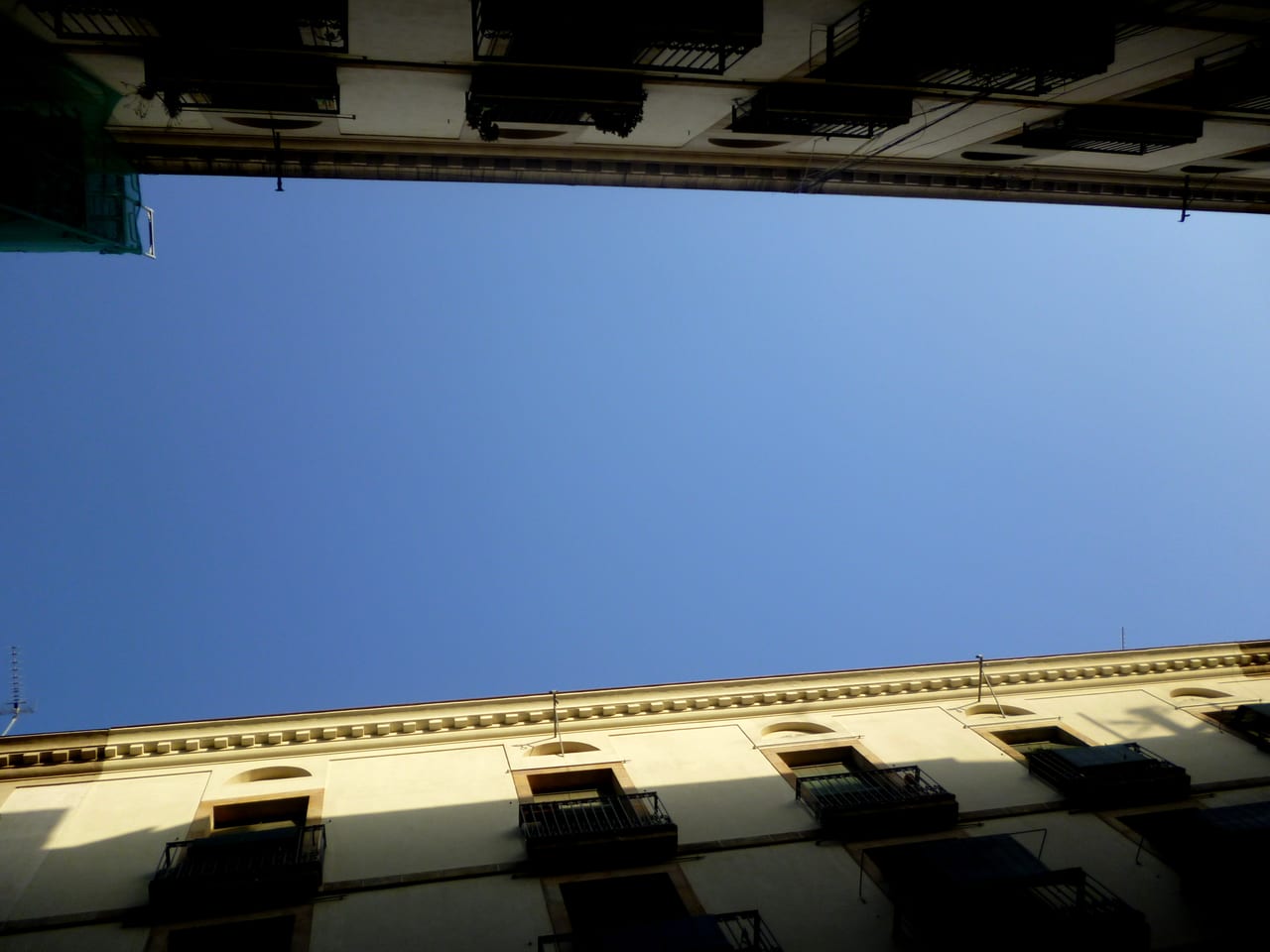
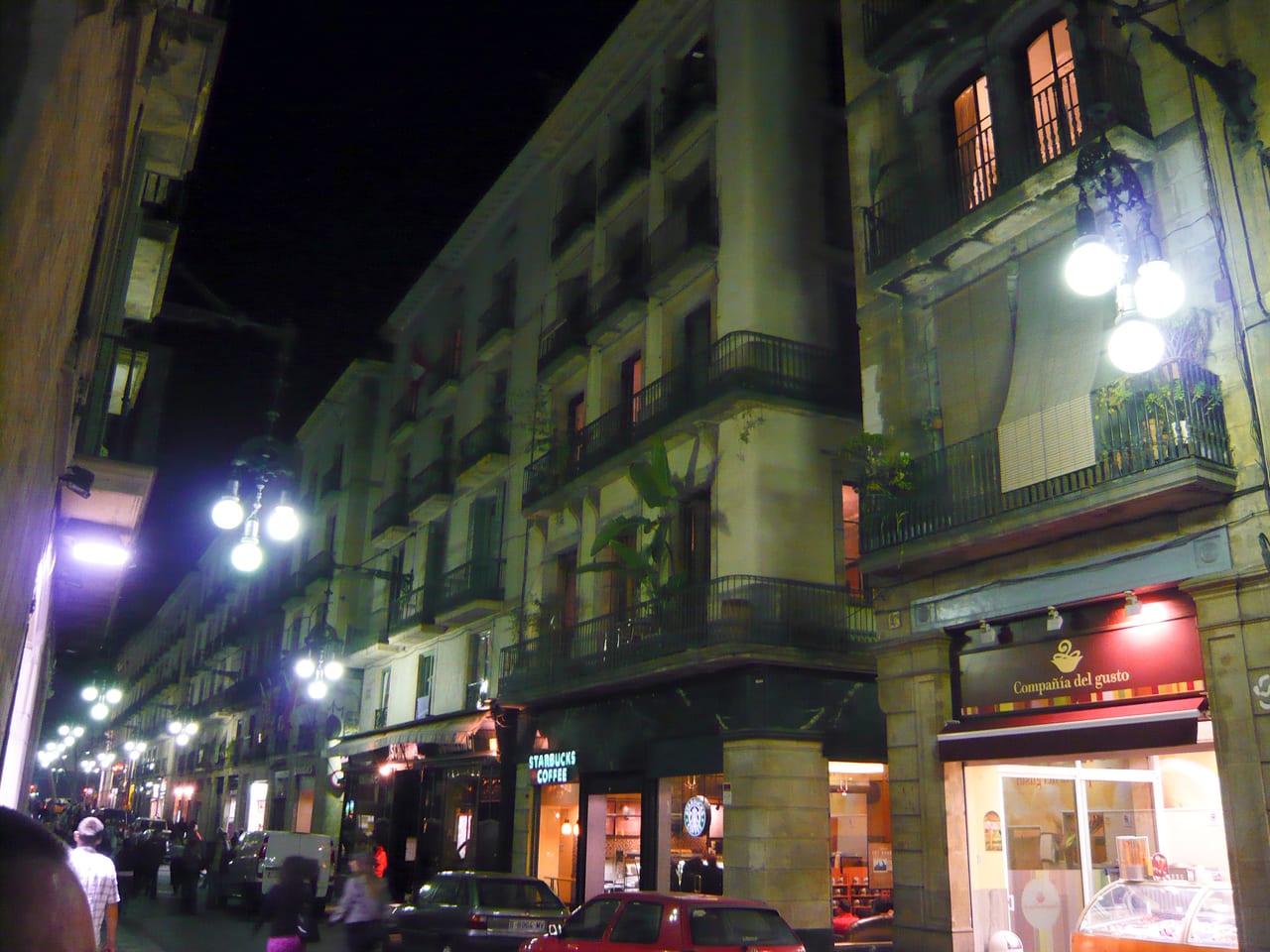
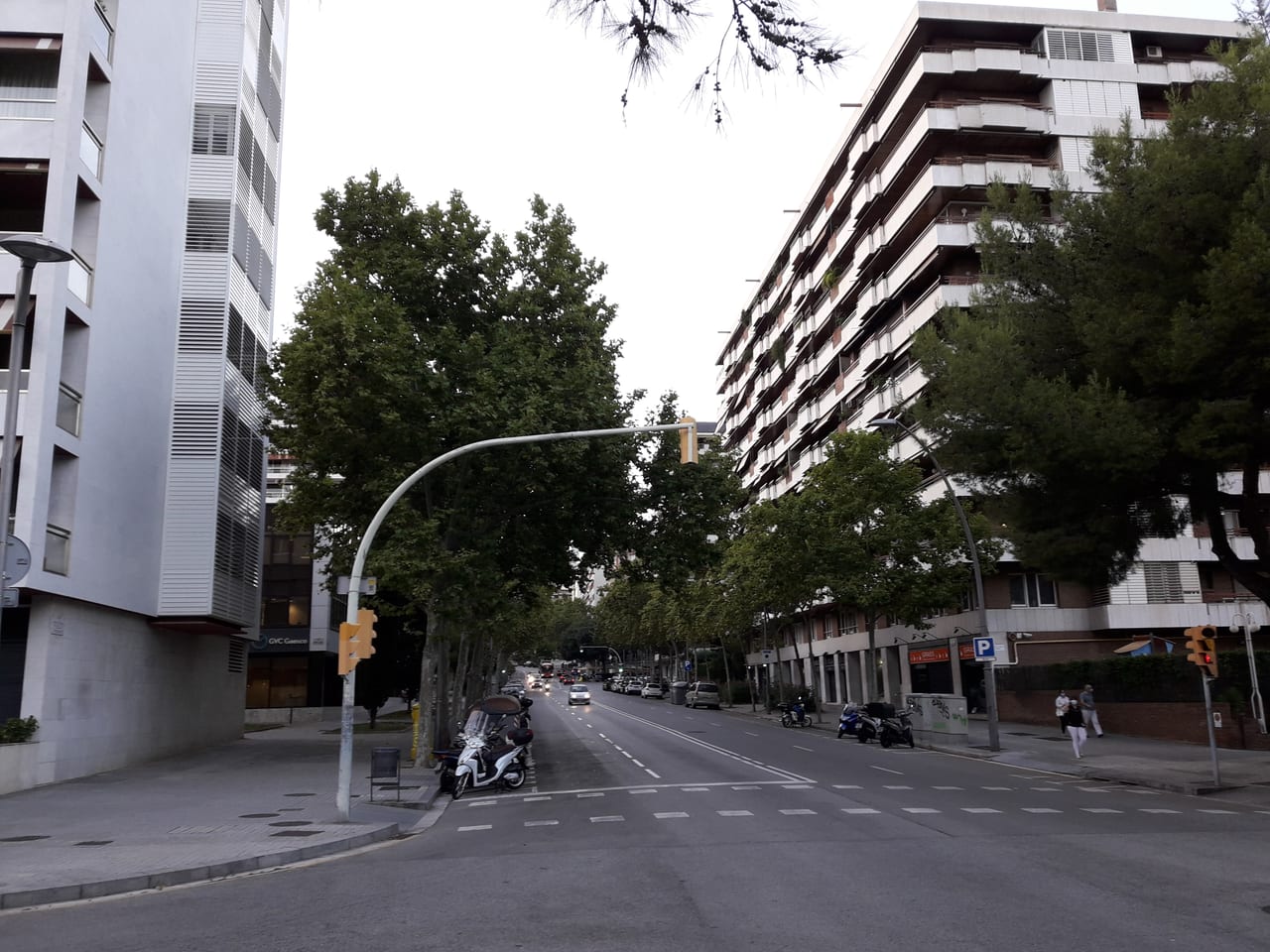
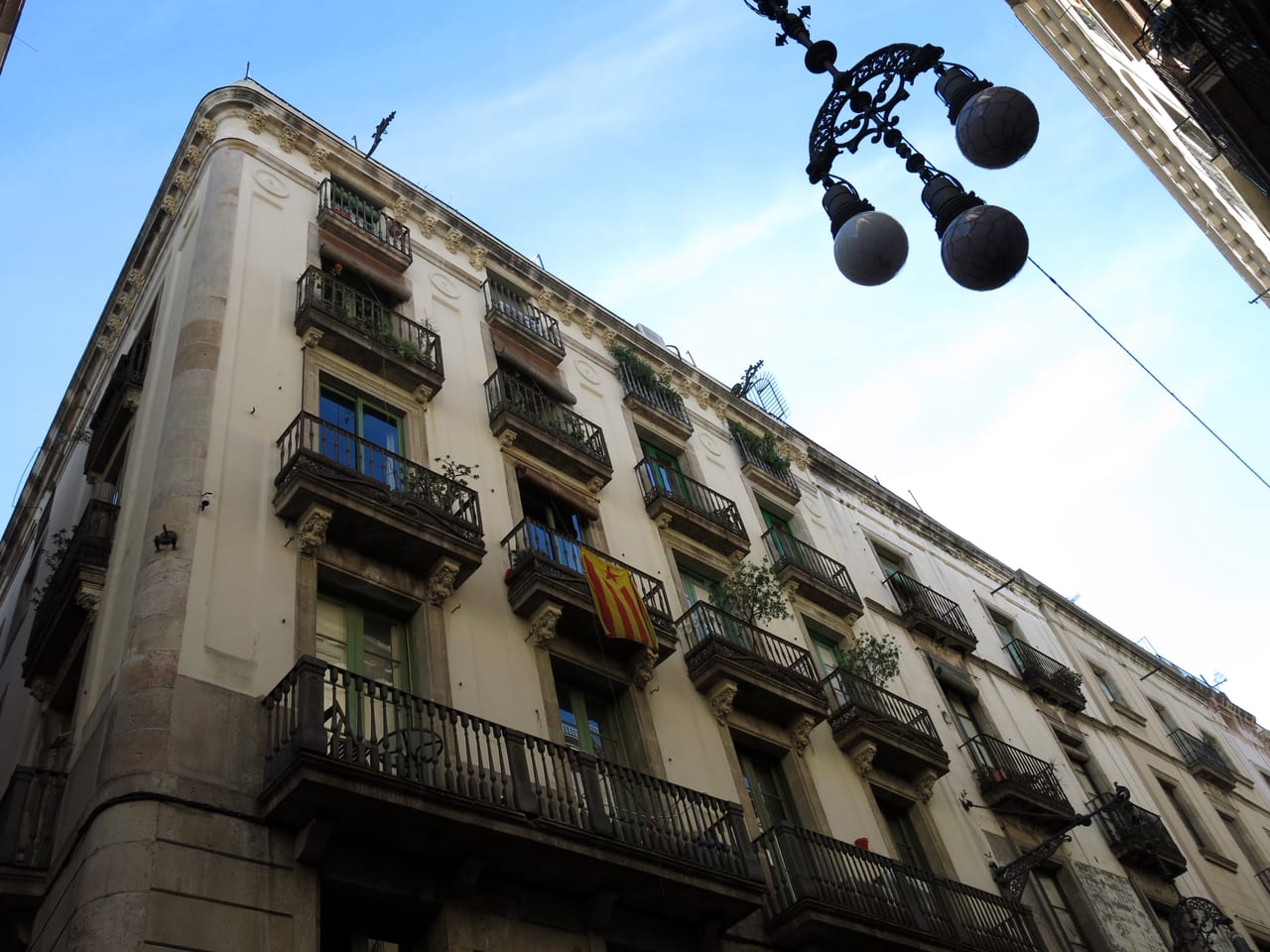
Photograph 1 of 22 of Carrer de Ferran
Carrer de Ferran emerged from a municipal project conceived during the Liberal Triennium of 1820–23: a new route linking the Rambla with the Ciutadella fortress. It formed part of a transversal axis continued by Carrers de Jaume I and de la Princesa, and required the enlargement of Plaça de Sant Jaume. The first section, between the Rambla and Carrer d’Avinyó, opened officially in 1826. Its façades were designed as a unified composition by municipal architect Josep Mas i Vila, who also remodelled the Casa de la Ciutat and created its new façade on Plaça de Sant Jaume. The full opening was not completed until 1848. Its architectural interest lies in this planned urban sequence and in the buildings that line it, including Casa Òdena, the Parròquia de Sant Jaume, Casa Jeroni Juncadella, Casa Llorenç Milà, Casa Pau Turull, Passatge del Crèdit, Cases Jeroni Rabassa and Casa Josep Molleras. The thoroughfare retains urban protection.
At a glance
- Built
- 1848
- Heritage
- With urban protection
Ways to explore Carrer de Ferran
Walk it lengthwise from the Rambla to Plaça de Sant Jaume, paying attention to the continuous façade treatment in the opening section and the change in scale around the square. Pause at numbers 6, 28, 30, 30 bis, 34, 36–38, 44–46 and 53 to identify the named houses, parish and passage. Passatge del Crèdit is particularly worth examining as a distinct architectural interruption within the route.
Places to stay near Carrer de Ferran

Live availability and prices from Stay22's partners, refreshed periodically and subject to change. Booking through these links may earn us a commission at no extra cost to you. See our privacy policy.
Cafés near Carrer de Ferran
Cafés near Carrer de Ferran loads as you scroll.
Attractions nearby
Attractions near Carrer de Ferran loads as you scroll.
Cities nearby
Cities nearby loads as you scroll.
More in Barcelona
See more of Barcelona.
Find great cafés, places to stay and other interesting places to visit in Barcelona.