Museum · Barcelona
CaixaForum Barcelona
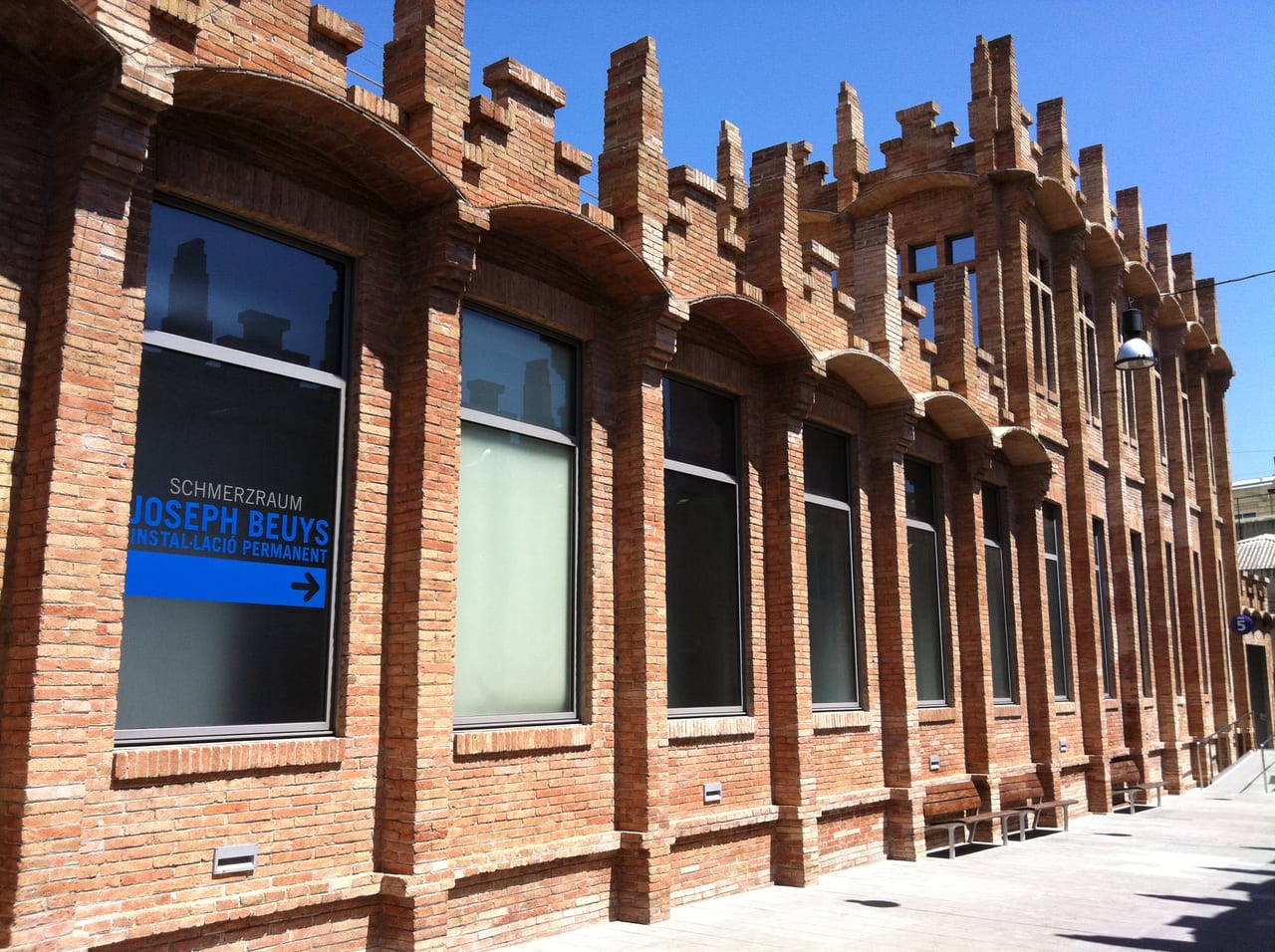
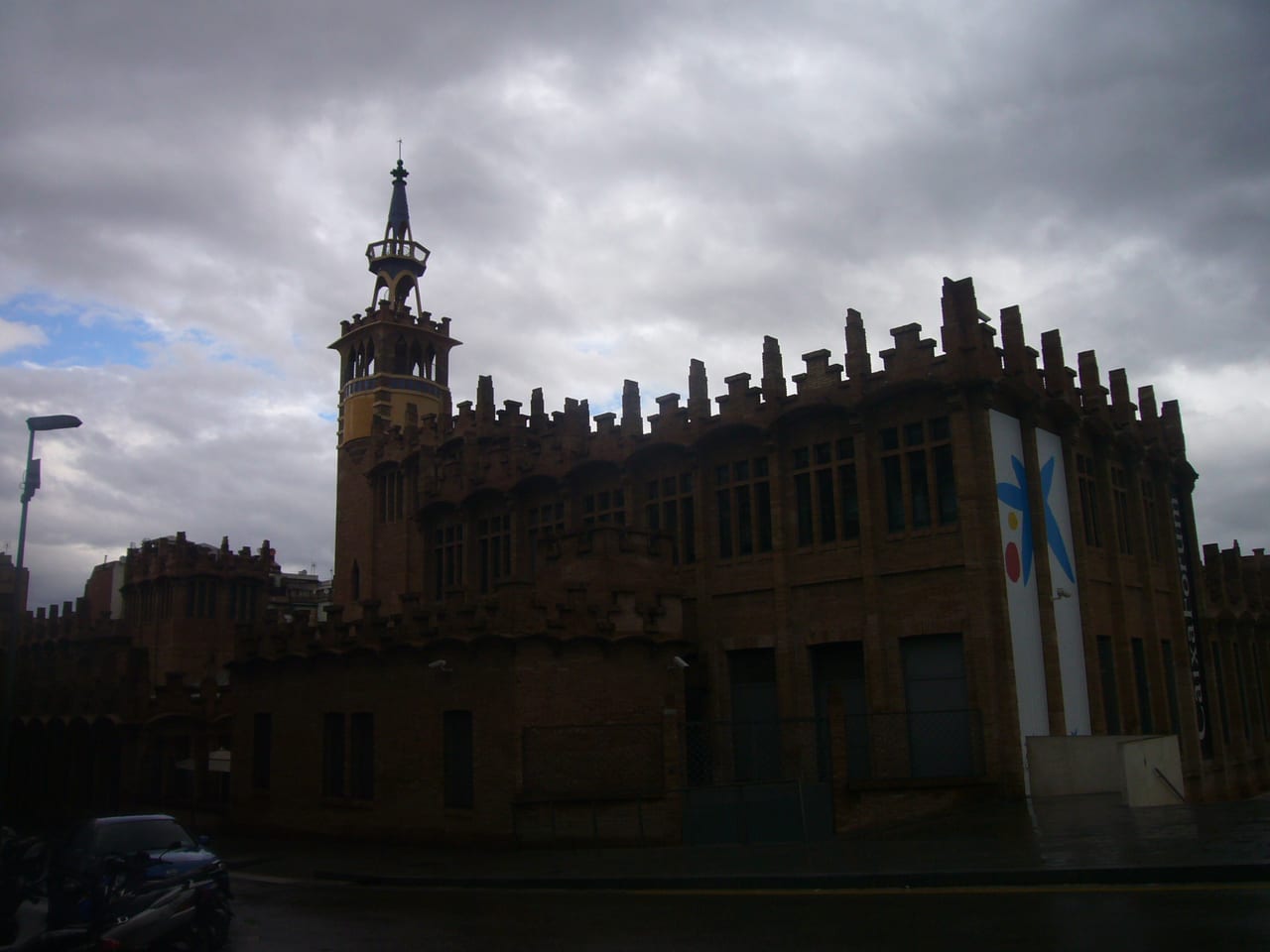
DirectionsIts restoration included firing 100,000 bricks to match the originals, an unusually exact intervention that helped convert a 1911 textile factory into a contemporary art centre.
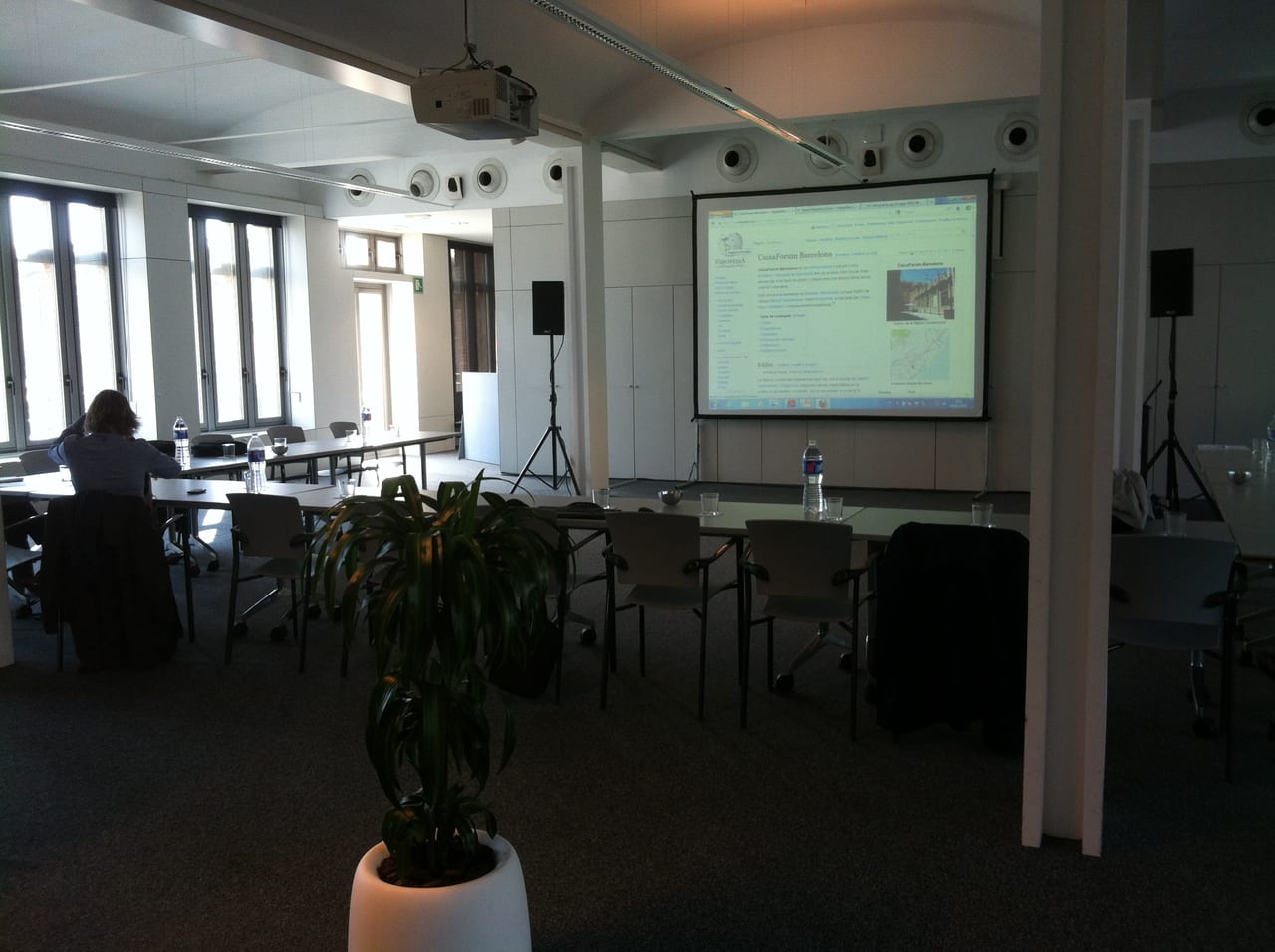
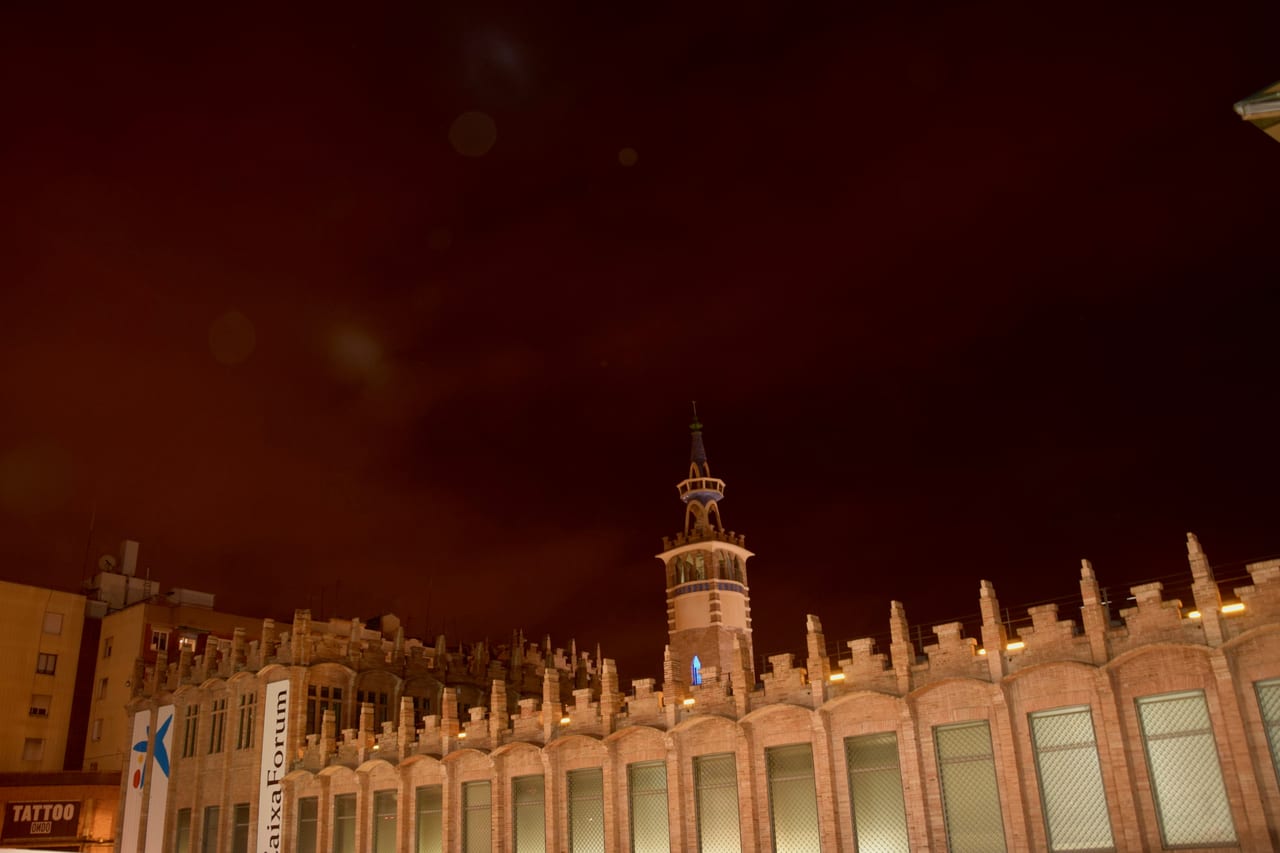
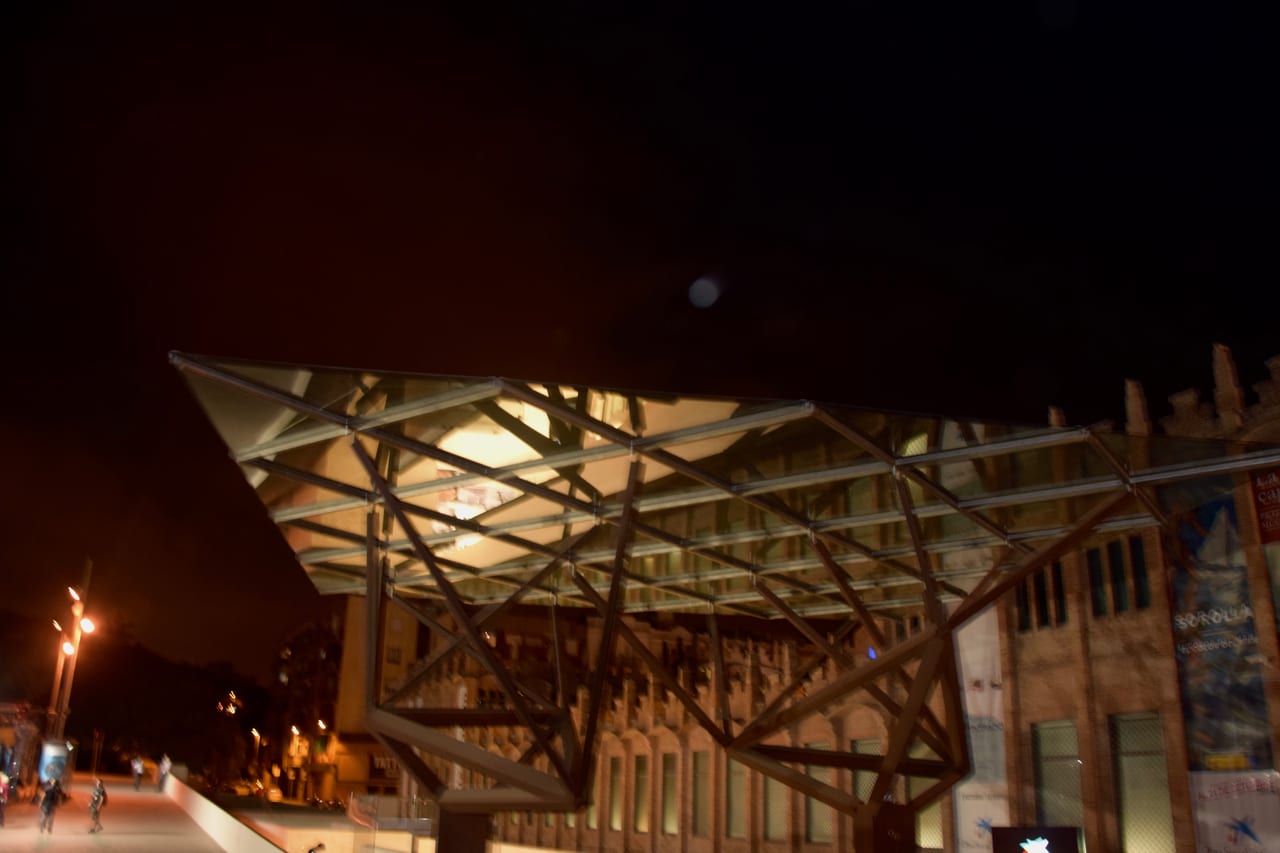
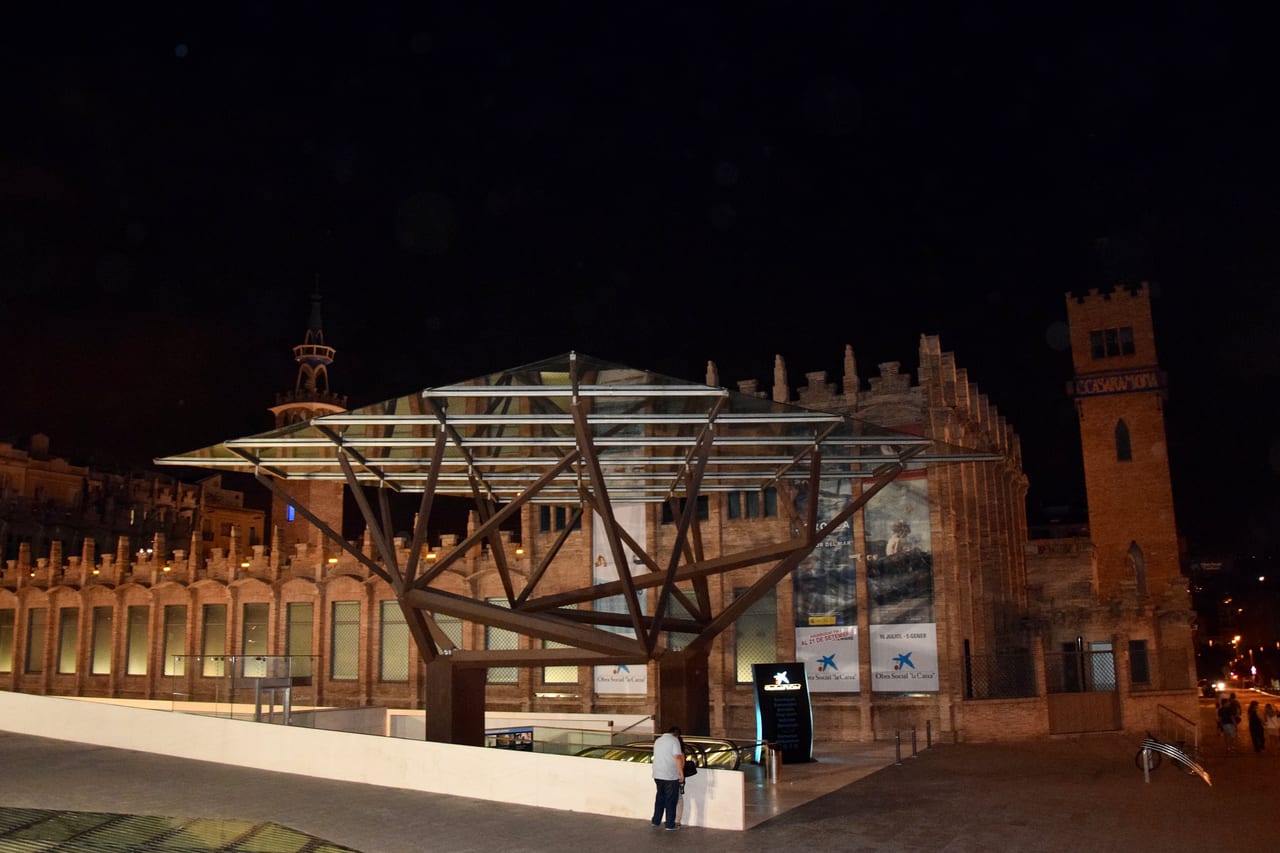
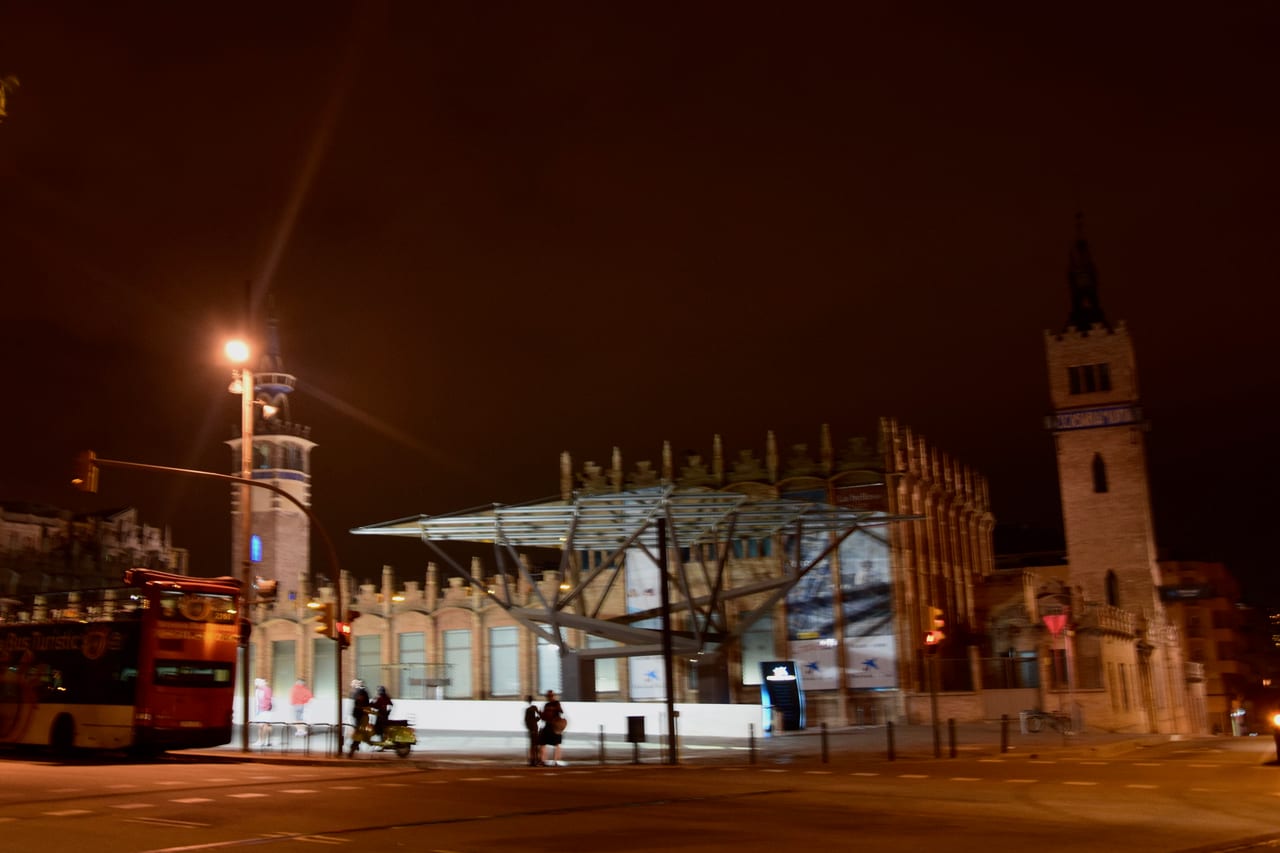
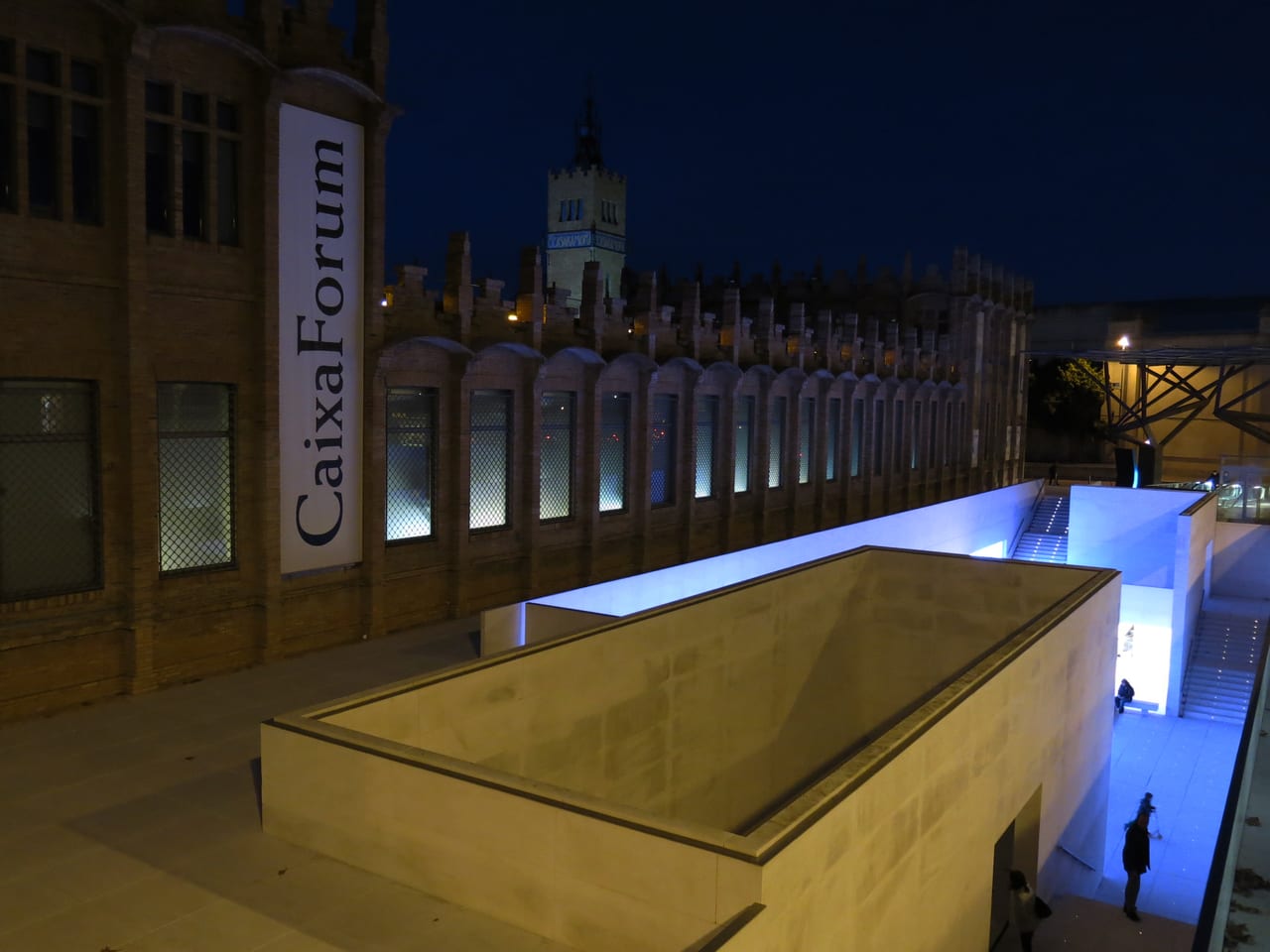
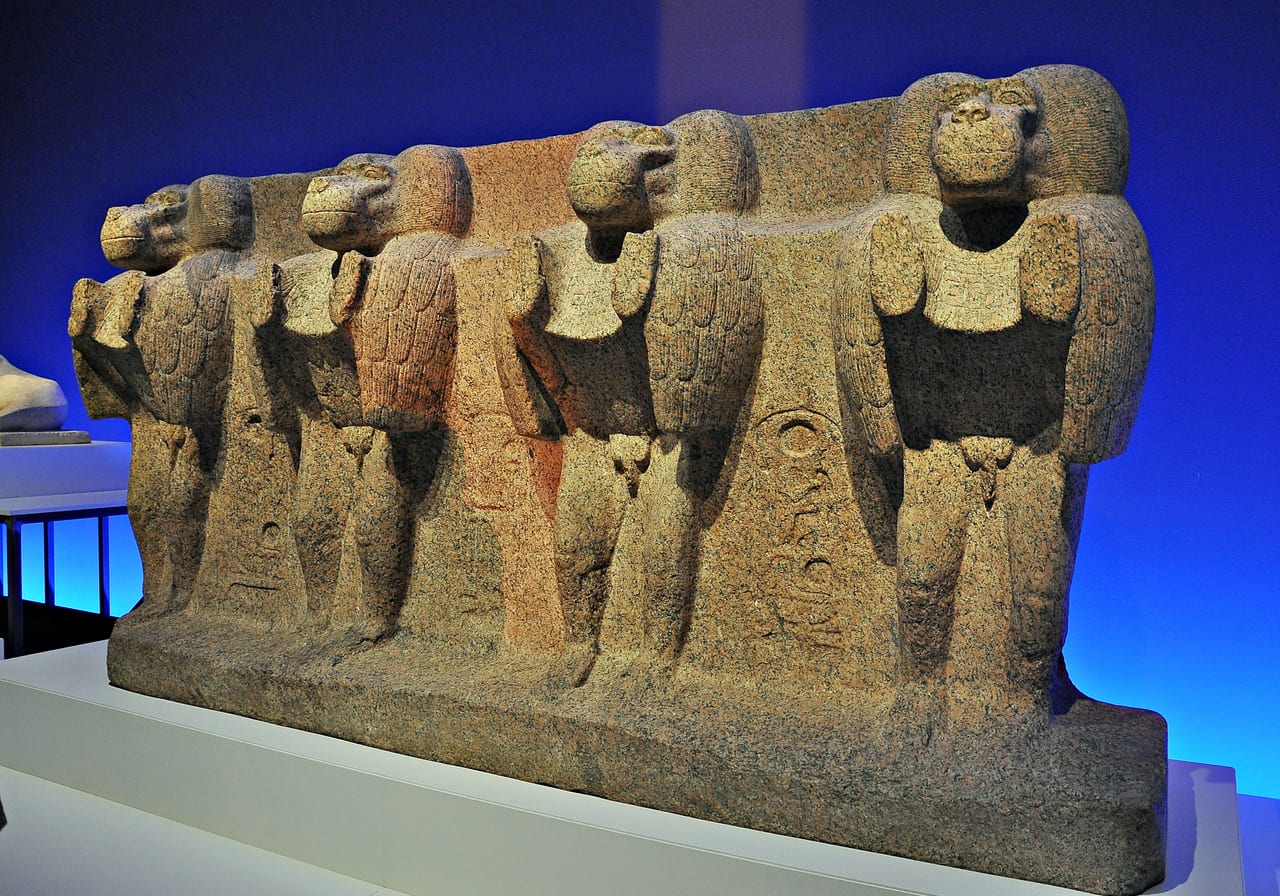
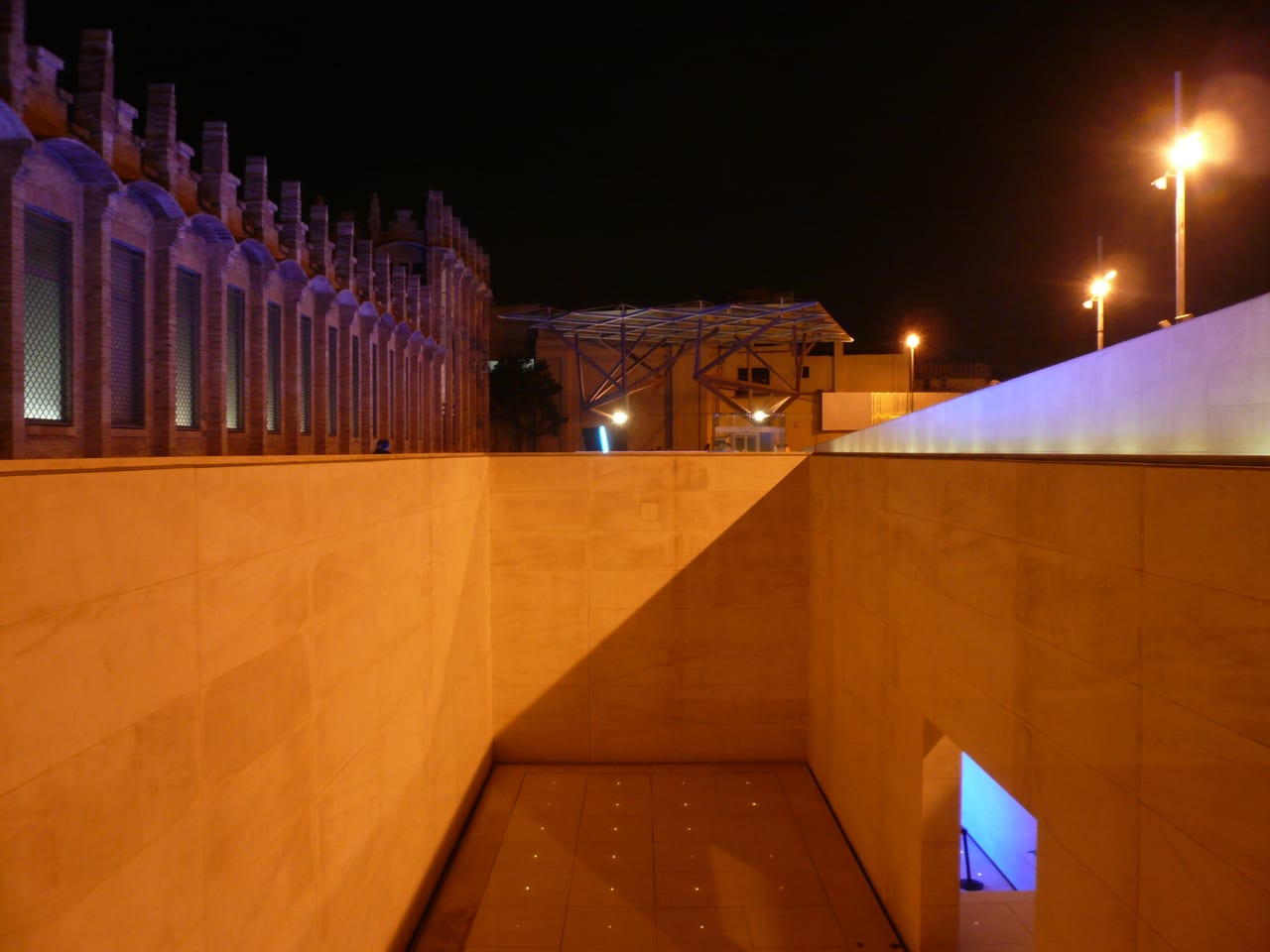
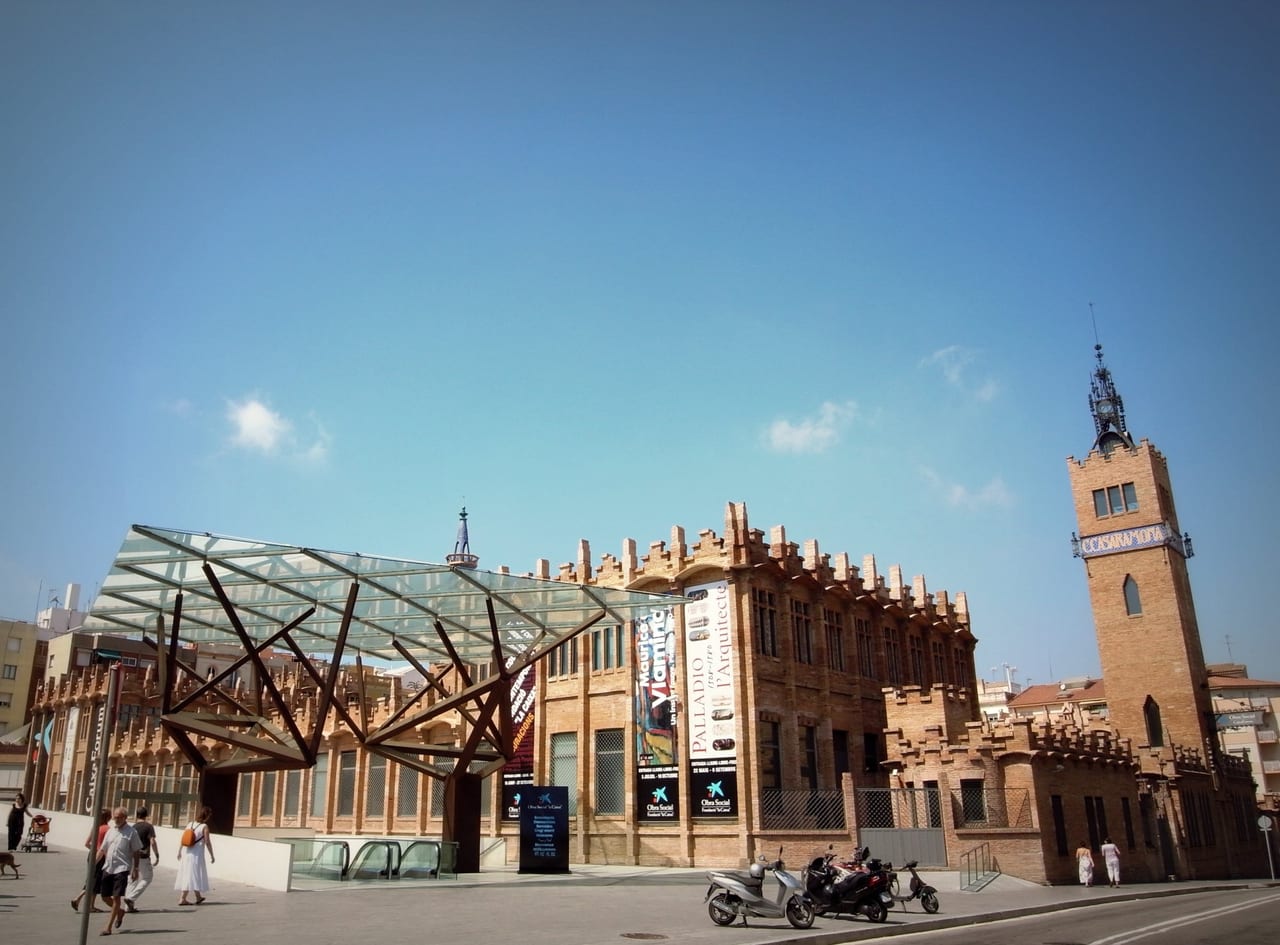
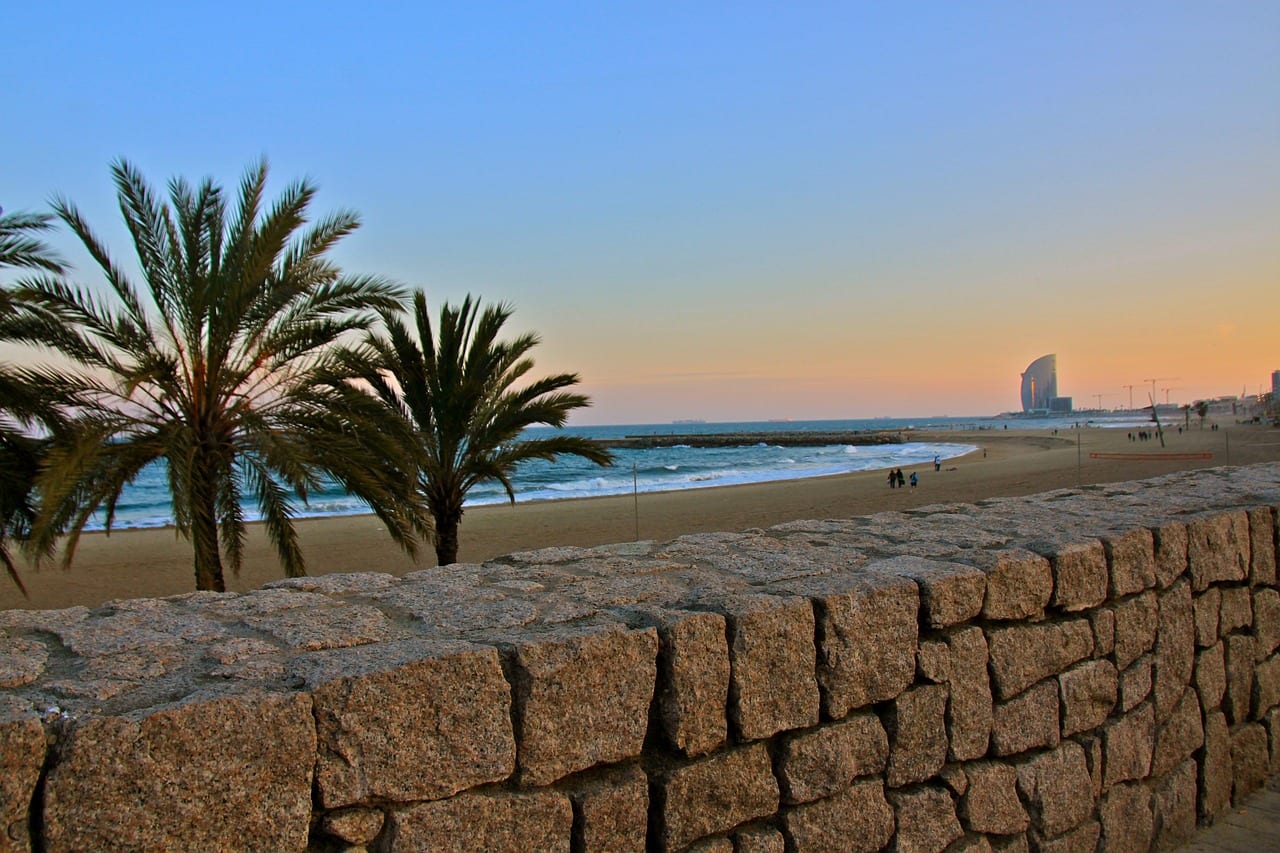
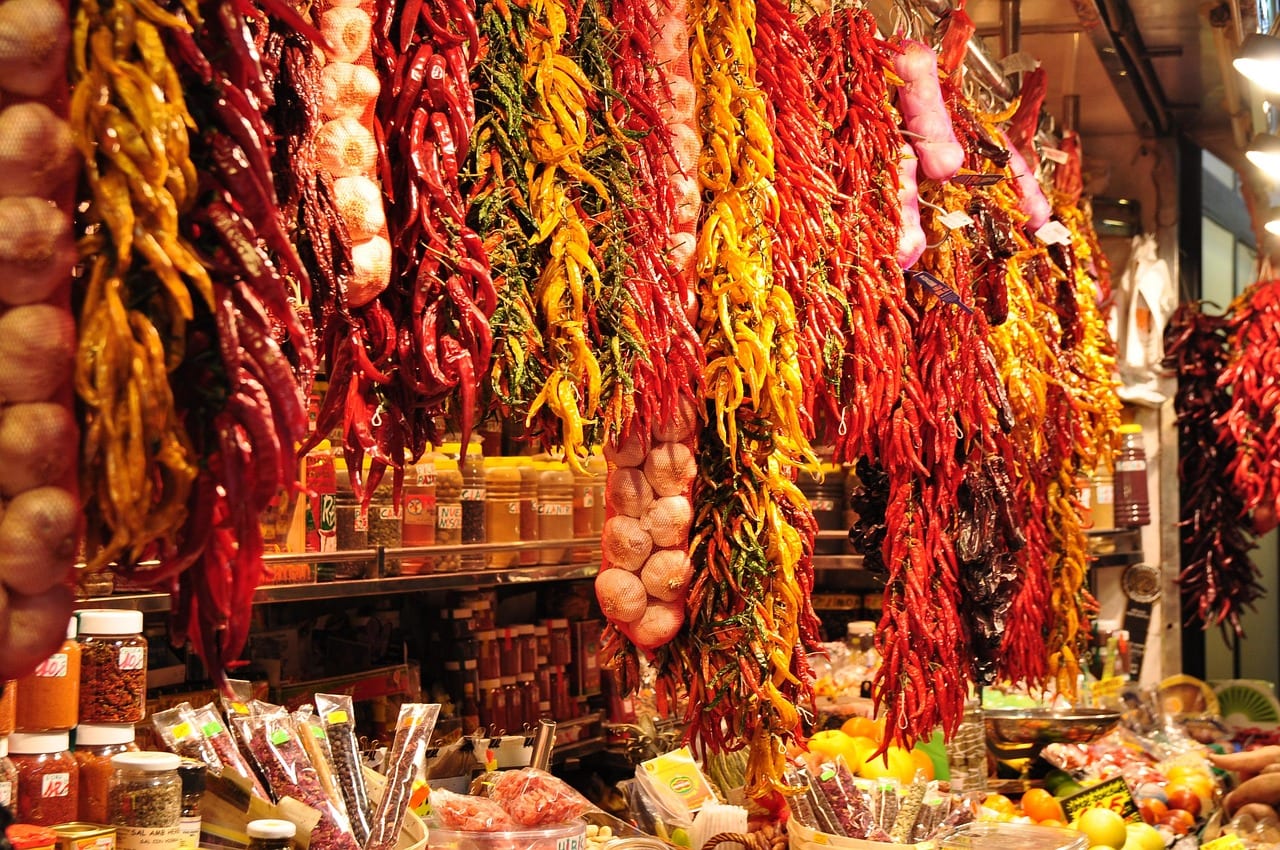
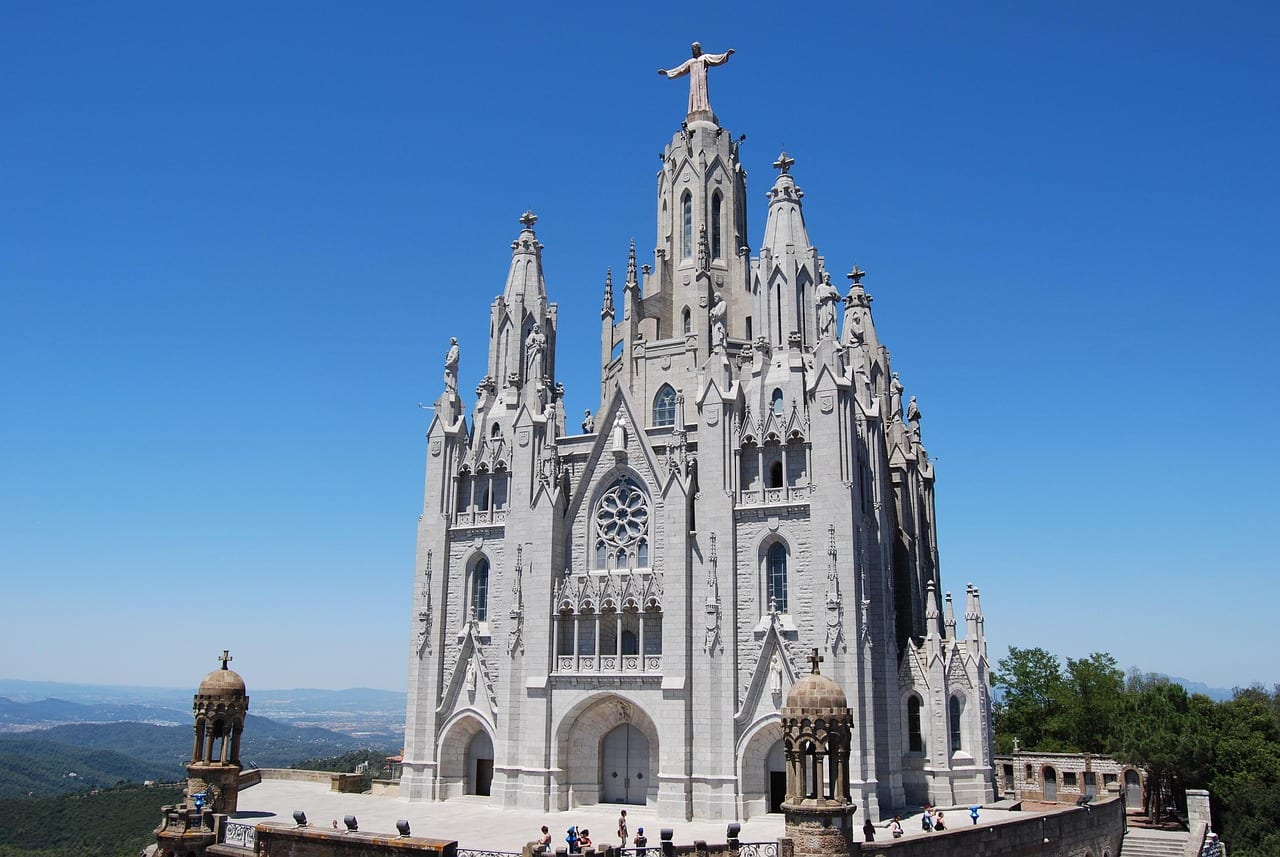
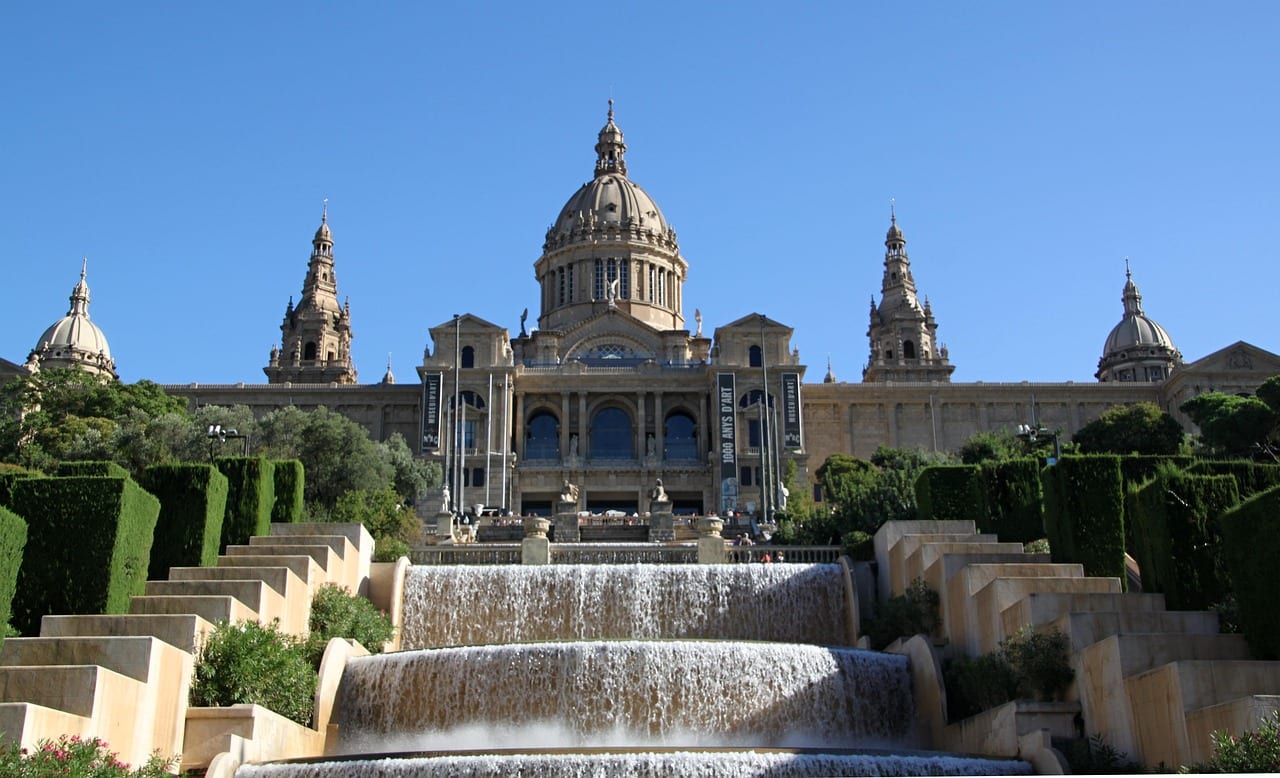
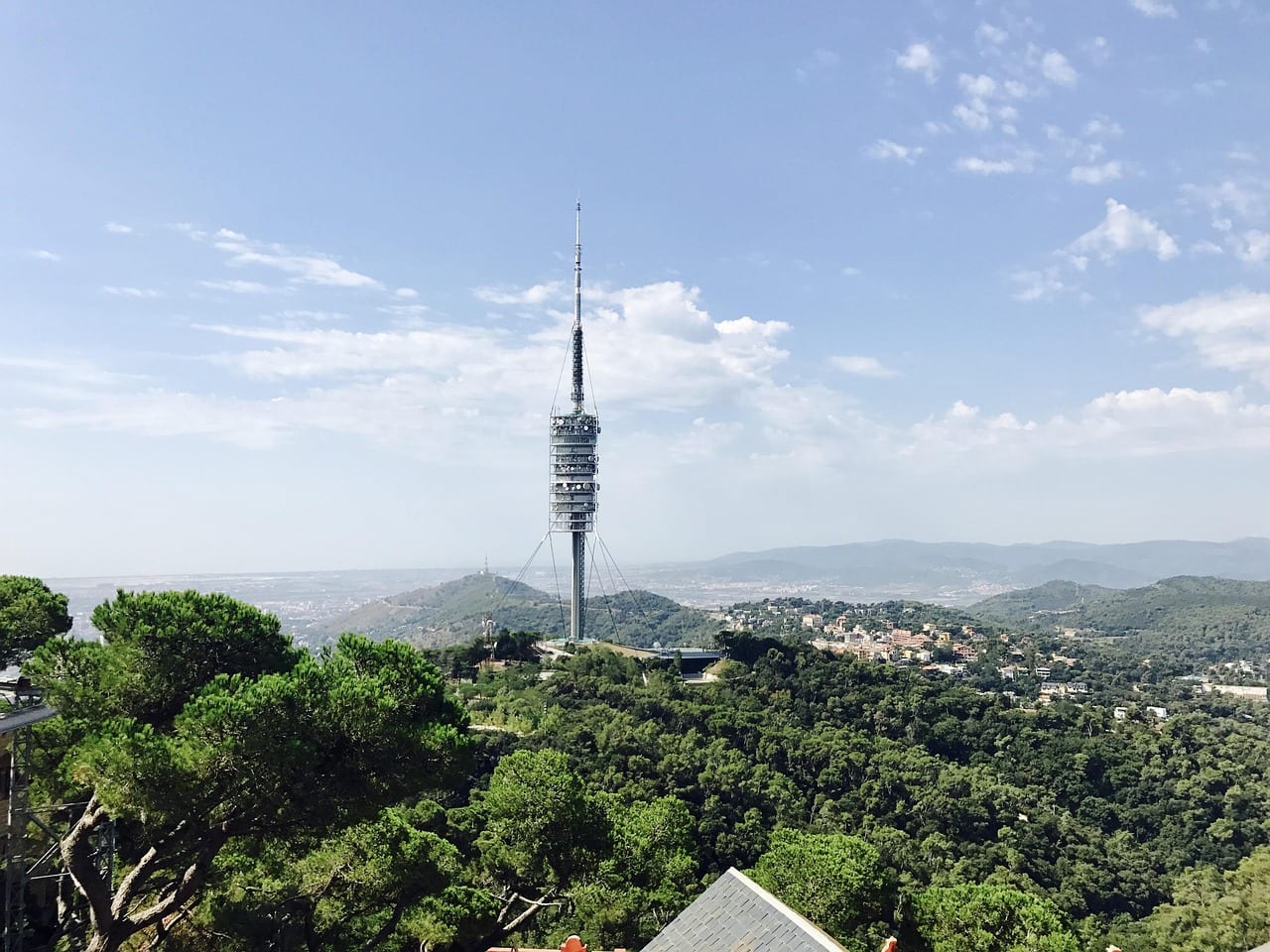
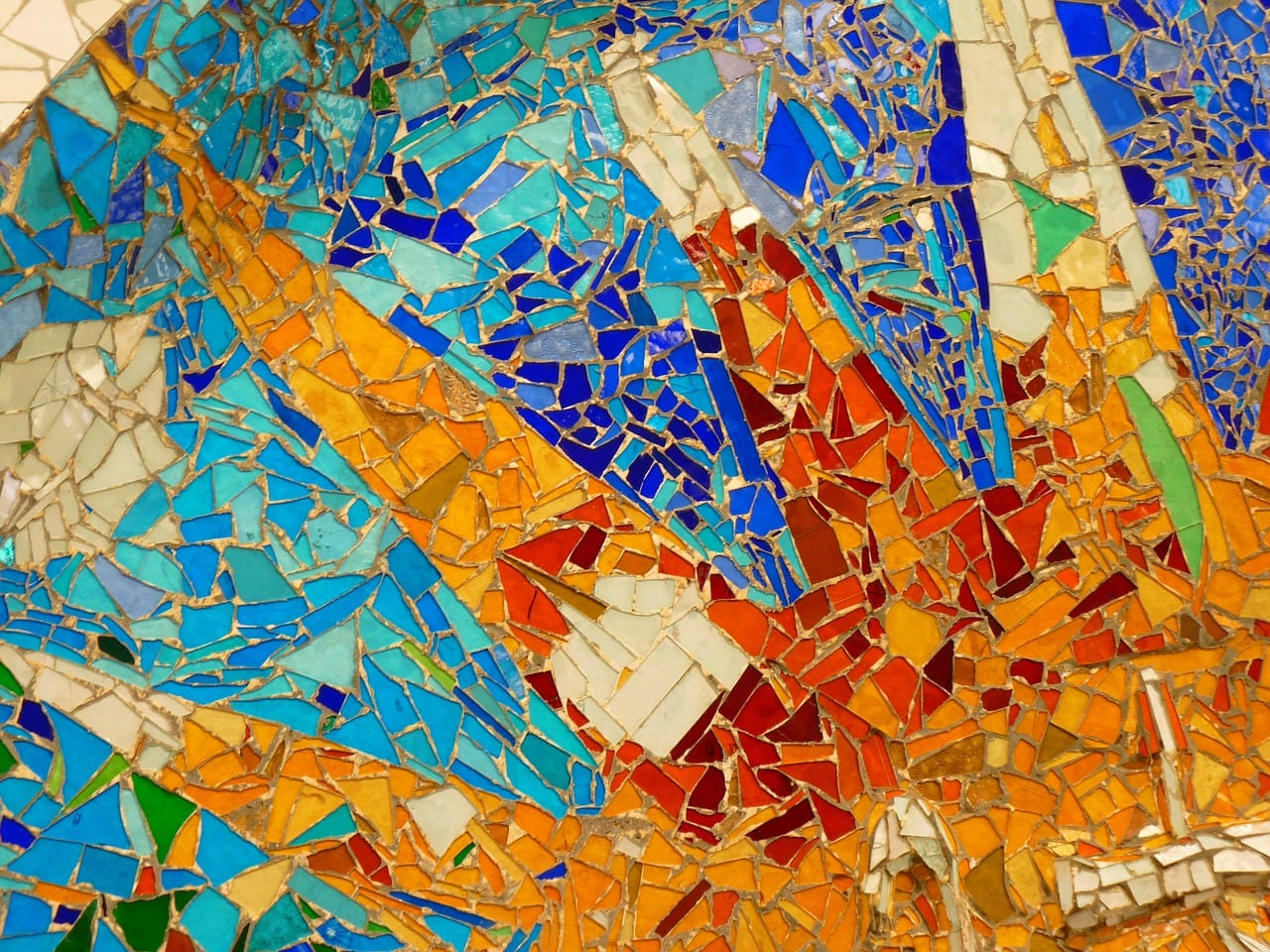
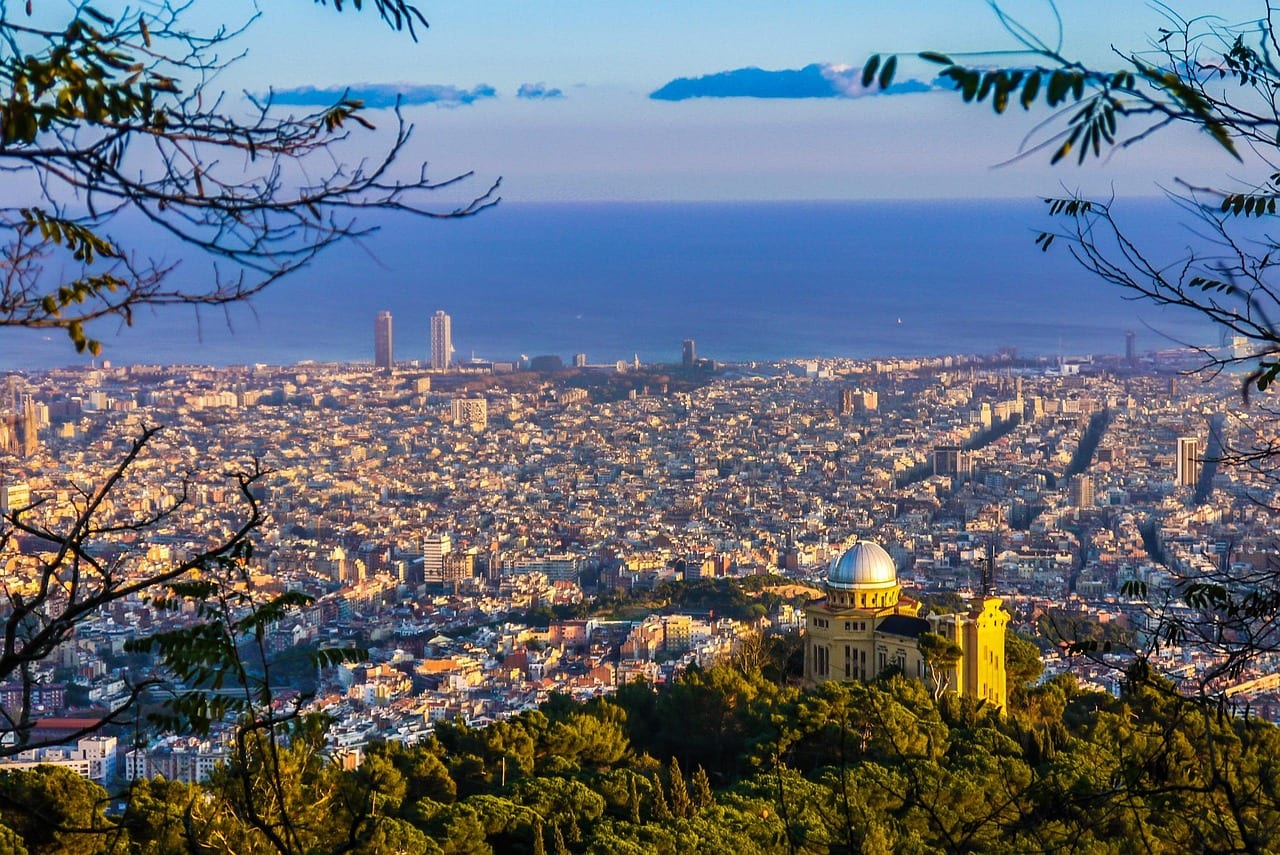
Photograph 1 of 51 of CaixaForum Barcelona
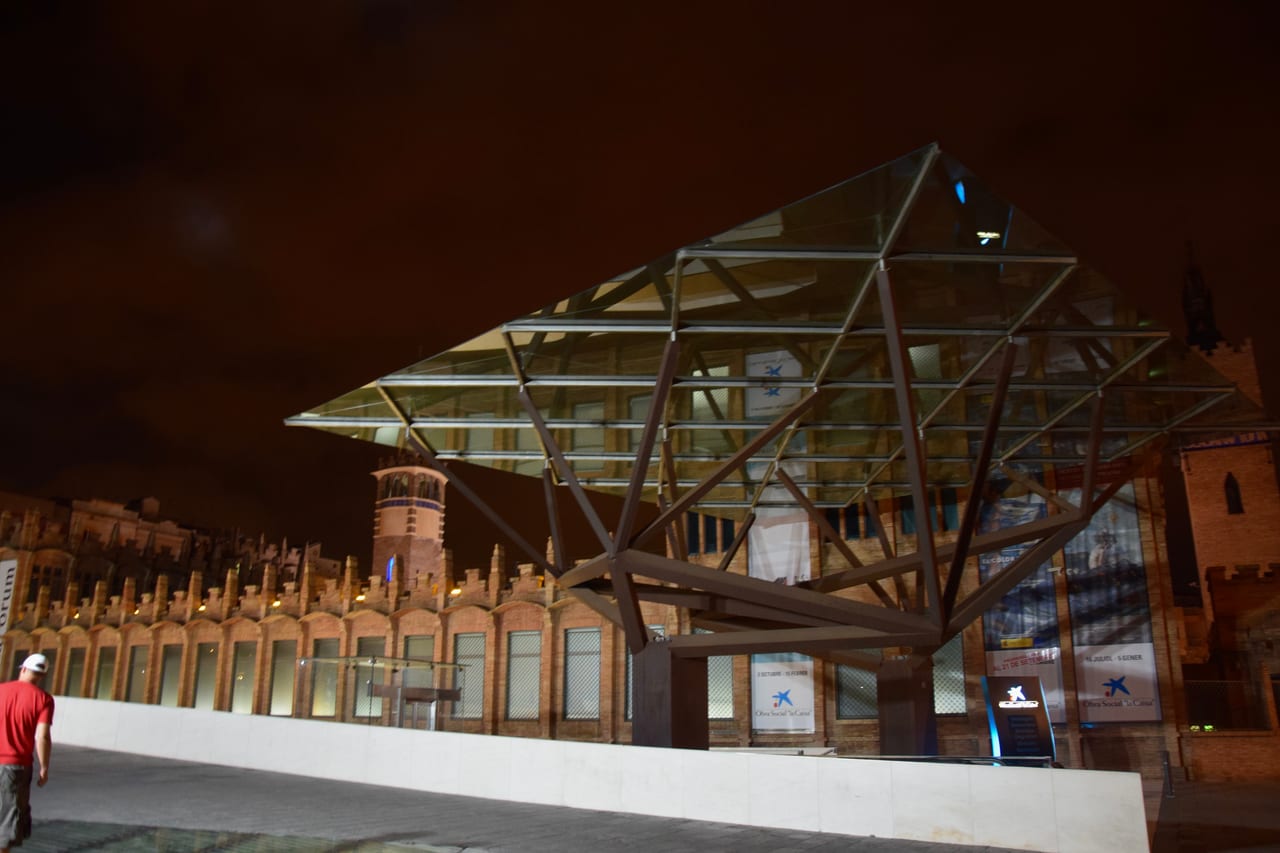
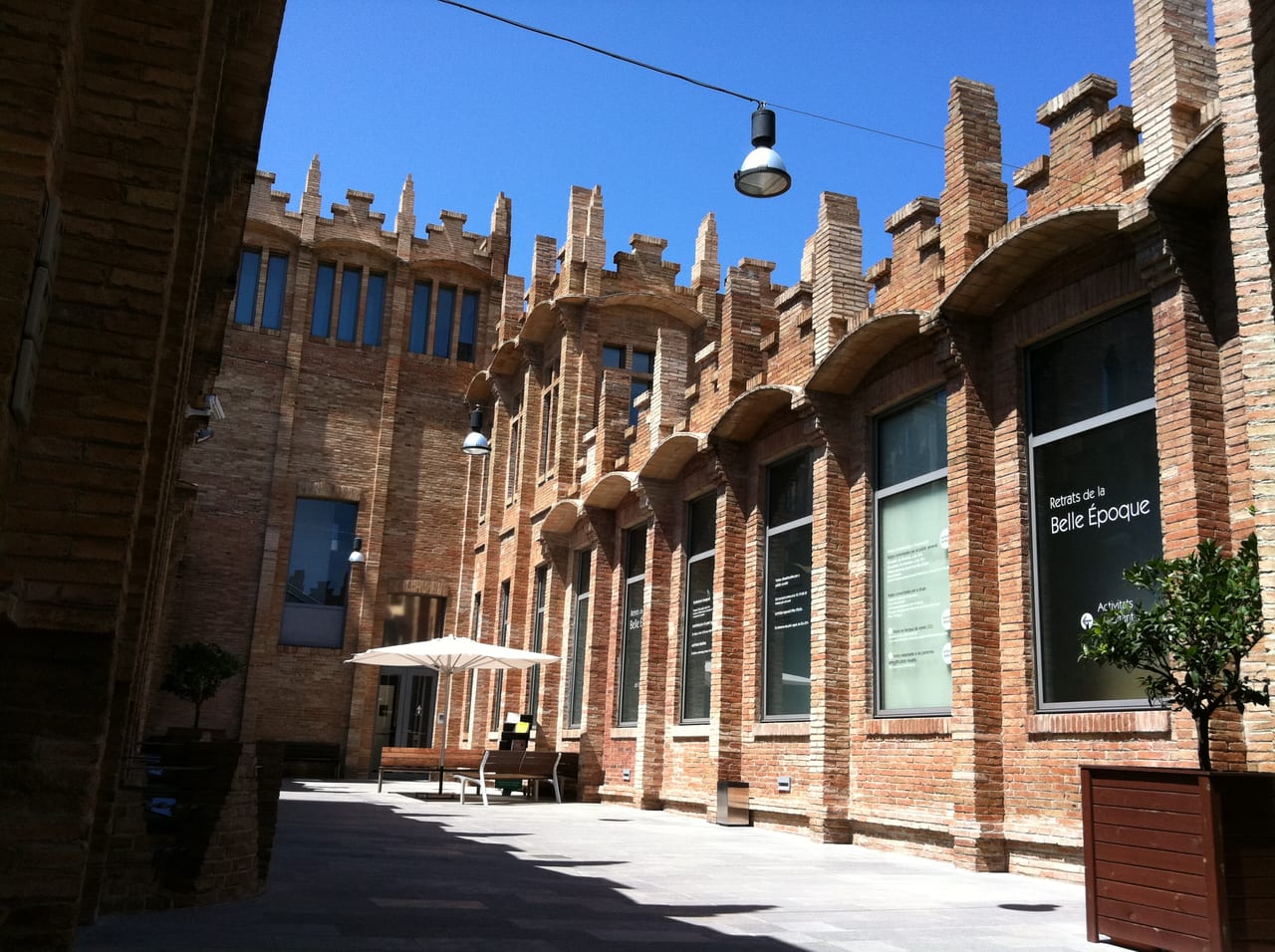
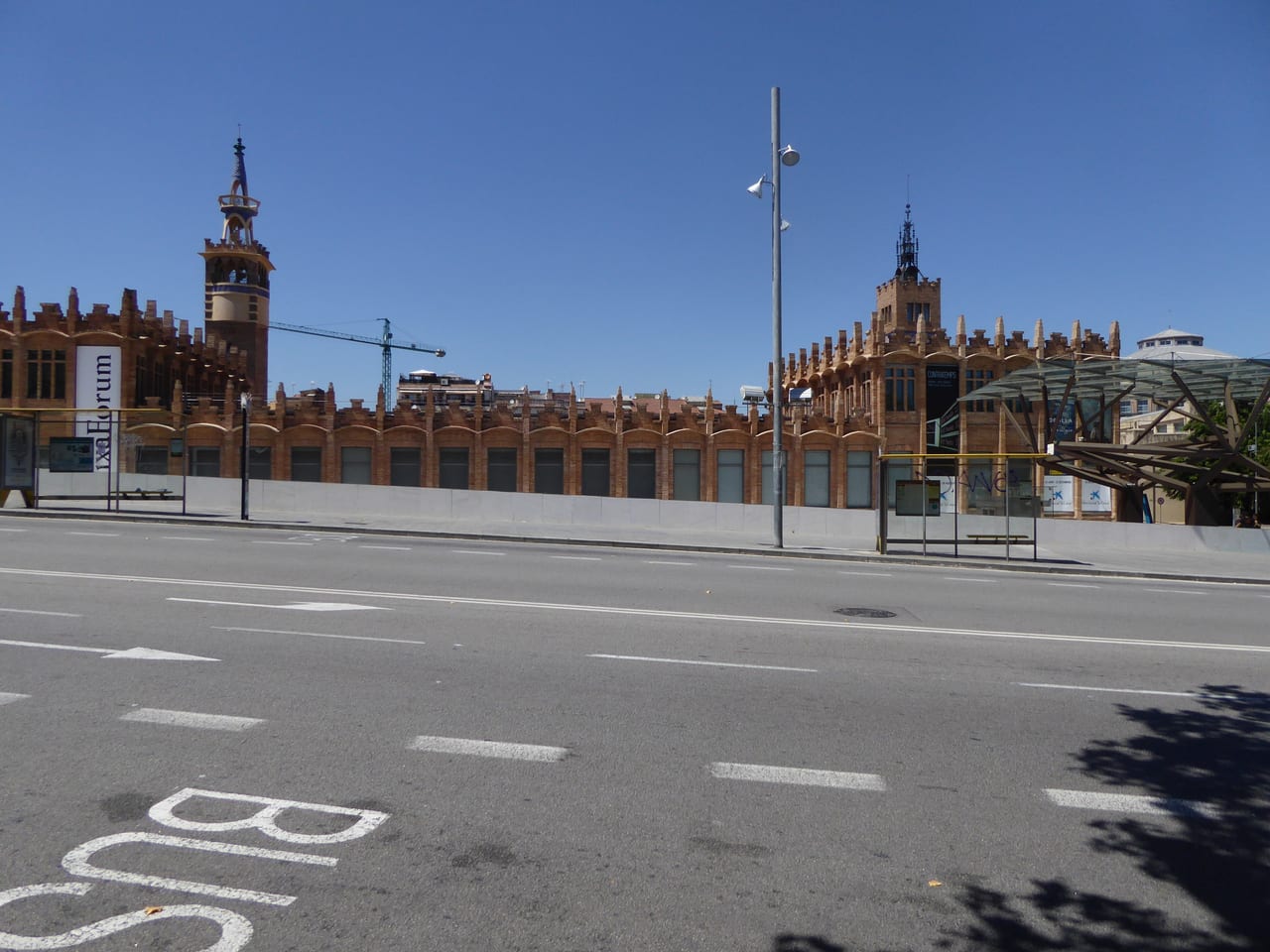
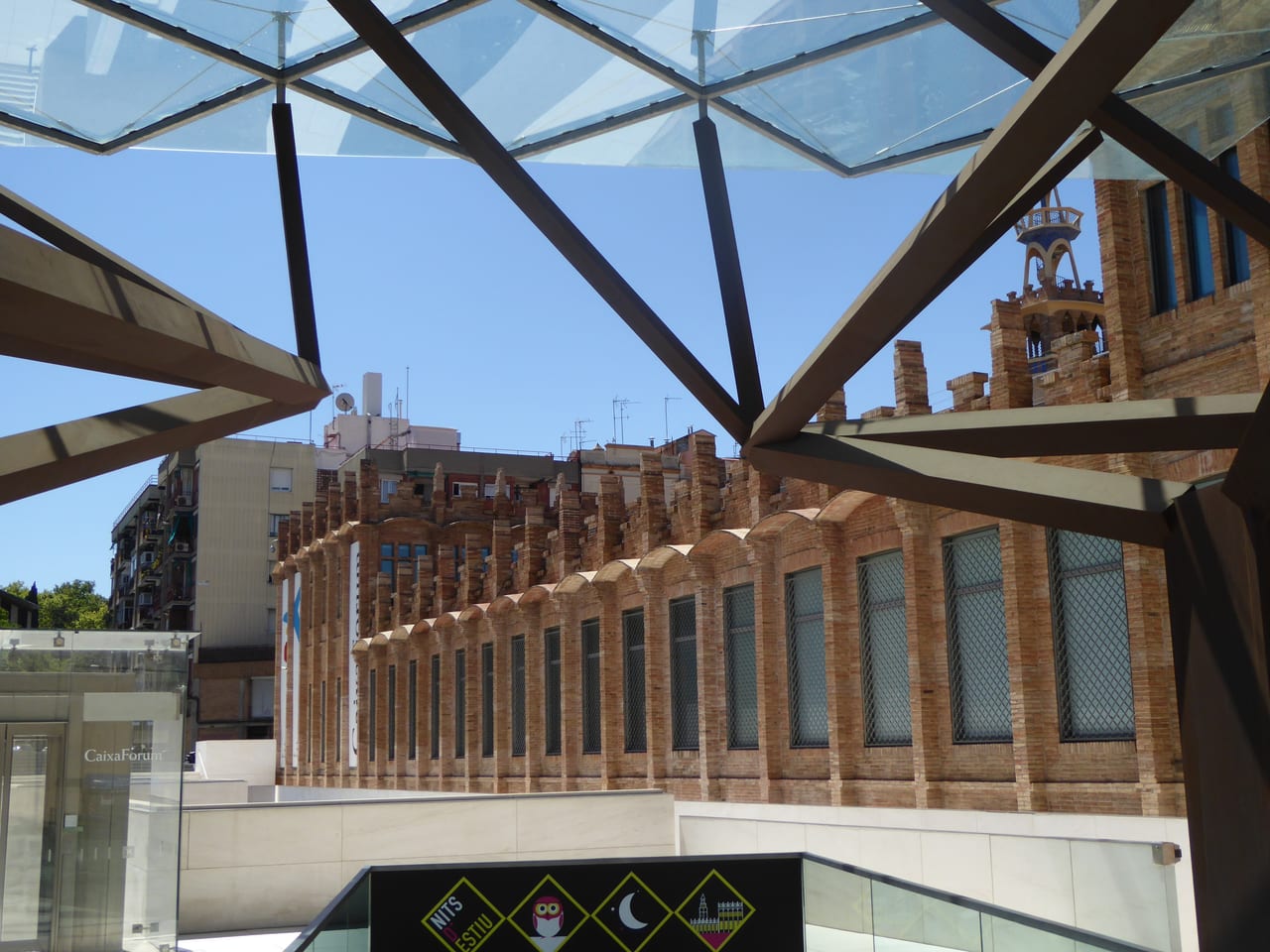
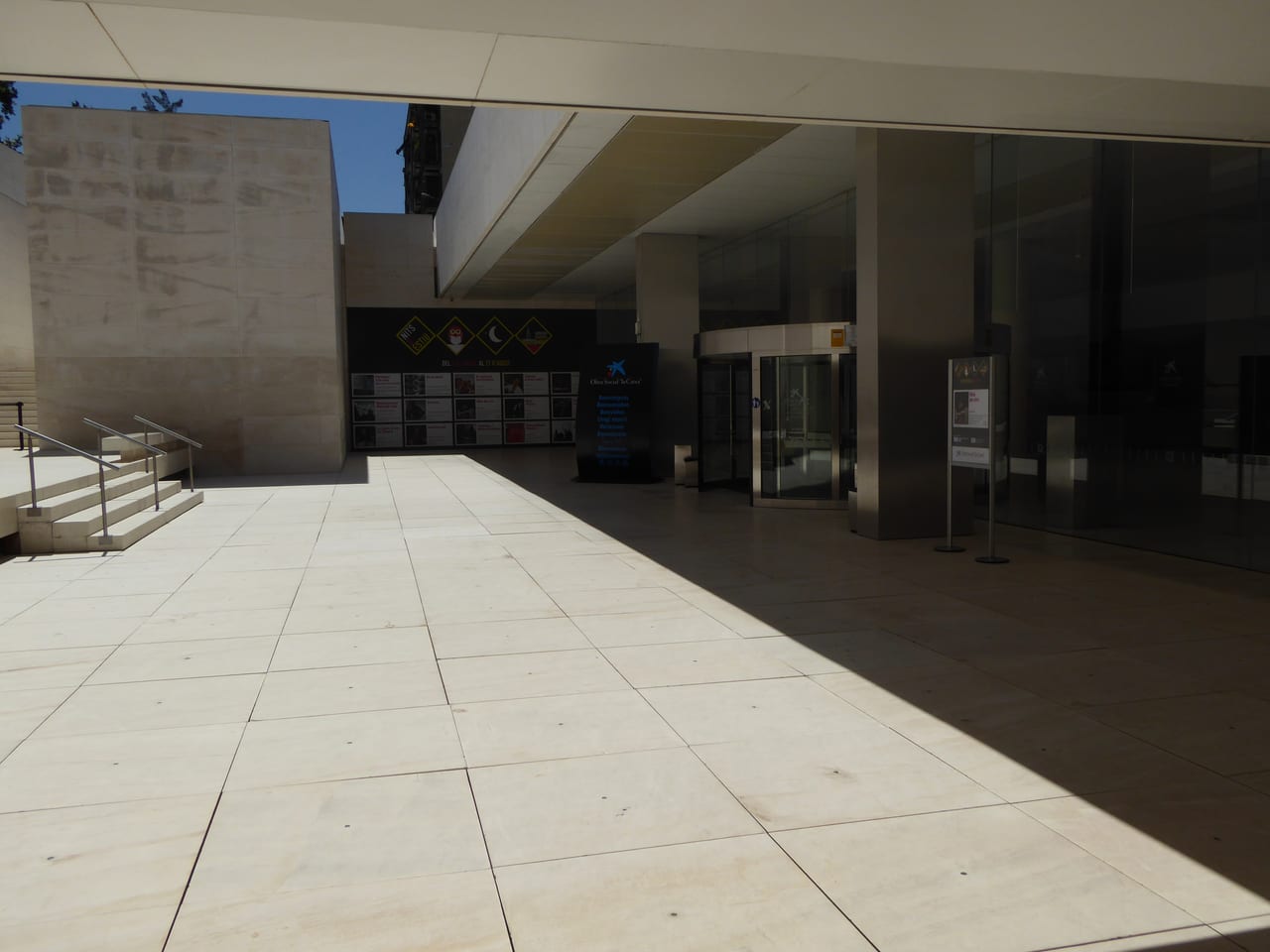
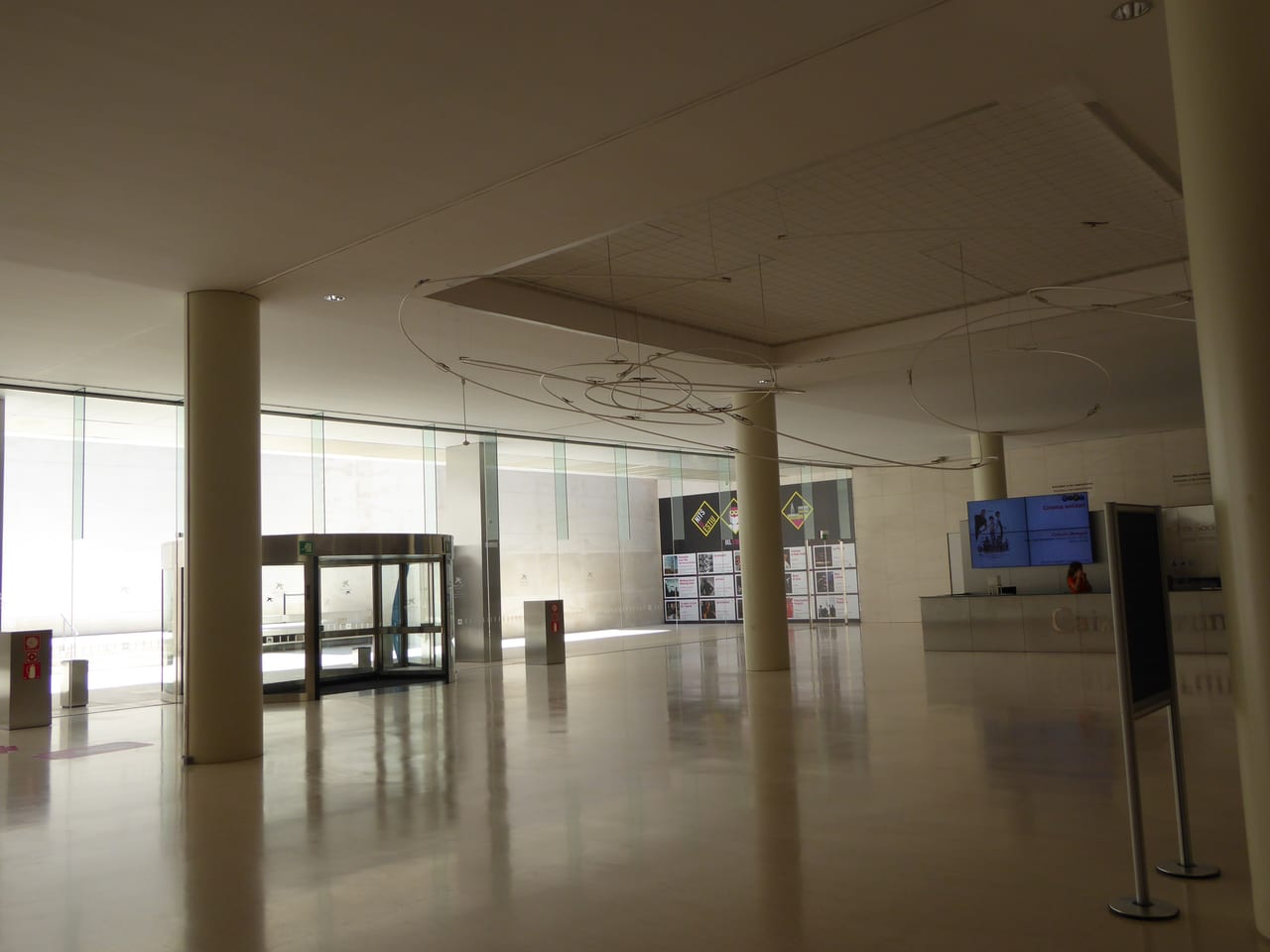
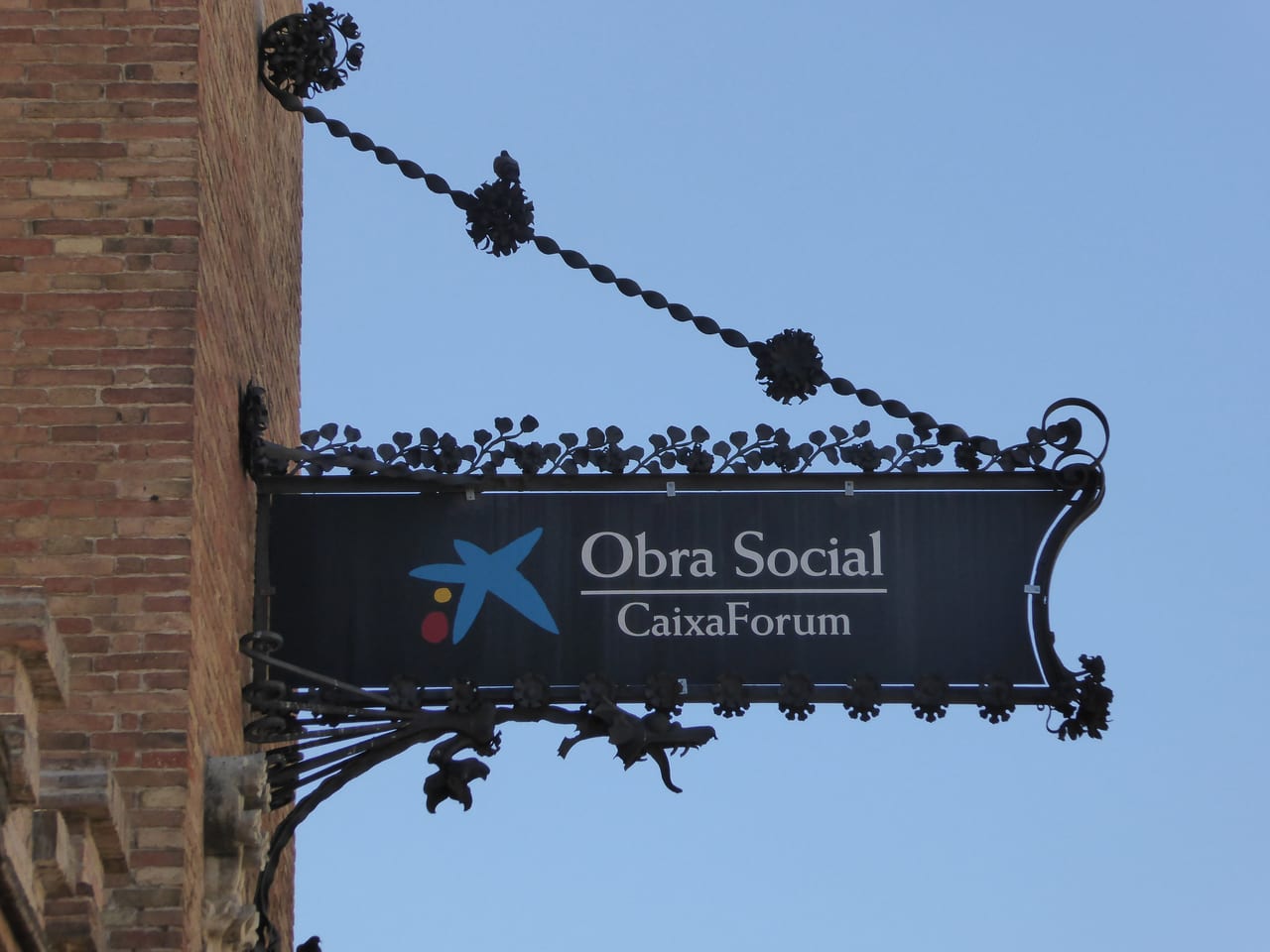
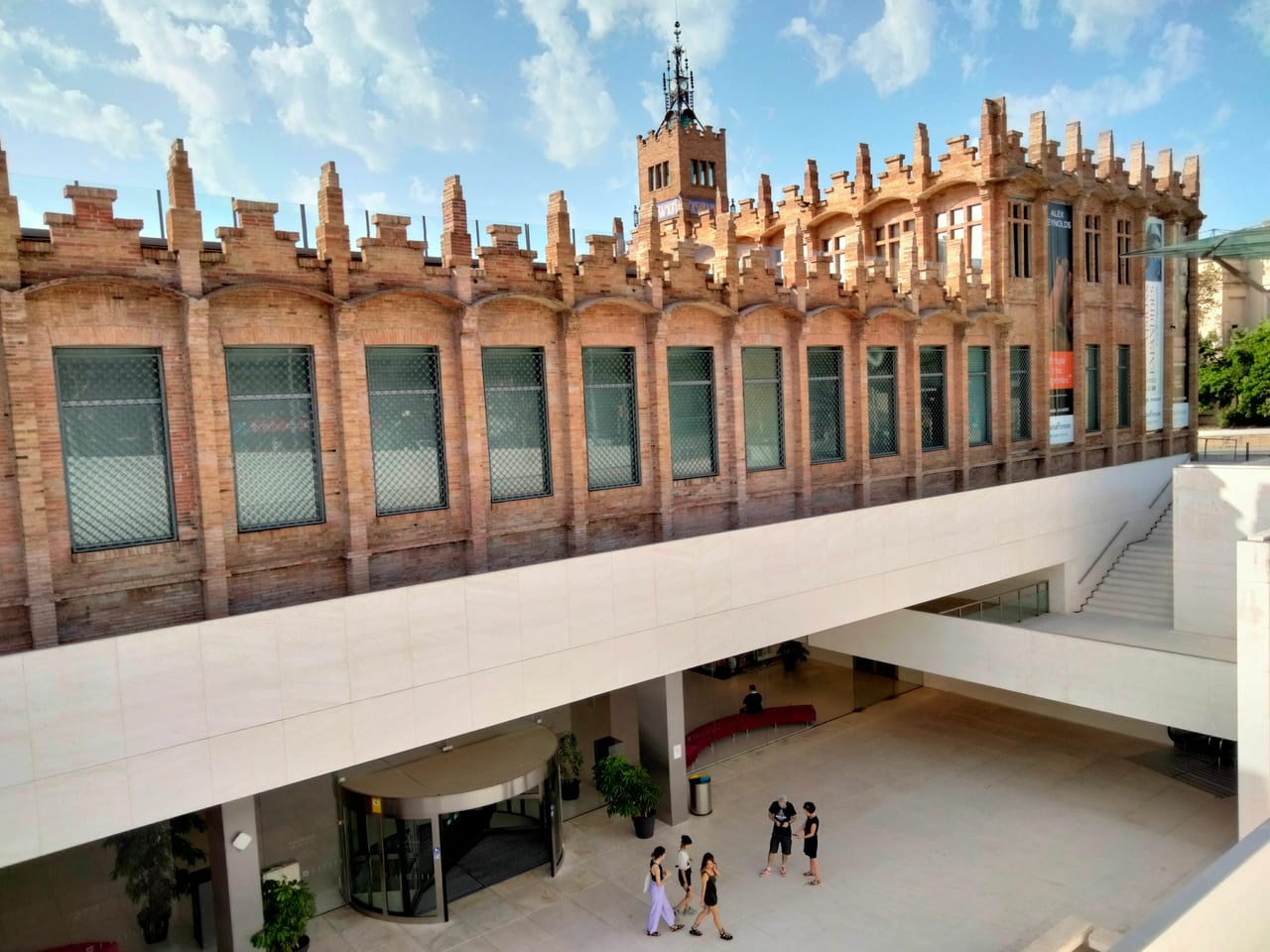
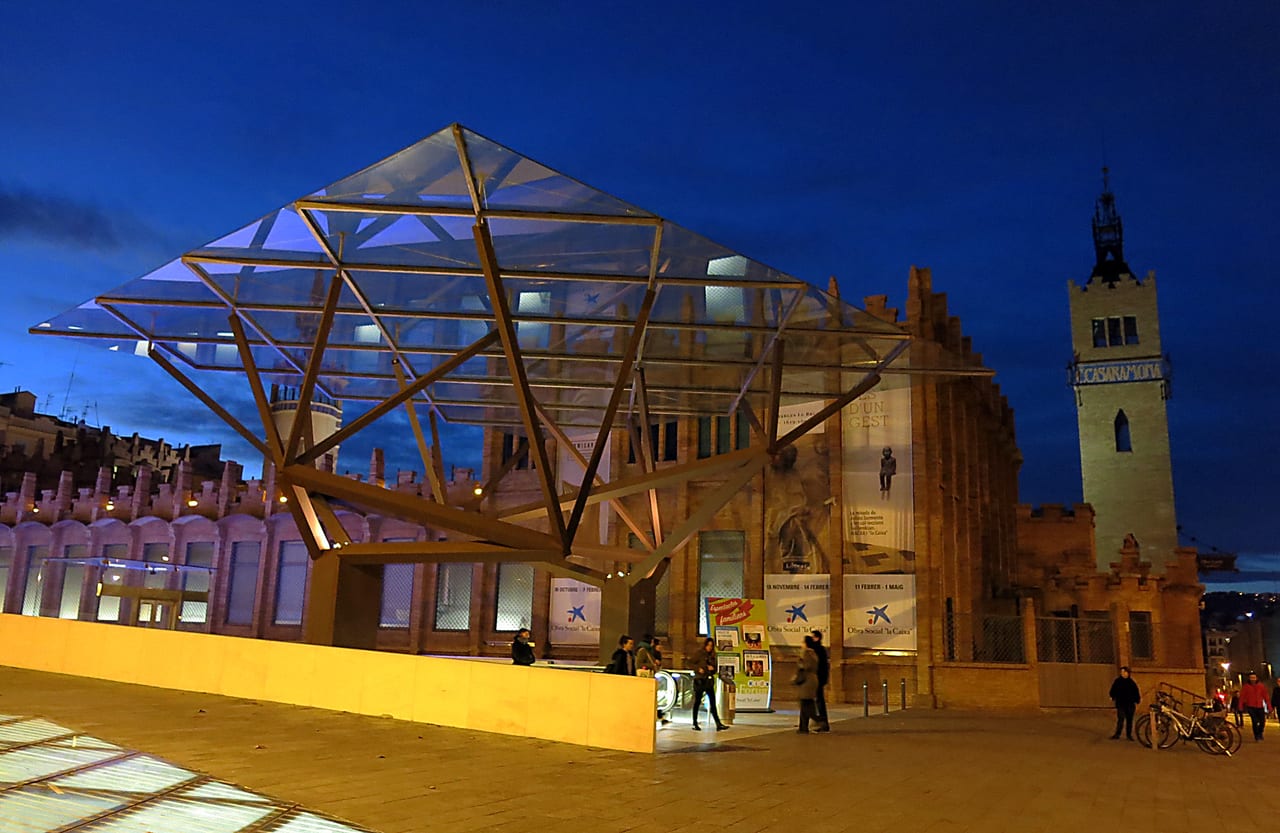
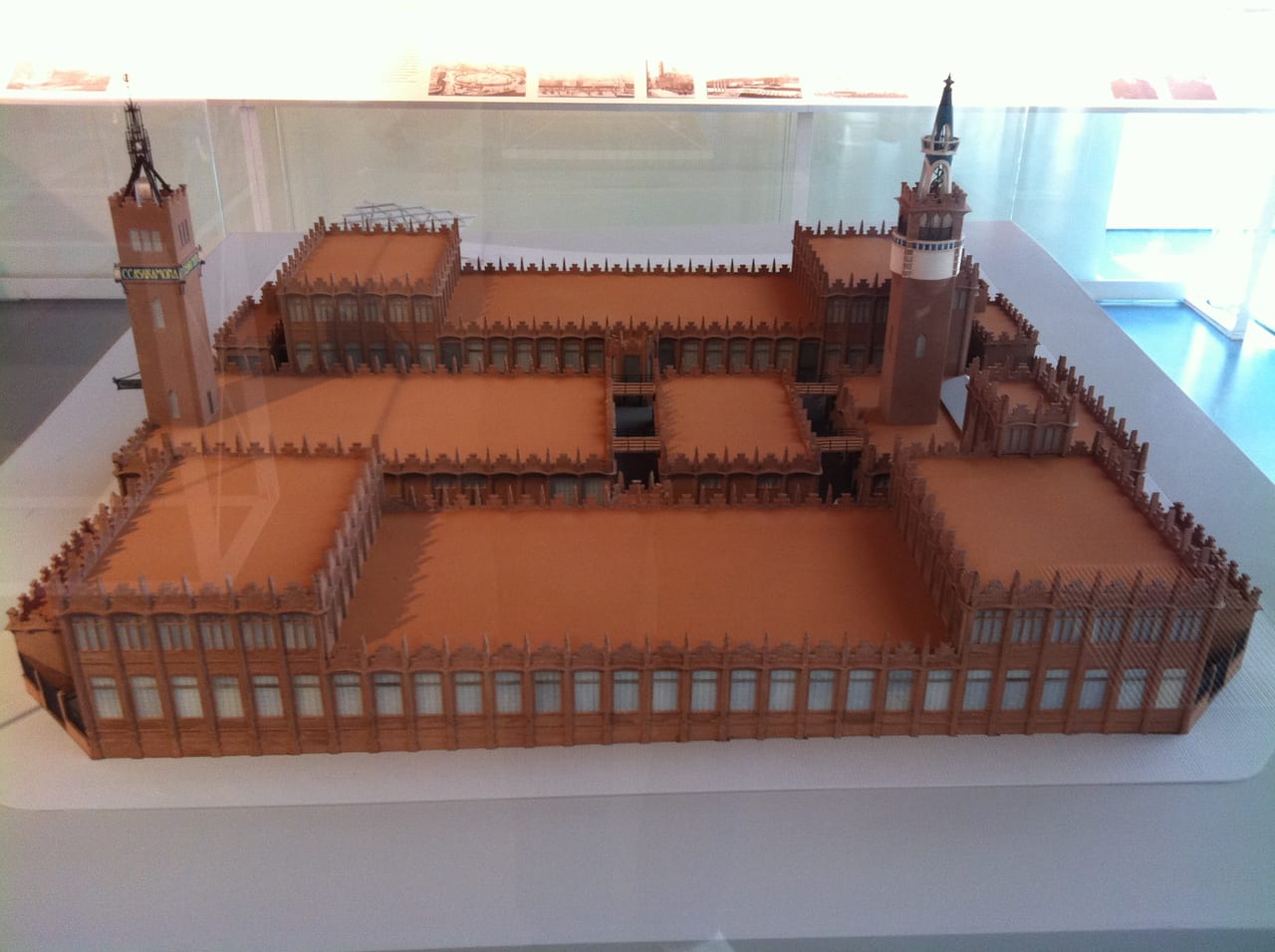
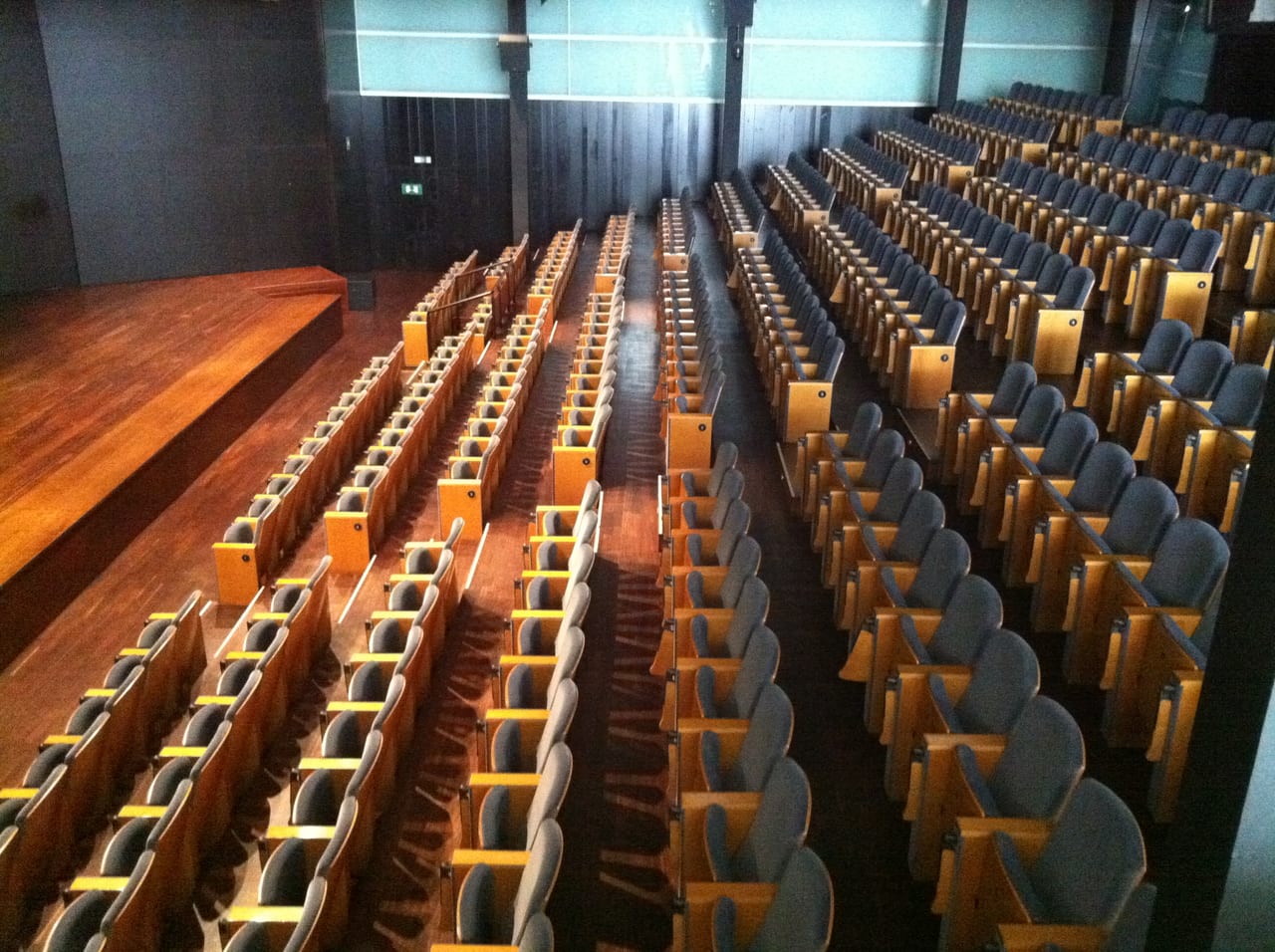
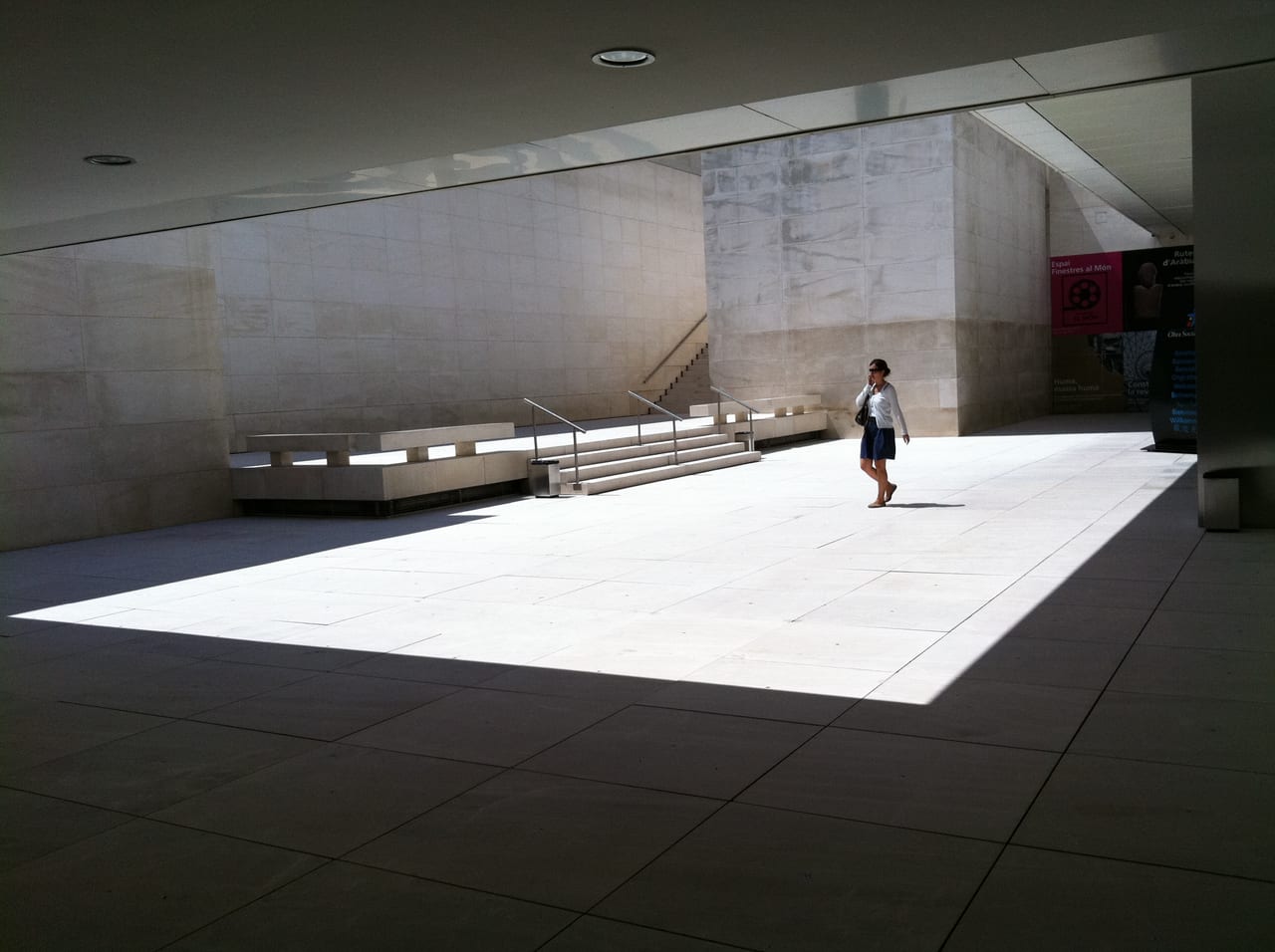
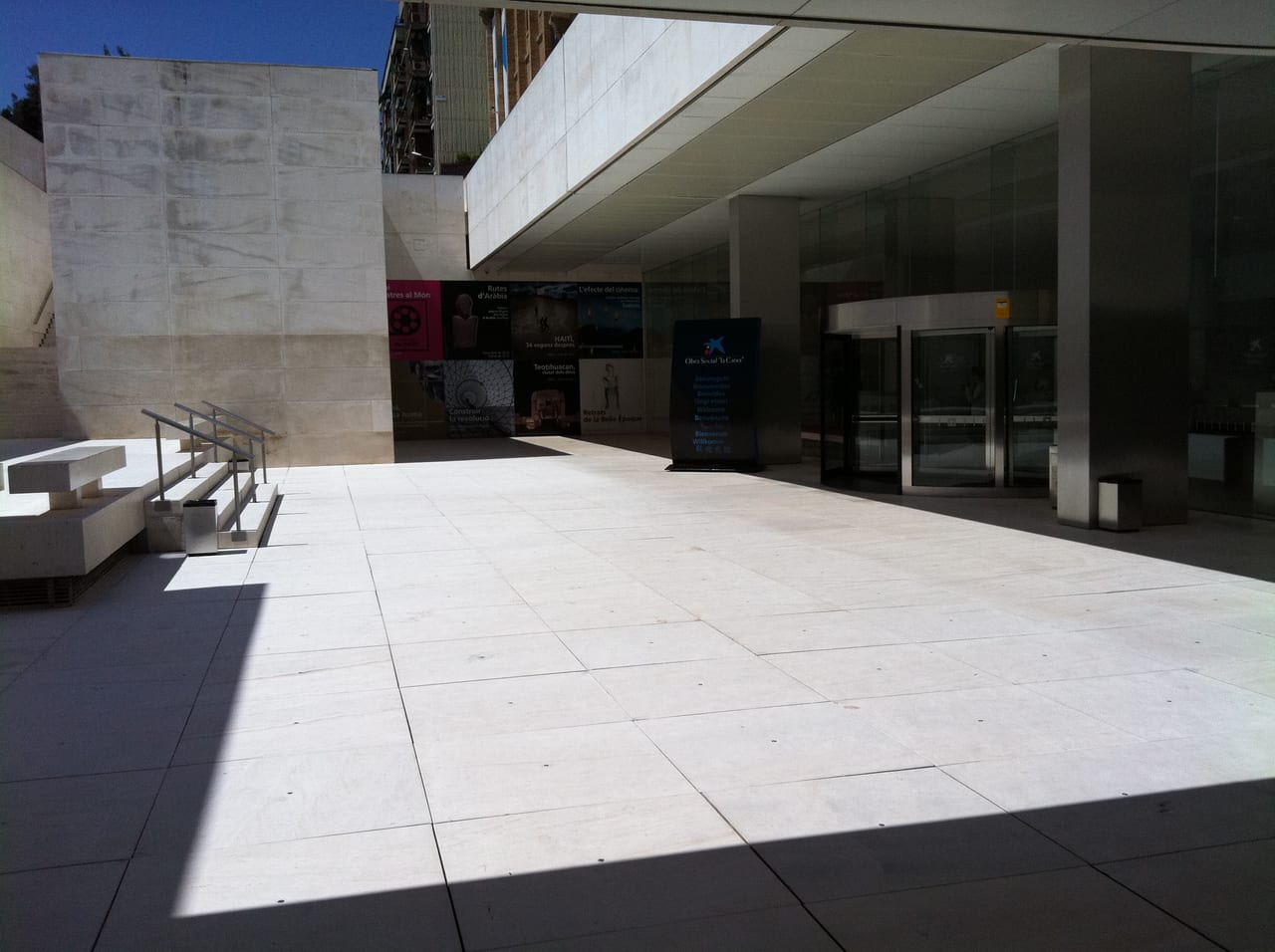
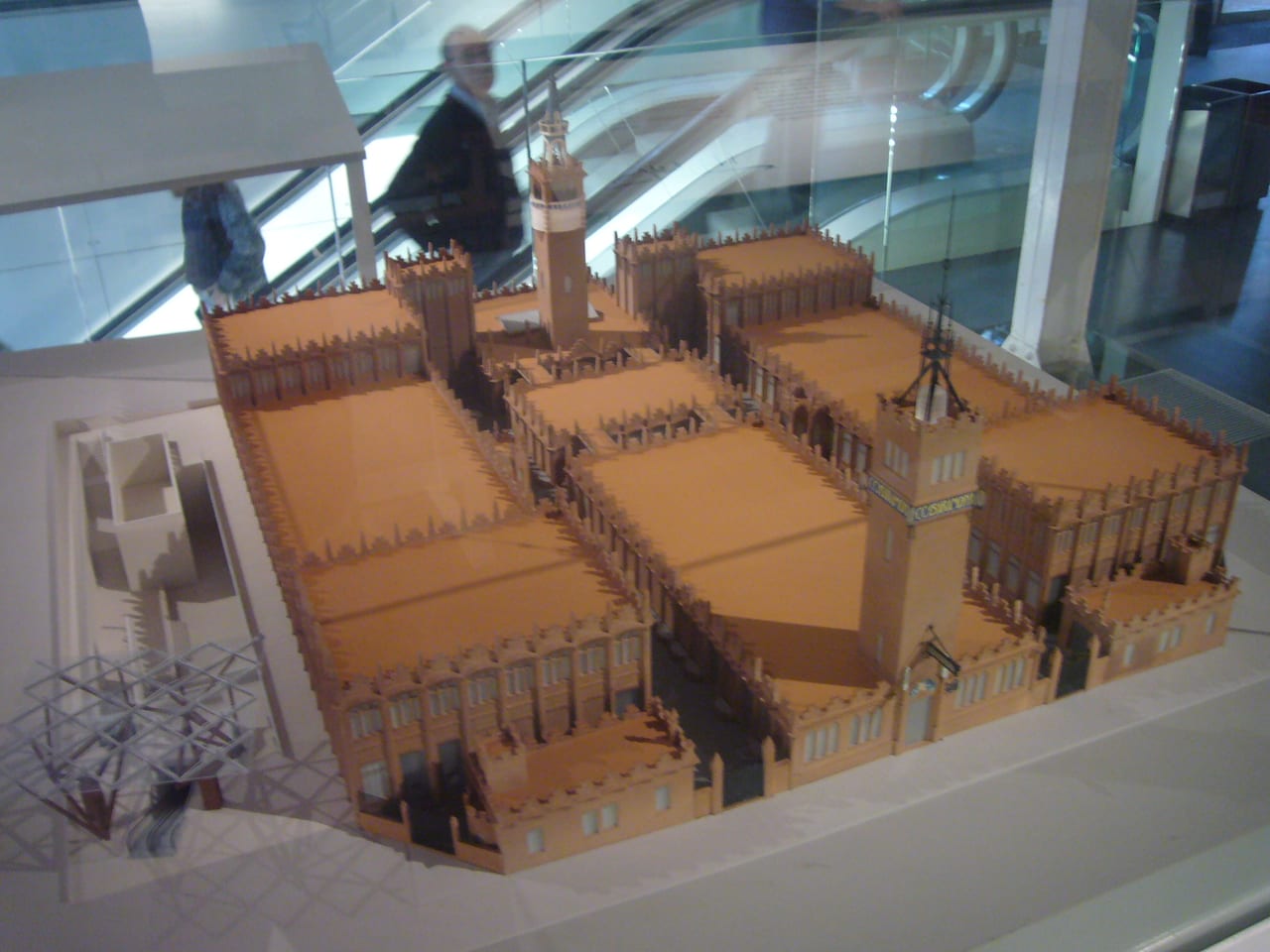
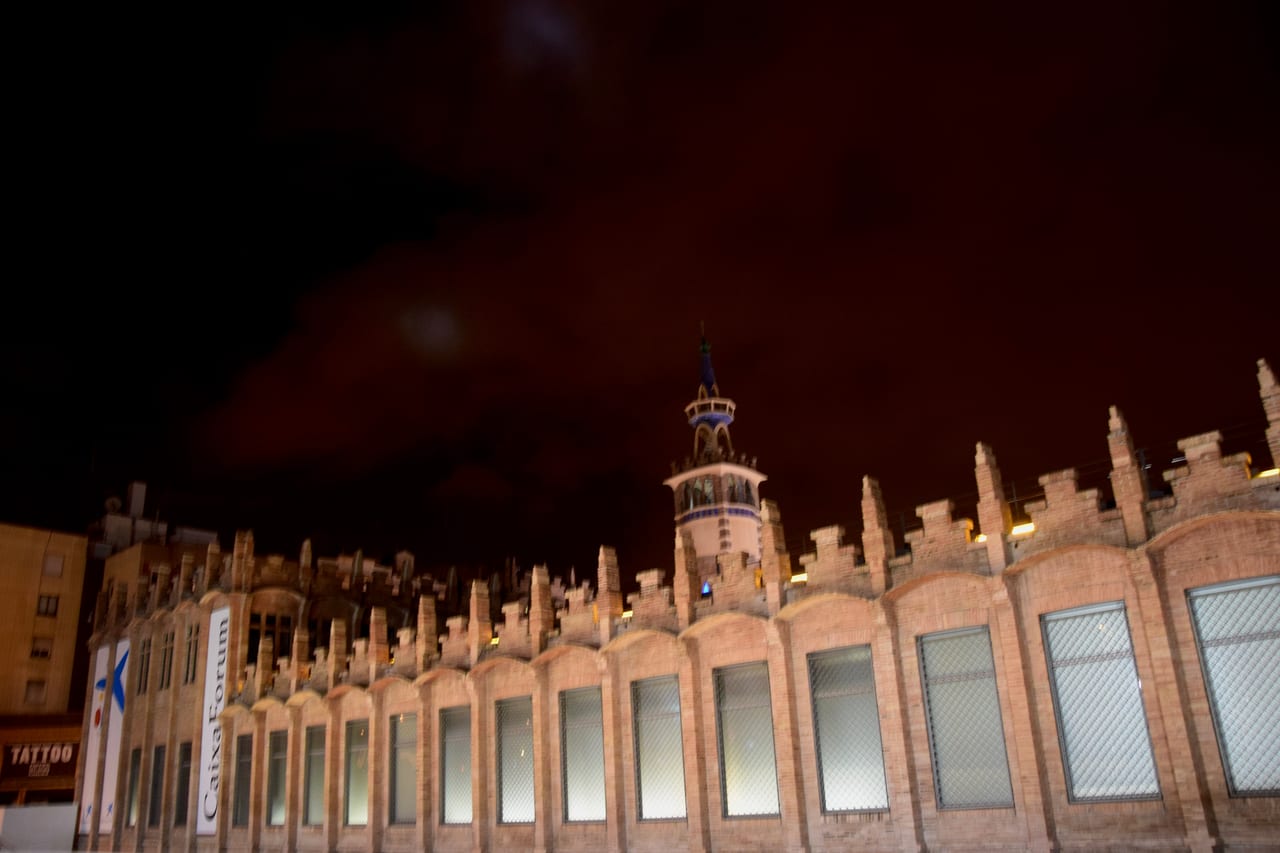
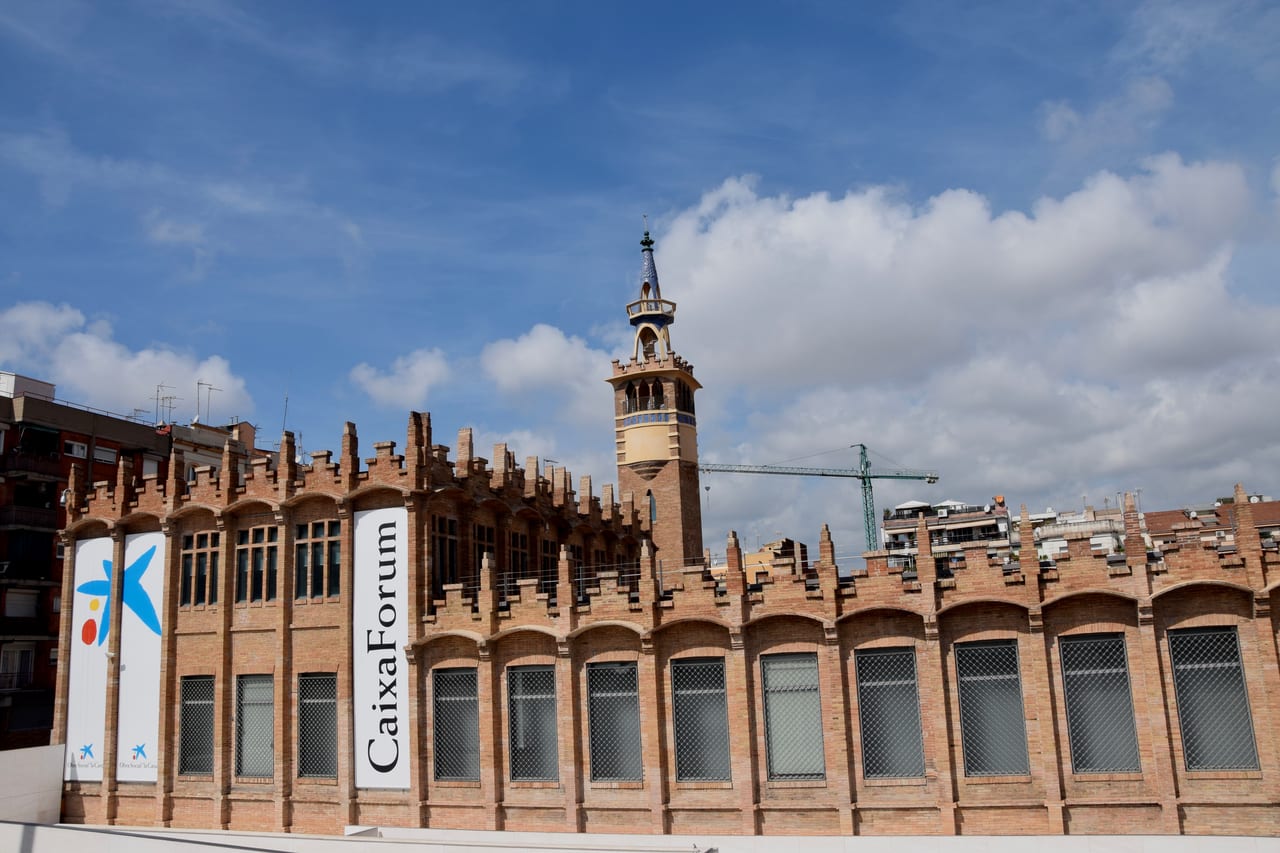
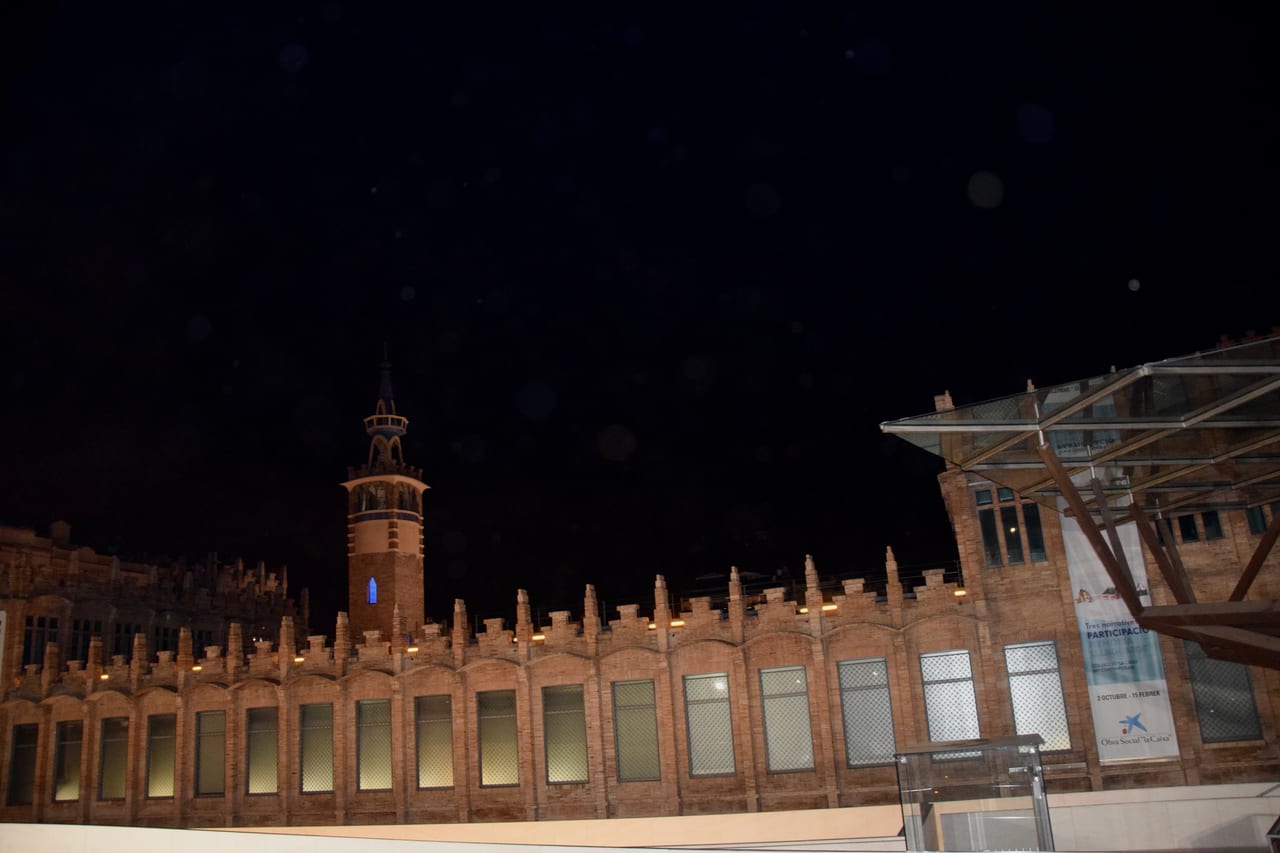
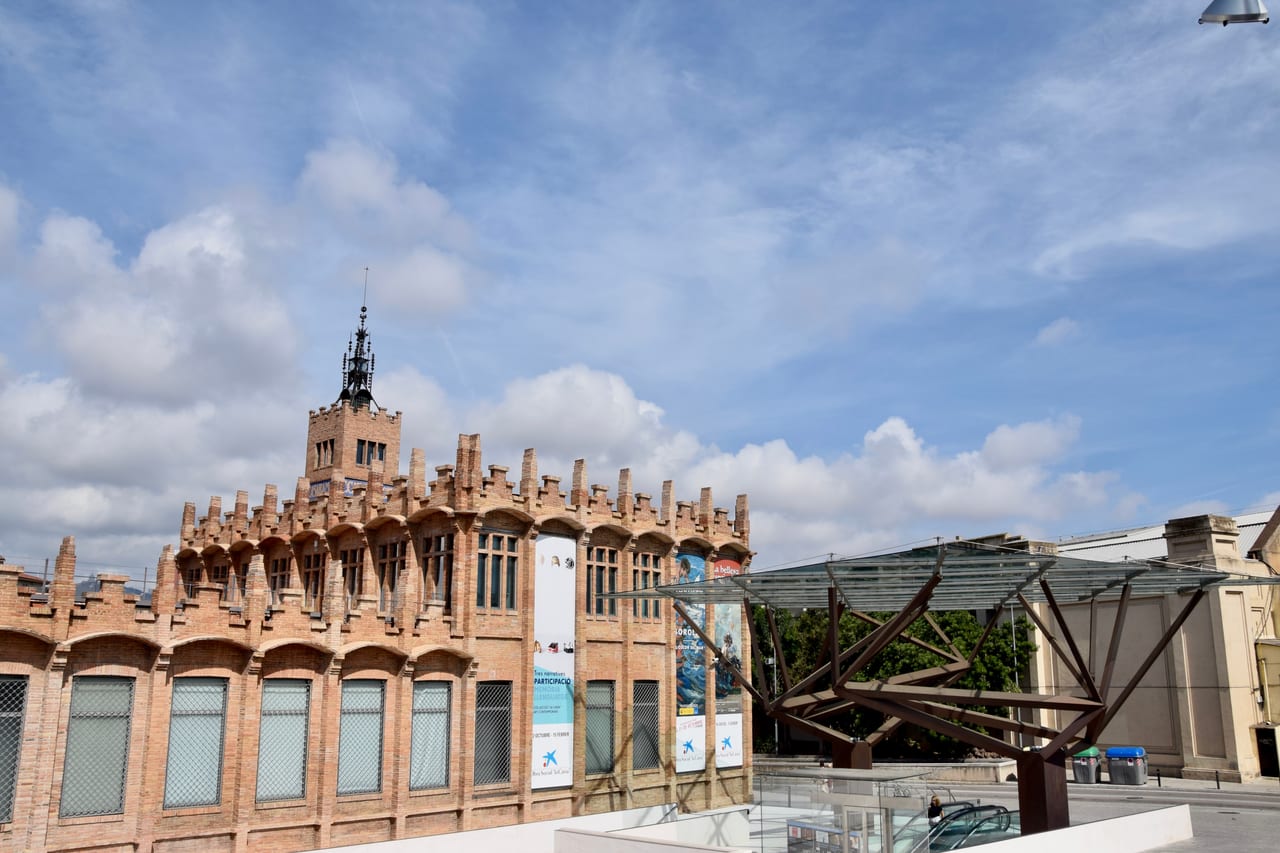
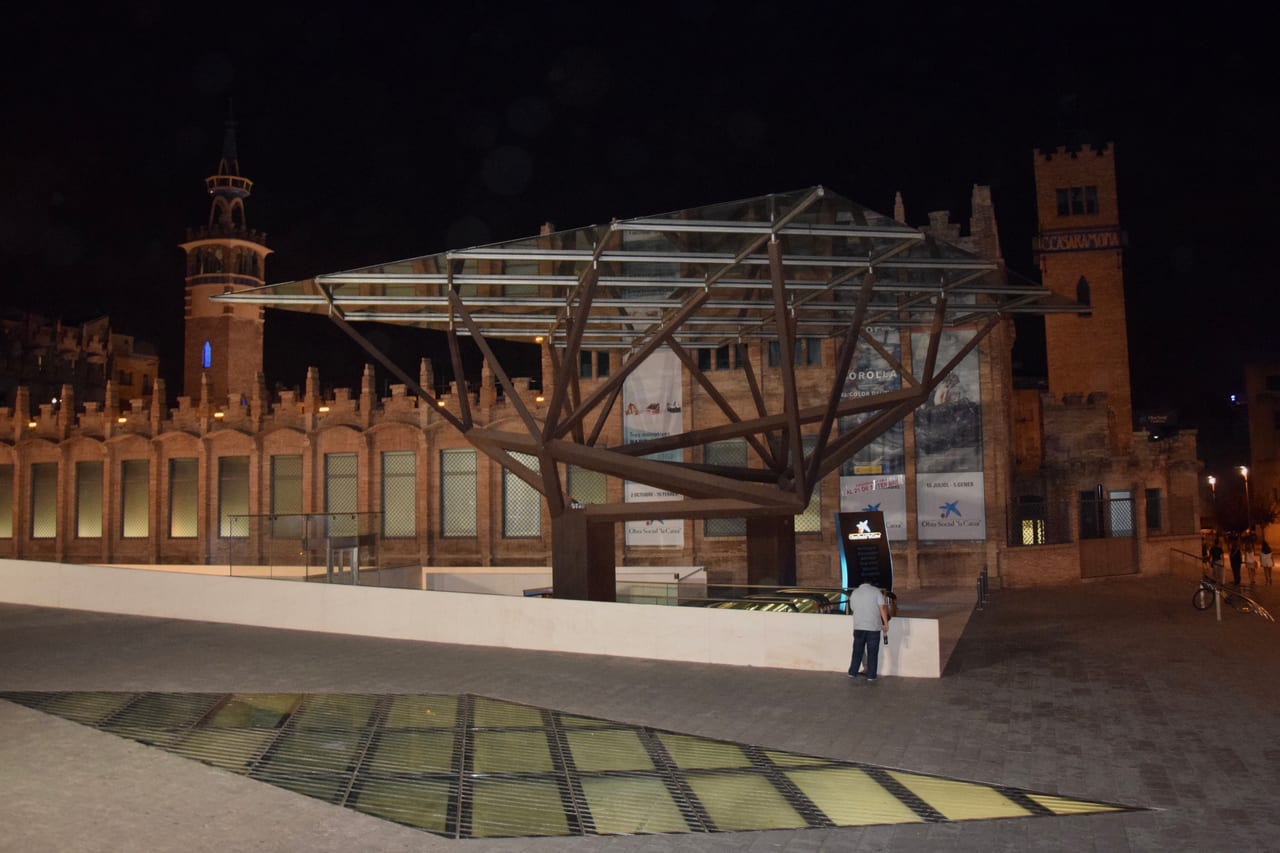
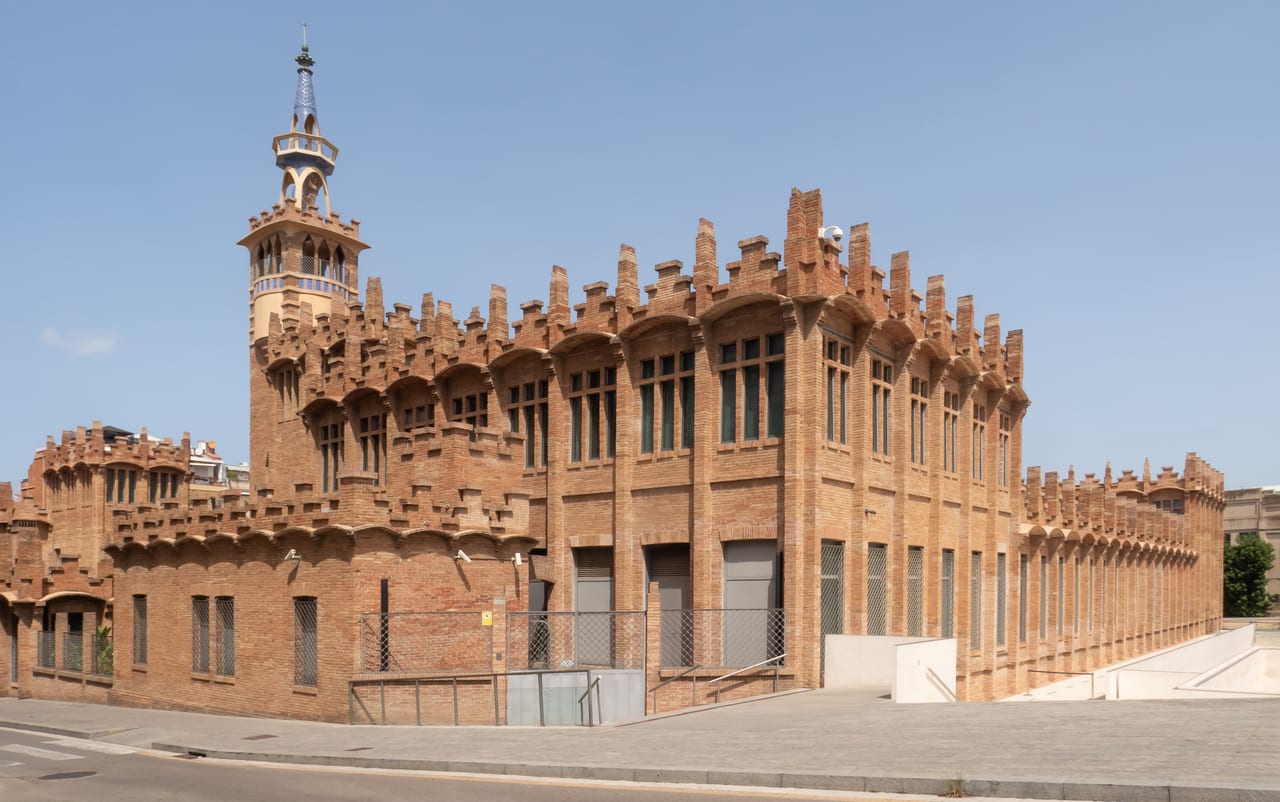
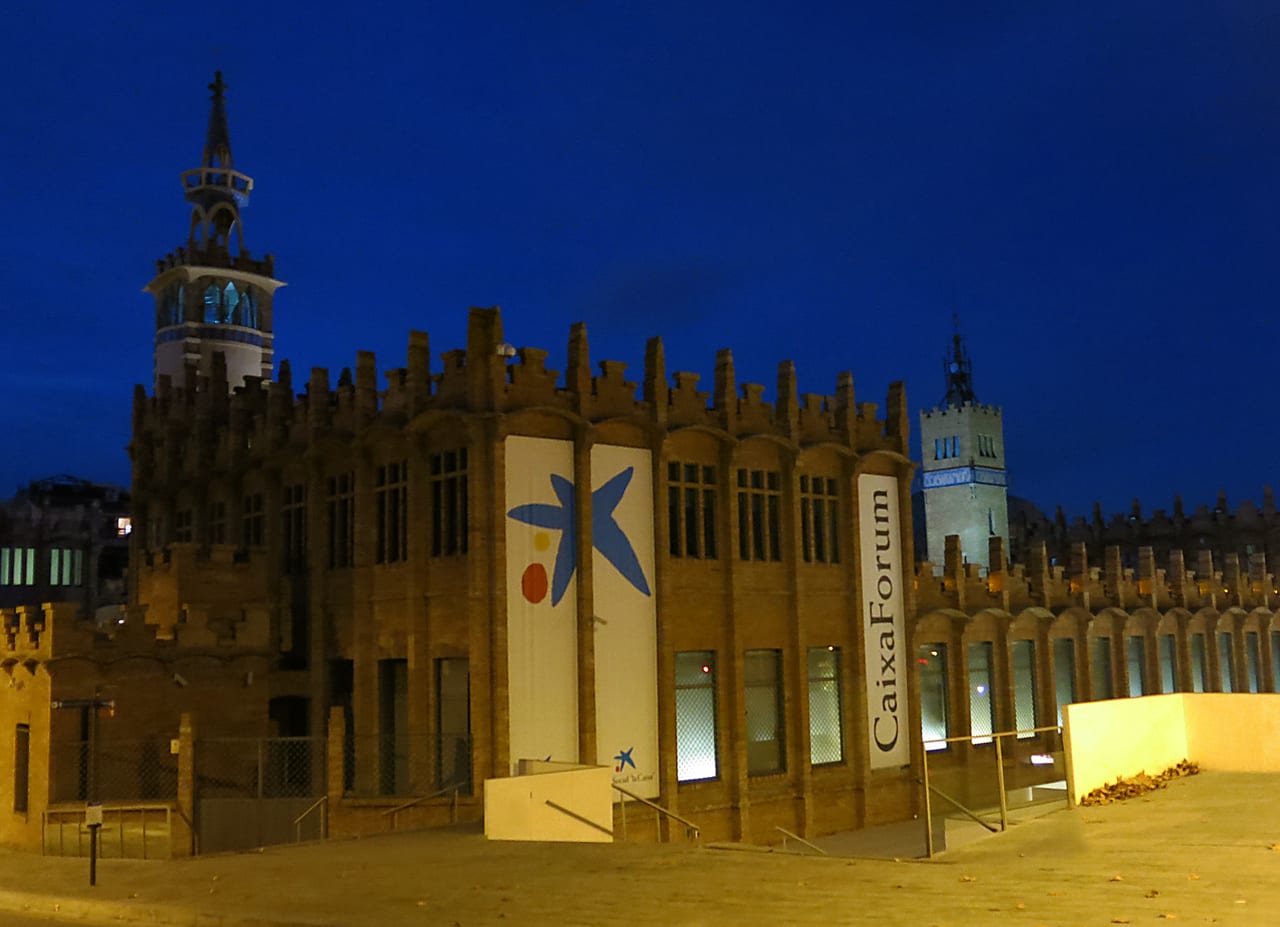
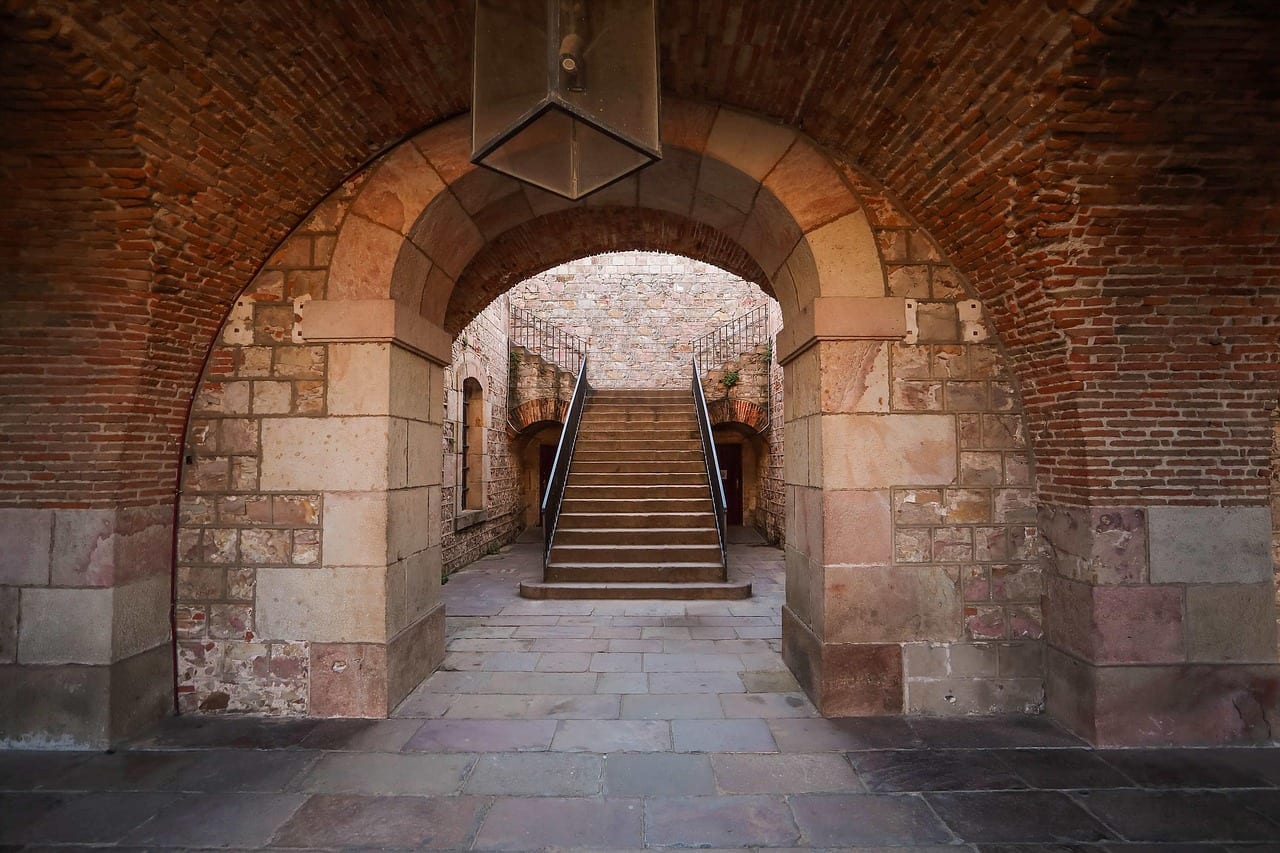
Commissioned by textile manufacturer Casimir Casaramona i Puigcercós, the Casaramona factory was designed by Catalan Modernist architect Josep Puig i Cadafalch and completed in 1911. That year, Barcelona City Council awarded it the prize for best industrial building. Its working life was brief: the factory closed in 1919, then reopened as a warehouse during the 1929 Barcelona International Exposition. After restoration, the building reopened as a cultural centre in February 2002. Japanese architect Arata Isozaki designed a new entrance as part of the adaptation. Its nearly three acres of exhibition space occupy the former industrial complex, whose crenelated brick architecture preserves the character of Puig i Cadafalch’s design while accommodating contemporary programming.
At a glance
- Built
- 2002
- Architect
- Josep Puig i Cadafalch
Ways to explore CaixaForum Barcelona
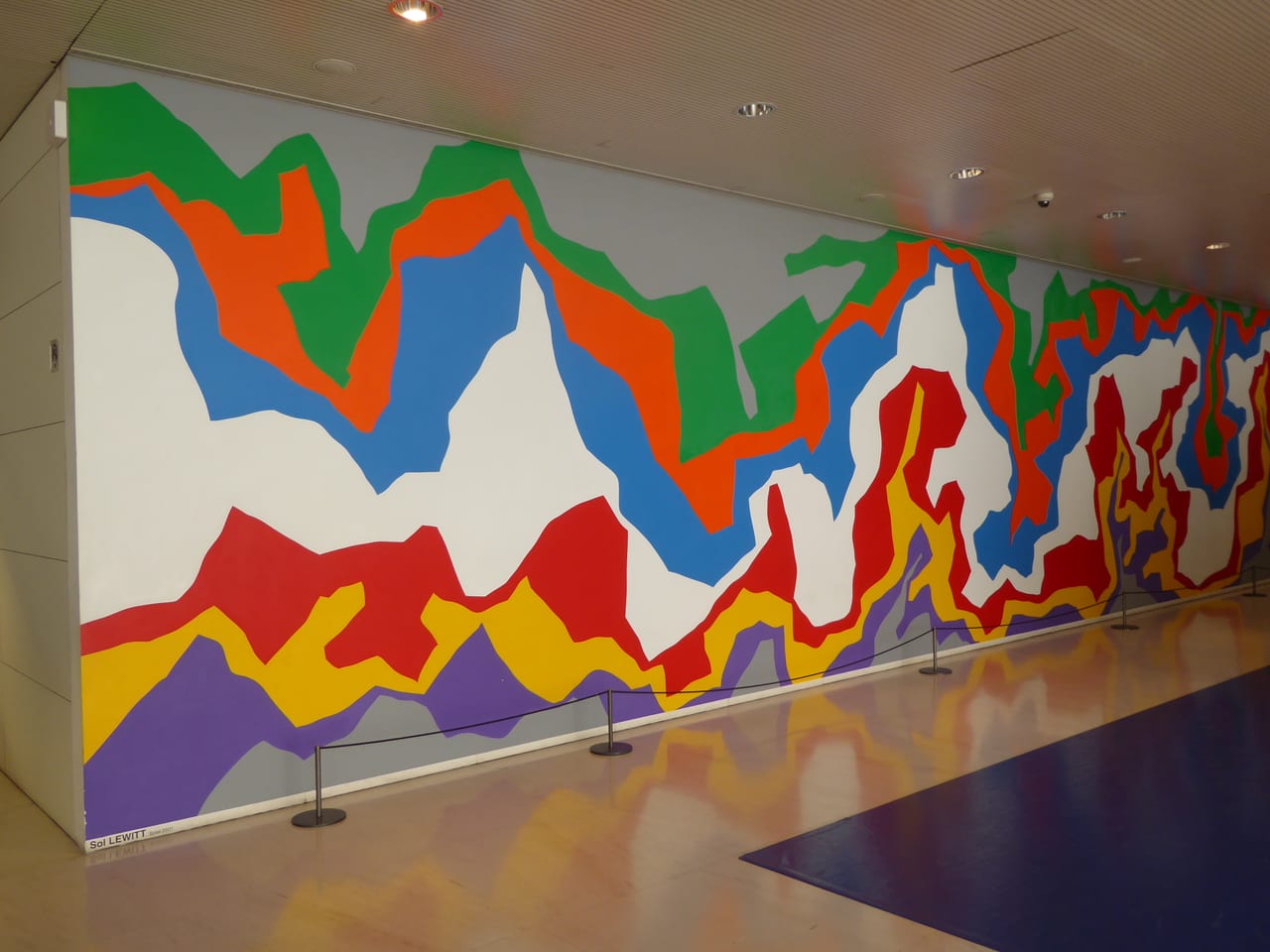
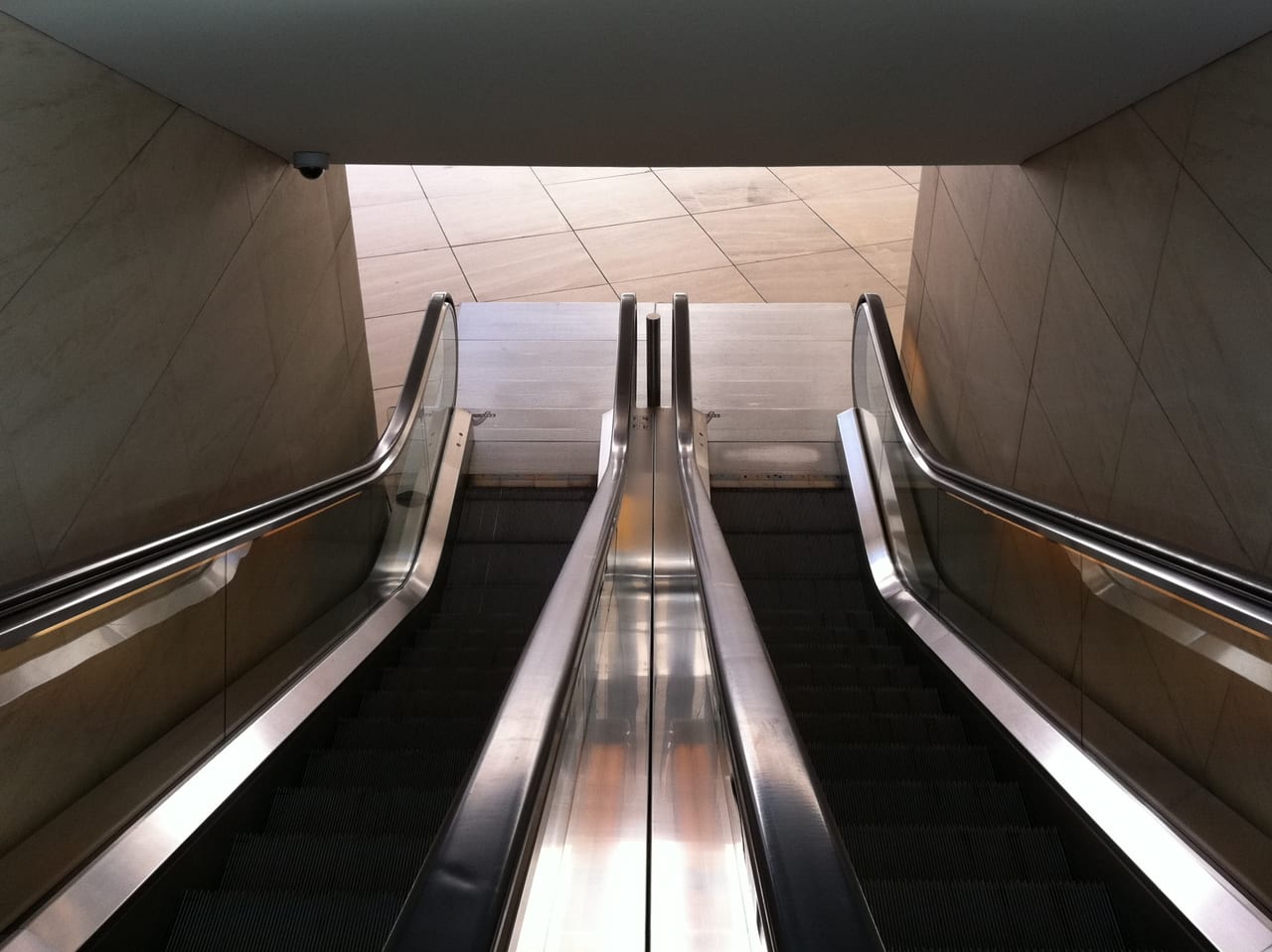
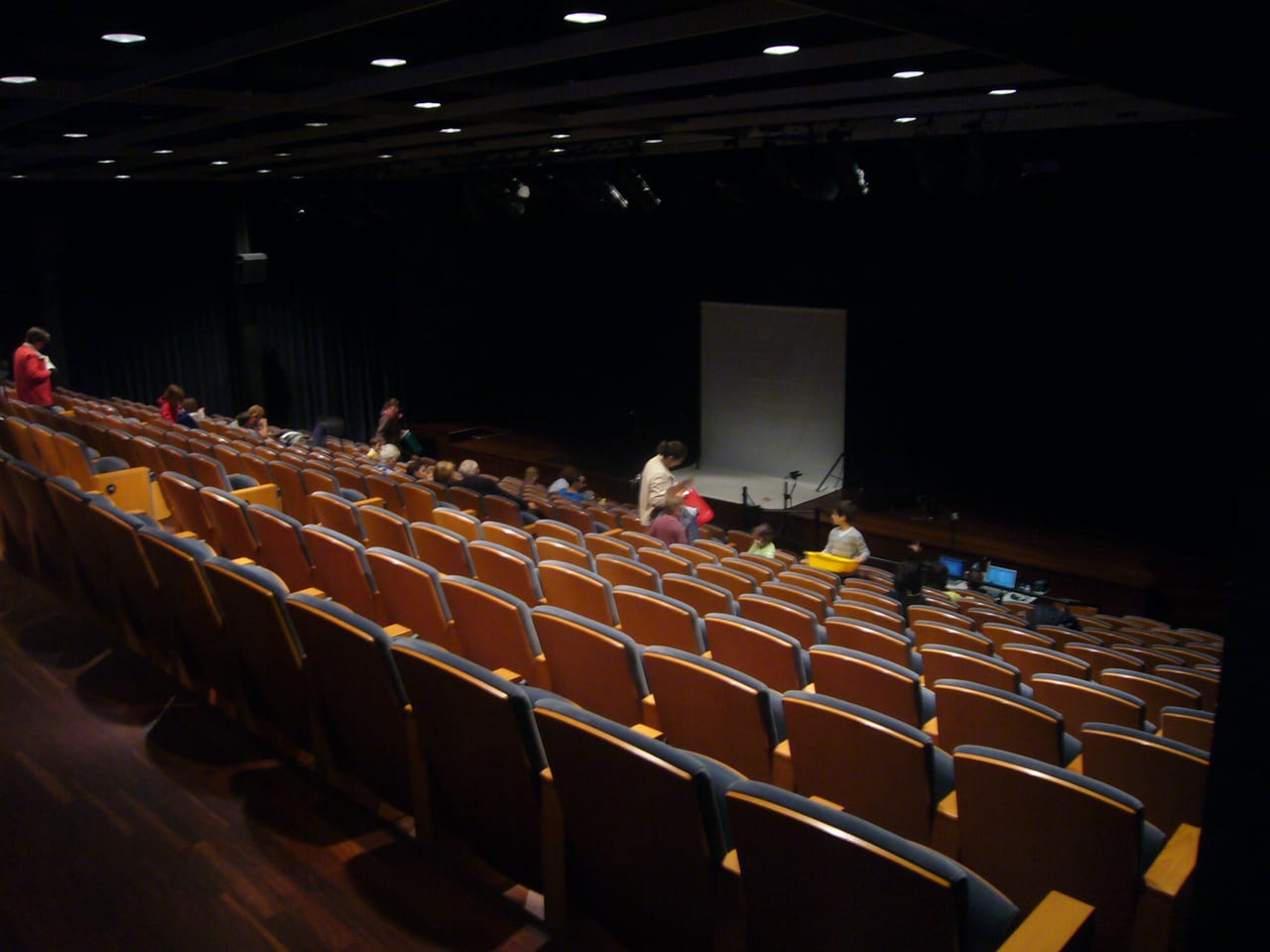
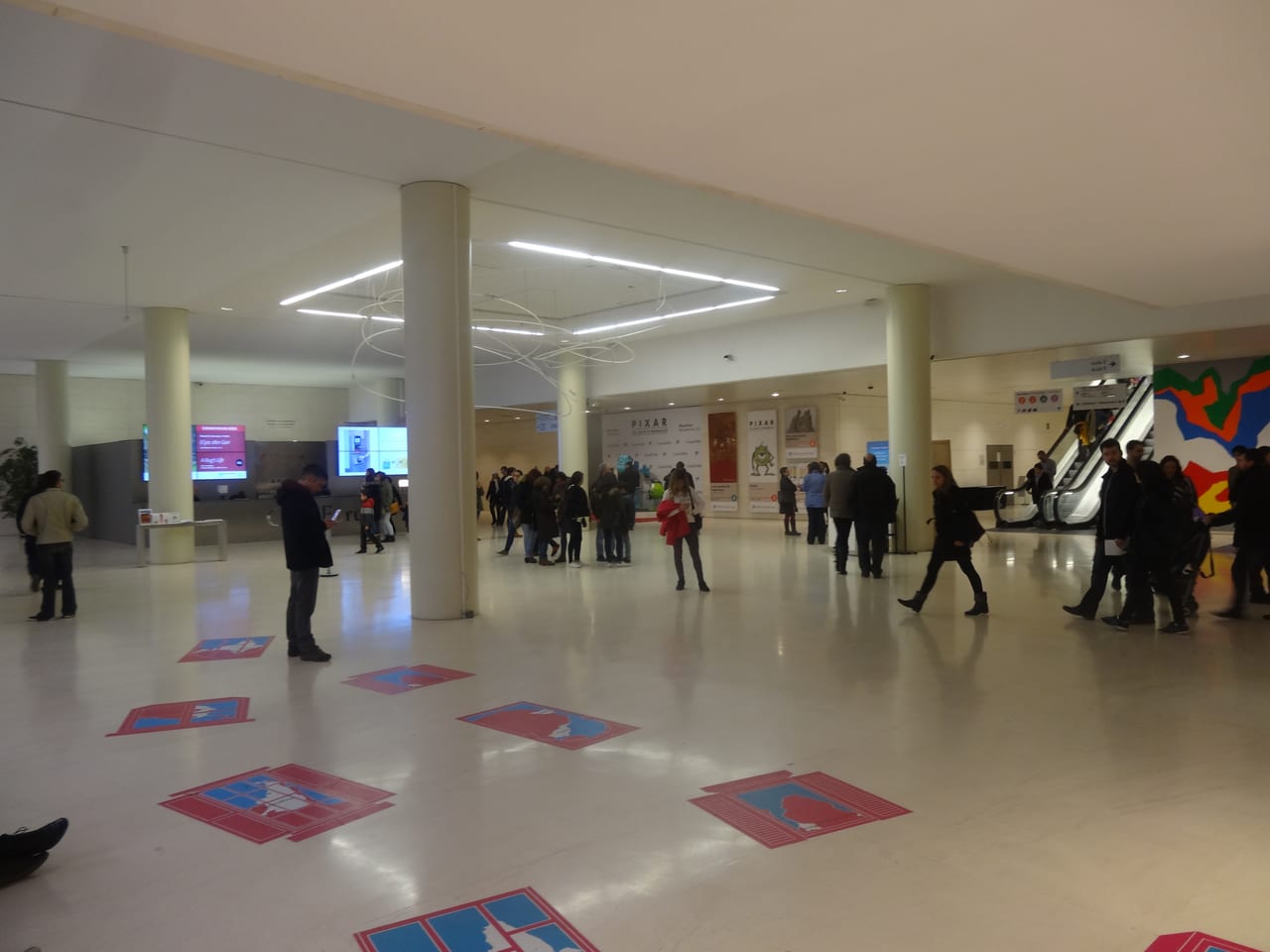
Enter through Arata Isozaki’s addition, then take the escalator down to the basement lobby to see the Sol LeWitt mural. From there, rise to the ground-floor galleries and pay attention to how the exhibition spaces sit within the crenelated brickwork. Spend time with the temporary exhibitions as well as the building itself; the auditorium, classrooms, media library and restaurant extend the visit beyond the galleries.
Places to stay near CaixaForum Barcelona

Live availability and prices from Stay22's partners, refreshed periodically and subject to change. Booking through these links may earn us a commission at no extra cost to you. See our privacy policy.
Cafés near CaixaForum Barcelona
Cafés near CaixaForum Barcelona loads as you scroll.
Attractions nearby
Attractions near CaixaForum Barcelona loads as you scroll.
Cities nearby
Cities nearby loads as you scroll.
More in Barcelona
See more of Barcelona.
Find great cafés, places to stay and other interesting places to visit in Barcelona.