Ancient site · Barcelona
Baetulo
DirectionsBaetulo preserves an unusually extensive Roman city beneath a living urban landscape, including public baths, streets, shops, houses and a 40-metre surviving water conduit.
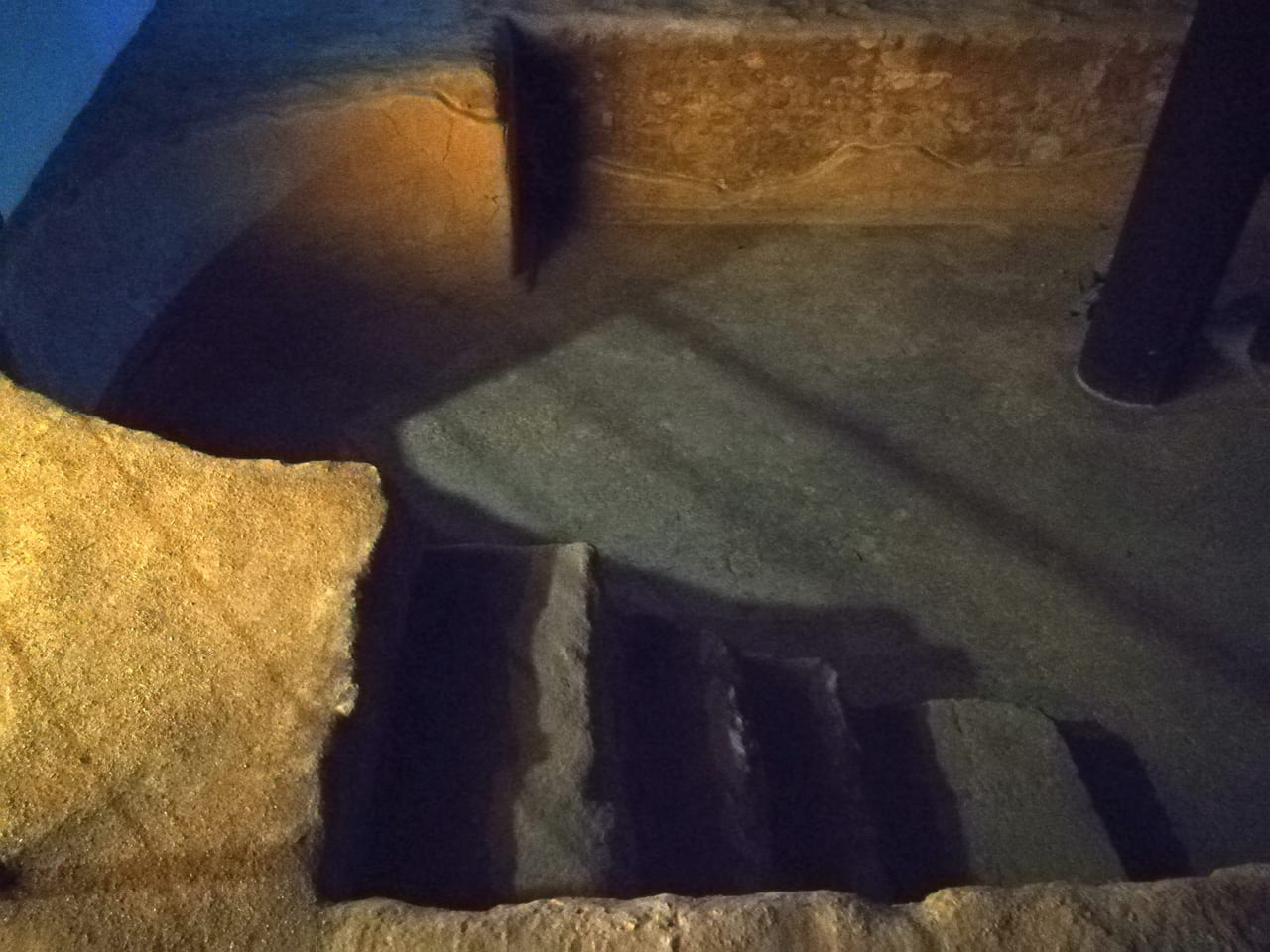
Founded ex novo by Rome in the early first century BCE on Turó d’en Rosés, Baetulo continued the nearby Iberian settlement of Turó d’en Boscà, whose mint produced coins marked Baitolo. Its orthogonal plan and walled enclosure, covering about 11 hectares, created an Iberian-Roman community: early inscriptions and known citizens bear Iberian names, while Italian settlers arrived later. Pomponius Mela mentioned the city in 43–44 CE; Pliny the Elder later called it an oppidum civium Romanorum. Under Augustus, Baetulo prospered through specialised viticulture and wine export. By the late first century CE it had become a municipium with the ius Latii, although during the second century wealthy families moved to rural villae as urban houses acquired industrial, commercial or humbler uses. Settlement continued in the lower town into the late fifth or early sixth century. Modern investigation accelerated after the 1925 excursionists’ association and Joaquim Font i Cussó’s excavations. Josep Maria Cuyàs discovered the baths in 1955; the museum opened above them in 1966. Finds returned from Barcelona include the Venus of Badalona and Tabula Hospitalis. Excavations in 2017–2020 added domus, vineyards, a Via Augusta segment, a fifth-century building and further houses. Baetulo received national cultural-interest status in 1995.
At a glance
- Heritage
- bien de interés cultural
Ways to explore Baetulo
Begin underground at the Museum of Badalona and Font i Cussó Square: examine the frigidarium, tepidarium, caldarium, palestra and peristyle, then follow the decumanus and cardo maximus past insulae and tabernae. The Domus dels Dofins and Domus de l’Heura preserve mosaics and domestic decoration. At the Jardí de Quint Licini, a virtual reconstruction interprets the pool and garden. Seek the 40-metre vaulted water conduit on Carrer d’en Pujol. The theatre foundations and Constitution Square remains generally open only during special open days.
Places to stay near Baetulo

Live availability and prices from Stay22's partners, refreshed periodically and subject to change. Booking through these links may earn us a commission at no extra cost to you. See our privacy policy.
Cafés near Baetulo
Cafés near Baetulo loads as you scroll.
Cities nearby
Cities nearby loads as you scroll.
More in Barcelona
See more of Barcelona.
Find great cafés, places to stay and other interesting places to visit in Barcelona.