Photograph 1 of 16 of Underground basilica of Porta Maggiore
Ancient site · Rome
Beneath Porta Maggiore, this 1st-century-BC chamber is the only historical site associated with the neo-Pythagorean movement.
Photograph 1 of 16 of Underground basilica of Porta Maggiore
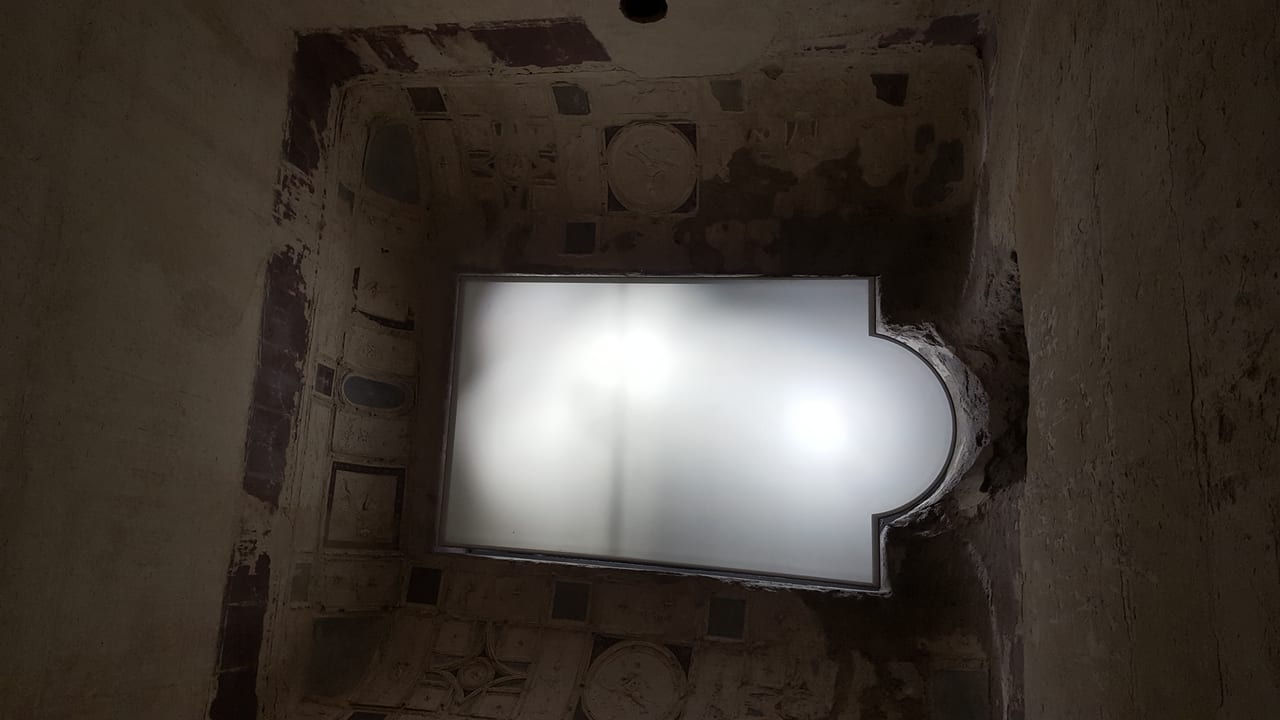
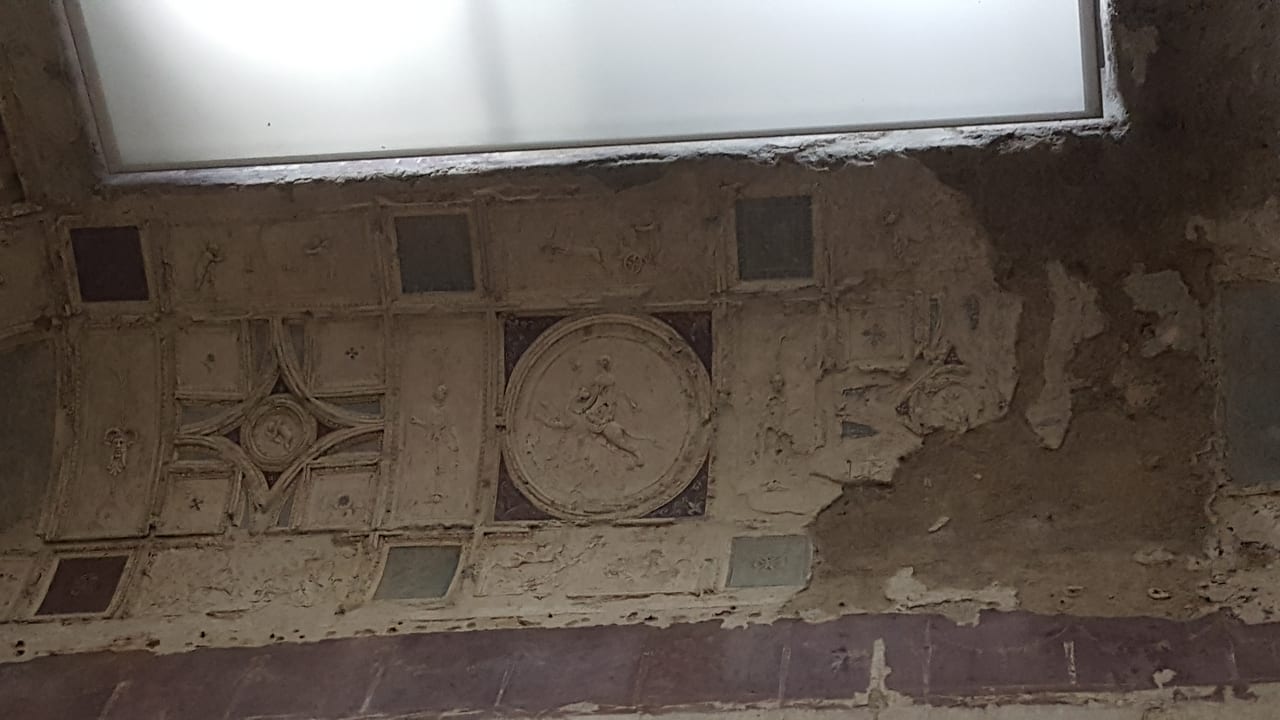
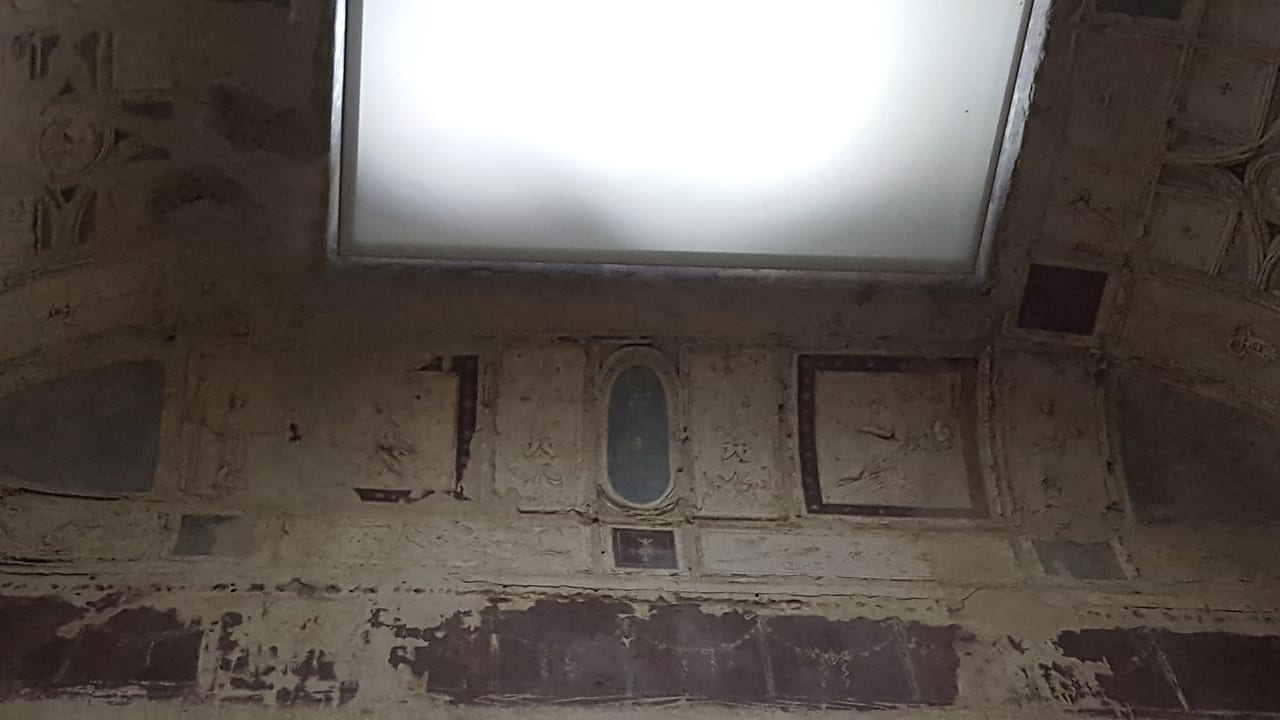
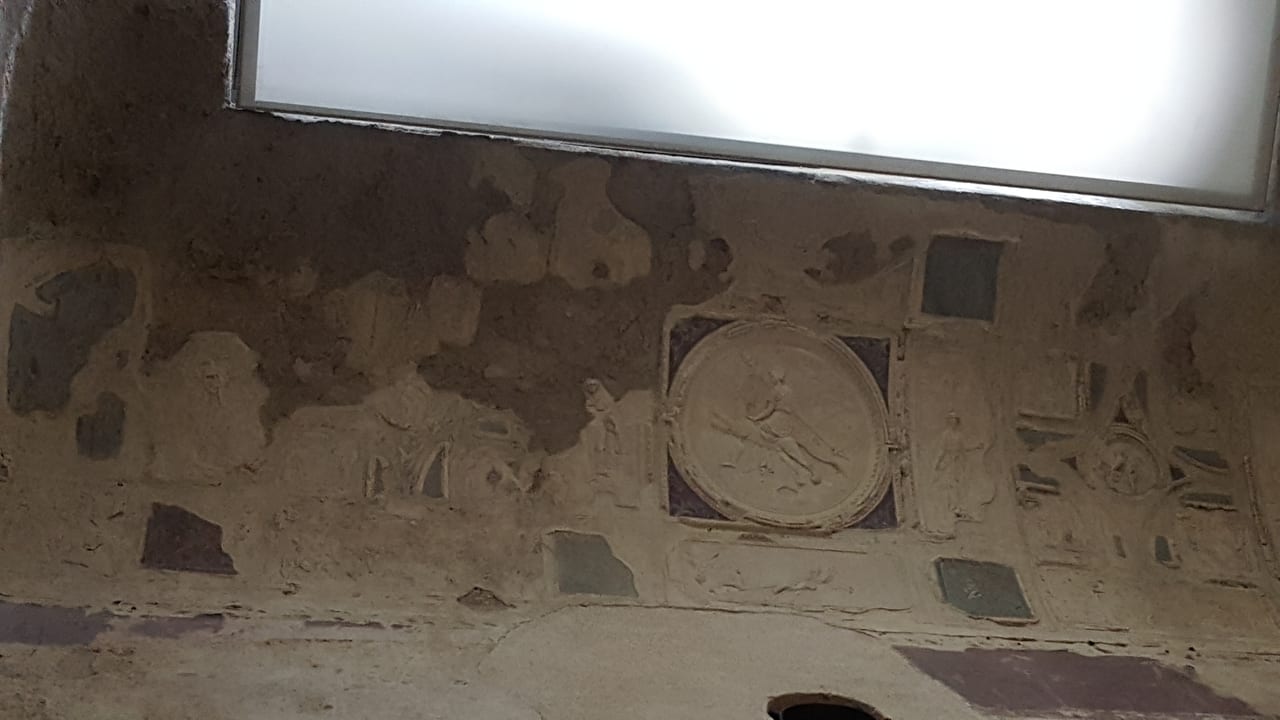
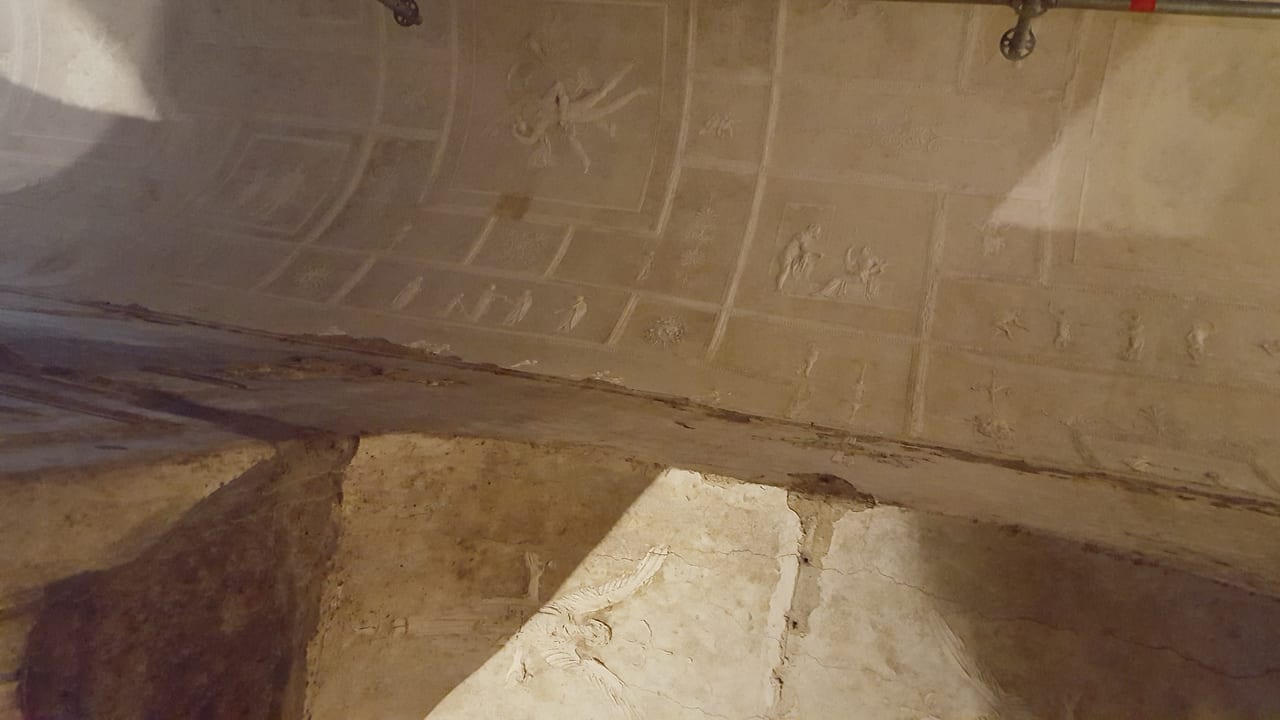
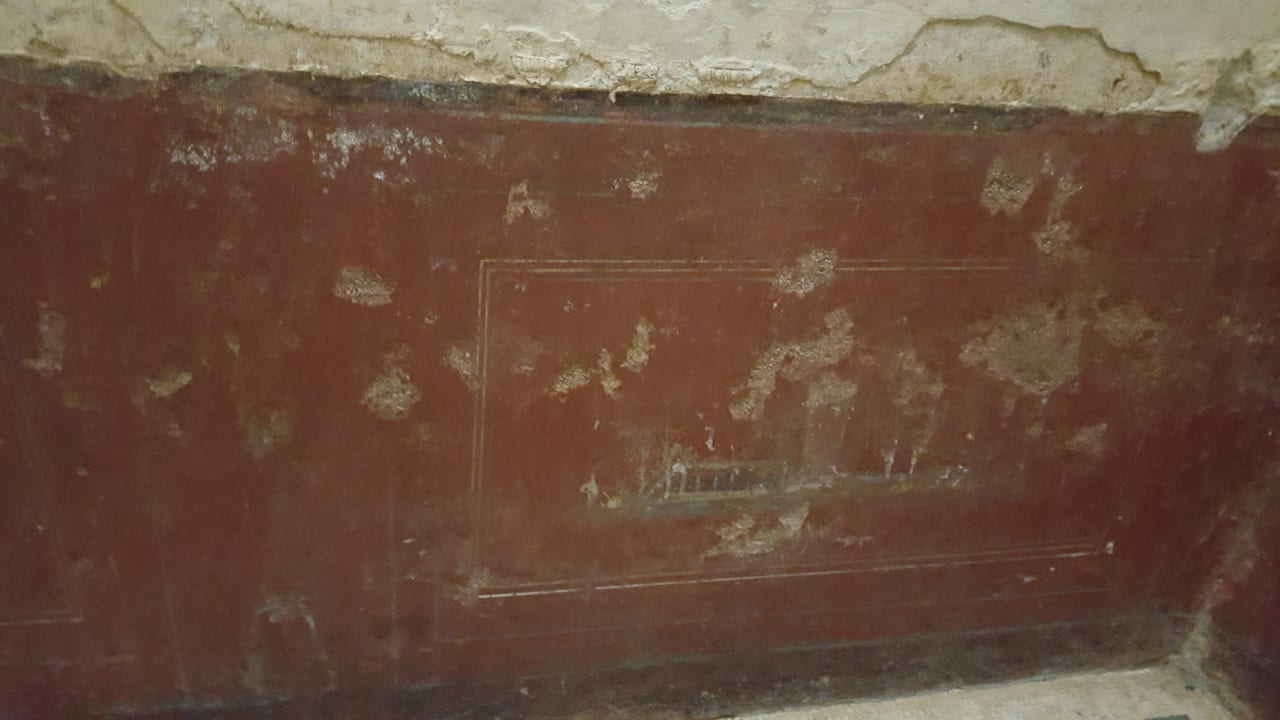
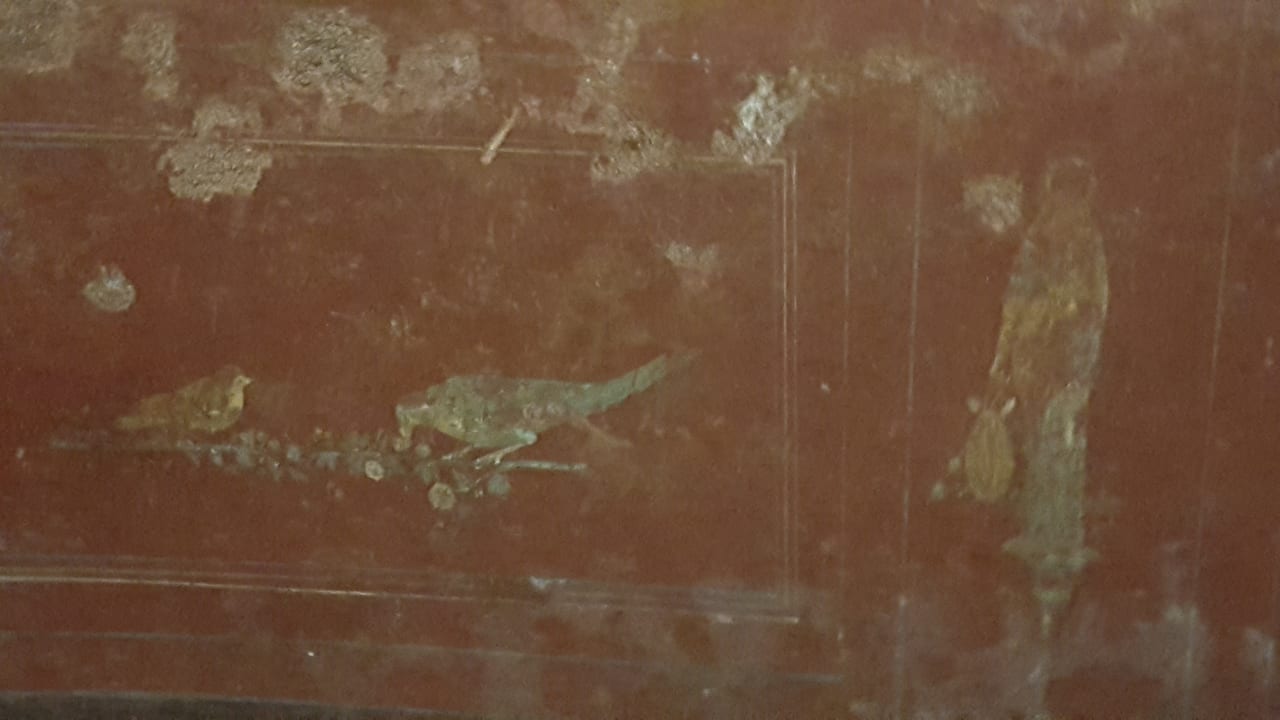
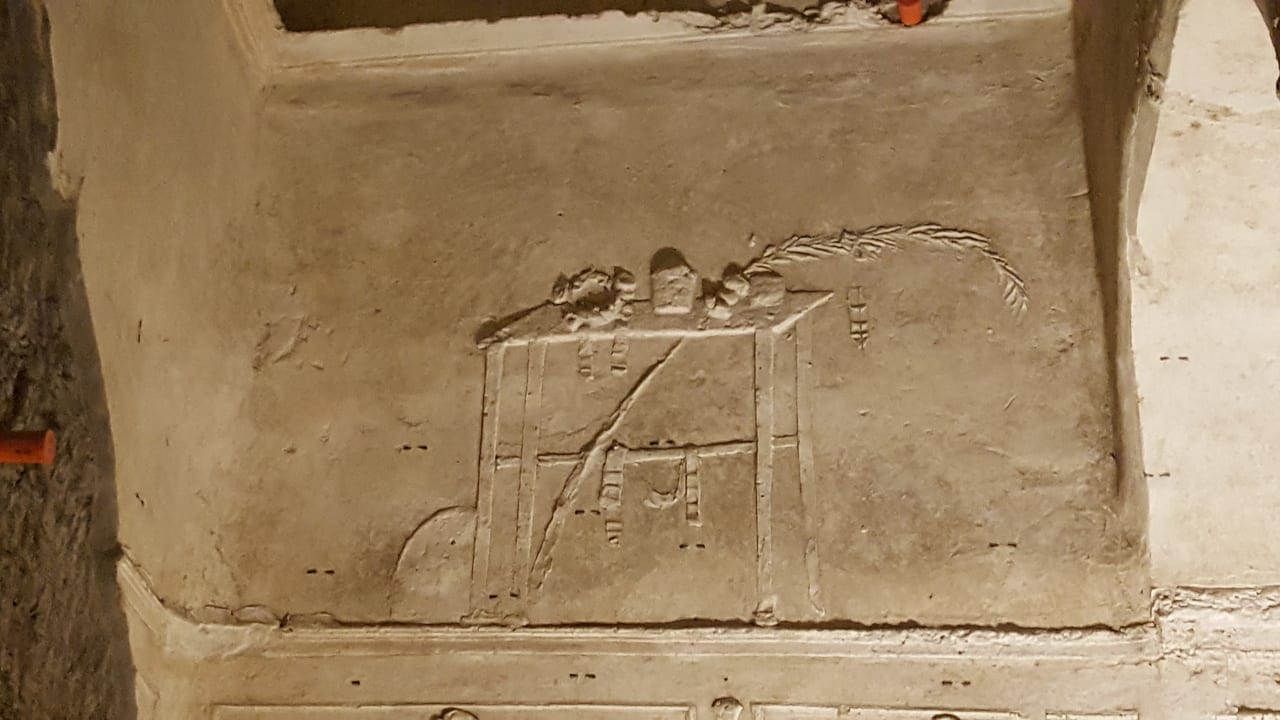
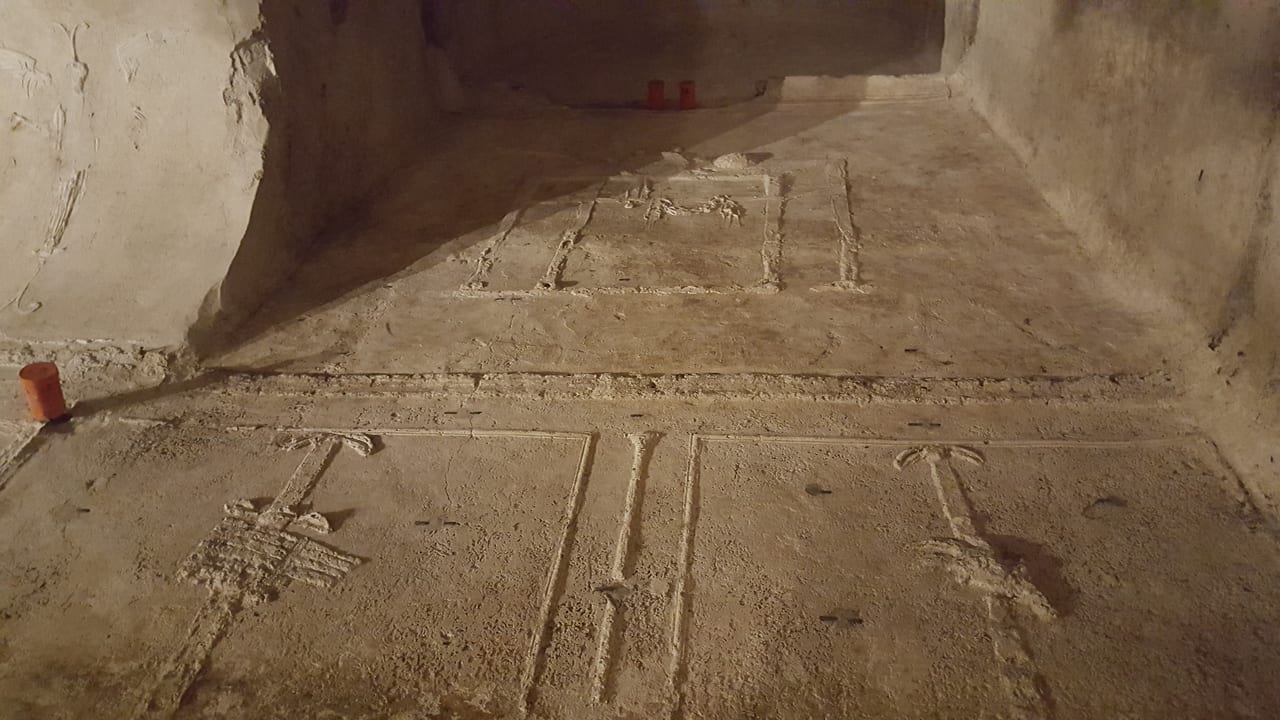
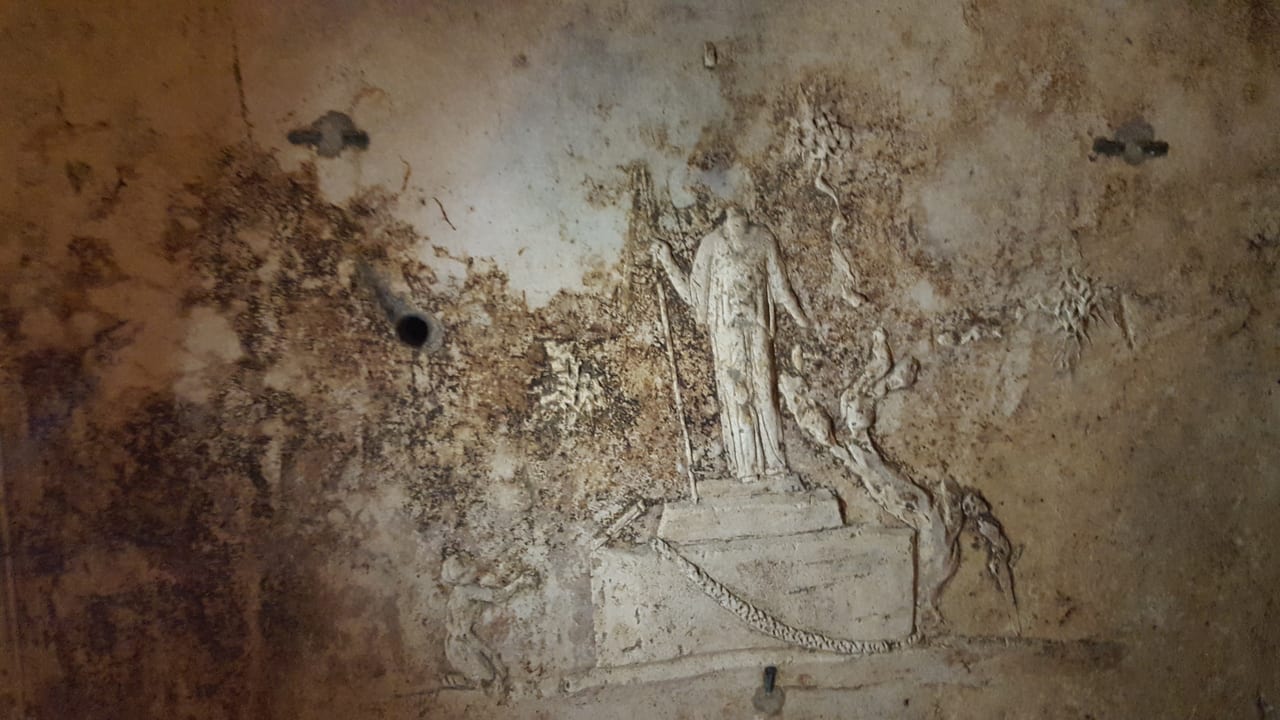
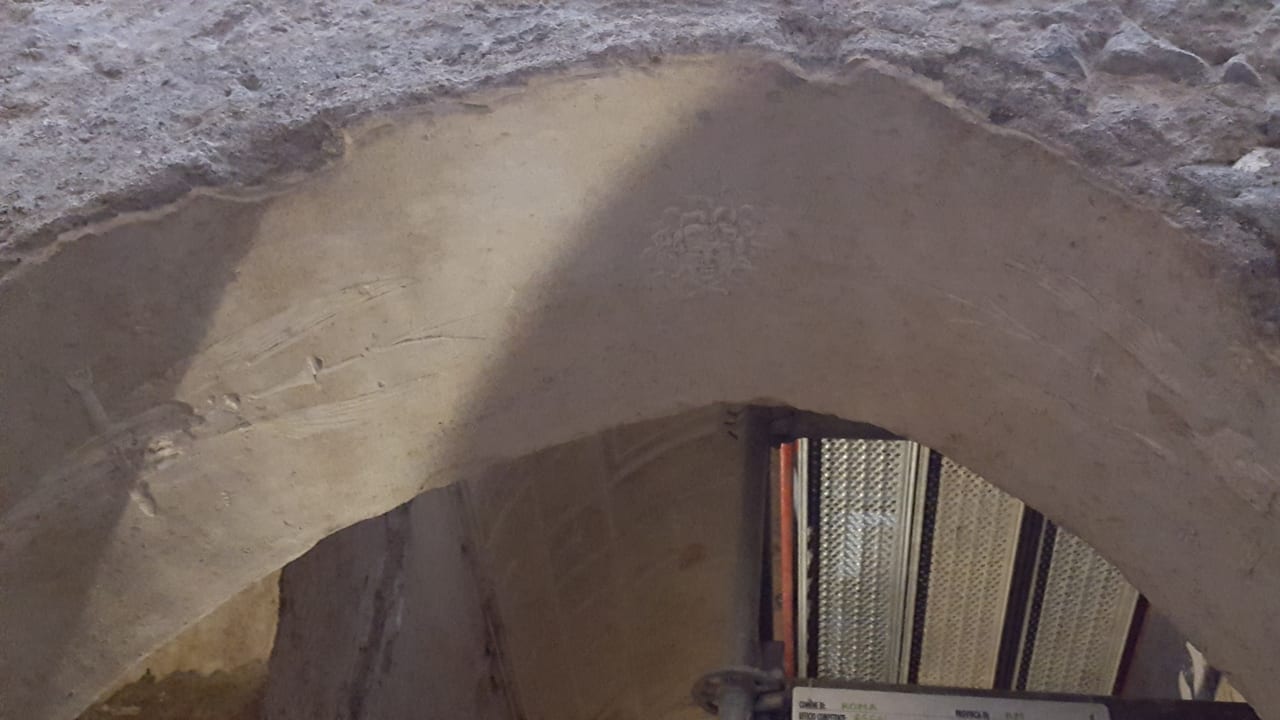
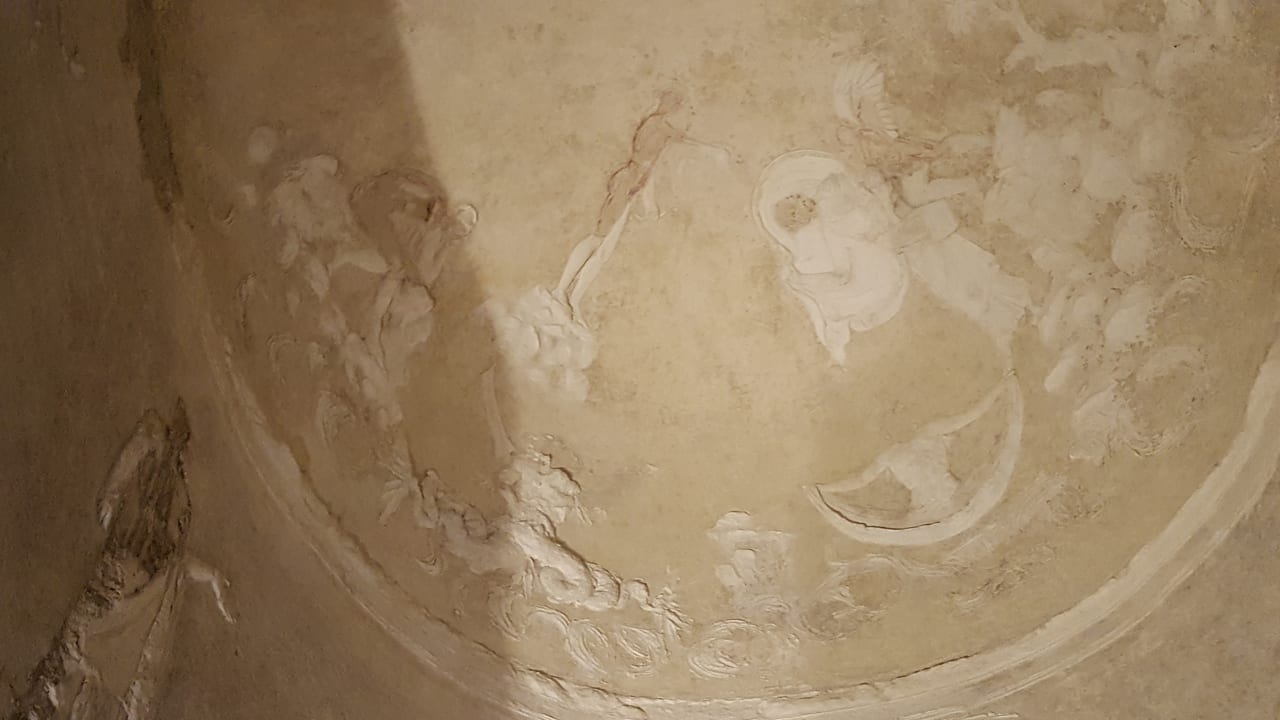
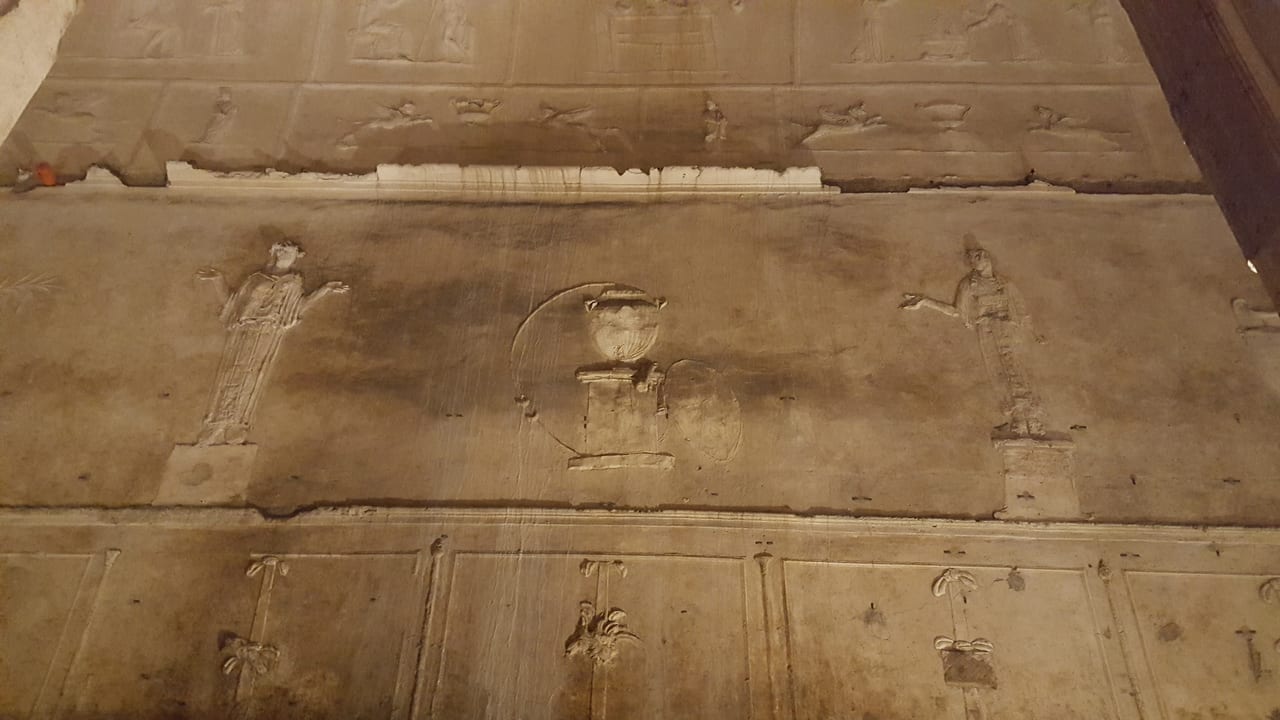
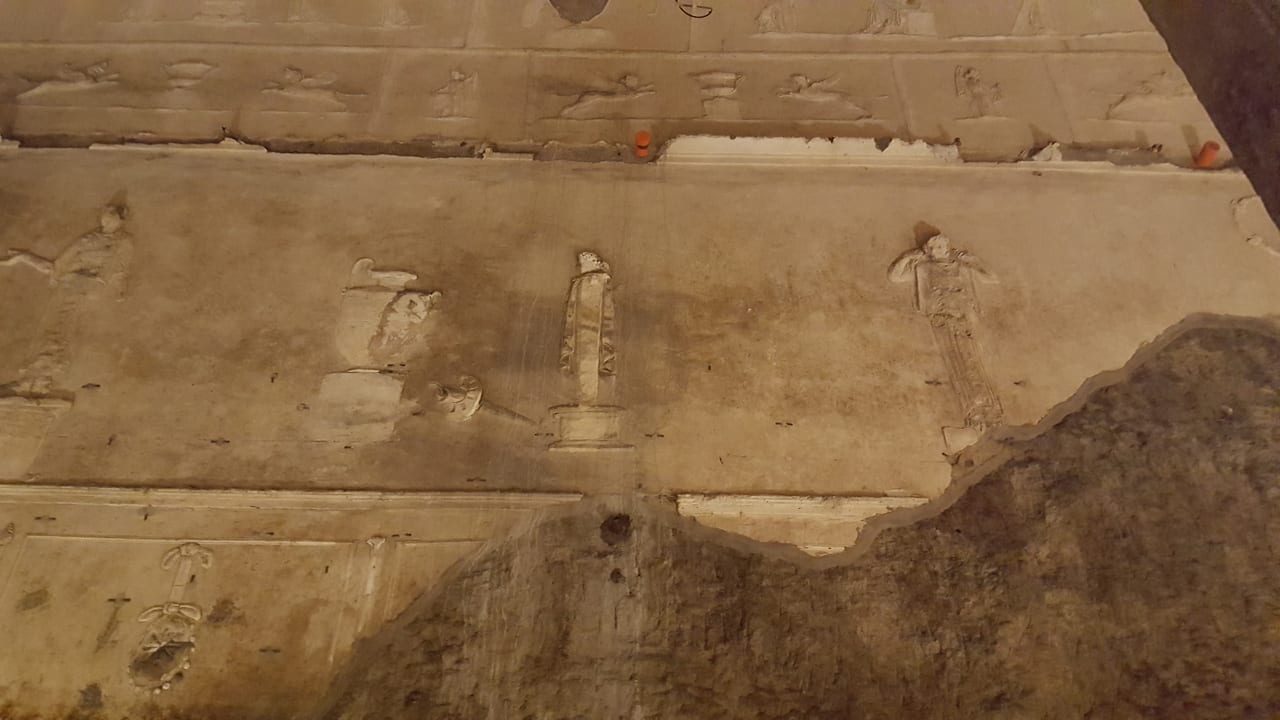
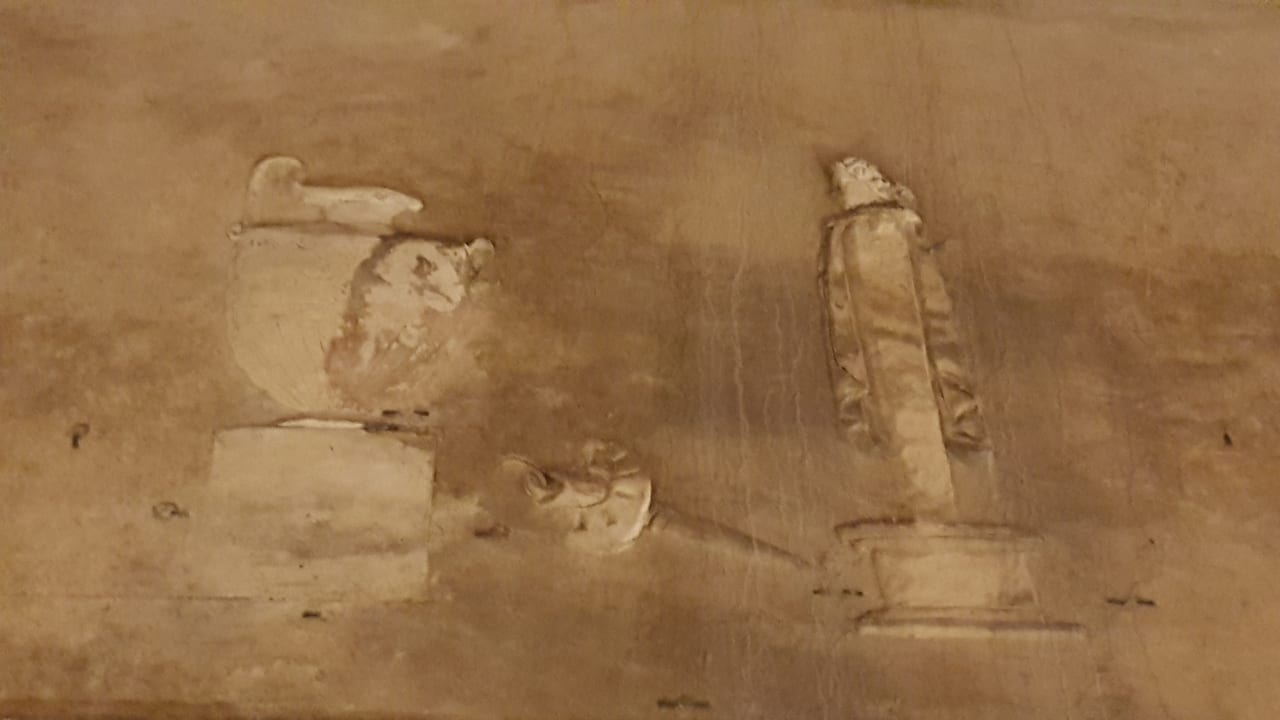
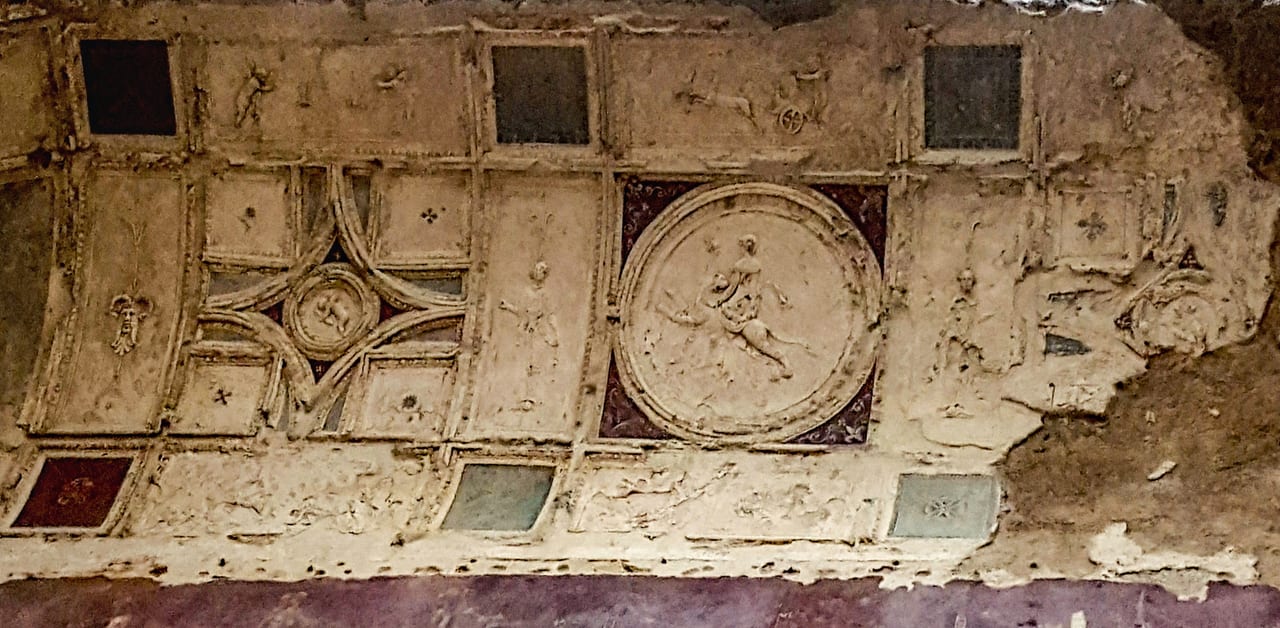
Discovered accidentally in 1917, the basilica lies 12 metres below street level, where a passage collapsed during construction of the railway line from Rome to Cassino. It is dated to the 1st century BC and is thought to have been built by the Statilius family. Titus Statilius Taurus, its head, was accused by the Senate of what Tacitus called “addiction to magical superstitions”; after protesting his innocence, he committed suicide in 53 CE. The monument is associated with the neo-Pythagoreans, a mystical Hellenistic school drawing on Pythagoras and Plato and preaching asceticism. The structure’s three naves are divided by six rock pillars and end in an apse. Stucco decoration depicts centaurs, griffins, satyrs and classical figures including Achilles, Orpheus, Paris and Hercules. Originally, access ran downhill from Prenestina Street through a vestibule. A precursor to later Christian basilicas, it was enclosed within a concrete shell in 1951 and underwent several years of restoration. Italian national heritage status recognises its archaeological importance.
Visit only with a prearranged tour, scheduled on the second and fourth Sunday of each month. Groups are kept small because the monument is fragile, while temperature and humidity remain within a narrow range. The enclosure includes air purifiers installed to combat radon gas, so follow the tour’s access and conservation requirements closely.
Live availability and prices from Stay22's partners, refreshed periodically and subject to change. Booking through these links may earn us a commission at no extra cost to you. See our privacy policy.
More in Rome
Find great cafés, places to stay and other interesting places to visit in Rome.
