Ancient site · Rome
Umbilicus urbis Romae
DirectionsThe Umbilicus marked Rome’s symbolic centre: from this point, and toward it, distances across the ancient city were measured.
Photograph 1 of 6 of Umbilicus urbis Romae
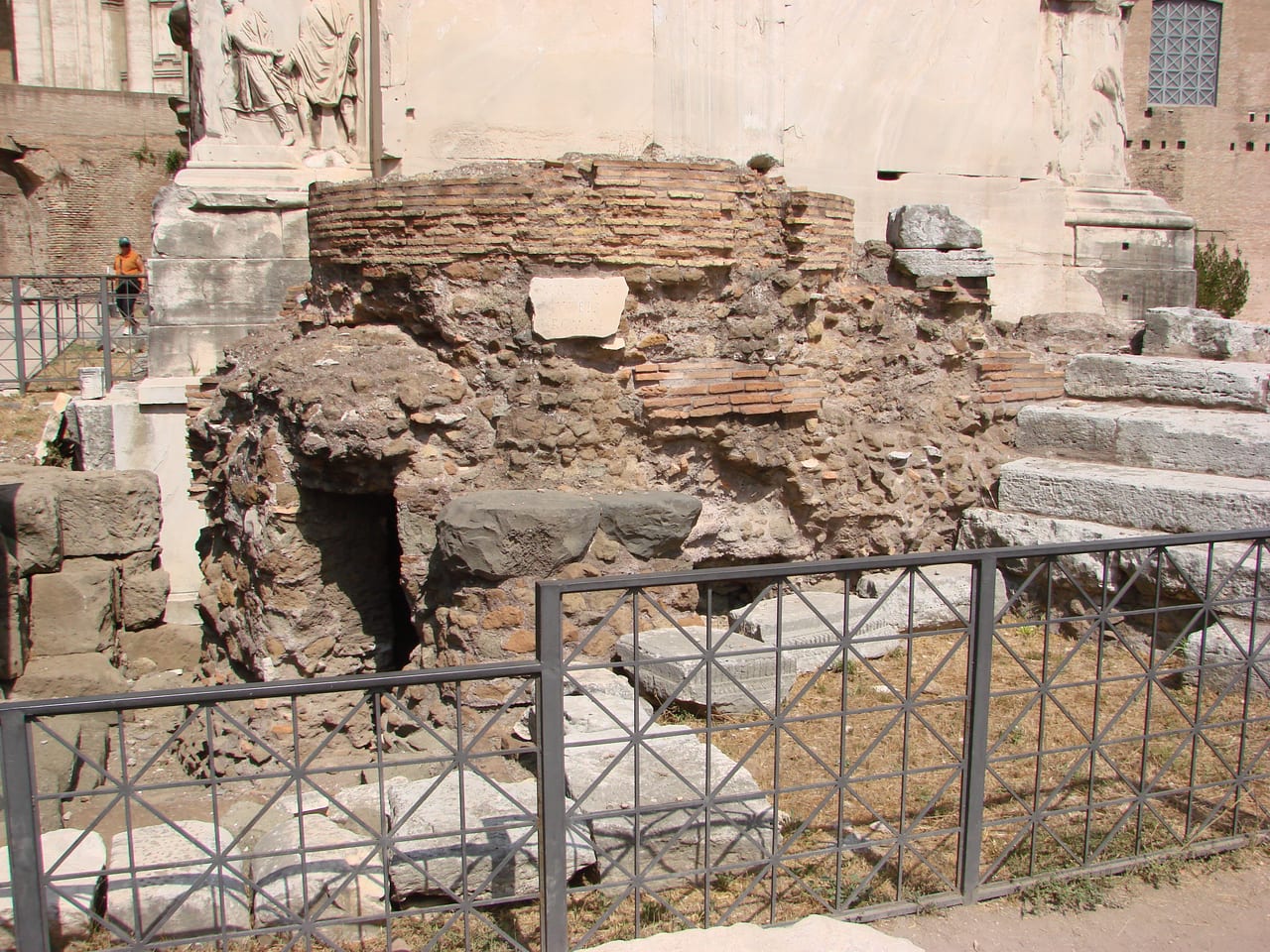
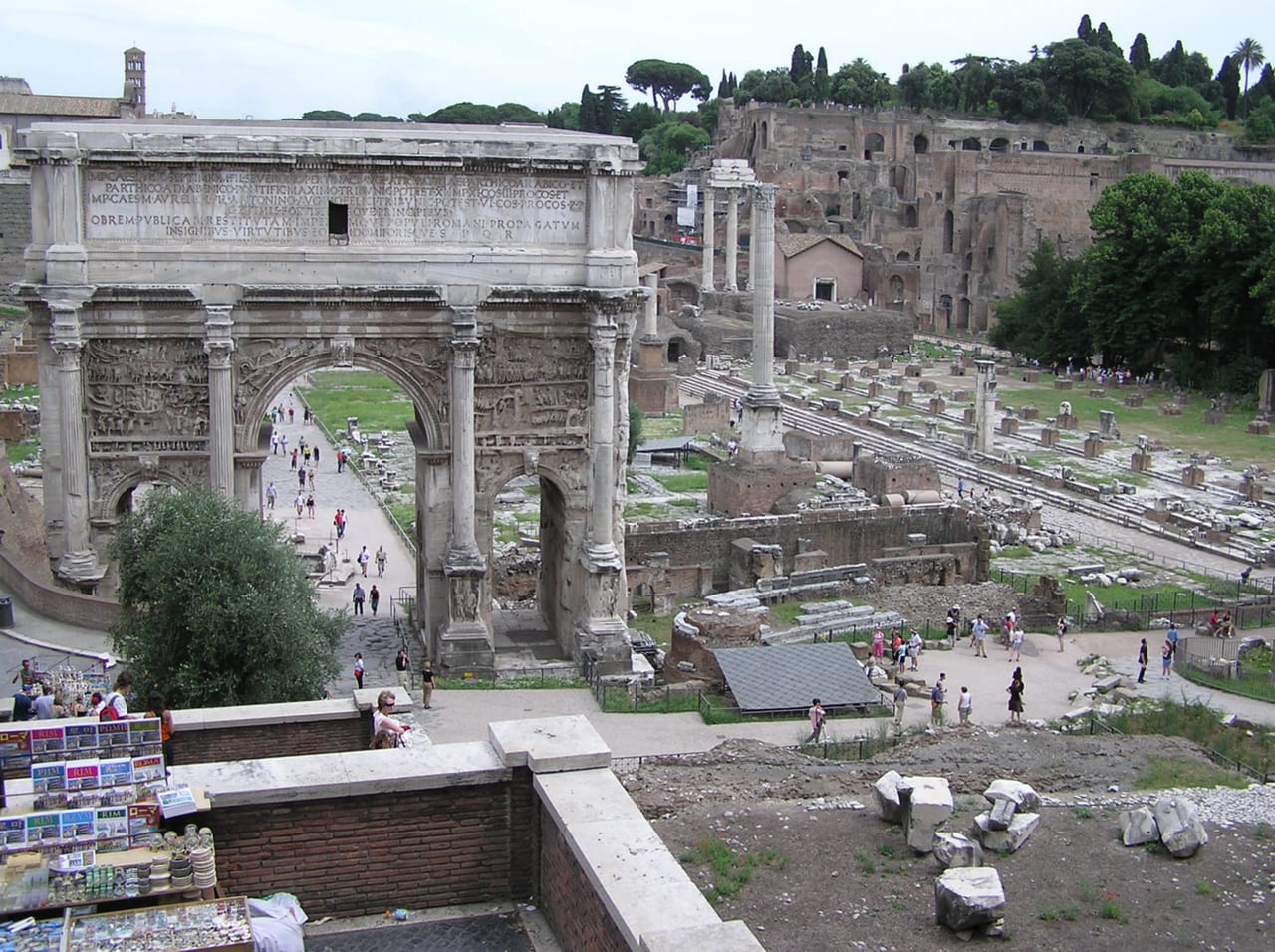
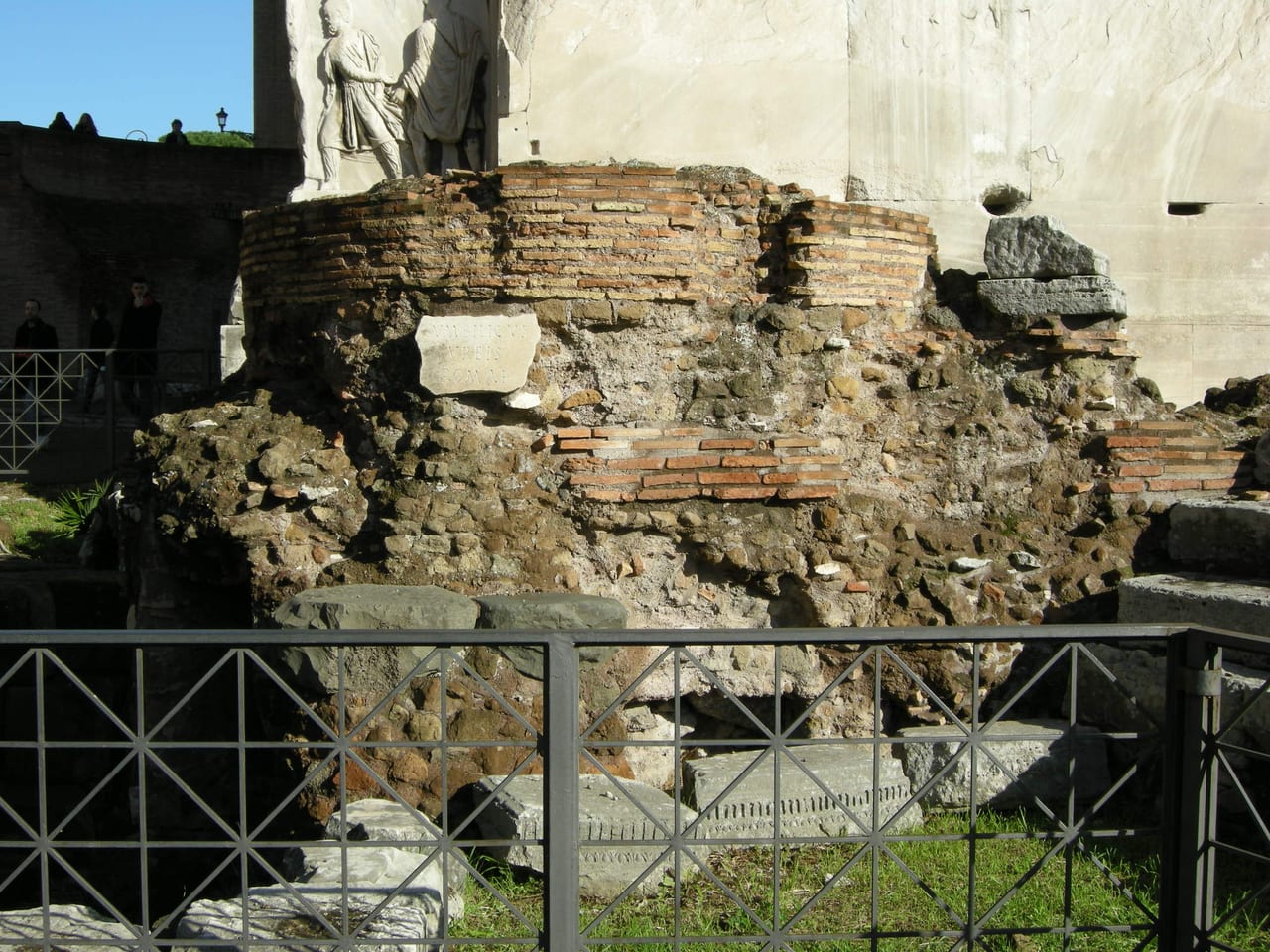
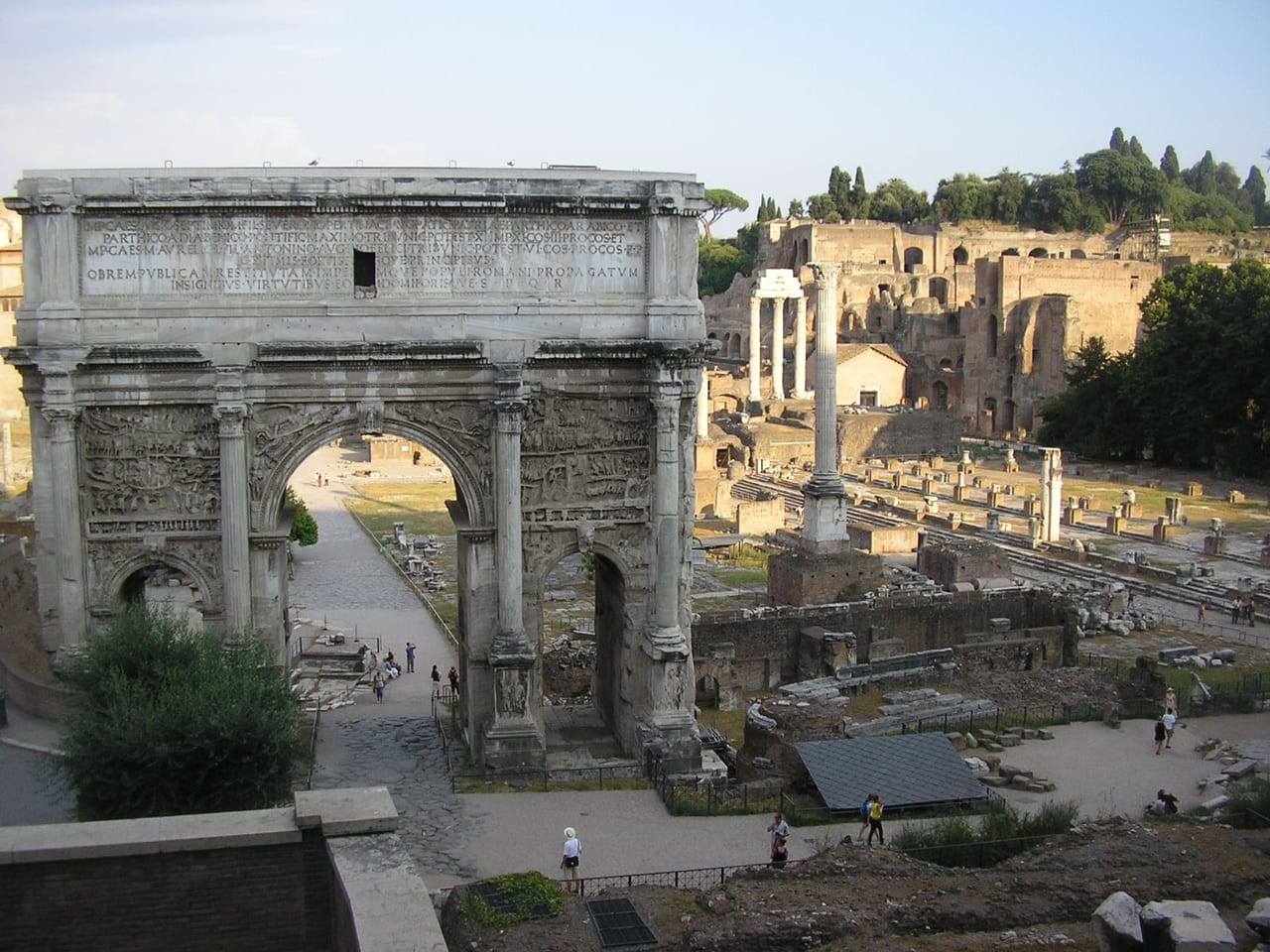
Roman legend said that Romulus, on founding the city, ordered a round excavation in the Forum. The year’s first fruits were cast into it, while each new citizen added a handful of earth from their place of origin. This tradition may connect the monument with the Mundus, an underground structure described in literary sources as a gateway to the underworld. It was ritually opened only three times a year; those occasions were dies nefasti, when official transactions were forbidden because spirits were believed to emerge. A masonry Umbilicus was probably built in the 2nd century BC, but the surviving remains belong to the reign of Septimius Severus. His triumphal arch, completed in 203 AD, encroached on the earlier monument, which was reconstructed to create additional space; fragments of the old structure were incorporated into the new one. Originally faced in marble, the surviving monument is now a brick core about 2 metres high and 4.45 metres across. It is considered distinct from Augustus’s nearby Milliarium Aureum, erected around 20 BC for a comparable purpose.
Ways to explore Umbilicus urbis Romae
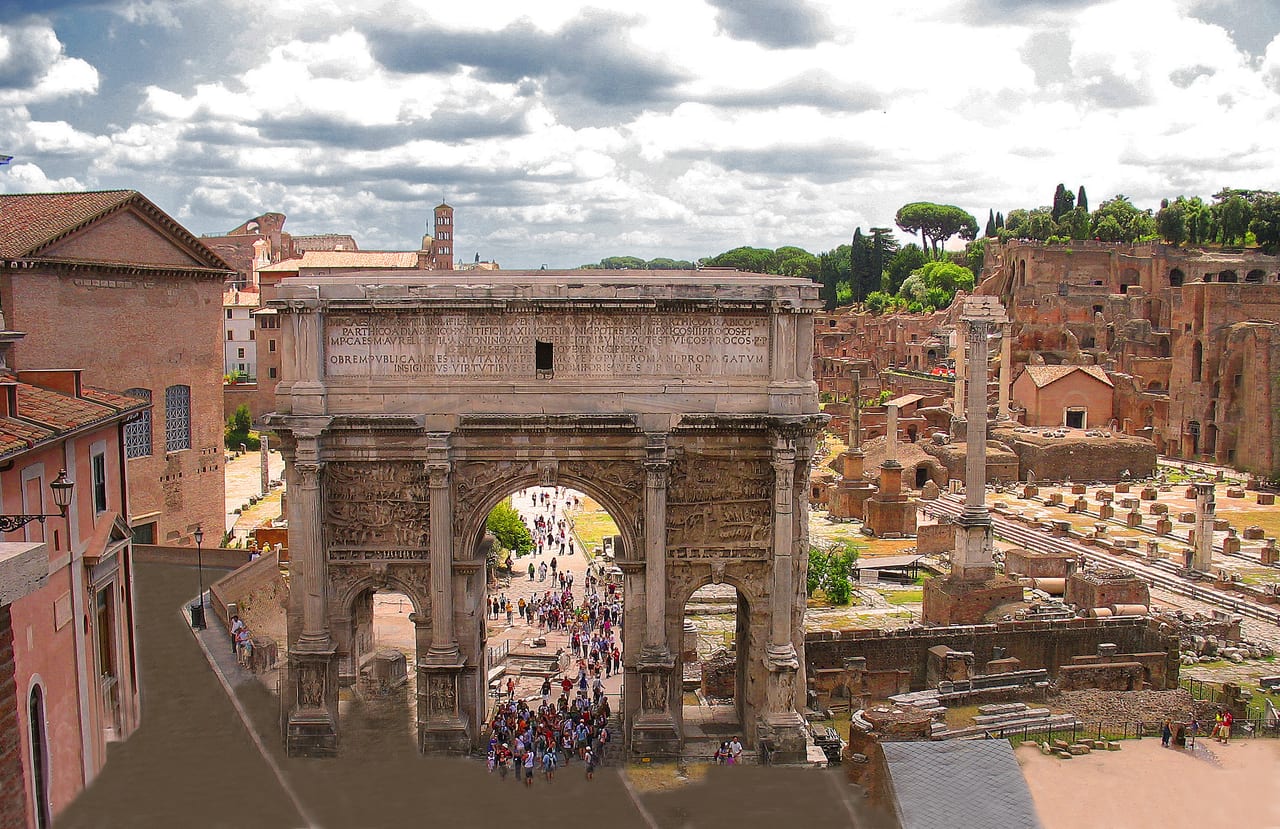
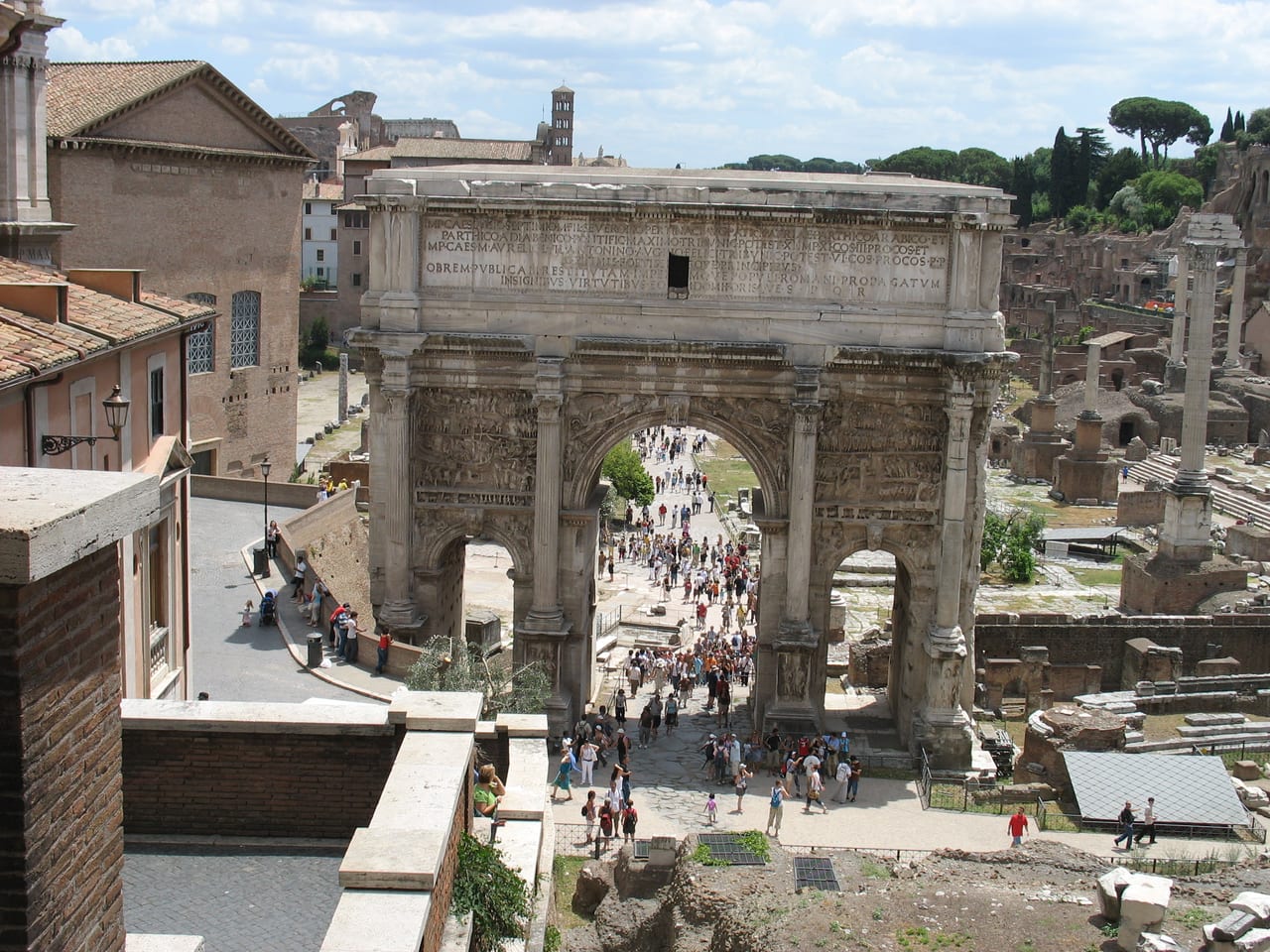
Approach the remains beside the Arch of Septimius Severus and examine the low, circular brick core closely, noting its substantial diameter and surviving height. The site is best read alongside the surrounding Forum monuments, whose arrangement makes its position within the ancient civic landscape especially legible. Notice the contrast between the monument’s original marble facing and the exposed brick visible today.
Places to stay near Umbilicus urbis Romae

Live availability and prices from Stay22's partners, refreshed periodically and subject to change. Booking through these links may earn us a commission at no extra cost to you. See our privacy policy.
Cafés near Umbilicus urbis Romae
Cafés near Umbilicus urbis Romae loads as you scroll.
Attractions nearby
Attractions near Umbilicus urbis Romae loads as you scroll.
Cities nearby
Cities nearby loads as you scroll.
More in Rome
See more of Rome.
Find great cafés, places to stay and other interesting places to visit in Rome.