Ancient site · Rome
Temple of Vespasian and Titus
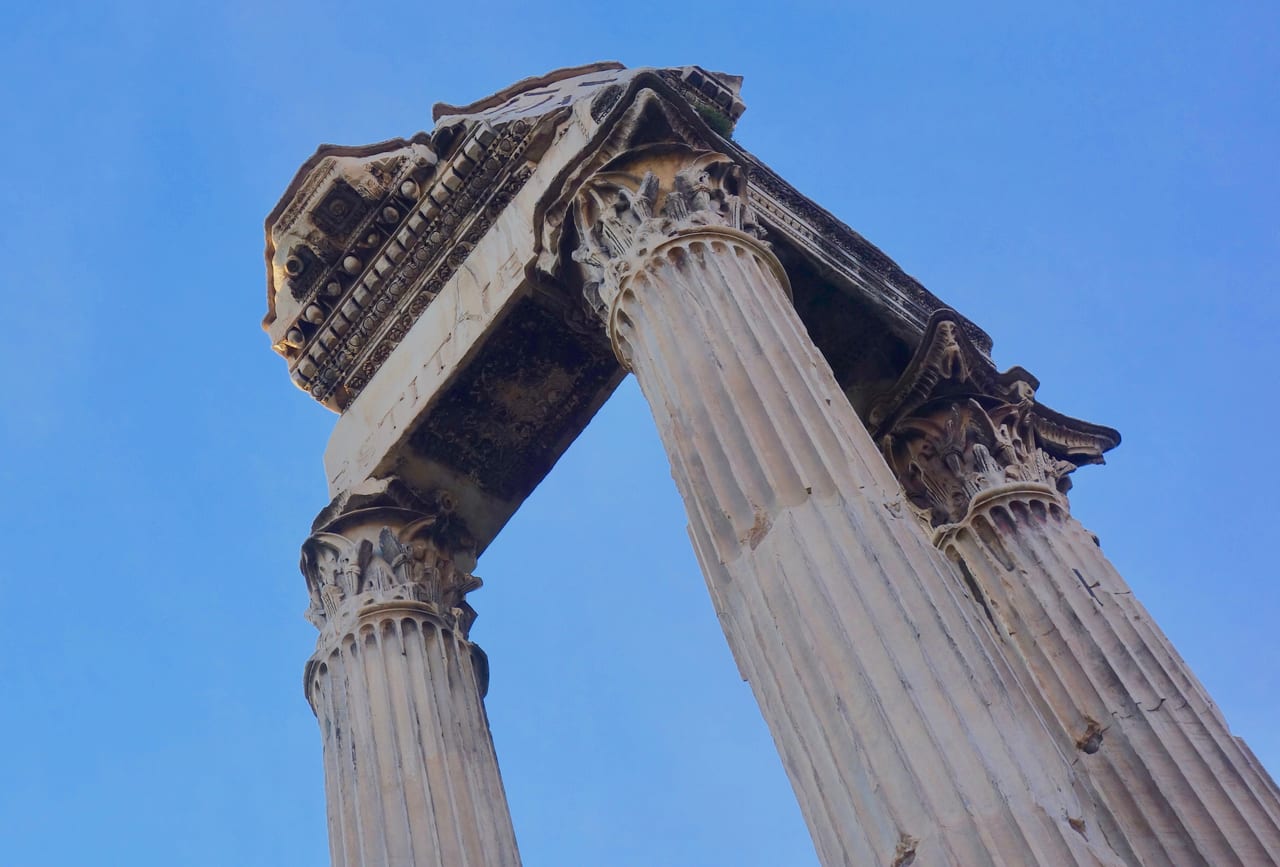
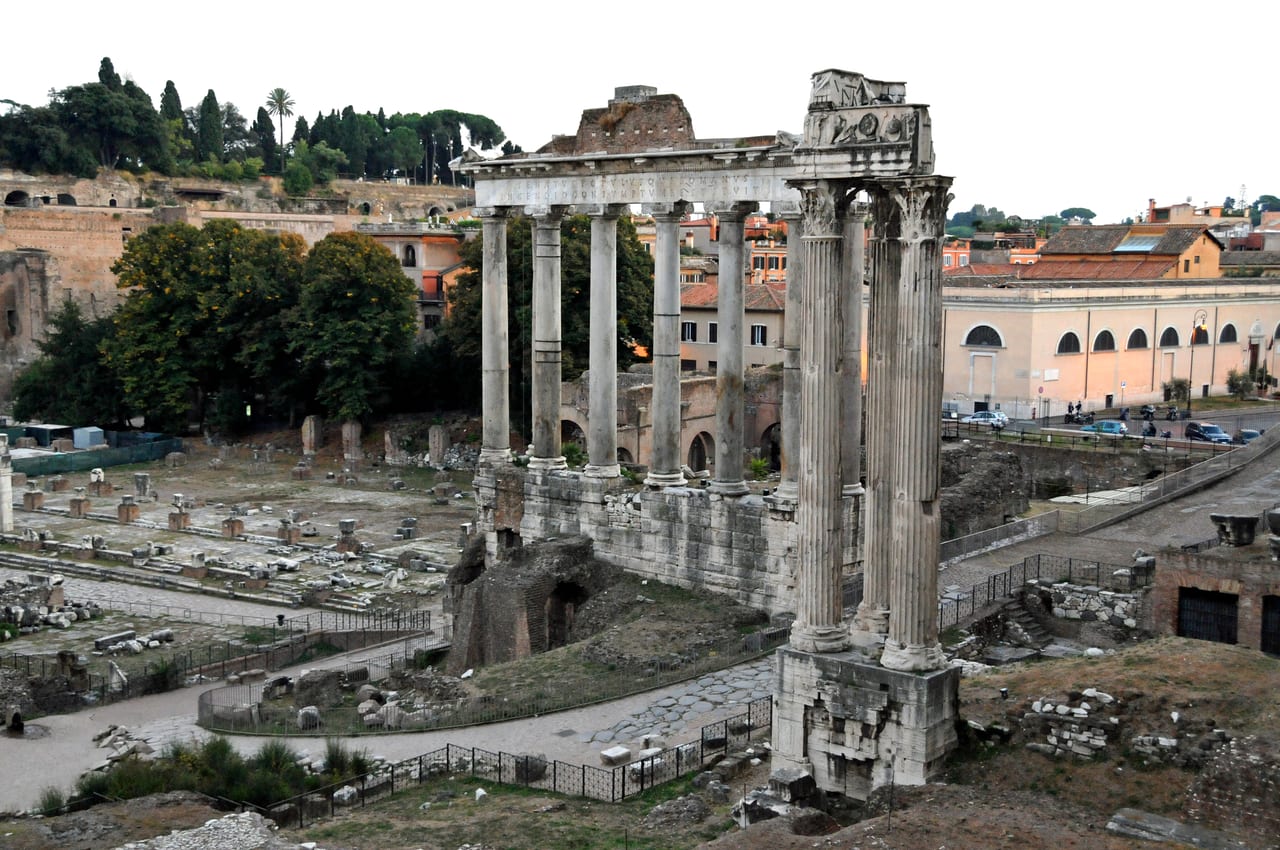
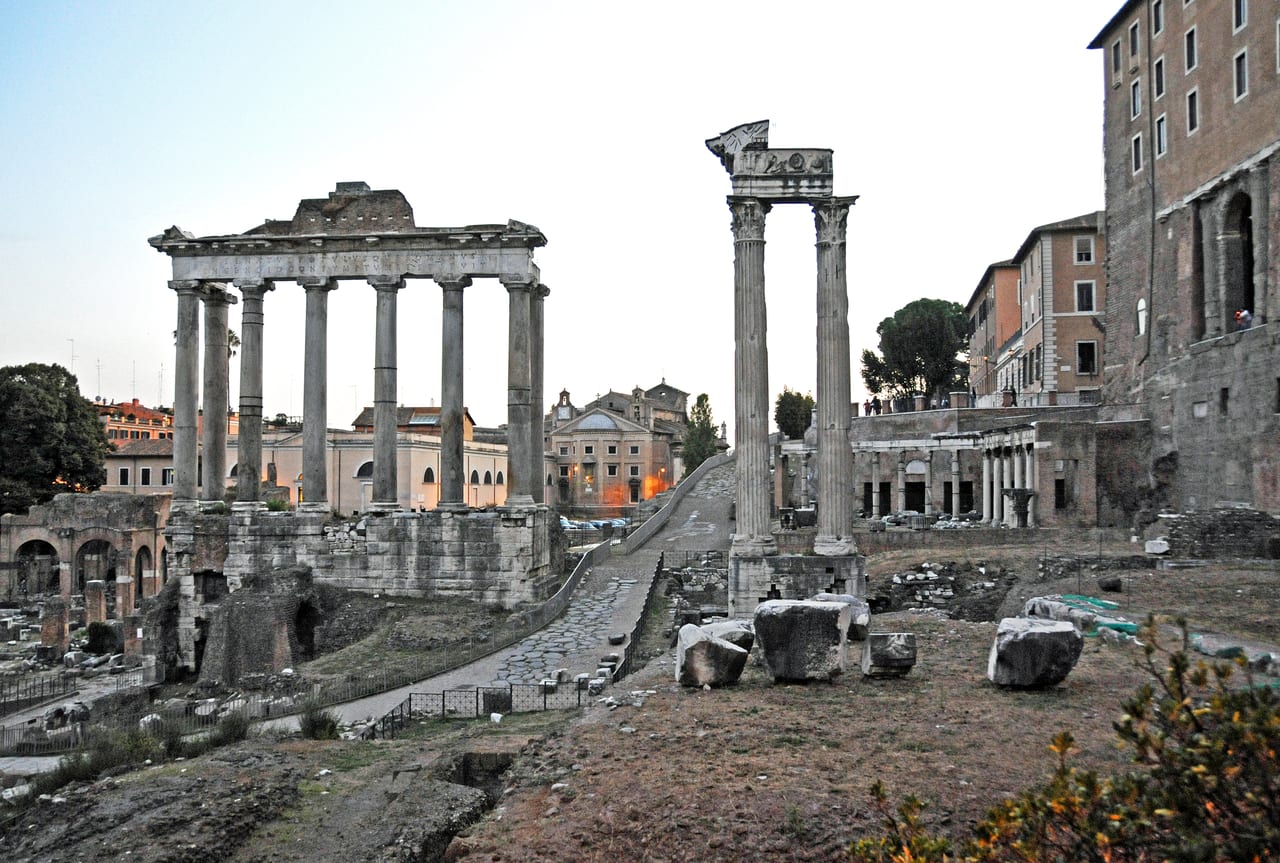
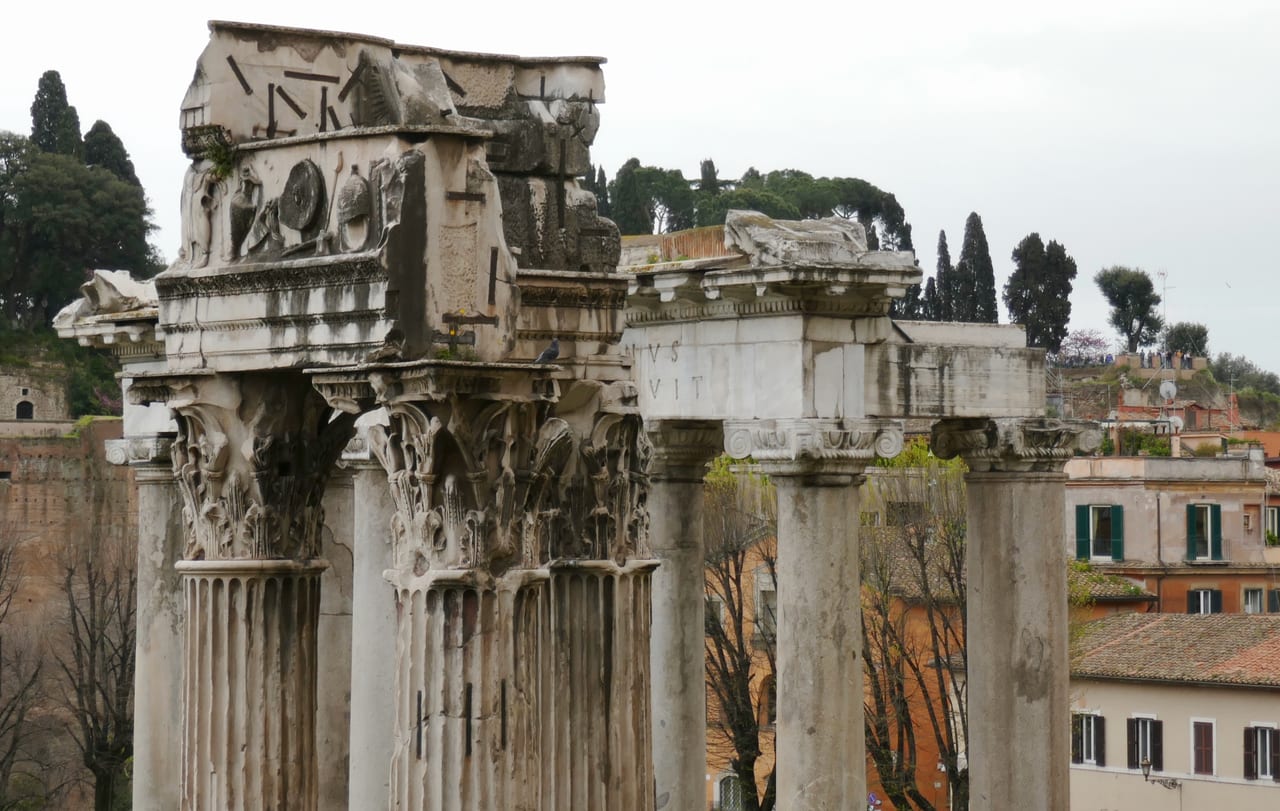
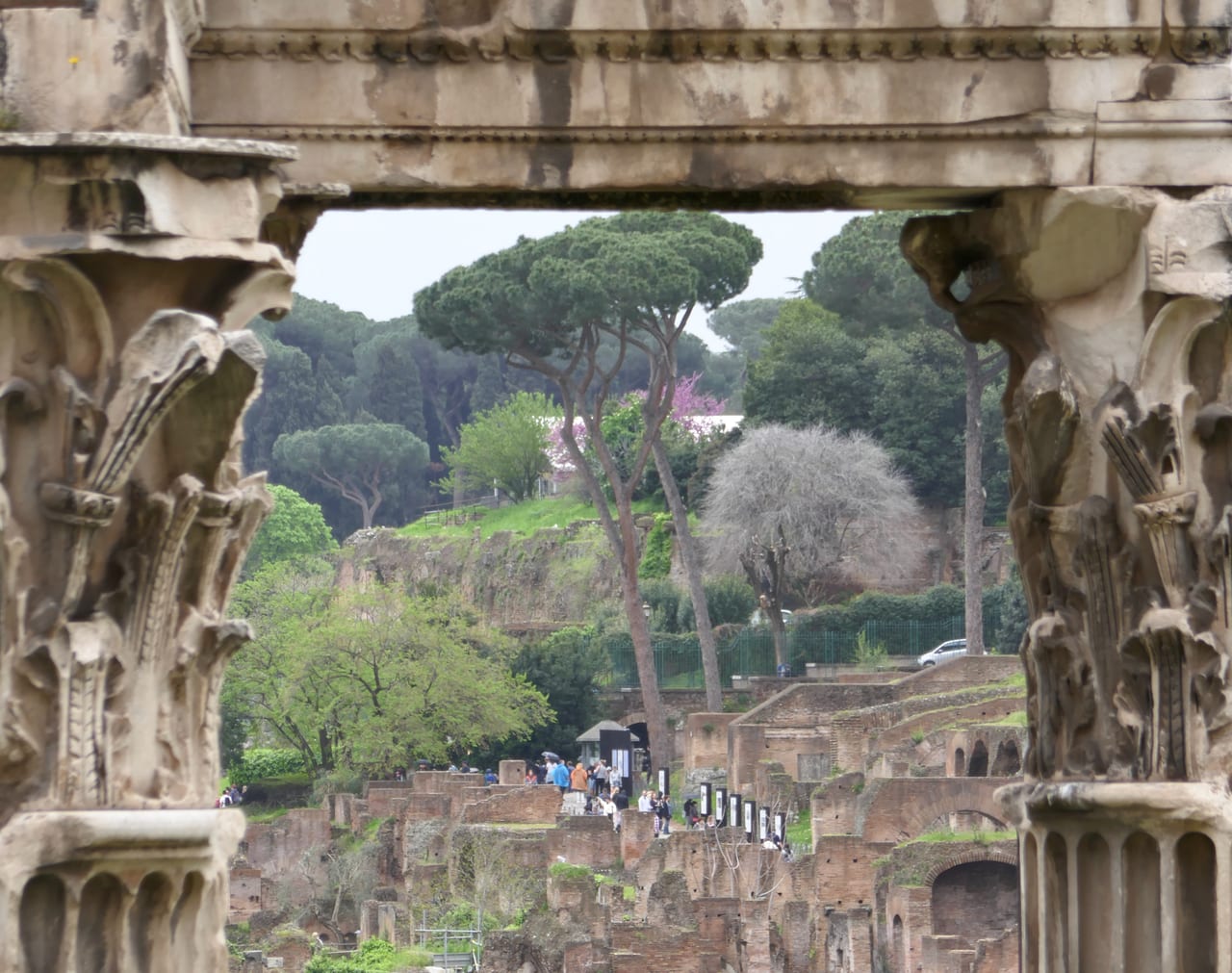
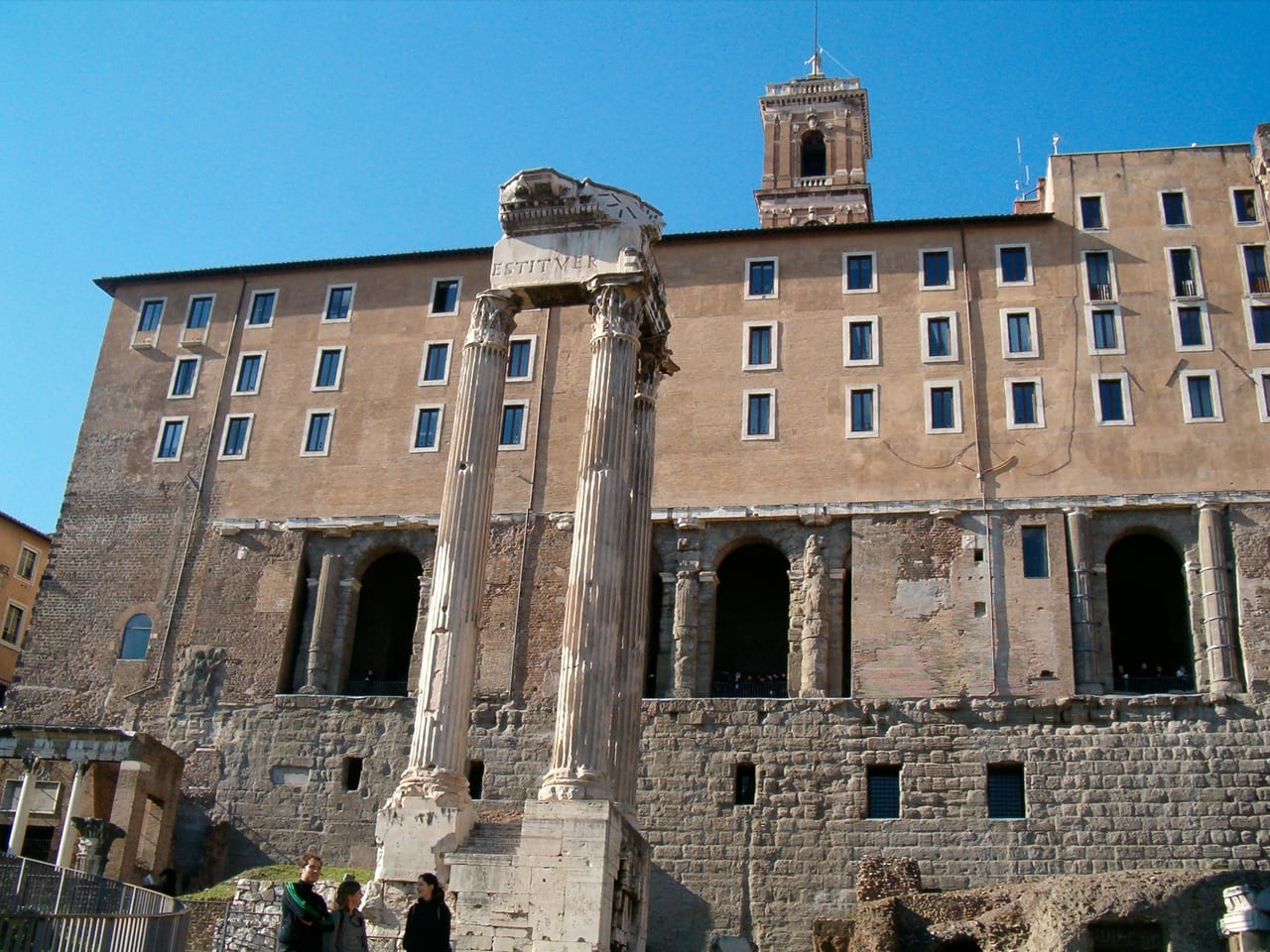
DirectionsIts surviving corner colonnade preserves three 15.20-metre Corinthian columns and part of the Flavian entablature, an unusually vivid fragment of the imperial Forum.
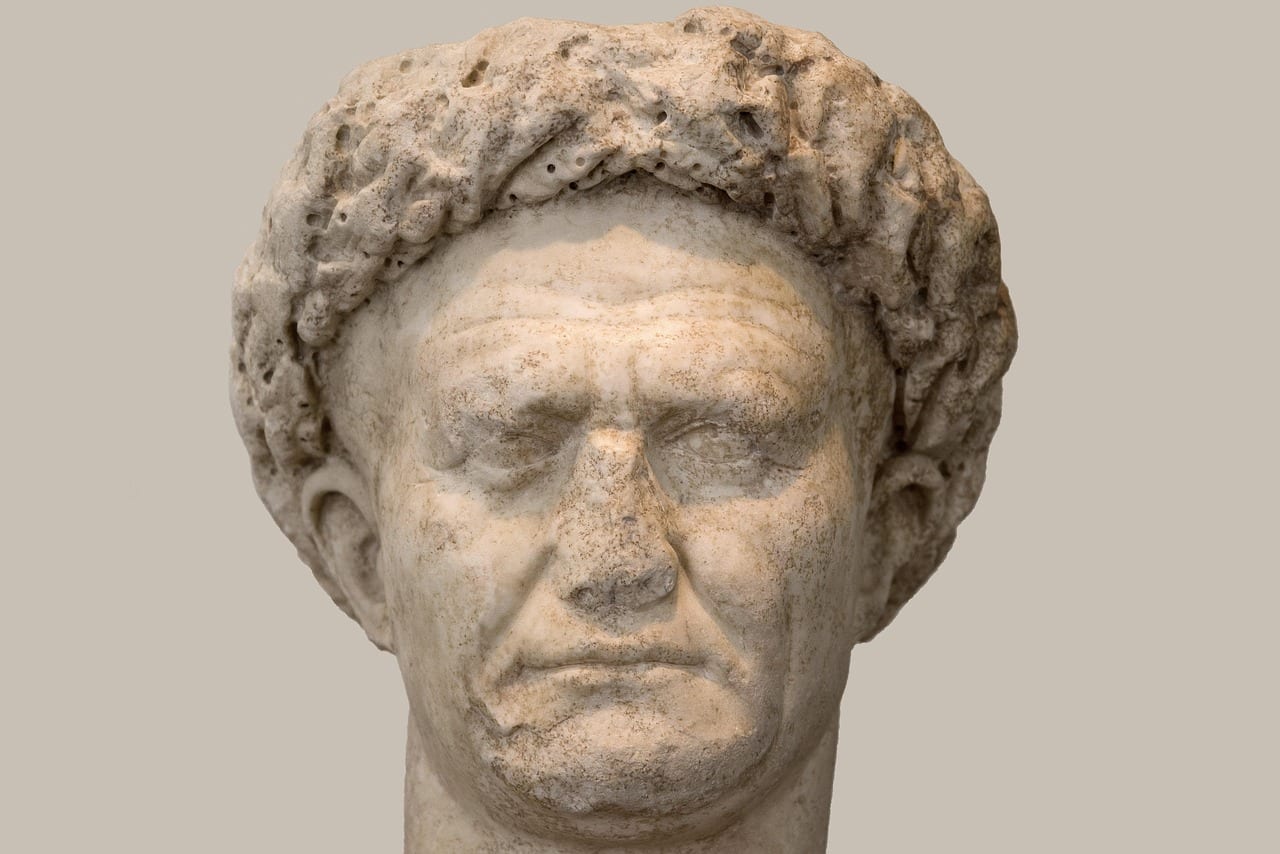
Photograph 1 of 9 of Temple of Vespasian and Titus
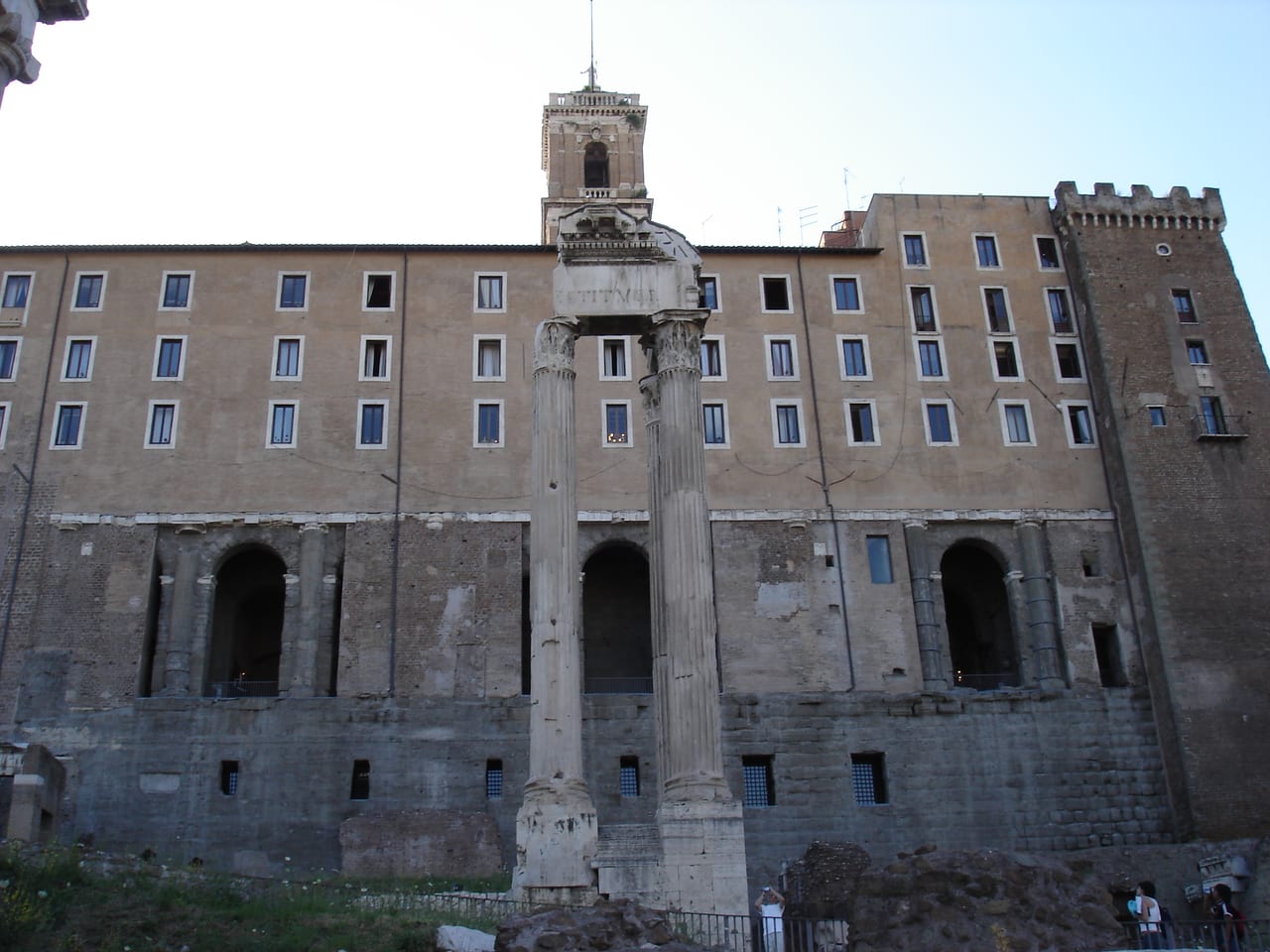
The temple was begun under Titus and completed by Domitian, with its first recorded mention in 87. Its original dedication honoured only Vespasian, deified after his death on 23 June 79, although Titus was later deified as divus Titus. A Severan restoration, dated to 200–205, was recorded in an inscription copied in the eighth century by the pilgrim known as the Anonymous of Einsiedeln. Further work took place under Caracalla, while the building reached its final form under Diocletian. Set between the Temple of Concord and the Portico of the Dei Consentes, the structure backed onto the Tabularium and obstructed an earlier access stair. Its 33-by-22-metre base supported a high travertine-faced concrete podium. The temple was prostyle, hexastyle and Corinthian, with a six-column pronaos, a marble-clad cella and statues of the deified emperors. The rear wall relied entirely on the Tabularium’s substructure. By the early sixteenth century it already resembled the present ruin. Excavations directed by Valadier in 1811 cleared its deeply buried remains; Luigi Canina later identified them securely as the Temple of Vespasian.
At a glance
- Built
- 79
Ways to explore Temple of Vespasian and Titus
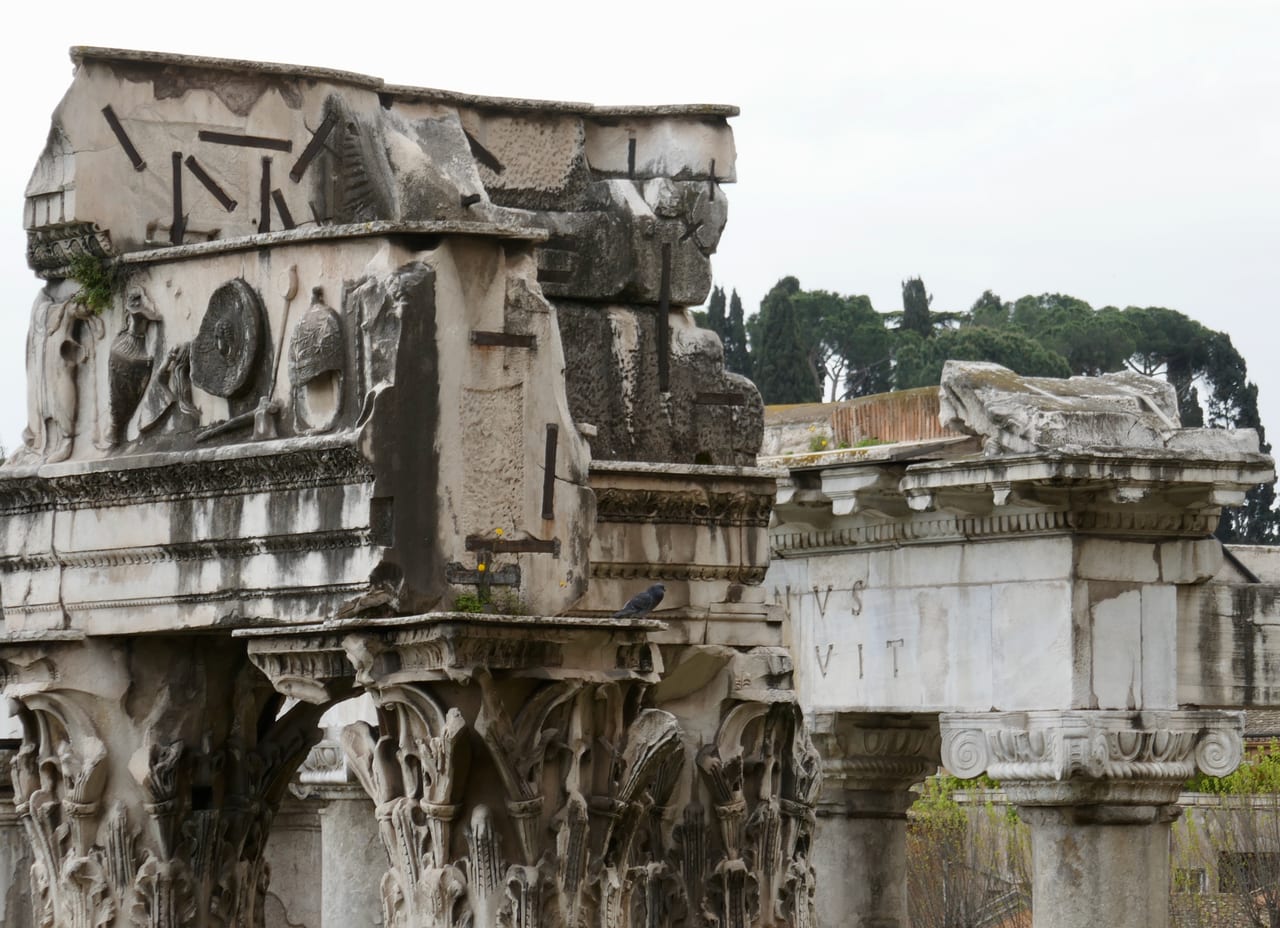
Examine the surviving entablature closely: the front carries the reworked Severan inscription, while the side frieze bears sacrificial instruments and bucrania aligned with the columns and pilasters. Notice the reconstructed stair and sections of the podium, then look into the cella for the central statue base and traces of its lower internal colonnade. Fragments of the entablature can be seen in the Tabularium gallery, accessible through the Capitoline Museums.
Places to stay near Temple of Vespasian and Titus

Live availability and prices from Stay22's partners, refreshed periodically and subject to change. Booking through these links may earn us a commission at no extra cost to you. See our privacy policy.
Cafés near Temple of Vespasian and Titus
Cafés near Temple of Vespasian and Titus loads as you scroll.
Attractions nearby
Attractions near Temple of Vespasian and Titus loads as you scroll.
Cities nearby
Cities nearby loads as you scroll.
More in Rome
See more of Rome.
Find great cafés, places to stay and other interesting places to visit in Rome.